Tag: fast food

  • Pizza Hut Owner Flynn Group Pledges $10 Million to Expand in Australia

    Pizza Hut Owner Flynn Group Pledges $10 Million to Expand in Australia

    Flynn Group will invest $10 million to overhaul Pizza Hut Australia and open 100 outlets across the country. The expansion aims to add 300 jobs and lift the chain from its current footprint of roughly 300 stores.

    US-based Flynn Group, which acquired the master franchise from private equity firm Allegro Funds in 2023, plans to roll out redesigned store layouts, updated menus and upgraded ordering hardware. The chain has traded in Australia since 1970, but recent financial filings from Flynn Group’s local operating division showed a $1 million loss for the previous financial year.

    Digital Sales And Store Redesigns

    Online channels now generate roughly 80 per cent of all sales for the brand in Australia. Flynn Group said the business has recorded seven straight years of same-store revenue growth, with average sales per location doubling over the past five years despite the recent bottom-line loss.

    “This isn’t a lick of paint; it’s a complete reinvestment in the product, the stores, and the people behind them, moving at a pace this category has never seen,” said Richard Wallis, president of Flynn Group Apac.

    Turning Around Australian Losses

    Across Asia-Pacific, legacy quick-service restaurant chains face tight margins from wage inflation and delivery aggregator fees, forcing operators to downsize dining rooms and automate order processing. Flynn Group is testing whether streamlined formats and higher store density can convert steady same-store sales momentum into sustainable net profits in a crowded fast-food sector.

    The group has not named the locations for the first batch of new outlets, leaving the timeline for reaching the 400-store mark as the primary metric for the turnaround plan.

  • Jollibee Shifts International Spinoff Listing to Hong Kong

    Jollibee Shifts International Spinoff Listing to Hong Kong

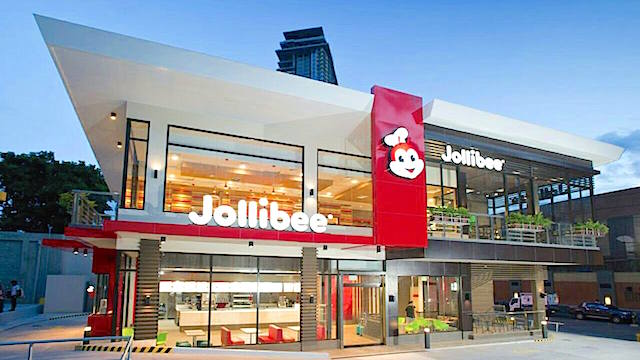
    Jollibee Foods will list its overseas business in Hong Kong instead of the United States, carving out its international restaurant operations into an independently traded entity.

    The unit, named Jollibee Foods International (JFCI), will hold all network operations outside the Philippines, while parent firm JFC keeps domestic stores and its listing on the Philippine Stock Exchange.

    Carving Out the Global Assets

    Splitting the operations creates two separate public companies with independent capital allocation and operating targets. Jollibee said Hong Kong provides direct access to Asian and global institutional funds as the chain builds its presence across North America and regional markets outside its home base.

    Hong Kong recorded $22.45 billion in initial public offerings during the first half of the year, a 57 per cent increase from the previous year and the exchange’s strongest first-half performance in five years.

    Richard Chong Woo Shin will lead JFCI as chief executive officer once the corporate separation finishes. Shin currently serves as chief financial and risk officer for Jollibee Group and will retain those duties until the restructuring concludes.

    Shifting Listing Destinations

    Consumer brands across Southeast Asia have long weighed New York listings against regional venues when seeking deeper international liquidity. By picking Hong Kong over a US exchange, Jollibee joins Asian consumer groups that favor regional trading hours and institutional investors familiar with Asian quick-service restaurant networks over the regulatory friction and compliance overhead of American bourses.

    The company is setting up internal governance, financing facilities, and operating systems for JFCI. The deal still requires formal shareholder and regulatory clearances before the company files its listing timetable with the Hong Kong stock exchange.

  • Burger King Korea Opens Seoul Flagship Store as It Chases 1.1 Trillion Won in Sales

    Burger King Korea Opens Seoul Flagship Store as It Chases 1.1 Trillion Won in Sales

    Burger King Korea will open its first global flagship store in Seoul on September 10, backing a push to reach 1.1 trillion won in annual sales.

    The quick-service operator is targeting a network of more than 600 locations across South Korea this year, up from its current footprint.

    Located in the eastern district of Seongsu, the new format trades under the name Flameground. Local operator BKR designed the venue around exclusive menu items, branded merchandise and reservation-only dining, shifting away from standard counter-service fast food into experiential dining in one of Seoul’s busiest retail corridors.

    Private equity backing and store targets

    BKR operates both Burger King and Canadian coffee chain Tim Hortons in South Korea. The company entered the country in 1984 with an initial site in Jongno, changed hands to VIG Partners in 2012, and joined Hong Kong private equity firm Affinity Equity Partners in 2016.

    Affinity attempted to divest its Burger King operations in South Korea and Japan in 2022 before pausing the auction. In June, the buyout group restarted the sale process for BKR, seeking an exit four years after first testing buyer appetite.

    Shifting format in Seongsu

    Fast-food chains across East Asia are building larger experiential flagships in high-footfall neighborhoods to protect margins against rising ingredient costs and weaker discretionary spending. Seongsu has become the preferred testing ground for experimental retail formats, drawing both domestic fashion pop-ups and international food brands trying to appeal to younger consumers.

    BKR will open Flameground on September 10, with transaction advisers watching whether the higher-margin concept supports the ongoing sale process.

  • Domino’s Cuts Discounts to Lift FY26 EBIT to $200.1 Million as Asian Earnings Jump

    Domino’s Cuts Discounts to Lift FY26 EBIT to $200.1 Million as Asian Earnings Jump

    Domino’s Pizza Enterprises lifted full-year underlying operating profit 1 per cent to $200.1 million in FY26, curbing heavy discounting and pruning underperforming stores across Asia.

    Total network sales fell 6.8 per cent to $3.87 billion, while group same-store sales dropped 4.1 per cent as the franchisor traded transaction volume for franchisee margin relief.

    Average franchise partner profitability rose 11.3 per cent across the network, pushing free cash flow to $164.1 million. The Brisbane-headquartered company captured $35.3 million in realized savings during the fiscal year toward an annualised target of $67 million, while global corporate overhead fell 5.8 per cent through stricter discretionary spending controls.

    Asia store closures lift regional margins

    Asia delivered the sharpest regional earnings rebound. Underlying earnings before interest and taxes across the Asian business climbed 19.7 per cent despite a 6.7 per cent drop in same-store sales, helped by tighter cost controls and the closure of unprofitable locations, particularly in Japan.

    Performance across Western markets was more mixed. Underlying operating profit in Australia and New Zealand slipped 5.9 per cent alongside a 4.7 per cent drop in same-store sales as the chain reduced promotional price cuts. European earnings rose 2.6 per cent against a 2.2 per cent same-store sales decline, with steady trading in the Benelux markets outweighing sluggish demand in France and Germany.

    Pricing discipline replaces mass vouchers

    The margin turnaround reflects a broad retreat from the low-price delivery wars that eroded quick-service restaurant returns across the Asia-Pacific region over the past three years. Fast-food operators in Japan and Australasia have faced stubborn ingredient costs and high delivery wages, forcing franchise systems to protect store-level solvency rather than chasing top-line market share.

    Executive chairman Jack Cowin said the company deliberately sacrificed short-term order counts to stabilize partner balance sheets. Group chief executive Andrew Gregory will now test whether the chain can rebuild customer order frequency in FY27 through menu execution and clearer base pricing without returning to blanket discount vouchers.

  • Retail Food Group EBITDA Drops 31% as Network Trims 29 Stores

    Retail Food Group EBITDA Drops 31% as Network Trims 29 Stores

    Retail Food Group posted a 31.4 per cent drop in underlying EBITDA to $20.3 million for FY26 as weak consumer spending dragged down domestic sales.

    Domestic network sales across its franchise brands dropped 3.1 per cent to $489.5 million, while same-store sales slipped 0.7 per cent over the twelve-month period.

    The company, which owns Gloria Jean’s, Donut King, Crust, Brumby’s and Beefy’s, closed 35 underperforming stores and opened six new locations during the financial year. That left the group with a net reduction of 29 outlets across Australia as management trimmed non-core real estate.

    Rolling Out Firehouse Subs

    To reverse the sales slide, the franchisor is leaning into regional expansion and imported quick-service formats. It launched the US sandwich chain Firehouse Subs in Australia during the year, opening the debut site at Mt Gravatt in Queensland. The location produced the highest opening-day sales of any international Firehouse Subs restaurant to date, the company said.

    Retail Food Group plans to have four Firehouse Subs locations trading by December. Management aims to expand that footprint to 15 stores by the end of next year.

    Cost Targets and Franchise Margins

    Multi-brand franchise operators across Asia-Pacific face squeezed household discretionary budgets and rising labor costs, pushing holding groups to prune marginal mall sites in favor of higher-volume fast-food models. The group spent recent years re-engineering legacy bakery and coffee networks to stabilize store-level profitability following earlier portfolio contractions.

    Executive chairman Peter George said trading conditions remained difficult throughout FY26, with macroeconomic pressures hitting the second half. The company is now pursuing between $5 million and $7 million in cost savings in FY27, with capital focused on franchise partner economics, cash generation and the planned December store openings.

  • Chick-fil-A Opens Second Singapore Store Under US$75 Million Asia Push

    Chick-fil-A Opens Second Singapore Store Under US$75 Million Asia Push

    Chick-fil-A opened its second restaurant in Singapore at Millenia Walk on July 30, backing a US$75 million capital commitment to expand across Asia over the next decade.

    The US fast-food chain appointed 23-year food and beverage veteran Deborah Ku as owner-operator after an 11-round interview process that screened more than 900 applicants over nearly two years.

    Single-unit operator model

    Unlike competitors that rely on master franchisees or multi-unit master developers across Southeast Asia, Chick-fil-A runs a single-operator structure. The Atlanta-based company assigns one dedicated local owner-operator to lead daily operations at each site.

    The Millenia Walk restaurant maintains standard corporate operating policies, including closing on Sundays. Prior to opening its doors, the branch donated S$25,000 to The Food Bank Singapore under the chain’s mandatory community contribution rule for new outlets. Ku adapted the menu for local palates with a Singapore Chili Sauce alongside distinct domestic architectural elements.

    Western fast-food expansion in Southeast Asia

    American quick-service brands face a fiercely competitive environment in Singapore, where high mall rents and persistent kitchen labour shortages have forced several established dining concepts to downsize or exit entirely since 2022. While rivals such as McDonald’s and KFC rely on mass-scale corporate franchising to protect margins, Chick-fil-A is testing whether high-touch individual owner-operators can carve out defensible market share in island retail hubs.

    Real estate watchers and franchisors now track site selection for the company’s next pipeline locations as it deploys the remainder of its 10-year, US$75 million regional capital pool.

  • Hong Kong Study Links Frequent Fast Food Intake to Depression Risk in Young Adults

    Hong Kong Study Links Frequent Fast Food Intake to Depression Risk in Young Adults

    Hong Kong young adults who consume fast food frequently face higher rates of depression and anxiety symptoms, according to a 142-person university study published in Nutrients.

    Depressive symptoms in the city already stand at 34 per cent and anxiety at 31 per cent, outpacing global averages. The findings arrive as quick-service restaurant chains continue to rely on youth footfall in high-density commercial districts across the territory.

    Burgers, Fries and Bubble Tea

    Researchers at the HKU School of Professional and Continuing Education and Hong Kong University tracked participants aged 18 to 27 using a 22-item food frequency questionnaire. The team split subjects into high- and low-intake brackets to evaluate how specific menu choices correlated with psychological outcomes.

    Four menu staples showed the strongest links to mental distress: beef burgers, French fries, fried chicken, and sweetened bubble tea. Each carries elevated levels of saturated fat, sodium, or added sugar.

    Sugar-free beverages showed the opposite effect. Regular consumption of unsweetened tea correlated with lower reported rates of depressive symptoms, pointing to potential protective dietary properties.

    Nutritional Imbalance and City Pressures

    High property costs and tight living spaces push many young Hong Kong workers toward cheap, calorie-dense convenience meals. Fast-food operators have built substantial market share around these budget constraints, offering rapid service at price points traditional sit-down restaurants struggle to match.

    Nutritional shortfalls compound the problem. Diets heavy in processed fats and refined sugars trigger systemic inflammation and disrupt gut health, which researchers associate with impaired neurotransmitter production.

    For food chains across East Asia, shifting consumer scrutiny toward mental wellness creates new menu hurdles. Brands that expanded aggressively across Hong Kong with high-sugar milk teas and deep-fried combos face growing pressure to formulate lower-sodium and zero-sugar alternatives.

    The research team called for larger longitudinal studies to track dietary impacts over multi-year periods as public health bodies evaluate targeted dietary advisories for young consumers.

  • Yum China Opens 300Th Pizza Hut Burger Bar as Fast-Food Demand Grows

    Yum China Opens 300Th Pizza Hut Burger Bar as Fast-Food Demand Grows

    Yum China opened its 300th Pizza Hut Burger Bar in Wuhan, expanding a side-by-side restaurant format that reached the threshold within ten months of its national rollout.

    The concept grew from zero to more than 200 locations in its first six months, relying on shared kitchen space and existing staff inside established Pizza Hut outlets to keep capital expenditures low.

    Shared Kitchens and Dough Buns

    Pizza Hut entered the burger category two years ago by using baked pizza dough as buns. The Burger Bar format formalised that experiment into a dedicated counter model, preparing patties on a hot griddle in an open kitchen beside the main dining room.

    The 300th unit in Wuhan introduced regional menu items, including a crayfish crispy lotus root cheeseburger, tailoring offerings to local tastes. Management expects total burger sales across regular restaurants and dedicated Burger Bars to top RMB1 billion (US$148.6 million) this year. That total represents between 5 per cent and 6 per cent of Pizza Hut China’s overall revenue.

    Chasing Fast-Food Growth

    Fast-food chains across Asia are leaning heavily into lower-cost, single-diner formats to capture shifting customer habits. Smaller household sizes, tight consumer budgets and a preference for fast, individual meals have turned Western fast food into a contested segment in mainland cities.

    Market researcher Emergen Research valued China’s burger sector at US$18.4 billion in 2025, forecasting an annual growth rate of 8.7 per cent through 2035. While western burger chains continue adding standalone stores, Yum China is using its existing Pizza Hut footprint to capture market share without the overhead of building new restaurant shells.

    Yum China raised its expansion targets for the broader Pizza Hut chain, aiming for more than 800 net new store openings annually in 2027 and 2028, up from its earlier guidance of 600.

  • Mom’s Touch Sees Strong Singapore Debut with Sales More Than Doubling

    Mom’s Touch Sees Strong Singapore Debut with Sales More Than Doubling

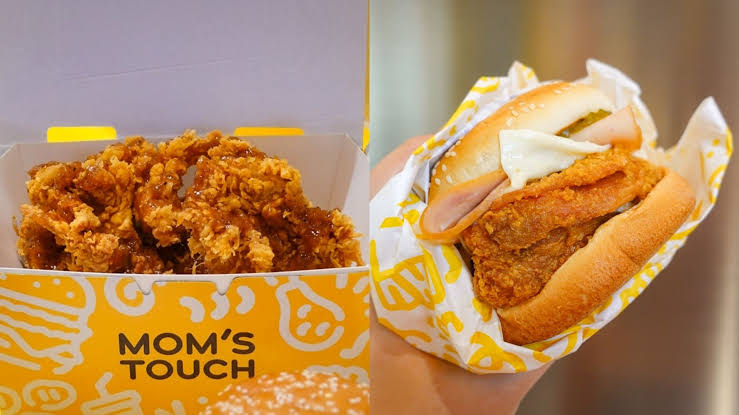
    Korean fast-food chain Mom’s Touch has reported strong initial performance for its first store in Singapore, with opening sales more than doubling its target. The outlet, located on South Bridge Road in Singapore’s Central Business District, launched last Friday and attracted over 200 diners on its opening day.

    This Singapore debut marks the first venture under a master franchise agreement between Mom’s Touch and FairPrice Group, Singapore’s largest retailer. FairPrice Group operates a diverse portfolio including supermarkets, food outlets, convenience stores, and pharmacies. Despite having a capacity of 90 seats, the store has maintained queues before opening each day, consistently exceeding its daily sales target by more than twofold during its first five days of operation.

    Local Adaptations and Expansion Plans

    Mom’s Touch dedicated over two years to developing ingredients, sauces, and a supply chain to meet halal dietary requirements and cater to local tastes in Singapore. The company ensured its signature items, such as the Thigh Burger, maintained their quality equivalent to those offered in Korea. The Singapore menu features market-specific items, including a spicy pepper-sauce burger, a fish fillet burger, and a burger with Australian Angus beef, egg, and cheddar cheese. Morning options like egg toast were also introduced to suit the store’s office district clientele. Prices for menu items range from 3.95 to 6.95 Singapore dollars.

    Dennis Quek, General Manager for Mom’s Touch Singapore and General Manager of FairPrice Group’s Kopitiam division, highlighted the aim of offering local customers a distinctive dining experience. Following this successful launch, Mom’s Touch plans to open a second store in a residential area of Singapore later this year, with broader expansion across the country slated for next year. The brand has been actively expanding its international footprint, having entered Thailand in 2022 and subsequently establishing a presence in Japan, Mongolia, Laos, and Uzbekistan. The company aims to operate 220 overseas stores by 2027.

    Asia’s Growing Fast Food Market

    Mom’s Touch’s strategic entry into Singapore, partnering with a retail giant like FairPrice Group, reflects a common approach for international brands seeking rapid market penetration and local relevance in Asia. Other global and regional fast-food chains have similarly adapted menus and forged local alliances to succeed in diverse Asian markets. RetailNews Asia has observed this trend across various F&B sectors, where localization and strong distribution partnerships are key to overcoming operational challenges and appealing to distinct consumer preferences in a competitive landscape.

  • Burger Revolution: Global Brands and Local Hotspots Lock Horns in Chinas Fast-Food Boom

    Burger Revolution: Global Brands and Local Hotspots Lock Horns in Chinas Fast-Food Boom

    The fast-food landscape in China is witnessing a dramatic shift as the burger market, once a niche segment ruled by Western giants like McDonald’s and KFC, is now attracting everyone from multinational restaurant chains to local hotpot outlets and coffee brands. The humble burger has become a hot commodity among budget-conscious consumers and smaller households, making it a fierce point of competition in the nation’s fast-food sector.

    China’s Growing Appetite for Burgers

    Yum China’s innovative Pizza Hut Burger Bar concept, offering a burger counter within an existing Pizza Hut restaurant, quickly expanded to over 200 locations within six months. By the end of 2026, the company plans to have 500-600 such outlets, accounting for roughly 10% of the total Pizza Hut store network.

    This burger boom mirrors broader changes in China’s consumption trends. Smaller household sizes and economic uncertainty are causing consumers to opt for low-cost, portable meals, consequently transforming burgers from a niche Western import into one of the most competitive segments in China’s restaurant market.

    As a result, brands are racing to capitalize on this trend. Last month, hotpot chain Haidilao diversified into the burger market with Huanxianbao, or “Fresh Burger,” a chain offering burgers along with pizza, pasta, and fried chicken. Similarly, coffee chain M Stand has begun to introduce burger-focused outlets in certain cities.

    The Economics of Burgers

    China’s Western fast-food market, valued at 499.65 billion yuan (US$74.1 billion) in 2025, is expected to reach 587.09 billion yuan by 2027. According to a survey, burgers were the top preference among consumers, with 55% of respondents selecting them. The burger category, worth $18.4 billion in 2025, is projected to grow by 8.7% annually through 2035.

    Burgers offer a value-for-money choice as consumers remain cautious about their spending. They provide a less costly alternative to full-service restaurant meals while still satisfying as a substantial meal, making them a popular choice among students and single-person households.

    Burgers also align with demographic changes, with rising numbers of smaller families, single-person households, and young urban workers driving demand for convenient individual meals. Pizza Hut, for instance, added burgers to its menu in 2024 and by 2025, burgers accounted for a considerable share of the company’s sales.

    The burger trend is not only bringing in domestic chains like Tasiting but also international brands. Notably, when U.S. chain Five Guys launched in Beijing, customers were willing to wait over two hours to be served. Wendy’s also announced plans to enter China and open up to 1,000 franchised restaurants over the next decade.

    Questions & Answers

    Why are burgers becoming popular in China?
    Economic uncertainty and smaller household sizes have led to a preference for low-cost, portable meals like burgers. These changes in consumption habits are turning burgers from a niche Western import into a highly competitive segment of China’s restaurant market.

    Who are the major players in China’s fast-food burger market?
    While Western giants like McDonald’s, KFC, and Burger King initially dominated the market, local brands like Haidilao and international brands like Five Guys are now entering the fray.

    What does the rising popularity of burgers represent?
    The growing demand for burgers reflects broader shifts in China’s consumer behavior, such as the preference for lower-cost, convenient meals that offer good value for money. It also aligns with demographic changes, including the rise in single-person households and small families.

  • Five Guys Burgers Set for Beijing Expansion Amid Uptick in US Fast-Food Foothold in China

    Five Guys Burgers Set for Beijing Expansion Amid Uptick in US Fast-Food Foothold in China

    Next month, the renowned American burger establishment, Five Guys, is all set to launch in Beijing. This event signifies the continued expansion of U.S. restaurant brands in China, undeterred by the escalating competition in the market.

    Five Guys plans to establish three eateries in Beijing’s shopping centers, strategically located in areas favored by the younger demographics. The brand’s entry into Mainland China came about in 2021, facilitated through a collaboration with local franchise operator, JumboFive. The inaugural restaurant, located at Shanghai’s Printemps Mall on Huaihai Middle Road, attracted considerable consumer attention. The brand reported that customers started lining up from as early as 2 am, enduring waits of over three hours on the opening day.

    The rapid expansion of Five Guys in China aligns with a larger trend noticed among American fast-food companies. These organizations are seeking growth opportunities in China as the prospects in the U.S. become more saturated. Domino’s Pizza China serves as a representative example, recently extending its franchise network to encompass 1550 stores. The pizza chain added a net of 235 new outlets in the first half of the year, concurrently reporting a surge in sales during the second quarter.

    In an akin move, Yum China recently decided to purchase the Pizza Hut business in mainland China from U.S.-based Yum Brands. The deal, worth US$1.2 billion in cash, aims to tap into the potential of Pizza Hut as the country’s largest casual dining restaurant brand. Last year, Pizza Hut generated a substantial revenue of $2.3 billion and an operating profit of $183 million.

    Questions & Answers

    What is Five Guys’ plan for expansion in Beijing?
    Five Guys plans to open three restaurants in Beijing, targeting shopping malls frequented by young consumers.

    How was Five Guys’ entry into Mainland China facilitated?
    Five Guys entered Mainland China in 2021 through a collaboration with the local franchise operator, JumboFive.

    What are some other examples of American fast-food chains expanding in China?
    Additional examples include Domino’s Pizza China, which expanded its network to 1550 stores recently, and Yum China, which acquired the Pizza Hut business in mainland China.

  • Five Guys Joins US Fast-Food Frenzy in China with First Beijing Outlet Opening

    Five Guys Joins US Fast-Food Frenzy in China with First Beijing Outlet Opening

    Five Guys, an American burger chain, is set to open its first outlet in Beijing in the coming month, joining a surge of American fast-food brands either entering or rapidly expanding within China. This comes on the heels of the establishment of the brand’s first Chinese outlet in Shanghai in 2021. According to a statement made by the company last week, it is aiming to open three outlets in Beijing’s prime shopping centers, primarily targeting younger consumers. Construction activities are already underway, indicating that the openings are not far off.

    American chains like Wendy’s, Chili’s, Texas Chicken, and Popeyes are all vying for a piece of the world’s second-largest consumer market as they face oversaturation in their domestic markets, according to industry analysts. Sandy Lim, a China consumer analyst at S&P Global Ratings, stated that some smaller American chains are exploring possibilities in China to counterbalance the oversaturation in their domestic markets.

    Lim elaborated, “Despite fierce competition, there are still pockets of demand within China’s large catering market.” She explained that unlike previous foreign brands that depended on direct operations overseen by overseas headquarters, exposing them to profits, losses, and market volatility, many American brands nowadays prefer franchising models.

    Wendy’s, listed on Nasdaq, announced in May its plans to open up to 1,000 stores across China in the next decade. As per its first-quarter earnings report, the company has entered into a new franchise agreement with an experienced local restaurant operator, who remains unnamed.

    In the first quarter, the burger chain’s sales, in the same stores, fell by 7.8% year on year, while its system-wide sales in international markets rose by 6% from the previous year.

    Texas Chicken, another American fast-food chain, plans to open its first Chinese outlet in Shanghai this summer. In an April statement, the company announced its partnership with Deke Shengtang, a well-established local operator with several quick-service restaurant brands, to develop a minimum of 600 restaurants across the country over the coming years.

    Chili’s, yet another American chain, opened its second store in Beijing in May. Meanwhile, the Louisiana-based fried chicken brand, Popeyes, made a comeback to Beijing in April, nearly twenty years after it left China in 2003. This chain currently has over 80 outlets in Shanghai.

    Adapting to the Chinese Market

    Fu Yifu, a special research fellow at Su Merchants Bank, noted that inflation continues to affect household spending in the U.S., while the presence of Western fast-food brands in China continues to grow.

    Early market entrants like KFC, McDonald’s, and Starbucks have developed localized franchising models to mitigate risks. Five Guys is positioning itself to appeal to quality-conscious consumers in first-tier cities. Fu emphasized that Chinese consumers are not automatically attracted to foreign brands anymore. To succeed, these brands must offer differentiated products and adopt localized operations.

    Questions & Answers

    What is Five Guys’ expansion plan in China?
    Five Guys plans to open three stores in Beijing’s popular shopping centers, targeting younger consumers. This follows the opening of its first China outlet in Shanghai in 2021.

    What strategy are American fast-food chains employing in China?
    Many American fast-food chains are opting for franchising models in China, partnering with experienced local operators. This model reduces their exposure to market volatility compared to direct operations managed by overseas headquarters.

    What approach is Five Guys taking to appeal to Chinese consumers?
    Five Guys is targeting quality-focused consumers in first-tier cities. As Chinese consumers are not automatically attracted to foreign brands, the company is focusing on offering differentiated products and adopting localized operations.

  • Burger King’s Vietnam Retreat: High-End Competition Forces Fast-Food Giant to Scale Back Operations

    Burger King’s Vietnam Retreat: High-End Competition Forces Fast-Food Giant to Scale Back Operations

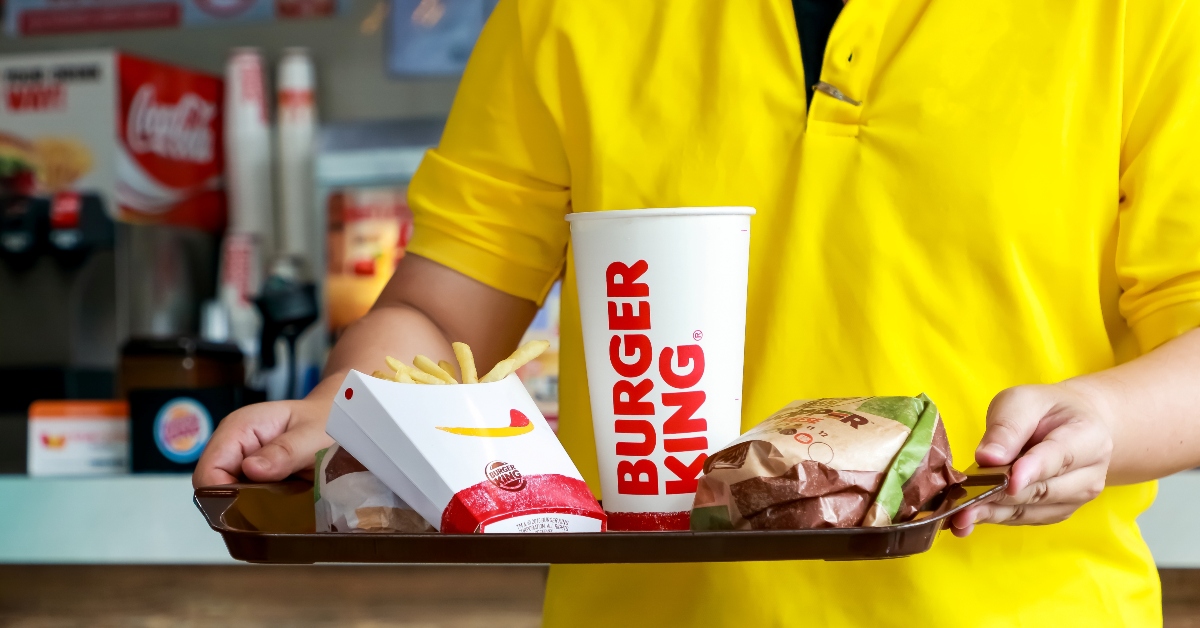
    Burger King, the renowned American fast food titan, has shuttered all its outlets in Hanoi, marking the end of over a decade-long presence in the city and simultaneously narrowing its footprint in Ho Chi Minh City.

    Shutting Down Operations

    Imex Pan Pacific Group (IPPG), the operating partner of Burger King and a local conglomerate that owns a multitude of rival retail brands, acknowledged the cessation of the brand’s operations in all Hanoi outlets roughly two months ago. The process of shutting down varied between one to two months, contingent on the particular outlet. Previously, the city had three Burger King outlets in operation.

    Presently, in Hanoi, the brand’s offerings are solely accessible through an outlet located within the city’s airport. Concurrently, operations in Ho Chi Minh City have been restrained, leaving only three outlets beyond the airport, one of which is conveniently situated in the backpacker haven of Phạm Ngũ Lão.

    The Burger King Journey

    Burger King, established in the United States in 1954, entered the Vietnamese market in 2012 via a franchise contract with IPPG. The grand opening was met with ambitious projections, with plans to establish 60 outlets within a span of five years. However, by 2016, the fast-food chain could only boast of 16 operating outlets, inclusive of one at Ho Chi Minh City’s airport.

    The expansion of Burger King in Vietnam has noticeably contracted over time, an issue some market analysts attribute to cost structures and business performance. The franchise model, based on universally accepted standards encompassing inputs, processes, and quality control, often incurs substantial operating costs. Consequently, when revenue and customer numbers fail to meet expectations, sustaining operations poses a formidable challenge.

    IPPG’s Franchise Strategy

    IPPG, from a franchise standpoint, lays emphasis on diversifying its portfolio, concentrating on the luxury retail sector, apparel, and businesses related to travel. The company, which operates over 1000 stores and collaborates with 138 brands, is progressively expanding its presence in airports, border checkpoints, and shopping centers.

    Johnathan Hanh Nguyen, the founder and chairman of IPPG, in 2019, emphasized the role of site selection in franchise operations. He identified store location, design, and service standards as key factors influencing brand visibility and overall business performance.

    Alternative Business Models

    While certain distributors prioritize scale and coverage, emerging operators such as The Kho Group (TKG) focus on lifestyle positioning, carefully curating brand selection and customer experience. Instead of a broad launch, projects are selectively implemented in cities like Ho Chi Minh City, Hanoi, Da Nang, and Phu Quoc.

    Innovative projects like Malbon are designed as lifestyle spaces with dual-level layouts and integrated community functions. This points to TKG’s strategy of scrutinizing consumption patterns and behavior prior to project launch and gauging success based on brand engagement and repeat visits rather than pure revenue.

    This varied approach highlights the different strategies towards licensing and franchising in Vietnam’s retail sector. While some prioritize network scale and foot traffic, others invest in a curated and unique offering, focusing on store design and brand experience.

    Questions & Answers

    Why did Burger King close its outlets in Hanoi?
    The closure of Burger King’s outlets in Hanoi was attributed to numerous factors including cost structures, business performance, and revenue falling short of expectations.

    What is the current state of Burger King’s operations in Vietnam?
    Burger King has scaled down its operations in Vietnam. As of now, there is only one outlet in Hanoi, located at the city’s airport. In Ho Chi Minh City, only three outlets remain.

    How do new distributors like The Kho Group (TKG) differ in their approach?
    New distributors like TKG emphasize lifestyle positioning. They focus on a careful selection of brand and customer experience, launching projects selectively in certain cities, and gauging success through brand engagement and repeat visits as opposed to pure revenue.
  • End of an Era: Lotteria Transforms into Zetteria, Marking a New Chapter in Japan’s Fast-Food Industry

    End of an Era: Lotteria Transforms into Zetteria, Marking a New Chapter in Japan’s Fast-Food Industry

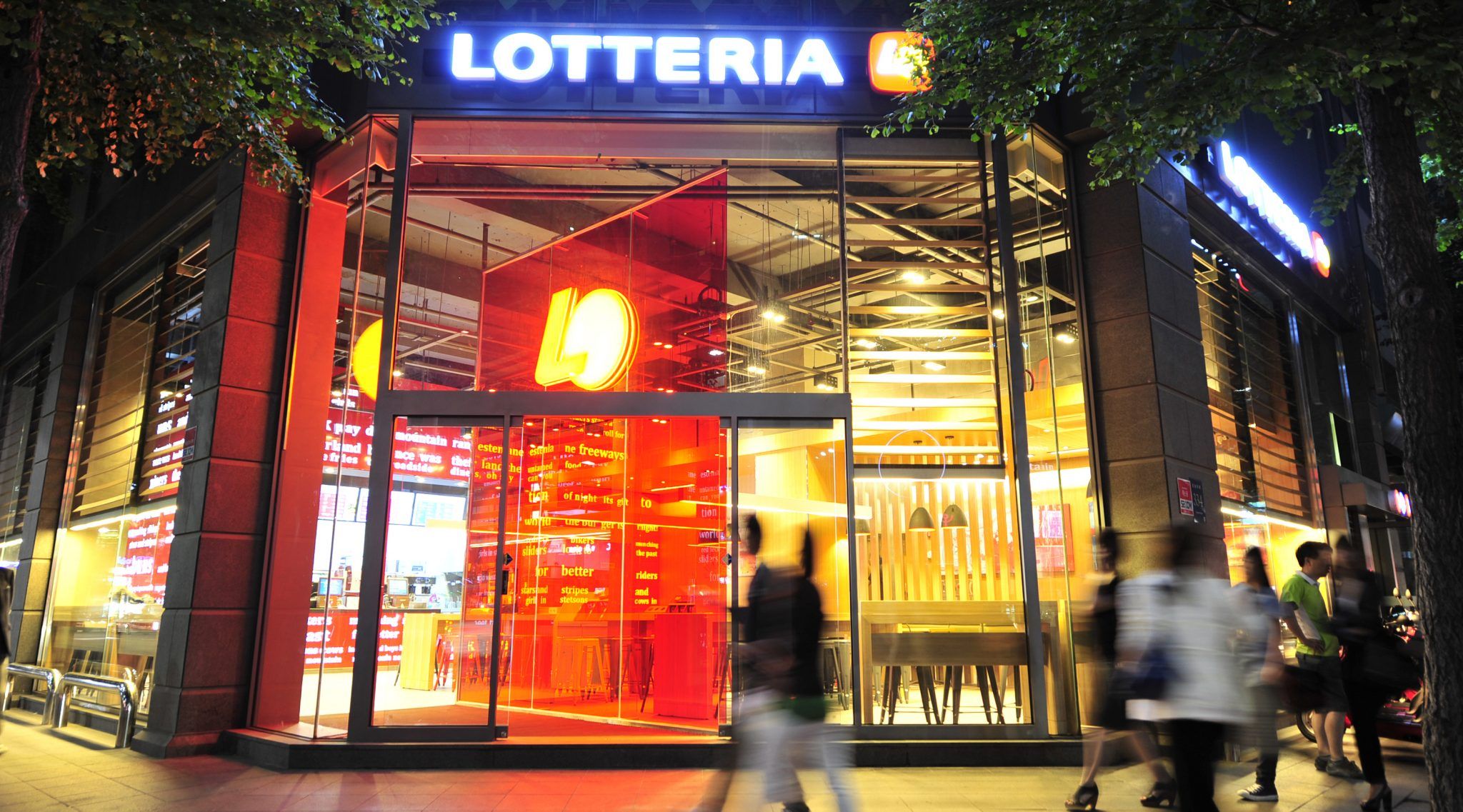
    After 54 years in operation, the popular Japanese burger chain Lotteria is set to be rebranded as Zetteria, beginning in March. The Lotteria brand first entered the market in 1972, establishing its inaugural outlet in Tokyo. The decision to retire the brand was recently taken by its operating company, Zensho Holdings.

    Zensho Holdings, a leading food service operator in Japan, took ownership of Lotteria Japan in 2023. The first Zetteria branch opened its doors in Tokyo in September of the same year. Since then, Zensho Holdings has been systematically converting Lotteria stores into Zetteria outlets. By December 2025, Japan had 106 Lotteria outlets and 172 Zetteria stores, totaling 278 locations. This places Zensho Holdings as the fourth-largest burger chain operator in the country, following McDonald’s (3,025 outlets), Mos Burger (1,309), and Burger King (337).

    The number of Lotteria outlets has seen a significant decrease in recent years, plummeting from 358 in January 2023 to 222 by June 2025, a near 40% drop in just over two years. This drop reflects not only store closures, but also Zensho Holdings’ strategic approach to transform existing outlets and alter business models.

    The Zetteria brand aims to bridge the gap between fast food and cafe dining. Expansion has been expedited by repurposing existing Lotteria locations and modifying store signage and concepts. Through the integration of the two brands, Zensho Holdings hopes to reduce costs by refining raw material procurement and logistics, while also improving operational efficiency.

    Despite the shared naming of menu items like the Zeppin Cheeseburger between Lotteria and Zetteria, the two brands previously operated separate procurement, production, and distribution systems, leading to differences in buns, patties, and sauces.

    Zetteria locations have been described as spaces that offer a dining experience beyond the typical fast food ambiance. The outlets feature spacious layouts, ample seating, understated lighting, and interiors that are reminiscent of cafes. Certain locations provide charging points for laptops and many have transitioned to table tablet ordering instead of traditional counter service.

    The menu has also seen adjustments. While basic burgers start at JPY250 (US$1.58), the signature Zeppin Beef Burger is priced at JPY540, making it more expensive than the previous offerings of Lotteria. The brand has also introduced premium, limited-time items such as roast beef burgers.

    Industry experts view the rise of Zetteria as indicative of broader changes within Japan’s fast food sector, as more operators seek to offer more than just quick, inexpensive meals. Zetteria is seen as an experimental brand aiming to occupy a new position as both a fast food restaurant and a cafe.

    Questions & Answers

    What is the reason for Lotteria’s rebranding as Zetteria?
    The change was part of Zensho Holdings’ strategy to transform existing outlets, improve operational efficiency, and cut costs by streamlining raw material procurement and logistics.

    What makes Zetteria different from Lotteria?
    Zetteria aims to bridge the gap between fast food and cafe dining. Outlets offer spacious layouts, ample seating, understated lighting, and interiors that are reminiscent of cafes. The menu also includes premium items, with the signature Zeppin Beef Burger priced higher than Lotteria’s previous offerings.

    How has the fast food sector in Japan been evolving?
    The rise of brands like Zetteria represents a shift in Japan’s fast food sector, with more operators seeking to offer experiences beyond just quick, inexpensive meals. Zetteria is seen as an experimental brand aiming to occupy a new position as both a fast food restaurant and a cafe.

  • Yum China Breaks into Burger Business with V Burger: A Fresh Spin on Fast Food Amidst Rising Market Competition

    Yum China Breaks into Burger Business with V Burger: A Fresh Spin on Fast Food Amidst Rising Market Competition

    Yum China, recognized as the chief operator of Pizza Hut on the Chinese mainland, has recently launched two independent V Burger locations in Futian and Longhua districts in Shenzhen. This move establishes the brand’s inaugural foray into the dedicated burger restaurant sector within the nation.

    The V Burger approach leans towards a Western-style concept and mainly caters to individual eaters and small groups of diners. The newly implemented menu features a variety of around ten different freshly made chicken and beef burgers. Prices for these items range from 23 to 42 yuan (equivalent to US$3.29 to US$6.01), resulting in an average expenditure of 32.5 yuan per diner.

    This new venture aligns with Yum China’s wider strategy of multi-brand expansion. This strategy has been evidenced by recent introductions of brands like KCoffee, Kpro, and the KFC Fried Chicken Brothers concept.

    Industry insiders have revealed that the company’s entry into the burger market has been in the planning stages for a considerable duration. Since December 2023, Pizza Hut has initiated a testing phase for a “pizza burger” series in selected cities. This series has comprised of four different types of burgers which were priced between 20 and 30 yuan each.

    The introduction of V Burger is timely as both international and domestic fast-food chains are currently vying intensely for a greater share of the Chinese consumer market. A report by Daxue Consulting suggests that China’s fast-food market was worth RMB1.28 trillion in 2023 and forecasts further growth, powered by increased demand from smaller, lower-tier cities.

    Competition within the sector is becoming increasingly fierce. As an indication of this, Burger King divested its controlling stake in China in November, opting to establish a joint venture instead. The company also announced its strategy to double its outlet numbers within half a decade, with the goal of having more than 4000 outlets by 2035.

    Questions & Answers

    What is Yum China’s latest venture in the Chinese market?
    Yum China has recently opened two standalone V Burger outlets in Shenzhen’s Futian and Longhua districts. This is the brand’s first dedicated foray into the burger restaurant sector within the country.

    Who is the target market for V Burger?
    The V Burger concept primarily caters to solo diners and small groups, offering a variety of freshly prepared chicken and beef burgers.

    What is the significance of the V Burger launch?
    The rollout of V Burger comes at a time when international and domestic fast-food chains are fiercely competing for Chinese consumers. It is a part of Yum China’s broader multi-brand expansion strategy which includes brands like KCoffee, Kpro, and the KFC Fried Chicken Brothers concept.