Tag: fast food

  • Kyochon Chicken Re-Enters Japan with Arai Shoji Partnership

    Kyochon Chicken Re-Enters Japan with Arai Shoji Partnership

    South Korean fast-food chain Kyochon Chicken signed a franchise agreement with Japanese distributor Arai Shoji to re-enter the Japanese dining market. The plan targets a Tokyo opening in the first half of 2027.

    The deal establishes a multi-unit franchise model that grants regional operating rights across Tokyo. It sets up a pipeline for phased expansion into surrounding cities.

    Multi-unit structure replaces single-store bet

    Kyochon F&B signed the memorandum of understanding with Kanagawa-based Arai Shoji on September 29. Under the arrangement, the Japanese trading house will handle regional store operations, site selection, staff training and local marketing. Kyochon oversees sauce formulation and kitchen preparation standards.

    Arai Shoji brings existing supply chain infrastructure to the rollout. Founded in 1920 as an auction and distribution business, the company acquired Korean food importer Ongane Holdings in 2020. It entered direct food service in 2024 by opening a specialty waffle concept. That network gives Kyochon direct access to established wholesale channels for Korean ingredients rather than building a logistics pipeline from scratch.

    We have laid the groundwork for market entry through collaboration with a partner that has strong local distribution networks and a deep understanding of Korean food products.

    Correcting the 2015 Roppongi missteps

    This venture represents Kyochon’s second attempt to establish a permanent presence in Japan. The chain first entered Tokyo in December 2015 with a flagship store in Roppongi alongside local partner Food Planet. That outlet closed in September 2016 after nine months of trading.

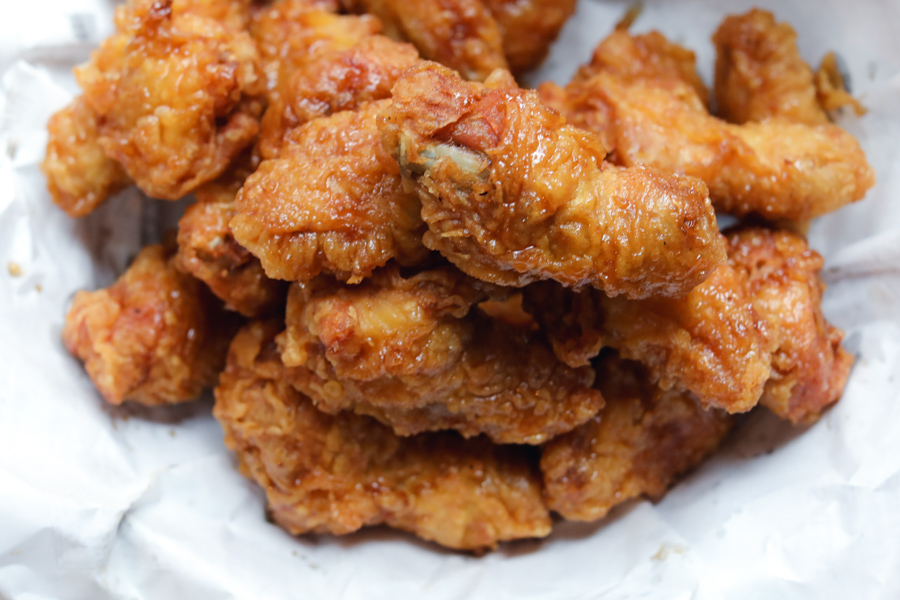
    Misaligned pricing and high real estate costs doomed the initial run. The Roppongi outlet priced an 18-piece wing platter at ¥1,800, roughly $11 at the time. That was nearly twice the retail price charged across its domestic South Korean network. Side dishes such as pickled radish, provided complimentary in Korea, were billed at ¥280. Food Planet subsequently ran into financial difficulties and was delisted from the Tokyo market in 2017.

    Domestic saturation forces regional expansion

    South Korean fried chicken chains face severe margin compression and store saturation at home. Domestic franchise territories are densely packed. Operators have limited headroom to add outlets without cannibalising existing franchisees. Moving into neighbouring Asian markets has become an operational necessity for top-tier Korean fast-food operators looking to sustain system-wide sales growth.

    Japan presents substantial structural hurdles despite growing consumer familiarity with Korean dining concepts. Foreign operators face slim margins. Tokyo brings high prime commercial rents, chronic kitchen staffing shortages across metropolitan centres and entrenched competition from domestic karaage chains. Kyochon’s success rests on whether Arai Shoji can price the menu competitively against local convenience chains and specialty chicken shops while absorbing central Tokyo overheads.

    Next steps for the Tokyo pipeline

    Site selection for the initial Tokyo restaurant is currently being finalised ahead of the planned launch in early 2027. Kyochon and Arai Shoji are reviewing locations. Once the flagship opens, the partners will evaluate operational data and store-level margins before committing capital to secondary locations in adjacent prefectures.

  • Domino’s CEO Andrew Gregory Takes Control of ANZ as Merrill Pereyra Exits

    Domino’s CEO Andrew Gregory Takes Control of ANZ as Merrill Pereyra Exits

    Domino’s Pizza Enterprises Group CEO and Managing Director Andrew Gregory has taken direct control of the Australia and New Zealand business, effective immediately, to accelerate the company’s reset plan.

    The move follows a mutual agreement for ANZ CEO Merrill Pereyra to leave the business after being appointed to the role earlier this year.

    Pereyra, who holds more than 30 years of quick-service restaurant experience, led a phase focused on reducing costs, paying down debt, strengthening cash flow, and improving franchise partner returns while Domino’s searches for a successor.

    Management shift at the regional unit

    The sudden change puts group-level leadership back into direct line management over the home territory. Regional operations teams will report directly to Gregory while the board conducts an executive search.

    Pereyra previously served as chief executive of Domino’s Pizza Indonesia and held regional leadership roles at McDonald’s across a 30-year industry career. His brief tenure running the Australia and New Zealand business focused on stabilizing unit economics after successive margin squeezes.

    “The reset has established a stronger foundation for the business and remains on track,” chairman Jack Cowin said. “Australia/New Zealand is critical to the Group’s success, and the Board supports Andrew taking direct responsibility to increase the pace of execution while maintaining a clear focus on sustainable, profitable growth for franchise partners.”

    Restructuring and franchisee economics

    The company’s reset plan centers on four financial levers: cutting overhead costs, accelerating debt paydown, lifting free cash flow, and restoring store profitability. Ingredient inflation and higher labor costs strained store margins across Australia and New Zealand over recent trading periods.

    Direct corporate intervention in divisional management signals that the board wants faster cost discipline. Franchisee relations remain the primary operational risk. Store owners need immediate relief on input costs and delivery margins to protect cash returns.

    Quick service restaurant leadership

    Gregory brings extensive quick-service restaurant experience to the operational post, including a previous stint as chief executive of McDonald’s Australia. That background gives group management deep familiarity with franchised supply chains, digital ordering platforms, and local store marketing.

    Fast-food operators across the region face a more cautious consumer base cutting back on discretionary deliveries. Competitors have leaned heavily on price discounts and value bundles. This forces franchisors to balance transaction volume against franchisee gross margins.

    Search for permanent leadership

    Domino’s Pizza Enterprises confirmed the search for a dedicated regional chief executive is underway. The existing divisional leadership team will maintain daily field support and supply logistics during the transition.

    Progress under Gregory will hinge on how quickly store profitability recovers before a new regional chief executive steps in.

  • Australian Counterfeit Banknotes Surge to Eight-Year High of 20 Notes per Million

    Australian Counterfeit Banknotes Surge to Eight-Year High of 20 Notes per Million

    Australian authorities detected 40,613 counterfeit banknotes in the 12 months to March 31. That pushed fake cash rates to their highest level since June 2018.

    The detection rate reached 20 notes per million in the March quarter. That is up 277 per cent in 15 months from a low of 5.3 notes per million in December 2024. Reserve Bank of Australia data shows fifty and one hundred dollar denominations accounted for 95 per cent of all seized counterfeits.

    Criminal syndicates are targeting high-turnover consumer businesses to convert fraudulent high-denomination notes into genuine legal tender and merchandise. Retailers receive zero reimbursement for accepted fake bills. Store operators absorb the full direct loss at the point of sale.

    Inflow through air cargo and mail

    Border authorities identified international logistics networks as the primary conduit for the influx. The Australian Border Force reported that counterfeit currency worth millions entered the country through air cargo consignments and international postal streams starting in early 2025.

    Importers are using more sophisticated physical concealment inside regular freight to bypass automated border screening. Law enforcement agencies warned that manufacturing standards have climbed. The higher quality makes fraudulent bills harder for retail cashiers to identify during fast transactions.

    Officials noted there has been a concerning improvement in the quality of counterfeit notes entering distribution channels.

    Retailers bear the frontline losses

    Regional retail stores, independent service stations, and hospitality venues face the sharpest exposure. In August, South Australian police charged a 32-year-old man for allegedly circulating bogus $50 bills across licensed venues, a petrol station, and shops in Mount Gambier.

    Queensland police made a separate arrest in Roma after an individual allegedly passed counterfeit $50 notes across two discount variety stores before trying to use another at a local hotel. Peer-to-peer sellers on online marketplaces have logged similar losses after handing over consumer goods for counterfeit cash.

    Large quick-service restaurant chains hold an operational advantage over smaller operators in managing this risk. Selected McDonald’s outlets and drive-through operators across Australia have run specialized counterfeit detection devices at their registers for more than ten years.

    Upgraded polymer security features

    The circulation spike comes despite Australia’s multi-year investment in polymer banknote security. The Reserve Bank of Australia rolled out its next generation banknote series between 2007 and 2020, upgrading earlier polymer designs first engineered with the CSIRO in the 1990s.

    Those newer notes feature a clear top-to-bottom window, reversing numerals, microprint, and UV-fluorescent patterns. They also carry a dynamic holographic flying bird that changes colour when tilted. Both the original 1990s polymer releases and the upgraded generation remain concurrent legal tender.

    Dual circulation creates an operational loophole. Fraudsters often replicate older polymer formats to bypass the advanced optical elements found on the newer series.

    Manual checks at checkout counters

    Central bank guidance advises retail staff to apply a three-step verification method: feel the plastic texture, hold the note to the light to confirm the clear window elements, and tilt the bill to inspect dynamic colour patches. First-generation polymer bills display a printed star and coat of arms within the window.

    Merchant protocols direct employees to refuse suspicious cash if safe to do so, record transaction details, and hand disputed notes directly to state or territory police. Operators can also file formal counterfeit detection forms through the Australian Federal Police.

    Retail loss-prevention teams are now watching upcoming quarterly Reserve Bank release data to track whether border interdictions successfully curb the circulation rate back toward its 2024 baseline.

  • Figaro Culinary Group Plans Exit from Philippine Stock Exchange at P0.82 a Share

    Figaro Culinary Group Plans Exit from Philippine Stock Exchange at P0.82 a Share

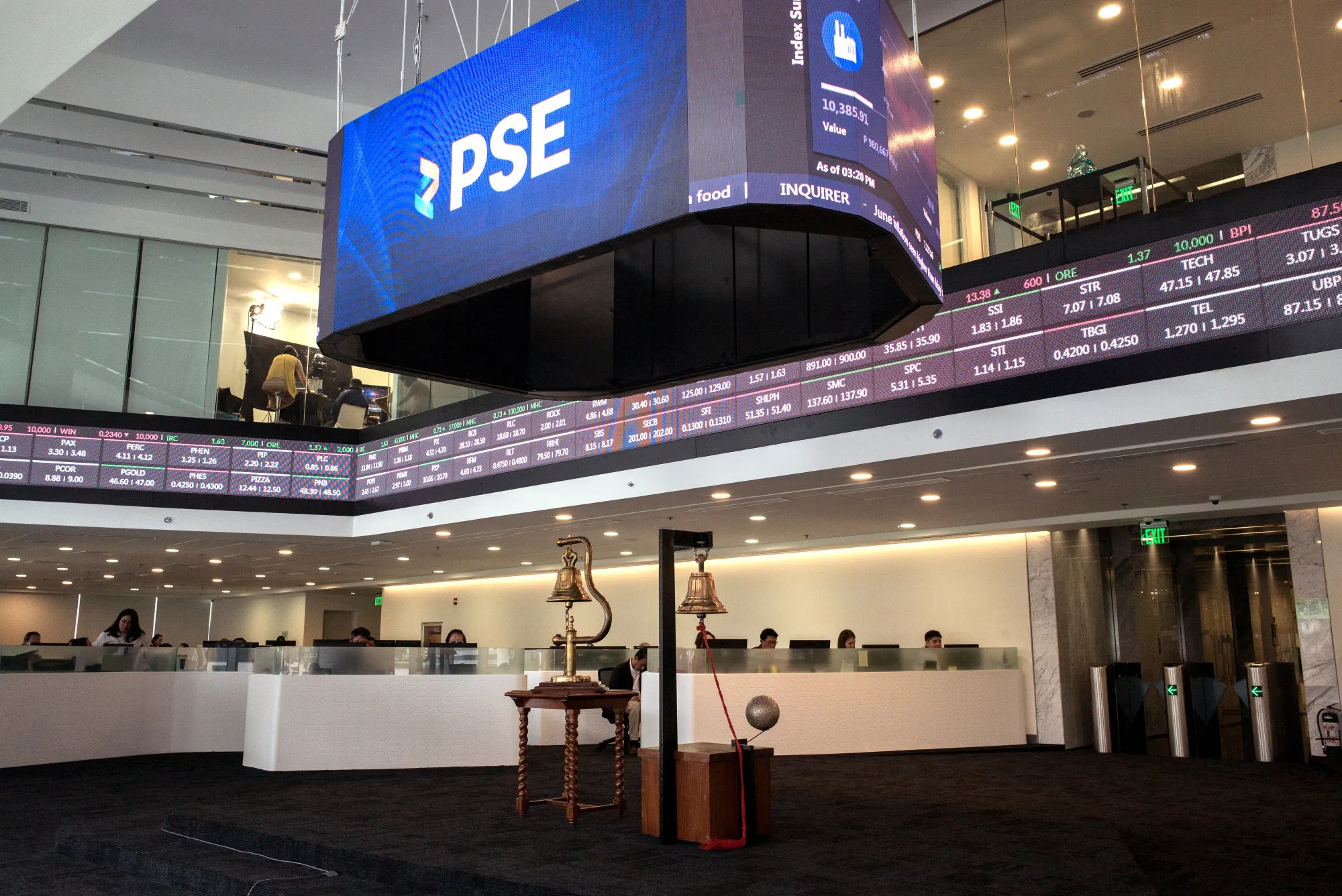
    Figaro Culinary Group plans to voluntarily delist from the Philippine Stock Exchange. The restaurant operator is offering minority investors P0.82 per share to go private.

    At that price, the buyout tops the company’s January 2022 initial public offering level of P0.75. That listing raised P767 million for store expansion across the Philippines.

    Terms of the buyout and major holders

    Operating unit Figaro Coffee Systems will run the tender offer for public minority shares. Three major shareholders will not participate: Carmetheus Holdings, Camerton, and food conglomerate Monde Nissin.

    Monde Nissin, which makes Lucky Me! Noodles and SkyFlakes crackers, bought a 15 per cent stake for P820.3 million in 2023. That deal valued the shares at P1.00 each. It sits well above the current tender offer.

    Shifting priorities across Philippine dining

    Going private gives management room to expand its brand portfolio away from daily market scrutiny. Southeast Asian restaurant chains face stiff competition in quick-service dining. Store buildout costs and franchise support demand fast capital allocation rather than quarterly earnings management.

    Angel’s Pizza now drives the group’s expansion, overtaking the original Figaro Coffee concept in store count and system sales. Leaving the exchange frees up internal cash for delivery infrastructure and fast-turnover kitchens without public reporting friction.

    Path to delisting and shareholder vote

    Trading in Figaro shares was halted on October 8 after the board approved the exit plan. The company joined the PSE in January 2022 with a multi-brand lineup that also includes Tien Ma’s Taiwanese Cuisine and Koobideh Kebab.

    Delisting requires shareholder approval and a combined ownership stake of at least 95 per cent between Figaro Coffee Systems and the non-participating anchor investors. Stockholders will vote on the proposal at a special meeting on November 13.

  • McDonald’s Supplier HyFun Plans USD 208 Million India IPO

    McDonald’s Supplier HyFun Plans USD 208 Million India IPO

    Indian food processor HyFun now plans to raise USD 208 million through an initial public offering in Mumbai. The company supplies french fries and potato products to fast-food chains, including McDonald’s, across domestic and regional markets.

    The listing targets fresh capital to expand processing plants and cold-chain capacity across Indian agricultural hubs. Procurement volumes are climbing. Multinational quick-service operators continue to fuel demand through higher restaurant footfall and rapid menu expansion.

    Capital for food processing scale

    HyFun links contract farming directly with industrial food manufacturing. Supplying high-volume quick-service restaurant networks requires dedicated cold-storage facilities, temperature-controlled logistics, and strict agricultural quality controls. These operations demand heavy upfront capital.

    Equity funding allows food processors to lower borrowing costs while building specialized production lines. Raising public capital also creates a balance-sheet cushion. That financial buffer helps suppliers manage raw material price swings and farm-level supply disruptions.

    Fast-food supply chain pressures

    Quick-service operators in India have accelerated store openings across regional hubs and suburban retail corridors. Chains like McDonald’s depend on local processing partners to protect margins against import tariffs and currency swings.

    A well-funded domestic supplier eliminates procurement bottlenecks and stabilizes ingredient pricing for restaurant chains. It also raises the competitive bar for rival food manufacturers. Unlisted processors now face pressure to secure private equity backing or consolidate operations.

    Shifting risk for food investors

    Raw potato price volatility and agricultural yields remain the primary operating risks. Both depend heavily on seasonal monsoon patterns and regional climate shifts. When harvests falter, processors locked into long-term supply contracts with fast-food brands must absorb the cost spikes.

    Institutional appetite for consumer-facing food supply businesses remains strong in Mumbai. Funds continue to back agricultural supply chain companies that hold multi-year delivery agreements with global restaurant brands.

    Next steps for the listing

    HyFun built its business supplying frozen french fries and potato snacks to quick-service chains, grocery retailers, and export markets. Plant expansions in Gujarat now support international buyers across Southeast Asia and the Middle East alongside domestic accounts.

    Draft red herring prospectus filings with the Securities and Exchange Board of India will detail the final issue size, primary share sales, and secondary promoter stake sales. Market participants will watch the formal filing date and the split between fresh capital expenditure and existing shareholder exits.

  • McDonald’s Australia Removes TV Ad for Breaching Child Targeting Standards

    McDonald’s Australia Removes TV Ad for Breaching Child Targeting Standards

    McDonald’s Australia has removed a television advertisement promoting its Birdie’s Brekkie Meal after regulators found it breached advertising standards for targeting children.

    In October 2026, the Ad Standards Community Panel upheld complaints against the campaign, ruling that its cartoon animations, bright colours, and catchy song held significant appeal for younger viewers.

    Nostalgia Defence Fails Watchdog Review

    McDonald’s defended the creative by arguing the ad featured adult settings without children and was only placed in broadcast slots where predicted child viewership did not exceed 25 per cent.

    In formal submissions to the watchdog, the chain said the ad featured adult work settings such as construction sites, offices, and morning commutes. Media buys excluded time slots where children under 15 made up 25 per cent or more of the forecast audience. The company also argued packaging used a retro diner format rather than a Happy Meal toy or children’s incentive.

    Regulators rejected those arguments after reviewing viewer complaints. The panel found the product failed to meet the Food Standards Australia Nutrient Profile Scoring Criteria for healthy classification. That categorised it as an occasional food.

    Animation and Colour Palette Scrutinised

    Panel members found the creative execution overpowered the adult broadcast placement. The commercial showed Birdie flying across real-world backdrops. Urban streets turned into animated cartoon sequences, and Birdie steered a flying commuter bus into a drive-thru.

    A vibrant palette, cartoon sound effects, a theme song, and visuals like a pink blended beverage created strong appeal for minors. Viewers also reported seeing the broadcast during standard dinner hours. That increased child viewership beyond baseline projections.

    Children would naturally respond to the cartoon format and meal presentation even without recognising the legacy character, the watchdog concluded.

    Fast-Food Marketing Under Regional Pressure

    Fast-food chains across Asia-Pacific face tightening boundaries on how animated mascots and legacy intellectual property appear on television and social media. Retro characters carry operational risk when watchdogs assess visual appeal separately from target demographics.

    The ruling sets a strict precedent for quick-service operators and creative agencies. Nostalgia campaigns using cartoon animation will struggle before advertising review boards if the food fails standard nutrient profiling models, even without toys included.

    Repeated Regulatory Setbacks in Australia

    This breakfast ad withdrawal follows a separate ruling against McDonald’s in August. Ad Standards forced the chain then to amend television and digital commercials promoting its McDelivery service after finding the campaign misleading.

    McDonald’s accepted the breakfast ruling and withdrew the commercial from broadcast networks across Australia. The company confirmed it will maintain compliance with Australian Association of National Advertisers codes across active campaigns.

  • McDonald’s Uses AI to Guide Menu Prices Across Global Markets

    McDonald’s Uses AI to Guide Menu Prices Across Global Markets

    McDonald’s is increasingly deploying artificial intelligence to guide menu prices across the US and international markets, according to reports in September 2026.

    The system supercharges pricing models by estimating how much each store’s patrons are willing to pay, a move designed to lift headquarters’ profit.

    How the Pricing Engine Operates

    However, the extensive use of AI risks alienating customers and attracting antitrust scrutiny, while franchisees report mounting corporate pressure over local pricing decisions.

    Price gaps between nearby outlets have widened under the algorithm. In Fresno, California, a company-owned branch listed a Big Mac at $5.69. Another company store two miles away charged $6.89. That is a 21 percent price premium for the same product.

    Franchise Rules and Compliance Tracking

    Corporate executives maintain that operators retain legal discretion over menu pricing. Even so, store owners report institutional pressure to adopt the algorithmic recommendations. Internal documentation from June confirms headquarters logs specific instances where franchisees deviate from recommended figures.

    Under business standards enacted in January, franchise operators must constructively engage with corporate-approved pricing consultants and digital tools. McDonald’s defended the system as an advisory tool rather than a mandate, designed to help operators navigate varying overheads and distinct trade areas.

    Operator Margins and Market Friction

    Centralized algorithmic models shift pricing control away from local store operators. Across developed Asian markets like Japan, Australia and Singapore, automated yield management tests consumer tolerance. Franchise networks in these markets already face elevated labor and supply chain costs.

    Quick-service brands risk swift pushback whenever digital systems create visible price gaps across nearby postal codes. Rival chains Wendy’s and Burger King confirmed they do not use automated artificial intelligence tools to alter menu pricing. Both chains are positioning themselves against algorithmic adjustments.

    The Race Toward Automated Restaurant Tech

    Fast-food conglomerates have accelerated investments in predictive automation over the past two years. The goal is protecting gross margins while testing value propositions for cost-conscious diners. Yum Brands, operator of KFC and Taco Bell, has similarly expanded artificial intelligence deployments across its global store network to streamline operational decisions.

    Presentations from corporate executives show earlier affordability initiatives aimed at retaining traffic among lower-income demographics. Investor filings show headquarters views the technology as essential to defending systemwide volume without sacrificing royalty receipts.

    Regulators and consumer protection bodies continue to review dynamic and algorithmically generated pricing structures across retail sectors. Attention now shifts to fourth-quarter store profitability reports and franchisee compliance metrics as operators evaluate how local foot traffic responds to neighborhood price adjustments.

  • 7-Eleven Japan Expands In-Store Pizza Size by 30 Percent at Unchanged Prices

    7-Eleven Japan Expands In-Store Pizza Size by 30 Percent at Unchanged Prices

    7-Eleven Japan expanded the surface area of its in-store baked pizzas by approximately 30 percent across its network on 15 September. Retail prices stayed flat.

    Customers still pay 780 yen for the Margherita option. The Teriyaki Chicken variation remains 880 yen.

    Baking Specs and Packaging Adjustments

    Each revised pizza measures roughly 23 centimetres across. That is an increase in diameter of about three centimetres, or 15 percent. The operator raised dough moisture levels to produce a denser, chewier crumb while maintaining baseline crust thickness. Staff bake the items on demand using dedicated high-heat ovens behind store counters.

    Alongside the resizing, the chain replaced its custom octagonal takeaway box with a standard square carton. The change simplifies assembly and trims packaging overhead. That helps offset the cost of the larger dough portion.

    Convenience Stores Pressing into Quick Service

    Convenience operators across East Asia are pushing deeper into territory traditionally held by quick-service restaurants. Baking fresh items on site rather than relying strictly on chilled commissary meals helps 7-Eleven capture higher ticket averages during evening meal hours. The pizzas also feed directly into the proprietary 7NOW app, which handles local delivery from store inventory.

    Operational risks remain at the store level. Adding bulky bakery items and dedicated ovens squeezes prep space in standard Japanese convenience store footprints. At the same time, labour shortages limit staff availability during peak lunch and dinner rushes.

    Prior Formats and Menu Testing

    Seven & i Holdings continues to push prepared-to-order hot foods across its domestic network. The company opened its next-generation SIP format store in March 2024 to test broader fresh food assortments. It followed that launch with expanded trials of western-style items, including specialised bakery goods and hot sandwiches.

    Management is monitoring consumer uptake across urban outlets. Future store equipment orders will tie directly to 7NOW delivery volume through the final quarter.

  • McDonald’s Tests Third-Party Ads on Screens Across 13,700 US Stores

    McDonald’s Tests Third-Party Ads on Screens Across 13,700 US Stores

    McDonald’s is testing third-party ads on digital menu boards and ordering kiosks in select company-owned US restaurants. The trial targets the gap between payment and collection across a domestic footprint of more than 13,700 outlets.

    Drive-thru boards and self-service kiosks display commercial promos once a customer completes an order. Reserving that post-purchase window for outside brands lets the chain build a high-margin ad business without slowing down the ordering queue.

    Sales growth has decelerated sharply. Second-quarter global comparable sales rose 1.3 per cent for the period ended June 30. Domestic comparable sales slowed to 0.8 per cent, down from 3.9 per cent in the first quarter.

    Turning Customer Wait Times into Ad Inventory

    The system relies on idle visual time. After an order is logged and paid for, the display switches from item selection to third-party commercials while the kitchen prepares the meal.

    McDonald’s reaches roughly 26 million daily customers in the US. It interacts with nearly 90 per cent of the country’s population each year. That physical footfall provides an audience density rival digital networks struggle to match at the point of sale.

    A company spokesperson confirmed the test in an email statement:

    “This limited menu board advertising pilot at select company-owned restaurants is exploring ways to share post-purchase content that customers may find helpful, relevant, or interesting, while ensuring the McDonald’s experience remains at the center of every visit.”

    The Push into In-Store Retail Media

    Supermarket operators have spent years converting aisle footfall into retail media revenue. Media margins now generate between 3 per cent and 10 per cent of total operating profit for grocers, according to McKinsey & Co.

    Fast-food chains have lagged behind supermarkets in building dedicated advertising arms. A study by Forrester Consulting found restaurant operators have been slow to commercialise transaction data and screen interactions, leaving physical point-of-sale displays underutilised.

    In-store hardware is already deployed. Digital board rollouts began roughly a decade ago. By 2019, dynamic screens sat in more than 11,000 drive-thru lanes alongside self-ordering kiosks inside dining rooms.

    Implications for Asian Master Franchisees

    Asian master franchisees and licensed operators could use the pilot as a blueprint to extract auxiliary revenue from capital-intensive store refits. High-density markets such as Japan, South Korea, Taiwan and the Philippines already run heavily digitised ordering environments with dense foot traffic.

    Monetising screen real estate introduces friction with store operations. Franchisees run the vast majority of outlets globally. Operators will demand a clear split of ad revenues if corporate headquarters mandates third-party messaging on store hardware.

    Clutter presents another hurdle. Displaying non-food advertisements in dining areas risks degrading store environments. Promoting outside consumer goods at drive-thrus can also distract drivers during meal rushes, forcing operators to balance ad income against speed-of-service metrics.

    Traffic Squeeze and Hardware Modernisation

    Mounting margin pressure from rising input costs and softening store traffic drove the ad pilot. McDonald’s responded earlier this year by introducing value-oriented meal bundles to counter customer resistance to menu price increases.

    Modernising the digital footprint formed the first phase of this strategy. Over the past decade, capital poured into indoor touchscreens, drive-thru automation and mobile loyalty programmes to lower labour requirements and capture first-party consumer data.

    An investor day, the company’s first in three years, is scheduled for September 23. Management is expected to outline whether third-party screen advertising will expand across franchised locations or remain confined to company-operated pilot stores.

  • NakNak Expands Malaysian Menu with Ultimate Cheese Bomb and New Sides

    NakNak Expands Malaysian Menu with Ultimate Cheese Bomb and New Sides

    Malaysian fast-casual operator NakNak expanded its domestic menu on September 21, 2026. The chain rolled out a cheese-loaded fried chicken line priced from RM24.90 alongside new dessert and salad options.

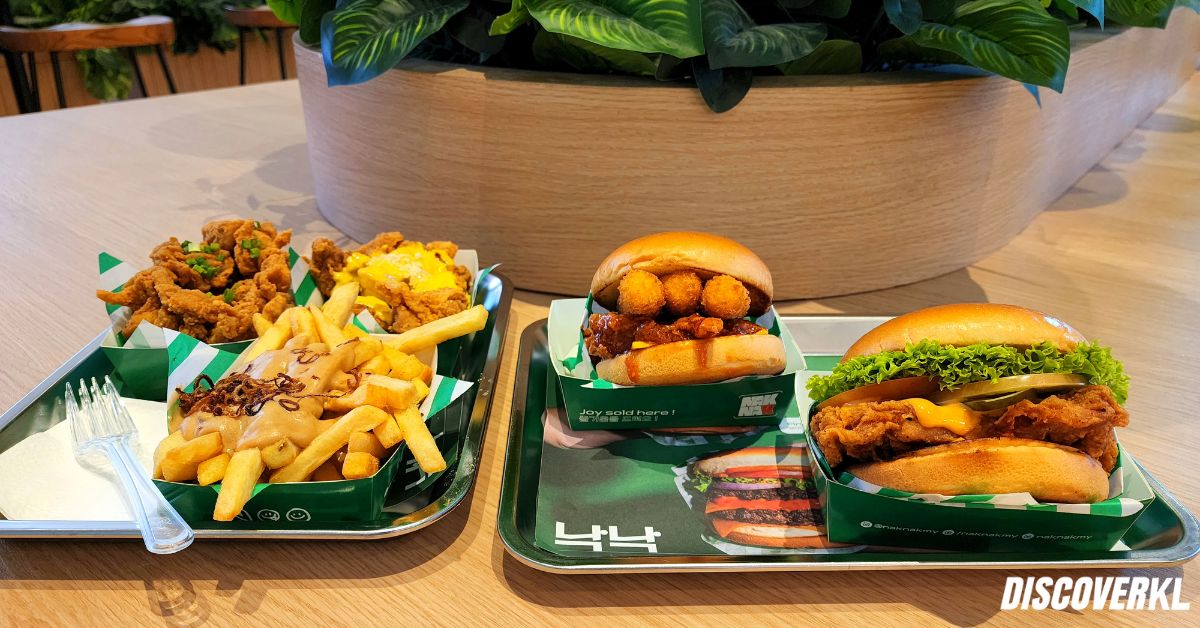
    The limited-time Ultimate Cheese Bomb pairs fried chicken and fries with melted mozzarella. The launch targets higher evening ticket sizes across the brand’s Malaysian footprint.

    Pricing and menu mechanics

    NakNak structured the launch across two price tiers. The Original Ultimate Cheese Bomb starts at RM24.90, combining Korean fried chicken and fries with melted mozzarella. The Spicy version lists from RM26.90, swapping in the brand’s Spicy Gochujang Nak Dak sauce. Diners can also add an extra Ultimate Cheese Bomb Sauce portion for RM8.00.

    To capture multi-item orders, the chain introduced lower-cost sides and sweets. The Shake Shake Salad retails from RM9.90 with Korean or sesame dressing, or RM12.90 bundled with a carbonated soft drink. Extra dressing cups cost RM1.50. For dessert, the Joy Cookie Tiramisu lists at RM12.90 to anchor the sweet end of the ticket.

    Cadence of limited-time offerings

    This release maintains NakNak’s 2026 promotional cycle. The chain ran its Thai Basil Pow series in February 2026, the Hot Honey Butter Crunch series in May, and a Tropical Punch beverage campaign in July. Rotating hero items every eight to ten weeks keeps store traffic steady without overhauling core kitchen equipment.

    Korean-inspired fried chicken chains in Malaysia rely on visual items to drive food court footfall. Melted cheese pours deliver strong social media engagement. However, they complicate dinner rush operations. Melted dairy requires strict temperature control and fast table delivery before texture degrades.

    Add-ons and ticket engineering

    Pricing across the menu shows how quick-service chains manage ingredient inflation while lifting receipts. By pricing the core plate at roughly RM25 to RM27 and selling sauces and tiramisu separately, NakNak pushes the full check above RM40 per person. That lifts revenue per square metre against rising urban mall occupancy costs.

    Salad combos at RM12.90 offer an option for mixed groups. Including lighter items prevents group vetoes, where a single health-conscious diner diverts an entire party from a fried chicken outlet. For store kitchens, assembling pre-portioned salads takes minimal prep time and zero fryer capacity.

    Korean quick-service battleground

    Malaysia is one of Southeast Asia’s most competitive markets for Korean dining concepts, with local brands battling international franchises like KyoChon and 4Fingers. Sauce-coated chicken and cheese pairings are standard across the segment. This keeps switching costs low and forces operators to refresh promotional menus continuously.

    Margin control remains the central commercial challenge. Mozzarella and dairy inputs face global commodity price volatility and currency exposure in Malaysia, where raw dairy is mostly imported. Sustaining profits depends on customers ordering high-margin soft drinks, salads and desserts alongside cheese-heavy mains.

    Outlets across Kuala Lumpur and surrounding urban centres have begun serving the full promotional line-up, which runs while promotional inventory lasts.

  • Fast-Food Chains Cross Borders as McDonald’s Plans 1,000 New Outlets in China

    Fast-Food Chains Cross Borders as McDonald’s Plans 1,000 New Outlets in China

    American fast-food brands and Chinese restaurant chains are accelerating cross-border expansion, trading burgers and bubble tea across both markets despite trade friction.

    McDonald’s plans to open 1,000 new Chinese restaurants this year on its way to a target of 10,000 locations by 2028. Burger King expects to triple its Chinese footprint to 4,000 stores by 2035, while Wendy’s aims to open 1,000 restaurants in the country over the next decade.

    Church’s Texas Chicken entered the market last month with an opening in Shanghai that drew long queues in the rain, with plans for at least 600 outlets nationwide. At the same time, Chinese beverage and fast-food operators are pushing into North America to build alternative revenue streams away from intense domestic discounting.

    American giants target lower-tier Chinese cities

    China remains the largest market for Yum China’s KFC, which operates roughly 13,000 outlets in the country compared with 3,750 in the United States. Having entered Beijing in 1987, followed by McDonald’s and Pizza Hut in 1990, western quick-service brands are now looking beyond saturated top-tier cities.

    Growth is shifting into smaller, inland municipalities where lower operational costs and rising disposable incomes support store additions. Even with high consumer familiarity, foreign operators increasingly rely on regional joint ventures to manage site selection and financial commitments. Starbucks restructured its mainland operations earlier this year by selling a 60 per cent stake to Boyu Capital following several years of softer store traffic.

    Menu adjustments remain essential for western chains looking to protect customer volumes. KFC menus across mainland outlets feature localized breakfast congee and egg tarts alongside fried chicken, balancing core imports with domestic dining habits.

    Chinese operators push abroad to escape price wars

    Sluggish domestic consumer spending and a property slump have squeezed margins across China’s 16 million food and beverage outlets, where the average operational lifespan was projected to drop to 15 months last year. After expanding across Southeast Asia, Chinese brands are taking their supply chains directly into the United States.

    Drink and ice cream giant Mixue, which operates more than 53,000 stores globally, entered the US market in December with three locations, including a store in New York’s Herald Square. The chain has outlined plans for at least 24 additional sites across four American states.

    Tea and coffee specialists are scaling alongside them. Heytea now runs 40 US branches, while Luckin Coffee has established 20 locations in New York after overtaking Starbucks by store count in China.

    Value positioning and operational friction

    Chinese entrants rely heavily on aggressive price points to gain market share against entrenched western competitors. At a Mixue store in Hollywood, a medium matcha latte sells for $6.83, undercutting nearby Starbucks pricing by nearly a dollar. Fast-food operator Wallace, which runs over 20,000 hamburger and fried chicken restaurants in China, opened its second California restaurant selling three chicken sandwiches for $10.

    For landlords and retail operators, the influx provides active leasing demand in suburban strip centers and urban transport hubs. However, maintaining aggressive pricing abroad introduces margin pressure, particularly if supply chains rely on imported ingredients exposed to tariff adjustments.

    Data governance and consumer perception present additional operational hurdles for Chinese operators abroad. Wallace does not highlight its Fujian headquarters on its American web pages, reflecting the brand sensitivity required as trade ties face political scrutiny.

    Scale tests across both retail markets

    The cross-border push represents a clear divergence in operational objectives. Western chains need China’s massive consumer base to meet long-term unit growth targets, while Chinese chains need the high-margin dollar revenues of the US market, which accounts for one-third of global restaurant industry sales.

    Luckin Coffee chief executive Jinyi Guo told investors the American market represents an important long-term target that the group will pursue with disciplined capital allocation. Industry attention now turns to Mixue’s next round of store openings across the US West Coast and McDonald’s pace of store rollouts across inland Chinese provinces through the end of the financial year.

  • Asian Fast Food Chains Accelerate Australian Expansion Beyond 10 Outposts

    Asian Fast Food Chains Accelerate Australian Expansion Beyond 10 Outposts

    Asian quick-service restaurant operators are accelerating their Australian rollouts. Chinese beverage group Mixue leads the charge. It has expanded beyond 10 locations across the country since entering Sydney in 2023.

    The push targets Australia’s youth demographic. Consumers aged 15 to 24 represent the largest single group buying takeaway food, according to IbisWorld data.

    New entrants target metropolitan centres

    Arrivals across Sydney and Melbourne picked up sharply after 2023. Malaysian halal fried chicken chain Marrybrown, Japanese cafe brand Nana’s Green Tea, Philippine soft-serve seller Miguelitos and Chinese tea group Molly Tea have all opened corporate or franchised doors.

    Indonesian restaurant operator Sederhana opened in Melbourne to serve West Sumatran Minang dishes. In Sydney, Chinese tong sui specialist Makkee Dessert launched its first storefront with street-level queues on opening day. Korean fried chicken franchisor NeNe Chicken laid early groundwork for Asian QSR formats when it entered Melbourne in 2015.

    Operational shifts favour grazing and small transactions

    These incoming concepts rely on high-turnover, small-ticket sales rather than traditional full-meal sittings. Menus built around single-portion fried chicken, sweet soups, soft-serve ice cream and brewed teas match changing routines geared toward all-day snacking.

    Store footprints are configured around digital ordering infrastructure. Outlets deploy self-service touchscreen kiosks, QR-code ordering tables and flexible modular seating. This setup cuts labour overheads and handles heavy foot traffic during afternoon and late-evening peaks.

    Merchandising drives youth brand loyalty

    Visual branding and proprietary merchandise drive customer retention across these chains. Operators sell accessories including cooler bags, character magnets and toy outfits alongside drinks and meals. Collectable goods anchor repeat business.

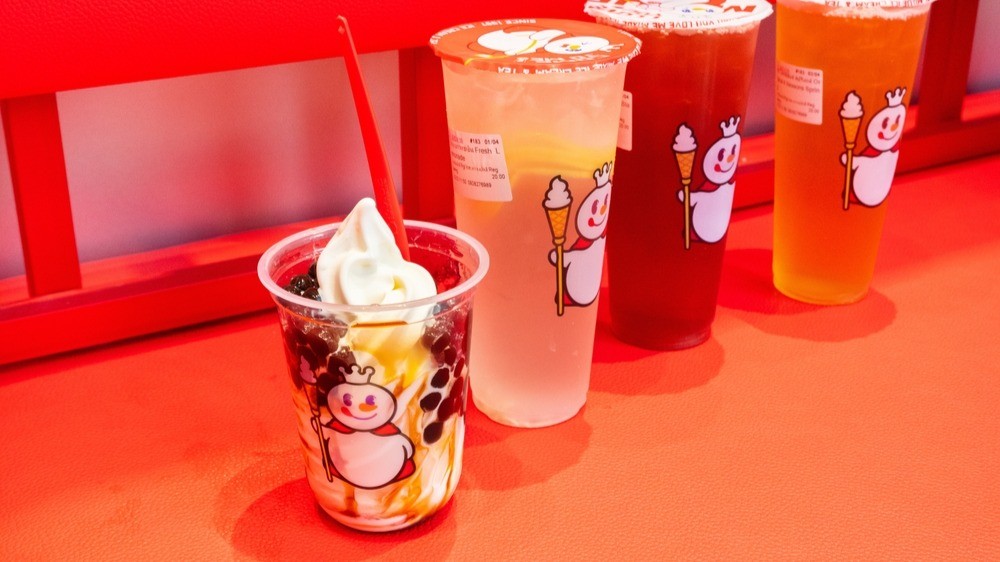
    Mascots give these brands instant visibility. Mixue uses its Snow King snowman across store facades and packaging, while Marrybrown deploys Brownie the chipmunk. Both characters provide social media cut-through in prime urban retail strips that carry high commercial rents.

    Pipeline builds for late 2026 rollouts

    Japanese curry specialist Coco Ichibanya is preparing its first Melbourne opening before the end of the year, introducing its spoon-wielding cat mascot to the local market. Philippine fast-food giant Jollibee is also tracking Australian real estate after signaling entry plans for several years.

    Industry attention now turns to execution. Rivals are watching how fast Coco Ichibanya scales its initial Melbourne footprint and whether Jollibee secures its first Australian flagship site.

  • Mixue Reaches 60,000 Global Stores as US Expansion Challenges McDonald’s

    Mixue Reaches 60,000 Global Stores as US Expansion Challenges McDonald’s

    Mixue Group is expanding its footprint in the United States. The company now runs six stores in New York City after overtaking McDonald’s as the world’s largest restaurant network by store count.

    The Zhengzhou-based beverage chain operates roughly 60,000 outlets worldwide. McDonald’s runs 46,000 locations, Starbucks has 38,000 and Subway counts 37,000.

    Value pricing and high-volume rollout

    Mixue entered the American market in December with a store on Hollywood Boulevard in Los Angeles. Its Manhattan footprint includes sites in Chinatown and near Times Square. There, signature vanilla soft-serve cones sell for $1.19 alongside bubble tea, jasmine milk tea and lemonade.

    Low prices anchor the strategy against entrenched fast-food rivals. In Manhattan, Mixue sells its 117-gram soft-serve cone for roughly 1.0 cent per gram. A standard 185-gram McDonald’s cone costs $3.89, or 2.1 cents per gram. Mixue protects franchisee margins by manufacturing its own tea powders, syrups and core ingredients.

    The read-across for Asian F&B exporters

    This Western expansion changes how Asian consumer brands enter foreign markets. Instead of pitching premium specialties to diaspora communities, the company sells low-cost, high-volume products in prime retail corridors. It sits directly beside legacy Western operators.

    Rival fast-food operators and commercial landlords face immediate pressure. Franchisees in high-rent urban corridors face tighter margins when lower-ticket beverage concepts siphon off younger foot traffic during peak afternoon hours. Asian suppliers gain a steady export channel for agricultural inputs, packaging and automated beverage dispensary equipment.

    Foundation and public listing timeline

    Chairman Zhang Hongchao founded the business in 1997 as a university student. He opened the first branded store two years later. Zhang and his brother retain an equity stake of nearly 82 per cent in the company.

    Global store totals surpassed McDonald’s in March last year. That same month, the company completed an initial public offering on the Hong Kong stock exchange. Its market capitalisation reached $20 billion by year-end, alongside the launch of a London subsidiary to manage European operations.

    The pipeline in Western markets

    Expansion teams are now screening additional franchise locations across major US metropolitan markets. The company is evaluating commercial leases in Southern California and the East Coast to build regional supply hubs before broadening its footprint across North America and Europe.

  • Jollibee to List 7,251-Store International Unit in Hong Kong

    Jollibee to List 7,251-Store International Unit in Hong Kong

    Jollibee Foods Corporation is preparing to separate and list its international business in Hong Kong instead of the United States, carving out an overseas network of 7,251 restaurants across 33 countries.

    Shares in the Manila-listed parent rose 1.87 per cent following the move, which replaces a plan announced on January 6 to float the international arm on an American exchange.

    Richard Chong Woo Shin, currently chief executive of Jollibee Foods Corporation International (JFCI), will lead the standalone entity full-time once the separation concludes. Shin previously held senior roles at William Grant & Sons, Ralph Lauren, Bacardi and Altria. Jollibee Foods Corporation said the international business will operate with a lean corporate structure focused on capital allocation, investment opportunities and portfolio priorities, subject to listing committee approval from the Hong Kong stock exchange.

    Portfolio Tilt Toward Asian Beverages

    JFCI functions largely as a multi-brand operator with heavy exposure to Asian beverage chains. The international business holds full ownership of Smashburger, Tim Ho Wan, Yonghe King and Hong Zhuang Yuan, alongside controlling stakes of 80 per cent in The Coffee Bean & Tea Leaf, 70 per cent in South Korea’s Compose Coffee, 60 per cent in Highlands Coffee operator SuperFoods Group and 51 per cent in Milksha.

    Jollibee Foods Corporation ended June with 10,767 outlets worldwide under 19 brands, with overseas locations accounting for nearly 70 per cent of the total network. International system-wide sales climbed 25.4 per cent in the second quarter, while overseas same-store sales rose 4.4 per cent.

    Regional momentum is heavily concentrated in Asian markets. In Vietnam, system-wide sales jumped 47.6 per cent in the second quarter on same-store sales growth of 17.9 per cent. South Korea’s Compose Coffee added 145 stores during the first half, opening roughly 30 outlets a month. In China, Yonghe King reached 537 restaurants, with 65 per cent operating under franchise agreements and a target to reach 70 per cent by the end of the year.

    Shifting Away From Capital-Heavy Expansion

    Listing in Hong Kong aligns JFCI’s capital structure with where its physical earnings actually compound. While the flagship Jollibee fried chicken brand commands strong name recognition in Western markets, its North American presence remains tiny and capital-intensive compared to its Asian coffee and fast-casual footprint. The group ended June with 340 North American outlets, down from 357 a year earlier. Of those, the Jollibee banner ran 108 stores, including 106 company-owned sites and just two franchised locations.

    That balance sheet model is changing slowly. Jollibee launched its US franchising programme in March 2025 and secured seven multi-unit development groups by July, aiming for 330 franchised American locations by 2030. In the second quarter, US Jollibee stores posted a 9.8 per cent gain in same-store sales, marking 66 consecutive months of growth. Smashburger increased same-store sales by 7 per cent, though its store count fell from 203 to 180 as underperforming units were shuttered.

    Since the announcement on January 6, 2026 to list our international business, we have been doing the detailed work required to establish two strong, independent companies. That work has reinforced our conviction in the listing and has led us to conclude that Hong Kong is the market best aligned with JFCI’s business, geographic footprint, and long-term ambitions.

    The Path to Hong Kong Trading

    The pivot to Hong Kong coincides with a sharp rebound in the city’s equity fundraising. Hong Kong Exchanges and Clearing chief executive Bonnie Chan stated that new listings in 2026 had raised more than US$40 billion, surpassing the roughly US$37 billion collected during all of 2025. Hong Kong has actively courted Southeast Asian consumer groups, with more than 150 regional issuers already listed, representing over US$4.3 billion in capital raised.

    Group president and chief executive Ernesto Tanmantiong has set a target to position the flagship Jollibee brand among the top five restaurant operators globally, up from its current 18th position on Brand Finance’s global ranking with a valuation of US$3.3 billion.

    Before JFCI begins trading in Hong Kong, Jollibee must resolve the composition of its portfolio assets. The parent group is currently evaluating a separate initial public offering in Vietnam for Highlands Coffee, which has grown from 56 outlets in 2012 to approximately 1,000 stores, with a target listing date in the first quarter of 2027 that could raise up to US$400 million.

  • Mixue Closes 89 Overseas Stores as First-Half Profit Drops 15%

    Mixue Closes 89 Overseas Stores as First-Half Profit Drops 15%

    Mixue cut its overseas footprint by 89 stores in the first half of 2026, driven by closures across core Southeast Asian markets Vietnam and Indonesia.

    Net profit fell 15 percent year on year to 2.32 billion yuan, even as total revenue edged up 2.3 percent to 15.2 billion yuan ($2.26 billion). Group filings show higher selling and distribution expenses ate directly into margins across its franchise network.

    Rising Distribution Costs Squeeze Margins

    The Henan-headquartered drinks giant operated 63,987 outlets globally by June 30, with 59,609 locations in mainland China. That leaves roughly 4,378 international stores, concentrated heavily in Southeast Asia where the brand sells budget soft-serve ice cream and milk tea.

    Mixue did not publish country-level closure totals for Vietnam or Indonesia. The company stated in its interim report that reducing store density improved individual unit quality and created a cleaner base for sustainable operations.

    Franchisee economics have tightened across the region. Rapid street-level expansion in major cities sparked cannibalisation between neighbouring outlets, forcing operators to absorb higher logistics costs on imported syrups and packaging without room to raise retail prices.

    Rebalancing Southeast Asian Footprints

    Vietnam was Mixue’s first international market when the chain launched in Hanoi in 2018. By September 2024, the brand ran 1,304 stores across the country, according to its Hong Kong listing prospectus filed in early 2025.

    Mass-market tea and coffee chains in Southeast Asia now face heavier competition from local discounters and Chinese rivals copying the low-price franchise playbook. Mixue’s retreat from sheer store count growth signals that overseas networks cannot rely solely on relentless opening schedules to deliver profit.

    Investors now await Mixue’s updated capital-raising timeline in Hong Kong, where full-year store productivity figures will test whether the overseas pruning protected operating cash flow.