Tag: fast food

  • Jollibee Sets Up Shop in Manhattan

    Jollibee Sets Up Shop in Manhattan

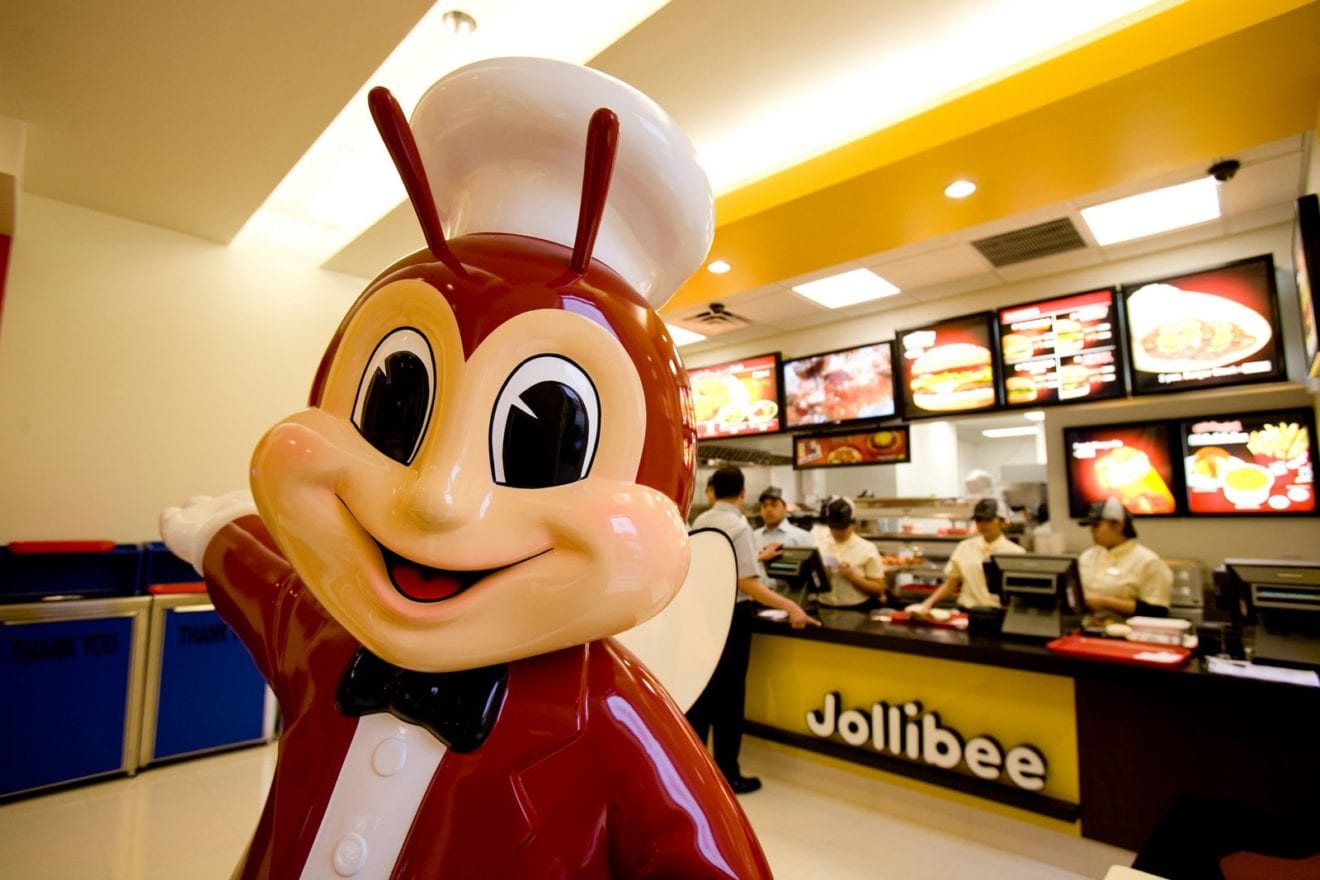
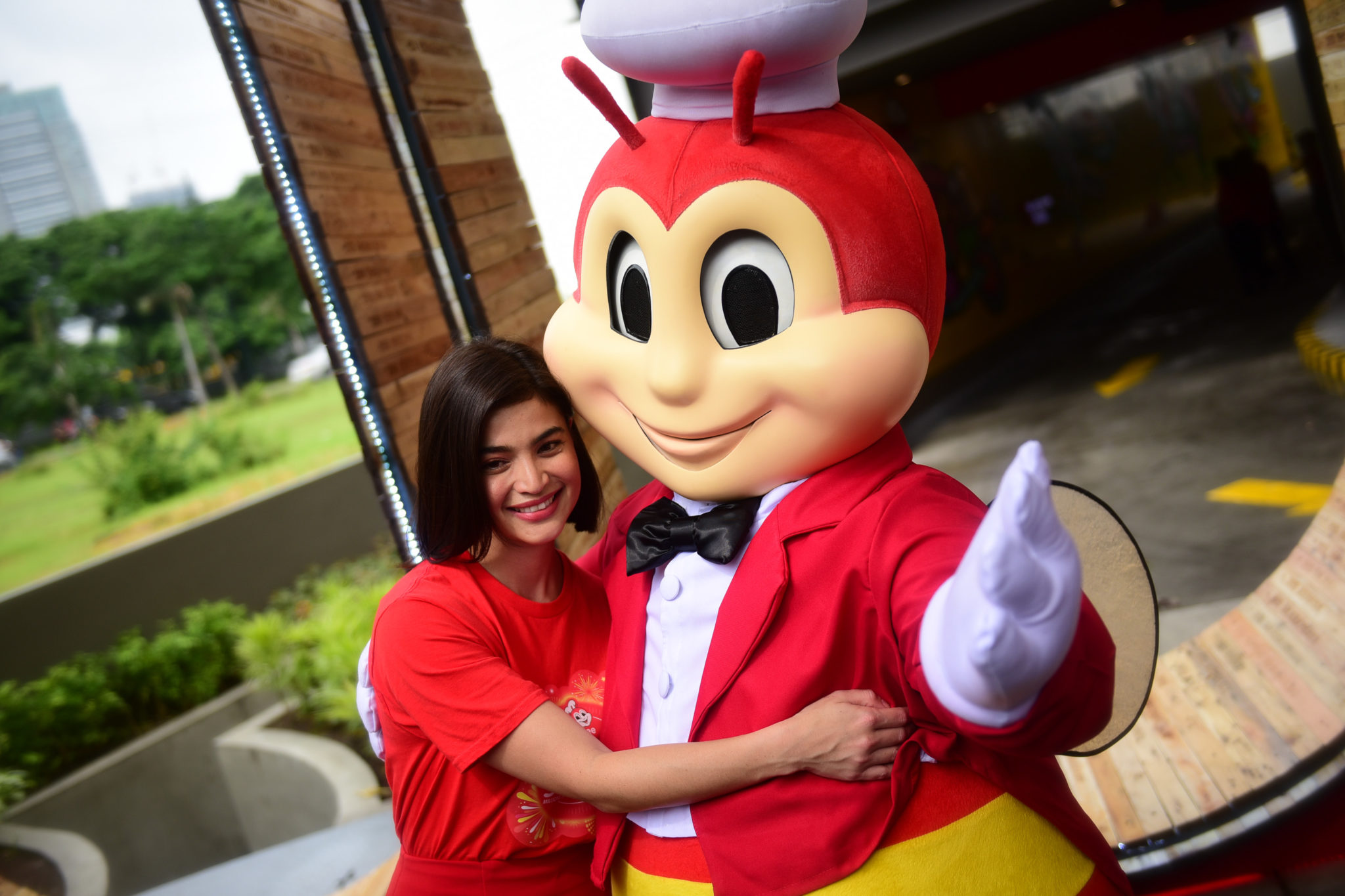
    Philippine fast-food restaurant chain Jollibee is opening its first Manhattan location next Saturday. The Jollibee Manhattan store will be the brand’s second store in New York State, and the 37th in the US. “We are excited to finally open our doors in the heart of bustling Manhattan, which is not just a centre of business and finance, but a major cultural and entertainment hub that receives millions of visitors from around the world each year,” said Jose Minana, Jollibee Foods Corporation’s (JFC) group president for North America.

    “The diversity of the food culture and the fast pace of living here make it perfect for our new Jollibee store location.”

    Maribeth dela Cruz, VP and GM at JFC North America expects the opening to draw long lines of customers.

    Jollibee Manhattan store located at 609 8th Ave., New York, NY 10018 opens Saturday, October 27. (Photo credit: Elton Lugay (Instagram/elton_lugay))

    To celebration the store, Jollibee will award free Chickenjoy for a year to the first 40 customers in line. Exclusive Jollibee Funko Pop! figures and other Jollibee collectibles will be up for grabs, too, to mark Jollibee’s 40th anniversary.

    Jollibee operates in 20 countries, with more than 4200 stores globally. The first North America store was opened in 1998 in California.

    JFC has an 85 per cent stake in US burger chain Smashburger, and has recently entered into an agreement with Mexican fast-casual restaurant chain Tortas Frontera for expansion.

  • Burger King eyes expansion in Africa

    Burger King eyes expansion in Africa

    Burger King, the world’s second-biggest burger chain, is set to launch a string of restaurants in sub-Saharan Africa, including Nigeria, according to a senior executive.

    Daniel Schwartz, chief executive of Burger King’s parent company, Restaurant Brands International, told that the region was seen as a “huge opportunity”.

    Africa has mouth-watering demographics for any fast-food chain, with the United Nations forecasting that it will have ten of the world’s fastest-growing cities between now and 2035.

    And the continent’s population is young, with a median age of just 19. The population is expected to top two billion by 2050, doubling again by the end of the century.

    Burger King is currently undergoing rapid expansion internationally, adding two or three restaurants each day to its global network. But with 17,000 outlets worldwide, it remains far behind rival McDonald’s which claims more than 37,000.

    Asia and Europe are the main focus for Burger King, but, said Schwartz, the brand is “significantly under-penetrated” in Africa.

    “We are so under-penetrated around the world relative to our peers – and ourselves in the US,” he added. “We’re just scratching the surface.”

    José Cil, president of Burger King, told the FT that fast-food restaurants “aren’t really well penetrated yet” in sub-Saharan Africa. “We think Nigeria is an amazing opportunity, we think East Africa as well.”

    Besides Nigeria, Africa’s largest economy, Burger King is reported to be eyeing Kenya and Ivory Coast among other countries in the region.

    But, said Cil, Burger King had “a lot of work to do” in Nigeria “in terms of infrastructure and supply chain”.

    “We want to do it right — and we want to do it in a big way,” he said. “We want to scale quickly. So, we’re excited about the potential.”

    News of Burger King’s latest expansion comes as Nigeria inches its way out of a recession caused by the dramatic fall in oil prices. With a population of 194 million, the country is the continent’s most populous.

  • Oporto to sets footprint in Singapore

    Oporto to sets footprint in Singapore

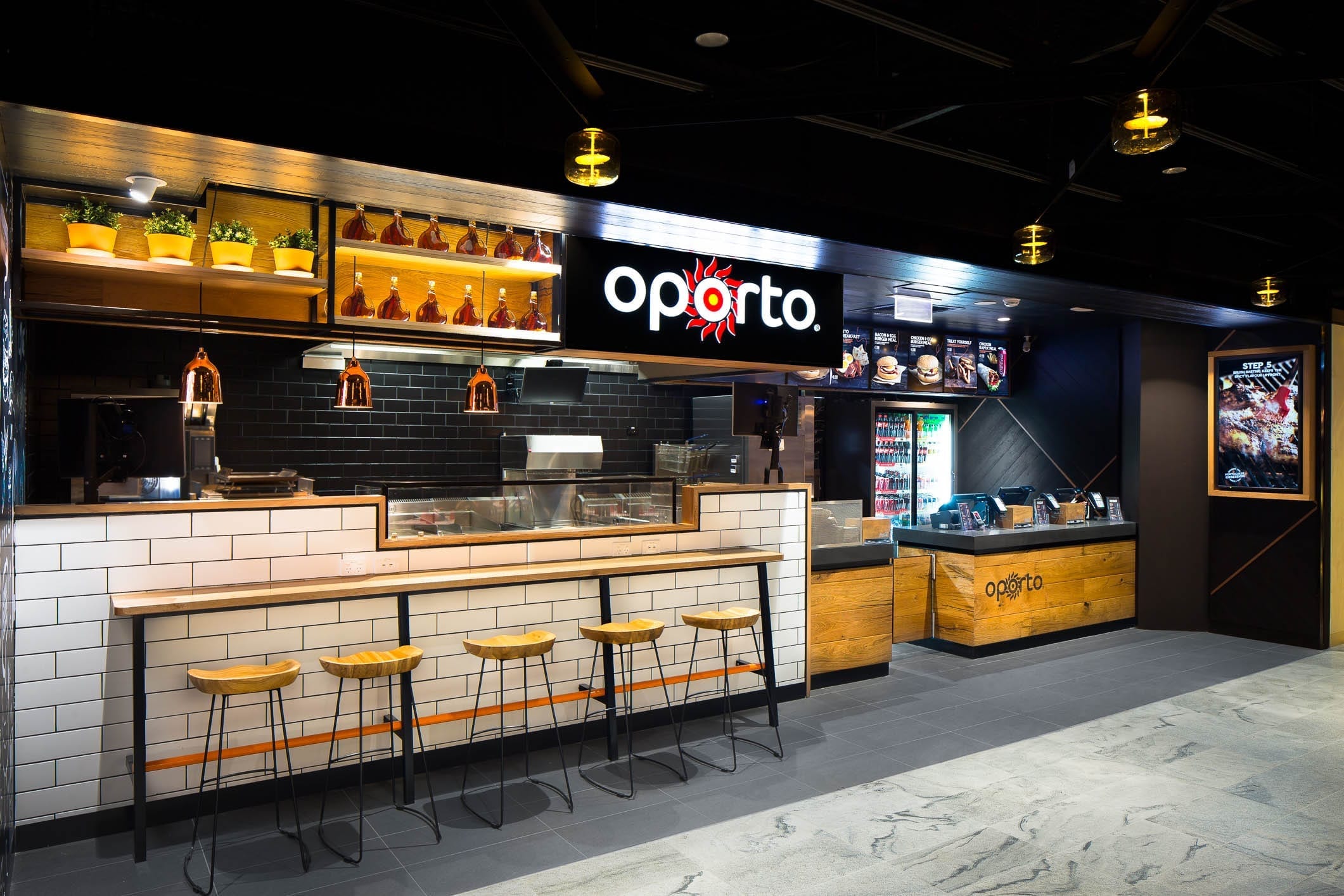
    Chicken franchise Oporto has partnered with Aura Group to fuel its Asian expansion plans.

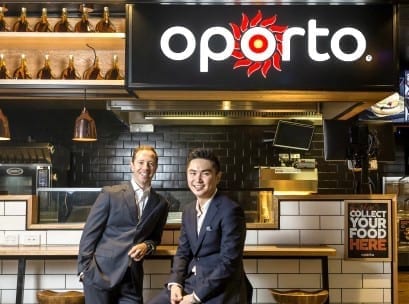
    After signalling the company’s intention to move into Singapore late last year, Oporto CEO Craig Tozer said he’s confident the brand is well-positioned for international growth beyond New Zealand, backed by record sales growth and continued domestic expansion.

    “Taking our brand internationally has always been a key focus,” he said.

    “Having found the right master franchise and supply partners, we are excited to announce that Oporto will be expanding into Asia, with the first restaurant to open in Singapore mid-April 2018.”

    Oporto wants to have 10 restaurants open across Singapore over the next five years, with plans to open three stores this year.

    The inaugural restaurant is located at shopping and dining precinct Holland Village in central Singapore.

    Later in 2018, Oporto also plans to expand its beverage category to introduce alcohol, in auditioning to relaunching its loyalty app and in-store experience program.

  • Incurring big losses, fast food giants open fewer shops

    Incurring big losses, fast food giants open fewer shops

    The heyday of fast food chains seems to be over in Vietnam. The number of fast food shops has been decreasing in an era when people are trying to ‘live slowly’.

    Ten years ago, Hanoians and Saigonese could easily find fried chicken shops along main streets. At that time, eating fried chicken at fast food shops was in fashion. More and more fast food shops opened, not only in large cities, but also in small cities and provinces.

    In 2012, Burger King, encouraged by the fast growing market of Vietnam, announced a plan to spend $40 million to develop a chain with shops located in advantageous positions in many cities and provinces throughout Vietnam.

    A representative of Burger King once stated that Vietnam was one of its key markets.

    Nguyen Bao Hoang, who brought McDonald’s to Vietnam, said he would open about 100 shops in Vietnam within one decade, and employ hundreds of workers. Lotteria and KFC are believed to be the brands with the highest number of fast food shops in Vietnam.

    Analysts once believed that the potential of the Vietnamese market was great with the Vietnamese income on a rapid rise. Fast food chains targeted the Vietnamese middle class with average household income of $500-1,000.

    MOIT has granted licenses to 148 foreign brands to enter the Vietnamese market in the last eight years.

    This includes 42 fast food, bakery, coffee, beverage and restaurant brands, accounting for 43.7 percent of the total.

    Some fast food shops have shut down quietly after the boom. The number of shops of each fast food chain is on the decrease.

    In mid-February 2016, a Burger King shop at No 1B-1B1 on Cong Hoa street in HCMC announced its closure. One month before, another shop at the Dien Bien Phu – Cao Thang crossroads in district 3 also shut down.

    In 2015, two Burger King shops at No 26-28 Pham Hong Thai street in HCMC and 125 Lo Duc street in Hanoi stopped operation. In mid-2014, a shop closed in Da Nang.

    McDonald’s, a well known brand from the US, has set up several shops in HCMC but still hasn’t opened a restaurant in Hanoi.

    A branding expert commented that food chains can develop only if their products fit locals’ taste.

    This explains why fast food chain development has slowed down, while banh my (Vietnamese sandwich) chains have been prospering.

  • Burger King sets up second store at new domestic terminal

    Burger King sets up second store at new domestic terminal

    Myanmar is getting its first ever publicly-accessible Burger King outlet, although whopper-enthusiasts will have to make their way to Yangon International Airport’s new domestic terminal to slake their hunger.

    The new Asia World-built domestic terminal – T3 – opened yesterday, with the first flights scheduled to take off later this week, according to Asia World.

    T3 spans some 44,000 square metres, boasts 38 check-in counters and will offer domestic passengers a “well-curated mix of world-renowned and local retail outlets and food and beverage options”, the firm said.

    Among the food options is the country’s “first public Burger King outlet”, according to Asia World. The new international terminal, T2, which opened earlier this year, hosts the country’s first Burger King. But that store is only accessible after going through passport control and customs.

    Thai firm Minor Food Group (MFG) has the franchise rights for Burger King in Myanmar, but could not be reached for comment on the new store. Asia World was also unavailable for comment on whether the new outlet was already up and running.

    Prapat Siangjan, MFG’s general manager for Burger King Thailand, told in August that MFG was considering a second outlet in the domestic terminal. That store would have prices denominated in kyat, and help MFG better gauge public demand, he said.

    Prices at the international terminal restaurant are dollar-denominated and geared towards international tourists, with a standard value whopper meal going for US$8.50.

    The new domestic terminal will also boast international brands including Gloria Jean, Coffee Bean and KFC. The latter chain, operated by Yoma Strategic, is well established in Myanmar, with seven outlets in Yangon and a new store in Mandalay scheduled for 2017.

    T3 opens just a few months after T2 – also Asia World-built – started operations. Passenger numbers at Yangon International Airport terminals have risen three-fold over the past five years, according to Asia World. Yangon’s airport handled 4.68 million passengers in 2015, the firm said.

    All domestic airlines are expected to move their operations to the new terminal, Department of Civil Aviation deputy director general U Ye Htut Aung previously told us. Asia World said the first domestic flights are scheduled to take place from December 9.

    Myanmar has 10 airlines operating domestic flights to 26 local destinations, according to Asia World.

  • Fast food industry in Singapore braves slump

    Fast food industry in Singapore braves slump

    The food and beverage industry is in a pickle with the slowing economy, but the fast-food industry appears to be staying ahead.

    The latest official figures show that sales at fast food outlets were better than those at restaurants this year until September, except for June.

    Fast food sales in September are estimated to have risen 2.6% over the same period last year.

    But sales at restaurants rose more modestly at 0.9%.

    Still, sales in both the restaurant and fast food categories have slowed down compared with five years ago. The fast-food industry grew just 1% last year, a significant drop from the 10% growth in 2011.

    High rental rates and a manpower crunch have contributed to the sector’s misery, as has a slowing economy. The fast food industry is doing better because of lower prices and promotions. The industry is also a lot more nimble in responding to food trends, said observers.

    “It has speed and convenience, and even the ambience is getting better at the outlets. They keep having new products, which people get on to social media and talk about,” said Singapore Polytechnic senior retail lecturer Sarah Lim.

    Fast food is also more attractive when times are bad, said Associate Professor Prem Shamdasani, from the National University of Singapore Business School.

    Texas Chicken, which opened two new outlets in Singapore in the second half of this year, said it has seen a 6% growth in same-store sales in the first nine months this year, compared with the same period last year.

    Popeyes, also a fried-chicken chain, reported the same amount of growth in sales.

    Besides the introduction of new products, the chains said sales are up because of higher productivity, which leads to lower costs, and more efficiency.

    International chains like McDonald’s and Popeyes as well as local chain BurgerUp have invested in technology such as self-ordering food kiosks that help streamline services and reduce the dependence on staff.

    “We offer burger customisation, so it is essential to have the ordering kiosk for diners to do it without hogging the order counter,” said Charlie Tan, BurgerUp’s director of strategic planning and marketing.

    He said this has led to 20% savings in manpower.

    Burger King is expected to adopt a similar system next year, said a spokesman. Texas Chicken is exploring the option.

    The use of such technology has translated into better sales.

    Dickson Low, chief operating officer of Revenue Valley Group, which runs the Popeyes chain in Singapore, said staff have noticed more customers ordering side dishes and getting bigger portions of food.

    He said this may be because the self-ordering kiosks allow them to view the images of all items on the menu.

    “For restaurants that use self-ordering kiosks, the orders for add-on and top-up items are higher by 15% (than at restaurants) without kiosks.”

    The firm has invested S$150,000 to S$200,000 (RM465,975 to RM621,632) on these kiosks for each of its five outlets.

    Prof Shamdasani said fast-food outlets find it more cost-efficient to invest because of the number of outlets they operate.

    On the other hand, restaurants outside the industry may operate fewer branches and struggle to afford the technology.

    Besides technology, the fast-food industry has also turned to the local palate to attract customers.

    McDonald’s, for example, introduced salted egg burgers in June this year. Texas Chicken introduced flavours such as sambal chicken, as well as herb and garlic chicken.

    “Singapore is the hotbed of innovation and creativity when it comes to flavour profiles. It is a trend leader,” said Amarpal S. Sandhu, Texas Chicken’s general manager for the Asia-Pacific region.

  • Zhouheiya fast food chain to list in Hong Kong

    Zhouheiya fast food chain to list in Hong Kong

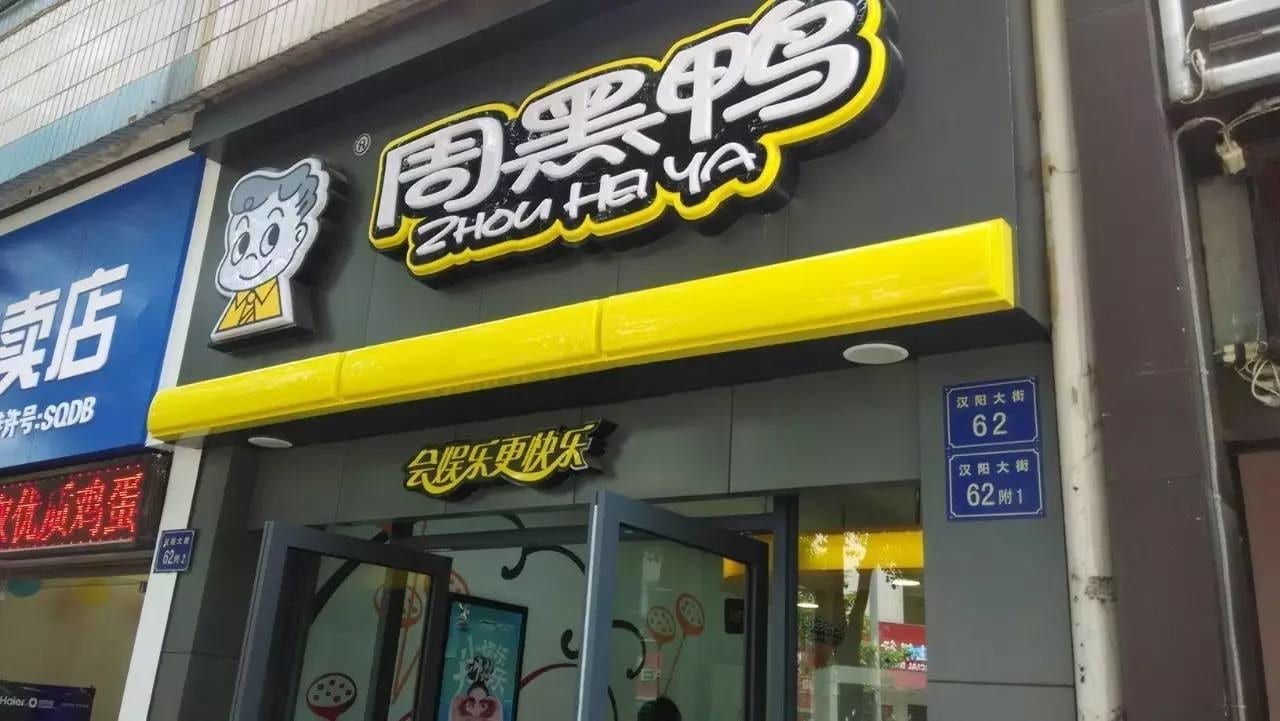
    The initial public offering of Zhouheiya, a Hubei province-based fast food chain known for its spicy-braised duck neck and other ready-to-eat snacks, opened for subscription in Hong Kong, looking to raise up to HK$3.3 billion ($425.7 million).

    The braised food producer and retailer, scheduled to make its trading debut on Nov 11, will sell 424 million shares at an indicative range between HK$5.8 and HK$7.8 apiece.

    Founded in 2002 in Wuhan, Hubei province, Zhouheiya beefed up its business footprint in 38 cities across 12 mainland provinces with 715 self-operated retail stores.

    Executive Director Hao Lixiao told a news conference in Hong Kong on Monday that the company is always looking to expand into the Hong Kong and Macao markets. However, he didn’t reveal a detailed timeline, adding that the firm still deals with the local licenses, not to mention that product research and the buildup of sales networks also takes time.

    Zhouheiya’s Hong Kong IPO highlighted an industrywide trend of mainland duck-food manufacturers floating public shares. Competitors like Jiangxi Huangshanghuang Group listed in Shenzhen back in 2012, while Hunan Juewei has been stuck for more than two years in the Chinese mainland’s clogged pipeline of IPOs.

    “Such a trend indicates that growth of mainland duck-food chains has somewhat run into a bottleneck which pushes them to raise capital via public listings as a growth booster,” said Zhu Danpeng, a researcher at the China Brand Research Institute.

    With rival Hunan Juewei being trapped in a big logjam of mainland IPO filings, Zhouheiya’s decision to join in a cluster of mainland food companies floating in Hong Kong appears to be a time-saving move.

    Choosing Hong Kong as a listing destination helps companies jump the long IPO queue in the Chinese mainland, but low valuation in the Asia’s financial hub remains a sure thing. In particular, Hong Kong investors still view food stocks listed there as generally expensive options, which may explain why some believe shares of Zhouheiya are priced a bit too high, said Hannah Li, a Hong Kong-based strategist with UOB Kay Hian.The IPO logjam that has long beset mainland catering companies accessing mainland capital markets was spotlighted when high- and mid-end restaurant chain Xiao Nan Guo Restaurants Holdings, and hotpot chain Xiabu Xiabu turned to Hong Kong to list in 2014.

  • Pizza Hut, Japanese franchise used expired ingredients in Indonesia

    Pizza Hut, Japanese franchise used expired ingredients in Indonesia

    A joint investigation by Tempo, a weekly news magazine, and BBC Indonesia has reportedly revealed the use of expired ingredients by fast food chain Pizza Hut, its delivery arm Pizza Hut Delivery (PHD), and Japanese franchise Marugame Udon.

    The investigation, according to the reports, show evidence of Indonesian firms Sarimelati Kencana and Sriboga Marugame Indonesia – both subsidiaries of major flour producer Sriboga Raturaya – extending the expiry date on their ingredients, and using them in the food. This practice, according to reports, happened systematically, involved top management, and carried on for years.

    Some of these ingredients include: “Veggie Chicken Sausage”, a “Carbonara Sauce Mix”, “Citrus Marinade”, and “Satay Sauce”, among several others. Photographic evidence reportedly shows a sticker on a packet of “Bonito powder” with instructions to use it for up to a period of three months after expiry. The instructions were said to be relayed via email by the purchasing department.

    Both Sarimelati Kencana – which manages Pizza Hut and PHD in Indonesia – and Sriboga Marugame Indonesia – which manages Marugame Udon – issued statements on Sunday (Sep 4) denying the allegations, saying they only used food ingredients “of high quality” which were “suitable for consumption.”

    Meanwhile, Stephen McCartney, president director of Sarimelati Kencana, told local media in a press conference that the company that the company never made a profit “by compromising on food safety.” Alwin Arifin, president director of Siboga Raturaya, said the allegations were defamatory.

    The matter is currently under investigation by police. Besides Yum! Brands and Japan’s Toridoll Corporation which owns Marugame Udon, Sriboga Raturaya is also a local partner for Nissin and Mitsubishi.

  • UberEats Singapore hits the road

    UberEats Singapore hits the road

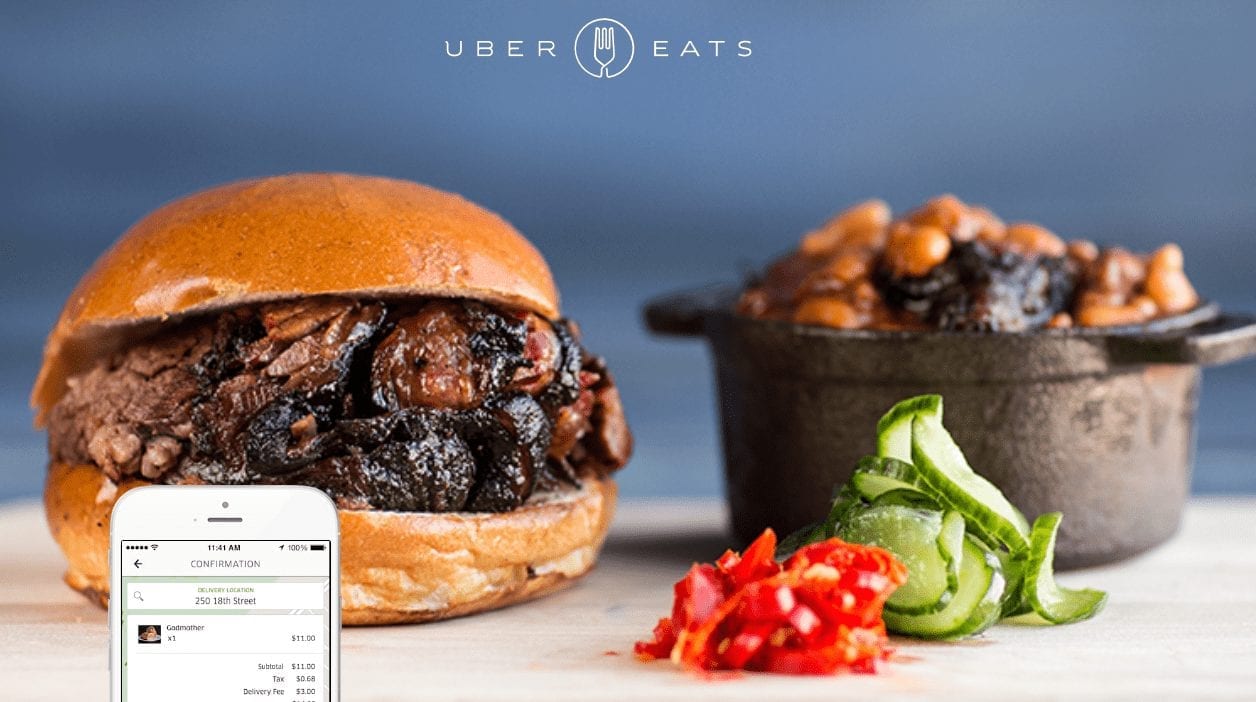
    UberEats Singapore has launched, the ride-hailing app’s food-delivery service making its Asian debut.

    Using the standalone app, Singaporeans can order food from about 100 restaurants. While deliveries are initially limited to the central business and commercial area, the company plans to expand its service coverage as well as menu.

    Making its debut in Toronto early this year, the app expanded to four major US cities in March, and Uber began signing up restaurants and testing the service in Singapore last month.

    Singapore was also the first Asian market to have Uber’s ride service, in February 2013.

    UberEats is up against entrenched food-delivery services such as Rocket Internet-backed FoodPanda and Deliveroo, whose investors include Accel and DST Global. Using the map-routing algorithms Uber uses to connect drivers and passengers as quickly as possible, UberEats Singapore promises delivery within 35 minutes.

    It has raised US$9 billion in funding so far, and the delivery driver program is separate from ride-sharing, though drivers can do both.

  • McDonald’s pilots new open concept in Hong Kong

    McDonald’s pilots new open concept in Hong Kong

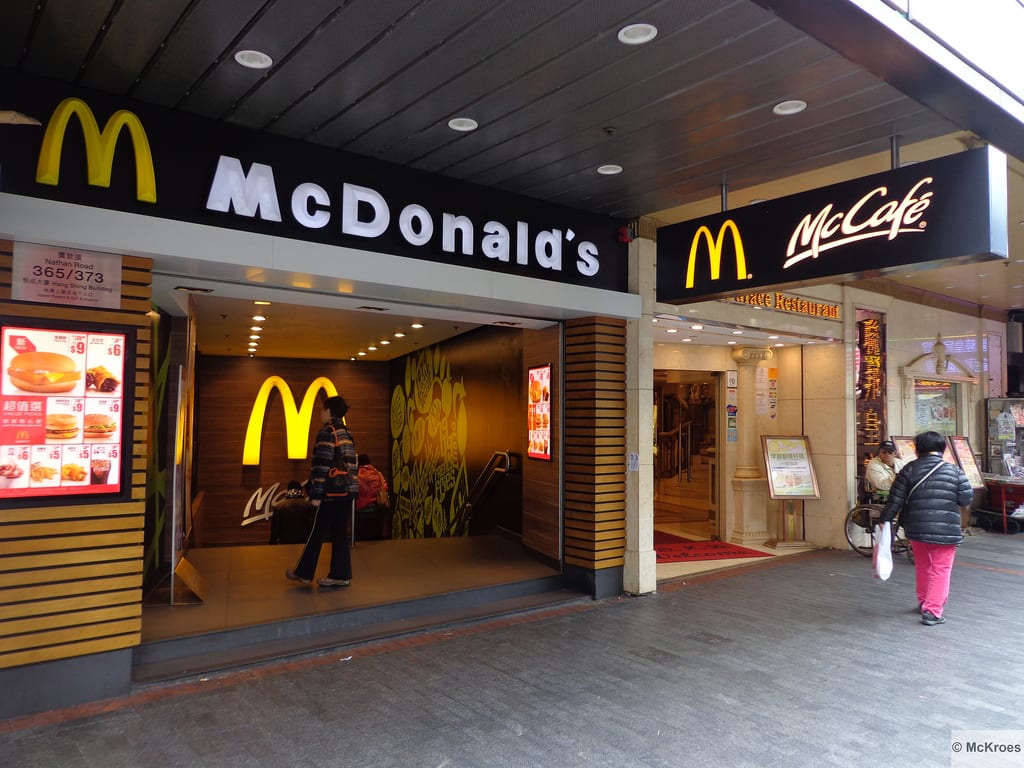
    McDonald’s first opened its doors in Hong Kong in 1975. Fast-forward 40 years and McDonald’s is pioneering a new dining concept it’s calling McDonald’s Next in the bustling city on the South China Sea.

    Billed as a “food bar,” the open-concept eatery is located in the city’s Admiralty area, a major shopping hub (and hang-out for youths) near the main Central district on Hong Kong Island.

    McDonald's Next Hong Kong digital create your taste ordering kiosk touchscreen

    While a handful of McDonald’s in Hong Kong already offer Create Your Taste digital ordering, the McDonald’s Next location in Admiralty (taglines include: “What’s Next is Now” and “Your creation. Made by us. Worth the wait”) is offering a whole new level of personalization and customer experience for the brand.

    mcdonald's next

    In addition to being open until 1:00 a.m. and offering free mobile device charging and table service after 6:00 pm, what makes the Admiralty location unique is the personalization, interactive design and social nature of the dining experience.

    McDonald's Next personalized Hong Kong table service Create Your Taste

    Almost like a sushi bar in appearance, customers sidle up to the counter (which McDonald’s calls a theater kitchen) to design and order on touchscreens their customized salads and burgers from the DIY “Create Your Taste” menu that launched in Hong Kong in 2014.

    McDonald's Hong Kong Next Create Your Taste #createyourtastehk

    McDonald's Next Hong Kong customer #createyourtastehk #cyt

    As in other CYT locations, the food is served on a wooden plank with a toothpick flag impaling the burger bun and the fries in mesh wire baskets.

    McDonald's Hong Kong Create Your Taste burger menu

    The integrated McCafe menu also includes gourmet coffee in smartly designed packaging, such as premium Ethiopian Sidamo coffee beans bagged in a style that would make third wave coffee snobs swoon.

    On the tables, customers will find various makes of charging cords for mobile devices to rejuice their ever-present smartphones.

    Coffee beverages served with latte foam art depicting characters in a marketing tie-in with the new Peanuts movie and a gingerbread man design, part of the local “Hug the Moment” holiday campaign.

    McDonald's Next Hong Kong DIY salad Snoopy foam latte

    Last but not least, for dessert customers can indulge in mixed berry Belgian waffles. Throughout the experience, they are (naturally) encouraged to share photos of their creations on social media with the hashtag #createyourtastehk.

    McDonald's Hong Kong Create Your Taste burger menu

    The “Create Your Taste” menu consist of 19 base ingredients including numerous salad options with cheese, sauces and ingredients like chopped boiled eggs, grilled chicken, couscous, quinoa, asparagus and even crayfish.

    The packaging both rewards and reflects the handiwork of each customer’s creation, with taglines such as “Your creation — made by us, served to you.”

    McDonald's Next Hong Kong Create Your Taste packaging

    On the tables, customers will find various makes of charging cords for mobile devices to rejuice their ever-present smartphones.

    McDonald's Next Hong Kong Create Your Taste mobile charging

    In another inspired touch, limited edition Create Your Taste tote bags given away during the launch promotion reproduced each customer’s unique order as a graphic illustration, whether a hamburger or a salad.

    McDonald's Hong Kong Create Your Taste tote bag

    McDonald's Next Hong Kong Create Your Taste salad tote bag

    To be sure, Create Your Taste is not unique to McDonald’s Hong Kong, and is now available in other markets including New Zealand, Australia,Canada and in select US cities including New York, where YouTube vlogger Casey Neistat reviewed the CYT “$12 burger” in September with a pal.

    The Next concept also has hints of McDonald’s “Corner McCafe” concept concept in Sydney, Australia.

    McDonald's Hong Kong Create Your Taste #cyt localization

    Beyond the customizable menu itself, the McDonald’s Next design is far from the counter interaction McDonald’s customers are use to. The open design of the bar encourages a more social space.

    McDonald's Next Hong Kong employees

    And forget the standard issue gold and red uniforms—McDonald’s Next employees wear a uniform that’s hipper and more appropriate for Hong Kong: black t-shirts. Even the balloons decorating the McDonald’s Next are chic, coming in black and silver.

    And on the tables, customers will find various makes of charging cords for mobile devices to rejuice their ever-present smartphones. McDonald’s is promoting McDonald’s Next as part of the brand’s 40th Anniversary in Hong Kong. The local press has raved about the new “food bars” with local social media users equally excited.

    It’s all designed, of course, to appeal to selfie-happy millennials and post-millennials (i.e. teens), key demographics for McDonald’s in the Chinese territory. But the local media hasn’t been all raving about the cool new McDonald’s Next, even as the Create Your Taste concept gains traction worldwide. For weeks now, Hong Kong’s newspapers have been reporting on how Western chains play into the mad economics of the city, even as BuzzFeed’s reviewers (for one) rave about McD’s only-in-Hong Kong local menu items such as flavored seasonings to shake onto your French fries.

    Scores of former fast food workers recently turned up at Hong Kong’s human services office after spiraling rents resulted in the closure of five of the city’s seven Burger King locations.

    And a homeless woman’s death in a McDonald’s booth—where she sat slumped over, unnoticed for some time—has shined a light on how the 24-hour McDonald’s locations have become de facto homeless shelters, with many of the destitute stretching out in booths overnight.

    Meanwhile, a little north in mainland China in the city of Hangzhou, McDonald’s is weathering a different kind of PR storm. Criticism has met the company’s decision to convert a historic building on the city’s famous West Lake into a McDonald’s.

    The building is the former home of Chiang Ching-kuo, son of Generalissimo Chiang Kai-shek, both of whom were Kuomintang leaders and later presidents of Taiwan—the longtime enemy and ongoing thorn-in-the-side of China’s ruling Communist party.

    Beyond the burger giants, KFC is opening its first ever location on the roof of the world. The chain is not yet in the far west of Tibet but that will change early next year when a KFC will open in Tibet’s capital of Lhasa. It will also come as Yum! Brands spins off its China operations by the end of 2016.
  • McDonald’s revives free smiles, launches month-to-month occasions

    McDonald’s revives free smiles, launches month-to-month occasions

    McDonald’s Holdings Co. (Japan) on Monday revived its “smile for zero yen” marketing campaign and stated it can designate the 25th day of every month as a “mac smile day.”

    On every “smile day” this yr, McDonalds will maintain occasions in its retailers aimed toward recovering buyer belief, broken by a collection of blunders, together with the invention of overseas objects in its merchandise.

    The corporate held ceremonies for its first smile day at six retailers throughout Japan, together with in Tokyo and Osaka. On the hamburger chain’s Nakano Central Park outlet in Nakano Ward, Tokyo, singers Might J. and Chris Hart carried out a music that includes smiles and have been named honorary store managers for the day.

    McDonald’s additionally revised its menu, providing clients salads as a part of its set menus.

  • Jollibee to open 330 stores

    Jollibee to open 330 stores

    Philippines-based fast food operator Jollibee Foods has reported a 14.3 per cent increase in income and announced a massive 330-store rollout for 2015.

    Jollibee is the country’s largest fast-food chain saw global sales increase 12.9 per cent to P90.7 billion (US$2.05 billion) from P80.2 billion ($1.81 billion) year on year to December 31.

    Its profit was P5.3 billion ($120 million), according to a lodgement with the Philippine Stock Exchange.

    Jollibee says it will open 330 stores this year – 220 of which will be in the Philippines. That’s a significant increase on last year’s 234 stores last year, of which 169 were in the Philippines and the remaining 65 abroad.

    The expansion will be funded by a 65 per cent boost in capital expenditure this year. two thirds to be spent in the Philippines, the blance in China, the Middle East and Southeast Asia.

    Jollibee operates 2301 restaurants inside the Philippines: 858 bearing the Jollibee banner, 456 Mang Inasal, 410 Chowkings, 211 Greenwich, 323 Red Ribbon, and 43 Burger Kings. It has a further 612 stores overseas, including 310 Yonghe Kings, 50 Sang Pin Wan stores and 42 Hong Zhuang Yuan stores in China; 125 Jollibees outside the Philippines, including 62 in Vietnam and 32 in the US; and a chain of Chowkings in the US and Middle East.

    It also has a 50 per cent stake in Vietnamese chains Highlands Coffee, which has 78 stores in Vietnam and the Philippines, and Pho 24 which has 53 restaurants in Vietnam, Indonesia, the Philippines, Cambodia, Macau and Korea; and in 12 Sabu, which has 19 stores in China.

    Jollibee says system-wide retail sales grew a faster 13.3 per cent in 2014, including company-owned and franchised stores.

    Jollibee’s CFO Ysmael V. Baysa said profitability would have been higher if not for increased raw material costs last year.

    “The raw material cost increases in 2014, averaging 5.4 per cent, brought pressure on our profit margins. We made important price adjustments and improved our store and manufacturing expenses during the year. We are now very close to fully covering these cost increases and look forward to the full recovery and improvement in gross profit margins in 2015 through lower cost of energy and more stable raw material prices,” he said.

    “We will also offer even better products to our consumers to help ensure our products continue to provide them great value.”