Retail News CRM

Tag: restaurants

  • McDonald’s Malaysia Unveils $254M Expansion: 100 New Restaurants, Digital Boost, and 10,000 Jobs on the Horizon

    McDonald’s Malaysia Unveils $254M Expansion: 100 New Restaurants, Digital Boost, and 10,000 Jobs on the Horizon

    McDonald’s Malaysia has announced an aggressive expansion plan that involves an investment of RM1 billion (approximately $254 million) over the next five years. The investment will be used to open 100 new outlets, revamp existing restaurants, and enhance the company’s digital capabilities.

    Allocation of Funds and Expansion Strategy

    Datuk Azmir Jaafar, Managing Director and Local Operating Partner, shared that a majority of the investment, around 60%, will be used for the launch of new restaurants. 20% of the funds will be directed towards the modernization of over 150 existing branches of McDonald’s in Malaysia. The remaining 20% will be invested in technology and digitalization initiatives.

    The expansion plan was revealed during a press conference following the reopening of the first McDonald’s drive-thru outlet in the country, located at Jalan Pahang, Titiwangsa. Jaafar expressed the company’s intention to broaden its reach in Sabah, Sarawak, and throughout Peninsular Malaysia, with a specific focus on areas with high demand and those popular among tourists.

    Jaafar explained, “There is considerable growth potential in Sabah and Sarawak, as these regions have many towns that are yet to house a McDonald’s outlet. We also aim to expand in the Klang Valley and in other high-growth locations within Peninsular Malaysia.”

    Building a Strong Franchise Network

    Additionally, McDonald’s Malaysia intends to enhance its franchise network. Currently, 11 franchisees nationwide operate 25 outlets. The goal is to establish between 70 and 100 restaurants within the next five to ten years.

    Jaafar underscored the promising return on investment in franchising. “A substantial investment of about MYR5 million to MYR7 million is needed per restaurant. The payback period is typically three to five years, indicating a healthy return,” he stated.

    Job Creation and Operational Efficiency

    This ambitious expansion is expected to generate over 10,000 new job opportunities for locals, in line with McDonald’s Malaysia’s hiring policy of employing only local workers.

    Despite a challenging business environment, the quick-service restaurant chain has already witnessed a 26% year-on-year growth in 2025, operating more than 370 outlets across the country.

    Jaafar stressed the importance of operational efficiency to maintain competitive menu prices. “In 2025, our menu price increase was about half of Malaysia’s inflation rate. This was due to continuous improvements in supply chain efficiency and restaurant operations,” he elaborated.

    After being a part of the Malaysian landscape for 43 years, McDonald’s Malaysia continues to contribute towards nation-building. The company aims to do so by creating jobs, providing skills training, supporting local suppliers, and getting involved in community activities.

    Questions & Answers

    What is the investment plan of McDonald’s Malaysia?
    McDonald’s Malaysia plans to invest RM1 billion over the next five years to open 100 new restaurants, upgrade existing outlets, and enhance its digital capabilities.

    How does McDonald’s Malaysia plan to allocate the investment funds?
    60% of the funds will be used to open new restaurants, 20% will be allocated towards the modernization of existing branches, and the remaining 20% will be invested in technology and digitalization initiatives.

    What is McDonald’s Malaysia’s franchising plan?
    McDonald’s Malaysia aims to expand its franchise network from the current 25 outlets run by 11 franchisees nationwide to between 70 and 100 restaurants over the next five to ten years.
  • Dairy Queen’s Exciting Expansion: 187 New Restaurants to Debut in Asia and Middle East

    Dairy Queen’s Exciting Expansion: 187 New Restaurants to Debut in Asia and Middle East

    Dairy Queen, a renowned international fast-food chain, is accelerating its global growth strategy with ambitious plans to establish 187 new outlets across Asia and the Middle East. This move signals one of the company’s most aggressive international growth initiatives in recent times.

    Breaking New Ground

    The company has inked fresh development agreements, marking its entry into Hong Kong, Macau, and Taiwan. It is an unprecedented move that not only establishes its presence in these regions for the first time but also bolsters its existing operations in the Middle East.

    Shanghai Dairy Queen Limited, a significant player in the company’s expansion, is managing the introduction of the brand into Hong Kong and Macau. The plan outlines the opening of 60 and 12 outlets in these locations, respectively.

    Partnerships and Expansion

    In Taiwan, an entirely new territory for the brand, Dairy Queen has formed a strategic alliance with SFB Corporation Limited and Shanghai Dairy Queen Limited. The partnership aims to launch 100 restaurants over the next decade, commencing with a grand market debut at Taipei 101 on November 18.

    In the Middle East, the company’s long-standing franchisee, Al-Majid Jawad WLL, is set to add 15 new restaurants in Qatar by 2030, expanding its total footprint in the region to 25 locations. The company anticipates the initial wave of these new Dairy Queen outlets to begin operations next year.

    A Strategic Move

    Nicolas Boudet, COO International at International Dairy Queen, underscored the importance of entering new markets and reinforcing existing ones as a critical aspect of the company’s growth strategy.

    “We’re thrilled to expand our global footprint with the aid of experienced franchise ownership groups,” said Boudet. “These groups are committed to running successful restaurants with teams dedicated to fulfilling our mission of creating positive memories for everyone who comes into contact with Dairy Queen.”

    Dairy Queen, which was established in 1940 and is now a subsidiary of Berkshire Hathaway, currently operates more than 7,700 restaurants worldwide.

    Questions & Answers

    What are Dairy Queen’s expansion plans in Asia and the Middle East?
    Dairy Queen plans to open 187 new restaurants across Asia and the Middle East. This includes establishing a presence in Hong Kong, Macau, and Taiwan for the first time.

    Who are Dairy Queen’s partners in their expansion into Taiwan?
    Dairy Queen has partnered with SFB Corporation Limited and Shanghai Dairy Queen Limited to launch 100 restaurants in Taiwan over the next ten years.

    How many Dairy Queen restaurants are there worldwide?
    Dairy Queen currently operates more than 7,700 restaurants worldwide.

  • Yum Restaurants India to sell stake in local Yum Brands franchisee

    Yum Restaurants India to sell stake in local Yum Brands franchisee

    Yum Restaurants India is reported to have sold its 4.4 per cent share in Devyani International for US$105 million.

    Devyani International, from which Yum Restaurant acquired the stake in 2021, is the main franchisee of Yum Brands in China, operating KFC, Pizza Hut and Taco Bell.

    SBI Mutual Fund (MF), Axis MF, Franklin Templeton MF, Nippon India MF, and Goldman Sachs are among the investors in Devyani International’s stock.

    Devyani is planning to push the expansion of these brands, strengthening its growth strategy in FY24 by purchasing 274 KFC restaurants in Thailand, marking its first foray into Thailand’s quick-service and limited-service restaurant markets.

    The business also plans 2000 stores across the globe by the end of this year, ahead of the previous target date of 2026.

  • Food, beverage businesses remain open through Tet

    Food, beverage businesses remain open through Tet

    Food and beverage establishments are working through Tet or abbreviating their holidays to make up for a year of poor business due to the Covid-19 pandemic.

    Crab restaurant chain Vua Cua is delivering through the holidays, and some of its outlets closed for two days out of the nine.

    “I believe that many people will stay in HCMC during the holiday as they refrain from traveling,” CEO Doan Thi Anh said, adding that last year sales during the holidays were up 300 percent from normal days.

    Tet, the Lunar New Year, is by far Vietnam’s most important festival, and most restaurants and other business establishments close for at least a week.

    But this year many are either not closing or are opening early to cash in on an opportunity to earn some money after a desperate year.

    Japanese chain Mirico reopened three of its six outlets in HCMC on Wednesday.

    “We hope the number of customers during Tet this year (starting January 29) will reach the same as last year so that we can make up for months of closure,” manager Luu Hoang Huy said.

    Two restaurants in the Quan Bui chain in Thu Duc City are also open for seven days of the nine-day holidays.

    “I think many foreigners won’t return to their country this year and we anticipate a lot of customers during the holidays,” a media representative of the chain said.

    For the first time since its establishment in 2018 Lagom Café in District 3 will remain open during most of the Tet holidays.

    The decision was based her workers’ request, owner Do Thi Ly Na explained. They preferred to work saying the months off due to social distancing in the city were enough for them, she added.

    In December revenues from food and accommodation rose by nearly 58 percent from November.

    “Most well-known downtown restaurants have been operating at full capacity and even had to turn away some customers,” Le Nguyen Minh Man, owner of Hong Kong Town restaurant in District 1, said.

    Business seems set to be “vibrant” in the first quarter, he said.

    However, his restaurant would close through the holiday since his workers had been stuck in HCMC for a year and wanted to return home, he said.

    Buying materials is challenging since suppliers are closed, and restaurants need to prepare ahead, he said.

    Paying workers triple or even five times their normal salary is key to ensuring good service during Tet, he added.

  • Uber Eats leaving Hong Kong at the end of 2021

    Uber Eats leaving Hong Kong at the end of 2021

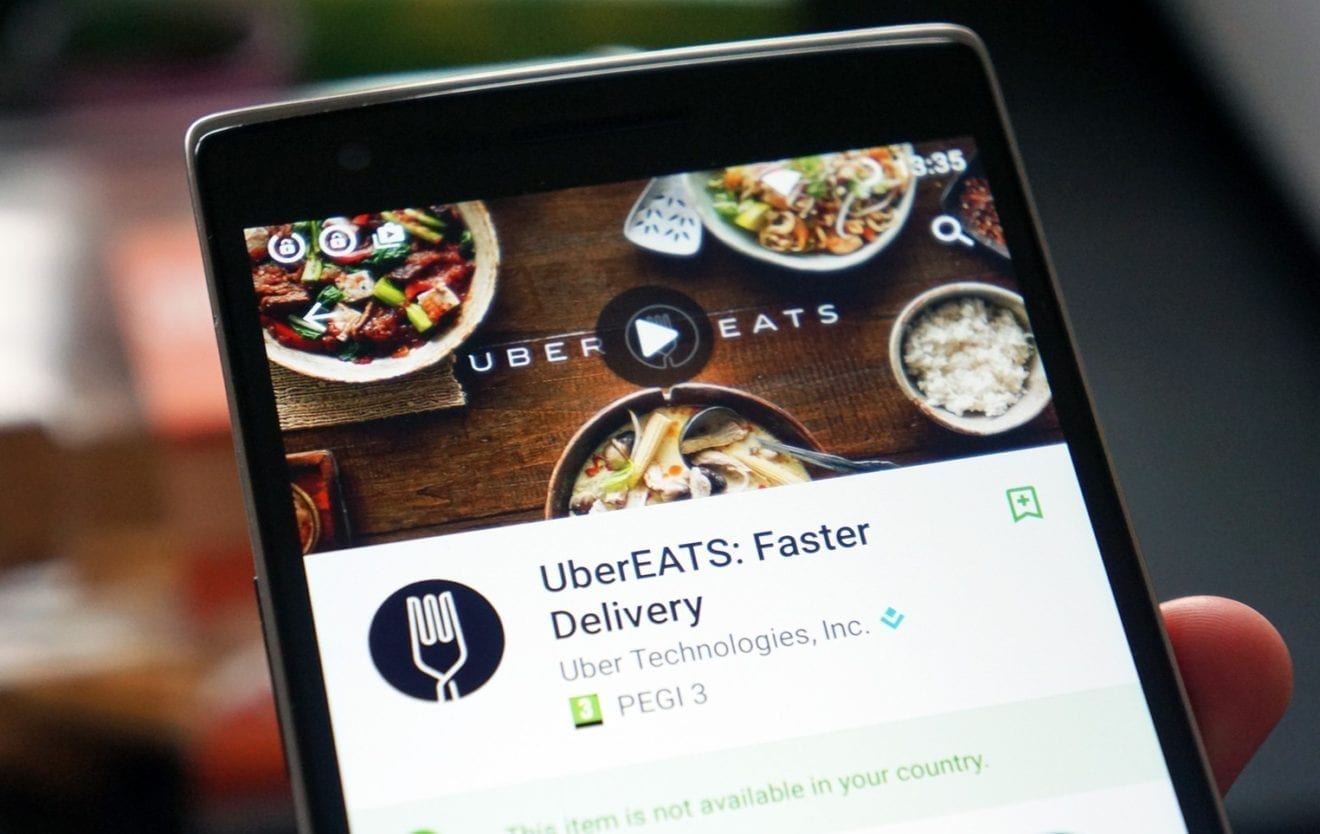
    Food delivery giant Uber Eats revealed on Tuesday it would wind down its Hong Kong operations by year’s end after seeing slower-than-expected growth.

    “Uber Eats has unfortunately not grown as expected in Hong Kong,” the company said in response to a Post inquiry. “This decision has been made independent of the global pandemic, and is in line with our broader strategy on Uber Eats.”

    One of the city’s three main food delivery platforms – along with Deliveroo and Foodpanda – Uber Eats launched in Hong Kong in October 2016 and has seen a sharp rise in orders throughout the coronavirus pandemic over the past two years.

    “After five years of partnering with restaurants and delivery people in Hong Kong, we have made the difficult decision to discontinue Uber Eats in Hong Kong on December 31, 2021,” the company said earlier in the day.

    Uber Eats said its priority was now to support its employees, restaurant partners, delivery people, and customers as it moved towards shutting down, but added it was “more committed than ever” to growing its ride-hailing services in the city.

    “We will keep investing and serve more riders and drivers in coming years by bringing the very best technology to Hong Kong,” the company, which operates in a legal grey area in the city, said.

    The spokesman said the company would continue providing support to customers and partners until the end of January.

    Uber Eats employs 5,000 delivery workers, some of whom signed up after losing their jobs amid the pandemic, and its service covers 16 of the city’s 18 districts.

    In July, Uber Eats launched a campaign in support of the small and medium-sized restaurants that use its platform, snagging celebrity endorsements from singers Alfred Hui and Joyce Cheng.

    In recent months, with almost no local transmission of the coronavirus, Hong Kong’s restaurant industry, along with other businesses such as hotels, have seen signs of recovery, and bookings are healthy for the year-end holiday season.

    Although social-distancing restrictions limiting the number of people permitted at venues such as bars and restaurants remain in place, about a third of the city’s 16,000 restaurants can now seat up to six per table, as long as diners have received at least one dose of a vaccine and use the government’s “Leave Home Safe” risk-exposure app.

    The latest data from SevenRooms, a booking platform used at more than 350 of Hong Kong’s high-end restaurants, showed people were dining out and spending more this year when compared with two years ago, before the pandemic hit.

    Earlier this month, Foodpanda couriers, upset with a cut to their delivery fees and other issues, went on strike for two days.

    The strike ended after the company agreed to make changes to its mobile app and fee calculation system as well as look into other demands

  • HCMC restaurants, coffee chains struggle to reopen

    HCMC restaurants, coffee chains struggle to reopen

    Immediately after HCMC lifted its lockdown this month, beverage chain The Coffee House introduced Fresh Bottle, a new glass bottle designed for easy delivery of its best-selling drinks.

    This and other delivery-friendly products such as instant coffee and canned drinks are the solutions the company came up with to “survive and overcome difficulties,” CEO Le Ba Nam Anh said.

    “We have reopened 40 percent of stores in big cities such as Ho Chi Minh City, Hanoi, Da Nang, Hai Phong, Bac Ninh, Hai Phong, but we have yet to reach pre-pandemic capacity due to social distancing in each city.”

    He still has to pay rents, salaries and for ingredients, because everything was ordered two quarters in advance, and the cash flow imbalance is a big challenge, he added.

    HCMC began allowing businesses to reopen on Oct. 1 after four months of lockdowns, but coffee chains and restaurants are still struggling to return to pre-pandemic levels of business due to difficulty in hiring people and people’s reluctance to spend.

    The city has allowed eateries to resume delivery services from Sept. 8 after suspending them for nearly two months.

    Pho 79, a high-end Vietnamese-style restaurant chain, plans to function at 15 percent capacity starting on Oct. 15 as it expects demand to be low.

    “Over 70 percent of our employees have left for their hometowns,” Huynh Huu Thanh Phuong, chairman of the chain, said.

    “We do not have enough ingredients [for cooking], and demand has been falling”.

    Phuong plans to increase to 30-50 percent capacity before year-end, but expects revenues for the whole year to be 70 percent down from last year.

    “We are waiting for authorities to lift more restrictions. We are also concerned about the possibility of another resurgence in Covid-19.”

    Other restaurants are unsure whether it is even the right time to reopen.

    “It’s bad to remain closed, but it’s hard to reopen as the more we sell the more we lose,” Ly Nhat Hieu, owner of three high-end restaurants, said.

    He has been waiting for the city to reopen since closing for five months has cost him nearly VND2 billion ($86,206).

    But a shortage of employees makes it difficult for him to restart now: many have left for their hometowns, some have started their own eateries or work as delivery persons to make a living.

    “It is hard to find people for difficult positions such as head chef and station chefs. It is not easy for people to return to the city.”

    The food and beverage industry has been among the biggest victims of the fourth wave of Covid, which began at the end of April.

    With over 2,000 new cases found every day, the city continues to impose restrictions to prevent another outbreak.

    But with over 70 percent of the adult population vaccinated, the highest rate in the country, industry insiders have reason to expect that the difficulties will soon be over.

    The Coffee House plans to build a new store model specializing in takeout and delivery in Ho Chi Minh City, and plans to replicate this in other localities across the country next year.

  • Lotte Vietnam denies reports it will close Lotteria fast-food chain

    Lotte Vietnam denies reports it will close Lotteria fast-food chain

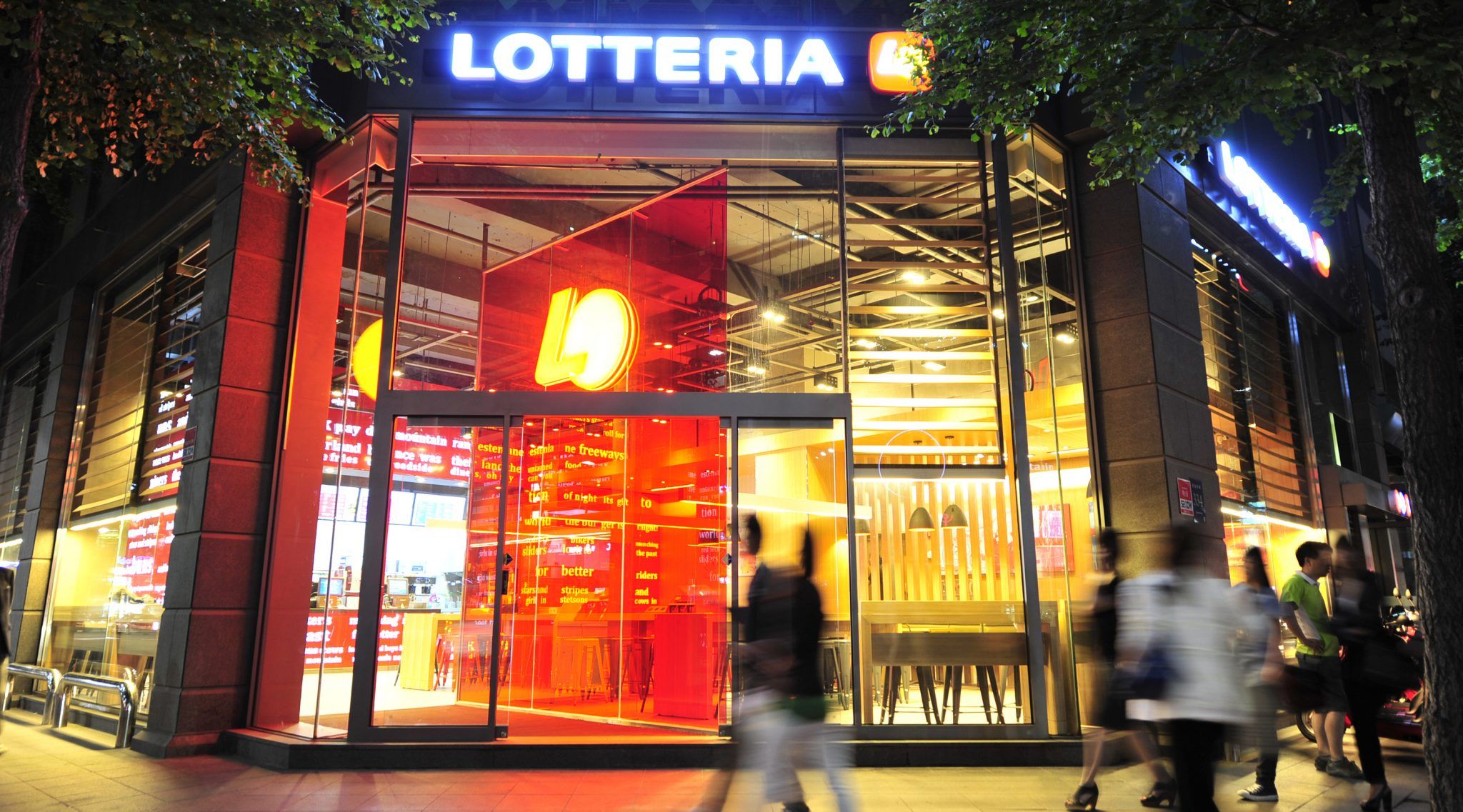
    Lotteria Vietnam has said that it will continue its business expansion in Vietnam amid Korean media reports of its closedown over a net loss of nearly US$9 million.

    The company, which is operated by Lotte GRS under South Korea’s Lotte Group, dismissed a media report that it would cease operations in Vietnam, a spokesperson told Tuoi Tre (Youth) newspaper on Saturday.

    There is an inaccurate understanding of the Korean media report, the Lotteria Vietnam spokesperson added.

    Lotteria Vietnam is proceeding with its normal business while an expansion is underway.

    The firm is expected to invest in a new plant at Long Hau Industrial Park in Long An Province, just outside Ho Chi Minh City, and open ten Lotteria stores in 2021.

    “We are working with our parent company in South Korea to clarify its new strategy,” the spokesperson told Tuoi Tre.

    The spokesperson further explained that Lotteria Vietnam is still operating its franchise business and has reached almost 100 franchised restaurants.

    Entering the Vietnamese market in 1998, Lotteria Vietnam is running over 260 outlets and is among the top fast-food chains in the Southeast Asian country.

    The Korea Times reported on Sunday that Lotteria Vietnam is not closing down.

    “It is true that Lotte GRS is leaving the Indonesian market but we are continuing with our franchise and food retail businesses in Vietnam,” the newspaper quoted a Lotte GRS official as saying.

    The paper seemed to correct its report on Friday that had cited “a Lotte GRS official” as saying “Lotteria Vietnam and others have met the requirements for closure starting this year.”

    Friday’s article said that Lotte GRS was in the process of closing down “Lotte Group’s food material supplier in Vietnam, which was established in early 2020 to expand Lotte GRS’ business in neighboring Southeast Asian countries.”

    “Lotteria franchises in Vietnam have all stopped operations and its headquarters in Seoul is reviewing the possibility of closing down the business within this year,” The Korea Times reported.

    The report went on to elaborate that Lotteria Vietnam did not make any profit for Lotte GRS in 2020.

    “Lotteria Vietnam’s book value stood at 26.8 billion won [$24 million] as of early last year, but declined to 15.6 billion won [$14 million] after recognizing 11.2 billion [$10 million] won in valuation losses,” the article said.

    “Its net loss surpassed 10 billion won [$8.9 million] in one year.”

  • Japan’s malls and restaurants brace for Olympics without foreigners

    Japan’s malls and restaurants brace for Olympics without foreigners

    Shopping malls and restaurants in Japan will miss out on a business boom, as Tokyo expects to hold the Olympics without overseas spectators, dealing another blow to industries already on the ropes from the coronavirus.

    In the years leading up to the Games, developers have poured tens of billions of yen into shopping and dining complexes to serve an influx of foreigners, with major investments made in Tokyo’s central Shibuya district, iconic for its scramble crossing.

    But the number of foreign visitors has dropped from nearly 32 million in 2019 to almost zero, causing the government to halt a spending survey that showed their consumption that year was worth 4.5 trillion yen.

    Now Tokyo 2020’s expected decision to block foreigners from attending the Games means a boost the service sector was counting on to recover lockdown-related losses will not materialize.

    “There was so much development, with new buildings being constructed, but people aren’t coming at all,” said Ryota Himeno, an analyst at JP Morgan Securities Japan.

    Up to eight million tourists visited Shibuya’s bustling clubs and cafes in 2019, and ward chief Ken Hasebe expected 10 million in 2020 before the coronavirus scuppered those plans.

    Himeno says that projected growth prompted developers to spend more than 300 billion yen in the district, which is also home to some venues from the 1964 Olympics.

    The most imposing of the new developments is Shibuya Scramble Square, a 230-meter glass tower that has come to dominate the skyline since opening in 2019.

    Its developer, Tokyu Corp, spent 110 billion yen on projects in Shibuya in the three years through 2020.

    “Our financial results are unfortunately expected to fall into the red in the current period,” said Tokyu’s Ryosuke Toura, with hotel businesses taking the biggest hit, followed by railways and retail.

    Across the Shibuya station, at Masaka, a vegan restaurant inside Parco department store, which reopened after years of renovation in time for the Olympics, foreign tourists used to make up as much as half of the clientele.

    Manager Yuta Namekawa is now pinning his hopes on growing awareness of vegan food among locals, thanks in part to people watching documentaries about the meat industry on Netflix.

    “Part of the reason why the restaurant was opened was because of the Olympics, so it’s quite worrisome if that isn’t happening,” he said. “It can’t be helped.”

  • Restaurants find silver lining in cloud kitchens

    Restaurants find silver lining in cloud kitchens

    Amid business blues courtesy of the Covid-19 pandemic, cloud kitchens are finding increasing favor from restaurants in Vietnam’s two major cities.

    Nguyen Van Tung saw revenue from the two restaurants he runs in Saigon plunge 70 percent after the Covid-19 pandemic disrupted daily life in Vietnam. He cut his staff from four to two, but the business continued to suffer.

    Then he joined two cloud kitchens, centralized food production facilities set up for multiple restaurants to prepare food, specifically for deliveries. Things began to look up for Tung, then.

    The two kitchens, operated by ride-hailing company Grab, have helped increase revenue, Tung said.

    Another restaurant owner in the city, Ton Nu Quy Nhi, joined a cloud kitchen after demand for her traditional Saigon food surged two to three times amidst the pandemic. Expanding and managing her restaurant would have been expensive and difficult, so she decided to partner with a cloud kitchen service.

    “I don’t know if the business will continue to thrive next year, so I went with the cheapest expansion option, using the cloud kitchen.”

    Tung and Nhi are among many small business owners in Vietnam who want to take advantage of rising demand for food delivery services in major cities.

    There are at least seven cloud kitchens operating in HCMC and Hanoi, three of them operated by Grab, two by South Korean ride-hailing company Baemin and another two by independent companies.

    The cloud kitchens help lower costs, being located outside of high-rent locations. They help established restaurants with dining-in services to expand their delivery operations without adding stress to the existing kitchen, free up parking space taken by the delivery vehicles, and expand users’ reach to new neighborhoods.

    Hoang Tung, founder of the FoodHome cloud kitchen in Hanoi, said that his facility was fully rented and he was mobilizing funds to open a new one in the Old Quarter area.

    Tung said restaurants are moving their cooking to cloud kitchens because they want to focus on selling via apps to access a market of 20 million users that is growing by 30 percent annually.

    Industry insiders said that the Covid-19 pandemic has been a catalyst in the recent transition from traditional brick and mortar kitchens to cloud kitchens.

    Nguyen Ngoc Giao, manager of GrabKitchen, said that this model allows restaurant owners to expand quickly at minimum cost. “Amid the Covid-19 pandemic, opening a physical store carries greater risks than an online one.”

    Huy Ngo, founder of a fast food and dessert restaurant chain in Da Nang City and Hoi An Town, has recently started trying out the cloud kitchen model after having to close five of seven branches due to Covid-19 impacts.

    The new model allows Huy to focus only on ensuring high food quality inputs. The cloud kitchen employees will help prepare food for delivery, which means operating costs are just half or one-third of his traditional physical store.

    Even big and established restaurant chains are also jumping on to the cloud kitchen bandwagon, though it is yet to become a tried and tested concept in Vietnam. Fried chicken chain Otoke Chicken, with 15 outlets, has established a cloud kitchen in Saigon’s Binh Thanh District, seeking to expand its delivery service.

    Details of average investment and rents charged were not available at the time of writing.

    When Grab launched a cloud kitchen in Saigon’s Thu Duc District last year, it had 12 restaurants make food exclusively for GrabFood drivers to pick up and deliver to customers.

    Then Grab had given them space to cook for free, with the restaurants having to pay their utility bills and a commission on orders received.

    Jerry Lim, CEO of Grab Vietnam, had said then the cloud kitchen model has great potential in Vietnam, and that his company would open more such facilities in Saigon, Hanoi and Da Nang.
    However, this concept does not guarantee success for all restaurants. The cloud kitchen service, Now Station, began operations in 2017, but closed a year later.

    Giao of GrabKitchen said there have been cases where restaurants and the service have had to part ways. He declined to get more specific.

    The food delivery services have also come under scrutiny for excessive use of plastic wrappings and cutlery. Giao said his company is studying the possibility of using more environment-friendly materials.

    Tung of FoodHome said that joining a cloud kitchen doesn’t mean young business owners will not fail, but it will help them “fail fast and fail cheap” so they can get back up fast and try out other new ideas.

  • Locals help rebooting Macau retail and restaurant activity

    Locals help rebooting Macau retail and restaurant activity

    Supportive measures for the Macau retail and restaurant trade resulted in a mild improvement in business during May, according to official data.

    According to a Statistics and Census Service report, 17 percent of restaurants surveyed in the special administrative region recorded a year-on-year increase in revenue during the period, 12-per-cent higher than those reporting increases during the previous month.

    The remaining restaurants continued to see declines in revenue during a period that continued to suffer from the heavy impact of the coronavirus pandemic.

    Similarly, 16 percent of retailers questioned saw sales increases during May this year compared to the same period last year, 7 percent higher than reported year-on-year rises during April.

    A quarter of restaurant businesses are now anticipating comparative upticks in revenue or steady revenues to be reflected in their June results – while 21 percent of retailers expect the same.

  • Carrefour China set to open 100 more restaurants

    Carrefour China set to open 100 more restaurants

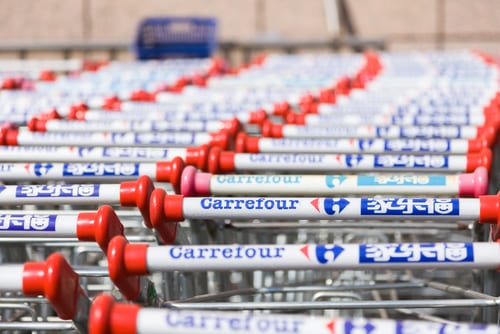
    Supermarket operator Carrefour China plans to open 100 restaurants at its existing stores.

    The first outlet of Carrefour restaurant chain Mr Fu has opened at its Gubei branch in Shanghai, followed by a second in Chongqing.

    “With more than 2000 products in a self-run goods pool, Mr Fu will introduce at least 30 new products each month,” said Li Yijiang, head of catering business division at Suning Carrefour China.

    The renovation work will be launched at selected Carrefour branches and will not be outsourced to a third party.

    “We will have more independence to promote food and drinks according to different festive occasions and promotional activities, and we also offer customized decoration styles at consumers’ requests,” Li told the Shanghai Daily.

  • Strict Thai curfew forces stores to close cross nation

    Strict Thai curfew forces stores to close cross nation

    Thailand’s government has imposed an overnight curfew effective tonight that will force the closure of tens of thousands of convenience stores and street vendors.

    The curfew will run from 10pm to 4am. During that time all Thais and visitors to the country must remain indoors, with exceptions only for emergency services, medical workers and patients.

    Further exemptions include the transportation of goods, farm produce, medical supplies, fuel, parcels, goods destined for export or import, vehicles transporting people to quarantine sites, shift workers, and people traveling to or from airports.

    People who breach the curfew face up to two years in jail and/or a fine of up to Bt40,000 (US$1200).

    A majority of Thailand’s 7-Eleven stores, and rival chains, in urban areas traditionally trade 24 hours a day serving shift workers and tourists, but as of tonight, they will be forced to close.

    The move follows a ban on restaurants and bars serving customers on-site and a total, indefinite liquor retailing ban in one northern province.

    Thailand’s usually vibrant tourist industry has been decimated by the coronavirus epidemic with foreigners now all but banned from entering the nation and lockdowns and social-distancing measures being enforced nationwide.

    In addition to the curfew, public transport will be suspended across Thailand from 9.30pm to 4am, from tonight onwards.

    As of Thursday, Thailand had reported 1875 cases or coronavirus and 15 fatalities.

  • Tao Heung shuts 48 restaurants for a fortnight in coronavirus fight

    Tao Heung shuts 48 restaurants for a fortnight in coronavirus fight

    Chinese restaurant operator Tao Heung will shutter all 48 of its venues for more than a month following tightening restrictions on dining in Hong Kong.

    As the territory’s administration has now moved to limit the maximum number of diners per table to four – at tables spaced 1.5 meters apart – in an effort to curb the coronavirus outbreak, the group decided to close all of its restaurants through to April 10.

    “For everyone’s health and safety, from today, our restaurants will not serve anyone under mandatory quarantine,” read an announcement on the group’s Facebook page.

    Tao Heung’s venues mainly serve traditional Chinese delicacies. The business also operates venues in Mainland China.

    The group is one of several major F&B chains to respond to the official measures in the midst of the pandemic.

    Hong Kong’s total number of coronavirus cases has already passed the 500 mark, prompting more stringent social distancing measures on the part of the government, including a proposed ban on alcohol sales at Hong Kong’s licensed bars and clubs that has since been withdrawn after an outcry from the industry.

    Restaurants are now restricted to operating at half their capacities and must institute mandatory temperature checks and hand sanitization.

    Venues failing to comply with regulations will face maximum fines of HK$50,000 (US$6450) and six months in prison.

  • Hong Kong restaurant sales fall in fourth quarter

    Hong Kong restaurant sales fall in fourth quarter

    Hong Kong restaurant sales fell 14.3 percent in the December quarter, provisionally estimated at HKD26 billion (US$3.35 billion).

    Provisional figures released by The Hong Kong Census and Statistics Department, also estimated that the value of purchases by restaurants during the quarter fell by 13 percent to HKD8.4 billion ($1.08 billion).

    A government spokesman said the figures marked the largest quarterly fall since the outbreak of Sars in the second quarter of 2003, as local social incidents with intensified violence during the quarter “caused severe disruptions to food and beverage businesses”.

    For the full year, Hong Kong restaurant sales declined 5.9 percent in value terms, marking the first annual decline since 2003. The value of total receipts of the restaurants’ sector was provisionally estimated at HKD112.5 billion ($14.5 billion).

    The spokesman said the food-and-beverage sector has been facing an even more difficult business environment recently due to the threat of the novel coronavirus infection.

    “The outlook down the road depends critically on how the situation of the novel coronavirus infection will evolve.”

    Analyzed by type of restaurant and comparing the whole of last year with 2018, Chinese restaurant sales decreased by 10 percent in value and 12.1 percent in volume. Receipts of non-Chinese restaurants fell by 6.4 percent in value and 8.3 percent in volume, while fast-food shops sales edged up 1.9 percent in value and 0.1 percent in volume.

    Sales by bars decreased by 9 percent in value and 10.7 percent in volume, while ‘miscellaneous eating and drinking places’ saw sales up by 1.6 percent in value, but down 1.7 percent in volume.

  • South Korean restaurants remain empty as coronavirus fears spread

    South Korean restaurants remain empty as coronavirus fears spread

    South Korean consumers are opting to avoid crowded places, causing restaurant bookings to plunge by as much as half as fears grow of the spreading coronavirus.

    “Lunar New Year, followed by graduation and enrollment ceremonies, should have been a chance to boost our sales,” said the owner of one Seoul Chinese restaurant. “This year, though, reservations have dropped by more than half.”

    Group dinners, accounting for a significant portion of all sales at this time of the year, have dwindled, and schools are canceling graduation and enrollment ceremonies.

    “It’s important that I don’t get infected, but it is also important not to take any chance of spreading the disease to other people. It doesn’t hurt to stay careful,” said a local office worker.

    Some companies have chosen to axe group dinners.