Tag: restaurants

  • Singapore McDonald’s Shuts as Crowds Rush for $8 K-Pop Hats

    Singapore McDonald’s Shuts as Crowds Rush for $8 K-Pop Hats

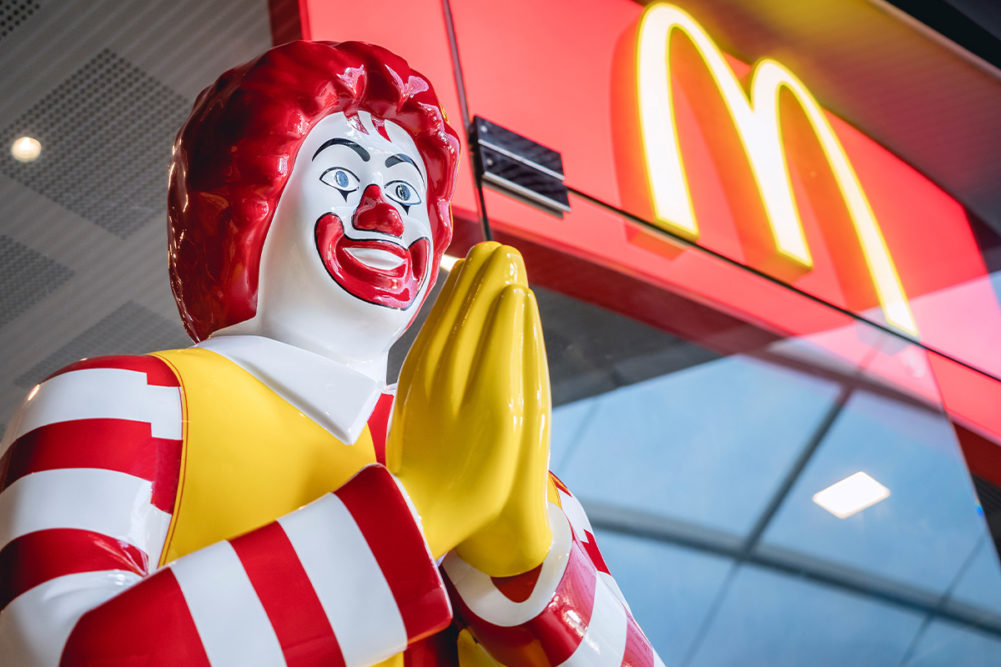
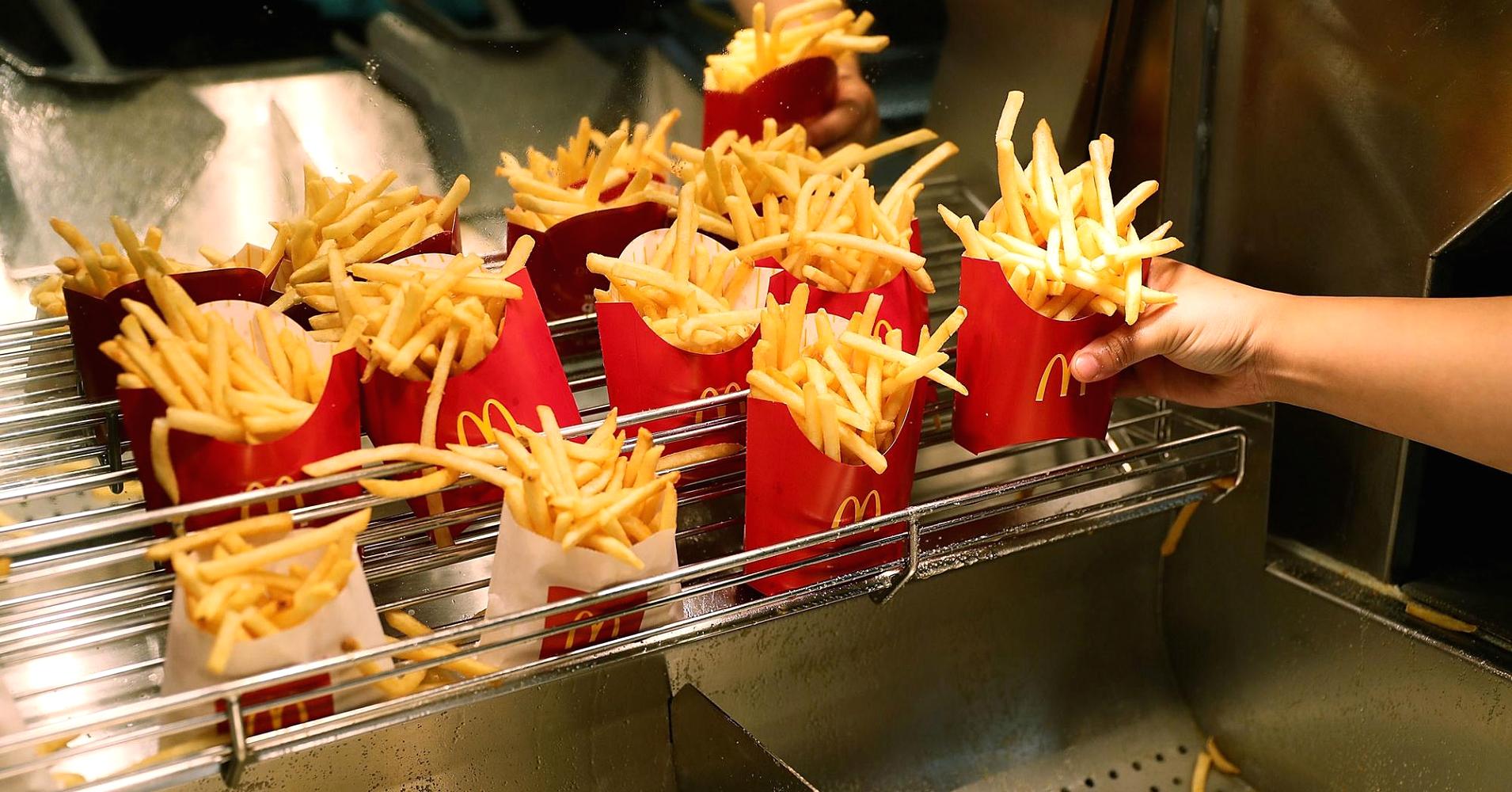
    A McDonald’s restaurant in Singapore suspended operations this week and pulled down its shutters after crowds mobbed the outlet during a launch for eight-dollar hats tied to a K-pop celebrity.

    Surging foot traffic overwhelmed staff and on-site capacity, forcing store management to close physical access to maintain crowd safety.

    Operational disruption from merchandise drops

    Quick-service restaurant operators across Southeast Asia frequently deploy co-branded entertainment partnerships to drive foot traffic, but physical merchandise sales introduce crowd control dynamics that standard fast food store formats are ill-equipped to handle. When low-cost, high-profile items such as eight-dollar branded apparel hit the counter, transactional volume quickly outstrips kitchen and ordering throughput.

    The physical closure of an active unit during peak trading hours creates direct revenue loss on core food items alongside third-party delivery cancellations. Fast food layouts prioritise rapid ordering, fast kitchen turnaround and short table dwell times rather than orderly queuing for physical retail inventory.

    The economics of limited-run fast food tie-ins

    Entertainment collaborations serve as high-margin marketing vehicles for global chains, generating substantial digital impressions and attracting younger demographics. The primary margin driver remains the accompanying food bundle, yet the secondary resale value of limited-edition collectibles frequently attracts scalpers who distort store footfall.

    Physical item allocations without dedicated ticketing or queue infrastructure leave frontline restaurant workers managing volatile retail bottlenecks. When merchandise sells out or access is restricted, customer frustration shifts onto restaurant staff, increasing brand friction rather than building goodwill.

    Crowd control risks for quick-service operators

    Mall operators and commercial landlords monitor safety protocols closely across high-density retail centres in Singapore. Uncontrolled queue spillover into common corridors disrupts neighbouring retail tenants and risks landlord penalties or regulatory intervention.

    For food chains, shifting exclusive merchandise sales to digital pre-orders, lottery allocations or app-based collection windows reduces physical crowding. Direct in-store sales of highly sought-after cultural tie-ins continue to expose operators to unexpected operational stoppages.

    Supply management across Southeast Asian hubs

    Consumer appetite for Asian pop culture collaborations remains exceptionally strong across urban regional hubs, including Singapore, Bangkok and Manila. The friction seen at retail counters demonstrates that demand forecasting for collectible merchandise often diverges from standard fast food sales forecasting models.

    Future promotional rollouts across regional quick-service networks will test whether chains continue open over-the-counter sales or transition high-demand merchandise releases entirely to digital redemption channels.
  • Kyochon Chicken Re-Enters Japan with Arai Shoji Partnership

    Kyochon Chicken Re-Enters Japan with Arai Shoji Partnership

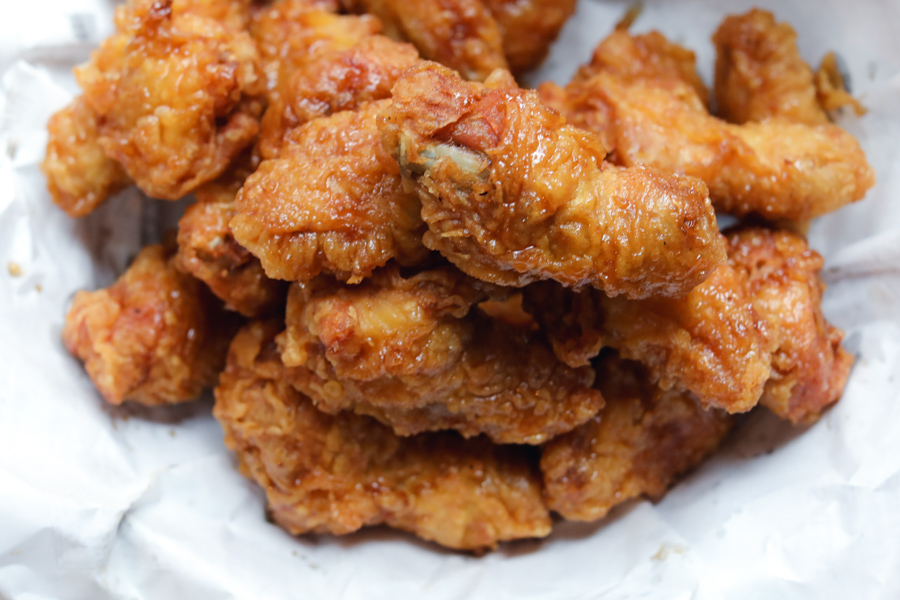
    South Korean fast-food chain Kyochon Chicken signed a franchise agreement with Japanese distributor Arai Shoji to re-enter the Japanese dining market. The plan targets a Tokyo opening in the first half of 2027.

    The deal establishes a multi-unit franchise model that grants regional operating rights across Tokyo. It sets up a pipeline for phased expansion into surrounding cities.

    Multi-unit structure replaces single-store bet

    Kyochon F&B signed the memorandum of understanding with Kanagawa-based Arai Shoji on September 29. Under the arrangement, the Japanese trading house will handle regional store operations, site selection, staff training and local marketing. Kyochon oversees sauce formulation and kitchen preparation standards.

    Arai Shoji brings existing supply chain infrastructure to the rollout. Founded in 1920 as an auction and distribution business, the company acquired Korean food importer Ongane Holdings in 2020. It entered direct food service in 2024 by opening a specialty waffle concept. That network gives Kyochon direct access to established wholesale channels for Korean ingredients rather than building a logistics pipeline from scratch.

    We have laid the groundwork for market entry through collaboration with a partner that has strong local distribution networks and a deep understanding of Korean food products.

    Correcting the 2015 Roppongi missteps

    This venture represents Kyochon’s second attempt to establish a permanent presence in Japan. The chain first entered Tokyo in December 2015 with a flagship store in Roppongi alongside local partner Food Planet. That outlet closed in September 2016 after nine months of trading.

    Misaligned pricing and high real estate costs doomed the initial run. The Roppongi outlet priced an 18-piece wing platter at ¥1,800, roughly $11 at the time. That was nearly twice the retail price charged across its domestic South Korean network. Side dishes such as pickled radish, provided complimentary in Korea, were billed at ¥280. Food Planet subsequently ran into financial difficulties and was delisted from the Tokyo market in 2017.

    Domestic saturation forces regional expansion

    South Korean fried chicken chains face severe margin compression and store saturation at home. Domestic franchise territories are densely packed. Operators have limited headroom to add outlets without cannibalising existing franchisees. Moving into neighbouring Asian markets has become an operational necessity for top-tier Korean fast-food operators looking to sustain system-wide sales growth.

    Japan presents substantial structural hurdles despite growing consumer familiarity with Korean dining concepts. Foreign operators face slim margins. Tokyo brings high prime commercial rents, chronic kitchen staffing shortages across metropolitan centres and entrenched competition from domestic karaage chains. Kyochon’s success rests on whether Arai Shoji can price the menu competitively against local convenience chains and specialty chicken shops while absorbing central Tokyo overheads.

    Next steps for the Tokyo pipeline

    Site selection for the initial Tokyo restaurant is currently being finalised ahead of the planned launch in early 2027. Kyochon and Arai Shoji are reviewing locations. Once the flagship opens, the partners will evaluate operational data and store-level margins before committing capital to secondary locations in adjacent prefectures.

  • Domino’s CEO Andrew Gregory Takes Control of ANZ as Merrill Pereyra Exits

    Domino’s CEO Andrew Gregory Takes Control of ANZ as Merrill Pereyra Exits

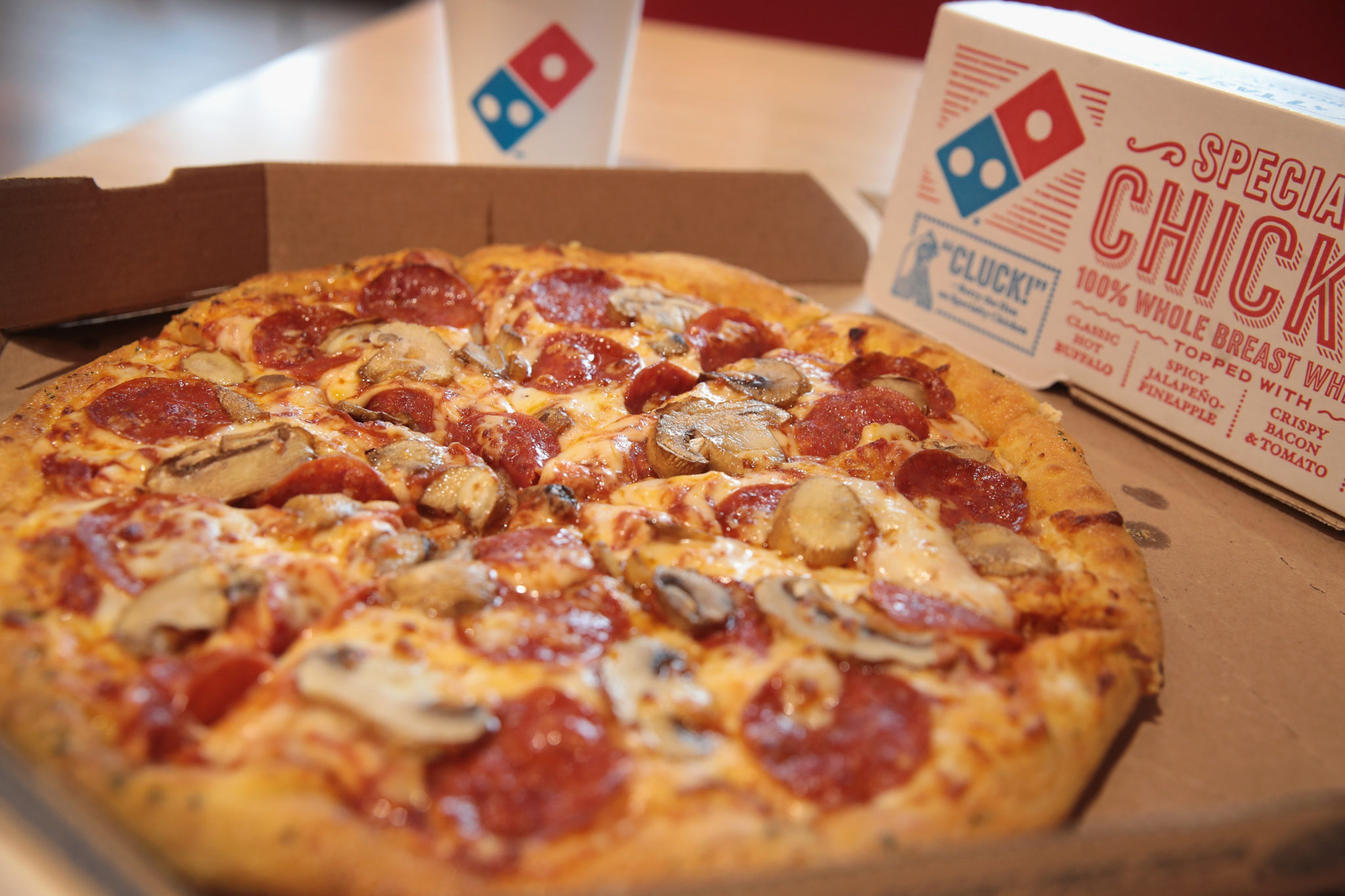
    Domino’s Pizza Enterprises Group CEO and Managing Director Andrew Gregory has taken direct control of the Australia and New Zealand business, effective immediately, to accelerate the company’s reset plan.

    The move follows a mutual agreement for ANZ CEO Merrill Pereyra to leave the business after being appointed to the role earlier this year.

    Pereyra, who holds more than 30 years of quick-service restaurant experience, led a phase focused on reducing costs, paying down debt, strengthening cash flow, and improving franchise partner returns while Domino’s searches for a successor.

    Management shift at the regional unit

    The sudden change puts group-level leadership back into direct line management over the home territory. Regional operations teams will report directly to Gregory while the board conducts an executive search.

    Pereyra previously served as chief executive of Domino’s Pizza Indonesia and held regional leadership roles at McDonald’s across a 30-year industry career. His brief tenure running the Australia and New Zealand business focused on stabilizing unit economics after successive margin squeezes.

    “The reset has established a stronger foundation for the business and remains on track,” chairman Jack Cowin said. “Australia/New Zealand is critical to the Group’s success, and the Board supports Andrew taking direct responsibility to increase the pace of execution while maintaining a clear focus on sustainable, profitable growth for franchise partners.”

    Restructuring and franchisee economics

    The company’s reset plan centers on four financial levers: cutting overhead costs, accelerating debt paydown, lifting free cash flow, and restoring store profitability. Ingredient inflation and higher labor costs strained store margins across Australia and New Zealand over recent trading periods.

    Direct corporate intervention in divisional management signals that the board wants faster cost discipline. Franchisee relations remain the primary operational risk. Store owners need immediate relief on input costs and delivery margins to protect cash returns.

    Quick service restaurant leadership

    Gregory brings extensive quick-service restaurant experience to the operational post, including a previous stint as chief executive of McDonald’s Australia. That background gives group management deep familiarity with franchised supply chains, digital ordering platforms, and local store marketing.

    Fast-food operators across the region face a more cautious consumer base cutting back on discretionary deliveries. Competitors have leaned heavily on price discounts and value bundles. This forces franchisors to balance transaction volume against franchisee gross margins.

    Search for permanent leadership

    Domino’s Pizza Enterprises confirmed the search for a dedicated regional chief executive is underway. The existing divisional leadership team will maintain daily field support and supply logistics during the transition.

    Progress under Gregory will hinge on how quickly store profitability recovers before a new regional chief executive steps in.

  • The Capital Grille Opens First Asia Venue on 50Th Floor of Bitexco Tower

    The Capital Grille Opens First Asia Venue on 50Th Floor of Bitexco Tower

    The Capital Grille opened its first restaurant in Asia last month on the 50th floor of Bitexco Financial Tower in Ho Chi Minh City. Diners reach the venue via a dedicated private lift overlooking the skyline.

    Taipei-based Ko Hospitality Group operates the steakhouse under a franchise agreement with parent company Darden Restaurants. The opening gives the Taiwanese family business its first restaurant in Vietnam.

    Steakhouse Expansion into Southeast Asia

    Darden chose Vietnam over traditional regional gateway hubs like Singapore or Tokyo for the brand’s regional debut. Guests walk straight into a dining room overlooking the city below. The kitchen serves American steakhouse staples tailored to local executives and expatriate diners.

    Ko Hospitality Group manages daily floor service, kitchen staffing, and brand standards under the licensing agreement. Securing a space in District 1 puts the operator directly in front of corporate accounts, high-net-worth diners, and private event bookings in the country’s commercial center.

    Operator Strategy and Regional Footprint

    Running an upscale steakhouse in Ho Chi Minh City challenges established independent venues and hotel dining rooms. Global brand recognition gives Darden an immediate footprint in a market where demand for imported beef and luxury dining remains steady.

    Cold-chain reliability and imported meat logistics will test the operation. Serving dry-aged beef and wine at standard requires dependable supply partnerships along international shipping routes. Import clearance delays and tariff structures can quickly squeeze kitchen margins.

    High-Rise Commercial Placement

    Securing the 50th floor of Bitexco Financial Tower anchors the property as a destination venue rather than standard mall retail. High-floor commercial tenancies command steep rents. In exchange, they offer built-in differentiation through exclusivity and panoramic views.

    Expanding into Vietnam takes Ko Hospitality Group outside its home market of Taiwan for the first time. Managing cross-border supply chains and local staffing will show whether the operator can scale Western restaurant concepts across Southeast Asian commercial centers.

    The Pipeline for Regional Dining

    Performance in Ho Chi Minh City will serve as a live benchmark for Darden as it evaluates broader franchise expansion across Asia. Fine-dining concepts carry higher overheads than casual formats. Customer retention and average check sizes will be critical in the opening quarters.

    Watch the operator’s corporate bookings and private dining receipts over the coming months to see whether Ko Hospitality Group pushes the brand into Hanoi or neighboring regional markets.

  • Figaro Culinary Group Plans Exit from Philippine Stock Exchange at P0.82 a Share

    Figaro Culinary Group Plans Exit from Philippine Stock Exchange at P0.82 a Share

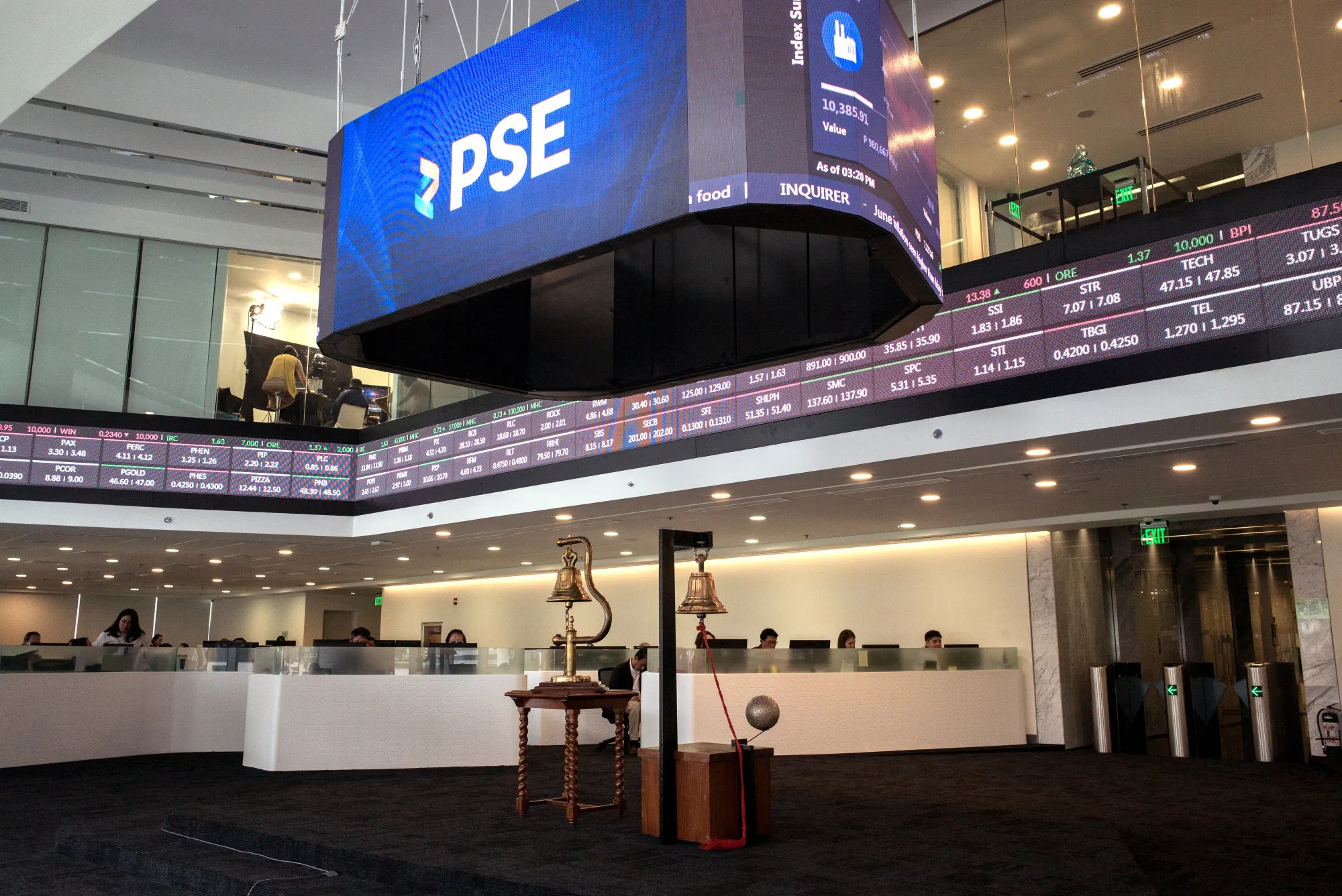
    Figaro Culinary Group plans to voluntarily delist from the Philippine Stock Exchange. The restaurant operator is offering minority investors P0.82 per share to go private.

    At that price, the buyout tops the company’s January 2022 initial public offering level of P0.75. That listing raised P767 million for store expansion across the Philippines.

    Terms of the buyout and major holders

    Operating unit Figaro Coffee Systems will run the tender offer for public minority shares. Three major shareholders will not participate: Carmetheus Holdings, Camerton, and food conglomerate Monde Nissin.

    Monde Nissin, which makes Lucky Me! Noodles and SkyFlakes crackers, bought a 15 per cent stake for P820.3 million in 2023. That deal valued the shares at P1.00 each. It sits well above the current tender offer.

    Shifting priorities across Philippine dining

    Going private gives management room to expand its brand portfolio away from daily market scrutiny. Southeast Asian restaurant chains face stiff competition in quick-service dining. Store buildout costs and franchise support demand fast capital allocation rather than quarterly earnings management.

    Angel’s Pizza now drives the group’s expansion, overtaking the original Figaro Coffee concept in store count and system sales. Leaving the exchange frees up internal cash for delivery infrastructure and fast-turnover kitchens without public reporting friction.

    Path to delisting and shareholder vote

    Trading in Figaro shares was halted on October 8 after the board approved the exit plan. The company joined the PSE in January 2022 with a multi-brand lineup that also includes Tien Ma’s Taiwanese Cuisine and Koobideh Kebab.

    Delisting requires shareholder approval and a combined ownership stake of at least 95 per cent between Figaro Coffee Systems and the non-participating anchor investors. Stockholders will vote on the proposal at a special meeting on November 13.

  • Singapore Hawker Stall Lao Liang to Shut on Oct 31 After 45 Years

    Singapore Hawker Stall Lao Liang to Shut on Oct 31 After 45 Years

    Lao Liang Pork Trotter Jelly & Shark Meat will permanently close its Singapore hawker stall on Oct. 31 after 45 years of continuous operation. The shutdown ends one of the city’s few remaining stalls preparing traditional Teochew pork trotter jelly by hand.

    Co-owners Yu Zhongrong and Lin Cailuan, both 75, confirmed they will retire at the end of the month without passing the business to their children. Rising operating demands and the physical toll of preparing the dish forced the decision.

    Labor Demands and Slim Unit Economics

    Preparation begins at 3 a.m. Daily ahead of a 10 a.m. Opening at Berseh Food Centre in Jalan Besar. The signature pork trotter jelly requires boiling trotters for seven to eight hours under constant stirring, followed by half a day of refrigeration to set the gelatin naturally.

    Cleaning and preparing additional braised items takes several more hours each morning. Lao Liang sells individual portions of pork trotter jelly from S$5 ($3.91) and Teochew kway chap sets for S$4, price points that leave little margin against the intense labor required.

    Structural Succession Headwinds for Food Centres

    The closure reflects an ongoing attrition across Singapore’s hawker and casual dining footprint, where multi-decade operators face generational handover bottlenecks. Younger workers consistently reject arduous kitchen prep shifts that deliver low gross yields, leaving aging founders with liquidation as their sole exit strategy.

    For food court managers and government landlords, these exits accelerate the transition toward centralized prep kitchens and standardized fast-casual menus. Heritage recipes that depend entirely on manual butchery and extended braising cycles are disappearing from municipal centres as private operators find them commercially unviable at entry-level hawker prices.

    From Theatre Street Pushcarts to Berseh

    The business traces back to Yu’s grandfather, who ran a Teochew eatery in mainland China before bringing the trotter recipe to Singapore. Yu began working the family’s pushcart along Theatre Street near the former Thong Chai Medical Institution during the 1960s at age 10.

    Yu and Lin assumed full ownership in 1987 when operations shifted into the now-demolished Hill Street Food Centre. The business relocated to its current second-floor unit at Berseh Food Centre in 1998, maintaining its five-day weekly schedule for the subsequent 28 years.

    Final Weeks of Trading

    Regular customers, many of them elderly diners who have bought from the stall since childhood, will have through late October to visit the counter. The stall continues to operate Wednesday through Sunday from 10 a.m. To 2 p.m. At unit #02-37 until its final service on Oct. 31.

  • Malaysian Coffee Shops Seek Beer Tax Cuts as F&B Sales Drop 4.6%

    Malaysian Coffee Shops Seek Beer Tax Cuts as F&B Sales Drop 4.6%

    Malaysian coffee shop operators want tax cuts and phased wage adjustments in the upcoming Budget 2027. The demand follows a 4.6 per cent sales drop across cafes and restaurants.

    The Malaysia Singapore Coffee Shop Proprietors’ General Association wants the Ministry of Finance to lower the Sales and Service Tax on alcohol from 8 per cent to 6 per cent. That matches the rate applied to food and non-alcoholic drinks. The group is also urging officials to roll back the beer excise duty increase imposed in the prior budget cycle.

    Licensed food and beverage venues rely on beer sales to subsidise fixed overheads like wages, power, and property leases. Retail Group Malaysia recorded a 4.6 per cent year-on-year sales drop in the first quarter of 2026. It was the first quarterly downturn for the country’s restaurant and cafe sector in nearly three years.

    Operating Costs Outpace F&B Revenue

    Margins are tightening as higher rents and inventory costs hit businesses already suffering from lower footfall. In commercial hubs like Petaling Jaya, monthly retail shop rents jumped from RM6,000 in 2024 to RM12,000 on lease renewals. Keu Kok Meng, Vice President of the Association and Honorary Secretary of the Petaling Jaya Coffeeshop Association, shared the figures.

    Industry cost breakdowns show overheads outpace revenue across high-cost venues. William Lee, owner of Yilo Group and President of Persatuan Pemilik Restoran dan Bistro Malaysia, calculated that goods sold take 40 per cent of gross revenue. Staff costs consume 20 per cent, and rent takes 15 per cent. Utilities, promotional spending, and licensing take another 10 per cent each. Those figures push baseline operating costs to 105 per cent of income before tax.

    Illicit Trade Pressures Regulated Outlets

    Cheaper contraband beer is siphoning trade away from licensed outlets. Smuggled, untaxed stock sells at discounts of up to 50 per cent against legitimate supply. That pricing gap lures customers away from traditional street-corner operators that comply with local licensing and tax rules.

    Local eateries remain tied to the wider brewing supply chain. Data from the Confederation of Malaysian Brewers Berhad 2025 Economic Impact Assessment shows the domestic industry generates an annual average of RM3.3 billion in tax revenue. It also supports roughly 52,400 jobs across production, logistics, and retail hospitality.

    Policy Demands for Budget 2027

    Beyond alcohol taxes, trade groups are pushing back on blanket wage mandates. The association wants future statutory wage increases phased in with adjustments for regional living costs and local trading capacity. Members argue flat national hikes would force small operators to cut staff or shorten business hours.

    Family-run eateries have minimal cash reserves and struggle to pass cost increases to consumers cutting back on dining out. Previous cost shocks after post-pandemic reopenings left neighbourhood outlets with almost no retained earnings to absorb another hit.

    The Timeline for Fiscal Decisions

    Finance ministry officials are currently finalizing allocations and tax measures ahead of the national budget presentation. Coffee shop trade groups are lodging formal memoranda with state and federal ministries to secure excise freezes before the fiscal framework is locked in.

    Parliament will debate the budget measures in October, when lawmakers decide whether to freeze alcohol excise rates and adjust the service tax threshold for licensed food service providers.

  • McDonald’s Uses AI to Guide Menu Prices Across Global Markets

    McDonald’s Uses AI to Guide Menu Prices Across Global Markets

    McDonald’s is increasingly deploying artificial intelligence to guide menu prices across the US and international markets, according to reports in September 2026.

    The system supercharges pricing models by estimating how much each store’s patrons are willing to pay, a move designed to lift headquarters’ profit.

    How the Pricing Engine Operates

    However, the extensive use of AI risks alienating customers and attracting antitrust scrutiny, while franchisees report mounting corporate pressure over local pricing decisions.

    Price gaps between nearby outlets have widened under the algorithm. In Fresno, California, a company-owned branch listed a Big Mac at $5.69. Another company store two miles away charged $6.89. That is a 21 percent price premium for the same product.

    Franchise Rules and Compliance Tracking

    Corporate executives maintain that operators retain legal discretion over menu pricing. Even so, store owners report institutional pressure to adopt the algorithmic recommendations. Internal documentation from June confirms headquarters logs specific instances where franchisees deviate from recommended figures.

    Under business standards enacted in January, franchise operators must constructively engage with corporate-approved pricing consultants and digital tools. McDonald’s defended the system as an advisory tool rather than a mandate, designed to help operators navigate varying overheads and distinct trade areas.

    Operator Margins and Market Friction

    Centralized algorithmic models shift pricing control away from local store operators. Across developed Asian markets like Japan, Australia and Singapore, automated yield management tests consumer tolerance. Franchise networks in these markets already face elevated labor and supply chain costs.

    Quick-service brands risk swift pushback whenever digital systems create visible price gaps across nearby postal codes. Rival chains Wendy’s and Burger King confirmed they do not use automated artificial intelligence tools to alter menu pricing. Both chains are positioning themselves against algorithmic adjustments.

    The Race Toward Automated Restaurant Tech

    Fast-food conglomerates have accelerated investments in predictive automation over the past two years. The goal is protecting gross margins while testing value propositions for cost-conscious diners. Yum Brands, operator of KFC and Taco Bell, has similarly expanded artificial intelligence deployments across its global store network to streamline operational decisions.

    Presentations from corporate executives show earlier affordability initiatives aimed at retaining traffic among lower-income demographics. Investor filings show headquarters views the technology as essential to defending systemwide volume without sacrificing royalty receipts.

    Regulators and consumer protection bodies continue to review dynamic and algorithmically generated pricing structures across retail sectors. Attention now shifts to fourth-quarter store profitability reports and franchisee compliance metrics as operators evaluate how local foot traffic responds to neighborhood price adjustments.

  • TGI Fridays Signs Deal to Open 15 Restaurants in Pakistan

    TGI Fridays Signs Deal to Open 15 Restaurants in Pakistan

    TGI Fridays announced a development agreement with Meerab Hospitality on Sept. 23, 2026, to expand its presence in South Asia by scaling to 15 restaurants across Pakistan.

    The agreement targets a market of more than 240 million people with a median age of 21, aligning with the brand’s wider 1-2-3 Strategic Vision to reach over 1,000 restaurants and $2 billion in annual revenue by 2030.

    Flagship site set for Lahore

    Development begins in Lahore, where the first flagship restaurant is targeted to open within the next 12 months at the Hyatt Regency Hotel complex to establish the standard for future locations.

    Operating rights belong to Meerab Hospitality, the franchise and development arm of Meerab Properties. Led by founder and group chief executive Pervaiz Iqbal Shahid, the group holds two decades of property and operational assets across the UAE, Pakistan, and Central Asia.

    Shahid confirmed the group plans to rebuild the brand through a capitalized operating structure following earlier market exits.

    Franchise mechanics and local operating risks

    Pakistan offers international operators massive demographic scale, but execution risks are high. Western chains operating full-service formats face volatile currencies, rising utility overheads, and shifting import duties on specialized ingredients. To protect unit economics from currency shocks, operators must build domestic supply chains for poultry, produce, and dairy.

    Competition is fierce from domestic dining brands and fast-casual burger chains running lower average checks. TGI Fridays bets that dense commercial developments and hotel sites like the Hyatt Regency will generate the footfall needed to fill large dining rooms.

    Shift toward experiential dining formats

    Retail landlords and developers increasingly rely on international food-and-beverage banners to pull foot traffic into mixed-use sites. Landlords in Lahore, Karachi, and Islamabad are shifting gross leasable area away from apparel retail and toward dining and entertainment hubs aimed at consumers under 30.

    Offerings will center on non-alcoholic drinks, mocktail menus, and American bar-and-grill staples tailored to local dining habits. Support hubs in Dubai, London, and Dallas will handle franchisee assistance, quality audits, and menu localization across South Asia.

    Global pipeline targets 1,000 locations by 2030

    The expansion fits into the Dallas-based chain’s 1-2-3 Strategic Vision turnaround plan. That program aims to expand the global footprint past 1,000 restaurants and generate $2 billion in annual system revenue by 2030. Today, the chain runs roughly 400 restaurants across nearly 40 countries.

    September has already brought two market entries for the brand, starting with a franchise launch in the Balkans. Over the past year, regional agreements have added nearly 200 commitments across the Maldives, the Philippines, Japan, Kenya, Peru, Mexico, Spain, Greece, and Cyprus.

    Fit-out work at the Hyatt Regency complex in Lahore begins this year, with initial guest intake targeted before the final quarter of 2027.

  • L Catterton Buys $30 Million Minority Stake in Nandhana Foods

    L Catterton Buys $30 Million Minority Stake in Nandhana Foods

    L Catterton has acquired a minority stake in South Indian restaurant chain Nandhana Foods for $30 million this week.

    The cash injection gives the global consumer private equity firm a direct foothold in India’s regional casual dining market. Regional food service businesses across southern India have historically relied on internal cash flows and promoter capital to fund new locations. That pattern is breaking down as institutional investors seek scalable dining concepts with proven local demand.

    Capital deployment in regional dining

    Consumer appetites in tier-1 and tier-2 Indian metros continue to shift toward organized dining formats. Nandhana Foods built its brand identity around regional South Indian cuisine, catering to everyday lunch traffic and family dining. Securing $30 million in equity funding provides the balance sheet capacity required to expand kitchen footprints, secure premium retail real estate, and build out centralized supply chains.

    Institutional backing allows regional operators to compete directly with national multi-brand conglomerates. When well-funded private equity sponsors enter single-concept restaurant groups, the immediate focus turns to margin protection and real estate acquisition. Prime retail frontage across major South Indian commercial corridors commands rising rents, making external capital essential for multi-city expansion.

    Private equity playbook in Indian food service

    L Catterton has targeted consumer-facing food and lifestyle brands across Asia-Pacific to capture rising household discretionary spending. The firm looks for high-repeat transaction models with defensible regional loyalty. Fast-casual and specialized regional dining concepts offer clear unit economics, predictable inventory cycles, and steady cash generation compared to untested Western formats.

    Competition among private capital allocators in India has tightened around profitable consumer businesses. Global funds that previously backed digital consumer platforms are now directing capital into cash-generating physical retail and restaurant chains. Food service operators that control their supply relationships and maintain consistent kitchen standards represent defensive bets against broader market volatility.

    Operating risks and scaling discipline

    Scaling a regional dining chain beyond its home base presents operational friction. Standardizing recipes, managing bulk procurement of specialty ingredients, and maintaining identical service quality across dozens of outlets tests management teams. Expanding too fast across state borders often dilutes the brand equity that made the original footprint successful.

    Labor retention and kitchen staff training create additional cost pressures. As restaurant networks grow, operators must invest in central commissary hubs to keep unit costs manageable. Centralized production cuts kitchen square-footage requirements at retail outlets, lowering rental expenses while stabilizing gross margins.

    Valuation discipline and the road to liquidity

    Private equity investors enter minority positions with clear timetables for liquidity. For Nandhana Foods, bringing in a global investor sets an institutional governance framework and prepares the operating company for larger equity rounds or a public listing once network scale is achieved.

    The benchmark for this investment sits in how effectively the chain uses the $30 million check to open new doors without compressing unit-level operating margins. Industry attention now shifts to the company’s real estate pipeline across key southern metro hubs and the rollout speed of its next batch of restaurant locations.

  • NakNak Expands Malaysian Menu with Ultimate Cheese Bomb and New Sides

    NakNak Expands Malaysian Menu with Ultimate Cheese Bomb and New Sides

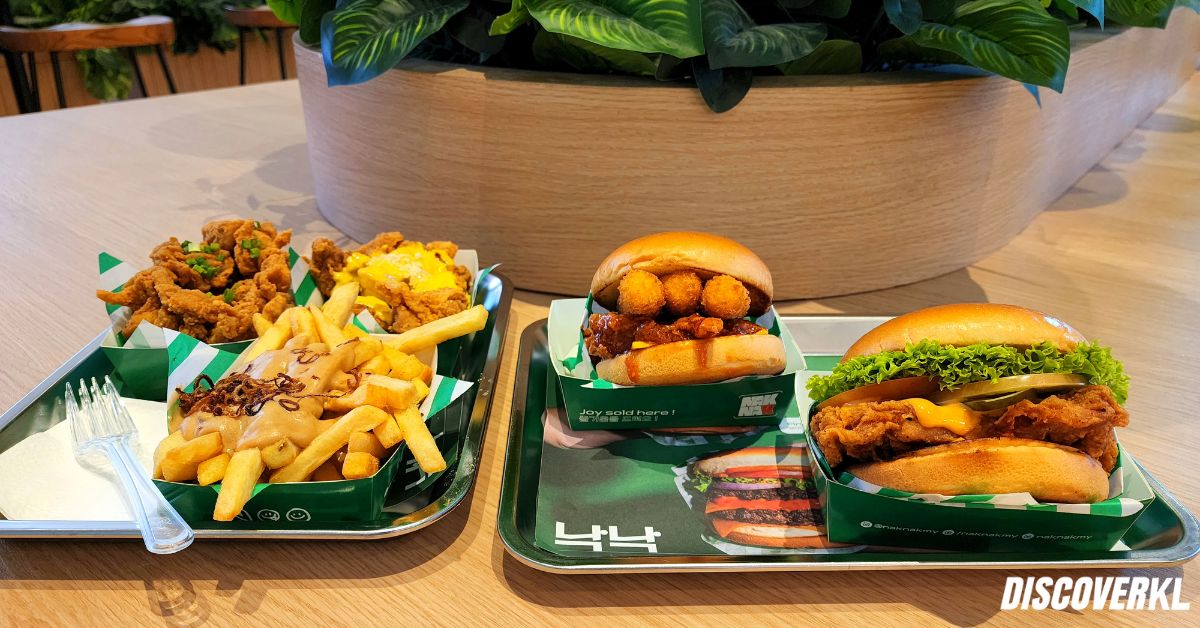
    Malaysian fast-casual operator NakNak expanded its domestic menu on September 21, 2026. The chain rolled out a cheese-loaded fried chicken line priced from RM24.90 alongside new dessert and salad options.

    The limited-time Ultimate Cheese Bomb pairs fried chicken and fries with melted mozzarella. The launch targets higher evening ticket sizes across the brand’s Malaysian footprint.

    Pricing and menu mechanics

    NakNak structured the launch across two price tiers. The Original Ultimate Cheese Bomb starts at RM24.90, combining Korean fried chicken and fries with melted mozzarella. The Spicy version lists from RM26.90, swapping in the brand’s Spicy Gochujang Nak Dak sauce. Diners can also add an extra Ultimate Cheese Bomb Sauce portion for RM8.00.

    To capture multi-item orders, the chain introduced lower-cost sides and sweets. The Shake Shake Salad retails from RM9.90 with Korean or sesame dressing, or RM12.90 bundled with a carbonated soft drink. Extra dressing cups cost RM1.50. For dessert, the Joy Cookie Tiramisu lists at RM12.90 to anchor the sweet end of the ticket.

    Cadence of limited-time offerings

    This release maintains NakNak’s 2026 promotional cycle. The chain ran its Thai Basil Pow series in February 2026, the Hot Honey Butter Crunch series in May, and a Tropical Punch beverage campaign in July. Rotating hero items every eight to ten weeks keeps store traffic steady without overhauling core kitchen equipment.

    Korean-inspired fried chicken chains in Malaysia rely on visual items to drive food court footfall. Melted cheese pours deliver strong social media engagement. However, they complicate dinner rush operations. Melted dairy requires strict temperature control and fast table delivery before texture degrades.

    Add-ons and ticket engineering

    Pricing across the menu shows how quick-service chains manage ingredient inflation while lifting receipts. By pricing the core plate at roughly RM25 to RM27 and selling sauces and tiramisu separately, NakNak pushes the full check above RM40 per person. That lifts revenue per square metre against rising urban mall occupancy costs.

    Salad combos at RM12.90 offer an option for mixed groups. Including lighter items prevents group vetoes, where a single health-conscious diner diverts an entire party from a fried chicken outlet. For store kitchens, assembling pre-portioned salads takes minimal prep time and zero fryer capacity.

    Korean quick-service battleground

    Malaysia is one of Southeast Asia’s most competitive markets for Korean dining concepts, with local brands battling international franchises like KyoChon and 4Fingers. Sauce-coated chicken and cheese pairings are standard across the segment. This keeps switching costs low and forces operators to refresh promotional menus continuously.

    Margin control remains the central commercial challenge. Mozzarella and dairy inputs face global commodity price volatility and currency exposure in Malaysia, where raw dairy is mostly imported. Sustaining profits depends on customers ordering high-margin soft drinks, salads and desserts alongside cheese-heavy mains.

    Outlets across Kuala Lumpur and surrounding urban centres have begun serving the full promotional line-up, which runs while promotional inventory lasts.

  • Fast-Food Chains Cross Borders as McDonald’s Plans 1,000 New Outlets in China

    Fast-Food Chains Cross Borders as McDonald’s Plans 1,000 New Outlets in China

    American fast-food brands and Chinese restaurant chains are accelerating cross-border expansion, trading burgers and bubble tea across both markets despite trade friction.

    McDonald’s plans to open 1,000 new Chinese restaurants this year on its way to a target of 10,000 locations by 2028. Burger King expects to triple its Chinese footprint to 4,000 stores by 2035, while Wendy’s aims to open 1,000 restaurants in the country over the next decade.

    Church’s Texas Chicken entered the market last month with an opening in Shanghai that drew long queues in the rain, with plans for at least 600 outlets nationwide. At the same time, Chinese beverage and fast-food operators are pushing into North America to build alternative revenue streams away from intense domestic discounting.

    American giants target lower-tier Chinese cities

    China remains the largest market for Yum China’s KFC, which operates roughly 13,000 outlets in the country compared with 3,750 in the United States. Having entered Beijing in 1987, followed by McDonald’s and Pizza Hut in 1990, western quick-service brands are now looking beyond saturated top-tier cities.

    Growth is shifting into smaller, inland municipalities where lower operational costs and rising disposable incomes support store additions. Even with high consumer familiarity, foreign operators increasingly rely on regional joint ventures to manage site selection and financial commitments. Starbucks restructured its mainland operations earlier this year by selling a 60 per cent stake to Boyu Capital following several years of softer store traffic.

    Menu adjustments remain essential for western chains looking to protect customer volumes. KFC menus across mainland outlets feature localized breakfast congee and egg tarts alongside fried chicken, balancing core imports with domestic dining habits.

    Chinese operators push abroad to escape price wars

    Sluggish domestic consumer spending and a property slump have squeezed margins across China’s 16 million food and beverage outlets, where the average operational lifespan was projected to drop to 15 months last year. After expanding across Southeast Asia, Chinese brands are taking their supply chains directly into the United States.

    Drink and ice cream giant Mixue, which operates more than 53,000 stores globally, entered the US market in December with three locations, including a store in New York’s Herald Square. The chain has outlined plans for at least 24 additional sites across four American states.

    Tea and coffee specialists are scaling alongside them. Heytea now runs 40 US branches, while Luckin Coffee has established 20 locations in New York after overtaking Starbucks by store count in China.

    Value positioning and operational friction

    Chinese entrants rely heavily on aggressive price points to gain market share against entrenched western competitors. At a Mixue store in Hollywood, a medium matcha latte sells for $6.83, undercutting nearby Starbucks pricing by nearly a dollar. Fast-food operator Wallace, which runs over 20,000 hamburger and fried chicken restaurants in China, opened its second California restaurant selling three chicken sandwiches for $10.

    For landlords and retail operators, the influx provides active leasing demand in suburban strip centers and urban transport hubs. However, maintaining aggressive pricing abroad introduces margin pressure, particularly if supply chains rely on imported ingredients exposed to tariff adjustments.

    Data governance and consumer perception present additional operational hurdles for Chinese operators abroad. Wallace does not highlight its Fujian headquarters on its American web pages, reflecting the brand sensitivity required as trade ties face political scrutiny.

    Scale tests across both retail markets

    The cross-border push represents a clear divergence in operational objectives. Western chains need China’s massive consumer base to meet long-term unit growth targets, while Chinese chains need the high-margin dollar revenues of the US market, which accounts for one-third of global restaurant industry sales.

    Luckin Coffee chief executive Jinyi Guo told investors the American market represents an important long-term target that the group will pursue with disciplined capital allocation. Industry attention now turns to Mixue’s next round of store openings across the US West Coast and McDonald’s pace of store rollouts across inland Chinese provinces through the end of the financial year.

  • Sydney Commits 20 Million Dollars to Make 150 On-Street Dining Spaces Permanent

    Sydney Commits 20 Million Dollars to Make 150 On-Street Dining Spaces Permanent

    The City of Sydney will convert 150 temporary on-street dining sites into permanent footpath extensions. The work falls under a 20 million Australian dollar capital program running across the next eight years.

    Crews will replace temporary concrete barriers with paved street infrastructure across major hospitality strips. This secures outdoor trading space for more than 1,000 food and beverage operators.

    Five-year permits and streamlined rules

    Under revised guidelines taking effect on October 1, operators can secure five-year approvals for footpath extensions instead of relying on rolling temporary permits. The council has eliminated duplicate application filings. It also removed separate council requirements for outdoor food service, customer toilets and heating equipment.

    Venues gain the option to trade on both sides of a footpath where width permits. They can also expand seating in front of neighbouring commercial properties with consent, and install fixed planter boxes. Council compliance officers will focus on communication and business guidance until February 1. Punitive enforcement remains reserved for direct public safety hazards.

    Footpath upgrades across three key precincts

    Civil construction starts early next year along Darlinghurst Road, Erskineville Road and Stanley Street. These physical works will embed permanent dining terraces into planned streetscapes. Permanent kerb realignments and accessible pavements will replace the modular barriers installed during emergency trading periods.

    Both community and business have expressed strong support for our recent proposals which will make outdoor dining easier and boost the vibrancy of neighbourhoods and high streets. These latest changes will further enhance outdoor dining experiences while making the city more accessible for those passing through our streets.

    Operational shifts for venue operators

    The policy shift turns emergency kerbside space into bankable floor area for inner-city restaurateurs and bar owners. Fixed multi-year approvals allow operators to invest in higher-quality outdoor fitouts and equipment. Seating capacity cannot be revoked on short notice.

    For commercial landlords, permanent outdoor seating increases trading capacity without requiring building alterations or higher internal floor space ratios. Venue managers face the main day-to-day challenge. They must maintain clear accessibility corridors along active pedestrian footpaths while managing higher table turns outside.

    Building on pandemic-era street dining

    Sydney introduced free outdoor dining permits in 2020 to help food venues survive indoor density caps during pandemic disruptions. Since that initial rollout, the city has approved more than 2,600 applications. This created roughly 16,000 square metres of outdoor trading area across high streets and suburban commercial villages.

    More than 150 submissions from local residents, business owners and industry associations during public consultations earlier this year helped shape the final regulatory framework. Progressive construction across the first batch of permanent street locations begins early next year following formal council sign-off.

  • Tim Ho Wan Opens First Global Dim Sum Innovation Lab in Hong Kong

    Tim Ho Wan Opens First Global Dim Sum Innovation Lab in Hong Kong

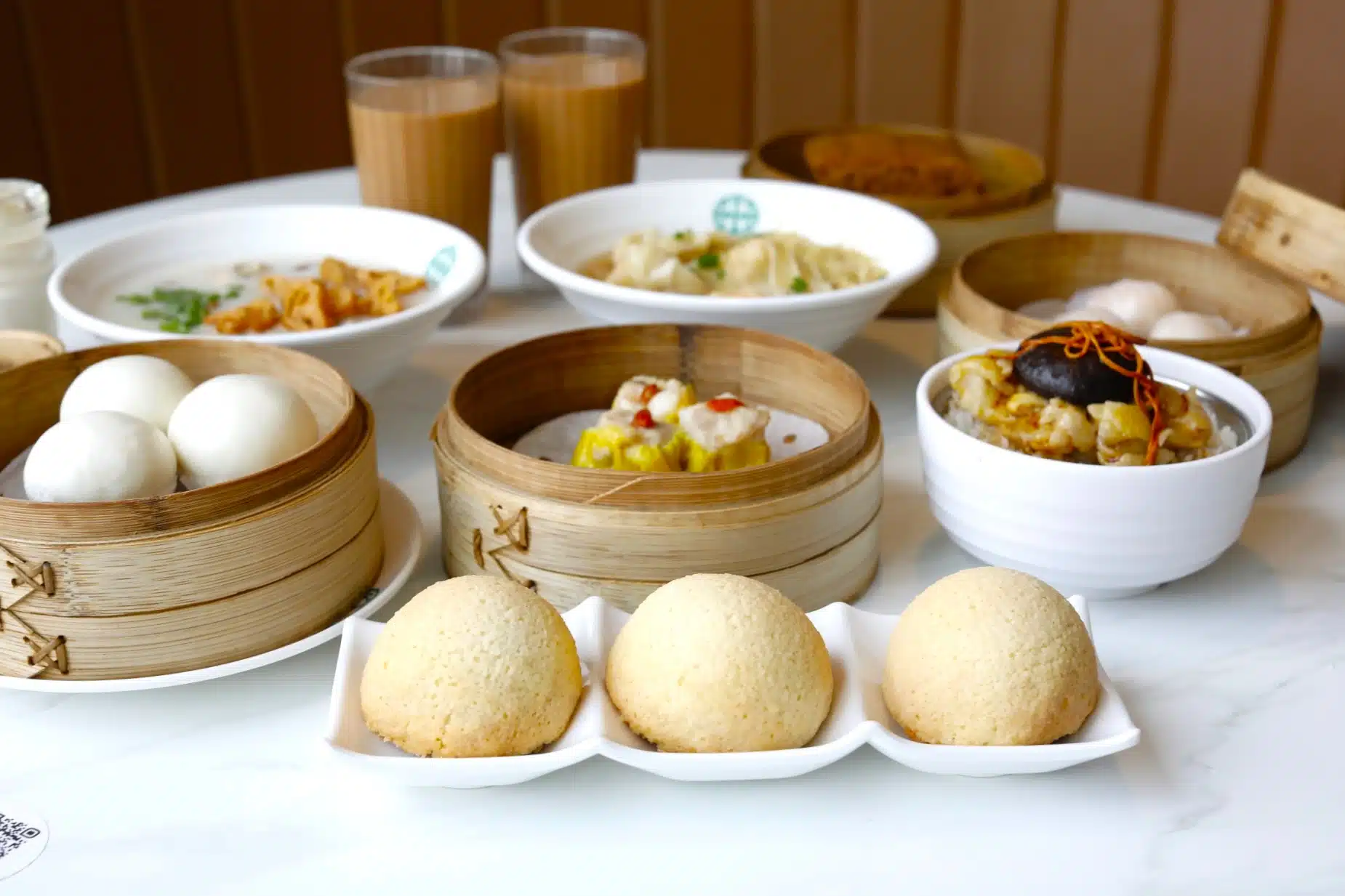
    Tim Ho Wan opened its first Global Dim Sum Innovation Lab at Lee Garden Two in Hong Kong in September 2026. The site serves as the central development kitchen for its worldwide restaurant network.

    The facility centralises recipe testing and chef training to standardise food quality across international branches. Glass walls separate the test kitchen from the dining room. Diners in Causeway Bay can watch staff test ingredients, adjust steamer temperatures, and refine techniques.

    Developing Standardised Dim Sum Menus

    Culinary teams at the site test recipe tolerances and intentional errors. This work establishes baseline operating procedures before dishes roll out overseas. Global creative director Chef Cheung Yat Sing leads menu development inside the Causeway Bay kitchen, focusing on consistency across varied kitchen setups.

    Global chief executive Sheng Lee said the objective is converting high-end dim sum craft into replicable commercial formats across all markets.

    “Our ultimate goal is to translate our best recipes into standardised processes,” Lee said.

    Operational Impact on Global Franchises

    Centralised recipe development addresses quality control challenges during rapid cross-border expansion. Dim sum relies heavily on skilled pastry folding, precise steaming moisture, and fresh filling preparation. These factors often vary widely between franchise operators in different countries.

    By turning the kitchen into an operational testing hub, the group aims to lock down ingredient specifications and cooking parameters before overseas branches introduce new items. Success depends on whether strict procedural standards can maintain texture and flavour when local franchisees substitute regional flour grades and fresh proteins.

    Menu Engineering and Causeway Bay Exclusives

    Causeway Bay is also using the facility to test consumer demand directly through exclusive trial dishes. The company introduced three launch items for the site: a Chef’s Special Siu Mai Trio, a Roasted Tea and Fig Steamed Pudding, and an Iced Apple Lychee Lu’an Tea.

    Dishes that perform well with local diners and meet production efficiency benchmarks will join the master menu distributed to overseas franchisees and joint-venture partners.

    Regional Expansion and Concept Testing

    The lab opening follows recent operational adjustments across the chain’s regional footprint, including trials of a dedicated takeaway format in Taiwan. That trial examined throughput speed and packaging durability for off-premise sales in dense urban transit corridors.

    Staff at the Lee Garden Two innovation lab are now preparing the first batch of seasonal recipes for rollout across Asian outlets later this year.

  • Asian Fast Food Chains Accelerate Australian Expansion Beyond 10 Outposts

    Asian Fast Food Chains Accelerate Australian Expansion Beyond 10 Outposts

    Asian quick-service restaurant operators are accelerating their Australian rollouts. Chinese beverage group Mixue leads the charge. It has expanded beyond 10 locations across the country since entering Sydney in 2023.

    The push targets Australia’s youth demographic. Consumers aged 15 to 24 represent the largest single group buying takeaway food, according to IbisWorld data.

    New entrants target metropolitan centres

    Arrivals across Sydney and Melbourne picked up sharply after 2023. Malaysian halal fried chicken chain Marrybrown, Japanese cafe brand Nana’s Green Tea, Philippine soft-serve seller Miguelitos and Chinese tea group Molly Tea have all opened corporate or franchised doors.

    Indonesian restaurant operator Sederhana opened in Melbourne to serve West Sumatran Minang dishes. In Sydney, Chinese tong sui specialist Makkee Dessert launched its first storefront with street-level queues on opening day. Korean fried chicken franchisor NeNe Chicken laid early groundwork for Asian QSR formats when it entered Melbourne in 2015.

    Operational shifts favour grazing and small transactions

    These incoming concepts rely on high-turnover, small-ticket sales rather than traditional full-meal sittings. Menus built around single-portion fried chicken, sweet soups, soft-serve ice cream and brewed teas match changing routines geared toward all-day snacking.

    Store footprints are configured around digital ordering infrastructure. Outlets deploy self-service touchscreen kiosks, QR-code ordering tables and flexible modular seating. This setup cuts labour overheads and handles heavy foot traffic during afternoon and late-evening peaks.

    Merchandising drives youth brand loyalty

    Visual branding and proprietary merchandise drive customer retention across these chains. Operators sell accessories including cooler bags, character magnets and toy outfits alongside drinks and meals. Collectable goods anchor repeat business.

    Mascots give these brands instant visibility. Mixue uses its Snow King snowman across store facades and packaging, while Marrybrown deploys Brownie the chipmunk. Both characters provide social media cut-through in prime urban retail strips that carry high commercial rents.

    Pipeline builds for late 2026 rollouts

    Japanese curry specialist Coco Ichibanya is preparing its first Melbourne opening before the end of the year, introducing its spoon-wielding cat mascot to the local market. Philippine fast-food giant Jollibee is also tracking Australian real estate after signaling entry plans for several years.

    Industry attention now turns to execution. Rivals are watching how fast Coco Ichibanya scales its initial Melbourne footprint and whether Jollibee secures its first Australian flagship site.