Retail News CRM

Tag: restaurants

  • Dunkin’ to be seen as coffee place in future

    Dunkin’ to be seen as coffee place in future

    Global fast-food chain Dunkin’ plans to reposition itself as a coffee chain – but it will still sell fresh donuts. Just a month after Dunkin’ Donuts unveiled rebranding, including dropping ‘Donuts’ from its name, the company has announced a strategy to put quality coffee at the core of its menu

    Dunkin’ has previously revealed a US$100 million budget to revive its market position in its core US home market. Now it says half of that investment will be spent on espresso machines and other restaurant equipment enabling it to accelerate its beverage-led strategy. The company says Dunkin’ franchisees are also making a substantial investment in the initiative, which is focused on growing its market share of the hot and iced espresso category.

    “Espresso is one of the fastest-growing coffee categories, particularly among younger consumers, and with our coffee credentials we believe we have a tremendous opportunity to improve our awareness and credibility among espresso drinkers,” said Tony Weisman, chief marketing officer at Dunkin’ US.

    The company is promising “an entirely new espresso experience for customers” in its US restaurants by the coming holiday season, featuring new state-of-the-art espresso equipment, a new espresso recipe, extensive restaurant training and new espresso cups.  Dunkin’ will serve “handcrafted hot and iced espresso beverages” – including lattes and cappuccinos – “featuring a rich, smooth, balanced taste that meets the profile preferred by espresso customers, and in particular younger espresso drinkers,” the company said in a statement.

    Dunkin’ will support the launch with a comprehensive marketing campaign. New espresso cups are bright orange and feature an exclamation point, a symbol the company says positions the espresso beverages as bold, new and exciting.

    “Relaunching espresso in our restaurants nationwide has been a tremendous undertaking, from installation of the new espresso machines, to the creation of the new, bolder taste profile, to the extensive employee training,” said Dunkin’ US COO Scott Murphy. “This is a transformative initiative, and it would never have happened without the total alignment and support of our franchisees.”

    All espresso beverages served at Dunkin’ US restaurants will continue to be made with 100-per-cent espresso beans sourced from Rainforest Alliance-certified farms.
  • Mokutan celebrates grand opening at Empire Prestige in Tsim Sha Tsui

    Mokutan celebrates grand opening at Empire Prestige in Tsim Sha Tsui

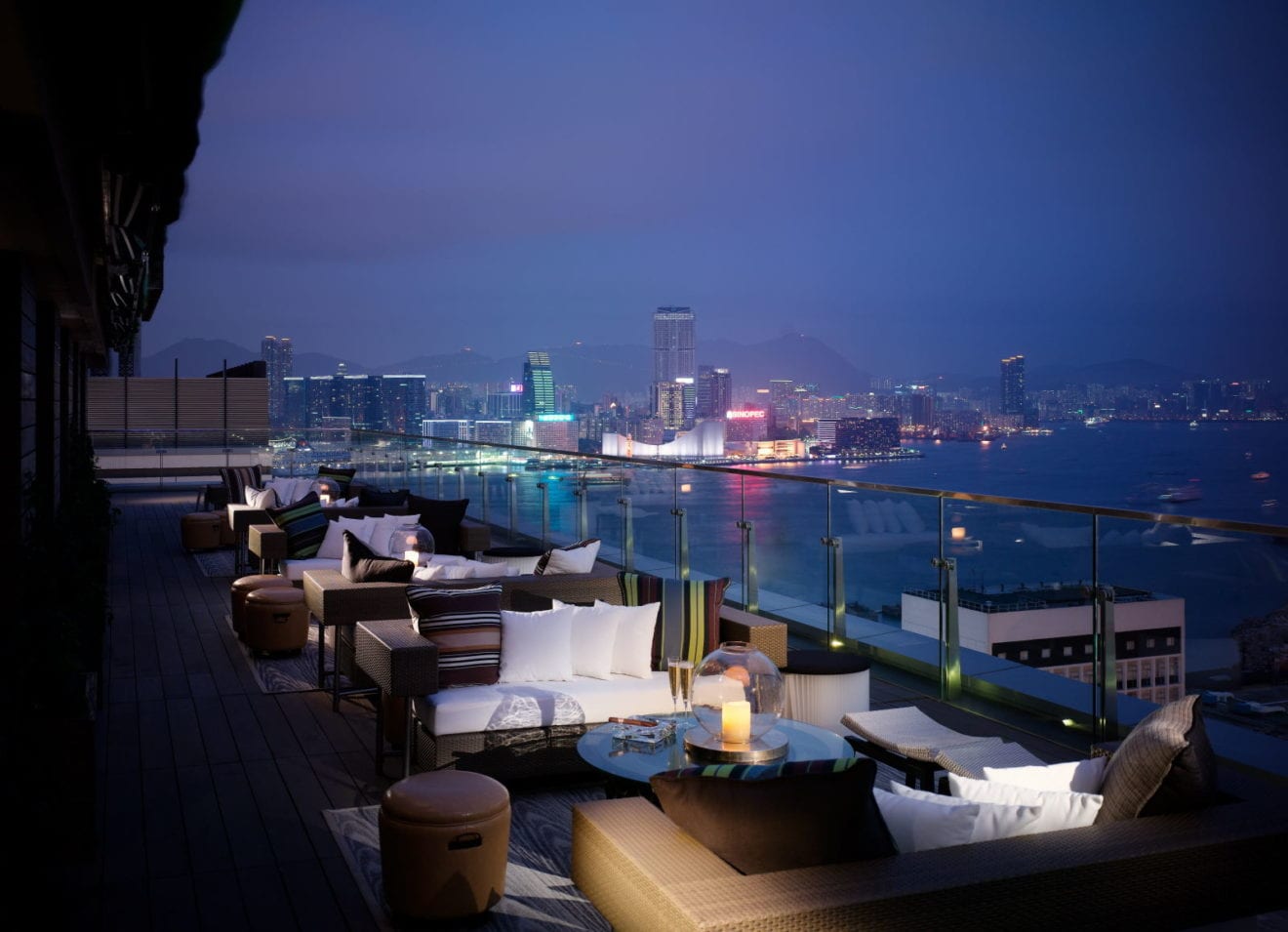
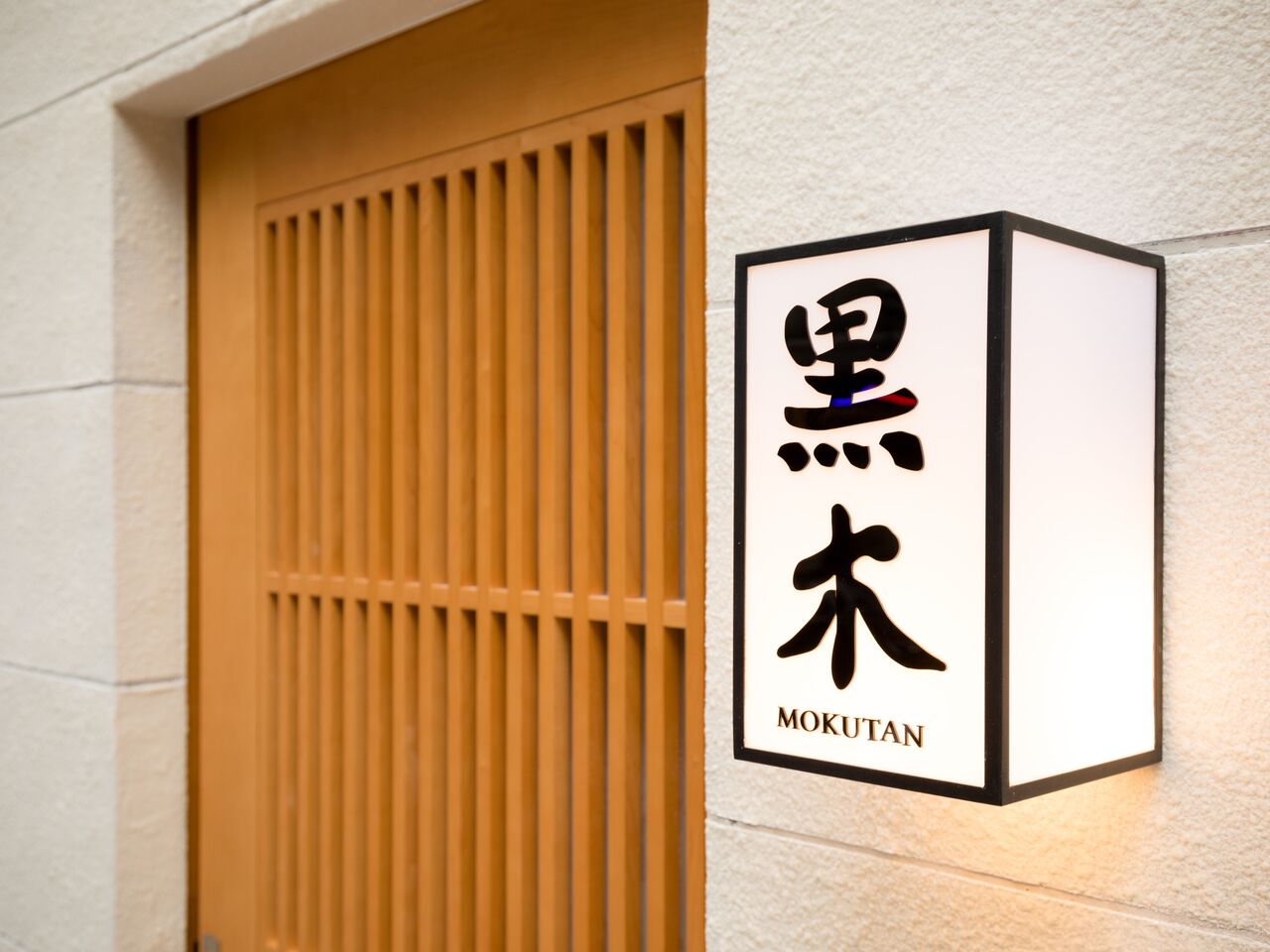
    MOKUTAN, Hong Kong’s latest sleek and contemporary Japanese Izakaya, celebrates grand opening in the vibrant heart of Tsim Sha Tsui at Empire Prestige. An exclusive, hole-in-the-wall gem designed for epicureans in the know, MOKUTAN offers a repertoire of high-quality, seasonal specialties, highlighting three affordable Omakase menus from HK$288.

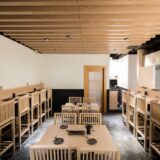
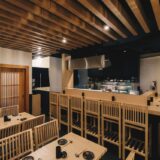
    MOKUTAN boasts a design that is reminiscent of Japan’s zen character. An expansive white wall marks the entrance to the restaurant, projecting a sense of simplicity that contrasts the eclectic bustle signature to Tsim Sha Tsui. Inside, down-to-earth materials such as packed earth, wood, and paper are used to give the space a minimalist feel, paying homage to an era of Japanese history.

    An intimate space which seats 26 people, the L-shape open kitchen offers the perfect opportunity for diners to see the culinary team in action.

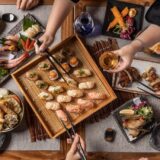
    MOKUTAN’s three Omakase menus include a 9-course option featuring Chef’s choice of appetizer, meat and vegetable skewers, simmered dish, and soup (HK$288); or a 13-course menu showcasing more lavish dishes at HK$428. Those who crave for a complete MOKUTAN Izakaya experience may enjoy a sumptuous 18-course menu at HK$688, sampling an appetizer, 6 meat skewers, 6 vegetable skewers, a simmered dish, soup, grilled dish, seasonal seafood and rice.

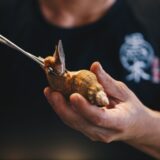
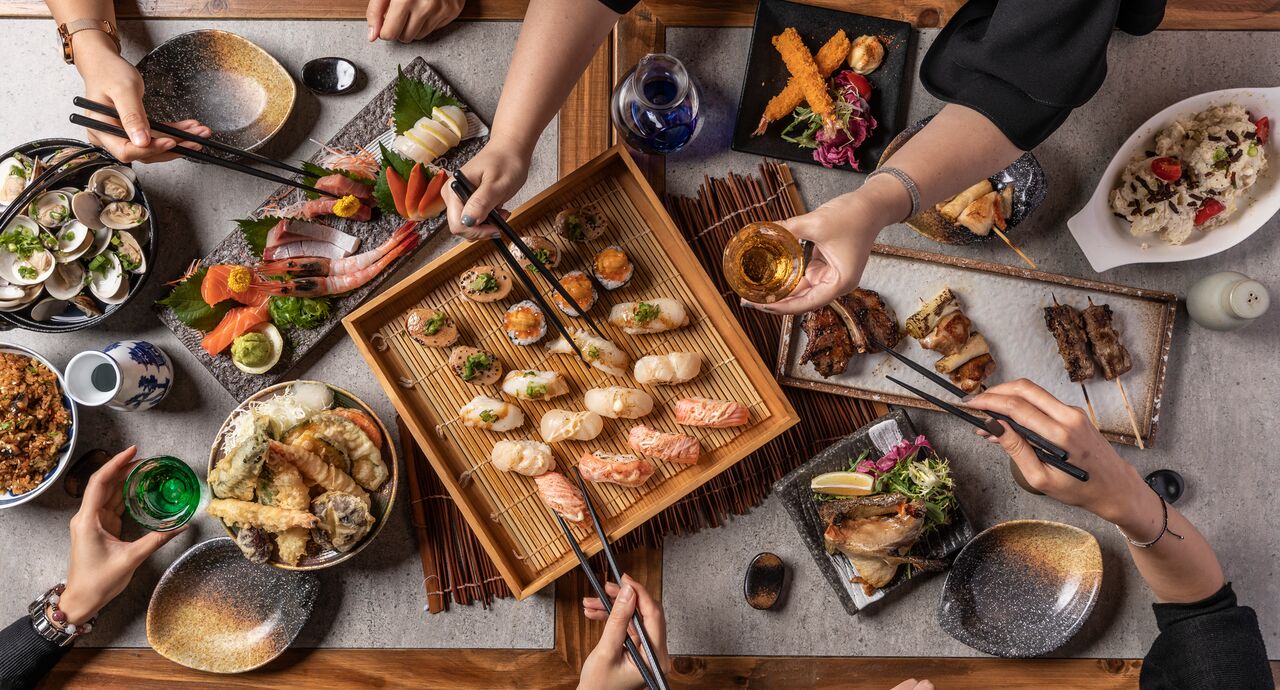
    Crafted to highlight the authentic flavors of Japanese Izakaya, MOKUTAN’s a la carte menu showcases a robust choice of Japanese classics. Chicken yakitori, the quintessential staple, features Satsuma chicken fresh from Kagoshima. It is presented in a multitude of ways; demonstrating the different flavors from a whole bird.  Highlights include the bird’s neck, kidney, skin, heart, and tail, all of which are perfectly grilled under the expert hands of the culinary team.

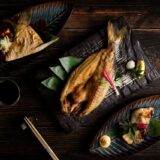
    Meat lovers can also enjoy classic skewers such as Minced Chicken (HK$48), Angus Beef Short Rib (HK$66), and a selection of seafood highlighting MOKUTAN Threadfin (HK$168), Water Eel (HK$68) and Yellowtail Joint (HK$138), while vegetarians have a vast menu of seasonal vegetable skewers to choose from. Japanese favorites such as Onigiri (Japanese Rice Balls, HK$38-HK$48), Ochazuke (Rice in Green Tea Soup, HK$48), Onsen Tamago with Black Truffles (HK$68), Grilled Dried Cod Fish (HK$198), and Cheese Mochi (HK$28) serve as delectable side dishes.

    Offering business executives the ideal Japanese lunch option is MOKUTAN’s special bento menu, featuring signature dishes such as the “MOKUTAN Threadfin” (HK$128) a light tasting but firm white fish and “MOKUTAN Chicken” (HK$98), a perfectly grilled chicken yakitori drenched in house special sauce that brings the right amount of fuel to power through the afternoon slump.  Those who desire something heartier may opt for the succulent “Pork Belly” (HK$98), the melt-in-your-mouth Angus Beef Short Rib (HK$128), or the tender and distinctively taste “Lamb Chop” (HK$118).  All lunch sets are served with daily special appetizer, soup, salad, and rice.

    Complementing the yakitori experience, diners may choose to pair their meals with premium sake such as Daina, Born and Dassai; while luscious plum wine from Dewatsuru Kimoto Junmai make a perfect aperitif.

    “The simplicity in which yakitori is presented masks the technique and skill that goes into the dish,” shares Benson Ling, co-owner of MOKUTAN and brainchild of trendy sushi roll concept – Chottomaki.  “At MOKUTAN, we are delighted to bring a genuine Yakitori experience in a relaxing and intimate setting.”

    View the gallery of the newly opened restaurant below (7 images) :

  • Uber Eats India, CCD partner for virtual restaurant network

    Uber Eats India, CCD partner for virtual restaurant network

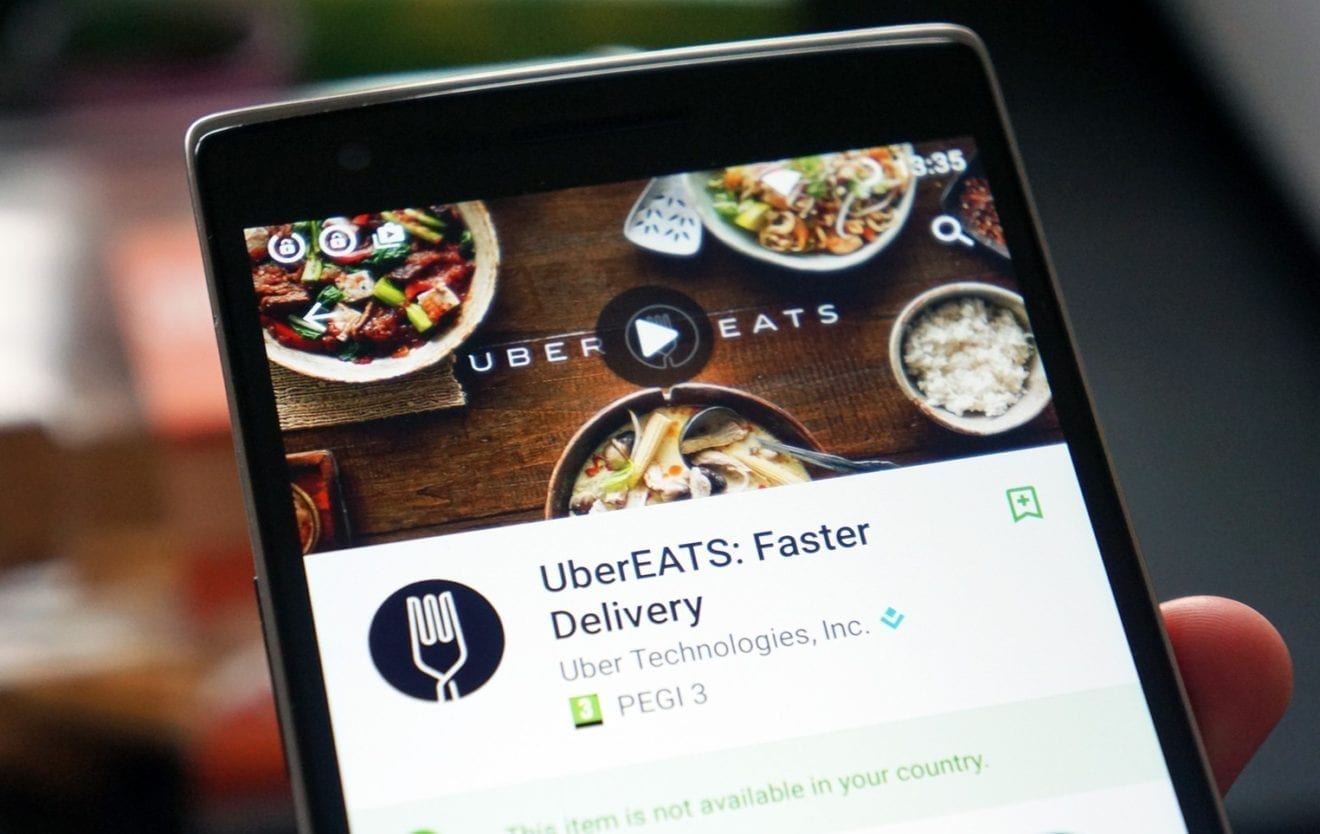
    Food delivery app Uber Eats in partnership with Cafe Coffee Day (CCD) on Friday launched a network of virtual restaurants that will offer more choices of ‘delivery-only’ restaurant brands. The first restaurant brand under this partnership is scheduled to launch in mid-November on Uber Eats app, the company said in a statement.

    “We are thrilled to partner with CCD – the pioneers of cafe culture in India,” said Jason Droege, Vice President of UberEverything, Uber Technologies.

    “Using experience and lessons learnt in the virtual restaurant space from our global operations, we hope to provide our Indian restaurant partners greater growth opportunities,” Droege added.

    Uber Eats is currently present in 37 cities in India while CCD has a network of 1,742 cafes across 246 cities in India.

  • Ronin Japanese Cuisine (Wanchai) Re-open with Facelfit

    Ronin Japanese Cuisine (Wanchai) Re-open with Facelfit

    Hong Kong’s contemporary Tabehoudai (all you can eat) Japanese buffet RONIN JAPANESE CUISINE (WANCHAI) is celebrating a new facelift introducing enriched lunch and dinner menus showcasing freshest ingredients and seafood.

    The restaurant’s quality Tabehoudai dinner, uniquely enjoyed at leisure without time limit from 6:30 pm to 10:30 pm daily, is priced just HK$328 (HK$188 for children and elderly) from Sundays to Thursdays, or HK$348 (HK$208 for children and elderly) on Fridays, Saturdays, public holidays and eves of public holidays.

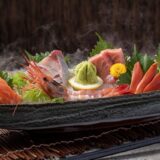
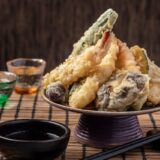
    Offering business executives the ideal lunch option is a wide selection of fresh sashimi and sushi, Japanese donburi, tempura and sukiyaki sets range from HK$68 – HK$188, highlighting Special Sashimi Platter (HK$68), 8 Kinds of Sushi (HK$138), Ronin Deluxe Sashimi Donburi (HK$150), Ronin Tempura Set (HK$188), Grilled Steak & Foie Gras with Wasabi Sauce (HK$158), Pan-fried Lamb Rack and Prawn with Japanese Style Sauce (HK$148) and another enticing choices.

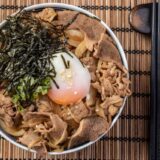
    In celebration of the new facelift, RONIN JAPANESE CUISINE (WANCHAI) is introducing a special early lunch promotion till 12:30 pm, featuring sumptuous Diced Sashimi Donburi and Onsen Egg and Beef Donburi at only HK$50, including soup and a drink, available 7 days a week.

    On special promotion through November, guests who check-in via Facebook or Instagram additionally receive a complementary ‘Seafood Platter’, presenting the finest catch of the day.

    RONIN JAPANESE CUISINE (WANCHAI)’s fresh and welcoming new look introduces a serene and contemporary Japanese design in dark wood with minimalist décor in earthy tones for an authentic and affordable Japanese dining experience in a rustic and friendly atmosphere.

    RONIN JAPANESE CUISINE (WANCHAI) has attracted a loyal following since opening in 2014 – inspired by the spirit of samurai warriors known by the same name during Japan’s feudal era (1185-1868), who grew tough from confronting various challenges.  Likewise, the brand is dedicated to overcoming obstacles and challenges with the dedicated goal to serve only the very best to customers, including top quality ingredients flown jet fresh daily from Japan.

    RONIN JAPANESE CUISINE (WANCHAI) is part of the Top Standard Corporation stable of Hong Kong restaurants that also encompasses premium sister Japanese restaurant RONIN JAPANESE CUISINE (CENTRAL) in Wellington Street; iconic Chinese dining destination San Xi Lou at Coda Plaza, Mid-Levels and Times Square, Causeway Bay; and Pure Veggie House at Coda Plaza, Mid-Levels.

    View the gallery below for the new look of the restaurant (6 images) :

  • Chope funding round secures $18 million

    Chope funding round secures $18 million

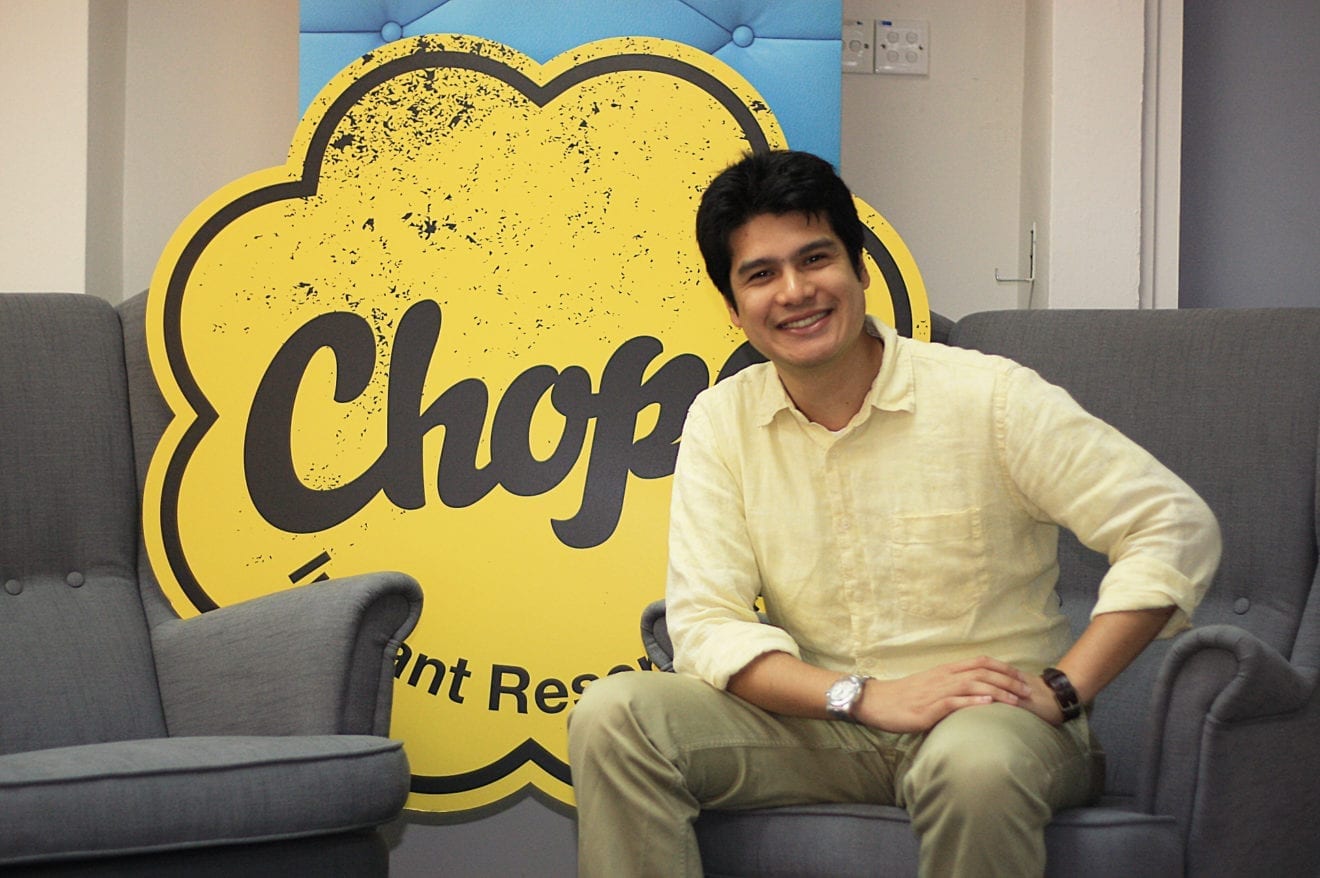
    Restaurant-booking app Chope has secured S$18 million from multiple investors.

    Led by venture capital firm Square Peg Capital, the investors in the funding round include Moelis Australia, NSI Ventures and SPH Ventures.

    Chope CEO Arrif Ziaudeen says the funds will be used to improve product, increase staff numbers and enhance customer support. The Singapore-based company will also “invest heavily in further innovations” while deepening its reach into its markets across Asia.

    “Chope offers a compelling service to both restaurants and diners,” says Square Peg partner Tushar Roy.

  • Profits soar for Macau restaurants

    Profits soar for Macau restaurants

    Macau restaurants nearly doubled their profits last year, according to a Statistics and Census Service (DSEC) survey, while Chinese outlets saw a rise of more than 200 per cent in gross surplus.

    Gross surplus grew by 96 per cent year on year for restaurants and similar establishments to MOP258 million (US$32 million), the survey shows.

    Excluded from the study were restaurants and food outlets run by hotels and gaming establishments, as well as street-hawker stalls.

    There was a 6.5 per cent increase in the total amount of receipts collected to MOP10.6 billion, with expenses climbing 5.2 per cent year on year to MOP10.4 billion.

    The sector’s expenses included a 2.1 rise in purchase of goods, representing 36.8 per cent of the total, at MOP3.8 billion. Employee salaries increased 9.8 per cent to reach MOP3.7 billion.

    On the other hand, rents eased by 0.5 per cent but were still the major cost of running restaurants at MOP1.1 billion. Electricity costs and materials were the second- and third-largest expenses for F&B establishments, both increasing. Electricity costs were up 7.1 per cent to MOP362 million while materials cost 0.6 per cent more to reach MOP236 million.

    The survey also shows the sector contributed 13 per cent more to the local economy (gross value added) with a total of MOP4 billion. This is despite there being 20 fewer dining outlets than the previous year – the first decline since 2012 – taking the total to 2189.

    However, the number of people working in the industry rose by 101 to reach 32,260 at the end of last year.
    About 2265 cooked-food stalls in municipal markets were registered last year, with 32,398 workers. Macau had 598 Chinese restaurants, bringing in 42.3 per cent of total receipts last year.

    In all, Chinese restaurants registered 9.2 per cent more in receipts last year than in the previous 12 months, reaching MOP4.5 billion, with gross surplus rocketing 218 per cent to MOP105 million.

  • Max’s Group plans up to 30 new outlets this year

    Max’s Group plans up to 30 new outlets this year

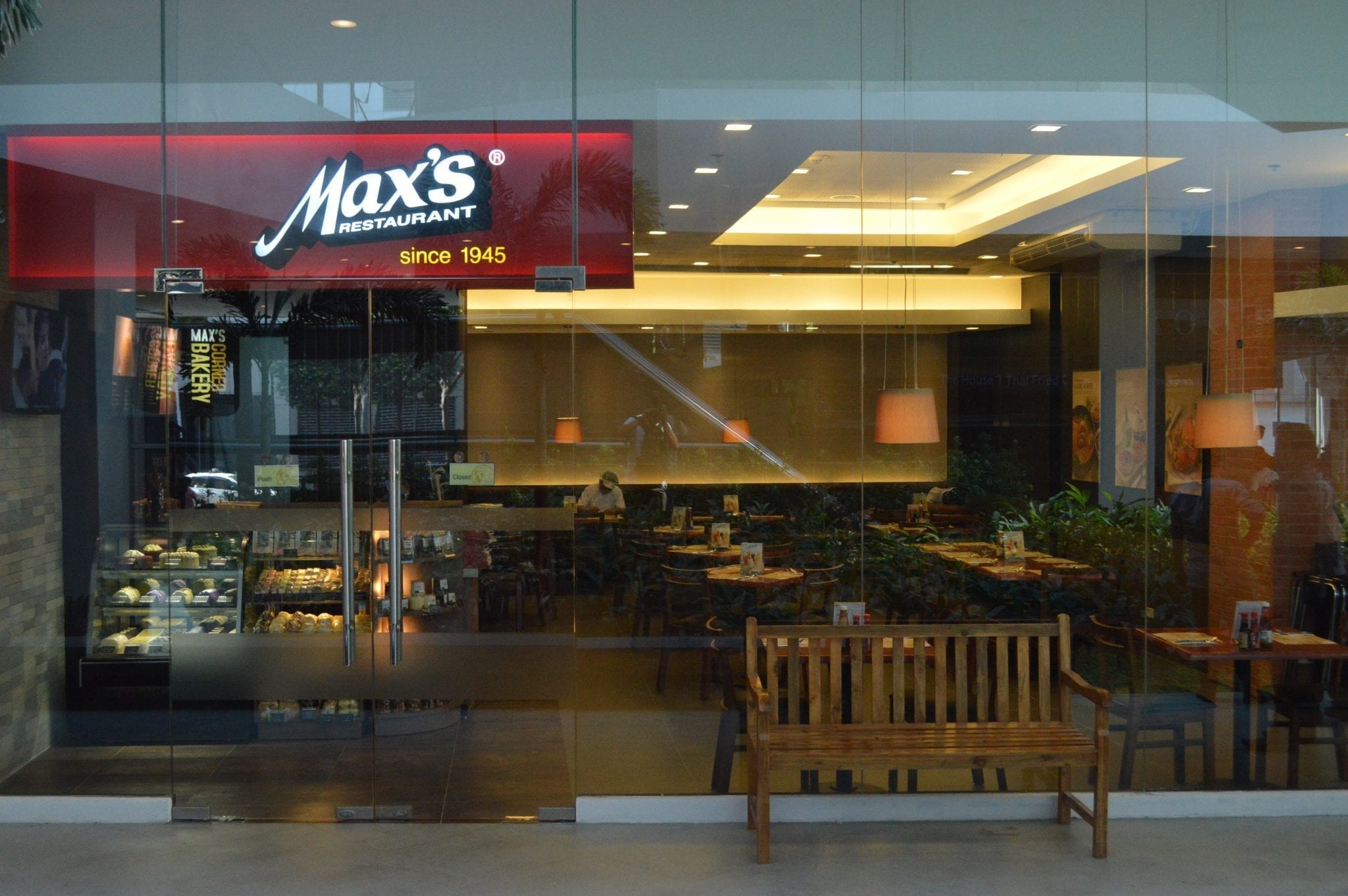
    Max’s Group plans to open up to 30 more stores this year, buoyed by a solid jump in first half profit on the back of network expansion.

    The casual restaurant chain operator announced Tuesday its total sales rose 12 per cent to P8.29 billion for the first six months – profit rose by the same percentage, to P331.72 million. Max’s opened 41 new stores during the period, including six overseas, taking its total network to 650, 53 of those offshore. Yellow Cab Pizza is the star performer, especially offshore, where the company has two new development contracts to open at least 22 outlets in Vietnam, Malaysia and Brunei within the next five years.

    Max’s Group’s other brands include Pancake House, Sizzlin’ Steak and Max’s Restaurants.

    Revenues from new franchises as well as royalty and continuing license fees grew 23 per cent to P333.65 million in the first half.

    “We are happy with the results despite an increasingly challenging environment,” said MGI president and CEO Robert Trota. “Moving into the next quarter, we have lined up exciting product initiatives to cushion cyclicality effects during wet season.”

  • EazyDiner plans to dig into online restaurant booking in Indonesia, Thailand

    EazyDiner plans to dig into online restaurant booking in Indonesia, Thailand

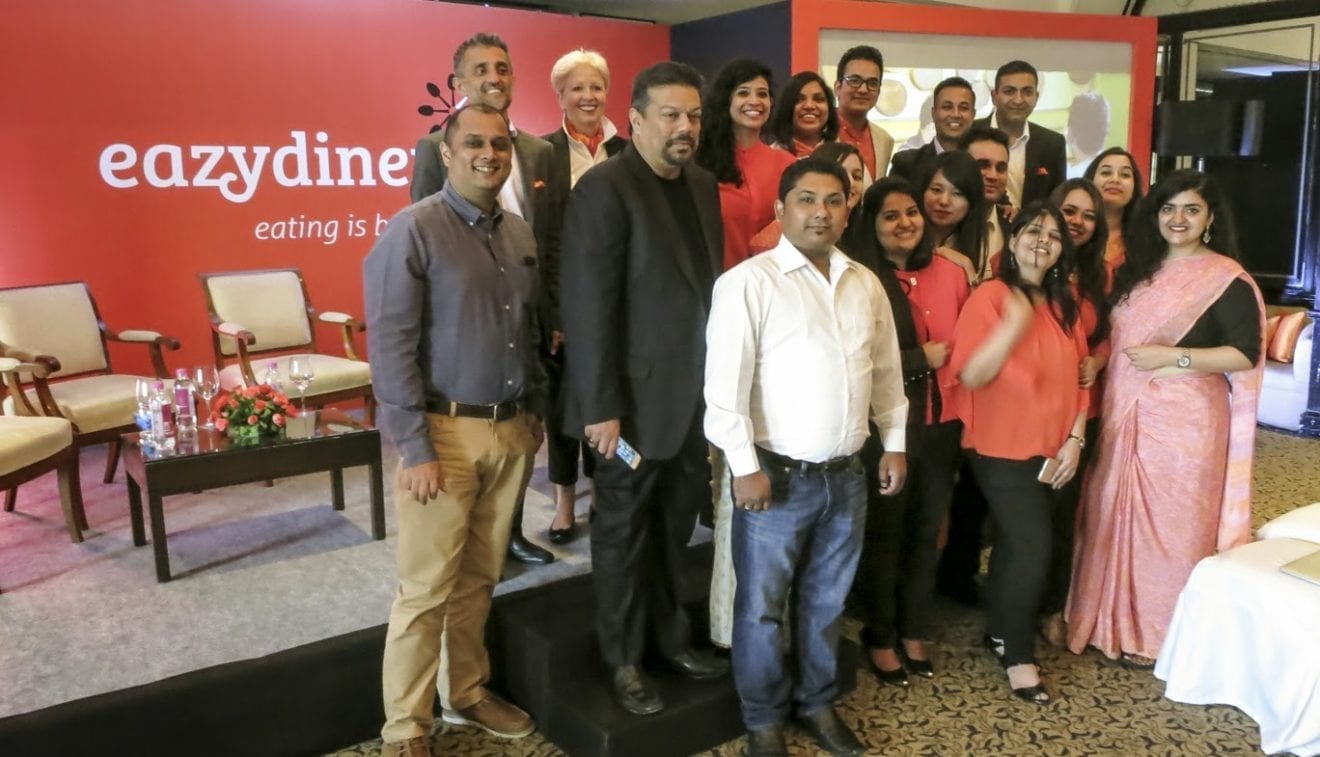
    EazyDiner, a restaurant booking and reviews platform, is in talks with potential investors to raise a fresh round of funding to expand its international footprint in the New Year.

    The two-year-old company, which was co-founded by media personality Vir Sanghvi and six professionals with a background in food, beverages and hospitality sectors, has targeted Indonesia and Thailand as its next two markets.

    While company officials declined to share details of the upcoming equity financing round, they confirmed plans of entering the South East and South Asian markets over the next 12 months.

    EazyDiner launched services in Dubai in December. The startup, which combines the services of Google-owned dining guide Zagat, NYSE-listed restaurant review firm Yelp and Priceline-owned restaurant booking service OpenTable, is also backed by two consumer-focused venture capital firms, DSG Consumer Partners and Saama Capital.

    The funding and expansion come when investor interest in India’s broader foodtech space has waned, with the startup ecosystem littered with the still-smoking embers of ventures that promised to deliver exceptional dining experiences to the notoriously fickle-minded and priceconscious Indian consumer.

    The combination of wafer-thin margins on offer, coupled with low entry barriers and lack of sustainable business models, saw investors curtail their appetite for the ventures.

    EazyDiner has charted a different path for itself. The platform, which also provides content and reviews, operates one of the country’s largest dining loyalty programmes as well. “We were never, and in fact, will never get into food delivery. The economics just don’t make sense, at least in a market like India…We believe it requires a very different skill-set,” pointed out Aman Kapur, one of the cofounders.

    EazyDiner has raised about $4 million in funding till date and counts Gurpreet Kohli, former managing director of Chrys Capital, as one of its early backers. The company operates in seven locations – the National Capital Region, Mumbai, Bengaluru, Kolkata, Pune, Chennai and Goa.

    “The focus is to go deeper into our existing markets and really establish our footprints in each of them rather than just go on an unrestrained growth across geographies,” pointed out Shruti Kaul, another cofounder.

    The platform lists about 2,000 restaurants, with more than 500 spread across NCR. EazyDiner has provided most establishments with its proprietary SaaS-based table reservation platform and has a guaranteed inventory with the rest, enabling them to provide bookings to consumers on an immediate basis.

    Gurgaon, where the company is headquartered and where it first launched operations, has played a critical role. The NCR’s startup hub, which rivals Bengaluru in its concentration of the country’s new economy ventures, has played a significant part in its growth.

    “Gurgaon, possibly, deserves its own mention alongside Mumbai and Delhi. It’s the third-largest contributor after the two metros,” said Kaul. According to her, Gurgaon contributes 15% of the company’s business across the country, outpacing Bengaluru. “For a small suburb, it’s huge. We have about 275 restaurants in Gurgaon on our platform, ranging from luxury establishments to budget restaurants,” Kapur said.

    According to both founders, emergence of the Haryana city as a startup destination has played a role in defining, as well as evolving, consumer behaviour, particularly when it comes to dining habits. “The ability to experiment there is phenomenal and probably much more than the other metros… We also see that people living to working in Gurgaon, while traveling, indulge in a lot more cross-dining than any other city in India,” Kaul said.

    Analyses drawn from consumer behaviour in one of its earliest markets has prompted the founders to look for similar characteristics in every new area it enters. “We’ve actually learned alongside the consumer and the company’s grown even as the consumer has evolved and experimented,” Kapur said.

  • Seems customers leave bigger tips if they use mobile payment apps

    Seems customers leave bigger tips if they use mobile payment apps

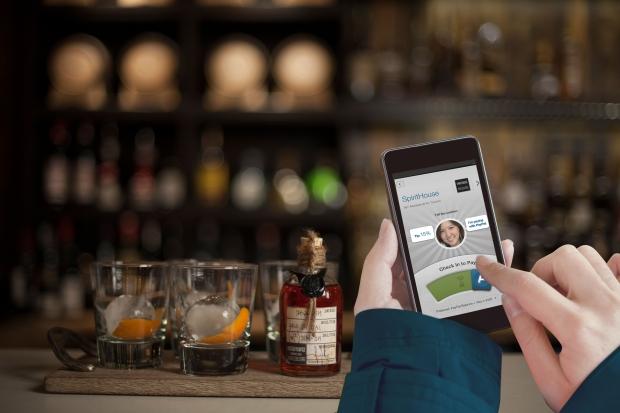
    It’s likely only a matter of time before mobile payment apps become more popular among consumers, and there are some people very excited: restaurant waitstaff and bartenders. Both mobile payment app providers and restaurants have noticed an uptick in tips if consumers use their smartphones to make payments for food and drinks.

    Customers may need to wait for their food order to be completed, but don’t have to just sit and wait to pay. In addition, some apps allow restaurant patrons to check their bill in real-time, and even split it among the number of guests.

    “We do see increase at bars where people haven’t been tipping,” said Michelle Songy, co-founder of the Cake mobile pay app, in a statement to CNBC. “I’d like to think as we are trying to make the payment experience a bit more fun, easier or quick it leaves you with a better experience.”

    Mobile phone and tablet users are expected to make 72 billion transactions in 2015, and that number will increase up to 195 billion annually by 2019, according to Juniper Research.