Blog

  • Australian Bookseller QBD Expands Manga Footprint Across 93 Stores

    Australian Bookseller QBD Expands Manga Footprint Across 93 Stores

    Australian bookseller QBD Books expanded floor allocations and launched nationwide discounts across its 93 stores this September. The push follows double-digit sales growth in manga and pop-culture merchandise.

    The Brisbane-headquartered chain rolled out a nationwide buy one, get one half-price campaign. It aims to capture rising foot traffic from anime and graphic novel fans.

    Shelf space reallocation across national networks

    Prime floor space across the network now goes to Japanese comic series alongside licensed collectible lines, including Funko Pop and vinyl figures. Retailers across Australia report that streaming anime adaptations on major digital platforms convert screen viewership directly into physical book and collectible purchases at checkouts. Viewers become shoppers.

    Digital engagement among graphic novel readers has altered traditional marketing spend. QBD confirmed that manga social communications now rank among its highest-performing channels for customer interaction. These posts drive repeat visits from younger shoppers who typically bypass trade fiction.

    Publishing distribution and licensed merchandise dynamics

    Manga sales provide retail chains with high-margin basket additions. These purchases offset broader pressures on traditional print sales. For publishers, expanding into broader manga genres allows distributors to push mid-tier titles rather than relying purely on top-selling global franchises.

    “Readers are discovering new series, collecting favourite editions and sharing recommendations with each other every day,” said Nick Croydon, chief executive officer of QBD Books.

    Simon & Schuster and other trade distributors report that Australian consumers are branching out from established shonen hits into varied creators, genres and specialty editions. This diversity gives bookstore buyers use. They can negotiate bulk merchandising agreements and secure promotional placement across national retail footprints.

    Commercial pressures across international print markets

    Physical manga demand in Australia contrasts with structural contractions across Asian print markets. Trade figures show domestic print publishing sales in Japan fell 4.1 per cent in 2025 to 964.7 billion yen. Japanese rights holders now rely more heavily on export licensing, international print editions and overseas merchandising agreements to maintain revenue.

    Global publishing trends show traditional trade segments slowing down as well. Research data indicates the global youth and children’s book market is projected to expand at a modest 1.8 per cent compound annual growth rate through 2034. Fast-turning categories like young adult graphic novels and manga have become critical for bookstore survival.

    Expansion trajectory following network growth

    Network expansion paved the way for the current discounts. QBD Books grew to 92 locations earlier in 2026 as it marked its 150th anniversary. After adding its 93rd location, the company leaned into pop-culture merchandising to defend mall store economics against digital reading platforms and library apps.

    Bookstore operators will track whether manga sales momentum carries into the fourth-quarter holiday trading period. That is when higher-margin box sets and imported collector editions face their steepest volume tests.


  • Melbourne Mustangs Opens RinkSide Store at the District Docklands

    Melbourne Mustangs Opens RinkSide Store at the District Docklands

    Australian ice hockey club Melbourne Mustangs has expanded its merchandise operations with the opening of RinkSide, a permanent retail store trading seven days a week at The District Docklands in Melbourne.

    Located near the club’s home venue at O’Brien Icehouse, the site opened ahead of the Australian Ice Hockey Championships last month, shifting the team from gameday stalls into year-round retail operations.

    Merchandise Mix and Retail Partners

    RinkSide operates through a commercial partnership between the Mustangs, Globe International and The District Docklands. The outlet stocks official team kits alongside licensed merchandise from North American leagues including the NHL, NFL and NBA.

    Streetwear labels form a second pillar across the floor layout. The shop carries inventory from skate apparel brand Thrasher and label Ritual Vision. Blending club gear with action sports fashion helps maintain foot traffic outside the winter competition calendar.

    Shift from Gameday Sales to Permanent Footprint

    The retail site replaces a volunteer-run distribution network. That setup previously handled club sales through home storage and pop-up tables on fixture nights. Rising merchandise sales over successive Australian Ice Hockey League seasons pushed the organization to secure fixed floor space.

    “This has been such a community passion project. The fans are the real heart of this store and have been from the start,” said John Belic, president of the Melbourne Mustangs. “Ultimately, this means we can do more. More for our players and more for our fans.”

    Funding Model for Local League Development

    Margins from the Docklands site flow directly back into team operations and grassroots sports development. Proceeds generated through retail partnerships with Globe International will fund the Mustangs junior development program across Victoria.

    For landlords, sports clubs provide dedicated community foot traffic capable of anchoring leisure precincts. The partnership shows how niche sporting organizations monetize apparel distribution by grouping team items alongside global lifestyle brands.

    Next Steps for RinkSide Operations

    RinkSide completed its phased rollout ahead of the national ice hockey championships and now runs on standard retail hours. Management will track sales volumes across the off-season. Those figures will determine inventory replenishment cycles for licensed overseas stock ahead of the next AIHL fixture schedule.

  • Guinness Launches Zero Alcohol Stout in Singapore Across Retail and on Trade Channels

    Guinness Launches Zero Alcohol Stout in Singapore Across Retail and on Trade Channels

    Diageo will roll out Guinness 0.0 across Singapore on October 26, 2026. The debut introduces the non-alcoholic stout to Southeast Asia for the first time.

    Distribution covers on-trade venues, grocery chains and online merchants across the island. The rollout expands an alcohol-free lineup that previously reached 12 international markets.

    Shelf space and supply lines

    Supermarket distribution covers selected outlets of FairPrice Finest, Cold Storage and Sheng Siong. Online shoppers can order through RedMart, PandaMart and Shopee. Kegs and cans will also pour at participating pubs, bars and restaurants.

    Guinness spent four years developing the zero-alcohol stout at its St James’s Gate brewery in Dublin. Brewers make standard stout first. They then extract the alcohol through cold filtration without heat, preserving the roasted barley profile and creamy head.

    Promotion ties directly into Diageo’s sponsorship as the official beer and non-alcoholic beer of the English Premier League. Guinness also partnered with Singaporean illustrator Tobyato on retail merchandise. Shoppers who spend at least S$55 (US$43) on participating items receive a limited-edition football jersey.

    Shifting beer economics

    On local shelves, Guinness 0.0 joins existing lines including Guinness Draught, Nitrosurge and Foreign Extra Stout. Alcohol-free extensions give grocers and bar operators standard retail margins without alcohol excise duties. That makes shelf space far more profitable.

    Global data from IWSR shows no-alcohol beer volumes across 21 major markets grew 8 percent in 2025. Total beer consumption contracted 1 percent during the same period. Pricing power is shifting upward too, with premium-and-above tiers taking 29 percent of non-alcoholic volumes in 2025, compared to 20 percent in 2019.

    Singapore gives Diageo a dense, high-income test market. If operators sell non-alcoholic draught near standard pint prices, the format generates higher gross margins. It also helps fill slow weekday shifts when alcohol sales dry up.

    Regional track record

    Earlier iterations of non-alcoholic dark beer have tested Southeast Asia before, under different distribution models. Diageo introduced a coffee-formulated Guinness Zero in Indonesia in 2014 to navigate local retail bans on standard beer sales.

    Recent corporate filings show Diageo now sells non-alcoholic brands across 17 countries, as noted in its 2026 annual report. Rival international brewers already run non-alcoholic lager taps across Singapore. Stout remains one of the few open premium categories.

    What to watch next

    Activations and roadshows will run through November to test repeat grocery purchases after the initial merchandise push. Sell-through rates at FairPrice and Cold Storage during late 2026 will determine whether Diageo expands Guinness 0.0 to Malaysia and Thailand in 2027.

  • China’s Gen Z Drives Rise in Spiritual and Self-Improvement Economies

    China’s Gen Z Drives Rise in Spiritual and Self-Improvement Economies

    In November 2022, Chinese Gen Z consumers are channeling discretionary spending into outdoor sports and indoor fitness during the pandemic, turning wellness and self-improvement into core lifestyle categories across urban markets.

    The shift covers activities including cycling, camping, frisbee, and skateboarding, lifting demand for functional apparel and technical gear from brands such as Adidas across retail channels.

    Shift toward outdoor sports

    Urban youth in China increasingly treat physical health and outdoor recreation as primary lifestyle investments. Categories that once operated on the fringes of the sports market, such as frisbee and skateboarding, have gained traction among young shoppers.

    Camping and cycling have also expanded into mainstream retail segments. Consumers seek specialized technical equipment alongside versatile apparel that functions for both outdoor activity and everyday urban wear.

    Growth in indoor fitness categories

    Indoor fitness continues to capture consumer spend as home workouts and studio routines maintain steady followings. The category has expanded beyond basic gym sessions into structured self-improvement routines that integrate apparel, footwear, and lifestyle accessories.

    Apparel brands operating in China are adjusting product assortments to capture this demand. Technical fabrics, performance layers, and athleisure styles continue to replace formal casualwear in urban wardrobes.

    Implications for sportswear brands

    International and domestic athletic labels face a market where consumer loyalty depends heavily on specific sporting subcultures. Generic sports marketing carries less weight among younger demographics who align their purchases with distinct community activities.

    Retailers that align product ranges with niche sports such as cycling and skateboarding secure stronger engagement than generalist apparel sellers. Merchandising strategies are shifting toward category-specific collections tailored to active leisure.

    Evolving aesthetic preferences

    The rise of active lifestyles also intersects with shifting visual trends across young consumer segments. Vibrant styles and expressive designs are competing directly against understated apparel lines in youth retail.

    Brand operators now monitor inventory allocations across specialty sports gear and performance apparel as seasonal demand develops across China’s major metropolitan hubs.

  • Starbucks Plans to Close 250 North American Stores

    Starbucks Plans to Close 250 North American Stores

    Starbucks announced plans last week to close 250 more underperforming stores across North America.

    The cafes represent about one per cent of Starbucks’ 18,000 US and Canadian locations, which COO Mike Grams argued either offered a poor customer experience or were not performing financially.

    The decision follows a similar move last year, when Starbucks reduced its store count by one per cent while investing in renovations and overhauling its loyalty program in a major turnaround push.

    Culling underperforming real estate

    Trimming the bottom tier of a massive store base reflects standard operating discipline for mature retail networks. In dense metropolitan centers, older cafes often suffer from cramped layouts that cannot efficiently process digital mobile orders or accommodate higher-volume food preparation. Shutting these units protects operating margins and eliminates lease liabilities on drag assets.

    For commercial landlords, the loss of an anchor tenant creates immediate vacancy risk, though prime street corners rarely stay empty long. In urban cores, independent operators and regional bakery chains have moved quickly to claim vacated ground-floor footprints, benefiting from existing plumbing, grease traps, and electrical fit-outs left behind by the outgoing chain.

    Transfers and site takeovers

    In Starbucks’ home market of Seattle, two of the 250 locations are slated for closure. At least six previously shut Starbucks sites across the city have already transitioned into local bakeries and independent specialty cafes, including Petit Pierre Bakery, which took over a former cafe in the Ballard neighborhood for its third retail outlet.

    Secondary operators gain substantial capital expenditure savings by stepping into pre-fitted food and beverage real estate. Taking over spaces with established beverage counters and drainage cuts store setup costs significantly compared to building out a raw shell.

    Previous cuts across Europe and America

    The latest 250 closures follow a larger restructuring drive completed last year, when Starbucks closed 627 stores across North America and Europe. That earlier round also trimmed approximately one per cent of the network while the chain directed capital toward store refurbishments and an overhaul of its customer loyalty program.

    Capital discipline has taken priority over raw store expansion in Western markets as operational costs, wages, and lease renewals rise. By pruning weak units, the company channels investment into higher-yielding drive-thrus, digital order pickup hubs, and renovation programs for top-quartile stores.

    What comes next for the network

    Starbucks will manage staff transfers and lease expirations across the 250 affected North American locations through the coming quarter. Financial impacts from the closures and related severance expenses will appear in subsequent quarterly filings as the portfolio adjustment concludes.

  • Alipay and WeChat Pay Link Foreign Cards Ahead of Apec Meeting

    Alipay and WeChat Pay Link Foreign Cards Ahead of Apec Meeting

    China has expanded cross-border mobile payment access across Alipay and WeChat Pay. The update enables foreign bank card integration ahead of the November Apec Economic Leaders’ Meeting in Shenzhen.

    Daily domestic mobile payment usage reached 88.5 per cent in 2025, according to August survey data from the Payment and Clearing Association of China. That is up 5.6 percentage points from the prior year.

    Card Linking and App Setup

    International travellers visiting mainland cities can now register on Alipay and WeChat Pay using an email address. They can link Visa, Mastercard, or other overseas payment cards. Users scan merchant QR codes directly at point-of-sale terminals. They no longer need a domestic bank account or a local currency balance.

    Tencent has introduced a payment application built for foreign visitors. Meanwhile, Ant Group has expanded terminal acceptance points across transit hubs, hospitality venues, and retail districts in tier-one cities. Covered locations include Beijing, Xian, Chengdu, and Shenzhen.

    Retail and Hospitality Impact

    Merchant acceptance barriers historically suppressed direct retail spending by international tourists in mainland China. Domestic consumers moved away from cash and card swipes years ago. Foreign card acceptance, however, remained confined to high-end department stores and international hotel chains.

    Overseas travellers can now transact with street vendors, local convenience stores, ride-hailing networks, and regional rail ticketing systems. This broadens the customer base for independent retailers and food operators. They do not need separate card-processing hardware.

    Platform Infrastructure and Merchant Settlement

    Operational risks for domestic merchants centre on payment processing fees and foreign exchange buffers. Tech platforms handle currency conversion at the point of sale. They route charges through international payment channels and settle in yuan to local merchant accounts.

    Regional payment providers across Asia and Hong Kong continue to align their cross-border wallets with mainland QR standards. Technical adjustments made for the summit establish a permanent clearing model instead of a temporary trial.

    Earlier Policy Steps

    Regulators prompted the platform overhaul to lower inbound tourism friction and support consumer services. Central authorities told major wallet operators to raise transaction limits for non-resident users. They also ordered simpler passport verification steps.

    Initial trials began in early 2024, when platforms first allowed foreign card bindings with restricted spending limits. The new infrastructure removes earlier balance transfer limits. It also simplifies interface navigation for non-Chinese speakers.

    What to Track Next

    Inbound spending volume across Shenzhen’s retail network during the November Apec summit will serve as the first major test. Regional payment operators will track merchant settlement speeds as transaction volumes scale across southern China’s retail corridors.

  • Heytea Enters Thailand with Three-In-One Lab Flagship at CentralWorld

    Heytea Enters Thailand with Three-In-One Lab Flagship at CentralWorld

    Heytea opened its first store in Thailand at Bangkok’s CentralWorld on September 25, 2026. The launch brings its three-in-one Lab format to Southeast Asia for the first time.

    It gives the Chinese tea chain its third experimental Lab venue outside mainland China, following rollouts in New York and Toronto.

    Located on the first floor of CentralWorld in central Bangkok, the flagship combines a tea lab, a bake lab, and a gelato lab into a single retail unit. Customers order past open counters. Staff assemble teas, pastries, and ice creams in plain view of the floor. The store design takes cues from Thai floating markets, using curved timber joinery and boat-shaped counters across the dining area.

    Three formats under one roof

    Bangkok serves as the testing ground for teaAir, a proprietary foam preparation combining brewed tea, coconut, milk fat, and aerated texture. The chain launched the line with a Rock Oolong Jackfruit recipe. The drink blends oolong tea with jackfruit, papaya, and coconut bases.

    Next to the beverage bar, the bake lab sells localized pastries including a Thai Milk Tea croissant egg tart. The adjacent gelato section serves lime-infused Thai milk tea gelato. That puts its cold desserts in direct competition with established dessert cafes inside the mall.

    CentralWorld draws heavy foot traffic from Ratchaprasong commercial district office workers and downtown tourists. Heytea vice-president of communications and public relations Cheng Hao noted that the Thai capital combines high tourist volumes with consumers who scrutinize ingredient origins.

    “Bangkok is a global leader in trends. The heytea lab is designed for markets where consumers are not simply following trends but actively shaping them.”

    Battle for Southeast Asian tea market

    Heytea enters an entrenched field of domestic and regional tea operators across Bangkok’s prime shopping centres. CentralWorld already houses domestic giant ChaTraMue and Taiwanese boba chains. Chinese rival Mixue also competes nearby, targeting mass-market street locations on low price points.

    Deploying the capital-intensive Lab format rather than a standard kiosk targets premium spenders. The strategy relies on experiential dining and higher transaction values to offset prime retail rents in Bangkok’s top malls. For operators like Central Pattana, experiential food and beverage units generate steady daytime dwell time. Traditional fashion retail no longer delivers that traffic reliably.

    Suppliers in Thailand face tighter technical requirements as Chinese beverage brands import complex equipment and custom ingredient formulations. Meanwhile, regional operators must defend margin share. Well-funded Chinese chains continue to use cross-category merchandise, intellectual property partnerships, and proprietary drink textures to command price premiums.

    Ten years of retail evolution

    Founded nearly fifteen years ago, the business introduced cheese-foam tea to Chinese consumers before expanding across major metropolitan hubs. It created the experimental Lab concept in 2016 as a testing facility for new recipes, interior architecture, and retail formats.

    Management later took the Lab model overseas, opening standalone flagship sites at Times Square in New York and the Toronto Eaton Centre in Canada. Past brand marketing has relied on global partnerships with luxury house Fendi, artist Yayoi Kusama, and collectible toy maker POP MART.

    Bangkok now anchors the chain’s retail expansion across Southeast Asia. Management has not disclosed the number of secondary standard-format stores planned for the Thai capital. Real estate leasing teams and franchise partners will track sales productivity at CentralWorld through the final quarter of 2026.

  • Jio Uses 524 Million Subscribers to Expand into Homes and Enterprise

    Jio Uses 524 Million Subscribers to Expand into Homes and Enterprise

    Jio Platforms expanded its push into home connectivity, entertainment, and enterprise services across India ahead of its upcoming quarterly subscriber reporting.

    The goal is to generate higher average revenue from its 524 million mobile subscribers, building on its top market position in nationwide mobile connections and fixed broadband.

    Controlling the Layers Beyond Connectivity

    Management wants control over the technology stack between network infrastructure and end consumers. Instead of operating purely as a carrier, the group deploys proprietary operating systems, budget hardware, and entertainment software. These tools drive subscriptions across households and workplaces.

    Hardware plays a central role in capturing entry-level users. The JioBharat handset runs the company’s proprietary JioOS operating system. That setup gives the operator direct access to millions of users on older 2G networks, turning voice-only subscribers into data consumers.

    Capturing Household and Business Spends

    Home broadband expansion builds on that base by bundling fixed wireless access, digital television, and streaming media. Jio cross-sells connected home packages to existing mobile accounts across its telecom footprint. This cuts customer acquisition costs compared to pure-play broadband rivals.

    For corporate clients, the company packages connectivity with enterprise software, cloud infrastructure, and productivity tools. The shift turns commodity data pipe contracts into integrated business deals with higher annual recurring value.

    Market Read-Across for Indian Tech and Retail

    Controlling device software and network access creates a closed ecosystem that rivals struggle to match. Competitors like Bharti Airtel invest heavily in premium 5G accounts and corporate partnerships. Even so, Jio’s base-level scale creates a captive audience for content and retail transactions.

    Across South Asia, this bundled distribution raises barriers for retail and digital operators. Outside app developers and media platforms must negotiate distribution terms with gatekeepers who control both the network pipeline and the device operating system.

    The Trajectory of Network Monetisation

    Years of heavy capital spending on nationwide 4G and 5G networks made Jio the country’s largest carrier by subscribers. The group initially used free voice calling and aggressive data pricing to grab share. It then pivoted toward digital payments, streaming content, and enterprise cloud hosting.

    Attention now shifts to conversion rates among JioBharat feature phone users when the operator reports its upcoming quarterly subscriber figures, revealing how many transition to higher-tier broadband and digital content plans.

  • Lay’s Thailand Launches 2 Unconventional Potato Chip Flavours

    Lay’s Thailand Launches 2 Unconventional Potato Chip Flavours

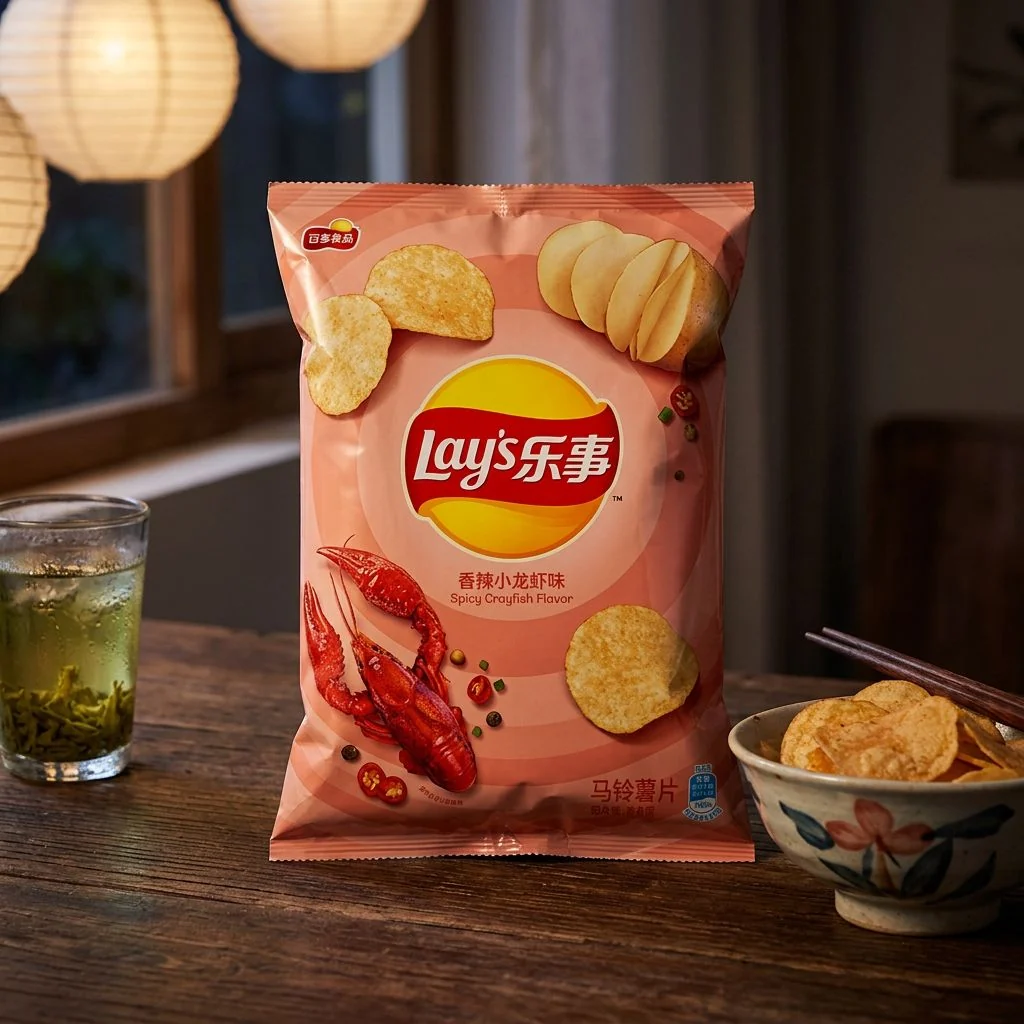
    Lay’s Thailand has launched 2 unconventional potato chip flavours across 7-Eleven convenience stores nationwide. The rollout introduces coriander and durian options to local snack shelves.

    Both items arrived in stores in September 2026 under the Lay’s Coriander Seasoned and Lay’s Durian Delight labels. Bright yellow bags house the durian crisps, designed to stand out against standard savoury snack lines in busy retail aisles.

    Convenience channel distribution

    Lay’s designed the coriander variant to mirror the savoury, aromatic profile of dishes cooked with fresh herbs. It provides a rich, savoury seasoning intended for easy snacking. Meanwhile, the durian edition releases a sweet, creamy aroma immediately upon opening, offering durian enthusiasts a crunchy chip format.

    Distribution relies entirely on the 7-Eleven retail network across Thailand’s provinces and urban centres. Placing the specialty runs directly into the country’s dominant convenience footprint secures maximum visibility at checkout counters.

    Regional taste experimentation

    Consumer fascination with coriander snacks across mainland China and Taiwan paved the way for the launch. Food manufacturers in East and Southeast Asia regularly use regional botanical ingredients for short-run flavour trials. These releases test shopper willingness to try unfamiliar profiles.

    Taiwanese snack makers have similarly tested experimental categories, including century egg crisps and fermented seasonings, to drive social media buzz and trial purchases. Durian remains an established flavour foundation in Southeast Asia. Even so, combining sweet fruit profiles with savoury potato bases continues to divide consumers.

    Portfolio risk and rotation

    Novelty flavours present distinct operational calculations for fast-moving consumer goods manufacturers and retail category managers. These limited batches rarely turn into permanent volume drivers. However, they generate valuable basket conversion when standard potato chip variants hit sales plateaus.

    Inventory risks mount quickly if repurchase rates drop after initial curiosity purchases fade. Convenience operators manage this exposure by running rapid stock rotations. They clear experimental stock before consumer fatigue sets in across key demographic clusters.

    Sales performance across Thai 7-Eleven branches will now determine whether the company pursues wider distribution across Southeast Asian convenience chains.

  • Thailand Absorbs 92 Billion Baht Deficit to Cushion Retail Fuel and Cooking Gas

    Thailand Absorbs 92 Billion Baht Deficit to Cushion Retail Fuel and Cooking Gas

    Thailand is subsidising retail diesel by 4.95 baht and gasohol by 4.20 baht per litre. The support has pushed the state energy fund into a 92.2 billion baht deficit.

    Cooking gas is capped at 423 baht per 15-kilogram cylinder through 31 October. That ceiling shields transport fleets, households and street food operators from volatile crude markets.

    Deficit Pressures on the Oil Fuel Fund

    Accumulated net losses at the state-backed Oil Fuel Fund reached 92.2 billion baht on 20 September. Higher crude prices drained cash as the fund held down retail caps on transport fuel and liquefied petroleum gas nationwide.

    Energy permanent secretary Prasert Sinsukprasert confirmed the ministry will avoid sudden market pass-throughs. If crude stays high, authorities will raise pump prices in small increments to ease pressure on the state ledger.

    Biofuel Shift and Targeted Tax Relief

    Future tax relief will focus on renewable blends rather than blanket cuts across all transport fuels. Finance Minister Ekniti Nitithanprapas said upcoming excise reductions will target gasohol E20 and biodiesel B20, both made from domestic agricultural feedstock.

    Gasohol E20 blends 20 per cent ethanol derived from local cassava and sugar cane. Biodiesel B20 uses 20 per cent palm oil methyl ester. Both fuels receive higher fund subsidies than lower-percentage blends, tying relief directly to farm earnings.

    What It Means for Retail and Fleet Costs

    For logistics fleets, delivery operators and restaurant owners, the subsidy keeps overhead predictable. Street food vendors rely on 15-kilogram LPG cylinders to protect daily margins, making the 423 baht cap critical for urban food pricing.

    This strategy creates a commercial preference for domestic biofuels over imported petroleum. Commercial fleet operators will find stronger financial incentives to switch trucks and delivery vans to B20 and E20 as taxes align behind local crops.

    Power Tariffs and What to Watch Next

    Power regulators will use the fuel tariff adjustment mechanism to manage utility bills against imported liquefied natural gas costs. They review the rate every four months to reflect actual fuel expenses and policy costs.

    Any excise tax cuts from the Energy and Finance ministries will take effect in fiscal 2027, starting 1 October. Before then, the retail price cap on cooking gas expires on 31 October.

  • Singapore Data Center Operator DayOne Targets $5 Billion US Listing in November

    Singapore Data Center Operator DayOne Targets $5 Billion US Listing in November

    Singapore data center operator DayOne plans to raise up to $5 billion in a US initial public offering as soon as November. The transaction could value the company at approximately $20 billion when public filings reach the US Securities and Exchange Commission in mid-October.

    DayOne builds and manages facilities designed for cloud computing and artificial intelligence workloads across both Asia-Pacific and Europe. The planned listing follows a $4.5 billion Series C funding round completed in June with backing from institutional investors Coatue and Hillhouse.

    Contracted power and regional footprint

    Securing grid capacity has become the defining operational challenge for digital infrastructure operators across Asia. DayOne holds roughly 2.1 gigawatts of capacity bookings across its markets, which include Malaysia, Hong Kong, Japan, Finland and Spain.

    The company distinguishes its balance sheet by running live, energised facilities rather than relying exclusively on pipeline projects awaiting grid approval. Operating assets in hubs like Johor and Tokyo give developers immediate cash flows that speculative land plots cannot match.

    Regional enterprise demand for compute has pushed facility builders to lock down long-term power purchase agreements before breaking ground. Having energized substations already wired into active server racks protects operators from escalating utility connection backlogs in major Asian metropolitan corridors.

    Tighter scrutiny on infrastructure balance sheets

    Public equity markets have grown more demanding toward capital-heavy infrastructure platforms facing sustained borrowing costs. Institutional buyers now look past headline capacity promises, drilling down into take-or-pay commitments and customer credit ratings before committing funds.

    The dividing line is whether demand is contracted and already energised, or only planned.

    Ke Yan, head of research at Singapore-based Shenton Research, pointed out that investors want clear visibility on revenue rather than uncommitted pipeline projections. That discipline penalises developers carrying debt without matching tenant agreements.

    Capital expenditures for the six largest US technology companies are projected to approach $1 trillion by 2027 to feed cloud and processing demand. That spending scale forces hyperscalers to demand rapid deployment from colocation partners while remaining disciplined on lease pricing.

    Financing costs reshape expansion plans

    Higher interest rates make long payback horizons expensive for debt-financed developments across the region. Colocation providers must service substantial debt packages while building out specialized cooling systems, heavy backup power arrays and high-voltage grid connections.

    Contracted revenue from creditworthy enterprise and cloud tenants provides the steady cash flow required to keep use manageable during multi-year buildouts. Without locked-in contracts, developers absorb heavy carrying costs if occupancy ramps up slower than planned.

    For regional operators across Southeast Asia, self-funding ongoing expansions through equity proceeds has become an attractive alternative to expensive mezzanine debt. Securing public liquidity allows well-capitalised platforms to acquire land parcels and power permits from smaller developers struggling to fund construction.

    Rival listings and public market hurdles

    Public market conditions have already forced competitors to rethink their timetables. SoftBank-backed SB Energy postponed marketing its public offering following regulatory queries from the SEC and investor pushback on valuation and customer concentration.

    Project disputes have also caused friction elsewhere in the sector, including delays tied to data center developments in North America. These stumbles have raised the bar for operators preparing IPOs, giving investors reasons to examine supply chain commitments and contractor guarantees with greater care.

    A line of peers continues to prepare public market debuts despite the stricter climate. US operator Switch has submitted confidential filings and is expected to launch its offering after DayOne, while operators Vantage Data Centers and CyrusOne evaluate their own public listings.

    DayOne is scheduled to launch its formal roadshow following the public SEC filing in mid-October, with pricing targeted for November.

  • Geely Buys 30 per Cent Stake in Nio Power for 16 Billion Yuan Valuation

    Geely Buys 30 per Cent Stake in Nio Power for 16 Billion Yuan Valuation

    Geely Holding Group will acquire a 30 per cent stake in Nio Power by injecting its commercial battery swap unit and 640 million yuan in cash. The transaction values Nio Inc’s energy arm at roughly 16 billion yuan ($2.37 billion) on a post-money basis.

    Nio China will retain management control of the subsidiary with a 63.6 per cent holding upon closing, according to a filing submitted to the Hong Kong Stock Exchange. Wuhan Guangchuang Emerging Technology Phase I Venture Capital Fund Partnership, which injected capital in May 2024, will hold the remaining 6.4 per cent.

    Terms of the capital tie-up

    Under the definitive agreement, Geely transfers the entire equity interest in its fleet battery swap operator, Yiyi Power, alongside 640 million yuan ($94.8 million) in cash to subscribe for new shares in Nio Power. The cash and operational assets consolidate Geely’s commercial mobility swap business directly into Nio’s broader infrastructure network.

    Geely’s ultimate equity percentage remains subject to post-closing adjustments tied to operational milestones. If performance falls short of agreed metrics, the holding will decrease, though contracts specify a floor of 20 per cent.

    Geely also secured an option to inject a further 640 million yuan in cash. Exercising that option would increase Geely’s stake to 34 per cent and dilute Nio China’s holding to 60 per cent, provided it is executed within two years of closing or prior to any subsequent financing round.

    Cross-investing in charging networks

    The transaction includes a reciprocal capital link on the fast-charging side. Nio China agreed to subscribe in cash for newly issued equity in Geely’s Zhejiang Haohan Energy Technology, securing a 10 per cent stake upon completion.

    Haohan Energy will allocate the proceeds to purchase selected charging assets directly from Nio. The companies did not disclose the cash consideration for the Haohan shares, which remains subject to regulatory review and closing approvals.

    Both operators plan to bridge their charging hardware and apps across mainland China to increase station utilisation. Combining these operations links two of the country’s most active proprietary charging operators behind a common access layer.

    Commercial fleet and consumer standards

    Absorbing Yiyi Power hands Nio Power immediate scale in commercial mobility fleets, a sector where high daily mileage makes rapid turnaround critical. Passenger car standardisation presents a tougher road. Geely agreed to develop consumer EV models compatible with Nio swap stations, but Nio noted in its exchange filing that passenger vehicle integration plans remain preliminary and require further negotiations.

    For hardware suppliers and energy grid operators, consolidating these two proprietary swap architectures reduces the risk of stranded assets in China’s secondary cities. Standardised battery packs and shared stations lower per-site capital expenditure, shifting competitive pressure directly onto rival automakers relying solely on ultra-fast plug-in chargers.

    Earlier agreements and buildout targets

    Cooperation between the two groups began in November 2023 with an initial battery swap pact, followed by an interoperability agreement for EV charging points signed in March 2024. Nio Power was established in Wuhan in May 2017 as a wholly owned entity before bringing in outside funds through a 1.5 billion yuan round from Wuhan Guangchuang in 2024.

    The combined business now faces aggressive infrastructure deadlines. Nio Power aims to run 10,000 battery swap stations across China by 2030, projecting annual electricity demand through its footprint will exceed 10 billion kilowatt-hours. Geely is building toward a network of more than 22,000 charging stations and 100,000 charging connectors before the end of 2027.

  • Thailand Pivots Tourism Strategy to Target High-Value Visitors

    Thailand Pivots Tourism Strategy to Target High-Value Visitors

    Thailand has announced a pivot in its inbound tourism strategy toward high-value international travellers as of September 2026, dropping its long-standing pursuit of mass arrivals as visitor numbers struggle to reach pre-Covid levels.

    According to an analysis by Michael Baker, the Thai government is seeking to raise the demographic profile of its overseas visitors and spruce up the country’s international image.

    Targeting Quality Over Volume

    Marketing funds will now target higher-spending overseas visitors rather than mass-market volume. Across Asia, travel patterns are shifting under changing geopolitical conditions and government efforts to upgrade tourist spending.

    Total international arrivals still lag behind 2020 benchmarks. Instead of discounting package tours to fill hotel rooms and transport networks, state campaigns target visitors who spend heavily on premium hospitality, dining, and retail.

    Implications for Mall Operators and Brands

    Department store operators and luxury retailers in Bangkok and Phuket must now adjust customer acquisition. Upscale shopping centres could gain if basket sizes grow, even with footfall below historical peaks.

    Budget operators face steeper risks. Discount duty-free counters and mass souvenir chains rely on large tour groups for margins, leaving them exposed to sustained declines in passenger headcounts.

    Regional Shifts in Travel Demographics

    Destinations across Southeast Asia are fighting for the same affluent travellers. Thailand wants to lock in this spending base before rival hubs draw them away with flexible visa schemes and new luxury developments.

    Success depends on service quality and local infrastructure justifying higher trip expenses, especially as regional competition widens.

    Execution and Market Response

    Previous recovery drives relied on volume discounts to stimulate trade. Today, state tourism bodies and commercial partners must coordinate retail promotions, luxury offerings, and flight routes toward higher-yielding markets.

    Retailers and hotel operators are tracking quarterly per-visitor spending data to measure whether bigger individual receipts can offset the drop in total arrivals.

  • Decathlon Targets Rs 1,000 Crore Running Sales in India over Four Years

    Decathlon Targets Rs 1,000 Crore Running Sales in India over Four Years

    Decathlon Sports India expects its running business to generate more than Rs 1,000 crore in revenue over the next four years. Growth will come from larger store footprints and expanded domestic factory capacity.

    The category currently generates just under Rs 500 crore. To double that across beginner and performance segments, the retailer is rolling out its dedicated running sub-brand Kiprun.

    Chief executive Sankar Chatterjee said Indian sales are tracking slightly above double digits in the current fiscal year. Full-year accounts for the previous financial year will appear within a month. Those numbers will show high single-digit revenue growth and a profitable bottom line, building on the Rs 4,133.10 crore booked in FY25.

    Expanding Store Network Beyond Metros

    Physical store openings drive the company’s expansion across India. The chain currently runs 132 outlets in Indian cities. It plans to reach 200 stores by 2030, beginning with more than half a dozen locations opening next quarter.

    Recent launches took the brand into northeast India with a first store in Guwahati, Assam. Wholesale and reseller deals in hubs such as Shillong run alongside direct retail units to reach shoppers outside tier-one cities.

    Commercial landlords gain large-format anchor tenants in tier-two and tier-three hubs where organized retail space is expanding. These big-box sites pull steady crowds of hobbyists and fitness groups. That gives suburban malls consistent footfall that apparel-only shops often fail to deliver.

    Footwear and Local Sourcing Investments

    A 100 million euro capital expenditure program backs the retail rollout, funding local supply chain and production assets. Half of the stock sold across Indian stores this year is made locally. That is a sharp rise from single-digit shares during the chain’s early years in India.

    Footwear manufacturing anchors the local sourcing plan. The business is hiring product managers, engineers, and technical staff to upgrade domestic shoe assembly standards and volume. These hires will prepare domestic suppliers for tighter technical specifications.

    Domestic factory output will also feed export markets. Executives are tracking talks on the proposed India-European Union Free Trade Agreement. Lower tariffs under any deal would make Indian assembly lines competitive for supplying Decathlon stores across Europe.

    Betting on Mass Participation Running

    The Kiprun rollout places 35 running products on Indian shelves this year, including 17 performance shoe models. Offerings span road and trail running across basic price tiers and specialized marathon equipment.

    Research from IMARC Group values India’s running gear sector at 2.7 billion dollars in 2026, rising from 2.5 billion dollars in 2025 and an estimated 4.9 billion dollars by 2034. Organized athletic events are driving this expansion. India hosted roughly 2,000 running fixtures in 2025, up from 500 to 600 in 2018.

    Competitors are chasing the same market. Rivals such as Reliance Retail are opening competing formats and signing licensing deals with global activewear labels. Decathlon has ruled out multi-brand retailing for now. It keeps sales floors exclusive to proprietary labels to protect margins and pricing.

    Supply Chain and Retail Competition Ahead

    Execution risks and pricing pressure will test the strategy. Indian shoppers know the chain for affordable starter kit, but high-performance gear puts Kiprun directly against established running specialists such as Asics, Nike, and Puma.

    Making technical running shoes requires complex tooling and component ecosystems that Indian factories are still building. Supply delays or defects in technical foam midsoles and carbon plates could turn away high-spending marathon runners.

    Next quarter brings the first clear test of the strategy. The retailer will open its next batch of stores and publish full-year earnings, revealing how much profit it extracted from its Rs 4,133.10 crore baseline.

  • Techcombank Hanoi International Marathon Injects Nearly $14M into Capital Economy

    Techcombank Hanoi International Marathon Injects Nearly $14M into Capital Economy

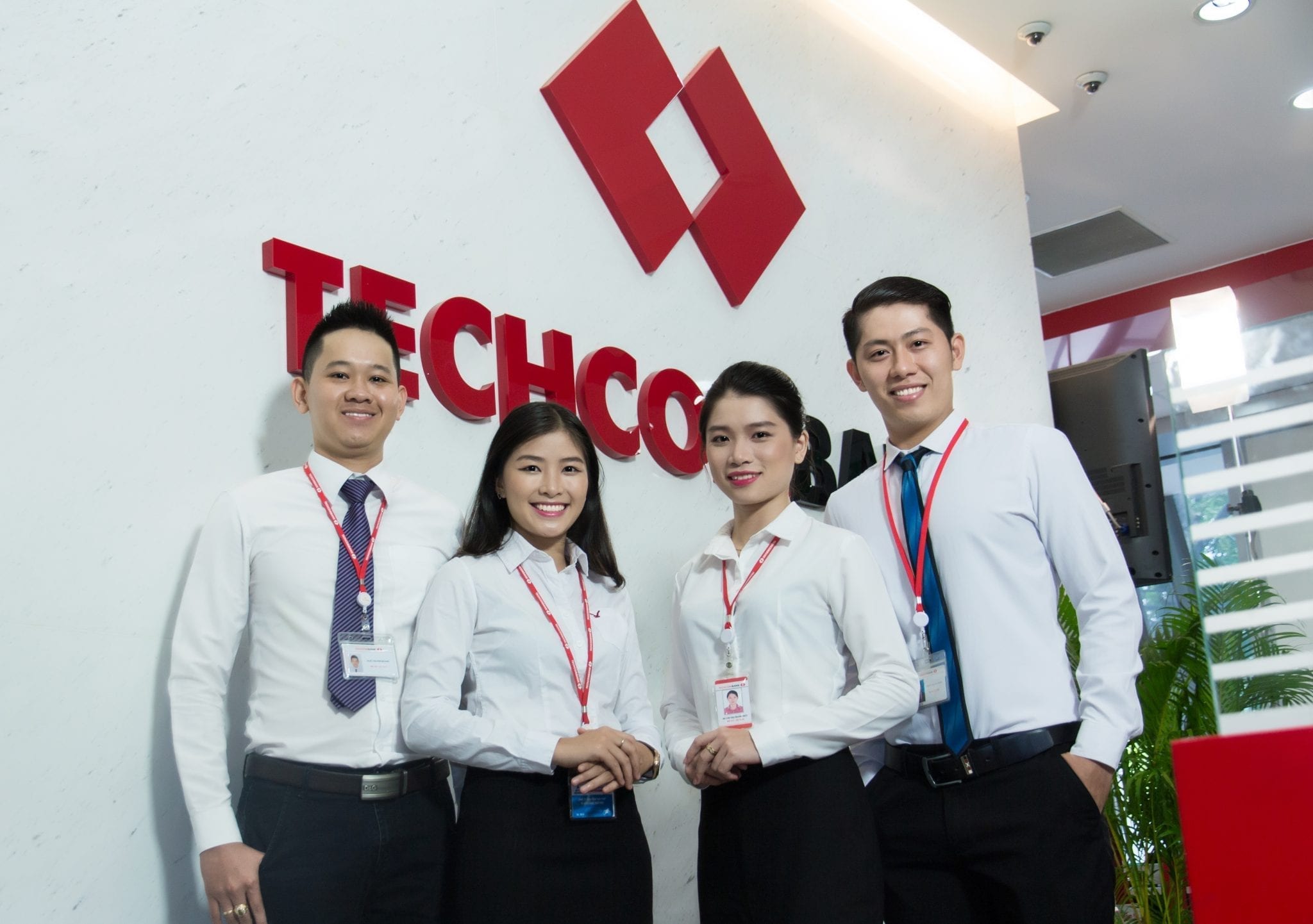
    The Techcombank Hanoi International Marathon generated 13.7 million dollars for Hanoi’s local economy during its 2025 race, according to event organiser Sunrise Events Vietnam.

    More than 13,000 runners from 55 countries and territories joined the fourth edition, almost doubling participation from the 7,000 registered at the inaugural 2022 race. Visiting participants and traveling supporters drove direct receipts across hotels, dining venues, transport networks, and retail outlets across the capital.

    Tourist Spending Beyond Race Day

    Organisers built the 42-kilometer course to pass 37 landmarks and historical sites, including St. Joseph’s Cathedral. The route funnels foot traffic through central commercial districts, encouraging traveling runners to extend their stays for leisure and shopping.

    Domestic and international visitors traveling for mass-participation athletic events spend substantially more than standard leisure travelers on local services. Extended stays generate ancillary business for neighborhood restaurants, street vendors, and transport providers outside typical tour-bus corridors.

    Digital Guidance And Brand Sponsorships

    Sunrise Events Vietnam rolled out SEV RunConcierge for the event cycle, an artificial intelligence digital assistant built on the Neurun platform. The tool provides racecourse navigation alongside curated directories for Hanoi dining and cultural destinations.

    Commercial sponsors have linked merchandising directly to race turnout. German sportswear group Adidas signed on as Official Apparel Sponsor for the upcoming fifth edition, providing official race kits for participants and anchoring brand visibility across the event.

    Regional Race Economics And Commercial Scale

    Major municipal marathons across Southeast Asia, from Singapore to Bangkok, have turned into commercial platforms for retail brands and hospitality operators looking to capture affluent fitness consumers. Hanoi’s fast-expanding participant roster mirrors this shift, pulling private banking sponsors, international athletic brands, and local service providers into a single revenue ecosystem.

    For city administrators and local operators, the commercial risk rests on logistics management and road closures that can disrupt regular weekend trading. When managed effectively, the concentrated influx of out-of-town runners delivers high-density weekend revenue that traditional tourism marketing campaigns rarely match.

    Five Years Of Event Expansion

    The marathon launched in 2022 with 7,000 participants as Vietnam reopened international travel and public events. Registration expanded each subsequent year, reaching 13,000 in 2025 as inbound flight connectivity recovered across East Asia and Southeast Asia.

    Registration for the fifth edition targets more than 14,000 competitors across the race weekend scheduled for Oct. 2 to 4, 2026.