Blog

  • Mecca and Sephora Among Beauty Retail Giants Outpaced by Online Marketplaces

    Mecca and Sephora Among Beauty Retail Giants Outpaced by Online Marketplaces

    Australia’s beauty retail landscape is undergoing a major transformation, with online marketplaces now generating as much revenue as all major specialist beauty retailers combined, according to a new report from global ecommerce accelerator Pattern.

    The 2026 State of Beauty & Personal Care in Australian Ecommerce report shows that Australia’s online beauty market is forecast to grow 47% to US$2.2 billion by 2030. The growing influence of marketplaces like Amazon is reshaping competition, generating approximately A$200 million in online beauty sales in Q4 2025, matching the A$199.3 million collectively reported by specialist beauty and health retailers, including Mecca, Sephora, Adore Beauty and Chemist Warehouse.

    “Australia’s beauty market is growing rapidly, but the balance of power is shifting. Marketplaces are now competing directly with the country’s established beauty retailers, while consumers are becoming less tied to traditional shopping channels and even their favourite brands,” said Merline McGregor, Managing Director for Pattern Australia.

    “While there is significant opportunity for beauty brands, there is also the risk of losing customers to competitors that are easier to discover and purchase online.”

    Influencers Reshape Beauty Product Discovery and Purchasing

    Social media is transforming the beauty shopping journey in Australia, with nearly half (47%) of beauty buyers more likely to purchase a product following a creator recommendation, compared with just 15% of non-beauty buyers.

    Instagram and Facebook each influenced 47% of beauty buyers to consider or purchase products in the past year, followed by YouTube (45%) and TikTok (38%). However, social media discovery is not necessarily translating into purchases on the same platform. When beauty buyers discover a product through social media, 39% say they would most likely purchase it directly from a retailer or brand website, while 32% would head to Amazon.

    “Beauty has become one of the most socially influenced retail categories, as consumers discover products through creators, watching demonstrations and researching ingredients long before deciding where to buy,” said McGregor. “But discovery and purchasing are increasingly happening in different places. A consumer might discover a skincare product on TikTok, research it on Google and then purchase it from Amazon. Brands need to connect these channels to turn consumer interest into sales.”

    Amazon Challenges Beauty Brand Loyalty

    Amazon recorded a A$66.7 million year-on-year increase in Australian beauty and personal care sales in Q4 2025, leading to the marketplace now accounting for 19.9% of Australia’s online beauty market.

    Research also reveals that 71% of Australian online beauty buyers intend to purchase from Amazon in the next 12 months. However, findings uncover a growing challenge to brand loyalty as 43% of consumers say they are open to purchasing a similar product from a competing brand if their first choice isn’t available on Amazon.

    “Brand loyalty has traditionally been a major strength of the beauty industry, but convenience and availability are increasingly influencing purchasing decisions. When more than four in 10 beauty buyers are prepared to switch brands because they can’t find their preferred product on Amazon, that’s a significant commercial risk,” explained McGregor.

    “Consumers aren’t thinking about a brand’s distribution strategy. They simply expect beauty products to be available through the channels they use, and they’re willing to switch brands for that convenience.”

    AI Accelerates the Shift in Beauty Shopping

    AI is impacting the beauty shopping journey in Australia, with 38% of beauty buyers relying more on AI tools to discover products online compared with the previous year. More than a quarter (27%) have used ChatGPT or a similar AI assistant when researching or purchasing products, while 55% trust AI-generated product recommendations.

    “AI, social media and marketplaces are changing how consumers find, research and purchase beauty products. As online beauty sales surge in Australia over the next few years, the brands that grow will be those that understand how shopper behaviour is evolving across multiple touchpoints,” added McGregor.

    “A great product can only go so far if consumers can’t discover it, find credible information about it or purchase it through their preferred channels. Brands need to make themselves visible and available at every stage of the shopping journey to grow their share of Australia’s beauty market,” McGregor concluded.

    For more information and to download the full report, please click here: 2026 State of Beauty & Personal Care in Australian Ecommerce.

    About Pattern Inc

    Pattern accelerates brands on global ecommerce marketplaces leveraging proprietary technology and AI. Utilising more than 91 trillion data points, sophisticated machine learning and AI models, Pattern optimises and automates all levers of ecommerce growth for global brands, including advertising, content management, logistics and fulfillment, pricing, forecasting and customer service. Hundreds of global brands depend on Pattern’s ecommerce acceleration platform every day to drive profitable revenue growth across 60+ global marketplaces—including Amazon, TikTok Shop, Walmart.com, Target.com, eBay, Tmall, JD, and Mercado Libre.  For more information, visit https://au.pattern.com/

    Media Contact

    Paul Manser

    Mulberry Marketing Communications

    pmanser@mulberrymc.com

  • South Korea Pours 30 Billion Won into Six Regional Retail Districts

    South Korea Pours 30 Billion Won into Six Regional Retail Districts

    South Korea’s Small Enterprise and Market Service will inject up to 5 billion won ($3.68 million) into each of six regional shopping districts through 2027.

    This two-year project targets commercial hubs outside the capital. Funding will cover multilingual infrastructure, foreign payment systems, tax-refund stations and retail startup spaces across provincial cities.

    Funding and rollout for six hubs

    Selected commercial zones include Seorak Rodeo in Sokcho, Octopus 1955 in Yeongju, Hwangnidan-gil in Gyeongju, Gyodong in Daegu, Dongmyeong in Gwangju and the central shopping district of Seogwipo on Jeju Island. Each precinct will upgrade physical storefronts to pull international tourist footfall away from Seoul.

    Municipal operators will install luggage storage points, digital directories in multiple languages and instant tax-refund counters. The program also pays for pedestrian street redesigns alongside joint marketing campaigns with digital content creators.

    Repurposing retail in Sokcho and Yeongju

    In Sokcho, the Seorak Rodeo district spans 443 stores along Jungang-ro, connecting coastal tourism with retail strips. Planners will convert vacant second-floor commercial units into digital media galleries. Ground-floor properties will run as pop-up retail space for local consumer brands.

    Yeongju’s Octopus 1955 commercial area covers 52,400 square meters and 179 stores near Yeongju Station. The site builds a branded retail route around regional food traditions dating back to the 1955 opening of the Yeongdong railway line. It links local merchants with e-commerce platforms for regional produce, beef and ginseng.

    Global infrastructure for Hwangnidan-gil

    Gyeongju’s Hwangnidan-gil district is the largest hub in the program, covering 347,500 square meters and 479 retail and dining units. The district recorded 11 million visitors in 2025. Roughly 300,000 of them were foreign travelers.

    Operators in Gyeongju will install point-of-sale systems accepting overseas digital wallets, translate commercial directories and open pop-up stores to test new consumer products. Foot traffic will be routed directly to older adjacent shopping streets, including Geumridan-gil, Bonghwang-ro and the Jungang and Seongdong traditional markets.

    Decentralising consumer spending beyond Seoul

    For regional store owners and landlords, the state subsidies address a structural headache. South Korea’s retail spending remains heavily concentrated in the Seoul metropolitan area. That leaves provincial shopkeepers dependent on weekend domestic trade and seasonal domestic holidays. Upgraded payment terminals and tax-refund desks lower the barrier for foreign visitors who rarely venture past metropolitan transit zones.

    Retaining independent retail tenants after construction finishes will be the main operational test. Upgraded commercial strips frequently drive up rents. When that happens, higher overhead displaces the independent food vendors and craft retailers who created foot traffic in the first place.

    Government agencies have spent the past three years trying to spread tourism receipts beyond Seoul’s central shopping corridors of Myeongdong and Hongdae, following the post-pandemic reopening of regional flight corridors.

    Participating districts will open their first multilingual traveler centers and pop-up storefronts in early 2027. Total tenant counts and foreign tourist transaction volumes will be tracked through the final funding deadline in December 2027.

  • Lightspeed Targets $250 Million for New India Fund Focused on Early-Stage AI

    Lightspeed Targets $250 Million for New India Fund Focused on Early-Stage AI

    Lightspeed is raising $250 million for a new early-stage venture fund in India. The firm is centering its regional deployment on artificial intelligence startups. Its new vehicle, Lightspeed India Partners V, has secured commitments for 80 per cent of that target capital.

    That $250 million target cuts the firm’s previous fund size in half. In 2022, Lightspeed raised $500 million for an India and Southeast Asia vehicle. The smaller pool reflects a market shift away from mega-funds toward tighter, faster deployment cycles.

    Capital calls will begin shortly. The firm plans to start investing from the new vehicle within two months, structuring it around an investment window of two and a half years. Final transactions from the existing fund will close before the new pool opens.

    Slashing fund size to tighten investment cycles

    Venture funds across Asia are recalibrating after years of chasing inflated valuations. By halving its corpus to $250 million from $500 million, Lightspeed is trading scale for speed. Smaller funds reduce pressure to write large cheques for late-stage consumer platforms that lack clear paths to profit.

    Instead, the capital goes to early technical teams where seed and Series A valuations remain manageable. For enterprise software developers and commercial software buyers across India, this directs venture cash toward localized machine learning applications instead of discount-driven consumer apps.

    Sovereign models and foundational backing

    Lightspeed has built an artificial intelligence portfolio globally, holding stakes in Anthropic, xAI and Databricks. In India, its flagship bet is Sarvam AI. The Indian large language model developer reached unicorn valuation following a $234 million funding round led by HCLTech.

    Sarvam AI also won government backing to develop sovereign artificial intelligence models. Backing domestic foundational infrastructure positions investors close to national digital architecture contracts. Still, model training costs and hardware shortages remain heavy operational risks for early-stage builders in the country.

    Aligning India with global deployment

    The firm is shifting its India fund onto the same fundraising cadence as its global funds for the first time. This change synchronizes an operation established nearly two decades ago with Silicon Valley headquarters. It streamlines how capital moves into Asia.

    Internal governance changes as a result. Indian founders pitching Lightspeed will now compete for allocation within the global sector framework, rather than pitching an isolated regional pool on a disconnected timetable.

    Capital deployment timeline and filings

    Regulatory records trace the preparation of the vehicle back several months. Lightspeed disclosed the fifth India fund in a United States Securities and Exchange Commission filing in late April without detailing the target amount. Market estimates had pointed to a corpus between $300 million and $350 million.

    The remaining 20 per cent of capital commitments will close as the firm wraps up investments from its 2022 fund. Initial term sheets from the $250 million vehicle are due before the end of the year.

  • TSMC to Build Five More Packaging Plants at Chiayi Science Park

    TSMC to Build Five More Packaging Plants at Chiayi Science Park

    Taiwan Semiconductor Manufacturing Co plans to build five additional advanced packaging plants at Chiayi Science Park in southwestern Taiwan, following the start of mass production at Phase I in June.

    The project will bring TSMC’s total advanced packaging facilities at the Chiayi site to 10, creating the world’s largest packaging hub for high-performance semiconductor components.

    Taiwan’s National Science and Technology Council has opened a one-month public consultation for Phase II expansion at the park in Taibao City, which local industries view as the launchpad for Phase III development. The planned Phase III zone covers 198.65 hectares, primarily leased from Taiwan Sugar Corp, to support technologies related to artificial intelligence, heterogeneous packaging, silicon photonics, high-speed broadband networks, quantum technology and net zero emissions.

    Scaling Up Advanced Packaging Capacity

    TSMC already operates two advanced packaging lines in Phase I of the Chiayi park, where mass production began in June. Equipment installation is now underway in Phase II. The company intends to complete three packaging facilities in Phase II by 2031, while preliminary site preparation for Phase III has begun.

    Building out Chiayi links the location to existing science parks in Tainan, Kaohsiung and Pingtung County to the south, as well as hubs in Taichung and Hsinchu to the north. Together, the interconnected parks form an integrated manufacturing corridor across western Taiwan designed to keep advanced fabrication close to domestic engineering teams.

    CoWoS Demand From Global Chip Buyers

    Surging orders for chip-on-wafer-on-substrate packaging from Nvidia, Advanced Micro Devices and Apple serve as the primary commercial engine behind the Chiayi project. Advanced packaging binds multiple silicon dies onto a single substrate, giving AI accelerators and mobile processors the memory bandwidth required for high-density computing workloads without relying solely on smaller nanometer lithography.

    For hardware manufacturers and consumer electronics brands, packaging bottlenecks have dictated device delivery schedules for more than two years. Concentrating 10 packaging plants in Chiayi addresses that supply constraint directly, giving key enterprise and consumer hardware clients guaranteed assembly allocations through the end of the decade. The concentration of advanced packaging on the island also raises the operational stakes for global electronics supply chains, which remain heavily dependent on Taiwan’s local power grid, water supplies and regional transport networks.

    Taiwan Infrastructure and Regional Competition

    While TSMC expands fabrication operations overseas in the United States, Japan and Germany, its most advanced packaging processes remain anchored in Taiwan. Packaging clusters require tight proximity to the leading-edge wafer fabs that produce raw silicon slices, making domestic expansion far more cost-effective than duplicating complex multi-die assembly networks abroad.

    Competitors such as Intel and Samsung continue to build out proprietary advanced packaging services to win third-party foundry clients. TSMC’s accelerated buildout in Chiayi prevents rivals from capturing unmet packaging demand from top-tier chip designers who cannot secure sufficient domestic capacity elsewhere.

    What Comes Next in the Planning Process

    Capital spending supports the speed of the expansion. In July, TSMC lifted its full-year capital expenditure forecast to a band between US$60 billion and US$64 billion, up from an earlier estimate of US$52 billion to US$56 billion announced in April. The Ministry of Economic Affairs reports that TSMC operates 19 advanced wafer fabs and packaging plants across Taiwan, with 13 additional facilities under construction in Hsinchu, Taichung, Chiayi, Tainan and Kaohsiung.

    Following the conclusion of the public comment window for the Chiayi expansion, the National Science and Technology Council will complete a formal feasibility study for submission to the Executive Yuan. Once the central government approves the plan, the project will advance to statutory urban planning reviews and environmental impact assessments before Phase III construction contracts are awarded.

  • US and China Agree to $30 Billion Tariff Relief as Chinese EVs Eye Entry

    US and China Agree to $30 Billion Tariff Relief as Chinese EVs Eye Entry

    Chinese electric vehicle makers plan to enter the United States market despite bilateral trade talks in Washington on Thursday and Friday concluding without a breakthrough agreement on automotive import access.

    High vehicle prices and sustained inflation in the American domestic market keep Chinese automakers focused on entry routes even after negotiators limited bilateral tariff relief to 30 billion dollars of non-sensitive goods for each country.

    Export Volumes Drive Overseas Push

    Automakers in China are accelerating their export strategies as domestic competition reaches a consolidation point. BYD set a target of 2 million overseas sales in 2026, building on vehicle sales momentum across Brazil and Europe.

    Rising vehicle retail prices and fuel expenses in North America provide commercial incentives for Chinese manufacturers. Smaller players are also gaining global scale, with Zhejiang-based Leapmotor surpassing the global sales volumes of legacy Japanese automakers Subaru and Mitsubishi Motors.

    Competitive Shift Across Asian Automakers

    For Asian automotive supply chains, the push toward Western markets represents a permanent structural realignment. Japanese carmakers are already altering production schedules and supplier networks to counter Chinese pricing and manufacturing speed.

    Suzuki plans to halve vehicle development cycles to match Chinese design timetables, while Honda committed nearly 2.5 billion dollars to construct a dedicated hybrid vehicle assembly plant in the United States. Traditional tier-one components suppliers in Japan face margin pressure as Toyota expands extended-range electric vehicle production using Chinese facilities and local supply bases.

    Bilateral Talks and Tariff Boundaries

    The latest diplomatic meetings in Washington between United States and Chinese leaders established selective tariff relief covering 30 billion dollars of goods on each side. The bilateral framework excluded automotive imports, leaving existing trade barriers and tech scrutiny in place.

    Commercial transport startups are testing alternative international regulatory pathways in parallel. Autonomous delivery developer Neolix launched robovan trials in Belgium to build European commercial logistics operations ahead of broader international rollouts.

    Manufacturing Targets to Watch

    Market attention turns to full-year delivery reports to verify whether BYD can hit its 2 million export vehicle threshold by December 2026.

  • China Deployed $184 Billion in AI Funds Amid Rivalry with US

    China Deployed $184 Billion in AI Funds Amid Rivalry with US

    Chinese government guidance funds deployed US$184 billion into artificial intelligence companies between 2000 and 2023, according to Stanford University’s 2026 AI Index.

    US President Donald Trump has declared that whoever wins with artificial intelligence wins, citing intense rivalry with China as Washington restricts semiconductor access.

    Wage Growth Across Service Sectors

    Writing in September 2026, commentator and former factory worker Lijia Zhang argued that China must prioritize household wages over artificial intelligence as ordinary citizens lack spending power.

    Dr Alicia Garcia-Herrero, chief economist for Asia-Pacific and the Middle East at French bank Natixis, said China faces a dual economy. Technological manufacturing surges while household income stagnates.

    China is pouring extraordinary resources into AI, robotics, EVs, batteries and other strategic technologies. But it is being financed in part by financially repressed households: cheap captive savings, weak wage growth.

    Capital Flows Toward Advanced Hardware

    State capital poured into advanced computing and automation while consumer payrolls remained flat. Government guidance funds deployed 184 billion dollars into artificial intelligence enterprises between 2000 and 2023, according to Stanford University’s 2026 AI Index.

    The investment drive accelerated after Washington placed tighter restrictions on semiconductor exports and cloud computing access. Domestic policy prioritised supply chain independence in robotics, electric vehicles, and chips over cash transfers or wage support for service workers.

    Pressures on Store Operators and Chains

    Slow wage expansion directly curbs basket sizes and foot traffic for supermarket chains, department store operators, and food chains. Shoppers across tier-two and tier-three cities have shifted spending toward discount formats and small neighborhood stores to protect household savings.

    Retailers operating on tight margins face higher operational costs without the pricing power needed to lift frontline compensation. Store networks now compete on price while fighting factory sectors for entry-level staffing.

    Next Economic Benchmarks to Track

    Capital flowed into strategic industries throughout the past decade, leaving domestic consumption below international averages as a share of total economic output. Factory automation and hardware supply chains received the bulk of state guidance funds across multiple regional planning cycles.

    Upcoming migrant labor surveys and quarterly retail sales figures will show whether mainland consumer spending can recover without direct policy interventions on service wages.

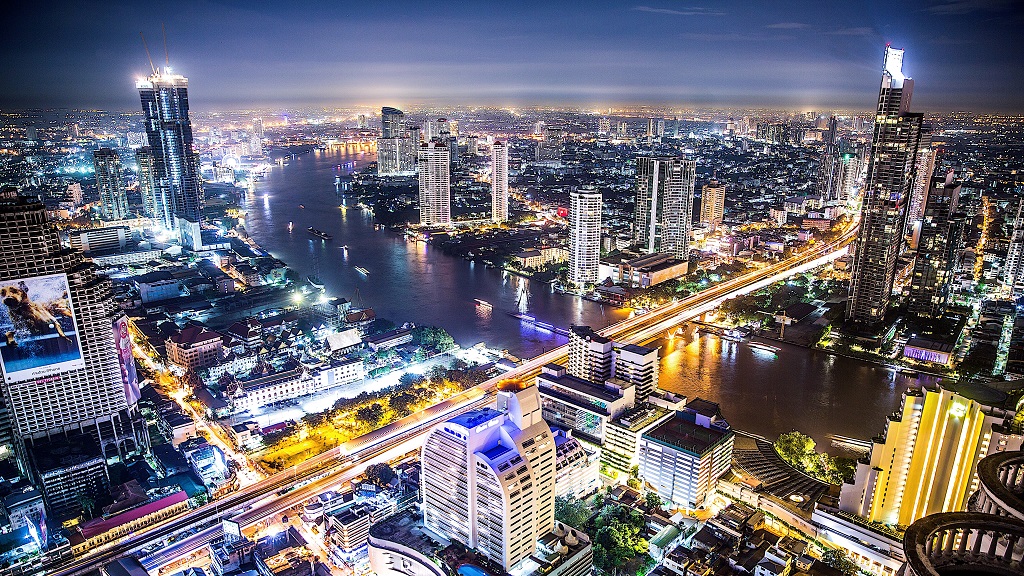
  • Thailand Rejects 5 to 10 per Cent Consumer Goods Price Hikes for October

    Thailand Rejects 5 to 10 per Cent Consumer Goods Price Hikes for October

    Thailand’s Department of Internal Trade has rejected manufacturer requests for 5 to 10 per cent price increases on essential consumer goods scheduled for October 1. Director-general Wittayakorn Maneenetr confirmed on September 24 that the agency refused to authorise the proposed increases across packaged groceries and household staples.

    Field inspections and supplier audits across major consumer goods manufacturers showed no formal approvals for pending price increases, according to the regulator. The department maintains active surveillance over 16 core consumer products, while the Central Committee on Prices of Goods and Services enforces statutory price caps across 59 controlled categories. These categories include meat, eggs, milk powder, tinned fish, seasonings, soap, shampoo, and washing powder.

    Promotions Rolled Back and Ceilings Tested

    Price increases felt by consumers in recent weeks stem from retailers pulling back promotional discounts rather than statutory ceiling adjustments. Brands have withdrawn multibuy promotions, including buy-one-get-one-free and buy-three-get-one-free deals, which returns shelf prices to their standard retail baseline without altering registered price caps.

    Manufacturers have also adjusted wholesale rates within previously approved statutory bands. A product with a 60 baht ceiling previously selling at 50 baht can shift to 52 or 55 baht without requiring fresh regulatory approval, though suppliers must still notify the department. Department officials stated that competitive pressures continue to discipline store shelves, as brands cutting promotions too aggressively risk ceding volume to discounting rivals.

    Input Pressures on FMCG Brands and Foodservice

    For fast-moving consumer goods suppliers, the refusal locks margins against persistent transport, packaging, and raw material cost inflation. Suppliers unable to lift base prices must either absorb higher overheads or rely on packaging redesigns to defend unit economics across modern trade channels. Retailers face thinner promotional support from suppliers, forcing grocers to balance footfall targets against lower co-marketing allowances.

    The margin squeeze extends directly into the foodservice sector. Sorathep Rojpotjanaruch, president of the Restaurant Business Club, projected selective 5 to 10 per cent menu price increases during the fourth quarter of 2026. Restaurants face steep seafood procurement costs driven by high fuel expenses alongside seasonal vegetable price spikes during the October and November rainy period.

    A Pattern of Incremental Surcharges

    Upward pricing pressure on Thai grocery shelves began building in April 2026 as manufacturers flagged higher energy, transport, and raw material outlays. Secondary price adjustments followed at mid-year, culminating in another round of supplier requests in mid-September.

    Field surveys recorded shelf price shifts across seasonings and staples, with monosodium glutamate rising by 5 to 10 baht per pack and 500-gram grain packets adding 10 baht. Wholesale chicken tenderloin moved from 100 to 105 baht per kilogram, while pork belly traded at 182.50 baht per kilogram and standard table eggs sold between 4.35 and 5.19 baht each.

    The Department of Internal Trade is now preparing joint retail discount programmes under the government’s Thais Help Thais scheme to curb fourth-quarter household living costs.

  • TGI Fridays Signs Deal to Open 15 Restaurants in Pakistan

    TGI Fridays Signs Deal to Open 15 Restaurants in Pakistan

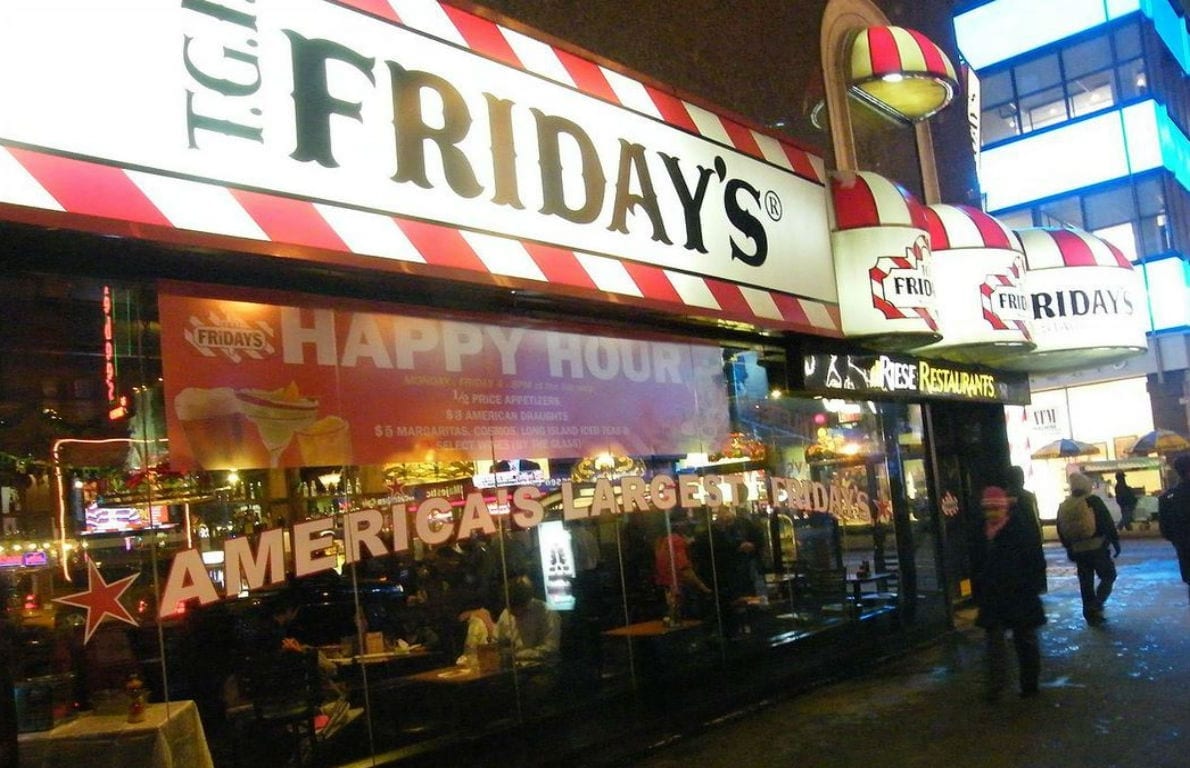
    TGI Fridays announced a development agreement with Meerab Hospitality on Sept. 23, 2026, to expand its presence in South Asia by scaling to 15 restaurants across Pakistan.

    The agreement targets a market of more than 240 million people with a median age of 21, aligning with the brand’s wider 1-2-3 Strategic Vision to reach over 1,000 restaurants and $2 billion in annual revenue by 2030.

    Flagship site set for Lahore

    Development begins in Lahore, where the first flagship restaurant is targeted to open within the next 12 months at the Hyatt Regency Hotel complex to establish the standard for future locations.

    Operating rights belong to Meerab Hospitality, the franchise and development arm of Meerab Properties. Led by founder and group chief executive Pervaiz Iqbal Shahid, the group holds two decades of property and operational assets across the UAE, Pakistan, and Central Asia.

    Shahid confirmed the group plans to rebuild the brand through a capitalized operating structure following earlier market exits.

    Franchise mechanics and local operating risks

    Pakistan offers international operators massive demographic scale, but execution risks are high. Western chains operating full-service formats face volatile currencies, rising utility overheads, and shifting import duties on specialized ingredients. To protect unit economics from currency shocks, operators must build domestic supply chains for poultry, produce, and dairy.

    Competition is fierce from domestic dining brands and fast-casual burger chains running lower average checks. TGI Fridays bets that dense commercial developments and hotel sites like the Hyatt Regency will generate the footfall needed to fill large dining rooms.

    Shift toward experiential dining formats

    Retail landlords and developers increasingly rely on international food-and-beverage banners to pull foot traffic into mixed-use sites. Landlords in Lahore, Karachi, and Islamabad are shifting gross leasable area away from apparel retail and toward dining and entertainment hubs aimed at consumers under 30.

    Offerings will center on non-alcoholic drinks, mocktail menus, and American bar-and-grill staples tailored to local dining habits. Support hubs in Dubai, London, and Dallas will handle franchisee assistance, quality audits, and menu localization across South Asia.

    Global pipeline targets 1,000 locations by 2030

    The expansion fits into the Dallas-based chain’s 1-2-3 Strategic Vision turnaround plan. That program aims to expand the global footprint past 1,000 restaurants and generate $2 billion in annual system revenue by 2030. Today, the chain runs roughly 400 restaurants across nearly 40 countries.

    September has already brought two market entries for the brand, starting with a franchise launch in the Balkans. Over the past year, regional agreements have added nearly 200 commitments across the Maldives, the Philippines, Japan, Kenya, Peru, Mexico, Spain, Greece, and Cyprus.

    Fit-out work at the Hyatt Regency complex in Lahore begins this year, with initial guest intake targeted before the final quarter of 2027.

  • Global Cafe and ISHCMC Open Community Cafe by the Terrazzo

    Global Cafe and ISHCMC Open Community Cafe by the Terrazzo

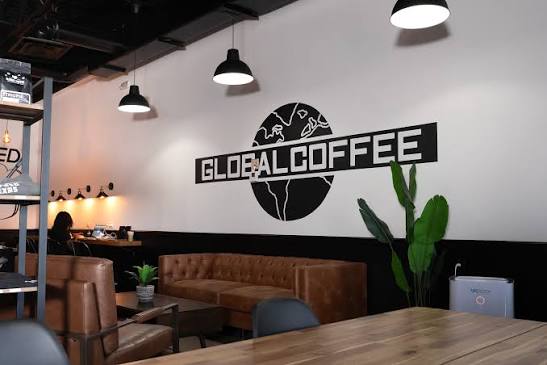
    Global Cafe and International School Ho Chi Minh City have opened 1 campus venue, ISHCMC Community Cafe by The Terrazzo, in Ho Chi Minh City this week.

    The venue serves students, educators, administrative personnel and visiting parents across the academic year.

    On-Campus Foodservice Expansion

    This collaboration brings commercial cafe operations into an educational facility. Global Cafe developed the site under The Terrazzo concept. The space handles daily dining demand alongside community events.

    Dining formats in private international education continue shifting away from traditional canteens toward branded hospitality concepts. Operators design these spaces to keep daily footfall on campus. They also accommodate parent meetings and informal study sessions.

    Institutional Dining Dynamics

    Long-term institutional agreements give food and beverage operators steady foot traffic insulated from street-level retail volatility. For school administrations, partnering with dedicated cafe operators upgrades campus amenities without requiring internal culinary management.

    The model requires tight operational controls around food safety, allergen management and peak-hour throughput. International schools enforce strict vendor compliance standards. That creates high entry barriers for standard independent cafe brands.

    Vietnam Education and Hospitality Overlap

    Ho Chi Minh City remains a primary growth hub for private bilingual and international schools across Southeast Asia. Expansion in this segment drives ancillary demand for institutional catering, specialty coffee counters and tailored retail services.

    Urban Vietnam’s specialty coffee culture heavily influences student and parent expectations on campus. Operators that establish early footprints within premium school networks build brand loyalty among affluent local and expatriate demographics.

    Operational Footprint in Ho Chi Minh City

    The Terrazzo rollout at ISHCMC establishes an operational template for campus food services within the city’s private education sector. Performance across daily service periods and campus functions will determine how operators structure future institutional contracts in the market.

  • Chinese Automakers Launch Five-Minute EV Fast Charging

    Chinese Automakers Launch Five-Minute EV Fast Charging

    Chinese electric vehicle makers have introduced ultrafast charging systems this week that replenish passenger car batteries in five minutes, cutting charging times to rival standard petrol pump stops.

    The engineering milestone targets range anxiety directly as automakers deploy high-voltage platforms across new production models to secure domestic market dominance.

    High Voltage Platforms Hit Dealerships

    Domestic manufacturers showed the updated charging architecture across production models, including the Geely Galaxy E8, at the Auto China exhibition in Beijing. The vehicle architecture relies on high-voltage electrical systems that handle higher current loads without overheating battery cells.

    Accelerated charging speeds require dedicated station hardware capable of delivering high power outputs safely. Automakers are pairing vehicle releases with dedicated charging infrastructure investments across tier-one cities in China to guarantee headline charging speeds for retail buyers.

    Infrastructure Demands and Grid Integration

    Deploying five-minute charging shifts operational pressure from vehicle powertrains to urban electrical distribution networks. Fleet operators, commercial landlords, and charging networks must install industrial-grade battery energy storage systems at stations to buffer the grid against sudden spikes in electrical demand.

    For retail and property operators hosting charging points, five-minute turnaround times dramatically increase station throughput and customer turnover. Shorter dwell times change how commercial landlords monetize driver visits, shifting retail strategy from long-stay amenities to high-frequency grab-and-go formats.

    Regional Competitive Pressure

    Legacy foreign automakers face renewed margin pressure across Asian markets as Chinese brands commercialize battery breakthroughs faster. European and Japanese competitors selling into China continue to rely on longer 15-to-30-minute fast-charging cycles on mainstream consumer lines.

    The technology gap threatens foreign brand equity in Southeast Asia and Latin America, where Chinese original equipment manufacturers are expanding retail dealership footprints. Buyers in export markets increasingly treat charging speed as a primary purchasing criterion alongside upfront sticker price.

    Manufacturing Milestones

    Chinese battery suppliers spent recent development cycles optimizing cell chemistry and thermal management systems to handle continuous high-current inputs. The commercialization of five-minute charging marks the transition of advanced silicon-carbon anodes and liquid-cooling designs from laboratory test benches to high-volume assembly lines.

    Vehicle brands are integrating these platforms across entry-level and premium product lines rather than restricting ultrafast charging to low-volume halo vehicles. The broader rollout lowers component unit costs across suppliers in the domestic supply chain.

    Commercial focus now turns to highway network operators as charging infrastructure providers work to deploy compatible multi-megawatt public dispensers along national transit corridors.

  • Bitcoin Spot ETFs Attract $2.4 Billion in Inflows as Daily Momentum Slows

    Bitcoin Spot ETFs Attract $2.4 Billion in Inflows as Daily Momentum Slows

    Spot Bitcoin exchange-traded funds pulled in $2.4 billion between September 21 and September 25, 2026, recording their highest weekly inflow total of the year. The net purchases brought total assets across the fund group to $108.4 billion, representing about 6 percent of all circulating Bitcoin.

    Daily figures tapered sharply across the five-day run. The week opened on September 21 with $999 million in net share creations and dropped to $715 million on September 22. Capital arrivals slowed further to $347 million on September 23, $191 million on September 24, and reached $134 million on September 25. The initial two sessions generated roughly 72 percent of the aggregate weekly intake, while Friday accounted for just 13 percent of Monday’s volume.

    Daily Allocations Taper After Front-Loaded Start

    Data from SoSoValue shows the deceleration occurred as Bitcoin traded near $84,000 on September 26, up 3.3 percent over the week but down 0.9 percent on the day. The token remains roughly 4 percent lower in 2026 and sits 23 percent below its price from the same period in 2025.

    Authorized participants create and redeem ETF shares by exchanging cash or underlying tokens. Daily totals net these creations against redemptions across all issuers, meaning smaller net numbers can reflect either light aggregate turnover or heavy creations at one issuer cancelled out by withdrawals at another. Hedge fund activity also shapes the volume. Funds running basis trades buy spot ETF shares while simultaneously shorting Bitcoin futures to capture yield spreads, generating share creation without taking directional long exposure on the underlying asset.

    Market Stability and Asset Dominance Shifts

    Macro volatility eased during the same window. The CBOE Volatility Index declined from 17.7 on September 16 to 14.2 on September 22, pointing to reduced hedging pressure across equity and asset markets rather than forced liquidations.

    Digital asset market share also shifted away from the largest cryptocurrency. Bitcoin’s market dominance fell below 60 percent during the period. Capital dispersed into other fund vehicles, with Solana ETFs logging 12 consecutive weeks of positive net inflows while Bitcoin ETF trading recorded quieter periods earlier in the month.

    Recovery Follows Regulatory and Rate Pressures

    The weekly rebound followed heavy redemptions the week prior, when funds shed a combined $746 million across two trading sessions. Outflows reached $450 million on September 15 and $296 million on September 16 after the US Senate blocked the CLARITY Act and the Federal Reserve raised interest rates.

    Those mid-September losses deepened what had been a depressed year for spot funds. Through September 9, spot Bitcoin ETFs registered $1.07 billion in cumulative net outflows for 2026, with redemptions occurring on more than half of all trading sessions. The $2.4 billion inflow streak reversed that negative balance, lifting year-to-date net inflows to approximately $320 million.

    Price Thresholds to Watch in Fourth Quarter

    Sustaining the current recovery requires fund creations to hold above mid-week run rates. A return to single-day inflows exceeding $999 million would signal fresh institutional buying, whereas an outflow day comparable to the $450 million withdrawal on September 15 would snap the current positive streak.

    On the spot market, a climb back above the $87,500 mark where Bitcoin began 2026 would confirm that buyers are absorbing outstanding float. A break below $81,200, the token’s level on September 19, would erase the week’s price gains and put recent ETF buyers below their entry costs.

  • Honda and Onitsuka Tiger Debut Concept Motorcycle and Apparel in Milan

    Honda and Onitsuka Tiger Debut Concept Motorcycle and Apparel in Milan

    Honda and Japanese fashion brand Onitsuka Tiger have launched a collaboration to bring together motorcycles and fashion, debuting a concept motorcycle and apparel line in Milan on September 23, 2026.

    The centerpiece is the Onitsuka Tiger Honda Mid Sports Concept motorcycle, which held its world premiere during Onitsuka Tiger’s Spring/Summer 2027 show at Milan Fashion Week. Based on a mid-displacement sports model, the bike features Tiger Yellow as its base color, bold black stripes on both sides, and black wheels with Tiger Yellow accents and both brands’ logos.

    Onitsuka Tiger also unveiled footwear and apparel incorporating Honda’s motorcycle Wing Mark emblem, with designs inspired by motorcycle culture.

    Translating Mobility Into Apparel Foot traffic

    For fashion labels in high-rent urban corridors across Asia and Europe, mobility collaborations offer an avenue to younger male consumers who shop apparel less frequently. Through the deal, Onitsuka Tiger gains access to Honda’s motoring heritage. It applies that industrial brand equity directly to footwear and street apparel.

    Honda is using European fashion runways to reach demographics outside traditional dealership networks. The automaker wants to broaden city rider adoption. Instead of relying solely on speed and engineering metrics, it is packaging two-wheelers as lifestyle design objects.

    Shared Industrial Roots in Postwar Japan

    Both enterprises trace their origins to postwar industrial expansion in Japan. Honda was founded in 1948, and Onitsuka Tiger started in Kobe in 1949. Each business expanded globally over seven decades by anchoring manufacturing in specialized product engineering.

    The Milan presentation linked those corporate histories through physical product design. Staging the bike during the September 22 to 28 fashion calendar put mechanical hardware directly before international department store buyers and fashion media.

    Commercial Pipeline and Product Rollout

    Retail distribution details, production timelines, and pricing brackets for the co-branded footwear and apparel collections align with the Spring/Summer 2027 commercial cycle. Neither manufacturer has disclosed dealership availability or road-homologation plans for the Mid Sports Concept motorcycle.

  • Amazon Leo Partners with Uztelecom to Expand Satellite Internet in Uzbekistan

    Amazon Leo Partners with Uztelecom to Expand Satellite Internet in Uzbekistan

    Amazon Leo has partnered with Uzbekistan’s Uztelecom to expand satellite internet connectivity to remote and hard-to-reach areas of the country later this year.

    Under the agreement, Uztelecom subsidiary UZ-SAT will serve as an authorized distributor, using Amazon Leo’s satellite constellation to deliver broadband where deploying terrestrial infrastructure is difficult or costly.

    Tapping satellite capacity for hard terrain

    Uztelecom currently provides connectivity to 96 percent of communities in Uzbekistan, operating more than 378,000 kilometers of fiber-optic infrastructure and serving more than 13 million users.

    Low Earth orbit satellites connect to ground gateway antennas and private terrestrial fiber to run the network. Hardware comes in three tiers: the compact Leo Nano, the standard Leo Pro, and the high-throughput Leo Ultra.

    Fleet deployment and rollout schedule

    Crews have put nearly 400 satellites into orbit toward a planned constellation exceeding 3,000 spacecraft. The network operates under private preview testing with internal staff and select enterprise clients before initial commercial activations begin in selected territories later this year.

    Working with Amazon Leo will enable us to expand connectivity options in areas where the deployment of traditional terrestrial infrastructure is limited

    Bakhrom Azimov, general director of UZ-SAT, confirmed the arrangement.

    Central Asian network competition

    For regional telecoms, integrating non-terrestrial networks removes the heavy capital expenditure required to lay long-haul fiber across sparsely populated territory. Partnering with state-backed incumbents also prevents friction with regional regulators and state monopolies.

    Hardware affordability and bandwidth allocation present the main commercial risks. Satellite terminal pricing and subscription fees often exceed local wireline rates. UZ-SAT will target enterprise logistics, mining sites, and public sector outposts to recoup deployment costs.

    Digital transformation timeline

    Officials signed the agreement in Tashkent during the 5th Tashkent International Investment Forum on the opening day of ICT Week Uzbekistan 2026. Securing foreign network infrastructure investments remains a government priority to expand the domestic digital economy.

    Amazon Leo is preparing to accelerate satellite manufacturing and launch operations to double its annual mission cadence. Initial regional commercial activations will begin before the end of 2026.

  • Hanoi Grade A Towers Add Retail Floors as Office Pipeline Hits 495,000 Sq M

    Hanoi Grade A Towers Add Retail Floors as Office Pipeline Hits 495,000 Sq M

    Hanoi commercial developers are allocating ground floors and podium levels to retail tenancies to protect leasing rates ahead of 495,000 square metres of new Grade A office supply entering the market by 2028.

    Eighteen office projects, concentrated heavily in Hanoi’s western business district, are introducing dedicated retail, dining and wellness hubs to compete for multinational tenants.

    The Starlake Model and Layout Shifts

    Parc Hanoi, a Grade A office project in the Starlake township, has dedicated its entire ground floor to consumer retail and dining. The developer placed a wellness centre, meeting suites and open event spaces across Level 2, pairing physical workspace with consumer services in a bid to secure corporate leases.

    The push reflects shifts in corporate occupier demands across Southeast Asia. A CBRE occupier survey showed 92 per cent of corporate respondents ranked collaborative zones and lifestyle amenities as critical to employee retention and productivity, while 64 per cent prioritized green spaces and natural ventilation.

    Regional Blueprints in Singapore

    Hanoi landlords are replicating models tested in Singapore, where mixed-use office towers use food and beverage to generate revenue outside core business hours. The PLUS tower in Raffles Place runs two floors of retail, gyms and spas underneath prime office suites.

    Marina One in Singapore operates 14,000 square metres of commercial floor plate across its retail podium, The Heart. That space combines supermarkets, gyms and food operators that draw foot traffic through the weekend, ensuring seven-day tenant revenue rather than relying purely on weekday office workers.

    Yield Risks for Commercial Landlords

    Integrating retail into Grade A office towers shifts the commercial risk profile for developers. Office leases in Hanoi typically run on fixed three-to-five-year commercial terms, whereas food and lifestyle tenants require lower base rents, revenue-share structures and higher capital outlays for exhaust, plumbing and grease traps.

    Landlords that misjudge the mix face dead ground-floor space that damages the building’s corporate positioning. Success depends on securing anchor food and convenience brands that turn daily office footfall into steady cash flow without crowding corporate lobbies.

    Supply Pipeline Builds in Western Hanoi

    The developer push comes after five years of decentralized expansion across Hanoi, where western districts drew corporate tenants away from the central Hoan Kiem district. The western submarket now accounts for the largest share of modern floor space under construction in the city.

    Developers will deliver the bulk of the 495,000 square metres across western Hanoi over the next 24 months. Leasing teams are tracking whether podium retail commitments can hold Grade A effective rents steady as all 18 towers open for handover before the end of 2028.

  • FrieslandCampina Takes Majority Stake in Ultrajaya in 7.8B Share Deal

    FrieslandCampina Takes Majority Stake in Ultrajaya in 7.8B Share Deal

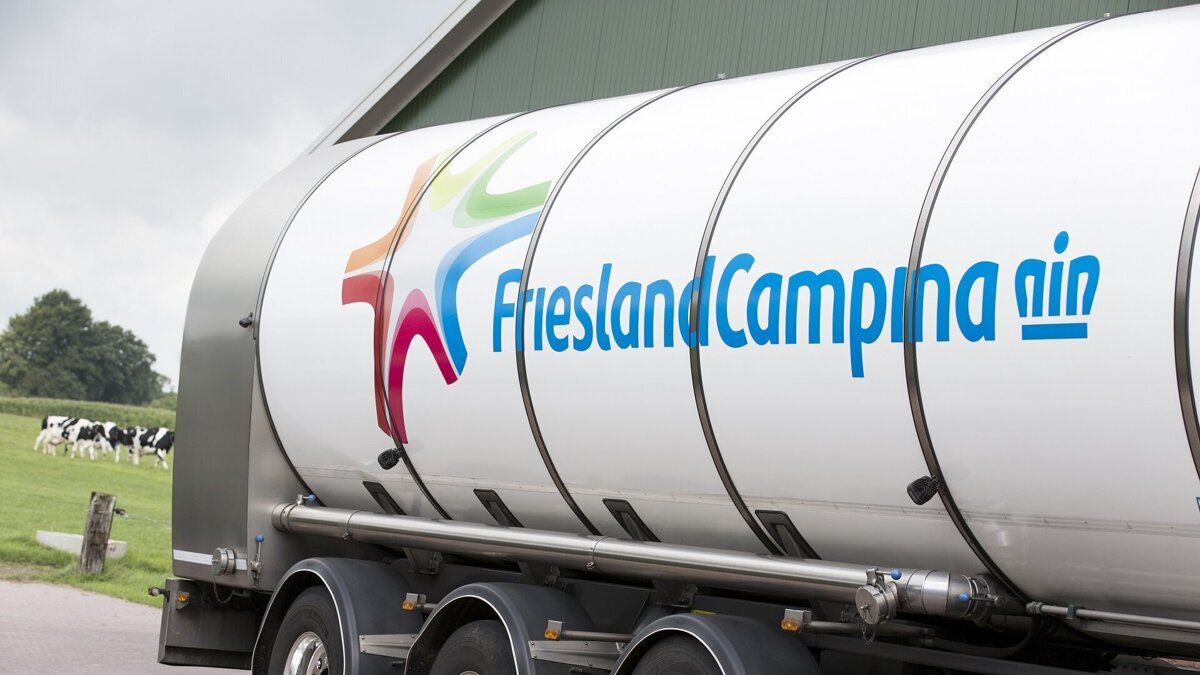
    Dutch dairy group FrieslandCampina is taking a majority stake in Indonesian peer PT Ultrajaya Milk Industry, folding its Frisian Flag Indonesia unit into the Jakarta-listed business ahead of a shareholder vote scheduled for 27 October.

    Under the transaction terms, Ultrajaya will assume ownership of FrieslandCampina’s 78.09% holding in Frisian Flag Indonesia in exchange for more than 7.8 billion new shares priced at Rp2,150 ($0.12) each under a rights issue.

    FrieslandCampina’s partners, Blue Waves Group Ventures and PT Bahtera Wiraniaga Internusa, will also transfer their shares in Frisian Flag Indonesia to Ultrajaya. Once completed, FrieslandCampina will launch a mandatory cash tender offer for the remaining minority shares of Ultrajaya.

    Consolidating Two Distribution Giants

    Folding Frisian Flag Indonesia into Ultrajaya unites two of Indonesia’s most entrenched packaged beverage distribution networks. Distribution across an archipelago of 17,000 islands requires cold-chain infrastructure and wholesale relationships that take decades to assemble. The combined business will pair FrieslandCampina’s dairy formulation capacity with Ultrajaya’s dominant position in ambient shelf-stable drinks. That gives the group greater sway over shelf space in traditional warungs and modern supermarket chains alike.

    Rival dairy processors such as Indolakto and Nestlé now face a domestic competitor with combined annual sales past Rp15 trillion. Both corporate units will keep their consumer product brands, production lines, and independent operational teams intact on the ground. Co-founder Sabana Prawirawidjaja will stay in position as president director. The founding Prawirawidjaja family retains a substantial long-term equity holding in the merged business.

    Production Scale and Financial Performance

    Established in 1971, Ultrajaya produces UHT milk, ready-to-drink teas, and traditional health beverages from two main processing plants in West Bandung and Cibitung, West Java. The manufacturer generated Rp8.77 trillion in revenue last year, compared with Rp8.87 trillion during the prior 12-month period. Operating profit jumped 16.7 per cent to Rp1.68 trillion despite the revenue dip. Net profit grew 19 per cent to Rp1.37 trillion on firmer margins.

    For FrieslandCampina, the Indonesian consolidation follows a period of volume weakness across developing territories. The Dutch cooperative booked annual revenue of €13.4 billion ($15.2 billion), up 3.6 per cent. Group operating profit dropped 3.8 per cent to €507 million because of commodity swings and weaker demand across its Middle East, Pakistan, and Africa divisions.

    Long-Term Bet on Packaged Nutrition

    Multinational food manufacturers in Southeast Asia have spent recent quarters reorganising local subsidiaries into joint ventures with domestic champions. The strategy cuts logistics costs and shields balance sheets from regional currency volatility. FrieslandCampina is trading direct control of a single subsidiary for equity control of a listed platform that manufactures its own packaging and commands local raw milk sourcing.

    “FFI will join a broader, more resilient platform serving consumers across the archipelago. Both companies will continue to operate alongside each other as separate businesses, each with its own brands, portfolios, and organisations.”

    Shareholder Approval and Next Steps

    Shareholders must now give formal sign-off. Ultrajaya scheduled an extraordinary general meeting for 27 October, where investors will vote on the proposed transfer of control to FrieslandCampina and the issuance of the 7.8 billion rights shares.

    Regulatory clearance from Indonesia’s Financial Services Authority and competition authorities will determine the timing of the subsequent mandatory cash tender offer for the minority shares.