Blog

  • Alo Yoga Opens 7,000 Square Foot Flagship at K11 Musea in Hong Kong

    Alo Yoga Opens 7,000 Square Foot Flagship at K11 Musea in Hong Kong

    Alo Yoga opened its first Hong Kong flagship store at K11 Musea on September 25, taking over a 7,000-square-foot harbourfront unit across two retail levels.

    The two-storey outlet is the Los Angeles brand’s first physical store in Greater China, following an online launch on Alibaba’s Tmall platform.

    Located at Units 022 and 122 along Victoria Dockside at 18 Salisbury Road in Tsim Sha Tsui, the shop occupies the waterfront footprint previously leased by British grocer Fortnum & Mason. The layout stocks the brand’s full women’s and men’s sportswear collections, footwear and street-focused garments, including woven shirts and tailored trousers. Opening promotions and customer events run through October.

    The Greater China Physical Push

    Securing a prominent two-floor anchor unit in Tsim Sha Tsui positions Alo directly against Lululemon in Hong Kong’s premium activewear sector. Until now, local shoppers bought the label directly through cross-border web orders or through wholesale rails at department store Lane Crawford. Taking direct control of prime real estate gives the label the floorplate required to show broader lifestyle and streetwear ranges that struggle on multi-brand racks.

    The store sets the template for a rapid mainland rollout. The company has mapped physical openings across six additional cities: Beijing, Shanghai, Shenzhen, Hangzhou, Chengdu and Macau. Rollouts of this size require reliable local inventory pipelines and sustained store-level sales to offset high core retail rents across top-tier shopping malls.

    Tmall Launch Provided the Base

    Direct entry into Hong Kong physical retail follows digital testing on mainland e-commerce channels. Alo established its Tmall storefront to measure regional demand, size curves and category preferences before committing capital to long-term commercial leases. That digital data now informs the physical product mix across women’s studio sets and newer lifestyle categories.

    Physical store openings across Beijing, Shanghai, Shenzhen, Hangzhou, Chengdu and Macau follow this flagship debut as lease handovers conclude.

  • Global Planner Notebook Market to Grow 3.2 Percent Annually Through 2035

    Global Planner Notebook Market to Grow 3.2 Percent Annually Through 2035

    The global planner notebook market is projected to expand at a compound annual growth rate of 3.2 percent from 2026 to 2035, according to a report published by IndexBox in September 2026.

    Market value growth is set to outpace volume growth over the forecast period as consumers increasingly opt for higher-priced, benefit-led products, lifting the sector index to 137 by 2035 from a base of 100 in 2025.

    Asia-Pacific will remain the largest consumer market globally, supported by population scale and rising disposable incomes, while North America and Europe lead adoption across premium product categories.

    How Price Tiers Split the Retail Shelf

    The global retail landscape has split into two separate operating tracks. On one side sits a high-volume, commoditized mass-market segment dominated by supermarket distribution, back-to-school promotional discounting, and heavy private-label competition. On the other side is a high-margin premium segment where direct-to-consumer digital channels and specialty bookshops sell brand equity, lifestyle aesthetics, and tactile user experiences.

    Mainstream mid-tier brands face the sharpest margin squeeze. Mass merchandisers and drugstores continue to expand their private-label stationery assortments, undercutting standard branded notebooks on price. To defend gross margins, branded manufacturers are moving upmarket into benefit-led products that combine habit tracking, mindfulness prompts, and bullet journaling layouts that private-label lines struggle to replicate.

    North America holds 25 percent of the global market and Europe claims 20 percent, with both regions leading in average selling price. Latin America and the Middle East and Africa each represent 10 percent of worldwide consumption, where demand remains focused in urban centers and reliant on imported inventory.

    Supply Chain Decoupling and Manufacturing Shifts

    Production models have adapted to this bifurcated retail demand. Basic component manufacturing, standard paper milling, and entry-level binding stay concentrated across large-scale industrial bases in Asia, giving mass-market suppliers the scale required for low-cost volume contracts.

    Finishing, custom embossing, and high-spec packaging for premium lines are increasingly localized or handled through regional direct-to-consumer fulfillment hubs. This split allows stationery companies to manage raw material price swings in paper pulp and shipping freight while selling personalization features at substantial retail markups.

    Direct-to-consumer e-commerce acts as the main customer acquisition engine for specialized brands. Instead of relying purely on physical stationery retail, producers use online platforms to sell accessories, page refills, and digital courses alongside physical books, increasing lifetime customer spending and insulating margins from distributor cuts.

    Japanese Makers Set the Standard in Asia

    Stationery brands in Japan, China, and South Korea have built strong domestic followings that now drive export volume into Western markets. Japanese producers such as Hobonichi, Kokuyo, and Muji established early commercial footholds by treating daily planners as cultural staples rather than basic office supplies.

    Hobonichi built a global cult following around its daily techo planners, proving that premium paper quality and functional layout design command high overseas shipping premiums. Western players like Moleskine, Leuchtturm1917, and Erin Condren must now compete directly against Asian precision stationery brands across both physical specialty stores and international e-commerce marketplaces.

    Digital substitution remains the primary operational threat to paper planners, especially among younger demographics who rely on free smartphone calendar applications. Successful stationery makers counter this attrition by positioning paper as a tactile digital detox tool, while introducing hybrid products featuring QR codes, app syncing, and scannable templates.

    Historical Groundwork and Category Benchmarks

    Between 2012 and 2025, stationery manufacturers weathered repeated waves of digital calendar adoption by transitioning away from utilitarian office pads toward lifestyle and personal productivity systems. That commercial pivot established the pricing tiers that now govern the retail trade.

    Corporate procurement has also stabilized around hybrid work arrangements. While enterprise software handles shared team scheduling, corporate gifting and branded desk merchandise continue to provide steady contract volume for high-end notebook makers.

    Category operators are now locking in their product catalogs and channel allocations for the next academic and calendar cycle, with brands watching whether raw paper input costs stabilize before committing to wholesale discount schedules for 2027.


  • Singapore Logistics Group PAL Line Targets 30 per Cent Energy Cut by 2026

    Singapore Logistics Group PAL Line Targets 30 per Cent Energy Cut by 2026

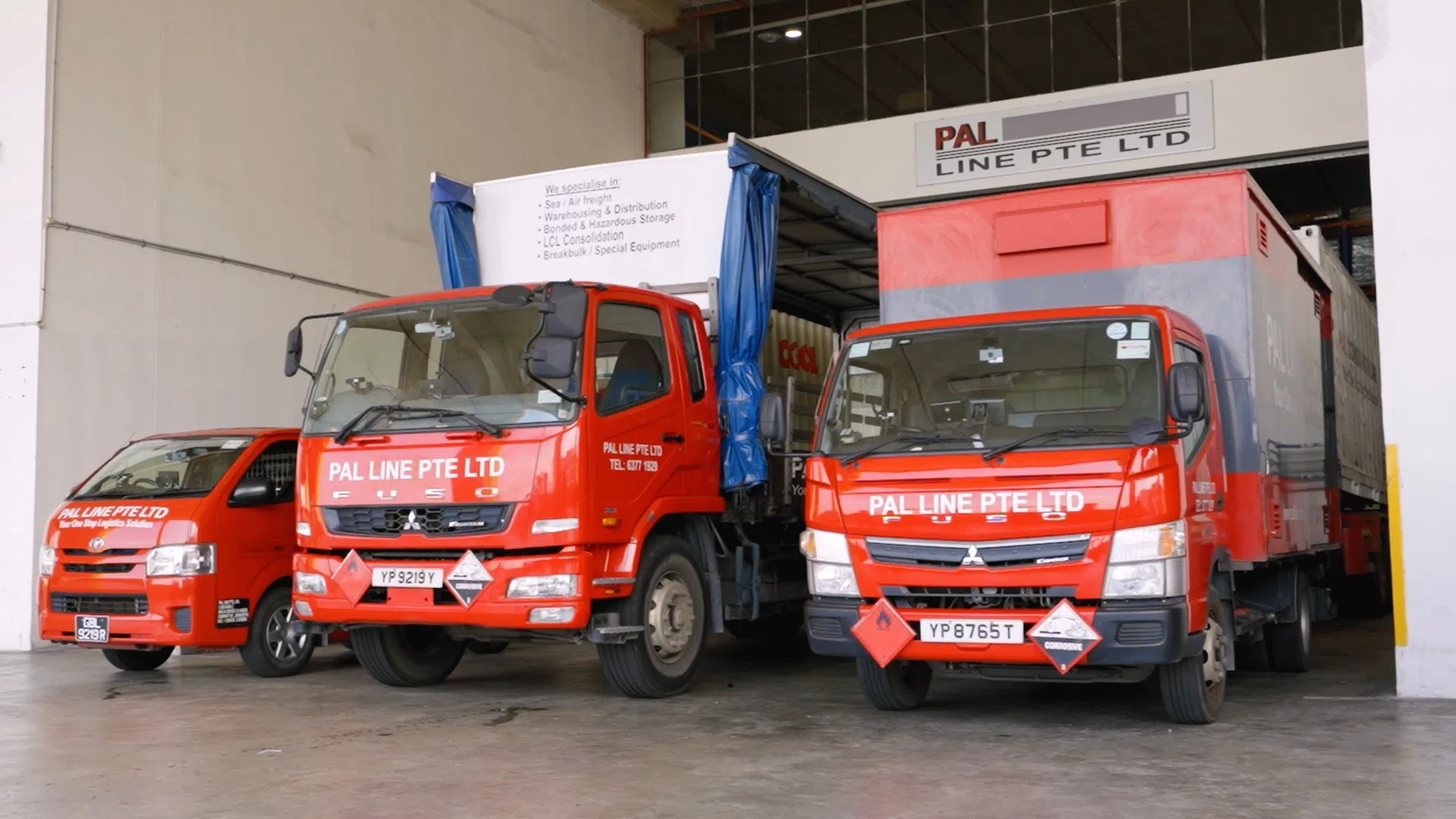
    Singapore freight forwarder PAL Line is converting 70 per cent of its warehouse fleet to electric power while targeting a 30 per cent cut in facility energy use by 2026.

    The company operates across five Asian markets and manages more than 50,000 square feet of climate-controlled warehousing linked to an automated sorting platform for regional e-commerce shipments.

    Automating regional fulfillment

    PAL Line runs warehouse facilities equipped with real-time inventory tracking, climate controls and automated sorting machinery handling cargo from consumer electronics to heavy industrial equipment. The centralized system connects inbound receiving directly to outbound linehaul trucking and freight operations across Southeast Asia.

    Live tracking dashboards feed stock data directly to corporate shippers, allowing inventory managers to alter replenishment schedules while shipments move through the hub. Automated sorting has cut unit handling costs and reduced dispatch errors for cross-border merchants selling into regional markets.

    Electrification and network routing

    Ground operations inside the company’s hubs now rely on electric forklifts for 70 per cent of daily load transfers. Transport routes outside the gates run on GPS telematics designed to cut idling time and lower overall diesel burn.

    Facility retrofits completed since 2021 include low-draw LED systems and recycled packaging standards across all active regional sites. Management aims to lower baseline electricity consumption across its real estate footprint by 10 to 30 per cent before the end of 2026.

    The regional mid-tier squeeze

    Mid-sized logistics operators across Southeast Asia face intense pressure to match the technological scale of global forwarders without matching their capital budgets. By building proprietary digital tracking into mid-sized facilities, regional specialists can retain mid-market retailers that require specialized customs handling and flexible storage without paying tier-one enterprise rates.

    Risk remains concentrated in cross-border execution. Expanding physical routes between Singapore, Thailand, Malaysia, Myanmar and mainland China exposes forwarders to shifting customs enforcement, variable border wait times and uneven road infrastructure that can disrupt automated delivery promises.

    Cross-border footprint since 2008

    PAL Line started as a basic freight forwarding operation in Singapore in 2008 before rolling out customs brokerage, contract logistics and trucking services. Regional expansion began in 2013 with market entries into Malaysia, Thailand, Myanmar and China.

    A major overhaul in 2016 introduced the group’s centralized warehouse management software, shifting the firm from manual forwarding to digital contract logistics. The company secured a place on Singapore’s Enterprise 50 list in 2024 following its cross-border warehouse expansion.

    The key milestone to watch is the delivery of the 2026 warehouse audit, which will measure whether PAL Line meets its 30 per cent energy reduction target across its Southeast Asian facilities.

  • PepsiCo Launches House of Brands Campaign as Only 18% Know Wider Range

    PepsiCo Launches House of Brands Campaign as Only 18% Know Wider Range

    In September 2026, PepsiCo launched a House of Brands campaign across retail channels after finding only 18 per cent of consumers associate the group with products beyond its core carbonated drink.

    The push highlights major portfolio names such as Lay’s, Cheetos, Gatorade and Quaker Oats under the corporate parent banner.

    Closing the Portfolio Perception Gap

    Consumer recognition remains heavily concentrated in beverages despite decades of multi-category expansion into snacks and packaged foods. The campaign uses hypothetical names such as Lay’s-Co, Cheetos-Co and Quaker-Co to demonstrate the scale of brands operating under the central corporate identity.

    Supermarket retailers across Asia-Pacific traditionally manage these product lines across separate aisle categories rather than as a single supplier block. Grouping savory snacks, sports beverages and breakfast staples under one umbrella strengthens supplier use during retail category reviews and joint promotional scheduling.

    Shifting Consumer Perception on Shelf

    Rival consumer goods conglomerates face similar challenges when corporate holding identities remain detached from daily shopping baskets. Linking individual product equities back to a central masterbrand helps defend shelf placement against store-brand lines across packaged grocery aisles.

    The strategy also introduces distinct exposure risks for the manufacturer. Any consumer scrutiny affecting carbonated beverage categories can transfer more readily to packaged grains or hydration products once corporate links become explicit.

    Retail performance metrics and cross-category purchasing data will show whether the awareness push drives higher basket conversion across Australian grocery chains.

  • Minor Hotels Expands in Paraguay with 116 Room NH Asunción Deal

    Minor Hotels Expands in Paraguay with 116 Room NH Asunción Deal

    Minor Hotels has signed two agreements in Madrid with Paraguayan developer Grupo Petra. The deal covers management of a new 116-room hotel in Asunción and future pipeline projects across Paraguay.

    Operating under the NH Hotels & Resorts brand, the four-star property will break ground in the first quarter of 2027. It opens in late 2029.

    The site sits on Calle Quesada in the capital financial district, near Shopping Mariscal and the Inter-American Development Bank. Facilities include 244 square metres of meeting space, a gym, an outdoor pool, and a rooftop bar and restaurant. The location is 10 minutes from World Trade Center Asunción and 20 minutes from Silvio Pettirossi International Airport, connecting directly to Avenida Mariscal López and Avenida San Martín.

    Asset Light Growth In South America

    A companion strategic pact lets Grupo Petra source and develop real estate across Paraguay for Minor Hotels to review for management deals. The partnership targets upscale, upper-upscale, and luxury tiers across three flags: NH Hotels & Resorts, NH Collection, and Tivoli.

    Both groups plan to evaluate future sites in Ciudad del Este, a cross-border trade hub, and Encarnación, a tourism centre. Minor Hotels operates more than 640 properties across 59 countries. It relies on fee-based management and franchise contracts rather than direct property investment.

    Gonzalo Aguilar, chief executive officer of Minor Hotels Europe & Americas, said: “This collaboration allows us to explore new projects alongside a local partner with deep market knowledge and strong development capabilities, while using the strength of our brands, our international operational expertise, and a global commercial platform.”

    Second Project With Grupo Petra

    This Calle Quesada development is the second joint project between the two firms. Their first collaboration, Petra Imperiale, is under construction in Asunción and opens in early 2030 as a mixed-use site housing an NH Collection hotel.

    Securing both NH and NH Collection flags gives the group multi-brand coverage in Asunción ahead of rival chains. Grupo Petra provides local capital and acquires the sites. This structure shields the Bangkok operator from direct balance-sheet exposure to regional property cycles.

    Strategic Shifts For Regional Hospitality

    South America offers high yields and limited multinational competition in secondary capitals for operators diversifying outside Asia. Minor Hotels built its regional presence by acquiring NH Hotel Group. It continues to convert independent properties or partner with local developers instead of funding ground-up builds.

    That asset-light model contrasts with traditional Asian luxury operators that buy physical real estate. Leaving construction to domestic partners avoids local permitting risks. However, it ties brand delivery to regional construction schedules.

    Next Targets In The Pipeline

    The expansion follows Minor Hotels rollouts across India and Southeast Asia under the Avani and Anantara flags. In Paraguay, economic stability, infrastructure spending, and regional corporate travel demand drive hotel development.

    Work on the Calle Quesada NH hotel starts in early 2027 ahead of a late-2029 opening, as the partners prepare further expansion into Ciudad del Este and Encarnación.

  • Indian AI Firm Valued at $2 Billion in Fundraise

    Indian AI Firm Valued at $2 Billion in Fundraise

    An Indian artificial intelligence company has secured a $2 billion valuation this week in a capital raise backed by the visual effects studio behind Dune and Odyssey.

    Financial backing came directly from specialized entertainment and digital effects firms. That support lifts the developer well past standard unicorn thresholds.

    Capital for creative computing

    Institutional investors are targeting generative models and automated production tools. Direct backing from a premier visual effects house provides computing capital. It also opens immediate access to film production pipelines.

    High-end creative production requires model training on proprietary video and image datasets. Studio partnerships give enterprise developers a commercial testbed that consumer platforms lack.

    Production workflows shift to automated pipelines

    Studio executives in Asia and North America want faster turnaround times and lower rendering costs. Generative tools cut manual frame rendering. That shift protects both post-production budgets and artist schedules.

    Legacy software vendors now face direct competition from integrated artificial intelligence startups. Studios that take equity stakes build captive software pipelines and eliminate third-party rendering licenses.

    Commercial exposure across Asian tech

    Indian technical hubs have spent decades handling outsourced rotoscoping, 3D modeling, and animation for international studios. This round moves that workforce from service-fee labor to intellectual property ownership and software licensing.

    Venture investors in South Asia have redirected capital from consumer delivery apps toward enterprise engineering and visual automation. That shift hands pricing power to software platforms selling directly to global media conglomerates.

    Delivery targets for digital media

    The company will spend the new capital to scale compute infrastructure and expand engineering teams. Enterprise visual effects clients will test the models across upcoming theatrical release schedules.

  • StarHub and Keppel Open Talks over M1 to Shrink Singapore Telco Market

    StarHub and Keppel Open Talks over M1 to Shrink Singapore Telco Market

    StarHub and Keppel confirmed on Sept 23 that they are in active discussions over a potential transaction involving mobile network operator M1 in Singapore. If completed, the deal will reduce the city-state’s mobile network operators from four to three, subject to approval from the Infocomm Media Development Authority.

    Keppel holds a majority stake in M1 and stated in bourse filings that consolidation is necessary for Singapore’s mobile sector. Shares in StarHub climbed to a peak of 1.15 Singapore dollars on Sept 24 before finishing the week at 1.12 Singapore dollars, while Keppel shares peaked at 11.45 Singapore dollars before closing at 11.30 Singapore dollars on Sept 25.

    Consolidation talks after failed Simba bid

    M1 returned to the negotiating table after an earlier 1.4 billion Singapore dollar takeover attempt by Simba Telecom collapsed in May. The telecom regulator suspended its review of that transaction after discovering Simba had used radio frequency bands outside authorised parameters to deliver mobile services.

    Simba, owned by Australian-listed Tuas, confirmed the breach on Sept 23 during an investor call. Company secretary Tony Moffatt stated that the operator used spectrum outside the conditions set by the regulator, effectively ending its pursuit of M1 and opening room for StarHub to step in.

    Market share pressure and network costs

    Singapore’s mobile market remains one of the most crowded in Southeast Asia relative to population size, putting persistent pressure on average revenue per user. Combining StarHub and M1 would consolidate subscriber bases, eliminate duplicate 5G capital expenditure, and leave Singtel and Simba as the remaining standalone mobile competitors.

    Carriers across the region face similar rationalisation pressures as high infrastructure spending collides with mature consumer adoption. The primary hurdle for any StarHub and M1 combination will rest with competition regulators, who must weigh lower industry overhead against diminished price competition for retail mobile contracts.

    Executive buying steadies Grab after Atome deal

    Tech and consumer platforms in the city also saw major capital moves during the week. Grab chief executive Anthony Tan purchased roughly 30 million US dollars in company shares, while president Alex Hungate bought about 867,000 US dollars in stock on Sept 21 following a sharp sell-off.

    Grab stock had dropped to a three-year low of 2.74 US dollars on Sept 18 after the company unveiled a 1.49 billion US dollar acquisition of a 60 per cent stake in buy-now-pay-later specialist Atome Financial. The transaction includes terms to acquire the remaining 40 per cent around the third quarter of 2027, which could value Atome at up to 4.5 billion US dollars. The executive purchases helped lift Grab shares 10.6 per cent across the week to close at 3.13 US dollars on Sept 25.

    Stricter corporate disclosures set for 2027

    Corporate governance requirements across Singapore’s capital markets will tighten under new rules announced by the Singapore Exchange Regulation on Sept 23. Starting Jan 1, 2027, all listed issuers must publish dedicated investor relations policies detailing direct investor communication channels.

    Annual reports will also require clear explanations of the specific factors determining executive director and chief executive pay, along with explicit statements on dividend policies. Companies that elect not to pay dividends will have to disclose their formal reasons for withholding distributions to shareholders.

    The benchmark Straits Times Index ended Sept 25 at 5,711.12, supported by gains across the local banking sector. Attention in the telecom sector now shifts to formal structure filings from StarHub and Keppel, alongside the regulator’s response to the proposed combination.

  • Bank Indonesia Issues 32,457 Domestic Credit Cards in First Month

    Bank Indonesia Issues 32,457 Domestic Credit Cards in First Month

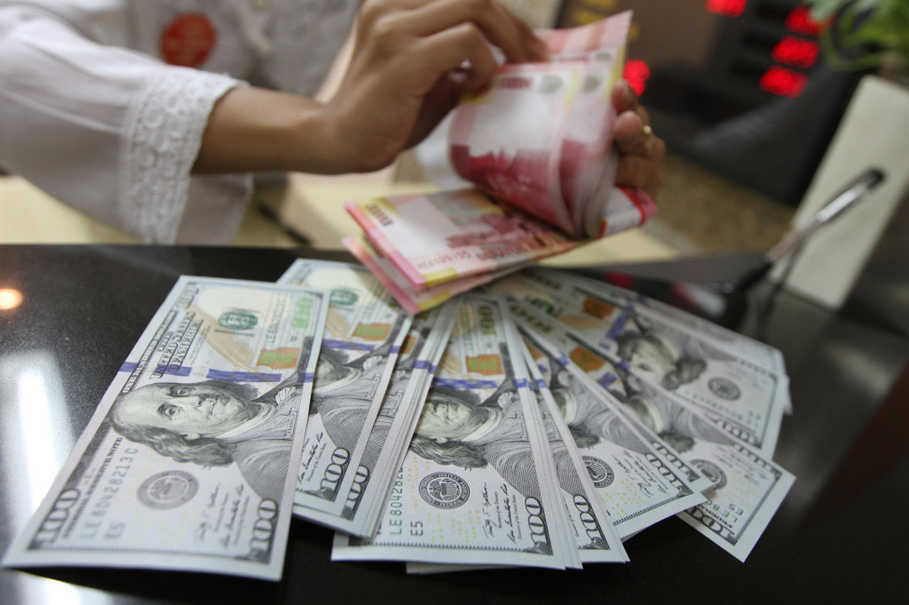
    Indonesian commercial lenders issued and activated 32,457 domestic credit cards in the first four weeks following the system’s retail debut. The figures, confirmed by Bank Indonesia Governor Destry Damayanti in Jakarta on September 24, 2026, track adoption since the retail tier went live on August 17.

    Total spending across the new network reached Rp18.7 billion over 38,800 transactions. Average ticket size stood at Rp482,000, pointing to everyday retail purchases rather than high-value consumer financing.

    Transaction Volume and Merchant Spend

    The card, known locally as Kartu Kredit Indonesia (KKI), operates in its first phase as a virtual credit line linked directly to the national QRIS standard. Shoppers scan standard merchant QR codes at checkouts, drawing down an unsecured credit balance through their standard mobile banking application rather than a deposit account.

    Bank Indonesia Deputy Governor Filianingsih Hendarta reported that nearly 8,000 individual cardholders have executed live purchases across the initial network. The difference between issued cards and active spenders highlights the early onboarding curve as retail customers set up digital limits inside existing mobile banking apps.

    Bank Distribution and Market Share

    Private lender PT Bank Central Asia accounts for the bulk of early issuance, logging roughly 28,000 cardholders during the opening month. State-owned PT Bank Rakyat Indonesia and private lender PT Bank Permata follow at a distance, each recording around 1,500 active users.

    Five other payment service providers make up the initial implementation cohort: Bank Mandiri, Bank Negara Indonesia, CIMB Niaga, Bank Mega, and Bank Syariah Indonesia. For retail merchants across tier-one cities, the domestic scheme reduces dependence on foreign card networks while plugging directly into existing QR checkout hardware and printed counter placards.

    Sharia Options and Technical Integration

    Participating lenders are structuring distinct product variants to capture specific consumer segments. Bank Syariah Indonesia is developing Sharia-compliant financing structures to offer non-interest credit lines over the central switch.

    Local retailers benefit from standardized merchant discount rates tied to the domestic clearing infrastructure. By channelling unsecured revolving credit through QRIS rails, physical merchants avoid procuring separate point-of-sale terminals to accept credit payments from everyday shoppers.

    E-Commerce and Physical Card Rollout

    The central bank launched the KKI framework initially for government procurement before expanding the architecture to retail consumers on August 17, 2026. The shift forms part of a broader push to retain domestic transaction fees inside the national clearing ecosystem while expanding consumer credit access outside traditional cardholder demographics.

    Bank Indonesia is executing the consumer rollout across three distinct phases. The current phase covers QRIS-linked digital cards inside banking applications. Phase two will expand the network to online e-commerce checkout gateways, while the third phase will introduce physical cards for merchants without digital scanning terminals.

  • Japan Benchmark Yield Tops 3.1% as Tokyo Property Prices Drop

    Japan Benchmark Yield Tops 3.1% as Tokyo Property Prices Drop

    Japan’s benchmark government bond yield topped 3.1 percent on Friday morning. The rise accelerated a regional debt sell-off and pushed Tokyo residential property prices lower.

    Average asking prices for existing condominiums in central Tokyo dropped for four straight months through August. Higher borrowing costs chilled buyer demand.

    Sovereign debt selling spread across Asian trading desks as investors factored in prolonged monetary tightening. Energy markets added pressure. Elevated crude oil prices reinforced inflation expectations across importing economies.

    Central Tokyo Condo Market Cools

    Central Tokyo apartment valuations have dropped for four straight months, reversing years of steady price growth. Domestic buyers face higher monthly mortgage payments. Long-term lending rates continue to track government bond yields higher.

    Commercial landlords and retail operators face a similar squeeze on debt refinancing. Property developers that relied on ultra-cheap bank credit are lowering sales targets. Both institutional and retail purchasers are reassessing yield spreads.

    Central Bank Rate Tightening

    Yields surged after the Bank of Japan lifted its policy rate to 1.25 percent. Governor Kazuo Ueda pointed to a formal shift in monetary policy. Currency authorities also conducted foreign exchange rate checks, steadying the yen in the upper-156 range against the US dollar.

    US policy expectations amplified the pressure on Asian debt. Under Chair Kevin Warsh, the Federal Reserve raised interest rates and signaled further tightening. The moves pushed the greenback toward a two-month peak.

    Funding Pressures Mount for Corporates

    Higher sovereign yields are driving up corporate borrowing costs across Tokyo. Prime Minister Sanae Takaichi’s administration faces rising debt-servicing costs. The government is trying to fund fiscal initiatives without issuing fresh deficit-financing bonds.

    Corporate issuers are testing market appetite with higher coupons. SoftBank Group prepared an $11 billion bond offering to fund its investment commitments in artificial intelligence firm OpenAI.

    Asian Real Estate Outlook

    Japanese developers can no longer depend on zero rates to support capital values. Institutional asset managers are demanding wider capitalization rates on central Tokyo assets. That push is forcing a price discovery phase across residential and retail properties.

    Traders are watching upcoming economic data and Tokyo condominium sales figures for September. The numbers will show whether secondary housing prices stabilize or slide further into the fourth quarter.

  • Bangkok Declares Disaster Zones Across All 50 Districts as Eastern Roads Submerge

    Bangkok Declares Disaster Zones Across All 50 Districts as Eastern Roads Submerge

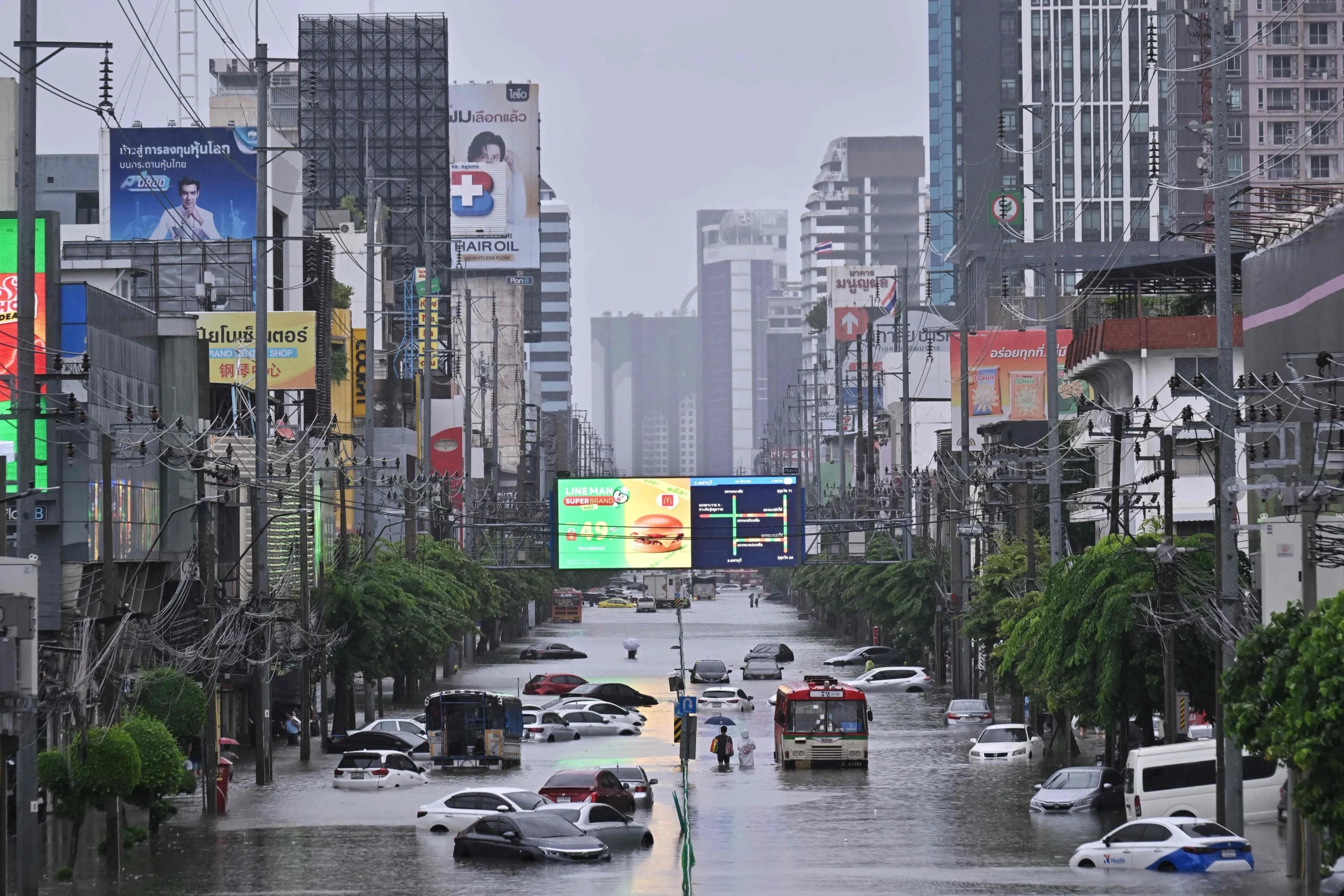
    Bangkok declared disaster zones across all 50 municipal districts after downpours dumped nearly 300 millimetres of rain on the eastern rim of the capital. The deluge flooded 15 major roadways.

    The declaration frees emergency city funding to clear transport blockages. These blockages have stalled commercial delivery routes and cut access to major retail corridors across eastern Bangkok.

    Rain began on Thursday afternoon and accelerated into the weekend. It overwhelmed drainage networks in Min Buri, Klong Sam Wa and Saphan Sung. Water levels reached waist depth at key junctions, including the Bang Kapi intersection near the Saen Saep canal. Runoff flowing south from neighboring Nonthaburi and Pathum Thani provinces worsened backlogs in primary drainage channels.

    Canal Networks Reach Capacity

    Bangkok Governor Chadchart Sittipunt confirmed that key canals in the eastern grid reached full capacity, including Saen Saep, Prawet Burirom, Lat Phrao and Prem Prachakorn. Overflow backed up into commercial side streets and market zones like Prachaniwet 1 in Chatuchak.

    In Lat Krabang district alone, more than 30,000 residents and business properties suffered direct flood damage. Street water reached 59 centimetres on Soi Senanikhom Road in Chatuchak, according to Drainage and Sewerage Department monitors. Lat Phrao 122 saw 54 centimetres, while Ngam Wong Wan Road at the Phong Phet intersection recorded 53 centimetres.

    We are trying to cope by pumping out floodwater, but all canals in eastern Bangkok are now full. People living near canals are at risk.

    Transport Gridlock Stalls Distribution

    Inundations hit critical logistics corridors linking central retail clusters to Suvarnabhumi airport and eastern manufacturing zones. Lat Krabang Road, Srinagarindra Road, Pattanakan Road and sections of Sukhumvit Road between Bang Na and Udom Suk saw prolonged traffic standstills. Water levels reached up to 46.6 centimetres at key intersections.

    Fleet operations halted on last-mile routes, forcing public transport operators to adapt. Commuter transit faced rolling delays. Commuter rail links including the Red Line suspended select services because of track submersion. To help drivers secure vehicles away from low-lying roads, major shopping complexes and transit stations opened elevated parking structures.

    For retailers and supply chain managers, the eastern Bangkok canal bottleneck is the primary operational vulnerability during the monsoon peak. Western Bangkok across the Chao Phraya River avoided major inundations. Eastern districts, however, hold a high concentration of suburban hypermarkets, distribution depots and residential consumer nodes.

    Logistics networks across the capital face persistent operational friction whenever rainfall exceeds 100 millimetres in a 24-hour cycle. Retailers with distribution hubs along Suwinthawong and Srinagarindra roads face recurring delivery rerouting costs whenever regional canals back up.

    Drainage Timeline and Recovery

    The Bangkok Metropolitan Administration mobilized heavy-duty pumps across affected districts and distributed sandbags from local municipal offices. Officials stated that standing water on major roads could drain within six hours once rainfall pauses. Mechanical pump faults along the Saen Saep canal slowed recovery efforts over the weekend.

    City Hall continues monitoring runoff coming down from central provinces. Municipal engineers are working to lower water levels in the Prawet Burirom canal network before the next weather front hits.

  • Global Luxury Set to Grow 2 to 5 Percent as Burberry and Kering Reset

    Global Luxury Set to Grow 2 to 5 Percent as Burberry and Kering Reset

    Global luxury spending is set to grow between 2 percent and 5 percent this year following a three-year malaise, according to Boston Consulting Group data presented at an executive roundtable last Thursday.

    The projected rebound is driven by an 8 percent increase in North America and a 2 percent to 3 percent recovery in China, while Middle East sales are expected to drop by double digits.

    Executives from Burberry and Kering told the gathering that brands are overhauling strategies and price points, as a BCG survey of 12,000 luxury shoppers revealed that 70 percent have avoided purchases due to price increases.

    Shifting Price Points and Product Lines

    Burberry is running a turnaround plan called Burberry Forward, focused on brand identity, client engagement, core merchandise, and store distribution. Laura Dubin-Wander, Americas president for the brand, said it is refocusing on heritage outerwear and accessible entry products. To draw new shoppers, the house set up dedicated trench coat areas, scarf bars, and displays for $400 polo shirts.

    Its store network is also under review. The company plans to downsize or exit unproductive sites while adding pop-ups in affluent resort towns and growing its womenswear athleisure range. On the marketing side, it added American athletes like Carmelo Anthony to build wider recognition.

    Across Asia-Pacific, landlords and department stores must rebalance their floor space. Retailers that gave prime ground-floor square footage to high-priced ready-to-wear collections now see lower sales densities. Operators in hubs like Shanghai, Tokyo, and Singapore are shifting space toward beauty counters, eyewear concessions, and fragrance boutiques where sales volumes hold up.

    Brand margins are shifting as sales move from runway lines to entry-level accessories. Labels must sell far more low-ticket units to offset slowing ready-to-wear purchases. That puts direct pressure on boutique staffing and stock management.

    Price Sensitivity Bites Top Spenders

    Affordability concerns now reach well beyond entry-level shoppers, according to an annual survey of 12,000 luxury consumers by BCG and Altagamma. Roughly 70 percent of respondents walked away from a planned purchase at least once due to a price increase. Most redirected that money into luxury cosmetics and skincare.

    Kering is splitting its commercial strategy to handle this divide between wealthy clients and aspirational buyers. Ewa Abrams, Americas president at Kering, said top-tier clients expect private, personalized service. Aspirational shoppers, by contrast, respond to cultural partnerships in entry categories such as eyewear and fragrances.

    It’s important to stimulate them with the right product categories such as eyewear or fragrance.

    Channel Synergies and Technology Steps

    A shared operational platform now runs across the French group’s houses, including Gucci, Saint Laurent, Balenciaga, and Bottega Veneta. The setup streamlines administration. It also uses artificial intelligence to accelerate commercial decisions.

    Social commerce is another testing ground. Tim Chai, head of product strategy at TikTok Shop, said digital luxury consumers favor unpolished, direct brand communication over rigid corporate campaigns. Burberry adopted fast-paced video clips to show British heritage to younger online shoppers.

    Customer discovery is increasingly driven by artificial intelligence. The BCG survey found 90 percent of luxury shoppers use AI tools daily or weekly to find products, compare prices, and get recommendations. Those shoppers also trust AI comparison tools more than traditional social media influencers.

    Regional Exposure and China Trajectory

    Recent restructuring follows a painful financial stretch across the European luxury sector. London-listed Burberry posted full-year revenue of $2.42 billion and net income of $21 million, leaving an operating margin of 0.87 percent. Paris-based Kering generated trailing twelve-month revenue of 14.46 billion euros and recorded a net loss of 322 million euros as demand slowed in key Asian shopping cities.

    Investors will get their next check on November 12, 2026, when Burberry reports interim results. Those numbers will show whether lower price points and store cuts can stop margin erosion.

  • Singapore Court Approves $8.92 Million Jetstar Asia Customer Refunds

    Singapore Court Approves $8.92 Million Jetstar Asia Customer Refunds

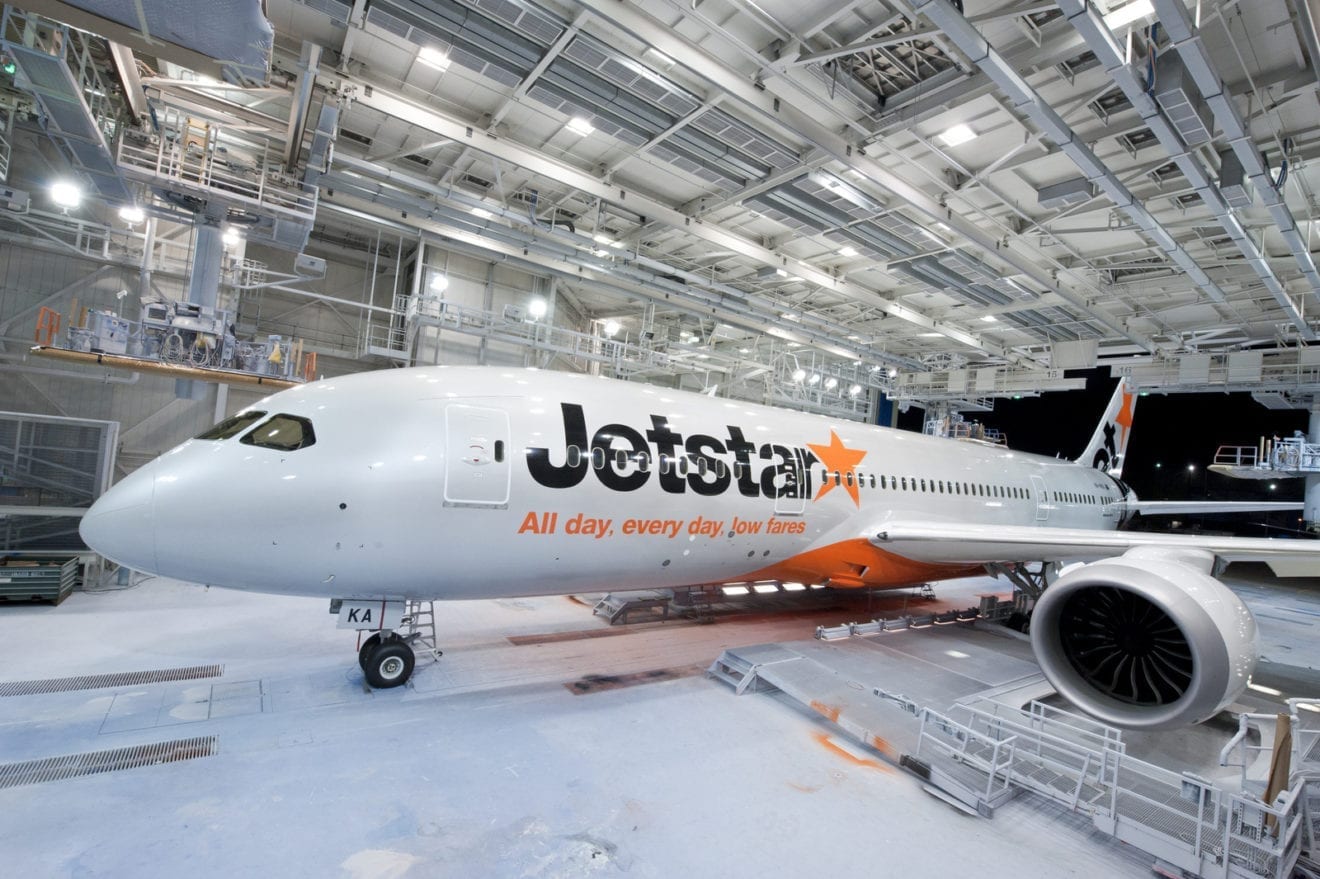
    Singapore’s International Commercial Court has approved a restructuring plan clearing SGD11.4 million ($8.92 million) in refunds. The payouts cover 194,000 Jetstar Asia customers holding unused bookings or flight credits following the carrier’s wind-down announced in June 2025.

    Passengers can recover their funds directly under the ruling. They will not need to submit formal proof of debt or join creditor proceedings.

    Automatic Payouts for Retail Creditors

    Ticket and voucher holders sit in an administrative convenience class under the court-approved scheme. The court deemed this group to have approved the restructuring unanimously. That bypassed standard voting requirements.

    A formal creditor meeting for retail claimants would have generated disproportionate administrative costs. Disclosures during a May 21 hearing revealed that nearly 146,000 voucher holders held balances under SGD20.

    Parent group Qantas provided the financial backing to settle these consumer liabilities alongside other corporate debts. The group is winding down regional operations.

    Airlines Recalibrate Southeast Asian Capacity

    The ruling settles the consumer debt created when Australian parent company Qantas decided to shutter Jetstar operations across Southeast Asia and Japan. That exit removed a long-standing budget competitor from Changi Airport. Rival network carriers stepped in to absorb displaced route traffic.

    Singapore Airlines and budget arm Scoot moved quickly into Jetstar’s vacated regional slots. Both added frequencies to defend Singapore’s aviation hub status against regional low-cost challengers. For consumers and travel platforms across the region, the swift court resolution avoids the protracted debt recovery battles that usually follow budget airline liquidations.

    Timeline of the Carrier Wind-Down

    Directors of Jetstar Asia Airways announced the permanent shutdown of the Singapore-incorporated business on June 11, 2025. Flight operations ceased on July 31. The closure triggered severance packages of four weeks of pay per year of service for more than 500 local staff.

    Management opened a voluntary refund portal in June 2025. Roughly 30 percent of eligible consumers had processed claims through that initial program by January 2026.

    The Settlement Pipeline

    Now, the court order transitions the remaining 70 percent of unsettled accounts into automated distributions handled directly under the scheme framework. RetailNews Asia will track disbursement timelines as administrators work through the 146,000 micro-balance payouts.

  • CharIN Tests 1,000 kW Megawatt Charging Systems at 2026 Testival

    CharIN Tests 1,000 kW Megawatt Charging Systems at 2026 Testival

    Global charging alliance CharIN stepped up interoperability testing for heavy-duty electric trucks and passenger vehicles as hardware communication failures continue to disrupt high-power charging deployments in 2026.

    Live trials using Phoenix Contact systems delivering up to 720 kW revealed persistent connection handshaking delays between vehicle software and chargers, proving that standardisation on paper has outpaced field implementation.

    The tests evaluated the Megawatt Charging System, known as MCS, alongside the second-generation ISO 15118-20 communication protocol. Commercial vehicle demonstrations verified throughput capacity of up to 1,000 kW on the Mercedes-Benz eActros 600, 750 kW on the MAN eTGX, and 700 kW on the Volvo FH Aero Electric. CharIN, which has coordinated MCS specifications across 120 member companies since 2018, confirmed that physical socket standards remain governed under IEC TS 63379 specifications.

    Protocols Advance Faster Than Hardware

    Software standardisation moved forward following the release of the ISO 15118-20 Amendment 1 update in July 2026. That revision incorporated MCS services, grid-tied alternating-current distributed energy resource applications, and updated TLS 1.3 cryptographic security protocols. Yet physical trials revealed ongoing mechanical locking and inlet alignment faults across multiple hardware vendors.

    Michael Keller, chief technology officer of CharIN, stated during the trials: “Without 100% interoperability, the customer has no guarantee of a successful charging process when they arrive at an unfamiliar charging station.”

    Vehicle-to-grid capabilities showed wider compliance variations during system trials. Out of 23 direct-current test systems evaluated for bidirectional energy flow, 13 handled European grid feedback specifications, while only seven out of 11 alternating-current systems functioned under simulated grid conditions. CharIN confirmed that automated energy management and bidirectional communication channels require extensive local certification before utility networks permit commercial power exports.

    Implications for Asian Logistics Hubs

    For fleet managers and warehouse operators across Asia-Pacific logistics corridors, the lack of plug-and-play uniformity introduces direct capital risk. Port operators and long-haul logistics fleets in markets like South Korea, China, and Australia cannot afford failed charging handshakes during tight freight turnaround windows. Purchasing megawatt-rated dispensers does not guarantee scheduled power delivery if proprietary truck control units reject public charger firmware.

    RetailNews Asia notes that retail distribution centers face secondary property planning bottlenecks alongside vehicle testing. Megawatt-level charging requires dedicated onsite battery buffering, dynamic load balancing, and restructured depot layouts to accommodate non-standard charging port positions. Operators building high-voltage freight hubs must design facilities around shifting cable lengths, cooling hardware, and transformer lead times rather than vehicle specifications alone.

    Grid Constraints Dictate Rollout Timelines

    Distribution network operators also struggle to process high-capacity grid hookups at the pace demanded by fleet operators. German electrical industry body ZVEI pointed out that local substation headroom and administrative approvals form the primary constraint on fast-charging hubs. In response, regulators such as the Federal Network Agency began publishing regional utility connection timelines to expose connection bottlenecks.

    Municipal public transport operators have already hit these limits during depot conversions. Local authorities in districts like Lippe reported that while over 50 percent of municipal bus fleets are now electrified, expanding depot connections requires balancing local rooftop solar arrays against uncoordinated central energy directives.

    Regional Testing Heads to South Korea

    Standardisation efforts previously focused primarily on light passenger vehicles before shifting toward megawatt-class haulage at trials in Arnhem earlier this year. Those earlier Dutch sessions validated basic bidirectional direct-current flows but left connector durability and automated communication handshakes unresolved for mass-production trucks.

    Testing now moves to the Korea Electrotechnology Research Institute in Ansan-si on October 12, 2026. Industry participants, including GridWiz, VertexCom Technology, and GENIS Korea, will test HomePlug GreenPHY validation workflows and ISO 15118-20 interfaces against Asia-Pacific grid codes.

  • China Spends Record $158 Billion to Import 1,141 Tons of Gold

    China Spends Record $158 Billion to Import 1,141 Tons of Gold

    China spent an unprecedented $158 billion to import 1,141 tons of gold, breaking historical spending records for foreign bullion procurement. The volume shows relentless domestic appetite across consumer jewellery retail, private investment, and institutional balance sheets.

    Surging import expenditure reflects both elevated global gold prices and sustained retail demand across mainland commercial centres. Despite operating as the world’s largest gold producer, domestic mining output remains insufficient to satisfy internal consumption requirements.

    Surging Demand Outpaces Domestic Extraction

    Domestic mines yield hundreds of tons annually, yet Chinese fabricators and jewellery operators like Chow Tai Fook, Luk Fook, and Lao Feng Xiang continue to rely heavily on international suppliers. Switzerland, Australia, and South Africa remain primary source markets feeding bullion into Shanghai dealing desks.

    Retail jewellery chains in tier-one and tier-two cities have expanded bullion counters to cater to younger buyers seeking wealth preservation. Small-denomination gold bars, collectable coins, and wearable 24-karat pieces continue to dominate retail floor space across major shopping malls.

    Institutional Buying and Portfolio Hedging

    Institutional accumulation by the central bank and state-linked funds provides a persistent floor for cross-border shipments. Commercial banks hold licensed quotas that allow them to import physical bars directly to service structured wealth management accounts.

    Currency diversification strategies have accelerated corporate balance sheet allocations toward physical commodities. The scale of the $158 billion outlay demonstrates that institutional buyers are willing to absorb elevated international premiums to secure delivery.

    Retail Expansion Across Mainland Hubs

    Consumer jewellery operators like Chow Tai Fook, Luk Fook, and Lao Feng Xiang have adapted inventory lines to emphasize investment-grade purity over complex fabrication markups. Shoppers increasingly treat retail jewellery outlets as asset exchange counters rather than purely discretionary fashion boutiques.

    For retail landlords, jewellery and bullion tenants provide steady footfall and reliable rental yields. Department store operators across Beijing, Shanghai, and Shenzhen have consolidated ground-floor layouts to accommodate dedicated precious metal sections.

    Supply Chain Allocations and Next Quotas

    Regulatory oversight of gold import licences remains tightly controlled through the People’s Bank of China. The central authority adjusts volume allocations periodically based on foreign exchange balances and broader macro trade objectives.

    The critical metric to monitor is the quarterly allocation of commercial import quotas handed to state and joint-stock lenders for the upcoming trading cycles.

  • National Stock Exchange of India Gains 5.2% on Debut Following Record IPO

    National Stock Exchange of India Gains 5.2% on Debut Following Record IPO

    Shares in the National Stock Exchange of India rose as much as 5.2 per cent from their initial public offering price of 1,785 rupees ($19) during Thursday trading in Mumbai. The listing completed the country’s biggest public share sale of the year and the second-largest initial public offering in Indian history.

    Investor orders came in heavy across institutional and retail books, pushing the offering past five times total subscription. That sustained appetite carried directly into the secondary market as trading opened on Thursday.

    Valuation and Market Standing

    Trading activity across Mumbai has consolidated around the exchange over the past decade. The platform operates as the world’s largest options exchange by contracts traded and handles the vast majority of cash equity and derivatives turnover in India.

    Strong initial pricing reflects investor confidence in exchange revenues tied to surging domestic trading volumes. Market participants placed bids across the full price band, absorbing the entire secondary share sale without price concessions.

    Rivalry with the Bombay Stock Exchange

    The successful listing puts the platform in direct competition for public equity capital against its older domestic rival, the Bombay Stock Exchange. The National Stock Exchange has overtaken the older venue in listing venue selection, hosting the majority of India’s largest corporate public debuts.

    Listing on its own and rival platforms creates a dual dynamic where both domestic bourses now trade publicly. Operating margins and fee generation from high-frequency derivatives trading provide the primary operational moat separating the two exchanges.

    Implications for Capital Markets and Issuers

    Public listing subjects the exchange to heightened quarterly reporting standards and public scrutiny regarding market infrastructure stability. Capital market operators in the region have watched the transaction closely as a bellwether for institutional liquidity in South Asia.

    Large consumer businesses and technology firms preparing domestic listings benefit from the deeper liquidity base proven by this transaction. Institutional allocation patterns during the bookbuild show foreign and domestic funds remain ready to commit large capital blocks to proven market infrastructure assets.

    Trading Volume and Regulatory Path

    Preparation for the public share sale spanned several regulatory review cycles before clearing the final approvals needed for pricing. The transaction cleared after exchange administrators addressed legacy governance questions and updated internal compliance frameworks.

    Market attention now shifts to upcoming quarterly volume reports and derivatives transaction data, which will set the baseline for earnings expectations in the exchange’s first full quarter as a listed company.