Blog

  • India’s online retailer Cars24 enters Australia

    India’s online retailer Cars24 enters Australia

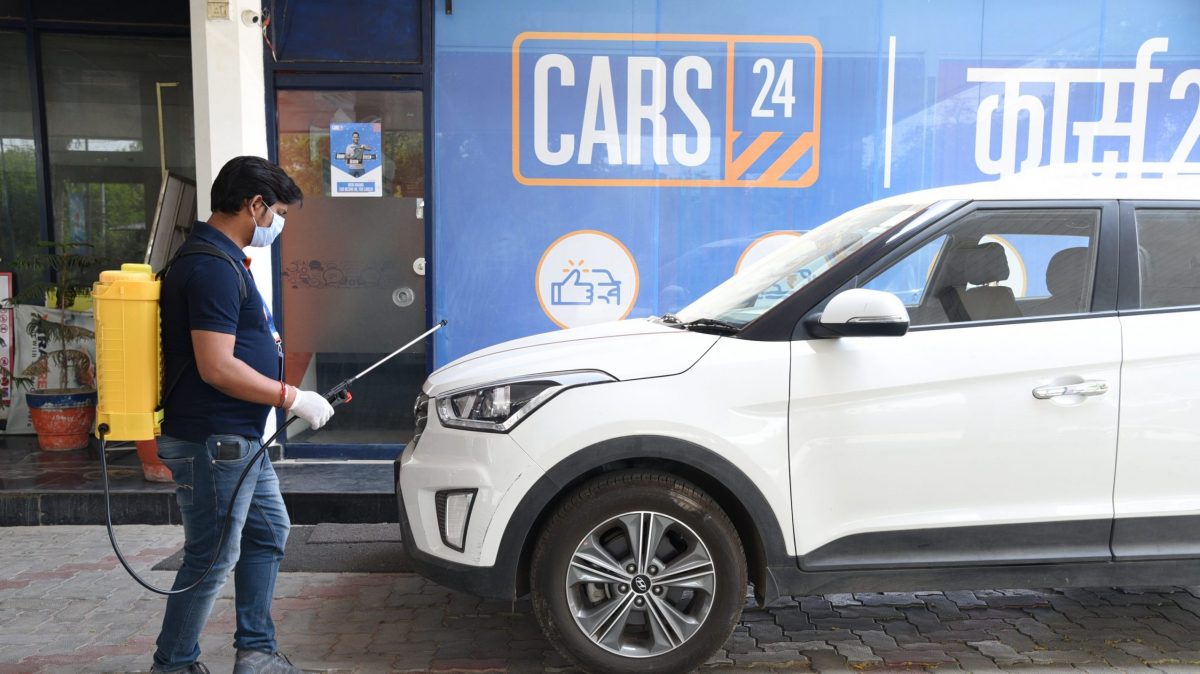
    A $1 billion online car seller has just launched in Australia, with the retailer confident the US and UK trend of buying a car online will take off across the country.

    Indian start-up CARS24 now allows Australians to buy used cars from home in under five minutes, with the car then delivered to their door.

    CARS24 Australia CEO Olga Rudenko said she believed Australians would jump on the “new way of buying used cars” very quickly.

    “Being able to order a car in under five minutes with all the financing taken care of and the ability to return within seven days at no cost is an absolute no-brainer,” she said.

    “We buy everything online these days. Groceries, clothes, appliances. Why? It’s super easy – buy when it’s right for you, no need to leave home. You trust that you’ll have a good experience, with customer reviews and return policies if things don’t work out.”

    CARS24 owns every car it sells and works to ensure quality control from sourcing through to delivery and warranty.

    The retailer also offers seven-day returns with 100 percent money-back guarantee while each car also comes with a six-month unlimited warranty and free at-home delivery – making it as easy and convenient as any other online purchase.

    Melbourne’s 20-year-old Nathaniel Chanter was one of the first Australians to use the service, buying a $23,000 Jeep he’d never seen before.

    Mr Chanter said he was “a little bit nervous” buying the car when he realized he couldn’t even look at the car first, but loved his purchase and thought he’d got it for a very good price.

    “I’d definitely do it again,” he said.

    Publisher of Drive.com.au James Ward said he thought times were changing when it came to buying cars.

    “It’s a funny thing. The old adage of going to the dealer on a Saturday morning and taking it for a run around the block… I think those days have changed,” he said.

    Mr Ward said while every buyer should do their own research, he thought test-driving was becoming less important.

    “It’s very hard to produce a bad car these days. So you’re basically buying a solid prospect, regardless of test driving or not.”
  • MAS Orders Binance Halt

    MAS Orders Binance Halt

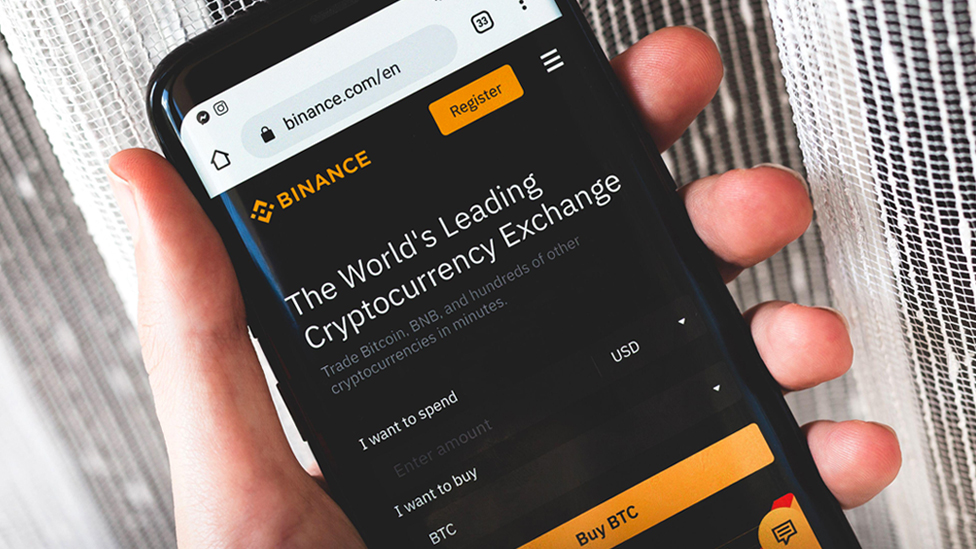
    The Monetary Authority of Singapore has ordered crypto giant Binance to halt its services in the city-state over a potential breach of local payment rules.

    Binance must stop offering services in Singapore, according to a report citing a MAS statement, over a potential breach of the Payment Services Act.

    According to the regulator, Binance provided payment services to and solicited business from Singapore residents without an appropriate license.

    In response, Binance said its Singapore operations are conducted via Binance Asia Services (BAS) which is a separate legal entity from Binance.com.

    BAS operates Binance.sg, does not offer any products or services via Binance.com, and has its own local executive and management team.

    BAS has submitted a license application and is currently exempt from holding one for digital payment token services, MAS said, adding that the application remains under review and is subject to the firm demonstrating that it is able to meet requirements.

    On the other hand, Binance didn’t apply for a license under local law and the regulator has added the crypto firm to its investor alert list.

    MAS has been engaging BAS and expects an immediate it to begin an orderly suspension of its facilitation of transfers of digital payment token assets between BAS and Binance, the regulator added.

  • BNP Paribas in Talks to Form China Wealth Management JV

    BNP Paribas in Talks to Form China Wealth Management JV

    BNP Paribas’ asset management arm is reportedly in talks with a Chinese «big four» bank to form a wealth management joint venture in the mainland.

    BNP Paribas is in talks with Agricultural Bank of China’s (AgBank) wealth unit to form a wealth management joint venture, according to a report citing unnamed sources.

    BNP Paribas is expected to hold majority stakes in the joint venture.

    BNP Paribas joins the likes of Blackrock, Goldman Sachs and other global financial institutions seeking to tap into China’s $19 trillion wealth management market.

    French rival Amundi had initially discussed venture plans with AgBank but ultimately chose Bank of China as its partner.

    AgBank and other major state banks face political pressure to form wealth management joint ventures, the report added, indicating China’s willingness to open up.

    Within mainland China, BNP Paribas Asset Management already owns a Chinese mutual fund venture.

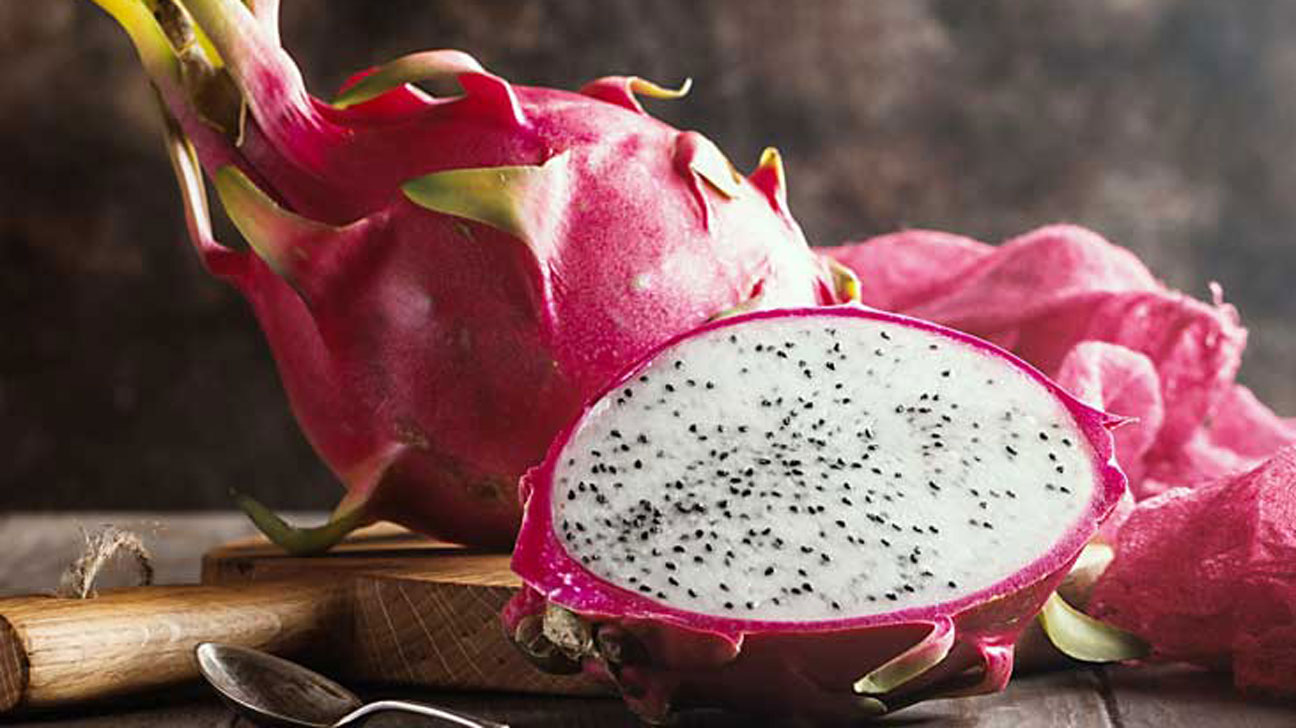
  • Dragon fruit suffers pandemic troubles

    Dragon fruit suffers pandemic troubles

    The Covid-19 pandemic has made it difficult for Vietnamese dragon fruits, in season now, to be exported.

    China, which accounts for some 80 percent of Vietnam’s total dragon fruit exports, has restricted the flow of goods at some border gates as part of its pandemic safety precautions.

    Meanwhile, for markets like the European Union, the U.S. and some Asian countries, the pandemic has caused an increase in logistics cost, and traders are facing fiercer competition from Taiwan, Thailand and Malaysia.

    To expand markets for its dragon fruit, Vietnam is seeking ways to penetrate new markets, including Australia and Japan.

    Ta Duc Minh, the commercial counselor at the Vietnamese embassy in Japan, said Vietnamese farmers and firms should ensure synchronous cycles from cultivation, harvest and preservation to transport and export to maintain the freshness and taste of dragon fruits.

    They should also intensify the application of advanced post-harvest technology to ensure product quality, he said.

    Phu proposed the central province of Binh Thuan and the southern province of Long An, the two country’s largest dragon fruit producers, should speed up processing and export of dried fruit as well as other products made from dragon fruits like wine and syrup.

    Binh Thuan has 33,750 hectares of dragon fruits with an average annual output of 650,000 tons. It currently has 240 dragon fruit collecting, semi-processing and packaging facilities, and six processing facilities that make different products with the fruit.

    According to the Long An Department of Industry and Trade, the province produces some 330,000 tons of dragon fruit each year.

  • UBS Takes Stake in AI Advisor Platform

    UBS Takes Stake in AI Advisor Platform

    UBS is taking a stake in an artificial intelligence platform that matches institutional clients with investment experts.

    UBS has invested $5 million in Lynk in its latest funding round, taking the technology company’s total funding to $35 million, Lynk said in a press release Wednesday. Lynk says it has a network of more than 840,000 global experts. Its proprietary technology is driven by an AI data engine that indexes individuals based on their experience and expertise to match users with subject matter experts on its platform.

    Lynk was founded by Peggy Choi in 2015. The firm has eight offices, including New York, Hong Kong, Singapore, Mumbai, Shanghai and Toronto.

    UBS announced a global alliance with Lynk in May for its institutional investor clients and subscribed to the platform in 2020. The collaboration is run via UBS Investment Bank’s principal investment team.

  • Twitter launches Super Follows and Safety Mode

    Twitter launches Super Follows and Safety Mode

    After a few months in beta, Twitter announced that it’s making Super Follows available to select users in the United States. Super Follows allows Twitter users to earn monthly revenue by sharing subscriber-only content with their followers on the social network.

    Those interested can set a monthly subscription of $2.99, $4.99, or $9.99 a month to monetize bonus content for their followers on Twitter. Creators can interact with their Super Followers by looking for the Super Followers badge. The public badges will be highlighted under their Super Followers name whenever they reply to a creator’s tweet.

    For the time being, Super Follows is only available to a small group within the United States. However, those interested can apply to join the waitlist to set up a Super Follows subscription by swiping open the sidebar on the Home timeline, tapping on Monetization, then selecting Super Follows.

    It’s important to mention that you need to have 10,000 or more followers, be at least 18 years old, and have tweeted 25 times within the last 30 days to be eligible for the waitlist. Obviously, you need to be in the United States too.

    Currently, users in the United States and Canada on iOS can Super Follow select accounts, but Twitter says it will be rolling out the option to people using iOS globally in the next few weeks.

    Additionally, Twitter announced that starting today, it’s rolling out Safety Mode, a new feature that promises to reduce disruptive interactions. Safety Mode is only pushed out to a small group of Twitter users on iOS, Android, and desktop, which have English-language settings enabled.

    Safety Mode is meant to temporarily block accounts for seven days for using potentially harmful language or sending repetitive and uninvited replies or mentions. Those who get the feature must enable it from the Settings so that Twitter’s systems can assess any potential negative engagement.

    Those who are found guilty of using harmful language in their tweets will be auto blocked, which means they’ll be temporarily unable to follow your account, see your tweets, or send you Direct Messages.

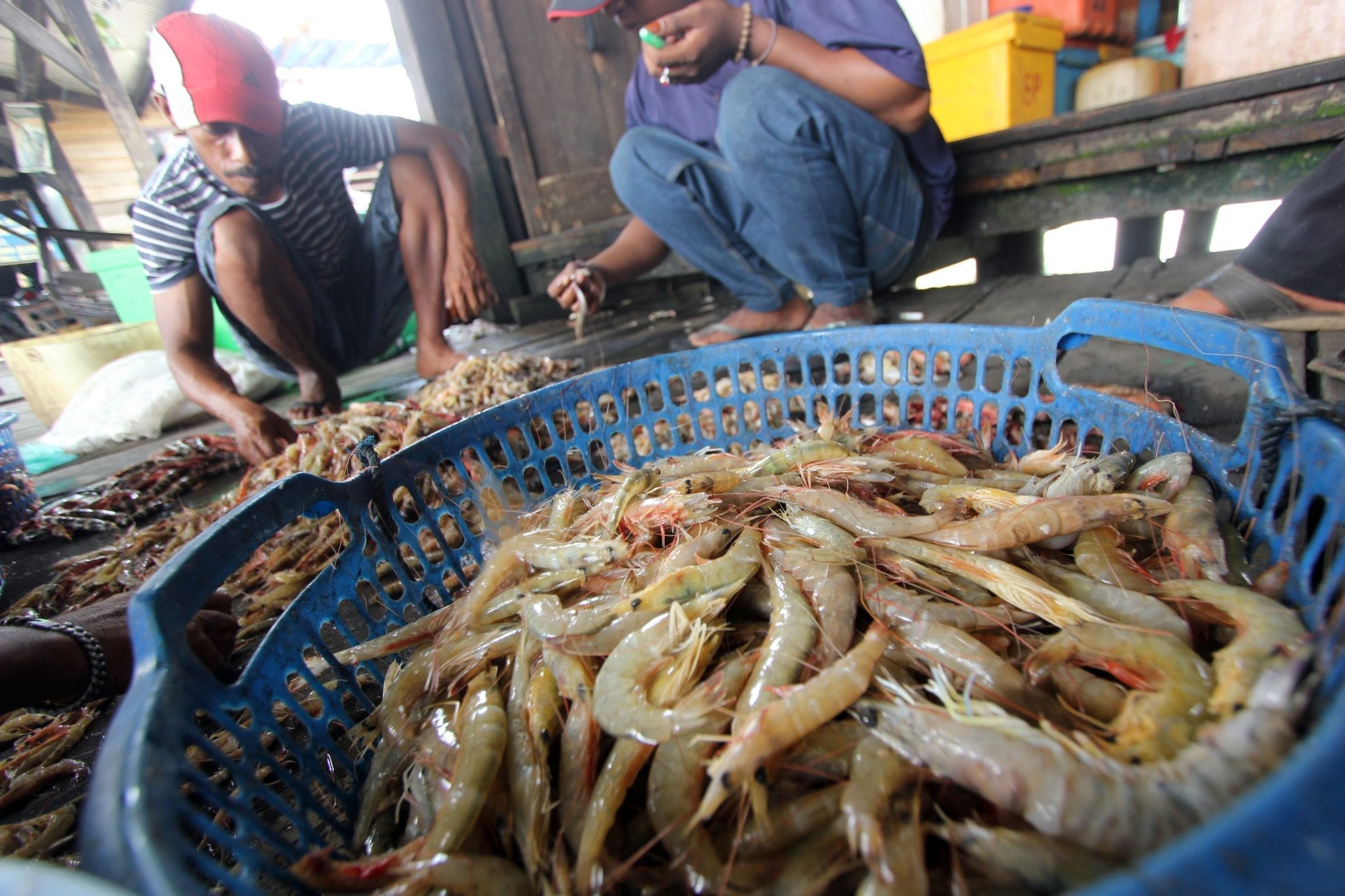
  • Shrimp processing giant posts large revenue increase

    Shrimp processing giant posts large revenue increase

    Minh Phu Seafood, one of the country’s biggest shrimp processors, reported a 9 percent rise in revenues to over VND6.1 trillion ($269 million) in the first half of the year.

    The HCMC company said however the pandemic is causing disruption in sales, especially in North America, its biggest market.

    Its net profit rose nearly 20 percent to VND276 billion.

    It received a VND336-billion import tariff refund after the U.S. in February withdrew an accusation that one of its subsidiaries, Mseafood, had violated anti-dumping regulations.

    The company had to deposit the sum while it disputed the case.

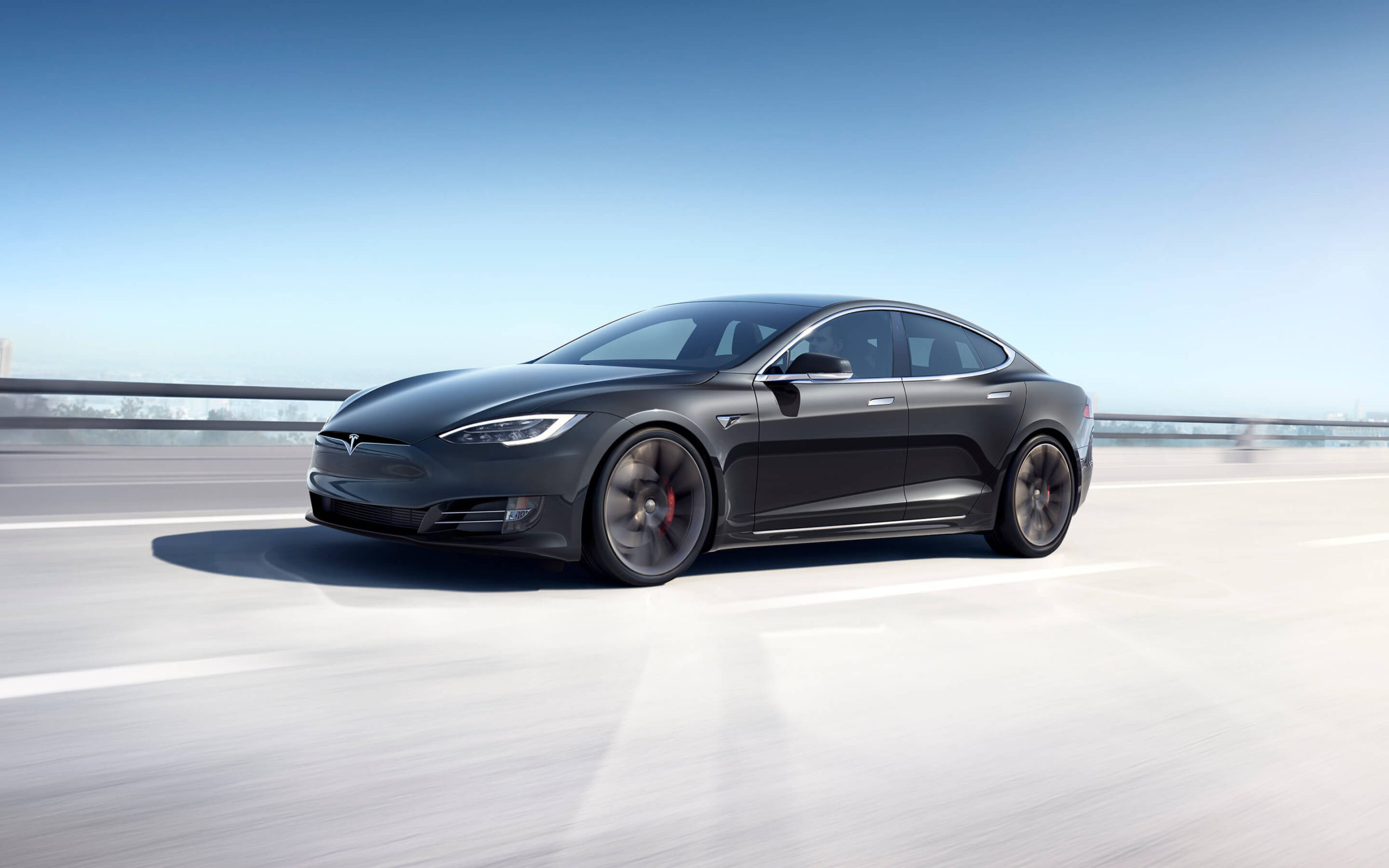
  • Tesla’s China Output Was Halted For Days In August Due To Chip Shortage

    Tesla’s China Output Was Halted For Days In August Due To Chip Shortage

    Tesla temporarily halted some operations at its Shanghai factory last month as the global shortage of semiconductors hit the electric car maker, Bloomberg News reported on Thursday, citing people familiar with the matter.

    Part of a production line at the China plant was halted for about four days in August because of a lack of key chips, the report said.

    Shortages with the availability of electronic control units caused output delays mainly for Tesla’s Model Y sports utility vehicle crossover, according to the report.

    Production at the Chinese factory is now back to normal.

    Tesla did not immediately respond to a query on the report.

    Last month, world’s largest automaker Toyota Motor Corp said it would slash global production for September by 40% from its previous plan following car makers worldwide in cutting production due to the months-long chip shortage.

  • Chinese EV Maker Nio Cut Sales Forecast Due To Chip Supply Shortage

    Chinese EV Maker Nio Cut Sales Forecast Due To Chip Supply Shortage

    Chinese electric vehicle (EV) maker Nio Inc on Wednesday cut its delivery forecast for the third quarter this year due to uncertain and volatile semiconductor supplies. Nio cut its delivery forecast for the third quarter to around 22,500 to 23,500 vehicles from a previous 23,000-25,000 vehicles. It delivered 5,880 electric sports-utility vehicles last month, up 48% from a year earlier.

    Li Auto Inc, which sells extended-range electric vehicles, said it sold 9,433 vehicles last month, up 248% from a year earlier. It targets 10,000 units monthly sales in September. Xpeng Inc sold 7,214 cars in August, up 172% year-on-year. Its chief executive He Xiaopeng said it expects monthly deliveries to reach 15,000 units in the final quarter this year.

    A prolonged global chip shortage has caught major automakers including Ford Motor, Honda Motor, General Motors, and Volkswagen off guard, forcing many to idle or curtail production. The shortage was unlikely to resolve soon as the pandemic rages on in many parts of the world, China’s top auto industry body said last month. U.S. listed shares of Nio were down 4.3% at $37.63 in premarket trading, while Xpeng fell more than 2%. Li Auto, Nio, and Xpeng are three leading Chinese EV startups that compete with U.S. electric car maker Tesla Inc and local companies including Geely and Great Wall Motor.

    Separately, Tesla had sold 32,968 China-made vehicles in July, including 24,347 for export, according to data from the China Passenger Car Association last month. However, local sales of China-made Tesla vehicles had plunged 69% month-over-month to 8,621 cars in July. The company makes electric Model 3 sedans and Model Y sport-utility vehicles in a Shanghai plant. China sales, which account for nearly a third of its total sales, is closely watched as a sign of the automaker’s health in its second-biggest market, where it has invested heavily.

  • China’s Xiaomi Completes Business Registration Of Electric Vehicle Unit

    China’s Xiaomi Completes Business Registration Of Electric Vehicle Unit

    Chinese smartphone giant Xiaomi Corp said on Wednesday it has completed the official business registration of its electric vehicle unit, marking the latest milestone in its push into the automotive sector. The new unit, to be called Xiaomi EV Inc, opened with registered capital of 10 billion yuan ($1.55 billion) and Xiaomi CEO Lei Jun as its legal representative, Xiaomi said in a statement. Some 300 staff have so far been employed to join the EV unit and it continues to recruit talent, it said.

    The smartphone maker, which became the world’s second top-selling brand behind Samsung in the second quarter, confirmed its foray into electric cars in March, pledging to invest $10 billion over the next 10 years.

    Lei said at the time the push into electric vehicles would mark his “last major entrepreneurial project.”

    Xaiomi said it purchased autonomous driving technology startup Deepmotion for over $77 million.

    Xiaomi said on Wednesday it has since conducted more than 2,000 interview surveys and visited over 10 industry peers and partners. However, it has revealed few details of its strategy for the automotive sector or vehicle types it intends to launch.

    Last week, the company said it purchased autonomous driving technology startup Deepmotion for over $77 million, in an effort to boost research and development.

    Earlier in August, Reuters reported that Xiaomi had entered talks with beleaguered real estate giant Evergrande Group to purchase a stake in the latter’s automotive unit.

    In response to the news, a Xiaomi spokesperson wrote on the company’s social media account that it is in touch with several automakers but has yet to decide which one to work with.

    Xiaomi’s second-quarter earnings last week beat analyst estimates, with revenues and net profits increasing 64% and 87.4% respectively. The company’s share of the global smartphone market has surged following the retreat of its chief rival, Huawei Technologies Co Ltd in the face of U.S. government sanctions.

  • H&M fined for misleading Chinese consumers

    H&M fined for misleading Chinese consumers

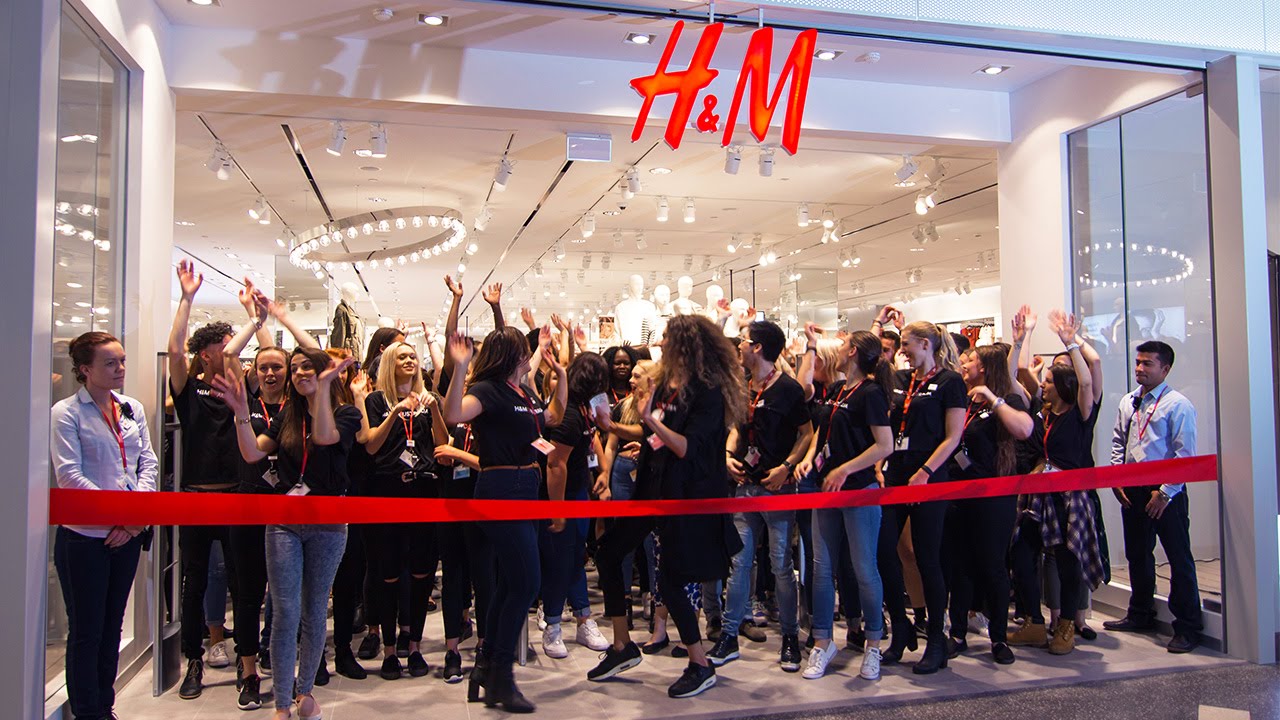
    The fashion giant H&M China has been fined 260,000 yuan (US $ 40,200) for “misleading consumers” in its advertising.

    According to the market control regime in Shanghai, the Swedish multinational apparel retailer tricked its customers with advertising that claimed that the featured products were only available in China.

    Officials revealed that the investigation into the case began in February 2021.

    Authorities have confiscated “illicit earnings from selling substandard products” worth 30,000 yuan ($ 4,638).

    Regulators ordered the company to stop creating and selling items that do not meet quality guidelines.

    This is not the first time the fast-fashion company has been criticized in China this year. In April, H&M agreed to change the “problematic map” online after criticism from the government in China.

    After the US, the European Union, Britain and Canada imposed travel and economic sanctions on authorities over allegations of abuse in Xinjiang in the northwest of China, the ruling Communist Party held a barrage against H&M, Nike and other shoe and clothing brands.

    The city government said: “Internet users report that H & M’s website has a ‘problematic map of China’ and the Shanghai Municipal Bureau of Planning and Natural Resources has ordered it to be fixed quickly.”

    The company’s social media account stated that H&M managers “corrected the error as soon as possible” after calling to meet with regulators.

  • Pernod confident on sales momentum as US, China lift profits

    Pernod confident on sales momentum as US, China lift profits

    French spirits maker Pernod Ricard said on Wednesday it was confident its sales momentum would continue this year after a rebound in demand in China and the United States helped it to deliver stronger-than-expected annual profits.

    With recurring cash flow at a historical high of 1.745 billion euros at end-June, Pernod, which bought a minority stake in U.S. wines and spirits company Sovereign Brands, also said it would resume its 500 million euros ($590.60 million) buyback programme for the fiscal year 2021/22.

    Its shares were up 3% by 0830 GMT, making it the biggest gainer on the Paris CAC 40, which rose 1%.

    The owner of Mumm champagne, Absolut vodka and Martell cognac, did not provide specific operating profit guidance for the year 2021/22 that started on July 1, but said its first-quarter would be “very dynamic”.

    “We are giving a qualitative guidance for the full year, good sales momentum supported by on-trade recovery, resilient off-trade, dynamism in e-commerce,” Finance Chief Helene de Tissot told Reuters.

    However, she said Pernod Ricard remained “very cautious” concerning travel retail prospects over the next 10 months because of ongoing pandemic restrictions.

    Over the twelve months to June 30, profit from recurring operations reached 2.423 billion euros ($2.86 billion), an organic rise of 18.3%.

    This exceeded the company’s guidance for a profit rise of as much as 17%.

    “Pernod Ricard FY 2021 reflects a strong recovery despite residual COVID weakness in travel retail and in India,” Berstein analysts said in a note.

    Sales reached 8.824 billion euros, an organic rise of 9.7%, reflecting a 16% jump in sales in the United States and a 14% rise in China.

    In the fourth quarter alone sales rose 57% from a year-earlier, as bars and restaurants reopened in the United States and in Europe as COVID restrictions eased.

    Asked whether Pernod Ricard could be at risk from China’s possible plans for wealth redistribution and clamp down on high incomes, Chairman and CEO Alexandre Ricard told a news conference: “If indeed there is an increase in the purchasing power of the (Chinese) middle class, it could be a positive for Pernod,”

    The world’s second-biggest spirits group after Britain’s Diageo had raised its organic profit growth guidance for 2020/21 to 16% from 10%.

    And last month, Pernod said a U.S. court ruling that it could claim a refund on spirits exported from the United States would add a further 1% to its organic profit growth.

    The group reiterated what Alexandre Ricard called a “framework” of 4-7% sales growth and 50-60 basis points operating leverage per year for the medium-term. It will hold a capital market day “probably in spring”.

  • Amazon Global Store launches in Korea

    Amazon Global Store launches in Korea

    Global online retailer Amazon and South Korean e-commerce platform 11st launched the Amazon Global Store on 11st on Tuesday.

    The move has made it easier to buy tens of millions of products available on Amazon’s US website, ranging from PCs, toys and fashion to electronics, with free shipping on orders over 28,000 won ($24).

    Though the service has been in operation in 12 other countries, it marks the first time Amazon is working with a local company for the launch. It also makes 11st the country’s “most extensive bookstore,” with millions of books now available.

    “Starting today, customers in Korea will be able to enjoy the most convenient way to shop global products, with free international shipping from the US,” said Somana Konganda, director of Amazon Global.

    Lee Sang-ho, CEO of 11st, said, “The launch of Amazon Global Store on 11st brings together the best of 11st’s local know-how and Amazon’s global retailing experience.”

    How does it work?

    Amazon Global Store was launched jointly with 11st, which means you have to sign up for 11st to place an order.

    You also need a personal customs clearance code, a 13-digit number starting with a P, for online international shopping. But foreign nationals living in South Korea can use either their passport number or alien registration number instead.

    After signing on to the platform, you can either search for a product you saw on Amazon’s US website or go to the main page for the Amazon Global Store to check out special deals and recommended items.

    Before your selected item goes into the basket, the website will show the price in Korean won and estimate how long it will take to be delivered, as well as how much the total cost will be including a customs clearance fee — which occurs when your order is worth more than $200, or $150 if certain items such as health supplements are included, for instance.

    ‘Universe Pass’

    On the same day the Amazon Global Store was launched, SK Telecom, which operates 11st, also unveiled the “Universe Pass Mini” and “Universe Pass All”

    Priced at 4,900 won, the more affordable version of the monthly subscription-based service offers free shipping to members regardless of the product’s price, though benefits are subject to change in the future, according to 11st.

    It also gives access to South Korea streaming platform Wavve, while the premium plan offers access to a wide range of subscription-based services including music streaming service FLO.

  • Amazon launches in South Korea on local platform 11st

    Amazon launches in South Korea on local platform 11st

    Global online retailer Amazon and South Korean e-commerce platform 11st launched the Amazon Global Store on 11st on Tuesday.

    The move has made it easier to buy tens of millions of products available on Amazon’s US website, ranging from PCs, toys and fashion to electronics, with free shipping on orders over 28,000 won ($24).

    Though the service has been in operation in 12 other countries, it marks the first time Amazon is working with a local company for the launch. It also makes 11st the country’s “most extensive bookstore,” with millions of books now available.

    “Starting today, customers in Korea will be able to enjoy the most convenient way to shop global products, with free international shipping from the US,” said Somana Konganda, director of Amazon Global.

    Lee Sang-ho, CEO of 11st, said, “The launch of Amazon Global Store on 11st brings together the best of 11st’s local know-how and Amazon’s global retailing experience.”

    How does it work?

    Amazon Global Store was launched jointly with 11st, which means you have to sign up for 11st to place an order.

    You also need a personal customs clearance code, a 13-digit number starting with a P, for online international shopping. But foreign nationals living in South Korea can use either their passport number or alien registration number instead.

    After signing on to the platform, you can either search for a product you saw on Amazon’s US website or go to the main page for the Amazon Global Store to check out special deals and recommended items.

    Before your selected item goes into the basket, the website will show the price in Korean won and estimate how long it will take to be delivered, as well as how much the total cost will be including a customs clearance fee — which occurs when your order is worth more than $200, or $150 if certain items such as health supplements are included, for instance.

    ‘Universe Pass’

    On the same day the Amazon Global Store was launched, SK Telecom, which operates 11st, also unveiled the “Universe Pass Mini” and “Universe Pass All”

    Priced at 4,900 won, the more affordable version of the monthly subscription-based service offers free shipping to members regardless of the product’s price, though benefits are subject to change in the future, according to 11st.

    It also gives access to South Korea streaming platform Wavve, while the premium plan offers access to a wide range of subscription-based services including music streaming service FLO.

  • Hair cuts and dining in as Thai malls reopen after virus cases ease

    Hair cuts and dining in as Thai malls reopen after virus cases ease

    Thailand allowed shopping malls in the capital Bangkok to reopen on Wednesday and restaurants to operate at half capacity, after nearly three months of tough restrictions aimed at containing the country’s worst coronavirus outbreak.

    The move comes after infections numbers started falling in the middle of last month and with the government under pressure to ease lockdown measures due to the impact on the economy.

    “Thai citizens like me…will come back to normal life,” said Wanvipa Luepromchian, who was getting her hair cut in a salon in the Siam Paragon mall in Bangkok.

    The government in July started imposing strict measures including closing malls and prohibiting restaurant dining as the number of new infections surged due to the Delta variant.

    At its peak, authorities reported over 23,000 new cases in a single day in mid-August.

    On Wednesday, the health ministry reported 14,802 new cases and 252 additional deaths. Thailand has overall reported 1.2 million cases and 11,841 fatalities.

    “If you (the government) lockdown everything that’s so dangerous for the economy in Thailand,” Wanvipa said.

    Last week, the government also allowed some domestic flights to resume.

    Restaurants dining can also restart, but at half the capacity to allow for social distancing.

    “Customers need to get temperatures checked before entering and keep social distancing with only two people on one table, but if they are family, they can be seated together,” said restaurant manager Nichapha Jiwvaganont.

    While a nighttime curfew remains in place in Bangkok, the partial reopening will be supportive for Thailand’s struggling economy.

    A joint business group on Wednesday raised its 2021 economic forecast from between a 0.5% contraction to 1% growth from a contraction of 1.5% to 0% growth as curbs were relaxed.