Blog

  • Nordea AM to Open ESG Hub in Singapore

    Nordea AM to Open ESG Hub in Singapore

    The hub will enable Nordea to to enhance its local servicing, ESG capabilities, investment platform and distribution reach in the region.

    The asset management arm of financial services group Nordea is planning to open an ESG hub – its first outside its Nordic headquarters – in Singapore, in response to its growth and successes in the region, the firm announced on Wednesday.

    The hub will allow NAM to be closer to clients in the Asia-Pacific region and better understand how companies are embracing sustainability in the region, Nordea Asset Management said in the statement.

    Sustainability issues have gained significant interest in Asia in recent years, and investors are increasingly asking for ESG solutions. The time is right to meet that demand, Nils Bolmstrand, CEO of Nordea Asset Management, said.

    NAM’s local Singapore distribution office was established in 2013, and will be fully integrated with NAM’s ESG-focused internal investment boutiques as well as NAM’s Responsible Investments team.

    The hub is slated to be launched in the latter part of 2021.

  • AirAsia Thailand returns with 11 domestic routes from Sept 3

    AirAsia Thailand returns with 11 domestic routes from Sept 3

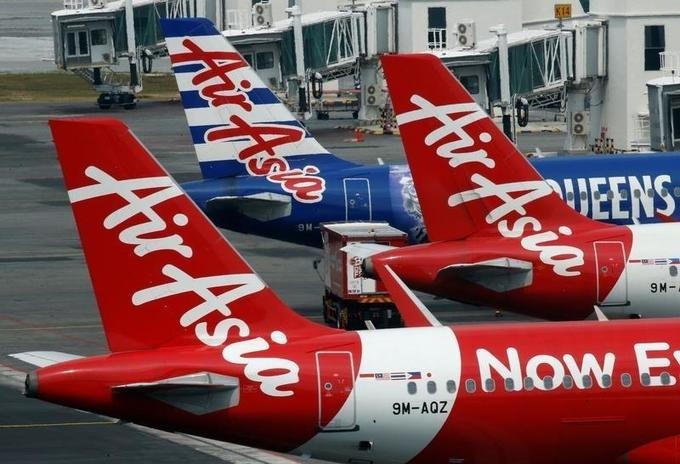
    AirAsia Thailand will return to the skies starting with domestic flights beginning Sept 3, 2021 following an announcement by the Civil Aviation Authority of Thailand allowing the operation of regulated flights.

    The reinstatement of flights by AirAsia Thailand will kickstart with 11 domestic routes from Don Mueang Airport to Chiang Mai, Phuket, Hat Yai, Nakhon Si Thammarat, Chiang Rai, Khon Kaen, Udon Thani, Ubon Ratchathani, Nakhon Panom, Roi Et and Narathiwat.

    AirAsia Thailand is offering a 30% discount on all seats for all flights including weekends and public holidays to celebrate the restart of its domestic operations. Book from Aug 28- Sept 5, 2021 and travel from Sept 3 Dec 31, 2021 at the airasia super app or visit airasia.com.

    All bookings come with an unlimited free flight change option while all flights will be operated under stringent adherence to health and safety protocols set by the government to ensure the comfort and safety of all guests.

    AirAsia Thailand Chief Executive Officer, Santisuk Klongchaiya, stated that while AirAsia Thailand hibernated all its flights throughout August in accordance with government announcements, it remained busy at work, preparing to return to service.

    All aircraft undergo regular maintenance during hibernation to ensure they are in top performance. The carrier has been working very closely with the Civil Aviation Authority of Thailand, Thai Airlines Association and other relevant public health agencies to ensure only the highest of safety and hygiene standards are in place when it resumes operations.

    From September 2021, guests will be required to meet Civil Aviation Authority of Thailand conditions in accordance with the criteria specified in the travel conditions of the destination provinces, such as to present the documents indicated of having complete cycle of vaccination and/or have documents showing results of testing for Covid-19 by RT-PCR or Antigen Test Kit (ATK), or are exempt from other measures in the destination province (such as having a document certifying that they have been naturally recovered from the infection for no more than 90 days, or have a document certifying that they have passed the quarantine requirement, or have documents for the implementation related to the country’s initiative Sandbox Project).

    Passengers are also mandated to declare their essential travel information via https://covid-19.in.th/ prior departure.

    The airline will also be maintaining stringent health and safety measures, including regular disinfection of all contact surfaces, limiting flights capacity to a maximum of 75% passengers on each flight, onboard food and beverage consumption is yet not allowed throughout the journey, and not more than 50 passengers allowed to be in the transfer bus each round to maintain social distancing and limiting contact.

    All AirAsia aircraft are equipped with hospital-grade HEPA filters that are able to filter out 99.99% of viral and bacterial particles in the air.

    The measures are including service personnel, that all staff on duties must be fully vaccinated against Covid-19 and be tested for Covid-19 according to the regulations. Pilots go through regular recurrent training and aircraft are well maintained.

    Flight and ground crew have been strictly trained to ensure the safety and wellbeing of guests at all times.

    In September 2021, AirAsia will begin its return to service with 11 routes before considering further flights.

    The flights are being introduced with a promotion of 30% off all seats on all flights, every day including weekdays and holidays. Bookings will come with unlimited flight change option that can be done conveniently through the Booking Management Menu or AVA Live Chat at no charge.

    Safety of staff and guests is always the top priority for AirAsia Group, which was one of the first airlines worldwide to achieve the top 7/7 rating for being Covid-19 safe by the aviation experts at Airlineratings.com.

    All of the airlines in the Group are IOSA accredited which is the global benchmark for upholding the highest safety standards at all times. Furthermore, the airline has used the downtime in flying to implement robust procedures and innovations to make flying even safer and more hygienic than ever.

  • SeABank offers shares below half the market price

    SeABank offers shares below half the market price

    Private lender SeABank is offering 136 million shares to existing shareholders at the price of VND15,000 (over $0.6), lower than market value in late August by 58 percent.

    New share transactions are expected to take place in the last two quarters of this year, lifting SeABank’s chartered capital to VND14.784 trillion.

    Foreign shareholders also have the right to buy more shares, though their total rate of share ownership in SeABank remains capped at 5 percent.

    SeABank plans to raise VND2.040 trillion through this share issuance, of which VND1.540 trillion would be lent to corporate and individual clients and replace capital mobilized from other sources. The rest would be invested in government and credit institution bonds.

    By the end of June, SeABank assets stood at over VND186.930 trillion, while its bad debt ratio dropped to 1.76 percent. It made before-tax profits of nearly VND1.560 trillion in the first half of this year, compared with VND1.729 trillion in the whole of last year.

  • Chinese State Firms to Take Stakes in Ant’s Credit Scoring JV

    Chinese State Firms to Take Stakes in Ant’s Credit Scoring JV

    Plans are reportedly underway for Ant to establish a personal credit scoring joint venture with state-backed companies set to take major stakes in the new firm.

    The ownership plans include Ant and Zhejiang Tourism Investment Group Co Ltd each owning 35 percent in the credit scoring joint venture, according to a Reuters report citing unnamed sources.

    Other state-backed parents include Hangzhou Finance and Investment Group and Zhejiang Electronic Port, with each expected to hold slightly more than 5 percent

    Transfar Group, parent of logistics and financial services firm Transfar Zhilian Co Ltd, will be the only non-state investor with a total stake of 7 percent.

    The proposed credit scoring joint venture will collect, manage and analyze consumer data to score people’s credit.

    Shareholders will invest about 500 million yuan ($77.4 million) in the entity as registered capital.

    The plan is for the firm to be launched as soon as October.

    According to the report, the establishment of the new firm and its ownership structure are part of restructuring orders by regulators who halted Ant’s blockbuster IPO in November last year.

    The credit scoring joint venture will consolidate Ant’s main business data operations and make regulatory oversight easier.

    The joint venture’s establishment will mark the third licensed personal credit-scoring firm alongside Baihang Credit Scoring and Pudao Credit Rating Co Ltd.

  • SGX to Ease Rules for SPAC Listings

    SGX to Ease Rules for SPAC Listings

    Singapore Exchange is reportedly readying to issue easier rules for the listing of special purpose acquisition companies in the city-state.

    SGX is preparing to be the first major Asian bourse to accept SPAC listings, according to a Reuters report citing unnamed sources.

    The exchange’s regulatory arm is now considering easing a minimum S$300 million ($223.2 million) market value proposal for SPACs and a proposal that warrants cannot be detached from underlying shares.

    SGX is expected to introduce other measures to safeguard investor interests but would simplify proposed guidelines to maintain attractiveness for SPACs.

    The latest report of looser listings rules follows market feedback that some of SGX’s earlier proposals were too strict.

    Singapore is attempting to improve its profile as an IPO destination of choice while Southeast Asian startups have been listing in their home markets or the U.S.Funds raised at SGX fell to a six-year low of $239 million, according to Refiniv data, representing less than 3 percent of Southeast Asia’s total $8.4 billion.

    Within the region, Singapore ranked behind Malaysia, the Philippines, Indonesia, and Thailand in terms of funds raised.

  • UBS Misses Mark With Coffee-Coded Survey

    UBS Misses Mark With Coffee-Coded Survey

    The Swiss bank wants its domestic employees to talk about their ethnicity – coming uncomfortably close to long-held stereotypes in the process.

    Zurich-based UBS asked its 21,598 Swiss-based employees to fill out a survey describing their ethnicity, telling them ethnic diversity is a key pillar in achieving its strategic goals.

    The survey – ethnic diversity is important to us – is illustrated with eight espresso cups of varying shades from black to milky white. UBS is asking its employees to categorize their ethnicity as Asian, Black, Hispanic, or White.

    Other options include two or more ethnic groups and other ethnic groups. Employees also have the option of demurring on disclosing their ethnic heritage or presumably not filling out the survey at all.

    UBS’ intentions in the survey are commendable: it can only reach its diversity goals if it tackles the issue of discrimination internally. And of course, to do so, it needs data.

    The way UBS – which employs 73,000 people in more than 50 countries – is gathering this data is inept and eerily reminiscent of colonial-era stereotypes. The bank’s human resources officers seem to believe that the global population can be grouped into four ethnicities. Modern ethnology has identified more than 1,300 ethnicities worldwide.

    UBS has chosen to group ethnicities along geographies – Asia, Latin America – and along with race: white, black. It avoided stumbling identifying all four of the survey’s ethnicities with a race, but it isn’t clear why it views white and black alone as ethnicities.

    The link between ethnic identity and skin color is rooted in a racially tinged stereotype popularized by Carl Linnaeus, a Swedish botanist. In the 18th century, Linnaeus divided humans according to race: white, black, red, and yellow.

    He also baked in how he perceived social and emotional features, a view that favored white Europeans like him. Linnaeus’ views took root during the Enlightenment and established themselves for some years afterward. Immanuel Kant and other enlightenment thinkers viewed dark skin as inferior to white.

    UBS’ likening race to espresso cups also leans hard into stereotypes prevalent in advertising, where black skin was frequently used to sell products like chocolate or coffee. Using imagery of black people, advertisers attempted to portray these consumer goods as something exotic or wild.

    The advertising industry has largely abandoned this practice. One would have wished for a similar light-bulb moment of age-old stereotypes from UBS’ diversity team.

  • Reopening Economy: Preparing Offices for Onsite Work in Singapore

    Reopening Economy: Preparing Offices for Onsite Work in Singapore

    For the majority of 2020, most people have been stuck at home in the midst of the Covid-19 pandemic. Work from home setups have been utilized, and after a year, we’ve gotten used to the blend of work and home life.

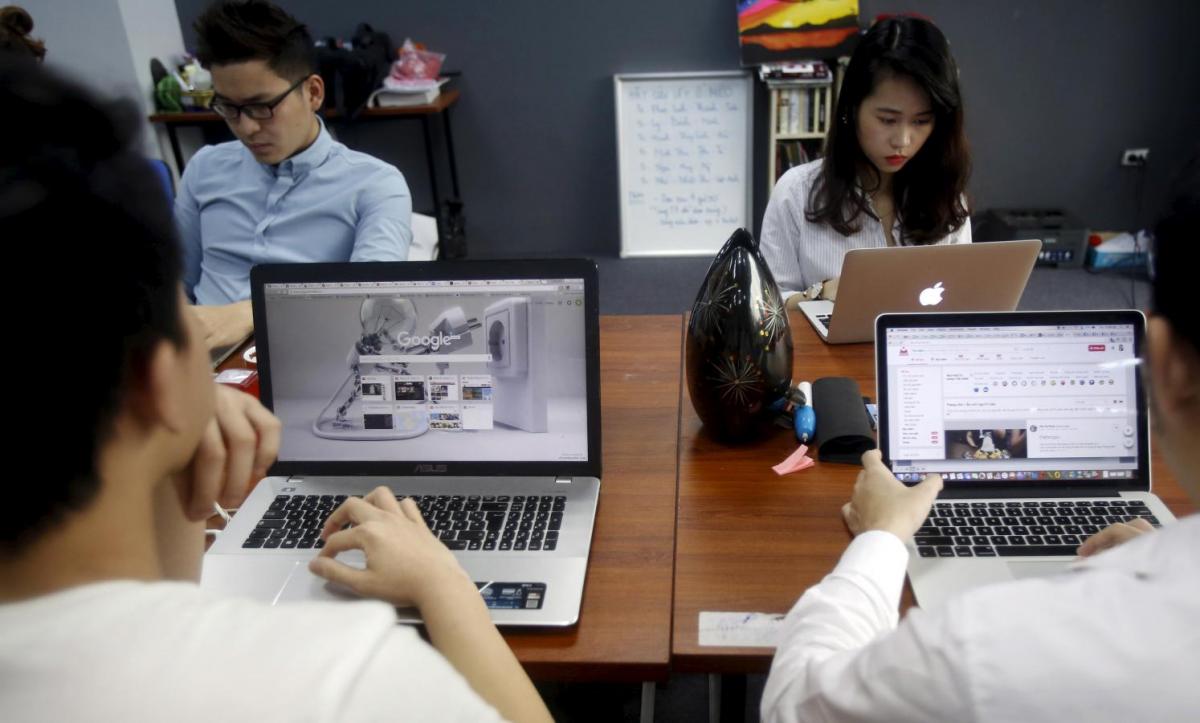
    However, with the reopening of many offices around Singapore in 2021, workers are now dealing with the shift back to onsite office work.

    Despite the Pandemic

    While the pandemic is still ongoing, offices have started to reopen alongside reopening the economy. Workers are now coming back to work in offices, albeit in intervals and with a skeletal workforce. The current state of the pandemic has made full workforce operations difficult, as many businesses continue to shift around pandemic regulations.

    Pandemic regulations are confusing, as expert recommendations change as the virus advances. However, some regulations are set in stone for all virus variants, such as wearing of masks, disinfecting surfaces, and social distancing rules.

    Back to Work

    Workers going back to work in a physical office can start preparing themselves for the physical and mental challenges of working in an office setting during a pandemic. Keep in mind that the current pandemic situation has eliminated casual office settings wherein employees can freely work together in small areas.

    Back to work means it is safe to assume that offices will start preparations for working under the new normal, especially as the virus continues to spread from person to person. Office managers and business owners are starting to put new normal regulations in place, considering the recommendations of infectious diseases experts, the CDC, and the local health department.

    Preparing the Office Amidst the Pandemic

    Disinfection and thorough cleaning is a standard practice in preparing the office for onsite operations; but as the virus continues to shake the country, business managers will need to prepare their workforce for working under the new normal.

    Social Distancing Rules

    The CDC continues to recommend a circumference of 6 feet around each individual for the best chances of preventing the virus from spreading. Social distancing is still a standard practice for any individual, and offices will need to prepare for this new set up.

    Office cubicles, break room tables, and workforce density will need to keep in line with new social distancing rules. Employees will no longer be allowed to freely loiter around the office, and water cooler conversations are discouraged in efforts to prevent the virus from spreading.

    Mask Mandates

    Masks continue to be staples in protective garb. Masks are as required as any other piece of clothing, especially in commercial spaces where different people gather. Double masking is the new recommendation of the CDC, as virus particles are less likely to pass through two layers.

    Employees will need to be trained for proper mask usage, as well as for identifying personal levels of exposure with and without masks. Double masking should now be standard practice for all offices, as workers prepare to return to their commercial workspace.

    Vaccination Requirements and Regular Testing

    By the 1st of October 2021, the Singaporean government has announced that selected sectors will have vaccination requirements in their onsite workforce, as well as regular testing for Covid-19 infected individuals. Majority of these sectors deal with commercial and onsite public services.

    Private businesses may opt to have vaccination requirements for employees upon return to onsite working, and provide regular Covid-19 testing to any individuals they assume has been exposed to the virus.

    Office Cleaning Services in Singapore

    Regular office cleaning and disinfection is a must in returning to work during the pandemic, as these services will get rid of any traces of harmful bacteria and viruses that may spread from one individual to another.

    In Singapore, Luce Office is one of the reputable office cleaning companies that offer disinfection services for commercial spaces on top of general cleaning and deep cleaning. Their cleaners will arrive in protective gear and sterilize your office for the next shift, ensuring that every nook and cranny has been cleaned and cleared of virus particles.

    Luce Office

    Office Address: 100D Pasir Panjang Rd #05-03A, Singapore 118520

    Services: General Cleaning, Deep Cleaning, Regular Office Cleaner, One-time Cleaning, Carpet Cleaning, Air Conditioner Repairs, Organizing, etc.

    Website: https://www.luceoffice.sg/

    Contact Number: 6872 1224


    https://www.pexels.com/photo/woman-having-a-video-call-4031818/

  • Paris Baguette to open Singapore flagship at Ion Orchard

    Paris Baguette to open Singapore flagship at Ion Orchard

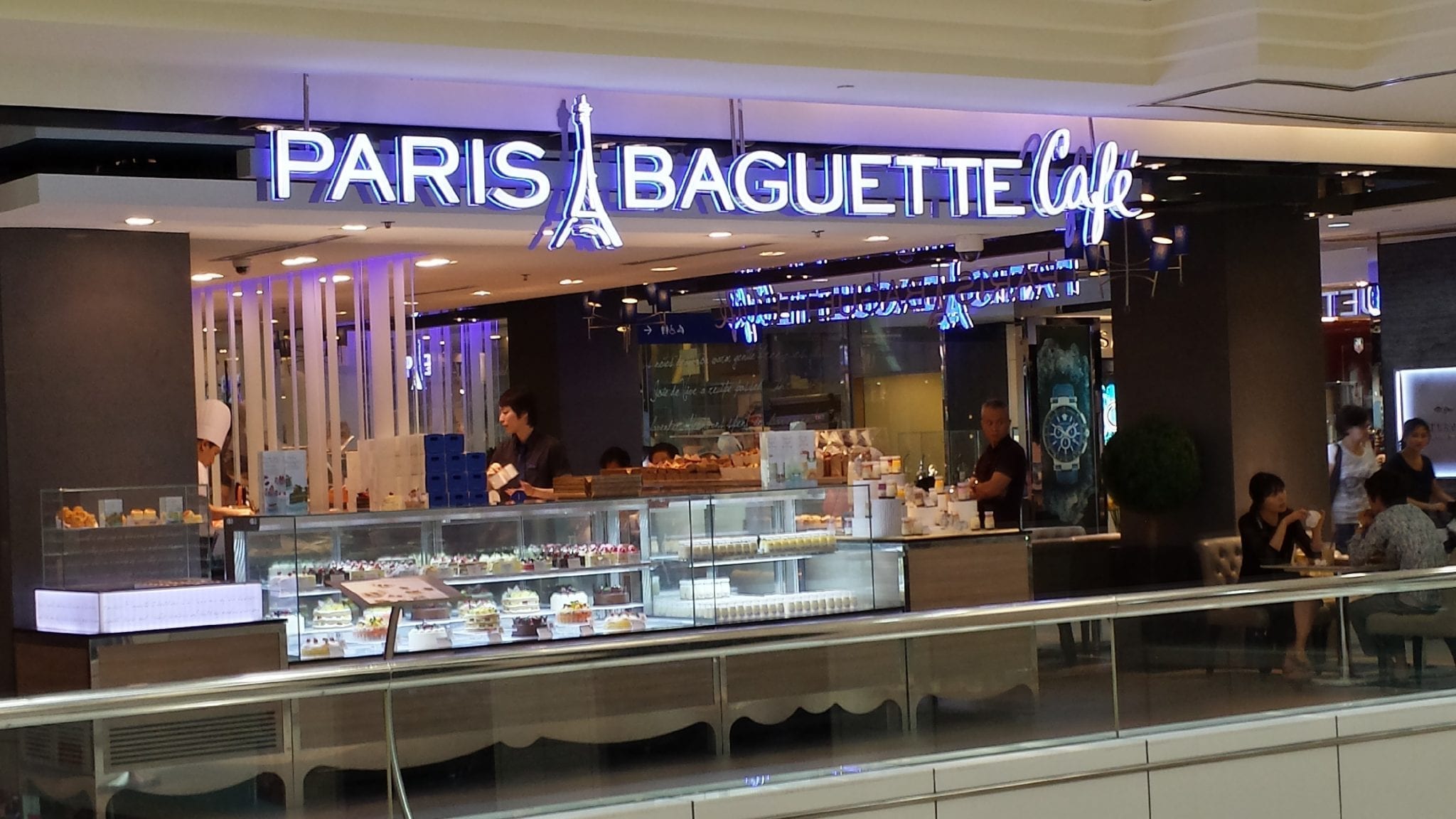
    South Korean bakery chain Paris Baguette is set to unveil a new flagship inside Singapore’s Ion Orchard this month.

    According to the chain, the flagship will be the first-of-its-kind in the territory, introducing the brand’s new-generation interior design, store features and exclusive product offerings. Different to its usual store design, the Ion Orchard store will present a distinctive color palette of marble, wood, white and gold tones.

    “Our store design features a skylight ceiling and French outdoor furniture, to provide the illusion of outdoor-indoor dining,” said Hana Lee, VP of Paris Baguette Southeast Asia.

    Spanning more than 3000sqft, Paris Baguette Ion Orchard has a capacity of 70 seats, offering an all-day dining menu and exclusive new premium products, including South Korea’s favorite Natural Yeast Bread and Paris Rocher Cake.

    As part of the launch, the chain will also introduce its sustainable premium tea line, Teatra Tea, at Paris Baguette Ion Orchard.

  • Amazon: Exponential growth platform

    Amazon: Exponential growth platform

    Pattern recently hosted a virtual round table that focused on consumer behaviors, beliefs and actions when it comes to Amazon Australia. Since entering the Australian market in December 2017, Amazon has seen tremendous growth in both its gross revenue and their consumer following according to our 2021 Amazon Shopper Report.

    Hosted by Pattern Australia’s General Manager, Merline McGregor, our panel discussed the giant’s performance in the market, consumer perceptions and which categories best represent an opportunity to brands wanting to expand their exposure, sales opportunities, and customer following.

    “We know that Amazon is not just a platform to sell products, but also a platform to drive awareness, tell our brand story and even launch new products into the market”, says Hermann Jaaniorg, Senior Marketing Manager APAC for BIC who joined us as a panelist.

    Earlier this year, Amazon released its 2020 results. The company reported over $1.6 billion in gross sales which was more than double the previous year. Although marketplaces currently make up a small portion of online sales, Morningstar estimates that by 2030, 25 percent of the total in Australia will be via Amazon.

    Amazon Australia’s traffic grew by 23 percent in June 2021 over the year prior, driven primarily by Amazon Prime Day. Site traffic data provided by SimilarWeb also indicates that the platform is retaining the gains it made in the last year, with Amazon.com.au’s traffic for May 2021 up 12 percent on the same month a year ago. With 474 million annual site visits, it still trails eBay but is quickly gaining ground.

    Growth of Amazon Prime

    Another pivotal indicator of Amazon Australia’s success is the increase in online shoppers with access to Amazon Prime. In our August 2020 report, 19 percent of online shoppers said they had access to their own or someone else’s Prime account. By May 2021, this figure had jumped to 31 percent with an additional 15 per cent saying they are likely to become a Prime member over the next 12 months.

    “Amazon now has over 200 million Prime members globally and a Prime member will spend around 130 percent more on Amazon than a non-Prime member. In the US, Prime is the top reason consumers shop on Amazon. As more people become members of Prime in Australia, they will spend more of their money on Amazon,” says Dan Richardson, Pattern Australia’s Head of Business Development.

    Indicators of longer-term change

    For anyone selling online, these are the most salient statistics that were highlighted: 24 percent of shoppers expect to buy from different online stores and 20 percent will buy products online that they used to buy in stores. Equally importantly, although we’ve seen a dramatic shift to online spending, 40 percent of respondents don’t anticipate further changes to their ‘new normal’ – this is an 82 percent increase on the response during August 2020 when Australia was in a strict lockdown, and driven by the 60+ age groups.

    Our research demonstrates that the swing towards online has become embedded in consumer behavior. Brands in categories poised for growth including homewares, baby, clothing and skincare would do well to invest further in digital diversification, including marketplaces.

    According to Dan Richardson, it’s simple. “If you’re not on Amazon, get on Amazon. The best time to launch on Amazon was probably three years ago. The second-best time to do it is now.”

  • AusPost secures record revenue

    AusPost secures record revenue

    Australia Post has announced its group revenue of $7.499 million, a new record up seven percent, and a profit before tax of $53.6 million. The Group credits its revenue was boosted by further eCommerce growth during COVID-19.

    Growth in e-commerce has been a strong driver behind Australia’s Post 2020 financial result that was released on Thursday, August 27.

    While total revenue grew by more than $500 million during the period, boosted by a boom in e-commerce, growing losses in the letters business and increased network costs resulted in a profit before tax result up only $13 million compared to FY19.

    Australia Post’s parcel and services revenue at $5.503 million was up 15 percent, adding $729 million to the full-year result, highlighting that 73 percent of total revenue is now generated from highly competitive markets.

    Domestic Australia Post branded parcels rose 25 percent to $2,456 million. In the second half of the year parcel revenues were boosted by the continued growth of eCommerce as consumer demand grew as families adapted to lockdown restrictions and more businesses went online as their physical stores hibernated.

    Costs increased over the period by $477 million including higher operational network costs to support growth in parcels and AP Global, additional processing facilities and chartered air freight to meet customer demands, as well as personal protective equipment for workers.

    Australia Post Group Chief Executive Officer and Managing Director Christine Holgate said the result highlighted the critical need for temporary regulatory relief announced by the Federal Government in April this year, as the business quickly adapts to changes in consumer behavior accelerated by COVID-19.

    “We understand the important role our Posties and Post Offices play in serving Australia.  Protecting their roles, whilst meeting new community and business expectations, is critical as our business adapts to significant market changes,” Christine stated.

    “And while the growth in eCommerce has been a strong driver behind this year’s financial result, we have had to make changes to ensure our workforce and network can operate as efficiently and safely as possible.”

    Christine said the pandemic has also severely impacted the Group’s ability to deliver across the country on time.

    “We had to make temporary changes, including new parcel pop-up facilities and chartering planes for air freight, to continue to serve the country during what has been a very uncertain year,” she said.

    Letter revenues were $2.0 billion for the period, down $220 million or 10 percent for the full year.

    “Although traditional services such as letters, passports and Billpay fell in the period, due to travel restrictions and as businesses switched to digital communications, parcel revenues grew and have become their most important income source.  Over-the-counter parcel transactions have increased as people looked to send care packages and parcels to stay connected with loved ones through the COVID-19 crisis.”

    Christine said international business has been impacted by global conditions, due to a significant fall in air freight capacity to and from Australia, as well as many countries closing their borders in the second half of the financial year.

    “Although international letters and packets volumes were down 16 percent year on year, the strong performance of AP Global, our cross-border eCommerce business, saw revenue grow by $146 million to $225 million, ensuring our total international portfolio remained strong,” she said.

    Christine highlighted that domestically, the Group’s focus on investment in growing capacity in the parcels network has “served us well”.

    Australia Post opened the largest parcel processing facility in the Southern Hemisphere opening last October in Brisbane.

    “This facility, along with 16 temporary smaller sites, has ensured we were able to support small and large businesses in connecting them with their customers, proudly contributing $2.4 billion in eCommerce economic activity in the fourth quarter,” she said.

    “Of course, this result would not have been possible without the continued hard work and dedication of our people – particularly our posties, delivery drivers, parcel and mail processors, contact center and both corporate and licensed Post Offices teams. They continued to show up for work each and every day through uncertain times and worked hard to ensure the community had sustained access to essential goods and services.”

    The 2020 Annual Report will be tabled in Federal Parliament in October 2020.

  • Another Vietnamese noodles product recalled in Europe

    Another Vietnamese noodles product recalled in Europe

    An instant noodles product of Thien Huong has been recalled in Norway due to the presence of a banned substance, the second such incident in Europe this month.

    The “dried noodles with chicken – and beef spices” of Ho Chi Minh City-based Thien Huong has been found to contain ethylene oxide, which is banned from food products in the country.

    Vietnamese authorities have ordered Thien Huong to provide relevant samples to examine the claim.

    A spokesperson for Thien Huong said Monday the recalled product is sold exclusively in Norway and not in Vietnam.

    It has been sold for four months in “small” volume, the spokesperson said, adding there is no ethylene oxide in any part of the production.

    Thien Huong exports to the E.U., the U.S., Africa, Japan and South Korea.

    On Aug. 20, the Food Safety Authority of Ireland (FSAI) announced batches of Hao Hao and Good branded noodles were being recalled after they were also found to contain ethylene oxide.

    Kajiwara Junichi, general director of Acecook Vietnam that produced the products, said the firm has abided by all the rules in Vietnam and in all the countries that it exports noodles to.

    The firm has contacted its suppliers who have asserted they do not use ethylene oxide during production, he said, stressing Acecook Vietnam does not allow the use of ethylene oxide in any production process.

  • Vietcombank gets new chairman

    Vietcombank gets new chairman

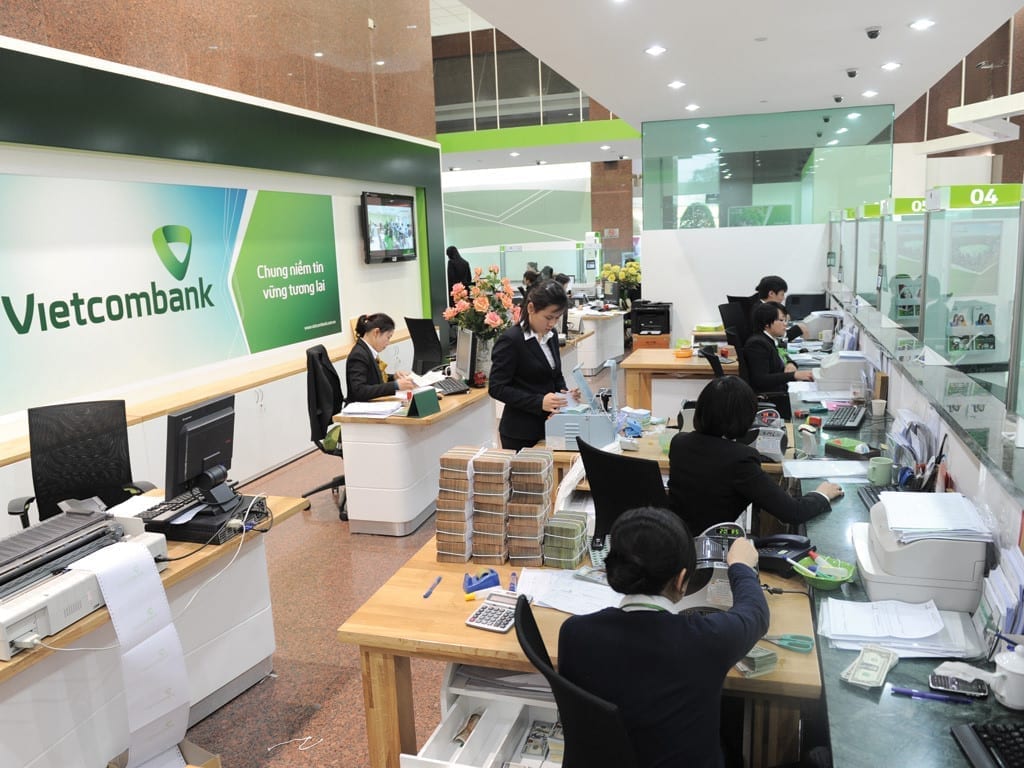
    Vietnam’s biggest state-owned lender, Vietcombank, has named Pham Quang Dung as its new chairman until 2023.

    Dung, 48, has been its CEO and a member of the board since 2014.

    Nguyen Thanh Tung, deputy director, temporarily takes over as CEO until a new person is appointed.

    Dung has 27 years’ experience in the financial and banking industry.

    He joined Vietcombank in 1994, and has served in various positions including deputy director of a financial division in Hong Kong and deputy director of the bank.

    The previous chairman of the bank, Nghiem Xuan Thanh, was appointed the Secretary of the Party Committee of Hau Giang Province in early July.

    Vietcombank is 74.8 percent owned by the government, 15 percent by Japan’s Mizuho Corporate Bank and the rest by other shareholders.

  • Indonesia fintech startup Kredivo launches in Vietnam

    Indonesia fintech startup Kredivo launches in Vietnam

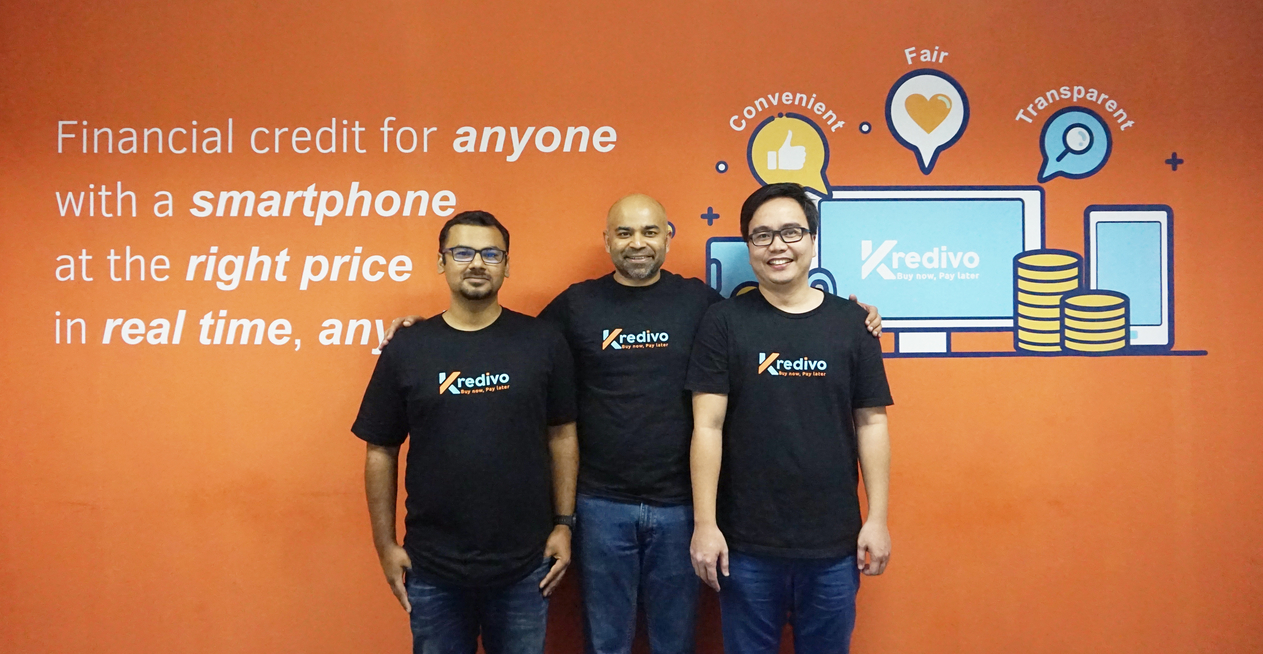
    Indonesian fintech platform Kredivo has announced a Vietnam launch through a joint venture, seeking to offer “buy now, pay later” services.

    It has partnered with Phoenix Holdings, a company with a diversified portfolio in consumer, financial services, retail and technology sectors, to form Kerdivo Vietnam JSC, according to a statement from the Indonesian company.

    “The launch of Kredivo in Vietnam, our first market outside Indonesia, is another key achievement and milestone for the business this year,” said its COO Valery Crottaz.

    This is because the country has low penetration of credit cards and a rapidly growing middle class, together with the fast-growing e-commerce market, he said.

    Kredivo will offer “buy now, pay later” services amid rising demand for consumer loans and a large ratio of cash used in purchases.

    It plans to reach Thailand and the Philippines next year. The company also wants to list in the U.S. by the first quarter of 2022.

    Vietnam’s fintech industry is seeing rising competition from both domestic and foreign players.

    Startup Infina had recently raised $2 million in seed funding from five global venture capitalists, while in June, Mfast raised $1.5 million in its Pre-Series A funding from a group of investors.

  • Coca Cola Australia ways into first alcoholic beverage

    Coca Cola Australia ways into first alcoholic beverage

    Coca-Cola Australia has launched a drink unlike any other it has produced before.

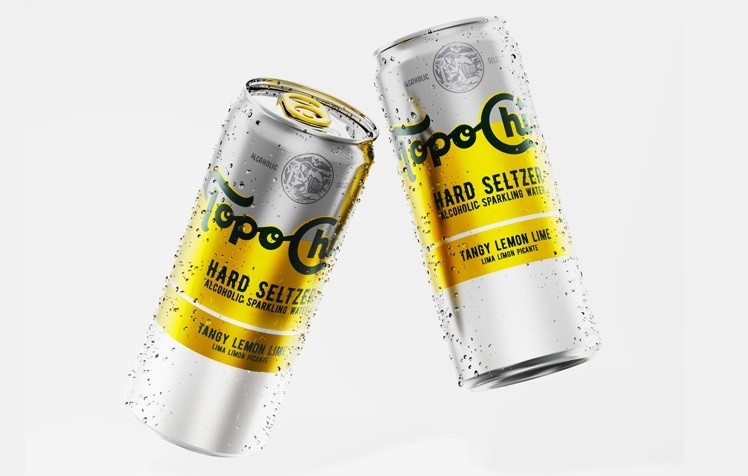
    For the first time, the company will enter the alcohol market with its Topo Chico Hard Seltzer which blends sparkling water with alcohol and natural flavor.

    The hard seltzer category has seen huge growth over the last 12 months and the soft drink giant also wanted to jump on the bandwagon.

    Coca-Cola South Pacific vice president Robert Priest said their beverage will have a great appeal to those drinkers looking for something new and refreshing to enjoy.

    “We have a fantastic product in Topo Chico Hard Seltzer which is backed by fans in Latin America and Europe and we’re confident Australians will love the light, refreshing taste,” Mr. Priest said.

    He said the company is “very good at finding drinks” and finding a new direction, and understanding what people want to drink as well.

    The hard seltzer category has blown up in recent time with the IRI predicting sales in Australia could be as high as $300 million by 2025.

    The publication explained its appeal comes from its reported health and wellness profile and how it usually contains less than 100 calories and generally has a lower ABV at around 4-5 percent.

    Seltzer water is carbonated water, and a replacement for soda and other sugary drinks that can increase the chances of conditions such as obesity and type 2 diabetes.

    The new alcoholic beverage will be available in three flavors: Tangy Lemon Lime, Pineapple Twist, and Strawberry Guava — with each can containing 4.7 percent alcohol by volume (ABV) and under 104 calories.

    Its description reads that its also gluten-free with no artificial sweeteners.

    Dietitian Leanne Elliston said at the end of the day consumers need to be made aware it’s still alcohol.

    “There is absolutely no nutritional value in hard seltzers and as such, they do not contribute to a healthy diet whatsoever,” she said.

    “It would be a concern if younger Australians thought it was a healthier way to drink.

  • Suzuki Expects 60% Drop In September Production Due To Chip Shortage

    Suzuki Expects 60% Drop In September Production Due To Chip Shortage

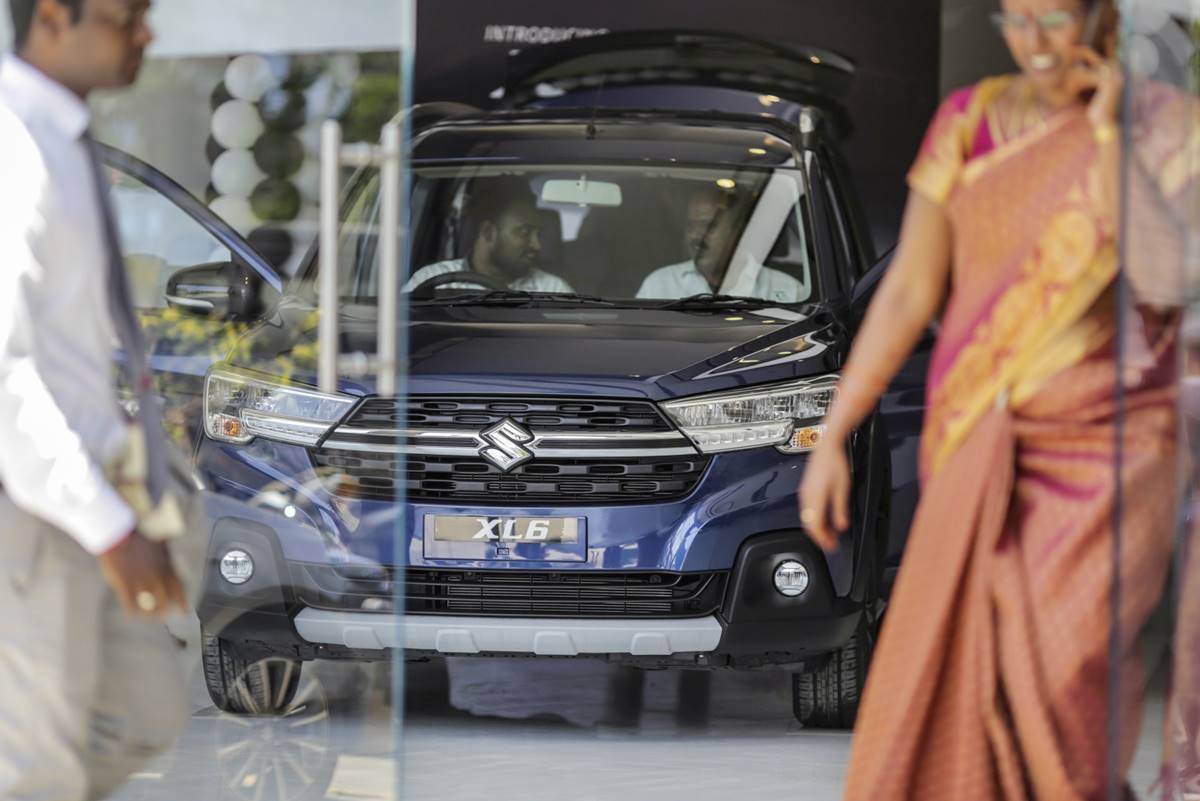
    India’s top carmaker Maruti Suzuki said on Tuesday that the global chip shortage will hurt production at its plants in the states of Haryana and Gujarat in September. Total production volume across both locations could be around 40% of normal output, it said in a regulatory filing.

    Top Indian carmakers, like their global peers, have been hit by semiconductor supply chain disruptions during the pandemic, which drove up demand for chips used in electronics like computers as people worked from home, and hit output at many automakers.

    Tata Motors and Mahindra and Mahindra Ltd have already warned of the impact from rising commodity prices and a global shortage of semiconductors, combined with pandemic uncertainty.

    In July, Tata Motors said it expected the chip supply crunch in the second quarter to be greater than in the first, likely resulting in wholesale volumes for its Jaguar Land Rover to be about 50% lower than planned.

    Analysts earlier said Maruti was better positioned than rivals as it was not dependent on a single vendor for chips.

    However, Maruti Chairman RC Bhargava has indicated the semiconductor crisis was not over and that it is difficult to predict what happens next.