Blog

  • Australian Adaptive Apparel Brand Jam the Label Closes Down

    Australian Adaptive Apparel Brand Jam the Label Closes Down

    Australian adaptive apparel brand Jam The Label will shut down operations after founders Emma Clegg and Molly Rogers declared the business commercially unviable. The company ceased all new product manufacturing following seven years of running an inclusive clothing line that shipped internationally from Australia.

    Former disability support workers Clegg and Rogers founded the business in 2019 to design functional, stylish clothing for people with disabilities. Growth was supported partly through participant purchases via Australia’s National Disability Insurance Scheme (NDIS), alongside appearances on mainstream runway circuits and fashion festivals. Both founders confirmed they will no longer produce inventory as they shift focus to their families following recent births.

    Market Education Burden on Independent Labels

    Specialist apparel brands across Asia-Pacific face heavy acquisition costs when attempting to build niche categories without department store distribution. Jam The Label carried the entire financial weight of consumer education, fit development and specialized manufacturing runs without institutional equity backing.

    Mainstream apparel retailers across the region have largely treated adaptive clothing as occasional capsule lines rather than permanent departments. That leaves independent operators to absorb high fabric minimums and complex design iterations on thin cash buffers. For suppliers and investors, the closure shows that government support schemes alone cannot substitute for high-volume retail distribution.

    The Limits of Specialized Retail Models

    Clegg and Rogers pointed directly to the commercial mismatch between independent brand resources and the demands of market creation. The sector was not ready to sustain a dedicated direct-to-consumer label without broader retail infrastructure.

    “We have put our heart and soul into Jam, but it is tough for small businesses to carry a clothing category and educate a whole market,” the founders said in a joint statement.

    The label gained regional visibility in 2021 and 2022 by securing runway slots at major Australian fashion weeks, demonstrating demand for accessible fasteners and seated-fit tailoring. Those appearances expanded international order volumes but did not lower production costs enough to offset rising operational overheads.

    Clearance of Remaining Production Batches

    Jam The Label will sell through its remaining stock online before formally winding down its corporate entity. Wholesale accounts and disability sector advocates will watch whether larger apparel groups acquire the brand’s technical fit patterns or leave the Australian adaptive apparel space to generalist overseas platforms.


  • Malbon Golf Expands in China with Stores in Shanghai and Beijing

    Malbon Golf Expands in China with Stores in Shanghai and Beijing

    US golf lifestyle brand Malbon Golf is expanding its retail presence in China with locations in Shanghai and Beijing as part of its broader market expansion strategy.

    Founded in Los Angeles in 2017, the company has partnered with TKG Lifestyle to support its rollout, with Hangzhou and Shenzhen among the next markets in its pipeline.

    Tier-one footprint and localized store designs

    Earlier this year, the brand opened its first Mainland China flagship at Shanghai’s Jing’an Kerry Centre, followed by a second location in the West Bund and a store at Beijing’s Taikoo Li Sanlitun.

    Its Shanghai stores combine golf and streetwear aesthetics with references to local culture, with the West Bund site incorporating vintage imagery, creative elements, and interactive golf features. The Taikoo Li Sanlitun store in Beijing features localized design elements alongside city-specific apparel and lifestyle collections.

    The streetwear crossover in Chinese sports retail

    China-exclusive products form part of the company’s local strategy, with city-specific collections developed alongside its core golf apparel and accessories. Malbon’s partnership with TKG Lifestyle also extends to other regional markets, including Vietnam and the Philippines.

    Earlier expansion steps

    Malbon operates at the intersection of golf and lifestyle fashion, with collections and collaborations spanning apparel, accessories, and cultural partnerships since its founding in 2017. The planned expansion into Hangzhou and Shenzhen will further extend the label’s footprint across major Chinese cities.

  • Retail Drinks Australia Demands Action as NSW Store Crime Surges 67 per Cent

    Retail Drinks Australia Demands Action as NSW Store Crime Surges 67 per Cent

    Retail Drinks Australia called on New South Wales lawmakers on September 11 to enact bipartisan protections for shop staff. The push follows a 67 per cent surge in state retail crime across five years.

    Independent bottle shops and chain operators bear the brunt of the surge. They face escalating theft, break-ins, intimidation and violent physical assaults.

    Break-ins and Staff Assaults Across Sydney

    Recent offences include commercial break-ins across Sydney’s Northern Beaches and an assault in Mascot, where teenage shoplifters pushed floor staff while stealing stock. Industry body Retail Drinks Australia said small business operators and front-line workers face daily exposure to organised theft and threatening behaviour.

    Brazen offenders increasingly target high-value spirits and packaged alcohol during trading hours. Confrontational groups enter outlets, leaving floor teams with little recourse against physical intimidation.

    Operating Costs and Security Pressure

    Liquor retailers across the state now divert working capital into private security guards, reinforced entry shutters and electronic surveillance upgrades. Smaller independent bottle shops operate on thin margins. For these stores, recurring inventory shrink and security outlays directly erode profitability.

    Regional and suburban operators face the steepest operational burden. When private security costs outstrip gross margin on late-night trade, stores cut opening hours. Those cuts reduce foot traffic and hurt convenience retail precincts.

    A Five-Year Wave of Offending

    Reported retail offences surged 67 per cent across five years of compounding losses in New South Wales. Industry groups have tracked a steady transition from opportunistic pilfering to aggressive, coordinated group raids since 2021.

    State parliament in Sydney will next weigh the lobbying push and decide whether to introduce stiffer statutory penalties for assaults on retail workers.

  • Seven China IPOs Hand Retail Investors over 100,000 Yuan This Year

    Seven China IPOs Hand Retail Investors over 100,000 Yuan This Year

    China’s boom in initial public offerings has handed individual investors first-day trading profits exceeding 100,000 yuan ($14,900) across seven separate stock debuts this year.

    The run represents the most six-figure retail listing windfalls in at least six years. Investors who secured standard 500-share allocations and sold on debut day captured gains equivalent to six months of salary in a single day.

    Robotics and Tech Lead the Surge

    Individual investor Stacy Wei earned about 380,000 yuan after securing an allocation in the listing of Unitree Robotics and selling on debut day, enough to upgrade to her dream car.

    Hardware manufacturers and artificial intelligence supply-chain companies continue to draw the heaviest speculative retail subscriptions across domestic exchanges. Bidders flip shares instantly rather than holding long positions, treating mainland debut pops as liquidity events rather than valuation anchors.

    Shifting Liquidity in Mainland Markets

    Institutional allocators face a different calculation. While retail flippers bank quick cash, fund managers buying secondary tranches absorb the risk of sharp post-debut pullbacks once initial euphoria clears from the order book.

    Sellers who take profits on opening day bypass subsequent price volatility. That trading pattern concentrates quick consumer liquidity in Tier 1 and Tier 2 cities, diverting trading gains directly into private purchases and big-ticket household spending.

    The Trajectory of New Offerings

    Regulators spent recent quarters calibrating the pace of new equity issuance to stabilise broader secondary market indices. That restricted pipeline funnelled intense speculative capital into the select batch of tech and robotics candidates cleared for listing.

    Trading desks now track subscription ratios for the next pipeline of advanced manufacturing and consumer tech filings scheduled for domestic exchange review this autumn.

  • 127-Year-Old Italian Brand Mutti Enlists Sam Kerr for ANZ Campaign

    127-Year-Old Italian Brand Mutti Enlists Sam Kerr for ANZ Campaign

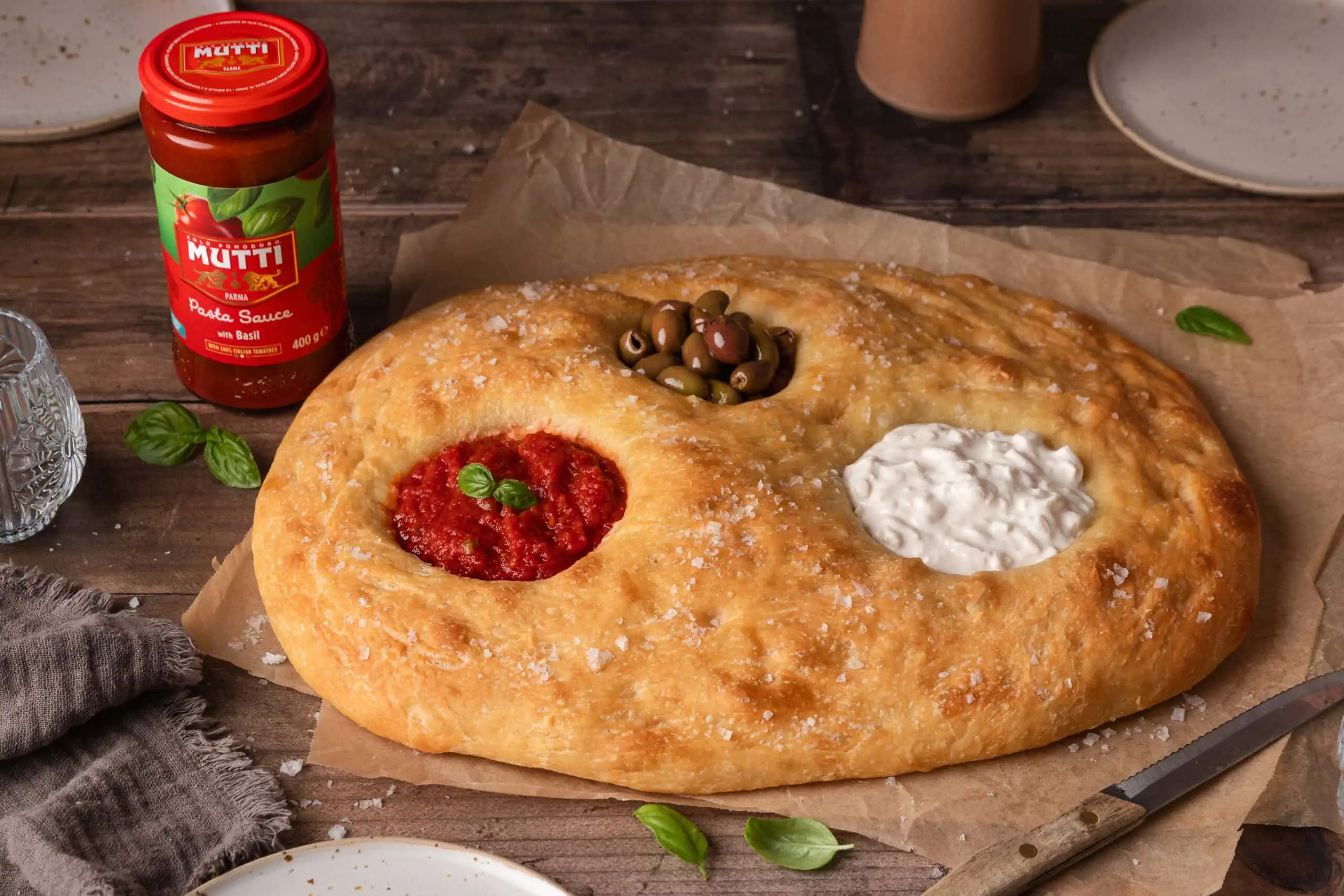
    Italian packaged tomato producer Mutti launched a marketing campaign across Australia and New Zealand in September 2026. Football star Sam Kerr, Paralympic champion Dylan Alcott and television presenter Chris Brown front the push.

    The 127-year-old Italian company targets pantry staple shoppers across Australian supermarkets. It relies on character-driven storytelling rather than standard recipe demonstrations.

    Celebrity Roster and Storytelling Pivot

    Creative spots take the form of scripted vignettes framed as confessions from dedicated brand buyers. In the lead spot, Kerr carries Mutti Passata in her luggage at a hotel and interacts with a chef named Matteo. The scene sets an intentionally humorous tone for the packaged grocery category.

    Samantha Filocamo, marketing director for Australia and New Zealand at Mutti, designed the platform to inject personality into the heritage canned tomato business. She aims to expand brand recall across competitive retail aisles.

    Supermarket Shelf Competition

    Packaged food brands in Australia face sharp margin pressure from private-label supermarket lines. Premium European suppliers must defend higher price points through distinct branding. Mutti has historically relied on provenance and quality credentials to justify its shelf premium over standard tinned tomato competitors.

    Enlisting national sporting figures shifts the brand from niche culinary positioning into mainstream consumer recognition. For grocery retailers, strong branded campaigns in staple ambient categories help protect category value against lower-priced store brands.

    Category Dynamics Across ANZ

    Mutti built its presence in Australasian retail through major supermarket distribution, focusing on whole peeled tomatoes, chopped tomatoes and passata. The promotional push pivots away from traditional food service and home-cooking messaging toward mass-market entertainment.

    Supermarket operators across Sydney and Melbourne will track shelf velocity across the ambient tomato range as the campaign rolls out across broadcast and digital channels.

  • Pharmacy Guild Leaders Buy Seven Priceline Pharmacies from Failed Infinity

    Pharmacy Guild Leaders Buy Seven Priceline Pharmacies from Failed Infinity

    Pharmacy Guild current president Trent Twomey and predecessor George Tambassis have bought seven Priceline pharmacies from the failed Infinity Pharmacy network.

    Infinity was the largest franchisee of Wesfarmers’ Priceline Pharmacy, operating 91 stores nationwide before entering receivership late last year due to massive debts.

    Breakup of a national network

    Administrator Teneo is selling the chain, with Queensland-based operator Chempro Chemists buying most stores, while Twomey and Tambassis secured seven outlets after lacking funds to buy more.

    Infinity operated nationwide under Wesfarmers’ Priceline banner until mounting liabilities forced it into insolvency. Teneo opted to break up the estate into regional parcels when a single whole-network buyer failed to materialize.

    Consolidation across community pharmacy

    The asset sale reveals how established operators are cherry-picking prime shopfronts while heavily geared roll-up models stumble. Twomey already controls eight sites through the Alive Pharmacy Network in North Queensland, while Tambassis operates pharmacy locations across Victoria.

    Absorbing selected units into existing regional structures offers immediate retail footprint without taking on Infinity’s failed holding company debts. For Wesfarmers, keeping these dispensaries trading under the Priceline banner prevents store losses to rival banners like Chemist Warehouse.

    Administration enters final stages

    Infinity entered receivership late last year after severe cash flow problems crippled its ability to service debt across 91 locations. The Pharmacy Guild, which represents roughly 6,000 community pharmacies across Australia, continues to see its top leadership expand their private store networks through these distressed sales.

    Teneo is completing final asset transfers across the remaining retail sites to wrap up the liquidation process.

  • Pandora Opens Asia Regional Headquarters in Singapore for 50-Person Team

    Pandora Opens Asia Regional Headquarters in Singapore for 50-Person Team

    Pandora opened its new Asia regional headquarters in Singapore today, setting up a 50-person commercial hub in Marina Bay to oversee key retail markets across the region.

    The central office manages the group’s Asia Cluster, covering company-owned retail operations and distributor territories in markets including Japan, South Korea, India, and Indonesia.

    Marina Bay Hub and Regional Hiring

    Supported by the Singapore Economic Development Board, the new office consolidates commercial direction, branding, regional marketing, and supply operations under one roof. Recruitment for the roughly 50 corporate positions begins in the coming months.

    “Asia presents a tremendous opportunity for Pandora,” said Massimo Basei, chief commercial officer at Pandora. “With dynamic markets like India, Japan, Indonesia and South Korea poised for expansion, Singapore’s strategic location and vibrant business environment make it the ideal base for our expansion in the region.”

    Shifting Operational Weight to Regional Hubs

    Establishing direct management in Singapore shifts operational oversight closer to East and South Asian retail corridors. For years, European luxury and accessible jewellery labels managed Asian expansion either through remote European headquarters or fragmented local distributor networks. Centralising retail oversight in Singapore allows Pandora to standardise store design, inventory distribution, and promotional calendars across both wholly owned flagships and partner-run doors.

    Landlords and department store operators across Tokyo, Seoul, and Mumbai gain a single regional counterpart for lease negotiations. The primary operational risk sits in managing vastly different retail dynamics from one desk: South Korea’s digital-first consumer base demands fast local product turnarounds, while India’s fine jewellery sector requires navigating steep import tariffs and entrenched local gold preferences.

    Expansion Trajectory in Asian Jewellery

    The establishment of the Singapore office follows years of retail adjustments across Asia, where the brand has selectively bought back distributor territories and upgraded store footprints in major tier-one shopping malls. Singapore itself has served as a critical testing ground for the label’s retail concepts, backed by long-standing state support from the Economic Development Board to attract European consumer groups.

    Hiring for the Marina Bay office begins over the next quarter, with initial appointments focused on regional marketing heads and supply chain directors across the East Asian and Indian retail networks.

  • Axiata Reports Stronger 1H26 Earnings and Declares 5.5 Sen Dividend

    Axiata Reports Stronger 1H26 Earnings and Declares 5.5 Sen Dividend

    Axiata Group Berhad posted higher earnings in the first half of the fiscal year. The company declared an interim cash dividend of 5.5 sen per share.

    Operational gains drove the payout across core markets. Network rationalisation and tighter cost controls helped lift regional performance.

    Regional Markets Drive Operating Momentum

    The Kuala Lumpur-based telecommunications conglomerate manages digital telcos and digital businesses across ASEAN and South Asia. Its portfolio spans frontier and emerging markets including Indonesia, Bangladesh, Sri Lanka, and Cambodia, alongside digital infrastructure provider EDOTCO.

    Strong cash generation across operating units supported the distribution. Institutional funds and retail shareholders receive direct returns after sustained capital expenditure on regional network infrastructure.

    Asset Consolidation and Capital Allocation

    Regional operators continue adjusting balance sheets following large-scale consolidation across Southeast Asian mobile markets. Axiata restructured operations over recent quarters to cut debt exposure, streamline holding structures, and focus capital on cash-generating assets.

    For enterprise suppliers and telecom equipment vendors, steady cash flow at group level keeps network maintenance and connectivity contracts on schedule. Frontier market foreign exchange volatility and inflation remain the primary risks. Both pressures compress margins when earnings convert back into Malaysian ringgit.

    Balancing Debt and Shareholder Returns

    Balance sheet pressure drove management to prioritise structural repairs, selective asset monetisation, and strict capital allocation across all operating subsidiaries. Earlier quarters saw earnings tempered by currency depreciation in South Asian markets and rising interest financing costs.

    Investors now look to the group’s full-year earnings release and subscriber growth metrics in Indonesia and frontier markets to confirm dividend sustainability.

  • JC Seafood Recalls 275G Salmon Portions Sold at Woolworths in WA

    JC Seafood Recalls 275G Salmon Portions Sold at Woolworths in WA

    JC Seafood Company has recalled its 275-gram Sweet Chilli and Lime Salmon Portions from Woolworths supermarkets across Western Australia after identifying undeclared soy in the product.

    The recall affects batches marked with a best-before date of 18 September 2026. The presence of soy poses a potential health risk to consumers with a soy allergy or intolerance.

    Allergen risks prompt shelf pull

    Consumers who have purchased the affected product are advised to return it to the place of purchase, and anyone concerned about their health should seek medical advice.

    Shoppers who purchased the affected batch can return the packs to their local Woolworths store for a full cash refund. Those who consumed the salmon and feel unwell have been urged to seek medical advice.

    Supply chain labelling scrutiny

    Mislabelling incidents remain a persistent compliance hazard for seafood processors packing value-added marinades and ready-to-cook proteins. Adding pre-mixed glazes often introduces secondary ingredient streams, multiplying the points where allergen tracking can fail.

    For national supermarket operators like Woolworths, undeclared allergen recalls create immediate operational friction at store level. Staff must execute rapid stock sweeps across distribution centres and hundreds of retail bays to eliminate liability.

    Regulatory compliance tracking

    Packaged seafood recalls tied to packaging errors have drawn tighter scrutiny across Australian supply chains this year as regulators press suppliers on quality assurance audits. JC Seafood Company has not reported any illnesses linked to the batch.

    Health authorities and retailer quality teams will monitor store compliance until the product’s 18 September 2026 shelf-life window closes.

  • Central Park Draws 25 Million Visits in First Year

    Central Park Draws 25 Million Visits in First Year

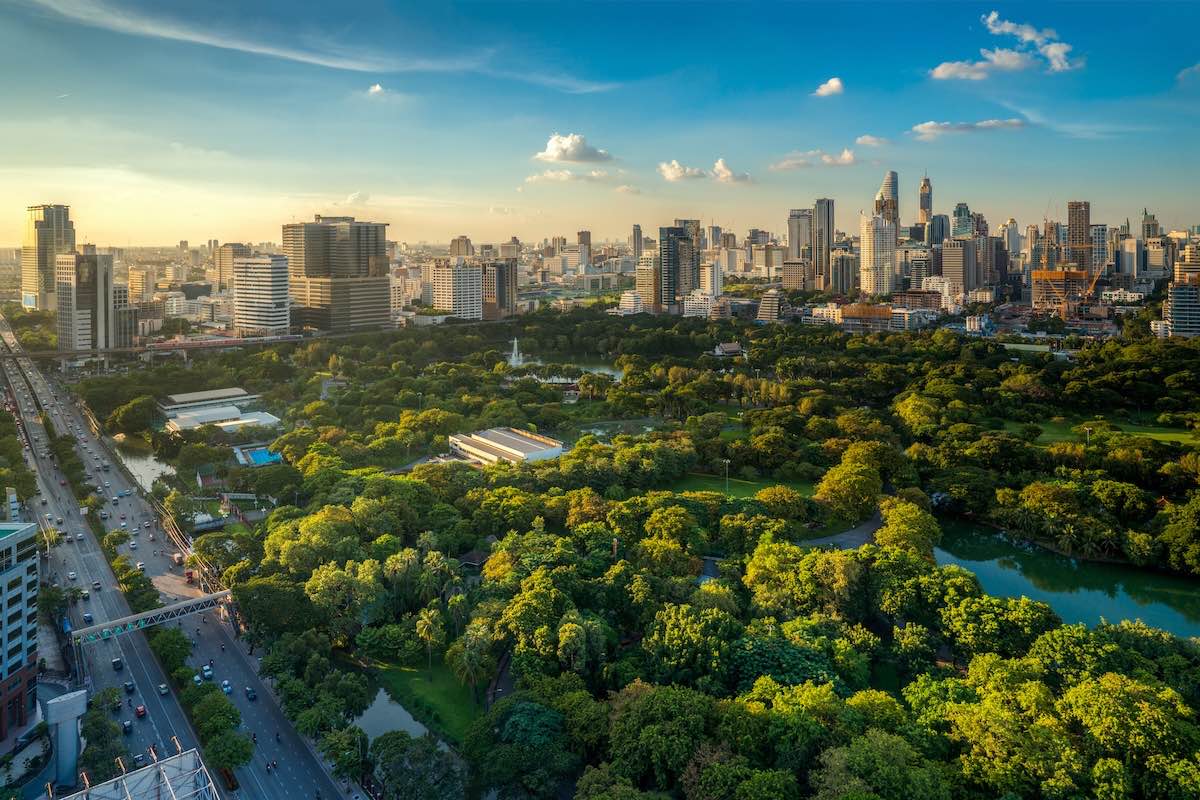
    Thailand’s Central Pattana has unveiled the next phase of growth for Central Park in Bangkok as the shopping centre marks its first anniversary in September 2026.

    The centre welcomed more than 25 million visits in its first year, including over 10 million visits from international tourists, placing it among the top-tier performers in the developer’s portfolio.

    Three Pillars for International Footfall

    Work on the next stage centres on a campaign dubbed Bangkok’s World Stage. This framework splits tenant curation and event programming into three tracks: Global Firsts, Global Culture, and Global Audience.

    Global Firsts secures exclusive product launches, debut store formats, and international brand partnerships new to Thailand. Global Culture runs live music, design exhibitions, and art installations throughout the complex. Global Audience steers marketing spending toward overseas tourists, touring creators, and commercial partners beyond Southeast Asia.

    Mixed-Use Integration in Central Bangkok

    The mall anchors the wider Dusit Central Park mixed-use development alongside grade-A corporate offices, a luxury hotel, and private residential towers. It features more than 1.12 hectares of elevated public green space. That parkland channels foot traffic between the retail concourses and the surrounding Silom and Rama IV commercial districts.

    Across Southeast Asia, retail developers are pivoting away from standard leasing toward event-driven programming. Operators in Bangkok, Singapore, and Kuala Lumpur compete for big-spending tourists through regional brand exclusives and large cultural draws. But the strategy carries higher execution costs. Continuous programming and rapid turnover of experiential concepts demand heavier capital commitments than traditional leases.

    Building Out the Dusit Joint Venture

    Central Pattana conceived the retail asset to replace the historic Dusit Thani hotel through a joint venture between Central Group’s property arm and Dusit International. Construction launched under a multi-billion-baht master plan to protect downtown market share against rival mega-projects along the Sukhumvit and Chao Phraya corridors.

    Tenant handovers and new flagship openings under Global Firsts will roll out over the coming quarters. Remaining office and residential towers across Dusit Central Park will hit completion in phases over that stretch.

  • Global Finance Names Winners of 19Th Annual Stars of China Awards

    Global Finance Names Winners of 19Th Annual Stars of China Awards

    Global Finance revealed the winners of its 19th annual Stars of China Awards on Thursday. The program recognizes commercial banks, fintech providers, and asset management firms across the mainland.

    The annual index benchmarks institutions navigating domestic economic adjustments. It measures operational strength, capital stability, and credit deployment to key industrial sectors.

    Lending Shifts Toward Industry and Tech

    State-owned lenders and regional commercial banks have redirected credit lines away from traditional real estate developers. Capital now flows toward high-end manufacturing, small businesses, and technology ventures. This shift mirrors policy directives from Beijing aimed at stabilizing production while consumer spending recovers at an uneven pace.

    Retail and consumer brands operating in China find their working capital tied directly to these institutional priorities. Supply chain operators, logistics networks, and hardware developers continue to secure competitive borrowing terms. Purely consumer-facing discretionary merchants face tighter credit underwriting from regional lenders.

    China’s resilient economy continues to face challenges from weak domestic demand and the property sector, but policy support, steady industrial activity, and efforts to stimulate lending provide reasons for cautious optimism. The country’s largest banks remain well capitalized and are expanding lending to manufacturing, technology, and small businesses.

    Balancing Property Drag and Small Business Credit

    Asset managers and commercial banks operate amid subdued domestic demand and persistent liquidity stresses in commercial real estate. Even with those pressures, core tier-one capital ratios at China’s top commercial institutions remained steady throughout the year.

    Evaluators assessed cross-border capabilities alongside domestic performance, tracking how Chinese firms handle outbound trade and currency settlement across the Asia-Pacific region. Trade corridors linking mainland suppliers with Southeast Asian retail networks serve as a primary growth driver for trade finance desks.

    Full Report Slated for November Release

    Global Finance founded the China-focused evaluation 19 years ago to track performance inside the world’s second-largest economy. The publication reaches 50,000 corporate and financial decision-makers across 196 countries.

    Full winner lists and the ranking of the Safest Banks in China will run in the November print and digital editions, ahead of an in-person awards ceremony in Beijing later this autumn.

  • India’s Fraud Agency Recommends Detailed Probe into Xiaomi

    India’s Fraud Agency Recommends Detailed Probe into Xiaomi

    India’s Serious Fraud Investigation Office has recommended a full probe into Xiaomi over alleged foreign investment breaches and fund transfers. The inquiry intensifies pressure on the Chinese phone maker.

    The Beijing-based company has seen its local market share fall from 19 per cent to 13 per cent. Its India revenue dropped 40 per cent over three years to $2.52 billion in 2025.

    A draft memorandum prepared by the SFIO in May recommends examining fund movements. It asks investigators to verify whether Xiaomi Technology India Private Limited and its affiliated entities secured mandatory government approvals. The document also calls for a review of foreign investor and parent group beneficial ownership to confirm whether changes in corporate control were declared.

    Investigators also proposed testing financial statements and auditor reports filed with the Indian government for material misstatement. They seek authority to record formal statements from current and former directors, chief financial officers, and compliance leads under a 21-point investigative framework.

    The Squeeze on Online Distribution

    This proposed probe places Xiaomi’s core sales model under fresh scrutiny. The brand built its early dominance in India on flash sales hosted on Amazon and Walmart-owned Flipkart. Offline shopkeepers have long argued that those arrangements violate foreign direct investment rules by giving preferential terms to selected online merchants.

    Under the proposal, the SFIO instructs investigators to determine whether Xiaomi exercised de facto control over Indian retail sellers and launch partners while presenting them as independent businesses. Any formal finding against these distribution structures would force hardware vendors across the region to rework online retail partnerships, raising distribution costs and limiting promotional pricing flexibility.

    Rivals Gain Ground as Legal Pressure Mounts

    Regulatory scrutiny is accelerating a commercial shift across India’s handset market. Samsung and Apple have captured premium and mid-tier demand as legal battles occupy management attention. Xiaomi has now dropped to fourth place in national shipments.

    Suppliers and channel partners face uncertainty around contract terms and inventory financing. For cross-border consumer brands operating in India, the agency’s focus on ultimate beneficial ownership signals that holding company layers and offshore licensing pacts face direct exposure.

    Unresolved Assets and Stalled Clearances

    Tensions between New Delhi and Chinese consumer brands have built since 2020 border clashes prompted tighter screening of Chinese capital. Xiaomi has already failed to overturn a separate 55.51 billion rupee ($584 million) bank asset freeze imposed by India’s financial crime agency in 2022 over contested royalty transfers.

    The corporate affairs ministry must now decide whether to authorise the probe, reject it, or refer specific points to other enforcement agencies. The ministerial review carries no statutory deadline, leaving the 21-point inquiry pending as officials assess the file.

  • Determinant Expands Singapore Lineup with Fall 2026 Casualwear Range

    Determinant Expands Singapore Lineup with Fall 2026 Casualwear Range

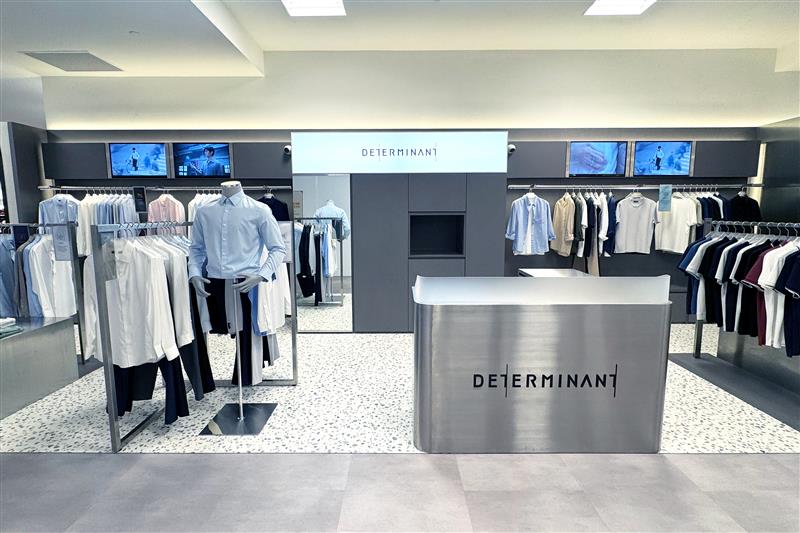
    Menswear label DETERMINANT launched its Fall/Winter 2026 collection in Singapore on September 9. The line pushes into everyday casualwear, with short-sleeve shirts starting at SGD 75.

    This release broadens the brand beyond formal office attire. Stock is available across its standalone store at Plaza Singapura, its counter at Takashimaya Department Store, and its local web store.

    Pricing and Fabric Lineup

    Lighter silhouettes target office workers and weekend dressers in Singapore’s tropical climate. Short-sleeve casual shirts retail at SGD 75. Corduroy and flannel long-sleeve designs sell across three price tiers at SGD 80, SGD 120, and SGD 160. Cotton-linen blends also feature across the casual line to improve airflow and moisture management.

    In formal wear, the brand updated its core Supreme Cotton Dress Shirt at SGD 120. That line uses extra-long staple cotton treated with a proprietary DP 4.0 wrinkle-free finish in regular and slim cuts. Outerwear additions include water-repellent shirt jackets and knitwear blended from cotton and yak down.

    The Pivot Away From Pure Office Formalwear

    Retailers across Southeast Asia face steady pressure from hybrid work arrangements and casual office dress codes. Brands built entirely on structured business shirts must adapt their product mix or lose basket size to lifestyle labels. DETERMINANT bridges that gap by applying wrinkle-free treatments and technical cottons to relaxed silhouettes, rather than competing solely on price against fast-fashion chains.

    Along Orchard Road, the shift drives floor-space reallocations in menswear departments. Department stores have trimmed formal tailoring space. They now favor smart-casual items that turn inventory across seven days rather than five.

    Retail Footprint and Distribution

    DETERMINANT previously centered its Singapore marketing on formal dress shirts before signing entertainer Nicholas Tse to front its wider campaign push. The label maintains its primary retail presence at Plaza Singapura alongside a dedicated menswear concession inside Takashimaya Department Store.

    Online distribution runs in parallel through its dedicated Singapore portal. The rollout continues into the fourth quarter, with the Cotton-Yak quarter-zip ribbed jacquard sweater arriving in stores on October 16 at SGD 140.

  • Ultra Violette Sues Wild Child Laboratories over SPF 4 Sunscreen

    Ultra Violette Sues Wild Child Laboratories over SPF 4 Sunscreen

    Sunscreen brand Ultra Violette is suing contract manufacturer Wild Child Laboratories following the recall of its SPF50+ sunscreen product, Lean Screen, last year. Testing by consumer advocacy organisation Choice previously found the product had an SPF of only four.

    The dispute centres on a base formula produced by Wild Child Laboratories that was also used by nearly 20 sunscreens from other brands.

    Shared Formulations Create Systemic Risk

    Contract manufacturing lets independent beauty brands scale without building their own factories. When a shared base formula fails laboratory verification, liability cascades across dozens of retail brands. Beauty labels in high-UV Asia-Pacific markets cannot rely on supplier certifications alone. They need rigorous third-party batch testing.

    Retailers stocking private-label and independent suncare lines now face scrutiny over supplier auditing and shelf compliance. The litigation puts direct financial and reputational pressure on third-party laboratories. It forces brand founders to reassess contract terms, indemnity clauses and quality-control oversight at every stage.

    The Timeline Leading to Legal Action

    Legal action follows the recall of Ultra Violette’s Lean Screen sunscreen last year after advocacy group Choice published independent efficacy tests. Those evaluations showed the mineral formula failed mandatory Australian standards for SPF50+ claims. Retailers pulled stock from shelves immediately.

    What to Watch in Court Filings

    Proceedings will examine the manufacturing warranties and testing protocols Wild Child Laboratories maintained during commercial production runs. The case will determine liability for recall expenses, testing costs and brand damages, creating a precedent for contract manufacturing accountability across the regional cosmetics industry.

  • DB Breweries Rolls Out Draught Zero-Alcohol Beer to 300 Venues

    DB Breweries Rolls Out Draught Zero-Alcohol Beer to 300 Venues

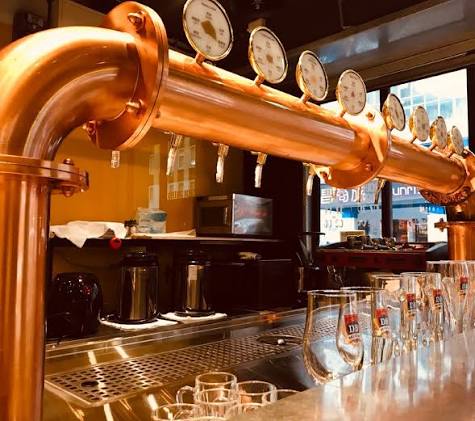
    DB Breweries will install draught dispense systems for zero-alcohol beer across roughly 300 New Zealand hospitality venues ahead of the summer trading season.

    The nationwide deployment follows April pilot trials at two Auckland venues, the Empire Tavern and Moretons.

    Expanding Draught Dispense Beyond Packaged Formats

    Breweries across the Asia-Pacific region historically limited non-alcoholic lines to packaged bottles and cans. Keg stability and line hygiene constraints drove that approach. By introducing dedicated tap systems at scale, the brewer gives on-premise operators a direct draught alternative that mirrors standard beer service.

    DB Breweries managing director Peter Hart said the technology gives consumers choosing zero-alcohol beer an experience comparable to drinking conventional draught.

    Commercial Stakes for On-Premise Operators

    For bar and pub operators, draught zero-alcohol options command higher margins than single-serve bottles. They also keep non-drinking patrons in venue rounds longer. The model shifts zero-alcohol beer from a refrigerated afterthought into active tap lineups.

    Keg throughput and line maintenance remain the chief operational challenges. Non-alcoholic beer lacks the natural alcohol preservatives that protect against bacterial spoilage. Venues taking the hardware must maintain strict cleaning cycles to protect product quality across high-turnover summer taps.

    Scaling Up from Auckland Trials

    Operational feedback from the April trials at Empire Tavern and Moretons guided the rollout. Those tests measured equipment performance and pour rates, establishing dispense protocols before DB Breweries committed capital to a 300-site expansion.

    Technicians will install hardware across the 300 targeted venues over coming months, with all taps scheduled to pour before peak summer patronage begins.