Blog

  • Bank of Japan Expected to Raise Rates to 1.25 Percent on September 18

    Bank of Japan Expected to Raise Rates to 1.25 Percent on September 18

    The Bank of Japan will raise its key interest rate to 1.25 percent on September 18, according to 97 percent of surveyed economists. The projected hike marks an accelerated tightening cycle that would push benchmark borrowing costs to 1.75 percent by the second quarter of 2027.

    A survey of 68 economists conducted between September 1 and September 8 showed 66 respondents anticipate the immediate 25-basis-point increase, up from 57 percent in the previous polling round. More than one-third of respondents, 24 of 66, expect the central bank to deliver another hike to 1.50 percent in October or December. Beyond this year, 89 percent of analysts see the policy rate reaching at least 1.50 percent by the end of March, while 62 percent expect a 1.75 percent rate by mid-2027.

    Washington Pressure and Currency Shifts

    Over 80 percent of polled economists said joint United States and Japanese currency intervention to rescue the yen from 40-year lows, alongside statements from US Treasury Secretary Scott Bessent, substantially lowered domestic political barriers to tightening. Bessent met with BOJ Governor Kazuo Ueda during a gathering of G20 finance leaders, urging decisive monetary action to anchor inflation expectations and curb yen volatility. Following those interventions, the yen strengthened to around 153.37 per dollar, its firmest trading level since February.

    Half of the 54 economists who answered a supplementary question identified 1.75 percent as the terminal policy rate. The proportion projecting a terminal rate of 2.00 percent or higher expanded to 40 percent, up from 36 percent in August and 23 percent in July.

    Cost Pressures for Retail and Consumer Markets

    For consumer goods importers, supermarket chains, and multinational brands operating in Japan, a faster rate hike trajectory creates a double-edged commercial environment. A firmer yen provides relief against imported food and raw material costs that squeezed operating margins over the past two years. Food processors and apparel retailers that absorbed higher procurement prices can begin stabilizing shelf prices without sacrificing unit margins.

    Higher domestic borrowing rates will elevate debt servicing expenses for heavily used retail developers and franchise operators. Household budgets face higher mortgage repayments just as wage gains struggle to outpace core consumer inflation. Retailers relying on discretionary consumer spending will need to defend basket sizes as debt costs rise for domestic shoppers.

    Fiscal Spending and the Planned Food Tax Cut

    Government spending plans are complicating the central bank’s inflation calculus. Budget requests for the upcoming fiscal year climbed to 143.1 trillion yen ($931.2 billion), matching spending levels seen during the pandemic as Prime Minister Sanae Takaichi advances an expansionary fiscal platform. Nearly three-quarters of surveyed economists reported that the request volume elevates market concerns regarding Japanese fiscal discipline.

    With a consumption tax cut on food items also planned, financial markets are likely to have strong concerns about securing funding.

    The earlier policy inertia that allowed price pressures to broaden across services and food now forces faster rate adjustments. The Bank of Japan delivers its rate decision on September 18, with investors tracking the final budget compilation and government debt issuance volumes due before year-end.
  • Metcash Boosts Sales 2.8 per Cent but Warns of Food Margin Pressures

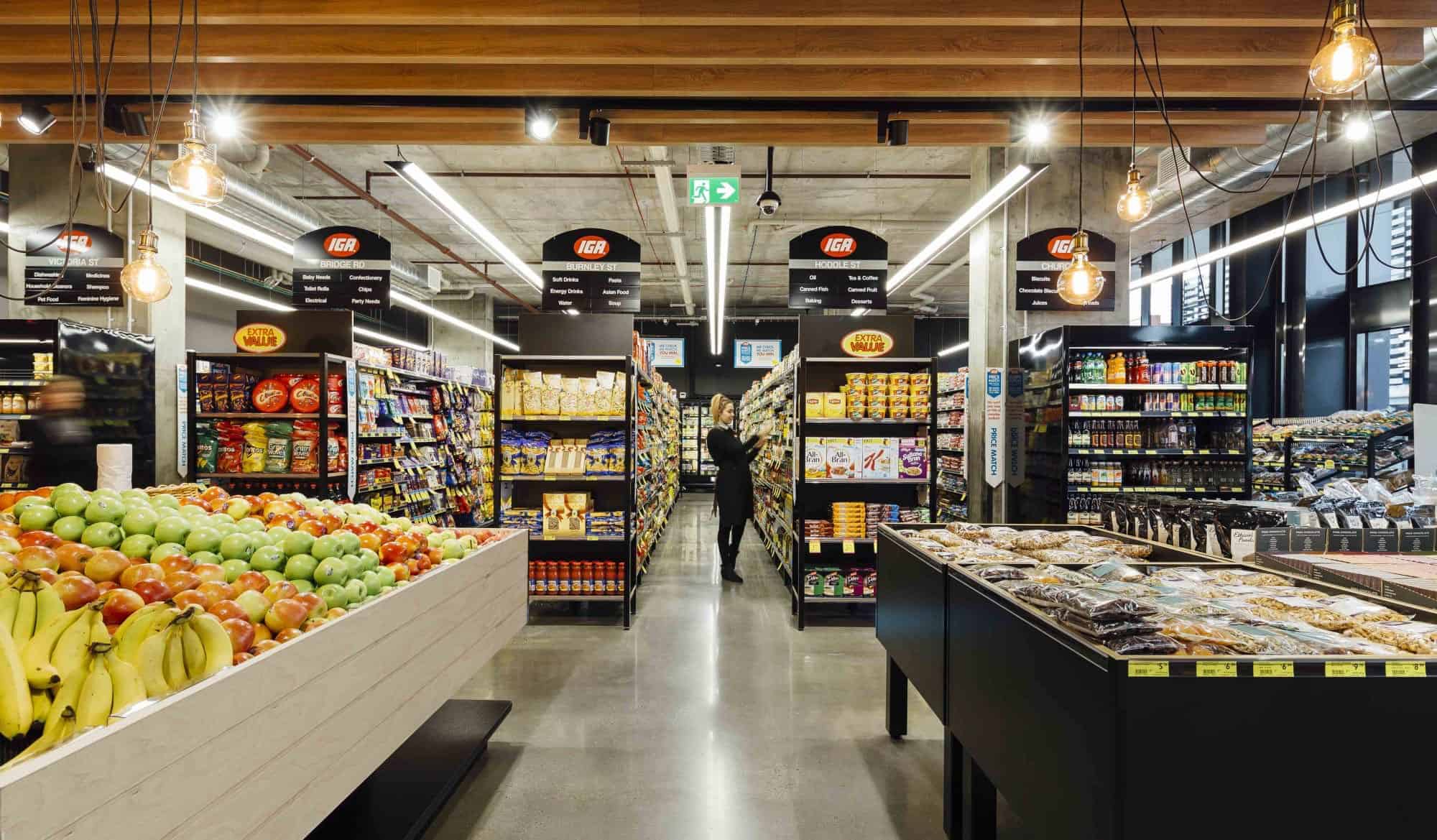
    Metcash Boosts Sales 2.8 per Cent but Warns of Food Margin Pressures

    Wholesaling giant Metcash lifted sales by 2.8 per cent in the first 18 weeks of the financial year, excluding tobacco, but warned investors that elevated food inflation could dent profit margins.

    Hardware and tools led the gains with a 6 per cent rise, while wholesale liquor climbed 5.1 per cent over the same period.

    Hardware and Drinks Outpace Core Food

    Core food expanded 2.6 per cent against the previous year, with group chair Peter Birtles noting that cost inflation continues to challenge the company’s bottom line.

    Logistics and retail expenses stayed elevated. Supply lines held stable, however, with no material disruption from Middle East shipping conflicts.

    Birtles told investors that Metcash’s “diversified portfolio, disciplined execution” and independent retail model have supported resilience despite external challenges.

    Cost Pressures Squeeze Independent Grocers

    For independent supermarkets, rising wholesale prices present a direct dilemma. Passing costs to shoppers risks losing market share to dominant chains. Absorbing them erodes thin retail margins.

    Margin pressure shifts the burden onto wholesale inventory. Distributors must lean on categories like trade hardware and commercial tools, where pricing flexibility beats daily grocery staples, to protect profits.

    New Zealand Liquor Exit Nears Completion

    Trading updates follow fiscal 2026 results of higher sales revenue but lower net profit. Warehousing and freight costs weighed on full-year earnings despite steady turnover.

    Metcash is now closing its New Zealand liquor distribution business to simplify operations and protect returns. The wind-down wraps up before the second half of fiscal 2027, reducing total earnings by approximately $2 million.

  • Capella Hotel Group Opens Capella Kyoto in Japan

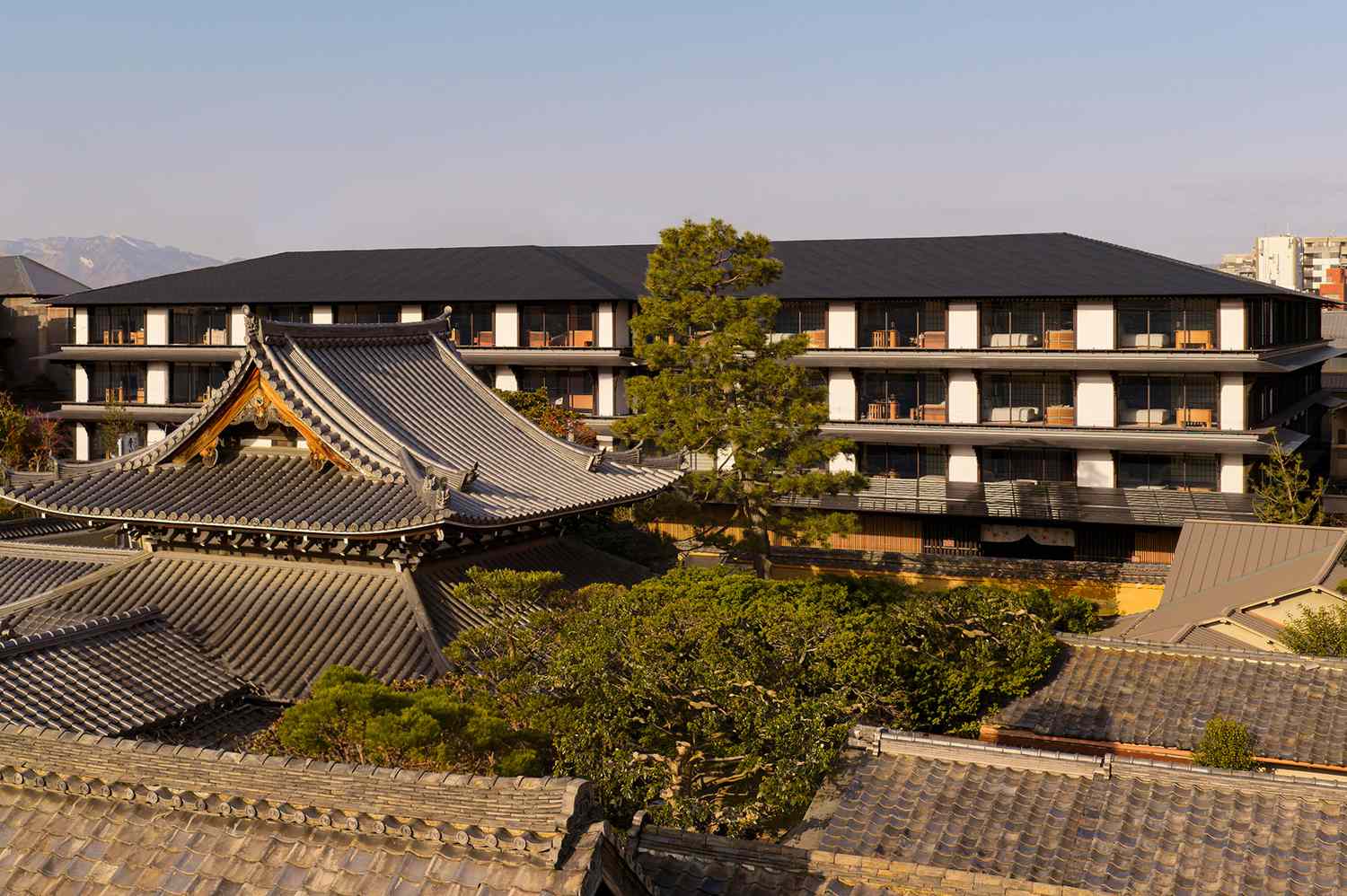
    Capella Hotel Group Opens Capella Kyoto in Japan

    Capella Hotel Group has launched Capella Kyoto in Japan this week, entering the country’s prime cultural tourism market with 1 ultra-luxury hospitality development.

    The opening brings the Singapore-based hospitality operator into direct competition with established luxury properties in Kyoto’s heritage districts.

    Expanding Luxury Footprint in Japan

    International luxury operators continue to target Kyoto because of sustained foreign tourist spending and strict zoning constraints that limit new inventory in historic neighbourhoods. High barriers to entry make boutique developments in prime central locations especially valuable for global operators seeking premium room rates.

    Capella’s entry into the Japanese market follows the brand’s regional expansion across major destination markets in Southeast Asia and Greater China. By establishing a presence in Kyoto, the group adds an anchor location in Japan to capture high-net-worth leisure demand travelling across the Asia-Pacific circuit.

    Operator Competition in Historic Hubs

    Competition among five-star hotel brands in Kyoto has intensified as international flags establish properties near key heritage assets. Rival luxury operators have similarly focused on smaller room counts and tailored guest experiences to maintain elevated average daily rates rather than relying on high guest volume.

    For hotel owners and asset managers, Kyoto presents elevated development costs alongside complex municipal preservation guidelines. The operators that succeed in this environment depend on high-spending overseas guests who stay longer and spend more on on-site dining and wellness offerings.

    Next Steps for Regional Portfolios

    The brand’s performance in Kyoto will test customer intake against existing luxury properties across western Japan. RetailNews Asia will track the operator’s room yield metrics and subsequent project rollouts across the domestic market.

  • Royal Holdings and RB Capital Buy Singapore Scotts Square for $245 Million

    Royal Holdings and RB Capital Buy Singapore Scotts Square for $245 Million

    Royal Holdings and RB Capital have agreed to buy the Scotts Square shopping centre in Singapore from Wharf Estates Singapore for $245 million. The deal values the Scotts Road property at S$310 million.

    CBRE brokered the transaction. The sale covers a four-storey luxury retail podium with 130,875 square feet of gross floor area and roughly 76,660 square feet of net lettable space next to the Orchard Road shopping belt.

    Valuation Shifts and Prime Yields

    The agreed price reflects a discount from earlier seller expectations. Wharf Estates Singapore first marketed the retail asset in 2024 at $346 million, then cut that target to $300 million as institutional buyers pushed for higher yields.

    Talks accelerated in August after inquiries began at around $253 million, according to the Business Times. Completing due diligence allowed the parties to lock in the final $245 million valuation ahead of a planned closing before the end of the year.

    Luxury Footprint and Tenant Demand

    Scotts Square maintains an occupancy rate of nearly 99 per cent. Anchor luxury tenants include French fashion house Hermes, Christian Louboutin and Vivienne Westwood, supported by streetwear labels, technology retailers and art installations across four floors.

    For landlords along the Orchard corridor, the transaction sets a clear benchmark for boutique luxury retail space outside mega-malls. While larger landlords rely on heavy tourist traffic and mass entertainment, the buyers are betting on compact footprints with top-tier international brands that retain tenants.

    Capital expenditure remains the central risk for the new owners. Retaining luxury anchors requires continuous asset enhancement, especially as competing developments along Orchard Road upgrade their podium spaces for regional luxury spending.

    RB Capital and Royal Holdings will take full operational control of the retail asset when the acquisition closes before the end of December.

  • Sydney Fashion Label Asta Resort Opens Permanent Flagship in New York

    Sydney Fashion Label Asta Resort Opens Permanent Flagship in New York

    Sydney luxury label Asta Resort opened its first permanent US flagship in Manhattan’s SoHo. Helena and Jasmine Ammitzboell founded the brand in 2021. The permanent boutique converts an earlier New York pop-up trial into a long-term presence.

    The retail launch coincides with a back-office buildout in Williamsburg, designated as the operational base for North American distribution.

    From Sydney Harbour to Manhattan

    Designers Joel Harding and Yuria Kailich of Studio of Enso planned the SoHo space around a Mediterranean resort aesthetic. The boutique features a quartz-clad champagne bar and a dedicated bridal podium. Ceramic plates hand-painted by the founders line one wall.

    Sydney is where Asta Resort began. New York is where we are laying down roots for our North American home.

    Wholesale Bypass and Direct Retail

    High digital customer acquisition costs push Australian resortwear labels toward physical flagships in global hubs. Securing permanent SoHo space lets independent brands bypass wholesale intermediaries. It also captures higher direct margins from affluent shoppers who first discovered the label online.

    Operating in New York brings steep lease commitments in a commercial market far costlier than Sydney. Operators expanding abroad also face inventory exposure across two hemispheres with opposing seasonal apparel demands.

    Building the US Operations Base

    Asta Resort opened its first permanent flagship boutique in Sydney in December. That domestic store served as the testbed for translating its online catalogue into an experiential physical space.

    Centralising regional management in Brooklyn gives the label direct control over inventory dispatches, styling appointments and client services across North American time zones.

    RetailNews Asia will track whether the label follows Manhattan with dedicated resort outposts in Florida or California retail corridors.

  • Starbucks Expands in East Asia as Walmart Unwinds Suburban Hypermarkets

    Starbucks Expands in East Asia as Walmart Unwinds Suburban Hypermarkets

    Starbucks continues to scale its store footprint across East Asian metros while Western big-box operators like Walmart have spent years unwinding their suburban hypermarket networks.

    The divergence reveals how high-density Asian urban layouts reward high-frequency beverage retail while penalizing large-format car-dependent grocery models.

    Western retail expansion into East Asia split along structural lines over the past two decades. Big-box hypermarkets required expansive floor plates, suburban road infrastructure, and weekly bulk purchasing routines that never fully aligned with daily fresh food shopping habits in cities across China, Japan, and South Korea. Coffee chains, by contrast, secured small-footprint real estate embedded directly into transit nodes, office towers, and dense residential clusters.

    Urban Density And Real Estate Economics

    Hypermarket operators faced escalating commercial rents on massive suburban plots that could not generate the sales density required to offset real estate overhead. Local convenience store chains and neighborhood wet markets retained daily foot traffic, while domestic e-commerce platforms quickly captured non-perishable consumer goods.

    Starbucks structured its expansion around rapid footfall and premium beverage margins. Store units occupy high-traffic ground-floor positions in office complexes and transit hubs, turning compact footprints into reliable daily transactions. The company positioned its locations as functional meeting spaces for urban workers living and working in tight quarters.

    Localization Of The Consumer Experience

    Walmart relied heavily on centralized global procurement systems and standard supply chains designed to lower unit costs through sheer volume. That formula failed to dislodge regional grocery competitors who maintained direct, daily ties with domestic produce distributors and localized supply channels.

    Beverage operators adapted their product menus and store concepts far more quickly. Seasonal product launches, integration with regional digital payment apps, and localized delivery partnerships allowed coffee chains to embed themselves into daily consumer routines across tier-one and tier-two cities.

    Supply Chains And Digital Delivery Channels

    The rise of on-demand quick-commerce platforms in East Asia further eroded the traditional hypermarket advantage of wide product selections under one roof. When consumers can order household staples on mobile apps for delivery within thirty minutes, the incentive to drive to an out-of-town warehouse store disappears.

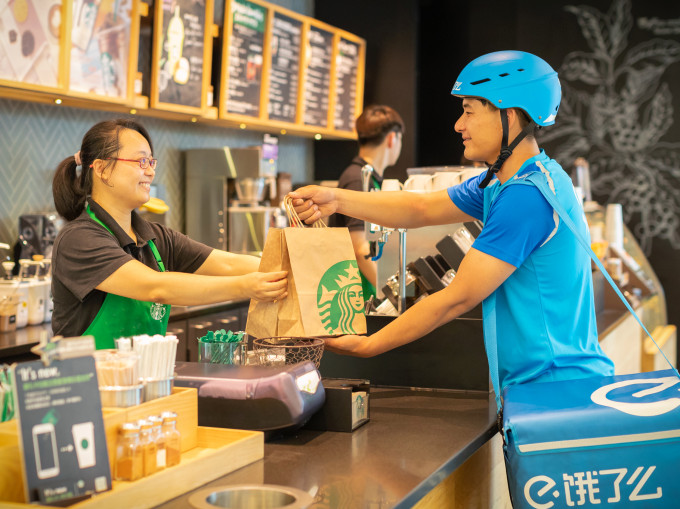
    Coffee retail adapted directly to this shift by integrating order-and-pay apps and motorcycle courier fleets into store operations. Compact urban kitchens double as mini-fulfillment nodes for instant delivery without adding significant real estate overhead.

    Western multi-brand retailers entering East Asia now structure their market entries around small-format, experience-driven spaces rather than sprawling suburban warehouses. The next operational test centers on maintaining beverage gross margins as domestic discount coffee brands add thousands of low-cost kiosks across the region.

  • Coles Drops Palantir AI Software Across 840 Australian Supermarkets

    Coles Drops Palantir AI Software Across 840 Australian Supermarkets

    Coles will terminate its software partnership with US technology firm Palantir. The platform will leave more than 840 Australian supermarkets when the three-year contract expires.

    The system processed more than 10 billion rows of operational data. That load covered employee shifts, bakery production schedules and store-level inventory allocations.

    Operational Data and Customer Backlash

    Signed in February 2024, the agreement deployed Palantir’s Foundry operating system and artificial intelligence tools for workforce planning and supply-chain logistics. The supermarket chain confirmed the platform will exit its stores beyond 2027. Public pushback over Palantir’s government surveillance and defence contracts drove the decision.

    Advocacy group GetUp mounted a billboard campaign near hundreds of stores in July, mimicking Coles branding to challenge its privacy practices. Coles rejected claims that shopper data was exposed to external access.

    “The software is deployed within Coles’ own environment and is operated and isolated under Coles controls,” a Coles spokesperson said.

    Supplier Scrutiny and Reputational Risk

    Retailers across the Asia-Pacific region face swift commercial fallout when back-end software vendors carry political or military profiles. Enterprise procurement once rested on technical capability and cost alone. That calculation has changed. Boards must now weigh vendor reputation alongside data isolation protocols.

    Ripping out an enterprise planning platform creates operational friction and heavy switching costs. Replacing tools that coordinate thousands of store rosters and perishable stock orders takes months of procurement, technical integration and staff retraining.

    The Shift in Retail Procurement

    Work began as a standard productivity initiative while grocery chains accelerated automation to curb operating costs. Palantir’s historical ties to intelligence agencies, US immigration enforcement and foreign defence contracts turned routine back-office optimization into an active brand problem.

    A replacement tender and full system migration across the 840 supermarkets must now wrap up before the contract concludes at the end of 2027.

  • Danone Launches YoPro High-Protein Yoghurt in New Zealand

    Danone Launches YoPro High-Protein Yoghurt in New Zealand

    Danone launched its high-protein yoghurt brand YoPro in New Zealand in September 2026. The rollout includes 15g and 20g protein formats manufactured at its Victorian processing site.

    An exclusive distribution deal with Foodstuffs North Island places the brand directly into the cooperative’s supermarket network.

    Protein formats and supply lines

    Standard YoPro pots and pouches contain 15g of protein per serve. The concentrated YoPro Perform line offers 20g per serve. Danone formulated both product tiers without added sugar or artificial sweeteners, targeting gym-goers and convenience shoppers seeking functional dairy.

    Supply ships across the Tasman from Danone’s manufacturing facility in Victoria’s Kiewa Valley. Using this established Australian base allows the dairy group to test New Zealand consumer demand without committing capital expenditure to local processing infrastructure.

    The exclusive grocery route

    The arrangement gives Danone immediate shelf space across high-volume banners including Pak’nSave and New World. For Foodstuffs, exclusive rights to an established Australian brand create a temporary point of difference against rival Woolworths New Zealand.

    Exclusivity deals carry operational trade-offs. Danone cuts its addressable market in half by bypassing Woolworths and South Island stores. That places the entire burden of brand adoption on a single cooperative’s promotional schedule.

    Battle for dairy shelf space

    This launch pits Danone against domestic dairy giants where Fonterra and boutique local processors dominate chilled cabinets. High-protein and low-sugar yoghurt has developed into a reliable growth pocket across Asia-Pacific dairy. It pulls consumers away from standard flavoured yoghurts that carry higher sugar loads.

    Danone spent several years building YoPro into a category leader in Australia before expanding the supply chain eastward. That playbook relies on heavy athletic marketing and high protein-to-calorie ratios to defend premium shelf pricing against private-label alternatives.

    Distribution now shifts to in-store execution across North Island supermarket chillers as Foodstuffs completes category resets for the spring retail cycle.

  • Apple to Unveil First Foldable iPhone as Sector Shipments Grow 30%

    Apple to Unveil First Foldable iPhone as Sector Shipments Grow 30%

    Apple is expected to unveil its maiden foldable iPhone at its Cupertino headquarters later on Wednesday, entering a product category where Asian rivals hold a combined 70 per cent share.

    Samsung leads the global foldable smartphone sector with a share of about 40 per cent, followed by Huawei with 30 per cent, according to research firm Counterpoint.

    The new handset is expected to adopt a wider passport-style aspect ratio geared toward video and media consumption, arriving as supply-chain advances make flexible displays more durable and less prone to creasing.

    Asian Rivals Defend Premium Dominance

    For Samsung and Huawei, Apple’s entry turns a high-margin hardware niche into an open battleground across Asian retail channels. Both manufacturers spent years refining flexible hardware, using early technical missteps to improve hinge durability and lock down premium market share in China, South Korea and Southeast Asia.

    Asian component suppliers and display manufacturers stand to gain volume as Apple scales production. The primary risk sits with Android hardware makers in the upper price tiers, who lose their sole hardware differentiator once iOS software is available on a flexible screen.

    The Long March from Early Hinges

    Chinese display maker Royole shipped the first commercial foldable device in 2018 with its outward-folding FlexPai. Samsung launched the US$2,000 Galaxy Fold in 2019, withdrawing initial review units to redesign the display before releasing refined models such as the Fold 8. Huawei followed with the Mate X in 2019, before pushing hardware boundaries further in September 2024 with a US$2,800 tri-fold model.

    Apple’s entry will surely increase competition at the premium end. However, foldables are still a very small part of the overall smartphone market, so there is room for the category to grow well beyond current volumes.

    Growth Divergence in Handset Shipments

    Foldable devices account for a single-digit percentage of total handset sales, constrained by high retail pricing and consumer doubts over long-term screen durability. Google entered the segment in 2023 with the US$1,799 Pixel Fold, while Microsoft discontinued its dual-screen Surface Duo line.

    Research firm IDC expects global foldable shipments to grow nearly 30 per cent this year, outpacing an estimated 1.4 per cent decline in standard smartphone sales as Apple unveils its device later on Wednesday.

  • Nearly 200 Coles Shareholders Urge Retailer to Act on Plastics

    Nearly 200 Coles Shareholders Urge Retailer to Act on Plastics

    Nearly 200 Coles shareholders urged the company to break its silence over plastic use in September 2026. The demand follows the supermarket chain’s decision to stop selling Antarctic krill oil supplements.

    Rival Woolworths followed suit days later, ending the sale of krill-derived products across its supermarkets.

    Supermarket Giants Drop Antarctic Krill Lines

    Coles confirmed the product exit after conservation group Sea Shepherd spotted several unavailable krill oil items on the grocer’s website. Woolworths then ended all krill supplement sales in its own stores.

    The simultaneous delisting strips high-margin marine dietary lines from both chains. Environmental groups have long scrutinised Antarctic krill harvesting for disrupting Southern Ocean food webs.

    Shareholders Target Packaging Policies

    Investors are now pressing Coles management to address packaging waste and match Woolworths’ commitments. The shareholder group wants firm disclosures on plastic volume metrics alongside specific reduction milestones.

    Coordinated pressure on both supermarket operators accelerates packaging redesign deadlines for regional brand and private-label suppliers. Those unable to cut secondary plastics or adopt circular materials face delisting risks.

    Sourcing Audits Across Australian Aisles

    The sudden krill exit shows how quickly activist campaigns alter Australian retail range planning. RetailNews Asia has tracked similar rapid category exits across fresh produce, seafood and packaging formats in recent trading periods.

    Coles faces its next test when investors look for binding packaging targets and plastic reduction timelines at the upcoming formal shareholder meeting.

  • Asia OneHealthcare Plans RM7 Billion Malaysia IPO at RM30 Billion Valuation

    Asia OneHealthcare Plans RM7 Billion Malaysia IPO at RM30 Billion Valuation

    Asia OneHealthcare plans to raise up to RM7.5 billion in a Kuala Lumpur initial public offering in the first quarter of 2027.

    The listing would value the hospital operator at roughly RM30 billion. That valuation would make it one of Southeast Asia’s largest healthcare floats.

    Malaysian billionaire Quek Leng Chan’s Hong Leong Group and US private equity firm TPG back the company. It aims to raise between RM7 billion and RM7.5 billion (US$1.7 billion to US$1.9 billion), with offering documentation due in November.

    Valuation and Asset Footprint

    Formerly known as Columbia Asia Healthcare, the group runs 23 private hospitals across Malaysia and Vietnam. The business serves mid-to-upper income urban households seeking shorter wait times and specialist care outside state systems.

    Private hospital valuations across Southeast Asia trade at high multiples because patient demand holds up across economic cycles. Rising incomes and an ageing middle class in both core markets secure bed occupancy and strong pricing power.

    Private Equity Exit Pipeline

    For TPG and Hong Leong, the deal offers a clean exit path after years of buying regional healthcare assets. Hospital networks provide predictable revenues. Institutional investors understand the cash flows without complex forecasting models.

    The float’s size will test liquidity on Bursa Malaysia, where multi-billion-dollar listings remain rare. A clean debut at the targeted RM30 billion valuation would set a high bar for rival hospital operators weighing listings in Singapore or Jakarta.

    The Rebranding Step

    This share sale follows the group’s restructuring and transition from Columbia Asia to Asia OneHealthcare. That revamp combined its regional clinical operations, digital patient records, and procurement networks under one umbrella across Malaysia and Vietnam.

    Advisers will distribute formal offering documents in November, leading into institutional bookbuilding and final pricing ahead of the early 2027 market debut.

  • Starbucks Opens Vietnam’s First Signing Store in Ho Chi Minh City

    Starbucks Opens Vietnam’s First Signing Store in Ho Chi Minh City

    Starbucks opened its first Signing Store in Vietnam on Ho Chi Minh City’s Cao Thang Street on Wednesday, expanding a regional format that already runs 26 outlets across four other Asian markets.

    Deaf staff work alongside hearing employees across counter service and daily operations, using visual menus, gestures and written order systems rather than spoken prompts.

    Operations on Cao Thang Street

    The unit sits set back from the main roadway on Cao Thang Street with a garden-style layout planned to lower ambient street noise for staff and guests. It serves the chain’s standard beverage and food menu while changing the service counter workflow to accommodate point-and-sign ordering.

    Chi Nguyen, director of external affairs at Starbucks Vietnam, stated to local media that the location functions as an inclusive space where staff and visitors interact directly through visual methods.

    Format Expansion Across Asia

    Specialised format stores of this type allow multinational food and beverage operators to test altered counter workflows without changing back-of-house supply chains. Starbucks established its first signing outlet in Kuala Lumpur in 2016 before expanding the concept to China, Japan and South Korea, where dedicated customer communication tools were integrated into standard point-of-sale setups.

    For commercial landlords, quiet and garden-style layouts of this type offer ways to activate secondary street frontage and deeper, non-standard retail floorplates that struggle to accommodate high-turnover drive-throughs or standard counter lines. The operational friction sits in staff onboarding and maintaining service speed during peak morning trade, where non-verbal communication systems must process complex drink customisations without causing counter bottlenecks.

    Market Positioning in Vietnam

    Starbucks opened its initial location in Ho Chi Minh City in 2013 and has spent more than a decade building a store network across major commercial hubs including Hanoi, Da Nang and Binh Duong. The brand competes against established domestic chains such as Highlands Coffee and Phuc Long, which operate larger branch networks at lower price points across Vietnam’s urban centres.

    The Cao Thang unit brings the company’s regional signing store count to 27 locations across Asia, with operators watching whether the model will be adapted for additional high-density retail districts in Hanoi.

  • Tripo AI Raises 3 Billion Yuan in Series B and B+ Rounds

    Tripo AI Raises 3 Billion Yuan in Series B and B+ Rounds

    Tripo AI has raised 3 billion yuan across combined Series B and Series B+ funding rounds this financial year to scale its generative 3D foundation models and commercial toolsets.

    This capital injection gives the company one of the largest war chests among Chinese artificial intelligence startups focused on automated spatial asset creation.

    Scaling 3D Asset Generation

    Users can convert text descriptions and two-dimensional images into production-ready 3D meshes within seconds. That speed cuts digital modeling time from days to minutes. It also directly lowers production expenses for game developers, virtual retail designers, and industrial visualization teams.

    Capital from the combined rounds will fund compute infrastructure and dataset acquisition. The money will also back larger engineering teams focused on multi-view reconstruction algorithms.

    Commercial Pressure on Digital Studios

    For consumer brands and e-commerce merchants building virtual storefronts, rapid 3D generation removes a persistent cost bottleneck. Traditional digital catalog creation requires manual sculpting and texture mapping for every stock keeping unit. Automated mesh generation shifts that workflow toward batch processing, forcing regional digital agencies and outsourced modeling studios to adjust their pricing structures.

    Adoption speed and export limits present the main risks. Consumer software platforms adopt synthetic assets quickly. Enterprise retail and manufacturing clients, however, demand strict geometric precision and clean topology that generative models still struggle to deliver without manual touch-ups.

    Prior Traction and Next Milestones

    Earlier funding rounds allowed Tripo AI to roll out browser-based generation tools and integrate application programming interfaces with major graphics engines. The platform processed millions of user queries over previous product cycles, building an initial base among independent creators and digital design shops.

    Looking ahead, management will focus on rolling out enterprise tier subscriptions and expanding direct integrations with global rendering pipelines before the end of the financial year.

  • Petrovietnam and KEPCO Speed up Talks on Ninh Thuan 2 Nuclear Project

    Petrovietnam and KEPCO Speed up Talks on Ninh Thuan 2 Nuclear Project

    Petrovietnam and South Korea’s Korea Electric Power Corp have accelerated negotiations to construct Vietnam’s Ninh Thuan 2 nuclear plant. Workers have already cleared 97.5 per cent of the site land.

    Chief Executive Le Manh Cuong met KEPCO President Kim Dong-cheol in Seoul on Tuesday. They met to advance technology, investment, and project financing frameworks for the commercial nuclear facility.

    Land Clearances and Financing Talks

    Hanoi assigned Petrovietnam to lead development of the Ninh Thuan 2 station to revive nuclear power generation. In July, the Ministry of Industry and Trade confirmed KEPCO as the primary foreign partner candidate following preliminary discussions with Vietnamese authorities.

    Site preparation in Ninh Thuan province is almost complete. Petrovietnam confirmed that remaining clearance operations will finish shortly. That clears a key requirement before commercial construction agreements can proceed.

    South Korean Reactor Push in Southeast Asia

    KEPCO presented its delivery of the Barakah nuclear power plant in the United Arab Emirates as an operational blueprint for Vietnam. The four-reactor Barakah complex represents Seoul’s main export reference. It gives KEPCO an edge in discussions over procurement models and long-term project debt financing.

    Choosing KEPCO creates a deliberate split in Vietnam’s nuclear procurement program. Hanoi previously designated Russia’s state atomic agency Rosatom to develop the separate Ninh Thuan 1 project. The strategy distributes technological reliance across competing nuclear suppliers rather than committing to a single foreign vendor.

    Power Demand and Grid Readiness

    Vietnam shelved nuclear power planning in 2016 because of cost constraints and fiscal discipline. Rising baseload electricity demand from industrial clusters has forced trade officials to bring atomic power back into the long-term national power development master plan.

    Factories and industrial operators in Vietnam face ongoing grid capacity constraints as export manufacturing expands. High-capacity nuclear baseload addresses supply reliability. However, commercial terms and safety licensing still require bilateral government approvals.

    Next, Hanoi and Seoul will run financial structuring reviews while Petrovietnam finishes the final 2.5 per cent of site clearance work.

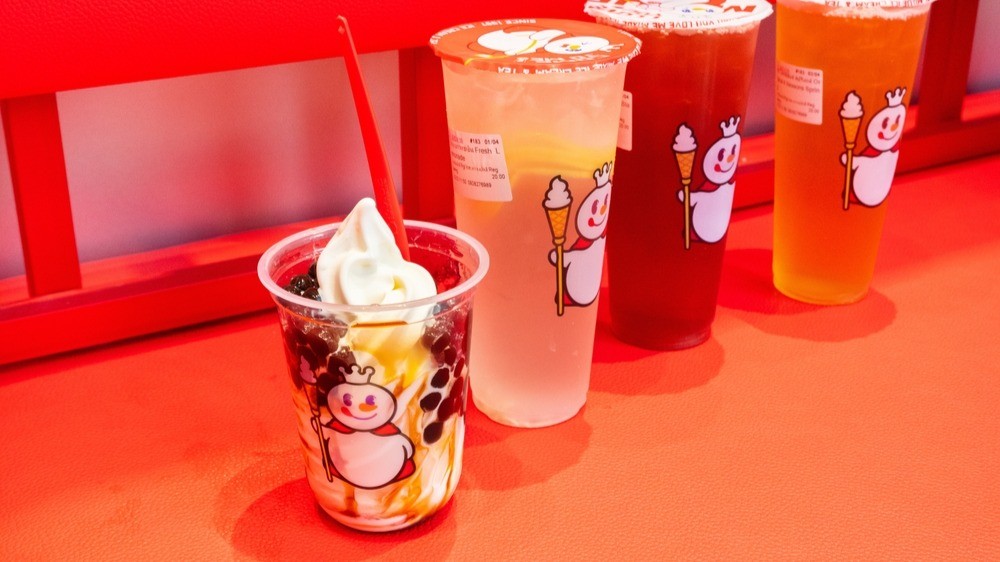
  • Mixue Shifts Malaysia Strategy Toward Food Safety and Quality Control

    Mixue Shifts Malaysia Strategy Toward Food Safety and Quality Control

    Mixue has shifted its operational focus in Malaysia to food safety and standardized store management this quarter. It has slowed its rapid store openings to protect franchise consistency.

    The value-priced ice cream and tea operator is standardizing ingredient handling, audits, and franchise training across hundreds of independently run franchised outlets in the country.

    Standardising Store Operations

    Headquarters teams are rolling out stricter supplier checks, central storage compliance, and mandatory staff retraining. The goal is curbing hygiene inconsistencies across high-volume suburban counters.

    For franchisees, the tightened rules raise daily discipline and audit frequencies. Store managers face unannounced inspections covering temperature logs, equipment sanitization, and ingredient shelf-life tracking.

    Pressure on Value Tea Rivals

    Rival low-cost bubble tea chains in Malaysia now face immediate pressure. Many compete on single-digit ringgit price points. Churning out high volumes at discount prices leaves little room for error in cold chain logistics or store sanitation.

    Protecting customer trust before hygiene lapses damage the brand drives the compliance push. The main risk sits behind the counter. Enforcing uniform standards across hundreds of independently run franchised outlets demands continuous oversight costs.

    Next Phase of Southeast Asian Expansion

    Mixue entered Southeast Asia aggressively, relying on low franchise fees and an integrated Chinese supply chain to blanket Indonesia, Vietnam, and Malaysia. Rapid expansion quickly secured brand recognition across shopping malls and commercial shop lots.

    Maintaining product consistency across thousands of regional outlets poses a major challenge as local health authorities step up inspections of quick-service beverage chains.

    Malaysian franchisees will complete updated audit cycles over the coming quarter as headquarters evaluates network compliance across Peninsular Malaysia.