Blog

  • South Korea Inflation Climbs to 3.1% on Fuel Costs and Telecom Rebound

    South Korea Inflation Climbs to 3.1% on Fuel Costs and Telecom Rebound

    South Korea’s consumer price growth accelerated to 3.1 percent in August from a year earlier, driven by persistent energy costs and a rebound in mobile phone service charges.

    The pace picked up from a 2.8 percent annual rise in July, returning above the 3 percent mark after recording 3.1 percent in May and 3.2 percent in June, according to government statistics released in Sejong.

    Fuel and Telecom Shift Topline Figures

    Mobile phone bills jumped 26.7 percent compared to the same month last year. The spike reflects a low statistical base from a year earlier, when SK Telecom Co. Issued widespread customer discounts following a network data breach. Without the mobile bill distortion, overall consumer price inflation for the month stood at an estimated 2.5 percent.

    Oil prices climbed 14.2 percent on-year, adding 0.54 percentage points to the headline consumer price index. Diesel prices surged 19.6 percent while gasoline advanced 11.5 percent, sustaining pressure on transport and logistics networks in an economy that imports virtually all of its crude oil.

    Core inflation, which strips out volatile food and energy components, rose 3.4 percent on-year. That represents the sharpest gain since May 2023, when core prices advanced 3.8 percent.

    Food Relief and Service Pressures

    Industrial product prices increased 3.7 percent from a year earlier. In the service sector, overall costs climbed 3.7 percent as insurance premiums rose 13.4 percent and overseas package tour prices jumped 14.9 percent.

    Grocery shelves offered mixed relief for household budgets. Fresh produce, livestock and fishery prices dropped 2.6 percent helped by larger supplies of napa cabbage and tomatoes alongside state-backed retail discount promotions. Meat counters diverged, with imported beef prices rising 6.2 percent and domestic beef up 3.3 percent.

    For consumer brands and retailers across East Asia, the persistence of core inflation above 3 percent indicates that discretionary spending will face headwinds even as staple produce costs stabilise. Utility charges for electricity, gas and water rose 0.4 percent over the period, leaving transport costs and recurring service fees as the primary drain on disposable household income.

    Market watchers now turn to September price data to assess whether seasonal harvest supplies and crude import pricing can bring headline inflation closer to baseline targets.


  • Seppic Names Former Japan Chief Virginie Cavalli as Chief Executive

    Seppic Names Former Japan Chief Virginie Cavalli as Chief Executive

    Specialty chemicals supplier Seppic appointed Virginie Cavalli as chief executive officer on September 1, 2026. The decision hands leadership of the 900-employee ingredients business to an operational veteran.

    Cavalli spent more than three decades at parent company Air Liquide. Most recently, she served as deputy group vice president of human resources after leading Air Liquide Japan as chief executive.

    Decades of Industrial Leadership

    A graduate of EM Lyon Business School in financial strategy, she joined the French industrial gases group in 1992. Her executive career spans operational, financial, and business development roles across France, the United States, Chile, and Singapore.

    Seppic operates as an Air Liquide Healthcare subsidiary, manufacturing ingredients for beauty formulations, nutraceuticals, pharmaceuticals, and industrial uses. Its distribution networks and operating units serve clients across 100 countries.

    Strategic Value for Asian Formulators

    Her background gives the beauty ingredient supplier a leader with direct North Asian and Southeast Asian operating experience. Asian personal care manufacturers want active ingredients and bio-based emulsifiers backed by certified regional supply chains. That demand pushes European suppliers to adapt delivery and technical support models.

    Next on the agenda, Seppic will present formulation technologies at personal care trade exhibitions across Europe and Asia through the fourth quarter of 2026.

  • Voyah Opens Dream 9 MPV Pre-Sales in China from 429,900 Yuan

    Voyah Opens Dream 9 MPV Pre-Sales in China from 429,900 Yuan

    Dongfeng Motor subsidiary Voyah opened pre-sales for its Dream 9 luxury multi-purpose vehicle in China on Saturday. The flagship model starts at 429,900 yuan ($63,420).

    Buyers can choose across three trim levels spanning five variants, topping out at 529,900 yuan. Introductory sweeteners total up to 50,000 yuan. Dealership display units have arrived across mainland cities for test drives ahead of initial customer handovers.

    Hardware and Huawei Cockpit Software

    Powertrain options divide into three plug-in hybrid (PHEV) variants and two battery electric (BEV) editions. All models sit on an 800-volt electrical architecture. They run Huawei’s Qiankun ADS 5 driver-assistance suite alongside HarmonySpace 6 smart-cabin software.

    Sensor hardware includes 37 units covering urban streets and expressways. Voyah fitted an 896-channel dual-optical-path main LiDAR on the roof and three solid-state LiDAR units around the body. The cabin operating system uses a multimodal large language model with hundreds of billions of parameters to handle voice and in-car controls.

    Electric models carry a 120-kWh battery pack, the largest capacity fitted to any production MPV in China. That battery pairs with a 175-kW front motor and a 300-kW rear unit. The PHEV combines a 1.5-litre turbocharged petrol engine with twin electric motors for 555 kW of total output. It draws power from a 65-kWh pack that charges from 20 per cent to 80 per cent in 12 minutes.

    Chassis Tuning and Interior Layout

    Chassis hardware relies on triple-chamber air suspension, dual-valve electronic dampers and rear-wheel steering that turns up to 10 degrees. A coordinated domain controller manages torque distribution, braking force and suspension damping in real time.

    The body measures 5,325 mm in length and 1,998 mm in width on a 3,200 mm wheelbase. Inside the three-row cabin, second-row captain chairs feature rotation, sideways sliding, zero-gravity reclining and mechanical massage functions. Outside, smart projection headlights beam navigation arrows directly onto the road surface.

    Margin Pressure Behind the Premium Push

    Chinese automakers are crowding into executive vans. Private buyers and corporate fleets still pay cash premiums that mass-market sedans no longer command. Voyah skipped a conventional theatrical launch, putting metal straight into showrooms to secure non-refundable deposits.

    That pricing puts the Dream 9 in direct competition with established luxury nameplates from Denza and Zeekr. Voyah needs higher transaction prices to stop cash erosion after a brutal price war across China compressed earnings throughout the year.

    Deliveries expanded in the first half of 2026. The brand handed over 76,264 vehicles for a 35.9 per cent gain, lifting revenue 42.4 per cent to 18.16 billion yuan. Profitability swung the other way. Gross margin contracted to 17.7 per cent, pushing Voyah to a net loss of 389 million yuan compared with a 460 million yuan profit a year earlier.

    Official delivery dates and the final retail schedule for the Dream 9 lineup have not been published.

  • Woolworths to Shift 130 Support Roles from New Zealand to Australia

    Woolworths to Shift 130 Support Roles from New Zealand to Australia

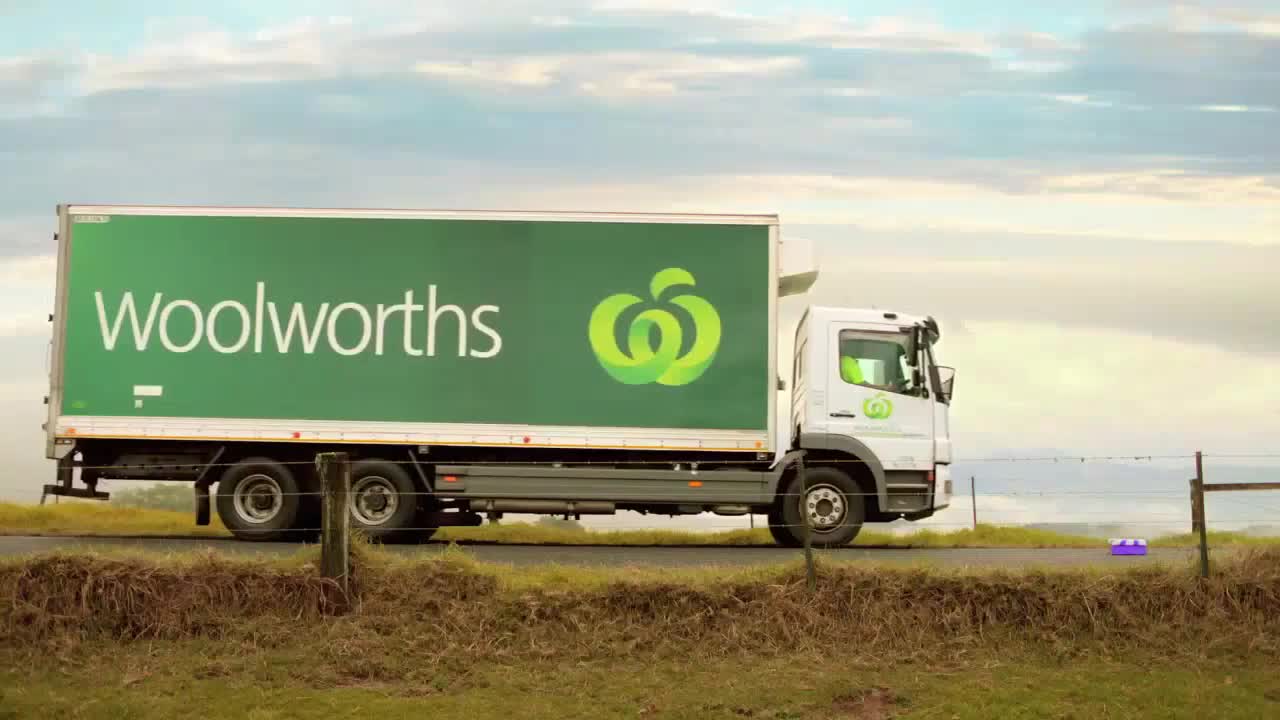
    Woolworths plans to shift roughly 130 customer support roles from New Zealand to Australia as part of a restructuring across the Tasman.

    The proposal includes shuttering the retailer’s dedicated customer care centre in New Zealand to streamline operations across its grocery division.

    Cost Cuts and Centralisation

    Closing the customer care facility will save the business $4.1 million by the 2029 financial year. Woolworths plans to absorb these contact functions into its Australian network rather than maintaining separate customer support centres across both countries.

    Union officials pushed back immediately against the announcement. The Workers First Union condemned the proposal as “corporate greed”, warning that local staff are paying the price for trans-Tasman cost rationalisation.

    Regional Margin Pressure

    Supermarket operators across Australasia face persistent margin pressure from elevated operating costs and cautious consumer spending. Consolidating back-office and contact centre functions allows major grocers to trim overheads, mirroring broader retail trends across the region where administrative operations are pooled into single hubs.

    Consultation over the proposed customer care shutdown remains underway ahead of the company’s 2029 financial milestone.

  • Anaconda Opens 6,000-Square-Metre Flagship in Queensland

    Anaconda Opens 6,000-Square-Metre Flagship in Queensland

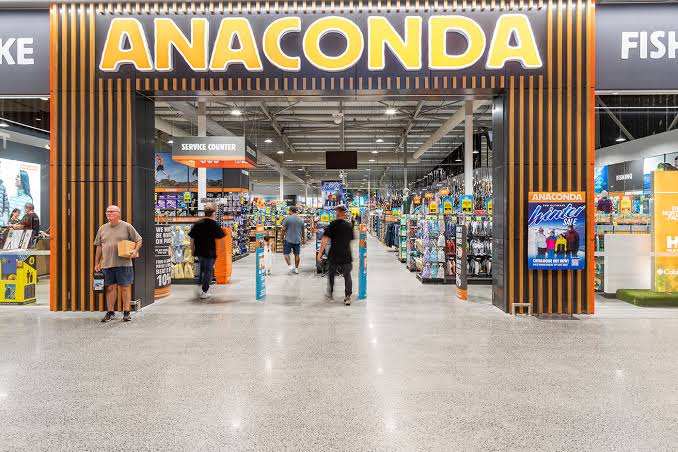
    Anaconda opened a 6,000-square-metre flagship store in Brendale, Queensland, anchoring a 92 million Australian dollar retail development in Moreton Bay. The site, branded Anaconda Adventure HQ, is the outdoor equipment retailer’s largest purpose-built location in Australia.

    Built along South Pine Road and Old North Road, the destination gives shoppers dedicated zones to test equipment before purchase. Chief executive Chris Lude stated the layout targets campers, skiers, and anglers looking for practical demonstrations inside the building.

    Interactive gear testing and live displays

    The Brendale floor plan allocates substantial square footage to working trial areas. Facilities include an alpine-themed snow cave, an indoor boat show with a simulated marina, an outback camping ground, a fishing simulator, and a 12-metre aquarium holding live barramundi.

    Big-box specialty retailers across Asia-Pacific are increasingly turning floor space over to active trials. Dedicating thousands of square metres to live environments raises capital expenditure per site, but operators use the experiential footprint to pull shoppers away from pure-play online merchants.

    Spotlight Group shifts toward destination formats

    Parent company Spotlight Group Holdings financed the expansion as part of a wider push into regional destination centres. Executive deputy chairman Zac Fried said customer buying habits now favor testing gear on site over selecting items directly from warehouse racking.

    Spotlight Group will track trading performance at the Brendale complex as it evaluates whether to scale similar mega-format builds across other high-growth suburban corridors in Australia.

  • Thai Mortgage Rejections Hit 60 per Cent as Banks Tighten Debt Checks

    Thai Mortgage Rejections Hit 60 per Cent as Banks Tighten Debt Checks

    Thailand’s state-owned Government Housing Bank approved only about 40 per cent of home loan applications across January and February 2026, rejecting the remaining 60 per cent as lenders scrutinised borrower balance sheets.

    Kasikorn Research Center expects full-year mortgage lending in 2026 to range between zero growth and a 0.5 per cent contraction. That stall comes even after regulators extended relaxed loan-to-value rules through June 2027 to help developers clear unsold residential inventory.

    Household Debt Limits Borrowing Capacity

    Elevated consumer obligations remain the primary hurdle for prospective buyers. Kasem Praphan, Bangkok district office branch 1 area manager at GH Bank, said elevated household debt, unverified income streams, and inconsistent banking records drive most rejections.

    High debt loads leave little room for new commitments. Under GH Bank criteria, total monthly debt servicing must generally remain within 60 per cent of a borrower’s income. Applicants carrying auto financing, personal loans, and credit card balances frequently exceed that ceiling even when base salaries seem adequate.

    Income verification poses an equal challenge for self-employed applicants, freelancers, and online sellers, who now form one of the largest applicant demographics. GH Bank has started reviewing digital transaction histories, including QR code payment receipts from micro-merchants, but requires documented consistency over several months rather than irregular cash lump sums.

    Pre-Approval Programmes Target Unsold Housing

    To rehabilitate unqualified applicants, GH Bank established a Financial School programme. The scheme targets four specific segments: salaried new graduates, gig workers, informal earners, and individuals working through past loan delinquencies.

    Seventeen property developers have also partnered with the bank under a linked Financial School Extra initiative. Under that arrangement, prospective buyers make regular monthly deposits directly to GH Bank for up to 12 months, which the lender then transfers to developers as accumulated down payment installments.

    Borrowers who clear outstanding debts using funds from third parties must also document the money trail. If funds come from friends or informal partners without clear paper records, the bank imposes a mandatory 90-day waiting period before reassessing the application to verify that the liability was genuinely settled rather than temporarily moved.

    Lenders continue to evaluate total household use rather than property equity alone. Housing developers in Bangkok are watching the June 2027 expiration of loan-to-value relief measures as commercial banks keep credit criteria tight through the remainder of the year.

  • Pomelo Operator KCG Collects 231 Kilos of Garments in Indonesian Take-Back Push

    Pomelo Operator KCG Collects 231 Kilos of Garments in Indonesian Take-Back Push

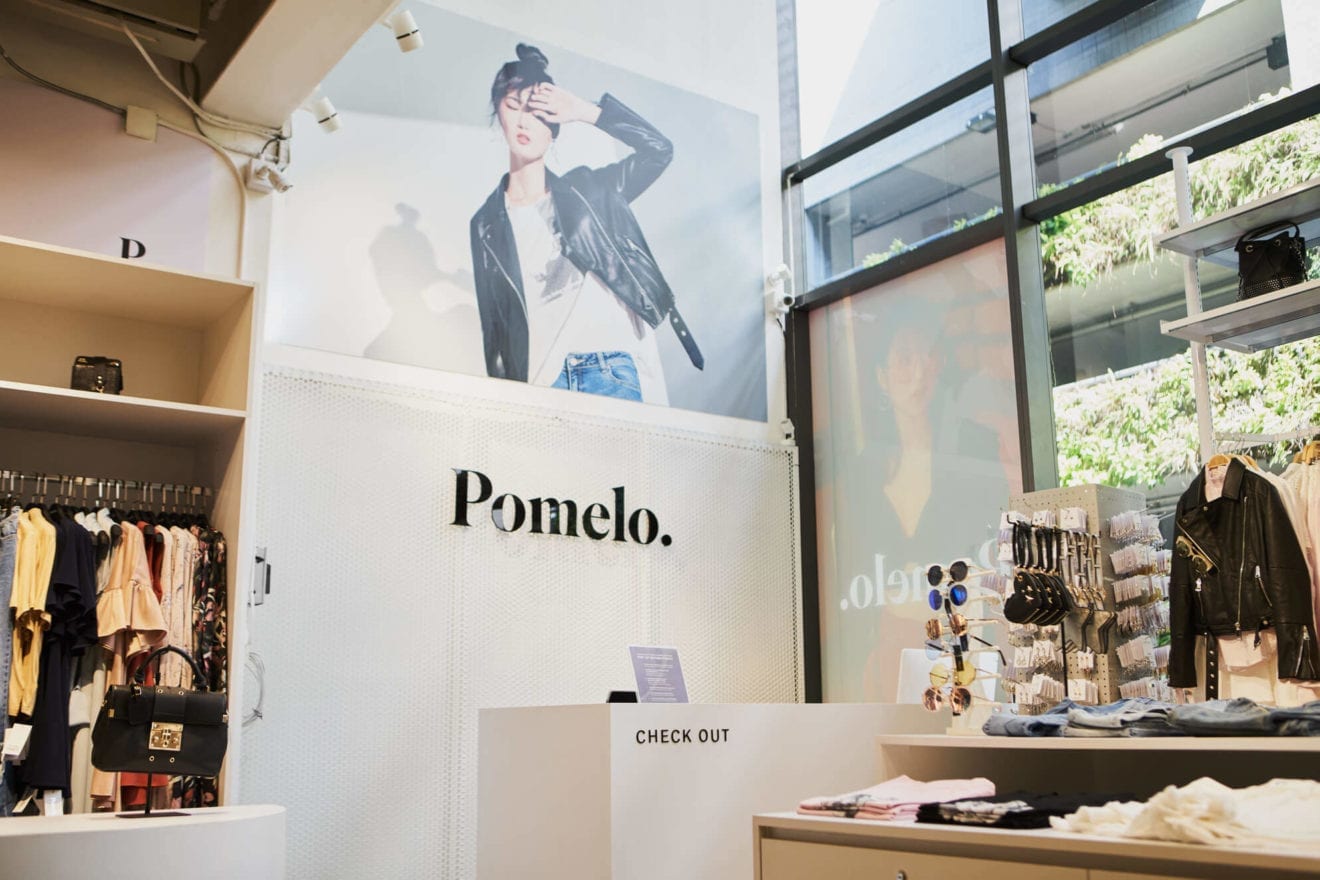
    PT Kurnia Ciptamoda Gemilang collected 231 kilograms of used clothing across eight Pomelo stores in Indonesia during the first month of its in-store take-back programme.

    The haul more than doubled the retailer’s initial 100-kilogram target despite launching without promotional marketing.

    KCG installed drop-off boxes in every Indonesian Pomelo branch to collect apparel directly from shoppers. Wearable items go to the Cinta Laura Foundation for distribution to orphanages and local communities. Unwearable, damaged pieces head to domestic textile recyclers Lestari and New Factory for industrial processing.

    Haryanto Pratantara, business and operations director at KCG, said the intake relies on repeat donors seeking practical reuse for old apparel. Turning ruined garments into usable raw material carries high processing costs that the company cannot sustain alone. KCG is seeking corporate social responsibility funding and state backing to expand the processing chain.

    High Processing Costs and Policy Gaps

    Pratantara expects garment recycling to shift from a competitive differentiator to standard retail practice within five years. Government policy will dictate how fast that transition happens.

    “The key is the government,” Pratantara said. “Regulation cuts the timeline. Without it, this cannot work.”

    Fashion operators across Southeast Asia frequently launch circularity pilots to retain younger shoppers, but few manage to scale mechanical recycling without state subsidies or formal producer responsibility rules. While donation bins clear closet space and bring foot traffic back into stores, true fibre-to-fibre recycling remains bottlenecked by local sorting and processing infrastructure across the region.

    Expanding Beyond Store Bins

    KCG has not yet measured the direct revenue impact of the programme on overall apparel sales. The operator is now tracking repeat drop-offs while waiting for state policy clarity and corporate partners to fund the next stage of textile processing.

  • UltraTech Cement to Add 600 Electric Trucks to Indian Logistics Fleet

    UltraTech Cement to Add 600 Electric Trucks to Indian Logistics Fleet

    UltraTech Cement will deploy more than 600 heavy-duty electric trucks across its Indian supply chain by December 2026. The fleet will haul over five million metric tonnes of clinker and raw materials annually across seven states.

    Operations will span industrial corridors in Gujarat, Uttar Pradesh, Madhya Pradesh, Rajasthan, Chhattisgarh, Maharashtra and Odisha. The company calculated that replacing diesel prime movers at this scale cuts net carbon emissions by more than 117,000 tonnes annually, eliminating the consumption of roughly 39 million litres of diesel fuel each year.

    Fleet suppliers and regional deployment

    Procurement contracts have been split among domestic and international commercial vehicle builders. Suppliers include Tata Motors, Ashok Leyland, IPLTech, Sany and Energy In Motion, alongside third-party logistics operators.

    The heavy vehicles will manage mine-to-plant transport as well as inter-plant transfers of clinker. UltraTech currently runs more than 850 alternative-fuel commercial vehicles, a tally that blends compressed natural gas units with battery-electric haulers.

    Scaling heavy-duty electric freight

    Electrifying heavy industrial freight remains rare across Asian emerging markets, where high battery pack costs and limited mega-watt charging infrastructure keep most operators tied to diesel. UltraTech tested the waters in June when it put 45 electric trucks into service on a 250-kilometre clinker route between Rajasthan and Uttar Pradesh with Energy In Motion, bringing its dedicated electric fleet to 89 units at the time. Expanding that base almost sevenfold indicates commercial confidence in operating economics on fixed factory-to-mine loops.

    Delivery schedules for the new vehicle batches begin over the coming quarters, with all 600 prime movers scheduled to enter full revenue service before the end of 2026.

  • Nykaa Buys Additional 24.2 Percent Stake in Beauty Brand Earth Rhythm

    Nykaa Buys Additional 24.2 Percent Stake in Beauty Brand Earth Rhythm

    Indian beauty and fashion retailer Nykaa acquired an additional 24.2 per cent stake in direct-to-consumer personal care brand Earth Rhythm. The transaction builds on the retailer’s initial backing of the company two years ago.

    Nykaa first took a position in Earth Rhythm during an 8 million dollar Series A funding round in 2022. The increased holding deepens its direct ownership of domestic skincare and haircare labels as competition intensifies across India’s beauty and personal care market.

    Consolidation in Indian Beauty Brands

    The deal reflects a broader push by established e-commerce platforms to secure higher-margin proprietary and partner labels rather than relying entirely on third-party marketplace distribution. By taking a larger equity position, Nykaa gains tighter control over product development, supply chains, and exclusive digital merchandising rights for Earth Rhythm’s portfolio.

    Direct-to-consumer brands in India face rising customer acquisition costs on digital channels. Partnering closely with platform operators provides these brands with immediate shelf space, physical store exposure through Nykaa Luxe and Nykaa On Trend outlets, and shared logistics infrastructure across tier-one and tier-two cities.

    Building Out the House Brand Strategy

    Rival platforms including Reliance Retail’s Tira and Tata Cliq Palette are expanding their own portfolios of private and partnered beauty brands. Nykaa’s strategy mirrors global retail trends where multi-brand operators buy equity in high-performing independent labels to capture manufacturing margins alongside retail markups.

    The investment follows Nykaa’s entry into Earth Rhythm in 2022, when the startup used its Series A proceeds to expand manufacturing capacity and marketing reach. The brand formulates solid beauty bars, skincare serums, and clean-label cosmetic formulations sold across India.

    Investors will look to Nykaa’s upcoming quarterly filings for the total cash consideration paid for the 24.2 per cent equity tranche and any changes to Earth Rhythm’s board structure.

  • Taiwan Sets up 431 Vaping Drop Bins Ahead of Possession Fines

    Taiwan Sets up 431 Vaping Drop Bins Ahead of Possession Fines

    Taiwan is rolling out 431 anonymous collection bins nationwide to let consumers dump e-cigarettes ahead of planned possession fines of up to NT$100,000.

    The drop-off network opens next Wednesday at municipal health bureaus, public clinics, police stations and addiction treatment centers across the island.

    Under the Tobacco Hazards Prevention Act, the manufacture, importation, sale, supply, display, advertising and use of e-cigarettes are already illegal. Taiwan’s Executive Yuan approved an amendment on June 25 to add possession to the list of prohibited acts, sending the bill to the legislature for review.

    Fines of up to NT$100,000

    Once the amendment passes and takes effect, authorities will enforce a one-month grace period. Inspectors will confiscate devices without issuing fines during that first month, the Health Promotion Administration said. After the grace period expires, anyone caught in possession of an e-cigarette faces confiscation and a fine between NT$30,000 and NT$100,000.

    Lo Su-ying, head of the HPA Tobacco Control Division, said the 431 bins feature a one-way design that prevents retrieval once a device drops inside. Local health departments will work with environmental protection agencies to transport the collected hardware to centralized disposal facilities.

    Stricter enforcement across Asia

    Regulators across East Asia continue to close legal gaps surrounding alternative nicotine products, shifting enforcement from storefronts directly to consumers. While markets such as Japan permit regulated heated tobacco devices, authorities in Hong Kong, Singapore and Taiwan have pursued total prohibitions, cutting off legal retail channels entirely.

    Taiwanese lawmakers have not yet set a date to review and vote on the draft amendment, which will establish the start date for the one-month grace period.

  • Saicho Opens First Travel Retail Site at Hong Kong International Airport

    Saicho Opens First Travel Retail Site at Hong Kong International Airport

    Sparkling tea brand Saicho opened its first travel retail location at Hong Kong International Airport in September 2026. The pop-up targets transit shoppers with exclusive gifting formats.

    Dedicated tasting stations sit alongside exclusive sets created with Hong Kong artist Jonathan Jay Lee. The layout bypasses standard supermarket aisles to capture outbound tourist spend directly.

    Airport Formats and Gifting Inventory

    Merchandise at the space includes branded luggage tags, bottle stoppers, and packaged gift boxes sold only inside the departure terminal. Co-founders Natalie Chiu and Charlie Winkworth-Smith structured the format around direct sampling. They aim to convert long-haul passengers looking for regional gifts before boarding.

    Travel retail gives premium drink makers concentrated foot traffic and higher transaction values than grocery channels. Premium non-alcoholic brands continue to secure terminal space across Asian hubs as operators diversify departure lounges beyond standard liquor and confectionery.

    Shifting Premium Shelf Space Across Asian Hubs

    For regional airport landlords, specialised cold-brewed and sparkling tea concepts replace slowing duty-free volumes in traditional categories with higher-margin craft products. Mainstream spirits brands face softer volumes across North Asia. That drop creates openings for alternative beverage labels to claim prime concourse square footage.

    High-rent airport spaces carry clear conversion risks. Pop-up formats need rapid stock turnover and impulse purchases to justify short-term concession fees compared with long-term wholesale supply deals in luxury hotel bars and restaurants.

    Broadening Beyond Hospitality Distribution

    Saicho built its initial distribution through dining rooms and hospitality accounts across the United Kingdom and Asia before committing to standalone retail real estate. Setting up inside terminal corridors lets the label test direct retail without the overhead of permanent high-street flagship leases.

    Passenger traffic through Hong Kong International Airport continues to rebuild toward pre-pandemic schedules, providing a live test for shopper demand in the premium tea category.

  • PharmaResearch Rolls Out Rejuran Cosmetics Across 148 Sephora Canada Stores

    PharmaResearch Rolls Out Rejuran Cosmetics Across 148 Sephora Canada Stores

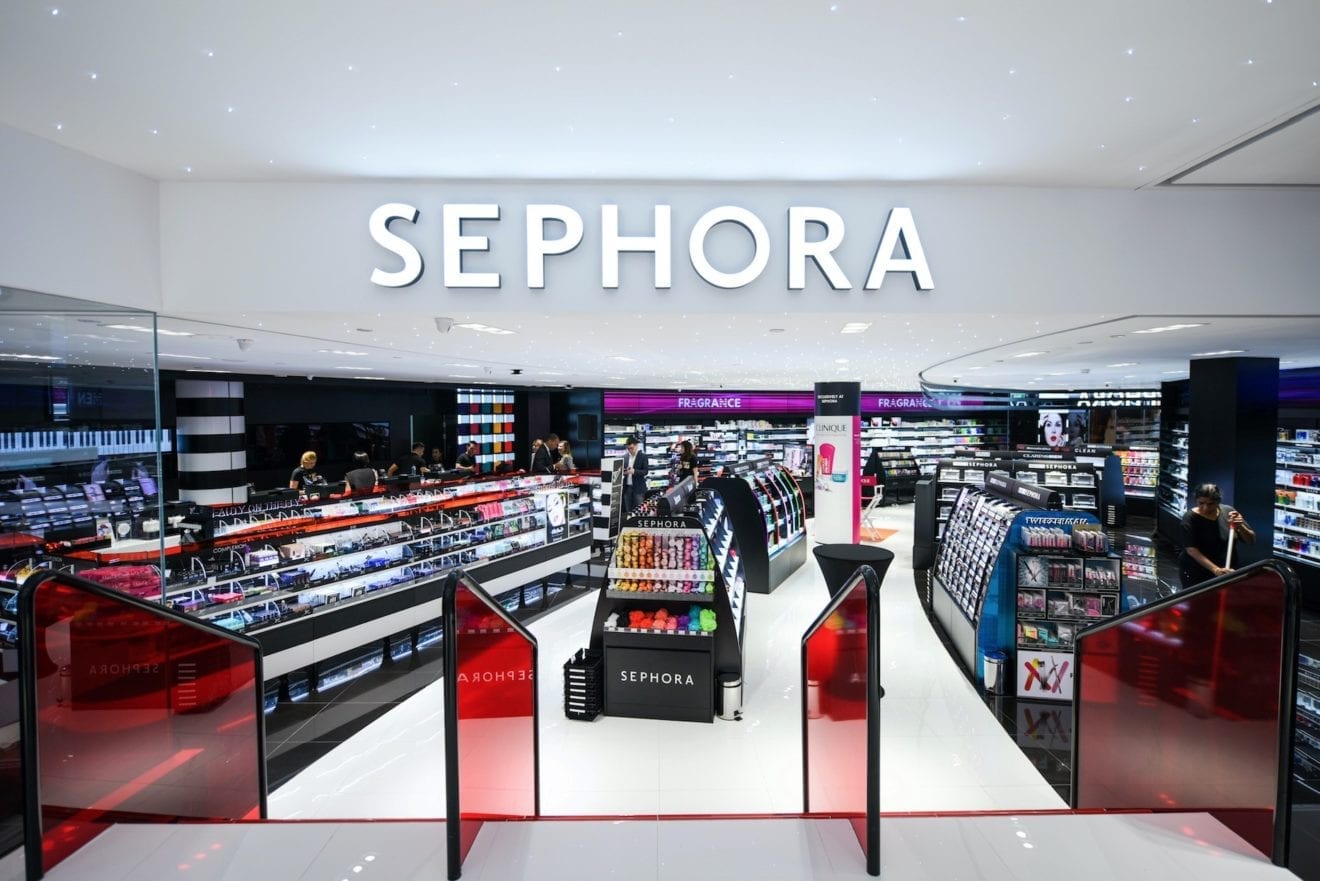
    South Korea’s PharmaResearch launched its Rejuran Cosmetics skincare line across all 148 Sephora Canada stores on Sept. 1.

    The nationwide rollout places eight product formulations, including its Turnover Ampoule and Dual Effect Ampoule, into Canadian retail stores alongside Sephora’s online channel.

    Featured on Sephora Canada’s Skincare Next Big Thing Wall, the collection relies on c-PDRN, a cosmetic ingredient purified from wild salmon DNA. PharmaResearch developed the compound from the polynucleotide technologies it uses in its injectable aesthetic skin boosters sold across more than 50 countries.

    Translating Clinical Injectables to Prestige Shelves

    The Canadian retail launch extends a clear playbook: converting medical aesthetic brand equity into mass prestige topical products. Consumers familiar with professional clinic procedures in Asia are increasingly seeking the same bio-active ingredients in daily skincare regimens.

    “Through a tailored omnichannel strategy, we aim to build meaningful connections with Canadian consumers and strengthen our market presence,” said Jooyeon Song, Head of Cosmetics at PharmaResearch USA.

    Margin Pressures and Shelf Competition

    Derma-cosmetic brands derived from Asian pharmaceuticals face a different commercial environment in North American retail compared to domestic clinic networks. Prestige beauty retailers demand heavy promotional support, co-op marketing fees, and dedicated floor space allocations that can compress wholesale margins if inventory turns slow down.

    Competition on the derma-skincare wall is intense. Rejuran must defend shelf share against entrenched clinical lines and lower-priced Korean skincare competitors already commanding established followings across Canadian cities.

    US Manufacturing Shapes North American Strategy

    In July, PharmaResearch agreed to acquire California contract manufacturer Cosmetic Group USA to secure domestic production capacity and stabilize supply lines across the Americas. That transaction followed the brand’s US retail debut in Sephora stores earlier in the year and coincided with a concurrent retail entry into Sephora Singapore.

    PharmaResearch will now focus on closing the integration of Cosmetic Group USA’s production facilities to supply North American retail channels directly and cut transpacific freight lead times from its Gangneung base.

  • Southeast Asia Targets USD 11 Billion Subsea Cable Expansion for Route Redundancy

    Southeast Asia Targets USD 11 Billion Subsea Cable Expansion for Route Redundancy

    Telecommunications operators and infrastructure investors are committing USD 11 billion between 2026 and 2035 to build new subsea cable systems across Southeast Asia. The spending will expand the number of active intra-Asian cable lines from 14 in 2025 to 19 by 2035, securing international data bandwidth for regional digital economies and hyperscale cloud providers.

    Submarine cables handle more than 99 per cent of international communications traffic in hubs such as Singapore. Under the city-state’s Digital Connectivity Blueprint, authorities plan to double the volume of subsea cable landings over the next decade, backed by an estimated SGD 10 billion (USD 7.4 billion) in predominantly private sector capital.

    Rerouting Around Maritime Chokepoints

    Engineering plans for newly announced trans-Pacific and regional cables increasingly avoid traditional, direct passages through the South China Sea. Systems including Apricot, Echo, and Bifrost run alternative paths through Indonesian and Philippine territorial waters to connect Southeast Asia directly with North America, Japan, and South Korea. Taking longer perimeter paths increases capital costs and latency, but operators accept the trade-off to shield data links from geopolitical exposure and congested straits.

    For enterprise users and cloud operators across Asia-Pacific, these southern corridors remove single-point failure risks that have historically disrupted regional supply chains. Financial platforms, retail marketplaces, and cloud providers gain lower downtime risks during localized outages, while secondary telecom operators in Jakarta and Manila secure direct wholesale access without routing entirely through Singapore.

    Equipment Supply and Infrastructure Competition

    The supply chain for physical infrastructure remains divided among a handful of global manufacturers. Japan’s NEC and France’s ASN maintain strong market positions in island networks across Indonesia and the wider archipelago, while Chinese suppliers have expanded cable contracts in Cambodia and selected Indonesian domestic systems.

    This supplier spread gives regional governments room to balance national security requirements against procurement costs. At the same time, physical reliability remains a constant operational bottleneck. International Telecommunication Union data indicates that human activity, mainly commercial fishing and vessel anchoring, causes 86 per cent of all subsea cable faults, requiring more than 200 offshore repair operations worldwide each year.

    Coordinated Regional Master Plans

    The push for network redundancy builds on policy commitments laid out in the ASEAN Digital Master Plan 2030, which directs member countries to coordinate subsea repair approvals and landing permits. Previous repair timelines often stretched for months due to overlapping maritime jurisdictions and strict cabotage restrictions in archipelagic waters.

    Attention now turns to the planned commissioning of major multi-terabit links, including the Apricot and Bifrost systems, which are scheduled to land initial capacity phases before 2027.

  • Shein Commits US$80 Million to Everlane Takeover as Shares Slump

    Shein Commits US$80 Million to Everlane Takeover as Shares Slump

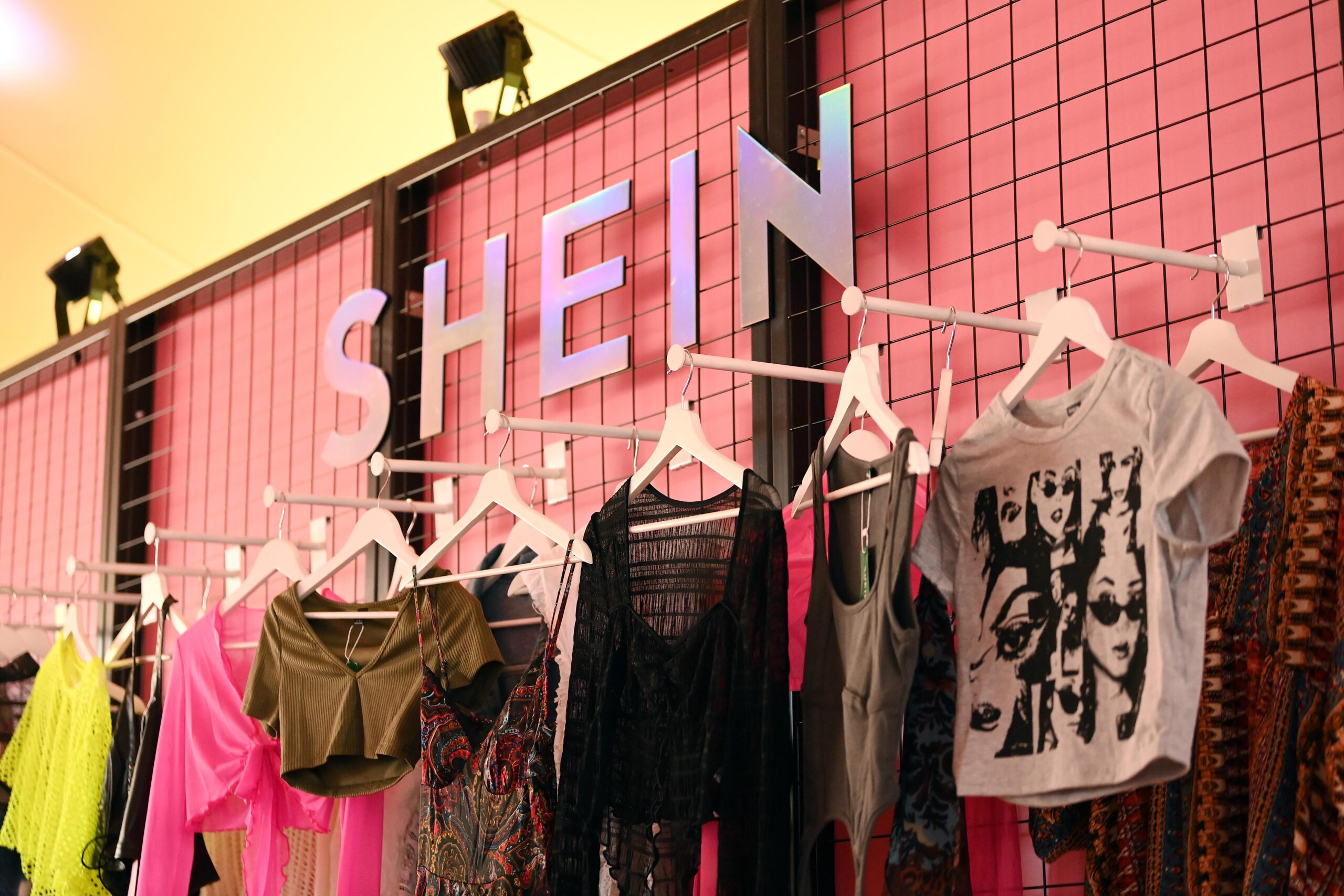
    Shein agreed to buy United States clothing brand Everlane for US$80 million. The company is deploying part of its US$16.74 billion cash reserve to reignite slowing revenue growth.

    The purchase follows a difficult trading debut in Hong Kong this week. Retailer shares finished Friday at HK$38.14 (US$4.86), down more than 20 per cent from the initial public offering price.

    People familiar with the matter said the transaction tests a broader strategy to buy labels across multiple price tiers. Shein held US$15 billion in cash before listing and added US$1.74 billion in net proceeds from the share sale. It plans to plug acquired businesses into its proprietary supply chain and global sales portal.

    Plugging Brands into the Xcelerator Network

    Under the plan, Shein intends to channel targets through its Xcelerator programme. It sells third-party labels access to its on-demand manufacturing system, automated warehousing, and cross-border shipping networks. The platform tracks online consumer demand. It instructs partner factories to scale production up or halt lines within days, keeping unsold stock minimal.

    Everlane will retain independent operations and keep its ethical manufacturing guidelines, Chief Executive Officer Alfred Chang told staff in an internal memo. The US label built its business on organic cotton basics and factory transparency. That approach contrasts with Shein’s high-volume polyester catalogue.

    Slowing Sales and Tariff Pressures

    For Asian fashion operators and global apparel vendors, the takeover shifts how Chinese-founded e-commerce platforms handle slowing organic traffic. Competitors like Temu and TikTok Shop fight on price. Shein is instead trying to buy higher-income shoppers directly rather than relying on deep discounts. If the model works, contract manufacturers across southern China and Southeast Asia will produce higher-margin runs under Western labels instead of unbranded fast fashion.

    Execution and brand equity present financial risks. Buying Western premium labels does not immediately solve Shein’s volume problem. It also offers no guarantee of customer retention if core buyers reject the new owner. Marketplace service revenue is growing faster than direct apparel sales, but it still makes up a small fraction of the balance sheet.

    From Listing Delays to Slower Expansion

    Regulatory changes are already squeezing cross-border logistics margins. Shein’s sales growth slowed to 1.1 per cent in the first quarter of 2026, down from 8 per cent across 2025, after the United States government revoked the de minimis tariff exemption on small incoming parcels. The company previously bought British fast-fashion chain Missguided in 2023 to test brand integration, before regulatory pushback delayed listing attempts in New York and London.

    Investors and suppliers will now watch Shein’s second-quarter earnings and the completion filing for the US$80 million Everlane deal to see if marketplace volume can offset core margin compression.

  • Victoria’s Secret Profit Tripled in Second Quarter Despite Sales Miss

    Victoria’s Secret Profit Tripled in Second Quarter Despite Sales Miss

    Victoria’s Secret nearly tripled its profit in the second quarter and lifted its full-year earnings guidance, overcoming a narrow top-line sales miss that rattled equity investors.

    Higher merchandise margins drove the profit surge as shoppers bought more lingerie and apparel at regular price points rather than clearance discounts.

    Margin Gains and Product Overhauls

    Chief executive Hillary Super faces scrutiny from financial markets to prove that the turnaround plan can deliver consistent revenue expansion alongside margin gains. The recovery strategy relies on fresh product lines, tighter brand positioning and the return of a revamped fashion show.

    Full-price sell-through provided the foundation for the quarterly improvement. By pulling back on heavy discounting, the apparel group protected profitability across its physical store fleet and digital sales channels.

    The Balance Between Price and Volume

    For store operators and regional franchisees, the profit rebound confirms that higher retail pricing can offset sluggish foot traffic and cautious consumer spending. Yet relying entirely on margin expansion without broad sales volume growth carries structural risk in competitive markets.

    Rival innerwear and athleisure brands continue to fight for floor space and customer wallet share across shopping centres. Landlords and retail partners need steady transaction volume to support retail footfall, not just cleaner balance sheets from lower inventory markdowns.

    The Turnaround Path

    The latest quarterly report follows multiple management efforts to reposition the brand away from outdated marketing concepts and rebuild credibility with mainstream apparel shoppers. Earlier restructuring phases focused on rationalising store networks, overhauling product assortments and adjusting wholesale partnerships.

    Attention now shifts to whether the upcoming fashion show and new seasonal merchandise can lift revenue through the second half of the financial year.