Tag: 5G

  • U Mobile Amplifies ULTRA5G Reach Across Malaysia: Adding Bangi, Putrajaya, and Petaling Jaya New Town to 5G Network!

    U Mobile Amplifies ULTRA5G Reach Across Malaysia: Adding Bangi, Putrajaya, and Petaling Jaya New Town to 5G Network!

    U Mobile is extending its ULTRA5G Advanced Network Experience to three new outdoor clusters: Bangi, Putrajaya, and Petaling Jaya New Town. This recent expansion is another stride in the company’s ongoing deployment strategy, offering continuous ULTRA5G coverage across all three townships.

    Ahead of Schedule

    The operator reports it is advancing faster than anticipated in its national rollout. Alongside the newly inaugurated outdoor clusters, U Mobile has also enabled ULTRA5G indoors in 30 buildings and anticipates more locations becoming operational in the forthcoming months.

    Woon Ooi Yuen, U Mobile’s Chief Technology Officer, expressed his excitement about the expansion:

    “Our ULTRA5G experience, fueled by both 5G Standalone and 5G Non-Standalone technologies, is now accessible to our customers in Bangi, Putrajaya, and Petaling Jaya New Town. We are committed to delivering the most extensive and profound 5G coverage to all Malaysians. Since initiating our deployment, we have not only brought our advanced 5G technology network to these three outdoor clusters but also indoors in 30 buildings, with many more on the horizon.”

    Improved User Experience

    U Mobile affirms that users in these areas can anticipate amplified and more dependable performance for everyday applications such as video calls, streaming, and gaming. The company also aspires to back businesses in these locations by allowing them to leverage 5G solutions designed to enhance operational efficiency.

    Users can detect ULTRA5G availability through the UM ULTRA5G network indicator on compatible devices. U Mobile asserts that additional outdoor clusters and indoor sites will persistently become operational as part of its ongoing deployment.

    Questions & Answers

    What is the significance of U Mobile’s latest expansion?
    The extension of U Mobile’s ULTRA5G Advanced Network Experience to three more outdoor clusters is a crucial step in the company’s ongoing deployment strategy, offering continuous ULTRA5G coverage to more areas.

    What progress has U Mobile made in its national rollout?
    The operator reports that it is moving faster than anticipated, having successfully launched ULTRA5G services in three new outdoor clusters and enabled ULTRA5G indoors in 30 buildings.

    How will U Mobile’s ULTRA5G benefit users and businesses in the new areas?
    Users can expect enhanced and more reliable performance for everyday applications, while businesses can leverage 5G solutions designed to improve operational efficiency.

  • China’s 5G-Boosted M2M & IoT Market Set for 7% CAGR Surge by 2030: The Future of Mobile Connectivity

    China’s 5G-Boosted M2M & IoT Market Set for 7% CAGR Surge by 2030: The Future of Mobile Connectivity

    The cellular machine-to-machine (M2M) and Internet of Things (IoT) connectivity market in China is projected to experience considerable expansion over the next decade. Projected growth rates estimate an increase in subscriptions at a compound annual growth rate (CAGR) of 7% from 2025 to 2030. The driving factors behind this growth include the emergence of new applications across diverse industries, the development of 5G infrastructure by telecommunications firms, and their comprehensive M2M/IoT service offerings.

    Increasing Adoption of M2M/IoT Technology

    The China Mobile Broadband Forecast for the third quarter of 2025 suggests that M2M/IoT subscriptions will constitute approximately 30% of all mobile subscriptions in the nation by 2030. This statistic underscores the escalating adoption of this technology and its growing significance as a revenue stream for telecom firms.

    China’s vast manufacturing base and pervasive digitalization in the sector support the growth of the M2M/IoT market. The advent of digital factories, which require extensive automation and connectivity for real-time monitoring and predictive maintenance, will bolster this growth.

    Expanded Use Cases

    Telecom Analyst Hrushikesh Mahananda points out that the expansion of use cases beyond the manufacturing sector will also benefit the market. Applications in the utilities sector, such as smart grids and smart metering, along with vehicle-to-vehicle and vehicle-to-infrastructure applications in the automotive and transportation sector, are notable examples. Additionally, connected devices and patient monitoring in healthcare and smart city initiatives involving smart buildings, traffic control, and public safety systems show promising potential.

    Government backing for the integration of M2M/IoT technology into manufacturing, smart cities, and public infrastructure projects aligns with national strategies like Made in China 2025 and China 2035. This alignment highlights the technology’s increasing relevance in the country.

    5G Infrastructure and M2M/IoT Expansion

    The creation of a robust 5G infrastructure and advancements in 5G-Advanced technology, which support large-scale IoT deployments, will further boost the M2M/IoT sector in China. For instance, the Chinese telecom regulator MIIT plans to establish over 10,000 5G factories during the 14th Five-Year Plan (2021-2025) to enhance industrial applications of 5G, primarily in manufacturing.

    Mahananda concludes that the growing prominence of M2M/IoT has led China’s leading mobile operators to design comprehensive service offerings that are fueling growth in M2M/IoT connectivity subscriptions. These operators have also developed advanced M2M/IoT platforms that streamline deployment, integration, and management of M2M/IoT ecosystems across industries, further enhancing connectivity, device management, edge, and AI capabilities.

    Questions & Answers

    What factors are driving the growth of M2M/IoT connectivity in China?
    The growth is driven by new use cases across various sectors, advancements in 5G infrastructure by telecom companies, and their comprehensive M2M/IoT service offerings.

    What percentage of mobile subscriptions in China will M2M/IoT subscriptions make up by 2030?
    According to the China Mobile Broadband Forecast (Q3-2025), M2M/IoT subscriptions will account for approximately 30% of all mobile subscriptions by 2030.

    What role does the Chinese government play in the growth of M2M/IoT connectivity?
    The government supports the integration of M2M/IoT technology into the manufacturing sector, smart cities, and public infrastructure projects, which aligns with national initiatives like Made in China 2025 and China 2035.

  • 5G Power Play: How China, South Korea, and Singapore Race to Champion Smart, Ultra-Fast Networks

    5G Power Play: How China, South Korea, and Singapore Race to Champion Smart, Ultra-Fast Networks

    Asia’s broadband and mobile landscapes are quickly transforming, spurred on by economic goals, digital sovereignty, and leadership in industries powered by artificial intelligence (AI). Significant investments are being poured into denser radio networks, more rapid fixed connections, and smart AI automation, particularly in China, South Korea, and Singapore. But what advantages do these leaders hope to reap from such extensive efforts?

    The Economic Imperative

    In the Asia-Pacific region, mobile technologies have already become a major economic cornerstone. The sector was responsible for approximately $950 billion and 5.6% of the regional GDP in 2024, and these numbers are expected to rise with the expansion of 5G.

    Rapid strides are being made in China to roll out both 5G and 5G-Advanced (5G-A) networks. The country now hosts over 4.486 million 5G cell sites, accounting for 35.3% of all mobile base stations, as of May 2025. In just the first five months of that year, 235,000 new 5G base stations were installed, highlighting the government’s ongoing dedication to expanding connectivity. Furthermore, China’s move toward 5G-A signifies a shift from basic connectivity to intelligent networking.

    South Korea’s 5G rollout is similarly comprehensive and widespread. By the third quarter of 2024, the country had approximately 36.1 million 5G connections, and operators had achieved nationwide 5G coverage that same year. Additionally, South Korea ranks highest in terms of 5G infrastructure density.

    Singapore, too, is making substantial strides in the 5G domain. By early 2024, key operators such as StarHub reported over 99% outdoor 5G coverage. The city-state has also dedicated SGD 25 billion (~USD 18 billion) in R&D funding to back enterprise testbeds for 5G in sectors like smart estates, Industry 4.0, and urban mobility.

    The Consumer Imperative

    Both consumers and businesses in Asia are pressing for lower latency, higher capacity, and full coverage. Emerging technologies such as cloud gaming, immersive video, and factory automation depend on low-latency, robust connections and are transitioning to actual deployment.

    In the race for speed, South Korea and Singapore often rank among the fastest worldwide. High speeds are essential to support business workloads, AR/VR services, and AI tasks.

    In China, where average 5G download speeds exceed 400 Mbps, operators like China Mobile and China Unicom report an increase in customer satisfaction and a reduction in churn rates as users upgrade to premium 5G plans.

    Networks are not only becoming faster but also more adaptive. Vendors and carriers are incorporating AI into the radio access network, core, and operations stacks, supporting functions like energy optimization, traffic prediction, and self-healing.

    The Geopolitical Imperative

    Networks play a critical role as key geopolitical assets. As such, governments are diversifying their suppliers and promoting investments in backup cables, localized cloud and edge computing, and corporate cloud services. Security and economic objectives further propel the demand for faster, more reliable networks.

    The advent of software as the primary differentiator in a market where hardware has become largely standardized, along with subsidies and targeted policies, is accelerating deployment. The large-scale rollouts in China underscore how favorable policy can rapidly reduce costs and expand coverage.

    A Pragmatic Race with High Stakes

    Rapid progress, however, comes with its own set of challenges. Densely packed networks are expensive, and some countries still grapple with spectrum and backhaul limitations. AI networks are complex to manage, and privacy, localization, and cybersecurity rules introduce additional regulatory hurdles.

    Yet, the pursuit by China, South Korea, and Singapore of the fastest, smartest networks revolves around maintaining economic competitiveness, enabling AI and cloud services, achieving digital resilience and independence, and unlocking future business verticals.

    Network investment has now become a central pillar for economic growth and national strategy. AI and smart infrastructure drive continuous upgrades; resilience and digital sovereignty guide policy-making; and vendor competition hastens rollout. The real victors in this race won’t simply have the highest speeds, but the ability to balance speed, intelligence, regulatory clarity, and expenditure effectively.

    By pushing forward with 5G and 5.5G leadership, China, South Korea, and Singapore are poised to benefit economically through new digital industries and productivity growth, satisfy consumer demands for faster, smarter connectivity, and solidify their geopolitical influence as global frontrunners in next-generation technology.

    Questions & Answers

    What is driving the rapid evolution of Asia’s broadband and mobile landscape?
    Economic ambitions, digital sovereignty, and leadership in AI-powered industries are the key drivers behind the swift transformation of Asia’s broadband and mobile landscape.

    How is 5G contributing to the economies of China, South Korea, and Singapore?
    5G is expected to boost the economies of these countries through the creation of new digital industries, productivity growth, and by meeting consumer and business demands for faster, smarter connectivity.

    What challenges are being faced in the deployment of 5G and AI networks?
    The key challenges include the high costs of dense network deployments, limitations related to spectrum and backhaul, complexity of managing AI networks, and regulatory hurdles related to privacy, localization, and cybersecurity.

  • Singtel, Ericsson And Hp Launch 5g+ Workspace: Revolutionizing Esim Management And Enterprise Security

    Singtel, Ericsson And Hp Launch 5g+ Workspace: Revolutionizing Esim Management And Enterprise Security

    In a joint venture with Ericsson and HP Inc, Singtel has launched a service featuring the Ericsson Enterprise Virtual Cellular Network. This service automates eSIM profile management, allowing zero-touch provisioning and secure access to corporate applications from nearly any location. This automation gives enterprises total control over eSIM activation and deployment, thus simplifying operations and reducing IT overhead.

    5G+ Workspace and HP’s Role

    The 5G+ Workspace is also equipped with HP’s enterprise-grade, AI-ready laptops and digital workplace tools. This combination simplifies device management for modern, geographically dispersed teams. Each device is fitted with Singtel’s 5G+ eSIM during production, ensuring secure connectivity straight out of the box. The intelligent management platform automatically activates 5G connectivity according to company policies, enabling IT teams to manage devices, monitor usage, and optimize the employee experience throughout the device’s lifecycle.

    Addressing Hybrid Work Challenges

    With 76% of employers in Singapore transitioning to hybrid work models, concerns about connectivity, security, and IT complexity have emerged. Singtel’s 5G+ Mobile Workspace addresses these concerns by offering a secure, intelligent mobility platform that supports cloud-native, AI-driven applications on a large scale.

    Benefits of the 5G+ Mobile Workspace

    The 5G+ Mobile Workspace provides flexible, secure, and cost-effective real-time communications, including voice, messaging, and video, without the need for additional infrastructure investment. Security is enhanced through SingVerify and Mobile Protect, which authenticate digital identities and block threats before they reach users’ devices, even when abroad.

    Enterprise Mobility Management

    Singtel’s unified dashboard allows IT teams to have full visibility and control over enterprise mobility. From a single interface, teams can monitor device usage, enforce compliance, allocate resources, and apply access policies by app, user, or location. This efficient approach eliminates the need for on-site infrastructure and simplifies operations across distributed workforces.

    The platform also supports the direct activation of advanced network services like network slicing, which facilitates high-speed data transfer and real-time analytics.

    5G+ Coverage and Performance

    Singtel’s nationwide 5G+ coverage, including the 700 MHz spectrum, ensures stronger indoor connectivity, ultra-low latency, and speeds up to four times faster. Singtel has demonstrated the scalability of its 5G+ network at high-traffic events, maintaining seamless connectivity even during peak demand.

    Questions & Answers

    What is the purpose of the Ericsson Enterprise Virtual Cellular Network?
    The Ericsson Enterprise Virtual Cellular Network automates eSIM profile management. This allows for zero-touch provisioning and secure access to corporate applications from almost any location.

    How does the 5G+ Workspace benefit distributed teams?
    The 5G+ Workspace simplifies device management for modern, geographically dispersed teams. It automatically activates 5G connectivity according to company policies, enabling IT teams to manage devices, monitor usage, and optimize the employee experience throughout the device’s lifecycle.

    What security measures does Singtel’s 5G+ Mobile Workspace offer?
    The 5G+ Mobile Workspace enhances security through SingVerify, which authenticates digital identities, and Mobile Protect, a network-level defense that blocks threats before they reach users’ devices, even when users are abroad.

  • APAC Sees Rapid Growth in IoT and M2M Connections Amidst 5G Expansion

    APAC Sees Rapid Growth in IoT and M2M Connections Amidst 5G Expansion

    The growth of machine-to-machine (M2M) and Internet of Things (IoT) cellular connections in the Asia Pacific (APAC) region is anticipated to soar, with an annual growth rate of 9.1% projected from 2025 to 2030, ultimately reaching a staggering 1.3 billion connections by the end of the decade.

    This surge can largely be attributed to advancements in 5G technology, the expansion of digital infrastructure, and the increasing integration of IoT applications, predominantly in the developed markets of the region, as reported by GlobalData.

    5G Push Drives Massive Connectivity

    According to GlobalData’s Asia-Pacific Total Mobile Broadband Forecast (Q2 2025), 5G mobile subscriptions are expected to expand at a phenomenal pace of 11.4% annually from 2025 to 2030. The expansion of network coverage, particularly in established mobile markets, is fueling this trend. Countries like South Korea, Japan, Singapore, and Australia are paving the way for 5G adoption, while regions like Hong Kong and China are poised to boast the highest 5G penetration rates by 2025.

    Kantipudi Pradeepthi, a Telecom Analyst at GlobalData, highlighted the monumental role of 5G networks, stating, “The ultra-low latency, high-bandwidth connectivity, and ability to connect vast numbers of devices crucial for M2M/IoT ecosystems will be pivotal for market growth over the forecast period. Developed markets, with their high 5G penetration and mature digital infrastructure, will undoubtedly lead in IoT adoption, resulting in increased M2M connections.”

    Sectoral Expansion: A Playground for Innovation

    The rising applications of IoT across diverse sectors—including manufacturing, healthcare, agriculture, transportation, and security—coupled with ambitious digital infrastructure projects ranging from smart cities to smart buildings, are set to escalate M2M/IoT adoption in the region. Telecommunications companies are also stepping up with dedicated connectivity plans to cater to these burgeoning demands.

    For instance, PLDT in the Philippines is actively providing M2M/IoT solutions targeting smart city initiatives, smart stores, smart buildings, and smart manufacturing. In New Zealand, Spark is delivering IoT-connected mobility solutions focused on sectors like healthcare, agriculture, and transportation, emphasizing device management, cost efficiency, and security. Meanwhile, in India, Bharti Airtel offers a diverse range of M2M SIM cards, including industrial-grade, consumer-grade, embedded M2M SIMs, and eSIMs tailored to meet specific deployment requirements.

    New Opportunities on the Horizon

    Pradeepthi concluded that the escalating demand for high-speed connectivity and enterprise-grade IoT solutions is set to dramatically reshape the mobile landscape across the APAC region. This evolution represents a golden opportunity for telecommunications companies to explore new revenue streams and diversify their offerings—after all, who wouldn’t want to ride the wave of innovation?

    Questions & Answers

    What is driving the growth of M2M and IoT connections in APAC?
    The growth is mainly driven by advancements in 5G technology, expanding digital infrastructure, and the increasing applications of IoT ecosystems, particularly in developed countries within the region.

    Which countries are leading in 5G adoption?
    South Korea, Japan, Singapore, and Australia are at the forefront of 5G adoption, with Hong Kong and China expected to achieve the highest penetration rates by 2025.

    How are telecommunications companies responding to this growth?
    Telecommunications companies are introducing diverse M2M and IoT solutions tailored for various sectors, providing dedicated connectivity plans to meet the demands of smart cities, healthcare, agriculture, and more, setting the stage for new revenue opportunities.

  • Taiwan’s Mobile Service Revenue Set to Hit $6.2 Billion by 2030: What It Means for Retail!

    Taiwan’s Mobile Service Revenue Set to Hit $6.2 Billion by 2030: What It Means for Retail!

    Taiwan’s mobile service sector is poised for a notable uptick, projected to grow from USD 5.9 billion in 2025 to USD 6.2 billion by 2030. This increase, marking a 1% compound annual growth rate (CAGR), is primarily driven by the robust uptake of 5G technology and a mounting demand for mobile data services, as outlined in GlobalData’s Taiwan Mobile Broadband Forecast (Q2 2025).

    The Shift from Voice to Data

    While mobile voice revenue continues its steady decline, with a staggering projected fall of 10% CAGR as users shift towards over-the-top (OTT) and internet-based communication platforms, mobile data revenue is flourishing. This segment is expected to grow at a 3.2% CAGR, buoyed by the appeal of high-ARPU 5G plans and an increase in video streaming, gaming, and social media interaction.

    Data Consumption on the Rise

    Kantipudi Pradeepthi, a Telecom Analyst at GlobalData, highlighted the change in consumer behavior:

    The average monthly mobile data usage is expected to leap from 36.4 GB in 2025 to approximately 44.0 GB by 2030, driven by the growing consumption of high-bandwidth online entertainment and social media content over smartphones.

    5G: The Future of Mobile Connectivity

    By the end of the decade, 5G is expected to dominate Taiwan’s telecommunications landscape, accounting for more than 95% of all mobile subscriptions. This rapid transition is facilitated by the widespread availability of 5G-capable smartphones and ongoing nationwide network rollouts.

    Leading Operators in a Competitive Market

    Chunghwa Telecom continues to shine as the market leader, holding approximately 38–39% of the subscriber base and around 40% of mobile revenue. Despite a slight dip in its subscriber numbers compared to the previous year, the operator reported higher service revenue in Q2 2025 and is channeling TWD 32.36 billion into 5G expansion, data centers, and submarine cable initiatives. Its commitment to value-added services, such as streaming and cloud gaming, reinforces customer loyalty — a secret sauce in retaining its competitive edge.

    FarEasTone is aiming for 50% 5G penetration and has teamed up with Ericsson to enhance connectivity and network slicing functionalities at large venues, making excellent use of 5G-Advanced capabilities. This innovative approach not only aims to bolster network efficiency and user experience but also encourages customers to opt for premium services.

    Meanwhile, Taiwan Mobile, which recently exceeded 10 million subscribers following its merger with Taiwan Star, is adopting a ‘Telco + Tech’ strategy. This includes investments in AI, cloud solutions, and cybersecurity, alongside a commitment of TWD 11 billion (in partnership with Fubon Group) towards renewable energy projects, reflecting its ambitions for sustainability and net-zero goals. Its growing investments in technology firms like SYSTEX are enhancing its capabilities in private 5G and enterprise solutions.

    The Road Ahead for Taiwan’s Telecom Sector

    With all three leading operators aggressively advancing 5G rollouts, Taiwan is solidifying its reputation as one of the most advanced 5G markets in the Asia Pacific. Competitive strategies, increasing data consumption, and early adoption of next-generation technologies are all ingredients that will keep revenue growth and market leadership on an upward trajectory through 2030. Who would have thought that the secrets to a telecommunications renaissance would lie in video games and social media?

    Questions & Answers

    How significant is the growth of mobile data revenue in Taiwan?
    Mobile data revenue is expected to grow at a 3.2% CAGR, driven by high-ARPU 5G plans and increased use of streaming, gaming, and social media.

    What role does 5G play in Taiwan’s mobile market by 2030?
    By 2030, 5G is projected to account for over 95% of mobile subscriptions, highlighting its pivotal role in the evolution of the telecommunications landscape.

    What strategies are operators employing to enhance their market positions?
    Operators like Chunghwa Telecom and FarEasTone are investing heavily in 5G infrastructure, value-added services, and partnerships to improve customer experiences and boost subscriber numbers.

  • Fiji Boosts Connectivity: Vodafone, Digicel, and Telecom Fiji Awarded 5G Licenses

    Fiji Boosts Connectivity: Vodafone, Digicel, and Telecom Fiji Awarded 5G Licenses

    The Ministry of Trade, Co-operatives, Micro, Small and Medium Enterprises and Communications in Fiji has granted 5G spectrum licenses to Vodafone Fiji, Digicel Fiji, and Telecom Fiji, marking a significant milestone for the nation’s digital landscape. These licenses became effective yesterday, September 15, 2025, paving the way for a carefully staged rollout of next-generation mobile technology that promises to transform connectivity across the archipelago.

    Three Stages to a 5G Future

    The government’s ambitious plan for 5G deployment unfolds in three distinct phases, extending from 2025 to 2028. The initial phase focuses on establishing coverage in four key urban centers, including the vibrant capital, Suva, where existing infrastructure—such as fiber optics and power networks—can support advanced services. As we look ahead to 2026 and 2027, coverage will expand to additional regions, inviting both excitement and anticipation about the possibilities of ultra-fast mobile connectivity.

    Vodafone Fiji Leads the Charge

    Vodafone Fiji, the nation’s frontrunner in telecommunications with over 850,000 subscribers and an impressive 85% market share, is set to spearhead the deployment. The company has already conducted extensive testing, positioning itself as a crucial player in this technological leap. In close pursuit, Digicel Fiji, a member of the multinational Digicel Group, is preparing to join the fray, eager to enhance its service offerings across Fiji and beyond.

    Telecom Fiji’s Expanding Role

    As part of this vibrant ecosystem, Telecom Fiji is set to broaden its services in conjunction with the 5G rollout. Meanwhile, the government remains committed to upgrading rural and maritime areas to 4G, ensuring that no region is left behind in the digital revolution. It’s a collaborative effort that promises to stitch together the urban and rural divides in communication access. After all, who’d have thought that a tiny archipelago in the Pacific could become a tech powerhouse?

    A Vision for Digital Transformation

    Deputy Prime Minister and Minister for Communications, Hon. Manoa Kamikamica, highlighted the broader implications of this rollout, stating, “This rollout not only addresses local challenges but also positions Fiji as a regional leader in digital transformation.” With these licenses, Fiji is not only enhancing connectivity but also fueling innovation and bolstering its digital economy across the Pacific.

    Questions & Answers

    What are the key features of Fiji’s 5G rollout?
    Fiji’s 5G rollout will occur in three phases from 2025 to 2028, starting with major urban centers, including Suva, and expanding to additional areas in subsequent years.

    Which companies have been granted the 5G licenses?
    Vodafone Fiji, Digicel Fiji, and Telecom Fiji have received the 5G spectrum licenses, with Vodafone leading the initial deployment phase.

    How does the government plan to support rural areas in this rollout?
    The Fijian government is committed to upgrading rural and maritime networks to 4G, ensuring that all regions benefit from improved connectivity as the nation embraces digital transformation.

  • Thailand’s NBTC Unveils Plan to Provide Free Spectrum for Private 5G Networks in Factories

    Thailand’s NBTC Unveils Plan to Provide Free Spectrum for Private 5G Networks in Factories

    The National Broadcasting and Telecommunications Commission (NBTC) of Thailand is stepping up its game in the race towards Thailand 4.0 by announcing a groundbreaking allocation of free spectrum aimed at factories and enterprises. This initiative is set to supercharge the country’s ambitions for technological advancement within its manufacturing sector.

    Free Spectrum for Enhanced Operations

    In a bold move, the NBTC plans to release 100 MHz of bandwidth in the 4,800 MHz band under a private network operator (PNO) license. This means that factories and enterprises can apply for allocation at no cost, so long as they utilize it to enhance their internal operations—a win-win for industry players eager to innovate.

    Boosting Industrial Capabilities through Collaboration

    NBTC Commissioner Somphop Purivigraipong detailed the vision behind this initiative, emphasizing that the allocation is tailored for factories looking to optimize their operations. “Factories can collaborate with equipment vendors or telecom companies to deploy solutions for 5G private network operations,” he noted, heralding a new era of connectivity and automation within Thailand’s industrial landscape.

    A Push Towards Private 5G Adoption

    This forward-thinking initiative is expected to catalyze the adoption of private 5G networks throughout Thailand’s manufacturing and enterprise sectors, paving the way for enhanced automation, operational efficiency, and comprehensive digital transformation. Imagine a bustling factory floor where every machine is interlinked, sharing data in real time—those visions are closer to reality than ever before.

    A Competitive Bidding Process

    While the free allocation caters to non-profit operations, enterprises eyeing the potential of private 5G for commercial purposes will still need to bid at auction for access to the 4,800 MHz band. Telecom operators can join in if they intend to function as PNOs; however, there are crucial stipulations—the licensees won’t be allowed to offer consumer mobile services or link the band with existing 2,600 MHz services. This strategic limitation underscores the NBTC’s commitment to fostering dedicated private networks.

    Unlocking Advanced Applications

    Despite limited mass-market 5G usage across Thailand—primarily leveraged for video streaming and as an add-on to 4G—there’s still a strong belief within the NBTC that private 5G networks hold the key to unlocking advanced applications like industrial IoT (IIoT), robotics, and real-time analytics. By granting spectrum access, the NBTC aims to not just elevate Thailand’s manufacturing game but to position the country as a frontrunner in industrial 5G adoption in Asia.

    Questions & Answers

    What is the purpose of the 4,800 MHz spectrum allocation?
    The 4,800 MHz spectrum allocation is primarily aimed at assisting factories and enterprises in optimizing their internal operations through the deployment of private 5G networks.

    How does this initiative support Thailand’s industrial ambitions?
    By granting free spectrum access, the NBTC hopes to drive the adoption of private 5G technology, enhancing automation, efficiency, and digital transformation across the country’s manufacturing sector.

    What are the restrictions placed on the use of the allocated spectrum?
    Enterprises that wish to use the spectrum for commercial purposes must bid at auction, and telecom operators cannot provide consumer mobile services or integrate it with existing 2,600 MHz services, ensuring a focused approach to private network development.

  • U Mobile and EDOTCO Unveil Exciting ULTRA5G Experience at Mandarin Oriental!

    U Mobile and EDOTCO Unveil Exciting ULTRA5G Experience at Mandarin Oriental!

    U Mobile, Malaysia’s cutting-edge 5G network provider, has unveiled the ULTRA5G experience in partnership with EDOTCO, the country’s leading digital infrastructure partner. This launch took place at the prestigious Mandarin Oriental, Kuala Lumpur (MO) and signifies a pivotal move towards delivering extensive and reliable 5G connectivity across Malaysia.

    First Hotel in Malaysia with Comprehensive 5G Coverage

    This landmark achievement positions the Mandarin Oriental as the first hotel in Malaysia to offer complete 5G coverage on every floor. Guests who choose U Mobile’s connectivity plans can access a superior ULTRA5G experience, enjoying seamless high-speed internet in various locations within the hotel, including ballrooms, meeting rooms, event spaces, and common areas. These advancements are supported by innovative in-building coverage (IBC) solutions meticulously installed throughout the property.

    Redefining Guest Experiences with Advanced 5G Technology

    The ULTRA5G initiative enables sophisticated applications such as 4K livestreaming for conferences and immersive virtual meetings. With attributes like low latency, high capacity, and network slicing capabilities, the technology is set to redefine how business events are conducted.

    Woon Ooi Yuen, Chief Technology Officer of U Mobile, expressed enthusiasm about the initiative: “U Mobile is thrilled to offer our ULTRA5G experience at the Mandarin Oriental, supported by EDOTCO’s 5G in-building coverage infrastructure, ensuring uninterrupted 5G connectivity on every floor. This initiative will enable smart hotel applications, enhance efficiency, safety, and guest experiences, while also facilitating 4K conference livestreaming and immersive virtual meetings that will elevate the hotel and the MICE sector.”

    Expanding Connectivity Across Malaysia

    Yuen further emphasized that this is merely the onset of their 5G journey in collaboration with EDOTCO, as plans are in place to extend the ULTRA5G experience to more key locations such as airports, hospitals, and convention centers. This expansion aims to solidify U Mobile’s commitment to providing the widest and deepest 5G coverage in the country.

    EDOTCO’s Director of Malaysia Business, Gayan Koralage, underlined the significance of their partnership: “We are proud to be U Mobile’s first partner in implementing 5G in-building coverage. EDOTCO’s neutral-host model allows for quicker deployment, reduces redundant assets, and enhances digital experiences. By providing this platform, we ensure that building owners, operators, and technology providers connect seamlessly, improving digital experiences for Malaysians while contributing to the nation’s economic growth.”

    Welcoming 5G Innovations in the Heart of Kuala Lumpur

    KLCC Property Holdings Berhad (KLCCP), which oversees a portfolio of iconic properties in the Kuala Lumpur City Centre, has welcomed the connectivity enhancements at the Mandarin Oriental. Datuk Sr. Mohd Salem Kailany, Chief Executive Officer of KLCCP, noted, “The introduction of 5G at the Mandarin Oriental is a significant step in enhancing the guest experience and solidifying Kuala Lumpur City Centre’s status as a premier destination for hospitality, MICE, and tourism. This partnership between U Mobile and EDOTCO not only benefits our tenants and guests but also plays a vital role in Malaysia’s digital transformation, starting in the heart of the capital.”

    The launch of the ULTRA5G experience at MO follows U Mobile’s announcement at the Mobile World Congress in Barcelona earlier this year, where they recognized EDOTCO as one of their preferred IBC partners. The two companies will continue to join forces in expanding the ULTRA5G experience while exploring new opportunities for consumers, businesses, and industries, aiming for an ambitious 80% coverage of populated areas by the latter half of 2026.

    Questions & Answers

    What is the significance of the ULTRA5G experience at the Mandarin Oriental?
    The ULTRA5G experience makes the Mandarin Oriental the first hotel in Malaysia to feature complete 5G coverage on every floor, enhancing connectivity for guests across various spaces within the hotel.

    How does ULTRA5G impact business events held at the hotel?
    The ULTRA5G technology supports advanced applications like 4K livestreaming for conferences and immersive virtual meetings, promoting seamless communication and interaction during events.

    What future plans does U Mobile have for expanding 5G coverage?
    U Mobile aims to collaborate further with EDOTCO to extend the ULTRA5G experience to key locations such as airports and hospitals, with a goal of achieving 80% coverage of populated areas by mid-2026.

  • Pushing Boundaries: Real-World Trials Fuel the Future of 5G and Wi-Fi Innovation

    Pushing Boundaries: Real-World Trials Fuel the Future of 5G and Wi-Fi Innovation

    The telecom industry stands at a crucial crossroads as 2025 approaches. On one side, the demand for faster and more reliable connectivity reaches unprecedented heights. On the other, telecom operators are grappling with escalating financial and operational pressures. Equipment revenues plummeted by approximately 11% in 2024 and are expected to remain stagnant this year, highlighting a slow-down in the initial wave of 5G investments that energized the market.

    Pressure Points in a Growing Market

    Despite these challenges, the adoption of next-generation technology clings to a robust trajectory. Ericsson projects that by the end of 2025, the globe will host nearly 3 billion 5G subscriptions, amounting to about one-third of all mobile users. As we approach 2030, that number could double, with 5G networks projected to carry around 80% of global mobile data traffic. Meanwhile, mobile data consumption continues to climb, showcasing a staggering year-over-year increase of nearly 20% in early 2025. A shining example of this insatiable hunger for speed can be seen in fixed wireless access (FWA), now extended by over 80% of global operators. With more than half offering tiered-speed home plans over 5G, industry experts predict FWA will account for over a third of all new broadband connections by 2030.

    This pull between constricting budgets and soaring demand highlights a new urgency for real-world testing platforms across the sector.

    Operators now need to demonstrate technology performance under real-world conditions, confronting the complexities of dense urban environments and remote rural areas. By doing so, they can not only validate their technical capabilities but also uncover new strategies for monetization in an industry striving to balance investment and returns.

    Pioneering Real-World 5G Trials

    This necessity was particularly evident in the Philippines in August 2025, when Globe Telecom orchestrated the country’s first live pilot of 5G-Advanced in Bonifacio Global City. Unlike sterile lab environments, this trial produced a peak throughput of around 2.5 gigabits per second, showcasing the potential of standalone 5G core technology alongside massive MIMO and the aggregation of three component carriers (3CC), which collectively delivered 210 megahertz of bandwidth.

    The impact on everyday users was immediate—offering faster downloads, seamless cloud gaming, and the capability to run advanced applications such as extended reality (XR) and AI-driven analytics. Not only did this trial amplify performance, but it also positioned the Philippines as a thriving player in the regional telecom scene, joining the ranks of operators like Singtel in Singapore and AIS in Thailand as early adventurers in the 5.5G landscape.

    In Sri Lanka, Dialog Axiata PLC unveiled that the 5G journey isn’t simply about faster data speeds. In a landmark 2025 trial, the operator successfully completed the nation’s first voice over new radio (VoNR) test on a live 5G standalone network, pushing fully-native 5G voice services closer to reality. The trial revealed uninterrupted connectivity and high-definition voice calls, building on a previous proof of concept from 2023.

    “Dialog’s achievements here underscore our commitment to advancing Sri Lanka’s 5G technology,” remarked Ranga Kariyawasam, Group CTO of Dialog Axiata, highlighting that VoNR opens up exciting avenues for enhanced daily communication by embedding video, augmented reality (AR), and advanced messaging into voice services.

    Wi-Fi’s New Wings: The Buzz from South Korea

    While 5G captures the limelight, Wi-Fi also enters a renaissance of performance. In South Korea, SK Telecom has led the charge by being the first operator to deploy Wi-Fi 7 on public transport, outfitting 100 city buses across Seoul and Gyeonggi Province with state-of-the-art wireless access points. Initial tests reveal that average download speeds surged from 429 Mbps on Wi-Fi 6/6E to between 715 and 1,003 Mbps on the new standard—an eye-popping increase of about one and a half times. Commuters can revel in smoother video streaming and faster downloads, a boon on Seoul’s bustling routes, where data usage per device has surged by 20-30%.

    Wi-Fi 7 achieves these remarkable efficiencies by utilizing wider channels and advanced modulation techniques that allow for simultaneous uploads and downloads across various frequency bands.

    By tapping into the 2.4 GHz, 5 GHz, and 6 GHz spectrum concurrently, Wi-Fi 7 minimizes interference and maximizes capacity.

    Satellite Technology Joins the 5G Ensemble

    Testing outcomes extend beyond mere speed improvements; they reflect operators’ newfound abilities to package differentiated service tiers, offering not just “faster internet” but distinct experiences with guaranteed latency or premium speeds. These tangible results form solid foundations for monetization strategies, responding to industry leaders’ calls for innovation and precision.

    However, as terrestrial trials illuminate urban potential, they also push connectivity into uncharted territories. In May 2025, an allied consortium demonstrated the first end-to-end 5G non-terrestrial network transmission at the Singapore Pavilion of World Expo in Osaka. This ambitious project transmitted a 5G signal from Singapore to a geostationary satellite operated by SKY Perfect JSAT, bouncng it back to a ground station in Japan connected to a live 5G base station. This groundbreaking endeavor confirmed the potential for existing satellites to support 3GPP-standard 5G New Radio.

    Engineers also introduced electronically steered antennas designed to maintain connectivity across maritime routes and moving vehicles. With robust digital twin testbeds, the experiment enabled comprehensive modeling of performance and quality of service before committing to costly infrastructure.

    In a world where universal coverage remains elusive, real-world NTN testing paves the way for global hybrid networks, seamlessly blending terrestrial 5G with satellite enhancements, ensuring resilience and reach.

    Emphasizing the Value of Real-World Testing

    These initiatives spotlight why real-world testing platforms are crucial. They provide compelling proof that theoretical advancements can evolve into meaningful user experiences, from uninterrupted streaming to essential connectivity. Operators can explore new business models, such as premium FWA tiers or enterprise-grade private networks, without committing to extensive rollouts. This testing also enables operators to carve out leadership roles in their markets, fostering consumer confidence.

    Yet the road ahead is riddled with challenges. With tightening budgets, operators cannot afford a haphazard approach. Every trial must yield insights that justify targeted investments. Conversely, the opportunities are equally compelling. By 2030, with billions more migrating to 5G and its successors, operators that successfully validate performance in real-world settings will be uniquely positioned to monetize this technology and secure their networks’ future.

    Questions & Answers

    What are the key drivers of 5G adoption by 2025?
    Demand for faster and more reliable connectivity, coupled with increased mobile data consumption rates and fixed wireless access offerings, are driving 5G adoption to nearly 3 billion subscriptions by the end of 2025.

    How does real-world testing impact the telecom industry?
    Real-world testing allows operators to validate performance under actual conditions, providing tangible evidence that can lead to innovative monetization strategies and enhanced user experiences.

    What recent innovations have emerged in satellite connectivity?
    Recent tests demonstrated 5G non-terrestrial network transmission between Singapore and Japan, indicating that existing satellites can support 3GPP-standard 5G New Radio, broadening the scope for communications beyond traditional terrestrial networks.

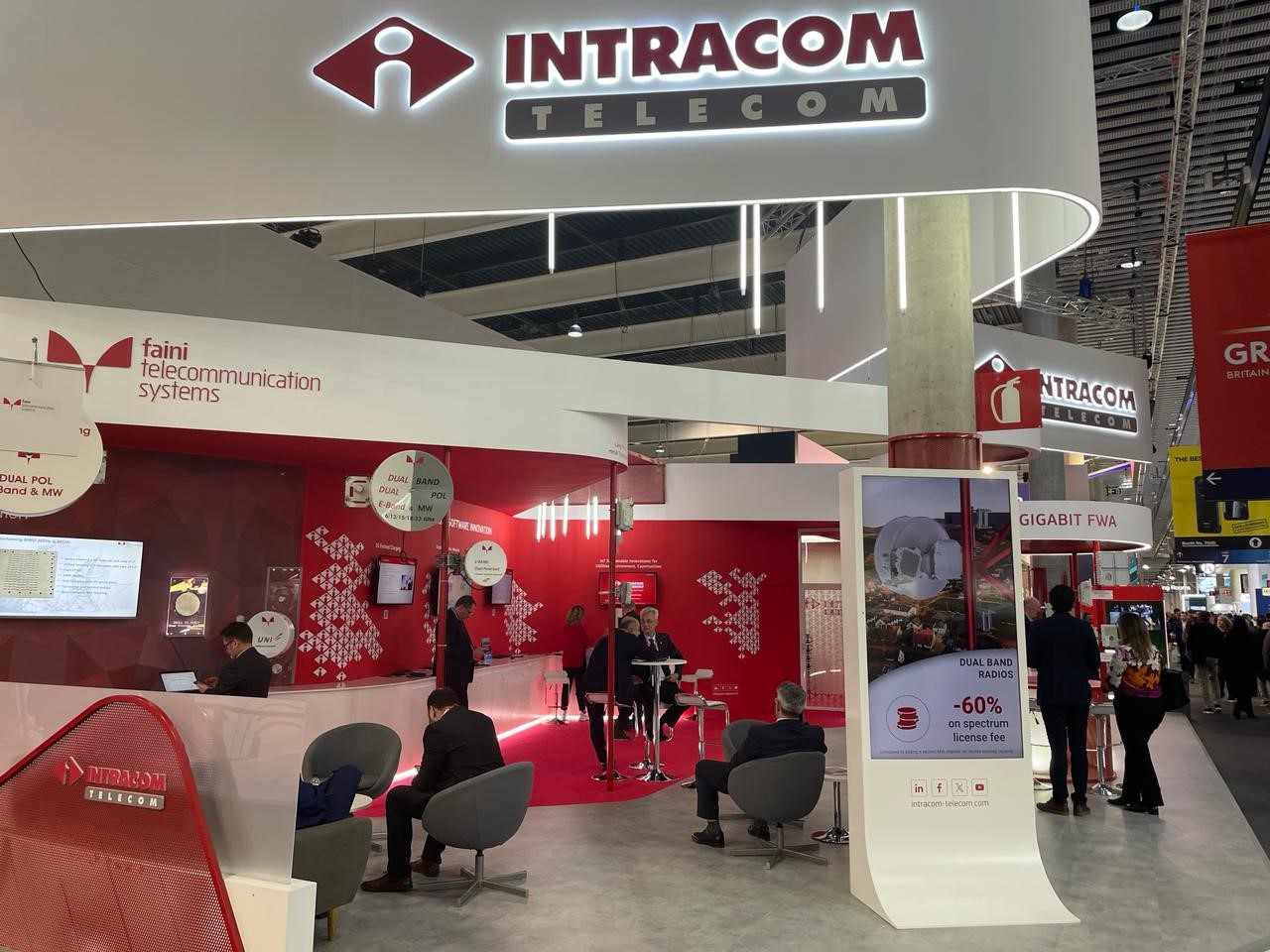
  • Intracom Telecom Drives APAC Wireless Connectivity Forward with Cutting-Edge Innovations

    Intracom Telecom Drives APAC Wireless Connectivity Forward with Cutting-Edge Innovations

    In the midst of a digital revolution across Asia Pacific (APAC), the demand for robust and adaptable wireless infrastructure is surging. This need is especially critical in regions where traditional fiber optics are either too expensive or logistically challenging to deploy. From bustling cities to secluded islands, Intracom Telecom is stepping up, delivering innovative solutions designed to enhance connectivity and bridge coverage voids.

    Recently, Retail News engaged with Barinder Chhabra, Head of Business Development for APAC at Global Commercial within Intracom Telecom, to explore how his team’s innovative wireless technologies are reshaping the network landscape in the region.

    Revolutionizing Connectivity with Cutting-Edge Technology

    At Intracom Telecom, the focus is clear: enabling ultra-fast and reliable connectivity throughout APAC, particularly in areas where fiber installation isn’t feasible. Their WiBAS™ G5 platform, which operates within the 26–28 GHz millimeter wave band, is a game-changer for multi-dwelling units (MDUs) and small to medium enterprises (SMEs), offering multi-gigabit broadband service over distances exceeding 8 km. Recently, a significant trial in Indonesia with a major telecom provider underscored this capability, with ongoing discussions with other Tier I operators aimed at promoting millimeter wave technologies for fixed wireless access (FWA). Impressively, their WiBAS™ 10.5 GHz systems have been delivering reliable performance since 2014 for key players in Indonesia and across Southeast Asia, even in extreme weather conditions.

    On the forefront of 5G transport innovation, the company holds a strong position with its UltraLink E-Band radios. The UltraLink-GX80 platform, currently offering speeds of 10 Gbps, is set to advance further to 15 Gbps and eventually 40 Gbps, meeting the high-capacity requirements for both 5G backhaul and fronthaul. Additionally, with solutions like OmniBAS, designed for both short and long-haul needs, Intracom Telecom is particularly well-positioned to serve island nations like Indonesia, where fiber deployment can be a logistical challenge.

    Adapting to Diverse Geographies and Demands

    APAC’s varied geography—ranging from congested urban landscapes to far-flung islands—demands wireless solutions that are high-performing yet adaptable. To that end, the WiBAS™ G5 platform is evolving to support frequencies surpassing 28.5 GHz, enhancing its functionality in urban settings while simultaneously ensuring that the long-trusted 10.5 GHz solutions remain pivotal in rural and inclement weather applications through intelligent software enhancements that optimize subscriber density and maintain service stability.

    Long-range connectivity is crucial in island nations, making the OmniBAS™ Long Haul (6–11 GHz) solution indispensable. This technology delivers multi-gigabit capacity over extensive distances by leveraging multiple channels and advanced signal techniques, which extend connectivity into remote areas while facilitating transitions to internet protocol (IP)-based networks.

    All these capabilities are supported by dedicated engineering and testing facilities within the company, ensuring compliance with the highest carrier-grade standards.

    Building Connections through Strategic Partnerships

    Collaboration is central to Intracom Telecom’s growth strategy in the region. A notable partnership with Dialog Axiata in Sri Lanka has mobilized WiBAS™-based solutions to enhance broadband access in underserved rural areas. Meanwhile, their work alongside Lintasarta in Indonesia exemplifies how strategic alliances promote effective and efficient wireless connectivity for enterprises, both urban and remote.

    These collaborative efforts are not merely transactional; they involve deep co-development, aligning joint planning with market demands to ensure lasting impact. Global deployments underscore their reach, with over 20,000 point-to-multipoint network hubs and 600,000 terminals shipped worldwide, alongside substantial contributions of microwave and E-Band radios—making Intracom one of the largest vendors in carrier-grade point-to-point technologies. These initiatives are instrumental in closing the digital divide and fostering digital inclusion across the Asia-Pacific.

    Future-Proofing for 5G and Beyond

    As the landscape shifts with 5G and eyes move toward 6G, Intracom Telecom is unwavering in its commitment to futureproofing its technologies. Chhabra emphasizes the importance of flexibility and scalability in their designs, ensuring that platforms can evolve with the changing demands of traffic and subscriber loads.

    Research initiatives into ultra-high-frequency wireless technologies combined with AI-driven management tools are paving the way for 6G, emphasizing the importance of low-latency connections and adaptive spectrum use. Through these pioneering efforts, Intracom Telecom is not just preparing for the future— it’s helping to define it in the rapidly evolving world of connectivity.

    Questions & Answers

    What innovative solutions is Intracom Telecom implementing to enhance connectivity in APAC?
    Intracom Telecom is deploying its WiBAS™ G5 platform for high-speed broadband service in both urban and rural settings, along with advancing its UltraLink™ E-Band radios for the anticipated demands of 5G.

    How does the geography of APAC influence Intracom Telecom’s strategy?
    The diverse landscapes in APAC necessitate versatile wireless solutions, prompting Intracom Telecom to adapt its WiBAS™ systems for urban expansion and long-range connections ideal for island nations.

    What role do partnerships play in Intracom Telecom’s expansion efforts?
    Strategic alliances with companies like Dialog Axiata and Lintasarta are crucial, enabling tailored, community-focused broadband access that addresses the needs of underserved areas across the region.

  • Australia’s 5G and Broadband Surge Sparks Promising Growth in Retail Sector

    Australia’s 5G and Broadband Surge Sparks Promising Growth in Retail Sector

    Telecom and pay-TV revenues in Australia are positioned for modest yet steady growth, with projections indicating a compound annual growth rate (CAGR) of 0.8%, climbing from USD 19.1 billion in 2024 to an impressive USD 19.9 billion by 2029. This uptick is largely attributed to the surging demand in mobile data and fixed broadband sectors. As 5G coverage expands and fiber networks receive crucial upgrades, Australians can anticipate a transformation in connectivity that will propel the market forward.

    Mobile Services: A Shift in Dynamics

    According to GlobalData’s latest Australia Telecom Operators Country Intelligence Report, traditional mobile voice services are on a downward trajectory. The increasing preference for over-the-top (OTT) communication platforms, coupled with a dip in mobile voice average revenue per user (ARPU), is steering users away from conventional voice services. However, the growth of mobile data services remains robust, anticipated to grow at a CAGR of 3.8%. This is fueled by a rising number of mobile internet subscriptions and an acceleration in the adoption of 5G services, which typically yield higher ARPU.

    Kantipudi Pradeepthi, a Telecom Analyst at GlobalData, highlights that while 4G services will dominate mobile subscriptions in Australia come 2024, there is an exciting shift on the horizon as 5G subscriptions are expected to outpace 4G. This surge is largely due to aggressive expansion efforts by major players such as Optus, TPG Telecom, and Telstra, with Telstra aiming to extend its 5G coverage to 95% of the nation by the end of 2025.

    Fixed Services: A Tale of Divergence

    In the realm of fixed communication services, a contrasting story unfolds. Fixed voice services are anticipated to continue their decline, driven by diminishing voice over internet protocol (VoIP) subscriptions as traditional circuit-switched services fade into history. Conversely, the fixed broadband segment is set for growth, with projected revenues rising at a CAGR of 1.2% from 2024 to 2029. This growth is bolstered by an ongoing push towards fiber-to-the-home/business (FTTH/B) broadband solutions.

    The Australian government has committed up to AUD 3 billion (USD 1.86 billion) in equity funding for the National Broadband Service (NBN), starting in January 2025. NBN Co is also set to invest AUD 800 million (USD 494 million) to upgrade the fiber-to-the-node (FTTN) network, which will enhance broadband access for an estimated 622,000 households and businesses by 2030. Meanwhile, the pay-TV sector is bracing for a downturn, with expectations of a decline in revenues driven by cable TV and direct-to-home (DTH) subscription losses, as cord-cutting continues to gain traction alongside the rise of OTT video services like Netflix and Stan.

    Leading the Charge in the Telecom Landscape

    When it comes to market share, Telstra stands tall, leading subscriptions across mobile, fixed, and pay-TV services in 2024. Its ongoing expansion into 5G and fiber broadband coverage not only cements its dominance in these sectors but also enhances its stronghold in the IPTV segment to sustain its pay-TV market leadership.

    Pradeepthi underscores the imperative for operators amid this evolving telecommunications landscape, stating the need for strategic investment in high-speed connectivity and service innovation. “As Australia’s telecom landscape evolves, a keen focus on 5G rollout, fiber expansion, and digital service innovations will be critical to driving long-term revenue growth and meeting rising consumer expectations in an increasingly digital-first environment,” she concluded.

    Questions & Answers

    What is the expected growth rate for telecom and pay-TV revenues in Australia through 2029?
    The revenue is projected to grow at a compound annual growth rate (CAGR) of 0.8%, increasing from USD 19.1 billion in 2024 to USD 19.9 billion by 2029.

    Which sectors are driving the growth in Australia’s telecom market?
    The growth is primarily driven by mobile data and fixed broadband sectors, with the expansion of 5G coverage playing a significant role in this trend.

    What are some of the challenges facing fixed voice services in Australia?
    Fixed voice services are declining due to a decrease in voice over internet protocol (VoIP) subscriptions and the phasing out of traditional circuit-switched services.

  • Vietnam Sets the Stage for 4G and 5G Growth with 700 MHz Spectrum Re-Auction

    Vietnam Sets the Stage for 4G and 5G Growth with 700 MHz Spectrum Re-Auction

    Vietnam is gearing up for a pivotal moment in its telecommunications landscape, re-launching the auction of two crucial frequency bands in the 700 MHz spectrum. This re-auction follows an earlier attempt that did not meet expectations, indicating a renewed urgency to boost 4G and 5G mobile services in the nation. The Ministry of Science and Technology has announced that the B1-B1’ (703–713 MHz/758–768 MHz) and B3-B3’ (723–733 MHz/778–788 MHz) bands are now available for bidding, starting at over VND 1.95 trillion (approximately USD 75 million). Licenses will grant operators rights for a period of 15 years.

    A Crucial Step for Connectivity

    This auction is more than just numbers on a spreadsheet; it serves as a crucial step in enhancing mobile network coverage, particularly in rural and underserved regions of Vietnam. The 700 MHz spectrum is internationally recognized for its long-range and high-penetration capabilities, making it an ideal candidate for improving service quality, not just in bustling urban centers but also in remote areas where connectivity can feel like a pipe dream.

    Notable Absence in the Bidding

    Interestingly, state-run Viettel Group, which snagged the B2-B2’ band in May 2025 in a spirited two-round bidding session, will sit this one out. That prior victory, which also spans 15 years, forms part of Viettel’s strategy to bolster nationwide 4G and 5G connectivity, essential for pioneering initiatives like smart cities and intelligent agricultural systems that could make even farmers do a double-take.

    Ready or Not, Here Come the Bidders

    Operators interested in tapping into this new wave of opportunity have 30 days from the official auction notice to validate their eligibility. This strategic reallocation of the 700 MHz band comes on the heels of Vietnam’s switch from analog to digital TV broadcasting, unlocking valuable spectrum for the mobile telecommunications sector.

    Racing Ahead with 5G

    As of January 2025, Viettel reported hitting a remarkable milestone of 4 million 5G subscribers in a mere few months after launching its service in October 2024. The telecommunications giant’s 5G network, supported by around 6,500 base stations, boasts impressive speeds of up to 1 Gbps and near-zero latency. With ambitious plans to install over 20,000 additional 5G stations by the close of 2025, Viettel aims to provide comprehensive coverage to 99% of the population by 2030.

    Innovation in the Lab

    In tandem with its ambitious rollout, Viettel has established two dedicated 5G labs in Hanoi and Ho Chi Minh City. These innovation hubs allow developers to experiment with new 5G and Internet of Things (IoT) technologies tailored for local applications. The telco’s infrastructure supports both standalone (SA) and non-standalone (NSA) architectures, covering a stunning array of over 130 use cases across various sectors, including logistics, healthcare, and energy.

    Competition Heats Up

    Viettel isn’t alone in this race; competitors such as VNPT and MobiFone have also stepped into the 5G arena. VNPT launched its 5G services in December 2024, followed by MobiFone in March 2025, utilizing the 3.8–3.9 GHz frequency band. Both operators are deploying a mix of NSA and SA 5G models, ensuring that the competition remains fierce and consumers stand to benefit.

    Looking Ahead to the Auction

    As Vietnam prepares for the renewed 700 MHz auction, industry insiders anticipate a wave of interest from operators eager to broaden their mobile reach and upgrade the nation’s digital infrastructure. The stakes are high, but so are the rewards — a vibrant, connected future awaits just around the corner.

    Questions & Answers

    What significance does the 700 MHz spectrum hold for Vietnam’s mobile services?
    The 700 MHz spectrum is essential for enhancing mobile network coverage, particularly in rural areas, as it offers long-range and high-penetration capabilities that improve service quality.

    Why is Viettel Group not participating in the upcoming auction?
    Viettel Group, which previously secured the B2-B2’ band, is ineligible to bid in this auction, allowing other operators a chance to expand their networks.

    How is Viettel planning to expand its 5G infrastructure?
    Viettel aims to install over 20,000 additional 5G base stations by the end of 2025, with an ambitious goal of covering 99% of the population by 2030 following rapid subscriber growth.

  • U-Mobile and MICTH Join Forces to Speed Up 5G Expansion Across Malacca

    U-Mobile and MICTH Join Forces to Speed Up 5G Expansion Across Malacca

    U Mobile has officially partnered with Melaka ICT Holdings Sdn Bhd (MICTH) through a memorandum of understanding (MoU) that seeks to accelerate the deployment of U Mobile’s Next Gen 5G network within the region of Malacca. This collaboration is poised to bring faster, more reliable connectivity to consumers and businesses alike.

    Strengthening Infrastructure for a Digital Future

    Under the terms of this agreement, MICTH will provide U Mobile with access to its extensive tower and site infrastructure, along with essential support for site implementations throughout the state. The two organizations plan to leverage their combined expertise to establish an efficient rollout process for 5G technology, enabling a broader and quicker expansion of coverage.

    Woon Ooi Yuen, U Mobile’s Chief Technology Officer, expressed enthusiasm about the collaboration, emphasizing MICTH’s pivotal role in driving rapid deployment in the state. “As Malacca’s state-backed ICT leader, MICTH plays a vital role in accelerating deployment in the state, supporting our ambition to achieve 80% nationwide CoPA by the second half of 2026,” Woon remarked. He added that this partnership will significantly enhance 5G connectivity, propelling both consumer experiences and enterprise capabilities, while also aligning with Malacca’s broader digital transformation strategy to grow its digital economy.

    A Vision for Inclusive Connectivity

    Dr. Nazdiana Ab Wahab, CEO of MICTH, reiterated the organization’s commitment to fostering seamless and inclusive connectivity throughout Malacca. “MICTH remains steadfast in its commitment to ensuring seamless and inclusive connectivity across the state, supporting Malacca’s digital transformation and infrastructure development for the benefit of the economy and the people of Malacca,” she stated, encapsulating the ambition behind the partnership.

    The MoU was formalized during an appreciation ceremony held in Kuala Lumpur, coinciding with the Malacca State Telecommunication Synergy event. Key figures in attendance included U Mobile’s Head of Network Programs and Rollout, Jaime Chee Kar Yean, as well as Datuk Fairul Nizam Roslan, the Malacca Executive Council Member for Science, Technology, Innovation, and Digital Communication. The occasion was graced by the presence of Malacca Chief Minister, Datuk Seri Utama Ab Rauf Yusoh, and State Secretary, Datuk Azhar Arshad.

    Questions & Answers

    What is the primary goal of the MoU between U Mobile and MICTH?
    The main goal of the MoU is to accelerate the rollout of U Mobile’s Next Gen 5G network in Malacca, enhancing connectivity for consumers and businesses across the state.

    How will MICTH support U Mobile in this partnership?
    MICTH will provide U Mobile access to its tower and site infrastructure, along with comprehensive assistance for site implementations to facilitate the deployment of 5G technology.

    Who were the key figures present at the signing of the MoU?
    The signing was attended by notable figures including U Mobile’s Head of Network Programs, Jaime Chee Kar Yean, Malacca Executive Council Member Datuk Fairul Nizam Roslan, and Chief Minister Datuk Seri Utama Ab Rauf Yusoh, among others.

  • India’s Ambitious Draft Telecom Policy Aims for 90% 5G Coverage by 2030

    India’s Ambitious Draft Telecom Policy Aims for 90% 5G Coverage by 2030

    In a bold move aimed at establishing India as a global telecom leader by 2030, the Indian government has unveiled its National Telecom Policy 2025 (NTP-25). This ambitious draft is not just a roadmap; it’s a vision that outlines major objectives, including the creation of 1 million jobs, extending 5G coverage to 90% of the population, and connecting 100 million households to fixed broadband.

    Strategic Goals to Transform Telecom

    Currently open for public consultation, the NTP-25 elaborates a five-year framework with ten strategic objectives. Among these goals is a significant uptick in telecom investment, targeting INR 1 lakh crore (approximately USD 12 billion) annually. The policy also aims to double telecom exports, reskill an additional million workers, and ensure universal access to 4G services. This is not just a plan; it’s a clarion call for a digitally empowered nation.

    Key Innovations on the Horizon

    The heart of this policy lies in its innovative strategies to strengthen India’s digital infrastructure. One of the standout initiatives is the introduction of the Digital Bharat Nidhi (DBN), designed to expand mobile networks in rural and underserved urban areas. This ambitious initiative is all about bridging the connectivity gap — because who wouldn’t want to send a WhatsApp message while trekking through a remote village?

    Pioneering National Security Measures

    On the front of national security and privacy, the NTP-25 proposes the establishment of a National Telecom SafeNet, alongside a biometric-based identification system for telecom users. To monitor both domestic and foreign satellites, a Satcom Monitoring Facility (SMF) will be launched to detect unauthorized access, aiming to bolster the country’s defenses in its ever-evolving digital landscape.

    Fostering a Resilient Tech Ecosystem

    But that’s not all — the policy also emphasizes the importance of design-led manufacturing, allocating spectrum for private 5G networks and captive non-public networks (CNPNs). Moreover, it aims to establish robust cybersecurity standards that will protect users amid an increasingly interconnected world.

    Questions & Answers

    What are the main goals of the National Telecom Policy 2025?
    NTP-25 aims to create 1 million jobs, ensure 90% of the population has access to 5G, and connect 100 million households with fixed broadband, all by 2030.

    How does the policy propose to enhance digital infrastructure?
    Through initiatives like the Digital Bharat Nidhi, which will expand mobile networks into rural and underserved urban regions, and by fostering support for small internet providers to improve last-mile connectivity.

    What measures are being taken to ensure cybersecurity?
    The policy includes the establishment of a National Telecom SafeNet, a biometric identification system for users, and the creation of robust cybersecurity standards to combat threats in a connected environment.