Tag: 7-Eleven

  • ‘1000 Won Coffee’ Is Getting Much Popular In South Korea

    ‘1000 Won Coffee’ Is Getting Much Popular In South Korea

    The South Korean retail industry suggest that the popularity of “1,000 won coffee” is constantly growing. People are fond of it as it is brewed directly from the coffee machines and they get the opportunity to taste it while shopping at the convenience stores.

    The costs of basic necessities including foods are rising in South Korea, but to the coffee lovers, “1,000 won coffee” is always unique, delicious and worth drinking. According to 7-Eleven officials, instant brewed coffee was first introduced to the industry in 2015. Between 2015 and 2017, approximately 45 million cups of Americano from its brewed coffee brand Seven Café were sold (cost 1,000 won per cup).

    Another convenience store brand in South Korea managed by the GS Company, GS 25 also sold approximately sold 64 million cups of instantly brewed coffee directly from the machines in 2017. In 2016, the number was at 23 million. On the other hand, South Korea’s largest chain store (having more than 10,000 convenience stores), CU sold instant brewed coffee (at the rate of 1,200 won per cup) over 60 million cups in 2017. In 2016 and 2015, CU’s figures were 45 million and 25 million respectively.

    Traditional banana-flavored milk replaced

    One of the 7-Eleven officials, Lee Na-ra said that the brewed coffee ranked first in 2017 beating the traditional banana-flavored milk that was on the top. The result was same in all the 7-Eleven stores across the nation. Presently, the brand not only has a major presence in the Republic of Korea, it has over 9,000 stores spreading across the nation. The first 7-Eleven was unveiled in 1989 in Songpa-gu in Seoul with a franchise license under the Lotte Group.

    The 7-Eleven Lee Na-ra further said that the brand only utilizes high-quality coffee beans that are imported from various nations such as Ethiopia, Brazil, and Columbia. The workers roast the coffee beans separately at the factory before making it ready for brewing and offering to the customers.

    Why office workers drink instant brewing coffee frequently?

    To the office workers, the instant brewing coffee acts as an energy booster. They tend to drink several cups of coffee every day. Another reason for drinking it frequently is that its price is quite cheap. An office worker named Kim Dong-in said that since the price is about one-third compared to coffeehouse chains like Starbucks, he prefers to drink it three to four cups a day.
  • 7-Eleven brings facial-recognition technology to stores in Thailand

    7-Eleven brings facial-recognition technology to stores in Thailand

    7-Eleven Thailand is to roll out advanced AI technology, including facial recognition of employees and customers, across all 11,000 stores in the kingdom.

    The convenience store chain’s parent, CP All, has signed a contract with US-Chinese technology company Remark to use its KanKan data intelligence and AI-based facial recognition and behavior-analysis technologies which it says will provide enhanced customer support, business analysis, employee management and security.

    An estimated 10 million people walk into 7-Eleven Thailand stores each day and the KanKan technology can monitor such things as how long a customer lingers in specific places in-store, and even record their emotions. It can identify members of 7-Eleven’s loyalty program allowing management to offer them tailored promotions.

    From a store-management perspective, the technology can monitor stock levels on shelves and provide real-time operations performance and competitor analysis, check employees on and off shift and identify unauthorised personnel on site.

    “The KanKan implementation at 7-Eleven marks our first major collaboration with Remark,” said CP Group chairman Soopakij Chearavanont.

    “The 7-Eleven team evaluated many AI technologies and selected KanKan because it has the most robust platform for meeting business objectives, namely, driving revenues, reducing costs and rapidly improving profit margins.”

    Remark Holdings’ CEO and chairman, Kai-Shing Tao said the 7-Eleven partnership represents “an incredible opportunity to implement our KanKan technologies on a massive scale”.

    Chearavanont told a media briefing that the technology would help the chain cut costs, improve revenues and increase margins.

    Remark has promised that no images of human faces will be stored on servers by 7-Eleven, apparently addressing privacy concerns relating to what happens to recordings, something being raised by lobby groups around the world.

    The companies say only facial features – not whole faces – are used to generate data which is encrypted.

    “No human faces or images ever leaves the KanKan system or goes on the public network,” the company said.

  • Dairy Farm International’s plan after hitting bottom line

    Dairy Farm International’s plan after hitting bottom line

    Poor trading by Dairy Farm International’s Southeast Asian grocery business hit the company’s bottom line last year, with underlying profit falling 13 per cent.

    But every other one of the company’s divisions traded strongly throughout the year, according to the results just released.

    Full-year profit was US$403 million, after allowing for $64 million of costs relating to business restructuring. Sales by Dairy Farm’s wholly-owned subsidiaries totalled $11.3 billion, largely unchanged from 2016’s $11.2 billion. But total sales, including 100 per cent of associates and joint ventures, at $21.8 billion were up 7 per cent year on year, reflecting strong growth at both supermarket operator Yonghui and cafe-restaurant operator Maxim’s, which owns the Starbucks business in Hong Kong, Vietnam, Cambodia and now Singapore.

    “After a disappointing year… for our food businesses in Southeast Asia, actions are being taken to improve their long-term performance,” explained chairman Simon Keswick. “All of the group’s other formats and markets are trading well and growth opportunities are being pursued, in Mainland China and elsewhere.”

    In Dairy Farm’s food division, sales were down and profits were “significantly lower” than in 2016, primarily due to poor performances in the supermarket and hypermarket businesses in Malaysia, Singapore and Indonesia.

    “A number of underperforming stores are being closed and prices lowered to clear or write off discontinued and slow moving stock.

    “In Hong Kong, sales were more resilient, although profits were marginally down due to increasing rents and labour costs. Positive sales growth seen in the Philippines reflected the ongoing investments being made to improve the business,” said Keswick.

    Elsewhere in the company there was brighter news.

    The convenience store format (including 7-Eleven in Hong Kong and Singapore) produced increased sales and profit. “In part, this reflected a consumer shift to more convenient retail formats, as well as a positive reception to the service and range enhancements introduced for customers,” said Keswick.

    The convenience stores division reported $2 billion in sales, an increase of 4 per cent over the previous year – but operating profit surged 16 per cent to $85 million.

    In the health and beauty division, (led by Guardian and Mannings), sales and profit were higher, principally due to strong performances in Hong Kong, Macau and Indonesia, together with improvements in Mainland China.

    Keswick said this was led by an increasing focus on the beauty category and the continued development of the division’s house brands.

    The home furnishings division (Ikea in Hong Kong, Taiwan and Indonesia) recorded higher sales and trading profit, but the reported profit declined, mainly due to costs associated with the opening of the fourth Ikea Hong Kong store in October. Sales and profits increased in Taiwan and Indonesia and there was solid growth in the e-commerce business.

    Maxim’s enjoyed good sales growth and profit expansion during the year, in large part due to strong performances from its branded products, particularly mooncakes, and its business in Mainland China. The company also acquired the Starbucks Singapore business last year.

    The group’s 19.99 per cent-owned associate in Mainland China, Yonghui Superstores, opened a net 292 new stores last year, which underpinned a 19 per cent growth in revenue. Ongoing supply chain optimisation and shrinkage improvement resulted in improved margins, which together with better capital use, led to a 45 per cent growth in profit.

    Convenience focus

    Keswick said Dairy Farm International will focus on increasing its convenience store operations in the year ahead through expansion and enhancement of the store network. New smaller-store formats are being piloted in some markets.

    The group will also continue to develop its e-commerce presence, focusing on a number of initiatives in its home furnishings, food, and health and beauty operations introduced last year.

    Dairy Farm International added a net 633 stores last year. At year end, it had 7181 stores in operation in 11 countries and territories, including its interest in 779 Yonghui stores in mainland China and 1210 Maxim’s stores.

    Besides the Starbucks Singapore deal, Maxim’s also acquired the existing businesses and franchises of Genki Sushi in Singapore and Malaysia. It opened its first The Cheesecake Factory in Hong Kong in May, which Keswick said is trading well, and this year will introduce American casual restaurant format Shake Shack in Hong Kong and Macau.

    In the Philippines, Rustan became a wholly-owned subsidiary following the acquisition of the remaining 34 per cent interest from the group’s joint venture partner.

  • Three Twins Ice Cream opens first Japan store

    Three Twins Ice Cream opens first Japan store

    US organic brand Three Twins Ice Cream has opened its first store in Japan.

    In a partnership with Mash Holdings, which runs several lifestyle and eco brand stores as well as organic cafes and kitchens, the outlet is outside the train station in the Daikanyama area of Tokyo.

    Three Twins Ice Cream founder/CEO Neal Gottlieb says Mash has put “a huge amount of work” into setting up the shop.

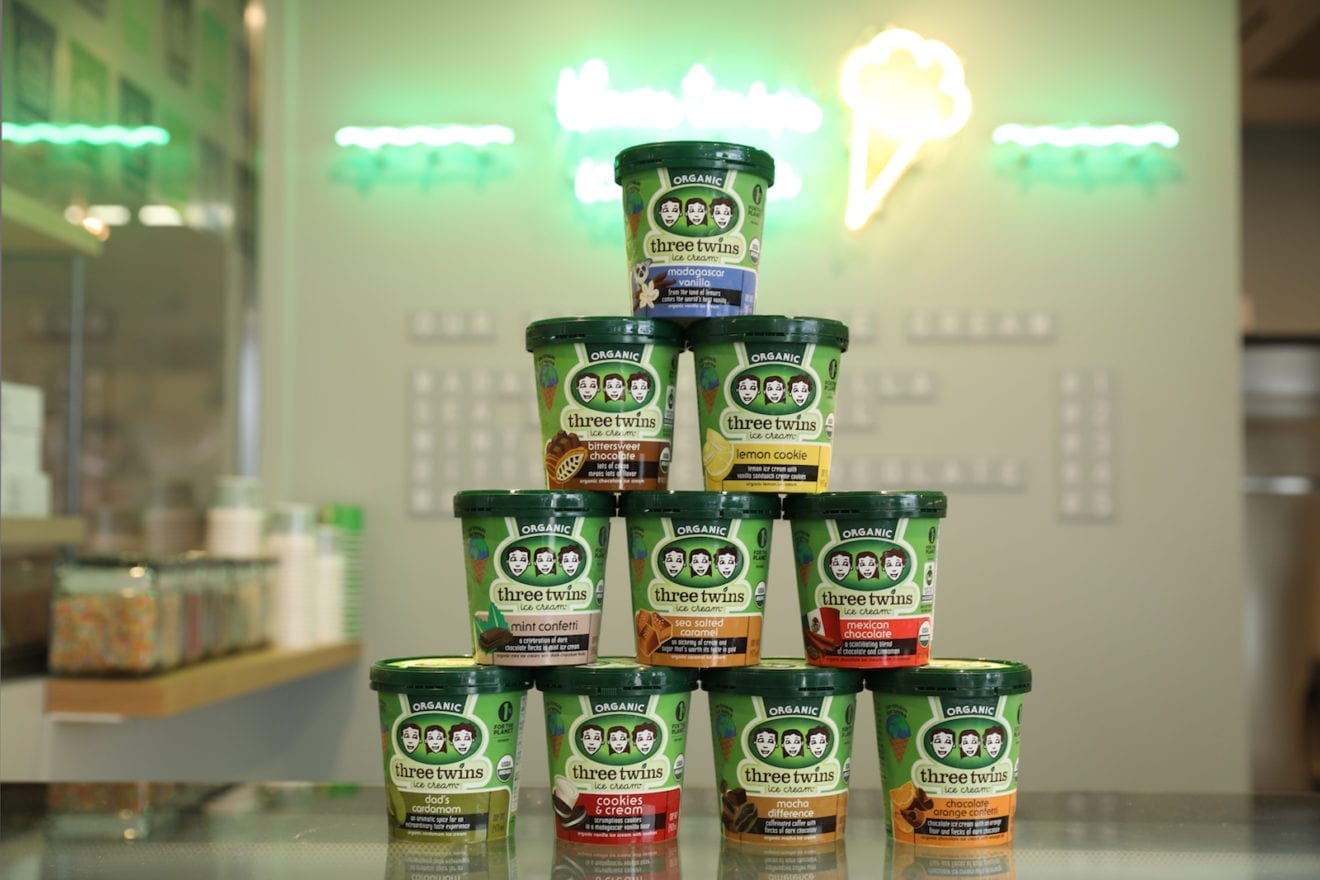
    Gottlieb founded Three Twins in California in 2005 with his twin brother Carl, whose wife Liz is also a twin. On its home turf, Three Twins sells more than 20 brands. In Japan, the initial offering will be 11 – Madagascar Vanilla, Bittersweet Chocolate, Lemon Cookie, Mint Confetti, Cookies & Cream, Mexican Chocolate, Chocolate Orange Confetti, Dad’s Cardamom, Sea-Salted Caramel, Strawberry and Mocha Difference. All the ice cream is made in the US.

    Gottlieb says the next step will be to make some flavours especially for Japan. “We will work with the team here and source local ingredients, make the ice cream in the US and send it back to Japan.”

    One of brand’s key selling points is that its products are organic. “Every single ingredient – milk, cream, sugar, eggs, vanilla – is organically produced,” Gottlieb says. “No chemicals are toadded, and no fertilisers, pesticides or herbicides involved. The cows are never given antibiotics; they are raised on organic feed. And none of our products are genetically modified.”

    Beyond the initial store, Gottlieb says he would like to sell cups of the ice cream to natural-food stores “and ultimately I’d love to see it in 7-Eleven and eventually in every retail channel”.

  • 7-Eleven Malaysia numbers look good last year

    7-Eleven Malaysia numbers look good last year

    For the 4th Quarter ended 31 December 2017

    The Group’s revenue for the current quarter of RM546.2 million grew by RM22.6 million or 4.3% against the
    corresponding quarter’s revenue in the previous year of RM523.6 million. The growth in revenue continued to be
    driven by the growth in new stores, higher average spend per customer and better consumer promotion activity.

    Gross profit of RM173.8 million improved by RM13.1 million or 8.2% compared to the corresponding quarter in the previous year. This was mainly attributed to the increase in revenue and improvement in gross margin by 1.1% points. The improvement in gross margin was due to higher sales contribution from those categories with higher gross profit margins.

    Other operating income of RM42.7 million increased by RM10.5 million or 32.4% compared to the corresponding
    quarter in the previous year. This is mainly attributed by compensation income from vendors of RM9.3 million in the current quarter.

    Selling and distribution expenses for the quarter increased by RM6.5 million or 4.1% against the corresponding quarter of the previous year. This was mainly due to new store expansion resulting in higher rental cost, store depreciation
    expense and utility cost. Administrative and other operating expenses for the quarter increased by RM1.0 million or 4.4% due to increase in staff cost.

    The increase in revenue, gross margin improvement and other operating income resulted in the Group’s profit after tax of RM15.9 million, an increase of RM6.3 million or 66.5% as compared to the corresponding period in previous year.

    For the 12 months ended 31 December 2017

    For the 12 months ended 31 December 2017, the Group’s revenue of RM2.19 billion grew RM83.7 million or 4.0%
    against the corresponding period in the previous year of RM2.10 billion. The growth in revenue was driven by the
    growth in new stores, higher average spend per customer, improved merchandise mix and consumer promotion activity.

    Gross profit improved by RM44.8 mil or 6.9% compared to the corresponding 12 months in the previous year. This was mainly attributed to the revenue growth and gross profit margin expansion of 0.9% points.

    Other operating income increased by RM21.7 million or 18.8% compared to the corresponding 12 months in the
    previous year. This was mainly due to increase in marketing income by RM11.5 million and compensation income
    from vendors of RM9.3 million.

    Selling and distribution expenses for the 12 months period in 2017 increased by RM55.1 million or 9.2% against the corresponding period of previous year. This is mainly due to impact of minimum wages which came into effect from 1st July 2016, new store expansion and depreciation.

    Administrative and other operating expenses increased by RM5.0 million or 5.4% against the corresponding 12 months in the previous year. This is also mainly due to the increase in staff cost and staff training.

    This resulted in the Group’s profit after tax of RM50.1 million a decrease of RM2.1 million or 4.0% compared to the corresponding 12 months in the previous year.

  • 7-Eleven in Thailand Witness Significant Growth

    7-Eleven in Thailand Witness Significant Growth

    Convenience store group CP All, which runs 7-Eleven and Siam Makro stores in Thailand, has revealed strong growth over the past year.

    It has posted a net profit of THB19.9 billion (US$631.5 million) for the fiscal year, up 19 per cent on revenue growth with a strong performance also from its cash-and-carry subsidiary.

    Expansion and product strategy drove total sales revenue to THB278.7 billion, up 8.7 per cent from the year earlier with a gross profit margin of 28.1 per cent, down from 28.3 per cent because of higher oil prices pressurising logistics costs, says the company.

    CP All has more than 10,000 7-Eleven outlets across Thailand. It plans to add a further 700 stores this year with a goal of reaching 13,000 by 2021. It is targeting tourist destinations.

    Average daily sales at 7-Eleven stores were THB79,786 last year.

    The company plans capital expenditure of THB9.5 to 10 billion for store expansion, renovation and investments in new projects this year.

    CP All’s cash-and-carry subsidiary Siam Makro has meanwhile reported 14 per cent growth in net profit, reaching THB6.1 billion.

  • Visa now accepted at all 7-Eleven stores nationwide

    Visa now accepted at all 7-Eleven stores nationwide

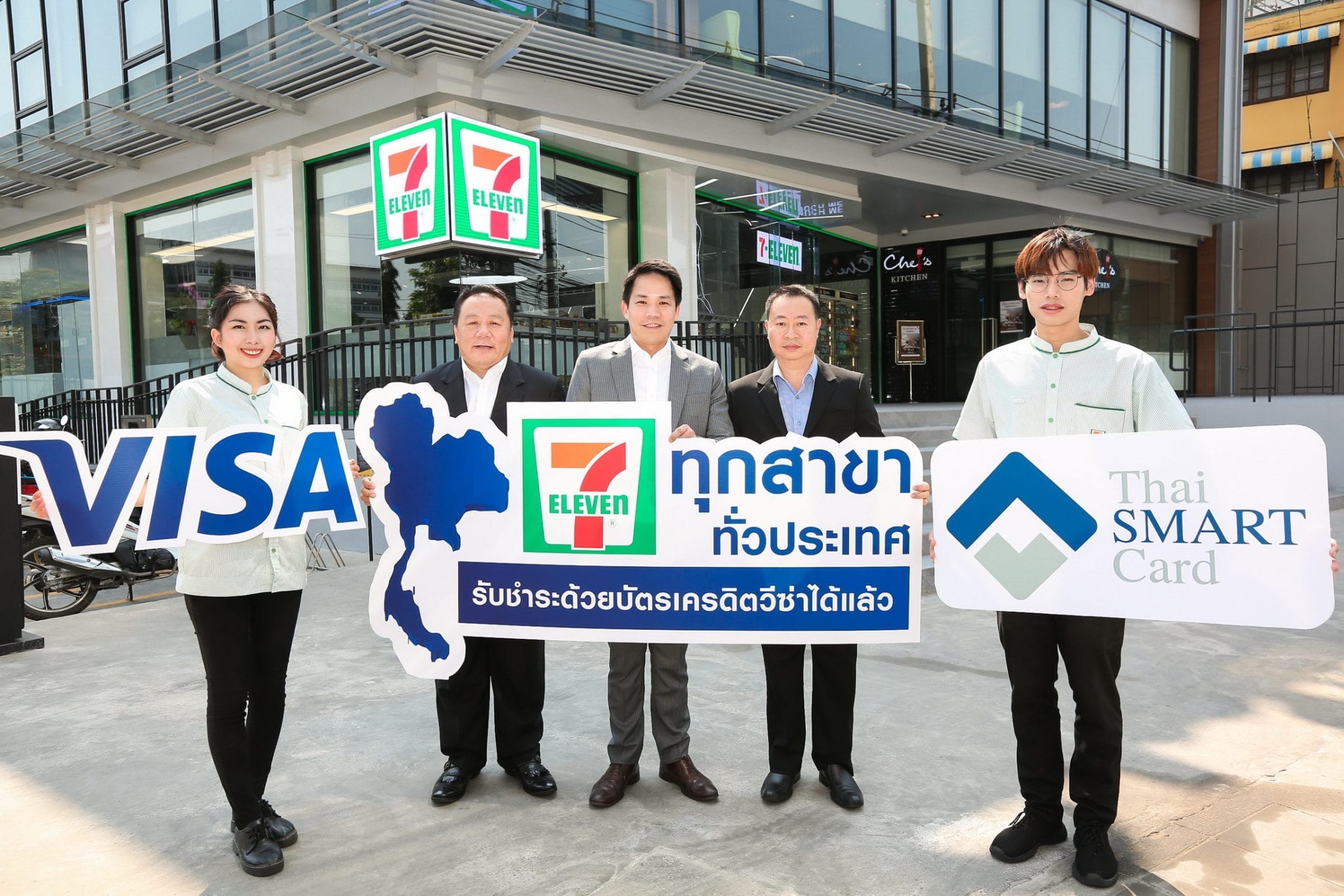
    Visa, the world’s leader in digital payments, announced the complete rollout of credit card acceptance at all 7-Eleven convenience stores nationwide.

    Expanding acceptance points is crucial to the National ePayment Plan and will help accelerate Thailand on the journey to become a full-fledged digital economy. The program was first piloted last year in selected 7-Eleven stores with high tourist traffic and has since gradually branched out across the country.

    Suripong Tantiyanon, Country Manager, Visa Thailand said: “The partnership between Visa, Thai Smart Card and 7-Eleven is an important chapter in the digital transformation of commerce in Thailand. It is an exciting milestone for our cardholders, who can now pay with any Visa credit card, including contactless, when shopping at 7-Eleven. It is a great opportunity for more people to experience the convenience and security of digital payments.”

  • Seven-Eleven becomes first retailer to hit 20,000 stores in Japan

    Seven-Eleven becomes first retailer to hit 20,000 stores in Japan

    7-Eleven Japan has become the country’s first retailer to open more than 20,000 stores.

    The Seven & I Holdings unit reported a store count of 20,033 at the end of last month, up by 54 from the end of December. By comparison, Japan has about 24,000 post offices.

    Making its debut in Tokyo’s Toyosu district in May 1974, 7-Eleven grew to 10,000 stores by August 2003. It reached 15,000 outlets in February 2013.

    The convenience stores can be found in all but one of Japan’s 47 prefectures, the holdout being Okinawa, where locations will open next year.

    Revenue for the chain for the year ended February last year totalled ¥4.51 trillion (US$41 billion), nearly double the sales in the year ended February 2004, when it crossed the 10,000-store mark. Average daily sales per store reached ¥657,000 last fiscal year, a 2 per cent gain.

    An increase in female customers has become an important driver of sales. Males made up 65 per cent of visitors during the year ended February 2004, but now men and women visit in roughly equal numbers.

    More women have been attracted as 7-Eleven has expanded its offerings of ready-made packaged dishes and frozen foods, positioning itself as an alternative to supermarkets.

    A Nikkei survey shows 7-Eleven Japan leading the convenience-store sector with a 40.4 per cent share of sales in fiscal 2016, followed by Lawson and FamilyMart Uny Holdings. Together, the trio accounts for about 90 per cent of the market.

  • BAssets continues to up stake in 7-11 Malaysia

    BAssets continues to up stake in 7-11 Malaysia

    After rumblings that 7-Eleven Malaysia Holdings is being targeted for privatisation, diversified group Berjaya Assets (BAssets) has taken steps to achieve this.

    BAssets is owned by businessman/investor Vincent Tan Chee Yioun, who has started mopping up 7-Eleven shares on the open market.

    “Something is brewing between 7-Eleven Malaysia and BAssets – a corporate exercise is being contemplated,” the newspaper says, quoting an unnamed source.

    BAssets last week surfaced as a substantial shareholder of 7-Eleven Malaysia. It has a 5.1 per cent stake after acquiring 5.1 million shares on the open market and through direct deals.

    Tan himself is already a major shareholder in 7-Eleven, along with Sultan Ibrahim Sultan Iskandar.

    Including BAssets’ stake, Tan has total equity interest of 42.46 per cent in the 24-hour convenience store chain. He also controls BAssets with a 59.36 per cent stake. Sultan Ibrahim is the second-largest individual shareholder of 7-Eleven Malaysia with a 15.52 per cent direct stake, and he also has a 9.38 per cent direct stake in BAssets.

    Tan’s Berjaya Retail, the single largest shareholder of 7-Eleven Malaysia, has pared down its stake from 48.62 per cent as at January 9 last year to 31.61 per cent in October.

    According to the 7-Eleven corporate website, it has 17,799 stores in Japan, 8469 in Thailand, 5022 in Taiwan, and 477 in Singapore. In Malaysia, it has more than 2100 stores serving about 900,000 customers daily.

  • Dairy farm and 7-eleven to sell premium coffee

    Dairy farm and 7-eleven to sell premium coffee

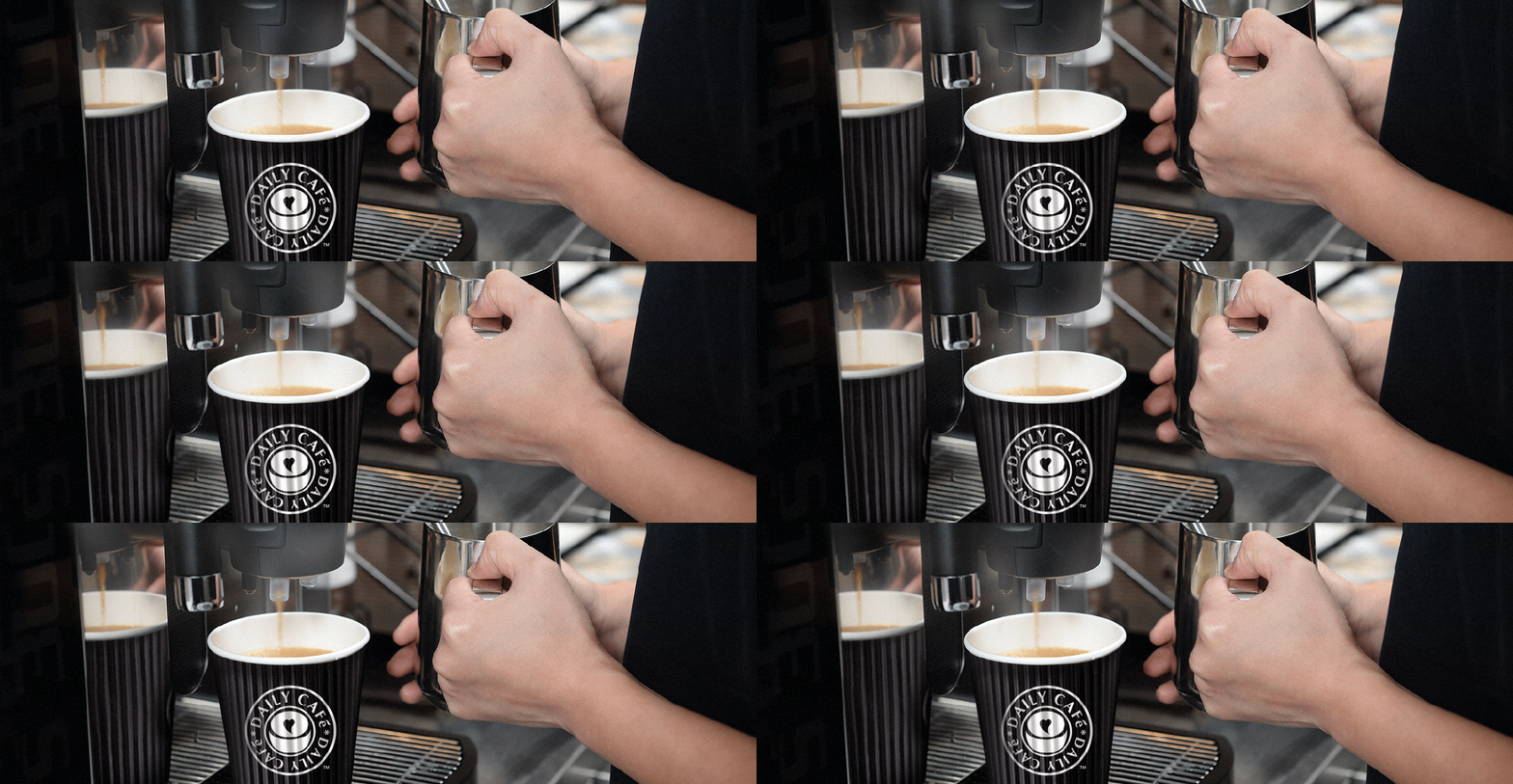
    Dairy Farm is launching a multimillion-dollar campaign to introduce a premium coffee blend in its 260 7-Eleven Daily Cafe kiosks.

    With its cappuccinos and lattes just $14 to go, it is staying well below the prices of established coffee shops like Pacific Coffee or Starbucks.

    “We identified different segments in the coffee market in Hong Kong and we found this is a ripe opportunity,” says 7-Eleven sales and marketing director for Hong Kong and Macau Elman Lee.

    “They’re not looking for a barista to serve them, or for coffee art. They want accessibility, grab-and-go, but a quality coffee.”

    Lee says the coffee venture is actually a strategic move. “With the trend of current lifestyles we want to build more signature products for our brand.”

    Already 7-Eleven is working on a signature ice-cream product and is looking to add more signature ready-made snacks. For now, coffee is the focus, with new store designs moving the Daily Cafe kiosk machines next to the cash registers.

    While 7-Eleven does not often run media campaigns, it is bolstering its coffee offer with transit ads on bus seats, exteriors and MTR windows along with print ads and store promotions throughout Hong Kong and Macau.

    Hip hop group FAMA is fronting the campaign, with support on Facebook and WeChat from other local celebrities, including Everest climber John Tsang and even a cat, Brother Cream, from a Kowloon convenience store.

  • Vietnam to celebrate its new retail sales highest record US$129 billion

    Vietnam to celebrate its new retail sales highest record US$129 billion

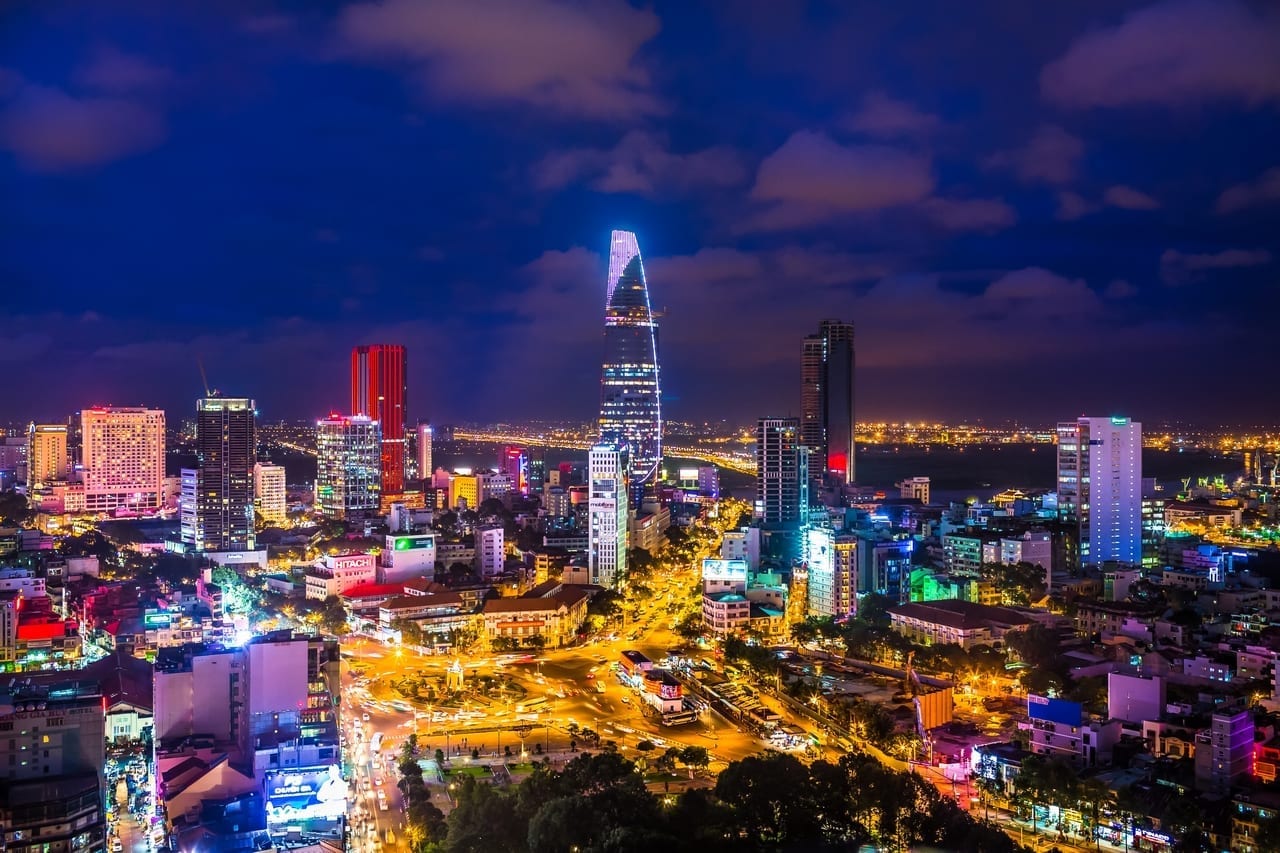
    Spurred by a rising middle class and influx of international retailers, Vietnam retail sales hit a record US$129.6 billion last year.

    This was growth of 10.9 per cent over 2016, according to the Vietnam General Statistics Office (GSO).

    Vietnam’s largest real estate company, Vingroup, starting expanding its Vinmart Plus convenience store chain in 2016 and has already topped 1000 stores – it opened 100 last month alone. It is predicted the store network could reach 3000 this year.

    Meanwhile, Vietnam last year saw the arrival of a slew of foreign retail brands, headed by Japan’s Seven & I Holdings opening its first Vietnamese 7-Eleven convenience store in Ho Chi Minh City in June.

    Swedish fast-fashion brand H&M followed in September with a store in the same city, while Zara, the chain of Spanish rival Inditex, opened its second Vietnam location in Hanoi in November (its first store, covering two levels, launched at Vincom Centre Dong Khoi in Ho Chi Minh City in September 2016).

    Thailand’s Central Group has made several acquisitions in Vietnam, including the Big C supermarket chain and electronics retailer Nguyen Kim Trading. It also launched its first stationery and office supplies store in Vietnam last year.

    South Korea’s GS Retail partnered with Vietnam’s Son Kim Group 12 months ago to open the first of their convenience stores in Ho Chi Minh City this month. They plan to open 2000 locations within 10 years.

    Double-digit growth

    Since joining the World Trade Organisation in 2007 and opening up to foreign goods and businesses, Vietnam has seen continued double-digit growth, led by a 31.5 per cent spike in 2008. With the Association of Southeast Asian Nations Economic Community taking full effect this month, Vietnam has eliminated nearly all tariffs on goods from within the region.

    Meanwhile, supermarkets and convenience stores are selling meat and vegetables at prices that are 20 to 30 per cent higher than at traditional markets, and the number of specialty shops selling organic vegetables is growing.

    Spending on cars, home electronics and other consumer durables is also brisk, with 70 per cent of Vietnam’s GDP coming from personal consumption.

    The GSO says auto sales grew by 14 per cent in value, gemstone and precious metals by 13.2 per cent, food and foodstuffs by 11.1 per cent, cultural and educational products by 10.2 per cent, apparel by 9.6 per cent, and home products by 8.5 per cent.

    Vietnam still has room for growth as modern retail channels like supermarkets and shopping centres account for only a quarter of total retail sales, and most of these businesses are in big cities, reports VIetnamNet. By 2020, the proportion of modern retail channels is forecast to rise to 45 per cent.

  • 7-Eleven in talks with a ‘few parties’ on food deal

    7-Eleven in talks with a ‘few parties’ on food deal

    7-Eleven Malaysia Holdings Bhd is in talks with a few parties on food chain supply after its memorandum of undestanding (MoU) with Brahim’s Holdings Bhd’s subsidiary lapsed after close to two years.

    Last week, 7-Eleven said in a stock exchange filing that the MoU with Brahim’s “has lapsed and accordingly ceased to have any effect”.

    “We’re looking to work with many others. We’re talking to some (a few parties), but it’s not finalised yet,” 7-Eleven Malaysia majority shareholder and Berjaya Corp founder and executive chairman Tan Sri Vincent Tan told a press conference after launching mobile wallet app One2pay today.

    He added that once the company has finalised the decision, it will make an announcement, estimated in the next two to three months.

    Meanwhile, Tan said the group is projecting a 3%-5% increase in sales for the retail businesses under Berjaya Group, on the back of the appreciation of the ringgit and positive signs such as the growing economy and foreign investments in the country.

    He said while retail associations and retailers have lamented the soft retail market, partly due to competition from e-commerce, the situation has been better because the ringgit has strengthened, which augurs well for the retail industry.

    “The retail trade in Malaysia is still okay and is not as bad as painted by some. For our group, we’re optimistic that the retail trade will get better,” said Tan.

    He added that the group witnessed a dip in sales when the Goods and Services Tax (GST) was implemented but now it has stabilised and sales are going up.

    “People have accepted GST. Consumers are back and the sales are up.”

  • Seven-Eleven to start selling food with English labels

    Seven-Eleven to start selling food with English labels

    Japan’s 7-Eleven stores have started labelling their prepared foods in English as well as Japanese.

    Seven-Eleven Japan president Kazuki Furuya says the measure is in response to requests from foreign tourists, whose numbers have been soaring and are expected to rise further ahead of the 2020 Tokyo Olympics and Paralympics, the Japan Times reports.

    “More foreign customers will be using convenience stores in Japan in the future,” he says, hoping that tourist visits will lead to stronger brand power for the company in China, Southeast Asia and the US, where it is opening more stores.

    The company says growing numbers of foreign visitors have been patronising its stores in big cities and tourist destinations. Some have asked the company to provide English names, especially for onigiri (rice balls), as they want to know what the fillings are.

    Also covered by the bilingual labeling will be bento (boxed lunch) products, delicatessen items and some sweets. Japan is expected to surpass 20,000 7-Eleven stores this month.

  • Be ready with ‘more convenience’ app from 7-Eleven US

    Be ready with ‘more convenience’ app from 7-Eleven US

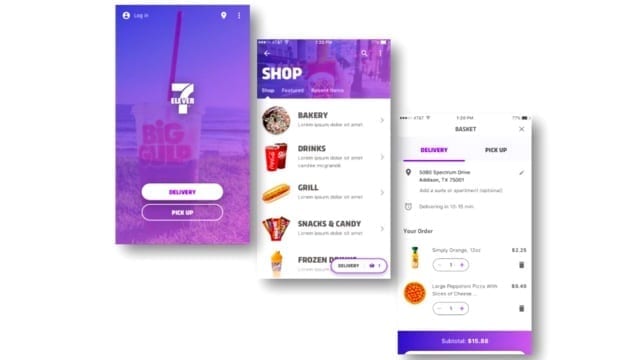
    7‑Eleven US is trialling on-demand ordering for delivery or in-store pickup at selected Dallas stores via its new 7‑ElevenNow smartphone app, ahead of a national roll-out.

    The new service is being tested in 10 downtown and uptown 7‑Eleven stores, and the convenience retail company says it will introduce the program into other locations in the US next year.

    Dallas customers who enroll in the new app – which runs on both Google and Apple platforms – will receive free delivery on their first order.

    “With more locations than any other convenience retailer in the world, 7‑Eleven has a corner on convenient, in-store shopping,” said 7‑Eleven US chief digital officer Gurmeet Singh.

    “As we undergo a significant digital transformation, we continue to look for ways to expand and enhance the company’s shopping footprint – and consumers’ digital shopping experience – outside its stores as well.”

    Singh said today’s digitally savvy consumer expects a wide range of options right at their fingertips.

    “We continuously ask our consumers how we can make their lives better, and 7‑ElevenNow is a proprietary solution to their on-demand needs. The app will enable our customers to get the products they want, when and where they want them, quickly and conveniently. This is redefining convenience.”

    When ordering items through 7‑ElevenNow, customers can choose to receive direct delivery to their location or pick up their prepared order at the participating store of their choice within the 7‑ElevenNow footprint. A wide selection of snacks, cosmetics, gift cards, home goods, beverages and hundreds of other products are available for purchase on the app.

    To use the app, shoppers choose the delivery or pick-up option. If delivery is selected, the app will auto-locate the nearest participating store and, once the order is placed, send it to a courier service. The courier then picks up the customer’s prepped products at the store and delivers them to the customer’s location. If shoppers choose pick-up, they select the items they want as well as the store they prefer for pick-up. The order will be waiting for them at the register. Customers can pay for both delivery and pickup via the app.

    “7‑Eleven has a legacy of innovation,” said 7‑Eleven US president and CEO Joe DePinto. “We have been pioneering new trends in the convenience industry for 90 years. Our company was the first to offer coffee in to-go cups, operate 24/7 and provide a self-serve soda fountain.

    7-Eleven, Inc. is testing on-demand ordering for delivery or in-store pickup at select Dallas stores with its new 7-ElevenNOW smartphone app. Currently being tested in 10 downtown and uptown 7-ElevenÆ stores, 7-ElevenNOW is expected to roll out to other U.S. locations in 2018. (PRNewsfoto/7-Eleven, Inc.)

    7‑Eleven will always look for innovative ways to reach and excite our customers and maintain our leadership position in convenience retailing. Today, that means redefining convenience through digital innovation.”

    7‑Eleven US’ digital team is working on a “full-stack digital transformation,” which includes the technology customers experience, as well as the technology that works behind the scenes to ensure seamless and effortless interactions.

    Other recent digital releases include the expansion of the 7Rewards app-based customer loyalty program, now available on a wider range eligible purchases, and the launch of 7‑Eleven Bot on Messenger, which allows millions of 7‑Eleven customers to engage with the brand from within Facebook.

    7‑Eleven US has also expanded the availability of Amazon Lockers for in-store package pickup, added Amazon Cash to over 8000 locations, and BillPay – an app powered by PayNearMe to help cash users pay for a variety of bills at 7‑Eleven stores.

  • Is e-commerce taking over sales in Indonesia?

    Is e-commerce taking over sales in Indonesia?

    The growth rate for retail stores is now at single-digit levels, falling from above 10% in recent years. Online shopping is shouldering part of the blame, but the main culprit is a slowdown in overall consumer spending — long the driver of Indonesia’s economy — due to sluggish wage growth.

    Since the busy Ramadan shopping season ended in the summer, Indonesian consumers apparently have tucked away their wallets, at least at brick-and-mortar establishments. Retail store sales in October 2017 grew by an anemic 1.3% from a year earlier, according to preliminary data released by Bank Indonesia, the country’s central bank.

    This is causing store closures across the country, where the modern retail business model had entrenched itself over the years. At the end of June, all Indonesian 7-Eleven convenience stores closed their doors. In September 2017, Matahari Department Store, the nation’s largest department store chain, shuttered two southern Jakarta stores.

    Same-store sales of the chain over the first nine months of the year fell 2.7% from the same period last year.

    The recent lack of foot traffic at a major Jakarta department store typified the trend. As some 40 clerks stood idly chatting away, a nearby supermarket swarmed with shoppers.

    Many of the vacant store fronts in the country’s commercial centers are due to the increase in e-commerce. According to one survey, online sales surged 22% in 2017 from the previous year to around $7 billion.

    A bevy of powerful e-commerce sites — among them Tokopedia, one of Indonesia’s largest online marketplaces, and Alibaba Group Holding’s Lazada — are siphoning shoppers away from stores, a trend that shows no sign of abating. Online sales are projected to keep climbing at a brisk annual rate of around 20% for the foreseeable future.

    The growth in smartphone usage has also spurred online shopping, especially in rural areas where modern retail shops are still few and far between.

    But the rise in online shopping tells only part of the story. The main reason for tepid consumer spending is weak wage growth. The minimum wage growth rate will slow to 8.71% in 2018, the lowest in recent years, according to the government, noting that relatively low-income earners will be hit particularly hard.

    As recently as 2013, minimum wages had soared more than 40%, fueling the country’s free-spending ways. Now, consumers are being forced to cut back in order to save for future outlays, such as on housing and education. This has put a crimp on spending for even daily products.

    With a population of over 250 million, Indonesia is the largest consumer market in Southeast Asia. Many economists say the country’s consumption will continue to rise over the long term.

    There is little doubt, however, that Indonesian’s retail industry is facing a crisis of sorts, and the government is not helping with the situation.

    If this trend continues, the ensuing shock waves may hit other sectors of the economy, possibly dampening foreign direct investment in the country’s consumer market.