Tag: AI

  • Stealthy Watermarks: Anthropics New Technique for Marking AI-Generated Text

    Stealthy Watermarks: Anthropics New Technique for Marking AI-Generated Text

    Anthropic, a pioneering company in the field of Artificial Intelligence (AI), has now started including unique, invisible watermarks on AI-generated text by their most recent models. This comes as a response to the European Union’s AI Act that came into effect on August 2, mandating transparency for AI-produced content.

    Invisible Watermarks in AI-Generated Text: The New Norm

    As outlined in an update on Anthropic’s official support page, all new Claude models introduced post August 2 will incorporate a system known as “machine-readable marking” from their inception. These watermarks, while imperceptible to human users, would be incorporated directly into the generated text by any supported Claude model.

    These markers don’t affect the meaning, quality, or readability of the AI’s response, and yet remain part of the text, enabling them to move along with the text even when it’s copied, pasted, or edited elsewhere. It’s important to note that these watermarks will be applied at the model level, which implies that they will be present irrespective of the Claude product or platform the text originates from.

    Universally Applicable Watermarks

    The invisible watermark will be seamlessly embedded into any text generated, remaining undetectable by users. The company maintains that this marking system will have no impact on the nature or quality of the AI’s response. This system is not only applicable to Claude but also extends to the Claude API, Claude Code, Claude Cowork, and Claude Tag, as well as all platforms utilizing these AI tools.

    Questions & Answers

    What is the purpose of the invisible watermark in AI-generated text?
    The invisible watermark is intended to provide transparency for AI-generated content, as required by the European Union’s AI Act.

    Will the invisible watermark change the quality or readability of the AI’s response?
    According to Anthropic, these watermarks won’t affect the meaning, quality, or readability of the AI’s response.

    Are the watermarks included only in Claude’s AI-generated text?
    No, the watermarks will be applied at the model level, implying that they will be included in any text produced by Claude, the Claude API, Claude Code, Claude Cowork, and Claude Tag, as well as all platforms that use these AI tools.

  • Nvidia’s Multi-Billion Dollar Quest: Fueling the Expansion of AI Infrastructure with Top Financial Firms

    Nvidia’s Multi-Billion Dollar Quest: Fueling the Expansion of AI Infrastructure with Top Financial Firms

    Nvidia, a prominent player in the tech industry, publicized its deal with several major firms such as Apollo, Blackstone, Blackrock, Brookfield, Goldman Sachs, and KKR, among others. The intent of this agreement is to collect a minimum of 500 billion dollars in long-term financing from their clients. This substantial fund aims to facilitate the expansion of AI infrastructure.

    Nvidia’s Ambitious Leap Towards AI

    Jensen Huang, the CEO of Nvidia, regards this initiative as a crucial stride towards the enhancement and expansion of artificial intelligence. In his view, the evolving prominence of computing capacity is transforming it into an asset class in itself, with chips becoming a substantial investment opportunity.

    Huang was joined by several senior executives from some of the world’s leading financial groups during the announcement. Larry Fink, the CEO of Blackrock, acknowledged the AI infrastructure expansion as a significant economic opportunity. As per his estimates, the United States would need an additional 70 gigawatts of power, and constructing one gigawatt of data center capacity would cost between 50 and 60 billion dollars.

    Unprecedented Opportunities and Challenges

    Fink projects this venture as an immense financial opportunity that would generate an abundance of new jobs. He emphasizes the urgency to generate the necessary funds to ensure the United States maintains its global leadership in the AI race. He projects that this endeavor would necessitate trillions in fresh capital.

    David Solomon, the CEO of Goldman Sachs, voiced his confidence in Nvidia’s potential growth and the opportunities it presents. He stated, “We strongly believe in the continued development and the opportunities associated with it.”

    However, concerns have arisen among investors that the technology companies and their financial backers are accelerating AI investment to an unsustainable pace. These concerns have been fueled by a recent correction in technology and semiconductor stocks due to unexpectedly strong competition from China.

    Huang clarified that the funding would not be sourced from Nvidia but from external investors. The consortium plans to establish dedicated pools of capital at a considerable scale and on enticing terms for Nvidia’s customers, with the goal of making it easier for them to access scarce computing capacity on a large scale.

    Despite the apprehensions, Nvidia has already secured deals worth hundreds of billions of dollars with companies across the AI industry. Nvidia also recently expanded its partnership with the South Korean conglomerate SK Group, with plans to conduct more than 500 billion dollars’ worth of business with each other in the future.

    Questions & Answers

    What is the primary goal of Nvidia’s deal with major firms?
    The primary purpose is to facilitate the expansion of AI infrastructure by raising at least 500 billion dollars in long-term financing from their clients.

    What is the role of computing capacity, according to Nvidia’s CEO?
    According to Jensen Huang, the CEO of Nvidia, computing capacity is transforming into an asset class in itself, with chips becoming a substantial investable asset.

    What are the concerns among investors?
    Investors have expressed concerns that technology companies and their financial supporters might be pushing AI investment to an unsustainable pace, especially in light of recent corrections in tech and semiconductor stocks due to strong competition from China.

  • Boosting Retail Margins: Uniting Fragmented Product Data through AI

    Boosting Retail Margins: Uniting Fragmented Product Data through AI

    While customers continue to make purchases across various channels, several retail businesses struggle with outdated and disconnected systems. These systems were designed during a simpler time and are now proving to be inadequate in handling the dynamic market trends.

    As products’ lifecycles become shorter and sales channels multiply, businesses that fail to connect product data to their decision-making processes are at a disadvantage. Disconnected systems can result in losses even before a customer reaches the checkout counter. However, retailers that integrate these systems can improve their speed, profit margins, and customer experience.

    The Challenge of Retail Market

    The shift from physical purchases to online buying or social media shopping has made the retail market more challenging. This trend has highlighted the fragmented product management within many organizations. Different departments often manage design and development, merchandise planning, pricing, and product information. This lack of integration introduces delays, inconsistencies, and missed opportunities which become more costly as businesses expand across various channels and markets.

    To cope with this, some businesses are focusing on brand management and outsourcing manufacturing, while others own product design and pass production to manufacturing partners. Regardless of the strategy, Artificial Intelligence (AI) provides an opportunity to connect teams across different geographies and stages of the product lifecycle.

    However, retailers are faced with more than the challenge of selling through various channels. They also have to navigate an increasing number of online shopping events and promotions where demand can change rapidly, and inventory decisions carry greater financial implications.

    Balancing product assortment with inventory levels is a constant struggle. Having too much stock results in markdowns, while offering too little causes customers to shop elsewhere. Thus, the ability to react quickly to market demands has become a crucial factor in the retail industry.

    The Role of AI and Data in Retail

    AI and data play a crucial role in making informed decisions. Without reliable and accessible product data, the impact on businesses can be immediate and severe. Customers now expect accurate information, competitive pricing, and immediate availability, regardless of where they choose to shop.

    AI can support better commercial decision-making, but only if organizations first establish a trusted data foundation. Beyond its use in language translation and communications, AI has a far greater potential in product management. It can enable retailers to better understand customer demand and reduce the time between product concept and market launch.

    Speed to market is often a key focus, but it’s equally important to identify where profitability is being lost throughout the product lifecycle. Retailers often overlook customer feedback within their own businesses. The information needed to make better decisions is already there; it’s just a matter of utilizing it.

    Retailers can identify changing customer preferences earlier by using AI to analyze their daily or weekly data, improving product selection while reducing excess inventory and missed sales opportunities.

    Questions & Answers

    How can retailers benefit from integrating their disconnected systems?
    By integrating their systems, retailers can improve their speed, profit margins, and overall customer experience.

    What role does AI play in the retail industry?
    AI can support better commercial decision-making by helping retailers understand customer demand, reduce time between product concept and market launch, and analyze existing data to identify changing customer trends.

    How can retailers utilize their existing data more effectively?
    Retailers generate vast amounts of customer, sales, and product data every day. By using AI, they can analyze this data to forecast future trends and make more informed decisions.

  • Essilor Luxottica and Meta Unveil Affordable AI Glasses for the Masses

    Essilor Luxottica and Meta Unveil Affordable AI Glasses for the Masses

    Renowned eyewear manufacturer, Essilor Luxottica, has entered into a collaboration with Mark Zuckerberg’s Meta for the creation of a more affordable range of AI glasses, targeting price-conscious customers. This move follows the successful release of AI glasses under the Ray-Ban and Oakley brands, with the Ray-Ban line becoming the top-selling AI glasses on the market.

    Creating Affordable AI Glasses

    The Essilor Luxottica range, priced from just $299, promises to bring the company’s innovation in smart eyewear to a wider audience, offering consumers around the globe enhanced and more integrated experiences. The CEO of Essilor Luxottica, Francesco Milleri, expressed his excitement at this cutting-edge development in the realm of smart eyewear. He asserted the launch provides an opportunity for budget-conscious consumers to experience the transformative effect of wearable tech in their daily lives.

    According to Milleri, Essilor Luxottica’s range of “iconic brands” have been instrumental in boosting the adoption of their products in the market. The company, a result of the 2018 merger of lens manufacturer Essilor and frames producer Luxottica, boasts a remarkable portfolio that includes global brands such as Ray-Ban, Oakley, and Oliver Peoples. In addition, they produce glasses for luxury brands like Chanel, Prada, Coach, and Armani.

    The Future of Eyewear

    Meta CEO Mark Zuckerberg was enthusiastic about the partnership with EssilorLuxottica, highlighting the aim to integrate potent AI into eyewear frames that consumers will want to wear. Zuckerberg suggested that glasses could become a primary medium for individuals to access personal superintelligence, and with the new Meta Glasses, this possibility could become a reality for a much broader audience.

    The new collection will initially offer three styles, coupled with a variety of lens options. Currently, the range is available online for customers in the US, Canada, and a select number of European countries, with plans to extend further into additional markets later in the year.

    Questions & Answers

    What is the pricing for the new Essilor Luxottica AI glasses?
    The AI glasses will start retailing from $299.

    Who is Essilor Luxottica partnered with for this new venture?
    Essilor Luxottica is partnering with Mark Zuckerberg’s Meta for the production of these glasses.

    Where are the new AI glasses currently available?
    They are available online for customers in the US, Canada, and select European countries.

  • Google’s New Ai Service Revolutionizes Retail: Woolworths First To Adopt Gemini Enterprise

    Google’s New Ai Service Revolutionizes Retail: Woolworths First To Adopt Gemini Enterprise

    Google has recently introduced its new Gemini Enterprise artificial intelligence (AI) service, designed to enhance the overall customer experience. Notably, one of the first companies to leverage this new technology is Woolworths.

    Introducing Gemini Enterprise

    The Gemini Enterprise service acts as a digital concierge for customers, offering recommendations, storing relevant information, and performing complex tasks on the user’s behalf. This state-of-the-art ‘shopping agent’ is capable of comprehending image, video, and voice inputs – eliminating the need for customers to type their queries or requirements into a search bar.

    Google representatives explain that whether an agent is cross-referencing kitchen electrical specifications to find a compatible induction range, or resolving a fulfillment error and issuing an instant refund, the new solution will provide a more streamlined experience for customers at every touchpoint.

    Global Impact on Retail

    This novel technology was announced at the NRF 2026 event. Amanda Bardwell, CEO and MD of Woolworths Group, lauded Google Cloud’s Gemini Enterprise for customer experience as a global game-changer for the retail industry.

    As the first Australian retailer to form a partnership with Google’s agentic platform, Woolworths plans to evolve their digital shopping assistant, Olive, into a proactive partner that anticipates customers’ needs. This includes planning meals based on individual preferences and identifying relevant specials based on the user’s budget.

    Bardwell also emphasizes the practicality and convenience of this innovation, explaining that it’s designed to do the heavy lifting for customers, making shopping easier and saving them precious time. Woolworths now stands alongside Kroger, Lowe’s, and Papa John’s as a global pilot business for Gemini Enterprise.

    Towards a New Era of Commerce

    Darshan Kantak, VP of applied AI at Google Cloud, notes that they are merging the best of Google Cloud’s AI and infrastructure with a business’s own institutional intelligence to power a truly agentic commerce journey.

    With this new technology, businesses can bridge the gap between sales and service to deliver premium, personalized experiences from the point of discovery to post-purchase support, enhancing customer satisfaction and fostering long-term brand loyalty.

    Furthermore, one of the key features of Google’s AI is its ability to add items to a customer’s cart and manage the checkout process, provided the customer has given their consent.

    Questions & Answers

    What is the purpose of Google’s new Gemini Enterprise service?
    The Gemini Enterprise service is designed to enhance the overall customer experience. It acts as a digital concierge for customers, offering recommendations, storing relevant information, and performing complex tasks on the user’s behalf.

    What unique capabilities does the Gemini Enterprise shopping agent have?
    The shopping agent can comprehend image, video, and voice inputs, eliminating the need for customers to type their queries or requirements into a search bar.

    How does Woolworths plan to utilize the Gemini Enterprise service?
    Woolworths plans to evolve their digital shopping assistant, Olive, into a proactive partner that anticipates customers’ needs. This includes planning meals based on individual preferences and identifying relevant specials based on the user’s budget.

  • OpenAI Unveils ChatGPT Health: A Revolutionary Tool Tailoring Health Advice to Your Personal Records

    OpenAI Unveils ChatGPT Health: A Revolutionary Tool Tailoring Health Advice to Your Personal Records

    Artificial Intelligence (AI) has become a common tool for individuals seeking answers to health and wellness queries. OpenAI reports that hundreds of millions of people make use of AI in this way every week. Consequently, the company is introducing a specialized feature within ChatGPT called ChatGPT Health.

    Introducing ChatGPT Health

    ChatGPT Health is a new function nested within ChatGPT. It presents a safe, personalized platform for users to explore their health-related questions. The platform has its dedicated chat history and memory function, ensuring the information does not blend with other parts of ChatGPT.

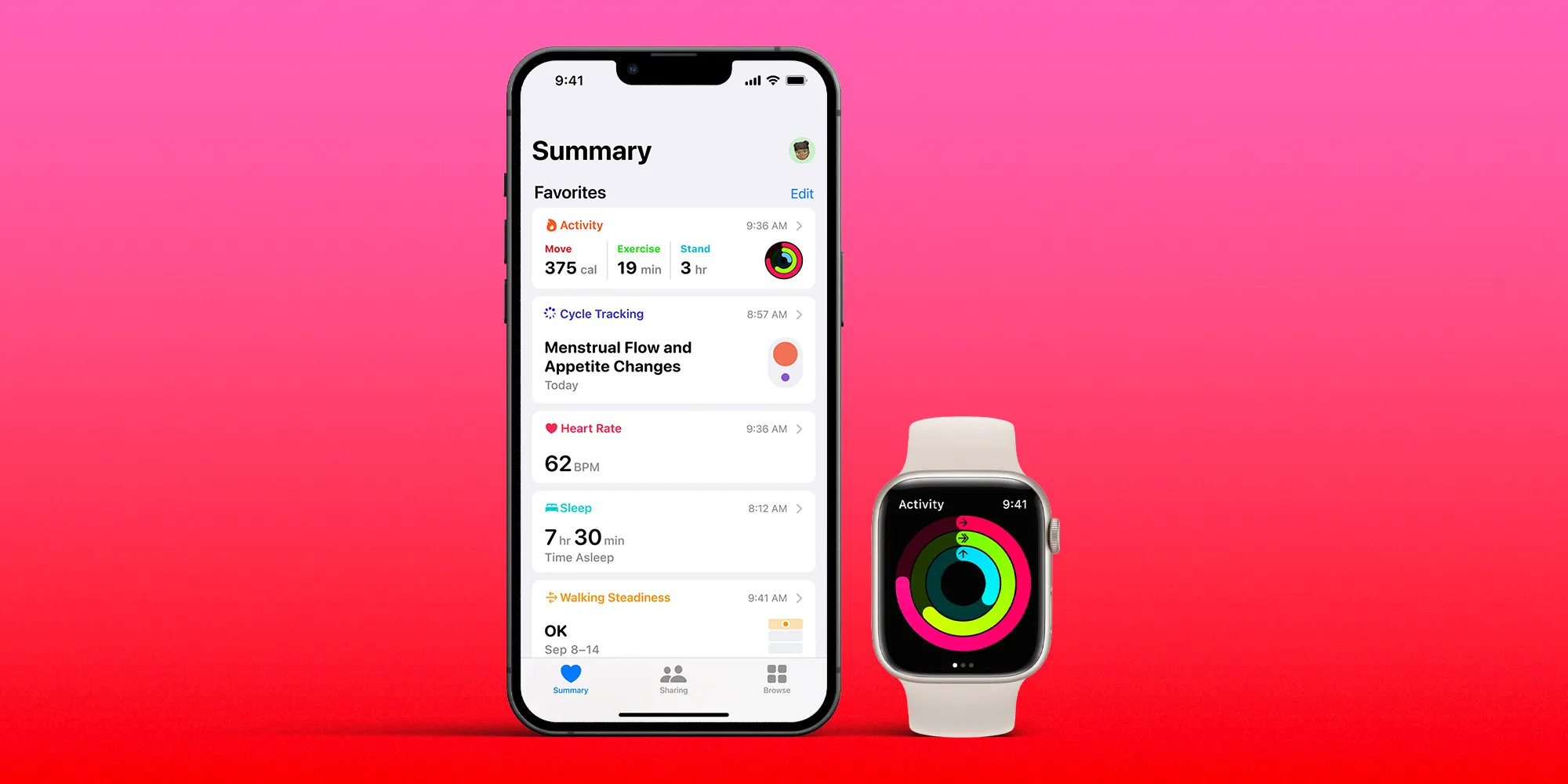
    OpenAI provides an opportunity for users to link their personal medical records and wellness applications with this new feature. Integrations include well-known apps such as Peloton, MyFitnessPal, Weight Watchers, and Apple Health. Once these connections are established, users can receive personalized responses to their health inquiries. Importantly, the data shared with ChatGPT Health is kept confidential and is not used for training OpenAI’s models.

    The feature is currently in the testing phase, and users can request access by joining a waitlist. Eventually, ChatGPT Health will be rolled out incrementally to all users of all subscription levels, although app connectivity may be restricted in some regions.

    Using ChatGPT Health Responsibly

    In its announcement, OpenAI is clear that ChatGPT Health is “not intended for diagnosis or treatment”. Despite this, the company does not lay out specific boundaries for the tool’s usage. Given the company’s inability to control user behavior, there have been instances of individuals following incorrect advice given by chatbots.

    The company envisions the use of its tools as a health assistant. ChatGPT Health, they suggest, could assist users in comprehending test results, preparing for a doctor’s appointment, and getting advice about diet and exercise regimes.

    Conversely, they did not address the topic of mental health in their announcement. There have been several reported incidents of adults and minors taking their own lives after using ChatGPT. The chatbot is becoming a widely-used and cost-effective substitute for therapy.

    Proceed with Caution

    Having a readily available tool for understanding health issues sounds incredibly promising. However, some may question the reliability of AI in handling such sensitive topics. Despite their convenience, chatbots have been known to generate inaccurate or invented information, leading to potential misunderstandings. Therefore, many may continue to rely on human specialists and use AI tools like ChatGPT for simpler tasks such as correcting spelling errors, translating text, and coding assistance.

    Questions & Answers

    What is ChatGPT Health?
    ChatGPT Health is a new feature within ChatGPT designed to answer users’ health-related questions in a safe and personalized environment.

    How does ChatGPT Health work?
    Users can connect their personal medical records and wellness apps to ChatGPT Health to receive tailored responses to their health queries.

    What are the limitations of ChatGPT Health?
    ChatGPT Health is not intended for diagnosis or treatment. It should not be the sole source of health advice or treatment, and users should always consult with healthcare professionals for medical concerns.

  • Siri Gets a Major AI Boost: Leaked Features from Future iOS 26.4 to 28 Promise Exciting Updates

    Siri Gets a Major AI Boost: Leaked Features from Future iOS 26.4 to 28 Promise Exciting Updates

    Apple’s release of iOS 26.2 last week brought several helpful updates, as discussed in a previous article. Now, anticipation is building for iOS 26.4, which promises significant artificial intelligence (AI) enhancements to Siri. Recently, an extensive leak has provided insights into what to expect from iOS 26.4 through iOS 28, thanks to a version of iOS 26 currently in use by Apple’s engineers.

    Insights from the Internal Build of iOS 26

    The said internal build of iOS 26 contains “feature flags,” which engineers can use to enable or disable specific features while they are under development. Unique to this iOS build are notes detailing the features and the corresponding iOS versions they will debut with.

    For instance, the internal build highlights multiple feature flags related to new additions to the Health app. These allude to a user-friendly interface for categories and a simpler method for manual data entry, such as body measurements, symptoms, and medication intake. This has led to speculation about a possible Health+ subscription service from Apple, providing answers based on user-provided data in the Health app. The revamped interface could be a part of Apple’s preparation for this potential paid service.

    Anticipated Changes to Siri and Other Features

    According to the leaked data, Apple is also testing a feature that recognizes when a new credit or debit card is added to a third-party app, offering to save it to the iCloud Keychain. This feature works similarly to the Autofill function in Safari and could be launched with iOS 26.4. The leak also suggests a more premium Sports subscription package for Apple TV+ users, probably available with the iOS 26.4 update.

    The much-awaited upgrades for Siri are also slated for the spring release of iOS 26.4. In addition to facilitating more natural conversations, Siri will be integrated with Google’s Gemini Large Language Model (LLM). This will enable Siri to comprehend the context of the user’s display and assist with task execution. The updated Siri will also be capable of browsing a user’s emails, messages, calendars, and photos to locate specific information and perform tasks with certain apps using voice commands.

    Additional Security and Other Updates

    iOS 26.4 will also introduce a new layer of security to ensure that an iPhone logging into Apple ID and iCloud hasn’t undergone any unauthorized modifications, like jailbreaking.

    The feature flags also hint at possible new collections for the Photos app in iOS 27. This version will bring improved pairing for AirPods with an iPhone. In iOS 28, sleep tracking will feature new metrics, such as “Time in bed.”

    Questions & Answers

    What are the main features expected in iOS 26.4?
    The iOS 26.4 update is expected to bring significant improvements to Siri, including more natural conversations and integration with Google’s Gemini Large Language Model (LLM). Other features include a new credit or debit card saving feature and possibly a premium Sports subscription package for Apple TV+ users.

    What changes are expected for the Health app?
    The Health app is likely to see a new user-friendly interface for categories and a simpler method for manual data entry. There is also speculation surrounding the introduction of a Health+ subscription service that provides answers based on user-provided data.

    What additional security will be introduced with iOS 26.4?
    An additional security feature is set to ensure that an iPhone logging into Apple ID and iCloud hasn’t undergone any unauthorized changes, such as jailbreaking.

  • Disney Unleashes Its Characters into the World of AI: Unprecedented Deal with OpenAI Signals a New Era for Fan-Created Content

    Disney Unleashes Its Characters into the World of AI: Unprecedented Deal with OpenAI Signals a New Era for Fan-Created Content

    Disney, a company known for fiercely guarding its characters and intellectual property, has forged a new path by entering into a three-year licensing agreement with OpenAI. Through this groundbreaking deal, users of OpenAI’s Sora platform will be able to create brief videos featuring over 200 animated, masked, and creature characters drawn from Disney, Marvel, Pixar, and Star Wars franchises. This includes a range of costumes, props, vehicles, and iconic environments. At the core of the agreement is a blend of Hollywood’s prized intellectual property and OpenAI’s advanced AI technology.

    Revolutionizing Video Creation with Sora

    The deal’s focus is on the application of OpenAI’s Sora video creation platform. Users will have the opportunity to create short, user-prompted videos to share with others. Additionally, through ChatGPT Images, users can convert a few words into fully generated AI images in mere seconds. However, the deal doesn’t extend to the likeness or voices of specific Disney characters or those who lend their voices to animated Disney personas.

    Certain content created on the Sora platform may also find its way onto Disney+, enhancing the streaming service’s selection of videos with fan-created content. Moreover, the agreement transforms Disney into an OpenAI customer, with access to ChatGPT for internal use. It also gives Disney the ability to utilize OpenAI APIs to introduce new features on the Disney+ streaming platform.

    Disney Characters in AI Videos

    Disney enthusiasts can use a host of beloved characters in their AI video creations. This roster includes Mickey and Minnie Mouse, Lilo, Stitch, Ariel, Belle, Beast, Cinderella, Baymax, Simba, Mufasa, and more.

    Additional characters from popular franchises such as Encanto, Frozen, Inside Out, Moana, Monsters Inc., Toy Story, Up, Zootopia will also be available. Fans can also incorporate animated versions of Marvel and Lucasfilm characters like Black Panther, Captain America, Deadpool, Groot, Iron Man, Loki, Thor, Thanos, Darth Vader, Han Solo, Luke Skywalker, Leia, the Mandalorian, Stormtroopers, Yoda, among others.

    Commitment to Responsible AI Use

    The agreement between Disney and OpenAI underscores a dedication to responsible AI use, safeguarding user safety and creator rights. As part of the deal, Disney will invest $1 billion in OpenAI equity and receive warrants to purchase additional equity in the company. OpenAI is committed to implementing measures to protect users, such as age-appropriate policies and other necessary controls. Both parties are determined to prevent the generation of illegal or harmful content.

    Disney’s Stand Against Google

    In a parallel development, Disney has accused Google of large-scale copyright infringement. According to Disney, Google has used AI models to exploit and distribute images and videos that violate Disney’s intellectual property rights. The company has sent Google a cease-and-desist letter, demanding an immediate end to these alleged infringements.

    Disney has made it clear that it will not tolerate unauthorized commercial exploitation of its copyrighted works by AI services. The company has expressed concern over Google’s use of infringed copyrighted works to sustain market dominance.

    Questions & Answers

    What does the licensing agreement between Disney and OpenAI entail?
    The agreement allows users of OpenAI’s Sora platform to create short videos featuring over 200 characters from Disney, Marvel, Pixar, and Star Wars franchises. However, it does not cover the likeness or voices of specific Disney characters or those lending their voices to these characters.

    What benefits does Disney get from this deal?
    The agreement turns Disney into an OpenAI customer, enabling the company to use ChatGPT for internal purposes and OpenAI APIs to add new features to the Disney+ streaming platform. It also opens up opportunities for fan-created content to enhance the streaming service’s video inventory.

    How does the deal address intellectual property and user safety?
    The agreement emphasizes responsible AI use, with OpenAI pledging to implement measures such as age-appropriate policies and other controls to protect users. Additionally, both parties have committed to prevent the generation of illegal or harmful content.

  • Google Unleashes Gemini 3: A Revolutionary AI Model That’s Set to Change Your Digital World

    Google Unleashes Gemini 3: A Revolutionary AI Model That’s Set to Change Your Digital World

    Google has recently unveiled Gemini 3, a line of models touted as the company’s most powerful to date, offering both agentic and vibe-coding capabilities. The top-tier model in this series is the first to be accessible simultaneously via Google’s Gemini app as well as in Search and AI Mode.

    Gemini 3 Pro Introduced to Gemini and Google Search

    The release of Google’s new flagship AI model, Gemini 3 Pro, is a significant event due to its availability on the Gemini app. Additionally, Google subscribers have the opportunity to use this model in AI Mode in Search, with a broader roll-out to all US users expected in the near future. In the ensuing weeks, AI Mode and AI Overviews will begin to “intelligently route your most challenging questions” to this new model while reserving simpler tasks for older models.

    Gemini 3 Pro is described by Google as a “natively multimodal” model that can simultaneously process text, images, video, audio, and code, rather than tackling these elements individually. This allows users to amalgamate various information sources and ask the model to synthesize them. For example, the model can generate code for interactive learning materials like flashcards after processing a mixture of research papers, video lectures, and tutorials.

    Hailing Gemini 3 as their most intelligent model yet, Google believes this latest offering will bring users’ ideas to life. The model’s enhanced understanding of context and intent behind requests aims to achieve more results with less prompting.

    Enhanced User Interface Experiences in AI Mode

    The new features of Gemini 3 usher in significant improvements to Google’s apps. Users, for instance, can now create more comprehensive programs within the Canvas workspace of the Gemini app. The model has the capability to recognize handwritten recipes in various languages, which can then be compiled into a multilingual family cookbook.

    Google refers to the new capabilities of Gemini 3 as being able to provide ‘generative user interface experiences.’ When searching for information in AI Mode, Gemini 3 Pro will visually layout the responses to your queries. These visualizations include interactive tools and simulations that are instantaneously generated based on the user’s query.

    In the following weeks, Google will also debut a more research-focused version of the model, Gemini 3 Deep Think. This upgrade is expected to outperform Gemini 3 Pro, which is already setting the pace in independent benchmarks.

    Google Antigravity- A Gemini-Powered Coding Interface

    Along with the new model, Google has also launched a Gemini-powered coding interface named Google Antigravity. This app is akin to other agentic IDEs, merging a prompt window with a command-line interface and a browser window. Available in a free preview, the app is compatible with macOS, Windows, and Linux.

    Gemini: Unavoidable and Essential

    Despite Gemini 3’s impressive features, there are concerns that Google is overly ambitious in its push for AI among users. The prominent positioning of AI Overview at the top of the Search page as well as AI Mode being the first option before all results makes it impossible to miss, potentially irking users who aren’t as enthusiastic about AI.

    Questions & Answers

    What is the Gemini 3 Pro?
    Gemini 3 Pro is Google’s new flagship AI model, capable of processing different types of data simultaneously, including text, images, video, audio, and code.

    What are the new features introduced in Gemini 3?
    Gemini 3 introduces ‘generative user interface experiences.’ It also allows users to create more comprehensive programs within the Canvas workspace of the Gemini app, such as recognising handwritten recipes in various languages and compiling them into a multilingual family cookbook.

    What is Google Antigravity?
    Google Antigravity is a Gemini-powered coding interface that combines a prompt window with a command-line interface and a browser window. The app is compatible with macOS, Windows, and Linux.

  • AI Revolution in Singapore’s Fintech Sector Fuels Shift in Employment Strategies: A Deep Dive into the 2025 Talent Report

    AI Revolution in Singapore’s Fintech Sector Fuels Shift in Employment Strategies: A Deep Dive into the 2025 Talent Report

    Singapore’s financial technology (fintech) industry is advancing into a new phase of sophistication. This phase is characterized by the embracement of artificial intelligence (AI), the introduction of stricter regulations, and an increasing focus on regional expansion. Consequently, industry players are radically reassessing their strategies for talent acquisition, development, and retention in response to a surge in AI-related roles.

    Emerging Trends

    There has been a marked 40% year-on-year increase in the demand for AI-related roles. As a result, fintech companies are ramping up their hiring of AI engineers, data scientists, and MLOps specialists. However, technical competence, while important, is not the sole criterion in the selection process. Employers are now placing greater emphasis on soft skills.

    A study conducted by the Singapore Fintech Association (SFA) and Page Executive indicates this shift in hiring preferences. The study revealed that 92% of employers rank communication and teamwork as the most crucial factors for success, ranking higher than academic qualifications. Moreover, 85% of employers consider adaptability and learning agility as vital in an AI-driven work environment.

    Upskilling Trends

    Despite a significant majority (90%) of job applicants possessing at least a bachelor’s degree, there is a growing trend towards continuous professional development in the sector.

    Approximately one quarter of professionals are enrolled in online courses, particularly in AI, data analytics, and advanced Excel. This trend reflects a deeper commitment to upskilling in order to remain competitive.

    Evolving Workforce Models

    Singapore continues to serve as the mainstay of Asia’s fintech ecosystem, hosting about a third of all fintech teams within the region. Nevertheless, as companies scale across the ASEAN market, they are adopting more integrated onshore-offshore operating models.

    While 71% of fintech companies still prioritize local hiring for strategic functions including compliance, enterprise sales, and regulatory roles, regional expansion is leading to more geographically dispersed workforce structures. As we look ahead to 2026, 32% of organizations plan to boost their workforce, and 21% anticipate an expansion in contract and freelance roles. Additionally, 22% are investing in upskilling and reskilling initiatives to address emerging skills gaps.

    Pay and Rewards

    The report underscores a growing gap in expectations surrounding remuneration. While 67% of fintech professionals regard salary as the primary reason for job changes, 70% of employers predict that cost optimization and budget constraints will influence hiring strategies in the coming year.

    AI, cloud, and compliance specialists are enjoying salary premiums of between 20 and 35 percent. This has led companies to increase their investment in training. Over 70% of companies are financing certifications and structured learning programs, with more than half viewing professional development as an essential tool for employee retention.

    Strategies for Fintech Employers

    The report provides four key recommendations for organizations:

    1. Adopt a skills-first hiring approach that balances adaptability with technical depth.
    2. Enhance the employee value proposition by achieving a balance between remuneration, purpose, career progression, and flexibility.
    3. Develop leadership pipelines and prioritize critical roles.
    4. Invest in training and mentorship programs to create a future-ready workforce.

    Questions & Answers

    What skills are increasingly in demand in the fintech sector?
    Demand for AI-related roles like AI engineers, data scientists, and MLOps specialists has climbed by 40 percent year-on-year. However, alongside technical skills, employers are also valuing soft skills like communication, teamwork, adaptability, and learning agility.

    What trends are emerging in terms of upskilling in the fintech sector?
    Almost 25% of professionals are enrolled in online programs, focusing on AI, data analytics and advanced Excel. This reflects a growing commitment to continuous learning and upskilling in the sector.

    What is the future outlook for hiring in the fintech sector?
    Looking ahead to 2026, 32% of organizations plan to increase their workforce. Another 21% expect to expand contract and freelance roles, while 22% are investing in upskilling and reskilling initiatives to bridge emerging skills gaps.

  • Revolutionizing Finance: Singapore and UK Launch Innovative AI Partnership for Cross-Border Growth

    Revolutionizing Finance: Singapore and UK Launch Innovative AI Partnership for Cross-Border Growth

    Singapore and the United Kingdom’s financial regulators have initiated a novel partnership that focuses on artificial intelligence (AI). The aim of this collaboration is to enhance cross-border opportunities between the two markets.

    The Monetary Authority of Singapore (MAS) and the UK’s Financial Conduct Authority (FCA) recently revealed their latest venture – an AI-focused partnership – during the Singapore FinTech Festival 2025. The primary goal of this UK-Singapore AI and Finance Partnership is to encourage the sharing of best practices and foster cross-border opportunities within the two markets.

    Enhancing AI Solutions

    MAS’s fintech chief, Kenneth Gay, emphasized the potential benefits of this partnership. He believes that these collaborations will significantly improve the AI services provided by both parties, leading to increased adoption in their respective financial sectors. Furthermore, he predicts that the collaboration will result in a more efficient, safe, and robust financial sector powered by AI.

    A Corridor for Growth

    Jessica Rusu, the FCA’s chief data, information & intelligence officer, echoed Gay’s sentiments. She stated that firms are increasingly seeking out cross-border opportunities and collaboration. Through this partnership, firms can learn from one another and collectively shape the future of responsible AI. Rusu sees this partnership as more than just a collaboration; she views it as a corridor for growth within London, Singapore, and the industry as a whole.

    Questions & Answers

    What is the primary aim of the UK-Singapore AI and Finance Partnership?
    The main objective of the partnership is to encourage the sharing of best practices and foster cross-border opportunities within the two markets.

    How will the partnership enhance AI solutions?
    The collaborative efforts between the two parties are expected to greatly improve the AI services provided, leading to increased adoption in their respective financial sectors.

    What does the partnership represent for the industry, according to Jessica Rusu?
    Jessica Rusu, the FCA’s chief data, information & intelligence officer, views the partnership as a corridor for growth within London, Singapore, and the industry as a whole.

  • OpenAI Unveils Smarter, More Conversational GPT-5.1: Learning from Past Mistakes, Delivering Fresh Upgrade

    OpenAI Unveils Smarter, More Conversational GPT-5.1: Learning from Past Mistakes, Delivering Fresh Upgrade

    In August, OpenAI faced a wave of criticism after the launch of GPT-5 and the immediate discontinuation of its older models. Responding to the feedback, OpenAI has now unveiled what it refers to as an “upgrade” of GPT-5, aptly named GPT-5.1. This new model encapsulates the lessons learned from previous mistakes and introduces improvements in intelligence and communication styles.

    GPT-5.1: A Step Forward in AI Conversations

    OpenAI has introduced enhancements to the intelligence and communication style of ChatGPT with its new GPT-5.1 release. The update includes two new models, GPT-5.1 Instant and GPT-5.1 Thinking.

    GPT-5.1 Instant is described by the company as “warmer, more intelligent, and better at following your instructions” compared to the previous version. Meanwhile, the advanced reasoning model GPT-5.1 Thinking works faster on simple tasks and shows greater persistence with complex ones. It is also easier to comprehend.

    The GPT-5.1 Instant model provides answers that appear more natural, as shown in examples provided by OpenAI. The model has improved at following directions and can choose to contemplate before responding to more challenging questions. The GPT-5.1 Thinking model presents as more approachable, providing more empathetic and warm responses.

    For those interested, the earlier GPT-5 models will still be accessible via the legacy menu for three months.

    Expanded Personality Presets

    A significant aspect of the update includes expanded personality presets for the conversational tone of the models. Users now have eight different options to choose from which determine how ChatGPT responds. These include:

    1. Default
    2. Professional
    3. Friendly
    4. Candid
    5. Quirky
    6. Efficient
    7. Nerdy
    8. Cynical

    Furthermore, OpenAI is set to introduce an experimental method to finetune the style of ChatGPT. Some users will have the ability to adjust ChatGPT’s characteristics directly from the personalization settings. They can select how concise, warm, or scannable the AI’s responses are, and even decide how frequently it employs emojis.

    Rollout and Access

    The new models are being rolled out as of today, starting with paid users. Access will be extended to free and signed-out ChatGPT users at a later stage. In contrast to the sudden disappearance of GPT-4 in August, the older GPT-5 models will be available for three months via the ChatGPT legacy models dropdown menu.

    Addressing the Issue of Hallucinations

    While the option to customize ChatGPT is appreciated, the style of its responses has not been a major concern for many users. There is a wider call for OpenAI to concentrate more on minimizing hallucinations and enhancing the accuracy of ChatGPT and its models. Regardless, it appears that a sense of skepticism will persist, with users likely to continue double-checking the information provided by AI.

    Questions & Answers

    What is the new GPT-5.1 model by OpenAI?
    The GPT-5.1 model is an upgrade of the previous GPT-5 by OpenAI. It includes improvements in intelligence and communication styles and introduces new models named GPT-5.1 Instant and GPT-5.1 Thinking.

    What are the new features of the GPT-5.1 model?
    The GPT-5.1 model has a more “natural” communication style, follows instructions better, and can think before responding to challenging queries. There are eight personality presets for users to select, and they can also fine-tune the AI’s responses.

    How long will the previous GPT-5 models be available?
    The older GPT-5 models will be accessible to users for three months via the legacy menu.

  • Balancing Speed and Security: UOB CEO Wee Ee Cheong’s Take on AI Adoption in Fintech

    Balancing Speed and Security: UOB CEO Wee Ee Cheong’s Take on AI Adoption in Fintech

    United Overseas Bank (UOB) CEO, Wee Ee Cheong, recently expressed his concerns over the potential risks that come with the swift implementation of technology. He emphasized that in the financial services sector, ensuring security and maintaining trust is crucial to prevent undesired consequences.

    Striking a Balance between Progress and Risk

    There’s no denying that the integration of artificial intelligence (AI) brings about a myriad of advantages. However, it is equally important to recognize that with these benefits comes an array of risks. These risks can take various forms, from distorted results due to faulty data interpretation, breaches of data privacy, to the rise of sophisticated fraudulent activities. Wee Ee Cheong highlighted that the pace at which these technologies are adapted should be tempered with appropriate security measures.

    According to Wee, “Speed without security is fragile. The foundation of lasting relationships is trust,” while speaking at the Singapore FinTech Festival in 2025. He underscored the importance of regulatory transparency and the need for standardization within the industry.

    AI: An Aid, Not a Substitute

    Wee also shed light on the broader societal implications of the widespread use of AI, emphasizing that technology cannot and should not replace humans.

    “AI cannot replicate the empathy in advice, the ethics in decision-making, or the leadership and judgement that builds trust over time,” said Wee. He stressed the role of AI as a tool to assist humans in improving efficiency and increasing productivity rather than replacing them.

    A “Mindset-First” Approach

    Wee proposes that the financial sector should adopt a “mindset-first approach”. This approach centers on problem-solving guided by purpose and value, as opposed to a “technology-first approach” that promotes innovation solely for its own sake.

    As an illustration of this approach, he mentioned initiatives at UOB such as a program that has assisted 1,000 SMEs in Southeast Asia in the initial stages of AI integration and efforts to improve the skills of the bank’s 32,000 employees through an innovation academy.

    By working together, Wee believes we can shape a financial industry that is resilient, adaptive, and aligned with society’s changing needs and values.

    Questions & Answers

    What are the potential risks associated with the rapid adoption of AI in the financial sector?
    Answer: Risks can range from data misinterpretation leading to inaccurate results, violation of data privacy, and the emergence of sophisticated fraud schemes.

    What is the role of AI according to UOB CEO, Wee Ee Cheong?
    Answer: Wee views AI as a tool to aid humans in increasing efficiency and productivity, not as a replacement for human empathy, ethics, leadership and judgement.

    What approach does Wee advocate for in the financial sector regarding technology adoption?
    Answer: Wee advocates for a “mindset-first approach” that focuses on problem-solving guided by purpose and value, as opposed to a technology-centric approach that promotes development purely for the sake of innovation.

  • Apple Ventures into Health AI: Unveiling a Chatbot-Powered Health+ Subscription Service

    Apple Ventures into Health AI: Unveiling a Chatbot-Powered Health+ Subscription Service

    Despite previous assurances of releasing an improved Siri, Apple has yet to introduce any significant artificial intelligence (AI) features. However, the company is still ambitious about its AI agenda for 2026, with a significant update planned for the Health app.

    AI-Powered Health+ Service in the Works

    The tech giant is rumored to be developing an enhanced version of its Health app, complete with a new Health+ subscription service. The proposed service is expected to incorporate an AI component designed to assist users in managing their health.

    The introduction of this service could position Apple at the forefront of the emerging AI health chatbot market. Features are expected to include nutrition tracking and AI-facilitated health coaching. These enhancements could potentially offer users personalized health advice, expert video content relating to different health issues, and guidance on living a healthier lifestyle.

    A Delay in AI Development

    Apple is reportedly set to introduce the long-awaited new version of Siri with iOS 26.4 in April. Additionally, the company is said to be working on a comprehensive revamp of the voice assistant, slated for release with iOS 27. This update also promises an AI-powered web search tool.

    A year after unveiling the “Made for Apple Intelligence” iPhone 16 series, Apple continues to trail its rivals. Samsung’s Galaxy S25 series boasts various Galaxy AI features, while Google’s Pixel 10 devices have Gemini on board. In comparison, Apple’s iPhone 17 series lacks any comparable features. Even the forthcoming OnePlus 15, equipped with the Android 16-based OxygenOS 16, incorporates advanced AI capabilities courtesy of Gemini.

    Apple’s strategy to enhance its standing in the smartphone AI market reportedly involves the development of a custom-made Gemini AI model, a move which could result in Apple paying Google $1 billion annually.

    Is Another Subscription Necessary?

    While there is some hope that Apple could deliver a beneficial health chatbot, the prospect of yet another subscription service may not be well-received. Although Apple will likely incorporate Health+ into Apple One and raise its price, the emerging trend of subscription fatigue indicates that any new service must offer substantial value to attract potential subscribers. Unfortunately, as it stands, the proposed Health+ service may not be sufficiently appealing.

    Questions & Answers

    – **What is Apple’s proposed enhancement to the Health app?**
    Apple is reportedly developing a Health+ subscription service with AI integration, designed to assist users in managing their health.

    – **How might this new Health+ service impact Apple’s standing in the AI market?**
    The introduction of this AI health chatbot could potentially position Apple as a leader in this emerging market.

    – **Why might Apple’s proposed subscription service face challenges?**
    Given the increasing prevalence of subscription fatigue among consumers, the value offered by any new subscription service must outweigh its cost to gain traction. As it stands, the proposed Health+ service may not be sufficiently compelling.

  • SoftBank and OpenAI Unleash ‘Crystal Intelligence’ to Energize Japan’s Corporate AI Landscape

    SoftBank and OpenAI Unleash ‘Crystal Intelligence’ to Energize Japan’s Corporate AI Landscape

    The SoftBank Group, which includes SoftBank Corp. and SoftBank Group Corp., has partnered with OpenAI Group PBC to launch a joint venture known as SB OAI Japan GK (SB OAI Japan). The aim of this venture is to introduce “Crystal intelligence,” a groundbreaking artificial intelligence (AI) solution designed to revolutionize management and operational processes within Japanese enterprises.

    Bringing AI to Corporate Management

    The new solution combines OpenAI’s most recent products with customized implementation and system integration services. Exclusively available in Japan, “Crystal intelligence” is set for release in 2026, and is expected to significantly enhance organizational productivity and management efficiency by integrating state-of-the-art AI tools.

    The new solution combines OpenAI’s enterprise offerings with local support and implementation provided by SB OAI Japan. SoftBank Corp. will be the first company to adopt and implement this technology before it becomes available to other customers in Japan. This initial deployment will serve to validate its effectiveness in product development and business transformation via advanced AI technologies.

    AI Integration and Implementation

    The insights and expertise acquired from these efforts will be disseminated to other enterprises through SB OAI Japan. The SoftBank Group is dedicated to transitioning into an AI-native organization, encouraging all employees to integrate AI into their daily tasks.

    By utilizing OpenAI’s technology, the Group has already developed approximately 2.5 million custom GPTs (ChatGPTs tailored for specific tasks or use cases) for internal use. It is now laying the groundwork for the introduction of Crystal intelligence.

    Vision for the Future

    Sam Altman, CEO of OpenAI, says that the joint venture with SoftBank is a significant move that will speed up their vision of delivering advanced AI to some of the world’s most influential companies, starting with Japan. Masayoshi Son, Chairman & CEO of SoftBank Group Corp., believes that this venture marks the beginning of a new era of innovation that will revolutionize how people work and how businesses are managed.

    Questions & Answers

    What is the purpose of the new venture between SoftBank Group and OpenAI Group PBC?
    The joint venture, SB OAI Japan GK, aims to introduce a new AI-driven solution called “Crystal intelligence” that is designed to revolutionize corporate management and operations in Japanese enterprises.

    What is “Crystal intelligence”?
    “Crystal intelligence” is a solution that merges OpenAI’s latest products with customized implementation and system integration services. It aims to boost organizational productivity and efficiency by integrating advanced AI tools.

    When is the release of “Crystal intelligence” expected?
    The release of “Crystal intelligence” is scheduled for 2026 and it will be marketed exclusively in Japan.