Retail News CRM

Tag: AI

  • OpenAI Plans Ambitious 1 GW Data Center Investment in India

    OpenAI Plans Ambitious 1 GW Data Center Investment in India

    OpenAI, the innovative force behind ChatGPT, is making waves with its plans to potentially establish a data center in India, targeting a staggering capacity of at least 1 gigawatt. According to a report from Bloomberg, discussions are ongoing between OpenAI and local partners to bring this ambitious vision to life.

    Details of the Proposed Data Center

    The data center will play a pivotal role in OpenAI’s Stargate initiative, an extensive expansion of its infrastructure across Asia. While the specific location and timeline for the facility remain under wraps, anticipation is building, especially with CEO Sam Altman poised to share more details during his upcoming visit to India.

    Aiming for Local Impact

    This initiative comes on the heels of OpenAI planning to launch its first office in Delhi NCR later this year, marking a significant milestone as India stands as OpenAI’s second-largest market by user base. Altman recently revealed that ChatGPT usage in the country has surged fourfold within the past year, reinforcing the company’s commitment—“We are excited to invest much more in India,” he stated.

    Collaborating with Government Initiatives

    The project aligns with India’s ambitious IndiaAI Mission, designed to foster the development and deployment of indigenous AI technologies. OpenAI has expressed interest in collaborating with the Indian government to “build AI for India with India,” signaling a dedication not just to market growth but also to local development. This can be likened to a high-stakes chess game, where each move must be calculated to succeed on a grand scale.

    Strategic Partnerships and Investments

    With backing from Microsoft, OpenAI has already made its mark by registering as a legal entity in India and assembling a local team. This move complements a larger framework of investment under the Stargate initiative, which unveiled a commitment of up to $500 billion for AI infrastructure in the U.S., supported by major players like SoftBank and Oracle.

    Questions & Answers

    What is the projected capacity of OpenAI’s proposed data center in India?
    The data center is projected to have a capacity of at least 1 gigawatt.

    How has ChatGPT usage in India changed over the past year?
    ChatGPT adoption in India has reportedly grown fourfold in the last year.

    What is the significance of the IndiaAI Mission in relation to OpenAI’s plans?
    The IndiaAI Mission aims to foster homegrown AI development, aligning with OpenAI’s vision of partnering with the government to enhance local AI capabilities.


  • Gill Capital Revolutionizes H&M With Ai-powered Search Agent And Virtual Shopping Assistant

    Gill Capital Revolutionizes H&M With Ai-powered Search Agent And Virtual Shopping Assistant

    Gill Capital Group is making waves in the retail sector with its recent pilot of a generative AI-powered search agent and a virtual shopping assistant on H&M’s e-commerce platforms in Indonesia and Thailand. This initiative seeks to enhance the online shopping experience, and early trials indicate it has achieved just that, resulting in boosted engagement and sales among test groups.

    Addressing the Challenges of Online Shopping

    The retail landscape is riddled with challenges, one of the most pressing being ineffective search functions that often misinterpret customer intentions. Gill Capital’s innovative search agent addresses this issue head-on, using natural language processing to accurately comprehend and interpret shopper queries. Whether a customer is searching for a breezy blouse in Thai or a chic tunic for Eid in Bahasa, the AI is designed to understand context over mere keywords, yielding more relevant search results.

    This intelligent system not only enhances the user experience but also streamlines backend operations by automatically organizing product catalogs. Gone are the days of employees manually sifting through inventory to assign keywords—now, they can focus on more strategic tasks.

    Transforming the Shopping Experience with AI

    In addition to the search agent, Gill Capital is integrating a conversational shopping assistant on H&M’s digital platforms. This smart agent provides personalized recommendations and can tackle complex inquiries, such as confirming product availability in local stores. By serving as a bridge between online and physical retail, it empowers shoppers and enriches customer service interactions.

    Victor Siow, Gill Capital Group’s Chief Data and Analytics Officer, emphasized the importance of staying ahead in the retail game. “While search technology has advanced from basic keyword matching to more sophisticated semantic searches, many online retailers haven’t kept pace. We’re leveraging Google’s powerful infrastructure to maintain our competitive edge,” he stated.

    Combining reasoning models like Gemini 2.5 Flash with its proprietary data, Gill Capital ensures that its AI delivers relevant and accurate recommendations across the board. The company isn’t just stopping with H&M; it plans to extend these AI solutions to other brands in its portfolio while also exploring new opportunities for innovation, particularly in supply chain optimization.

    These ambitious projects are currently being piloted under Google Cloud’s AI Cloud Takeoff program, launched in collaboration with Digital Industry Singapore (DISG). Gill Capital’s foray into AI isn’t just a technological upgrade; it’s a clear investment into the future of retail that could reshape shopping in Asia and beyond.

    Questions & Answers

    What are the key features of Gill Capital’s AI-powered search agent?
    The search agent excels at understanding natural language queries, comprehending local languages, and addressing user intent beyond basic keywords, enabling more relevant shopping results.

    How is Gill Capital enhancing customer service through AI?
    By incorporating a conversational shopping assistant, customers can receive personalized recommendations and resolve queries regarding stock availability, effectively connecting the digital experience with physical stores.

    What are Gill Capital’s future plans for its AI initiatives?
    The company aims to roll out these AI solutions to other brands within its portfolio while exploring further applications, particularly in optimizing supply chain operations.

  • Meta Unveils Ambitious Plan for Multi-Gigawatt Data Centers to Boost AI Innovation

    Meta Unveils Ambitious Plan for Multi-Gigawatt Data Centers to Boost AI Innovation

    Meta is gearing up for a groundbreaking leap in its artificial intelligence (AI) capabilities, announcing an ambitious investment of USD 72 billion to establish a series of formidable data centers across the globe. This extensive initiative is set to bolster the company’s efforts in developing super-intelligence and artificial general intelligence (AGI), with the first data center projected to come online next year.

    Revolutionary Data Centers on the Horizon

    The flagship of this initiative is Prometheus, a multi-gigawatt data center anticipated to begin operations in 2026. Meanwhile, another powerhouse center, Hyperion, is designed to scale up to an impressive 5 gigawatts in the subsequent years. Remarkably, these centers will be developed as “clusters,” featuring a colossal capacity that positions them among the largest data centers globally.

    Zuckerberg’s Vision for the Future

    Mark Zuckerberg, CEO of Meta Platforms, elaborated on the company’s grand vision, asserting that these sprawling titan clusters will encompass a footprint that rivals significant urban landscapes, such as a substantial portion of Manhattan. With this staggering scale, Meta aims to set a new standard in the data center landscape.

    R&D Powered by Cutting-Edge Infrastructure

    This major investment comes on the heels of Meta’s commitment to advancing research and development in AI. As the tech giant endeavors to push the boundaries of intelligence through AGI, these data centers will become critical to facilitating groundbreaking advancements and innovative solutions in the realm of AI.

    The landscape of artificial intelligence is set to get a major upgrade, and who knows — these futuristic hubs could soon be the breeding ground for the next big thing in tech, perhaps even an AI that finally understands why cats seem to rule the internet. Stay tuned!

    Questions & Answers

    What is the total investment Meta is making in its new data centers?
    Meta plans to invest USD 72 billion in the development of several massive data centers to enhance its artificial intelligence efforts.

    When is the first of Meta’s new data centers expected to be operational?
    The first data center, named Prometheus, is expected to come online in 2026.

    How is Meta transforming its approach to data centers?
    Meta is constructing its data centers as “clusters,” which will feature a significant capacity, some even capable of rivaling large areas like parts of Manhattan.

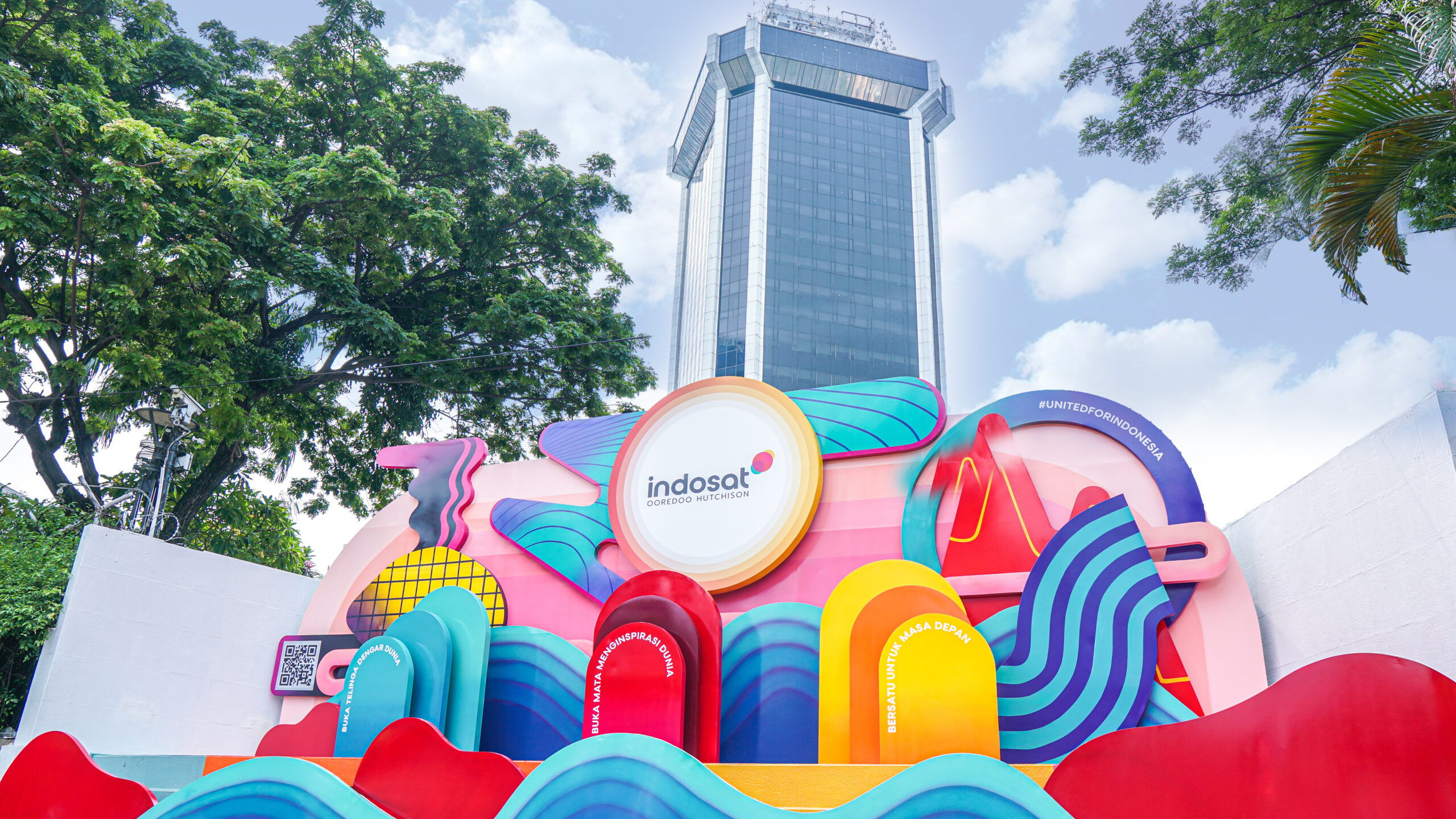
  • Indosat Launches Innovative AI Solution to Tackle Digital Fraud and Protect Consumers

    Indosat Launches Innovative AI Solution to Tackle Digital Fraud and Protect Consumers

    Indosat Ooredoo Hutchison, in an impressive collaborative effort with Indonesia’s Ministry of Communications and Digital Affairs, has unveiled an innovative AI-powered Anti-Spam and Anti-Scam solution, aimed at bolstering protection for Indonesians against the troubling rise of digital fraud. This initiative comes at a critical time as the recent Asia Scam Report 2024 from the Global Anti-Scam Alliance (GASA) reveals that a staggering 65% of Indonesians encounter scam attempts on a weekly basis, ranging from pesky phishing texts to misleading job offers and dubious investment schemes.

    A Commitment to Digital Protection

    Vikram Sinha, President Director and CEO of Indosat Ooredoo Hutchison, stated: “At Indosat, we believe digital protection is a fundamental right for every Indonesian. Our partnership with Tanla to deploy this AI-powered Anti-Spam and Anti-Scam solution illustrates how technology can safeguard daily digital lives. Built on Indosat’s own AI factory using state-of-the-art NVIDIA Blackwell GPUs, this solution enhances Indonesia’s ability to combat spam and scams in real time, thereby reinforcing public trust and national digital resilience.”

    The Technology Behind the Solution

    The system utilizes Indosat’s advanced AIvolusi5G framework to identify suspicious numbers and filter malicious activities as they occur. The brilliance of this solution lies in its on-network processing capability, which does not require high-tech devices or expensive connections—making it accessible to everyone, regardless of their location or device specifications. It’s as though advanced technology has decided to play nice with the everyday user.

    A Vision of Collaboration

    Developed in partnership with Tanla, along with support from global allies like Mastercard, GASA, and the GSMA, this initiative embodies the Indonesian principle of “gotong royong,” or mutual cooperation. By seamlessly blending public and private contributions, Indosat aims to establish a regional standard for telco-led digital safety initiatives.

    Government Support for a Safe Digital Landscape

    Nezar Patria, Vice Minister of Communications and Digital Affairs of Indonesia, praised Indosat’s efforts, emphasizing the importance of collaboration in creating a secure digital environment. He remarked, “AI should bring technology closer and open more opportunities for society to grow. Indonesia does not want to simply consume technology; instead, we aim to play a pivotal role in shaping AI that meets the real needs of our community.”

    A Step Towards Inclusivity

    Indosat views this innovation as a cornerstone of its transformation into an AI-centric company, committed to delivering secure and inclusive technology solutions. Through its ‘AI for All’ campaign, the company pledges that AI will be accessible to everyone, ensuring that no one is left behind in this digital revolution. This latest launch is a vital piece of Indosat’s larger mission to empower the nation and enhance the well-being of all Indonesians.

    Questions & Answers

    How does the AI-powered Anti-Spam and Anti-Scam solution work?
    The solution employs Indosat’s AIvolusi5G framework to detect suspicious numbers and filter out malicious activities in real time, ensuring efficiency and accessibility for all users.

    What motivated the development of this initiative?
    The increasing frequency of scam attempts reported in the Asia Scam Report 2024 highlighted the urgent need for effective digital protection tools in Indonesia.

    How does Indosat’s partnership with other organizations enhance this effort?
    The collaboration with Tanla and support from global entities such as Mastercard and GASA showcases a united front in combating digital fraud, emphasizing the collective responsibility to create a safe online environment for all Indonesians.

  • Mcdonald’s To Boost Ai Investment By 2027, Eyes India As Data Governance Hub

    Mcdonald’s To Boost Ai Investment By 2027, Eyes India As Data Governance Hub

    McDonald’s, the renowned fast-food chain, has announced its intention to significantly increase its investment in artificial intelligence (AI) by 2027, foreseeing India as a principal center for data governance, engineering, and platform architecture. The news was delivered by Deshant Kaila, McDonald’s Head of Global Business Services Operations, last Friday.

    India as a Key Player

    McDonald’s, which made its foray into India in 1996, has a wide network of restaurants across the nation. The company recently opened a global office in the southern city of Hyderabad, which they plan to expand into their largest international office outside of the United States.

    While the company is still in the early phases of this AI-focused initiative, the exact amount of intended investment remains undisclosed. However, Kaila has given some insights into how McDonald’s is utilizing AI technologies to enhance its operations and services.

    Artificial Intelligence in Operations

    At present, McDonald’s is leveraging AI to corroborate orders at 400 of its restaurants, mitigating errors before orders reach customers. The company has set ambitious plans to extend this AI-driven order verification system to 40,000 of its locations worldwide by 2027, as revealed by Durga Prakash, Head of Technology (Global Offices).

    Moreover, AI tools are being employed by McDonald’s to project sales, determine pricing, and evaluate product performance. The fast-food chain is also developing a personalized app that customers can use globally. As per Kaila, the strategic push in India will be primarily focused on building its AI team, with more investment directed towards technology and tools rather than personnel.

    Expansion of Global Offices

    McDonald’s is also considering establishing another global office in Poland, similar to the ones in India and Mexico. Earlier this year, it was reported that the company would inaugurate a global capability center in Hyderabad, India, which is expected to employ about 2000 individuals.

    India’s global capability centers, formerly cost-effective outsourcing hubs for global businesses, have evolved and now provide support to their parent organizations across diverse areas, including operations, finance, research, and development.

    Questions & Answers

    What is McDonald’s strategy for AI investment by 2027?

    McDonald’s plans to significantly increase its investment in artificial intelligence (AI) by 2027. The company aims to utilize AI to improve operations, predict sales, set pricing, and evaluate product performance.

    How does McDonald’s plan to utilize AI in its operations?

    The fast-food chain is currently using AI to verify orders at certain locations to prevent errors before handing them over to customers. It is also using AI tools for sales forecasting, pricing decisions, and product performance assessments.

    Why is India a focus in McDonald’s AI strategy?

    India is a key focus in McDonald’s AI strategy due to its potential as a hub for data governance, engineering, and platform architecture. In addition, the company has recently opened a global office in Hyderabad, India, with plans to make it the largest outside the U.S.

  • Punkverse To Launch Revolutionary Flagship Store In Vietnam, Eyes Global Expansion

    Punkverse To Launch Revolutionary Flagship Store In Vietnam, Eyes Global Expansion

    Punkverse, a retail arm of the China-based collectible toy company PunkCode, is primed to launch its first international flagship store in Ho Chi Minh City, Vietnam. The specifics of the location, however, remain unknown as of now.

    Revolutionizing Retail

    The forthcoming Vietnam outlet is set to revolutionize the retail market with a unique combination of original intellectual property (IP), extended reality (XR) experiences, and a groundbreaking participatory retail model. This new approach to retail will empower consumers to become part-owners in the store, sharing in its profits.

    PunkCode has earned a reputation for its intriguing characters, namely Space Ape and Punk Ape. The company has also forged partnerships with highly esteemed artists from China like Zhang Daqian and Guan Shanyue.

    The Strategic Role of Punkverse

    Punkverse plays a vital role in PunkCode’s international strategy, intertwining toy manufacturing, artist collaborations, immersive technologies, and worldwide distribution. The company sees itself as a pioneering entity in the realms of the “Art Toy Culture Stock” and “XR Technology Stock.”

    According to PunkCode, Vietnam was selected as the location for their flagship store because of its young, technologically-adept population, a burgeoning middle class, substantial acceptance of mobile payments, and an expanding market for collectibles. The company has bold plans to inaugurate flagship stores in Singapore, Thailand, South Korea, and Dubai by the coming year, as part of their ambitious “1000 Store Plan”.

    Public Listing

    In addition to its retail expansion, PunkCode has also solidified its Nasdaq listing structure under the ticker symbol “PKCD”, with intentions to become a publicly-traded company by the following year.

    Questions & Answers

    What is the unique approach to retail proposed by PunkCode’s Punkverse?
    Punkverse is set to introduce a retail model combining original IP, extended reality experiences, and a participatory retail model that allows customers to share in store ownership and profits.

    Why was Vietnam chosen as the location for PunkCode’s first international flagship store?
    Vietnam was selected due to its young, tech-savvy population, a burgeoning middle class, high adoption of mobile payments, and a growing collectibles market.

    What are PunkCode’s future plans?
    PunkCode aims to open flagship stores in Singapore, Thailand, South Korea, and Dubai as part of its ambitious “1000 Store Plan”. The company also plans to go public next year under the ticker symbol “PKCD”.

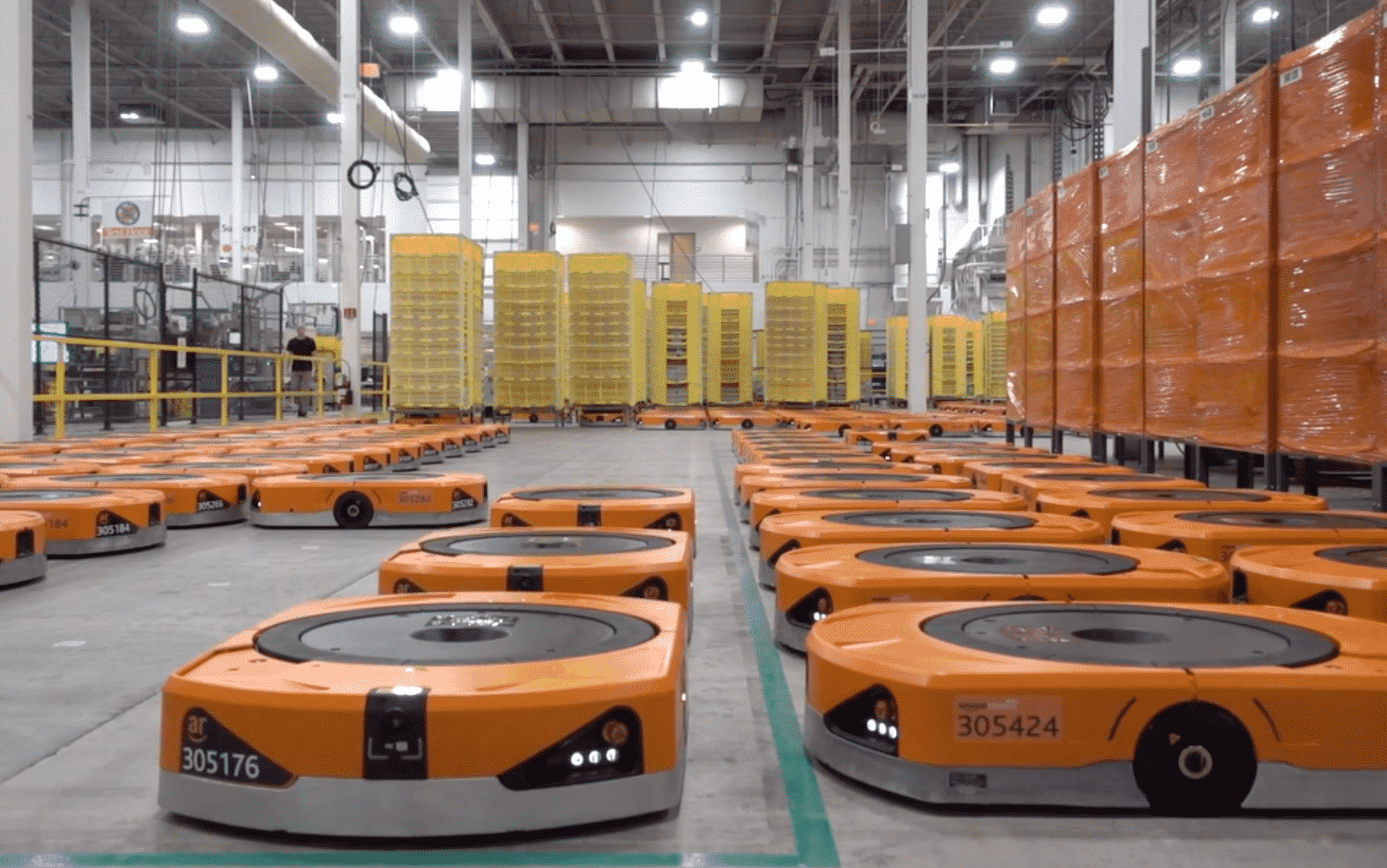
  • Amazon Reaches Milestone: 1 Million Robots Now Match Workforce in Warehouse Operations

    Amazon Reaches Milestone: 1 Million Robots Now Match Workforce in Warehouse Operations

    Amazon’s relentless quest for automation has reached a remarkable milestone, as the number of robots deployed in its Japanese warehouses has soared to one million. This achievement underscores the company’s commitment to revolutionizing logistics and factory operations while positioning Japan as a critical hub in its global strategy.

    These robots work in tandem with Amazon’s workforce, which exceeds 1.5 million human employees worldwide. In fact, the robotic workforce is also on track to match that figure, approaching a remarkable 1.5 million units worldwide, illustrating an unprecedented synergy between human ingenuity and machine efficiency.

    Currently, Amazon has integrated robots into over 300 facilities across the globe, forming an increasingly sophisticated automated delivery network that redefines efficiency in the retail space. Imagine a robotic ballet, orchestrating the flow of products with precision as they navigate their bustling warehouse environments.

    Adding to this innovation is Amazon’s introduction of DeepFleet, a cutting-edge generative AI model designed to enhance the performance of its robotic fleet by an impressive 10%. This advancement optimizes their movements throughout fulfillment networks, ultimately leading to faster deliveries and lower operational costs.

    But Amazon’s ambitions extend far beyond warehouse duties. This milestone is just the beginning, as the company eyes future developments that will encompass delivery solutions and even home robotics, further integrating technology into daily life.

    Questions & Answers

    What milestone has Amazon achieved in Japan?
    Amazon has reached one million robots deployed in its warehouses across Japan, highlighting its commitment to advanced automation in logistics.

    How does the number of robots compare to human workers at Amazon?
    The number of robots is nearing the 1.5 million mark, which closely matches Amazon’s global workforce of over 1.5 million human employees.

    What is DeepFleet and how does it benefit Amazon?
    DeepFleet is a generative AI model designed to enhance the efficiency of Amazon’s robotic fleet by 10%, optimizing product movement through the fulfillment network to speed up deliveries and lower costs.

  • Google, Earth Fire Alliance, And Muon Space Launch Firesat: Ai-driven Wildfire Detection Revolution

    Google, Earth Fire Alliance, And Muon Space Launch Firesat: Ai-driven Wildfire Detection Revolution

    In a groundbreaking move, Google has joined forces with the Earth Fire Alliance and Muon Space to unveil the first satellite of its innovative wildfire detection initiative, aptly named FireSat. This venture is set to revolutionize how we monitor wildfires, boasting advanced artificial intelligence (AI) capabilities.

    The FireSat project aims to deploy more than 50 satellites, each armed with state-of-the-art thermal imaging technology and AI designed to identify wildfires in a mere 15 to 20 minutes after ignition. This rapid response dramatically outpaces traditional satellites, which often take hours to relay critical data.

    Real-Time Alerts and Enhanced Accuracy

    What sets FireSat apart is its ability to detect fires as small as those in a classroom and promptly alert emergency responders. Its AI is adept at discerning genuine wildfires from false alarms such as industrial heat or cloud formations, thereby significantly enhancing accuracy. Imagine a virtual watchdog in the skies, always on the lookout for flames—it’s not just a fantasy anymore!

    Addressing the Growing Threat of Wildfires

    This advanced technology arrives at a crucial juncture, as climate change continues to amplify wildfire risks across the globe, particularly in high-risk regions like California and the Mediterranean. By integrating space-based thermal sensing with machine learning, FireSat is poised to enable quicker, more effective responses that have the potential to save lives, mitigate damage, and conserve vulnerable ecosystems. While the first satellite is already operational, full deployment of the entire constellation is anticipated in the coming years.

    Questions & Answers

    What is the purpose of the FireSat project?
    The FireSat project aims to deploy over 50 satellites equipped with AI and thermal imaging to rapidly detect wildfires, typically within 15 to 20 minutes of ignition.

    How does FireSat improve wildfire detection compared to traditional systems?
    FireSat offers real-time detection of small fires and utilizes AI to differentiate between genuine wildfires and false alarms, significantly enhancing detection accuracy.

    Where is the technology expected to have the most impact?
    The technology is particularly crucial in regions like California and the Mediterranean, where the risks of wildfires are increasingly exacerbated by climate change.

  • Rakuten Unveils Innovative AI Agent for Enhanced Mobile and Web Shopping Experience

    Rakuten Unveils Innovative AI Agent for Enhanced Mobile and Web Shopping Experience

    In a bold step towards redefining digital interactions, Rakuten Group, Inc. and Rakuten Mobile, Inc. have officially launched Rakuten AI. This innovative artificial intelligence agent is now accessible through the Rakuten Link app and a beta web application, setting the stage for a tech-forward user experience.

    Expanding Features and Reach

    Available free of charge, Rakuten AI is primed for a broader rollout, with plans to extend its capabilities to Rakuten Ichiba by Autumn 2025. Designed to streamline interactions within the Rakuten ecosystem, the service boasts an impressive array of features that includes AI chat, voice input, image search, translation services, coding assistance, and customized recommendations. Talk about a virtual assistant that does it all!

    Localized for Japanese Users

    What sets Rakuten AI apart is its deep understanding of Japanese language and culture, making it particularly relevant for domestic users. Within the Rakuten Link app, customers can engage with Rakuten AI through text, voice, and even image-based queries, while receiving AI-generated suggestions to refine their searches and navigate a plethora of services seamlessly.

    A Comprehensive Tool for Everyday and Complex Needs

    For Rakuten ID holders, the web app presents additional functionalities, including advanced search capabilities, problem-solving tools, and content creation features. This positions Rakuten AI not just as a daily utility, but as a comprehensive tool capable of tackling more intricate tasks with ease.

    A Vision for the Future of Retail

    The impending integration of Rakuten AI into Rakuten Ichiba later this year aims to enhance the shopping experience by delivering personalized product recommendations that draw from user behavior, preferences, and purchase history. This launch marks the start of Rakuten’s ambitious vision for an Agentic Ecosystem—a hyper-personalized network where AI empowers users to make informed decisions, act swiftly, and streamline various tasks across multiple platforms.

    Ultimately, Rakuten aims to establish Rakuten AI as the go-to gateway for its expansive digital ecosystem, enhancing both mobile and web experiences to ensure intuitive access and intelligent guidance for users.

    Questions & Answers

    What functionalities does Rakuten AI offer to users?
    Rakuten AI provides tools such as AI chat, voice input, image search, translation services, coding assistance, and personalized recommendations, all tailored to enhance user experience.

    How is Rakuten AI tailored to the local market?
    It has a strong understanding of Japanese language and culture, making it especially relevant and useful for users in Japan.

    When can we expect to see Rakuten AI integrated into Rakuten Ichiba?
    The integration is scheduled for later this year, aiming to offer personalized product recommendations based on user preferences and shopping behavior.

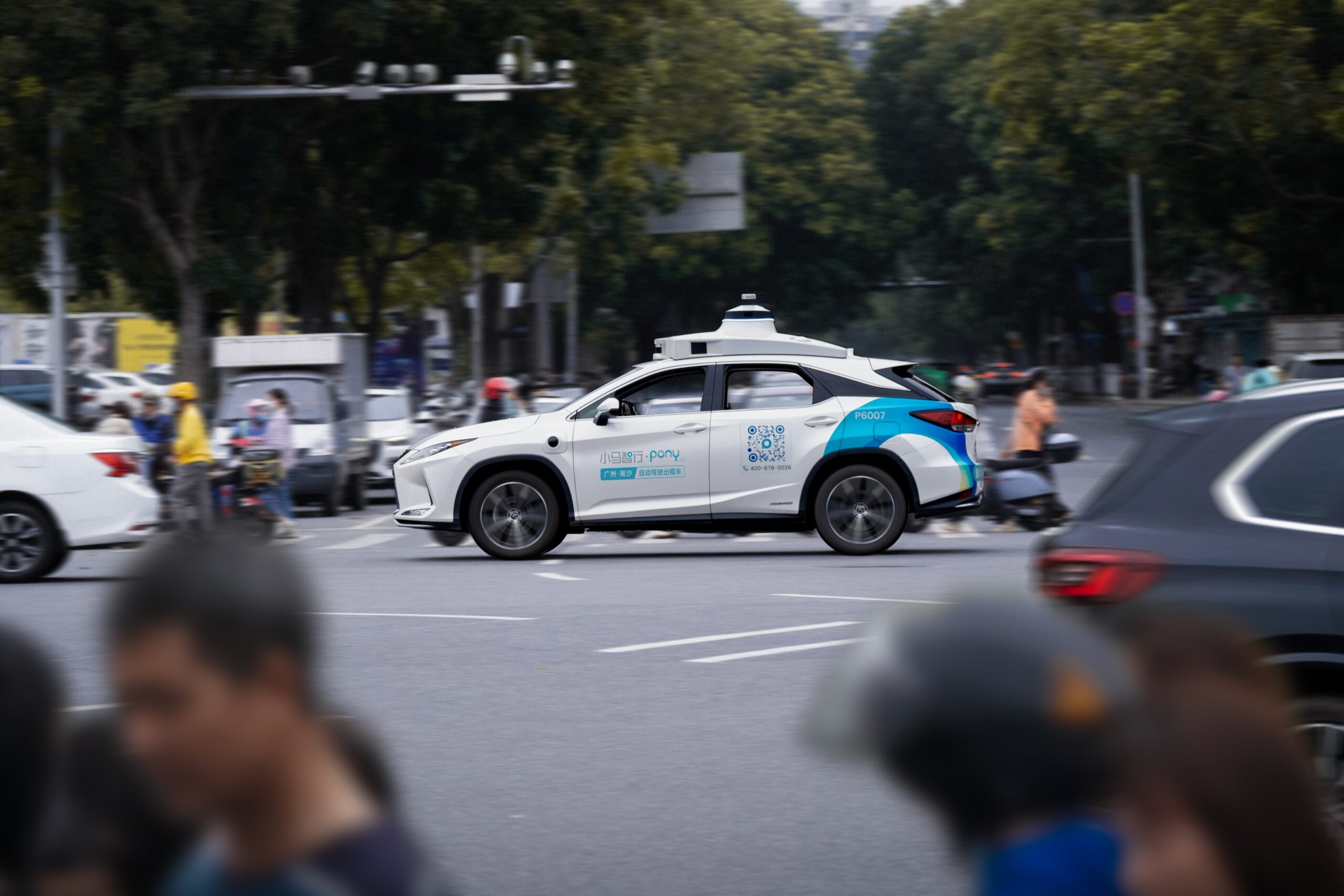
  • Pony, the Chinese Robotaxi Innovator, Gears Up for Exciting Mass Production Launch!

    Pony, the Chinese Robotaxi Innovator, Gears Up for Exciting Mass Production Launch!

    Pony.ai, the Guangzhou-based autonomous driving company, is taking bold steps toward a new era of transportation by collaborating with state-owned giants Guangzhou Automobile Group and Beijing Automotive Group, alongside Japan’s Toyota. The ambitious goal? To roll out a fleet of 1,000 robotaxis by the end of the year, as revealed by Lou Tiancheng, co-founder and chief technology officer.

    “We are anticipating a pickup in production of robotaxis,” Tiancheng stated confidently, adding that the company has reinforced its partnerships with car manufacturers to validate the feasibility of scaling up driverless cab production.

    The Nasdaq-listed startup recently secured a significant milestone by obtaining a permit to operate its robotaxis in Shanghai’s Pudong New Area, enabling it to charge fares—a first for China’s bustling financial hub. This strategic move places Pony.ai at the forefront of the nation’s race toward autonomous urban mobility.

    The company’s fleet will initially cover the Jinqiao and Huamu districts, enveloping a span of 40 square kilometers, with ambitious plans to extend service into broader areas of Pudong. This region stands as a testing ground for modern technological advancements in a socialist framework, making it a critical area for innovation.

    “Advances in technology and favorable regulatory conditions have transformed the landscape for our expansion,” noted Leo Haojun Wang, the company’s chief financial officer. “The vehicle production is becoming more streamlined, and current regulations in both the U.S. and China now permit us to charge fares publicly.”

    Founded in 2016, Pony.ai has rapidly broadened its footprint, offering services in major cities including Beijing, Guangzhou, and Shenzhen. Recently, the company transitioned to a 24/7 service model, increasing accessibility from its previous operational hours of 7 a.m. to 11 p.m.

    Despite boasting a 4.3% rise in revenue to $75 million last year, Pony.ai is also contending with challenges, as its net loss has more than doubled to $275 million. It seems that while robotic dreams might be within reach, navigating the profitability maze remains a tricky endeavor.

    Questions & Answers

    What new partnerships has Pony.ai formed for its robotaxi production?
    Pony.ai is collaborating with state-owned Guangzhou Automobile Group and Beijing Automotive Group, as well as Japan’s Toyota, in a bid to produce 1,000 robotaxis by the end of the year.

    What recent milestone did Pony.ai achieve in Shanghai?
    Pony.ai secured a permit to operate its robotaxis in Shanghai’s Pudong New Area, allowing it to charge fares for the first time in China’s commercial heart.

    How has Pony.ai expanded its service hours recently?
    The company has transitioned to a 24/7 operating model, moving away from its previous hours of 7 a.m. to 11 p.m., thus enhancing accessibility for riders.

  • Onshore Wind Continues to Lead as 2024’s Most Affordable Energy Source

    Onshore Wind Continues to Lead as 2024’s Most Affordable Energy Source

    The remarkable growth of renewable energy in 2024 has a staggering backdrop: an impressive 582 gigawatts of new capacity has been added, significantly staving off fossil fuel consumption worth approximately $57 billion. According to the International Renewable Energy Agency (IRENA), onshore wind is leading the charge as the most economical option, priced at just $0.034 per kilowatt-hour (kWh), making it 53% cheaper than its most affordable fossil fuel counterparts.

    A Solar Surge in Affordability

    In the realm of solar energy, prices hit $0.043/kWh, which reflects an attractive 41% lower cost than fossil fuel alternatives, showcasing the competitive landscape of renewables. IRENA’s report, “Renewable Power Generation Costs in 2024,” emphasizes that a staggering 91% of the newly commissioned renewable projects last year outperformed any newly required fossil fuel options in terms of cost efficiency.

    Imminent Cost Trends Amid Challenges

    While the trend appears promising, the report also points out that technological advancements will likely continue to drive down costs. Yet, external challenges such as trade tariffs, raw material shortages, and shifts in manufacturing, particularly within China, could dampen progress and temporarily inflate prices.

    In Europe and North America, structural hurdles like permitting holdups and constrained grid capabilities are likely to perpetuate higher costs. In contrast, regions like Asia, Africa, and South America stand to benefit from enhanced learning curves and substantial renewable potential, paving the way for more pronounced cost reductions.

    Investment Stability as a Key Factor

    IRENA emphasizes the critical role of stable and predictable revenue frameworks to mitigate investment risks and attract the necessary capital. Despite the declining costs, new challenges have arisen—mainly concerning integration costs for renewable energy systems. Increasingly, wind and solar projects face delays due to bottlenecks in grid connections, sluggish permitting processes, and costly local supply chains.

    Financing remains a pivotal factor influencing project feasibility. In many developing Global South countries, high capital costs, exacerbated by macroeconomic conditions and perceived investment risk, significantly inflate the levelized cost of electricity (LCOE) for renewables.

    Technological Advances Fueling Future Growth

    However, the future looks promising as technological innovations beyond just energy generation continue to enhance the viability of renewables. Battery energy storage systems (BESS) have plummeted in cost by 93% since 2010, now sitting at $192/kWh for utility-scale applications, thanks to improved materials and streamlined manufacturing processes. Who knew that battery prices would fall faster than your last ability to remember your online passwords?

    Moreover, the advent of artificial intelligence (AI) is revolutionizing asset performance and grid responsiveness. Despite these advancements, the digital infrastructure and flexibility required for expansion and modernization present ongoing challenges, particularly in emerging markets where further investment is critical to unlock the full potential of renewable energy.

    Questions & Answers

    What is the significance of the 582 gigawatts of new renewable capacity added in 2024?
    The addition of 582 gigawatts of renewable capacity in 2024 not only avoided fossil fuel consumption valued at approximately $57 billion, but it also marks a significant shift towards more sustainable energy sources that are outperforming traditional fossil fuels economically.

    Which renewable energy source is currently the most affordable?
    Onshore wind is recognized as the most affordable renewable energy source, priced at $0.034 per kilowatt-hour, making it considerably cheaper than its fossil fuel counterparts.

    What challenges could potentially disrupt the decreasing costs of renewables?
    External challenges such as trade tariffs, raw material shortages, and changes in manufacturing practices pose risks that might temporarily elevate costs, particularly in established markets like Europe and North America.

  • Walmart Unveils Four Cutting-Edge AI ‘Super Agents’ with Strategic Tech Recruitment Boost

    Walmart Unveils Four Cutting-Edge AI ‘Super Agents’ with Strategic Tech Recruitment Boost

    The retail landscape in Asia has been buzzing with activity as major players adapt to the evolving market dynamics. With the ongoing embrace of e-commerce and a resurgence of physical shopping, businesses are honing their strategies to capture the attention of an increasingly discerning consumer base.

    Asia’s Digital Retail Rise

    Digital retail in Asia has witnessed unprecedented growth, fueled by a blend of technological advancements and changing consumer behavior. According to recent reports, the region is on track to surpass a staggering $2 trillion in online sales this year. Beyond mere numbers, this seismic shift reflects a cultural transformation — imagine purchasing a new outfit with a few swipes on your smartphone while sipping bubble tea. It’s convenience served with a splash of personality.

    Bricks and Mortar Make a Comeback

    While e-commerce continues to thrive, the allure of physical retail stores has not dimmed. Many brands are rethinking their brick-and-mortar strategies, merging the tactile experience of shopping with digital savviness. Retailers are increasingly investing in immersive experiences that engage shoppers beyond traditional transactions, sparking excitement for customers keen to explore the latest trends in person.

    Adaptation in the Face of Challenges

    Retailers in Asia are not just riding the wave of digital sales; they are also navigating significant challenges like supply chain disruptions and inflationary pressures. Industry leaders are finding innovative ways to address these hurdles, from streamlining operations to diversifying their supply chains. The savvy among them are even leveraging local artisans and manufacturers to reduce lead times and foster closer community ties.

    Eco-Conscious Consumers Drive Sustainability Efforts

    An emerging trend is the demand for sustainability — consumers are increasingly making purchasing decisions based on a brand’s environmental impact. This rising awareness has prompted retailers to embrace more sustainable practices, integrating eco-friendly products into their offerings and emphasizing transparency in their supply chains. For many brands, being green is not just a marketing gimmick; it’s a commitment to the planet that resonates with their audience.

    Looking Ahead: The Future of Retail in Asia

    The future of retail in Asia looks bright and dynamic. As companies continue to innovate and adapt, the sales strategies of tomorrow will be shaped by technology, sustainability, and a deeper understanding of consumer needs. Expect to see more personalized shopping experiences, AI-driven recommendations, and, possibly, a few unexpected trends that could take the market by storm — like that grassroots coffee shop that becomes a nationwide sensation overnight.

    Questions & Answers

    How is e-commerce changing the retail landscape in Asia?
    E-commerce is revolutionizing retail in Asia by driving online sales to unprecedented levels, with projections exceeding $2 trillion this year, transforming consumer shopping habits along the way.

    What trends are influencing brick-and-mortar stores?
    Bricks-and-mortar stores are evolving to enhance customer engagement, blending physical allure with digital conveniences to attract shoppers who enjoy the tangible shopping experience.

    Why is sustainability becoming a key factor for consumers?
    Sustainability is rising in importance as more consumers are considering a brand’s environmental impact in their purchasing decisions, leading retailers to adopt eco-friendly practices and increased transparency.

  • SoftBank Unveils Game-Changing DGX B200 SuperPOD: A Milestone for AI Computing Power

    SoftBank Unveils Game-Changing DGX B200 SuperPOD: A Milestone for AI Computing Power

    SoftBank Corp. has unveiled a groundbreaking DGX SuperPOD featuring DGX B200 systems, powered by over 4,000 NVIDIA Blackwell graphics processing units (GPUs). This formidable setup solidifies SoftBank’s position as the owner of the largest NVIDIA DGX SuperPOD worldwide equipped with DGX B200 systems. With the addition of NVIDIA Quantum-2 InfiniBand networking, this AI computing platform now boasts an impressive total of more than 10,000 GPUs, delivering a staggering computing power of 13.7 exaflops.

    A New Frontier in AI Development

    The advanced capabilities of this platform are set to be harnessed by SB Intuitions Corp., a subsidiary focused on developing large language models (LLMs) designed specifically for the Japanese language. In fiscal year 2024, SB Intuitions aims to build LLMs boasting around 460 billion parameters, with a commercial model dubbed “Sarashina mini” anticipated to launch by March 31, 2026, featuring 70 billion parameters. Leveraging the upgraded computing power, SoftBank is on a mission to accelerate the development of increasingly vast and sophisticated models that could revolutionize Japanese-language applications.

    Scaling New Heights in AI Performance

    SoftBank’s venture into AI computing is not new; they initially deployed a DGX SuperPOD with over 2,000 NVIDIA Ampere GPUs back in September 2023, achieving a performance benchmark of 0.7 exaflops. The journey, however, has been anything but stagnant. In October 2024, the company made headlines again by augmenting its capabilities with over 4,000 NVIDIA Hopper GPUs, catapulting the overall performance to an eye-watering 4.7 exaflops. It seems that in the race of AI, SoftBank has put its best foot forward — or, to be more precise, its best GPU!

    Building an AI Ecosystem

    The construction of this state-of-the-art AI computing platform has earned certification for supply assurance from Japan’s Ministry of Economy, Trade, and Industry (METI) as part of a Cloud Program under the Economic Security Promotion Act. This seal of approval underscores SoftBank’s intent to bolster the burgeoning generative AI (GenAI) development ecosystem. The company aims to provide computational resources not only for its internal projects but also extend this infrastructure-as-a-service (IaaS) model to other enterprises and research institutions throughout Japan, fostering growth and innovation across the sector.

    Questions & Answers

    What is the significance of SoftBank’s new DGX SuperPOD?
    SoftBank’s new DGX SuperPOD positions it as a leader in AI capabilities, boasting the largest platform of its kind in the world and dramatically enhancing its computational power to support advanced AI model development.

    How will SB Intuitions utilize this AI computing platform?
    SB Intuitions plans to use the upgraded platform to develop large language models tailored to the Japanese market, aiming for innovative applications and commercial releases in the coming years.

    What role does the Japanese government play in SoftBank’s AI initiatives?
    The Japanese government has certified SoftBank’s AI computing platform for supply assurance, supporting the development of critical technology under the Economic Security Promotion Act, which helps ensure a secure and robust technological infrastructure in Japan.

  • Google Enhances Virtual Try-On Tool with Exciting New AI Features for Shoppers

    Google Enhances Virtual Try-On Tool with Exciting New AI Features for Shoppers

    Amid a landscape of rapidly changing consumer preferences, the Asia-Pacific region continues to lead the way in retail innovation. From bustling markets in Bangkok to sleek showrooms in Tokyo, retailers are adapting to ensure they meet the evolving demands of shoppers who are increasingly drawn to convenience, variety, and experiential shopping.

    Shifting Tides in Consumer Behavior

    As online shopping cements its place in daily life, traditional brick-and-mortar stores are feeling the pressure to reinvent themselves. With a surge in e-commerce, driven by a tech-savvy population eager for instant gratification and seamless service, physical retailers are compelled to enhance the in-store experience. This dynamic is particularly noticeable in countries like China, where the rise of social commerce has changed the shopping landscape overnight. Retailers are increasingly leveraging livestreaming and interactive platforms to engage consumers in real time, encapsulating the adage that if it’s not fun, it’s not selling.

    Technology as a Game Changer

    The integration of technology into retail isn’t merely a trend—it’s a necessity. Augmented reality (AR) and artificial intelligence (AI) are transforming how shoppers interact with products. Innovative retailers are using AR to allow customers to “try before they buy,” enabling virtual fittings for clothing and makeup. Meanwhile, AI is being deployed to analyze shopping data, helping retailers anticipate trends and stock accordingly. The result? A more tailored shopping experience that speaks directly to what consumers want, rather than what retailers predict they might buy.

    The Rise of Sustainability

    Sustainability remains a hot topic in the retail sector, especially among younger consumers who are keen to support environmentally conscious brands. Retailers across Asia are responding with initiatives aimed at reducing waste and embracing ethical sourcing. Brands that can effectively communicate their sustainability practices are not only attracting a loyal customer base but are also setting themselves apart in an increasingly crowded marketplace. It’s all about making sustainability not just a checkbox, but a cornerstone of brand identity—a move that’s both smart and refreshing in an industry often critiqued for its environmental footprint.

    Adapting to Economic Realities

    The economic landscape in Asia is as diverse as its cultures, with each country presenting unique challenges and opportunities. Retailers must navigate fluctuating currencies, varying regulations, and differing consumer sentiments. Cambodia is not just a hidden gem in tourism; it’s emerging as a bright spot for retail investment, attracting international brands eager to tap into a youthful population. Similarly, Southeast Asia’s rising middle class fuels demand for more upscale products, prompting local businesses to upscale their offerings.

    With so much at play, the retail sector in Asia is like a game of chess; those who strategize effectively will be the ones to thrive. Yet, amidst all this growth and change, it’s essential to remember that retail is fundamentally about connection—between brands and consumers, products and experiences.

    As Asia continues to shape the future of retail, one thing is clear: innovation is not just encouraged; it’s a survival instinct.

    Questions & Answers

    How are retailers in Asia adapting to the rise of e-commerce?
    Retailers are enhancing their in-store experiences by integrating technology and leveraging social commerce strategies, such as livestream shopping, to engage consumers more effectively.

    What role does sustainability play in current retail strategies in Asia?
    Sustainability is increasingly central to brand identity, attracting younger consumers who prioritize environmentally conscious practices and ethical sourcing.

    Which countries in Asia are showing promising growth in retail investment?
    Countries like Cambodia are emerging as key markets for retail investment, alongside the rapid growth in demand observed in Southeast Asia due to a rising middle class.

  • Just 4% of Insurers Fully Trust AI Agents Amid Rising Enthusiasm for Technology

    Just 4% of Insurers Fully Trust AI Agents Amid Rising Enthusiasm for Technology

    In a revealing new report from the Capgemini Research Institute, the insurance industry finds itself at a crossroads regarding the adoption of AI technology. While the potential for transformation remains vast, with a $450 billion opportunity on the horizon, the current implementation is far from robust. Shockingly, only 10% of insurance organizations have partially or fully deployed AI agents, and a further 20% are merely dipping their toes into pilot projects.

    AI Adoption Left in the Dust

    A significant portion of the industry—42% of insurers—has yet to define a formal strategy for integrating AI agents into their operations. As excitement brews within the sector for what is termed Agentic AI, many firms still grapple with the early stages of adoption, revealing a pressing need for clear implementation roadmaps.

    Where Insurers Expect AI to Shine

    Despite the rocky terrain, there is optimism about the role AI could play in daily operations. Sales and customer service emerge as frontrunners, with 52% and 57% of insurers, respectively, anticipating that AI agents will manage at least one process daily in these areas. Yet, despite these lofty expectations, trust in AI technology remains disturbingly low. Only 4% of organizations report full confidence in AI agents, and overall trust has dipped from an average of 54% in 2024 to 47% in 2025.

    Concerns Rising Among Insurers

    Chief concerns identified by insurers highlight critical issues surrounding privacy, bias, and transparency, each garnering concern from half of the surveyed firms. As these risks loom large, the path forward for AI integration remains fraught with caution.

    The Future of AI in Insurance

    Looking ahead, 26% of insurers believe that AI agents will begin augmenting human work within the next one to three years, while 35% foresee these agents operating independently under human oversight. The demand for skilled personnel also rises sharply; 67% of employers indicate that programming and software development skills will be crucial, while 60% emphasize the importance of decision-making as a key soft skill.

    Yet, the ethical landscape appears murky; only a mere 8% of insurance organizations have successfully embedded ethical AI principles into their operations, significantly trailing the global average of 14%. As the financial sector increasingly embraces digital transformation, one can’t help but wonder: will insurers be quick enough to catch up, or will they find themselves left in a behind-the-times conundrum?

    Questions & Answers

    What does the Capgemini report reveal about the current state of AI adoption in the insurance industry?
    The report indicates that only 10% of insurance organizations have fully implemented AI agents, with another 20% in pilot stages, while 42% have no formal strategy for deployment.

    Which areas within insurance are most expected to benefit from AI agents?
    Sales and customer service are identified as the primary areas, with a significant number of insurers believing AI will manage daily processes in these functions.

    What are the main concerns regarding the implementation of AI agents among insurers?
    Insurers are particularly worried about privacy, bias, and transparency, with half of respondents expressing concern over these risks.