Retail News CRM

Tag: air

  • Hazmat Worries Growing

    Hazmat Worries Growing

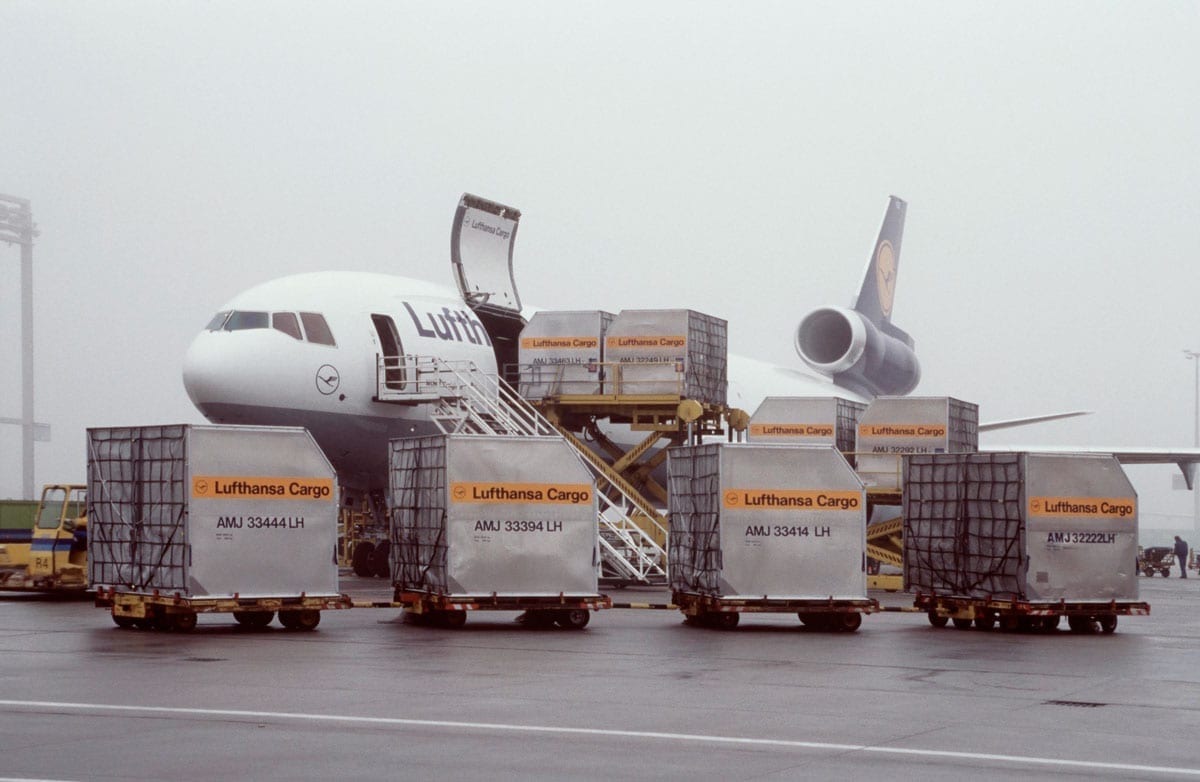
    Concerns are rising about hazardous cargo. Bans on Galaxy Note 7 smartphones by airlines mark the latest flashpoint in a debate on how to reduce risks from carrying dangerous goods, but there are also worries in the maritime sector.

    Troubles with Samsung’s Galaxy Note 7 have reignited the debate on lithium batteries. After faulty batteries on some units went ablaze, several airlines, including Finnair, Qantas, Aeroflot and Air Canada, have banned the smartphone from their cargo holds.

    Samsung has recalled 2.5 million of the smartphones in at least 10 countries and promised to send replacements out as quickly as possible.

    Airlines that knowingly carry the version with potentially defective batteries or shippers that send them as air freight would be breaking IATA’s Dangerous Goods rules, which mandate that “lithium batteries identified by the manufacturer as being defective for safety reasons, or that have been damaged, that have the potential of producing a dangerous evolution of heat, fire or short circuit are forbidden for transport (for example those being returned to the manufacturer for safety reasons).”

    The International Civil Aviation Organization (ICAO) issued an interim ban on lithium-ion battery shipments on passenger aircraft, which came into effect on April 1. According to ICAO, it will stay in force until a new, safer packaging standard has been established.

    The ban has been criticized by battery manufacturers and some shipper organizations. Many airlines have refrained from comment. According to IATA, about 400 million lithium-ion batteries are produced every week. Most of them are shipped by ocean carrier, but a small contingent goes by air.

    Much of the opposition to bans has revolved around the issue of undeclared battery shipments, which are seen to pose a greater risk. In a joint letter sent in early August to ministers of trade, industry and transport, and directors of civil aviation in the world’s largest lithium battery producing countries, IATA, the Global Shippers Forum, the International Air Cargo Association and several battery manufacturer interest groups called for lithium battery safety regulations to be enforced at the point of origin, including the initial shipper and the battery manufacturer.

    The US Federal Aviation Administration (FAA) appears bent on stepping up enforcement. It recently hit a company that had tendered a shipment of 30 four-ounce ‘Fryer Boil-Out Foaming’ tablets made of corrosive sodium hydroxide for air transportation from Florida to North Carolina to UPS with a US$54,000 fine.

    The amount and the fact that a shipper was punished (usually the FAA metes out fines to carriers, who then deal with clients who have tendered hazmat cargo without proper identification) suggest that the administration is sending out a signal, one airline executive commented.

    In June the FAA slapped a US$350,000 penalty on Amazon, after the company had tendered a package containing a one-gallon container of “Amazing! LIQUID FIRE,” a corrosive drain cleaner, for air transport to UPS. DHL was fined US$455,000 for seven hazardous materials violations back in February.

    “It’s like the Wild West where some companies, lacking in logistics expertise, make serious mistakes in the shipping process, such as unwittingly sending hazardous material via air freight without the benefit of knowledgeable, trained shipping professionals who can provide the necessary advice in adhering to regulations and keeping the flying public safe,” remarked Brandon Fried, executive director of the US Airforwarders Association.

    “As e-commerce volumes increase, shippers will likely experience an increase by the FAA in vigorous enforcement of hazardous material regulations to avoid similar occurrences,” he added.

    IATA has warned about hazardous materials being shipped without proper declarations in mail. The rapid growth of e-commerce, drawing in many merchants with scant or no knowledge of hazardous goods regulations, has heightened concerns about this.

    Concerns about misdeclared hazmat shipments are not confined to air cargo. According to mutual insurance association P&I Club, mis-declared cargo is responsible for 27% of incidents on ships, second only to poor packaging.

    Cargo insurance firm TT Club recently issued a warning about hazardous cargo. Peregrine Storrs-Fox, the company’s risk management director, pointed out that risk assessment surveys at ports over the last 12-18 months have found “worryingly little adherence to segregation requirements for dangerous goods.”

    He pointed to the explosion at Tianjin port a year ago, which resulted in insured losses between US$2.5 and US$3.5 billion. “It underlines how cargo in transit, potentially mis-declared, or packed or handled incorrectly, can cause widespread damage and loss of life,” he said.
  • Fuji Heavy recalls 100,000 Subaru cars to fix air pump switch

    Fuji Heavy recalls 100,000 Subaru cars to fix air pump switch

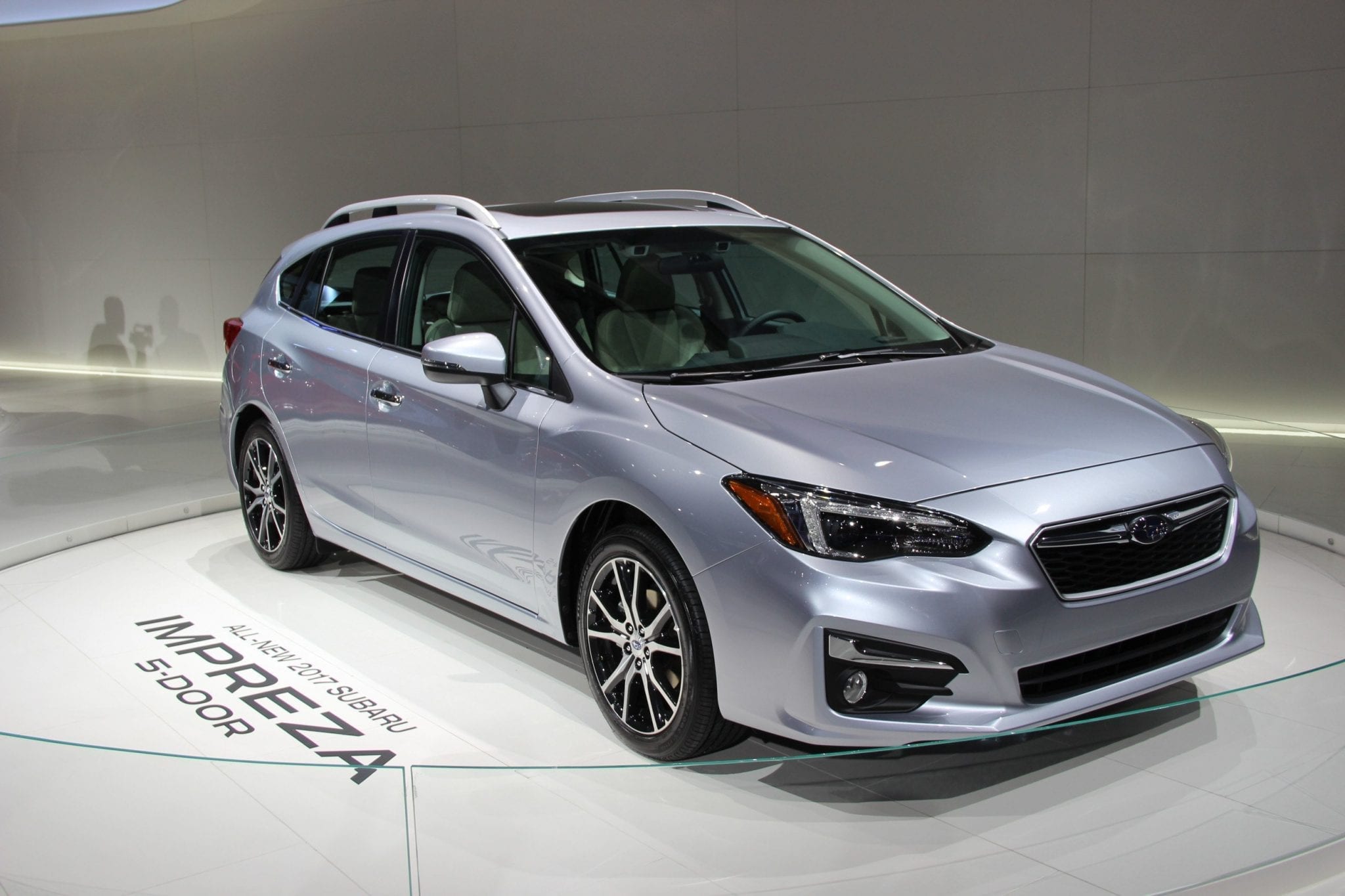
    Japan’s Fuji Heavy Industries said on Thursday it was recalling about 100,000 of its Subaru-branded vehicles in Japan to fix a problem with an air pump switch located in the main fuse box.

    The recall covers models including the Legacy and Imprezza, along with Exiga and Forrester crossover SUVs produced in 2006-2013.

    The Japanese automaker said it was also planning to recall models overseas, but declined to give further details.

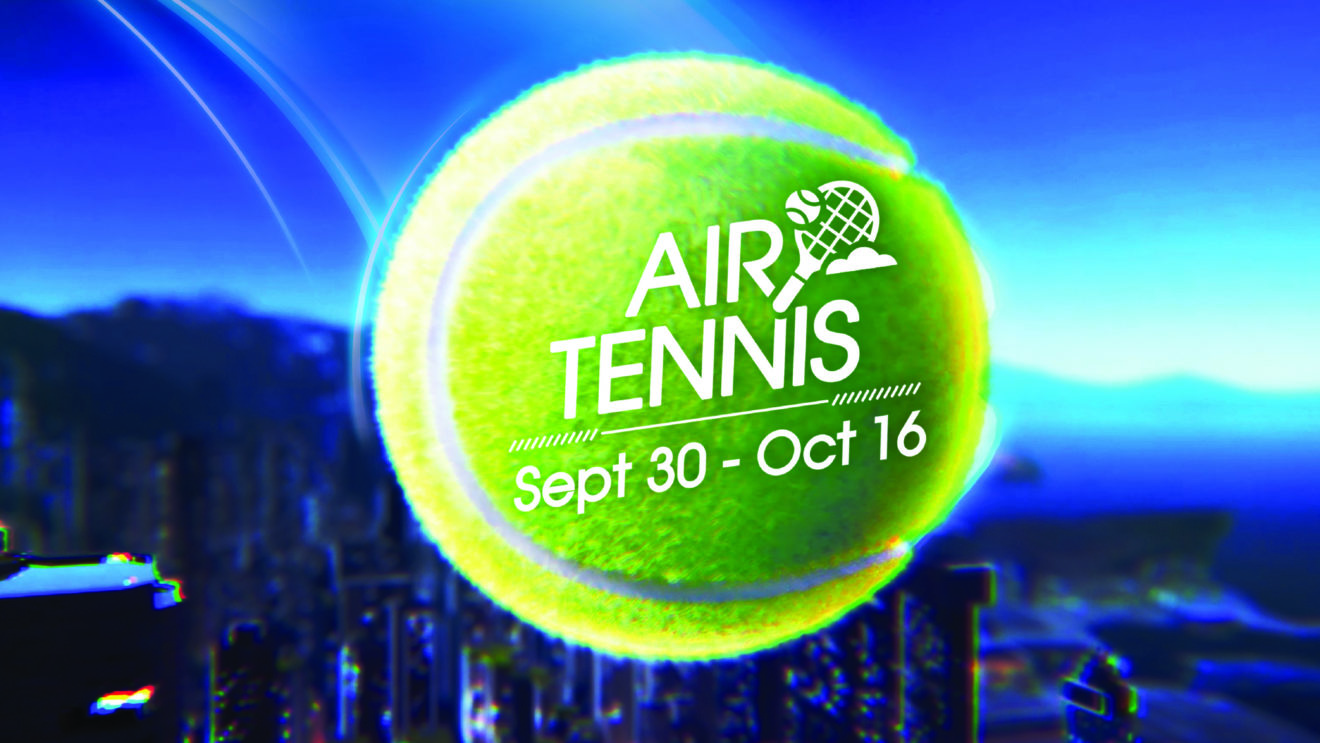
  • Lee Gardens Unveils Hong Kong’s First Floor-Less “Tennis in the Air”

    Lee Gardens Unveils Hong Kong’s First Floor-Less “Tennis in the Air”

    As the official shopping mall partner of the Hong Kong Tennis Open 2016, the entire Lee Gardens is transforming into Hong Kong’s Coolest Tennis Court from 30 September to 16 October. Throughout this period, you will have the opportunity to experience an exciting array of tennis-related activities and kick off your start to a healthier and active lifestyle. Thanks to the joint efforts of Lee Gardens and its merchants, over HK$1,000,000 worth of prizes are up for grabs!

    Lee Gardens (including Hysan Place, Lee Garden One – Six, 25 Lan Fong Road, Lee Theatre, Leighton, I.T Hysan One) is dedicated to providing the best work-life balance in town.

    Air Tennis Mobile Game – Swing and Win (27 September – 16 October)

    Warm up with the Air Tennis Mobile Game, where you can use your cell phone to “serve” a tennis ball and try to hit prize targets. Successful hits will help win instant reward e-coupons for exciting gifts or shopping discounts or tickets for the VR 360 Tennis in the Air, or. You can play the game at airtennis.leegardens.com.hk.

    VR 360 Tennis in the Air – Be the First to Play a Match Mid-Air, High Above Victoria Harbour (30 September – 16 October)

    With the assistance of a VR headset and two hand-held controllers, this game will “transport” you from the 1/F Atrium of Hysan Place to a tennis court high in the skies above Victoria Harbour. With 360º views of Hong Kong’s beautiful scenery during the day, an intoxicating night view after 6pm, and the sound of a gentle breeze in the background, you and your opponent will experience a thrilling simulated game of “tennis in the air”. You can enjoy this VR experience either by using a prize ticket or upon spending HK$100 at Lee Gardens.

    Bounce for Tennis – Create Fun Mementos and Contribute to Children’s Sports Education (30 September – 16 October)

    Lee Gardens invites you to create mementos of your experience by uploading a photo and designing your own personalised tennis ball via the airtennis.leegardens.com.hk. For HK$50, you can print out your customised tennis ball at the Lee Theatre. The proceeds of the Bounce for Tennis programme will benefit the Hong Kong Tennis Association, a non-governmental organisation and organiser of the Hong Kong Tennis Open, to help support their initiative to popularise sports education in under-resourced districts by teaching local children to play tennis.

    Special Tennis-Themed Food and Drinks – Enjoy the Tournament as a Foodie (30 September – 16 October)

    During this event, many of Lee Gardens’ exciting dining venues, including Shelter Italian Bar & Restaurant, Wired Café, Seasons, Smile Yoghurt and Habitu, will be serving up tennis-themed delights for their visitors.

    Fan Zone – Cheers for the Climax (15 – 16 October)

    Besides enjoying the live matches at Victoria Park Tennis Stadium, tennis fans can make their way over to a specially designated Fan Zone on Pak Sha Road to take part in live-streamed matches, extending the excitement from the Tennis Stadium to “The Coolest Tennis Court” in Causeway Bay. Organised by Hong Kong Tennis Association and supported Wan Chai District Council’s Cultural and Leisure Services Committee, as well as by  Lee Gardens Association, the fan zone will be open to the public during the Semi Finals and Finals of the tournament, which will take place on 15 and 16 October.

    Instant Rewards

    Lee Gardens has joined hands with its merchants to give out coupons and gifts valued at more than HK$1,000,000, including a Fila gift set (value over HK$1,800), UNIQLO gift set (value HK$1,000), Pressed Juice One Day Cleanse (value HK$550) and more. Rewards are available for all players, so come down to Lee Gardens and have fun playing!

    FILA Exclusive Pop-up Store

    FILA will set up a Pop-up store decorated as a container house exclusively for the event, displaying its distinguished history of tennis culture since 1911. You can appreciate the precious Settanta Polo T-shirt co-designed by FILA and Wallpaper saluting Björn Borg, one of the greatest tennis athletes from 1970s to 1980s. Printed between every stripe on the Polo T-shirt is the score of his champion matches. Various pieceis of other tennis apparel are also available in the exclusive Pop-up store.

  • Honda recalls 668,000 more cars in Japan over Takata air bags

    Honda recalls 668,000 more cars in Japan over Takata air bags

    Honda Motor Co on Thursday said it was recalling about 668,000 vehicles in Japan to replace air bag inflators supplied by Takata, as part of an expanded nationwide recall announced earlier this year.

    Japan’s second-largest automaker said it had recalled models including its Fit subcompact hatchback model, and the Civic and Accord sedan models over passenger-side air bags. Vehicles produced between 2009 and 2011 were affected, it added.

    The latest announcement takes Honda’s global tally of recalled air bags to about 51 million, around half of the roughly 100 million slated for recall worldwide over inflators which are at risk of exploding with excessive force.

    Defective air bags have been linked to at least 14 deaths and 150 injuries worldwide, and are at the center of the auto industry’s biggest ever product recall.

    Thursday’s recall comes after Japan’s transport ministry in May ordered automakers to recall an additional 7 million vehicles in Japan equipped with Takata air bag inflators which do not contain a drying agent, in phases by 2019, following an expanded recall by U.S. transport authorities.

    Without a drying agent, the ammonium nitrate-based propellant used in Takata inflators has a tendency to explode violently following prolonged exposure to hot, humid conditions, spraying metal shrapnel into vehicle compartments.

    Honda, once Takata’s largest customer, has said that it would stop using Takata-made inflators in its new models, and has stopped procuring replacement inflators from the company.

    Battered by the recalls, Takata is looking for a financial backer to help overhaul its business and carry ballooning costs as its stock price has crumbled almost 90 percent since early 2014 and it faces potentially billions of dollars of liabilities.

  • Kemper introduces air monitoring system

    Kemper introduces air monitoring system

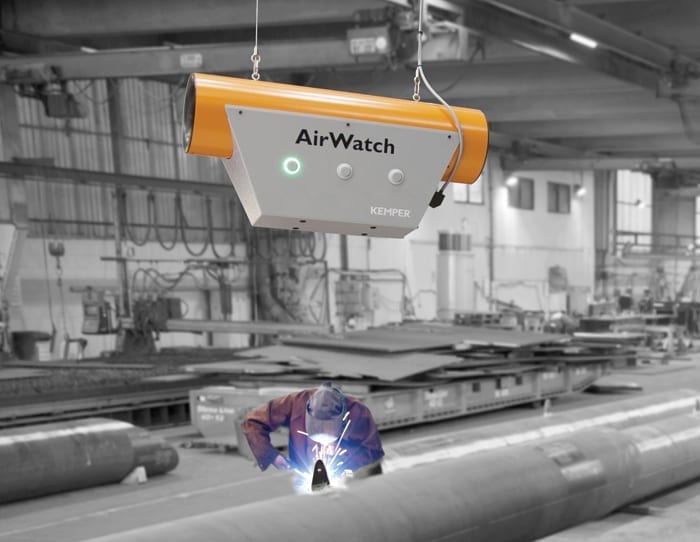
    Clearly verify the presence of dust in production: Companies check the hall air quality efficiently with the new air monitoring system AirWatch. Kemper GmbH’s sensor technology is able to determine and document the number and weight of nanoparticles and then analyze it with smartphone, tablet or PC and compare it to limit values.

    Raising employees’ awareness regarding fine dust risk.

    A traffic light display visualizes permanently the status of air quality. The system is suited for any workplace in production facilities, warehouses and logistics halls. With AirWatch, Kemper wants to raise awareness of the dangers behind fine dust.

    “With our new air monitoring system AirWatch, we introduce for the first time a system on the market that is in a position to efficiently measure the number of fine dust particles,” emphasizes Björn Kemper, Managing Director of Kemper GmbH. For this purpose, the highly sensitive sensor technology is essential as it can capture particles right up to the nano range.

    Checks are not depending on the workplace

    Whether industrial production facility, warehouse or logistics operation: AirWatch continuously monitors the air quality regardless of the type of workplace. The air monitoring system measures fine dust particles in a radius of up to 30 meters using a laser-powered sensor. An integrated fan draws in ambient air.

    It is possible to save individual limit values for hazardous substances. A traffic light shows the current air quality level measured against these values. At the same time, the system saves the data across a long time period. Users access the data simply using a smartphone, tablet or PC. A trend display for day, week, month or year also allows companies to analyze concentration of hazardous substances in more detail.

    Verify the presence of fine dust according to WHO standards

    AirWatch captures particles in the range of 100 nanometers up to 16 micrometers. This area includes the fine dust categories PM2.5 for alveolar common dust (A dust) and PM10 for all inhalable dusts (E dust) as defined by WHO. AirWatch automatically classifies the captured particles accordingly.

    In addition to checking the air quality, AirWatch also monitors the effectiveness of ventilation measures. Companies can independently check their compliance with regulations issued by professional associations apart from official checks made by professional associations.

    Highlight the value of employee health
    With the system, Kemper aims to raise awareness of the fine dust risk. “Companies are wise to continuously check air quality with regards to employee productivity.” Yet, dust in warehouses is also a threat to the quality of products and can develop into a tremendous cost factor.

    A best-practice example shows how it is done: Once the Airwatch traffic light jumps to red at the workplace of a metal processor, the employees ask the welder to switch on the extraction and filter plant. “Not only employees consider their health more thanks to AirWatch,” explains Kemper. Employers show that they consider their employees’ health as important. “Within the framework of a successful recruitment of specialists, they place themselves as a sustainable business.”

    Verify hazards despite adherence to limit values

    Counting fine dust particles has great advantage compared to applicable limit values, which analyze the weight of fine dust: If coarse dust particles in the production move around then a limit value is surpassed quickly.

    Mr Kemper explains that the invisible fine dust on the other hand often remains undetected – with fatal consequences: “Millions of fine dust particles which do not reach the weight of the specified limit value make employees sick.”

    Even if the limit value is adhered to, a permanent exposure to fine dust can lead to serious health problems. Current studies show that fine dust is the cause of increased heart attack risk, accelerates dementia, causes cancer and may even lead to death. The WHO classes fine dust as a direct cause of lung cancer.

  • Vitality Air offers packaged fresh-air to China

    Vitality Air offers packaged fresh-air to China

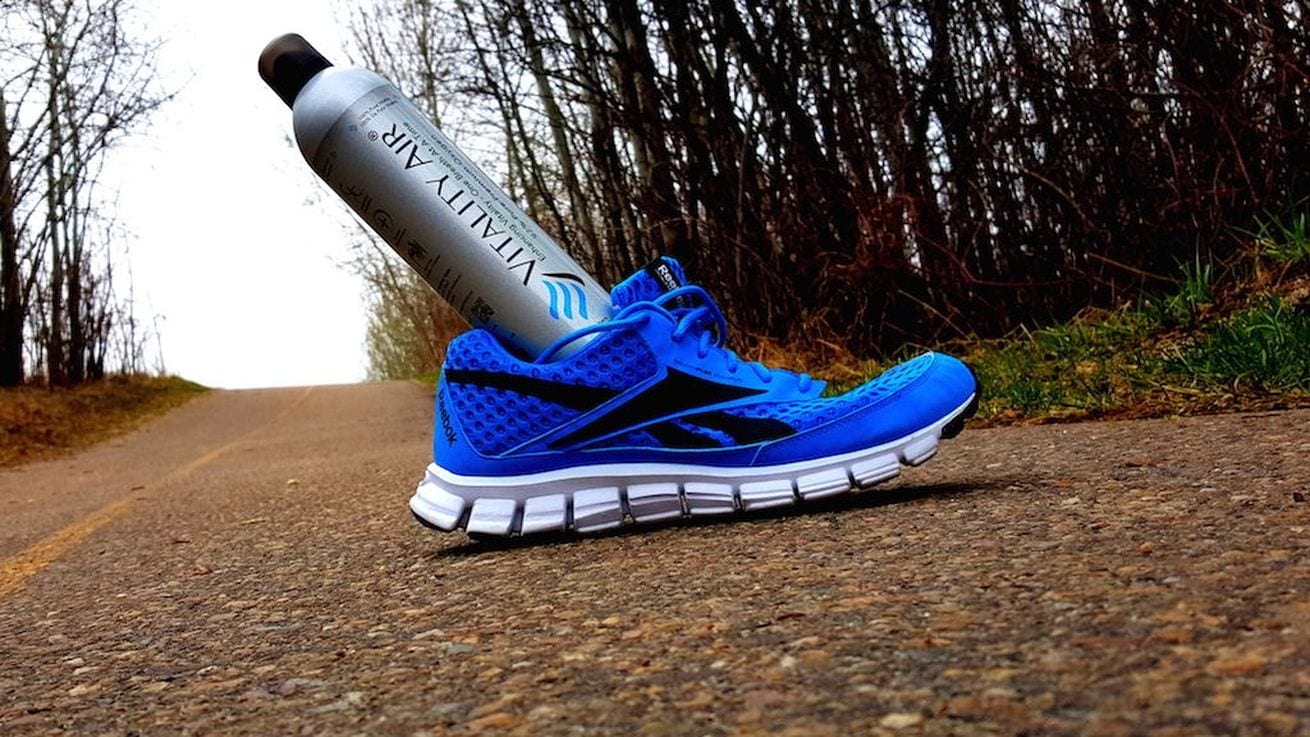
    Fresh air reaches at a price for individuals in China. People are buying fresh air from North American manufacturer since air-pullution is major issue in the Chinese capital.

    Beijing has been warned as the city has encountered the worst smog of the year. Exploiting this situation, Vitality Air, a Canadian firm, is transporting packaged fresh air in canisters to China.

    Moses Lam, the co-founder of Vitality Air, set up a bottle for sale on an e-commerce site, eBay around two months ago as a prank. Presently, that prank has turned into a lucrative business as the organization is offering a container of air at an expense as high as 20 dollars for every 7.7 litre jar of Rocky Mountain fresh air, which is 50 times more costlier than packaged mineral water in China.

    Some facts on Chinese air pollution includes:

    1.One in each five deaths in China is because of air pollution.

    1. Industrial pollution affects 1.6 million lives across China, especially around Beijing, every year.
    2. On December 8, the smog level inclined beyond 300 AQI (Air Quality Index), which is considered as ‘extremely horrible’.
    3. The Chinese government declared red-alert on December 10 as the pollution level is recorded 500 AQI, which is termed as “hazardous” as per the US Embassy.
    4. Around 2000 kilometre of East China, encompassing cities such as Beijing, Zhengzhou, Nanjing, Changchun and Xian was covered with a blanket of heavy smog.