Retail News CRM

Tag: air

  • Air purifier sales shoot up as fine dust worries shoppers

    Air purifier sales shoot up as fine dust worries shoppers

    Korea’s air purifier market has tripled since 2016 thanks to worsening fine-dust pollution levels and growing health concerns. Last year, Koreans bought 1.8 million air purifiers worth around 760 billion won ($676 million), according to market researcher GfK. In 2016, Koreans only purchased 698,000 purifiers for 220 billion won. The research company noted that, unlike previous years, consumers began buying purifiers year-round from 2018.

    The demand for purifiers was highest in March and April last year, when 260,000 and 290,000 appliances were sold. Spring is traditionally the high season for purifiers when pollution from fine dust and yellow dust – dust carried from the deserts of Mongolia and China – is at its worst.

    Throughout the rest of the year excluding August to October, over 180,000 purifiers were bought every month in 2018. In the late summer months, when air quality is usually better, around 50,000 purifiers were still purchased every month. In 2016 by contrast, purifier sales only exceeded 100,000 in April. Sales were considerably lower in other months, with August seeing only 15,000 sales.

    The average purifier price has also increased as consumers are willing to pay more for products that not only do the job, but do it well.

    Various factors like operation method, filter capacity and noise levels played a big role in purifier purchasing. The appliance’s coverage was also an important concern as consumers looked for purifiers that can clean the air in all corners of the home.

    Given the growing popularity of high-end purifiers with advanced functions and technology, the average price of a purifier came to 420,000 won last year, 30 percent higher than the 310,000 won average in 2016, according to GfK.

    The strong demand for purifiers in Korea has made the domestic market very attractive to foreign makers as well. While Korean manufacturers like Samsung and LG Electronics have traditionally been the most popular, overseas brands that offer innovative designs and advanced technology are now making gains.

    Sweden’s Electrolux and Japan’s Balmuda both chose to premier their newest purifiers in Korea last week.

    Electrolux, known for its cordless and robotic vacuum cleaners, launched the “Pure A9,” marketing the product as tested and designed to suit the needs of Korean consumers. The purifier, starting from 749,000 won, has wheels and a handle for improved mobility and is capable of removing 99.98 percent of particles one-eighth the size of ultra fine dust.

    Balmuda CEO Gen Terao introduced his company’s “The Pure” air purifier himself at a press briefing in Seoul last week, calling the Korean purifier market 10 times larger than Japan’s. The Pure, priced at 749,000 won, allows users to see how much dust is being sucked in at the mouth of the product.

  • AirAsia offers up to 70% discount on Almost All Flights

    AirAsia offers up to 70% discount on Almost All Flights

    AirAsia has come up with a new offer to woo flyers in this festive season. AirAsia is offering up to 70% off on all its destinations. AirAsia’s latest offer started on 15 October and will continue till 28 October 2018, the carrier has mentioned on its website. This offer is valid for immediate travel until 30 June 2019. Bookings for this offer can be made on airasia.com or through the AirAsia mobile app.

    Air passengers can book tickets to over 130 destinations across the airline’s network under the new offer. There are some extra perks for AirAsia Big members, such as instant discounts on bookings through the mobile app.

    In order to enjoy the benefits of the discount, passengers are required to book their flight tickets in advance. The discount is applicable on the base fare of the flight ticket and is available only on select fare classes, during non-peak periods, the airline says.

    AirAsia, a low-cost air carrier, will introduce flight services from Visakhapatnam to Bangkok four times a week from 8 December 2018, with a one-way promotional fare of Rs 2,999. Passengers can book tickets up to 21 October to avail the offer.

    AirAsia Group operates scheduled domestic and international flights to more than 165 destinations spanning 25 countries.

    AirAsia is a joint venture between Tata Sons Ltd and low-cost Malaysian airline AirAsia Berhad

  • Nokia, STC to deploy LTE air-to-ground trial network

    Nokia, STC to deploy LTE air-to-ground trial network

    Nokia and Saudi Telecom Company subsidiary STC Business have teamed up to launch a pilot LTE-based air-to-ground network in Saudi Arabia. The agreement was signed at GITEX Technology Week 2018, and follows a successful trial of Nokia’s LTE-based air to ground solution on a flight from Riyadh to Jeddah in Saudi Arabia. Under the agreement, Nokia and STC will jointly work to build a commercial strategy for providing customers with in-flight connectivity, as well as on the network managed services and rollout of air-to-ground services across the STC Group.

    During the trial, Nokia provided a dedicated end-to-end network, including an air to ground RAN, core infrastructure and applications, while Nokia’s technology partner for aviation equipment Thales provided the onboard equipment.

    “The air-to-ground technology will enable STC to provide new and revolutionary services for their customers and add new revenue streams,” Nokia MEA head of end-to-end sales solutioning Mohamed Abdelrehim said.

    “With high-speed and low-latency broadband, airline passengers will be able to communicate with their loved ones or for business without any disruption because of air travel. Also, the airline crew will be able to improve operational efficiency because of better real-time communication between the flight crew and ground staff.”

  • DHL expands airfreight operation in response to Asian demand

    DHL expands airfreight operation in response to Asian demand

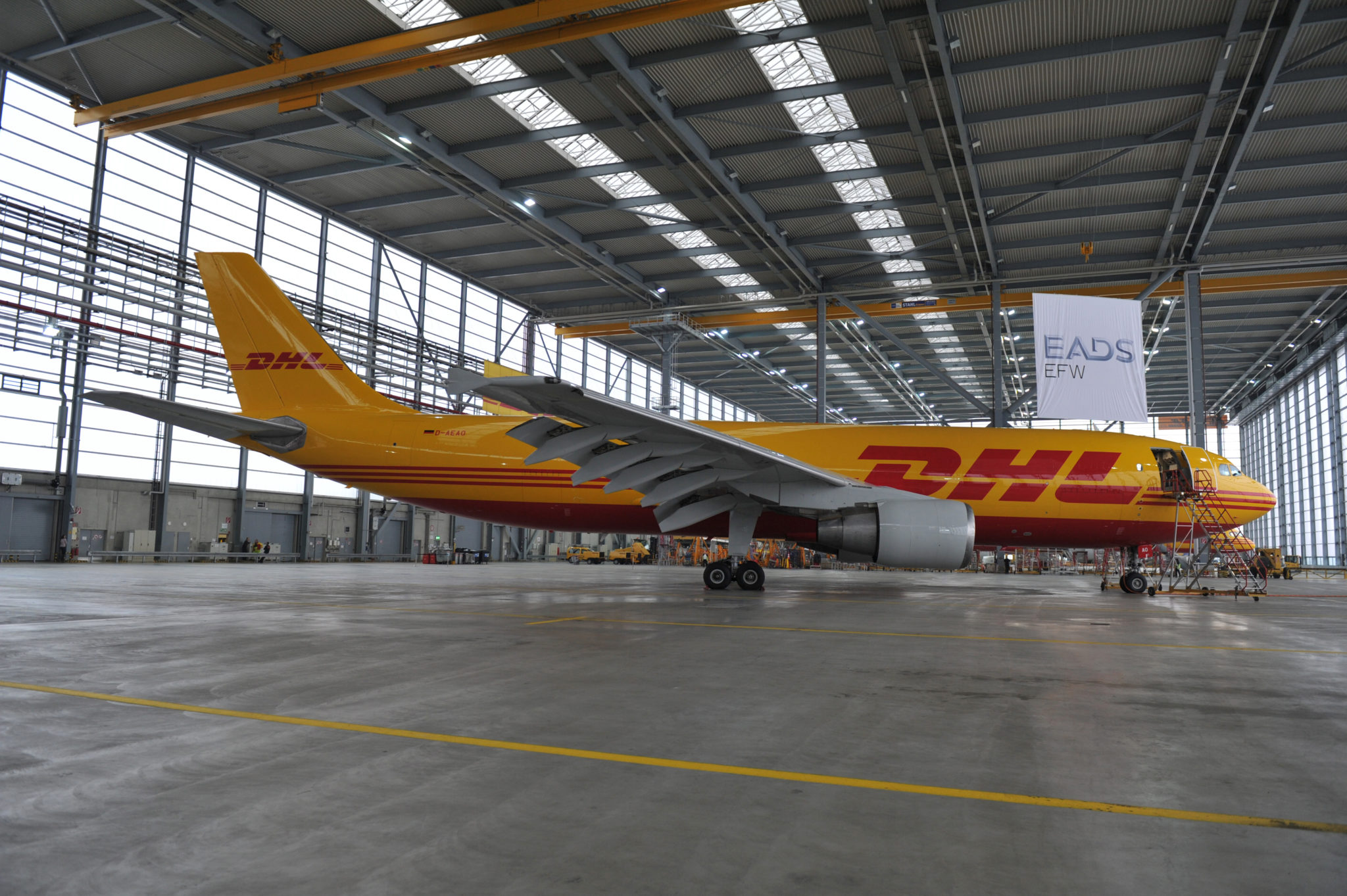
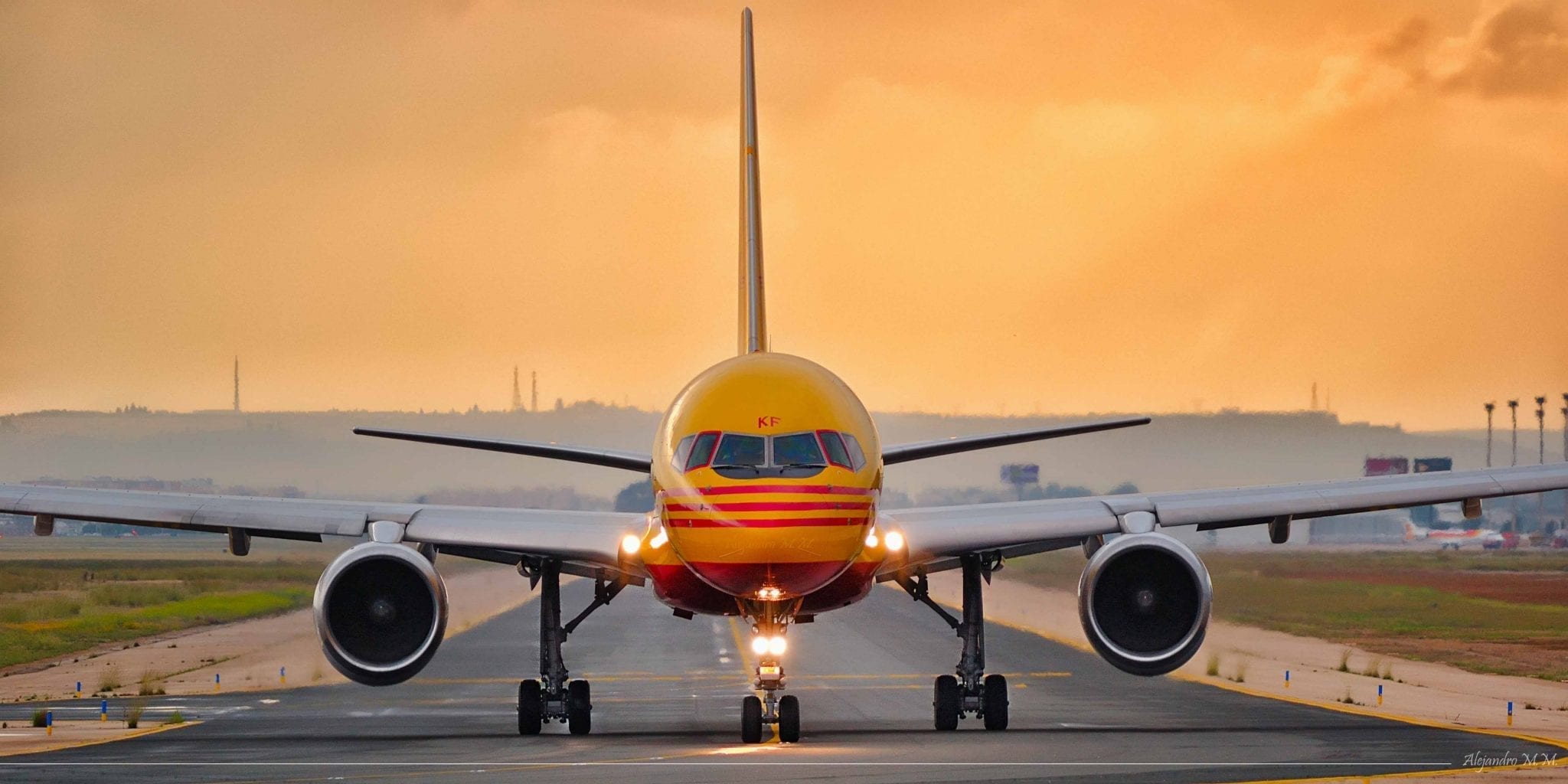
    DHL Global Forwarding is expanding its round-the-world freighter operation to meet demand growth on Asian and transpacific trades.

    The forwarding giant said that it would a deploy a second dedicated Boeing 747-400F — ACMI-leased through Atlas Air — to connect the US, Europe and Asia, following on from the launch of a first flight last year.

    The 100 tonne capacity flight will operate Shanghai Pudong to Cincinnati, from where it returns to Incheon, South Korea. Afterwards it will connect Korea to Wuxi, China continuing to Frankfurt-Hahn in Germany, and then back to Shanghai-Pudong Airport.

    Meanwhile, the operation launched last year will be re-routed to offer twice weekly departures from Wuxi to Frankfurt-Hahn.

    “The division is thus responding to strong growth in demand for air freight, chiefly for outbound services ex Asia and on the conventional transpacific route, fueled by almost all industries,” the forwarder said.

    DHL Global Forwarding chief executive Tim Scharwath said: “Demand is currently exceeding supply mainly due to the large economies performing strongly.

    “On major trade lanes volumes are high, but capacities are low – a trend that will continue. To increase our operational efficiency and to offer our customers the best-possible solution, we thus decided to create further capacities we have direct control over.”

    The forwarder said that increasing demand for airfreight capacities on Asian routes is fueled by all major industries, but specifically China’s electronics, electric motors, electrical and mechanical appliances as well as medical equipment companies are bolstering demand.

    China’s main export destinations are South Korea and Germany which are served by the new charter as well, but due to well-preforming global trade volumes are also increasing from the US and Europe.

    The positive development of world trade and its continuation is also clearly shown by the DHL Global Trade Barometer.

    The index recently increased to 66 points in March from 64 points in January. With an index value clearly above 50, the DHL Global Trade Barometer signals solid further growth for global trade for the next three months.

    “The gap between the well-performing world trade with a high demand for cargo space on the one hand, and at the same time a difficult capacity situation on the other side, has encouraged us in our decision to further deploy self-controlled capacity to the market,” added Scharwath.

    Last year a spate of freight forwarders began operating airfreight flights as they looked to meet a demand surge. Others expanded their block space agreements with airlines to meet the demand growth.

  • Panalpina airfreight profits and volumes continue to rise

    Panalpina airfreight profits and volumes continue to rise

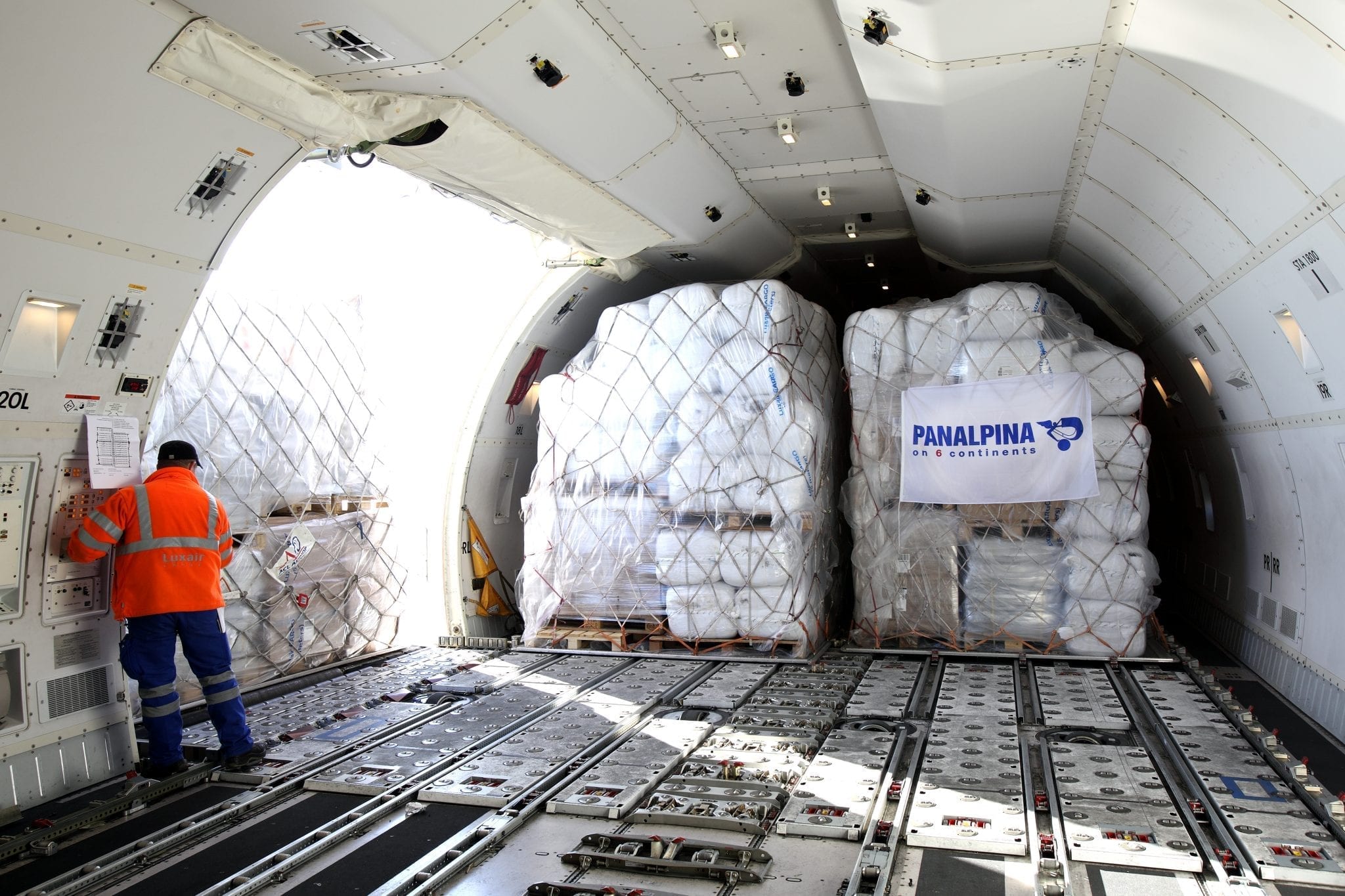
    During the first nine months of 2017, Panalpina grew volumes in air freight and ocean freight compared to the same period last year. As the year progressed, group gross profit as well as EBIT increased with every quarter. Year-on-year, Panalpina’s reported EBIT increased from CHF 67.5 million (adjusted YTD 2016: CHF 93.6 million) to CHF 72.1 million and the reported consolidated profit increased from CHF 46.5 million (adjusted YTD 2016: CHF 72.6 million) to CHF 48.4 million.

    Panalpina’s air freight volumes increased 8% in the first nine months of 2017. From January to September, gross profit, unit profitability and EBIT in air freight increased with every quarter. Compared to the same period last year, gross profit per ton decreased 7% to CHF 632 (YTD 2016: CHF 678), resulting in a gross profit of CHF 456.0 million (YTD 2016: CHF 453.4 million). Reported EBIT in Air Freight increased from CHF 60.0 million (adjusted YTD 2016: CHF 72.6 million) to CHF 69.4 million. The EBIT-to-gross-profit margin for the first nine months of 2017 came in at 15.2% compared to 13.2% (adjusted YTD 2016: 16.0%) a year before.

    “Nine months into the year, Air Freight and Logistics are well under way and showing continued solid performance,” says Panalpina CEO Stefan Karlen. “We are well-prepared for another strong peak season in Air Freight, however it remains to be seen how dynamic the carrier market will be this year.”

    In Logistics, gross profit decreased 16% to CHF 245.4 million year-on-year (YTD 2016: CHF 293.3 million), but has stabilized throughout 2017. Logistics is now sustainably profitable,  posting an EBIT of CHF 8.1 million for the first nine months of 2017, compared to CHF 1.2 million (adjusted YTD 2016: CHF 5.0 million) for the same period last year.

  • Singapore explores more air links to India

    Singapore explores more air links to India

    Singapore is exploring more airline services to India whichis expected to overtake China and Indonesia to become the fastest-growing air-traffic generating market for Changi Airport here, according to a media report.

    New services to Pune, Madurai, Bhubaneswar and Guwahati are being explored, to add to the 15 cities in India that airlines already operate to from Singapore, said Changi Airport Group’s managing director for air hub development Lim Ching Kiat.

    More than 1.7 million passengers travelled between Singapore and India between January-May this year, a 15 per cent jump over the same period of last year, Lim was quoted as saying by the Straits Times.

    Comparatively, two-day traffic between Singapore and China, as well as Indonesia, grew by 12 per cent and 9 per cent, respectively.

    Changi Airport handled 5 million passengers in May, a 4.6 per cent increase from the same month a year ago.

    Nine airlines, including Singapore Airlines, Scoot, Tigerair, Air India and Jet Airways, fly between Singapore and India.

    Among the Indian cities, top-performing routes include Mumbai, Chennai and Bangalore. The traffic increase has come on the back of additional capacity provided by airlines with more flights and flying bigger aircraft.

    This led to a 21 per cent increase in the number of seats on the Singapore-India sector in the first five months of this year, compared with the same period last year.

    Just last week, India’s largest domestic carrier, IndiGo, launched a new daily non-stop service between Singapore and Bangalore.

    A growing Indian expatriate population here and strong Singapore-India trade links are fuelling demand for travel between the two countries, with competition among carriers bringing fares down for travellers, the Singapore daily had experts as saying.

    According to the High Commission of India in Singapore, the city state is among India’s largest trade and investment partners, accounting for more than 22 per cent of India’s overall trade with ASEAN countries from 2014 to 2015.

    Indian travellers also featured significantly among transfer and fly-cruise passengers, Lim said.

    India is currently the third largest contributor of Changi Airport’s transfer traffic, after Australia and Indonesia.

    Last year, about 100,000 cruise passengers from India, the highest for any country, were registered by the Singapore Tourism Board.

  • THAI will not increase capital in Nok Air

    THAI will not increase capital in Nok Air

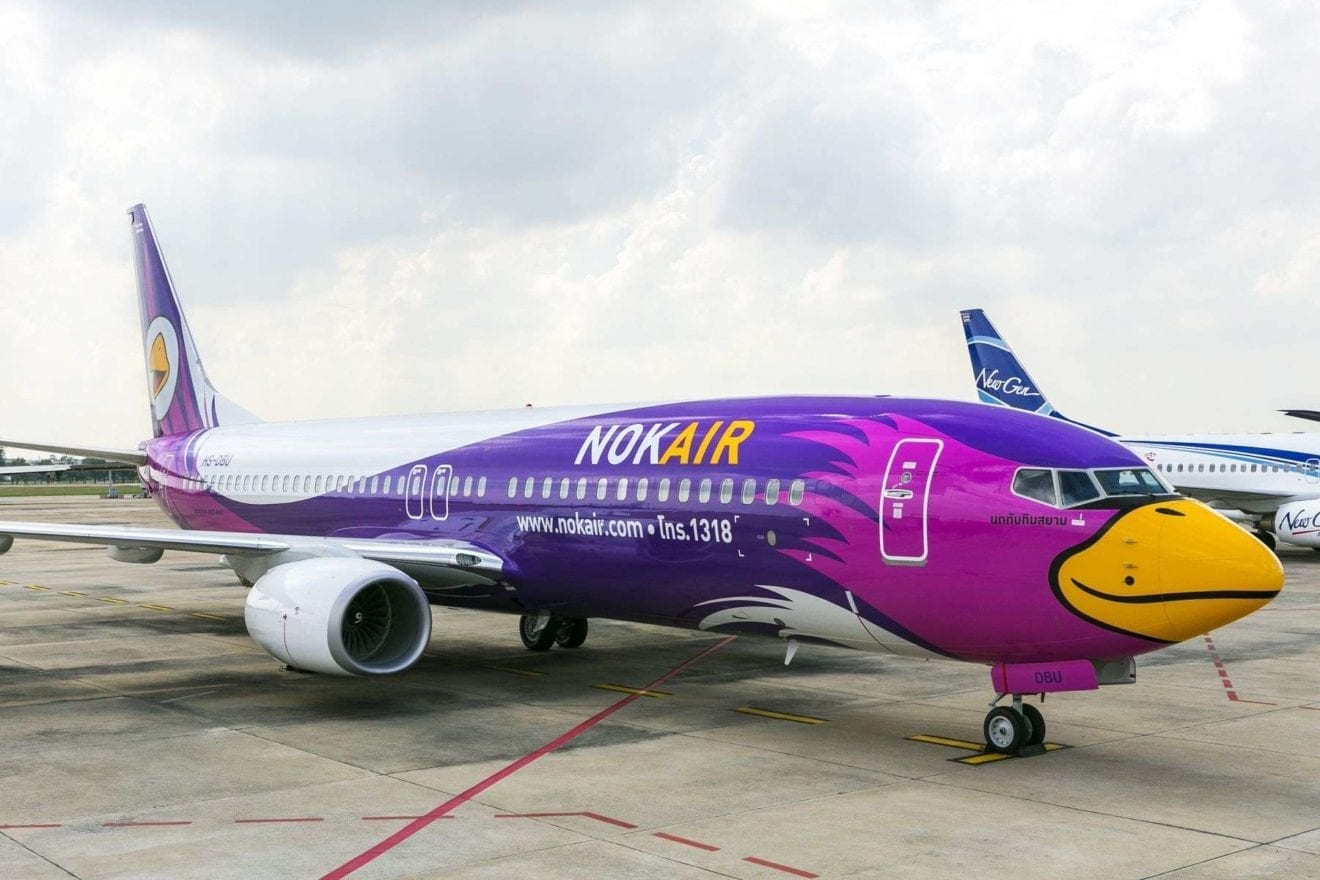
    Thai Airways International Public Company Limited (THAI) stated that THAI’s Board of Directors decided not to increase capital in Nok Air Public Company Limited (Nok Air), which lacks liquidity and needs additional funding to continue operations. Following the meeting on 12 April 2017, it was agreed that a Company representative would be sent to submit a vote on capital increase in Nok Air, which would open up opportunities for other shareholders to increase their shareholding. During this meeting, THAI’s Board of Directors did not yet decide whether or not to subscribe to new shares in Nok Air because a study had to be conducted on suitability and value prior to additional investment.
    On 21 May 2017, a THAI Board of Directors Meeting was held to consider subscription of new shares in Nok Air. THAI’s Board of Directors took consideration of the report prepared by the special task force that studied suitability and value for additional investment in Nok Air, given the Company’s current situation. With consideration to this factor, additional information, and opinions as well given that the transformation plan is still under implementation, THAI’s Board of Directors deemed that under the Company’s current situation it was not the right time to increase investment in Nok Air. Therefore, THAI’s Board of Directors concluded that the Company will not subscribe to new shares in Nok Air, regardless that the Company’s percentage of shares in Nok Air would eventually reduce.
    Even though there will be no subscription to new shares, the Company will continue to contribute as a shareholder and grant support for Nok Air’s eventual recovery and sustainable growth. A Company representative who is a member of Nok Air’s Board of Directors has been assigned by THAI’s Board of Directors to oversee and assist Nok Air through to successful completion of the transformation plan as soon as possible.
  • Sunway Reit Advocates For Clean Air

    Sunway Reit Advocates For Clean Air

    Sunway Real Estate Investment Trust (Sunway REIT or Trust), one of the largest retail-focused real estate investment trusts (REITs) in Malaysia, has embarked on a sustainability campaign, “Clean Air – A Smoke Free Environment Project” at Sunway REIT’s flagship asset, Sunway Pyramid Shopping Mall.

    As part of the effort, three local artists who have been internationally-recognised for their murals and installations – Kenji Chai, Caryn Koh and Louise Low – came together to support the campaign and create public awareness on smoking hazards. Each of them had put their imagination to work and created wall murals which uniquely expressed their hopes and wishes for cleaner air on three exterior walls around Sunway Pyramid.

    CEO of Sunway REIT, Dato’ Jeffrey Ng Tiong Lip, said, “We would like to encourage the public to come join us in this journey to make Sunway City Malaysia the first sustainable and smoke-free city by 2018 where all Sunway-owned premises within the township will be declared smoke-free. We hope that the beauty of these masterpieces will discourage smoking in those areas and inspire our community to help us clear the air of cigarette-smoke for the 200,000 people, including 40,000 students, who reside within the city,” he said.

    Sunway City has transformed from a tin-mining wasteland into Malaysia’s first fully-integrated green township as accredited by Green Building Index, and the nation’s first low-carbon city as awarded by the Malaysian Institute of Planners. Sunway City is the first smart sustainable city in Malaysia driven by a private corporation.

    In 2013, Sunway Group’s Founder and Chairman, Tan Sri Dr Jeffrey Cheah, roadmapped a five-year plan to culminate in 2018, where all Sunway-owned premises would be 100% smoke-free. Over the years, in the first and second phases of the roadmap, the Sunway Group have partnered up with various government agencies including the Ministry of Health and My Sihat as well as the World Health Organisation towards realising the vision of a smoke-free nation.

    To-date, Sunway City has gazetted six premises within the City, namely Monash University, Sunway University, Sunway Medical Centre, Sunway Resort Hotel and Spa, Sunway Pyramid Hotel and Sunway Pyramid Shopping Mall as smoke-free zones. Sunway City is working to gazette the Menara Sunway and The Pinnacle to be smoke-free as well.

    In support of the United Nations Sustainable Development Goal 11 : Sustainable Cities and Communities, Sunway City is intensifying its efforts through various initiatives which will set the blueprint for future smart cities in Malaysia and the ASEAN region.

    Sunway Group is committed to the United Nations 17 Sustainable Development Goals, and creates positive and long-term impact on its economy, environment and society through #sunwayforgood programmes. For more information, please follow Sunway Group’s Facebook page

    During the duration of the campaign, from 8 May 2017 to 30 June 2018, members of the public are also invited to sign up for the fully-sponsored Sunway REIT Smoking Cessation Programme which is supported by Sunway Medical Centre and Johnson and Johnson. Participants will receive free active behavioural counselling by Sunway Medical Centre’s professionals who are committed to bring participants through their smoking cessation journey. The pilot run of the project is open to 250 participants.

    For the first week of the campaign, 8 May 2017 to 14 May 2017, Sunway REIT will also be conducting various activities for the public at the LG2 Orange Avenue, Sunway Pyramid Shopping Mall. Shoppers can drop by for complimentary consultations for a smoking cessation programme and smokerlyzer tests. Consultation sessions will be held from 11.30 am – 2.30 pm from Monday to Friday and 11.30 am – 3.30 pm on Saturday and Sunday.

  • Laos targets more international flights

    Laos targets more international flights

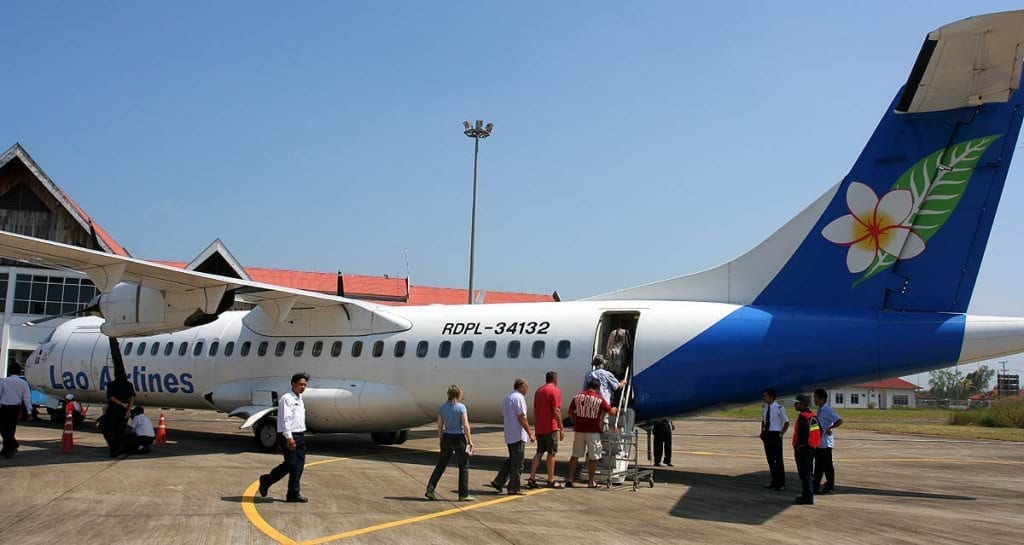
    Lao PDR’s Department of Civil Aviation says its priority is to encourage more international airlines to serve the capital Vientiane.

    In an interview the department claimed there were more direct flights to Laos, many of them charter flights during the peak tourist season November to April.

    Flights from China are on the increase. Previously, only China Eastern Airlines operated flights, but now Sichuan Airlines and Hainan Airlines, both serve the country direct from China.

    Nations with direct flights  to Laos include China, Vietnam, Thailand, South Korea, Singapore and Malaysia, the report said.

    Civil aviation officials are keen to see more airlines serve the capital to balance traffic to Luang Prabang, the country’s main tourist destination. Most airlines prefer to fly to the World Heritage town as flights quickly turn a profit, although there is a significant dip in bookings during the monsoon season June to October.

    Up until 2015, traffic rights were difficult to obtain particularly to Luang Prabang where there was virtual ban on low-cost airlines. However, 2016 saw a change in policy and low-cost airlines opened services from neighbouring countries.

    South Korea airlines serve Laos with both schedule and charter flights. Japanese airlines previously offered charter flights.

    Foreign airlines have access to three locations in Laos – Champasak, Luang Prabang and Vientiane, it added.

    Airline seat quotas on flights between Vientiane and Bangkok have been increased in a bid to promote trade, investment and tourism between the two destinations.

    Thai and Lao PDR officials approved, last year, a revised Thai-Lao accord that increases the ceiling on seat capacity on routes between the two countries to as many as 14,500 seats weekly depending on the route.

    The agreement paved the way for designated carriers, registered in both countries, to add more flights on routes that have been restricted for years.

    The seat capacity ceiling on the Bangkok-Vientiane route increased more from 2,100 to 14,500 seats weekly. Most of the flights use A320 with a maximum of 200 seats.

    On the Bangkok-Luang Prabang route, the weekly ceiling  increased from 1,000 to 10,000 seats.

    The seat quotas for other customs and immigration enabled airports increased from 450 to 2,100 per week.

    Thai Airways International, Bangkok Airways and Thai AirAsia operate flights to and from Laos there are two airlines; Lao Airlines and Central Airlines.

    Raising the seat capacity ceiling will now allow Thai Smile and Nok Air to apply for traffic rights.

    Thai Smile introduced a new flight connecting Bangkok to Luang Prabang, a world heritage town in Laos starting 16 January.

    The airline offers four weekly flights on Monday, Wednesday, Friday and Sunday using an Airbus A320 aircraft on the route.

    According to the Ministry of Information, Culture and Tourism, arrivals to Laos were expected to reach 4.3 million by the end of last year, representing an increase of 4% over 2015.

    Foreign visitor arrivals increased from 2.7 million in 2011 to 4.1 million in 2015.

  • Air cargo transport in Asia to double by 2035

    Air cargo transport in Asia to double by 2035

    Airborne logistics networks are expanding in Asia as demand for air cargo delivery in the region is forecast to roughly double in volume over the next two decades.

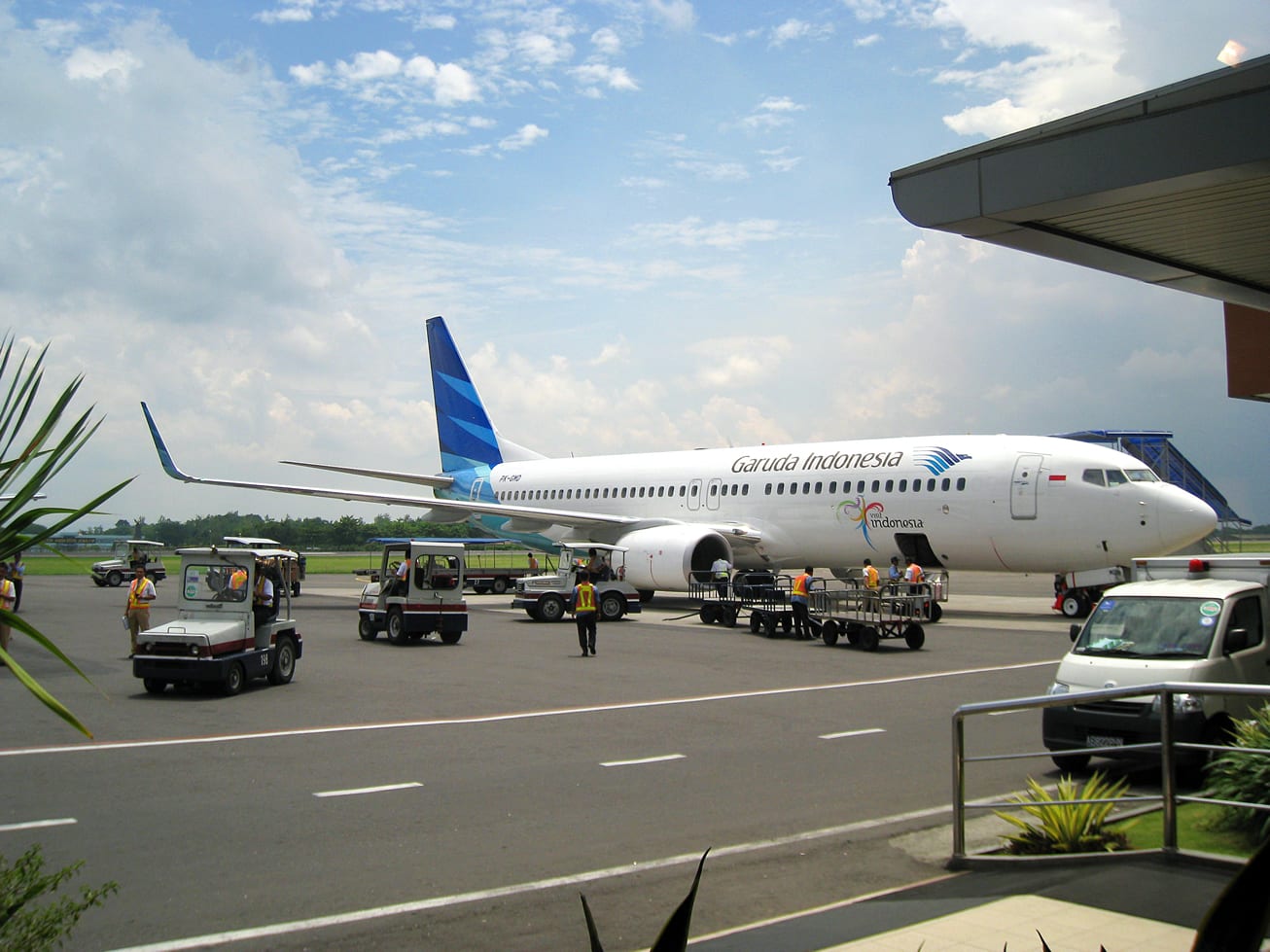
    Garuda Indonesia and budget carriers are rapidly expanding operations to capitalize on the increase of goods traded via e-commerce as well as electronic products and parts. But with other transporters, including global leaders, stepping up competition, the industry may undergo a shake-up.

    Indonesia has more than 13,000 islands, and Garuda, the country’s national airline, plans to establish an airborne logistics network connecting the core islands. As a first step, Garuda is eyeing a 40% increase in the number of its domestic freight bases to 100 by the end of 2017.

    Domestic demand for airfreight delivery is strong due to Indonesia’s growing middle class, Muhammad Arif Wibowo, president and CEO of Garuda, said. With the increase in e-commerce giving consumers faster access to goods and growing demand for fresh food, land and maritime transportation alone cannot handle the increased freight volume, Wibowo added.

    In the first nine months of 2016, Garuda chalked up $155 million in sales in its freight business, up 13% from a year earlier. While this accounts for 5% of Garuda’s consolidated sales, the carrier intends to raise the ratio to more than 10% as its initial target, Wibowo said.

    Flying high

    Global routes for air cargo transportation are roughly divided into five major networks: Asia/Pacific-Europe, Asia/Pacific-North America, Asia/Pacific, Europe-North America and North America.

    Asia is leading the sector’s growth. Japan Aircraft Development Corp., a consortium of Japanese commercial aircraft developers, forecasts that demand for airfreight services in the three Asia/Pacific networks will grow on average 3% per year and roughly double from the 2015 level by 2035. The average growth of demand on the Europe-North America route and within North America is projected at around 1% each.

    Ocean shipping in Asia is currently slowing. According to the Japan Maritime Center, the volume of ocean cargo transportation dropped 3% in terms of the 20-foot equivalent unit in 2015 from the previous year and logged a 2% year-on-year fall in the January-October period of 2016.

    The slowdown in ocean shipping possibly reflects the consolidation of plants and increased local production by manufacturers.

  • Cebu Pacific Air launches three domestic routes from Cebu

    Cebu Pacific Air launches three domestic routes from Cebu

    Cebu Pacific Air has launched three new routes from Cebu (CEB). On 19 November, Cebgo, the fully-owned subsidiary of Cebu Pacific Air (and formerly known as Tigerair Philippines) began operating the routes on behalf of its parent company. Cebgo, which is now a pure turboprop operator, began daily ATR 72-500 flights to Ormoc (OMC) and Roxas (RXS) and a four times weekly service to Calbayog (CYP). None of these routes are currently served by any other carrier.

    At just 105 kilometres in length, the route to Ormoc is the shortest of the three, while the 204-kilometre route to Calbayog is the longest. According to OAG Schedules Analyser data Cebu is now connected to 26 other airports in the Philippines with non-stop flights, as well as 12 international destinations, including Los Angeles.

  • DHL eCommerce will invest €70 million to expand its air hubs in Delhi and Mumbai

    DHL eCommerce will invest €70 million to expand its air hubs in Delhi and Mumbai

    DHL eCommerce will invest €70 million (US$75.1 million) to expand its air hubs in Delhi and Mumbai, supporting the growing e-commerce industry in India.

    According to DHL, the 5,761m2 Delhi hub and 4,274m2 Mumbai hub will be equipped with automation to handle a daily volume of more than 500 tonnes. The upgrade will allow Blue Dart Express, a subsidiary of DHL, to process more shipments faster and deliver them to Indian consumers by air.

    “The e-commerce industry is an extremely exciting one that offers tremendous opportunities for businesses and consumers alike,” said Juergen Gerdes, CEO of post, e-commerce and parcel at Deutsche Post DHL Group [third from right in photo]. “The global B2C cross border e-commerce market will multiply in size to US$1 trillion in 2020. The growth is driven by increasing consumption from expanding middle classes, greater mobile and internet penetration and improving logistics and infrastructure as consumers increasingly shop online and expect shorter delivery times. With our added focus on innovation such as the StreetScooter and In-Car Delivery, we are gearing up to ensure we stay ahead of the game and be able to anticipate and meet the needs of the overall industry, e-tailers and end customers.”

    Charles Brewer, CEO of DHL eCommerce, said that the completion of the upgrades will mark another milestone in the expansion of the DHL eCommerce logistics network.

    “India is a really important market for us and is one of the fastest-growing, with B2C e-commerce expected to grow from €9.6 billion (US$10.3 billion) in 2016 to between €30-40 billion (US$32.2-42.9 billion) in 2020,” said Brewer. “This investment in India, as well as recent investments in the Americas and elsewhere in Asia Pacific this year, showcases our commitment to the e-commerce industry by delivering high quality, reliable logistics solutions to meet the rising demands of e-commerce consumers.”

  • Direct air link to Indonesia from Mumbai soon

    Direct air link to Indonesia from Mumbai soon

    A direct air link between India and Indonesia is set to become a reality with Garuda Indonesia, the South East Asian country’s national air carrier, considering to launch a service soon.

    Garuda Indonesia plans to introduce direct flights connecting Jakarta-Mumbai. In all likelihood, it should happen this December, Consul General of Indonesia Saut Siringoringo said here on Tuesday.

    He hoped the move would not only address the biggest challenge — absence of direct air connectivity — but eventually also provide a boost to bilateral trade, tourism and people to people ties. Tourism, he added, has considerable potential, particularly in pushing up the number of people from India visiting Indonesia.

    From 2,70,000 Indian tourists last year, which was a 13 per cent growth, the number would cross 3,50,000 this year. “I am very optimistic, this year it could even reach 4,00,000,” the Consul General said, pointing out visa free facility, for stay upto 30 days, was provided on arrival to Indian tourists. Mr. Siringoringo is from the Consulate in Mumbai that covers eight States, including all those in south India. His office, he added, issued around 7,000 working permits every year.

    Bilateral trade

    On the bilateral trade, he said it was around $16 billion and the need for Indonesia was to diversify it beyond the coal and palmoil. Pharmaceuticals and agriculture were two areas that could contribute to the diversification, he added.

    The Consulate, he said, was keen on showcasing Indonesia and strengthening ties with India through programmes. It recently organised a two-day ‘Expo Indonesia 2016’ in Mumbai featuring 37 Indonesian companies. Apart from showcasing a range of products, including furniture, paper, health-care products, food, the event served as a platform to explore business ties. The last time such an exhibition was conducted was in 2007, Mr. Siringoringo said.

    Stating that there is a lot of interest on both sides, he said 130 business delegates from India attended the ‘Trade Expo Indonesia 2016’ last month in Jakarta, an event that witnessed a transaction of $ 84 million.

    Apart from holding another exhibition next year, the Consulate is also getting ready for the visit of a Ramayana troupe comprising 100 dancers from Indonesia.

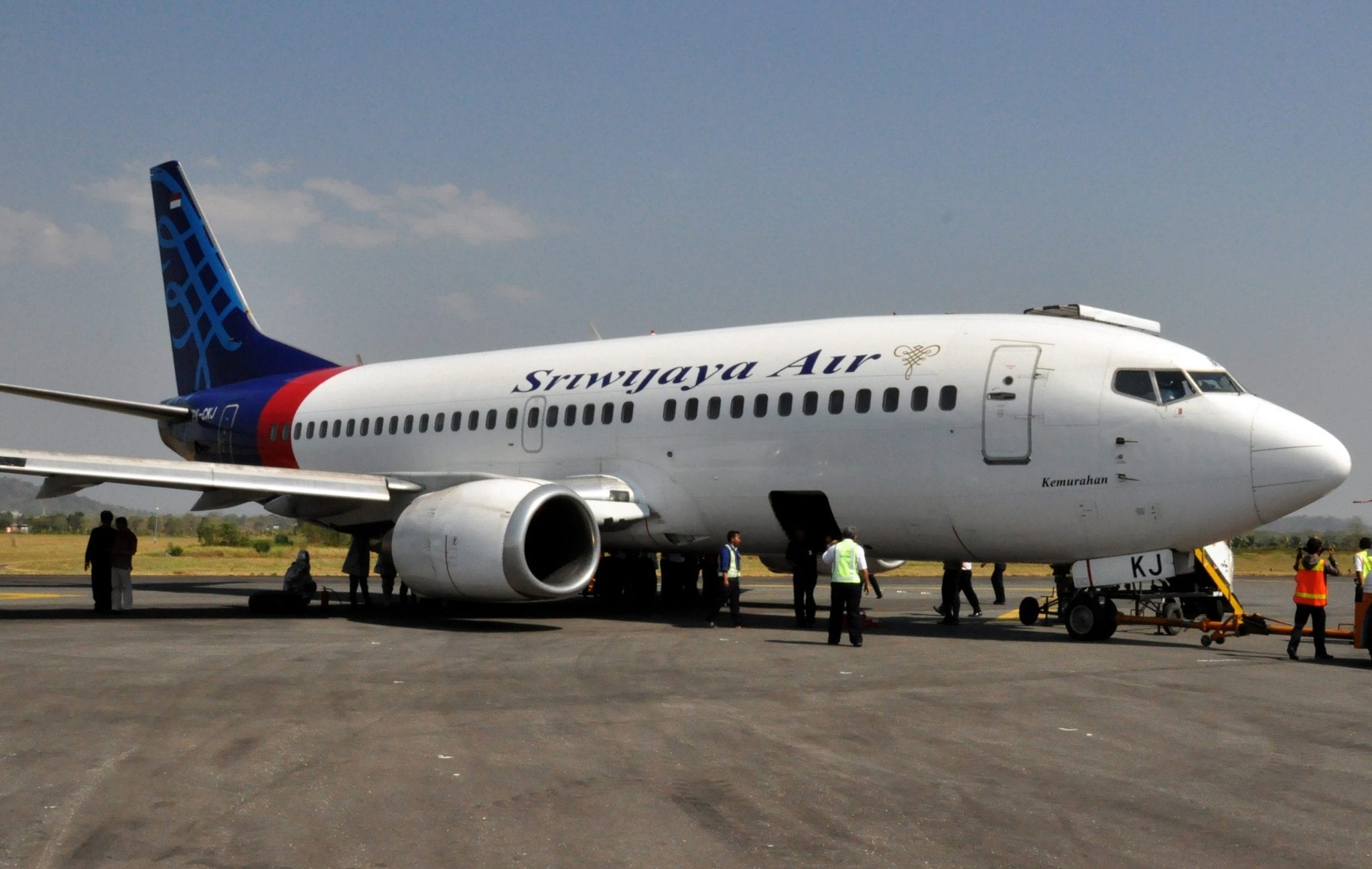
  • Airline Sriwijaya Air offering Initial Public Offerings (IPO) in Indonesia

    Airline Sriwijaya Air offering Initial Public Offerings (IPO) in Indonesia

    Currently, Sriwijaya Air serves 46 domestic routes as well as seven international routes in the Asia Pacific with 51 narrow-body Boeing jets. With the larger fleet (after additional airplanes are purchased), the airline wants to add several domestic and regional routes as well as one to Jeddah (Saudi Arabia).

    Chandra Lie did not inform how much the company expects to raise from the initial public offering on the Indonesia Stock Exchange (IDX). In February 2011 Indonesia’s national flagship carrier Garuda Indonesia conducted an IPO on the IDX in which it raised IDR 3.3 trillion (approx. USD $252 million) by selling a 28 percent stake.

    Sriwijaya Air, founded by the brothers Chandra Lie and Hendry Lie in 2003, is Indonesia’s third-largest airline, controlling about ten percent of the domestic air passenger market. It currently carries about 800,000 passengers per month. The airline will move its administration and operational activities to the Cengkareng Business City complex from its current base at the Soekarno Hatta International Airport.

    The aviation industry in the Asia-Pacific region remains among the world’s fastest growing regions in terms of air passengers. Recently, the Indonesia National Air Carriers Association (INACA) says, whereas worldwide the number of air passengers is growing at a pace of nearly 7 percent (y/y), Indonesia’s air passenger growth is estimated at around 15 percent (y/y) in 2016.

    Number of Air Passengers in Indonesia 2011 – 2015:

    2011 2012 2013 2014 2015
    Air Passengers
    (in million)
    62.4 66.4 68.6 72.6 82.4

    Source: BPS

  • Garuda Indonesia and Angkasa Pura II Sign Agreement for Air Cargo Business

    Garuda Indonesia and Angkasa Pura II Sign Agreement for Air Cargo Business

    Air carrier Garuda Indonesia signed an agreement with state-owned airport operator Angkasa Pura II at the Soekarno-Hatta airport on Thursday (13/10) to support the creation of a commercial cargo area.

    Both companies agreed to develop AP II’s commercial area in the airport’s cargo warehouse as Garuda Indonesia’s cargo operational service area. According to Garuda’s official statement, there will be revenue sharing between Garuda and AP II from the air cargo business.

    Garuda Indonesia was represented by cargo director Sigit Muhartono, while commercial and business development director Daan Achmad signed on behalf of AP II.

    “In line with Garuda’s target to obtain $269 million of cargo profit share in 2016, the utilization of this facility will significantly support the company’s cargo business,” Sigit said.

    He added he is optimistic in developing the business, particularly as the deal will span 23,000 meters squared.

    Daan shared Sigit’s optimism, saying the cooperation will “give a positive contribution to improving Indonesia’s cargo industry, given that Soekarno-Hatta is one of the largest bases for air cargo business in Indonesia.”

    Currently Garuda Indonesia has 70 Cargo Service Centers (CSC) all over Indonesia. Of all service centers, 46 CSCs are located in airports and 24 are in city centers. Garuda Indonesia Cargo provides shipping from City to Door and City to Port where CSCs serve as Drop and Pick-up Points.

    Garuda hopes to expand its cargo business to remote corners of Indonesia to support the rapid growth of domestic and international cargo shipping.