Tag: airline

  • AirAsia resumes flights to Singapore after two years

    AirAsia resumes flights to Singapore after two years

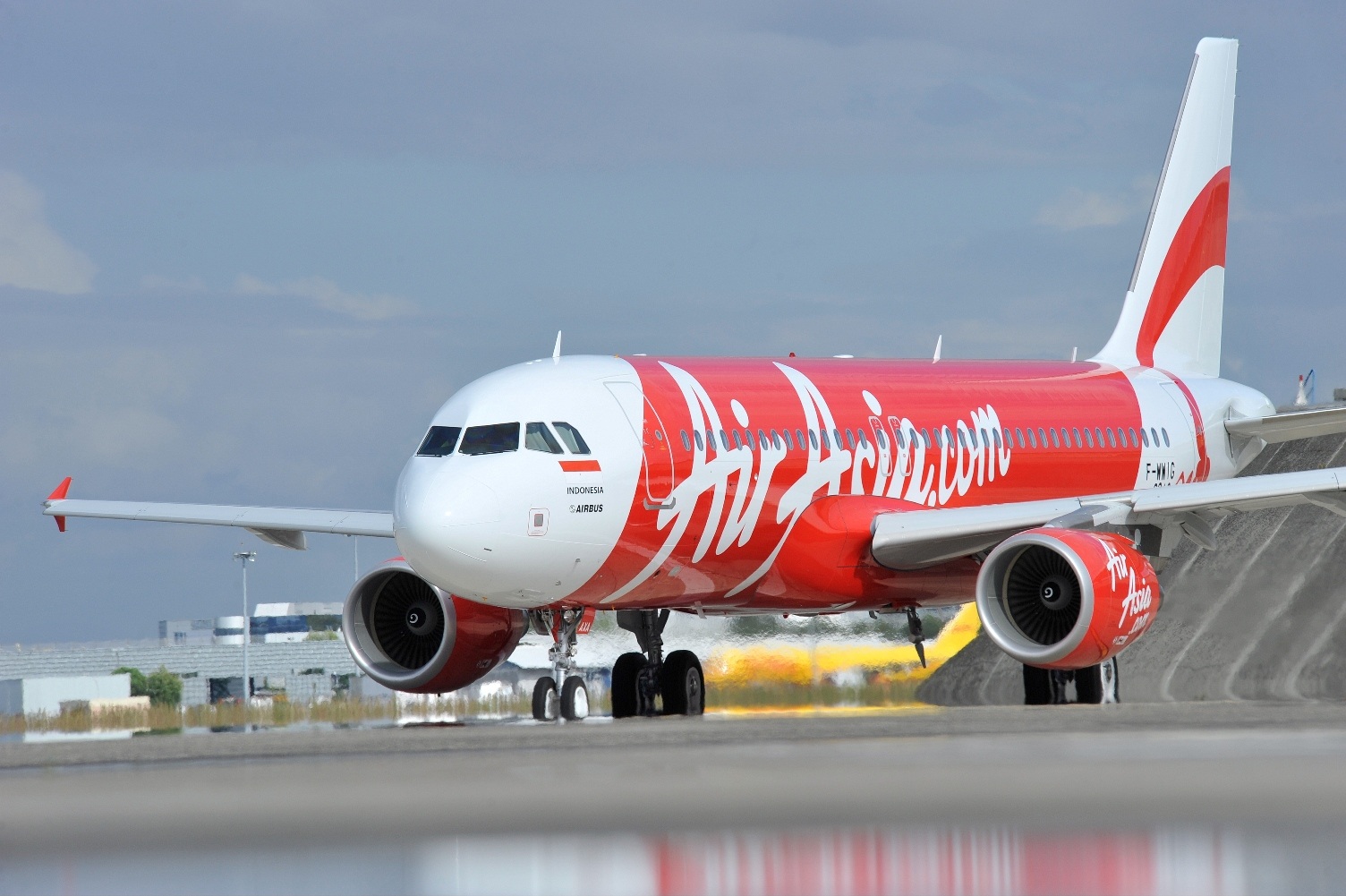
    AirAsia Philippines resumed its service to Singapore last December 4, ending a two-year hiatus of its flights to the Asian city-state.

    AirAsia Philippines’ first flight to Singapore in two years departed the NAIA Terminal 3 in Pasay City at 8:00 a.m. and successfully landed at Changi International Airport at 11:40 a.m. last December 4. It made a return flight from Singapore at 12:25 p.m. and safely landed in Manila at 4:05 p.m. the same day.

    “Initially we will cater to our Filipino workers and business travelers but soon as we slowly recover from the global pandemic, we hope to open this route for leisure travel also,” AirAsia Philippines spokesperson Steve Dailisan said.

    “This is extra special for us in AirAsia because we know how Filipinos value family traditions during the Christmas season and we take pride in being an instrument to those happy and meaningful reunions,” he added.

    To recognize the heroism of overseas Filipino workers (OFWs), AirAsia gave away 100 free tickets during the inaugural Manila-Singapore-Manila flight after two years.

    One of the winners was Grace Macaraeg was very thankful for the free ticket that she considers a timely Christmas gift for OFWs.

    She says the money she saved for her ticket to Manila will be used as additional funds for her niece’s cancer medication and treatment.

    “While it is true that we are always a video away from each other, especially at times when she is going through chemo. But nothing beats being able to hug and kiss her in person, it is simply priceless,” Macaraeg said.

    Also, as part of the Department of Tourism’s “Balikan Ang Pilipinas” campaign, AirAsia is also offering an early Christmas package with Balikbayan Package. By using the promo code BLKBYN10, guests can avail of the 10-percent off on Manila-Singapore and Manila-Hong Kong flights for bookings made until Dec. 12, 2021.

  • Vietravel Airlines to resume domestic flights

    Vietravel Airlines to resume domestic flights

    Vietravel Airlines will reopen domestic flight ticket sales next Monday to tap year-end travel demands, after remaining grounded for about three months owing to pandemic restrictions.

    The carrier, which belongs to leading tourism company Vietravel, announced it will reopen ticket sales from 9 a.m. Monday, with the first flight taking off next Thursday.

    The flights will depart to and from Hanoi, Ho Chi Minh City, and beach tourist hotspots such as Da Nang, Nha Trang, Phu Quoc and Quy Nhon.

    The company said it will gradually increase its flight frequency from now to the end of the month to meet higher travel demand during the year-end peak season, including the upcoming Tet (Lunar New Year) holiday two months from now.

    Vietravel Airlines was launched at the end of Dec. 2020 and was one of the airlines that allowed to operate amid the turbulence created by the pandemic.

    After about half a year of operation, the carrier had to reduce its frequency and also closed operations since late August due to Covid-19 resurgence. It resumed business on Oct. 18.

    According to the new restructuring plan, Vietravel plans to operate as a holding company instead of engaging in operating activity itself.

    The company has invested additional capital in the carrier this year, raising its total investment from VND700 billion (over $30 million) to VND1.3 trillion (over $56 million) for the 2021-2025 period.

    The Civil Aviation Authority of Vietnam has said that domestic carriers will increase flight frequency in the coming time.

    Budget carrier Vietjet Air has increased its frequency to six flights a day on each of the Hanoi-HCMC, Hanoi-Da Nang, and Da Nang-HCMC routes.

    Another budget carrier, Bamboo Airways, will increase its frequency to 4-5 daily flights on the Hanoi-HCMC route from mid-December.

    National flag carrier Vietnam Airlines will operate about 140 flights per day on nearly 40 domestic routes. On the Hanoi – HCMC route, Vietnam Airlines operates five flights per day and its affiliate Pacific Airlines flies two flights per day. From Dec. 15, each airline will increase frequency on this route with one more flight per day.

  • Cebu Pacific receives first Airbus A330neo; targets all-neo fleet by 2027

    Cebu Pacific receives first Airbus A330neo; targets all-neo fleet by 2027

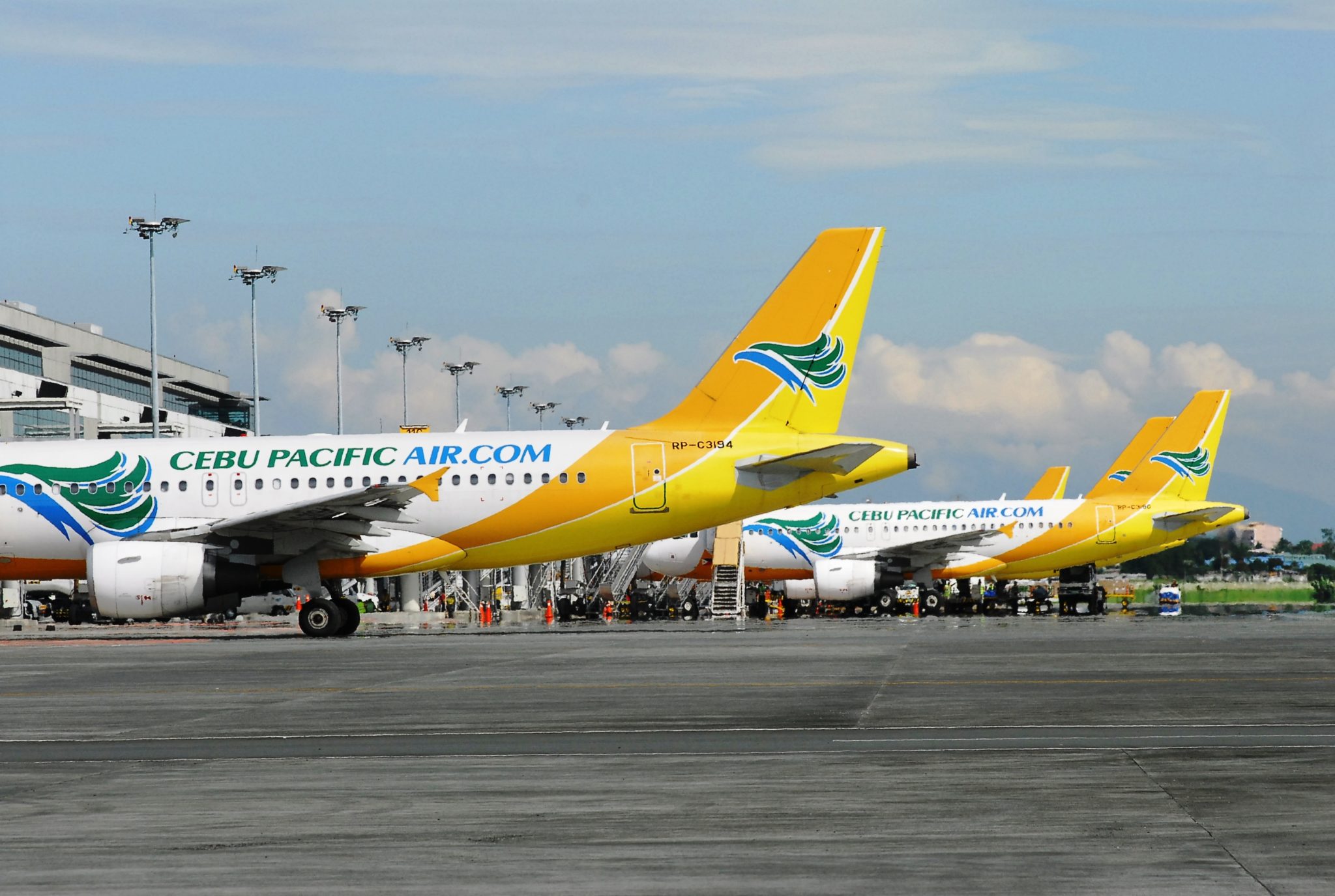
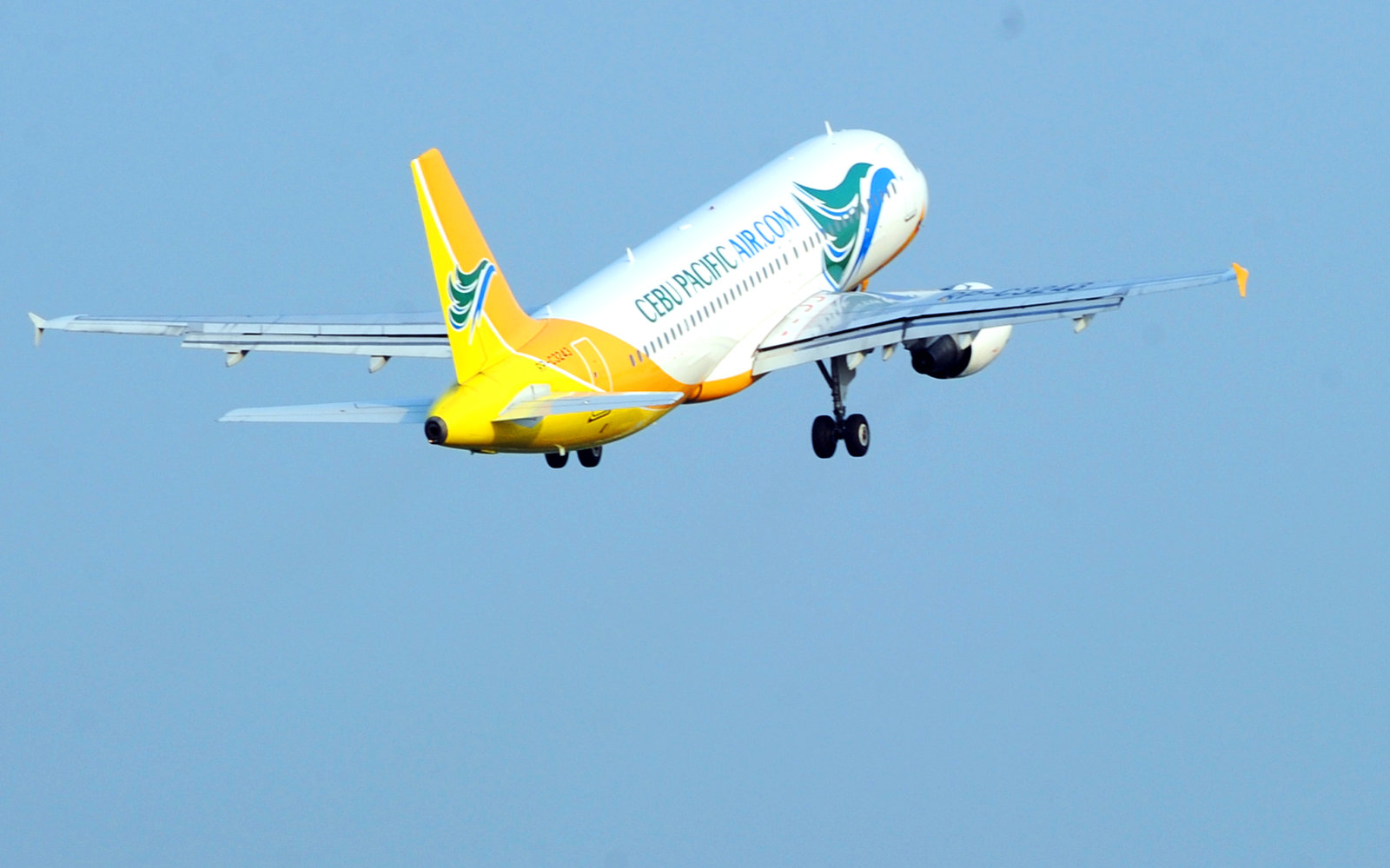
    Philippine low-cost airline Cebu Pacific received its first Airbus A330neo on November 28,2021 as it begins its widebody fleet modernization program.

    The aircraft features 459 lightweight Recaro seats, which have been ergonomically designed, and offer versatility for a wide range of routes from shorter regional services to medium and long-haul operations. The Airbus A330neo will be used to operate trunk routes within the Philippines and the rest of Asia, as well as on longer-range services to Australia and the Middle East.

    The A330neo brings a step-change in efficiency, consuming 25% less fuel than previous generation aircraft and a similar reduction in CO2 emissions. The efficiency of the A330neo also ensures compliance with current and future sustainability requirements in terms of noise and emissions.

    “Cebu Pacific’s first A330neo brings us closer to our target of having an all-Neo fleet by 2027, and shows our commitment to making air travel accessible while ensuring environmental and social sustainability,” Cebu Pacific chief strategy officer Alex Reyes said in a statement.

    Reyes added: “We believe that growth and sustainability are not mutually exclusive and should in fact be inclusive if we want to work towards the greater good. This is why we will always choose the greener options – increased aircraft efficiency, reduced noise, and carbon emissions, to ensure that lower fares will be available for every Juan.”

    In total, Cebu Pacific has ordered 16 A330neo, and also has 16 A320neo and 22 A321neo still to be delivered. The low-cost carrier currently operates 50 Airbus aircraft, comprising 43 A320 families and 7 A330ceo.

    “We thank and applaud Cebu Pacific for selecting our latest-technology A330neo as part of its fleet modernization drive to fly the greenest aircraft for a sustainable future. The A330neo is the first aircraft in the world already certified to comply with ICAO’s CO2 emissions standards beyond 2028. The airline will benefit from the aircraft’s step-change in performance and economics while maintaining passenger comfort and lowest operating costs,” said Airbus Asia-Pacific President Anand Stanley in a press statement.

    The aircraft is powered by Rolls-Royce’s latest-generation Trent 7000 engines and features a new composite wing with increased span for enhanced aerodynamics.

    The A330 remains the most popular widebody family aircraft for Airbus, with an order book of more than 1,800 aircraft at the end of October 2021.

  • AirAsia CEO ‘bullish’ on beating Omicron as airline announces resumption of Phnom Penh flights

    AirAsia CEO ‘bullish’ on beating Omicron as airline announces resumption of Phnom Penh flights

    AirAsia Group chief executive Tony Fernandes has urged governments to stop “overreacting” to the emergence of the new Omicron variant of Covid-19 and focus on reducing the cost of PCR testing instead.

    “It’s a huge overreaction. We don’t know anything about this variant yet. Let’s wait and see before we jump the gun,” Mr. Fernandes said at a virtual address at Bangkok Post’s International Forum 2021 dubbed “Unleashing the Future: A Glimpse into 2022 and Beyond” on Thursday.

    Air Asia has also hinted that Cambodia is one potential market for new ventures. Current group president for airlines Bo Lingam says: “We will continue to review new markets to operate from in the future, like Cambodia for example when we can connect Southeast Asia once again with the best value fares and lifestyle offerings.”

    The chief executive of the low-cost carrier said the world is more equipped and better prepared to deal with Omicron — first detected in South Africa — than previous strains.

    Air Asia is also reportedly looking at resuming Kuala Lumpur-Phnom Penh flights in January 26 to take advantage of Chinese New Year travelers. During its heydays prior to COVID-19, it used to mount three flights a day.

    “There are Merck pills, and Pfizer pills are coming out. We are vaccinated. There are boosters available. I’m feeling much more bullish, and I am not doom and gloom,” he said.

    “Governments need to use common sense and see what is needed. I think travel restrictions and such measures are temporary, and the world is global. No matter how much we close the borders, the viruses will travel.”

    He criticized the pricing and frequency of the PCR tests required by many governments, including Thailand, when travelers enter their borders. He said this risks deterring passengers from taking a vacation despite the pent-up demand to venture overseas.

    “No government has looked at the cost of the PCR test. PCR tests in Southeast Asia are extremely [expensive]. It’s unfair for passengers to pay that kind of cost. Of course, we want to be safe, but make it as simple as possible.”

    He praised Thailand for planning to reduce some of these charges and procedures.

    “Thailand is ahead of the rest of ASEAN, which are still quite draconian,” he said, referring to the Association of Southeast Asian Nations.

    “In Malaysia, we have a seven-day quarantine. It’s a start. At least we are opening up borders, but there’s a long way to go before we get to where we used to be.”

    As for AirAsia’s operations and outlook for 2022, Mr. Fernandes said he had restructured the company and pivoted to more digital businesses.

    So far, the low-cost carrier has launched three logistics businesses — a food delivery super-app, online bank BigPay, and parcel delivery service Teleport. The company has no plans to cut routes yet, it said.

    The group CEO was optimistic about the future of the aviation industry. He said he expects low-cost carriers to bounce back faster than full-service airlines as most passengers prefer to travel short distances. Moreover, business travelers are getting used to attending meetings virtually instead of in person, he said.

  • AirAsia clarifies high fares

    AirAsia clarifies high fares

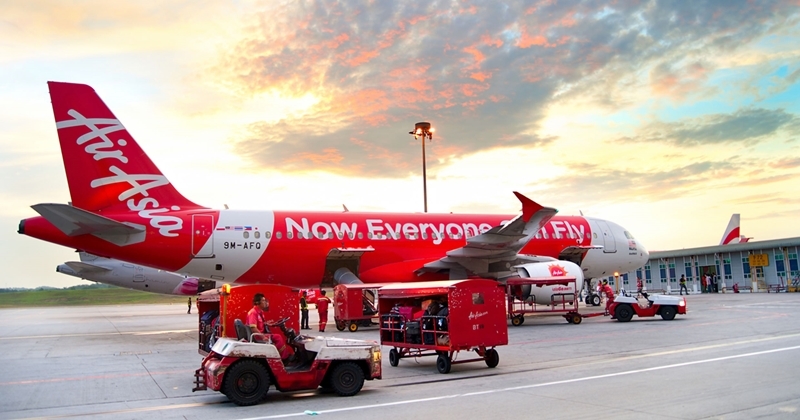
    AirAsia has denied that its airfares between the Peninsula and Sarawak are high as well as its unavailability for the Christmas and state election period.

    The low-cost airline operator said it has engaged continuously with the Ministry of Transport Sarawak (MoTS) and submitted applications to permanently increase its scheduled flight frequencies from Peninsular Malaysia and Sabah into Sarawak on several occasions since early this year, including the latest request submitted last week which included the operation of extra flights for the upcoming holiday season, Christmas and Chinese New Year.

    The airline said it received confirmation from MoTS and the Sarawak State Disaster Management Committee (SDMC) today for an additional 42 weekly flights from Peninsular Malaysia and Sabah into the state for a limited period from Dec 4 to Jan 5, 2022.

    This has brought the fares down from around RM1,000 one way to below RM200 for a Kuala Lumpur to Kuching flight and these were very quickly snapped up, it said.

    “AirAsia wishes to clarify its position with regards to the views and concerns expressed on social media that the airline is charging high fares for flights between Peninsular Malaysia and Sarawak for the upcoming Christmas and holiday season that coincides with the state election scheduled for Dec 18”, it said in a statement.

    Chief Executive Officer of AirAsia Malaysia Riad Asmat said as a low-cost carrier, the airline is in a volume business to pass on the lowest fares to its guests.

    “AirAsia’s operation is all about economies of scale where we need to achieve a high passenger volume so that costs can be spread among a sizable number of passengers, allowing us to offer travelers low fares and giving them great value for money.

    “Historically, our average fare for flights between Sarawak and Peninsular Malaysia has been around RM160 per one-way passenger. This takes into account the highest fares and the lowest, including when we offer zero fare promotional sales,” he said.

    Riad said AirAsia’s pricing model is similar to other airlines around the world and is based on supply and demand.

    “In abiding with the limited flight frequencies imposed by the SDMC resulting in a reduced supply of flight seats, AirAsia’s demand-based dynamic pricing mechanism has inevitably derived prices seen as unfavorable to buyers at this time. It must be remembered that this is also the same mechanism that we used to offer guests promotional fares from as low as RM99 one way earlier in October,” he said.

    He added that as a general rule, fares will be higher, closer to the travel date, and during peak holiday periods when their flights are already near full.

    “Buyers have already taken up to 90 percent of our capacity on most flights. The limitation on the number of flights available in the market is a key factor that has pushed the prices higher across all airlines”.

    Riad said for the record, AirAsia used to fly over 300 weekly flights into Sarawak pre-Covid, connecting Kuching, Sibu, Miri, and Bintulu to Kuala Lumpur, Penang, Johor Baru, Kota Kinabalu, and various other destinations in Malaysia.

    “Just for Kuala Lumpur – Kuching alone, we used to fly between 12 and 15 flights daily on this hugely popular route before Covid, but with the latest approval today, AirAsia will be flying 5 daily flights between Kuala Lumpur and Kuching which is a 67 percent reduction in our capacity due to the restrictions by SDMC.

    “We comprehend that demand is there but at the moment we are unable to meet it until more flight approvals are given,” he said.

    Riad also expressed AirAsia’s sincere appreciation to SDMC and MoTS for the additional flight approval for the Christmas holiday season.

    “However, we would like to appeal to MOTS and SDMC to also approve our request for extra Chinese New Year flights, and to remove frequency restrictions on all the approved flights entirely to enable us to better manage cost efficiency and lower the fares for passengers.”

    AirAsia, Riad said has always pledged its full commitment and support towards the full reopening and resumption of travel and tourism activities in Sarawak.

    They were also looking forward to keep working closely with all relevant regulators, the federal and state governments, civil aviation and health authorities, and tourism bodies to ensure the highest conformity to standard operating procedures for every flight.

  • AirAsia rebuilds capacity in core Malaysian domestic market

    AirAsia rebuilds capacity in core Malaysian domestic market

    For AirAsia there has been a welcome recovery in Malaysian domestic demand in the last part of 2021 as internal travel restrictions ease in the group’s most important market.

    Third-quarter operating statistics made a fairly grim reading for AirAsia. The effects of the COVID-19 delta variant caused the governments in the group’s major Southeast Asian markets to impose limitations on domestic travel. This was particularly true in Malaysia and Thailand, where the AirAsia units based in those countries had to suspend most of their remaining operations.

    In Malaysia, the number of new daily cases peaked at more than 600 in late Aug-2021, according to the Our World in Data website. However, the daily case count had fallen again to 173 by 24-Nov-2021.

    At the same time, Malaysia’s vaccination rate continues to climb, with 76.3% of the population fully vaccinated as of 25-Nov-2021. The fully vaccinated rate for eligible adults is above 90%.

    These two factors combined – daily case numbers and vaccination rate – prompted the government to lift many of its interstate travel restrictions in the fourth quarter.

    For AirAsia, this means its Malaysian domestic operation can ramp up, which is important, given that the airline’s international operations remain largely halted.

  • Vietnam Airlines reports $154 mln Q3 loss

    Vietnam Airlines reports $154 mln Q3 loss

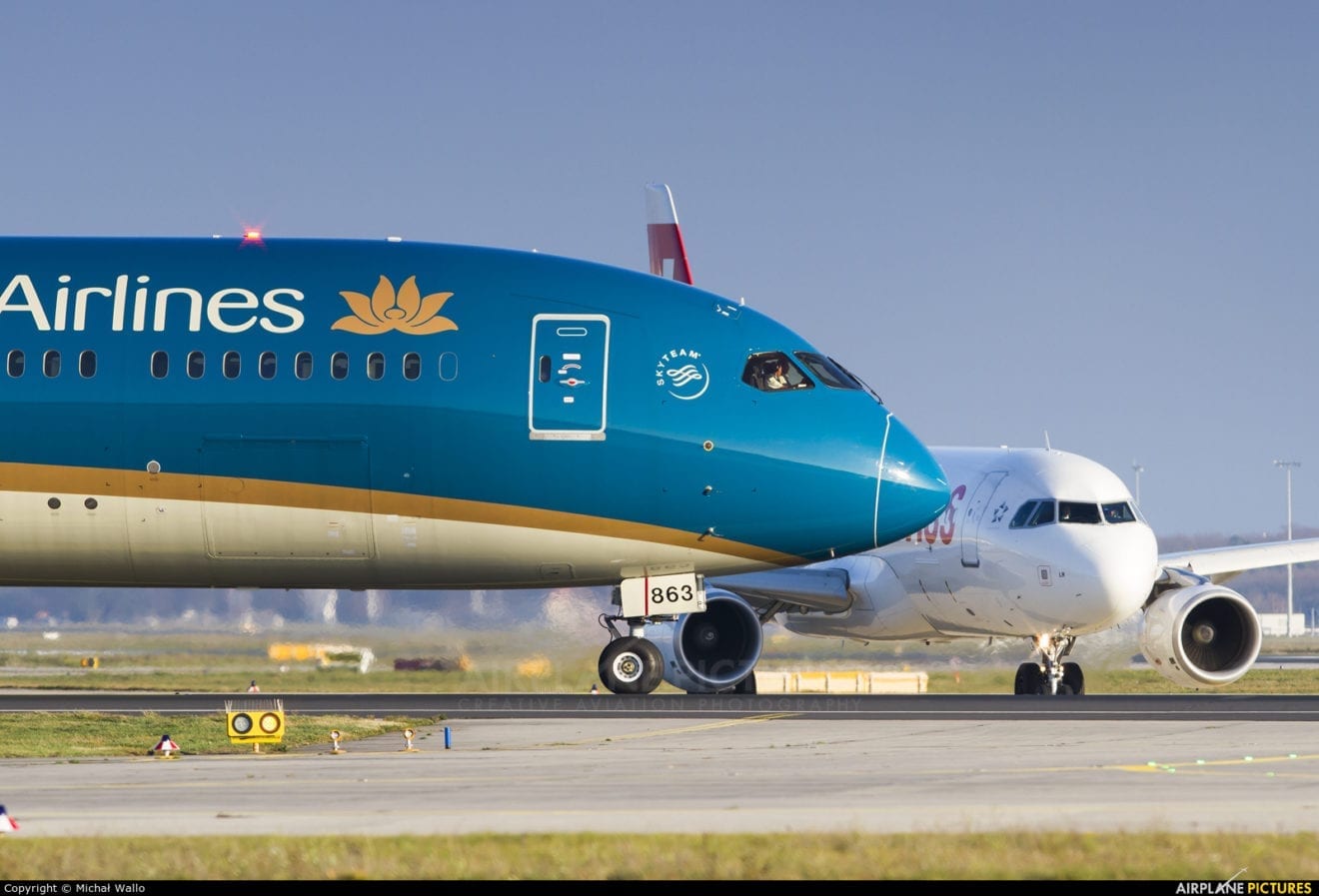
    National flag carrier Vietnam Airlines recorded a net loss of over VND3.5 trillion ($154.3 million) in the third quarter, a sharp decrease compared to the first two quarters.

    According to a summary of consolidated financial statements for the third quarter, Vietnam Airlines earned net revenues of VND4.7 trillion, down 37.6 percent year-on-year.

    The sale of goods dropped 20 percent year on year to VND7.7 trillion.

    The airline reported a total gross loss in the sale of products and services of about VND3 trillion.

    While its financial revenue more than quadrupled over the same period to more than VND560 billion, administrative expenses and costs related to the cost of products increased to more than VND347.5 billion and VND282.2 billion, respectively, resulting in the reported net loss.

    The Q3 loss was less than the losses of VND4.9 trillion and VND4.4 trillion recorded in the first and second quarter, respectively.

    Its loss in the first 9 months of the year has crossed VND12.1 trillion.

    The carrier explained that the sharp drop in consolidated profits in the third quarter was not only due to the decrease in profits of the parent company, but also because the profits of subsidiaries providing aviation services, like Vietnam Airlines Engineering Company (VAECO) and Noi Bai Airport Services Company (NASCO), also decreased sharply.

    Vietnam Airlines said that it has proactively implemented drastic solutions in business operations to minimize the impacts of the Covid-19 pandemic, resulting in a significant drop in Q3 losses compared to the first two quarters.

    As of September 25, the carrier increased its charter capital to VND8 trillion.

    The carrier said business activities have gradually stabilized and it is preparing conditions for the recovery and development phase after domestic flights are allowed to operate normally.

    As of September, Vietnam Airlines’s total assets were valued at more than VND67 trillion, up more than VND4.5 trillion over the beginning of the year.

    The company has posted overdue debts of VND65.5 trillion compared to the beginning of the year, and more than VND1.4 trillion of equity, a decrease of nearly VND4.6 trillion over the same period. Of this, short-term debt is about VND42.2 trillion, up more than VND9.7 trillion.

  • AirAsia X narrows operating losses in quarter to 30 September

    AirAsia X narrows operating losses in quarter to 30 September

    Long-haul, low-cost carrier AirAsia X has reported an operating loss of MYR82.5 million ($19.6 million) for the first quarter of its 2022 financial year. The carrier generated revenue of MYR99.3 million for the three months ended 30 September, and a net loss of MYR149 million, it says.

    The carrier did not provide corresponding figures for the same period in 2021, given that it changed its financial year. Still, its performance improved across key metrics.

    In the three months to 30 September 2020, it generated an operating loss of MYR498 million, revenues of MYR60 million, and a net loss of MYR308 million. The airline adds that it remains largely grounded, apart from a “limited number of cargo and charter flights.”

    AirAsia X also provided some details about Thai AirAsia X (TAAX) and Indonesia AirAsia Extra, in which it holds 49% stakes, during the three months to 30 September.

    TAAX suffered a net loss of MYR353 million, while Indonesia AirAsia Extra generated a net profit of MYR12.3 million.

    The group adds that there is “meaningful uncertainty about the reopening of international borders,” which affects its prospects. Earlier this month, AirAsia X received crucial approval from creditors for debt restructuring, following a series of court-convened meetings on 12 November.

    This paved the way for restructuring and recapitalization, which it hopes to wrap up in early 2022.

    The carrier has labeled the restructuring a “wide and deep reset,” that covers all creditors.

    “With the completion of this exercise, AirAsia X will be one of the very few airlines worldwide that has no gearing and a restructured cost base that is significantly below that of its competitors in the region and will be

  • Tune Protect and AirAsia to unveil travel protection for foreign travellers into Langkawi and Thailand

    Tune Protect and AirAsia to unveil travel protection for foreign travellers into Langkawi and Thailand

    In an industry first, Tune Protect and AirAsia have launched the Covid Travel Pass as an added convenience for air travelers to meet the mandatory insurance coverage set by the governments for fully vaccinated international travelers flying into the countries. Kicking off with Langkawi, Malaysia, and various tourist destinations in Thailand, the service will be expanded to include other countries and destinations in due course.

    Currently, travelers flying AirAsia into Langkawi, Malaysia, and destinations in Thailand can subscribe to the Covid Travel Pass when booking their flight tickets on the AirAsia super app, post-flight purchase subscription options are also available before travelers depart. The introduction of the Covid Travel Pass plans is timely as they also meet the year-end travel needs of AirAsia’s guests who wish to head to their much-awaited holidays and the impending opening of regional and international borders.

    The Covid Travel Pass plans are complete with enhanced COVID-19 coverage to satisfy the Malaysian government’s requirement for international travelers coming into Langkawi to have mandatory insurance coverage of USD 80,000 while for Thailand, the required mandatory coverage is USD 50,000.

    “As Malaysia and Thailand open their international borders, AirAsia is prepared to meet the rise in the pent-up travel demand especially towards the end of the year as a peak travel period. Traveling today comes with a new set of protocols and we want to reassure our guests that we are ready to welcome them with the right travel protection products provided by Tune Protect while observing strict and disciplined protocols to ensure the safety of our passengers in-flight and beyond so that they can have total peace of mind,” said Bo Lingam, Group CEO of AirAsia Aviation.

    AirAsia has spent a period of downtime in travel over the past one-and-a-half years to further improve and revamp its flight procedures and processes. In the highest interest of safety and well-being of all its guests and employees, AirAsia will accept only fully vaccinated guests onboard its flights, and likewise, ensure only fully-vaccinated employees will operate flights and be on duty at the airport terminals.

    Despite mostly not flying for a good part of the past 18 months, all AirAsia’s aircraft are properly maintained according to procedures set by the manufacturer. AirAsia has set up an in-house maintenance, repair, and operations (MRO) unit called Asia Digital Engineering that provides services not only to AirAsia but also other airlines. Likewise, all its pilots and cabin crew are regularly sent for mandatory refresher courses and ongoing retraining so that they are always on top of their job.

  • US direct flight fare around $1,000

    US direct flight fare around $1,000

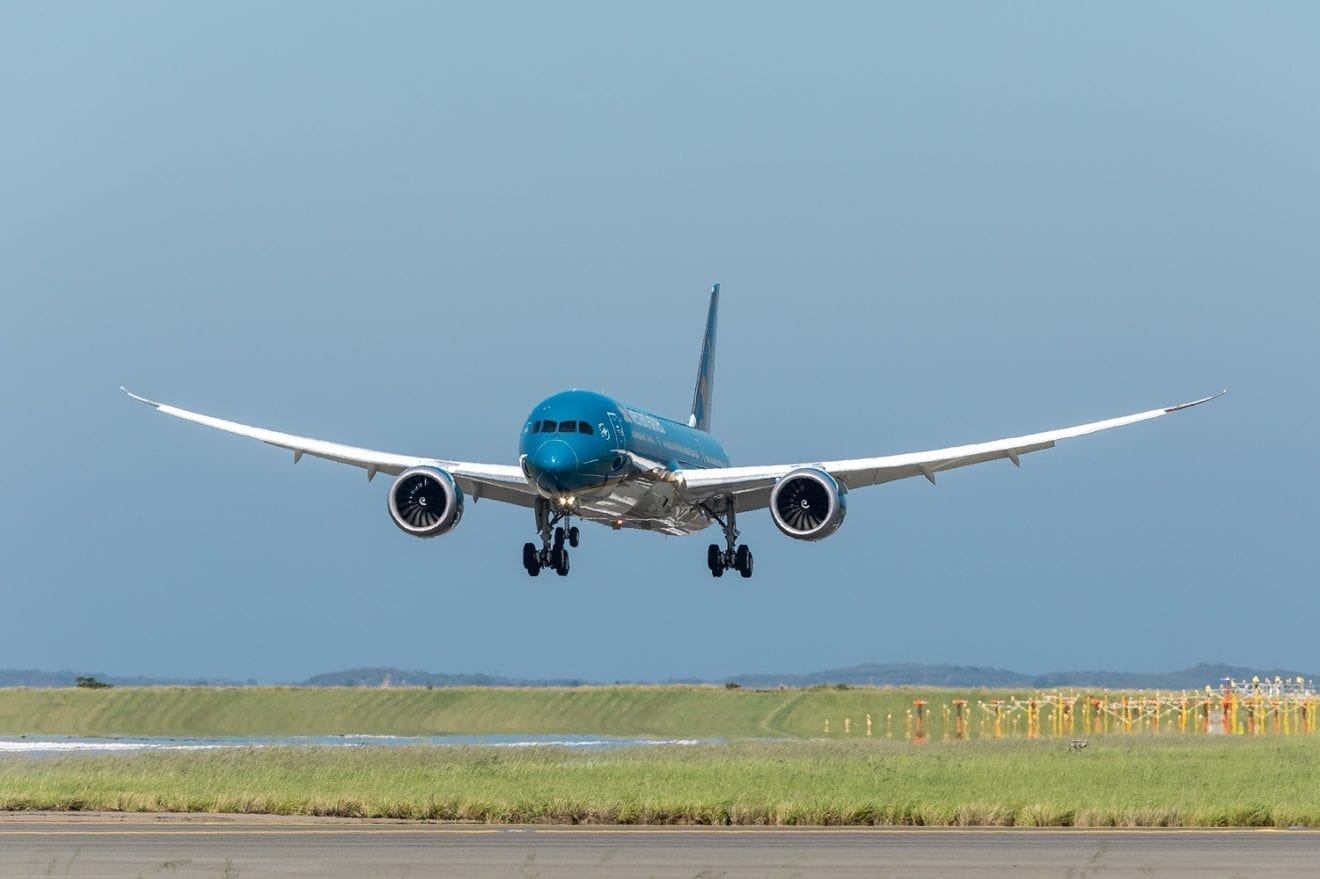
    A one-way ticket from Vietnam to the U.S. will cost around $1,000 and be available on the Vietnam Airlines website in a few days, the carrier has said.

    There would be a reduced number of passengers to lower the aircraft’s weight to ensure no fuel stops are needed, CEO Le Hong Ha told reporters Tuesday.

    On the Boeing 787 and Airbus 350 planes Vietnam Airlines uses, this means a maximum of 210-220 passengers instead of the full complement of 300, he said.

    The 2.2 million Vietnamese-Americans in the U.S. would be the main targets in the future, he said.

    The Vietnam-U.S. direct route would not be profitable for five to 10 years, but it is better to fly to sustain cash flows, he said.

    Passengers allowed to enter Vietnam from the U.S. now amid Covid-19 are experts, businesspeople and high-skilled workers.

    The first regular direct flight to the U.S. will leave HCMC in the evening of November 28, achieving a dream conceived nearly two decades ago.

    It will arrive in San Francisco 13 hours and 50 minutes later.

  • Cebu Pacific announces P1 seat sale for 11.11

    Cebu Pacific announces P1 seat sale for 11.11

    Cebu Pacific on Wednesday announced an 11.11 seat sale for as low as P1.

    In an advisory, the airline said the promo offer would begin at 12 midnight on November 11, 2021 and end on November 14, 2021, covering the travel period from July 1 to September 30, 2022.

    “Passengers can enjoy Cebu Pacific’s lowest base fare for as low as P1 to over 56 domestic routes and 20 international routes,” the airline said.

    Cebu Pacific vice president for marketing and customer experience Candice Iyog said that the airline welcomes the safe reopening of domestic destinations.

    “We remain cautiously optimistic while we continue to do what we can to support the recovery of the travel and tourism industry,” she said.

  • Cebu Pacific Enhances Payment Method Features with CellPoint Digital’s Payment Orchestration Platform

    Cebu Pacific Enhances Payment Method Features with CellPoint Digital’s Payment Orchestration Platform

    CellPoint Digital, a fintech leader in payment orchestration, today announces the next leg of its partnership with Cebu Pacific, the largest airline in the Philippines.

    Cebu Pacific is one of the most successful low-cost airlines in the world, having flown over 22 million passengers to over 60 destinations in 2019, with 70% of these bookings being made directly via the carrier’s digital channels.

    Following the successful implementation of CellPoint Digital’s cutting-edge Payment Orchestration Platform, Velocity, across all of Cebu Pacific’s digital channels last year, the airline has now implemented new alternative payment methods to provide more flexible options to their customer’s payment experience. Thanks to the PSP/acquirer agnostic Velocity platform, Cebu Pacific customers will now have access to the following popular payment methods: GCash, GrabPay and PayMaya.

    The new alternative payment methods boast wide-ranging end-user benefits, including enabling split payments between travel fund vouchers and cash, and converting local currencies in real-time. For the airline itself, providing more payment methods should increase revenues, and by optimizing card payment processing across multiple acquirers, they will be able to do real-time transaction monitoring – by market, and by payment method – all delivered conveniently in one place.

    The intelligent routing module already dynamically optimizes the routing of each transaction made via a bespoke network of acquiring banks, thereby maximizing acceptance rates and lowering transaction costs.

    Candice Iyog, Vice-president for Marketing and Customer Experience at Cebu Pacific added: “Our partnership with CellPoint Digital continues to go from strength to strength. As the world begins to open back up and consumers are more used to using flexible digital payment methods than ever before, we’re proud to be able to offer our customers a frictionless customer experience at the checkout by giving them the payment methods they most want to use.”

    Commenting on the announcement Kristian Gjerding, CEO of CellPoint Digital commented: “We’re delighted to announce this evolution in our partnership with Cebu Pacific. Airlines have, by necessity, some of the most complex payment ecosystems of modern merchants, and an equally diverse customer base to match. By utilising our comprehensive payment orchestration platform and having access to a large payments ecosystem, we have simplified the payment process for Cebu while bolstering its offering with popular alternative payment methods for its customers.”

    The news comes as the APAC airline sector gears up to take off again following the disruption caused by the COVID-19 pandemic, with 77% of APAC airline customers ready to travel as soon as restrictions fully ease. Via its access to CellPoint Digital’s growing ecosystem, Cebu Pacific is ready to maximise the payments journey for APAC travellers with payment methods covering over 40 local and global cards, and over 350 alternative payment methods.

    The future is promising for the partnership as the two companies work towards introducing more new features such as stored cards and other popular APMs, while also empowering Cebu’s B2B offering with more payment capabilities.

  • Bamboo Airways signs $2-bln deal with Safran, GE

    Bamboo Airways signs $2-bln deal with Safran, GE

    Bamboo Airways has signed a EUR1.73-billion ($2 billion) deal with France’s Safran and the U.S.’s General Electric for aircraft engines and equipment.

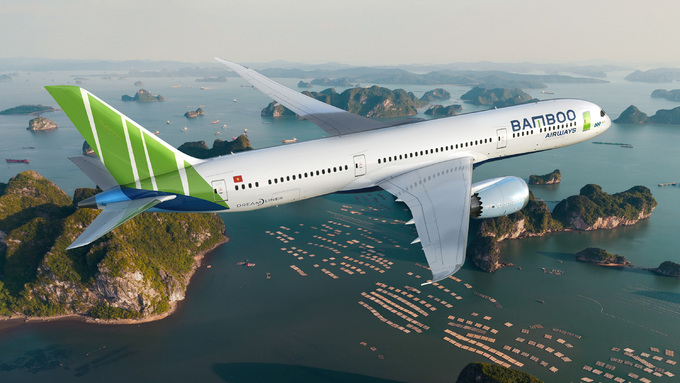
    The Vietnamese carrier on Wednesday signed a memorandum of understanding with Safran and GE to purchase equipment for 50 narrow-bodied Airbus A321neos and 30 wide-bodied Boeing 787-9s.

    Safran makes high-class airplane seats and other cabin equipment.

    Bamboo Airways currently operates seven A320neos and 5 A321neos.

    “We are looking forward to developing a strong relationship with Bamboo and being part of its future growth,” Alexandre Ziegler, Safran’s senior executive vice president of international and public affairs, said in a statement.

    The deals were signed in the presence of Vietnamese Prime Minister Pham Minh Chinh and French Prime Minister Jean Castex during the former’s working visit to France from Nov. 3-5.

    Earlier low-cost Vietnamese carrier Vietjet also signed an agreement with Safran.

    The two parties had an existing $10-billion deal for engines and engine maintenance, and it has been expanded to cover more aircraft engine deals and a number of other aspects such as seats and interiors.

    Vietjet operates a fleet of 90 aircraft.

    Safran is a global technology company with interests also in the defense and space markets, 76,000 employees and annual sales of 16.5 billion euros ($19.15 billion).

  • AirAsia X shares sink as much as 21% amid going concern doubt

    AirAsia X shares sink as much as 21% amid going concern doubt

    AirAsia X’s shares dived by the most in more than a year after the long-haul budget airline was officially categorized as a financially distressed firm, which gives the company a year to recast its finances or risk losing its Malaysian listing.

    The stock tumbled as much as 21.1 percent to 7.5 sen on Monday (Nov 1), set for the steepest drop since August last year. The shares traded at eight sen at 10:40am amid volume that was six times the average for this time of day.

    On Friday, AirAsia X’s auditor Ernst & Young issued a disclaimer of opinion on the airline’s audited financial results for the 18-month period ended June this year, citing threats that cast “significant doubt” on the firm continuing as a going concern, the airline said in a filing. AirAsia X said it has a year to recast its finances, failing which it will be delisted from Bursa Malaysia.

    “AirAsia X continues to face severe liquidity constraints and all hopes are on successful debt restructuring and new equity funding from existing and new investors to provide sufficient capital to restart operations when international borders reopen,” Public Investment Bank wrote in a note on Monday. The brokerage maintained its stock-target price of one sen.

    “The company is taking the necessary steps to address its Practice Note 17 status,” AirAsia X said on Friday, referring to its categorization as a financially distressed company.

    AirAsia X is one of the many airlines in the Asia-Pacific region to have been hit by travel restrictions imposed to curb the coronavirus pandemic. It has grounded most of its aircraft fleet since March last year and has deferred payment to creditors.

    AirAsia X recently offered to pay creditors only 0.5 percent of the more than US$8 billion (S$10.8 billion) total debt they are owed and terminate all existing contracts as it tries to restructure after it triggered events of default for various agreements.

    AirAsia is set to meet its creditors to vote on its restructuring proposal on Nov 12 and it would require at least 75 percent of each class of scheme creditors in the meeting to vote favorably for its proposed debt restructuring exercise to carry.

  • Vietnamese carrier announces first Vietnam-UK direct flights

    Vietnamese carrier announces first Vietnam-UK direct flights

    Bamboo Airways announced the launch of the first Vietnam-U.K. direct flight routes Sunday in the presence of PM Pham Minh Chinh, in the U.K. for the COP26 meet.

    The airline also confirmed that local firm APG UK will be its representative in the U.K.

    Bamboo Airways chairman Trinh Van Quyet said that the direct flights could commence as early as this year when the resumption of commercial flights between the two countries is allowed.

    The airline said it expects to operate six round trips a week between Hanoi, Ho Chi Minh City, and London; and increase frequency based on demand.

    Bamboo Airways’s direct flights would help cut travel time between Vietnam and the U.K. to around 12 hours, seven hours quicker than flights that require transit.

    The flights are expected to drop off and take passengers at Heathrow Airport’s Terminal 2, connecting Vietnam’s Noi Bai and Tan Son Nhat airports with the U.K.’s largest airport. The Boeing 787-9 Dreamliner will be used for flights on the Vietnam-U.K. routes, the airline said.

    Nguyen Hoang Long, Vietnamese ambassador to the U.K., said opening direct flights between the two countries would boost commerce and people-to-people exchanges and would be particularly beneficial for the Vietnamese community in the U.K.

    APG UK, a passenger and cargo representation company, will support the airline with sales, marketing, and customer support as also issues related to aviation policies and procedures.

    There are currently over 100,000 Vietnamese studying and living in the U.K., and around 60 percent of them are in London. In 2019 alone, the number of tourists from the U.K. traveling to Vietnam reached 315,000, a 105 percent increase from the same period in 2018, according to the General Statistics Office. Among European countries, the U.K. has the second-highest number of visitors to Vietnam, the office added.