Tag: airline

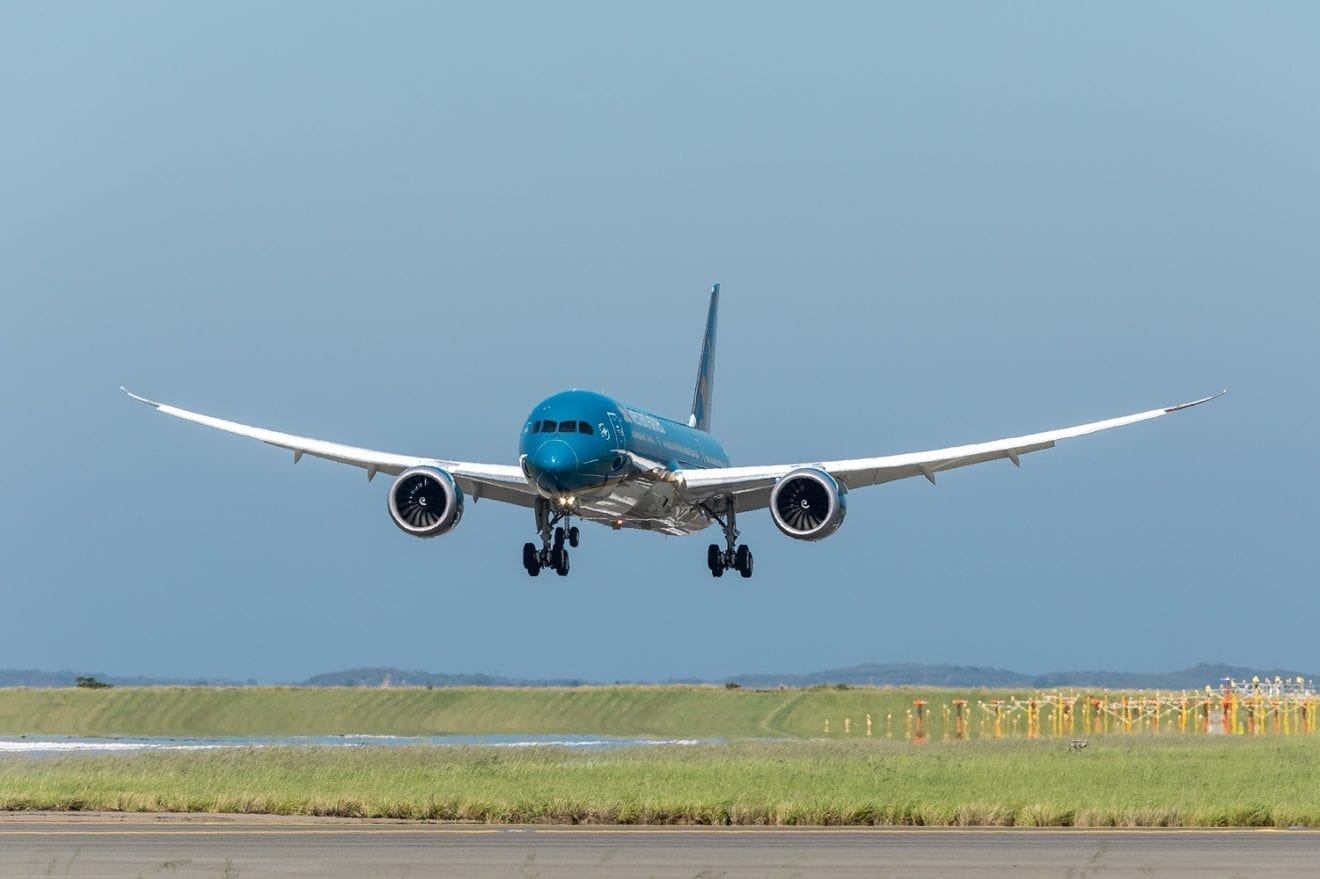
  • Vietjet, Rolls Royce ink $400-mln engine deal

    Vietjet, Rolls Royce ink $400-mln engine deal

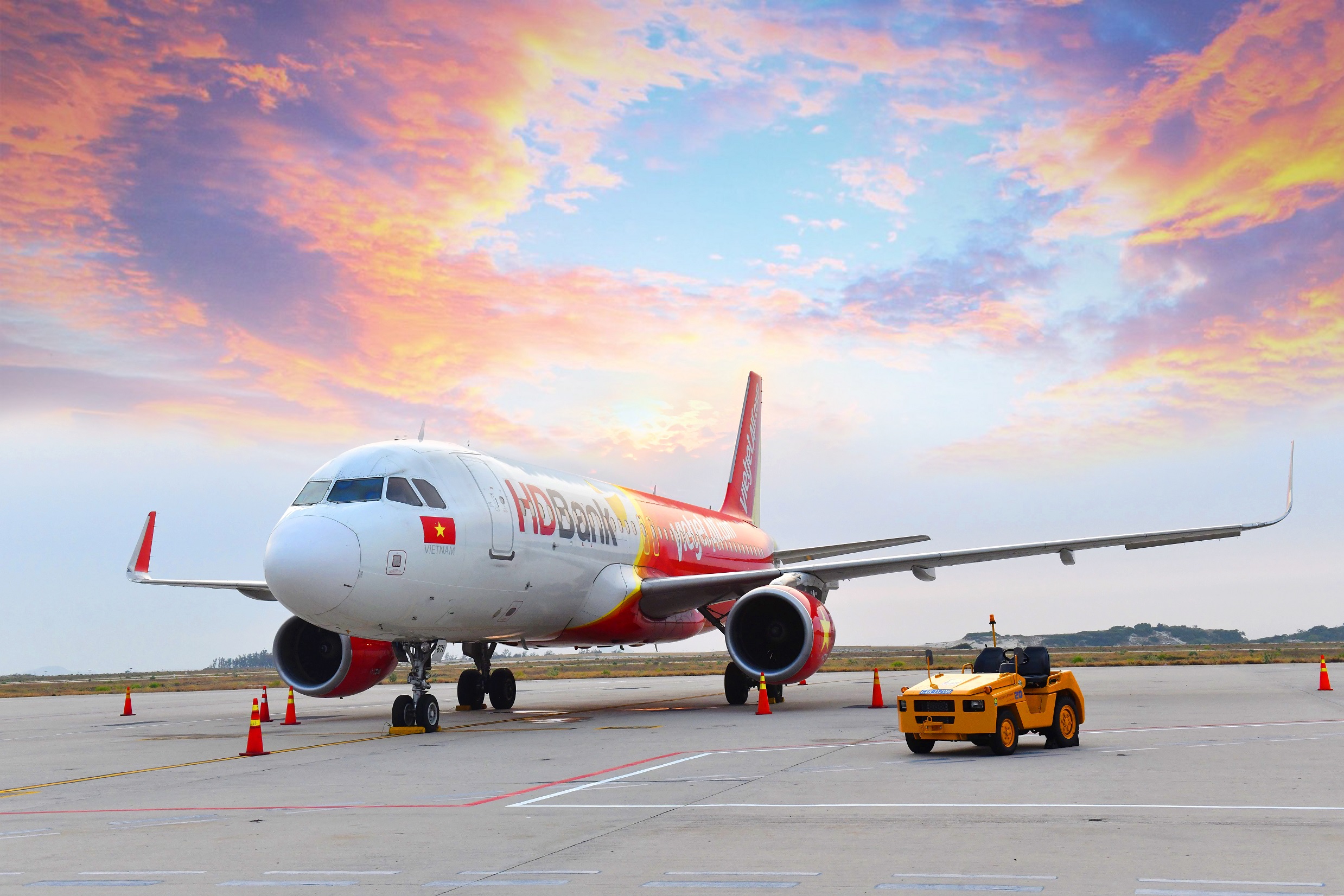
    Budget airline Vietjet has signed a $400-million agreement with British company Rolls Royce for aircraft engines for its wide-body fleet and engine servicing.

    The signing ceremony on Sunday was witnessed by Prime Minister Pham Minh Chinh, who is in the U.K. for the 26th United Nations Climate Change Conference, according to a statement from the airline.

    Rolls Royce Civil Aerospace’s chief customer officer, Ewen McDonald, said the company’s Trent 700 engine has the lowest lifetime fuel burn on its aircraft type, and has logged more than 60 million hours in service since its launch in 1995.

    It is the only engine specifically designed for Vietjet’s wide-body aircraft, he said without naming the model.

    The carrier’s managing director, Dinh Viet Phuong, said the new engines would improve flight range and quality and boost Vietjet aircraft’s technical reliability and operational efficiency.

    Vietjet has a fleet of 90 single-aisle aircraft.

    Rolls-Royce has more than 400 airline and leasing customers and 160 armed forces and navies.

    Vietjet, which began flying in 2011, also signed a $20-million reinsurance agreement with brokers Gallagher Co. and Willis Towers Watson Co. for its entire fleet, according to a separate statement it put out.

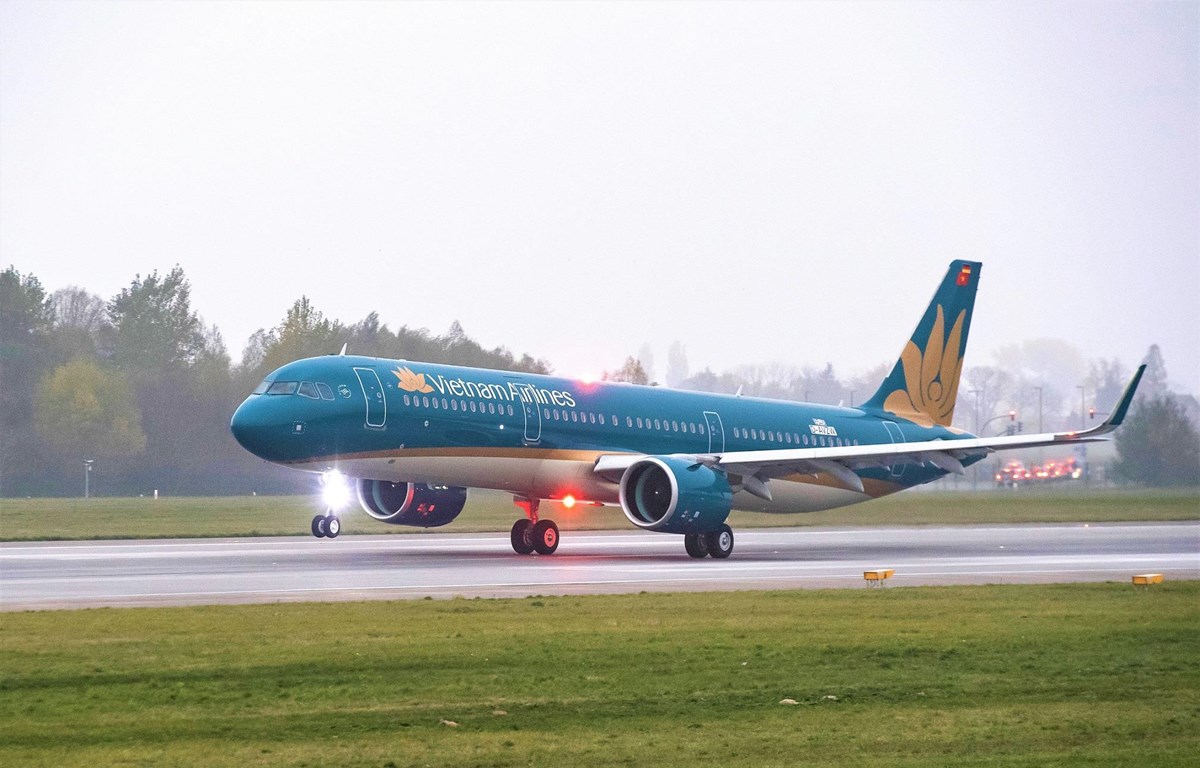
  • Vietnam Airlines to resume all domestic flights

    Vietnam Airlines to resume all domestic flights

    Vietnam Airlines is set to gradually resume flying on 40 routes, or nearly its entire domestic network, by next month, prioritizing Hanoi, HCMC and Da Nang.

    Several flights are set to be resumed to the southern archipelago Con Dao Island, the central highlands province of Buon Ma Thuot and the northern province of Dien Bien from Thursday to Nov. 30.

    The group, which comprises low-cost carrier Pacific Airlines and Vietnam Air Services Company (VASCO), will start conducting 90 routes a day from Thursday and will increase the figure to 120 from the end of this month.

    There will be three flights a day between Hanoi, HCMC and Da Nang City. For the other locations the group will try to have at least one route a day, which could rise to two depending on demand.

    Passengers can fly if they have been fully vaccinated for at least 14 days, or to have recovered from Covid-19, or to test negative within 72 hours.

    Vietnam Airlines Group started resuming its domestic flights from Oct. 10. As of Tuesday it had conducted around 150 flights carrying nearly 12,000 passengers on 16 flight routes.

  • Thai AirAsia Parent Seeks to Raise $540 Million in Fresh Capital

    Thai AirAsia Parent Seeks to Raise $540 Million in Fresh Capital

    Asia Aviation Pcl, the operator of Thailand’s biggest budget carrier Thai AirAsia Co., plans to raise as much as 17.9 billion baht ($535 million) from new loans, share sales and convertible debt offerings as it attempts to restock coffers depleted by the worst crisis in aviation history.

    A revised financial restructuring plan for the company has been put forward and Asia Aviation is consulting with new investors, shareholders and creditors, Asia Aviation said in an exchange filing late Tuesday.

    The holding company joins a plethora of airlines globally trying to repair their balance sheets after Covid-19 all but put a stop to international air travel in early 2020. While climbing vaccination rates are seeing travel spring back in some parts of the world, in Asia it’s nowhere near pre-pandemic levels. Thai Airways International Pcl and Nok Airlines Pcl are also pursuing financial restructurings.

    Asia Aviation Chief Executive Officer Santisuk Klongchaiya said the fresh funds should allow the airline to increase flights amid an expected recovery in tourism and travel.

    Thailand’s capital Bangkok has administered at least two doses of Covid vaccine to 71% of its adult population, paving the way for the city to welcome back inoculated visitors without mandatory quarantine from Nov. 1., officials said Wednesday.

    Asia Aviation plans to raise a total of 8.8 billion baht from a private share sale to Malaysia’s AirAsia Group Bhd. and an individual investor. That will comprise around 4.5 billion of new shares to AirAsia to raise 7.8 billion baht and another sale to a group of investors led by Pitharn Ongkosit, the chief executive officer of KCE Electronics Pcl, to raise 1 billion baht.

    The company will also raise 2.2 billion baht from sales of convertible bonds and 3 billion baht from a rights offering. Around 3.9 billion baht will come from loans.

    Asia Aviation, which owns a 55% stake in Thai AirAsia, will use most of the proceeds to acquire the shares of Thai AirAsia it doesn’t already control. Other funds will be used to repay debt.

  • Name change for AirAsia Group

    Name change for AirAsia Group

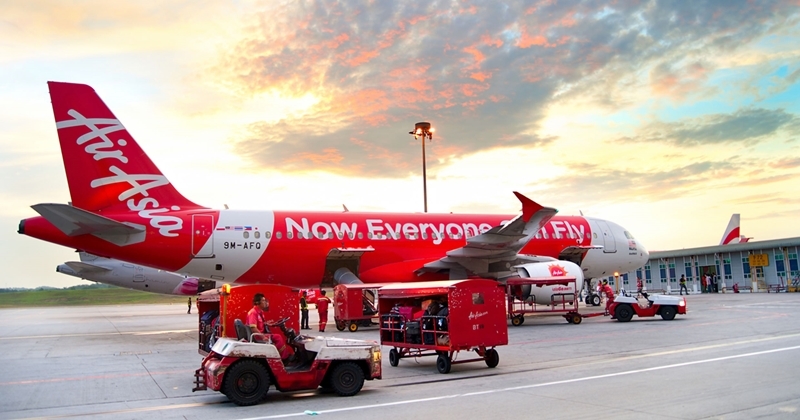
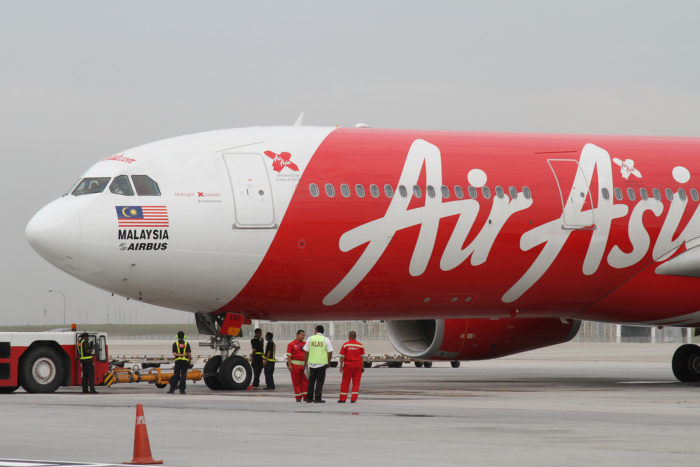
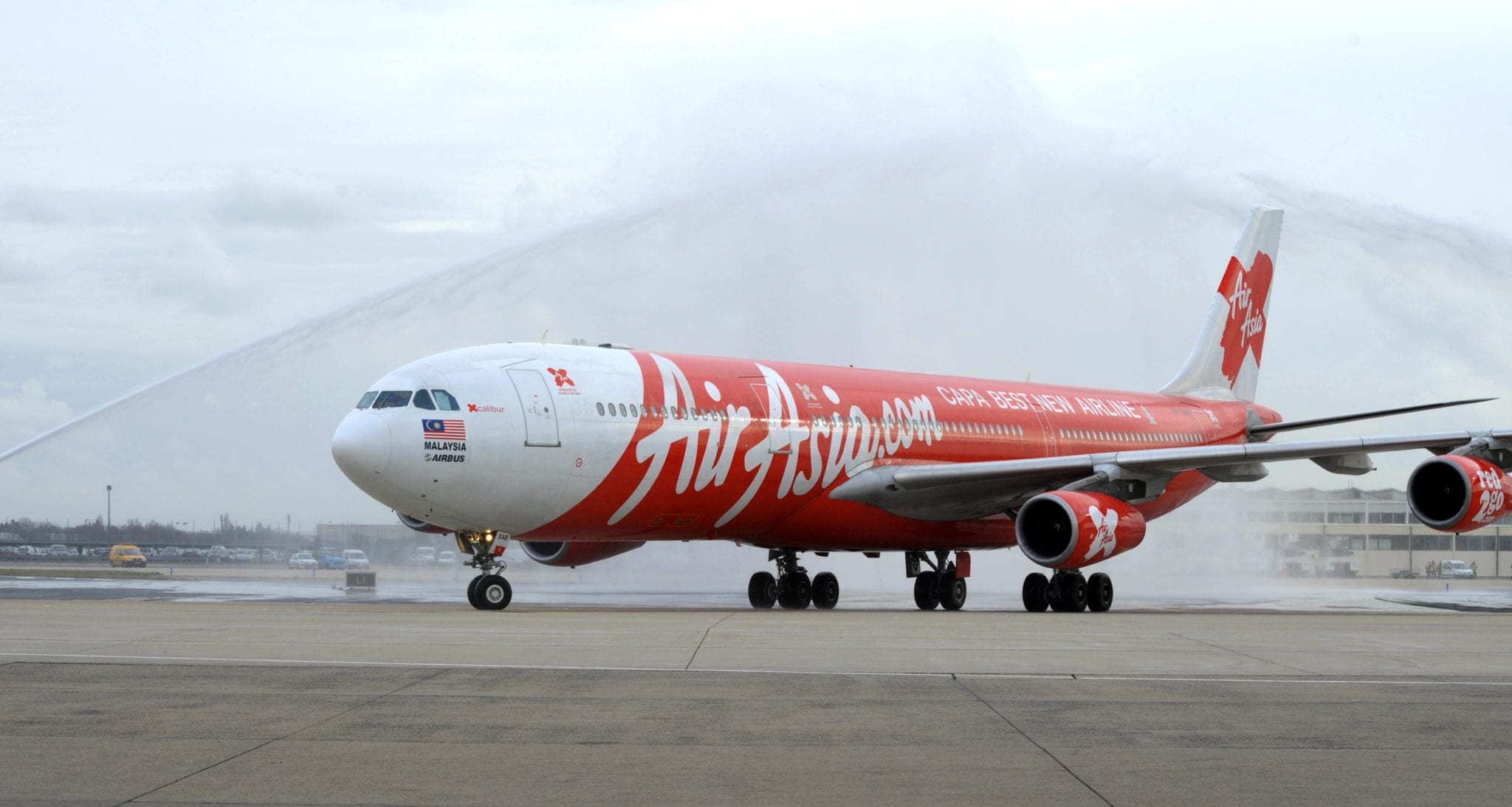
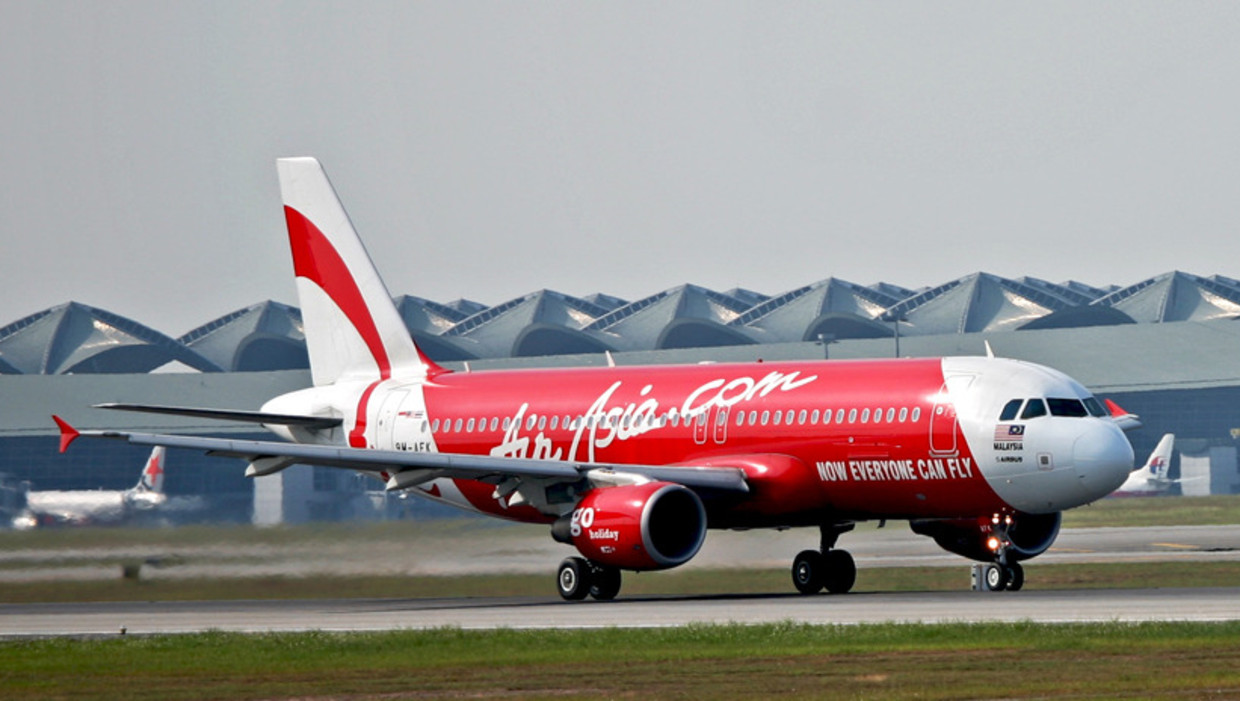
    As AirAsia’s holding company for the airline group has been officially renamed AirAsia Aviation Limited, a move that illustrates the ongoing transformation into a digital travel and lifestyle services group,

    Bo Lingam, who was formerly president (airlines) for the AirAsia Group, takes over as Group CEO of AirAsia Aviation Limited, overseeing the four airlines (AirAsia Malaysia, AirAsia Philippines, AirAsia Thailand, and AirAsia Indonesia).

    AirAsia Group Berhad (AAGB) is the investment holding company for the eight digital portfolio companies that leverage data and technology. AAGB’s portfolio includes AirAsia Aviation, the AirAsia Super App, cargo and logistics venture Teleport, BigPay financial services, the edutech arm AirAsia Academy, engineering company Asia Digital Engineering, ground services division GTR and the restaurant chain and food group called Santan.

    Group CEO of AirAsia Aviation Limited Bo Lingam said: “We have spent the past 18 months reviewing every aspect of the operation to ensure that our airlines will return stronger than ever before. In Malaysia, we already see huge pent-up demand for air travel since the government’s recent announcement of the resumption of interstate travel on 11 October. We are operating over 60 daily flights to 16 key leisure destinations, and more frequencies and routes will continue to be added in response to significant consumer demand.

    “Progress is also underway in our other airlines in Thailand, Indonesia, and the Philippines as services are resuming in line with accelerated vaccination rates and the easing of travel restrictions in our key markets.”

  • AirAsia Group reorganises airline units; eyes Cambodia airline venture

    AirAsia Group reorganises airline units; eyes Cambodia airline venture

    AirAsia Group has formed a new holding company for its four airline units, in a group-wide business reorganization to better distinguish its airline and digital ventures.

    The group says its four airlines — in Malaysia, Philippines, Thailand and Indonesia — will now come under the AirAsia Aviation Limited holding company.

    Current group president for airlines Bo Lingam will helm the company as its chief executive.

    AirAsia Aviation will be one of the eight “digital portfolio companies” in the group’s stable — the other companies include cargo and logistics venture Teleport, MRO unit Asia Digital Engineering, as well as its AirAsia “Super App”.

    AirAsia Group chief Tony Fernandes said in August that “a split” between the group’s core airline business and its digital ventures is inevitable “at some point”.

    The group doubled down on its digital offerings amid the coronavirus crisis, which has pummelled its airline business. It first launched AirAsia Digital in September 2020, comprising five portfolio companies in areas such as payment services, logistics, food and travel.

    In the latest announcement, Lingam says the “structural change” will help “facilitate strong projected growth” across the group’s offerings.

    “The AirAsia Aviation Limited entity holds our existing airline investments and paves the way for new airline ventures to be formed in due course,” he says.

    Lingam hinted at Cambodia as one potential market for such a venture. He says: “We will continue to review new markets to operate from in the future, like Cambodia for example, when we can connect [Southeast Asia] once again with the best value fares and lifestyle offerings.”

    AirAsia in November 2020 said it was “actively exploring” opportunities for a local airline presence in the Indochina region, though it did not elaborate further.

    Separately, AirAsia Aviation has also set up a consulting division, which Lingam says is “tasked at reviewing new airline partnerships and franchise opportunities”.

    He remains hopeful of an imminent recovery, helped by a ramp-up in vaccinations in its key operating markets. For instance, Malaysia, where the group is based, has recently eased interstate travel restrictions.

    “Pleasing progress is also underway in our other airlines in Thailand, Indonesia and the Philippines as services are resuming in line with accelerated vaccination rates and the easing of travel restrictions in our key markets,” he adds.

  • AirAsia to reopen all Malaysian routes, push for overseas flights

    AirAsia to reopen all Malaysian routes, push for overseas flights

    AirAsia sees brighter skies ahead after Malaysia lifted interstate travel restrictions, with the low-cost carrier also pushing to restart international flights to Thailand, Sri Lanka and the Maldives as early as next week, its president told Nikkei Asia.

    Bo Lingam, AirAsia Group’s president for airline operations, said in an interview Monday that the company is “very relieved” with the government’s decision to reopen domestic borders as it will benefit both the carrier and its workforce.

    The airline aims to go big on domestic travel by reaching a pre-pandemic capacity of 39 local routes and 169 daily flights by late November, according to Bo.

    “We will open all domestic destinations that we were flying pre-COVID by the end of next month, involving over 45 aircraft,” he said.

    The comments came after the federal government on Monday allowed interstate travel nationwide. The airline was hit hard by the coronavirus pandemic, with hundreds of its employees retrenched and aircraft idled after domestic and international borders were closed and travel limited.

    The government of Prime Minister Ismail Sabri fully reopened state borders in the Southeast Asian country for the first time this year, allowing millions of residents to travel for business and leisure. Fully vaccinated Malaysians can also head overseas without police approval.

    Air travel is indispensable in Malaysia as the country’s states are spread across the Malay Peninsula as well as the island of Borneo to the east across the South China Sea.

    “The resumption of domestic service will be extremely good financially, for the airline as we would be able to pay pending bills from our suppliers who have been very nice to us to date,” Bo said.

    He added that the carrier is also looking to begin commercial international flights to Thailand, Sri Lanka and the Maldives as soon as next week.

    “We have applied for permissions in these countries and expect to receive them next week, after which we can sell tickets and fly passengers,” he said.

    AirAsia’s share price jumped almost 10% on Monday, settling at 1.28 ringgit — the highest since February 2020 and outpacing the Bursa Malaysia index’s gain of almost 1%. On Tuesday, the airline’s shares fell 3% to 1.25 ringgit at midday.

    The airline’s net loss in 2020 ballooned to 5.1 billion ringgit ($1.2 billion) from red ink of 315.8 million ringgit in 2019. Revenue also plunged from 11.9 billion ringgit in 2019 to 3.1 billion ringgit last year.

    For the first half of 2021, the airline reported a net loss of 1.3 billion ringgit from 1.8 billion ringgit net profit during the same period of last year. Revenue, meanwhile, tumbled to 686.8 million ringgit from 2.5 billion ringgit.

    AirAsia was recently granted a federal government-guaranteed 500 million ringgit loan under a framework introduced to assist companies directly affected by the pandemic. The loan was part of the 2 billion ringgit fundraising exercise mooted by the airline’s founder Tony Fernandes last year.

    The airline carried 19 million domestic passengers in 2019 but that plunged to 6.3 million last year. It has flown less than 1 million passengers between January and October this year as controls on movement were strengthened to curb the third and fourth waves of coronavirus infections.

    Bo also said the airline would reinstate some 300 employees currently on furlough to operate the domestic flights. Since last year, the airline has reduced head count by not renewing contract workers, retrenchments and furloughs.

    “We would exhaust employees under furlough first, then look at rehiring those we had laid off as the capacity grows,” he said.

    Experts say that while the return of interstate travel is undoubtedly a plus for AirAsia and competitors including Malaysia Airlines, it is far from a panacea.

    Brendan Sobie, an independent analyst at Sobie Aviation, believes domestic passenger traffic could approach pre-pandemic levels by the end of this year, though heavy competition and overcapacity — similar to the industry situation before the pandemic — will weigh on further growth for the carrier.

    “All airlines in Malaysia were unprofitable in 2019 and while domestic demand may now recover, many of the issues from prior to the pandemic have not been resolved, making a return to profitability difficult,” he said.

    Shukor Yusof, an aviation consultant at Endau Analytics said the surge in domestic travel demand would help AirAsia, though “it won’t be anywhere enough to fix its battered bottom line.”

    While Shukor said the Malaysian travel resumption itself is not an indication of a revival for the airline industry in Southeast Asia, he does view AirAsia as the carrier with the best long-term potential for post-pandemic growth.

    “It’s a critical stage as key countries for tourism — Indonesia, Thailand, the Philippines — are still struggling to control the virus and there’s little coordination amongst ASEAN members to find a solution to allow intraregional air travel,” he said.

    According to Sobie, Malaysian carriers need a recovery in both international and domestic travel to heal financially.

    “There is now light at the end of the tunnel and the overall sentiment is more positive but the road to recovery will be long and filled with twists and turns,” he said. “The darkest days should be behind AirAsia but the outlook remains relatively challenging.”
  • Malaysia’s AirAsia X reports record quarterly loss of $5.9bln

    Malaysia’s AirAsia X reports record quarterly loss of $5.9bln

    AirAsia X—the long-haul affiliate of Malaysian tycoon Tony Fernandes’ AirAsia Group—reported its biggest-ever quarterly loss as travel restrictions aimed at curbing the further spread of Covid-19 grounded the budget carrier’s planes.

    The airline posted a net loss of 24.6 billion ringgit ($5.9 billion) in the three months ended June 30 following the suspension of flights since the height of the pandemic in April last year, the company said in a statement to Bursa Malaysia on Monday. That’s the ninth consecutive quarterly loss reported by the airline and compares with the 305 million ringgit net loss posted a year ago.

    The losses were exacerbated by an accounting provision of 23.8 billion ringgit to creditors, with the airline already in default. “The contractual liabilities for which the provision is made will be waived upon the successful completion of the proposed debt restructuring exercise,” AirAsia X said.

    AirAsia X has been negotiating with creditors to restructure its debts amid mounting losses brought on by the pandemic. It has also been discussing returning some of its aircraft to lessors as part of a fleet downsizing exercise aimed at focusing operations on mature routes and terminating flights to unprofitable destinations.

    Airlines and other travel-related industries are among the hardest hit by the pandemic as countries around the world closed their borders to contain the virus. AirAsia Group has been pivoting into digital businesses as Covid-19 travel restrictions drag passenger and cargo traffic lower.

  • Airlines want minimum fares, no one else does

    Airlines want minimum fares, no one else does

    While economists fear having lower limits for airfares will distort competition, some airlines worry safety is at stake.

    If fares do not makeup even the fuel costs of a flight, aviation safety would be affected, Dang Ngoc Hoa, chairman of Vietnam Airlines, said at a meeting held on Monday to get feedback from economists on proposed minimum fares.

    The Civil Aviation Administration of Vietnam (CAAV) has proposed minimum fares of VND320,000-VND750,000 ($14.06 – $32.95) for domestic flights between November 1 and October 31 next year to help airlines overcome the difficulties caused by the Covid-19 pandemic.

    Too low prices would weaken all airlines, Hoa said. Many countries like China and India have floor prices for air tickets, he pointed out.

    He said amid the pandemic fares are very low at just 40 percent of those in 2018-19, and 250 airplanes are parked in airports, some of which are running out of parking space.

    But despite the low fares, airlines have to keep operating to maintain parking space, minimum cash flows and planes, he said.

    During the first Covid outbreak in March 2020, there were three flights a day in total, while during the fourth wave starting in April 2021, especially July-August, “there were no flights”, he said.

    All carriers have been hit and most airlines are facing losses, he said.

    Vietnam Airlines made a loss of VND7 trillion ($301.7 million) in the first half of the year, while private airlines reported losses of a trillion dong, he added. But despite his impassioned argument, economists at the meeting said minimum fares are not acceptable.

    Can Van Luc, chief economist of BIDV, said floor prices could cause confusion and be unfair to both state-owned and private enterprises, and even violate the Law on Prices and the Law on Enterprises.

    Nguyen Sy Dung, former deputy head of the Office of the National Assembly, said: “it is unfair to impose a floor price on air tickets”. If minimum fares are applied, a three-star airline must sell at the same price as a five-star airline, and no customer would spend money to travel in the former, he pointed out.

    “We might kill an airline through price policy. It’s unacceptable”.

    In a recent communication to the Ministry of Transport, three airlines agreed to apply floor prices airfares while two others disagreed.

    The Department of Transport admitted that since costs and services are not comparable, it would be difficult to determine common minimum fares applicable to all airlines.

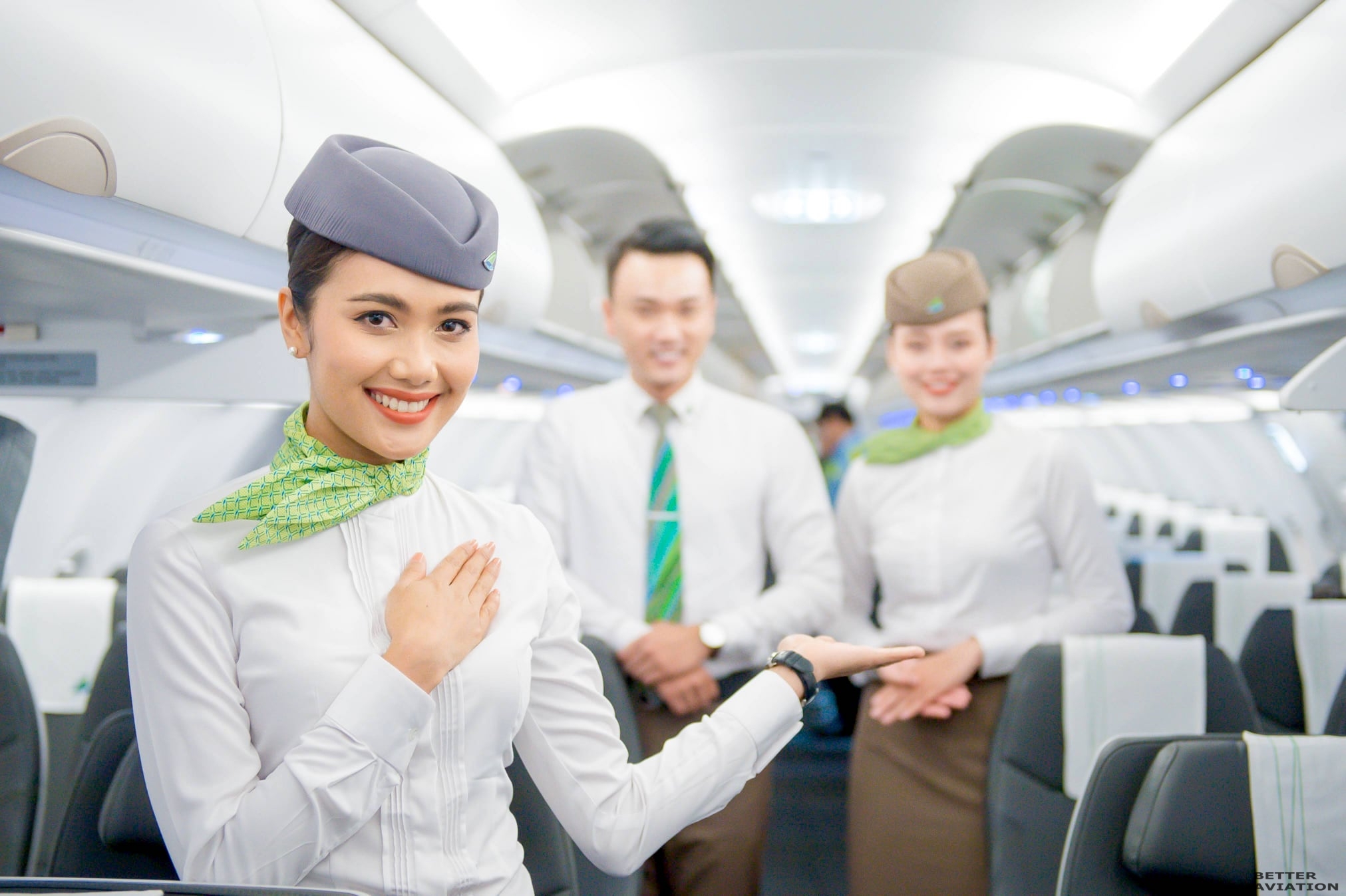
  • Bamboo Airways launches ‘historic’ direct Vietnam-US flight

    Bamboo Airways launches ‘historic’ direct Vietnam-US flight

    Bamboo Airways conducted its first direct flight from Vietnam to the U.S. Thursday night. The QH9149 flight, using the Boeing 787-9 Dreamliner aircraft, took off at 7:55 p.m. from Hanoi’s Noi Bai Airport for San Francisco.

    The flight, the first of 12 direct flights between Vietnam and the U.S. that Bamboo Airways has won approval from the Transportation Security Administration (TSA), is expected to take over 14 hours.

    The flight crew included four pilots, 14 flight attendants, and several technicians and ground controllers to perform necessary functions at the San Francisco Airport.

    Before the flight took off, a commemoration ceremony was held at the airline’s headquarters on Cau Giay Street the same day.

    Nguyen Manh Quan, deputy general director of Bamboo Airways, said the flight was a historic one, not just for Bamboo Airways also for Vietnam’s aviation industry itself.

    “We will once again affirm the capability for operation, safety, security and infrastructure for Vietnamese airlines and the entire Vietnamese aviation industry in general,” he said at the meeting.

    Nguyen Ngoc Trong, another deputy general director of Bamboo Airways, said the flight’s goals were to serve tourists in both Vietnam and the U.S., foster commercial, diplomatic and cultural exchanges, and to affirm the status of Bamboo Airways, considering that direct flight to the U.S. is among the hardest flight paths to achieve.

    “In the last two years, we’ve managed to see opportunities in developing flights not just within Vietnam, but also in Southeast Asia and Northeast Asia like Japan, Taiwan, and even reaching towards Europe and Australia. And now, to the U.S.,” he said.

    “By introducing direct flights to the U.S. at this moment in time, we’re showing that we are ready to operate commercial flights once the pandemic dies down to meet customers’ demands in both countries,” he added.

    Bamboo Airways had earlier announced plans to organize three direct flights to the U.S. each week, gradually increasing the frequency to 5-7 flights, and then to daily flights.

    Vietnam Airlines has conducted several direct U.S. flights for Covid-19 repatriation purposes. The national carrier said this week it is set to receive its final permit from U.S. authorities.

  • Airasia’s digitalisation to provide a solid foundation for future growth

    Airasia’s digitalisation to provide a solid foundation for future growth

    AirAsia Group Bhd is accelerating its digitalization by emphasizing new technologies and focusing on driving innovation across its entire portfolio of companies.

    The carrier’s engineering arm Asia Digital Engineering (ADE), ground handling division Ground Team Red (GTR) and logistics venture Teleport, are set to soar to new heights through digitization and data.

    “A silver lining of Covid-19 has caused a huge surge in demand for cargo and online shopping deliveries and this is driving many new business opportunities and revenue streams.

    “We see huge potential, not only in our super app and fintech solutions but also in our logistics, aircraft maintenance and ground services divisions,” AirAsia Group president Aireen Omar, who oversees digital operations, said in a statement today.

    Aireen said ADE is set to revolutionise the airline maintenance, repair and overhaul (MRO) industry in Asia.

    ADE performed and completed Teleport’s first A320 cargo plane conversion earlier this year and expects more aircraft modifications of the passenger to cargo aircraft in the future.

    “With an experienced workforce of more than 15 years managing AirAsia’s fleet, strong supplier, lessor and regulatory relationships and through automation and streamlined operations, we foresee that ADE will soon become the next major MRO player in Asean, delivering a significant new revenue stream for AirAsia Group.”

    Meanwhile, she said the company’s logistics venture Teleport is experiencing significant growth in line with the overwhelming demand for cargo and online deliveries.

    “With direct access to the unrivalled Airasia Group network in Southeast Asia, Teleport has put in place the right foundations to truly disrupt the cargo industry in ASEAN.

    “Furthermore, Teleport’s partnership with Freightchain, the world’s first digital air cargo network running on blockchain, is a game-changer for Teleport and the industry, making the online booking process as easy as buying a flight ticket on AirAsia.

    “Importantly it also links AirAsia airlines with other innovative interline partners to ensure maximum efficiency and lowest cost for clients,” she said.

    Similar to its super app ambitions, alongside ADE and Teleport, Aireen said GTR aims to be the ground handling services provider of choice in ASEAN.

    She said with the easing of movement restrictions and return of air travel globally, GTR is anticipating more business collaborations with foreign airlines in major airports across Malaysia.

    “GTR is preparing for strong regional expansion including with third party airlines as soon as travel restrictions ease and international borders reopen,” she said.

    According to Aireen, AirAsia Group has built a complete digital marketplace for travel and everyday lifestyle services on airasia Super App.

    “Logistics, aircraft maintenance, ground handling services and fintech are equally important to complete our ecosystem.

    “They all work in tandem symbiotically, to meet increasing demand in the e-commerce and distribution space,” she added.

  • Inmarsat launches new customer experience platform for airlines to monetise inflight connectivity

    Inmarsat launches new customer experience platform for airlines to monetise inflight connectivity

    Inmarsat announced the launch of its innovative new OneFi customer experience platform (CXP) for airlines. The first-of-its-kind solution will serve as a catalyst to monetise inflight connectivity by bringing a host of onboard services together within a single portal interface, which passengers can easily access using their own personal devices.

    OneFi delivers a rich airline-branded digital platform to enhance the passenger experience onboard flights. It allows passengers to order food and beverages, purchase seat upgrades, receive the latest flight and destination information, and sign-up to the airline’s frequent flyer programmes, all in real-time from the comfort of their seat. In addition, passengers can browse the internet, stream videos and audio, shop online and enjoy other ecommerce offerings, using high-speed inflight broadband that airlines could choose to offer free-of-charge, funded through OneFi’s sponsorship and advertising features.

    The launch of OneFi comes at a critical time for airlines, with the global pandemic having accelerated passenger demand for digital inflight experiences. Inmarsat’s recent 2021 Passenger Confidence Tracker, the largest and most comprehensive global survey of its kind since the pandemic began, found that digital solutions that keep passengers connected and minimise their contact with cabin crew and fellow passengers can go a long way in boosting confidence. In addition, out of the 10,000 respondents worldwide, 41% believed inflight Wi-Fi had increased in importance after the pandemic.

    Philip Balaam, President of Inmarsat Aviation, said: “For many years, Inmarsat has advocated the vast commercial opportunities of inflight connectivity. However, until now, airlines have struggled to realise the full potential of the business model. OneFi is a step change for those looking to monetise their Wi-Fi services and ensure they keep pace with evolving passenger needs. It will empower a digital transformation in the cabin, which is especially important at this critical time for the aviation industry.

    “OneFi allows airlines to improve their brand experience and secure passenger loyalty, with the flexibility to incorporate their own services and use existing and new partners, such as content providers, advertisers and retailers. We are in advanced discussions with leading airlines about adopting this innovative new platform and expect to see a rollout with our first OneFi customer by the end of this year.”

    In recent years, airlines have continued to increase their focus on unlocking new revenue streams through broadband-enabled ancillary services. The market for digital inflight advertising alone is forecast to grow from $266 million today to $3.3 billion by 2030, representing a 10-year compound annual growth rate (CAGR) of 42.9% between 2020 and 2030, according to Valour Consulting.

    The launch of OneFi is a significant step in turning that untapped commercial opportunity into a reality. OneFi promises industry grade targeting features, media inventory and calls-to-action that are made available to the airline and its partners. These ensure that content is contextual and relevant to the individual passenger. It also enables partners to engage in more meaningful ways with passengers and boost sales lead generation rates. The platform’s intuitive, user-friendly interface will enable airlines to boost passenger take-up rates and create a frictionless funnel to purchase.

    In addition, OneFi is network agnostic and uses open architecture, meaning it can integrate with any technology infrastructure and Internet Service Providers (ISPs) used by airlines, ensuring a uniform experience across mixed aircraft fleets. The platform is also scalable, giving airline customers the flexibility to add new third-party services over time and helping to future proof their onboard offering.

    Inmarsat is transforming global aviation by bringing complete connectivity to aircraft and flight paths across the world. It recently unveiled plans for ORCHESTRA to bring existing geosynchronous (GEO) satellites together with low earth orbit satellites (LEO) and terrestrial 5G to form an integrated, high-performance solution, unmatched by any existing or planned competitor offering. ORCHESTRA allows capacity to be boosted in high-density areas such as at airports, eliminating congested network ‘hot spots’ and ensuring the connectivity needs of aviation customers are met well into the future, with capacity scaled directly to match their requirements.

  • Government fund subscribes to Vietnam Airlines right issue

    Government fund subscribes to Vietnam Airlines right issue

    Vietnam’s sovereign fund has subscribed to Vietnam Airlines’s rights offering amid its accumulating losses due to Covid-19.

    The State Capital Investment Corporation (SCIC) paid VND6.89 trillion ($303.56 million) to acquire 689.5 million shares and kept its ownership rate in the state-owned carrier at 31.08 percent.

    The airline’s HVN ticker rose by the maximum allowed 7 percent Monday, its sixth consecutive day of gain.

    HVN’s issued VND8 trillion worth of stocks to existing shareholders to increase its capital.

    Japan’s ANA Holdings, the operator of All Nippon Airways which owns an 8.77 percent stake in Vietnam Airlines, sold its rights to buy 70 million shares to Vietnam Airlines employees since it is itself facing financial difficulties.

    The carrier estimates its losses for the first half of 2021 at around VND10.79 trillion.

  • Airasia Staff 100 vaccinated and ready to fly

    Airasia Staff 100 vaccinated and ready to fly

    AirAsia Group is ready to fly with its operating crew and frontline staff 100 percent vaccinated. And that is just part of the story with the airline group having a host of contactless safety and hygiene measures in place to ensure the highest standards are maintained ahead of a resumption of air travel.

    Group CEO Tony Fernandes said “we are ready to fly and as part of our strict safety policy we are mandating that all of our operating crew and frontline staff serving guests, including pilots, cabin crew, and airport staff are fully vaccinated to return to work.

    “We’ve always been about the people and it doesn’t just stop with our own Allstars (employees). With stringent health and hygiene protocols and robust standard operating procedures, guests can be assured of a 360-degree peace of mind when traveling with us again.

    “The acceleration of vaccines in all of our key markets is setting us up for a strong return to the skies. More than 50 percent of the adult population in Malaysia is now fully vaccinated, and Malaysia is tracking to have at least 80 percent of its population vaccinated by the end of 2021. We are also seeing promising progress in Singapore, Korea, and the Philippines.

    “More than 50 countries in the world have begun to welcome vaccinated travelers again. As ASEAN accelerates the vaccination effort, we are hopeful that countries will soon ease travel restrictions for vaccinated travelers for both domestic and international travel and will resume plans for travel bubbles.

    “Thanks to vaccines being aggressively rolled out in all of our key markets, better testing and education, the end is in sight and I’m hopeful we will be able to return to the skies in the near future. Importantly, we are fully prepared and ready for take-off,” Mr. Fernandes said.

    The AirAsia Group was one of the first airlines worldwide to achieve the top 7/7 rating for being Covid-19 ready by Airlineratings.com.

    All of the airlines in the Group are IOSA accredited which is the global benchmark for upholding the highest safety standards says the AirAsia Group.

    AirAsia says it has used downtime in flying to implement robust procedures and innovations to make flying even safer and more hygienic than ever.

    A new check-in feature enables guests to verify any required medical documents in real-time online before heading to the airport and the airline Group is in the process of rolling out biometric facial recognition technology at key ports commencing with klia2 in the near future.

    AirAsia will soon have its check-in system integrated with the Malaysian government’s MySejahtera digital health app to enable a seamless and hassle-free check-in procedure.

    “With all the uncertainties Covid-19 has provided, one thing I am sure of is that we will return to the skies soon with a more robust and viable business model which isn’t solely reliant on airfares alone as our digital transformation to become the ASEAN super app of choice is now fast becoming a reality,” added Tan Sri Tony.

  • Vietnam Airlines aims to start first US route in October

    Vietnam Airlines aims to start first US route in October

    Vietnam Airlines is planning to operate regular flights between Vietnam and the U.S. starting October, seeking to fulfill a dream of nearly two decades.

    The state-owned carrier will use either Boeing 787 or Airbus SE A350 aircraft for its inaugural U.S. route from Ho Chi Minh City to San Francisco with one refueling stop, CEO Le Hong Ha said.

    Since last year, the airline has been operating irregular charter flights to repatriate Vietnamese from the U.S. during the Covid-19 pandemic.

    The airline will rely on transporting cargo to offset initial low passenger demand, Ha said.

    Vietnam Airlines has been the worst-Covid-19-hit carrier in Vietnam. It has recorded a loss of about VND7 trillion ($306.65 million) in the first half this year, Ha commented.

    The airline in 2003 was ordered by the Ministry of Transport to begin direct services to the U.S. by 2005. However, concerns about profitability kept the airline from realizing the goal.

    Other Vietnamese airlines like budget carrier Vietjet and startup Bamboo Airways have all voiced interest in flying directly to the U.S.

    Bamboo Airways in May acquired slots to operate regular direct flights from HCMC to San Francisco and Los Angeles starting Sep. 1. But it is unclear whether flights would commence given the current severity of Covid-19 in Vietnam.

    In the first seven months of this year, Vietnamese carriers served 13.7 million passengers, down 32 percent year-on-year, according to General Statistics Office

  • AirAsia group says Q2 was improved

    AirAsia group says Q2 was improved

    AirAsia Group said its operating statistics for the second quarter of the 2021 financial year were improved during the quarter. All four key operating entities of AirAsia posted year-on-year (YoY) improvements during the quarter, on the back of a low base in the corresponding quarter last year as the group’s fleet were hibernated for the most part of 2Q2020 following the hit of the COVID-19 pandemic since late 1Q2020.

    As for quarter-on-quarter (QoQ) performance, AirAsia Philippines saw a 2 percent increase in number of passengers carried and 4 percentage points (ppts) increase in load factor to reach 78 percent, while AirAsia Indonesia’s load factor increased by 11 ppts QoQ. AirAsia said it remains committed to strengthening its domestic foothold while awaiting positive developments on international air travel. Expectation of high vaccination rates in ASEAN countries by the end of this year is lending confidence on upcoming recovery, enhanced by the group’s short-haul model in addition to leaner and more stabilised operations.

    AirAsia Malaysia’s operations remained constrained QoQ due to a lockdown and interstate travel restrictions imposed from January 2021. AirAsia Malaysia carried 64 percent higher number of passengers YoY on 54 percent higher capacity, subsequently resulting in a 4 ppts increase to a healthy load factor of 64 percent. The ongoing subdued operations are expected to persist until Malaysia reaches herd immunity by the fourth quarter of this year. The government has recently set a new target of vaccinating all adults by October 2021.

    AirAsia Indonesia posted substantial YoY growth against the same quarter last year. Though the number of passengers carried showed a mild 1 percent dip QoQ, load factor grew by 11 ppts to 67 percent in 2Q2021 due to more stringent capacity management. AirAsia Indonesia was operating approximately 70 percent of pre-pandemic domestic capacity in May 2021 and demonstrated strong signs of recovery before it had to enter hibernation mode in early July in support of the containment efforts by the government as infection cases increased.

    AirAsia Philippines’ strong rebound seen in 1Q2021 further increased in 2Q2021, posting a 2 percent higher number of passengers carried QoQ and 4 ppts higher load factor to record a solid 78 percent. Monthly breakdown showed that load factor was as high as 83 percent in June 2021, boosted by active capacity management. This was despite running a limited number of charter and passenger flights due to community quarantine restrictions and despite flying only from its Manila hub.

    AirAsia Thailand more than doubled the number of passengers carried YoY and reported a 9 ppts increase in load factor to 61 percent in 2Q2021, boosted by higher demand during the Songkran festival in April 2021 and on the back of low base effect in the same quarter last year. On a QoQ basis, despite having successfully resumed all domestic routes by the end of 1Q2021, AirAsia Thailand’s recovery was short-lived due to the new COVID-19 wave that began in mid-April 2021. AirAsia Thailand posted a 26 percent QoQ decline in passengers carried, most significantly in June. Nevertheless, load factor was held firm at 78 percent in June, attributed to active capacity management.