Tag: airline

  • Bamboo Airways, Vietjet suspend regular flights

    Bamboo Airways, Vietjet suspend regular flights

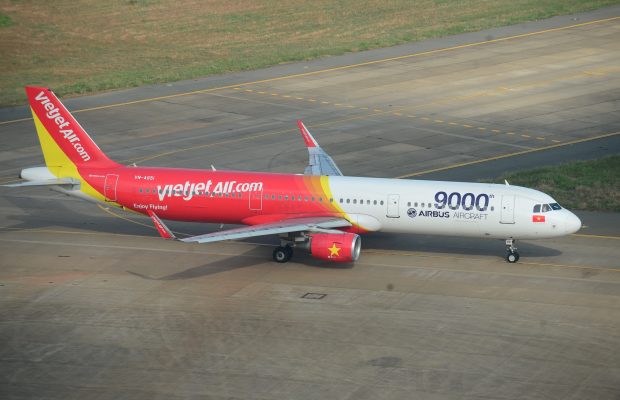
    Bamboo Airways, Vietjet, and Pacific Airlines have suspended most of their regular routes amid a surging number of Covid-19 cases that have seen demand plunge.

    Bamboo Airways will cease all regular flights for two weeks from July 26 to August 7 amid the severe spread of the disease and social distancing measures imposed in major cities, it stated.

    Websites of Vietjet and Pacific Airlines on Tuesday showed few or no flights between popular destinations like Hanoi, Ho Chi Minh City, and Da Nang.

    Most passenger flights between HCMC and Hanoi have been canceled since July 23 as the capital imposed strict social distancing.

    Vietnam Airlines is the only carrier operating on this route with a maximum of two flights a day allowed.

    Between June 19 and July 18, the number of flights plunged 84.6 percent to 3,772, according to the Civil Aviation Authority of Vietnam (CAAV).

    Vietnam has recorded 105,287 local Covid-19 patients in 62 cities and provinces since the new wave started three months ago.

  • Philippines AirAsia to revive Clark hub end this year

    Philippines AirAsia to revive Clark hub end this year

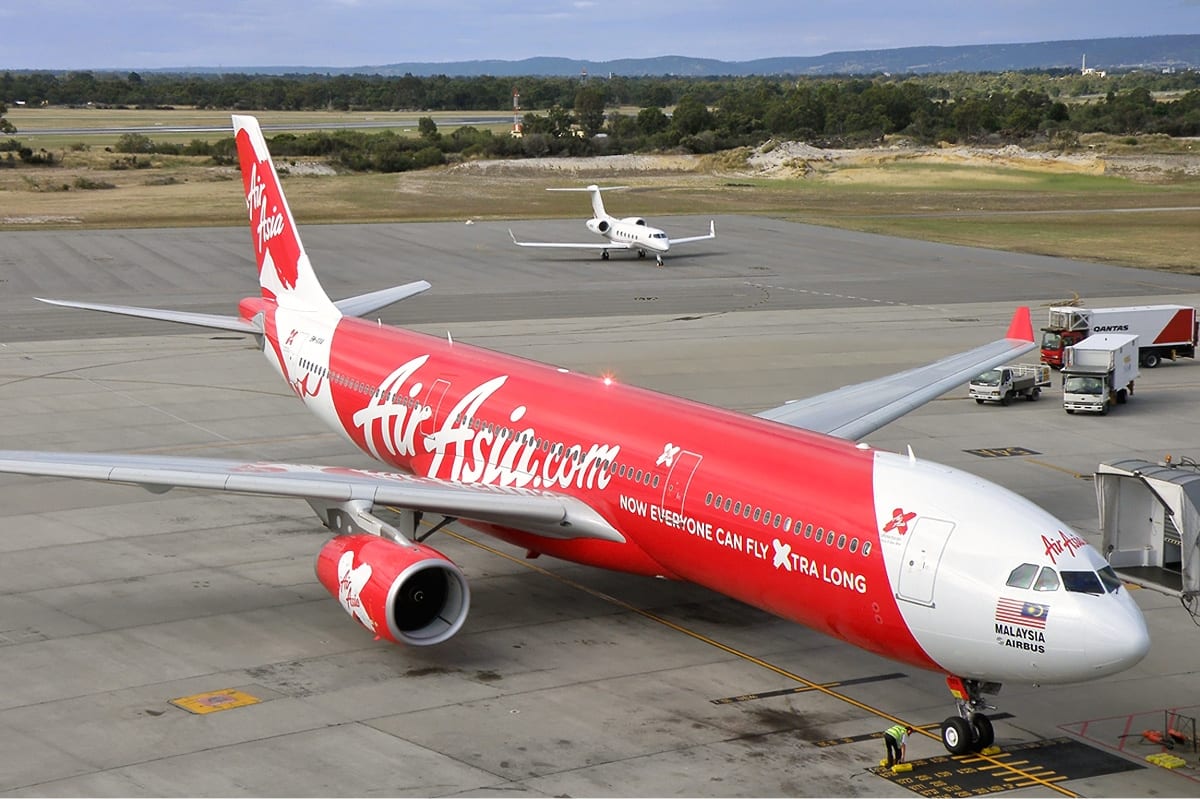
    Philippines AirAsia plans to strategically restore its hub at Clark International Airport, northwest of the capital Manila, in October 2021, pending the easing of travel restrictions and an increase in travel demand, says Chief Executive Officer Ricky Isla.

    “Once travel restrictions ease and demand picks up soon, we are eyeing to strategically restore AirAsia’s Clark hub hopefully by Q4 of 2021,” he said in a statement, after joining Philippines President Rodrigo Roa-Duterte and other government and industry representatives in witnessing the inspection and dry-run of the airport’s new second passenger terminal (Terminal 2) building on July 19, 2021. Isla said the new terminal would boost the airline’s drive towards a stronger rebound post-COVID-19. Government representatives echoed his sentiment saying they hoped AirAsia Philippines would make a strong come-back in 4Q21.

    According to the ch-aviation schedules module, the AirAsia Group unit will restore flights from Clark on October 1, 2021, to the following domestic destinations:

    • 4x weekly to Cagayan de Oro Laguindingan;
    • daily to Caticlan;
    • daily to Cebu;
    • 4x weekly to Davao, increasing to daily frequencies by January 1, 2022;
    • 4x weekly to Iloilo (from October 2);
    • 4x weekly to Puerto Princesa; and
    • 4x weekly to Tacloban.

    AirAsia began its Philippines operations at Clark in March 2012, a move that helped push connectivity in northern and central parts of Luzon, the country’s largest and most populous island that also includes Manila. Before the pandemic, AirAsia Philippines flew to 10 destinations from Clark, including the domestic points being restored, and internationally to Seoul Incheon (South Korea), Kaohsiung and Taipei Taoyuan (Taiwan).

    Punted as Asia’s next premier gateway for North and Central Luzon, the new terminal is expected to relieve congestions at Manila Ninoy Aquino Int’l (NAIA), which has an annual capacity of eight million passengers. The new terminal will increase capacity at Clark to 12 million passengers annually and boost air transport capacity for the Greater Capital Region, including the cities of Angeles and Mabalacat within the Clark Freeport Zone in the province of Pampanga.

    Operated by the Luzon International Premier Airport Development (LIPAD) Corporation, the second terminal has been constructed at a cost of PHP12.55 billion peso (USD243 million). It forms part of the so-called “Build, Build, Build (BBB)” program of the Philippines government. Under the model, the infrastructure was built by the government using its own funds, while the operations and maintenance are handed over to the private sector.

    Spread across 110,000 sqm, the new terminal features 18 passenger boarding bridges, 3,881 parking spaces, and 20 bus parking bays. It also facilitates an end-to-end contactless passenger experience from the bus ride, check-in, bag drop, and even when ordering meals.

    Clark International Airport currently serves 27 destinations in 10 countries, involving six airlines, according to ch-aviation data. The airport has two runways (02R/20L and 02L/20R) both measuring 3,200 x 60 metres at an elevation of 148 metres MSL.

  • Government to keep 65 pct stake in banks, airport operators

    Government to keep 65 pct stake in banks, airport operators

    The government will retain minimum ownership of 65 percent in state-owned banks and airport operators that privatize from now through 2025.

    It will keep a similar rate in large mining companies.

    The rates will be 50-65 percent in airlines and water utilities, basic chemical production and fuel importing companies.

    But companies that have a bearing on national security, such as landmine producers and map makers, will not be privatized.

    Others, where it will continue to own 100 percent, are power transmission and national grid management, currency printing and gold bullion production.

  • Cebu Pacific cautiously optimistic on 2022 recovery

    Cebu Pacific cautiously optimistic on 2022 recovery

    Budget carrier Cebu Pacific, operated by Cebu Air, Inc., is sticking to its forecast of returning to pre-pandemic levels next year, saying it is “cautiously optimistic” given the current pace of vaccine rollout in the country.

    “To be honest, initially, when it started rolling out and we were monitoring the inoculation rate, we were pleasantly surprised with the 130,000 a day. Now, with the A4 (priority) and private vaccinations, we’re cautiously optimistic,” Candice A. Iyog, Cebu Pacific vice-president for marketing and customer service, said at an online briefing on Thursday.

    “We’d like to stick to what we’ve said before, 2022, but again so many things can still happen,” she added.

    Cebu Pacific currently operates flights to 32 domestic destinations.

    To recall, the number of flights Cebu Pacific had in 2020 was 71% lower at 41,804. The number of passengers it carried last year also dropped 78% to five million.

    Ms. Iyog said flights from Manila to Boracay will be five times daily starting June 21, while flights to Bohol will also operate daily.

    As of June, it operates flights to Dubai, Hong Kong, Seoul, Tokyo, and Singapore.

    “When demand comes back, there will be higher expectation from us to be more digital and to provide more contactless options for our passengers because we understand that ‘contactless’ is somehow part of safety,” Ms. Iyog noted.

    “Yesterday (June 16), we successfully launched our new website and our iOS and Android booking channels,” she added.

    The airline has partnered with GCash, GrabPay, and PayMaya for cashless payment options for new bookings.

    The budget carrier will be implementing starting July this year a new policy for passengers who want to make voluntary changes to their flights.

    “Starting July 1, the travel fund option for voluntary flight changes will only be available for passengers who pre-purchased the CEB Flexi add-on during initial booking as this new and improved product allows passengers to cancel their flights for free, up to two hours before departure, and store the value of the booking in a Travel Fund for as low as P499,” Cebu Pacific said in a statement on Wednesday.

    “The amount in this virtual wallet is valid for two years and may be used to book new flights or purchase other add-ons such as seat selection, additional baggage allowance, or travel insurance,” it added.

    As for passengers who want to change their bookings voluntarily without purchasing CEB Flexi, the budget carrier said: “They can make use of the Unlimited Rebooking option of CEB and rebook as many times as they want up to two hours before their scheduled time of departure.”

    The low-cost carrier said it permanently removed change fees since March.

  • Cebu Pacific increases flights to Boracay, Bohol ‘to support recovery’

    Cebu Pacific increases flights to Boracay, Bohol ‘to support recovery’

    Budget carrier Cebu Pacific said Monday its flights between Manila and Boracay will now be five times daily, while flights to Bohol will also operate daily.

    The additional flights to Boracay and Bohol, which started on Monday, should “support recovery efforts,” the budget carrier said in an e-mailed statement.

    In a statement on Tuesday, the airline said: “We gradually increased our flights to Boracay weekly — from only two times daily on June 4, three times daily on June 7, four times daily on June 11, and now five times daily beginning yesterday, June 21.”

    “Bohol was at four times weekly in the second week of June and now it’s already one time daily,” it added.

    Cebu Pacific said it currently operates the “widest network” in the country covering 32 destinations, on top of its six international destinations.

    Candice A. Iyog, Cebu Pacific vice-president for marketing and customer service, said: “With the arrival of more vaccines and the pace at which vaccines are being rolled out, we are hopeful that in due time, our networks will recover to pre-pandemic levels.”

    “We remain cautiously optimistic as we prepare for the bounce back and will do everything that is within our control to support and aid that,” she added.

    The International Air Transport Association (IATA) said recently that “over the last months, the recovery of air passenger demand has been mainly driven by domestic markets that have mostly remained unaffected by travel restrictions.”

    “In the meantime, international travel was restricted by most countries and governments are only starting to relax those restrictions as they vaccinate their populations and stabilize the epidemiological situation,” it added.

    Cebu Pacific, operated by Cebu Air, Inc., said it had flown six million coronavirus vaccine doses from China as of June 17, “on top of more than 1.4 million doses carried to 15 Philippine provinces.”

    The number of flights Cebu Pacific had in 2020 was 71% lower at 41,804. The number of passengers it carried last year also dropped 78% to five million.

  • AirAsia boss says industry could return to normal next year

    AirAsia boss says industry could return to normal next year

    AirAsia Group Bhd’s chief executive officer said the aviation industry could return to normal next year as international borders gradually reopened, state news agency Bernama reported on Saturday.

    Tony Fernandes also called for better government policies to avoid disruptions when travel resumed, and decisions on what would be required to open up borders, including documents needed to travel.

    “I think that will be sorted out by September or October when we allow interstate travel and some international flying,” he was quoted saying in a webinar.

  • Cathay Pacific said to adopt new biz model likened to AirAsia

    Cathay Pacific said to adopt new biz model likened to AirAsia

    Cathay Pacific is planning to rebrand into a new business model that offers a wide range of products apart from just selling air tickets, according to a report. Hong Kong’s flag carrier is planning to reposition itself and adopt an “Amazon concept” that includes many businesses under the brand. Under the new plan, Cathay Pacific will become just one of the brands within the Cathay ecosystem.

    It’s reported that the senior management of the company has likened the plan to that of AirAsia, which offers a wide variety of businesses including food delivery, online groceries as well as health and insurance segments. Previously, the company rolled out an ad that shows multiple lifestyle items via email to its customers. In that email, the company said that it is “always searching for new ways to help you move forward in style – to connect you with people, places and experiences that matter.”

    It concluded with a statement: We’re going to elevate the Cathay experience you know and love into a lifestyle experience that will add to your pleasure and enjoyment. The ad ends with the name “Cathay” with “Pacific”, sparking speculation over an imminent rebrand. 

    The report cited a source familiar with this matter, saying that its executive director Ronald Lam will spearhead the effort. He once said Cathay Pacific is a retail service rather than an airline. The aviation industry has been heavily hit by the pandemic and as Hong Kong is a city with no domestic routes, Cathay’s income dropped drastically by 84% last year, resulting in a HK$21.6 billion loss (US$2.78 billion). It avoided collapse thanks to a government-led bailout worth HK$39 billion and cut thousands of jobs worldwide, including the shut down of its sister airline Cathay Dragon.

    Meanwhile, amidst the pandemic in 2020, AirAsia decided to pivot its business and realize its ASEAN super app ambition under three main pillars – travel, eCommerce, and fintech. Among the list of categories including flights, hotels, SNAP, activities, insurance, Big Rewards, unlimited deals, and wifi. The app also had a “Get it fresh” section offering groceries via its B2C platform AirAsia fresh and “Get Holla”, which allowed consumers to pay to get shout-outs from artists under RedRecords including Jannine Weigel.

    Taking its ambitions across the region, earlier this month AirAsia decided to expand its eCommerce offerings to Singapore, asking for interesting fresh produce and groceries merchants throughout the island to join its growing eCommerce delivery platform.  Merchants were invited to list their fresh produce, groceries, and sundry daily necessities on the AirAsia super app, and will be contacted by the AirAsia team within 48 hours for the next course of action.  Merchants on the AirAsia super app’s eCommerce delivery platforms can also leverage AirAsia’s marketing efforts and periodic campaigns to drive more traffic to their online stores and increase sales.

  • Bamboo Airways to trial digital health pass

    Bamboo Airways to trial digital health pass

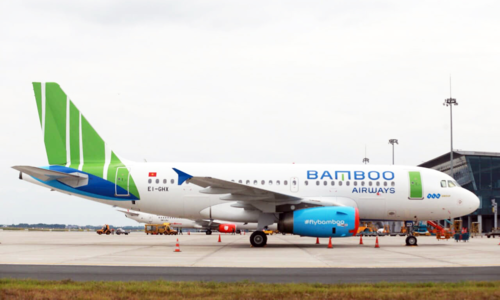
    Bamboo Airways officially entered into cooperation with the International Air Transport Association (IATA) to trial the IATA Travel Pass, laying a solid foundation for the airline’s reopening of international routes.

    In coordination with IATA, Bamboo Airways will begin preparations to trial the IATA Travel Pass on international flights in the coming months. With this move, Bamboo Airways demonstrates its commitment to relaunching international routes, opening borders safely as well as reviving the battered tourism industry.

    IATA Travel Pass is a digital health wallet where passengers can upload and share their Covid-19 tests and vaccination certificates for travel. Health information is an essential factor for both governments and carriers to conduct safe flights during and after the pandemic.

    The IATA Travel Pass is considered a safer and more effective solution compared to current paper-based procedures, especially when it comes to a multitude of test and vaccination data that needs securing.

    The app has been developed with the highest levels of data privacy and security, so passengers always remain in control of their Covid-19 health information. Besides, governments can be confident that passengers who are OK to Travel are in full compliance of Covid-19 travel requirements, said Nick Careen, IATA senior vice president for Airports, Passenger, Cargo and Security.To create the digital health wallet, passengers download the IATA Travel Pass app, and register a digital identity using their passports. Once passengers have been tested and/or vaccinated, labs will securely send data to the individual’s app. It then verifies this information and checks that passengers meet the travel requirements for their destination. If they do, they will receive an “OK to Travel.” Passengers can also choose to share this with airlines and authorities.

    By ensuring passengers meet Covid-19 health requirements for their destination, Travel Pass will facilitate more seamless transportation, playing a crucial role in the reopening of international routes in the near future.

    As of June, more than 60 airlines in the world have announced the pilot of IATA Travel Pass, including Singapore Airlines, Qatar Airlines, Air New Zealand, Air Serbia, Emirates, Etihad, Ethiopian Airlines, Iberia, Korean Air, Malaysia Airlines, Qantas, et

    As a member of IATA, Bamboo Airways is closely collaborating with the body, authorities and related units to pilot the Travel Pass app in line with government regulations on “digital health passports” or “vaccine passports”. With this trial, Bamboo Airways aims to establish an area to check the compliance of passengers at the airport and provide the government with valid information to ensure safe flights and repel the pandemic.

    Bamboo Airways is promoting the digital transformation process and effectively fulfilling the market demand and practical requirements of a “new normal” phase.

    “Alongside the valuable partnership with IATA, it’s our conviction that Bamboo Airways will substantially contribute to the revival and sustainable development of aviation in the future,” said Dang Tat Thang, CEO of Bamboo Airways.

    Thang believes the tech solution would be the cornerstone of international routes reopening, especially Bamboo Airways’ non-stop flights connecting Vietnam and the U.S.

    Bamboo Airways has successfully conducted many repatriation charter flights from South Korea, Japan, Taiwan, Australia, the Philippines, Poland, Norway, etc. The airline is also completing procedures to launch non-stop flights to many countries in Asia-Pacific, including Australia, exploit the European market, and gather pace in the operation of non-stop flights connecting Vietnam and the U.S. as soon as the government allows. Complying with the Civil Aviation Authority of Vietnam on the three-phase plan for restarting international routes, Bamboo Airways has prepared a corresponding scheme and suitable strategy based on close observation of the market and pandemic.

    At the same time, Bamboo Airways is implementing Covid-19 vaccinations for all employees and related affiliates.

    Bamboo Airways strictly complies with disease prevention measures as guided by the National Steering Committee for the Prevention of Covid-19, the Ministry of Health, the Steering Committee of the Ministry of Transport, and the Civil Aviation Authority of Vietnam, including temperature screenings at the airport, providing hand sanitizers and masks at check-in areas, departure gates and on planes, spraying disinfectant after flights, regularly maintaining HEPA filters on aircraft, etc.

    As of now, Bamboo Airways’ Covid-19 prevention process is considered the most comprehensive and effective, achieving an absolute level of 7/7 by Airlines Ratings.

    Bamboo Airways currently operates over 60 domestic and international routes, transporting 7.5 million passengers on safe flights. The airline has also maintained the highest on-time flight rate in Vietnam’s aviation market in three years up to 2021.

    The airline’s international 5-star standard-oriented service has been recognized by domestic and international passengers and media with a customer satisfaction rate of 4.5/5. Bamboo Airways was honored as Vietnam’s Best Airline, Asia’s Leading Regional Airline, and the favorite airline voted for by golfers.
  • Airlines carry freight, charter flights to survive Covid hit

    Airlines carry freight, charter flights to survive Covid hit

    Airlines have strengthened freight services and offer charter services and discounts on passenger fares as they seek to recover from the slump caused by Covid-19.

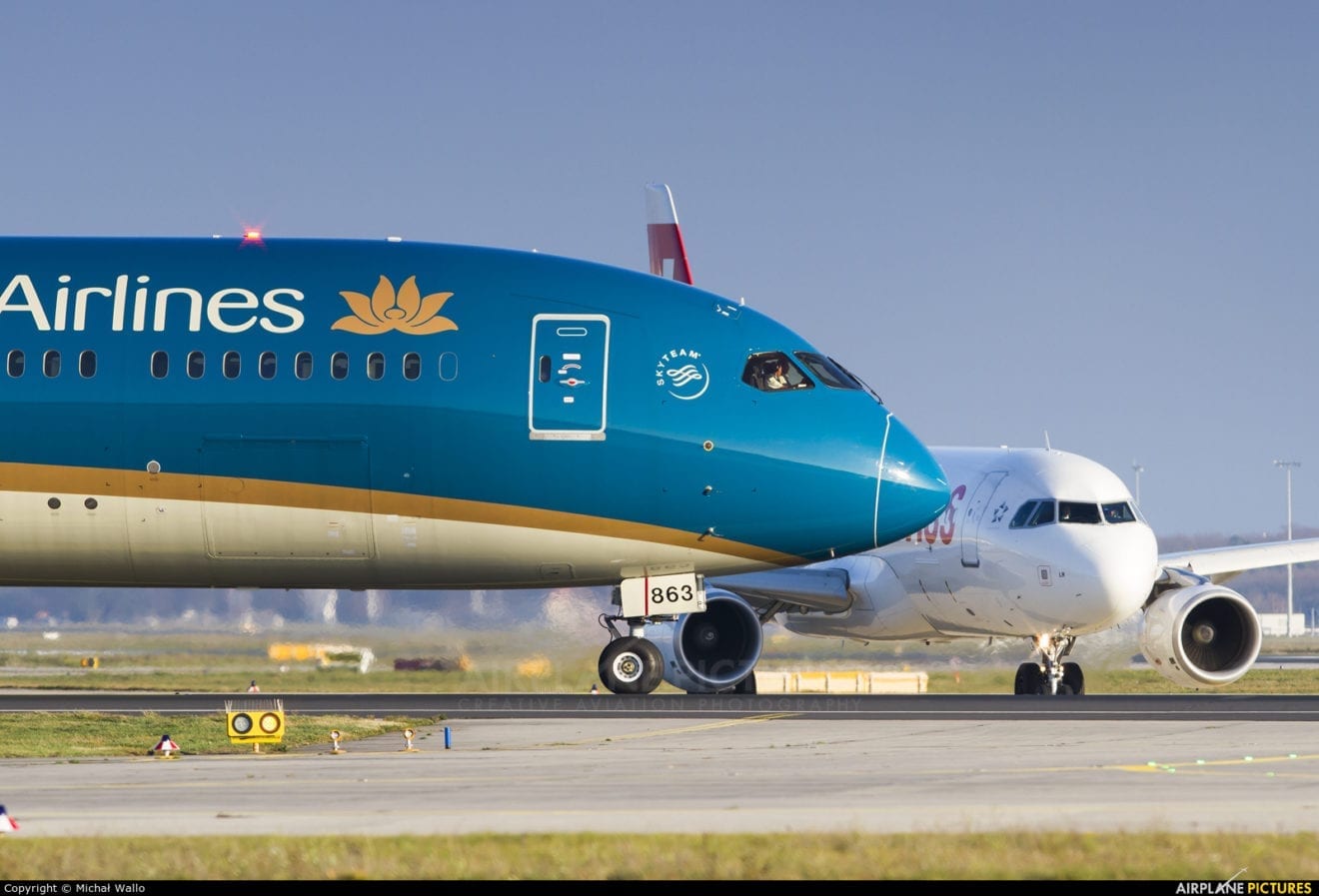
    Vietnam Airlines recently converted one of its Boeing 787-9 aircraft to transport 40 tonnes of lychee from Hanoi to Ho Chi Minh City.

    Before the pandemic its Dreamliners had a busy schedule, flying to Europe, Australia and the ultra-busy Hanoi-HCMC sector, and few thought lychees will replace passengers on the modern airplane with a capacity up to 270.

    The carrier has also deployed other planes to transport lychee.

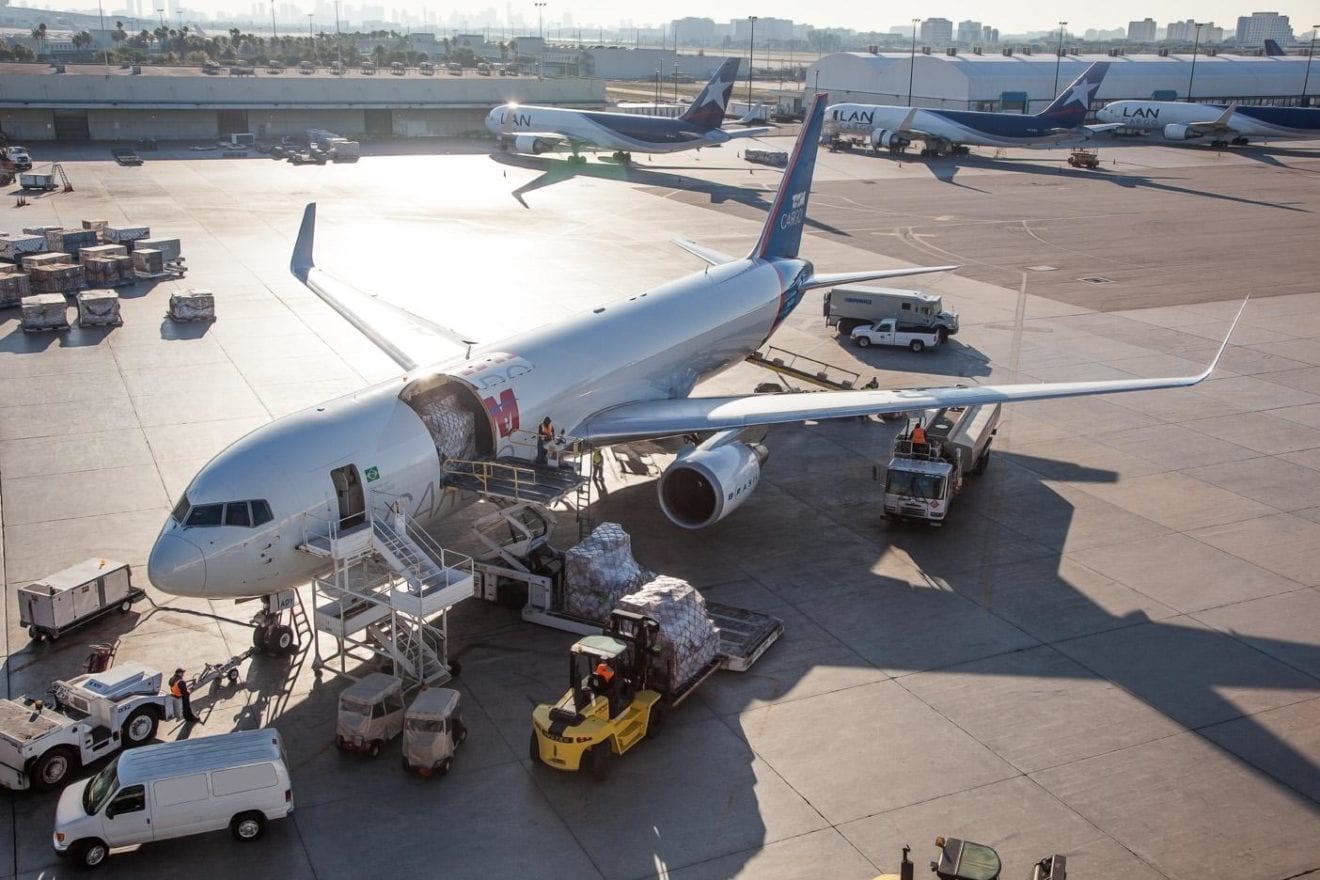
    Budget airline Vietjet has also been offering freight services to compete with leading logistic providers as demand balloons by the day. It has set up an online freight service, Swift247, in which it owns a 67 percent stake.

    In the first three months of 2021, Vietjet transported over 18,000 tonnes of cargo, with its cargo subsidiary contributing nearly 50 percent of total revenues.

    Since May, Bamboo Airways has been offer charter flights.

    To compete in the summer, the high season for air travel, carriers have offered big discounts on fares and promotions like free check-in baggage to attract customers back.

    Bamboo Airways reduced fares by 35 percent when booking five seats or more.

    Vietjet offered free insurance to all domestic passengers, including VND1 million compensation per day for loss of income in case of forced quarantine or Covid-19 infection as a result of traveling with it.

    Newcomer Vietravel Airlines, which has a fleet of three airplanes, is pricing tickets at below breakeven level, according to Nguyen Quoc Ky, its chairman.

    Vietnam Airlines and Vietjet have joined the effort to trial a vaccine passport.

    Next month, Vietnam Airlines will implement the International Air Transport Association’s Travel Pass initiative that allows people to store verified Covid-19 test and vaccination certificates on a smartphone app.

    This is seen as one of the keys to convincing countries to reopen borders to international travelers.

    According to Planespotters, an online database on commercial aviation based in Berlin, Germany, over half of all aircraft in Vietnam are idling in near-empty airports.

    Vietnam Airlines is currently operating only 47 of its over 100 planes, including 15 of its 29 wide-body airplanes (A350 and B787).

    In the case of Vietjet Air, over 50 out of its 74 airplanes are not flying.

    In the first quarter, Vietnam Airlines suffered losses of nearly VND5 trillion ($218,4 million). To generate sufficient cash flows, it is now selling 11 of its A321 CEO planes.

    Bamboo Airways has the least number of idle aircraft, nine out of 27.

  • New cargo airline to advance Vietnam logistics

    New cargo airline to advance Vietnam logistics

    A fully-fledged cargo airline in Vietnam would boost logistics development and stir up competition in the aviation sector amid an e-commerce boom, experts say.

    “Vietnam needs a cargo airline to boost the transport of goods domestically and internationally. It will bring about many economic benefits,” said aviation expert Nguyen Thien Thong.

    He was commenting on a proposal by retail company Imex Pan Pacific Group (IPPG) to establish a cargo airline by next year, the first fully-fledged such company in Vietnam.

    With an initial investment of VND2.4 trillion ($103.6 million), IPP Air Cargo will start with five freighters. It estimates revenues of $71 million in the first year of operation.

    It would be the only cargo-dedicated airline in Vietnam, where all six carriers prioritize passenger transport.

    Vietnam ranks eighth among the top 10 emerging logistics markets globally, but 80 percent of the market is in the hands of foreign companies, according to the Vietnam Logistics Association.

    Logistics costs in Vietnam account for over 20 percent of its GDP, while the global average is 11 percent.

    This shows that there is a need for domestic companies to step up and take over the industry from foreign companies and reduce costs, experts say.

    Former Prime Minister Nguyen Xuan Phuc had in September last year ordered the Ministry of Transport to research the possibility of establishing a cargo airline to help distribute agriculture and electronic goods.

    In 2008, Trai Thien Air Cargo had received a permit for domestic and international transport, but it was not active for three years and the permit was canceled in 2011.

    IPP Air Cargo seeks to be the cargo airline the country needs. IPPG chairman Johnathan Hanh Nguyen said that the company will focus exclusively on cargo and not branch into passenger transport, avoiding competition with other airlines.

    Nguyen, a professional with experience in logistics and aviation, said he targets claiming 38 percent of Vietnam’s logistics market.

    The company will negotiate with foreign airlines to establish linked routes to 16 airports in Vietnam which will help transport goods directly from localities of origin instead of through big airports, he said.

    He also told the Thanh Nien newspaper that he had been developing a logistics network over the past year to prepare for the airline.

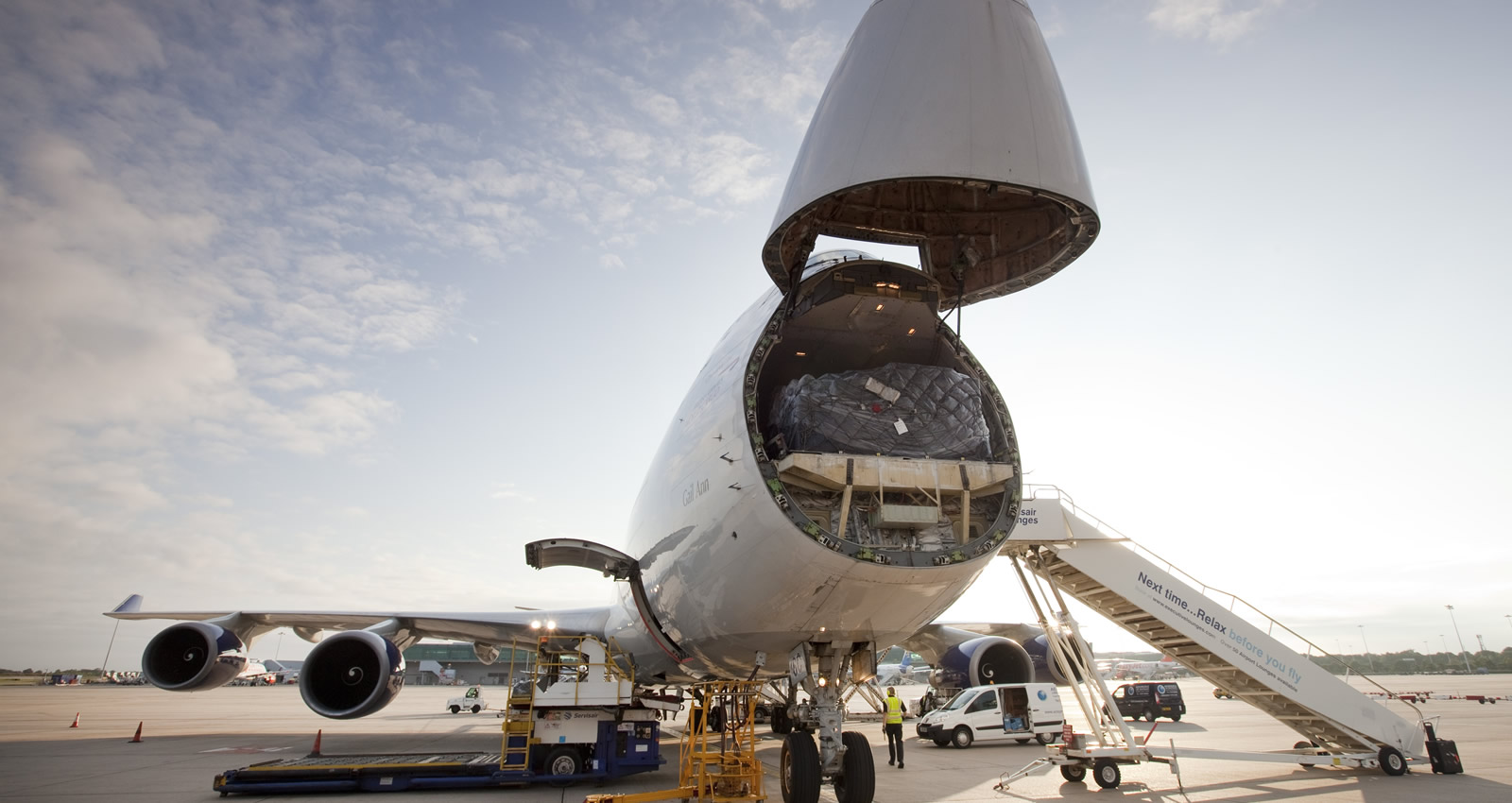
    However, his airline will not be the only cargo carrier in the sky. Vietnam Airlines has long been eyeing the establishment of its own cargo fleet, and during the pandemic, it removed seats from 12 wide-bodied aircraft and converted them into cargo carriers.

    Both Bamboo Airways and Vietjet have also mentioned plans to develop their own cargo fleet, but neither has made any concrete move towards this.

    Tong said that there could be competition in the industry, but eventually, it will benefit the development of e-commerce when a network of air cargo transport is established.

    “Coffee from the central highlands, lychee from the northern province of Bac Giang and seafood from the Mekong Delta region can be transported within a day to any locality if cargo air routes existed,” he said.

    Having a cargo airline is a necessity as most countries have at least one, and the recent boom in e-commerce means there is high demand for such transportation. This is the right time, therefore, for Vietnam to establish its own cargo airline, he added.

  • Hanoi metro tickets to cost $0.35-0.65

    Hanoi metro tickets to cost $0.35-0.65

    Fares on Hanoi’s first metro will range from VND8,000-15,000 ($0.35-0.65).

    City authorities have also decided that a day pass on the Cat Linh – Ha Dong metro line for unlimited trips will cost VND30,000.

    A monthly pass will cost VND200,000 and half that for students and workers at industrial parks.

    For businesses buying the monthly pass for its employees, the rate will be VND140,000.

    Travel will be free for seniors, children under six, people with disabilities, and people designated by the government as poor.

    Fares are subsidized to boost the use of public transport, city authorities said.

    People using non-cash payment methods will get a discount of VND500 per trip.

    Travel will be free for the first 15 days after the metro begins operation, though the start date has not been announced yet.

    The full trip from Cat Linh to the south-western district of Ha Dong through 12 stations will take 25 minutes.

    A train can carry 960 passengers.

    Trains will run from 5 a.m. to 11 p.m every day.

  • Vietjet raises $43.6 mln from bonds

    Vietjet raises $43.6 mln from bonds

    Budget airline Vietjet has raised VND1 trillion ($43.61 million) from a domestic company to expand operations amid the Covid-19 pandemic.

    The bonds are without collateral with a maturity of five years starting from May 24.

    Revenues in the first quarter fell 56 percent year-on-year to VND4.05 trillion. In the same period, the company reaped post-tax profit of VND123.32 billion.

    The profit came from its other investment to make up for the loss in its main business that is taking hits from social distancing.

    It managed to lower operating costs by half and sales and administration costs by 39 percent.

  • Bamboo Airways to launch US transit flights

    Bamboo Airways to launch US transit flights

    Private budget carrier Bamboo Airways plans to open flight routes to the U.S. with transit in Taiwan or Japan starting Q3.

    The airline has proposed to the U.S. Department of Transportation that is allowed to operate regular connecting flights – four to seven a week – carrying passengers and goods between Hanoi and HCMC to Los Angeles and San Francisco. The flights will have one transit point at Taiwan’s Taipei, or Japan’s Osaka or Nagoya.

    The flights would use the Boeing 787-9 Dreamliner aircraft.

    The proposal marks a change in plans because the carrier had been hitherto mentioning plans to launch direct flights between Vietnam and the U.S. It had acquired last month slots to operate regular direct flights from HCMC to San Francisco and Los Angeles starting September 1.

    The carrier is rushing to complete the final steps in the process of building its personnel apparatus, including pilot and flight crew training, for the direct flights, it had said.

    Bamboo Airways chairman Trinh Van Quyet had said the airline is considering an initial public offering of shares in the U.S. this year to raise $200 million.

    The IPO offering a 5-7 percent stake in the company is also expected to launch in Q3.

    It plans to expand its fleet from 30 aircraft to 40 this year and launch flights to other new destinations like Australia, Germany, Japan, and the U.K. if the Covid-19 pandemic is brought under control.

    It currently flies 60 domestic routes.

    Last year, it carried over seven million passengers to account for a 20 percent market share, and hopes to increase it to 30 percent this year.

    The carrier’s pre-tax profit last year rose by 30 percent year-on-year to VND390 billion ($17 million). Its total assets value at the end of 2020 was nearly VND13.4 trillion.

  • Launch of direct Vietnam-US flight routes a challenging journey

    Launch of direct Vietnam-US flight routes a challenging journey

    Acquiring flight slots at U.S. airports is only the beginning of a challenging journey to making the Vietnam-U.S. direct route a reality, experts say.

    Private carrier Bamboo Airways recently acquired slots to operate regular direct flights from Ho Chi Minh City to San Francisco and Los Angeles starting September.

    The airline plans to begin charter flights starting July and regular flights in September with four flights a week.

    The flights would be operated using the long-haul Boeing 787-9 Dreamliner aircraft. The carrier said it was rushing to complete the final steps in the process of building its personnel apparatus, including pilot and flight crew training, to get ready for operating direct flights to the U.S.

    While the latest development stirs new hopes for direct flights between the two countries, something that airlines and officials have been discussing and working on for nearly two decades, there are still many hurdles to overcome.

    Aviation expert Nguyen Thien Tong said that apart from flight slots, each Vietnamese airline will need to acquire various safety permits from U.S. agencies before getting the go-ahead for direct flights.

    Vietnam Airlines, with decades of experience in the industry, seems to be the most promising candidate to secure these permits, while Bamboo Airways, having operated for only two years, might face stiff challenges in proving its capability to conduct such long direct flights, he told VnExpress International.

    Last September, national flag carrier Vietnam Airlines had became the first Vietnamese airline to secure permits from the U.S. Department of Transportation for direct flights to the U.S.

    The airline last month received licenses from the Civil Aviation Authority of Vietnam (CAAV) to operate the Airbus A350 aircraft to the U.S. It had already acquired a permit for the Boeing 787.

    Last year, Vietnam Airlines conducted over 20 charter flights between the two countries.

    But, for regular flights, various permits are needed from the Federal Aviation Administration (FAA), the Transportation Security Administration (TSA) and the U.S. Customs and Border Protection (CBP).

    The TSA is one of the toughest obstacles with its stringent requirements. It will send experts to examine Vietnamese airports before proceeding further.

    A CAAV official told local media that the current fleet of Vietnam Airlines and Bamboo Airways with their Boeing 787-9 and the Airbus 350 won’t be able to fly directly to the U.S. at full capacity (over 300 seats).

    For long direct flights, the Boeing 777x and Airbus A350-1000 are needed, but the two carries do not own such jets, he said.

    Apart from concerns over technical challenges, experts have also questioned the profitability of Vietnam-U.S. direct flights.

    Vietnam Airlines CEO Le Hong Ha said the carrier might have to bear a loss of $30-50 million a year in the first five years of operating direct Vietnam-U.S. flights.

    Bamboo Airways chairman Trinh Van Quyet had earlier calculated that the airline could earn VND8 billion ($346,700) a month from direct flights with return ticket prices of around $1,300.

    But it is difficult to confirm those figures, especially as U.S. airlines, such as United Airlines and Delta Air Lines have launched and suspended direct flights to Vietnam after making losses, Tong said.

    There are currently no direct routes between the two countries, and passengers have to transit through Hong Kong, South Korea or Taiwan, taking 18-21 hours in all. A direct flight would shorten the travel time to 15-17 hours.

    Tong also said that with the ongoing Covid-19 pandemic it is unclear when a regular direct route will be established.

    Americans are among the top foreign visitors to Vietnam, with 687,226 arrivals in 2019, and an ethnic Vietnamese population of over 2.1 million in the U.S. is also expected to be a steady source of travel demand.

  • Vietravel eyes stake sale in new airline

    Vietravel eyes stake sale in new airline

    Vietravel is seeking to sell an unspecified stake in its new airline which began flying earlier this year.

    The travel giant will seek shareholders’ approval at the annual general meeting at the end of this month to sell the stake. Vietravel Airlines is wholly owned by Vietravel.

    It began operating on several domestic routes amid the Covid-19 pandemic with three aircraft and is not expected to break even for at least a few years.

    Last year Vietravel reported a loss of VND90 billion ($3.9 million), twice the profit it earned in 2019.

    It made a loss of VND70 billion in the first quarter of this year.

    But it targets a pre-tax profit of VND10 billion this year.