Tag: airline

  • Vietnam Airlines on threshold of regular direct flights to US

    Vietnam Airlines on threshold of regular direct flights to US

    Vietnam Airlines is awaiting approval from the U.S. government to launch regular direct flights to the country to serve repatriation needs of the Vietnamese community.

    A representative of the national flag carrier told VnExpress that a large number of Vietnamese citizens living in the U.S. wish to return home, but the carrier has already operated all repatriation flights permitted by the U.S. authorities.

    From May to August last year, the carrier has carried out a total 12 repatriation flights as permitted by American aviation authorities to bring Vietnamese citizens home amid the complicated developments of the pandemic.

    The Board of Directors of Vietnam Airlines has just approved a plan to launch regular direct flights to the U.S., saying this is the appropriate time to do it using the wide-bodied Boeing Dreamliner. They expect that this move will help increase revenue and minimize financial damage inflicted by the pandemic.

    As soon as the carrier receives approval from the U.S. government, it will operate regular flights to repatriate Vietnamese citizens as well as carry foreign experts and diplomats wishing to enter Vietnam for work.

    Depending on the recovery of the aviation market and when the Covid-19 pandemic is contained, the airline expects to operate direct flights between Vietnam and the U.S. from 2022 onwards.

    The U.S. Federal Aviation Administration issued a Category 1 rating to the Civil Aviation Authority of Vietnam under its International Aviation Safety Assessment program in 2019, meaning it met safety standards to operate flights to the U.S.

    Vietnam Airlines also got the green light to operate direct flights from Hanoi and Ho Chi Minh City to several American destinations in September 2019. No such a flight under the permit has been scheduled to date.

    There are currently no non-stop routes between the two countries, and passengers have to transit through East Asia, the journey taking between 18-21 hours. A direct flight would bring the travel time down to 14-16 hours.

    Vietnam Airlines reported a loss of over VND11.1 trillion ($483 million) last year after the Covid-19 pandemic grounded all its international flights.

  • Thai Airways disputes $7.4bn of aircraft lessor claims

    Thai Airways disputes $7.4bn of aircraft lessor claims

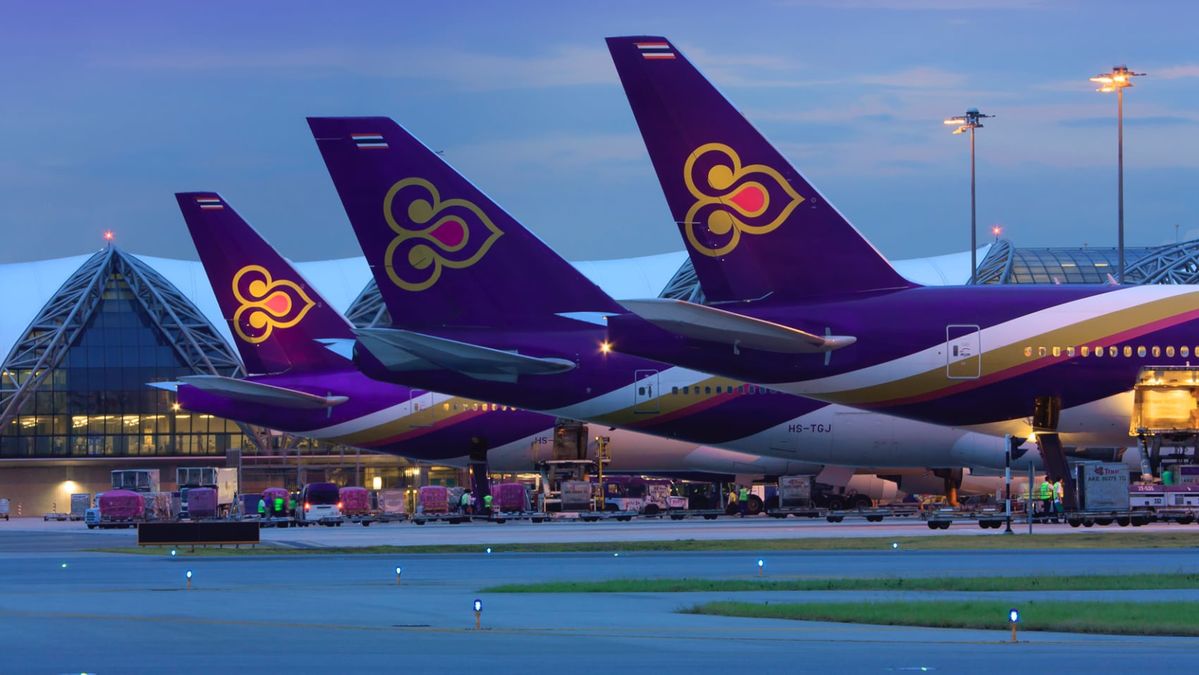
    Thai Airways International Plc is challenging some US$7.4 billion in claims from dozens of aircraft lessors and engine service provider Rolls-Royce Holdings Plc, saying it is not liable for the monies because they concern future expenses and were incurred after the airline received bankruptcy protection from a Bangkok court.

    Thailand’s flag carrier, which is undergoing a court-supervised restructuring to trim debt and return to profit by raising fresh capital, is disputing around 192 billion baht ($6.3 billion) claimed by 48 lessors including BOC Aviation Ltd and SMBC Aviation Capital Ltd, and another 33 billion baht that Rolls-Royce says it is owed for maintenance services, according to a copy of the debt rehabilitation plan seen by Bloomberg.

    A spokesperson for Thai Airways declined to comment. Representatives from BOC Aviation, and Rolls-Royce and SMBC Aviation in Europe also declined to comment.

    The disputed amount is more than half of Thai Airways’ total liabilities of 410 billion baht. Yet an amicable settlement with creditors is key for the airline to stave off bankruptcy.

  • AirAsia adds new unlimited flight pass offering to super app

    AirAsia adds new unlimited flight pass offering to super app

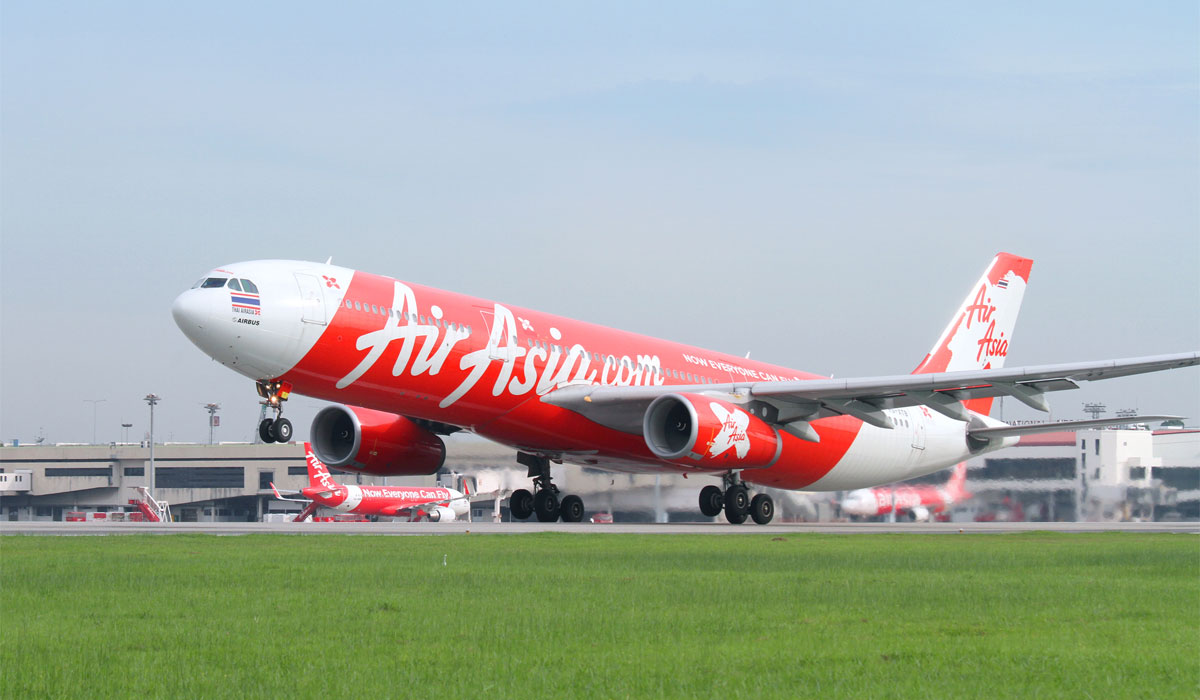
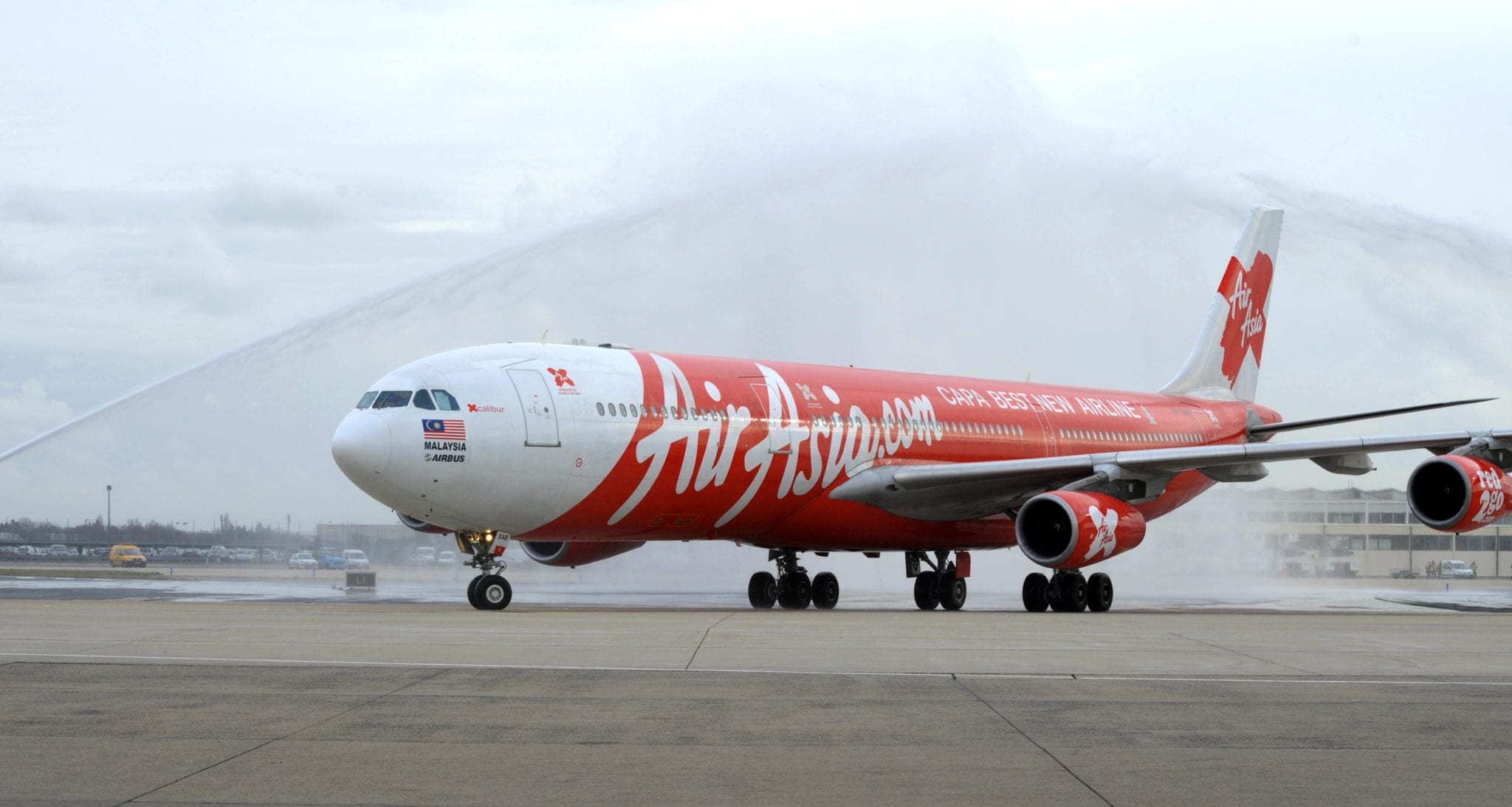
    AirAsia has introduced a new unlimited flight pass, which provides access to its international and domestic flights as well as e-commerce delivery services on its Asean super app.

    The new Asean Unlimited offer allows pass-holders to redeem unlimited flights both domestically within Malaysia and internationally across Asean for future travel from 17 March 2021 up to 26 March 2022.

    Pass-holders will also have unlimited access to free delivery services across AirAsia shop, AirAsia food, and AirAsia fresh.

    Delivery is currently available within the Klang Valley with upcoming expansion into more cities across Malaysia.

    Tony Fernandes, CEO, AirAsia Group: “As part of our preparations to welcome the recovery of air travel in the region and to further stimulate the local economy, we hope that this product can also serve as a catalyst as the Asean tourism industry gears itself for a post-COVID revival.”

    Priced at RM599 (USD150), the pass is available to all Malaysia-based AirAsia BIG Members to purchase from 3 to 7 March 2021. BigPay users can also enjoy RM50 (USD12) off their purchase when they pay with BigPay until 5 March 2021.

    Tony Fernandes, CEO, AirAsia Group, said: “We’ve always been a disruptor and this time we are taking another unprecedented step to launch Asean Unlimited. AirAsia has expanded into a super app, offering much more than just travel products and now include e-commerce and fintech products. We have received so many positive responses and support for our new offerings, and we want to continue providing value to our customers.”

    The initiative builds on recent news of COVID-19 vaccines being rolled out across Malaysia. Fernandes added: “As part of our preparations to welcome the recovery of air travel in the region and to further stimulate the local economy, we hope that this product can also serve as a catalyst as the Asean tourism industry gears itself for a post-COVID revival.”

  • Nine Singaporeans struggling to leave Macau secure seats on AirAsia flight

    Nine Singaporeans struggling to leave Macau secure seats on AirAsia flight

    At least nine Singaporeans have been struggling to leave Macau after they were unable to secure a direct flight home due to the pandemic. One is desperate to return after losing his job in the Chinese city, whose economy has been hit hard by Covid-19. Another needs surgery for a spinal condition and wants to return home.

    The group of Singaporeans and Malaysians will finally board a special AirAsia flight to Kuala Lumpur on April 8, arranged and confirmed by the consulate-general of Malaysia in Hong Kong on Thursday (March 11).

    Many had spent more than three weeks waiting for the decision, with some unemployed, unwell or pregnant.

    While some people in Macau have flown home on commercial flights via Hong Kong, it is understood that those who have medical conditions or are pregnant did not want to do so for fear of becoming infected with the coronavirus while quarantined in the territory.

    One among the group being repatriated, a Singaporean who works in the events industry, suffered a heart attack at the end of last year and has been trying to return home for treatment ever since.

    The man, who did not want to be named, said that his doctor advised him to have another stent fitted after the emergency operation but he did not have full insurance coverage in Macau.

    He added: “It’s good that we can join our neighbors in returning home since there are very few Singaporeans compared with Malaysians here in Macau.”

    The flight was coordinated by fellow Singaporean Agnes Goh, who has lived in Hong Kong and Macau for around 30 years.

    “Before the confirmation on Thursday, we faced tremendous pressure to secure a flight because quite a number of healthy passengers were thinking of backing out and flying from Hong Kong instead,” she said. “This made the mission increasingly impossible.”

    In response to queries from The Straits Times on Friday, the Ministry of Foreign Affairs (MFA) said that it had been “working with all relevant parties involved to bring them home safely via a special flight”.

    Ms Celia Lao, chief executive of AirAsia Hong Kong and Macau, said the flight was initiated by the Malaysian consulate last month. She added: “Other transit passengers are also welcome to take advantage of this flight once it is confirmed. We are looking to achieve a minimum of 60 passengers.”

    As at 9.30pm on Friday, there were 41 Malaysians and nine Singaporeans confirmed for the flight. “Singaporeans in Macau may also return to Singapore via Hong Kong by commercial flights, after serving their 14-day compulsory quarantine in Hong Kong,” the MFA added.

  • FLC Group’s Bamboo Airways shares drops

    FLC Group’s Bamboo Airways shares drops

    After Bamboo Airways hiked charter capital to VND10.5 trillion ($458 million) in February, Vietnamese conglomerate FLC Group’s shares in the airline has reduced from 51.29 percent to 39.4 percent.

    The airline was founded in May 2017 with a total charter capital of VND700 billion. In less than four years, it has increased its charter capital five times.

    In February 2021, the airlines increased its charter capital for the fifth time to VND10.5 trillion, all of it contributed by private investors. With this adjustment, Bamboo Airways ranks second in terms of charter capital among six domestic airlines, only behind flag carrier Vietnam Airlines with VND14.2 trillion.

    In 2020, the airline reported a 34 percent year-on-year increase in pre-tax profits to VND400 billion. It was among the few airlines which made a profit during the pandemic year.

    It also had the best on-time performance in 2020, with an on-time performance rate of 96 percent. In the first two months of 2021, the rate has increased to 97 percent.

    Property developer FLC, which currently owns 39.4 percent stake of Bamboo Airways, posted VND421 billion in pre-tax profit in 2020, a year-on-year increase of 43 percent.

  • AirAsia sees more layoffs if April domestic flights stay grounded

    AirAsia sees more layoffs if April domestic flights stay grounded

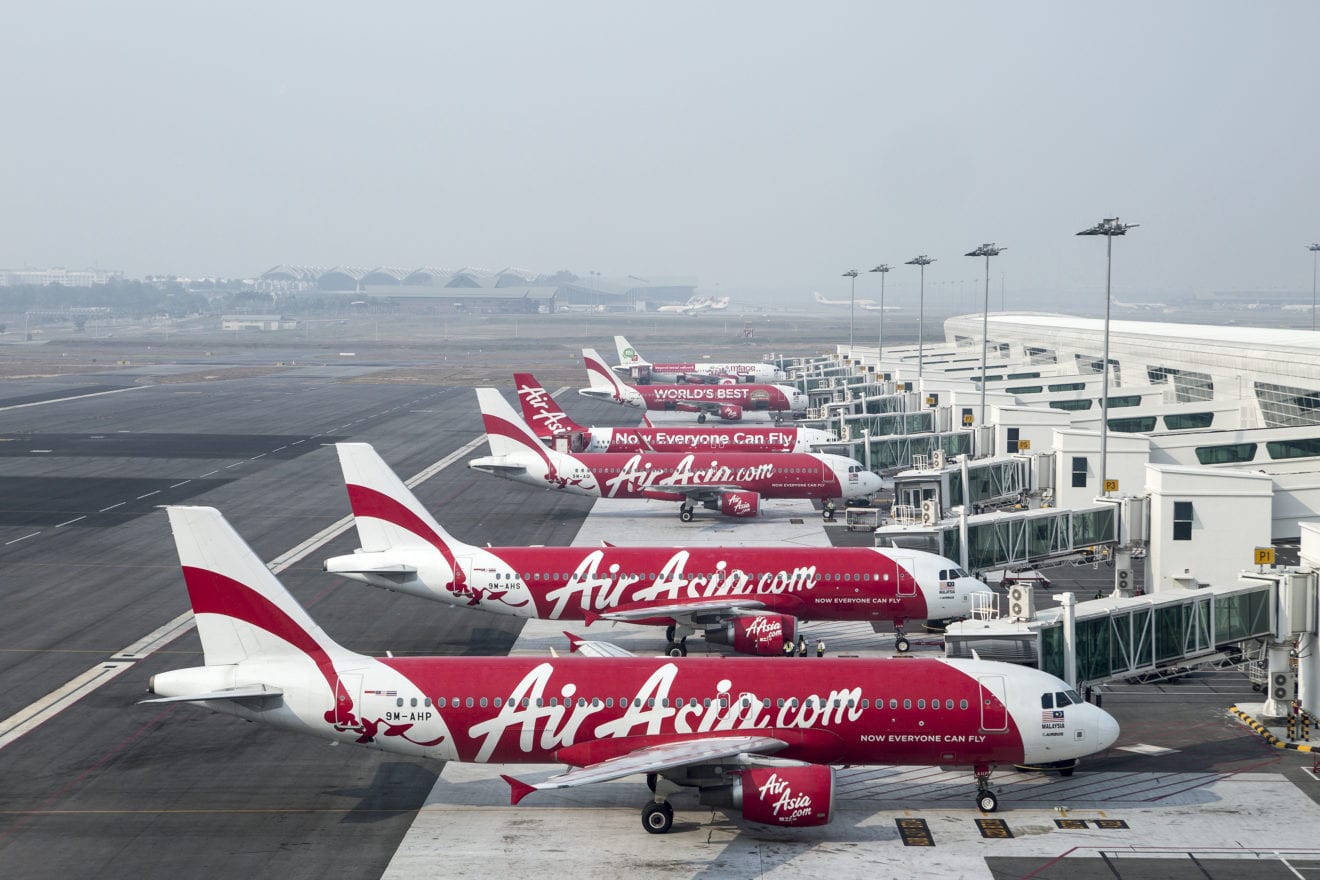
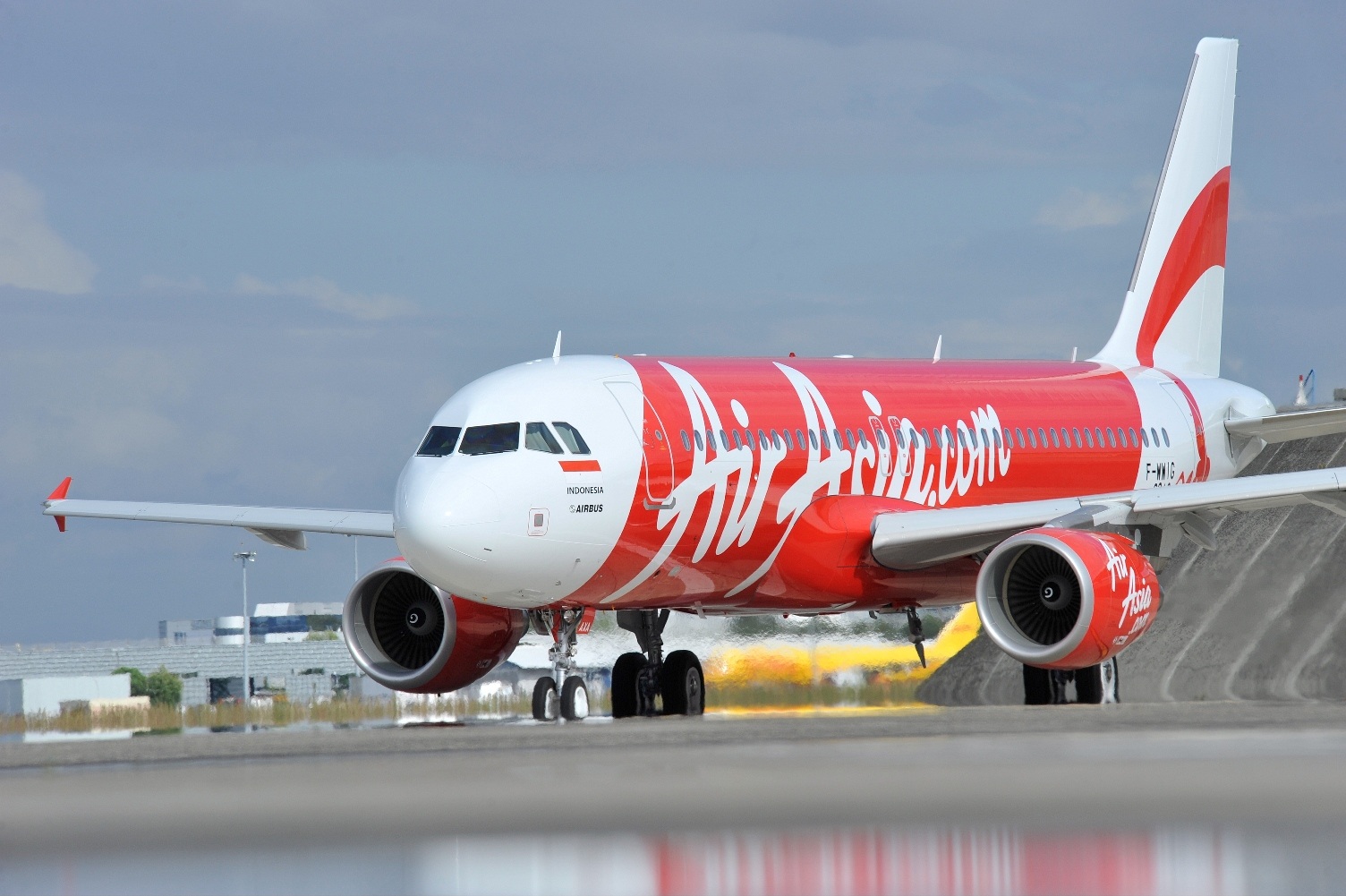
    Low-cost carrier AirAsia is ready to furlough more workers unless domestic coronavirus travel curbs end next month, even as the company speeds expansion of its non-airlines business to fill an earnings hole, top executives told Nikkei Asia.

    The airline founded by local tycoon Tony Fernandes and its budget model have been hammered by the drop in international air travel, while movement restrictions between states in Malaysia are also choking revenue. AirAsia Group President Bo Lingam said in an interview with Nikkei that it is critical for internal routes to reopen.

    “We would prefer [this] as soon as possible, but I think the green states can be opened first, and we would appreciate if it’s by next month,” he said, referring to the end of April. Green states are those with lower new COVID-19 cases, namely Melaka, Pahang, Terengganu, Sabah and the federal territories of Putrajaya and Labuan.

    The Malaysian government has not said when it will reopen domestic travel nationwide despite pressure from lobby groups, including hotels, tour operators and airlines.

    If the interstate travel ban remains into May, the company would have to dismiss more employees on a furlough basis, Bo said, adding to 3,000 mostly pilots and back-office staff already hit by the measure.

    Furloughed workers receive medical and travel benefits until called back to work. “We will pay them medical benefit[s] in full just like pre-COVID-19 and they would be first to be recalled once we fly our airplanes again,” said Bo, who has been with the company for over 21 years

    The carrier is ready to begin domestic or international travel when allowed, he said. “All necessary safety checks are always done and we have standby employees to be recalled, so we are ready anytime,” he said.

    AirAsia’s finances are clearly hurting. It suffered a net loss of 2.7 billion ringgit ($650 million) for the first nine months of 2020 compared with a net profit of 80.7 million ringgit the previous year. Revenue fell 68% to 2.9 billion ringgit from 9.1 billion ringgit. Fourth-quarter results are expected this month, with analysts forecasting a turn to profitability not before 2022.

    Bo said the airline is no longer accepting new jet deliveries from its primary supplier, Airbus. AirAsia is the European manufacturer’s largest customer in the single-aisle segment and was supposed to receive a combined 46 planes in 2020 and 2021 — mostly new A321s.

    “We have stopped taking in any deliveries because we have no place to park anymore and it’s a waste of resources,” he said. “We plan to take five aircraft next year only if the situation improves.”

    The carrier, known for its bright red and white fleet, is currently raising 2.5 billion ringgit as working capital, which includes a loan of 300 million ringgit from Sabah state-owned Sabah Development Bank. It is also seeking a guaranteed loan from the federal government aimed at companies hurt by COVID-19.

    The airline also completed the first tranche of its private placement of up to 20% of the group’s total issued shares last month, raising over 250 million ringgit.

    With the outlook for air travel uncertain, AirAsia Digital — the holding company for its growing non-airline businesses — may spinoff within the next 3 to 5 years, Aireen Omar, the AirAsia Group president who manages it, told Nikkei in a separate interview.

    Aireen said the group is trying to lure new investment by bolstering core businesses, which include restaurants, food delivery and courier services.

    The group’s chain of Santan restaurants is expected to expand into Indonesia, Thailand and the southern Chinese city of Shenzen by the end of the year, she said. Santan — which means coconut milk in Malay — is a staple ingredient in Southeast Asian cooking.

    “We’re expecting to have about 60 restaurants by year-end from the current 13,” Aireen said, adding that all new locations will be franchises.

    “We are already receiving a lot of interest and evaluating our potential first investor. All of them want to come on board early before an IPO,” she said, adding that the business has drawn attention from large funds and family offices.

    But Aireen stressed that AirAsia does not intend to keep raising funds via numerous crowdfunding rounds favored by tech startups. “We want to be responsible and want a set of stakeholders to answer to,” she said.

    The pandemic has forced AirAsia to move into non-airline businesses faster than envisioned. “The road map which was supposed to take us three years was squeezed into the last nine months,” she said.

    According to group president Bo, AirAsia expects its international routes will not resume until the fourth quarter provided Malaysia’s immunization program, which began late last month, continues as planned. Southeast Asian destinations are expected to resume first, he said.

    He urged the Association of Southeast Asian Nations to come up with a travel policy in the next few months that can be used by all member countries to smooth the way.

    “One policy for the region would ease processes rather than having customized rules for every country,” he said.

    Bo added that in preparation for the return of international travel, AirAsia has already started working to update its mobile app and website to allow customers to upload proof of digital vaccination.
  • Vietjet to sell 17.7 mln treasury shares

    Vietjet to sell 17.7 mln treasury shares

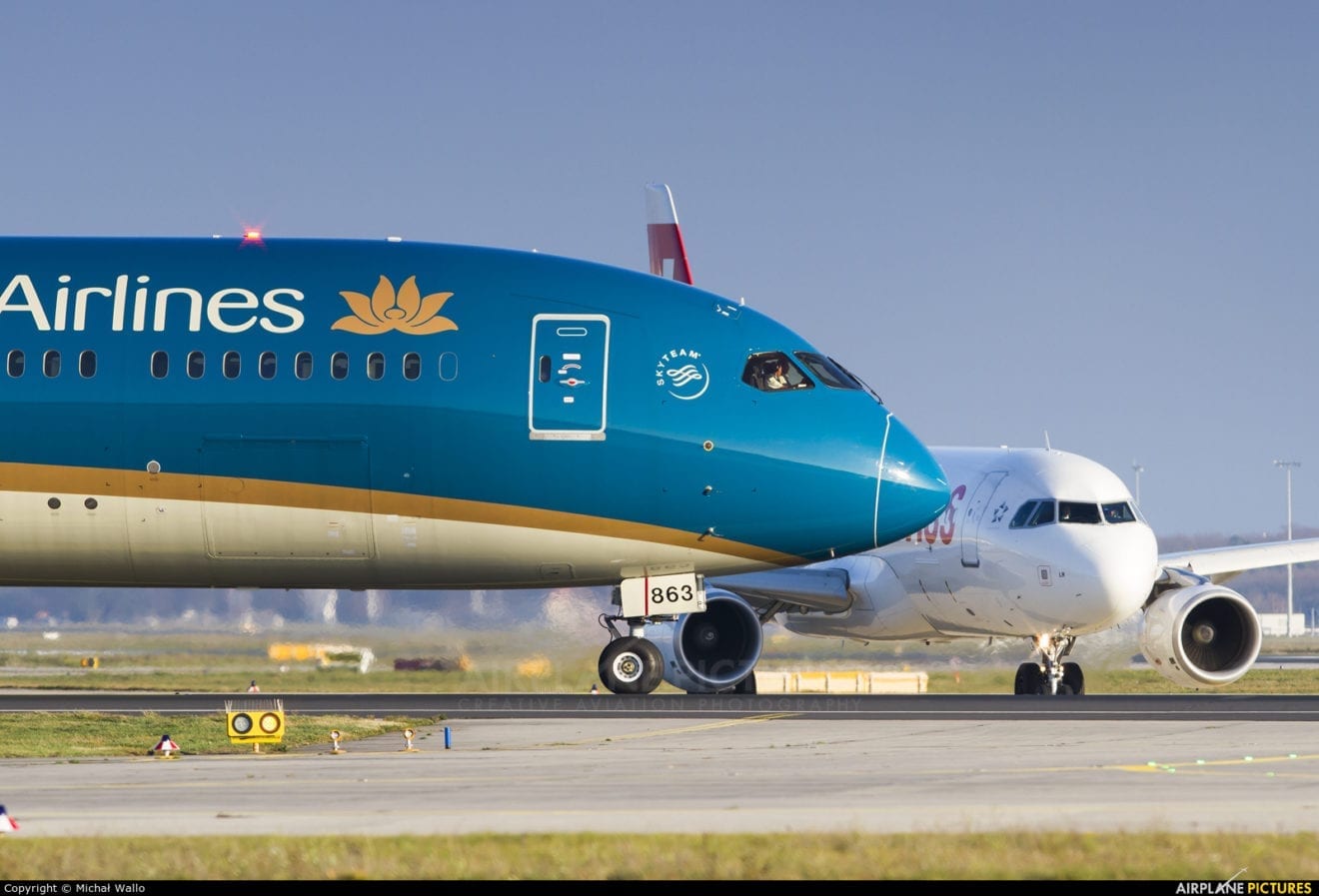
    The board of budget carrier Vietjet has approved a proposal to sell 17.7 million treasury shares equivalent to 3.28 percent of its charter capital.

    It would help fund expansion and preparations for recovery after the pandemic this year, the airline said.

    Vietjet’s VJC shares closed at VND136,000 ($5.89) on March 8, and at this price the carrier will earn over VND2.4 trillion from the deal.

    It plans to complete the transaction in the first half of this year.

    Vietjet had bought the shares in August 2019 for VND132,063 each. In June 2020, the carrier announced it was seeking to sell them to a strategic investor.

    Vietjet was among the few airlines to make a profit and not fire any employee amid the Covid-19 pandemic last year. It recorded a consolidated after-tax profit of VND70 billion in 2020.

  • After 30 Years Singapore Airlines Flies The Boeing 737 Again

    After 30 Years Singapore Airlines Flies The Boeing 737 Again

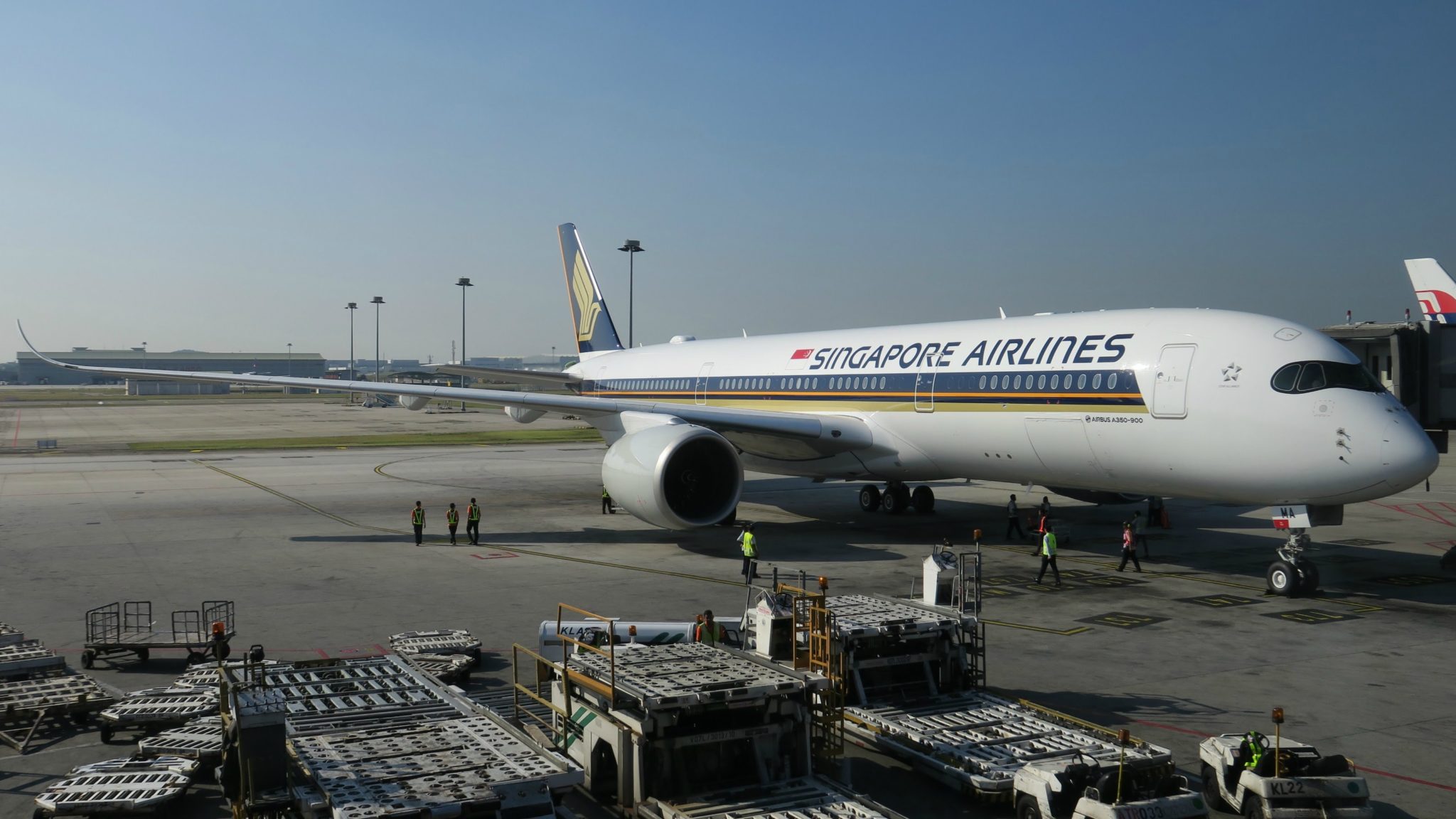
    Previously operated by Singapore Airlines (SIA) decades ago, the 737 as an aircraft type will once again operate under the carrier’s brand and livery. Up until now, the Southeast Asian airline had delegated much of its low-demand, short-haul operations to subsidiary airline Silkair. Now that the Silkair brand and its operations are being absorbed by SIA, the former’s 737s will be operated by the latter. The first of these SIA 737s took off for regular passenger service on Thursday, going from Singapore to Phuket. Let’s take a look at the flight and what it represents.

    Airline Geeks noted that on Thursday, March 4th, SIA completed its first 737-800 flight. This flight was designated as flight SQ736, from Singapore to Phuket (Thailand). RadarBox.com data shows that the Boeing 737-800 departed at 16:21 local time. After one hour and 44 minutes of flying time, the aircraft landed at Phuket’s airport (HKT) at 17:05 local time.

    After just over an hour on the ground in Phuket, the 737 took off on its return flight at 18:13, arriving back in Singapore (SIN) at 21:06 local

    As for the jet that operated this service, it was registered 9V-MGA. Data from Planespotters.net shows that it first flew with SilkAir in February 2014. After more than six years of service with the regional airline, it now flies with SIA.

    The aircraft, along with SIA’s other ‘newly acquired’ jets, will be configured to seat 12 in business class and 150 in the economy. The former will have a 2-2 setup while the latter is a standard 3-3 narrowbody economy configuration.

    It was noted by Airline Geeks that the inaugural flight to Phuket offered “an upgraded experience including food, beverages, and an amenity kit.”

    In fact, a menu of signature Singapore and Thai dishes were (and continue to be) available to business class and economy class passengers. This will run through to the end of March.

    Passengers in business class will also receive a unique celebratory cocktail named Tropical Sunrise. The special drink will be available on all Boeing 737 flights.

  • AirAsia making Plans for Flying Taxi business next year

    AirAsia making Plans for Flying Taxi business next year

    Malaysian budget airline AirAsia Group on Saturday stated that plans are in the works to launch a flying-taxi business next year.

    Air Asia CEO Tony Fernandes on Saturday said that the company is working on the project, and it would take about a year and a half to launch it. He made these statements at an online discussion as part of the Youth Economic Forum.

    Fernandes further said that the flying taxis will be powered by a quadcopter, and it will have as many as four seats.

    With the COVID-19 pandemic proving to be detrimental to the aviation business, Air Asia has now branched into the digital space, launching a “super app” that offers services from travel and shopping to logistics and financial services, thus diversifying its revenue stream.

    Meanwhile, Tata Sons will enhance its shareholding in a low-cost carrier — AirAsia India — by buying a 32.67 percent equity stake of its JV partner AirAsia Group Berhad.

    The budget airline is a JV in which Tata Sons owns 51 percent stake, while 49 percent is held with AAIL.

    After the transaction, Tata’s shareholding will go up to 83.67 percent, while that of AAIL will come down to 16.33 percent.

    In a regulatory filing made to Bursa Malaysia, AirAsia Group Berhad said the transaction via a share purchase agreement with Tata Sons was agreed by AAIL’s Board.

    Headquartered in Bengaluru, AAI flies to 19 domestic destinations across India with 33 Airbus A320 aircraft.

  • AirAsia Japan closure has cost group $80 million so far

    AirAsia Japan closure has cost group $80 million so far

    AirAsia Japan’s closure has cost the Malaysia-based AirAsia Group nearly $80 million over three quarters.

    AirAsia Group owns 48.9% of the joint venture carrier, which ceased operations in October and filed for bankruptcy in the following month.

    AAJ commenced bankruptcy proceedings by a court order issued on 24 February, AirAsia Group said in a same-day Bursa Malaysia disclosure.

    As a result of the proceedings, the low-cost airline group recognized a loss of over $74 million in the second half of 2020, “due to financial assistance [to AAJ] in the form of intercompany transactions and loans being written off as these amounts were deemed to be irrecoverable”.

    AirAsia Group also incurred nearly $5.2 million in expenses related to aircraft de-registration, in the fourth quarter of 2020 and the current quarter, to move three aircraft from Japan to Malaysia.

    The group states: “Further announcement(s) will be made in due course on the particulars of claim and financial impact to AirAsia Group, if any, under the bankruptcy proceedings.”

    AirAsia Group last stated in a 25 August disclosure that it provided AAJ with financial assistance totaling $6.27 million during the second quarter of 2020.

    In 2019, the group gave AAJ a $12 million loan in November that year, as well as loans of Y1 billion ($9.4 million) and Y2 billion in January and March, respectively.

    Further back, AAJ received a Y500 million loan from the group in the third quarter of 2017.

  • Vietjet acquires 67 pct in express delivery startup

    Vietjet acquires 67 pct in express delivery startup

    Budget airline Vietjet has invested VND31.5 billion ($1.36 million) to acquire a 67 percent stake in shipping startup Swift247 which seeks to improve the linkage between air and road delivery.

    The company, co-founded by Tommy Nguyen, son of Vietjet CEO Nguyen Thi Phuong Thao, has a charter capital of VND47 billion. Its CEO, Ha Nang Viet, owns 26 percent of the company.

    The Ho Chi Minh City-based company, founded in 2019, delivers products between Southeast Asian destinations within 24 hours by combining air and road transport. Other delivery services take days.

    It offers a delivery time of as low as five hours between Hanoi and HCMC.

    The company also has a tie-up with ride-hailing company Grab.

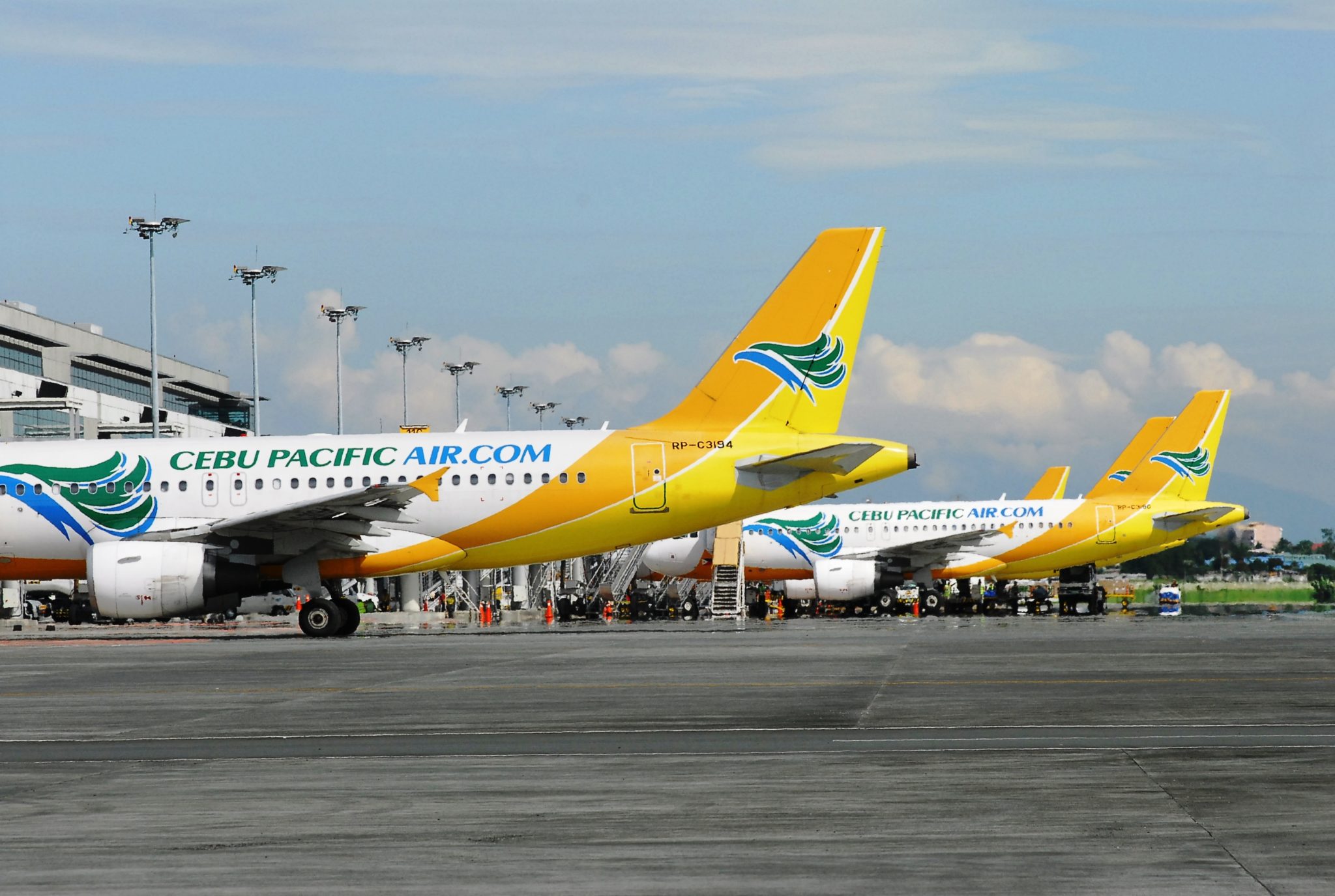
  • Everything is put in place for Cebu Pacific operator’s crucial stock offer to rescue airline

    Everything is put in place for Cebu Pacific operator’s crucial stock offer to rescue airline

    It’s all systems go for the upcoming P12.5-billion stock rights offer of Cebu Air Inc. next month.

    In a disclosure to the local bourse on Wednesday, the operator of loss-making budget carrier Cebu Pacific released the final terms for the fundraising activity meant to keep the airline afloat while lingering coronavirus fears prevent a full take-off to recovery.

    The mega stock rights offer is part of a larger recovery plan worth $500 million that the airline announced last October, which also included a private investor placement of an equal amount. It was unclear whether the balance had been raised already.

    Under the offer, existing common shareholders may buy convertible preferred shares at a conversion price of P38 apiece. Preferred shareholders are entitled to receive fixed dividends with a yield of 6% per year, but they will not have voting rights that common stockholders enjoy.

    Shares will be sold from March 3 to 9, while a tentative listing date was set on March 29. Cebu Air will sell a total of 328.9 million convertible preferred shares to investors for this crucial fundraising activity.

    A chunk of the proceeds worth P4.8 billion will serve as repayment to advances by JG Summit Philippines Ltd., its parent firm. A smaller P3.9 billion would go to aircraft operating lease payments due this year, while P3.3 billion would settle old debts.

    The balance of P384 million would be spent on “general corporate purposes,” primarily for passenger refunds in case cash generated from lackluster operations are insufficient for settlement.

    Unlike regional counterparts that handed bailouts to their cash-strapped carriers like Malaysia and Thailand, the Philippines has been reluctant in spending taxpayers’ money to rescue local airlines on the brink of financial collapse.

    Although Cebu Air is yet to release its full-year financial results, the airline has expected losses to amount to “almost P25 billion” in 2020 that, if realized, will be a reversal of the P9.12 billion in profits in 2019.

    Apart from raising new funds, Cebu Air was also forced to downsize its workforce by 75% last year due to tepid flight operations.

  • AirAsia to raise RM250mil via private placement

    AirAsia to raise RM250mil via private placement

    Low-cost airline, AirAsia Group Bhd is expected to raise approximately RM250mil through the first tranche of its private placement involving 369.85 million shares valued at 67.5 sen each.

    The issue price, which was fixed yesterday, represented a discount of 9.82% to the company’s five-day volume-weighted average price of 74.85 sen up to Feb 9.

    “The actual number of placement shares to be placed out under the first tranche will depend on the final acceptance by the identified places.

    “Any placement share not placed out under the first tranche will be included in the subsequent tranches, ” said RHB Investment Bank Bhd in a filing to Bursa Malaysia on behalf of AirAsia.

  • AirAsia Group plans to raise US$113 million in private share sale

    AirAsia Group plans to raise US$113 million in private share sale

    AirAsia Group announced it plans to raise $113 million in a private share sale to improve its financial performance and to address its cash flow position. The company said in a stock exchange filing that the sale would be used “expeditiously for working capital purposes, as well as marketing expenses and technology expenditure for the initiatives under AirAsia Digital.

    AsiaAsia, like other airlines around the world, has been struggling to survive as the COVID-19 pandemic has severely curtailed air travel. The company reported a fifth consecutive quarterly loss in November. The proposed sale includes the issuance of up to 20 percent of its total existing shares, or 668.4 million shares, to be placed with third-party investors to be identified later, the airline group said in the filing. AirAsia said it will continue to explore other fundraising options or corporate proposals to improve the group’s financial performance in the longer term.

    The company said this latest share sale will “not fully address the group’s current financial concerns as the estimated gross proceeds…would not be sufficient to meet its long-term cash flow requirements. However, the proposed private placement will serve as an interim measure to address the immediate cash flow requirements of the group while the management of the company continues to explore other available options and/or corporate proposals to be undertaken with the intention to improve the group’s financial performance in the longer term”.

  • Thai Airways Is On Track With Its Rescue Plan

    Thai Airways Is On Track With Its Rescue Plan

    Thai Airways acting president Chansin Treenuchagron claims the airline is still on schedule with its debt rehabilitation plan. Thai Airways has until February 2nd to submit its plan to the Central Bankruptcy Court in Thailand after it was granted a one-month extension.

    In an attempt to save Thailand’s national airline from going under, the country’s Central Bankruptcy Court approved its restructuring back in September. Having accumulated $11bn in debt, the carrier was set a deadline of January 2nd to submit its full rehabilitation plan. However, the courts gave Thai Airways an additional month to finalize its rescue plan, with a new deadline of February 2nd.

    The extension suggests Thai Airways has been struggling to reach a satisfactory agreement with all parties involved. In a statement, acting president Chansin Treenuchagron offered reassurance that the airline is still on track with its plan.

    The nature of Thai Airways’ debt is complex, with banks, aircraft lessors, lenders, and suppliers all looking for a satisfactory outcome. The airline is ‘moving closer and closer to an agreement’ with its creditors. Before it can submit its plan to the Central Bankruptcy Court, Thai Airways requires approval from its creditors.

    While Thai Airways initially planned to implement the restructuring plan by the first quarter of 2021, it wasn’t able to finalize and submit the details in time. The airline is also working with consultants and advisors to help it deal with all the complexities of the restructuring process. Mr. Treenuchagron added,

    Thai Airways has been in a difficult position for a few years now, with fierce competition from low-cost carriers contributing towards spiraling debt. The airline was in a precarious position before the COVID pandemic had begun, with the downturn in air travel only adding to its woes. By July 2020, Thai Airways had defaulted on over $3bn worth of debt and suspended most of its operations.

    Domestic air travel has remained steady in Thailand for most of 2020, with the country faring better than most in its domestic market. However, a second COVID wave sweeping across Thailand has led to a 60% drop in air travel since the beginning of the year. Thai Airways has resorted to increasingly novel methods of raising capital during the pandemic. This includes selling surplus consumables like salt shakers, aircraft tires, and wine glasses, as well as auctioning off 32 widebody planes.