Retail News CRM

Tag: airline

  • AirAsia Group to reduce fleet size in 2021

    AirAsia Group to reduce fleet size in 2021

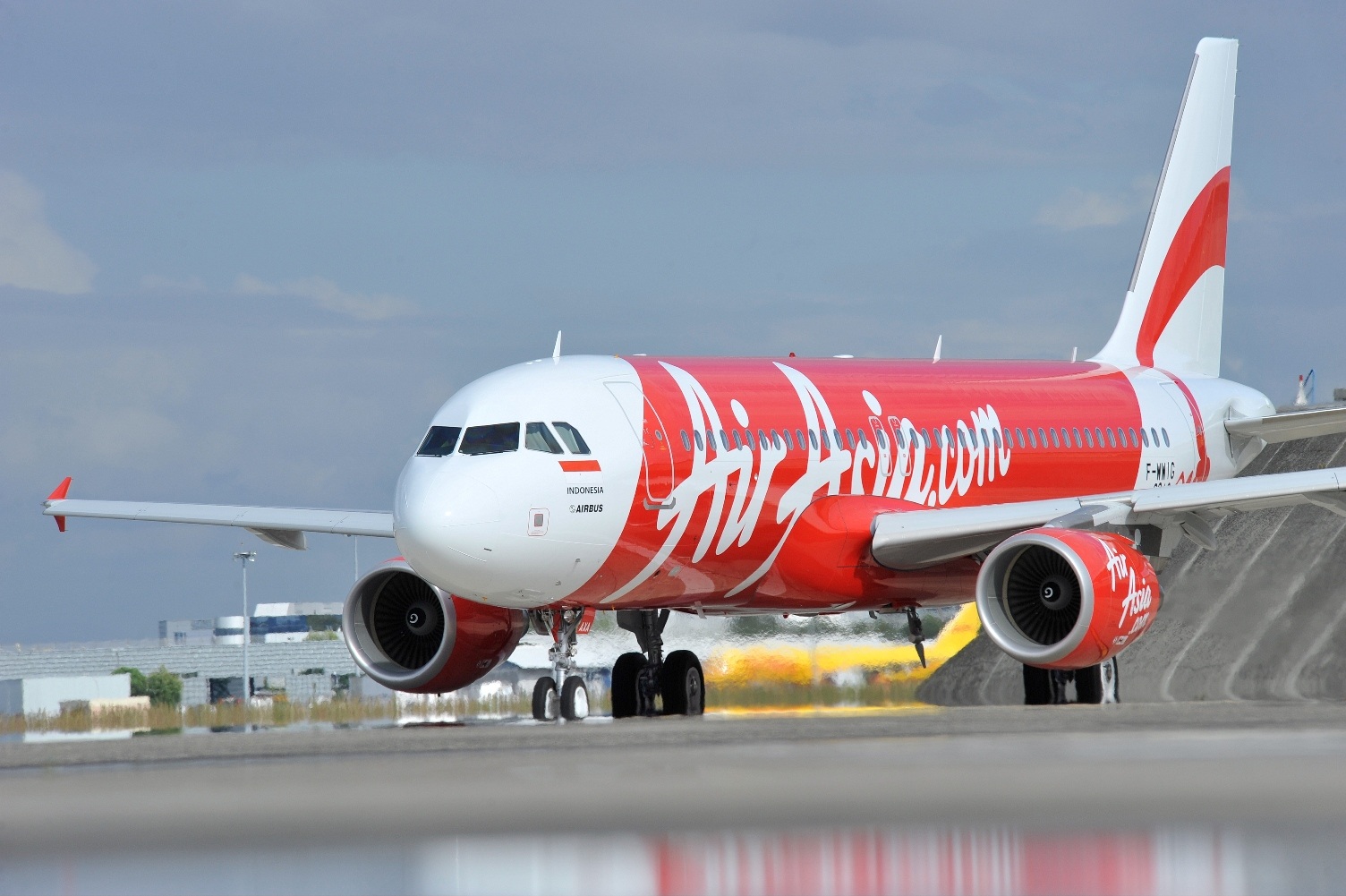
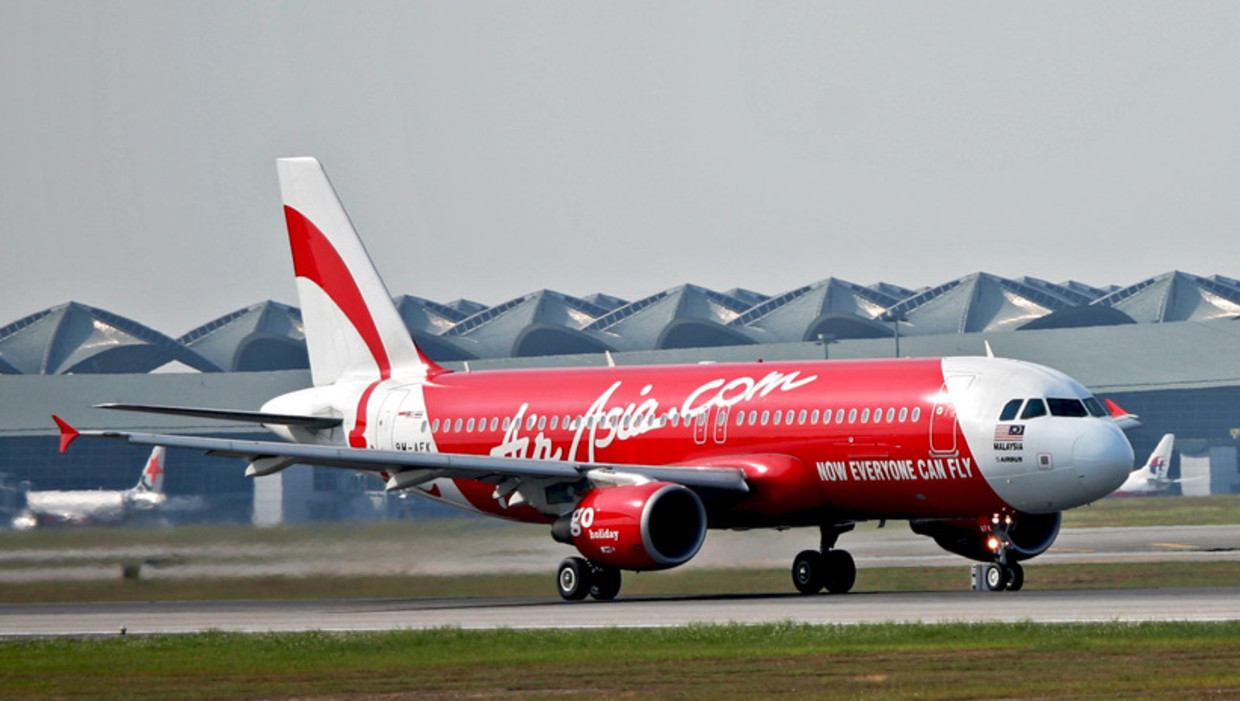
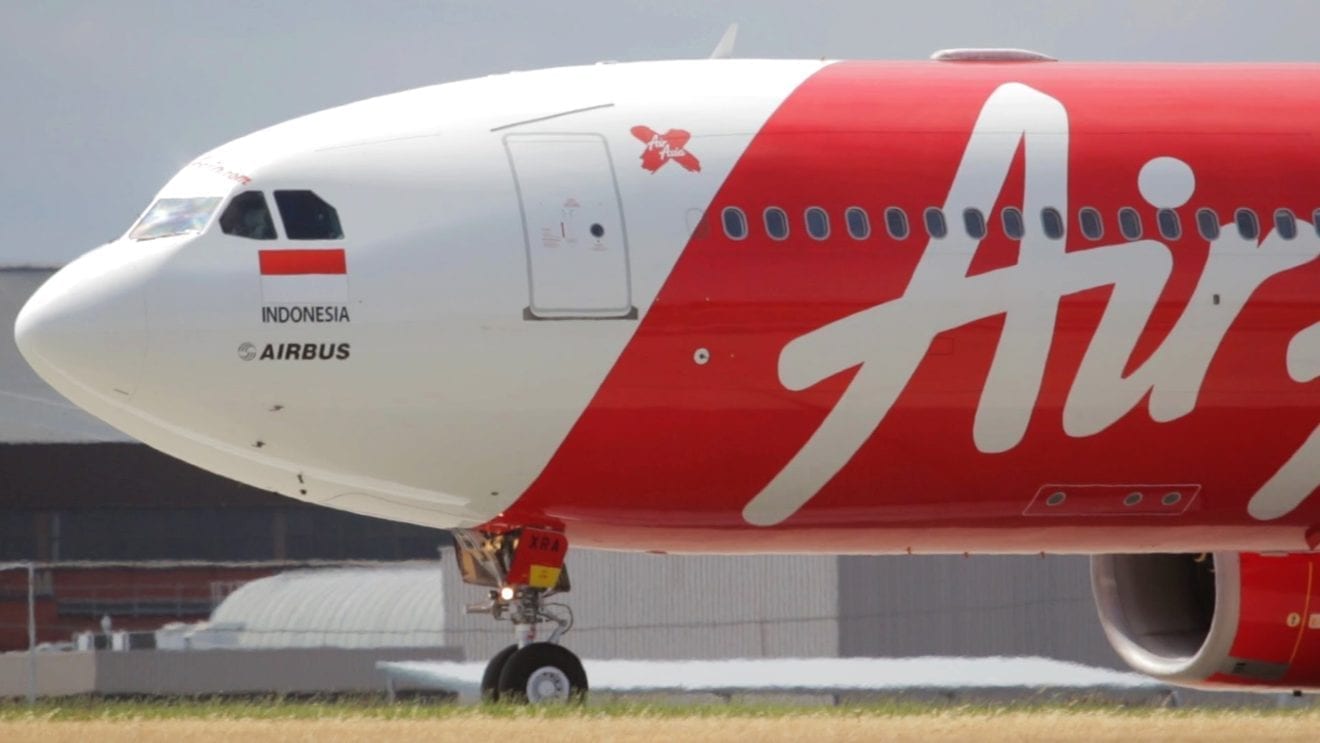
    AirAsia India will be the group’s only unit to see fleet growth by the end of 2021, amid an ongoing investment review conducted by the low-cost group.

    In slides presented at an analyst briefing following the release of its third-quarter results, AirAsia Group states in its outlook that it has “planned for a reduction in our fleet count to match our expected recovery” post-pandemic.

    AirAsia India looks set to expand its fleet by the end of 2021.

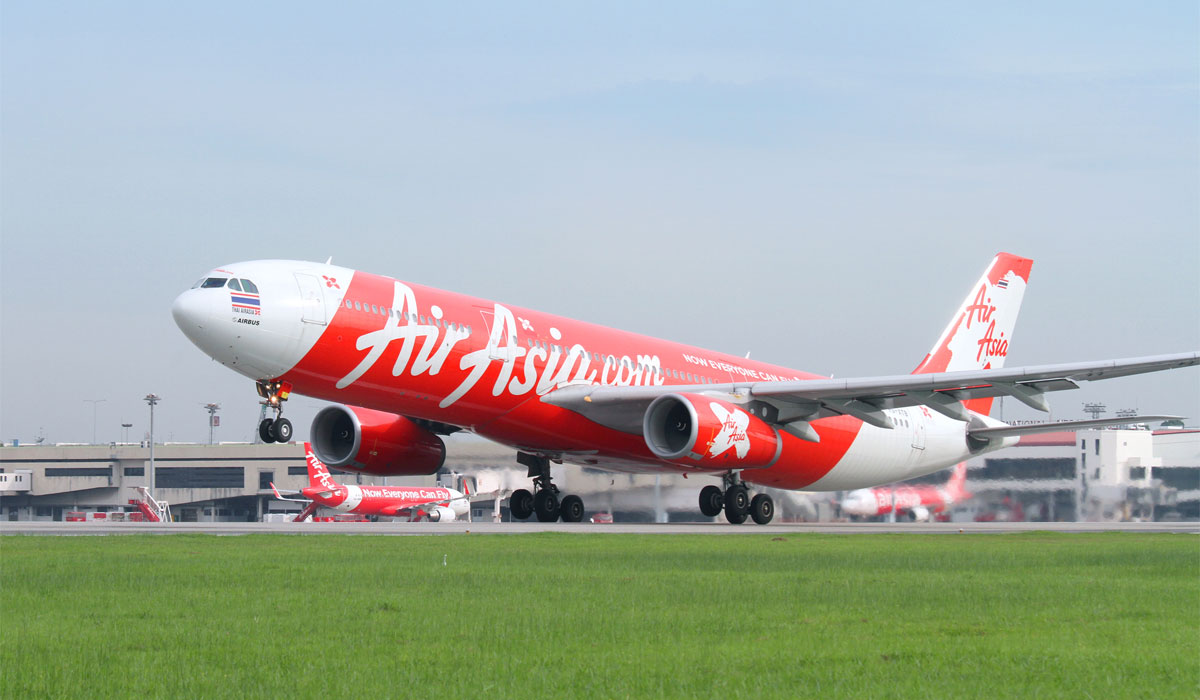
    The group, comprising units in Malaysia, Thailand, Philippines, Indonesia and India, anticipates a reduction of 23 aircraft by the end of 2021 to 221 aircraft.

    By the end of 2020, the group will have one less aircraft than the end of 2019. This is led by a decrease in fleet size from Thai AirAsia, as well as the now-shuttered AirAsia Japan.

    Malaysia-based AirAsia Berhad, as well as Indonesia AirAsia, will have zero aircraft growth for the year, while Philippines AirAsia and AirAsia India will expand their fleet by one and four aircraft respectively.

    Information from the AirAsia Group shows an overall fleet reduction of 23 aircraft by the end of 2021.

    By 2021, all of the group’s carriers, except AirAsia India, will reduce their fleet size by between one to eight aircraft. AirAsia India, meanwhile, will add one aircraft to its fleet.

    AirAsia India’s five aircraft addition between 2020 and 2021 is reported to be Airbus A320neos, of which it currently has two examples in its fleet.

    Indian media, citing an AirAsia India spokesperson, says the airline will be taking a third A320neo by December, with the remaining two aircraft arriving by 2021.

    AirAsia India, a joint venture with the group and Indian conglomerate Tata Group, was also reported to have its eyes set on expansion, with the carrier targeting to operate nearly two-thirds its pre-pandemic capacity, an increase from the current 55%.

    The carrier was most recently the subject of ongoing investment review, with AirAsia Group president for airlines Bo Lingam stating that “cost containment and reducing cash burns remain key priorities” for the group, which led to the closure of AirAsia Japan, and an “ongoing review of our investment in AirAsia India”.

    There were also rumors that the Tata Group could increase its shareholding in the carrier, effectively taking over AirAsia Group’s stake. In June, group chief Tony Fernandes was reported to be considering pulling out of the joint venture altogether. AirAsia Group has not publicly commented on the matter.

    The latest fleet update comes after the group said in April it was negotiating its outstanding orders with Airbus, and would be taking no new aircraft in 2020. The group’s earlier estimates indicate that AirAsia and AirAsia X were due to receive 14 aircraft in 2020, and a further 29 aircraft in 2021.

    Cirium fleets data shows the AirAsia Group to have more than 360 A320 family aircraft on order, the majority of them A321neos.
  • Singapore Airlines unveils new short-haul economy catering

    Singapore Airlines unveils new short-haul economy catering

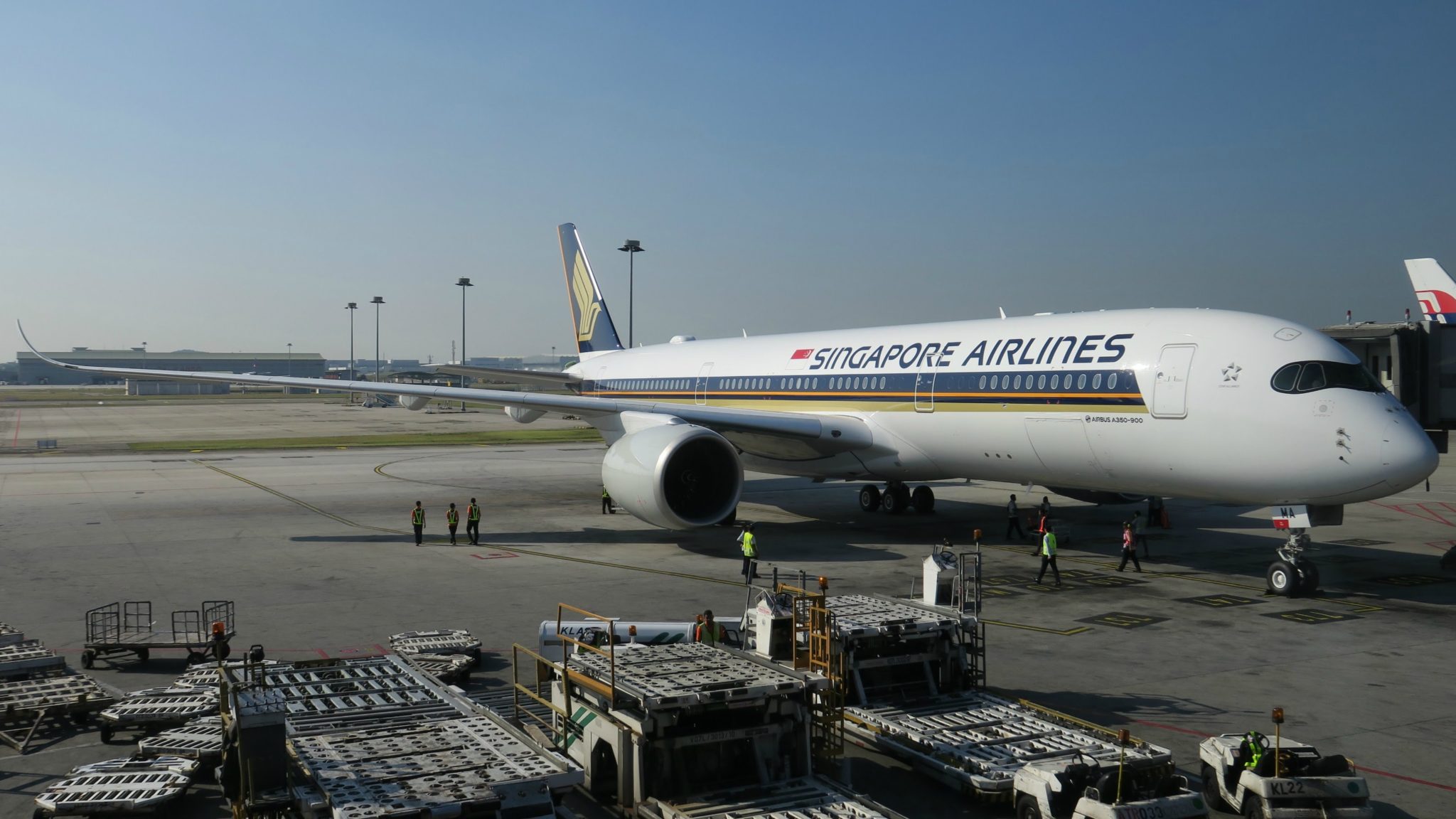
    Singapore Airlines passengers will see a change to short-haul economy class catering as the carrier ditches casseroles and appetizers in favour of boxed meals. Beginning on December 1, flights under three and a half hours will feature a rotation of more than 40 new Singaporean and international dishes.

    Economy class passengers on Silkair, a subsidiary of SIA, will also see the same catering changes as the regional carrier edges closer to fully merging with its parent.

    SIA’s new meal concept follows a broader trend among industry peers to shake up the economy class dining experience. In recent years, Delta and Qantas, for instance, have moved towards bistro-style catering on international flights with an emphasis on quality over quantity.

    Yeoh Phee Teik, senior vice president customer experience at Singapore Airlines, commented:

    “We are delighted to be able to offer a greater variety and quality of meals on our short-haul flights, including selections from Singapore’s popular local favorites that we hope both Singaporeans and international customers will find familiar and comforting.”

    The revamped breakfast dishes on SIA flights include congee with pork ball and century egg, mee siam, and pear cinnamon steel-cut oat porridge. Outside of meal hours, soups such as beef barley, beef goulash, and white bean with smoked duck, will be served.

    Meanwhile, flights featuring lunch or dinner will serve heartier courses including beef brisket with egg noodles, laksa goreng, and lamb albondigas. This is complemented by a variety of cakes for dessert, such as pulut hitam (pictured above) and earl grey chiffon.

    SIA said the new meal concept will help reduce the amount of inflight waste. By opting for leak-proof paper boxes, bamboo cutlery, and a simplified meal-offering, the airline will reduce single-use plastic consumption by 80 percent by weight.

    The boxed meals hold the same amount of food as the previous casseroles, according to the airline. However, SIA will remove appetizers such as bread rolls and fresh fruit portions, previously standard with economy class meals, as part of the new concept.

    A SIA spokesperson said:

    “We have done an extensive research to understand our customers’ preferences. From this, we have learned that most customers prefer a larger portion of the main course compared to an appetizer. We also found that there was high waste of appetizers, especially on short-haul flights. As such, we have removed the appetizers in [short-haul] economy class as part of efforts to reduce food waste.”

  • Airbus resells six unwanted jets built for AirAsia

    Airbus resells six unwanted jets built for AirAsia

    Airbus has found buyers for six aircraft from the A320neo family rejected by one of its main customers, Malaysia’s AirAsia, as it works off a surplus left by the coronavirus crisis, industry sources said.

    Unwanted jets have become an emblem of pandemic-induced problems in the aerospace industry that have come on top of a chill in ties between two of its major players.

    Tensions became unusually public when Airbus in April invited tenders for six jets that AirAsia had failed to take delivery of.

    It has now found homes for all six, the last of which is being delivered this month, a European industry source told Reuters. Airbus provided no comment.

    Airbus has been steadily increasing deliveries as it strikes deals with airlines to reschedule deliveries or store jets.

    It said last month it had reduced an overhang that it had been unable to deliver during the crisis by 10 units to 135 jets. The redeployment of AirAsia orders is expected to trim the surplus further as deliveries top output in November.

    Airbus is seeing strong demand, relative to the rest of the battered sector, for its A321neo jet, and the aircraft has broadly held its value, the European source said. It is sticking with plans to increase output of the single-aisle jets.

    The A321neo competes with the two largest versions of the Boeing 737 MAX, which won approval last week to re-enter service after a 20-month grounding in the wake of two crashes.

    Boeing is expected to re-sell dozens of 737 MAX whose buyers cancelled during the grounding, potentially depressing prices.

    According to the UK-based consultancy IBA Group, all aircraft have lost some value during the COVID-19 crisis but the A321neo is trading around 5% below its inherent value while the MAX is 10% below – hurt also by the recent grounding.

    Doubts remain, however, about demand for a larger Airbus, the A330neo, whose largest customer, AirAsia’s long-haul unit Air Asia X, is seeking new funding to survive.

    AirAsia said in April it would stop taking deliveries of all Airbus jets this year and review remaining orders.

    The move exacerbated concerns about demand in Southeast Asia, which was already struggling with overcapacity before the crisis.

    AirAsia’s relations with Airbus were further clouded when it was drawn into an Airbus bribery case before being cleared by local investigators, industry sources have said.

    AirAsia co-founders denied any wrongdoing in a sports sponsorship deal cited in a wider Airbus bribery settlement with prosecutors in January. The European source said AirAsia remained an important partner for Airbus.

  • AirAsia India plans expansion; to induct 3 more A320 neos by June 2021

    AirAsia India plans expansion; to induct 3 more A320 neos by June 2021

    Budget carrier AirAsia India plans to add three more Airbus A320 neo planes by June next year as part of its fleet and network expansion. The airline — a joint venture between Tatas and Malaysia’s AirAsia Investment currently has 32 aircraft, including two A320 neos inducted recently.

    In a statement to PTI, an AirAsia India spokesperson said the airline had signed an agreement for inducting five A320 neo planes last year.

    The Bengaluru-based airline took delivery of the first A320 neo in October and another one earlier this month.

    “We will be inducting our third Airbus A320 neo in December and we look forward to inducting our fourth and fifth A320 neo by June 2021,” the spokesperson said in the statement.

    The statement was issued in response to the queries sent to the airline’s managing director and chief executive officer Sunil Bhaskaran.

    On November 17, Malaysia’s AirAsia Berhad had said it was reviewing its investment in AirAsia India. Against this backdrop, there have also been concerns about the domestic airline.

    Indicating that AirAsia India is on an expansion path, the airline’s spokesperson said it is planning to scale up the capacity to 70 per cent from 55 per cent at present.

    “We are soon planning to amp up our capacity to 70 per cent,” the statement said.

    Domestic commercial flights were suspended for two months from March 25 to curb the spread of coronavirus infections.

    The Civil Aviation Ministry permitted increasing the capacity to 45 per cent with effect from June 27 from a maximum of one-third at the time of resumption of domestic flights from May 25. It was scaled up to 60 per cent from September 2.

    Airlines were allowed to operate at 70 per cent of the pre-COVID-19 capacity from November 11.

    Earlier this month, senior AirAsia India officials informed travel agents that it remains on the path of serving Indian market by growing its network and scale of operations.

  • Vietnam Airlines to get bailout funds after pandemic impacts

    Vietnam Airlines to get bailout funds after pandemic impacts

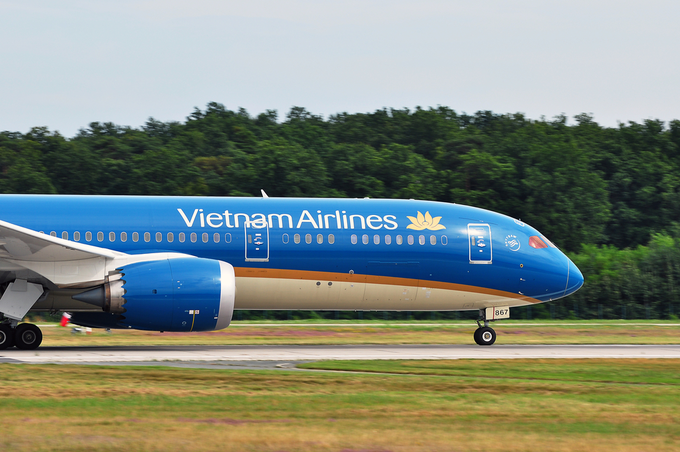
    The National Assembly has approved several measures to help national flag carrier Vietnam Airlines overcome the financial impacts of Covid-19.

    A parliamentary resolution passed Tuesday allows the State Bank of Vietnam to refinance and offer loan extensions no more than two times to banks that would lend Vietnam Airlines additional capital for the company to continue its operations.

    The carrier will also be allowed to sell more shares to existing shareholders to increase its charter capital in accordance with the Law on Securities, but is exempt from the condition that its business being profitable in the year prior to the offering.

    The State Capital Investment Corporation (SCIC), a state-owned holding company, will act on behalf of the government to purchase Vietnam Airlines shares.

    The NA has asked for strict inspection and auditing of the measures when they are carried out. It has also asked Vietnam Airlines to continue building its own solutions for reducing losses and taking care of its employees in the context of the pandemic continuing to develop in complicated ways.

    Vietnam Airlines has sent 14 reports to relevant state agencies and met with government representatives several times, seeking assistance in tackling financial problems posed by the pandemic.

    The carrier has suggested the government grants it a relief package of VND12 trillion ($518.53 million), including options for refinancing and raising its charter capital.

    It reported a loss of VND10.75 trillion ($464 million) for January-September, during which its revenues fell 58.3 percent year on year to VND23.9 trillion.

    It transported 10.2 million passengers during the nine months, down 41.2 percent year-on-year.

    The airline has blamed its plight on the pandemic’s impacts. It has cut sales, financial and management expenses, reduced salaries of pilots and flight attendants. It has also increased operations of repatriation flights.

    The carrier’s third-quarter revenues fell 68 percent year-on-year after the second Covid-19 outbreak hit the country late July. The third quarter is usually the highest revenue earner of the year as schools close and summer travel peaks. The second outbreak forced the carrier to cancel 22 new domestic routes during the peak period.

    Vietnam Airlines currently operates more than 60 domestic routes with an average of 300 flights per day. It has resumed one-way flights to Japan and plans to reopen routes soon to mainland China, Taiwan, Laos and Cambodia.

    The airline has estimated this year’s total loss at around VND15.2 trillion on revenues of VND55.7 trillion.

  • Airasia.com Super Sale returns with a flurry of bargain offers

    Airasia.com Super Sale returns with a flurry of bargain offers

    airasia.com has launched a second Super Sale via its ‘super app’, offering a range of deals starting from as low as RM1.99 (US$0.48) from 16 to 22 November

    The airasia.com Super Sale made its debut last month, superseding the hugely popular AirAsia Free Seats sale.

    The airasia.com super app offers a range of products and services, including fresh produce, groceries, food deliveries, travel & lifestyle products, Muslim-friendly services, and health & wellness packages.

    airasia.com can be accessed via website or mobile app and customers can use BigPay Checkout for a seamless payment experience across all product lines.

    Throughout the airasia.com Super Sale period, shoppers can enjoy up to -50% off from selected merchants on airasia Fresh with a RM1 delivery fee. They can also get 50% off from selected merchants via airasia Food, the online food ordering platform which runs on a zero-commission model.

    Other deals include Buy 1 Free 1 for selected skincare, cosmetics, accessories and more on airasia Shop; -50% off with an additional -5% discount with the promo code ‘SUPER5’ for Unlimited Deals; -10% off Aqiqah Abroad and Aqiqah Makkah on Ikhlas; an aesthetics bundle from RM299 (US$73) on airasia Health and many more.

    airasia.com CEO Karen Chan said: “Since the launch of airasia.com as an Asean super app in October, we have continued to expand our market reach and diversify our product range across the region. We have recently launched the AirAsia Unlimited Pass in the Philippines, Thailand and Indonesia, and introduced airasia Health in Malaysia – a platform that provides end-to-end medical services.

    “We are also working on expanding our eCommerce presence within Asean through strategic partnerships and collaborations with technology providers, merchants and vendors.

    “The airasia.com Super Sale this time offers even more exciting deals as we have included more products and merchants. Through the Super Sale we are able to help further revive the many businesses that have been affected by the effects of the pandemic. We hope everyone will have an enjoyable time shopping and finding the best deals for travel, activities, food, rewards and more,” she added.

    On top of the discounts, shoppers can also earn 3x BIG Points when they pay with the AirAsia credit card during the airasia.com Super Sale. BIG members also have the option of paying using BIG Points.

  • AirAsia X makes creditor status concession to Malaysia Airports

    AirAsia X makes creditor status concession to Malaysia Airports

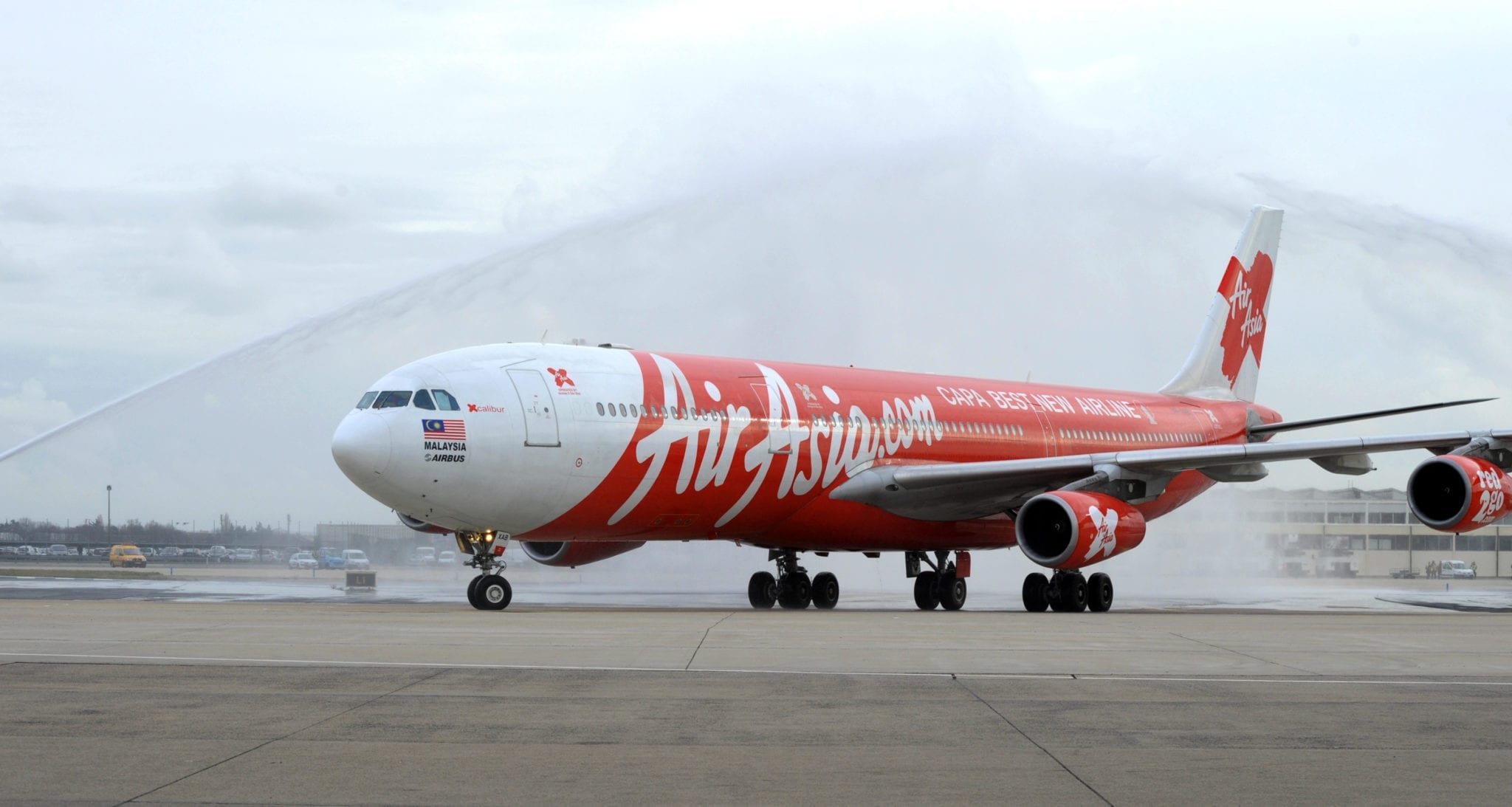
    AirAsia X has agreed to classify Malaysia Airports as a secured creditor, as it seeks to expedite its massive debt restructuring program.

    “After consultation, AirAsia X has accommodated [Malaysia Airports] and made certain clarifications and revised the scheme under two separate classes ’A’ and ‘B’,” says the carrier in a statement.

    “Class A shall consist of creditors who are considered critical or essential and who may have secured and/or other rights. Class B shall consist of creditors who do not fall within Class A.”

    In a separate stock exchange filing, AAX states that Malaysia Airports’ legal challenge contended that as a secured creditor it has the right to detain aircraft, parts, accessories, vehicles, and other equipment.

    AAX adds that it makes the status change “in the interest of time,” a reference that it hopes to come to an agreement with creditors in the first quarter of 2021. Announced on 6 October, AAX’s proposal calls for restructuring MYR63.5 billion into an “acknowledgment of indebtedness” for up to MYR200 million payable over the next five years at a 2% interest rate.

    Following the airline’s proposed debt restructuring on 6 October, Malaysia Airports filed a legal challenge protesting its being lumped in with unsecured creditors. Malaysia Airports is also suing AAX for MYR78.2 million ($19 million) in unpaid passenger service charges (PSC) – the subject of a long-running dispute between the two parties.

    The airline also notes that Malaysia Airports has threatened to take legal action against its directors in their personal capacity over the PSC issue, which it claims is “intimidatory in nature.”

    “AirAsia X also wishes to report that major creditors have all demonstrated great maturity, professionalism, constructive engagement and commercial realism in dealing with the debt restructuring exercise,” it says.

    “Though the process is on-going and a common consensus remains to be reached, AirAsia X looks forward to being able to present the revised scheme for all creditors to vote on early in the first quarter of 2021.”

    Assuming 75% of creditors go along with AirAsia X’s proposal and other approvals are obtained, AirAsia X basically aims to start afresh in 2021, initially operating a pair of A330s, and working up to a full network by the end of next year.

    Creditor BOC Aviation has also opposed the restructuring via legal means, with a challenge in the High Court of Malaya on 14 October. In September, before AAX announced its restructuring, the lessor filed a claim against the carrier for nearly $23 million in a London court.

    AAX, lossmaking even before 2020’s coronavirus pandemic, faces an existential crisis owing to the collapse in international air traffic to and from Malaysia this year. In the second quarter, operating losses widened to MYR323 million on revenues of MYR91.4 million, which were down 91% from a year earlier. Its cash and cash equivalents at 30 June stood at MYR212 million, down 31% from three months earlier.

    The airline operates 41 A330s, of which 18 are leased. It also has orders for 116 Airbus jets comprising 76 A330neos, 10 A350-900s, and 30 A321XLRs.

  • AirAsia X set to amend debt revamp plan

    AirAsia X set to amend debt revamp plan

    AIRASIA X, the low-cost long-haul affiliate of AirAsia Group Bhd, is expected to file an amendment to its originating summons next week, to make its debt restructuring proposal more palatable to the 1,200 unsecured creditors that the airline is asking to write down their dues.

    This was disclosed to Kuala Lumpur High Court Judicial Commissioner Anand Ponnudurai by the lawyer for AAX last Friday (Oct 30). The matter came up before Anand at a case management hearing of an application by several of AAX’s unsecured creditors to intervene in the airline’s application for leave to hold a creditors’ meeting to vote on its proposed debt restructuring scheme.

    Sources say AAX seeks to amend its originating summons, as well as some of the terms of its proposed scheme. This comes as more lessors and creditors have come out against AAX’s proposed scheme that was disclosed on Oct 6.

    Under its proposed scheme, AAX is seeking to get at least 75% of the total debt value of its unsecured creditors to agree to take a 99% haircut, effectively cutting RM2 billion in current debts and another RM61 billion in future liabilities to RM200 million. It also entails undertaking a 90% share capital reduction to RM150 million from RM1.53 billion currently, and a consolidation of every 10 existing shares into one consolidated share.

    It is learnt that apart from airport operator Malaysia Airports Holdings Bhd (MAHB) and aircraft leasing company BOC Aviation Ltd, Macquarie Aircraft Leasing Services (Ireland) Ltd, Sky High I Leasing Co Ltd and three other creditors are the latest to file an intervention application for their objections to the proposed debt restructuring scheme to be heard. Oct 30 was initially the date of the hearing for AAX’s application for leave to convene the creditors’ meeting for purposes of voting on the proposed scheme.

    Sources say during the case man­agement hearing, AAX had no objections to the intervention application filed by the creditors, which means the concerned parties are allowed to intervene and take a position in terms of the proposed scheme.

    According to sources, Anand has also decided to recuse himself from the case, as he had previously appeared on behalf of AirAsia in its dispute with MAHB and the Malaysian Aviation Commission before he was pulled from private practice into the judiciary last November.

    It is understood that another case management would be held next week to fix the leave hearing for the concerned creditors to raise the reasons for their objections to the proposed debt restructuring scheme. This is likely to be held before Judicial Commissioner Ong Chee Kwan.

    “At the leave hearing, the creditors will then state if they think the proposed scheme is not good, unfair, or that they want to be excluded from the scheme,” one source said.

    Sources also say the hearing date for AAX’s application for leave to hold the creditors’ meeting to vote on its proposed scheme is also expected to be fixed at next week’s case management hearing. “Depending on the judge’s schedule and subject to the availability of all the lawyers (representing the scheme creditors), the hearing could be held at the end of November or early December. Of course, it is best for AAX to hold the creditors’ meeting as soon as possible,” another source adds.

    On a recent report that AAX plans to revise its scheme to address concerns raised by MAHB to be excluded from it — as the airport operator takes the view that it is a secured creditor — sources say this was not raised during the case management hearing on Oct 30. “There is nothing formal to suggest their removal (from the scheme) at the moment,” says one source.

    At the case management hearing, AAX was represented by Foong & Partners with Gopal Sreenevasan as its lead counsel. MAHB and Sky High were represented by Claudia Cheah of Skrine while BOC Aviation and Macquarie were represented by Kwan Will Sen and Joyce Lim of Lim Chee Wee Partnership. David Hoh, counsel for Abdullah Chan, represented three other creditors.

    On Oct 22, MAHB announced that it was suing AAX to recover RM78 million in outstanding aeronautical charges. The debt that it is owed is less than 0.01% of the total debt owed in the proposed scheme, it added.

    BOC Aviation had also filed an intervention application in the court for its objections to the proposed scheme to be heard. It is seeking about US$30 million in dues from AAX.

  • AirAsia awarded Asia’s Leading Low-Cost Airline &  Low-Cost Airline Cabin Crew at World Travel Awards 2020

    AirAsia awarded Asia’s Leading Low-Cost Airline & Low-Cost Airline Cabin Crew at World Travel Awards 2020

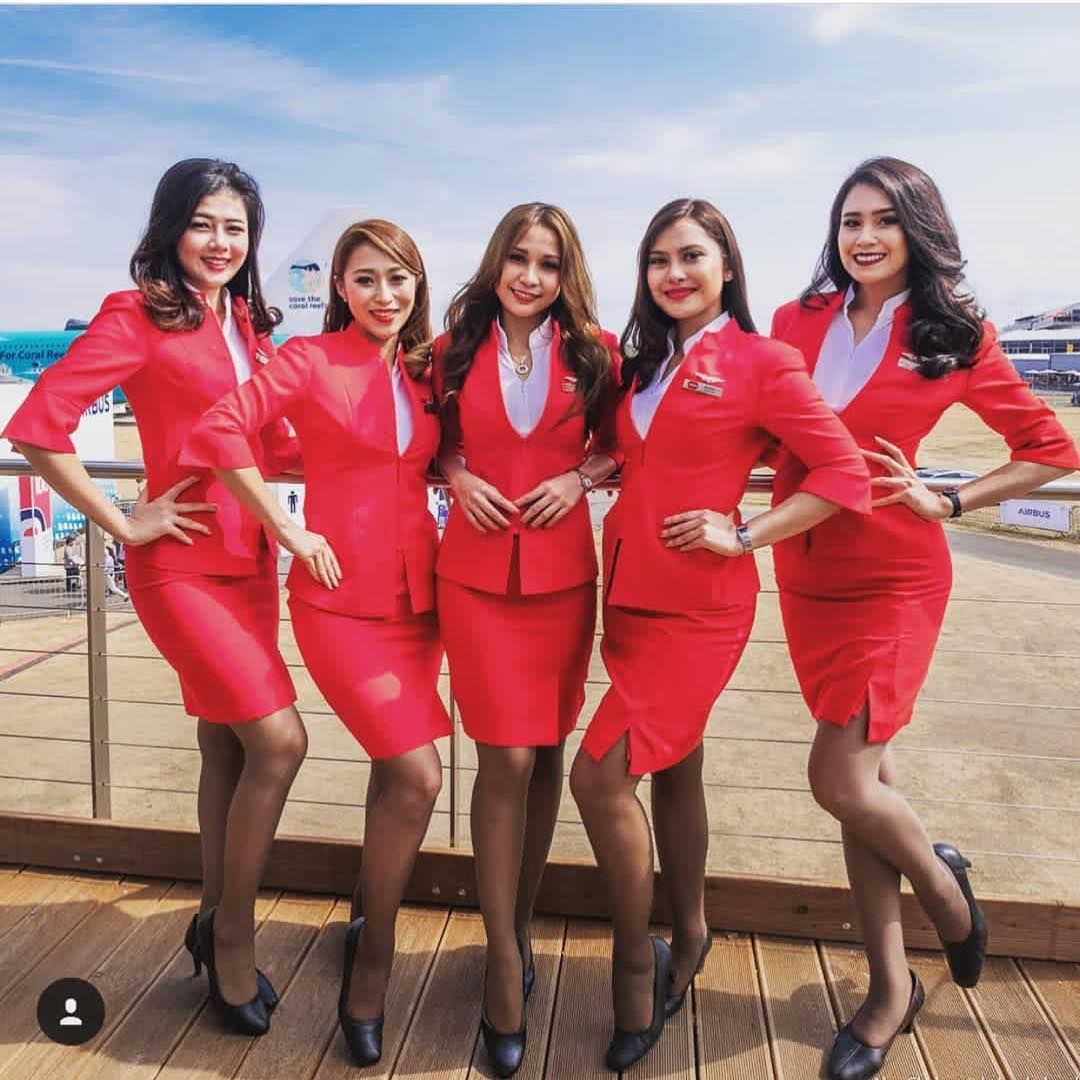
    AirAsia has been awarded Asia’s Leading Low-Cost Airline for the eighth consecutive year at the World Travel Awards (WTA) – one of the most prestigious, comprehensive and sought after awards programs commemorating excellence across key sectors of travel, tourism, and hospitality.

    AirAsia emerged top in the category having received the highest votes from travel professionals and industry players from around the region, ahead of regional players such as Scoot, Nok Air, VietJet Air, Jetstar and Firefly to win the top low-cost carrier awards – Asia’s Leading Low-Cost Airline 2020 and Asia’s Leading Low-Cost Airline Cabin Crew 2020.

    Tony Fernandes, CEO of AirAsia Group said, “I am deeply humbled and honored to receive Asia’s Leading Low-Cost Airline 2020 Award for the eighth consecutive year. Winning the award this year is more important than ever and is of profound sentimental value as the industry is going through the most turbulent times. Our gratitude goes to every one of our over 600 million guests for their continued support and faith in us since day one, and their understanding as we weather through the most difficult period in AirAsia’s history. Most importantly, this award is dedicated to AirAsia’s Allstars (staff), including those who have left us recently through no fault of their own. I thank every Allstar for their commitment, perseverance and dedication  as we navigate our way through this incredibly challenging year.”

    AirAsia Group Head of Cabin Crew Suhaila Hassan said, “This pandemic has taken a toll on all of us, and the journey has been far from easy. Despite the crisis, I can say with confidence that our dedicated crew has risen to the challenge to show their service excellence and hospitality, adapting to the constantly changing rules and regulations. Our focus is to safeguard the wellbeing, health, and safety of each guest. And this award is a testament to our hard work and passion.”

    World Travel Awards Founder Graham E Cooke said, “Despite the unprecedented challenges faced by the aviation industry this year, AirAsia continues to lead the way in low-cost aviation in Asia and beyond. Its strive for excellence remains unrivaled and I am delighted that it has been acknowledged by both the travel trade and the public by being voted ‘Asia’s Leading Low-Cost Airline 2020’ and ‘Asia’s Leading Low-Cost Airline Cabin Crew 2020’.”

     Established in 1993, the World Travel Awards, one of the most prestigious and noteworthy awards programs in the global and tourism industry, acknowledges and celebrates excellence across key sectors of travel, tourism, and hospitality. The World Travel Awards brand is globally recognized as the ultimate hallmark of industry excellence.

    Despite the incredible challenges faced by the aviation industry over the course of 2020, this year’s World Travel Awards program saw record month-on-month voting numbers from the all-important tourism consumers, whilst the official website continues to receive more search traffic than in any previous year. Organizers say, this indicates that the hunger for travel and tourism is as strong as ever, providing encouraging signs to all in the aviation and tourism industries.

  • AirAsia offers UNLI Flight pass for a limited time only

    AirAsia offers UNLI Flight pass for a limited time only

    The tourism industry is slowly recovering, starting with the re-opening of Boracay to leisure travelers. More flights, accommodations, and tours are resuming operations to accommodate excited travelers after being stuck at home for so long! With travel restrictions gradually being lifted in the Philippines, AirAsia introduces a unique product that will allow people to travel as many times as they want around the Philippines. Yes, you read it right!

    Filipinos are known to always seek the best deals: Buy-one, take-one, 50% off, and unlimited offers on Korean BBQ, rice, and call and text promos, but have you heard of unlimited flights? AirAsia is offering the UNLI Flight pass for a limited time only!

    What is the AirAsia UNLI Flight Pass?

    UNLI Flight Pass offers a travel bundle so you can fly as many times as you want to any AirAsia domestic destination available on airasia.com or AirAsia’s mobile app for a fixed price of only PHP 4,999. The promo covers flights from AirAsia’s domestic hubs (Manila, Cebu, Clark) to your favorite island destinations such as Boracay, Cebu, Palawan, Davao, Bacolod, Zamboanga, General Santos, and so much more. The UNLI Flight Pass is perfect for both leisure and business travelers alike, especially those who are frequent flyers who aim to get a good deal.

    The UNLI Flight Pass is valid for a year, so you can plan and plot your trips ahead of time. Scratch your travel itch and grab your very own AirAsia UNLI Flight Pass available for purchase on airasia.com, through the ‘Unlimited Deals’ tile. The pass purchase period will start from November 2 until November 8, 2020, wherein flights can be redeemed from November 9, 2020 until October 16, 2021, and be used to travel between November 23, 2020 and October 30, 2021.

    How to Purchase UNLI Flight Pass?

    • Log in to your BIG Member account. If you haven’t, register already. It’s for free!

    • Click the AirAsia UNLI Flight Pass bundle

    • Purchase and pay. Only Credit and debit cards will be allowed.

    • Receive your confirmation voucher via e-mail

    How to Redeem Flights using the UNLI Flight Pass?

    • Log in to your BIG member account on Airasia ‘Unlimited Deals’

    • Select your purchased UNLI Flight Pass, confirm your full name (upon first redemption only), and click “Redeem”

    • Search dates and choose flights labeled ‘100% OFF’

    • Enter your passenger details

    • Pay any add-ons, taxes, and other fees

    • Receive your flight itinerary in your e-mail

    Disclaimer: Flights redeemed with the Unlimited Pass are subject to government taxes and fees, add ons, and other applicable charges. Seats are subject to availability. Embargo dates and other terms and conditions apply.

  • Vietjet posts $39.8 mln loss

    Vietjet posts $39.8 mln loss

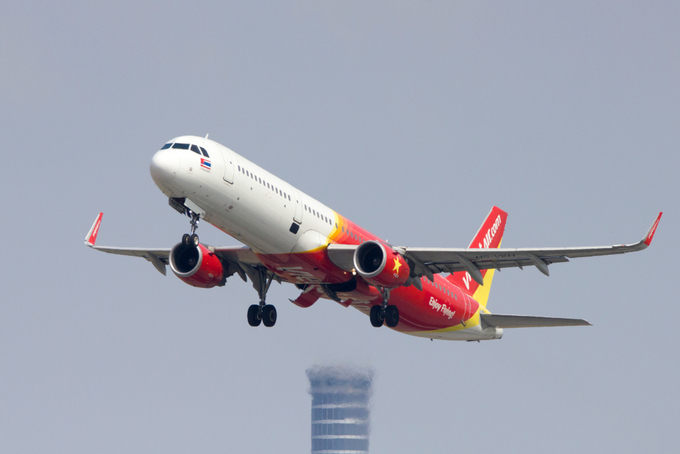
    Budget airline Vietjet has recorded a loss of nearly VND925 billion ($39.83 million) in the first nine months due to pandemic-imposed flight restrictions. The second-largest airline in Vietnam in terms of market share saw Jan-Sept revenues fall 64 percent year-on-year to VND13.78 trillion, according to its Q3 financial statement.

    Vietjet served over three million passengers in the third quarter and opened eight new domestic routes, bringing the total number of routes to 52.

    However, the second Covid-19 outbreak in the last week of July and throughout August brought down travel demand again, resulted in Q3 revenues falling nearly 80 percent year-on-year to VND2.8 trillion. The total number of domestic flights plunged 35 percent to just over 15,000 in this period.

    The budget carrier has been increasing the number of cargo flights to make up for dwindling revenues from passenger flights and increase the application of the self-service system at the Noi Bai International Airport in Hanoi to lower costs.

    Last year Vietjet posted a pre-tax profit of VND5.01 trillion, down 14 percent from 2018.

  • Cebu Pacific and SIAEC dismantle maintenance joint ventures

    Cebu Pacific and SIAEC dismantle maintenance joint ventures

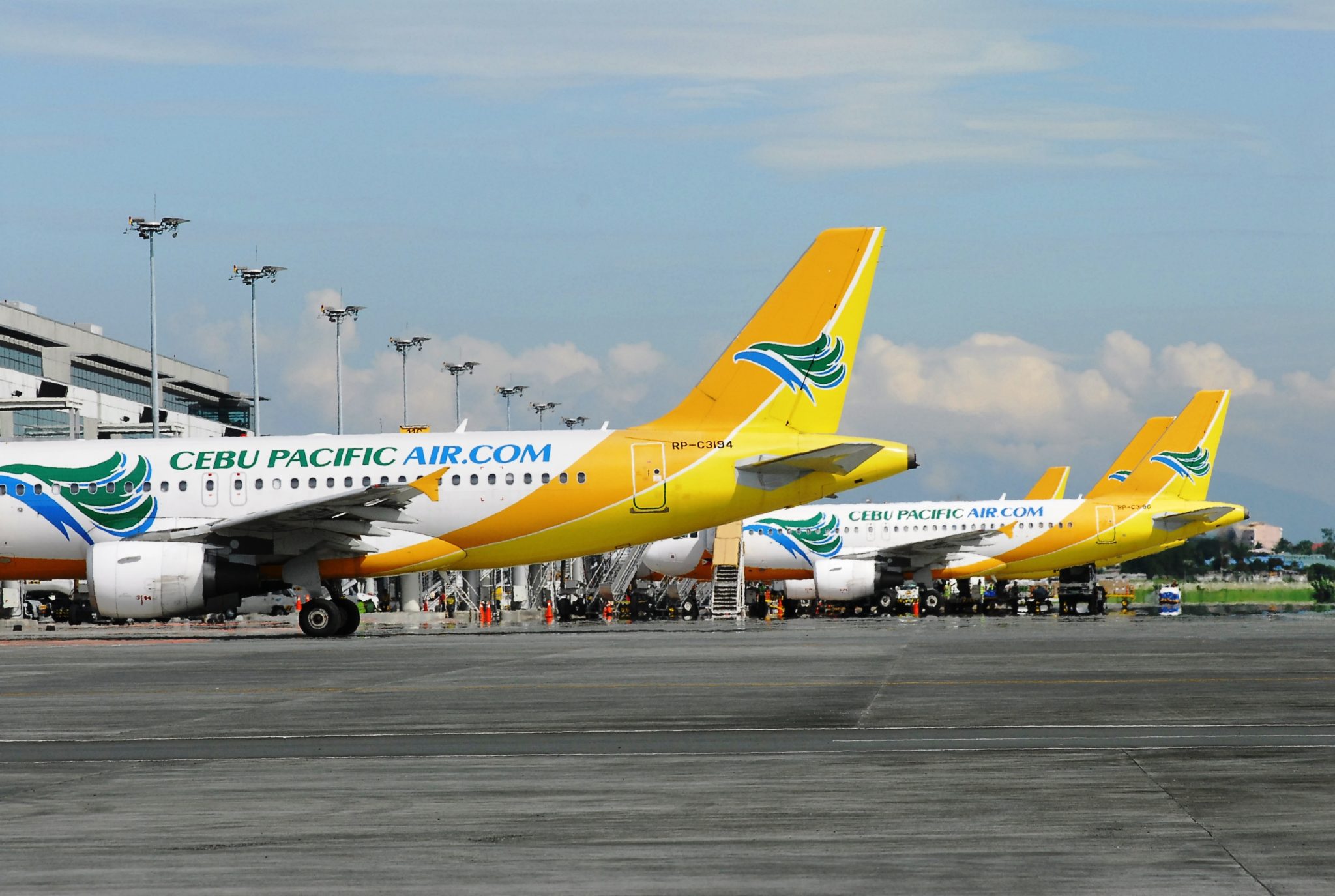
    Cebu Pacific Air (CEB) and SIA Engineering are unwinding their partnership in both their joint venture MRO companies based in the Philippines.

    These are Aviation Partnership (Philippines) Corporation (APPC), 51% owned by SIAEC and 49% by CEB, and SIA Engineering Philippines Corporation (SIAEP), 65% owned by SIAEC and 35% by CEB, established in 2005 and 2008, respectively. SIA Engineering Philippines is based in Clark.

    APPC is based in Manila and provides line maintenance, light aircraft checks, technical ramp handling, and other MRO services, at Manila, Cebu, Davao, and Clark, as well as other secondary airports in the Philippines.

    Clark-based SIAEP provides airframe maintenance, repair, de-lease checks, cabin retrofits, and overhaul services for Boeing 737, Airbus A320, and A330 aircraft, as well as line maintenance at Clark.

    CEB is acquiring SIAEC’s entire 51% stake in APPC for a cash consideration of nearly $5.61 million.

    SIAEC is acquiring CEB’s 35% stake in SIAEP for $7.74 million cash and states that this will be accounted for as an equity transaction.

    CEB and SIAEC signed on 26 October a share sale and purchase agreement for each entity. When completed, each joint venture company will become a wholly-owned subsidiary of the acquiring partner while the divesting partner will cease to hold any equity interest.

    The valuation for each transaction was arrived at after arm’s length negotiations on a willing-buyer, willing-seller basis, taking into account the net asset value and financial performance of each joint venture, among other factors.

    SIAEC states in a disclosure to the Singapore Exchange that based on each entity’s unaudited financial statements for the financial year ended 31 March, 51% of APPC’s net asset value was equivalent to $4.76 million and 35% of SIAEP’s net asset value was $9.32 million.

    According to CEB’s disclosures to the Philippine Stock Exchange, its financial statements for the quarter ended 30 June put its net carrying value of a 35% stake in SIAEP at $7.5 million while 51% of APPC’s net asset value works out to $4.5 million.

    CEB says that acquiring APPC is in line with its overall strategy to align line maintenance operations with its network and service requirements more closely, “for significant operational efficiencies and optimization of resources for an even stronger competitive advantage.”

    SIAEC says that the SIAEP acquisition fits its strategy to strengthen core competencies and enhance the entity’s status as the group’s center of excellence for narrowbody aircraft MRO offerings.

    It states: “The SIAEC Group is now in a stronger position to seize new opportunities, and provide customers with cost-competitive and integrated MRO solutions, from airframe to engines and components, for modern aircraft fleets of various sizes and composition.”

  • AirAsia X ‘out of money’

    AirAsia X ‘out of money’

    The long-haul budget carrier AirAsia X Bhd has run out of money and needs to raise up to 500 million ringgit (US$120 million) to restart the airline, according to deputy chairman Lim Kian Onn. The Malaysia-based affiliate of AirAsia Group said this month it wanted to restructure 63.5 billion ringgit ($15.3 billion) worth of debt and slash its share capital by 90% to continue as a going concern.

    “We have run out of money,” Lim said in an interview. “Obviously, banks will not finance the company without shareholders, both old and new, putting in fresh equity. So, a prerequisite is a fresh equity.”

    He said the airline had actual liabilities of 2 billion ringgit, with the larger figure of 63.5 billion ringgit including all lease payments for the next eight to 10 years and its large order for Airbus planes and contracted engine maintenance with Rolls-Royce.

    “If we find 300 million ringgit in new equity, then the shareholder funds are 300 million at the restart of business and if we are able to borrow 200 million ringgit, we feel that we will have a good platform to start all over again,” Lim said.

    He said AirAsia X also needed to convince its lessors of its business plan, adding that an unnamed lessor recently took back one of the airline’s planes to convert it to a freighter.

    The airline plans to liquidate its small Indonesia-based carrier and has completely written down its stake in Thai AirAsia X, with the Thai carrier not part of the restructuring scheme, Lim said.

    Rival Malaysia Airlines is also in financial trouble, but Lim said there would be “no good outcome” from seeking to merge two airlines in dire straits.

    Initial negotiations with creditors have been tough as they are understandably upset, Lim said in the interview. They had asked for better terms, including free equity for the forgiven debt — something that would be impossible for the airline to fulfill, he added.

    Still, Lim said all of them genuinely wanted to find a common ground to take the airline forward. “No one has anything to gain from our demise,” he said.

    The airline is planning to resume flights in the first quarter of 2021, though the process remains “dynamic”, said Lim. Should the rescue plan get approval, the company will have to renegotiate every single contract and will do its best to look after all stakeholders’ interests, he said.

  • Come Fly With Me – Is the world ready for self-flying planes?  

    Come Fly With Me – Is the world ready for self-flying planes?  

    Come Fly With Me – Is the world ready for self-flying planes?

    Recently, Tesla has, once again, hit the headlines for all the wrong reasons as it prepares to roll out its self-driving cars, despite criticism that the technology is not yet ready. If we’re reluctant to accept self-driving cars, it would stand to reason that self-flying aircraft would be a no-no but, surprisingly, these are closer than we might think.

    This is not your Captain speaking

    To begin with, it’s important to understand the difference between automation and fully self-flying aircraft. In the modern world, most flights run automatically to a large extent. For example, with a commercial flight, a pilot will input a flight plan into the flight management system and will then manually guide the plane through take-off before engaging auto-pilot.  

    Although modern airplanes can land autonomously, they are usually monitored carefully by the pilot from the cockpit to ensure that everything stays on course. In contrast, when talking about self-flying planes, we’re referring to an aircraft which will conduct a flight from start to finish without a human pilot in the cockpit. Although this may initially sound terrifying, in reality, it’s not actually that much of a leap when we look at how much of the average flight is already automated.  

    As we speak, a number of airlines, including Boeing, are looking into the possibility of pilot-less flights with the benefits stated as cost savings and the elimination of pilot error during a flight. In fact, in July of this year, Airbus reported that it had successfully concluded tests on an airplane which can taxi, take off and land without a human pilot. Far from science fiction, Swiss Bank UBS concluded in a recent survey that pilot-less flights may be coming to an airport near you as soon as 2025. So, how will it work? 

    Technology in the upright position

    The answer to that question lies, of course, in the technology. Unlike the existing auto-pilot technology, safely operating pilot-less aircraft within busy airspace will require some really complex engineering, far beyond the ability to stay in the air for a period of time. In reality, a pilot-less aircraft will need to be able to:  

    • Taxi and take-off safely and accurately 
    • Seek out obstacles and dangers such as building, birds and other aircraft (including drones) 
    • Identify and address issues during a flight 
    • Make alterations to the course of a flight to take into account weather systems, failures and obstacles 

    This kind of advanced technology will require embedded software and the use of artificial intelligence in order to plan a safe path of motion and correctly execute such a path. The kind of capabilities needed will mean that the actual aircraft will be very different and will require a number of innovations including:  

    • Electric propulsion for the purposes of reducing urban emissions 
    • Lightweight frames for maneuverability and efficiency 
    • Redesign of the cockpit 

    This is how it could be done but, the other question is, should it be done? 

    Winging it

    The 2016 movie, Sully, tells the story of pilot, Chelsey Sullenberger, who made the decision to land an Airbus Airbus A320-214 in New York’s Hudson River after birds destroyed both engines. The movie highlights the fact that, despite the technology saying otherwise, Sullenber’s 42 years of experience told him that the aircraft would not make it to the nearest airport. For this reason, it’s easy to understand why many people are uncomfortable with the very idea of boarding a pilotless flight. However, whether we like it or not, we may be buckling up on a flight run entirely on technology in the next five years.

    The future of air travel

    2020 has been disastrous for the airline industry and, for the travel industry as a whole. By the 8th of October this year, 43 airlines had been forced to declare bankruptcy with more forecast to follow. As the airline industry struggles to recover from this extraordinary year, many will be looking to the concept of self-flying aircraft as a means of survival. In fact, some airlines are already introducing single pilot flights for freight and cargo which most agree is the first step toward full automation.  

    While self-flying aircraft will almost certainly play a role in the future of air travel, sceptics needn’t start to worry just yet. As with any innovation as important as this in terms of safety, there will need to be extensive testing and a huge number of guidelines to be set in place before our skies are filled with these airplanes of the future.  


  • Budget airline AirAsia X out of money, needs $120 million for restart

    Budget airline AirAsia X out of money, needs $120 million for restart

    Long-haul, low-cost carrier AirAsia X Bhd has run out of money and needs to raise up to RM500 million to restart the airline, deputy chairman Datuk Lim Kian Onn said in a newspaper interview published today.

    The long-haul arm of AirAsia Group Bhd said this month it wants to restructure RM63.5 billion of debt and slash its share capital by 90% to continue as a going concern.

    “We have run out of money,” Lim said. “Obviously, banks will not finance the company without shareholders, both old and new, putting in fresh equity. So, a prerequisite is fresh equity.”

    He said the airline had actual liabilities of RM2 billion, with the larger figure of RM63.5 billion including all lease payments for the next eight to 10 years and its large order for Airbus SE planes and contracted engine maintenance with Rolls-Royce Holdings plc.

    “If we find RM300 million in new equity, then shareholder funds would be RM300 million at the restart of the business, and if we are able to borrow RM200 million, we feel that we will have a good platform to start all over again,” he said.

    Lim said AirAsia X also needs to convince its lessors of its business plan, adding that an unnamed lessor recently took back one of the airline’s planes to convert it to a freighter.

    The airline plans to liquidate its small Indonesia-based carrier and had completely written down its stake in Thai AirAsia X in its books, with the Thai carrier not part of the restructuring scheme, Lim said.

    Malaysia Airlines Bhd is also in financial trouble, but Lim said there would be “no good outcome” from seeking to merge two airlines in dire straits.

    AirAsia X declined to comment beyond the details published in the newspaper article.