Tag: airline

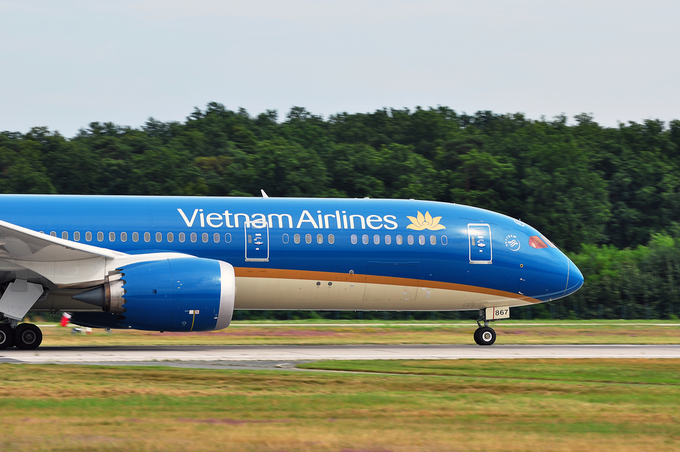
  • Vietnam Airlines pays local pilots 41% less than foreigners

    Vietnam Airlines pays local pilots 41% less than foreigners

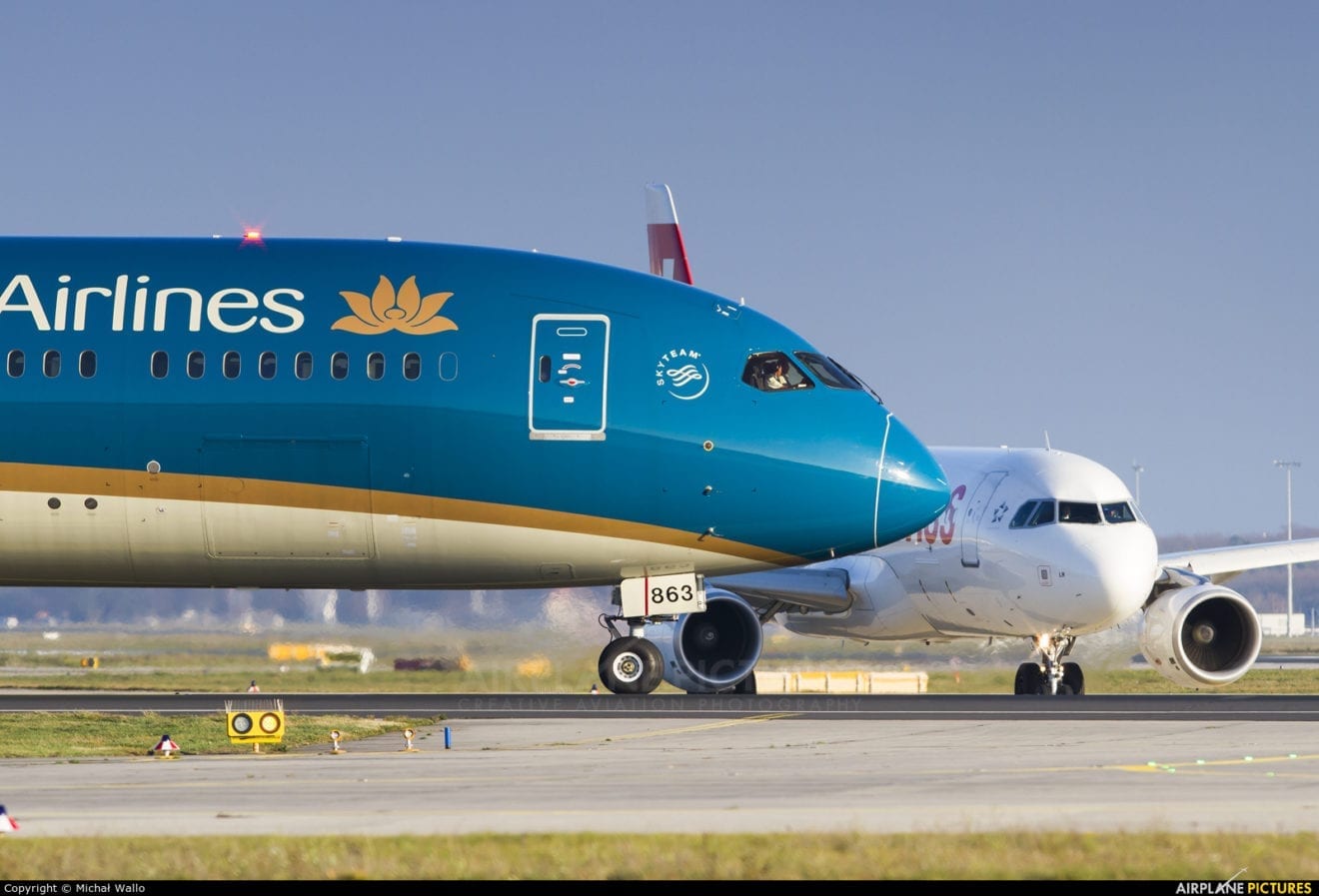
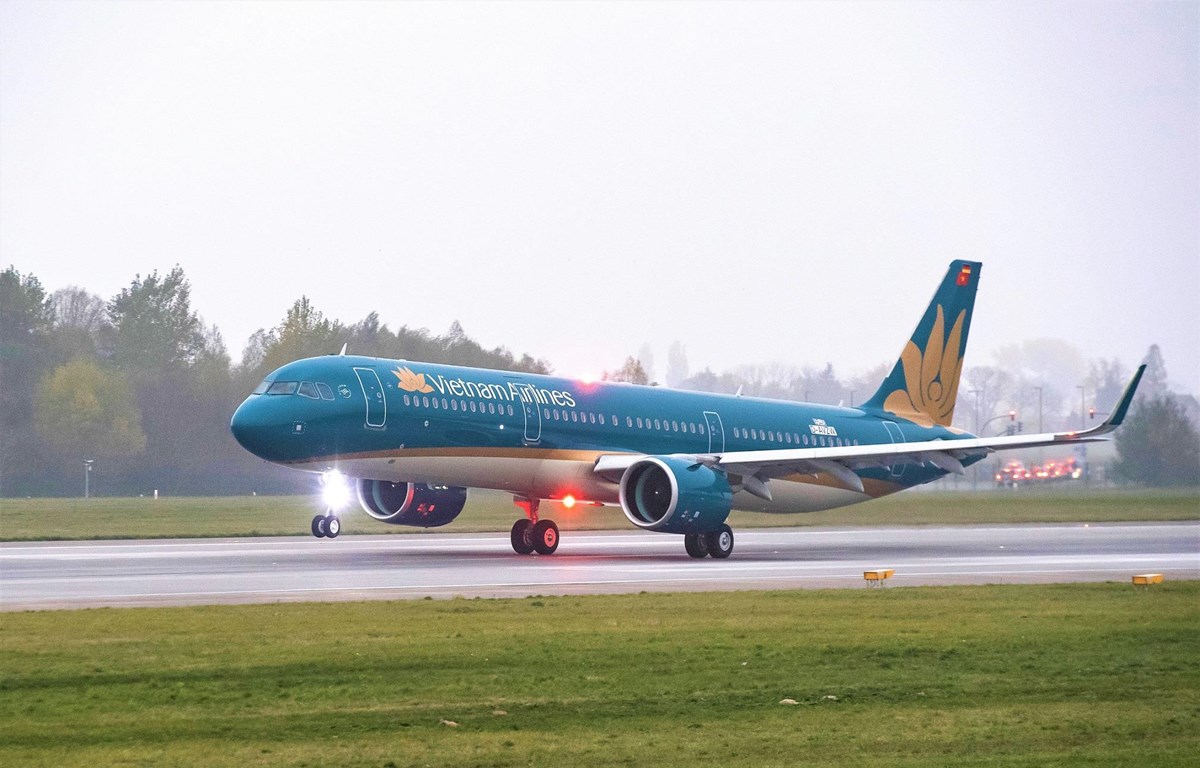
    The average monthly salary of Vietnamese pilots working for Vietnam Airlines was 41% lower than their foreign colleagues’ last year, a gap that caused many to quit.

    A recent report by the Ministry of Labor, Invalids and Social Affairs, which flagged this, said the 829 Vietnamese pilots working for the carrier received on average VND85 million (US$3,620) a month while the 152 foreign pilots got paid VND145 million.

    The latter work for Vietnam Airlines through a third-party agency and are not directly on its payroll.

    The airline plans to increase its payroll by 2025, when it will have 1,044 Vietnamese pilots.

    The average salary of Vietnamese pilots will be hiked by 59% by then to VND134.8 million.

    But foreign pilots’ salaries will be increased by 93% to VND279.2 million, increasing the wage gap between to 52%.

    The ministry said the carrier could not afford higher salaries for Vietnamese pilots, and the intense competition in the country’s skies means many pilots look for jobs elsewhere.

    Thirty five have quit since 2020, and more are set to leave when their contracts expire.

    The decline in number of Vietnamese pilots will place an even bigger burden on the airline since it will have to hire more foreign pilots, whose compensation is around VND2.5 billion a year each, including accommodation, insurance and others.

    Assuming the airline loses 120-140 Vietnamese pilots every year, it would have to spend VND300-600 billion on hiring foreign replacements and face greater risk of flight cancelations.

    It is therefore necessary to increased the salary budget to ensure stable operations, the ministry said.

    If it is increased by VND300 billion annually, the current 41% salary gap would decrease to 30%, and if the hike is VND800 billion, the gap would shrink to 10%, it said.

    But the increase must be tied to commitments from the airline that it would achieve its profit and revenue targets so that its losses do not bloat further, it added.
  • Bamboo Airways owes director $329M

    Bamboo Airways owes director $329M

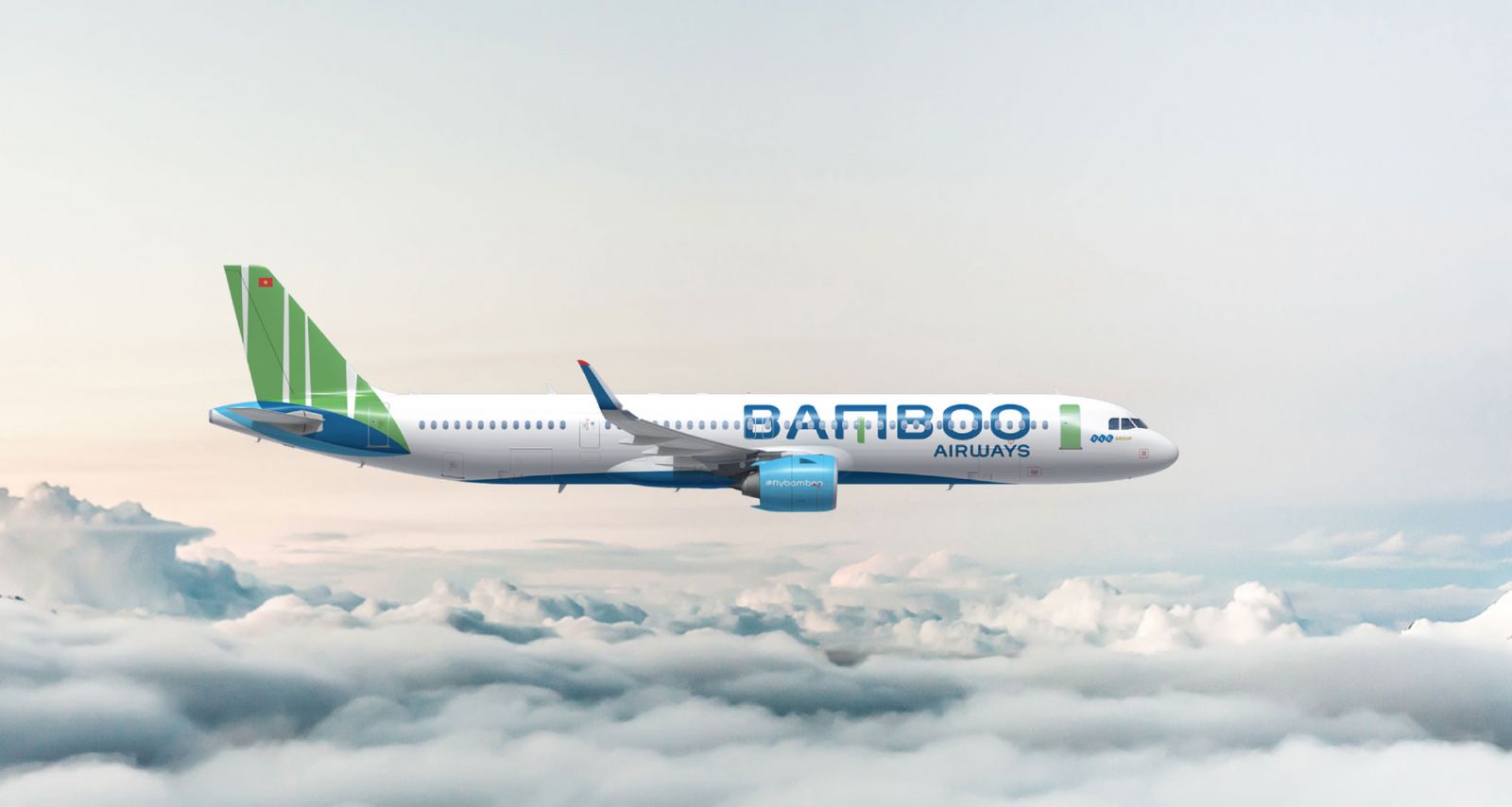
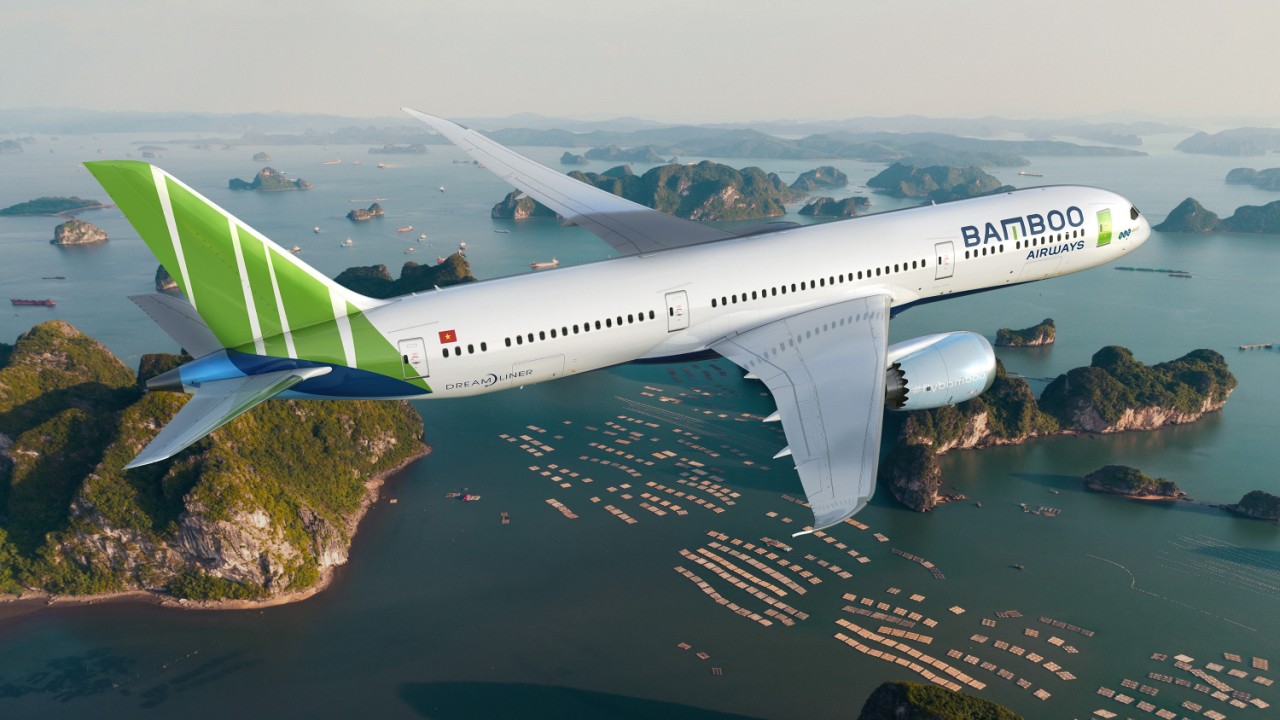
    Bamboo Airways owes one of its directors, Le Thai Sam, almost VND7.73 trillion ($329.50 million) as of April 10, according to a meeting on Tuesday.

    Sam, who became a board member in July last year, will soon receive a 21.7% stake from FLC, which has been operating the airline since the beginning, according to a document made public at the Bamboo Airway’s extraordinary shareholders’ meeting.

    As he already owns a 12.5% stake in the airline, the transfer from FLC will increase his ownership to more than one-third of the carrier.

    Since last year he has been lending the company cash at zero or low-interest rates and required no collateral to ensure the company could continue its operations despite many difficulties after its founder Trinh Van Quyet was arrested on stock manipulation charges.

    Sam, 59, has 30 years of experience in property, finance and banking. He used to be one of the directors of Development Investment Construction (DIC).

    Shareholders of Bamboo Airways on Tuesday approved the company’s proposal to issue more shares to increase its charter capital by 62% to VND30 trillion.

    The company will look to sell the shares to strategic investors with deep pockets who are willing to lend the company at least VND1 trillion.

  • Vietnam Airlines shares face restrictions for delay in filing financial statements

    Vietnam Airlines shares face restrictions for delay in filing financial statements

    Vietnam Airlines’ HVN shares will see trading restrictions from May 12 for failure to file its results in time.

    The carrier has been more than 30 days late in submitting its audited consolidated financial statements for 2022, the Ho Chi Minh Stock Exchange (HoSE) said in a statement.

    At the end of March Vietnam Airlines had sought permission from HoSE to delay the submission, but its request was turned down.

    Now its shares will not be traded for at least two days a week.

    The airline said earlier this month that due to its ongoing restructuring, it needs more time to complete its financial statements.

    If the company fails to submit them 45 days after the deadline, its shares will be restricted.

    HoSE had warned in February that HVN could be delisted if it posted losses for 2022.

  • Lender NCB wants to sell 11% stake in Bamboo Airways pledged as collateral

    Lender NCB wants to sell 11% stake in Bamboo Airways pledged as collateral

    National Citizen Commercial Bank plans to seek shareholders’ permission this month to sell 203 million shares, equivalent to a 11% stake, of Bamboo Airways.

    Property developer FLC pledged some of the shares as collateral for loans.

    FLC and its disgraced former chairman, Trinh Van Quyet, who is in custody for alleged stock market manipulation, had also used Bamboo Airways shares for borrowing from OCB and Sacombank.

    The carrier last month sought shareholders’ approval to increase its capital by VND9.57 trillion ($408.15 million) to deal with debts, but failed to get it.

    It plans to convene another extraordinary general meeting this month to raise the issue again.

  • Vietnam Airlines posts profit in Q1

    Vietnam Airlines posts profit in Q1

    Vietnam Airlines posted a pre-tax profit of VND19.3 billion ($822,500) in the first quarter after losses in 12 consecutive quarters. The airline saw revenue doubling year-on-year to VND23.64 trillion, the highest quarter record since Q1 2020.

    It is near the pre-pandemic levels of 2019. The state-owned carrier however still posted a post-tax loss of VND37.3 billion.

    The pre-tax profit, however, is still considered a strong signal of recovery after the carrier plunged into major financial difficulties due to Covid-19.

    The airline said that in the first quarter of this year, the domestic market recovered, and China lifted its Covid-19 restrictions, which resulted in a surge in passenger numbers.

    There was also high occupancy on flights to the United States., Europe and Australia, it added.

    The company served 5.1 million passengers in the first quarter, up 63% year-on-year. A weaker U.S. dollar and lower-than-expected fuel prices also helped reduce costs.

    But Vietnam Airlines, which operates Pacific Airlines and Vietnam Air Services Company, still sees high risks in the future as the domestic market remains 40% lower than pre-pandemic.

    It added that global geopolitical tensions will likely still affect the aviation industry in 2024.

  • Vietravel Airlines to get three more planes in Q3

    Vietravel Airlines to get three more planes in Q3

    Vietravel Airlines is expecting to expand its fleet to six by adding three more aircraft in the third quarter following a plan set out from the early days of its establishment.

    The move in association with a recruitment program slated for May in Ho Chi Minh City aims to help the carrier be ready for its market expansion targets.

    The airline, which debuted in late 2020, is currently operating six domestic routes connecting Hanoi, Ho Chi Minh City and major tourist destinations of Da Nang, Phu Quoc and Quy Nhon, along with two international ones connecting Hanoi, HCMC and Bangkok.

    It is also partnering with a company from the Republic of Korea to provide 11 charter flights on the Daegu-Cam Ranh route in the period from March 28 to May 7 with one flight every five days.

    As of the first quarter of 2023, Vietravel Airlines had operated over 11,600 flights safely and carried close to 2.5 million passengers, with an average occupancy rate of 93.7%.

  • Airasia SuperApp denies Batik Air’s claims of ‘unauthorised’ ticket sales

    Airasia SuperApp denies Batik Air’s claims of ‘unauthorised’ ticket sales

    Airasia SuperApp has denied a claim by Batik Air that it has acted in an “unauthorised manner” by selling the airline’s and Super Air Jet’s flights on its online travel agency (OTA) platform.

    In a statement, airasia SuperApp said its OTA platform holds a travel agent licence and is also accredited by the International Air Transport Association (IATA) as an authorised agent to sell flights from any airline on its app and website.

    The app said that as an accredited OTA, its flight inventories come from established partner aggregators and direct airline partners, a common OTA industry practice.

    “As any accredited OTA in the market, we will continue to sell flights from any airline, including those we do not have direct relationships with, through our established partner aggregators and consolidators,” said acting CEO of airasia SuperApp Hafidz Fadzil.

    Yesterday, the Edge reported that Batik Air demanded airasia SuperApp to immediately remove and delete all the airline’s products and services on the platform, saying it has never consented to place them on the app.

    The airline claimed that the app had acted in an “unauthorised manner” by selling the airline’s and Super Air Jet’s flights on its platform.

    “We wish to notify the public that Batik Air Malaysia, and all the airlines within the Lion Air Group, namely Lion Air, Batik Air Indonesia, Wing’s Air, and Super Air Jet, have not given any consent for airasia SuperApp to include their services on its OTA platform,” it was quoted as saying.

    Batik Air also threatened “legal redress” if airasia SuperApp failed to comply.

    Malaysia Aviation Group Bhd managing director Izham Ismail said it had filed an injunction to stop the low-cost carrier from selling Malaysia Airlines tickets on the app.

    Izham said the group had not reached a commercial agreement before this, yet airasia SuperApp “continued to sell our inventory”.

    In response, Hafidz today said the Malaysia Airlines flight tickets displayed on the app were taken from inventories supplied by their established partner aggregators.

    “The flight fares and fare class (economy or business) information is supplied directly by our partner aggregators without any intervention from airasia SuperApp. The same fare information was also displayed on other OTA platforms,” he said.

    He added that the legal action Malaysia Airlines has taken against them is premised on allegations of potential trademark infringement and passing off, and unrelated to the supply of inventory.

    Airasia SuperApp said it continues to call on Malaysia Airlines and other airlines to partner directly with it for better efficiency and performance, towards offering Malaysians the best value for travel.

  • Bamboo Airways shareholders shoot down capital increase plan

    Bamboo Airways shareholders shoot down capital increase plan

    Shareholders of Bamboo Airways, at an extraordinary general meeting on Monday, rejected plans for a private placement of shares to increase charter capital.

    The proposal for a VND9.57-trillion ($405.5 million) issue to increase the capital to VND28 trillion, restructure loans and swap debts for shares based on agreements with creditors was rejected by 56.4% of shareholders.

    Bamboo Airways chairman Nguyen Ngoc Trong said he would hold discussions with major shareholders and submit a plan for increasing the charter capital at the next annual general meeting.

    Trong said that in the first quarter of this year, with its fleet operating at full capacity, the airline would almost break even.

    It is expected to get delivery of six to eight aircraft this year and 10 more in 2024-25, he said.

    “Bamboo Airways will become profitable by 2025.”

    He said 2026 or 2027 would be an optimal time for it to make an IPO.

    The carrier now flies to 21 out of 22 airports in Vietnam, and in April would add Ca Mau to its destinations.

    Internationally, it has been resuming services to Europe and Australia post-Covid.

  • Vietnam’s sole female billionaire becomes chairwoman of Vietjet

    Vietnam’s sole female billionaire becomes chairwoman of Vietjet

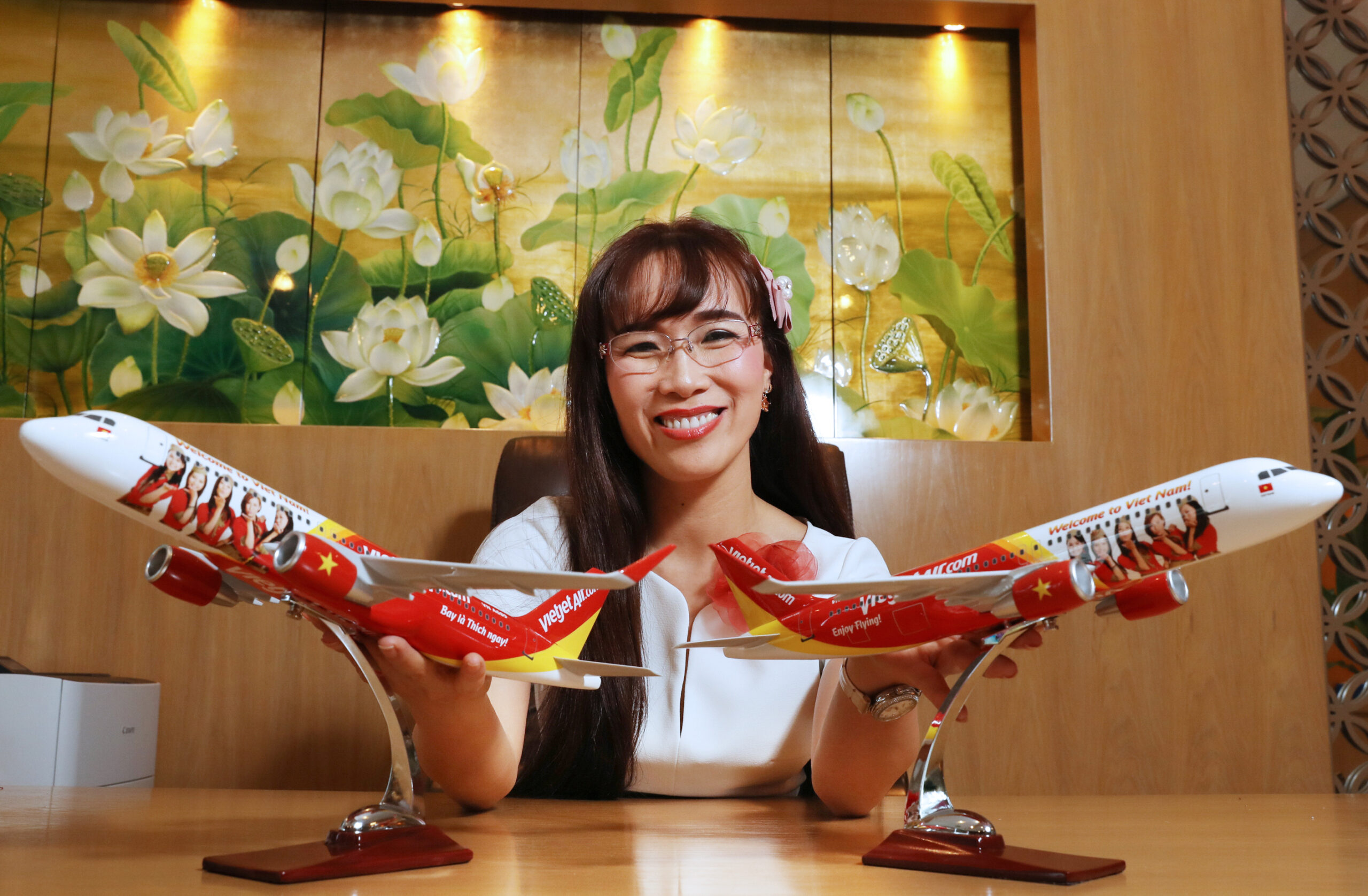
    Nguyen Thi Phuong Thao, Vietnam’s only female billionaire, has become the chairwoman of budget airline Vietjet.

    Dinh Viet Phuong, who has been with the company since its establishment in 2007, moved up to CEO.

    Thao, who replaced Nguyen Thanh Ha as chairwoman on Thursday, was the deputy chairwoman and CEO of Vietjet for many years. She is the first self-made female billionaire in Vietnam.

    Phuong has been holding the chief operations officer title since October 2020. He has made many contributions to the airline, helping it to survive during the Covid-19 period.

    He has an engineering degree from Vietnam Maritime University, an MBA degree from France’s CFVG and a doctorate in transport from Russia’s Moscow State Academy.

    Last year Vietjet transported 20.5 million passengers on 116,000 flights and saw number of domestic passengers grow 20% from pre-Covid.

  • AirAsia X expands China network

    AirAsia X expands China network

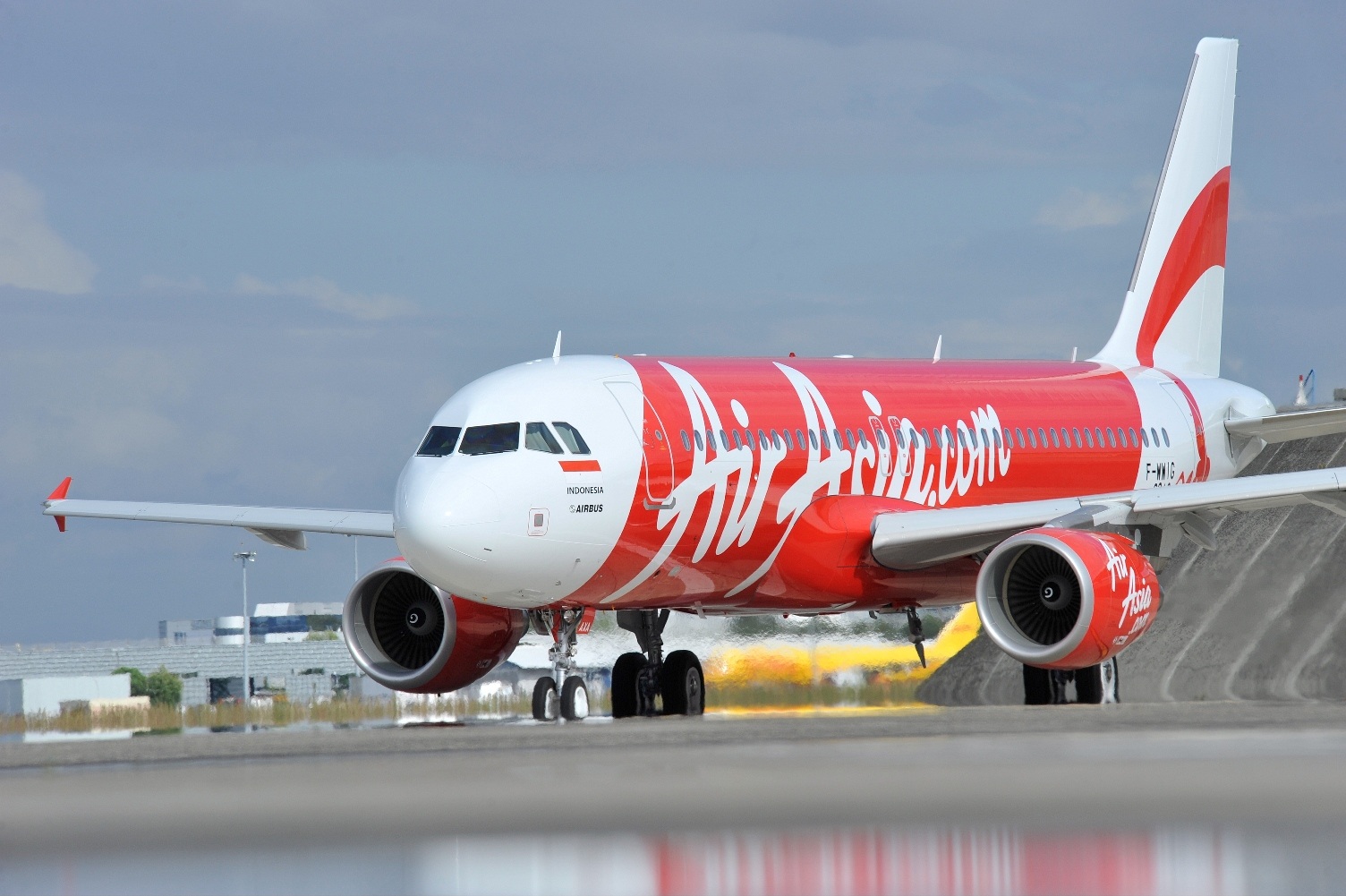
    AirAsia X (AAX) continues to expand its China network with two weekly flights to Beijing restarting last week after almost a three-year pause.

    The flight from Kuala Lumpur lands at Beijing Daxing International Airport at 0105, while the return flight from Beijing arrives in Kuala Lumpur International Airport (Terminal 2) at 0830.

    AirAsia X Malaysia CEO Benyamin Ismail said: “Our service resumption to Beijing reflects our commitment to boosting our network in China, which has historically been one of our biggest and most popular markets and providing our guests with more options to travel affordably to and from Beijing from Kuala Lumpur.”

    Flights will ramp up from twice weekly on Thursday and Saturday to four weekly flights starting 1 June 2023 to meet growing forecast demand, further boosting travel and tourism in the region.

    “More expansion in China is on the horizon for AAX as we plan to relaunch more routes and introduce more unique, less travelled destinations in China in the near future,” he concluded.

    Flight Schedule between Kuala Lumpur (KUL) and Beijing-Daxing (PKX):

  • Bamboo Airways to raise $425M through rights issue

    Bamboo Airways to raise $425M through rights issue

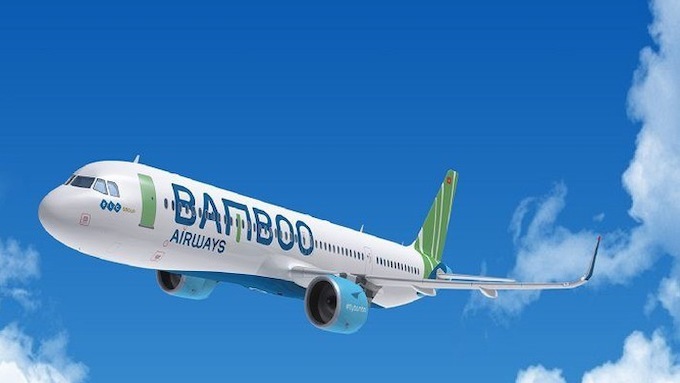
    Bamboo Airways plans to make a rights issue of shares to increase its capital by 54%, or nearly VND10 trillion (US$425.44 million), to fund operations and pay off debts.

    It will offer 35 new shares for every 100 held and the issuance will be made this year.

    It currently has a charter capital of VND18.5 trillion.

    The proposal will be presented to shareholders at an extraordinary general meeting on Apr. 10.

    The airline has said it has found a buyer to take it over.

    Former chairman Trinh Van Quyet, arrested last year for alleged stock manipulation, owns a 55.5% stake in it.

    The buyer, whose identity has not been revealed, has agreed to take over the entire debts and provide Quyet with the money he might have to pay as fines and indemnification for the stock manipulation that led to his arrest.

  • AirAsia X continues to recover quarter by quarter

    AirAsia X continues to recover quarter by quarter

    Malaysian long-haul low-cost AirAsia X is returning to recovery, reporting improvements in revenues, profits, and costs after some very difficult years during the Covid crisis. The carrier expects to benefit this year from the relaunch of its most profitable routes and gradually grow the fleet again, it said on February 22. AirAsia X continues to recover quarter by quarter.

    After changing the accounting period for its financial year 2022 from July instead of January, FY22 includes six quarters between July 2021 and December 2022. This makes comparisons with previous years meaningless. The net profit for FY22 was RM 33 million, with revenues of RM 878.2 million, as it carried 417.195 passengers at a 78 percent load factor. Almost all of that was generated in the second half of 2022 when lockdowns and travel restrictions in most of its key markets in Asia were lifted. The airline already reported a profit for its September quarter.

    As far as a fifth or sixth quarter says anything, they at least confirm that the airline is further recovering. Revenues grew from RM 100.1 million in Q5 (July-September) to RM 339.3 million in Q6 (October-December), with a net profit from RM 25.1 million to RM 153.5 million. For reference, in Q4 (October-December) FY19, AirAsia X produced an RM-95.8 million net loss, revenues of RM 1.196 billion, and carried 1.6 million passengers.

    Passengers carried grew significantly quarter on quarter, from 79.557 to 337.638. That positively affected revenues per available seat kilometer (RASK), which improved from RM 17.62 to RM 19.96. In contrast, costs per available seat kilometer (CASK) excluding fuel went down from RM 6.95 to RM 1.42. AirAsia X resumed services to Australia (Perth, Melbourne, Sydney), New Zealand (Auckland), Japan (Tokyo Haneda and Sapporo), Taiwan (Taipei), Saudi Arabia (Jeddah), and Indonesia (Bali) in the final quarter of 2022, growing the network to fourteen destinations.

    AirAsia X has high hopes for the reopening of China, although bookings are currently below expectations. It recently resumed services to South Korea (Busan) and will launch flights to Turkey later this year. Istanbul was already announced as a new destination in June last year.

    The airline currently operates a fleet of seven Airbus A330-300s with seven more to join shortly but has an appetite for three more. “As we rise up to meet the ever-thriving demand for flights, we are diligent in ensuring that aircraft within the Company’s fleet will be operational within the stipulated timeline, with all safety requirements met. As we speak, we are also in varying degrees of engagement with third-party aircraft lessors for the induction of additional aircraft within its fleet. By the year 2024, we expect to have a total of seventeen A330

  • Bamboo Airways unveils mystery buyer

    Bamboo Airways unveils mystery buyer

    Bamboo Airways has found a buyer who is also willing to help disgraced former chairman Trinh Van Quyet deal with the financial consequences of his alledged crime.

    A spokesperson said Thursday that the identity of the investor would be revealed later.

    The buyer has agreed to take over the airline’s entire debts and provide Quyet with the money he might have to pay as fines and indemnification for the stock manipulation which led to his arrest last year.

    Property developer FLC held a 51.24% stake in Bamboo Airways, and Quyet personally owned 40.03%. His 30.3% stake in FLC took his total ownership of the airline to 55.5%.

    Bamboo Airways said the sale of shares has been approved and supervised by authorities.

    The carrier now flies to 21 out of 22 airports in Vietnam and in April will add Ca Mau to its destinations.

    Internationally, it has been resuming services to Europe and Australia post-Covid.

  • AirAsia X continues to recover quarter by quarter

    AirAsia X continues to recover quarter by quarter

    Malaysian long-haul low-cost AirAsia X is returning to recovery, reporting improvements in revenues, profits, and costs after some very difficult years during the Covid crisis. The carrier expects to benefit this year from the relaunch of its most profitable routes and gradually grow the fleet again, it said on February 22. AirAsia X continues to recover quarter by quarter.

    After changing the accounting period for its financial year 2022 from July instead of January, FY22 includes six quarters between July 2021 and December 2022. This makes comparisons with previous years meaningless. The net profit for FY22 was RM 33 million, with revenues of RM 878.2 million, as it carried 417.195 passengers at a 78 percent load factor. Almost all of that was generated in the second half of 2022 when lockdowns and travel restrictions in most of its key markets in Asia were lifted. The airline already reported a profit for its September quarter.

    As far as a fifth or sixth quarter says anything, they at least confirm that the airline is further recovering. Revenues grew from RM 100.1 million in Q5 (July-September) to RM 339.3 million in Q6 (October-December), with a net profit from RM 25.1 million to RM 153.5 million. Just for reference, in Q4 (October-December) FY19, AirAsia X produced an RM-95.8 million net loss, revenues of RM 1.196 billion, and carried 1.6 million passengers.

    Passengers carried grew significantly quarter on quarter, from 79.557 to 337.638. That had a positive effect on revenues per available seat kilometer (RASK), which improved from RM 17.62 to RM 19.96, while costs per available seat kilometer (CASK) excluding fuel went down from RM 6.95 to RM 1.42. AirAsia X resumed services to Australia (Perth, Melbourne, Sydney), New Zealand (Auckland), Japan (Tokyo Haneda and Sapporo), Taiwan (Taipei), Saudi Arabia (Jeddah), and Indonesia (Bali) in the final quarter of 2022, growing the network to fourteen destinations.

    AirAsia X has high hopes for the reopening of China, although bookings are currently below expectations. It recently resumed services to South Korea (Busan) and will launch flights to Turkey later this year. Istanbul was already announced as a new destination in June last year.

    The airline currently operates a fleet of seven Airbus A330-300s with seven more to join shortly but has an appetite for three more. “As we rise up to meet the ever-thriving demand for flights, we are diligent in ensuring that aircraft within the Company’s fleet will be operational within the stipulated timeline, with all safety requirements met. As we speak, we are also in varying degrees of engagement with third-party aircraft lessors for the induction of additional aircraft within its fleet. By the year 2024, we expect to have a total of seventeen A330s within our fleet, active and operational,” CEO Benjamin Ismail said in a media statement.

  • AirAsia Announces New CEO for Superapp Business

    AirAsia Announces New CEO for Superapp Business

    AirAsia on Tuesday announced the appointment of Mohamad Hafidz, who is currently the chief fintech officer, as the acting CEO of AirAsia superapp from April 1 onwards.

    With nearly 30 years in the payments industry, Hafidz, populary known as Mo, will succeed Amanda Woo in his new role.

    Woo was appointed CEO of the superapp in May 2021, she was then the chief commercial officer.

    Speaking to Skift earlier, Tony Fernandes, CEO of Capital A, had said that AirAsia would now be killing its other operations in the superapp to focus on what he calls its bread and butter — travel.

    “Now that travel has returned, we’ve shifted our focus to making the superapp very much a travel fintech superapp,” Fernandes told Skift.

    In his new role, Hafidz would continue to drive the platform’s fintech vision that will further help to boost the superapp’s choices for its users and bring more revenue to the business, the company said in a release.

    Having assisted in shaping regulatory policies in several regional markets, Hafidz has been a strong advocate for payments innovation and security in the Asia Pacific region.

    Hafidz’s appointment follows the recent leadership transition announcement at AirAsia Digital, which include AirAsia superapp and BigPay.

    Colin Currie will be taking on dual roles as AirAsia Digital’s CEO and president, commercial of Capital A.

    Currie will lead the effort to forge a closer collaboration between AirAsia superapp and BigPay to create a better user experience in travel and payment for users within the Capital A ecosystem, a company release said.

    Capital A also appointed its head of investments John Cheing as the chief financial officer for AirAsia Digital and AirAsia superapp.

    Calling fintech an essential part of travel, Fernandes had earlier spoken about the role that BigPay, Capital A’s fintech arm, would play in creating lending for travel as well as for insurance.

    In its fourth quarter results, the company had showed strong performances in both its superapp and fintech business.

    “We are excited to be launching the next phase of growth in our digital portfolios,” Fernandes had said earlier.