Tag: airline

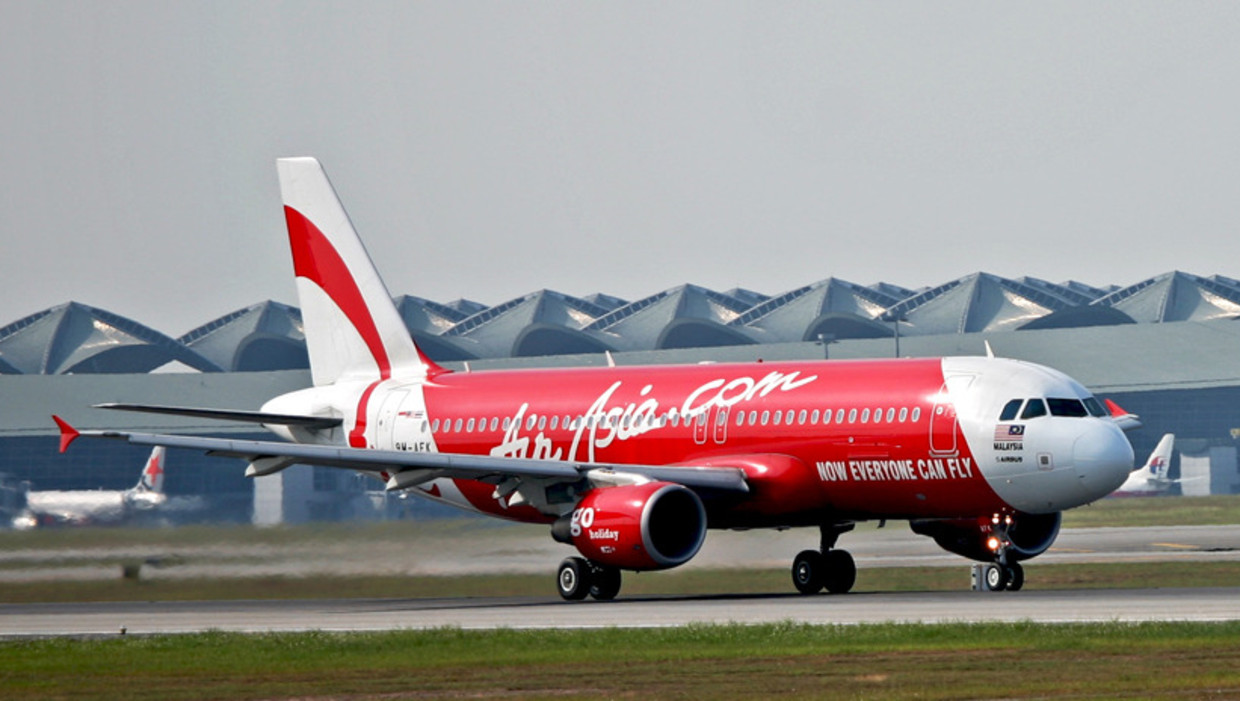
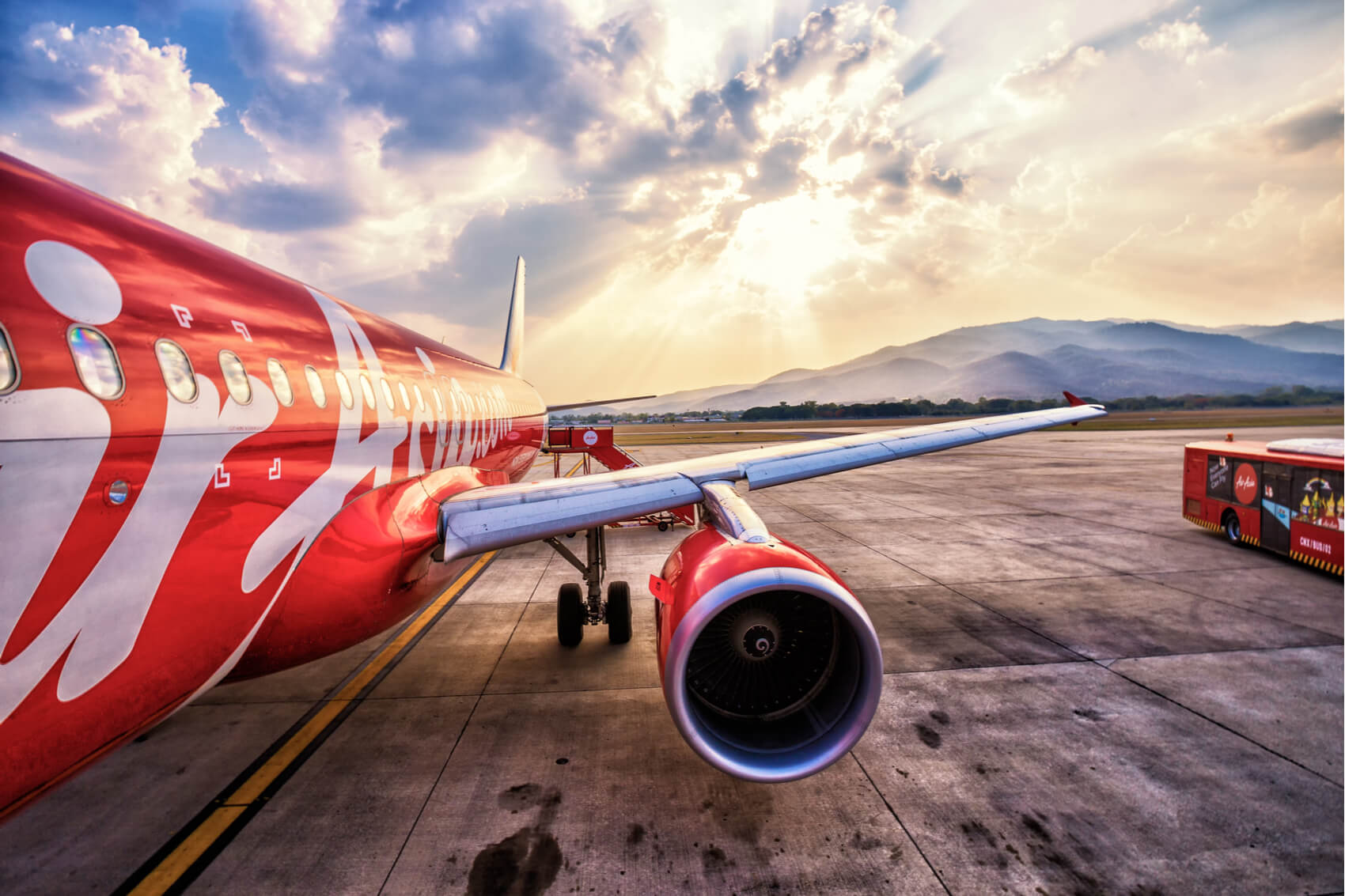
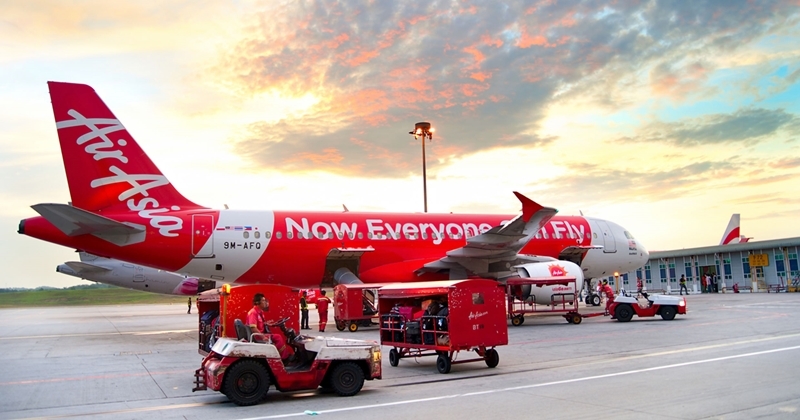
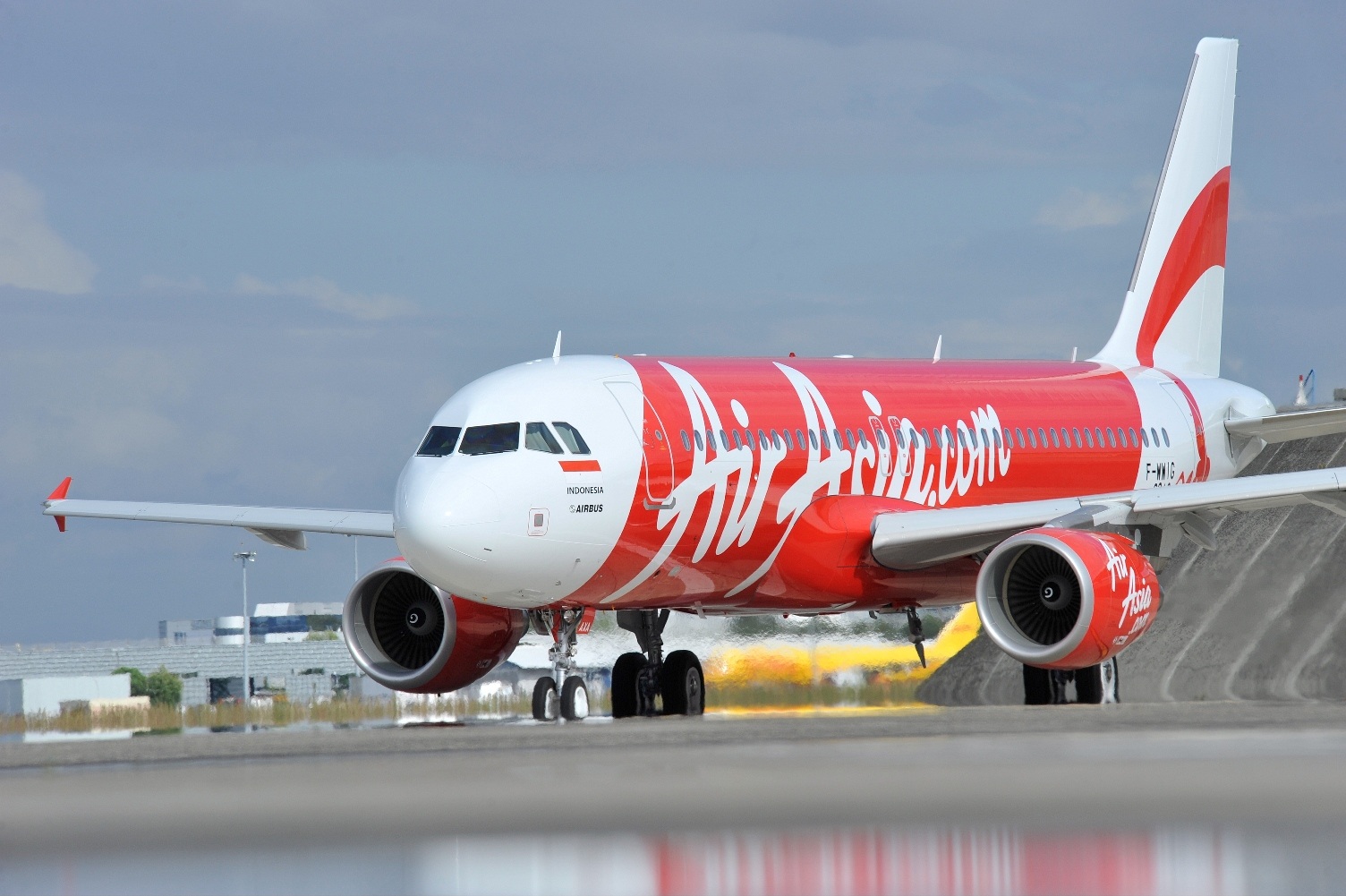
  • AirAsia X turns first profit since 2019, plans to double its A330s by mid-2023

    AirAsia X turns first profit since 2019, plans to double its A330s by mid-2023

    AirAsia X (AAX), the low-cost medium and long-haul airline of AirAsia Group, turned a net profit of RM25.1 million ($5.4 million), its first profit since 2019.  AirAsia X restarted its passenger operations in February 2022 and announced the completion of its 17-month-long debt restructuring scheme in March 2022.

    In its fifth quarter (5Q22) financial statement ending September 30, 2022, the airline outperformed a net loss of RM652.5 million ($142.6 million) posted in the previous quarter, recording a quarterly revenue of RM100.1 million ($218 million) in 5Q22.

    The airline almost tripled its cash balance to RM79.5 million ($17.3 million), up from RM25.1 million ($5.4 million) during the previous quarter.

    In a statement, the airline attributed its results to the recovery of key metrics and improved revenues across scheduled passengers, charter flights and ancillary revenues.

    “AAX is now well on track in its recovery path even as the airline is compelled to operate in a challenging operational environment dictated by high fuel prices and a weakened Malaysian Ringgit against the US Dollar,” Benyamin Ismail AirAsia X Malaysia CEO said.

    Ismail added: “While we are cautious of the strenuous operating conditions, we remain confident that the Company’s recovery is on the horizon, if not already within our reach.”    

    On the back of its positive 5Q22 results, AirAsia X has resumed previous scheduled passenger flights to Seoul, Delhi and Syndey.

    High demand for its mid-range network has also driven the airline to announce the return of its services to some of its popular destinations such as Melbourne, Perth, Auckland, Tokyo-Haneda, Hokkaido-Sapporo, Jeddah and Bali-Denpasar.

    Ismail also confirmed that demand on some short-haul routes (Kota Kinabalu and Kuching) exceeded the current available aircraft capacity during the quarter and that the airline will be reactivating more aircraft capacity.

    “We look forward to welcoming everyone back onboard with us as we rise up to meet the strong pent-up demand for medium haul air travel across Asia. Importantly I am also thrilled to confirm that we are reactivating more aircraft to service, bringing back furloughed staff by the first quarter of next year and are now recruiting new flight crew once again.”

    AirAsia X to double A330 aircraft by the first half of 2023 

    AAX currently operates a fleet of six A330s from a fleet of nine A330 aircraft.

    However, AAX expects to increase its operating fleet to 13 A330 aircraft by the first half of 2023 to meet strong consumer demand.

    Tunku Dato’ Mahmood Fawzy, Chairman of AirAsia X stated that the airline expects to reach more than 15 hours of aircraft utilization and introduce daily frequencies to its core markets for selected routes with high demand.
  • Malaysia to test air cargo community system at KUL

    Malaysia to test air cargo community system at KUL

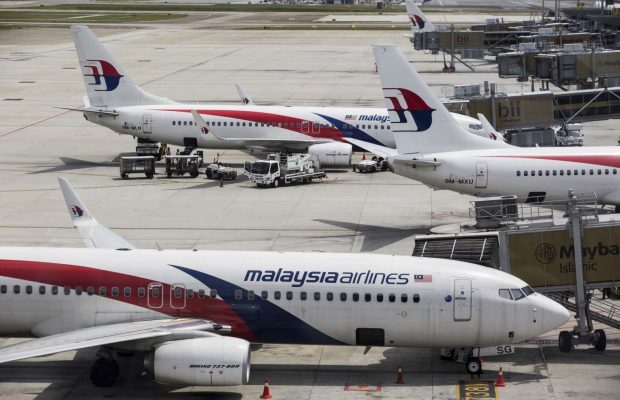
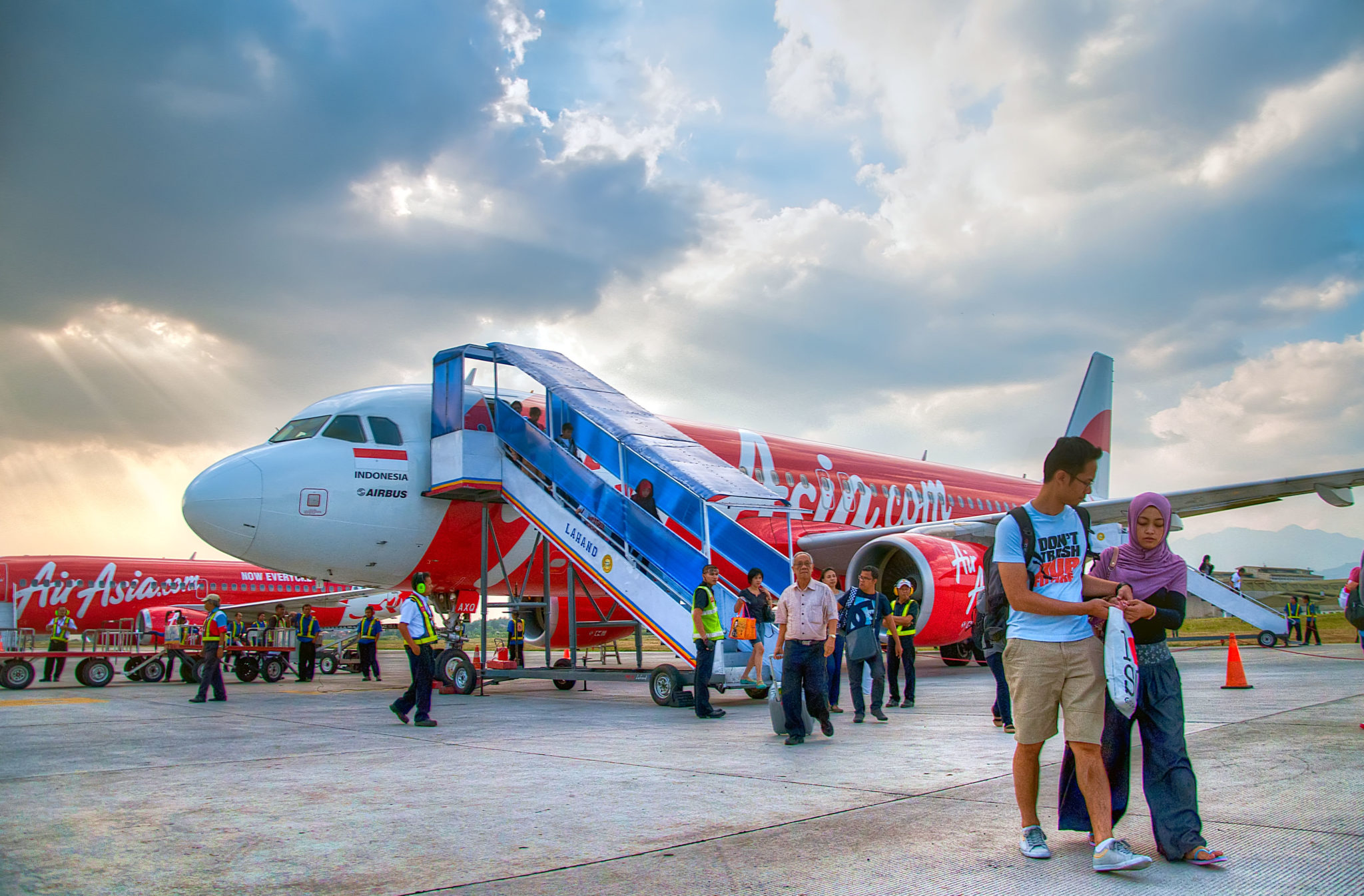
    Efforts are coming in all forms to support Malaysia’s competitiveness in its transport and logistics sectors as plans to introduce a platform that will connect stakeholders of Kuala Lumpur International Airport are underway.

    Air cargo software provider Kale Logistics Solutions and tech company Dagang NeXchange (DNeX), through its subsidiary Dagang Net, have signed a partnership agreement to introduce the Airport Cargo Community System (ACS) platform in Malaysia.

    The ACS is a neutral and open platform, enabling intelligent and secure information exchange between public and private stakeholders and is planned to be integrated with other community systems such as the National Single Window (NSW) and Port Community Systems (PCS) for trade facilitation.

    Vineet Malhotra, co-founder and director at Kale Logistics Solutions, said the latest development presents a powerful case that cargo community platforms need to integrate to bring greater value. And the plan is to create a global network of smart logistics hubs, starting in Malaysia.

    “Our role is to support businesses, especially SMEs, by providing an efficient and comprehensive global logistics network that can serve a larger international customer base and reduce trade barriers.”

    DNeX says the partnership with Kale complements Dagang Net’s capability to grow trade facilitation e-services for air mode through the ACS platform.

    “The ACS enables seamless electronic transactions, equipped with intelligent and secure information exchange among stakeholders to enhance the airport community competitiveness,” commented Tan Sri Syed Zainal Abidin Syed Mohamed Tahir, Group Managing Director.

    “This, in turn, can contribute to efforts in improving Malaysia’s competitiveness in its transport and logistics sectors as well as overall operational efficiency, connectivity, and productivity across the country’s supply chain,” he noted.

    Dagang Net has been using electronic Customs-related services to ease trade facilitation and streamline international trading processes for imports and exports, trade and logistics industries, and this initiative is aligned with the company’s direction, he added.

    Both Kale and Dagang Net are part of the Pan Asia e-Commerce Alliance (PAA), a 16-member regional e-commerce alliance in Asia that aims to promote and provide secure, trusted, reliable and value-adding IT infrastructure and facilities for efficient global trade and logistics.

  • AirAsia revives Kaohsiung flights

    AirAsia revives Kaohsiung flights

    AirAsia celebrated its post-pandemic inaugural flight to Kaohsiung from Kuala Lumpur on 12 November, ending two years of no air connectivity between the cities.

    Flight AK170 took off at 1725 and arrived at 2155 l in Kaohsiung, carrying 114 guests onboard.

    AirAsia Malaysia CEO Riad Asmat said: “The inaugural flight from Kuala Lumpur to Kaohsiung is a long-awaited occasion for us. Our Kaohsiung and Taipei routes have been amongst our most popular and frequented by many since we commenced operations in the region in 2005.

    “Now that travel restrictions have eased worldwide, we look forward to connecting more travellers to Kaohsiung and soon to Taipei when the flights resume in December.

    Kaohsiung, famed for its picturesque harbour and sprawling landscape, is one of AirAsia’s most popular destinations in North Asia.

    To celebrate the resumption of flights to Kaohsiung and Taipei, travellers can purchase fares from MYR349 for all-in-fare travel between 1 January 2023 and 30 March 2024. The booking window closes on 20 November.

    Since 13 October 2022, travel restrictions have been eased for most international visitors to Kaohsiung and Taipei. Malaysians (as well as citizens from selected countries) can visit these cities without visas, vaccinations, Covid-19 tests or quarantine requirements.

    The Travel & Booking Period for new Taipei and Kaohsiung services on sale now.

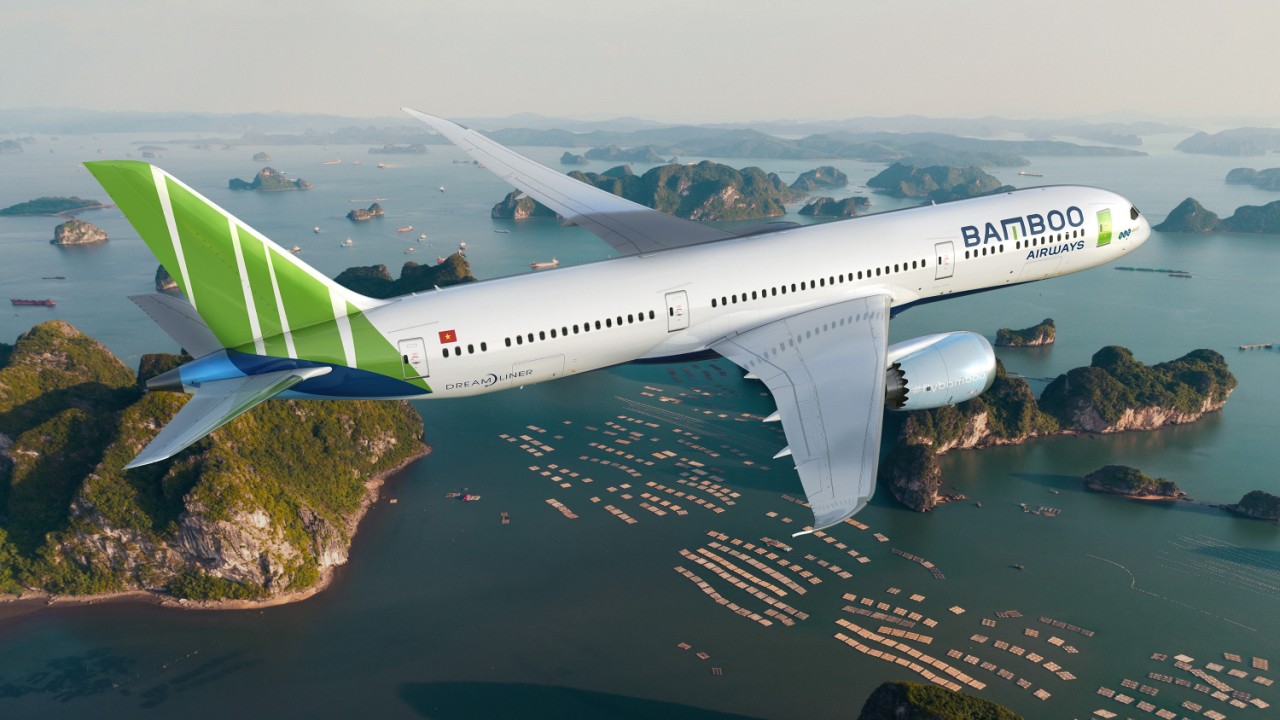
  • Bamboo Airways ex-chairman takes leading positions at TNG

    Bamboo Airways ex-chairman takes leading positions at TNG

    Three months after leaving Bamboo Airways, Dang Tat Thang has taken over as vice chairman and deputy CEO of conglomerate TNG Holdings.

    Thang will manage the external affairs of TNG Group and its various subsidiaries, and directly manage TNS and TNH, which have interests in investment, hotel management, trading, and services.

    Established in 1996, TNG Holdings has 11 subsidiaries with more than 3,000 employees that operate in real estate, trade services, hotels, energy, and banking and finance.

    Thang has a master’s degree in construction project management from Northumbria University in the UK.

    He has nearly 20 years’ experience in project management and investment at both local and foreign firms such as Compass Group UK & Ireland, Capital Land Singapore, FLC Group, and Bamboo Airways.

    In July, Thang, 41, who helped set up Bamboo, resigned as its chairman and general director citing personal reasons after eight years at the company. He also resigned as FLC vice chairman.

    He had taken over as vice chairman of FLC and Bamboo Airways after former chairman Trinh Van Quyet was a

  • AirAsia X takes flight to Tokyo Haneda

    AirAsia X takes flight to Tokyo Haneda

    AirAsia X (AAX) resumed its flight to Tokyo (Haneda) following the full reopening of the country’s border for international tourism.

    The thrice-weekly flights will be the airline’s first flight to Japan post-pandemic, ahead of its second route launch to Sapporo (Shin-Chitose) in December.

    In commemorating the service resumption, AAX celebrated the flight with a send-off ceremony at Kuala Lumpur International Airport (klia2) with fun activities and giveaways for the guests.

    Benyamin Ismail, CEO of AirAsia X said: “Japan is a core destination, and we are thrilled to return to Tokyo as it has always been one of our most popular routes. In 2019, we carried about 275,210 guests to/from Tokyo, and with this service resumption, we look forward to carrying over 230,000 additional visitor seats annually through Malaysia and Japan. This will not only boost tourism and the economy between the two countries but also provide more excellent value for everyone in the region traveling to Tokyo.

    “The resumption of services to Tokyo signifies our commitment to accelerating our growth as a mid-range airline. This is only the first of several routes to Japan that will be in service, including to Sapporo (Shin-Chitose) in December and Osaka next year. Our Malaysian guests love Japan but not only that, we have significant fly-through connectivity via Kuala Lumpur to Japan, including from Australia and more.

    “As demand increases, we will also be adding more flights to Tokyo gradually in the future to meet strong forecast demand.”

    Fares are available for booking for the travel period between now till 30 March 2024.

  • Bamboo Airways’ 9-month loss exceeds last year’s total

    Bamboo Airways’ 9-month loss exceeds last year’s total

    Bamboo Airways posted a loss of VND3.54 trillion ($142.38 million) in the first nine months, exceeding the total loss it recorded last year by 54%.

    Its loss has been increasing this year, from VND691 billion in the first quarter to VND1.39 trillion in the second and almost VND1.45 trillion in the third, according to calculations from a financial report of FLC, which owns a 21.7% stake in the airline.

    Bamboo Airways went through major restructuring in the second and third quarter after its chairman was arrested in March for alleged stock manipulation.

    Nguyen Ngoc Trong, who has been with the airline since its establishment in 2018, became its chairman in August, while Nguyen Manh Quan, who joined the airline in 2020, took over the CEO chair from Dang Tat Thang.

    The airline in October moved its Ho Chi Minh City office from FLC’s building in District 3 to a Novaland building in District 1 after the property developer signed a strategic partnership with the airline.

    Bamboo Airways said in July that it planned to triple its fleet size to 100 by 2028. The airline at the time operated 29 jets, comprising 21 narrowbody aircraft, three Boeing B787s and five Embraer 190 regional aircraft, according to aviation data website Planespotters.

  • AirAsia India announces 21 weekly direct flights connecting new routes

    AirAsia India announces 21 weekly direct flights connecting new routes

    Air Asia India announced that it would commence 21 weekly direct flights connecting Delhi to Bhubaneswar, and Bengaluru to Jaipur, from October 30, as part of its winter schedule.

    The new routes are now open for bookings on the airline’s website, mobile app, and other major booking channels.

    The launch of these routes is in line with AirAsia India’s aim to bolster connectivity and consistently provide secure and streamlined operations for guests, the airline said in a statement.

    The airline recently expanded its presence to Lucknow and operates 112 weekly direct flights connecting Bengaluru, Goa, Delhi, Kolkata and Mumbai.

    AirAsia India connects its hub Bengaluru with direct flights to Lucknow, Delhi, Mumbai, Kolkata, Kochi, Goa, Guwahati, Bagdogra, Ranchi, Visakhapatnam, Hyderabad, Chennai, and Jaipur.

    There are direct flights connecting its other hub Delhi with Lucknow, Srinagar, Bengaluru, Mumbai, Kolkata, Kochi, Goa, Guwahati, Bagdogra, Jaipur, Ranchi, Visakhapatnam, and Bhubaneswar.

  • Thai AirAsia to Launch Flights from Bangkok to Dhaka

    Thai AirAsia to Launch Flights from Bangkok to Dhaka

    Thai AirAsia has unveiled plans to launch flights from Don Mueang (DMK) Airport in Bangkok to Dhaka, the capital of Bangladesh, as well as to the city of Lucknow in northern India.

    The airline will operate four flights per week to Dhaka commencing 24 November, and thrice weekly to Lucknow from 4 December 2022.

    Promotional fares for the Don Mueang-Dhaka flights start from 3,590 THB per trip for AirAsia members, while the Don Mueang-Lucknow flights are available from 3,290 THB per trip. The special fares can be booked up to 16 October 2022 for travel between Don Mueang-Dhaka from 24 November 2022 and 25 March 2023, and Don Mueang-Lucknow from 4 December 2022 to 25 March 2022, via the airasia Super App.

    “The travel appetite has improved since COVID19 restrictions were relaxed. The South Asian markets have grown rapidly in the recent period and AirAsia now operates six routes to the region, flying Don Mueang to Kolkata, Kochi, Jaipur, Bangalore and Chennai in India and to Maldives. All of the routes have been well received, especially by Indian travelers who have been connecting across Thailand.

    Data from the Tourism Authority of Thailand show the fast growing number of tourists from India and South Asia have so far visited Thailand this year and the inflow is expected to continue into 2023,” said Santisuk Klongchaiya, Chief Executive Officer of AirAsia Thailand. “Dhaka and Lucknow are new and exciting destinations AirAsia will be flying direct to for the first time with these additions. On top of attracting tourists to Thailand, the unique and magnificent architecture of these two cities should make them another popular aspiration for avid Thai travelers looking for a once-in-a-lifetime experience.”

  • AirAsia enhances facial recognition system at KLIA2

    AirAsia enhances facial recognition system at KLIA2

    AirAsia has enhanced its facial recognition system, FACES, by integrating it with Malaysia Airports EZPaz technology at Kuala Lumpur International Airport (KLIA2), offering an end-to-end contactless journey for passengers.

    FACES is now available across key customer touchpoints including mobile enrolment, check-in counter, pre-security check and boarding, for select domestic travel in the start-up phase. Passengers who have enrolled for FACES via the airasia Super App can now travel seamlessly from arrival at the airport, departure gate to the flight, without having to present their boarding pass after self-check-in.

    In addition to making the journey through the airport more seamless with contactless document checks and significantly less queuing time, FACES also increases operational efficiencies, safety and security for the airline.

    AirAsia Malaysia, CEO, Riad Asmat, who will be speaking at the upcoming FTE APEX Asia Expo in Singapore on 9-10 November, commented: “As we are back painting the skies red, it is more important than ever for AirAsia to be focusing on implementing digital innovations that take the hassle out of air travel, providing a more seamless and efficient customer experience. It is also an opportune time for our facial recognition system to take centre stage following the government’s recent announcement of face masks no longer mandatory at public places and in flight.

    “As a digital and contactless procedure, which includes online check-in anywhere, anytime in the world with a click of a button, FACES is a definitive game-changer and a revolutionary enhancement to help restore confidence in air travel. From today, the new technology is available on selected flights from our main hub in klia2 as a start, and there are myriad of opportunities for us to expand FACES at other touchpoints such as self bag drop at the airport, payment features on our airasia Super App and many others across our airline and digital businesses.

    “Delivering the best value, choice and innovation has always been in our DNA and we are thrilled to join forces with Malaysia Airports to make the airport future-ready at a time where demand for air travel is rapidly returning to pre-pandemic levels. We look forward to deploying our contactless FACES technologies in  every  airport we operate to in the near future to make flying more convenient, efficient and seamless than ever before.”

    Enrolment for FACES can be done on the airasia Super App with a passport or a National identification card and a one-time verification process at dedicated airport counters W15 and W16 at KLIA2. Alternatively, guests can also enrol for FACES at the same counters.

  • Malaysia new budget airline aims for cheaper fares than AirAsia

    Malaysia new budget airline aims for cheaper fares than AirAsia

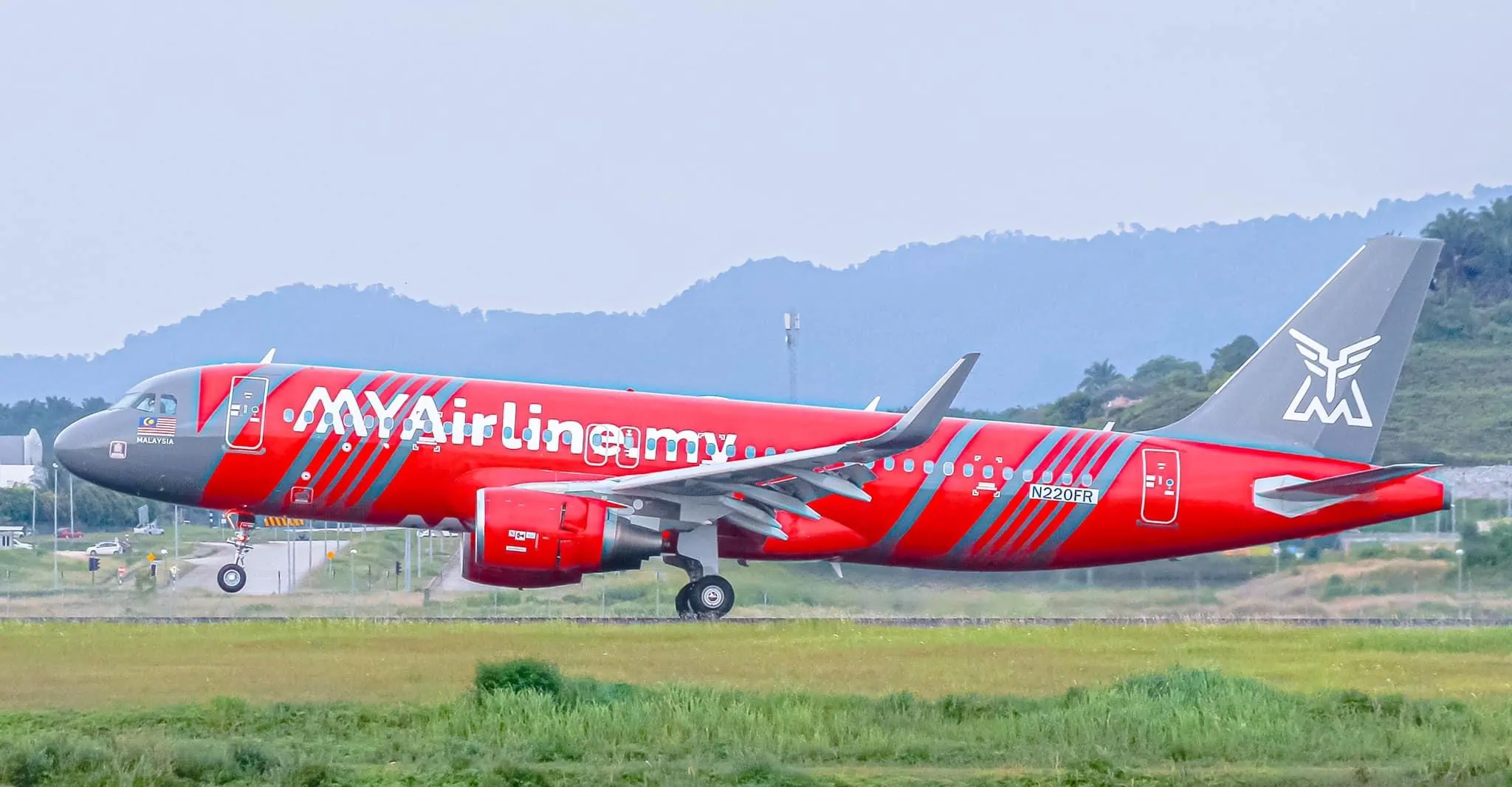
    Malaysia’s MYAirline plans to begin commercial operations by the end of this year, with its CEO saying it can sell cheaper fares than domestic rival AirAsia — the region’s leading low-cost carrier.

    CEO Rayner Teo sees demand for low-cost air travel rising as Asia emerges from COVID pandemic restrictions. MYAirline hopes to stand out with cheaper tickets, better real-time customer support and punctual flights.

    “We believe we can easily offer cheaper flights based on cost structure,” Teo, also the carrier’s co-founder, told Nikkei Asia in a recent interview at its humble operation center above a shopping mall in Subang Jaya, near the capital Kuala Lumpur.

    Although MYAirline is the David to AirAsia’s Goliath, Teo and senior management are confident of their strategy, with some of them having gained experience at the airline owned by the Tony Fernandes-led Capital A.

    Kathleen Tan, MYAirline’s chief executive adviser, logged 13 years working for Fernandes, who with another investor led the purchase of AirAsia in 2001 which eventually shook up the region’s travel industry with low cost fares and no frills service.

    MYAirline’s cabin operations manager Mohd Izwan Razak, meanwhile, was on AirAsia’s payroll for 17 years. Teo himself worked at the airline for 15 years until July 2019, leaving as the group head of sales.

    Teo said he had not planned to fill MYAirline with ex-AirAsia staff, but that he had simply recruited those who had lost their jobs or been placed on furlough, including pilots and cabin crew, over the last two years when airline operations were drastically reduced because of the pandemic.

    MYAirline, which has received a license to operate from the Civil Aviation Authority of Malaysia, plans to start with three secondhand Airbus A320s, but aims to increase its fleet size to 50 within the next five years.

    “We have signed some attractive deals with very large lessors,” Teo said, though he declined to provide details.

    Capital A’s Fernandes has refrained from commenting when asked recently by reporters about the MYAirline venture and the competition it could bring.

    Analysts say that MYAirline faces some challenges in competing on cost in an environment that includes established carriers AirAsia and Malaysia Airlines.

    “The airline is being marketed as an ultra-low-cost carrier, which is an interesting concept as AirAsia’s average cost per seat is one of the lowest in the industry and hard to beat,” said Shukor Yusof of Endau Analytics.

    Separately, Brendan Sobie, an independent aviation analyst, said that the start of MYAirline will intensify competition and bring back the problem of overcapacity that plagued Malaysia before the pandemic. Citing Malaysia Airports figures, Sobie said domestic passenger traffic in the country in August was at just 66% of pre-COVID levels in August of 2019, with international traffic at an even lower 38%.

    “There will be some stimulation as fares decline, possibly to pre-COVID levels, but this is hardly sustainable given today’s high fuel cost environment,” he said. “Prior to the pandemic domestic yields were very low and none of Malaysia’s domestic airlines was profitable.”

    Teo said the airline will use Kuala Lumpur International Airport as its central hub, plying domestic routes before expanding to international destinations after one year.

    A check with the Companies Commission of Malaysia showed that MYAirline has two million shares at one ringgit each, amounting to 2 million ringgit ($430,000) in paid-up capital. Private firms Zillion Wealth and Trillion Cove Holdings — both owned by local businessman Goh Hwan Hua — have stakes of 88% and 10%, respectively, in the airline. Teo owns the remaining 2% share.

    According to the website of money lender Trillion Cove, Goh who is listed as its CEO and director, has more than 20 years of experience managing information technology and application-related businesses in Malaysia, Thailand, Singapore and Indonesia. The site said he had been involved in various industries, including e-commerce, e-ticketing, fintech, retail and tourism.

    Teo said owning a commercial airline has been a longtime dream of Goh’s.

    “He has been asking me for the last seven years about the idea of forming an airline, and my answer has always been the same to him, that there are many ways to waste your money,” Teo said.

    “But in October 2020, when he (Goh) asked again, I thought this was the best time” to start preparing, he added, referring to the collapse in the global aviation sector due to travel restrictions and border closures.

  • AirAsia revives routes to Indonesia

    AirAsia revives routes to Indonesia

    AirAsia Malaysia (AK) continues to resume services to Indonesia by adding flights to Banda Aceh, Padang and Pekanbaru from Kuala Lumpur since 1 October 2022.

    In addition, the airline will launch flights from Penang to Denpasar in Bali starting on 20 October this year.

    In celebration of the service resumption to Indonesia, AirAsia welcomed flight AK421 from Kuala Lumpur to Banda Aceh on Monday with a delegation led by Dato’ Abdul Aziz Bakar, Non-Executive Director of Capital A.

    AirAsia Malaysia CEO Riad Asmat said: “Indonesia is a core market for AirAsia, and we are thrilled to be back, launching four new routes such as these with additional eight weekly flights, on top of six existing routes delivering a total of 66 flights weekly to Indonesia airports this month.

    “We are also very thankful for the strong support from the government of Indonesia and the provincial governments of Aceh, West Sumatra and Riau for their assistance in reopening these routes.

    “We are excited to reconnect these cities to Kuala Lumpur and Penang, bringing tourists from Malaysia, reconnecting families, and serving business travel.”

    Flights for Kuala Lumpur-Banda Aceh, Kuala Lumpur-Padang, Kuala Lumpur-Pekanbaru and Penang-Bali are now available for booking starting from MYR189 all-in-one way on the AirAsia Super App and online travel agents (OTAs).

    AirAsia Malaysia now flies 10 routes to Indonesia. From Kuala Lumpur to Jakarta, Bali, Medan, Makassar, Yogyakarta, Padang, Pekanbaru and Banda Aceh, as well as from Penang to Jakarta and Bali with plans to increase services to existing and new destinations in line with strong demand in the future.

  • Vietnam’s first cargo airline inks deals with global manufacturers

    Vietnam’s first cargo airline inks deals with global manufacturers

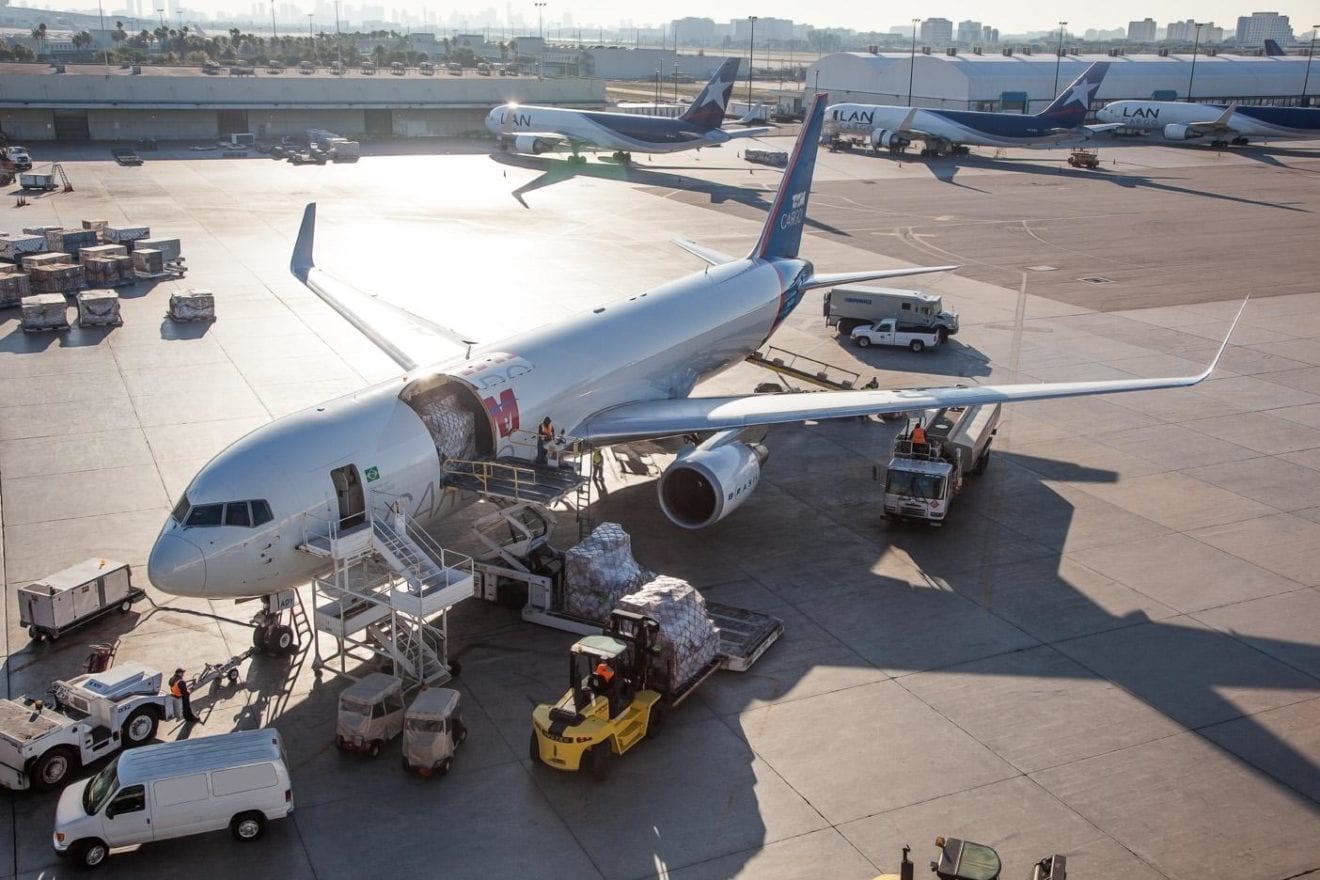
    IPP Air Cargo, Vietnam’s first cargo airline, could start flying from November, with several partnerships already established, says its chairman Jonathan Hanh Nguyen.

    Nguyen said that the Government Office has ordered six related ministries for their feedback on licensing IPP Air Cargo. There could be clear actions regarding the licensing next week, he added.

    Although the cargo carrier is yet to receive its license, it has reached transport agreements with two world’s leading chip manufacturers with factories in northern Vietnam. Each company has registered to use two aircraft of IPP Air Cargo, he said, without identifying the companies.

    If it gets its license by the end of November, the airline will launch its first flight from Cat Bi Airport in the northern port city of Hai Phong, Nguyen said.

    IPP Air Cargo is also expected to operate a weekly flight transporting agricultural produce from Queensland, Australia to Vietnam’s Da Nang City starting next year, as discussed during this week’s visit by Mark Furner, Minister for Agricultural Industry Development and Fisheries of Queensland.

    The airline has completed procedures to rent four Boeing 737 800BCF aircraft, one of which has been delivered, with the rest due in December and next April. It also signed deals worth $3.5 billion to buy 10 Boeing 777 Freighters.

    IPP Air Cargo has a charter capital of VND300 billion ($12.81 million), with Imex Pan Pacific Group holding a 70-percent stake and the family of Johnathan Hanh Nguyen, the company chairman, the rest.

    Nguyen had mooted the establishment of the airline in 2021, but the Civil Aviation Authority of Vietnam said it was not considering applications amid the Covid-19 outbreak.

    After obtaining an air transport license, the company has to get other permits to fly, including the aircraft operator certificate.

    It targets revenues of $71 million in the first year of operation.

  • AirAsia India becomes the first airline in India to use the revolutionary AI-powered CAE Rise Training System

    AirAsia India becomes the first airline in India to use the revolutionary AI-powered CAE Rise Training System

    AirAsia India and CAE have announced their collaboration to integrate the CAE Rise Training System into the airline’s simulator training program. AirAsia India is the first airline in India to adopt a data-driven training program using CAE Rise™.

    CAE Rise leverages analytics to deliver a higher quality of training, providing real-time data during training sessions while giving instructors insights that enable them to assess a pilot’s technical competencies and performance objectively. As long-time collaborators, AirAsia and CAE have worked together since 2014 on pilot training at CAE network training centers.

    “This collaboration uniquely incorporates CAE’s distinct features, which enable a more robust data-driven training program for our pilots,” said Capt. Manish Uppal, Head of Operations, AirAsia India. “At AirAsia India, we continue to be at the forefront of integrating technology and ensuring that safety is paramount in every aspect of our training and operations.”

    “With Indian regulator DGCA aiming to make Evidence-Based Training (EBT) implementation mandatory, CAE Rise will be a key tool in collecting data to support a smooth EBT implementation and practice,” said Capt. Arun Nair, Chief Pilot Training & Standard, AirAsia India.

    “We are thrilled that AirAsia India will leverage the benefits of CAE Rise™ for their pilot training,” said Nick Leontidis, CAE’s Group President, Civil Aviation. “With CAE Rise™, AirAsia India is investing in the development of their pilots and the safety of their passengers.”

    Launched in 2018, the CAE Rise training system is a technological innovation that enables the translation of simulator training data into valuable insights for instructors and training managers. This new training system compares independent sources to provide increased confidence in grading data quality. In addition to monitoring SOP compliance, CAE Rise augments each instructor’s capability to identify pilot proficiency gaps and evolve training programs to the most advanced aviation safety standards including AQP, ATQP, and EBT methodologies.

  • AirAsia X swings to operating loss in fourth quarter

    AirAsia X swings to operating loss in fourth quarter

    AirAsia X posted an operating loss in its financial fourth quarter, as it warns of headwinds such as high fuel prices amid a return in travel demand.

    For the three months to 30 June, the long-haul, low-cost operator was MYR691 million ($154 million) in the red, reversing the operating profit it posted in the previous quarter, where its earnings were boosted by a write-back related to restructuring.

    Revenue for the quarter was MYR107 million, the bulk of which – at MYR96.8 million – came from cargo services.

    Owing to a change in its financial year, the carrier did not provide figures for the previous corresponding period in 2021.

    However, in its results statement or the three months to 30 June 2021, AirAsia X was deeper in the red, posting an operating loss of MYR24.5 billion. Revenue for that quarter stood at MYR72 million.

    The Malaysia-based airline’s cash burn continues during the quarter, where it ended the period with MYR22 million. This is significantly lower than the MYR68 million it began the quarter with.

    As for affiliates, Thai AirAsia X – itself in business restructuring – was MYR41.5 million in the red, while Indonesia AirAsia X, which has suspended operations, posted a MYR1.5 million loss.

    AirAsia X is in the process of restarting passenger operations after being grounded during the pandemic. The carrier previously told FlightGlobal it intends to restart one-stop London operations by around Christmas, after a hiatus of over a decade. Other cities include Istanbul, Dubai and Jeddah.

    “The planned routes have been taken into account on routes with high cargo loads and demand, which will contribute positively towards the financial performance of the company,” says AirAsia X.

    It warns of challenges in the current operating environment, including high fuel prices, the weakening of the Malaysian Ringgit against the US Dollar, as well as the slower-than-expected reopening of key North Asian markets like China and Japan.

  • Cebu Pacific boosts international flights

    Cebu Pacific boosts international flights

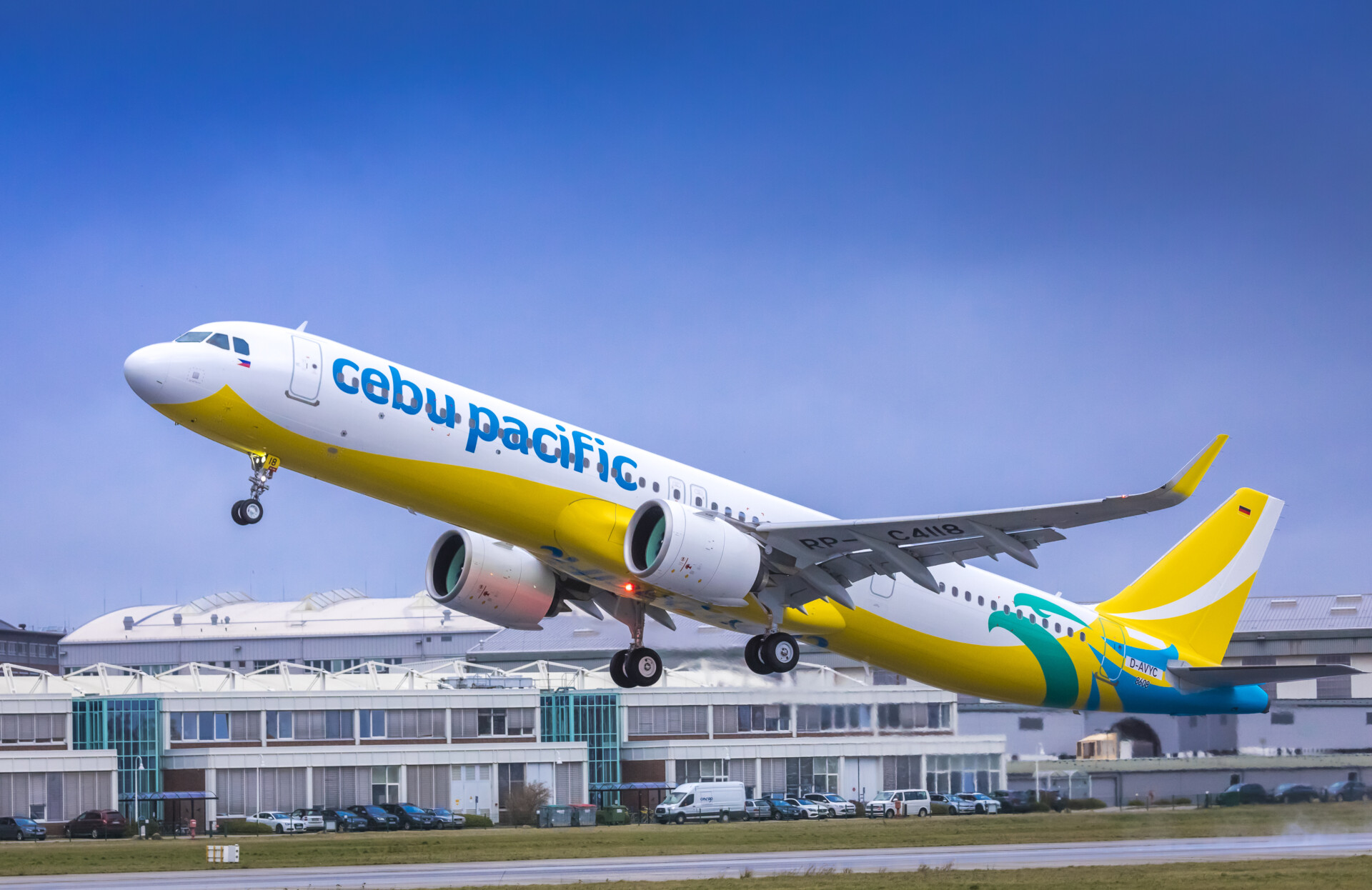
    Cebu Pacific, the country’s leading airline, continues to boost its international network as it adds flights to some of its top ASEAN destinations, namely Bangkok and Bali.

    Beginning Aug. 29, 2022, CEB will fly daily from Manila to Bangkok, coming from its current five-times-a-week frequency. By September, flights from Manila to Bali will also increase from thrice to five times weekly.

    The airline also intends to restart its Manila-Brunei flights by Sept. 1, starting with a twice-weekly frequency.

    “We are happy to keep growing our international network as we see an increasing demand for travel abroad, and as more destinations ease restrictions. It is exciting and encouraging to see more Filipinos travelling confidently in and out the Philippines, that is why we make sure we consistently provide convenient and affordable flight options to enable everyJuan to travel more for less,” said Xander Lao, CEB chief commercial officer.

    Fully vaccinated Filipinos flying to these three destinations are only required to present their proof of complete vaccination as Thailand and Indonesia have already eased its restrictions to easily allow tourists to enter.

    Apart from this, the airline also intends to increase its flights from Cebu to Seoul from twice weekly to a daily service by Sept. 9. On Sept. 23, flights to Nagoya from Manila will be daily from its current five times weekly.

    By Oct. 1, CEB’s Bali flights will increase to a daily service, while its flights to Hanoi and Taipei from Manila will both have one additional flight per week – from thrice to four-times-a-week for Hanoi, and twice to thrice weekly for Taipei.

    Coming home, boosted Filipinos no longer need to take a COVID test pre-departure. For more information, passengers may refer to CEB travel reminders page for the latest updates and complete travel guidelines to their destination.

    CEB continues to offer its guaranteed low fares to stimulate travel across its widest domestic network in the Philippines. It continues to implement a multi-layered approach to safety, while it operates with a 100 percent fully vaccinated crew, 95 percent of whom have been boosted.