Tag: airline

  • Airasia CEO says the high rates aren’t going anywhere

    Airasia CEO says the high rates aren’t going anywhere

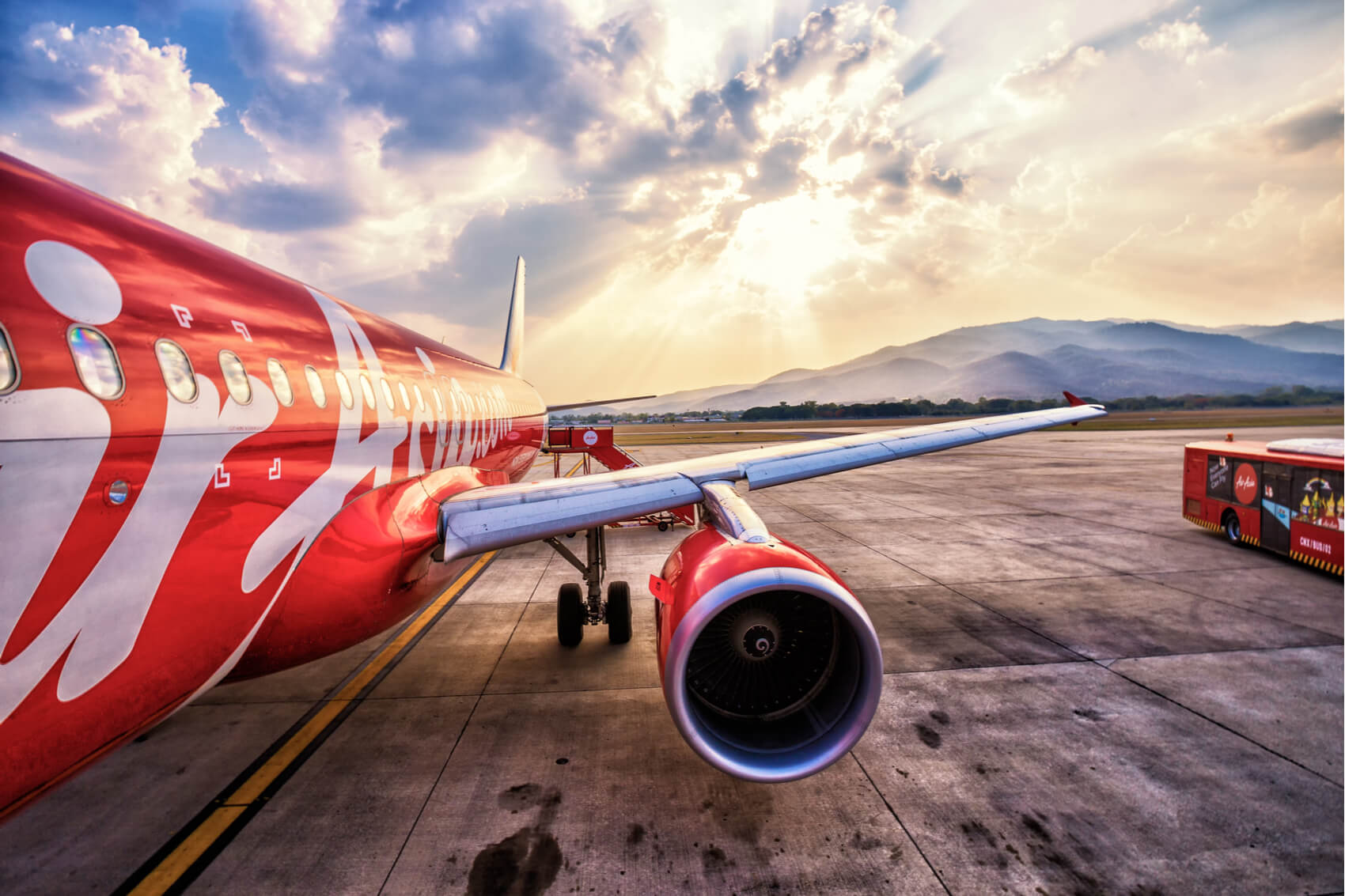
    Even low-cost carriers, which struggle to increase capacity amidst labor shortages, soaring fuel prices, and closed airspace, have set prices that have stumped travelers.And if you think this is going anywhere, it’s not – at least that’s according to AirAsia’s CEO Tony Fernandes.

    Speaking last week at the Aviation Festival Asia in Singapore, Fernandes revealed his belief that airlines have been under-pricing their services and that the industry has a way to go in charging passengers an appropriate price.

    However, higher airfares have not deterred or slowed down flight demands or demand projection, and Fernandes believes these airfares are more authentic prices that should have been charged pre-pandemic.

    “After not having flown for three years, passengers’ value of travel has also increased,” Fernando said.

    With many airlines facing challenges that hinder their ability to maintain and increase required capacity, classic supply and demand become a consideration. A shortage of available seats cannot meet the heightened demand, so Fernandes believes passengers can expect to be greeted with higher airfares this year.

    Alongside this, airlines cannot acquire more planes due to the manufacturers’ ability to speed up production rates impacted by the pandemic. Without new planes readily available and old planes suffering from technical setbacks, carriers have to outsource third-party agreements for wet leasing and maintenance, increasing expenses.

    Fernandes said AirAsia has faced these challenges, but the low-cost carrier will have its fleet of over 200 planes back in service by May.

    “The main obstacle for us has been getting our planes back into active service, and bringing about 204 planes back is no easy feat,” he said

    “And what was initially predicated on being finished by May of next year, we’ll be able to do by May of this year.”

    The global commercial aviation industry struggles to get back on its feet due to similar problems AirAsia, so, unfortunately for travellers, getting back to pre-pandemic prices may still take a while.

  • What airlines need to speed up their recovery

    What airlines need to speed up their recovery

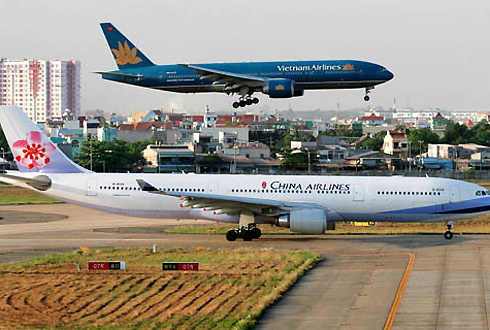
    Vietnamese airlines seek government support to speed up post-pandemic recovery, including scrapping a ticket price ceiling and relaxing visa policies.

    The outlook for the aviation industry seemed bright in a forecast by the Civil Aviation Authority of Vietnam (CAAV) last month when it said that a full recovery of Vietnam’s air transport is expected by the end of the year.

    CAAV forecast that 80 million passengers and 1.44 million tons of cargo will be transported this year, up 1% and 14.8%, respectively from 2019 when Covid-19 had yet to hit Vietnam.

    For airlines, however, the forecast seems too optimistic. Last year, Vietnam Airlines posted an accumulated loss of over VND34 trillion ($1.43 billion), while budget airline Vietjet recorded more than VND2 trillion in loss.

    Bamboo Airways and Vietravel Airlines are yet to turn a profit. Luong Hoai Nam, a member of the Vietnam Tourism Advisory Board, said at a recent event that there is no rosy picture for domestic airlines this year.

    “Carriers are deep in debt and are facing an operational crisis,” he said.

    Now that demand is rising, aircraft leasing companies are seeking to get their jets back, Nam said, adding that if Vietnamese airlines cannot pay for the lease the jets might be taken away.

    Vietjet’s Deputy CEO Ho Ngoc Yen Phuong said that although some international airlines have become profitable again after the two-year hiatus, Vietnamese carriers are still facing many financial difficulties, and they might lose on their own playground if other carriers increase their presence.

    Deputy CEO of Vietnam Airlines Trinh Ngoc Thanh said that the industry will not fully recover until the end of 2024, but he was not sure whether the national flag carrier can survive until than as its “financial health is very weak.”

    Local airlines, therefore, are proposing several support policies to help them survive and speed up their recovery. They want the domestic ticket price ceiling removed, saying that this policy is no longer in line with international norms. The price ceiling has remain unchanged for eight years and this is unreasonable as expenses, including fuel, currency exchange rates and loan interests, have all increased.

    Vietnam Airlines and Bamboo Airways proposed that while the ceiling is yet to be removed it should be raised to reflect the hike in operational costs.

    Ticket agents are saying that domestic prices on some routes have nearly doubled year-on-year.

    A survey of 1,600 readers last month found that 51% of respondents want the price ceiling to remain unchanged.

    Airlines are also requesting the government relax visa policies and create a national tourism promotion campaign.

    “The Vietnam National Administration of Tourism partnered with airlines to promote tourism in other countries in previous years,” Thanh said. “But now there is no campaign and carriers do not have the budget to create their own.”

    The Vietnam Airlines executive also said that the 15-day visa policy for European and American visitors should be doubled to 30-days.

    Vietjet wants authorities to untie administrative knots so that Chinese tours can soon travel to Vietnam. Vietnam is yet to be included in the 20 countries that Chinese tourism firms are allowed to send tours to.

    Even though China – which accounts for 30% of foreign tourists to Vietnam – has reopened, Vietnamese airlines still have to postpone plans to expand their flight frequency to this country.

    Carriers are also seeking reductions in taxes and fees.

    Thanh said that the 50% reductions in landing and takeoff fees of domestic airlines and an environmental tax on fuel, which were given during Covid-19, should be maintained to help ease the financial burden for carriers.

    Bamboo Airways has proposed for these reductions to last until the end of 2024 or 2025.

    Can Van Luc, chief economist at lender BIDV, said that it is unlikely that carriers will get out of losses this year and that they will still need a lot of government support in taxes and fees.


  • AirAsia Looks to China to Drive Budget Airline’s Recovery

    AirAsia Looks to China to Drive Budget Airline’s Recovery

    AirAsia parent company Capital A expects China’s reopening to international travelers in January to drive the recovery of its airlines this year.

    AirAsia’s four airlines — Malaysia-based AirAsia, Indonesia AirAsia, Philippines AirAsia, and affiliate Thai AirAsia — plan to rapidly ramp up capacity to China from less than 1 percent of 2019 levels in December, according to Diio by Cirium schedules, to 90 percent by August, Capital A said in a fourth-quarter earnings presentation on Wednesday. And, barring any unexpected events or waning travel demand, they will fly 11 percent more capacity to China in November than they did four years earlier. The rapid return to China will support the group’s recovery to roughly 85 percent of 2019 capacity levels this year.

    The group said its China capacity plans demonstrate its “confidence and commitment” to the market. Capital A CEO Tony Fernandes added that China’s reopening would “further boost” the company’s recovery.

    China ended its no-Covid policy, and dropped most border restrictions in January. Since then, airlines from around the world have moved to resume flights that were suspended during the pandemic. All Nippon Airways, Cathay Pacific Airways, KLM, Singapore Airlines, and Swiss Air, to name a few, are all resuming flights in the next few months. And Singapore Airlines even called out China as partially driving the strong travel demand in the market.

    The easing of China’s restrictions is especially important for AirAsia. The country was the largest source of international visitors to Thailand, and in the top three for international visitors to Malaysia and the Philippines in 2019, each country’s data show. That makes China a critical market for the budget airline’s success. Flights to and from China made up nearly 17 percent of the four AirAsia airlines’ combined capacity in 2019, Diio data show.

    As part of AirAsia’s recovery to China, it plans at least five new routes to the country this year. This includes service to Shenzhen on Indonesia AirAsia, and a new Kuala Lumpur-Guangzhou nonstop on AirAsia.

    Even without China, Capital A posted strong results in the fourth quarter as the Asian travel recovery accelerated. Group revenues increased 77 percent from 2019 to 2.4 billion Malaysian ringgit ($537 million); airline revenues were down 34 percent from three years earlier to 2.1 billion Malaysian ringgit. The group posted an operating loss of 198 Malaysian ringgit. Airline unit revenues, measured in revenue per available seat kilometer, were up 134 percent compared to 2019, while unit costs excluding fuel were up 106 percent. Capacity across the group’s four airlines recovered to 57 percent of 2019 levels in the December quarter.

    Capital A’s much vaunted AirAsia Super App for travel continued to make gains in the fourth quarter. Revenues increased 41 percent year-over-year to 138 million Malaysian ringgit, and the segment was earnings before interest, taxes, depreciation, and amortization (EBITDA) positive at 100,000 Malaysian ringgit. However, despite the public push, the Super App results reinforce the fact that airlines, not travel technology, remain Capital A’s core business — airline revenues were more than 15-times higher than Super App revenues.

    The group’s plan to merge its Indonesia, Malaysia, Philippines, and Thailand units into a single holding company, AirAsia Aviation Group, is forecast for completion by March.

    AirAsia’s airlines operated 126 of 205 total Airbus A320 and A330 aircraft at the end of December. The group aims to fly 150 aircraft by the end of March, and fully reactivate its fleet by the end of September. AirAsia has 362 A320neo family aircraft on order, and expects its first five A321neos in 2024.

    AirAsia’s long-haul brand, AirAsia X, is a separate company and not included in Capital A’s results.

  • Airlines propose scrapping airfare caps

    Airlines propose scrapping airfare caps

    Airlines and some experts have proposed hiking and eventually removing domestic airfare caps to support businesses in difficult times.

    Last year, no domestic airlines were profitable because of higher fuel costs, foreign exchange rates, and interest rates, while airfare caps have been kept unchanged for eight years. On Friday, participants at a conference on supporting the aviation industry said that the caps should be removed.

    Trinh Ngoc Thanh, executive vice president of Vietnam Airlines, said domestic airfare caps were last adjusted in 2015.

    The current maximum fare is VND2.2 million ($96) for routes under 850 kilometers and VND3.75 million for those above 1,280 kilometers.

    Airfare caps are placed only on domestic routes, not on international ones. As a result, the highest airfare of domestic flights is sometimes 40% lower than that of the HCMC – Singapore route, Thanh said.

    Thanh and Nguyen Manh Quan, CEO of Bamboo Airways, proposed that the Ministry of Transport hike the airfare caps and then eventually scrap them to ensure the aviation industry’s sustainable development.

    Quan also proposed the State still apply airfare caps on routes operated by only one airline, but let the market self-regulate routes tapped by at least two carriers.

    Hoai Nam, a Vietnam Tourism Advisory Board member, said: “Removing the airfare caps will help domestic airlines improve revenues and profits during peak periods.”

    He said that at present, no other countries in the world apply airfare caps, and none of the five domestic airlines has a monopoly position, so the caps should be removed as soon as possible.

    However, if the caps are scraped, airlines must not negotiate with one another about airfares, seriously violating the Competition Law and affecting the interests of passengers, Nam added.

    Tran Tho Dat, a member of the prime minister’s Economic Advisory Group, suggested the management agency should come up with a formula for regulating airfares like that for retail prices of gasoline and oil products.

    “If there are no caps, we should create a formula, an open airfare range, to ensure fair competition and people’s interests,” he said.

    In 2021, the Civil Aviation Administration of Vietnam proposed removing airfare caps on routes operated by three airlines or more to increase competition by service quality to serve passengers who are willing to pay higher than the ceiling price.

  • Cebu Pacific restores flight network

    Cebu Pacific restores flight network

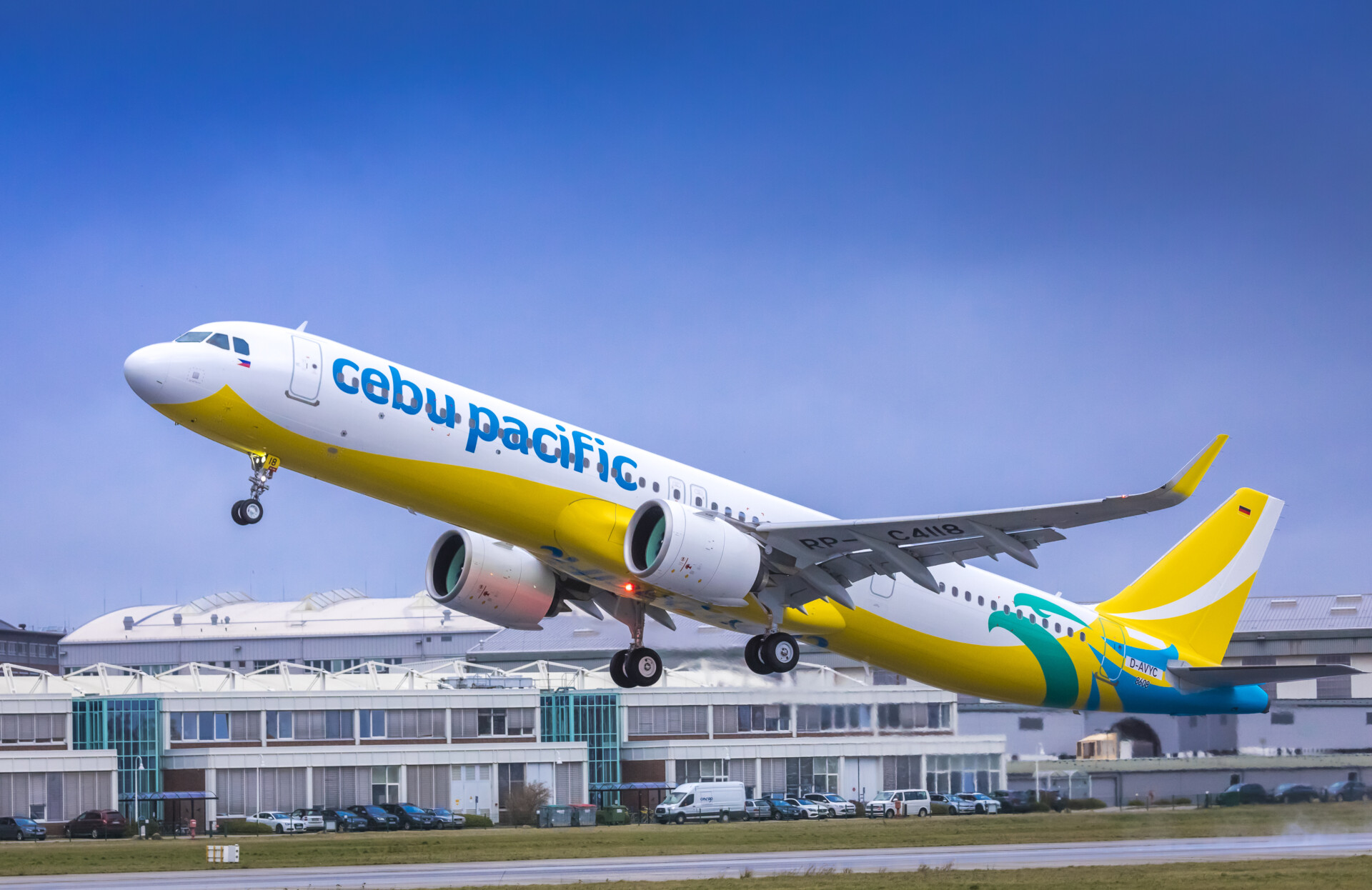
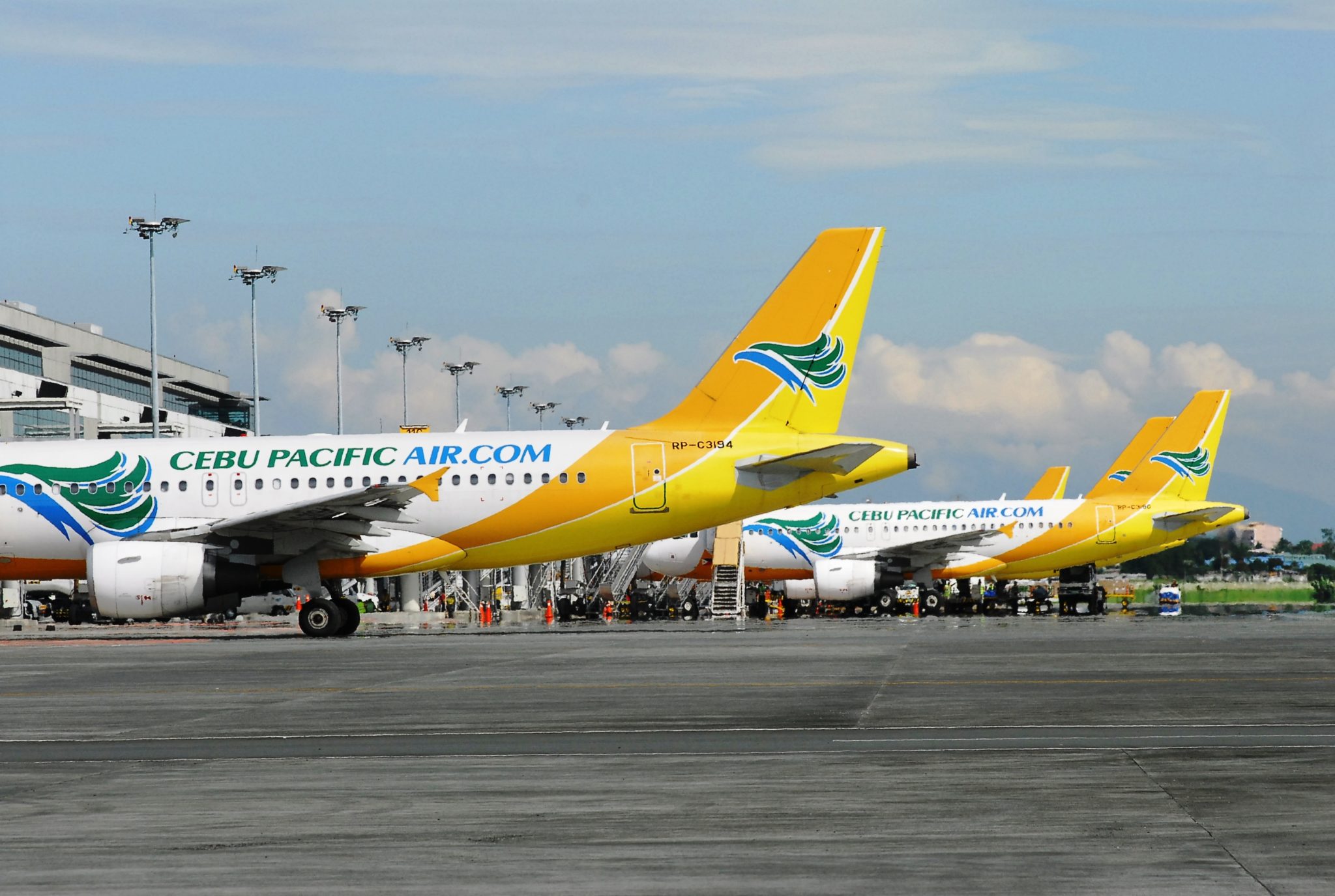
    Cebu Pacific is set to restore 100% of its pre-Covid network and capacity by March 2023. It now flies to 34 domestic destinations and is set to bring back all its 25 international destinations before the end of the first quarter.

    To support the return of domestic flights, the low-cost airline bundles fares to offer passengers a discount of up to 28% on their baggage, seat, and CEB Flexi fees when booking directly through the airline booking website.

    CEB offers three fare bundle options; Go Basic, Go Easy, and Go Flexi.

    On the Go Basic option, you pay for your fare and get one hand-carry baggage weighing up to 7 kg for free. With Go Easy, you can choose your standard seat and check in one piece of baggage weighing up to 20 kg.

    Score the biggest discount on your seat and baggage fees and automatically get a CEB Flexi add-on with Go Flexi. This allows you to cancel your flight, store its amount in your Travel Fund, and get all the benefits of the Go Easy bundle.

    Each fare bundle must be purchased at the initial booking for the discount to apply. CEB Fare Bundles cannot be refunded, transferred to another passenger, or stored in a Travel Fund without a purchased CEB Flexi add-on.

  • AirAsia offers 5 million free seats

    AirAsia offers 5 million free seats

    AirAsia pledged 5 million free seats last week to boost travel recovery across the 10 ASEAN countries.

    ASEAN’s top low-cost airline announced it was releasing the free seats* at a joint tourism briefing held with the Minister of Tourism, Arts & Culture, YB Dato’ Sri Tiong King Sing, on 10 February.

    According to the airline, 5 million free seats are available to travellers booking domestic and international flights linking in the 10 ASEAN countries; Brunei, Cambodia, Indonesia, Laos, Malaysia, Myanmar, Philippines, Singapore, Thailand and Vietnam.

    Travellers can fly to Penang, Langkawi, Kuching, Sibu, Kota Kinabalu and more from MYR23* and to international destinations, including Bali, Krabi, Jakarta, Macao, Shenzhen, Guangzhou, Phu Quoc, Ho Chi Minh City, Singapore and more from MYR60*.

    For those seeking to adventure out further, AirAsia X offers flights to Gold Coast, Busan, Taipei, Tokyo and more with all-in low fares from MYR329* one-way economy. The fares are available for bookings until 19 February 2023, with the travel period from 1 March 2023 to 10 December 2023.

    Malaysia’s Minister of Tourism, Arts and Culture YB Dato’ Sri Tiong King Sing, said: “The tourism sector is a major economic driver for Malaysia, accounting for almost 15% of our gross domestic product (GDP), and air connectivity is the backbone of our tourism sector. As we target to receive 15.6 million tourist arrivals with MYR47.6 billion in tourism receipts for 2023, we would like to commend AirAsia for outlining its plan to revitalise the tourism industry and play an integral part in achieving this outcome.”

    AirAsia has carried close to 800 million guests in the past two decades. Pre-pandemic in 2019 alone, the airline carried over 25 million guests to Malaysia, more than 40 million guests to the ASEAN region, and 17 million guests to North Asia.

    Capital A CEO Tony Fernandes said: “As they say, size matters. When it comes to airlines, bigger is always better so we can leverage economies of scale and pass on to our guests in the form of lower fares and deliver more value and choice. AirAsia has been a major contributor to Malaysia and Asean’s GDP. AirAsia alone contributes to more than 2% of Malaysia’s GDP. You may think 2% is a small number, but for a big country like Malaysia, with a GDP worth more than MYR1.5 trillion, 2% is a sizable contribution.”

  • Cebu Pacific looking to restore Clark flights

    Cebu Pacific looking to restore Clark flights

    Cebu Pacific is working to restore more of its flights in other air hubs in the Philippines, such as Clark International Airport, the budget carrier’s president told reporters last week.

    “We will be happy to resume flights at Clark and the other destinations we used to fly in,” Xander Lao, president and chief commercial officer, said. “Actually, when we said we were back at 100 percent operations, it referred to the seats and not actually to our fleet. From a pacing perspective, we are not there yet. For now, it is a matter of connecting the points and going from there.”

    He continued that on whether there is a possibility of moving some of their flights from the Ninoy Aquino International Airport to Clark International Airport, he said they are open to that idea.

    “Honestly, we welcome any capacity growth that comes from the market, but I think it should come down to the airlines on where they would want to designate flights to,” the Cebu Pacific president remarked. “We think Clark on its own has a lot of potential as it has around 20 million people in its catchment area, but Clark from Manila is very far as it is around 100 kilometers apart. It will be hard to convince businessmen or some passengers to travel that far to an airport.”

    Lao said that it is very good that the government is trying to improve the airport infrastructure in the Philippines, and said that they are excited about its various developments.

  • AirAsia lops 23% off fares

    AirAsia lops 23% off fares

    AirAsia welcomed the new year with a 23% off sale for all flights on bookings made by 15 January 2023.

    While the booking period runs from 9 to 15 January, the travel dates are open from 1 February to 27 September 2023.

    The deal is valid on flights to all destinations in the group network (airline codes AK, FD, D7 and XJ). It excludes flights with the airline code QZ.airasia

    It includes trips to Kuala Lumpur, Langkawi, Kota Kinabalu, Singapore, Bangkok, Taipei, Tokyo, New Delhi, Gold Coast Auckland and more.

    To secure the discount, click on the ‘flights’ icon on the homepage of the AirAsia Super App or via the airline group’s booking website.

  • Vietnam Airlines reports $430M loss on fuel price

    Vietnam Airlines reports $430M loss on fuel price

    Vietnam Airlines reported a loss of VND10.09 trillion ($430.3 million) last year and blamed it on rises in fuel prices and exchange rate volatility.

    Its revenues were worth around VND71 trillion, equivalent to 70% of revenues in 2019 before the Covid-19 pandemic hit but higher than the combined figures of 2020 and 2021.

    As of last year the carrier had accumulated losses of VND34.2 trillion.

    Yet it remains optimistic about 2023 since global markets have been recovering since late 2022 and said it would take measures to address the losses issues.

  • Vietnam Airlines adds 108 flights for Tet

    Vietnam Airlines adds 108 flights for Tet

    Vietnam Airlines has expanded its Tet schedule for a fourth time with 108 additional flights with 20,000 seats.

    The airline said most of the flights are from HCMC and Hanoi to Vinh, Thanh Hoa, Hai Phong, Da Nang, and Hue.

    In all there will 9,200 flights with 1.9 million seats between January 1 and February 5.

    Vietnam Airlines had earlier announced three additions in August and December for Tet in late January.

    Other carriers like Vietjet, Bamboo Airways and Vietravel Airlines have also added flights.

    Data from the Civil Aviation Authority of Vietnam showed that more than 90% of seats on flights from HCMC to central and northern destinations between January 14-21 had been booked as of January 12.

    Many people from the central provinces of Thanh Hoa, Nghe An and Quang Binh work in the southern city and return to their hometown to celebrate Tet with their family.

  • AirAsia India Is Now AIX Connect

    AirAsia India Is Now AIX Connect

    If you plan to travel to any destination in India within September 2023, we have an exciting surprise for you. If you feel like flight tickets are more expensive than your budget, you might be surprised to see the new AIX Connect prices. What is this new price and how can you get access to it? To know all about the recent updates of AIX connect, read till the end!

    AIX Connect, previously known as AirAsia India, made a grand announcement of its newest discount. The airline launched the #TimeToTravel offer with a huge discount of flat 23% for all the flights on the domestic network. So, if you are in the mood to travel anywhere in India till September of this year, you definitely need to check out this deal.

    AIX connect launched #TimeToTravel sale to influence and motivate more people to travel to beautiful destinations. From Kashmir in the North to Kerala in the South and from beaches to mountains to valleys, you can explore it all using this exciting discount by AIX connect.

    AirAsia India network has more than 50 direct and 100 connecting flights to 18 places. Whether you are traveling for business purposes or for holidays and vacations, this airline provides great travel experiences to all passengers.

    The weather is great right now to enjoy the holidays. India, being the home to such stunning locations, you can travel all around at any moment throughout the year. So, where are you flying to and fulfilling your travel expectations this year? 

  • Vietnam Airlines adds more flights for Tet

    Vietnam Airlines adds more flights for Tet

    Vietnam Airlines has announced it will increase the number of flights during Tet (Lunar New Year holidays) by a further 500 after informing increases in August and early December.

    The 500 flights will be between Jan. 6 and Feb. 5, 2023, and have over 90,000 seats. Most of them will be from HCMC and Hanoi to Vinh, Thanh Hoa, Dong Hoi, Chu Lai, and other places.

    Vietjet Air and Bamboo Airways have sold nearly all tickets on their Tet extra flights. Vietravel Airlines has increased the number of daily return flights between HCMC and Hanoi to three.

    Airlines will altogether operate nearly 33,700 flights with 6.7 million seats during Tet, which falls in late January, up 33% from the previous year.

    But with many people still unable to buy tickets to return home for the New Year, the Civil Aviation Authority of Vietnam and airlines are considering adding even more flights.

  • AirAsia Philippines expects demand for foreign flights to rise

    AirAsia Philippines expects demand for foreign flights to rise

    Low-cost carrier AirAsia Philippines has already booked close to 300,000 seats for January 2023 as it begins its quest to return to pre-pandemic capacity and boost international travel.

    Based on data, AirAsia Philippines said that forward bookings for January had already reached 285,000. This is 70 percent higher than the seats booked a year ago.

    With only a few days left in 2022, AirAsia Philippines CEO Ricky Isla said AirAsia Philippines appears on track to end the year strong.

    On the domestic side, Isla said AirAsia Philippines had posted a load factor of 93 percent as of Dec.19. This means that nine in every 10 seats per flight were booked. Zamboanga remains to be the top performer with a load factor of 98 percent, followed by Puerto Princesa and Roxas with 95 percent each.

    On the other hand, Bangkok tops the list among international routes of AirAsia Philippines with a load factor of 92 percent.

    Isla said Incheon placed second with 90 percent.

    AirAsia Philippines expects demand for overseas travel to rise in 2023, fueled by the downward trend in ticket prices and the continuous lifting of border restrictions.

    “We are seeing a robust travel demand for next year, especially as travelers now become more comfortable with locking their trips ahead of time,” Isla said.

    “A more relaxed protocol for international destinations has also set the pace for outbound travel, which we expect to pick up next year as we open new exciting destinations,” he said.

  • Personal Data of Passengers, Employees Stolen in Ransomware Attack on AirAsia

    Personal Data of Passengers, Employees Stolen in Ransomware Attack on AirAsia

    AirAsia, a budget airline that operates out of Malaysia, is dealing with the aftermath of a ransomware attack that saw the personal data of some five million people stolen.

    To add insult to injury, the gang of responsible cyber criminals said they would not follow up on the beleaguered airline due to how “sloppy” its internal organization and management appeared to be.

    The perpetrators of the ransomware attack appear to be “Daixin Team,” a group that is thought to be based in or around China and that has become active enough in recent months to merit an alert from the FBI and CISA. The group has been active since at least June 2022, but previously had shown a strong preference for targeting healthcare and public health facilities via unpatched VPN vulnerabilities.

    The ransomware attack on AirAsia occurred on November 11 and 12, with samples of the stolen personal data being leaked to the group’s dark web site about a week later. The posted samples contain employee personal information as well as passenger booking information. The group says that it has captured “all employees” personal data and an unspecified quantity of passenger data.

    While Daixin Team continues to shake down AirAsia using the stolen personal data, it said there would be no further ransomware attacks on the company due to its “chaotic organization” and poor cybersecurity. However, this did not appear to be out of pity, but at frustration at having to sort through a tangled internal network to find information of value; the group said it would leave it to “newcomers” to pick through the “garbage.” However, the hackers also said they would stop short of locking anything that could be life-threatening, such as air traffic control and radar systems.

    Founded in 1993, AirAsia has the largest fleet in Malaysia and flies to the greatest range of international and domestic destinations. The airline carried a total of about 4.81 million passengers in 2021, indicating that the personal data stolen by the attackers may be limited to bookings taking place within the last year or so. Part of the leak of sample data stolen during the ransomware attack shows a database of passenger names with ID numbers and the total cost of their ticket.

    Ransomware attacks have become both more frequent and more expensive to weather in recent years, but they have also become more dangerous. Attackers have now demonstrated that they are willing to cause real-world damage, potentially even death, if they think it will increase their chances of a payout. That was a red line that was really not crossed before the major attacks on critical infrastructure and hospitals in 2021.

    It is unclear if Daixin Team’s claim that it had access to air traffic control and other sensitive airline applications that could cause physical damage is accurate. This would generally require direct access to an individual airport’s systems rather than an airline’s internal network or booking system. There have been numerous attacks on both airlines and the public-facing portion of airport websites at this point, none of which have yielded that sort of access; about the closest example was an attack on Bristol Airport in 2018 that caused outages of the flight status screens for two days, but did not impact actual aircraft operations. Another attack in India earlier this year disrupted flight scheduling for several days, but did not prevent planes from flying. FedEx’s air shipment service has also been hit by ransomware attacks at least twice, but flight operations are not known to have been impacted.

    Ransomware attacks have been demonstrated to be capable of indirectly causing death at this point, however, in the health care industry that Daixin Team likes to target. In 2020 a German patient being transported by ambulance for emergency services was turned away from a hospital that had its systems shut down by ransomware, and died en route to the next closest facility. And in 2021, a baby in Alabama died after a mother was not given tests that may have saved its life, due to ransomware limiting hospital capabilities at the time. Though hospitals are generally not well-funded, hackers target them due to the wealth of personal data they hold and the fact that they cannot afford to have systems down for any length of time.

    Nick Tausek, Lead Security Automation Architect at Swimlane, notes that this is a risk that all types of organizations now need to consider: “Since June of this year, the Daixin Team has attacked several healthcare organizations, including the OakBend Medical Center in Texas and the Fitzgibbon Hospital in Missouri. Both attacks resulted in the exposure of personally identifiable information (PII) on the dark web and represented a significant threat to patient and employee safety. Now, the Daixin Team seems to be shifting towards new targets – global critical infrastructure. Like prior Daixin Team attacks, the attack on AirAsia has resulted in sensitive data exposure. Unfortunately, AirAsia will most likely face large financial burdens and a crisis of confidence from its consumer base due to this attack.”

    “To mitigate the chances of similar attacks in the future, it is imperative that organizations adopt low-code security automation to help detect and respond to threats in real-time by allowing complete visibility into IT environments. Endpoint security tools that integrate low-code security automation give organizations a cohesive protection strategy that protects customers and employees as well as keeps essential services like air travel up and running,” recommended Tausek.

  • AirAsia X says it’s back in profit

    AirAsia X says it’s back in profit

    AirAsia X (AAX) said it posted a quarterly net profit of RM25.1 million (US$5.6 million) compared to a net loss of RM652.5 million in the preceding quarter. Revenue was slightly lower at RM100.1 million as compared to RM107.2 million during the period ending 30 June 2022 (4Q22) on the back of a reduction in revenue from the freight services segment due to normalized scheduled flight operations.

    In other segments, recovery across all key metrics has significantly improved as scheduled passenger and charter flights as well as ancillary revenues, have demonstrated a strong recovery compared to the preceding quarter. For 5Q22, the Company posted earnings before interest, taxes, depreciation, and amortization (EBITDA) of RM25.4 million, while profit before tax for the period stood at RM23.8 million.

    Operationally, the Company reported Passenger Load Factor (PLF) was recorded at 73% during the quarter – less than ten percentage points short of its pre-COVID-19 PLF of 81% in 2019. The Company carried a total of 80,385 passengers during the period under review, compared to 8,892 passengers from April – June 2022. Seat capacity grew to 110,615 during the quarter from 27,521 in the preceding quarter as additional markets and frequencies were introduced in 5Q22.

    During the period under review, the total number of sectors flown increased to 291 sectors from 226 sectors in 4Q22. Following its return to scheduled services in April 2022, the Company has made notable progress in its network recovery – adding Sydney and two new dense-short-haul routes to Kota Kinabalu and Kuching to its network in September 2022. AAX also introduced increased frequency to existing markets in Seoul and Delhi to cater to strong pent-up demand.

    In terms of balance sheet and cash flow, the Company charted a cash balance of RM79.5 million for the period ending 30 September 2022 – an increase of beyond 100% as compared to RM25.1 million in the preceding quarter. This was achieved predominantly on the back of a V-shaped air travel revival supporting the resumption of scheduled passenger flights to many of its most popular and profitable destinations, along with charter and cargo flights.

    AirAsia X Malaysia CEO Benyamin Ismail said: “AAX is now well on track in its recovery path even as the airline is compelled to operate in a challenging operational environment dictated by high fuel prices and a weakened Malaysian Ringgit against the US Dollar. While we are cautious of the strenuous operating conditions, we remain confident that the recovery of the Company is on the horizon, if not already within our reach. In the previous quarter we resumed our scheduled passenger flights to Seoul and Delhi, and are pleased to report that we have also resumed our services to Sydney and introduced additional frequencies to Seoul and Delhi in 5Q22.

    Due to high demand, AAX had also commenced operations to dense, short-haul routes during the quarter where demand has exceeded currently available aircraft capacity; namely Kota Kinabalu and Kuching. At the beginning of 5Q22, AAX was charting three flights per week and this surged to 23 flights per week by the end of the period under review.”