Retail News CRM

Tag: airlines

  • Lucio Tans Sky-High Ambitions: Philippine Airlines to Boost Fleet with 20 Boeing Dreamliners

    Lucio Tans Sky-High Ambitions: Philippine Airlines to Boost Fleet with 20 Boeing Dreamliners

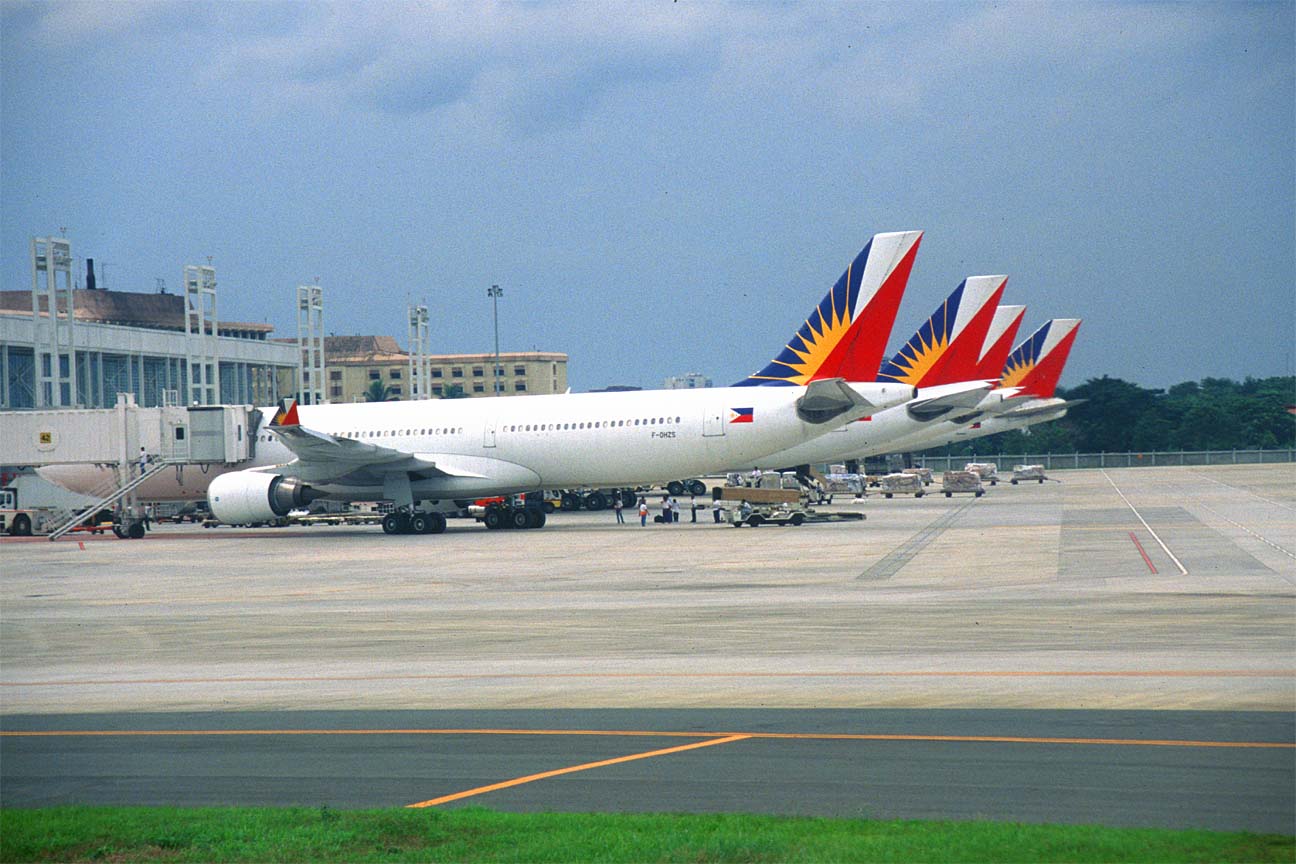
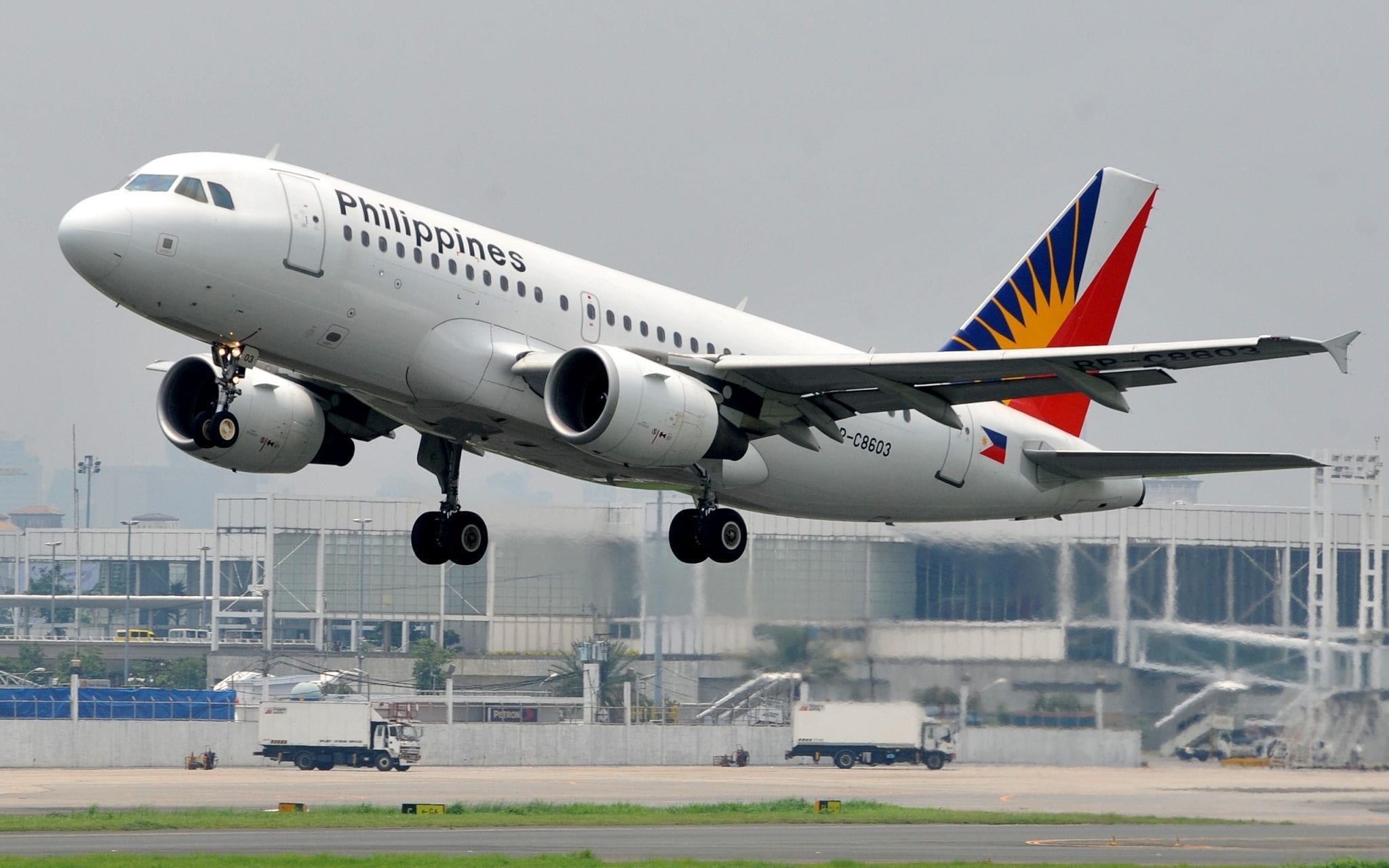
    Philippine Airlines, under the leadership of banking and tobacco magnate Lucio Tan, intends to acquire up to 20 Boeing 787-10 Dreamliner jets as the company upgrades its fleet in response to increased demand in air travel. The national airline has committed to purchasing at least 15 Dreamliners, with the option to buy another five, as stipulated in a preliminary agreement established in the United Kingdom.

    A Historic Purchase for Philippine Airlines

    The new order represents Philippine Airlines’ initial acquisition of Boeing aircraft in nearly 20 years, with delivery slated between 2031 and 2034. While the financial details of the agreement were not disclosed, the overall deal could potentially exceed $7.1 billion based on listed prices. A single Dreamliner typically ranges from $150 million to $200 million, even though its list price can reach a peak of $355 million.

    The procurement follows Philippine Airlines’ successful fundraising of $300 million from its inaugural bond sale after emerging from Chapter 11 bankruptcy in the U.S. in December 2021. The generated funding will contribute to the rejuvenation and expansion of the 85-year-old airline’s fleet.

    Lucio Tan III, president of PAL Holdings, the airline’s parent company, said, “This investment exemplifies our faith in the future of Philippine Airlines and the projected growth of air travel.” He added, “The Boeing 787-10 will augment our medium and longhaul fleet, enabling us to offer an enhanced travel experience for our passengers while improving operational efficiency.”

    A Broader Strategy for Efficiency and Sustainability

    The acquisition of the 787 Dreamliners is part of a larger plan to build a more efficient, sustainable, and competitive airline. The new aircraft will be powered by GE Aerospace’s GEnx-1B engines. Philippine Airlines, which boasts a fleet of over 80 aircraft, provides service to various destinations across the Philippines and 40 international routes in Asia, North America, Australia, and the Middle East.

    Since 2024, the airline has been actively expanding and upgrading its fleet, following a record profit in 2023 spurred by a post-pandemic travel surge. In December, the airline also added five Airbus A320 aircraft to its fleet.

    In addition to aviation, Tan’s business portfolio extends to banking, beer, spirits, tobacco, and real estate through his publicly traded LT Group. His net worth is estimated to be $2.9 billion.

    This purchase also represents a significant win for Boeing, which has also recently secured orders for 100 aircraft from leasing company SMBC and 28 jets from Riyadh Air.

    Questions & Answers

    What is the significance of this purchase by Philippine Airlines?
    This is the first time in nearly two decades that Philippine Airlines has placed an order for Boeing aircraft, marking a significant milestone in the company’s fleet upgrade strategy.

    How will this acquisition benefit Philippine Airlines?
    The acquisition of the Boeing 787-10 Dreamliner aircraft is expected to enhance operational efficiency and the overall travel experience for passengers, particularly for medium and long-haul flights.

    What are Lucio Tan’s other business interests besides aviation?
    Apart from aviation, Lucio Tan’s business interests span across various sectors, including banking, beer, spirits, tobacco, and real estate through his publicly listed LT Group.
  • Chinese Airlines Secure $17.8 Billion Airbus Deal to Boost Capacity and Modernize Fleets

    Chinese Airlines Secure $17.8 Billion Airbus Deal to Boost Capacity and Modernize Fleets

    Three major Chinese airline companies are set to acquire 95 aircraft from Airbus, in deals collectively valued at approximately $17.8 billion. This comes as part of a concerted effort by these airlines to expand their capacities and modernise their fleets with more fuel-efficient aircraft amidst the bourgeoning growth of China’s aviation market – the second-largest globally.

    Air China and its subsidiary Shenzhen Airlines have agreed to purchase 55 Airbus aircraft for a total value of $12.4 billion. Conversely, Hainan Airlines has independently agreed to buy 40 A320neo-family jets, with a list price of up to $5.4 billion.

    Air China will acquire 15 A350-900 wide-body jets, while Shenzhen Airlines will separately buy 40 narrow-body A320neo-family aircraft. The A350-900 jets, valued at roughly $6.09 billion, are set for delivery between 2030 and 2032. The 40 A320neo-family aircraft, worth approximately $6.35 billion, are slated for delivery between 2029 and 2032. Meanwhile, Hainan Airlines has scheduled the delivery of its 40 A320neo jets between 2028 to 2032.

    However, Air China has clarified that the actual transaction prices will be lower than the listed values, stating that Airbus has granted significant discounts in line with standard practice for large-scale aircraft orders.

    This surge of orders is indicative of the ongoing recovery and expansion of Chinese carriers post-pandemic, despite notable challenges. Recently, Air China reported a potential net loss of up to 2.6 billion yuan for the first half of this year, attributing the financial squeeze to rising fuel prices.

    Other Chinese carriers have also been investing in large orders with Airbus. Previous notable investments include those by China Eastern Airlines and China Southern Airlines, which have made substantial aircraft purchases in recent months.

    These new jets are predicted to increase the total capacity of the Air China group and Shenzhen Airlines by 7.1% and 4.3% respectively, based on their combined passenger and cargo capacity as of December 31, 2025. In addition, some of the new aircraft will replace older models set to be retired.

    Competition-wise, the A320neo family rivals the Boeing 737 MAX on medium-haul routes, while the A350-900 is favored for long-haul international services.

    According to the IATA World Air Transport Statistics, the U.S. remained the world’s largest aviation market last year with 890.1 million passengers, with China following closely at 776.1 million passengers.

    Questions & Answers

    What is the total value of the Airbus aircraft orders by the three Chinese airlines?
    The total list price of the 95 Airbus aircraft ordered by Air China, Shenzhen Airlines, and Hainan Airlines is approximately $17.8 billion.

    Which aircraft models are being purchased by the Chinese airlines from Airbus?
    The three airlines have agreed to purchase various models, with Air China acquiring 15 A350-900 wide-body jets and Shenzhen Airlines buying 40 narrow-body A320neo-family aircraft. Hainan Airlines will be purchasing 40 A320neo-family jets.

    How will these purchases affect the total capacity of the Air China group and Shenzhen Airlines?
    The acquisition of these new jets is expected to boost the total capacity of the Air China group by about 7.1% and Shenzhen Airlines by 4.3%, based on their combined passenger and cargo capacity as of December 31, 2025.

  • Philippine Airlines Soars with $300M Bond Sale: Billionaire Lucio Tans Strategy for Expansion and Recovery Post-Bankruptcy

    Philippine Airlines Soars with $300M Bond Sale: Billionaire Lucio Tans Strategy for Expansion and Recovery Post-Bankruptcy

    Philippine Airlines, under the ownership of billionaire Lucio Tan, renowned for his ventures in the tobacco and banking sectors, has successfully garnered US$300 million via a five-year bond sale. This strategic move is aimed at financing the carrier’s ambitious plans for fleet modernization and growth.

    The bonds, which have been guaranteed as senior unsecured, were issued at a rate of 7.75% by Primero Agila, a fully owned subsidiary of the airline. The statement issued by the carrier also revealed the overwhelming response received for the offering, which was subscribed to 4.5 times more than anticipated, resulting in an order book surpassing $1.4 billion.

    First Bond Sale Since Bankruptcy Clearance

    Significantly, this bond sale is the first for Philippine Airlines following its emergence from Chapter 11 bankruptcy proceedings in the U.S. in December 2021. The funds raised will be used to bolster the carrier’s international expansion plans, which include augmenting the frequency of flights to major North American hotspots including Chicago, New York, Toronto, and Vancouver.

    In the words of Lucio C. Tan III, president of PAL Holdings and the grandson of the tycoon, “This landmark bond offering is a powerful affirmation of Philippine Airlines’ transformation and the confidence that global investors have in our long-term vision and growth ambitions. This allows us to strengthen our network and continue to elevate the travel experience for our customers.”

    A Landmark Achievement

    The bonds, which have received an unconditional and irrevocable guarantee by Philippine Airlines and its wholly-owned subsidiary, Air Philippines Corp., will be listed on the Singapore Exchange. The $300 million bond sale has been recognized as the first rated high-yield bond offering by a Philippine issuer in over a decade and the first unsecured rated high-yield bond issued by an Asian airline.

    Moreover, the airline has demonstrated a robust earnings recovery since the height of the Covid-19 pandemic. Its net profit witnessed a rise of 2.6% to $78.6 million in the first quarter, compared to the same period in the previous year, while revenue experienced a healthy increase of 9.7% to $895.7 million.

    In addition to aviation, Tan maintains interests in multiple sectors including banking, beer, spirits, tobacco, and real estate via his publicly listed flagship company, LT Group. His net worth stands at an impressive $3 billion, making him one of the wealthiest tycoons in the Philippines.

    Questions & Answers

    What will the proceeds from the bond sale be used for?
    The funds raised from the bond sale will be used to support Philippine Airlines’ international expansion plans, including the increase of flight frequencies to major North American cities.

    Why is this bond sale significant for Philippine Airlines and the aviation industry?
    This bond sale is the first for Philippine Airlines since it emerged from bankruptcy proceedings last year. It is also the first rated high-yield bond offering by a Philippine issuer in over a decade and the first unsecured rated high-yield bond issued by an Asian airline.

    How has Philippine Airlines performed financially since the height of the Covid-19 pandemic?
    The airline has shown a strong earnings recovery, with net profit rising 2.6% to $78.6 million in the first quarter from a year earlier, while revenue increased 9.7% to $895.7 million.

  • Singapore Airlines Postpones Next-Gen First-Class Seat Debut to 2027 Amid Industry Constraints

    Singapore Airlines Postpones Next-Gen First-Class Seat Debut to 2027 Amid Industry Constraints

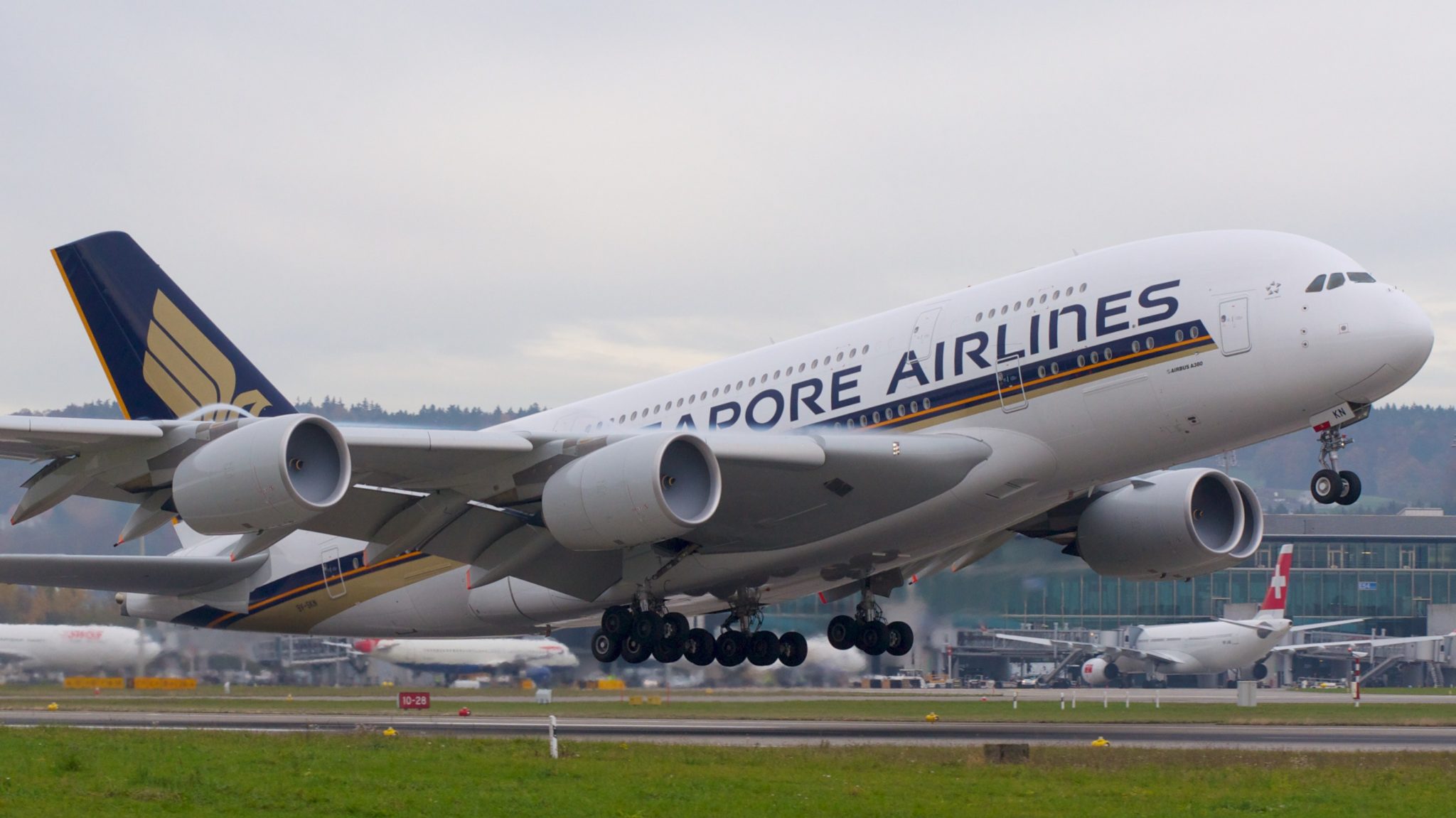
    Singapore Airlines has postponed the unveiling of its upgraded first and business class cabins on Airbus A350-900 aircraft until the first quarter of 2027, retreating from the original target date in the second quarter of 2026. The adjusted timeline comes as a response to the widespread supply chain issues plaguing the aviation industry, compounded by delays in the approval of one of the new seating designs, as was communicated by a company representative on Wednesday.

    Revamping the Flying Experience

    The change in the cabins is part of a broader revamp announced by Singapore Airlines in November 2024, a move targeted at rolling out newly designed long-haul products across a fleet of 41 Airbus A350-900 long-distance and extreme long-range aircraft. The new products were declared to be an entirely new innovation, boasting spacious layouts and ergonomics designed to cater to the diverse requirements of the airline’s passengers.

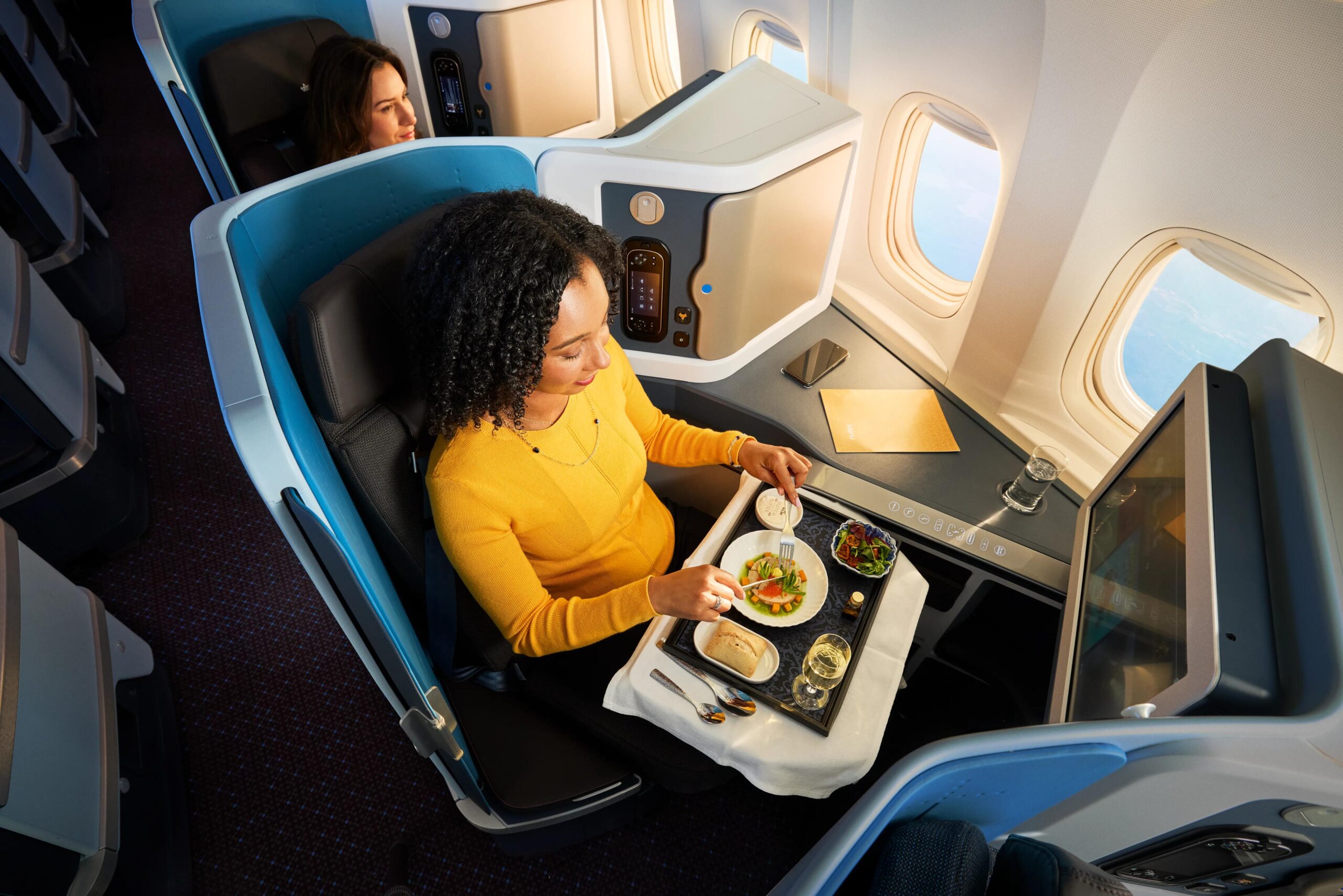
    Although the airline has yet to disclose the final designs of the revamped cabin classes, a preview of the new business class product released in 2024 hinted at seats equipped with privacy doors, bearing a resemblance to the Qsuite of Qatar Airways.

    Singapore Airlines had previously broadcast an investment of SGD1.1 billion (US$863 million) in this venture, with the refurbishment work delegated to the SIA Engineering Company in Singapore.

    Operational Delays and Future Expectations

    Singapore Airlines stated on Wednesday that the refurbished A350-900 aircraft are now predicted to commence operations in the first quarter of 2027, pending regulatory approvals. The company pledged to offer an update on the introduction of the upgraded A350-900 ultra-long-range aircraft when appropriate.

    Upon completion of the renovations, the company plans to equip 34 of the A350-900 long-haul aircraft with 42 business class seats, 24 premium economy seats, and 192 economy seats. The seven A350-900ULR aircraft in the airline’s possession will be arranged with four first-class seats, 70 business class seats, and 58 premium economy seats.

    Questions & Answers

    What is the new timeline for the launch of the upgraded seats on Airbus A350-900 aircraft?
    The new launching date is set for the first quarter of 2027, a delay from the initial schedule of the second quarter of 2026.

    Why has the launch been delayed?
    The delay is due to industry-wide supply chain issues and a setback in the certification of one of the new seat designs.

    What will the new cabins look like?
    Details of the design remain undisclosed, but a teaser of the business class product showed seats with privacy doors, similar to those of Qatar Airways’ Qsuite.

  • Vietnam Airlines Sees 30% Q1 Profit Surge to $171M Amid Strong Tet Demand and European Expansion

    Vietnam Airlines Sees 30% Q1 Profit Surge to $171M Amid Strong Tet Demand and European Expansion

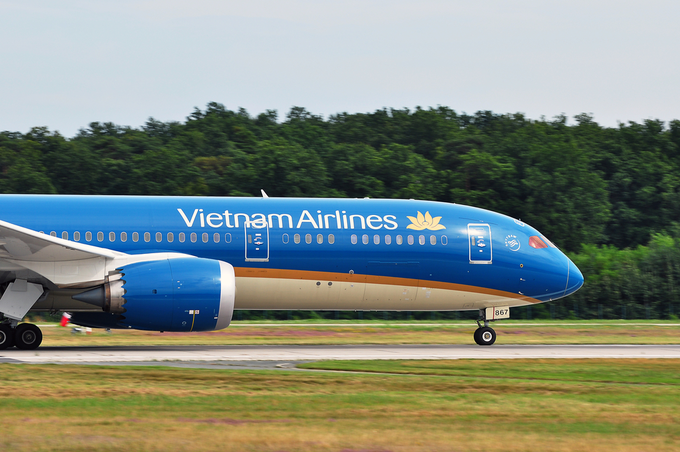
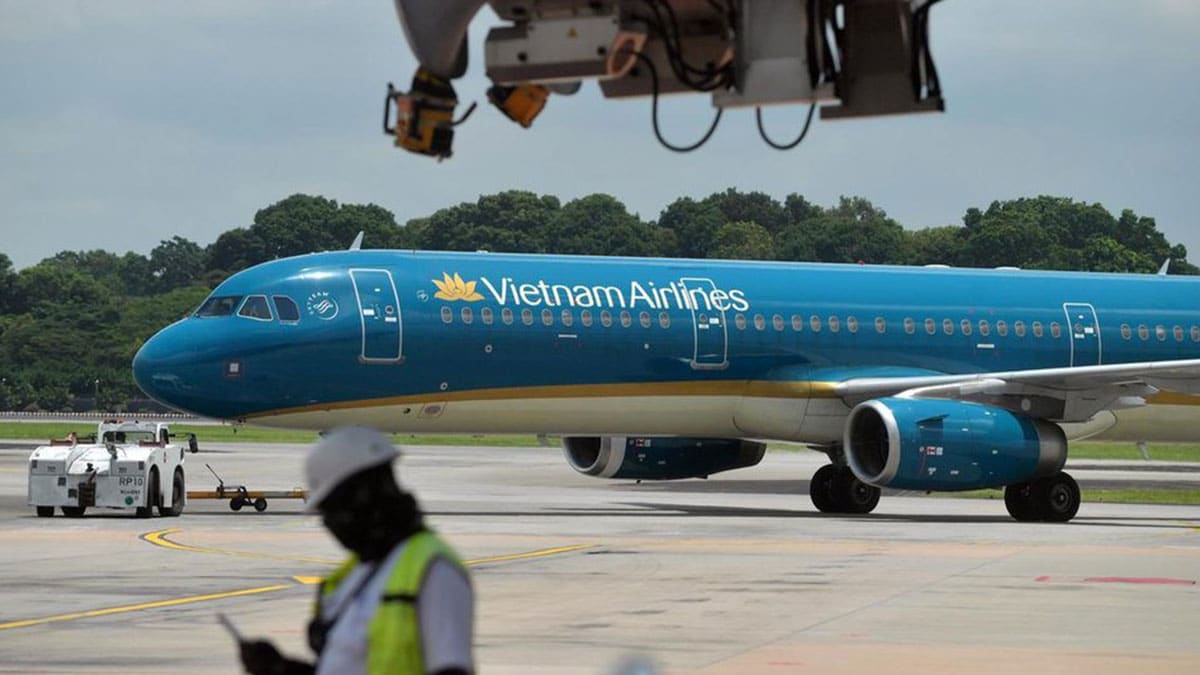
    In the first quarter, Vietnam Airlines experienced a surge in pre-tax profits, reaching over VND4.5 trillion (US$171 million), a 30% increase compared to the same period last year. This substantial growth is attributed to high demand during the Tet holiday and the introduction of new European routes.

    Rising Revenue

    The airline’s consolidated revenues witnessed a 23% rise, totaling VND37.5 trillion. The Lunar New Year’s peak travel season, typically spanning from mid-January to mid-February, contributed significantly to this growth. Daily flights during this period numbered between 660 and 670, marking a 13% increase from the previous Tet season in 2025.

    New European Destinations

    International expansion also significantly bolstered the airline’s performance, especially the addition of fresh European destinations to its schedule. The revenue from international services experienced a 28.6% increase, a stark contrast to the mere 2.9% uptick in domestic revenues.

    At present, Vietnam Airlines operates 11 direct flights to Europe. It has plans to launch a Hanoi-Amsterdam service in June and boost the Hanoi-Moscow service to four flights each week from July, up from the current three flights per week.

    In the first quarter, the airline transported over 6.9 million passengers across nearly 43,000 flights, showing a year-on-year growth of 12% and 11% respectively.

    Future Concerns

    Despite the turbulence in global energy markets caused by conflicts in the Middle East since early March, Vietnam Airlines’ performance in the first quarter remained largely unaffected. However, the airline foresees potential challenges in the second quarter due to rising fuel prices.

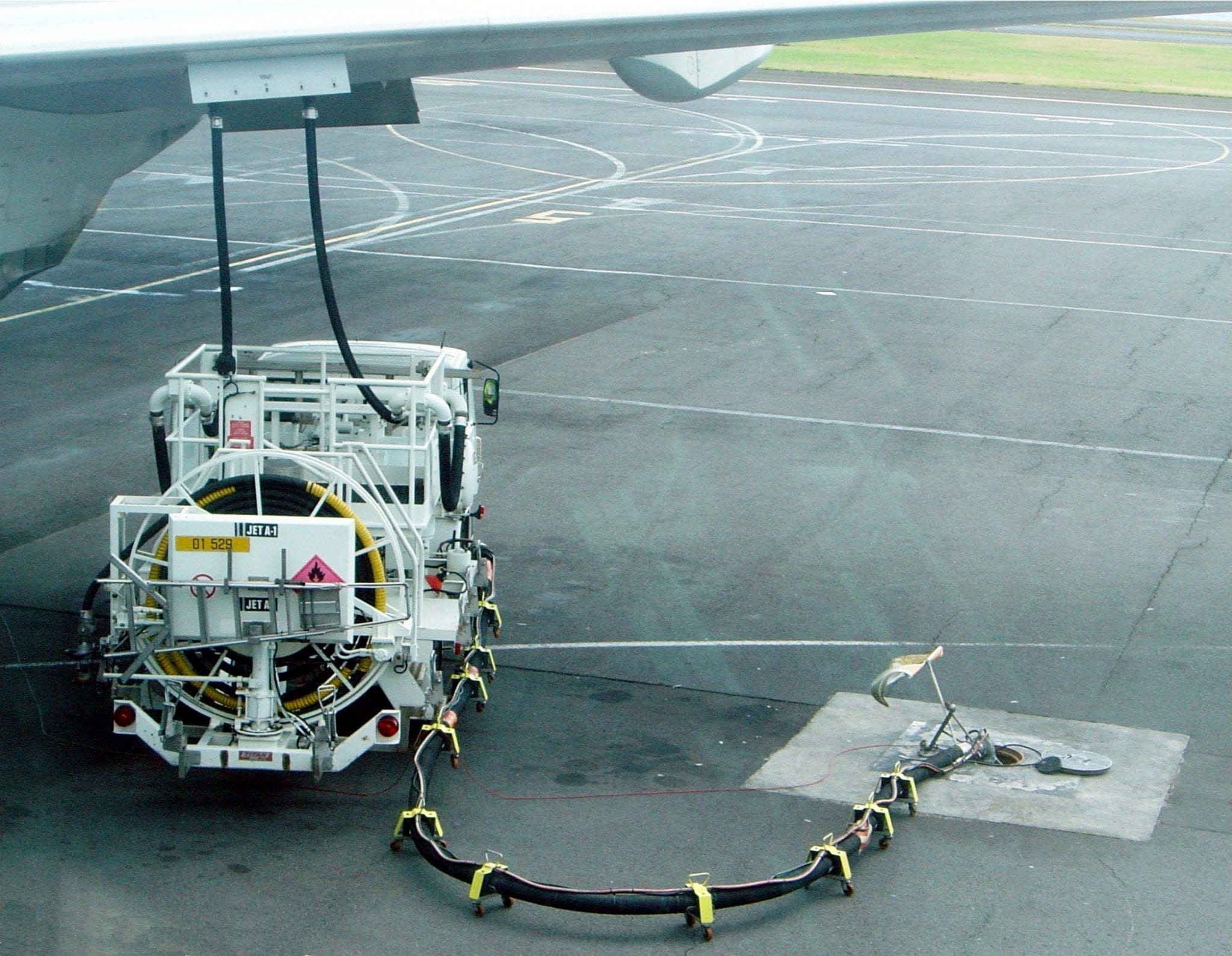
    By late April, Jet A1 fuel prices were estimated at $190-220 per barrel, approximately three times the regular levels, occasionally even exceeding $240. A $1 per barrel increase in fuel prices adds an additional VND300 billion to Vietnam Airlines’ yearly costs.

    In response to these challenges, the airline plans to maintain flexible operations and optimize crucial domestic and international routes.

    Questions & Answers

    What factors contributed to the surge in Vietnam Airlines’ pre-tax profits?
    The significant increase in pre-tax profits can be attributed to high demand during the Tet holiday and the addition of new European routes.

    How is Vietnam Airlines planning to handle the potential challenges due to rising fuel costs?
    The airline plans to maintain flexible operations and optimize key domestic and international routes to mitigate risks associated with increasing fuel prices.

    What future plans does Vietnam Airlines have for its European services?
    The airline plans to launch a Hanoi-Amsterdam service in June and increase the frequency of the Hanoi-Moscow service to four times per week, up from the current three, starting from July.

  • Air India Appeals to Tata, Singapore Airlines for Bailout Amid $2.4B Loss Crisis

    Air India Appeals to Tata, Singapore Airlines for Bailout Amid $2.4B Loss Crisis

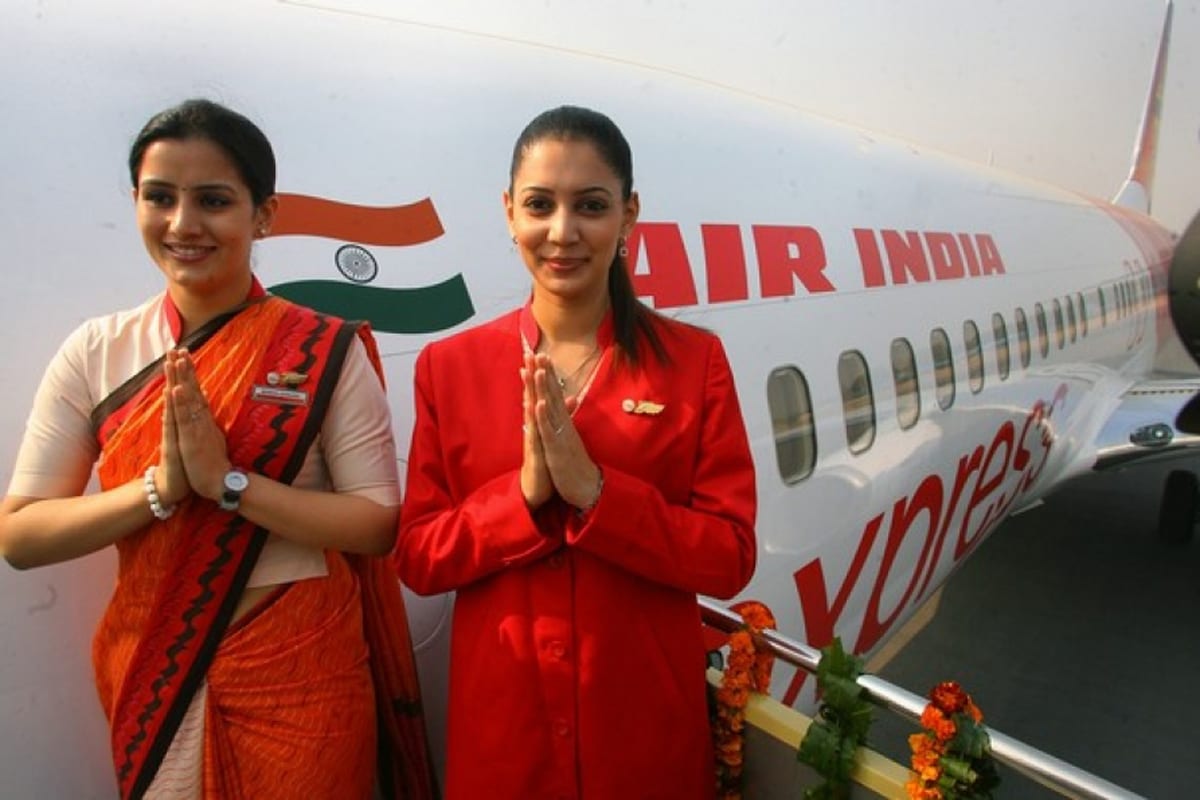
    Air India has reported an annual deficit surpassing INR220 billion ($2.4 billion), a more substantial loss than initially anticipated. This unexpected financial setback has led the airline to seek monetary aid from its stakeholders.

    Fiscal Losses and Contributing Factors

    The fiscal loss was recorded for the financial year ending March 31. This period was characterized by various unfortunate incidents such as the deadly crash of a Boeing 787 Dreamliner, the shutting down of Pakistani airspace for Indian airlines, and escalating conflict in the Middle East.

    Air India’s principal owner, Tata Group, and minority shareholder Singapore Airlines, which holds a 25.1% stake, are currently engaged in discussions to infuse new capital into the struggling airline. However, the exact amount being deliberated remains undisclosed and may not completely address the airline’s financial needs. This shortfall might necessitate Air India to seek additional avenues for funding.

    Critical Period for Air India

    The unprecedented loss arrives at a critical juncture for Air India. The company’s CEO, Campbell Wilson, announced his intention to resign later in 2026. The airline was designated the least safe in the most recent annual audit by the aviation regulator, despite ambitious expansion plans. The carrier has also grappled with efforts to enhance service standards and yields.

    Air India began the fiscal year on a more positive note, with operating profits reported in early April 2025. Nevertheless, circumstances took a downward turn following the closure of Pakistani airspace to Indian airlines after a short-lived conflict in May. This situation necessitated longer routes to the United States and Europe. Subsequently, the fatal Dreamliner crash in June, which resulted in more than 240 casualties, further disrupted operations, compelling the airline to reduce both international and domestic services.

    External Pressures

    The airline also faced external pressures such as punitive tariffs imposed by the U.S. President on India and stricter controls on foreign worker visas. Air India found itself among the most adversely impacted foreign carriers due to the escalating tensions in the Middle East. This crisis disrupted flights to Europe and the U.S., requiring longer and costlier routes amidst rising jet fuel prices.

    Singapore Airlines, which acquired its minority stake following the merger of its local affiliate Vistara with Air India in 2024, has also faced a negative impact on its earnings due to the airline’s declining performance.

    Questions & Answers

    What is the extent of Air India’s annual loss?
    Air India has reported an annual loss of over INR220 billion ($2.4 billion).

    What factors have contributed to Air India’s substantial loss?
    Several factors have contributed to this loss, including an unexpected Boeing 787 Dreamliner crash, the closure of Pakistani airspace to Indian airlines, conflict in the Middle East, and punitive tariffs imposed by the U.S. President on India.

    What steps are being taken to mitigate the loss?
    The principal owner, Tata Group, and Singapore Airlines are discussing an infusion of fresh capital. However, the exact amount under consideration remains undisclosed.

  • Skyrocketing Fuel Prices Push Global Airlines into Fare Hike: Vietnam’s Aviation Sector Braces for Impact

    Skyrocketing Fuel Prices Push Global Airlines into Fare Hike: Vietnam’s Aviation Sector Braces for Impact

    As global aviation fuel costs rise due to increased geopolitical instability, more than 60% of international airlines have already increased their fares or are planning to do so from mid-March, according to the Civil Aviation Authority of Vietnam (CAAV). The soaring fuel prices have resulted in mounting operational costs, leading many international carriers to utilize fuel surcharges to balance their expenses and maintain consistent service levels.

    The Impact of Rising Fuel Prices

    The CAAV conducted a swift survey on March 20, covering nearly 40 international and regional airlines operating routes to Vietnam. The survey revealed that over 60% of these airlines have already implemented, are in the process of implementing, or are planning to introduce fare adjustments or fuel surcharges, starting from mid-March.

    This trend is notable in significant aviation markets across Asia, Europe, and North America, highlighting the extensive financial pressure experienced by airlines globally. In Northeast Asia, which includes Taiwan, China, Japan, and the Republic of Korea, ticket prices have significantly increased, with hikes ranging from $11.5 to nearly $115 per ticket.

    Regional Variations in Fare Hikes

    In contrast, fare increases in Southeast and South Asia have been more moderate, typically fluctuating around $5 to approximately $70 per ticket. For long-haul flights to Europe and North America, fuel surcharges are considerably higher, generally ranging from around $43 to over $215 per ticket, with even greater increases for business-class passengers.

    The air cargo sector is also feeling the impact, with some airlines introducing fuel surcharges calculated on a per-kilogram basis. Despite these adjustments being seen as a short-term response to fluctuating fuel prices, they are expected to elevate both passenger airfares and cargo costs in the upcoming months.

    Questions & Answers

    What is driving the increase in global aviation fuel prices?
    Geopolitical instability is the primary factor contributing to the rise in global aviation fuel prices.

    How are airlines offsetting the rising operational costs?
    Many international airlines are introducing fuel surcharges or adjusting their fares to counterbalance the increased operational costs.

    What impact will these adjustments have on the aviation industry?
    These adjustments are expected to increase both passenger airfares and cargo costs in the near future.

  • Singapore Airlines and Scoot Extend Flight Cancellations in Middle East Amid Escalating Tensions

    Singapore Airlines and Scoot Extend Flight Cancellations in Middle East Amid Escalating Tensions

    Singapore Airlines and its budget subsidiary, Scoot, have announced further cancellations of various Middle East flights due to the ongoing tensions associated with the Iran conflict. These service suspensions are expected to last until March 15.

    Singapore Airlines Flight Cancellations

    Singapore Airlines stated on Thursday that Flights SQ494 (Singapore–Dubai) and SQ495 (Dubai–Singapore) will remain suspended until March 15 due to the volatile geopolitical situation in the Middle East. The airline further cautioned that additional flights could also be affected as the situation remains uncertain.

    Scoot Flight Cancellations

    Scoot also revealed that flights TR596 (Singapore–Jeddah) and TR597 (Jeddah–Singapore), which were scheduled for March 9 and March 10, will also be cancelled. These flights to Jeddah, which Scoot operates four times a week, have been suspended since February 28.

    Passengers Impacted by Flight Cancellations

    Passengers who have been affected by the cancellations will be accommodated on alternative flights or if they choose, they can receive a full refund for the unused portion of their tickets. The airlines also encourage their customers to keep their contact details updated via the manage booking function on their website or to subscribe to a mobile notification service to receive updates about their flight status.

    Resumption of Outbound Flights and Repatriation Efforts

    This week saw the resumption of a limited number of outbound flights from the United Arab Emirates, which were operated by long-haul carriers Etihad Airways and Emirates, based in Abu Dhabi and Dubai, respectively.

    Notably, the first plane carrying Singapore residents who were stranded in the Middle East arrived on Thursday morning.

    Singapore’s Minister of State for Foreign Affairs, Gan Siow Huang, announced that Singapore will conduct repatriation flights from Muscat, Oman on the upcoming weekend. She also noted that approximately one-fourth of Singaporeans who have e-registered with the Ministry of Foreign Affairs have requested assistance to return home since the conflict began.

    Faishal Ibrahim, Acting Minister-in-Charge of Muslim Affairs, reported that he has reached out to over 40 Singaporean students studying in various countries including Jordan, Egypt, Saudi Arabia, and Kuwait, to ensure their safety and well-being. According to him, the students are safe and there have been minimal disruptions to their studies.

    Questions & Answers

    What are the airlines doing for passengers affected by the cancellations?
    The airlines are placing the affected passengers on alternative flights. Passengers also have the option to receive a full refund for the unused portion of their tickets.

    How are the airlines keeping their customers updated about their flight status?
    The airlines are encouraging their customers to update their contact details via the manage booking function on their website or to subscribe to a mobile notification service to receive flight status updates.

    What measures are being taken to assist Singapore residents stranded in the Middle East?
    The Singapore government is running repatriation flights from Muscat, Oman. The Minister of State for Foreign Affairs noted that around one-fourth of Singaporeans who have e-registered with the Ministry of Foreign Affairs have requested assistance to return home.

  • Vietnam Airlines and Sun PhuQuoc Airways Ink Historic $30B Deal for 90 Boeing Aircraft

    Vietnam Airlines and Sun PhuQuoc Airways Ink Historic $30B Deal for 90 Boeing Aircraft

    Vietnam Airlines and Sun PhuQuoc Airways have entered into a significant agreement to acquire a total of 90 Boeing aircraft in a deal estimated to be worth over US$30 billion. The high-profile contract signing event was held in Washington, D.C., with the participation of Vietnam’s Party General Secretary To Lam and his official delegation.

    Purchases by Vietnam Airlines

    Vietnam Airlines aims to enrich its fleet with the addition of 50 Boeing 737-8 planes, a purchase valued at $8.1 billion. The carrier has planned the procurement timeline between 2030 and 2032. The airline’s strategic intent behind this acquisition is to leverage the new aircraft on its domestic routes as well as for reaching various destinations across Asia.

    Boeing’s best-selling aircraft, the 737-8, comes with a seating capacity of up to 200 passengers and a flight range of 6,570 km. This makes it an ideal choice for the airline’s regional and medium-haul routes.

    Purchases by Sun PhuQuoc Airways

    Sun PhuQuoc Airways, on the other hand, plans to invest $22.5 billion in purchasing 40 Boeing 787-9 Dreamliner aircraft. The 787-9 is a long-haul, wide-body aircraft with a flight range exceeding 14,000 km and the capability to seat 290 passengers.

    At present, Vietnam Airlines is the sole operator in the country of wide-body aircraft. Sun PhuQuoc Airways, having started its operations in the last quarter of 2025, has received its eighth narrow-body aircraft recently and is poised to acquire two more Airbus planes by the end of this month.

    The country’s largest private airline, Vietjet Air, also secured strategic partnerships during this event. These partnerships involve deals worth more than $6.3 billion with leading U.S. financial institutions and corporations.

    Questions & Answers

    What is the value of the Boeing aircraft purchase agreement between Vietnam Airlines and Sun PhuQuoc Airways?

    The total value of the agreement is estimated at over US$30 billion.

    How many aircraft does Vietnam Airlines plan to buy and for what purpose?

    Vietnam Airlines plans to buy 50 Boeing 737-8 planes, costing $8.1 billion, to operate on domestic and Asian routes.

    What type of aircraft does Sun PhuQuoc Airways intend to acquire?

    Sun PhuQuoc Airways intends to purchase 40 Boeing 787-9 Dreamliner aircraft, which are long-haul, wide-body planes.

  • Crystal Bay Airlines Soars into Vietnam Market with $11.4M Charter Capital

    Crystal Bay Airlines Soars into Vietnam Market with $11.4M Charter Capital

    The Vietnamese aviation sector has welcomed a new contender, Crystal Bay Airlines, bringing an infusion of VND300 billion (approximately US$11.4 million) into the industry. Established on November 6, 2025, the airline has a diverse range of operations spanning 51 business sectors, but its primary focus is passenger transportation via air, as indicated in its company registration documents.

    Founding Members

    The initial stakeholders of Crystal Bay Airlines are noteworthy and include the Crystal Bay Tourism Group, which provided VND282 billion, constituting 94% of the airline’s charter capital. The chairman of the airline, Nguyen Duc Chi, and the general director, Bui Tuong Chi, accounted for 5% and 1% of the capital, respectively.

    The Crystal Bay Tourism Group has a broad operational scope, encompassing tourism, travel, resorts, and tourism real estate investment. Interestingly, prior to creating the airline, the group had no direct ownership or operational control of an aircraft fleet under the Crystal Bay label.

    International Charter Operations

    Despite not owning a fleet, since around 2022, the company has been facilitating international charter flights to bring tourists to Vietnam, specifically to popular destinations such as Cam Ranh Bay and Phu Quoc Island. These flights have been operated on a regular basis by other airlines, including Vietjet Air and Bamboo Airways. These collaborations have connected Vietnam with numerous markets, including Kazakhstan, Taiwan, Thailand, Mongolia, and Uzbekistan.

    Travel Business Expansion

    In 2023, Crystal Bay further expanded into the travel business by establishing Crystal Bay Tour Co Ltd. This subsidiary was set up to develop software for selling airline tickets and tours, along with executing marketing and communication campaigns – elements that are crucial for any travel business.

    The creation of its own airline is widely perceived as a logical progression for Crystal Bay, aimed to augment its tourism business and establish a comprehensive ecosystem.

    Questions & Answers

    Who are the founding shareholders of Crystal Bay Airlines?
    The founding shareholders include the Crystal Bay Tourism Group, which contributed 94% of the company’s charter capital, as well as the airline’s chairman Nguyen Duc Chi and general director Bui Tuong Chi, who accounted for 5% and 1%, respectively.

    What business sectors does Crystal Bay Airlines operate in?
    Crystal Bay Airlines operates in 51 business sectors with its primary focus being air passenger transportation.

    What is the significance of Crystal Bay Airlines for the Crystal Bay Tourism Group?
    The establishment of Crystal Bay Airlines is seen as a strategic move by the Crystal Bay Tourism Group to complete its ecosystem and enhance its tourism business.

  • Vietnamese Airlines Gear Up for Sky-High Competition in 2026: New Entrants and Fleet Expansions Set to Shake Up Aviation Industry

    Vietnamese Airlines Gear Up for Sky-High Competition in 2026: New Entrants and Fleet Expansions Set to Shake Up Aviation Industry

    The Vietnamese aviation sector is preparing for heightened competition this year, with the emergence of a new airline and the resurgence of one that was previously struggling. Sun PhuQuoc Airways, which commenced operations in November, along with low-cost airline Vietjet Air, have expanded their fleets this year, with Sun PhuQuoc boasting six jets and Vietjet owning over 100 jets, having added more than 20 just last month.

    Emerging Players in the Vietnamese Aviation Market

    Sun PhuQuoc, the new entrant, has been increasing its staff strength since its inception. Meanwhile, Bamboo Airways, which faced some difficulties, was acquired by property developer FLC Group in September and has been expanding its fleet since then. Market analysts from MBS predict that the expansion of Vietnamese airlines’ fleet will exceed passenger growth by 2026. They believe that the entrance of Sun PhuQuoc and the comeback of Bamboo Airways after restructuring will introduce competitive pressure on other industry players.

    In particular, intense competition is expected among the three smaller airlines, Sun PhuQuoc, Bamboo, and Vietravel Airlines. Sun PhuQuoc plans to increase its fleet to 20 aircraft and start international flights as early as this year. Bamboo Airways, with its current fleet of eight planes, plans to add eight to 10 more annually until 2030 and expand its network.

    Currently, the majority of its flights are between Hanoi, Da Nang, Ho Chi Minh City, and some other tourist spots. Vietravel Airlines, backed by T&T Group, has only three aircraft, falling short of its earlier plans to increase the count to 10 by the end of last year.

    Impact on Market Leaders

    MBS anticipates that this escalating competition will not significantly impact Vietjet and Vietnam Airlines, which together account for 90% of the aviation market. These prevailing market leaders are primarily focused on expanding their international networks. Over the past two years, Vietjet has added services to Northeast Asia, India, and Australia. In contrast, Vietnam Airlines launched long-haul flights to Europe.

    However, these two airlines must compete with foreign airlines. Several of these international competitors started operating flights to Vietnam last year, creating competition not only based on pricing but also on service quality. Of note, around 28 aircraft, mainly owned by these two dominant airlines, are currently under maintenance due to engine issues.

    Key Challenges & Opportunities

    Other possible challenges for Vietnamese airlines this year include geopolitical factors affecting fuel prices and international route networks, flight delays due to abnormal weather, and traffic congestion at major airports. Despite these potential obstacles, analysts indicate passenger numbers have increased over the past year and are projected to grow this year. According to aviation authority data, the total number of passengers last year was 83.5 million, including 44.6 million international passengers.

    Sheldon Hee, regional vice president of Asia-Pacific at the International Air Transport Association, stated that Vietnam has been one of the ten fastest-growing aviation markets in the region over the past decade. He also pointed out that Vietnamese airlines still have considerable potential for growth. Currently, the country has direct flights to about 30 countries, while Thailand and Singapore have connections with over 50 countries.

    Questions & Answers

    What is the current aviation market situation in Vietnam?
    The Vietnamese aviation market is set for heightened competition with the introduction of a new airline, Sun PhuQuoc Airways, and the resurgence of Bamboo Airways.

    What are the growth plans of these emerging airlines?
    Sun PhuQuoc plans to increase its fleet to 20 aircraft and start international flights this year. Bamboo Airways aims to add eight to 10 planes annually until 2030.

    Will the growing competition affect the market leaders?
    Analysts predict that the competition is unlikely to significantly impact Vietjet and Vietnam Airlines, which together control 90% of the aviation market. These airlines are primarily focusing on expanding their international networks.

  • Business Class Airfares Set to Skyrocket in 2026 Amid Robust Economic Conditions

    Business Class Airfares Set to Skyrocket in 2026 Amid Robust Economic Conditions

    The current solid economic situation is predicted to lead to a rise in the cost of business class travel during the year. Meanwhile, the prices for economy class are projected to stay relatively steady, according to market experts.

    American Express Global Business Travel Consulting has suggested that a robust demand may trigger a 7.4% surge in business class fares for routes from Asia to the Middle East.

    Routes from Asia to Europe could see a fare increase of around 4.8%, while a 3.4% hike is expected for Asia to Australia journeys.

    The consulting firm also noted that the highly popular route between India and Singapore might witness a significant rise in fares. The air passenger traffic on this route reached an all-time high in 2024, with more than 5.5 million passengers according to data from Singapore Changi Airport.

    American Express Global Business Travel Consulting further mentioned that a hike in business class fares from Singapore to the US is anticipated. From 2026 onwards, all flights departing from Singapore will be required to use sustainable aviation fuel.

    Predictions for the Future

    Linus Bauer, the founder of aviation consultancy BAA & Partners, anticipates that passenger traffic in the Asia-Pacific region will increase moderately by 4% to 6%, equivalent to 150-200 million passengers, taking the total tally to approximately 3.8 billion.

    He believes that 2026 will bring a more mature pricing environment where economy fares will gradually decline, while premium yields will remain relatively stable.

    In the high-density, price-sensitive markets of South-east Asia, South Asia and Oceania, Bauer anticipates that average economy fares will be 5% to 10% lower than in 2025. This decline is expected due to an increase in narrow-body capacity and a larger market share for budget airlines.

    On the other hand, business and first-class fares are projected to remain steady or improve modestly by 2% to 5%. This stability is predicted to be supported by a stronger demand for premium leisure travel and a resurgence in corporate travel.

    Challenges Ahead

    Rico Merkert, a transportation and supply chain management professor at the University of Sydney, warns that inflationary pressures, such as increased airport and labour costs, will burden airlines. These costs are likely to be passed on to passengers, resulting in higher airfares, unless jet fuel prices remain low.

    However, he adds that the continued expansion of budget airlines and new entrants into the low-cost segment should help maintain the affordability of air travel in the Asia-Pacific region in 2026.

    Questions & Answers

    What factors could potentially lead to a rise in business class fares?
    Strong demand and regulatory requirements to use sustainable aviation fuel are two factors that could drive up business class fares.

    What trends are expected in the economy class segment?
    Economy fares are projected to gradually decline due to increased competition from budget carriers and an increase in narrow-body capacity.

    How might inflationary pressures impact airfares?
    Inflationary pressures such as higher airport and labour costs could lead to a rise in airfares, as airlines are likely to pass these costs on to passengers.

  • Vietnam Airlines Teams Up with Pizza 4P’s: Savour In-Flight Meals like Never Before!

    Vietnam Airlines Teams Up with Pizza 4P’s: Savour In-Flight Meals like Never Before!

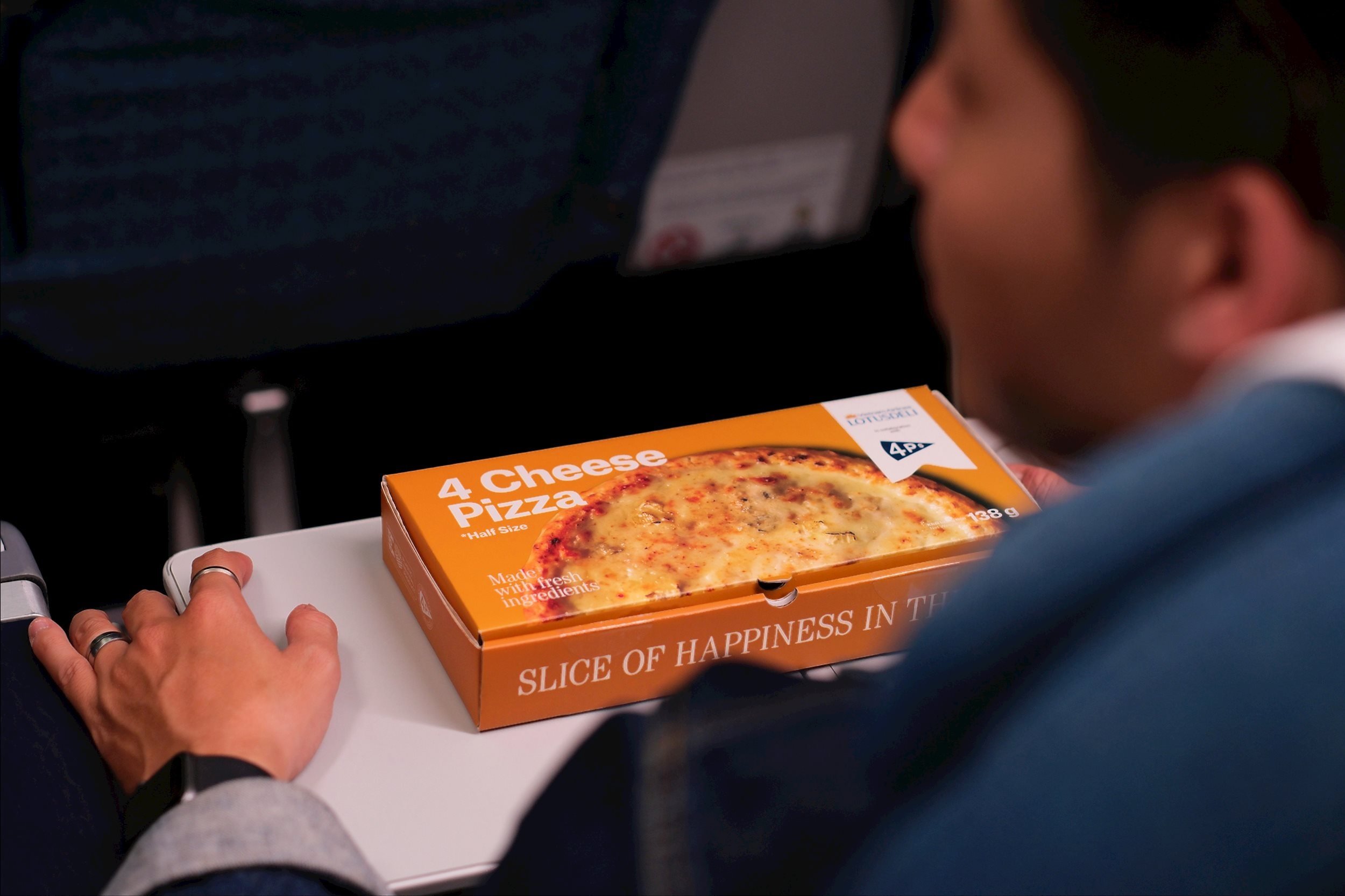
    Vietnam Airlines has recently introduced a new feature, offering meals sourced from the immensely popular Pizza 4P’s restaurant chain. The airline commenced the sale of these meals on Monday, on select domestic flights lasting 60 minutes or more and international flights that are a minimum of 90 minutes departing from Hanoi and HCMC, according to an official statement.

    Menu and Pricing

    Among the meal options available are Margherita and 4 cheeses, priced at VND119,000 dong (US$4.51) for half a standard pizza. However, potential customers are required to place their orders a minimum of 24 hours in advance, either via the airline’s official website or mobile app.

    Other airlines in Vietnam like Vietjet, Bamboo Airways, and Vietravel Airlines have already ventured into the sale of food and souvenirs on board their flights. In 2022, Vietnam Airlines also began selling milk tea on board, with prices set at VND49,000 per cup on domestic routes and VND100,000 on international flights.

    Shift Towards Personalized Offerings

    The initiative is part of Vietnam Airlines’ strategic shift towards offering more personalized, co-branded products that cater to the evolving needs of younger travelers, families, and international passengers.

    Pizza 4P’s, established in 2011 by Japanese duo Yosuke Masuko and Sanae Takasugi, is renowned for its pizza. Despite pizza being the main dish on its menu, the brand positions itself as a restaurant chain instead of a fast-food outlet. It now boasts 40 restaurants, with 35 locations in Vietnam and additional branches in Cambodia, Indonesia, Japan, and India.

    Questions & Answers

    What are the new meal options available on Vietnam Airlines?
    Vietnam Airlines has introduced meals from the popular Pizza 4P’s restaurant chain, including Margherita and 4 cheeses options.

    How can customers purchase these meals on Vietnam Airlines?
    Customers are required to place their orders a minimum of 24 hours in advance, either through the official website or mobile app of Vietnam Airlines.

    What is the goal of Vietnam Airlines in introducing these new meal options?
    Introducing meals from Pizza 4P’s is part of Vietnam Airlines’ strategic shift towards offering more personalized, co-branded products to cater to the evolving needs of younger travelers, families, and international passengers.

  • Global Flight Disruptions as Airlines Race to Fix A320 Software Glitch Amid Peak Travel Season

    Global Flight Disruptions as Airlines Race to Fix A320 Software Glitch Amid Peak Travel Season

    A host of global airlines experienced temporary disruptions as they carried out software repairs on a widely utilized commercial aircraft following an analysis that discovered a computer code fault possibly led to an unexpected altitude dip of a JetBlue plane last month.

    Software Issues and Solar Radiation

    Airbus, the aircraft manufacturer, stated on Friday that an investigation into the JetBlue incident exposed that intense solar radiation might tamper with data essential for the operation of flight controls on the A320 aircraft family.

    The Federal Aviation Administration collaborated with the European Union Aviation Safety Agency to mandate airlines to confront this issue through a fresh software update. The update is set to affect more than 500 aircraft registered in the U.S.

    The EU safety agency warned of potential “short-term disruption” to flight schedules due to this problem, which was inadvertently introduced by a previous software update to the plane’s onboard computers.

    A Message from Airbus’ CEO

    Airbus’ CEO, Guillaume Faury, offered an apology to customers as the mandatory fix resulted in “significant logistical challenges and delays.” In a message shared on LinkedIn on Saturday, he said, “Our teams are working around the clock to support our operators and ensure these updates are deployed as swiftly as possible to get planes back in the sky and resume normal operations, with the safety assurance you expect from Airbus.”

    Thanksgiving Disruptions in the U.S.

    In Japan, All Nippon Airways, operator of over 30 planes, cancelled 65 domestic flights scheduled for Saturday, with further cancellations likely for Sunday.

    The software modification coincides with U.S. passengers returning from the Thanksgiving holiday – the busiest travel period in the country.

    American Airlines, which has roughly 480 planes from the A320 family, with 209 affected, anticipates the repair will take about two hours for many aircraft. The airline expects updates to be completed for the vast majority of their fleet by Friday.

    Global Impact of the Software Update

    Air India confirmed that their engineers were in the process of implementing the fix, having completed the reset on more than 40% of aircraft that necessitate it, without any cancellations.

    Delta anticipates the issue to affect fewer than 50 of its A321neo aircraft, while United reports six planes in its fleet are affected, predicting minor disruptions to a handful of flights. Hawaiian Airlines stated it was unaffected by the issue.

    European Flights Normalizing

    In France, Transport Minister Philippe Tabarot confirmed that the situation had stabilized as several software updates had already been installed. He said there was an “almost complete return to normal in French airports.”

    Meanwhile, in the UK, disturbance was minimal. British Airways mentioned only three of its aircraft required the update. Germany’s Lufthansa implemented most software updates during the night and the following morning. Despite minor delays over the weekend, no cancellations were anticipated.

    Scandinavia’s SAS also reported normal operations on Saturday after teams worked overnight to install the necessary software.

    Aircraft Manufacturer Overview

    Airbus, whose main headquarters are in France, is among the world’s largest airplane manufacturers, rivalling Boeing. The A320 model, which is the primary competitor to Boeing’s 737, is the world’s bestselling single-aisle aircraft family.

    Questions & Answers

    What was the cause of the recent software issue affecting the A320 aircraft family?
    The software problem was inadvertently introduced by a previous update to the plane’s onboard computers. An investigation into a JetBlue incident revealed that intense solar radiation might interfere with data critical for the operation of flight controls on the A320 aircraft family.

    How are airlines addressing the software issue?
    The Federal Aviation Administration, alongside the European Union Aviation Safety Agency, is requiring airlines to implement a new software update to address the issue. Airlines around the world are working around the clock to deploy these updates and ensure a swift return to normal operations.

    What impact has the software issue had on global flight operations?
    The software issue has caused short-term disruptions to flight schedules worldwide. While some airlines such as All Nippon Airways in Japan cancelled flights, others like American Airlines and Lufthansa have reported minimal impact with minor delays and no cancellations.

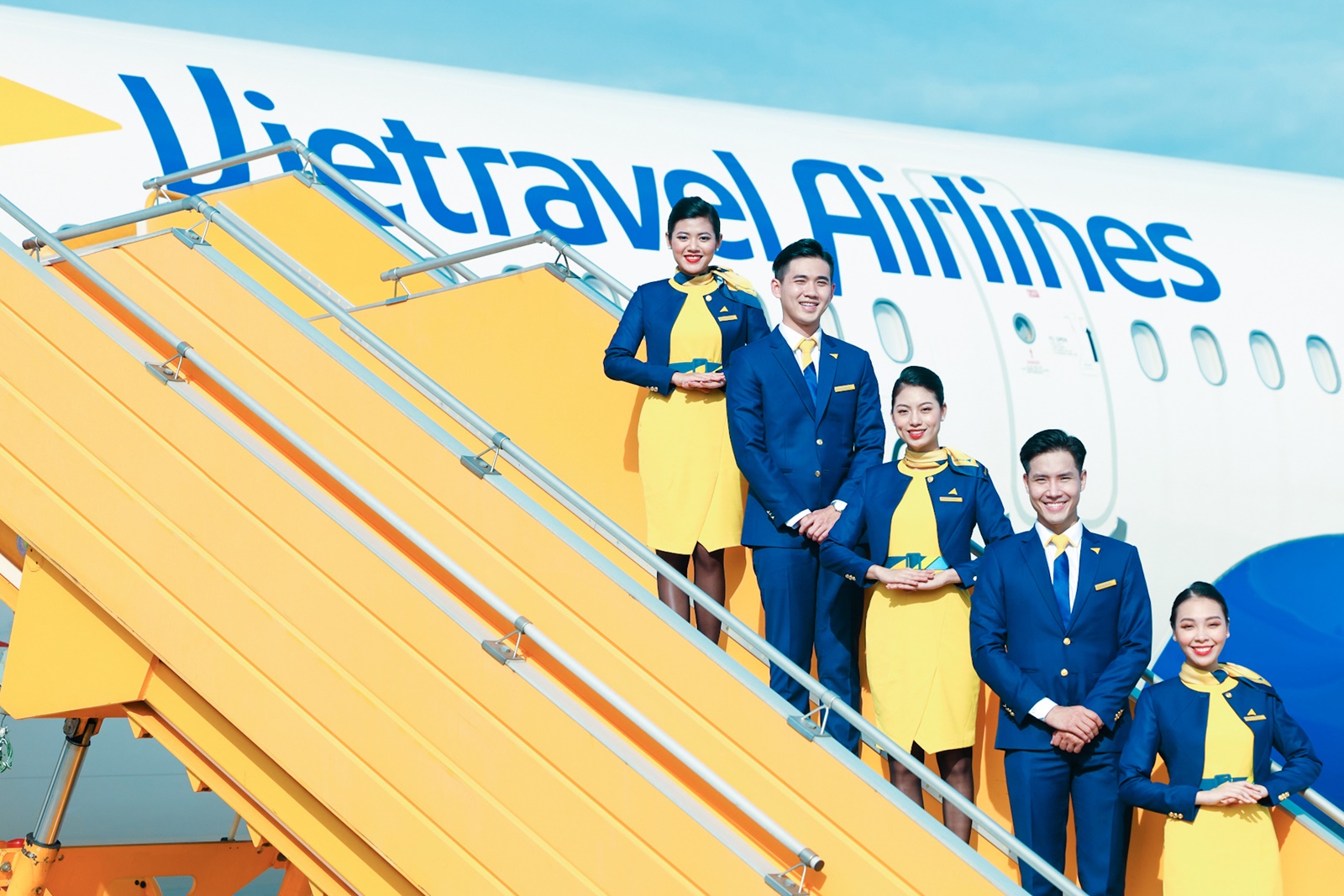
  • Vietravel to Divest Entire Stake from Vietravel Airlines by Year’s End: An Insider Look

    Vietravel to Divest Entire Stake from Vietravel Airlines by Year’s End: An Insider Look

    Vietravel, a tourism company, has announced its intent to divest its 14.1% shareholding in Vietravel Airlines by the end of the current year. The details of the prospective investor are yet to be disclosed.

    Background of Vietravel Airlines

    Established in 2020, Vietravel Airlines commenced its journey with a registered capital of $26.5 million USD. The airline began commercial operations in 2021, thereby becoming the sixth airline of Vietnam and the third to be privately owned.

    Major Stakeholders

    The majority of the airline, 75% to be precise, is under the ownership of businesses run by Do Quang Hien, the founder and chairman of the T&T Group conglomerate. Hien acquired his stakes in the airline towards the end of last year. His son, Do Vinh Quang, was appointed chairman a few months after the acquisition.

    Growth and Expansion Plans

    Since Hien’s takeover, Vietravel Airlines has been on a growth trajectory. Its charter capital has been expanded to a staggering VND2.6 trillion. The airline primarily operates across the Hanoi–Da Nang–Ho Chi Minh City routes, also serving popular tourist spots like Phu Quoc and Nha Trang.

    The airline has set a target to expand its fleet to a minimum of 10 aircraft by the end of this year. Negotiations are underway with aircraft manufacturers and international airlines to achieve this goal.

    Questions & Answers

    What is the current ownership structure of Vietravel Airlines?
    75% of the airline is owned by businesses managed by Do Quang Hien, founder and chairman of T&T Group.

    What are Vietravel Airlines’ primary routes?
    The airline mainly operates on the Hanoi–Da Nang–Ho Chi Minh City routes and also serves tourist destinations like Phu Quoc and Nha Trang.

    What are Vietravel Airlines’ expansion plans for the current year?
    The airline plans to expand its fleet to at least 10 aircraft by the end of this year.