Retail News CRM

Tag: airlines

  • Vietnam Airlines Set to Launch Inaugural Direct Route to Italy Next Month!

    Vietnam Airlines Set to Launch Inaugural Direct Route to Italy Next Month!

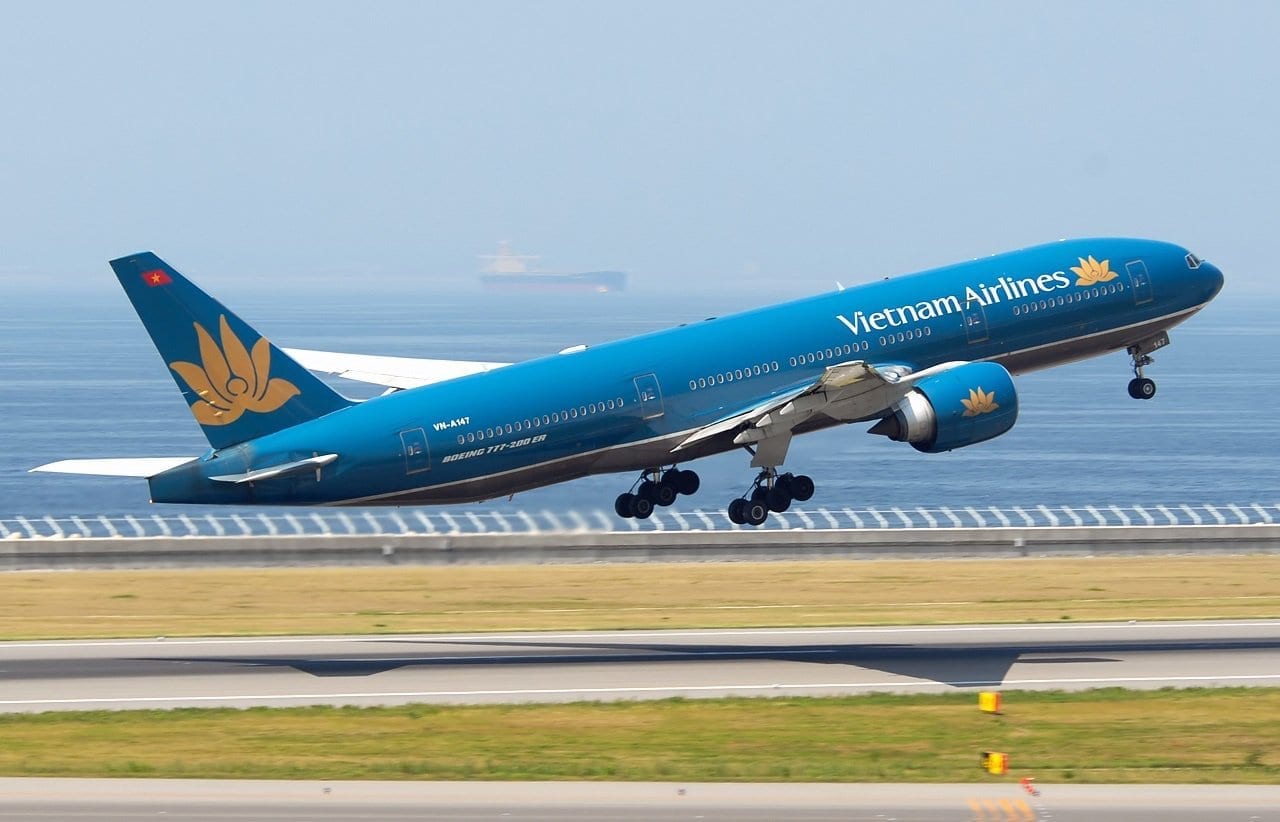
    Vietnam Airlines is set to make waves in the skies with the launch of its inaugural direct flight between Hanoi and Milan, Italy, on July 1. This move is a crucial step in expanding the airline’s European network and marks a historic first for a Vietnamese carrier, which has previously required passengers to transit through Germany or France for Italian destinations.

    New Route to Milan

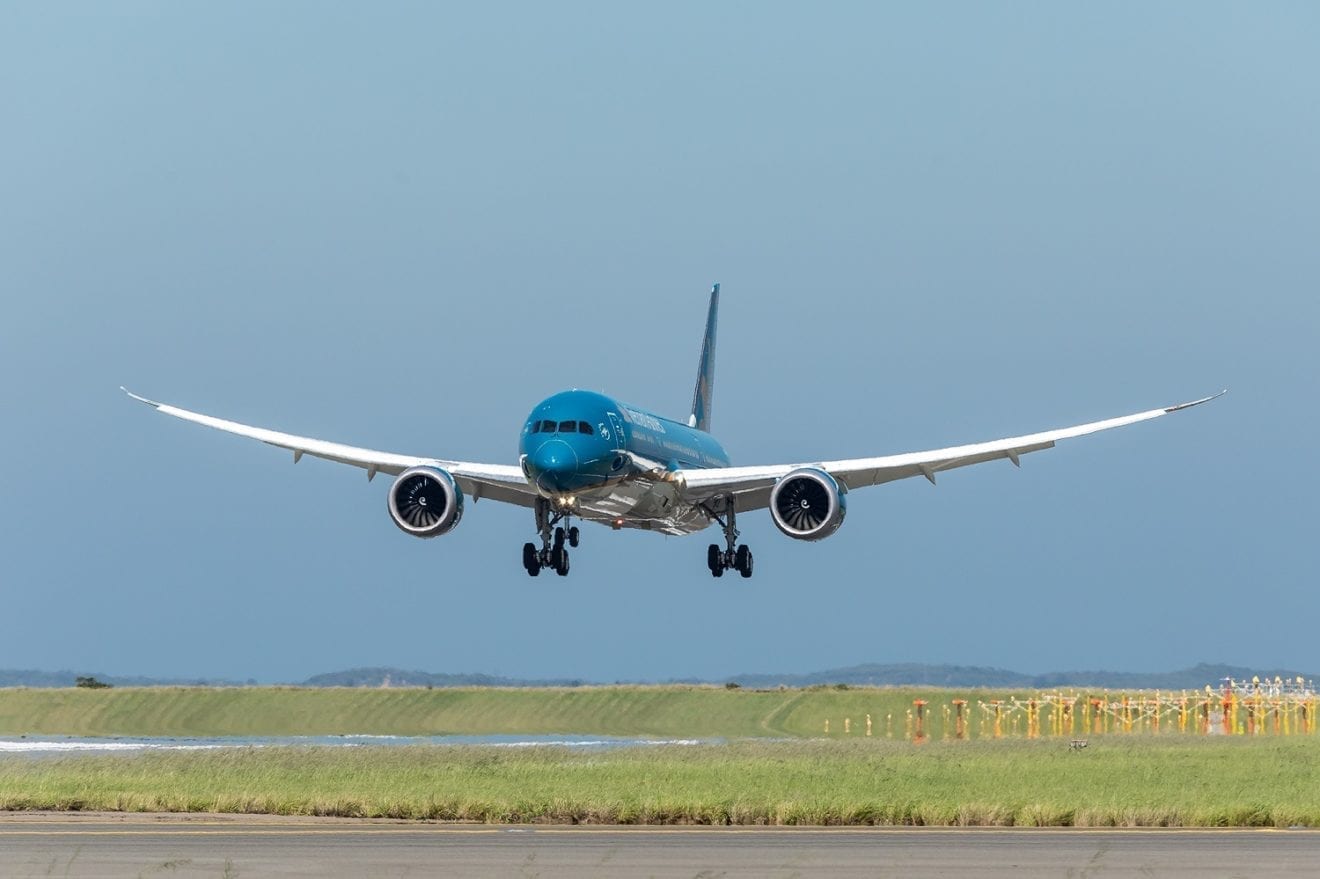
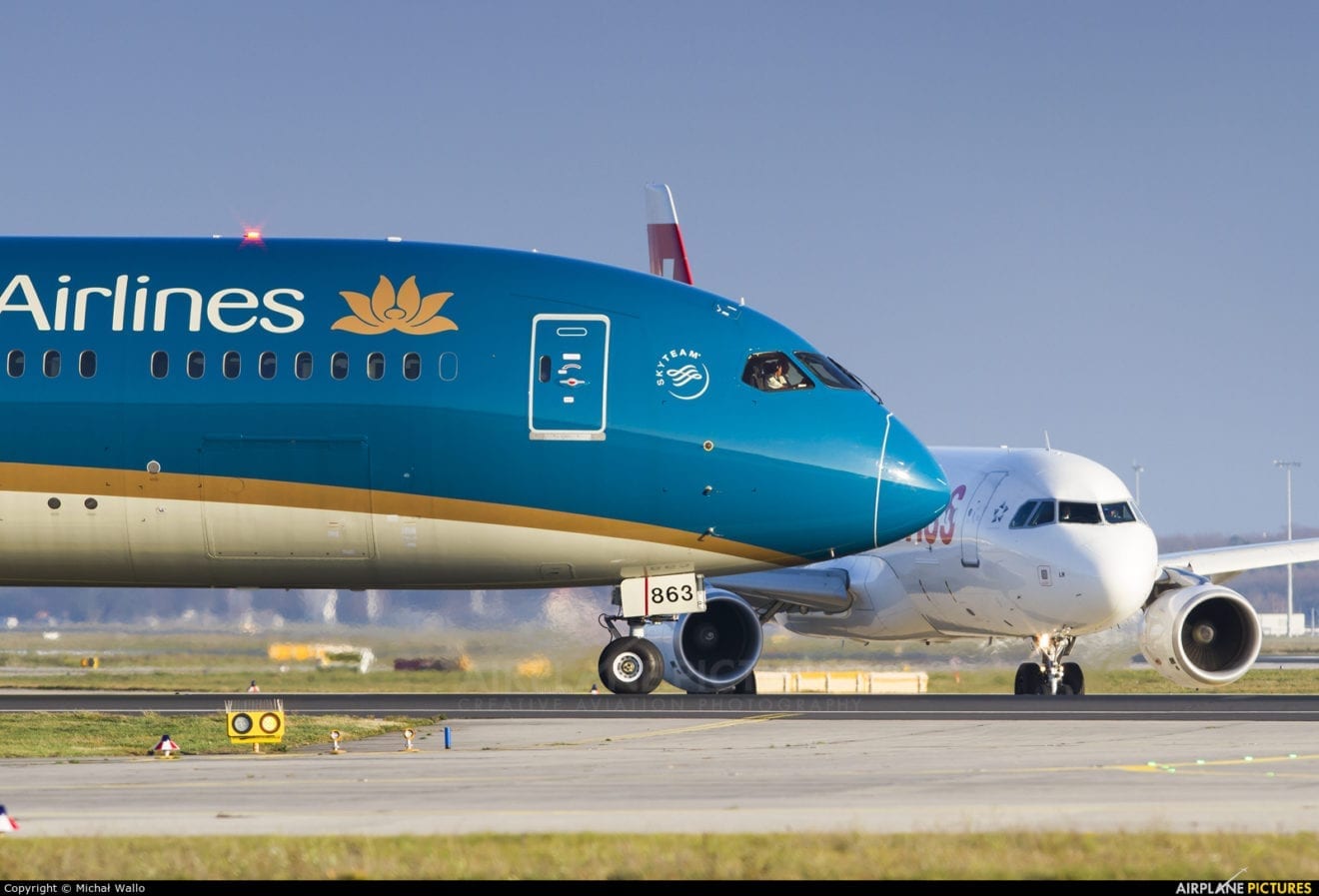
    The airline will kick off this service with three weekly flights, utilizing its state-of-the-art Boeing 787 aircraft. A spokesperson for Vietnam Airlines revealed that plans are already in motion for a future direct service from Ho Chi Minh City to Milan post-2025, further enhancing connectivity between Vietnam and Italy.

    Why Milan?

    Milan, the bustling metropolis in northern Italy, is renowned as the country’s fashion capital and boasts a rich tapestry of historic architecture. It attracts millions of tourists, particularly from June to August, making it an appealing destination for both leisure and business travel. The allure of Italy is strong for Vietnamese travelers, with the country ranking among the top 10 fastest-growing sources of visitors to Vietnam. In 2024 alone, arrivals from Italy surged by a remarkable 155%, according to the Vietnam National Administration of Tourism.

    A Boost for Tourism

    The launch of this direct route is anticipated to significantly boost tourism flows between the two nations. In a promising development, discussions are underway for a visa waiver targeted at tour groups from Vietnam, which could further facilitate travel.

    Vietnam Airlines currently operates an expansive network with 106 routes, including 36 international destinations, supported by its diverse fleet of Boeing 787s and Airbus aircraft. The airline has ambitious plans for this year, aiming to launch or revive 15 international services.

    Curiously, with Milan’s fashion weeks turning heads globally, will we soon see a Vietnamese flair added to the runway?

    Questions & Answers

    What is the significance of the new flight from Hanoi to Milan?
    This direct flight is a historic first for Vietnam Airlines, enhancing travel options between Vietnam and Italy and positioning the airline as a key player in European travel.

    How many flights per week will Vietnam Airlines operate to Milan?
    Initially, Vietnam Airlines will operate three flights per week between Hanoi and Milan.

    What are the future plans for Vietnam Airlines regarding Italy?
    Vietnam Airlines intends to launch a direct service to Milan from Ho Chi Minh City after 2025, further expanding its European routes.
  • Vietnamese Airlines Avoid Israeli and Iranian Airspace, Ensuring Safe Skies for Travelers

    Vietnamese Airlines Avoid Israeli and Iranian Airspace, Ensuring Safe Skies for Travelers

    National flag carrier Vietnam Airlines has taken decisive action to ensure the safety of its passengers and crew amidst escalating tensions between Israel and Iran. The airline has adjusted its routes to avoid potential conflict zones, a move that reflects the growing impact of these geopolitical strife on the global aviation landscape.

    Safe Skies for Travelers

    Currently, Vietnam Airlines continues to operate its flights to Europe without interruption, a reassurance shared by a representative in a statement to the Vietnam News Agency on Friday. Other Vietnamese airlines, including Vietjet Air, Bamboo Airways, and Vietravel Airlines, have also chosen to steer clear of Israeli and Iranian airspace, underscoring a collective commitment to passenger safety.

    The ripples of political tensions have not gone unnoticed in the aviation sector, as recent Israeli airstrikes on Iranian targets have prompted numerous flight cancellations and diversions worldwide. Flight tracking service Flightradar24 highlighted a significant re-routing trend among airlines seeking to sidestep the airspace over Israel, Iran, Iraq, and Jordan, demonstrating how rapid shifts in global events can lead to immediate logistical challenges for carriers.

    In a decisive move, Iraqi state media announced the closure of its airspace and halted all airport operations early on June 13. The eastern region of Iraq, which borders Iran, is a critical aviation corridor connecting Europe, the Gulf, and Asia—making the closure particularly impactful. Within hours, Jordan also locked down its airspace as tensions escalated in the region.

    Navigating these tumultuous skies is no easy task, but the quick responses from airlines illustrate an adaptive industry keen on keeping travelers safe. It’s a reminder that sometimes, the clouds of uncertainty can only be tackled with swift and careful planning.

    Questions & Answers

    What measures has Vietnam Airlines taken in response to regional tensions?
    Vietnam Airlines has rerouted its flights to avoid conflict zones, ensuring the safety of passengers and crew members.

    Are other Vietnamese airlines affected by these issues?
    Yes, Vietjet Air, Bamboo Airways, and Vietravel Airlines have also opted not to operate flights through Israeli or Iranian airspace.

    What recent events led to these changes in air travel?
    The changes followed Israeli airstrikes on targets in Iran, which triggered widespread flight cancellations and diversions as airlines sought to protect their passengers.

  • Sun PhuQuoc Airways Set to Soar with New Air Transport License Approval!

    Sun PhuQuoc Airways Set to Soar with New Air Transport License Approval!

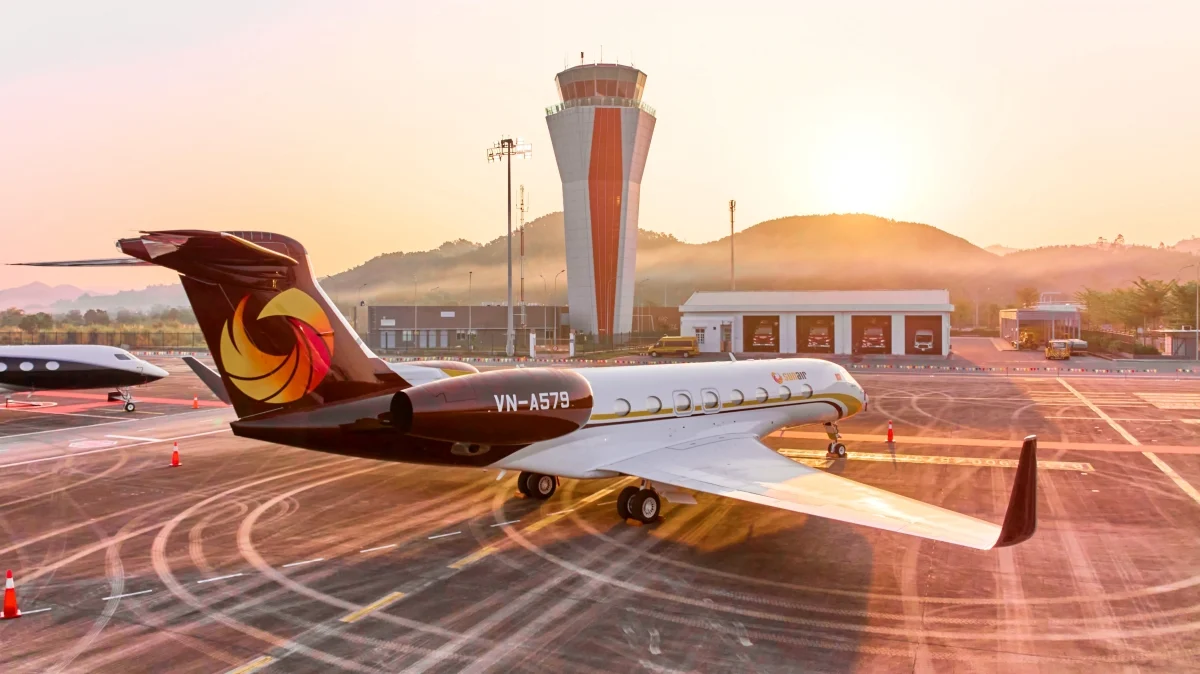
    Deputy Prime Minister Tran Hong Ha has given the green light for the Ministry of Construction to grant an air transport business license to Sun PhuQuoc Airways Co. Ltd., a significant step forward announced on June 11. This move signals a boost for aviation in Vietnam and adds a new player to the growing airline market.

    The Deputy PM reinforced the importance of safety and efficiency, directing the ministry to ensure that all licensing processes adhere to the required standards. This careful oversight aims to uphold the standards of civil aviation operations as the industry undergoes exciting expansions.

    Earlier this year, Prime Minister Pham Minh Chinh had already signaled his in-principle approval for Sun PhuQuoc Airways, a venture of the well-known Sun Group. As per a decision signed on May 20, the ambitious project involves an investment of VND2.5 trillion (approximately USD 98.81 million) with plans to establish a modern fleet of 31 aircraft by 2030.

    Designed to cater primarily to commercial passenger transport, Sun PhuQuoc Airways is also set to provide charter flights for tourists visiting vibrant destinations across Vietnam and beyond. The airline’s vision is to be a direct link to the picturesque Phu Quoc Island, enhancing accessibility and convenience for both domestic and international travelers. And who wouldn’t want a fresh breeze from paradise, right?

    With this new venture on the horizon, the aviation landscape in Vietnam is heating up, highlighting the country’s growing importance as a tourism and business hub.

    Questions & Answers

    **What is Sun PhuQuoc Airways focused on?**
    Sun PhuQuoc Airways primarily aims to provide commercial passenger transport while also offering charter flight services to popular tourism and business destinations.

    How many aircraft does Sun PhuQuoc Airways plan to have by 2030?
    The airline is planning to establish a fleet of 31 aircraft by the year 2030.

    What is the significance of this new airline for travelers?
    The introduction of Sun PhuQuoc Airways is expected to make travel to Phu Quoc Island more accessible, catering to both Vietnamese citizens and international tourists.

  • Singapore Airlines Shower Employees with Bonuses Exceeding Seven Months’ Salary in Generous Reward Initiative

    Singapore Airlines Shower Employees with Bonuses Exceeding Seven Months’ Salary in Generous Reward Initiative

    Singapore Airlines is celebrating its remarkable financial performance by rewarding its employees with a substantial bonus equivalent to 7.45 months of salary. This generous payout is a gesture of appreciation for the hard work and dedication that staff exhibited during the fiscal year ending March 31, which saw the airline achieve a record annual net profit of S$2.78 billion (approximately US$2.1 billion), as reported by The Straits Times.

    Recognizing Commitment Amid Challenges

    Although the bonus is slightly less than last year’s impressive 7.94 months, it comes amidst a cautious outlook. On Thursday, the airline warned that global trade tensions and geopolitical uncertainties might impact both travel and cargo demand, according to Bloomberg.

    Within the 2024 fiscal year, Singapore Airlines enjoyed a notable boost from a one-off gain of about S$1.1 billion generated from its merger with Vistara, which was completed in November. Group revenue surged by 2.8% year-on-year to a record S$19.54 billion, driven by consistent air travel and strong cargo demand. Cargo revenue rose by 4.4% as e-commerce and perishable goods gained momentum, although competition led to a 7.8% drop in freight yields.

    Operating profit took a hit, dropping 37% to S$1.71 billion, primarily due to a 5.5% decline in passenger yields, impacted by the airline industry’s expanded capacity, as reported by CNA.

    Despite navigating fluctuations in tariff policies and ongoing supply chain issues, Singapore Airlines remains vigilant, promising to adapt quickly to the changing landscape while keeping its workforce in high spirits. After all, who doesn’t enjoy a little extra cash in their pocket?

    Questions & Answers

    What is the amount of the bonus Singapore Airlines is providing?
    The airline is providing each employee with a bonus worth 7.45 months of salary.

    How did Singapore Airlines perform financially in the 2024 fiscal year?
    The airline reported a record annual net profit of S$2.78 billion and a group revenue increase of 2.8% year-on-year, totaling S$19.54 billion.

    What challenges is Singapore Airlines facing in the coming months?
    The airline cited global trade frictions and geopolitical uncertainties as potential factors that could impact travel and cargo demand.

  • Vietnam Airlines Eyes Ambitious Expansion with Demand for 50 New Aircraft

    Vietnam Airlines Eyes Ambitious Expansion with Demand for 50 New Aircraft

    Vietnam Airlines is soaring to new heights, aiming to bolster its fleet with a minimum of 50 additional aircraft as part of a robust strategy to expand its operations amidst a global jet shortage. During an extraordinary general meeting on Thursday, Chairman Dang Ngoc Hoa revealed that these acquisitions are vital for the airline’s recovery from the pandemic, as it prepares to launch or resume services on 15 international routes this year.

    As part of its ambitious plans, the state-owned carrier recently received government approval for the procurement of 50 narrow-body aircraft and 10 spare engines, with an eye-popping price tag of nearly US$3.7 billion. Currently boasting a fleet of 100 aircraft, Vietnam Airlines anticipates reaching 137 by 2030 and 164 by 2035.

    However, the clock is ticking. With soaring global demand for commercial aircraft, the airline must act swiftly to place orders that ensure delivery before 2030. Failing to do so may push Vietnam Airlines into a tricky situation, where it will have to lease planes starting in 2027—a scenario none would prefer.

    Adding to the urgency are ongoing technical difficulties with Pratt & Whitney engines, which have grounded 15 narrow-body Airbus A321 aircraft while four wide-body Airbus A350 are undergoing maintenance. As a result of this aircraft shortage, the remaining planes are working overtime, averaging 11.5 flight hours each day—a significant jump from the pre-Covid average of 10 hours.

    In a nod to its expansion ambitions, shareholders have also endorsed a move for Vietnam Airlines to issue more shares, raising VND22 trillion (approximately $848 million) in 2025 and 2026.

    With eyes set firmly on the future, the airline not only hopes to strengthen its fleet but also to reclaim its position as a key player in the competitive skies.

    Who knew managing a fleet could be as complex as a game of chess?

    Questions & Answers

    What is the purpose of Vietnam Airlines’ plan to acquire new aircraft?
    The plan to acquire new aircraft aims to support the airline’s ambitious expansion plans and boost its recovery post-Covid by launching or resuming services on 15 international routes this year.

    What approval did Vietnam Airlines recently receive?
    Vietnam Airlines received government approval for the purchase of 50 narrow-body aircraft and 10 spare engines at a cost nearing US$3.7 billion.

    How many aircraft does Vietnam Airlines currently operate?
    The airline currently operates a fleet of 100 aircraft and plans to expand to 137 by 2030 and 164 by 2035.

  • Vietnam Airlines Launches New Routes, Connecting Travelers to India’s Thriving Tech Hubs

    Vietnam Airlines Launches New Routes, Connecting Travelers to India’s Thriving Tech Hubs

    National flag carrier Vietnam Airlines is soaring to new heights with the launch of a direct flight route connecting Hanoi to Bengaluru, India’s bustling tech hub. This new service will operate four times weekly, starting May 7, and is designed to accommodate the increasing demand driven by robust trade, tourism, and cooperation between the two nations.

    New Connections on the Horizon

    But that’s not all! On May 7, Vietnam Airlines will also initiate direct flights from Hanoi to Hyderabad, another pivotal tech center in India, with three weekly round-trips utilizing state-of-the-art Airbus A321 aircraft. The inaugural flight, VN983, took off from Hanoi on May 1, successfully transporting over 130 passengers to Bengaluru the same day. VN982, the return flight, departed Bengaluru that evening with over 160 travelers aboard, landing in Hanoi at 5:25 a.m. on May 2. Talk about a long night in the skies!

    Expanding Footprints in India

    With these latest additions, Vietnam Airlines now boasts services to four major Indian cities: New Delhi, Mumbai, Bengaluru, and Hyderabad, totaling six direct routes. This strategic expansion highlights Vietnam Airlines’ commitment to being a key connector between Vietnam and South Asia, as noted by Deputy General Director Dang Anh Tuan.

    India, with its rapidly growing aviation market and a population exceeding 1.4 billion, represents a significant opportunity for airlines like Vietnam Airlines. The increasing affluence of the Indian middle class further strengthens this connection, making travel between nations more accessible than ever. In the past few years, Vietnam Airlines has successfully operated over 3,200 flights and welcomed more than 511,700 passengers from India. Notably, Vietnam attracted over 500,000 Indian visitors in 2024, earning India a spot among its top 10 tourism markets.

    As Vietnam Airlines ventures into these tech-savvy territories, one can’t help but wonder: Are they also preparing for the next wave of IT moguls seeking sunshine and pho?

    Questions & Answers

    What cities are now connected by Vietnam Airlines in India?
    The carrier connects four major cities: New Delhi, Mumbai, Bengaluru, and Hyderabad.

    How often will flights operate on the new routes?
    The Bengaluru route will operate four times a week, while the Hyderabad route will have three weekly round-trips.

    What type of aircraft will be used for these new routes?
    Vietnam Airlines will utilize Airbus A321 aircraft for both newly launched routes.

  • Vietnam Airlines Gains Approval for 50 New Narrow-Body Aircraft Purchases

    Vietnam Airlines Gains Approval for 50 New Narrow-Body Aircraft Purchases

    Vietnam Airlines Secures Approval for Acquisition of 50 Narrow-Body Aircraft

    Government Greenlights Fleet Expansion Plan

    Vietnam Airlines has received in-principle approval from the government to purchase 50 narrow-body aircraft, marking a significant step in its fleet modernization strategy. Notably, this deal will not require a state guarantee, allowing the airline to streamline its acquisition process.

    Addressing Growing Travel Demand

    The government’s approval, conveyed through an official dispatch from Deputy Prime Minister Ho Duc Phoc, aims to meet surging consumer demand for air travel and to replace aging aircraft in the current fleet. Vietnam Airlines plans to acquire 50 new Airbus A320 NEO and Boeing 737 MAX jets, along with 10 spare engines, for an estimated total of approximately $3.7 billion—an investment that is 1.6 times the airline’s current asset value based on its 2024 financial data.

    Modernizing the Fleet

    This acquisition is part of Vietnam Airlines’ broader strategy to phase out older A321 CEO planes. The new aircraft will enhance the efficiency and reliability of the fleet, aligning with increasing passenger expectations and operational standards. Earlier in September 2023, the airline also announced a deal for an additional 50 Boeing 737 MAX aircraft, with deliveries expected between 2027 and 2030.

    Strategic Financial Partnerships

    To support this growth initiative, Vietnam Airlines signed a memorandum of understanding with Citibank earlier this month for $560 million in funding focused on strategic projects, including the aircraft purchase. Furthermore, the airline has partnered with Vietcombank to secure additional financial resources for the acquisition.

    Future-Proofing Operations

    Looking ahead, Vietnam Airlines forecasts the need for a fleet of 52 wide-body and 112 narrow-body aircraft by 2035. Currently, the airline operates approximately 100 aircraft, including over 30 wide-body jets, showcasing its commitment to expanding its capacity to meet the demands of the growing travel market.

    In its 2024 financial report, Vietnam Airlines reported impressive figures, including over VND 113.7 trillion (approximately $4.37 billion) in revenue, transporting 22.7 million passengers and 314,700 tons of cargo, with an average aircraft utilization of 11 hours per day—reflecting a 25% increase from the previous year.

    Conclusion

    Vietnam Airlines’ strategic acquisition of narrow-body aircraft is poised to enhance its operational capabilities and address the evolving travel landscape in Vietnam. As the airline expands its presence and modernizes its fleet, the implications for the retail sector may be significant, driving increased consumer activity and enhancing travel options for millions. This move signifies not only a response to market demands but also a commitment to sustained growth in the competitive aviation industry.

  • Cathay continues its sustainability efforts as it builds momentum for future development

    Cathay continues its sustainability efforts as it builds momentum for future development

    Cathay released its 2024 Sustainability Report, reflecting steady progress in its sustainability journey and reaffirming its commitment to long-term sustainable development. As the Cathay Group moves into its next phase of growth, sustainability remains a key priority.

    Chief Executive Officer Ronald Lam said: Having successfully completed our two-year rebuilding journey, we have now set our sights on growth and development, where sustainability remains an area where we aspire to lead and is at the forefront of our path forward.

    Our environmental focus continues to be on climate change and a circular economy. As a pioneer and early adopter of sustainable aviation fuel (SAF), we continue to work towards fostering a local SAF ecosystem and expanding SAF usage globally, while acknowledging the challenges and opportunities ahead. We are also embracing the shift towards responsible use of resources by continuously reducing our reliance on single-use plastics (SUP) and exploring packaging alternatives. Beyond our environmental efforts, we remain committed to our deep roots in Hong Kong, enriching our communities through youth, sports, and arts initiatives while setting our sights on future growth by attracting, developing and retaining a strong pipeline of global talent.

    Key highlights from the 2024 report include:

    • Fostering a local SAF ecosystem with the Groups record global SAF usage: Cathay launched a landmark tripartite SAF partnership with HSBC Hong Kong and EcoCeres, enabling SAF usage from Hong Kong International Airport while demonstrating the potential of fostering an SAF system in Hong Kong. It also co-initiated the Hong Kong Sustainable Aviation Fuel Coalition (HKSAFC), a multi-stakeholder group, to drive SAF policy development and adoption in Hong Kong. Globally, Cathays Corporate SAF Programme recorded a 22-fold increase in SAF usage compared to its launch in 2022.
    • Advancing a circular economy: Cathay Pacific reduced its passenger-facing SUP items to an average of 2.6 pieces and set two new secondary SUP targets for 2025: increasing inflight recycling of water bottles to 33% and ensuring at least 50% of the remaining passenger-facing SUP items are made with recycled plastics. Working towards its goals, Cathay Pacific introduced a first-of-its-kind workflow for recycling plastic bottles and cans at Hong Kong International Airport.
    • Nurturing the Hong Kong community: 2024 marked the 20th anniversary of Cathays flagship youth development programme, I Can Fly, with its return after a five-year hiatus, expanding the initiative to include an exchange tour in the wider Greater Bay Area.

    The full 2024 Sustainability Report detailing Cathays sustainability performance and commitments is available here.

  • China Airlines partners with Chunghwa Telecom Laboratories on new roadmap to develop airline AI applications

    China Airlines partners with Chunghwa Telecom Laboratories on new roadmap to develop airline AI applications

    China Airlines (CAL), a Taiwan-based carrier, has strategically positioned itself for the future by signing a memorandum of understanding (MOU) this month with Chunghwa Telecom Laboratories (CHTTL) to expand the use of Artificial Intelligence (AI) technology resources. The two companies will share their respective industry applications and R&D technology to co-develop an integrated AI development and management platform. This strategic move will not only make services more accessible to travelers but also define a new roadmap for AI development in the airline industry.

    As the first airline to form such a partnership with CHTTL, CAL will focus on enhancing the AI service experience and strengthening corporate management of on-premises AI applications. The incorporation of “AI interactive voice response” functionality with customer service chatbots into the CAL website will provide travelers with additional answers to their inquiries, enhancing their overall experience. “Customer conservation analytics” performed by generative AI will analyze and categorize questions in audio files in real time to help customer service staff track common traveler questions with great precision. The data can also be used to improve internal education and training as well as enhance the productivity and quality of customer service.$

    For internal enterprise management, CAL will combine AI “forecasting and early warning applications” with big data to accurately predict the number and weight of luggage on each flight. The information can be used to maximize the utilization of belly cargo space on passenger flights and cargo hold space on freighter flights, which promises savings for the workforce. At the same time, the two companies will co-develop a “Smart Generative AI Platform” that uses machine learning model management and the construction of large language models (LLM) to accelerate the scaling and deployment of AI operations. The platform will also assist businesses with more effective management of on-premises AI applications and shorten model development time.

    Research and development of telecommunications and information-communications technologies have always been the focus of CHTTL. The Labs have played a key role in defining international standards and industrial innovation as well. Current fields of research include the core technologies for broadband networking, mobile networking, AI, and information security. CHTTL has already developed numerous AI applications for enterprise use, including AI customer service chatbots, AI voice assistances, and the customer sentiment analysis platform (DeepVoice). These solutions have been recognized by the Taiwan Excellence Awards, National Brand Yushan Awards, and other top awards, demonstrating the quality and innovation of CHTTL’s work. The latest partnership will lead to new milestones in the use of smart AI technology in the Taiwanese airline industry.

    CAL continues to promote innovative services by incorporating the latest AI applications into its traveler experience and into internal management to boost team productivity. In 2024, CAL became the first Taiwanese carrier to receive the award for Best AI System Application Team at the Customer Service Excellence Awards (CSEA). CAL will continue to track the latest developments in the AI industry and collaborate with leading external organizations to build strategic partnerships that will accelerate AI development and boost international competitiveness through smart airline AI services.

  • Vietnam Airlines flights impacted by strikes in Germany

    Vietnam Airlines flights impacted by strikes in Germany

    According to an official announcement from the airline, Vietnam Airlines flights have changed their operating schedule due to a strike in Germany from midnight to 11.59 p.m. on March 10 (local time).

    This is the second time the airline has been affected by this reason this year.

    Specifically, flight VN36 from Frankfurt to Hanoi on March 10 will depart at 11:55 a.m. on March 11 (local time), flight VN30 from Frankfurt to Ho Chi Minh City on March 10 will depart at 11:05 a.m. on March 11 (local time), and flight VN34 from Munich to Hanoi on March 10 is planned to depart at 11:05 a.m. on March 11 (local time).

    In addition, due to the chain reaction from adjusting the fleet and general schedule, about 20 domestic and international flights of Vietnam Airlines from March 11 to 12 may be changed from wide-body to narrow-body aircrafts, delayed departure times or canceled.

    The airline representative informed me that the airline would regularly update the operation plan in the following newsletters.

    Affected passengers will be supported by the airline according to regulations.

    They also can check official Vietnam Airlines Facebook Fanpage; contact ticket offices, official agents, and Customer Care Center 1900 1100 (in Vietnam) or +84 24 38320320 (abroad).

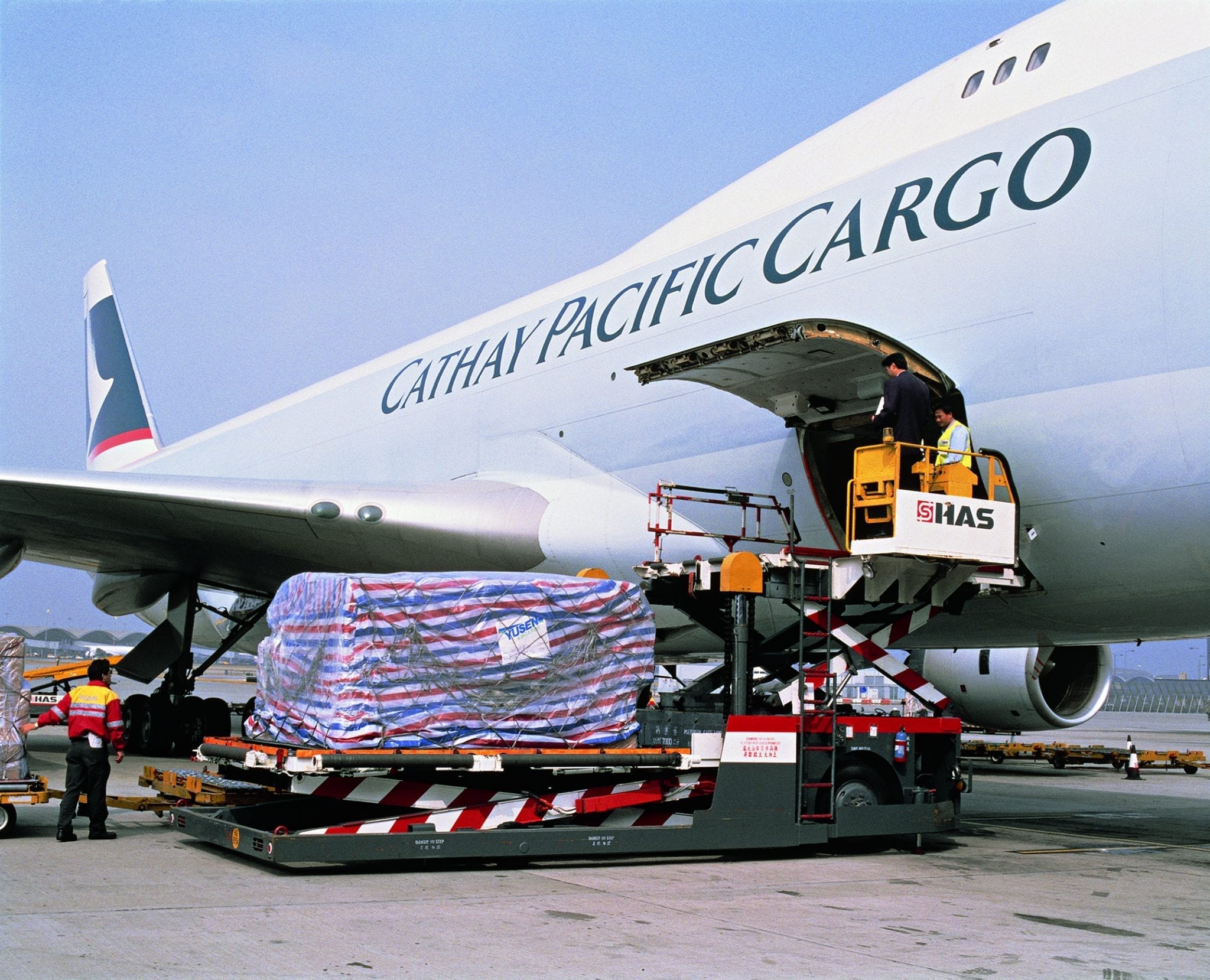
  • DHL Global Forwarding Japan and Nippon Cargo Airlines successfully complete charters for semiconductor manufacturing equipment to Hokkaido

    DHL Global Forwarding Japan and Nippon Cargo Airlines successfully complete charters for semiconductor manufacturing equipment to Hokkaido

    DHL Global Forwarding Japan, the freight specialist of DHL Group, and Nippon Cargo Airlines (NCA) have successfully transported semiconductor manufacturing equipment via four charters aimed at significantly reducing transit time from Amsterdam Schiphol Airport (AMS) in the Netherlands to New Chitose Airport in Japan.

    To support this process, a main deck loader specifically designed for unloading and loading semiconductor equipment was transferred from Narita Airport to New Chitose Airport. Additionally, onsite personnel have been trained to take all necessary precautions to ensure smooth operations.

    Flexible measures, including regular cargo temperature checks and close collaboration with ground handling and logistics shed companies, have been implemented to minimize temperature fluctuations, even in winter conditions. Efforts have also been made to shorten the time between aircraft and truck loading.

    “As Japan experiences a strong 17.3% year-on-year growth in semiconductor equipment sales from January to August 2024, it has also maintained a 30% market share in the sector, second only to the United States. This remarkable growth reflects the country’s strength in advanced manufacturing and innovation,” said Karsten Michaelis, President/Representative Director, DHL Global Forwarding Japan.

    “It also underscores the importance of efficient and reliable transportation solutions to support the semiconductor industry. Our collaboration with Nippon Cargo Airlines is a key step in ensuring that Japan continues to lead in this critical sector.”

    In the year leading up to the four charters, DHL Global Forwarding’s local semiconductor specialist teams worked closely with NCA and customers to plan the necessary infrastructure requirements and strategize the safe, efficient transport of semiconductors. This ensures the transportation process adheres to the strictest requirements, even in Hokkaido’s severe winter weather.

    “This charter was very challenging for us under severe weather and constraints of operations in Chitose, and we could never achieve to success without cooperation of our reliable partner, DHL Global Forwarding Japan. I am honored that we could build our collaboration and to be a part of this national project. I would like to express my sincere appreciation to the great efforts of DHL Global Forwarding Japan and partner companies. NCA will keep on serving to meet customers’ requirement”, said Hitoshi Watanabe, Executive Officer, Nippon Cargo Airlines.

    As global competition and geopolitical pressures intensify, Japan is shifting its focus towards its semiconductor industry, emphasizing growth and localization. The goal is to triple semiconductor sales from 2020 until 2030, reaching over US$108 billion. Hence, establishing efficient transportation for sensitive semiconductors is crucial in supporting market growth.

    DHL Global Forwarding Japan and NCA will support the further development of Hokkaido and the Japanese manufacturing industry by exploring ways to strengthen transportation for the local semiconductor sector.

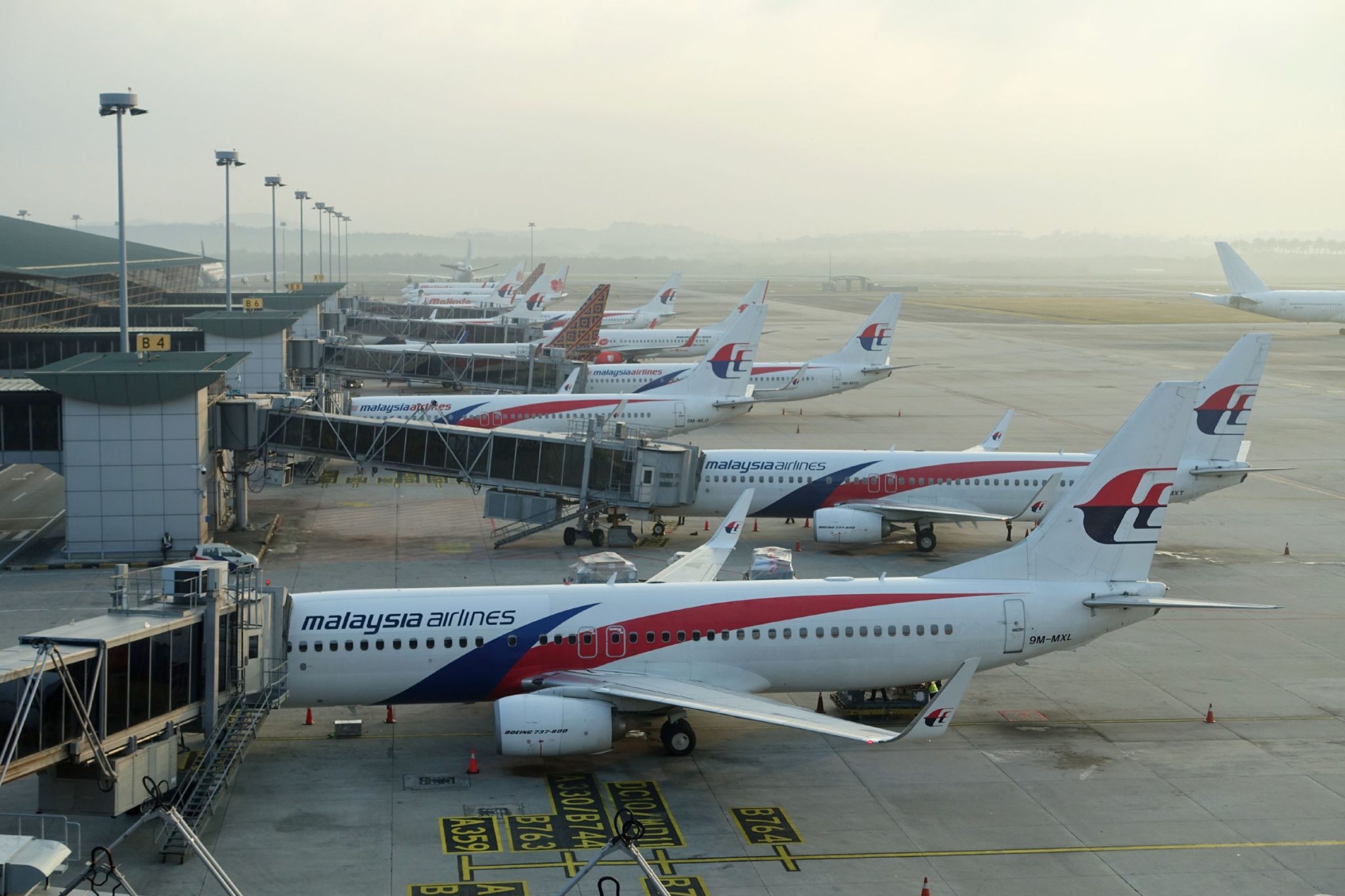
  • Malaysia’s flight operators announce flight reductions until December following technical troubles

    Malaysia’s flight operators announce flight reductions until December following technical troubles

    “This is to ensure the long-term reliability of our fleet and robustness of our operations and enhance our ability to ensure our customers on Malaysia Airlines, Firefly and Amal services face minimal disruptions and have the best experience possible flying with us,” Izham Ismail, Managing Director of MAG, explained in a statement released on Aug. 24.

    “I personally apologize for the disruption to passenger travel plans and the inconvenience this has caused,” he added.

    Ismail stated the group has been working to tackle supply chain issues, manpower challenges, and “other external factors as part of the continuing normalization of global aviation operations post-pandemic.” He also noted that delays in the delivery of new aircraft this year have resulted in a reduced number of planes available for flights.

    “We are working closely with our aircraft and engine manufacturers, and a wide range of suppliers to comprehensively address supply chain and technical issues,” he said.

    The urgency of the decision was underscored by several recent incidents involving Malaysia Airlines flights. On Aug. 20, a Melbourne-Kuala Lumpur flight from the same operator made an emergency stop in Alice Springs, Australia, due to a technical problem.

    Later that same day, a Malaysia Airlines flight from Kuala Lumpur to Shanghai encountered a cabin pressure issue and had to return to the departure airport.

    Two days later, another Malaysia Airlines flight bound for Medina from Kuala Lumpur was forced to return to its origin, marking the third such incident for the Malaysian national carrier that week.

    The series of disruptions has led former Malaysian transport minister Wee Ka Siong to urge the government to investigate and assist the country’s flag carrier.

    “Due to the frequent incidents of emergency landings and technical issues involving Malaysia Airlines, the public is questioning: ‘What has happened to Malaysia Airlines? Is it safe to fly with Malaysia Airlines?’” he said in a Facebook post.

    “This seems to be a crisis of confidence among passengers in Malaysia Airlines, which is likely to damage the country’s reputation and potentially lead to losses for MAG if these incidents continue, which will ultimately affect the country’s economy.”

    Public reaction has been similarly critical. Khatijah Khaur, a member of the True Malaysia Airlines Fans Group on Facebook, criticized what she described as a “tidak apa” attitude among the staff.

    “Our tidak apa attitude has come back to bite us,” she noted. “There is no motivation to be better, to do better. At the end of the day, we have nothing to be proud of.”

    In response, Malaysia’s Minister of Transport Anthony Loke has announced that a special audit conducted by the Civil Aviation Authority of Malaysia (CAAM) into Malaysia Aviation Group (MAG) and the recent technical issues affecting Malaysia Airlines will be presented to the Cabinet on Wednesday.

    “Follow-up action will be taken by CAAM and we view what is happening seriously,” he told in a press conference on Monday.

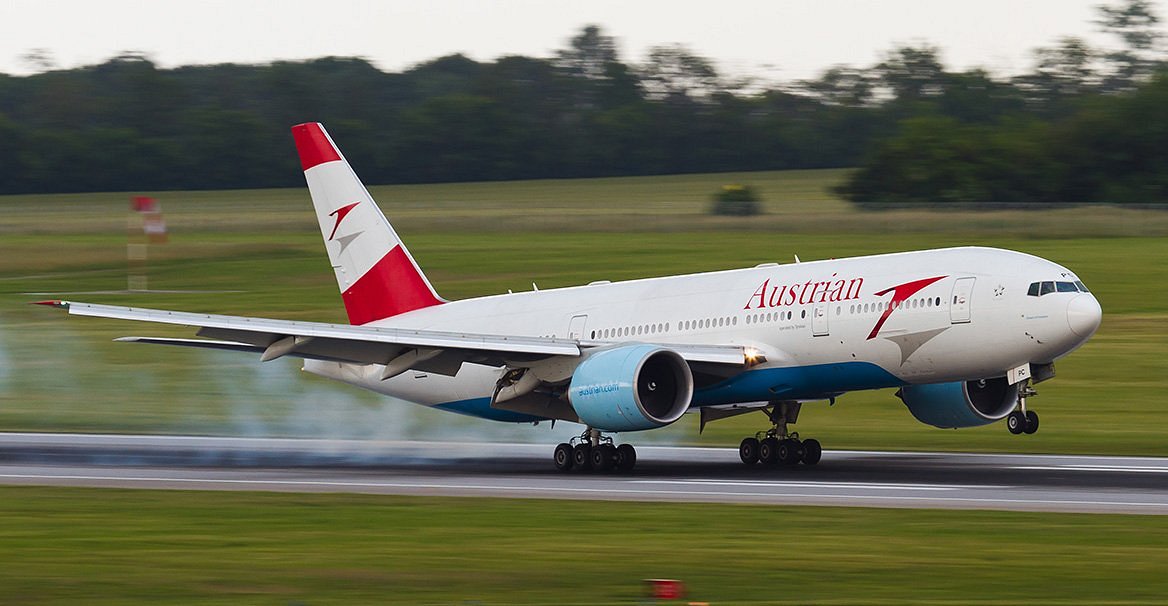
  • Austrian Airlines takes off with sharkskin

    Austrian Airlines takes off with sharkskin

    Austrian Airlines will be the first airline globally to equip their Boeing 777-200ER aircraft with innovative “AeroSHARK” surface technology. On a total of four Boeing 777-200ERs the fuselage and engine nacelles will be covered with the “sharkskin” film developed by Lufthansa Technik and the company BASF. The significantly reduced frictional resistance resulting from the film will reduce the CO2 emissions of Austrian Airlines’ long-haul fleet and fuel consumption.

    By applying a total of 830 square meters of Riblet film per aircraft to the surface of the fuselage and engine nacelles, a saving of around one percent of the total fuel consumption per flight can be achieved. Applied to four B777s, the technology can achieve savings of around 2,650 tons of fuel and over 8,300 tons of CO2. This corresponds to around 46 flights from Vienna to New York.

    “We take our responsibility seriously and take every possible step to reduce CO2 emissions within our flight operations. At one percent, the sharkskin’s efficiency potential may not sound like much, but in total it will save thousands of tons of CO2 per year on long-haul flights,” says Austrian COO Francesco Sciortino. “Even though our B777s are in their final years of service, we take this investment to get one step closer to our CO2 reduction targets.”

    “The fact that we are rolling out the fuel-saving sharkskin technology on another aircraft type with Austrian Airlines is also good news for other Boeing 777-200ER operators,” emphasizes Harald Gloy, COO at Lufthansa Technik. “These are the first of hopefully many more aircraft of this type that will have lower fuel consumption and an improved carbon footprint thanks to AeroSHARK.”

    AeroSHARK is a surface technology jointly developed by Lufthansa Technik and BASF, which consists of transparent ribs around 50 micrometers in size – the so-called riblets. It imitates the properties of particularly aerodynamic sharkskin and thus optimizes aerodynamics in relevant areas of the aircraft.

    Austrian Airlines will successively equip four of its six Boeing 777-200ER long-haul aircraft with surface technology from December 2024. The application to all four aircraft will be completed by March 2025.

    The sharkskin technology is another important building block on Austrian Airlines’ CO2 reduction path. Together with the Lufthansa Group, Austrian aims to reduce its CO2 emissions by 30.6% by 2030 compared to 2019.

  • Carriers struggle to ease aircraft shortage

    Carriers struggle to ease aircraft shortage

    Vietnamese airlines have been taking various measures in the face of a fleet contraction triggered by the manufacturer’s engine recall, including adding and replacing aircraft.

    As of July, 195 aircraft of Vietnamese carriers had been granted air operator certificates (AOC), 36 less than a year earlier. According to the Civil Aviation Authority of Vietnam (CAAV), an average of 167 planes were operated during the period, down 51.

    Meanwhile, the CAAV forecast the air transport market in 2024 will record approximately 78.3 million passengers and 1.21 million tonnes of cargo, respectively increasing 7.7% and 13.4% from last year.

    Facing that fact, domestic carriers have continually leased aircraft. So far this year, Bamboo Airways has conducted wet-leasing, also known as ACMI (aircraft, crew, maintenance, and insurance) leasing, of three planes to fly on in-demand routes in the summer travel season like those connecting with Nha Trang, Da Nang, and Quy Nhon.

    General Director of Bamboo Airways Luong Hoai Nam said the firm has strived to add more aircraft to its fleet to serve the domestic market by seeking and negotiating with partners worldwide. It plans to lease another aircraft between now and the year’s end to open some new domestic routes such as Ho Chi Minh City – Da Lat, HCMC – Thanh Hoa, and HCMC – Phu Quoc.

    Le Hong Ha, General Director of Vietnam Airlines, predicted that the aircraft shortage may linger on to 2025. He noted the national flag carrier has devised many solutions, including suspending or reducing the frequency of some routes in off-peak times or inefficient ones, increasing the operational time of each aircraft, and wet-leasing some planes.

    The airline is also boosting flights with attractive ticket prices in early mornings and late evenings. Occupancy rates of the flights to tourist magnets like Hanoi, HCMC, Da Nang, Nha Trang, Da Lat, Quy Nhon, and Phu Quoc that took off after 9 p.m. and before 5 a.m. in May and June were high, reaching 75 – 94%, Ha added.

    For its part, Vietjet plans to receive 10 planes between now and the end of 2024, including eight A321Neos and two E190s. It is scheduled to add more A321Neo, A330-300, E190, and Boeing 737 Max to its fleet in 2025.

    However, CAAV Deputy Director Do Hong Cam pointed out that it is still hard for carriers to lease aircraft due to rising rental, increasing fuel prices, and foreign exchange rate differences. These factors have affected supply and are among the reasons behind airfare fluctuations on domestic routes.

    Sharing the view, Deputy Minister of Transport Le Anh Tuan said the aviation sector will still encounter numerous difficulties in the coming time, including the aircraft shortage, carriers’ restructuring, route rearrangement, higher fuel costs, and foreign exchange differences.

    During the first half of 2024, Vietnamese airlines served nearly 37.5 million passengers, up 3.7% year on year and equivalent to 96% of the figure in the same period of 2019, when the aviation market was enjoying good growth.

    Vietnam’s aviation safety index was rated at 77.1%, up 11.54% from 2016 and well above the Asia-Pacific average of 65.31% and the global average of 68.81%, according to the Universal Safety Oversight Audit Programme of the International Civil Aviation Organization (ICAO).

  • Garuda Indonesia and Singapore Airlines receive regulatory approval for commercial joint venture

    Garuda Indonesia and Singapore Airlines receive regulatory approval for commercial joint venture

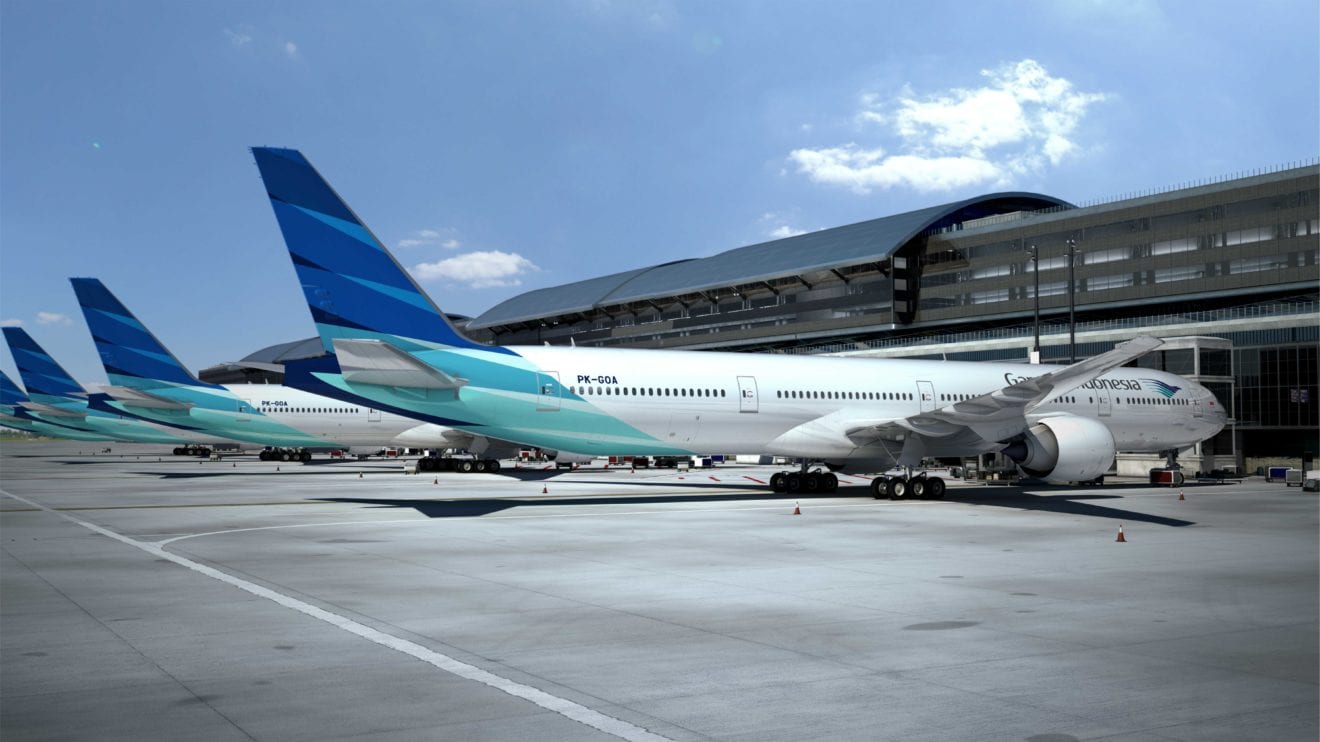
    Garuda Indonesia and Singapore Airlines (SIA) received the Competition and Consumer Commission of Singapore’s (CCCS) approval of their commercial joint venture agreement.

    With this approval, the airlines will be able to deepen their strategic partnership on a wider range of commercial activities that will bring greater benefits to both airlines, as well as Indonesia and Singapore. These potentially include operating joint revenue sharing flights between the two countries, coordinating flight schedules to offer travellers more options and seamless connectivity between Singapore and Indonesia and beyond, and exploring joint sales and marketing initiatives that provide greater value to both airlines’ customers.

    Since Garuda Indonesia and Singapore Airlines signed an agreement to deepen their partnership in May 2023, the carriers have been working on initiatives including giving GarudaMiles and KrisFlyer members the option to earn and redeem miles on codeshare routes. They have also embarked on joint marketing initiatives to promote tourism activities.

    The airlines today codeshare on a wide range of flights, including between Singapore and Indonesian cities of Bali, Jakarta, Medan, and Surabaya, as well as on long-haul routes between Singapore and Johannesburg, London (Heathrow), and Mumbai.

    Mr Irfan Setiaputra, President and Chief Executive Officer, Garuda Indonesia, said, “We are very pleased to receive this approval, as it marks significant progress towards our commitment to enhance service quality as well as broaden both Garuda Indonesia and Singapore Airlines’ networks through a deepening partnership.

    The joint venture initiative that we are preparing today has been one of the strategies to ensure extensive value creation for our loyal customers. Having regulatory approval as the first step in a commercial agreement will provide more opportunities for developing well-executed strategic ideas.

    “Moreover, we hope that this joint venture agreement can provide seamless services for passengers with more flight schedule options and ease in earning and redeeming mileage. Also, this collaboration may deliver concrete action to contribute to boosting Indonesian tourism activities, which will support the post-pandemic economic recovery progress,” Mr Irfan explained.

    Mr Goh Choon Phong, Chief Executive Officer, Singapore Airlines, said, “The robust strategic partnership between Garuda Indonesia and Singapore Airlines has enabled us to broaden our codeshare services over the last few years, offering our customers more choices on flights. With the CCCS’s approval, we are poised to deepen our collaboration across a wider scope of commercial activities.

    Along with the ongoing work to strengthen the links between our frequent flyer membership programmes, this will provide our customers with even more options and enhanced value. This partnership underscores both airlines’ commitment to improving connectivity between Indonesia and Singapore and beyond, boosting both business and leisure travel, and contributing to economic growth.”