Tag: airlines

  • Qatar Airways Cargo links with Xiamen Airlines

    Qatar Airways Cargo links with Xiamen Airlines

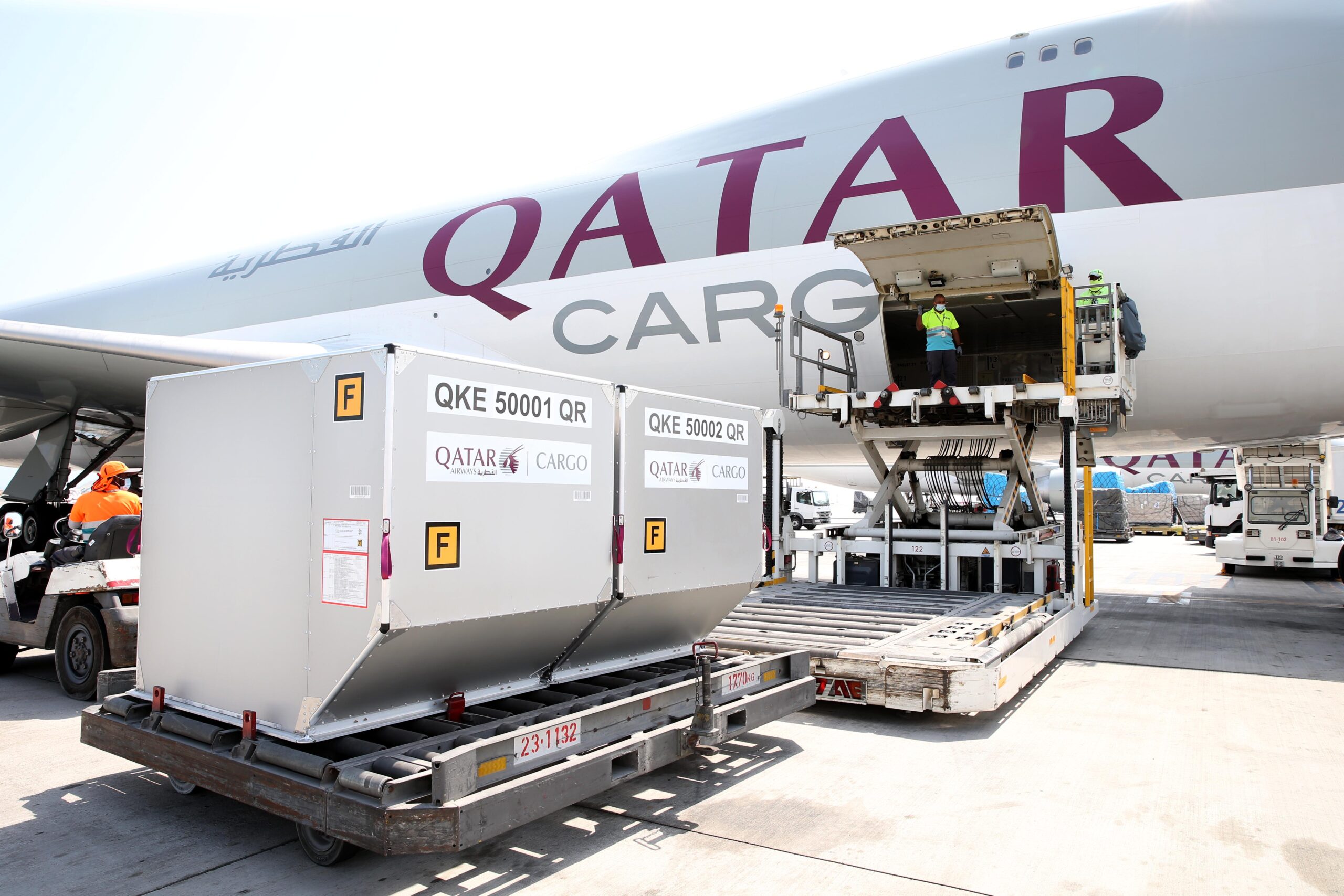
    Qatar Airways Cargo will offer additional capacity to/from China on the belly space of Boeing widebody jets with a new tie-up with fellow Skyteam member Xiamen Airlines.

    Under the agreement, Xiamen Airlines will launch daily flights on 20 October between Beijing’s Daxing International Airport (PKX) to Doha’s Hamad International Airport (DOH). The Chinese carrier will also launch two weekly flights from Xiamen (XMN), one of China’s special economic zones, to Doha, starting 31 October.

    This is the first time that the Chinese carrier will operate non-stop passenger flights to Qatar.

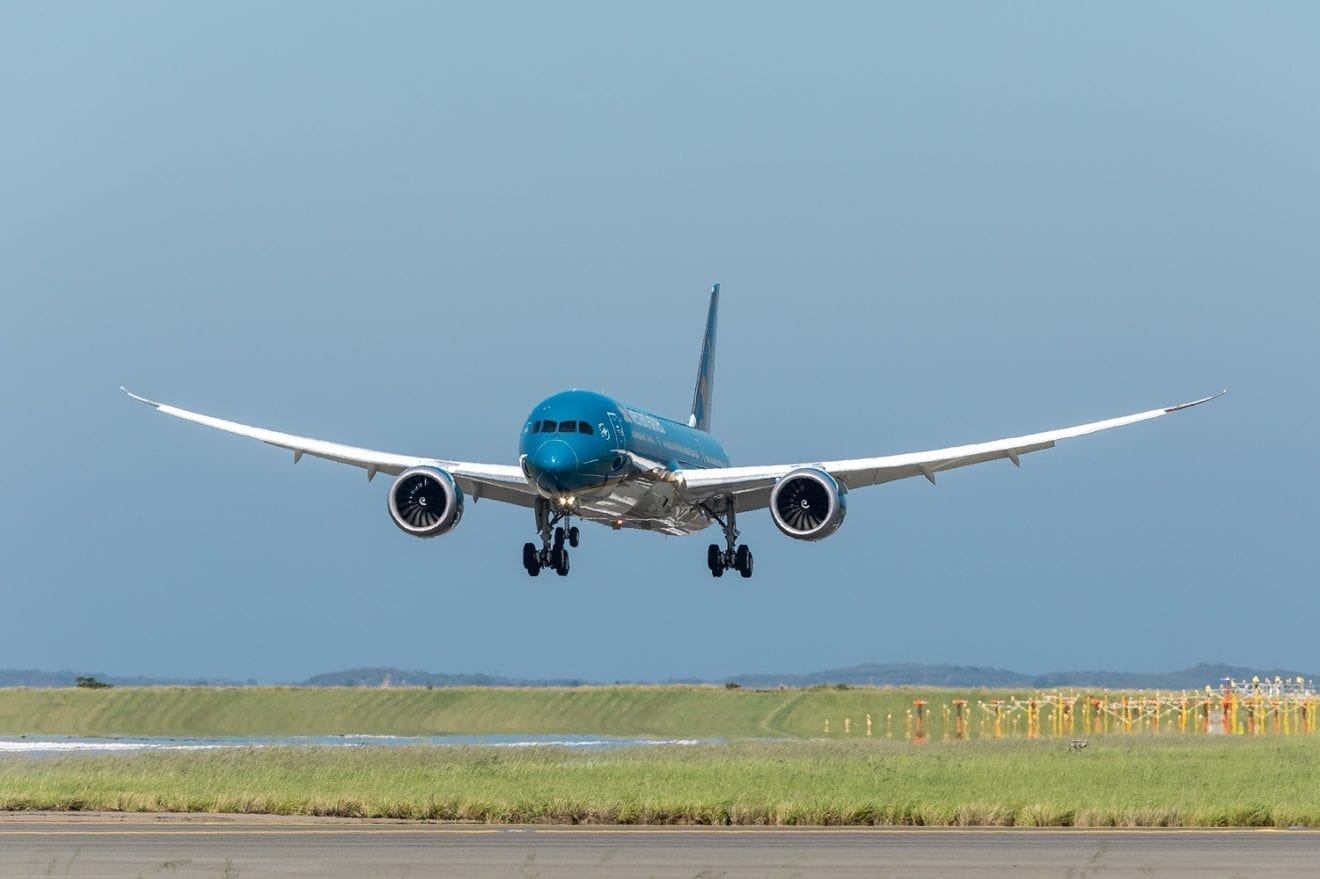
    A B787-9 will operate the new direct services from PKX to DOH, whilst the XMN-DOH return service will be operated by a B787-8, with more than 100 tonnes of capacity on both flights. Qatar Airways Cargo now serves 9 destinations in China, offering over 2,800 tonnes of cargo capacity each week.

  • Batik Air Malaysia, AirAsia X Cleared To Launch Central Asia Routes

    Batik Air Malaysia, AirAsia X Cleared To Launch Central Asia Routes

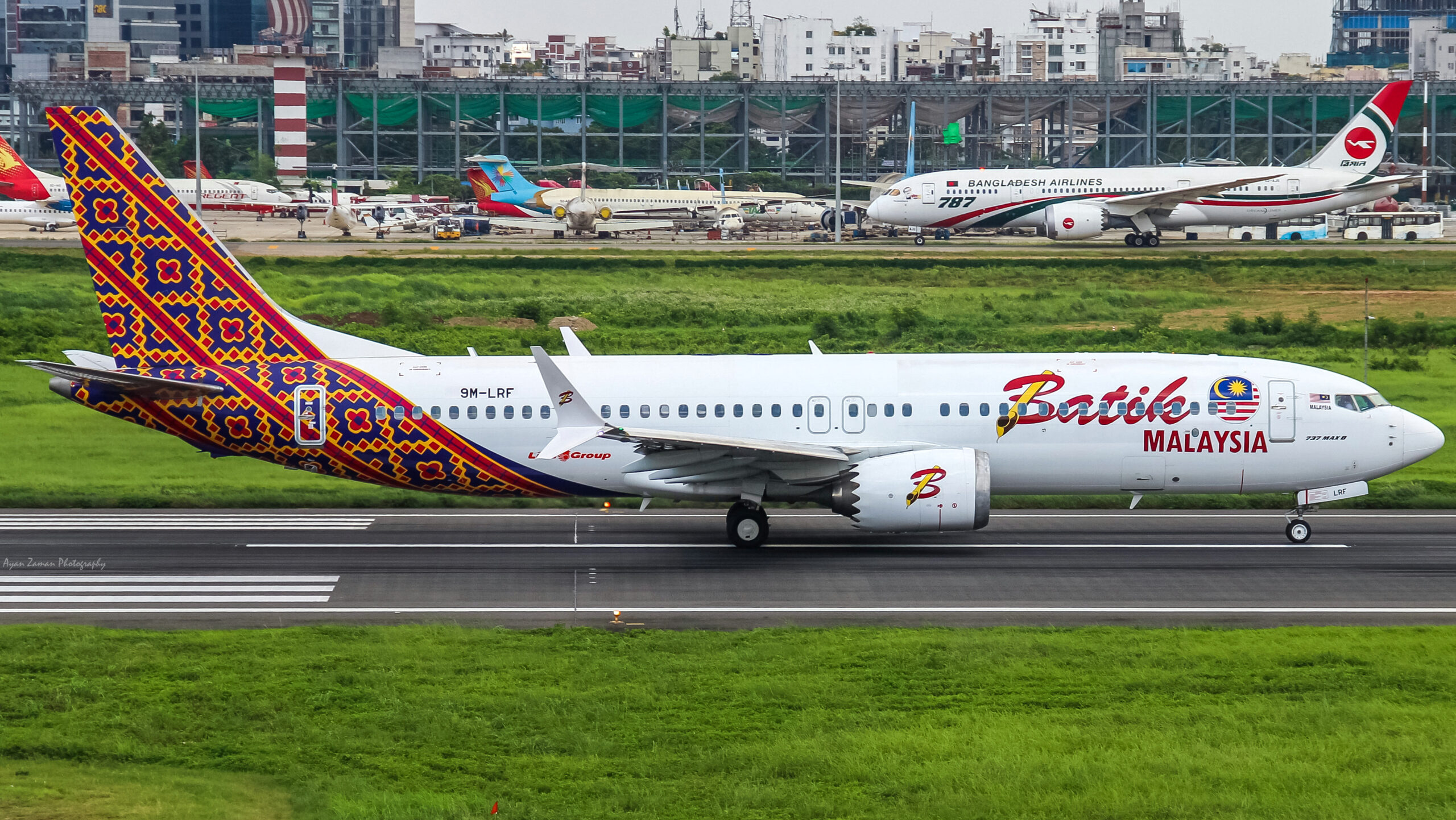
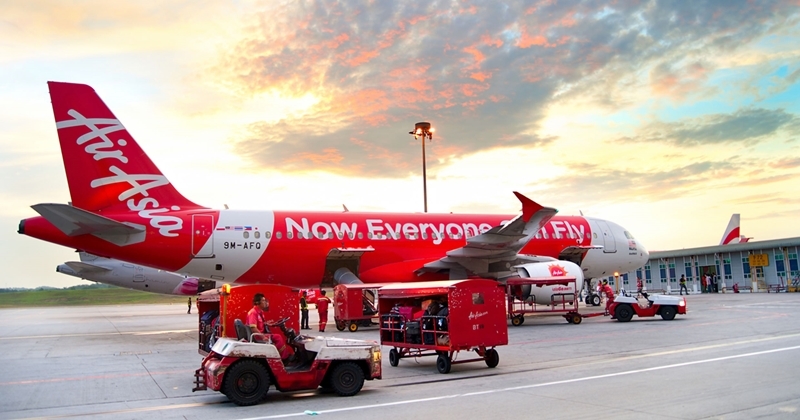
    The Malaysian Aviation Commission (MAVCOM) has granted air traffic rights to Batik Air Malaysia and AirAsia X, enabling them to expand their networks into Central Asia.

    Under these newly awarded rights, Batik Air has received approval to initiate scheduled flights linking Kuala Lumpur and Tashkent, Uzbekistan. Concurrently, AirAsia X has been given the go-ahead to inaugurate a route connecting Kuala Lumpur with Almaty, Kazakhstan. The move paves the way for both Batik Air and AirAsia X to launch their first flights to Central Asia.

    According to data provided by OAG Schedules Analyser, Batik Air has already scheduled the launch of the Tashkent service, with flights set to operate twice a week from Nov. 1 using Airbus A330 aircraft. The carrier will compete on the sector with Uzbekistan Airways, which resumed the route in November 2022 after a hiatus of more than two years because of the pandemic. It currently provides a 2X-weekly service aboard A321neos.

    In the Kuala Lumpur-Almaty market, AirAsia X will be the sole operator of nonstop flights between the cities if the route launches as planned. Air Astana previously provided a direct link, but last operated the flights in October 2020.

    Alongside awarding the traffic rights for Kuala Lumpur-Tashkent and Kuala Lumpur-Almaty, MAVCOM says it approved 55 other requests between April and June 2023, consisting of 43 international and 12 domestic routes. The total represented an 87.5% increase year-on-year, signalling “an invigorated momentum within the aviation sector.” The number of air traffic applications during the second quarter of 2023 was also 5.3% higher than during the same period in 2019.

    “As part of the commission’s continued efforts to ensure that Malaysia’s aviation industry remains dynamic and responsive to global travel trends, we have approved [air traffic rights] for various new destinations as well as to establish new hub connections,” says MAVCOM Executive Chairman Datuk Seri Hj. Saripuddin Hj. Kasim.

    “These decisive measures are specifically tailored to enhance connectivity, spur economic growth and catalyse the recovery of the aviation sector. We are particularly encouraged to see airlines seizing these opportunities for expansion.”

    In addition to securing permission to fly to Tashkent, Batik Air also gained rights to serve Okinawa, Japan. The airline intends to open a Kuala Lumpur-Taipei, Taiwan-Okinawa route on Aug. 16, operating four times per week using Boeing 737-800s.

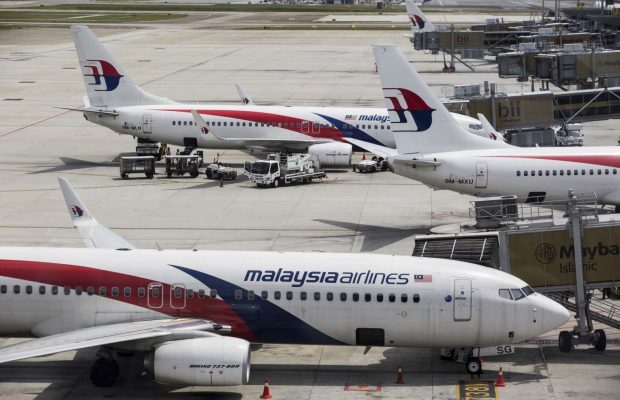
    Elsewhere, Malaysia Airlines’ LCC subsidiary Firefly has been approved to launch flights from Kota Kinabalu, on the island of Borneo, to Tokyo Narita and Taipei, while AirAsia has been awarded a host of rights, including a routing from Kuala Lumpur to Jaipur, India, and from the northwestern Malaysian state of Penang to Hong Kong.

    MYAirline has also been cleared to serve several destinations in Indonesia, Thailand and Vietnam from Kuala Lumpur. These include Ho Chi Minh City and Da Nang, Vietnam; Jakarta, Indonesia; and Krabi, Thailand. Airlines are required to utilize the air traffic rights allocated within six months from the approved date.

  • Singapore, Japan to collaborate on green air lanes

    Singapore, Japan to collaborate on green air lanes

    A recent dialogue saw a mutual agreement between Singapore and Japan’s aviation authorities to work together towards initiating greener air lanes between the two countries.

    At the 2nd Singapore-Japan Dialogue on Aviation Collaboration, the Civil Aviation Authority of Singapore (CAAS) and the Japan Civil Aviation Bureau (JCAB) shared the same view that the concept of an ‘aviation green lane’ should encompass airline operations, airport processes and air traffic management (ATM).

    The two are planning green ATM measures on all flights between Singapore and Tokyo, which will save fuel, cut carbon emissions, and reduce flight times. This follows a successful one-month trial in June 2023 whereby CAAS and JCAB implemented green ATM for one daily passenger service.

    Another initiative proposed for greener air traffic management is expanding the multi-regional trajectory-based operations (TBO) project to more air navigation service providers (ANSPs). Last month, ANSPs of Singapore, Japan, Thailand, the United States and Boeing saw the first successful multi-regional TBO demonstration flight, part of a 3-year collaboration to advance the concept and bring about significant benefits for airspace users, including greater flight efficiencies and reductions in carbon emissions.

    CAAS said these ATM concepts would complement the current push for SAF, which it considers he key element to achieve carbon neutrality for aviation, but the two warned that there would have to be sufficient supply and competitive pricing in the Asia Pacific region.

    Mr Han Kok Juan, Director-General of the CAAS, explained that the collaboration on green ATM establishes tangible measures that can be immediately implemented and translate to immediate fuel and carbon emission savings.

    “These measures can be scaled up to cover more flights and serve as a pathfinder for wider adoption by more countries. With the successful conclusion of the green ATM trial and the extension of green ATM measures to all flights between Singapore and Tokyo, Singapore and Japan show that green ATM can complement sustainable aviation fuel as a key feature of an aviation green lane.”

    On other important areas, the two civil aviation authorities will share best practices on fostering a positive safety culture and leveraging technology to overcome manpower shortage and raise productivity.

    The two have also agreed on the necessity to resume flights and city links to meet strong demand with plans to restore direct flights between Singapore and Okinawa from November 2023.

    The two sides first signed a strategic framework agreement in December 2022 to advance their civil aviation collaboration. As of July 2023, the number of weekly flights between Singapore and Japan has recovered to over 65 percent of pre-Covid level in 2019, with 122 weekly passenger services operated by six air carriers on city links to Tokyo, Osaka, Nagoya, Fukuoka and Sapporo.

  • Airlines buying planes for more int’l flights

    Airlines buying planes for more int’l flights

    Vietjet, Bamboo Airways and Vietravel Airlines are buying additional planes to open more international flights this year as the travel industry recovers from Covid.

    Vietravel Airlines, the youngest carrier in Vietnam, said it will receive three aircraft in the next quarter of this year to launch more international routes.

    The airline currently operates two routes between Hanoi/Ho Chi Minh City and Thailand’s Bangkok, and between Khanh Hoa Province’s Cam Ranh and South Korea’s Daegu.

    Bamboo Airways said it will obtain 6-8 planes from now through the end of the year, and an additional 10 planes in the 2024-2025 period.

    Vietjet Air will also receive 10 new planes this year, including three Airbus A321 ACFs this week, increasing its total to 87 by the year’s end while opening new routes to India, Japan and South Korea.

    Vietjet, which currently has 77 aircraft, including 5s A330s, 54 A321s and 18 A320s, operates over 100 domestic and international routes.

    Earlier this year, the Civil Aviation Administration of Vietnam asked the Ministry of Transport to allow domestic carriers to increase the size of their fleets to meet the market’s recovery needs.

    As of January, six domestic airlines were using 225 aircraft, nine less than the pre-pandemic level in early 2020.

    According to the administration, an average aircraft transports 250,000 passengers per year.

    With the domestic market forecast to reach 45.5 million passengers in 2023, the number of aircraft serving the domestic market alone is only 182.

    And to serve 13.6 million international passengers this year, airlines need 57 more planes.

    So analysts say that the total number of domestic airlines’ aircraft should increase to 230 in the first months of this year, and to 250 by the end of the year.

  • Vietnam’s sole female billionaire becomes chairwoman of Vietjet

    Vietnam’s sole female billionaire becomes chairwoman of Vietjet

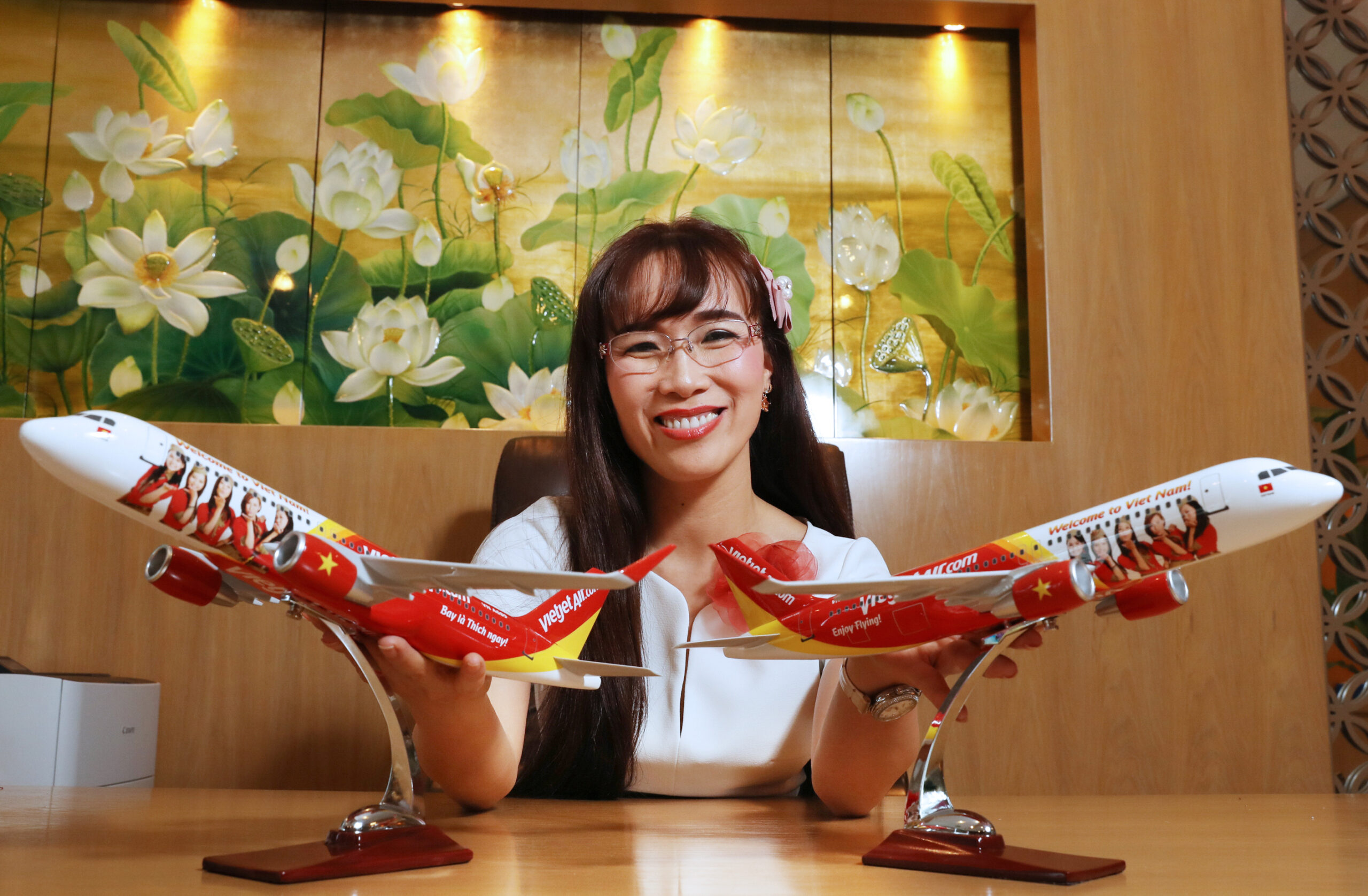
    Nguyen Thi Phuong Thao, Vietnam’s only female billionaire, has become the chairwoman of budget airline Vietjet.

    Dinh Viet Phuong, who has been with the company since its establishment in 2007, moved up to CEO.

    Thao, who replaced Nguyen Thanh Ha as chairwoman on Thursday, was the deputy chairwoman and CEO of Vietjet for many years. She is the first self-made female billionaire in Vietnam.

    Phuong has been holding the chief operations officer title since October 2020. He has made many contributions to the airline, helping it to survive during the Covid-19 period.

    He has an engineering degree from Vietnam Maritime University, an MBA degree from France’s CFVG and a doctorate in transport from Russia’s Moscow State Academy.

    Last year Vietjet transported 20.5 million passengers on 116,000 flights and saw number of domestic passengers grow 20% from pre-Covid.

  • Cebu Pacific to launch Laoag flights in May

    Cebu Pacific to launch Laoag flights in May

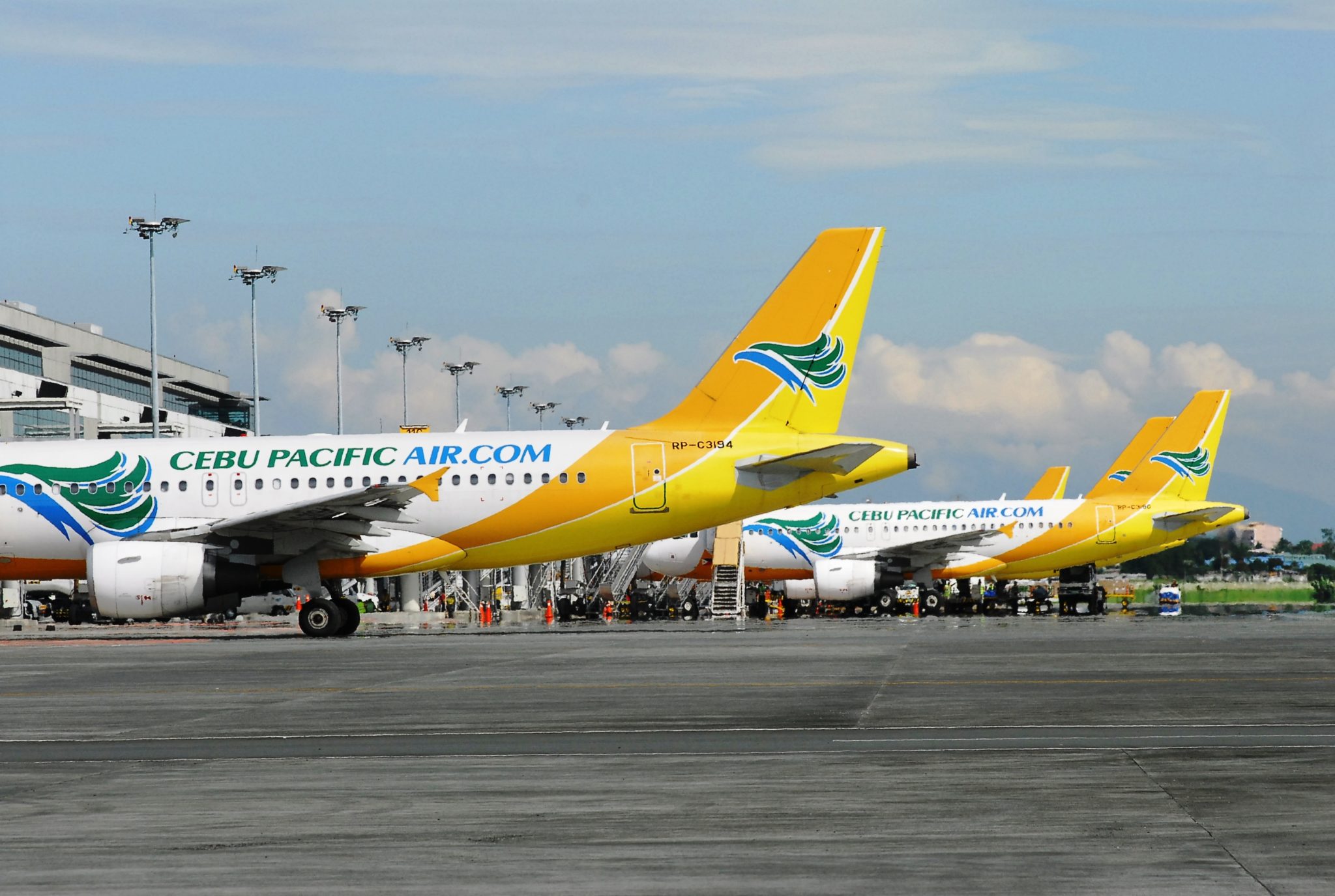
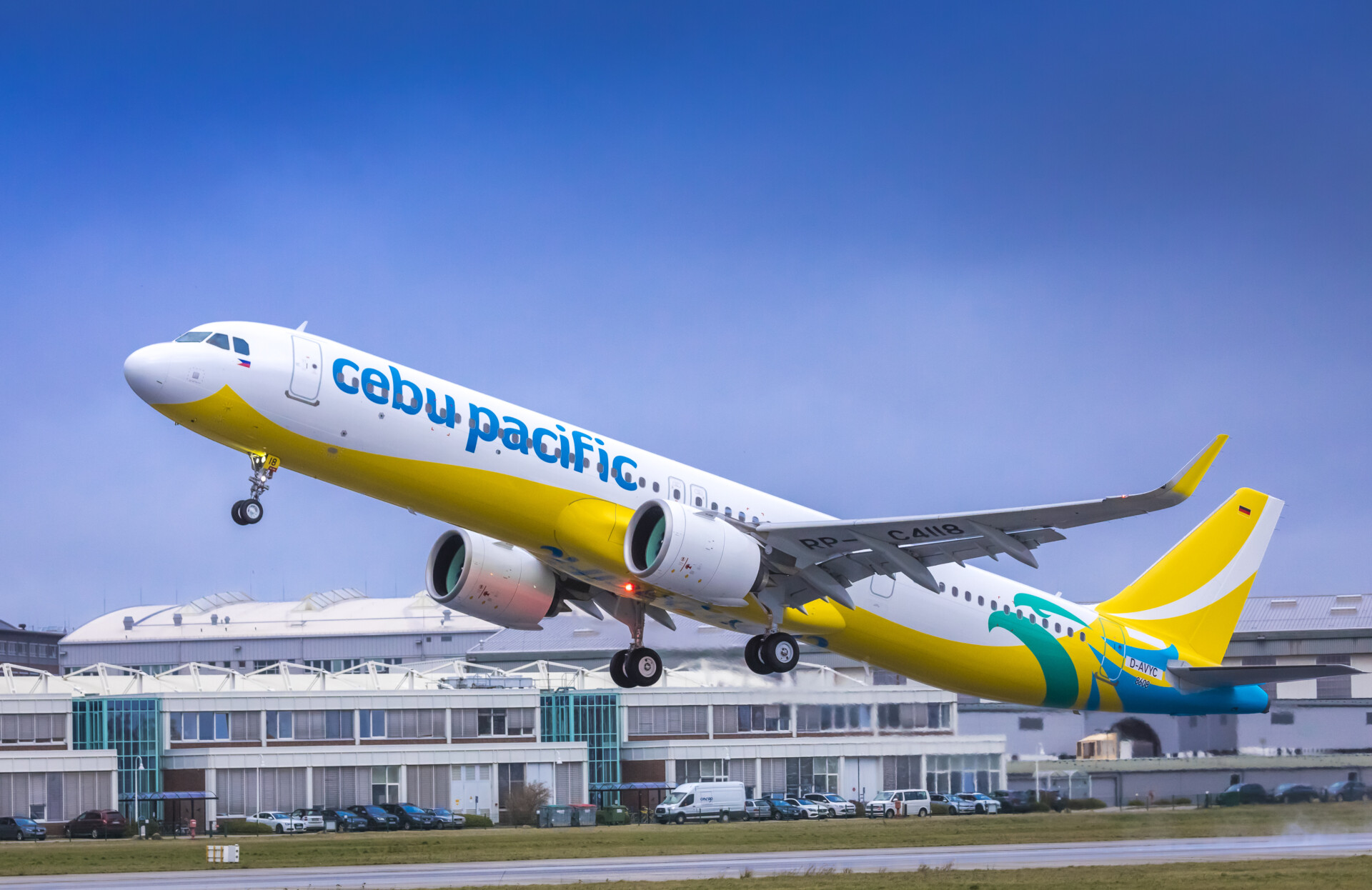
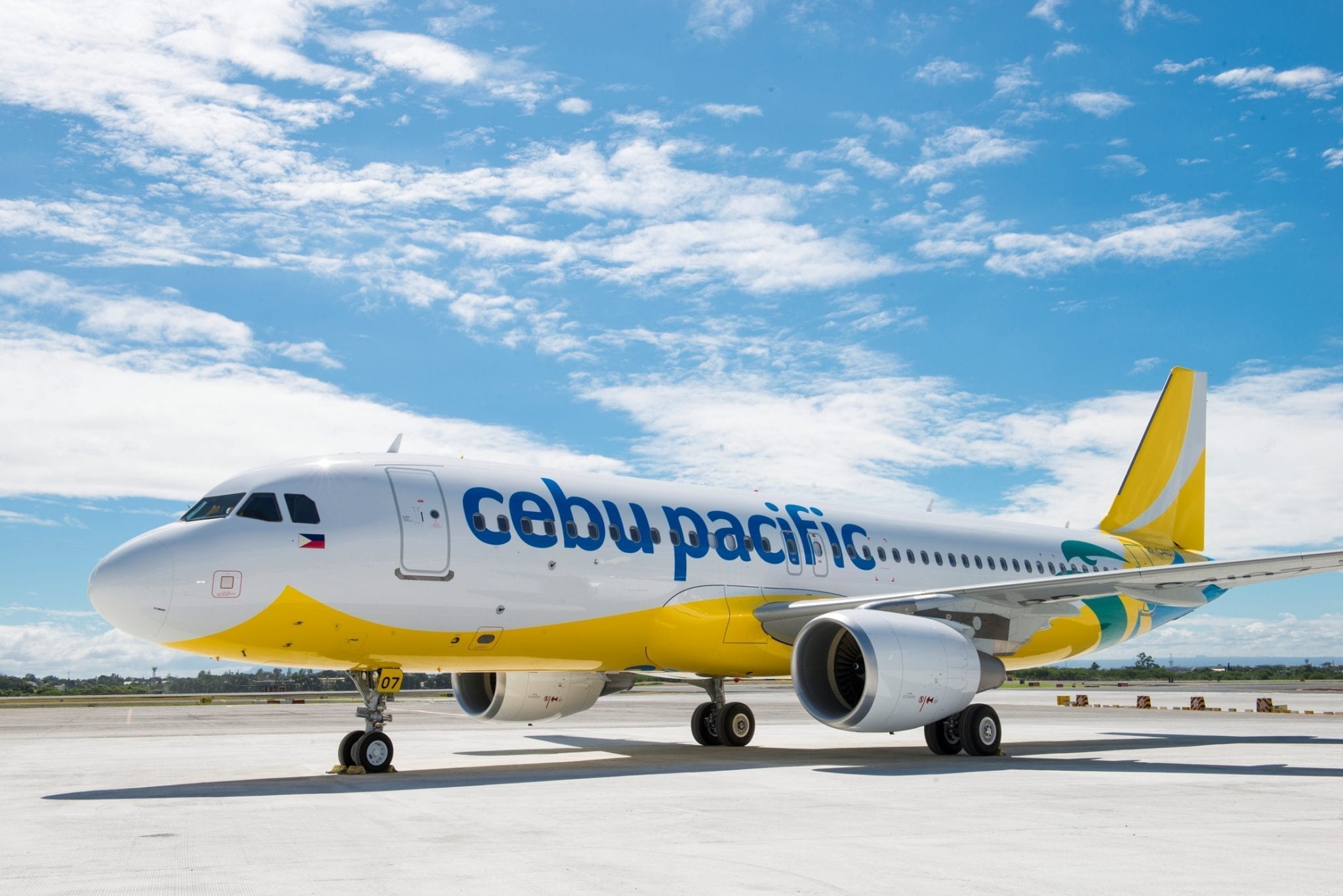
    Budget carrier Cebu Pacific is set to mount flights to the Ilocos Norte capital of Laoag starting May 22, making it the 35th domestic destination in the airline’s network.

    Cebu Pacific said flights from Manila to Laoag will be daily, as the airline seeks to tap travelers seeking to explore the Ilocos region.

    “Laoag plays a crucial role in preserving the country’s rich history and culture, and we are excited to finally be able to bring more Juans to this beautiful city,” President and Chief Commercial Officer Xander Lao said in a statement.

    “We hope the launch of the Laoag route will encourage more people to travel and experience the Ilocos region,” he added.

    The carrier reported a P14-billion net loss in 2022, marking an improvement from the P24.9-billion net loss incurred in the previous year as it cut its operating loss by about half to P11.4 billion.

    The company is set to add 11 more aircraft to its fleet this 2023, seeking to return to profitability within the first quarter of the year.

    Shares in Cebu Air Inc., which operates the carrier, were trading up by P0.05 or 0.12% at P41.70 apiece as of 11:59 a.m. on Wednesday.

  • AirAsia resumes service from Don Mueang to Macao

    AirAsia resumes service from Don Mueang to Macao

    AirAsia has resumed its service between Bangkok (Don Mueang) and Macao. The route is operated four times weekly on Mondays, Tuesdays, Thursdays and Saturdays, with a 100% load factor on both the inbound and outbound legs of the inaugural service.

    The inaugural flight was welcomed at Don Mueang Airport with a special ceremony and souvenirs for passengers.

    “The figures reinforce that Macao remains a top destination for Thai travellers and that Thailand is still a popular place to visit for Chinese tourists,” said Ms. Tansita Akrarittipirom, Head of Commercial, AirAsia Thailand. “Macao is a major tourism destination for Thai people due to its fame as a place of spirituality, European architecture in Asia and leisure.

    We received strong support from the Macao Government Tourism Office in opening this route, which will provide opportunities to stimulate the economies of both sides by spurring travel.”

  • What airlines need to speed up their recovery

    What airlines need to speed up their recovery

    Vietnamese airlines seek government support to speed up post-pandemic recovery, including scrapping a ticket price ceiling and relaxing visa policies.

    The outlook for the aviation industry seemed bright in a forecast by the Civil Aviation Authority of Vietnam (CAAV) last month when it said that a full recovery of Vietnam’s air transport is expected by the end of the year.

    CAAV forecast that 80 million passengers and 1.44 million tons of cargo will be transported this year, up 1% and 14.8%, respectively from 2019 when Covid-19 had yet to hit Vietnam.

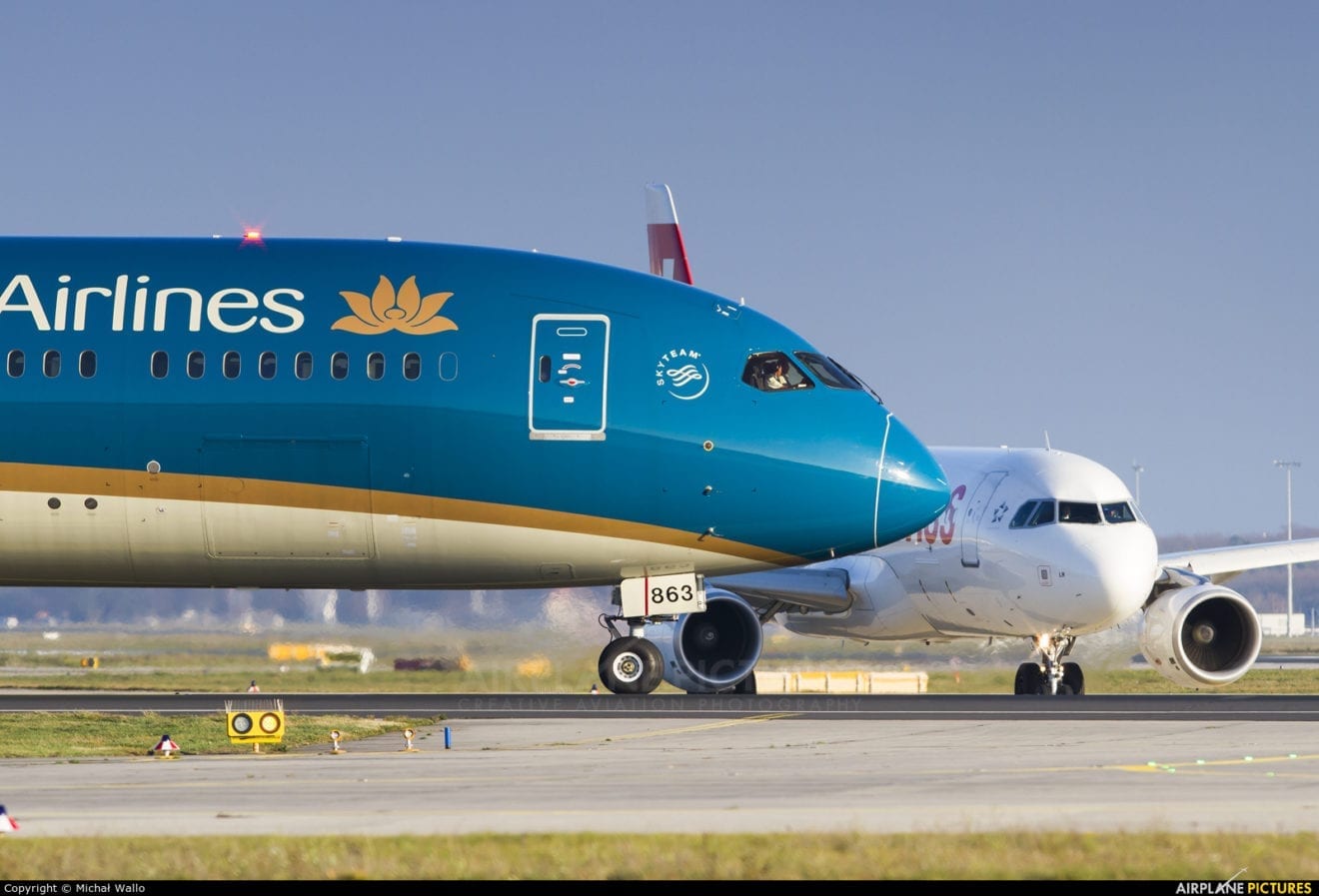
    For airlines, however, the forecast seems too optimistic. Last year, Vietnam Airlines posted an accumulated loss of over VND34 trillion ($1.43 billion), while budget airline Vietjet recorded more than VND2 trillion in loss.

    Bamboo Airways and Vietravel Airlines are yet to turn a profit. Luong Hoai Nam, a member of the Vietnam Tourism Advisory Board, said at a recent event that there is no rosy picture for domestic airlines this year.

    “Carriers are deep in debt and are facing an operational crisis,” he said.

    Now that demand is rising, aircraft leasing companies are seeking to get their jets back, Nam said, adding that if Vietnamese airlines cannot pay for the lease the jets might be taken away.

    Vietjet’s Deputy CEO Ho Ngoc Yen Phuong said that although some international airlines have become profitable again after the two-year hiatus, Vietnamese carriers are still facing many financial difficulties, and they might lose on their own playground if other carriers increase their presence.

    Deputy CEO of Vietnam Airlines Trinh Ngoc Thanh said that the industry will not fully recover until the end of 2024, but he was not sure whether the national flag carrier can survive until than as its “financial health is very weak.”

    Local airlines, therefore, are proposing several support policies to help them survive and speed up their recovery. They want the domestic ticket price ceiling removed, saying that this policy is no longer in line with international norms. The price ceiling has remain unchanged for eight years and this is unreasonable as expenses, including fuel, currency exchange rates and loan interests, have all increased.

    Vietnam Airlines and Bamboo Airways proposed that while the ceiling is yet to be removed it should be raised to reflect the hike in operational costs.

    Ticket agents are saying that domestic prices on some routes have nearly doubled year-on-year.

    A survey of 1,600 readers last month found that 51% of respondents want the price ceiling to remain unchanged.

    Airlines are also requesting the government relax visa policies and create a national tourism promotion campaign.

    “The Vietnam National Administration of Tourism partnered with airlines to promote tourism in other countries in previous years,” Thanh said. “But now there is no campaign and carriers do not have the budget to create their own.”

    The Vietnam Airlines executive also said that the 15-day visa policy for European and American visitors should be doubled to 30-days.

    Vietjet wants authorities to untie administrative knots so that Chinese tours can soon travel to Vietnam. Vietnam is yet to be included in the 20 countries that Chinese tourism firms are allowed to send tours to.

    Even though China – which accounts for 30% of foreign tourists to Vietnam – has reopened, Vietnamese airlines still have to postpone plans to expand their flight frequency to this country.

    Carriers are also seeking reductions in taxes and fees.

    Thanh said that the 50% reductions in landing and takeoff fees of domestic airlines and an environmental tax on fuel, which were given during Covid-19, should be maintained to help ease the financial burden for carriers.

    Bamboo Airways has proposed for these reductions to last until the end of 2024 or 2025.

    Can Van Luc, chief economist at lender BIDV, said that it is unlikely that carriers will get out of losses this year and that they will still need a lot of government support in taxes and fees.


  • Cebu Pacific restores flight network

    Cebu Pacific restores flight network

    Cebu Pacific is set to restore 100% of its pre-Covid network and capacity by March 2023. It now flies to 34 domestic destinations and is set to bring back all its 25 international destinations before the end of the first quarter.

    To support the return of domestic flights, the low-cost airline bundles fares to offer passengers a discount of up to 28% on their baggage, seat, and CEB Flexi fees when booking directly through the airline booking website.

    CEB offers three fare bundle options; Go Basic, Go Easy, and Go Flexi.

    On the Go Basic option, you pay for your fare and get one hand-carry baggage weighing up to 7 kg for free. With Go Easy, you can choose your standard seat and check in one piece of baggage weighing up to 20 kg.

    Score the biggest discount on your seat and baggage fees and automatically get a CEB Flexi add-on with Go Flexi. This allows you to cancel your flight, store its amount in your Travel Fund, and get all the benefits of the Go Easy bundle.

    Each fare bundle must be purchased at the initial booking for the discount to apply. CEB Fare Bundles cannot be refunded, transferred to another passenger, or stored in a Travel Fund without a purchased CEB Flexi add-on.

  • Vietnamese airlines race to find new investors

    Vietnamese airlines race to find new investors

    Pacific Airlines, Bamboo Airways, and Vietravel Airlines are seeking new investors to help them overcome financial difficulties and speed up their post-pandemic recovery.

    Vietnam Airlines, which owns approximately 98% of Pacific Airlines’ shares, has been searching for new investors for its subsidiary carrier since last year.

    The national flag carrier is also looking to sell its stake in jet fuel distributor Skypec to help alleviate some of its difficulties and gradually reduce its losses.

    By the end of last year, Vietnam Airlines was recording an accumulated loss of nearly VND34.2 trillion ($1.45 billion), and its shares are at risk of being delisted as the carrier is set to record three annual losses in a row.

    Bamboo Airways is also seeking new investors to help its ambitious development plans.

    Although the airline was expected to be invested in by a large southern property company, the deal has yet to be finalized and the airline is still looking for new investors.

    Rookie Vietravel Airlines is also seeking investors and has requested the government to increase its charter capital sixfold to more than VND7.6 trillion, mainly to expand its fleet.

    By 2030 the airline seeks to have VND8.25 trillion in charter capital, in which shareholders contribute VND2 trillion, with the remainder coming from undistributed profits and other investors.

    Nguyen Quoc Ky, chairman of Vietravel Airlines, said “the airline is lucky as it has attracted interest from some investors.” He added that the airlines prioritizes domestic investors who can journey with the airline for a long time.

    Each airline has its own strengths to entice investors.

    Pacific Airlines and Vietnam Airlines possess prime flight slots at major airports like Noi Bai and Tan Son Nhat.

    Bamboo Airways is the fastest growing airline with a fleet of 30 jets just four years after it was launched. It also has a network covering both domestic and international markets.

    Vietravel Airlines is part of tourism firm Vietravel’s ecosystem and therefore has a large customer base and a connection with tourism markets.

    Nguyen Hai Quang, a lecturer at the University of Economics and Law under Vietnam National University, Ho Chi Minh City, acknowledged that the pandemic has severely impacted the airline industry and that finding new investors is essential.

    “The aviation business requires large capital and aircraft-related expenses,” he said, adding that this is a good time for investors to join the industry.

    The International Air Transport Association (IATA) has forecast that the global aviation industry will become profitable again this year with a profit to sales ratio of 0.4%.

    But Quang also said that challenges lie ahead for Vietnamese airlines, and one of these is the recovery of the international markets.

    “Only when international markets resume pre-pandemic levels can Vietnamese carriers report profits again,” he said.

    Other factors such as fuel price, currency exchange rates, global economic growth and inflation will also play important roles in the performance of airlines, Quang said.

    When new investors are found, airlines will have many opportunities for growth, he added.
  • Vietravel Airlines plans 6-fold increase in charter capital by 2025

    Vietravel Airlines plans 6-fold increase in charter capital by 2025

    Rookie carrier Vietravel Airlines wants to gradually increase its charter capital nearly sixfold to VND7.64 trillion ($323.66 million) by 2025.

    The airline recently made this proposal to the government after two years of operating with a charter capital of VND1.3 trillion. It owns three narrow-body Airbus A321 jets.

    Viettravel made this proposal to boost development and enlarge its fleet, Chairman Nguyen Quoc Ky said.

    “Investing in fleet expansion is important for a new airline to survive and grow,” said Ky. “Only with a large fleet can we make profits.”

    For the last two years Vietravel Airlines has not been profitable but it expects that with a larger fleet it can take advantage of an expected surge in demand after Covid-19.

    The capital increase will come from a combination of shareholder investment, selling stakes to other investors, and financial tools.

    Shareholders of Vietravel Airlines plan to invest an additional VND700 billion by 2025, bringing their total investment to VND2 trillion.

    The airline also plans to increase its charter capital to VND8.25 trillion by 2030.

    Viettravel projects that by 2030, if business is favorable, it could record a VND2.2 trillion in accumulated profit which it could use it to pump up its capital.

  • Aviation stocks rise amid expected industry recovery

    Aviation stocks rise amid expected industry recovery

    Stocks of Vietnam Airlines, Vietjet and other companies in the aviation industries have surged as the resumption of flights to China amid its relaxed Covid-19 policy boosted investors’ sentiment.

    HVN of state-owned Vietnam Airlines closed last week at a ceiling price in its third session in the green and returned to the mid-October price range of around VND11,750 ($0.50).

    Meanwhile, VJC of budget airline Vietjet, the only airline blue chip, gained 5% to close at VND111,500.

    SAS of Tan Son Nhat Airports Services and AST of Taseco Airs, which mostly provide services at Noi Bai International Airport, all gained three sessions to close at VND22,000 and VND54,000, respectively.

    These stocks gained after China relaxed its Covid-19 restrictions and several Vietnamese airlines, such as Vietnam Airlines and Bamboo Airways, announced a flight resumption to Chinese cities.

    Analysts of brokerage VNDirect said earlier this month that the most damaging factor for Vietnam’s tourism and aviation recovery is China’s zero-Covid policy which has been strictly imposed in most of the last three years.

    Chinese tourists accounted for 35% of total foreign tourists in Vietnam before the pandemic, and the figure is forecast to reach 20% in early next year before returning to the old level in early 2024, they added.

    “As the earnings of Vietnamese aviation companies have a high dependency on international traffic, we believe that their figures will surge starting next year.”

    Another reason for the surge in aviation stocks is an increasing number of investors buying the dip after the plunges.

    It also warned that risks such as high oil prices, heavy competition and weakening travel demand due to a global economic slowdown might have impact on the recovery of aviation stocks.

  • Malaysia to test air cargo community system at KUL

    Malaysia to test air cargo community system at KUL

    Efforts are coming in all forms to support Malaysia’s competitiveness in its transport and logistics sectors as plans to introduce a platform that will connect stakeholders of Kuala Lumpur International Airport are underway.

    Air cargo software provider Kale Logistics Solutions and tech company Dagang NeXchange (DNeX), through its subsidiary Dagang Net, have signed a partnership agreement to introduce the Airport Cargo Community System (ACS) platform in Malaysia.

    The ACS is a neutral and open platform, enabling intelligent and secure information exchange between public and private stakeholders and is planned to be integrated with other community systems such as the National Single Window (NSW) and Port Community Systems (PCS) for trade facilitation.

    Vineet Malhotra, co-founder and director at Kale Logistics Solutions, said the latest development presents a powerful case that cargo community platforms need to integrate to bring greater value. And the plan is to create a global network of smart logistics hubs, starting in Malaysia.

    “Our role is to support businesses, especially SMEs, by providing an efficient and comprehensive global logistics network that can serve a larger international customer base and reduce trade barriers.”

    DNeX says the partnership with Kale complements Dagang Net’s capability to grow trade facilitation e-services for air mode through the ACS platform.

    “The ACS enables seamless electronic transactions, equipped with intelligent and secure information exchange among stakeholders to enhance the airport community competitiveness,” commented Tan Sri Syed Zainal Abidin Syed Mohamed Tahir, Group Managing Director.

    “This, in turn, can contribute to efforts in improving Malaysia’s competitiveness in its transport and logistics sectors as well as overall operational efficiency, connectivity, and productivity across the country’s supply chain,” he noted.

    Dagang Net has been using electronic Customs-related services to ease trade facilitation and streamline international trading processes for imports and exports, trade and logistics industries, and this initiative is aligned with the company’s direction, he added.

    Both Kale and Dagang Net are part of the Pan Asia e-Commerce Alliance (PAA), a 16-member regional e-commerce alliance in Asia that aims to promote and provide secure, trusted, reliable and value-adding IT infrastructure and facilities for efficient global trade and logistics.

  • Cebu Pacific to resume flights to Bali, Hanoi, Sydney

    Cebu Pacific to resume flights to Bali, Hanoi, Sydney

    Budget carrier Cebu Pacific recently announced that it is resuming to key international destinations in a bid to boost its frequencies in overseas routes.

    As more countries ease travel restrictions, the airline said it is resuming flights to Bali, Indonesia; Hanoi, Vietnam and Sydney, Australia to bring the number of its international destinations to 16 by the end of June.

    The carrier said it plans to operate weekly flights on the Manila-Hanoi-Manila and Manila-Bali-Manila routes next month.

    In June, it intends to operate thrice weekly flights to and from Sydney.

    From January to April, Cebu Pacific restarted flights to six international routes namely Bangkok, Thailand; Fukuoka, Japan; Jakarta, Indonesia; Dubai, United Arab Emirates; Hong Kong and Ho Chi Minh also in Vietnam.

    It is also currently operating flights to Kuala Lumpur, Malaysia; Singapore; Seoul (Incheon), Korea; Nagoya and Tokyo (Narita), Osaka, Japan and Guangzhou, China.

    Below appears the flight frequencies of the overseas routes:

    Route Frequency
    Manila – Bangkok – Manila Every Tue / Thu / Sat
    Manila – Dubai – Manila Daily
    Manila – Fukuoka – Manila Every Tue
    Manila – Guangzhou – Manila Every Tue
    Manila – Ho Chi Minh Every Tue
    Ho Chi Minh – Manila Every Wed
    Manila – Hong Kong – Manila Daily
    Manila – Jakarta Every Fri
    Jakarta – Manila Every Sat
    Manila – Kuala Lumpur Every Mon
    Kuala Lumpur – Manila Every Tue
    Manila – Nagoya – Manila Every Tue / Thu / Sat / Sun
    Manila – Osaka – Manila Every Mon / Fri
    Manila – Seoul (Incheon) – Manila Every Thu / Sat
    Manila – Singapore – Manila Daily
    Manila – Tokyo (Narita) – Manila Every Mon / Wed / Fri / Sun
    Manila – Bali – Manila Every Mon / Fri (starting May 2)
    Manila – Hanoi – Manila Every Mon / Fri (starting May 2)
    Manila – Sydney Every Mon / Wed / Fri (starting June 1)
    Sydney – Manila Every Tue / Thu / Sat (starting June 2)

    Early this month, the country started accepting fully vaccinated foreign leisure travelers with the most relaxed entry protocols, including quarantine-free entry. The country also allowed visitors to freely travel to reopened destinations around the country.

    Cebu Pacific’s chief commercial officer Xander Lao said the airline supports the Department of Tourism’s initiatives to restore tourism.

    They invited Filipino and foreign tourists to visit the country.

    “We invite Filipinos and foreign visitors to plan their travels to the Philippines and explore its beauty, or simply visit family and friends. We look forward to welcoming everyone onboard,” Lao said in a press conference at the World Travel and Tourism Council Global Summit in Pasay City last Thursday.

    The carrier is offering flights to 34 domestic destinations which tourists may also visit. It resumed more direct local flights from major hubs Cebu and Davao, as it restored 100% of its pre-pandemic domestic capacity this month.

    “We are happy to keep enabling everyJuan to safely fly across our largest Philippine network. We are hopeful we can continue contributing to the economic and tourism agenda in and out of the Philippines,” Lao said.

    The budget carrier said it would continue to offer low fares to help the COVID-19 pandemic-hit travel and tourism industry recover while maintaining the implementation of health and safety protocols.

    The airline said it employs 100% fully vaccinated crew with 90% of them already boosted.

    Meanwhile, Lao also congratulated the DOT for hosting the 21st edition of the WTTC Global Summit. It was staged at the Marriott Hotel in Pasay City from April 20 to 22, 2022.

    WTTC also commended the country for hosting the tourism event that signified the recovery of international travel.

  • Cebu Pacific, STB renew partnership

    Cebu Pacific, STB renew partnership

    Cebu Pacific (CEB) has renewed its partnership with the Singapore Tourism Board (STB), which will facilitate the travel of Filipinos to the Lion City.

    Singapore recently reopened its borders for all fully vaccinated Filipinos, making it easier for tourists to enjoy a convenient, quarantine-free vacation. Since April 1, 2022, vaccinated travelers to Singapore enjoy a simplified travel process, requiring only proof of vaccination, a pre-departure Covid-19 test, and an online Singapore Arrival Card.

    “STB is excited to collaborate with CEB and would like to thank them for this opportunity to bring more visitors from the Philippines to Singapore. Through this partnership, Filipino travelers can look forward to attractive promotions and campaigns to warmly welcome them back to Singapore,” said Juliana Kua, Assistant Chief Executive for International Group, Singapore Tourism Board.

    “We are very happy to firm up our collaboration with the Singapore Tourism Board following the easing of travel restrictions in and out the Philippines. We believe this partnership is very timely as it’ll surely contribute to the recovery of both the industry, as well as our respective countries,” said Candice Iyog, Vice President for Marketing and Customer Experience at Cebu Pacific.

    Meanwhile, CEB has achieved a 7-star safety rating from airlineratings.com for its Covid-19 compliance. It continues to implement a multi-layered approach to safety as it endeavors to restore the public’s trust and confidence in air travel.