Tag: airlines

  • AirAsia Group loses appeal in airport case

    AirAsia Group loses appeal in airport case

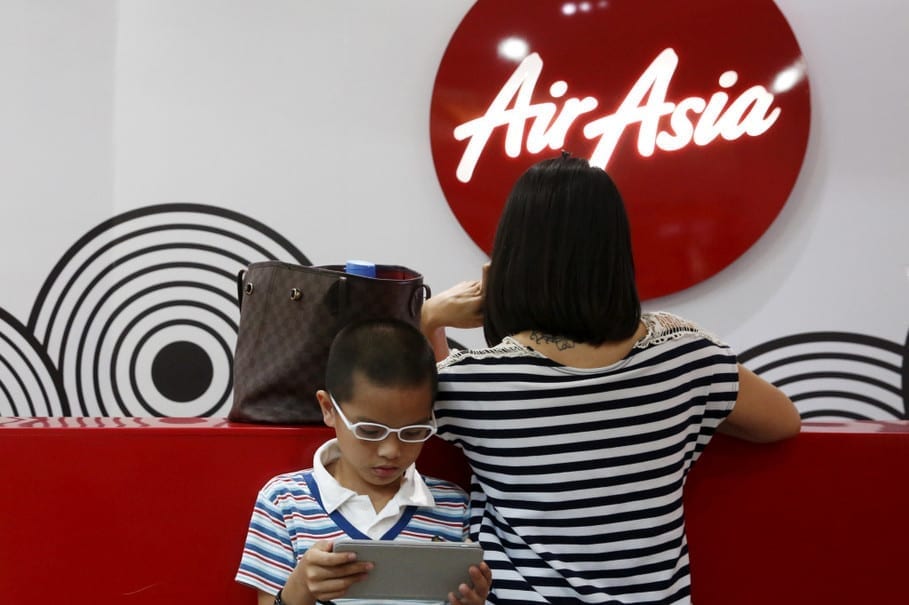
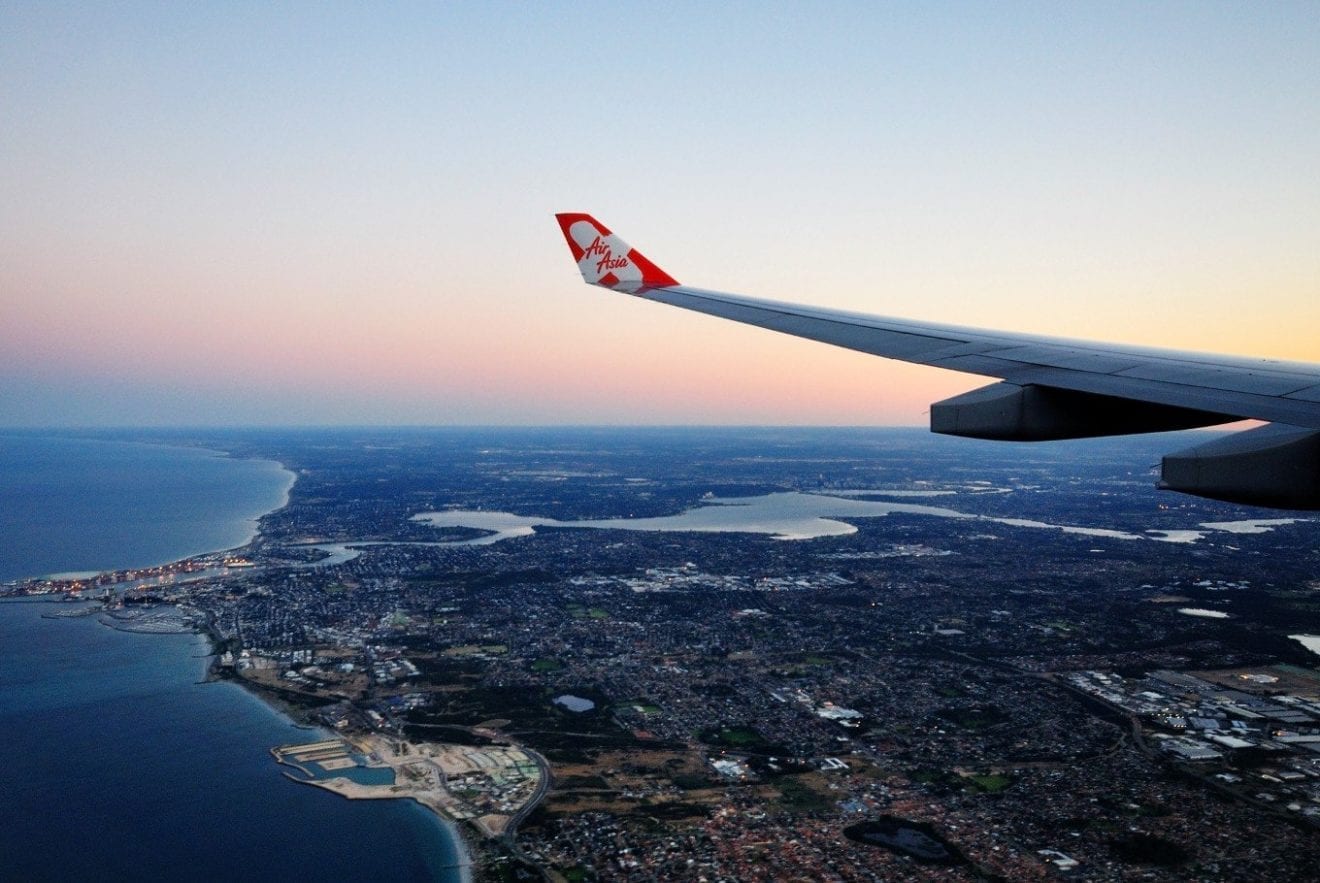
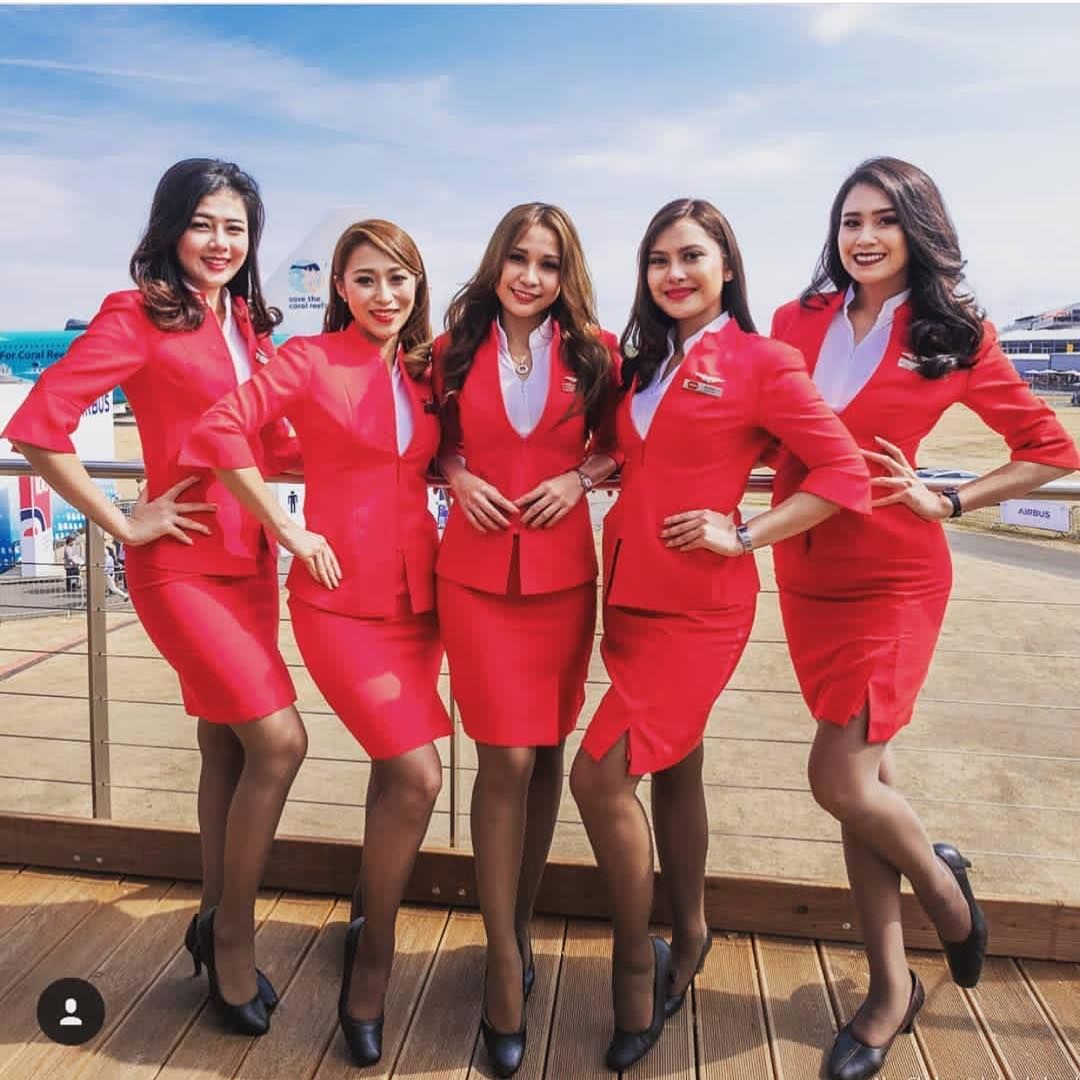
    The Court of Appeal of Malaysia has dismissed attempts from AirAsia (AK, Kuala Lumpur Int’l) and AirAsia X (D7, Kuala Lumpur Int’l) to set aside a High Court ruling in favour summarily – without a full trial – of Malaysia Airports Holdings over outstanding passenger service charge (PSC) payments, Malaysia’s Daily Express and The Edge Markets reported.

    A three-member bench unanimously confirmed on March 3 that the High Court was correct in granting the state-run airport operator a summary judgement for a total of MYR41.55 million ringgit (USD9.95 million) against the two low-cost carriers, comprising the outstanding charges, late payment fees, and costs.

    The airlines had lodged three appeals each in an effort to strike out the rulings, and so the appeals court ordered them to pay additional costs of MYR10,000 (USD2,400) per appeal, totalling MYR60,000 (USD14,400).

    Malaysia Airports’ claim against AirAsia and its long-haul affiliate is for alleged unpaid passenger service facilities charges at the rate the Malaysian Aviation Commission (Mavcom) regulator set in 2016 and amended in 2017 and 2018.

    According to the plaintiff, the defendants had signed a contract on these fees and other conditions for the use of Kuala Lumpur Int’l Airport, rules that were also revised in 2017. The two carriers deny having accepted the terms of the contracts, however, claiming they had raised objections to the plaintiff but had been ignored.

    The Capital A (formerly AirAsia Group) airlines have argued that the rate for the charges in the current regulations is a ceiling rate, not a fixed rate, and that the amount payable was to have been negotiated between the parties.

    “We are of the opinion, and we agree with the findings of the learned High Court judge, that AirAsia’s actual dispute is not one between two aviation service providers but between AirAsia and [Mavcom] itself, because it is the commission that had prescribed the applicable PSC rate, and [Malaysia Airports] collects the same. Specifically, AirAsia’s actual dispute is against the decision of the commission to equalise the PSC rates” between Kuala Lumpur Int’l terminals one and two, the appeals court ruling said. “Accordingly, AirAsia should have addressed its PSC dispute by judicial review against the commission’s statutory decision to increase the rate.”

    AirAsia X has also been the target of a Malaysia Airports Holdings lawsuit initiated in October 2020 to demand payment of MYR78.16 million (USD18.7 million) in alleged lapsed charges related to the long-haul low-cost carrier’s debt restructuring scheme. Malaysia Airports is a secured creditor of AirAsia X, it has argued, so it should have been excluded from the carrier’s debt reshuffle. Nevertheless, the airline obtained court approval in December 2021 to restructure the debt.
  • Airlines resume hiring as they embark on recovery

    Airlines resume hiring as they embark on recovery

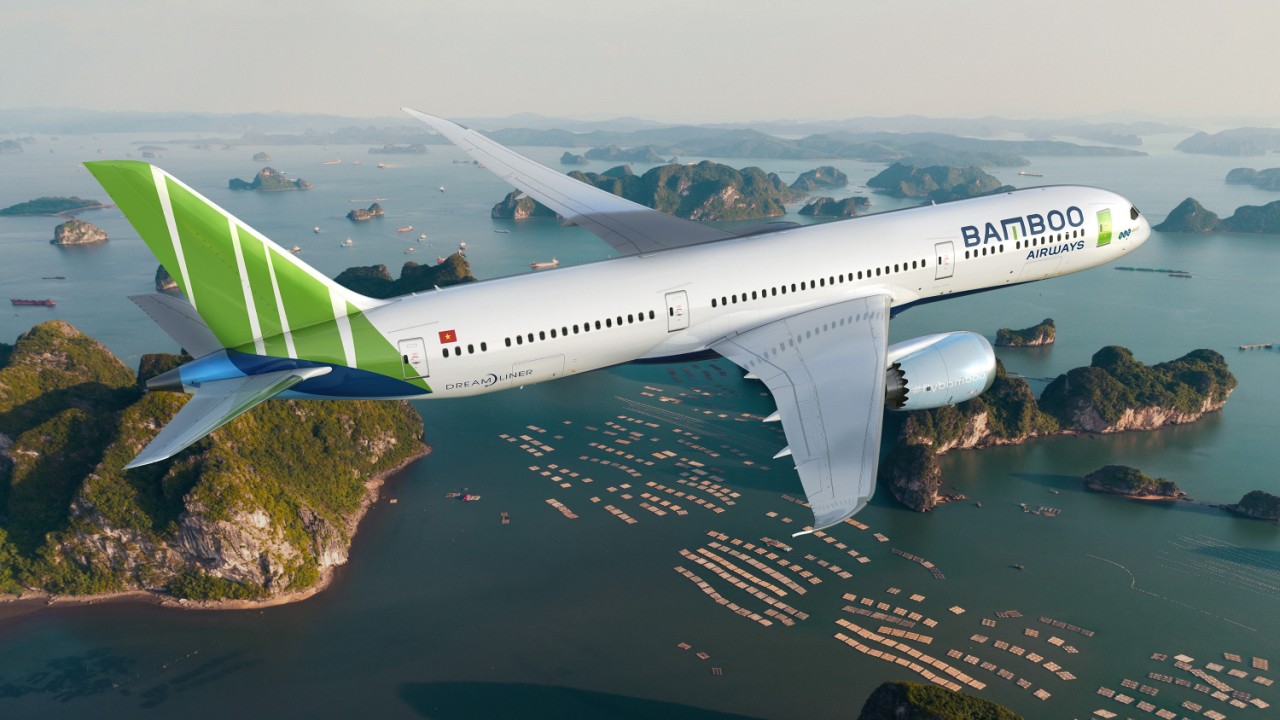
    Bamboo Airways, Vietjet and Vietravel Airlines have started hiring again after an extended recruitment freeze due to Covid-19. Bamboo Airways has posted hiring announcements for many positions, including pilots, flight engineers and cabin crew aid plans to expand its fleet and destinations.

    The airline is offering captains a monthly salary of US$13,300 for flying wide-body Boeing 787s and $10,450 for narrow-body Airbus and Embraer jets, which are higher than pre-pandemic levels. Nguyen Ngoc Trong, its deputy general director, said the carrier is seeking permission to expand its 30-strong fleet by five to 10 aircraft each year.

    It operated at maximum capacity during the nine-day Tet, or Lunar New Year, holidays in early this month, and plans to launch new services to the US and Europe in the second quarter of this year, he added.

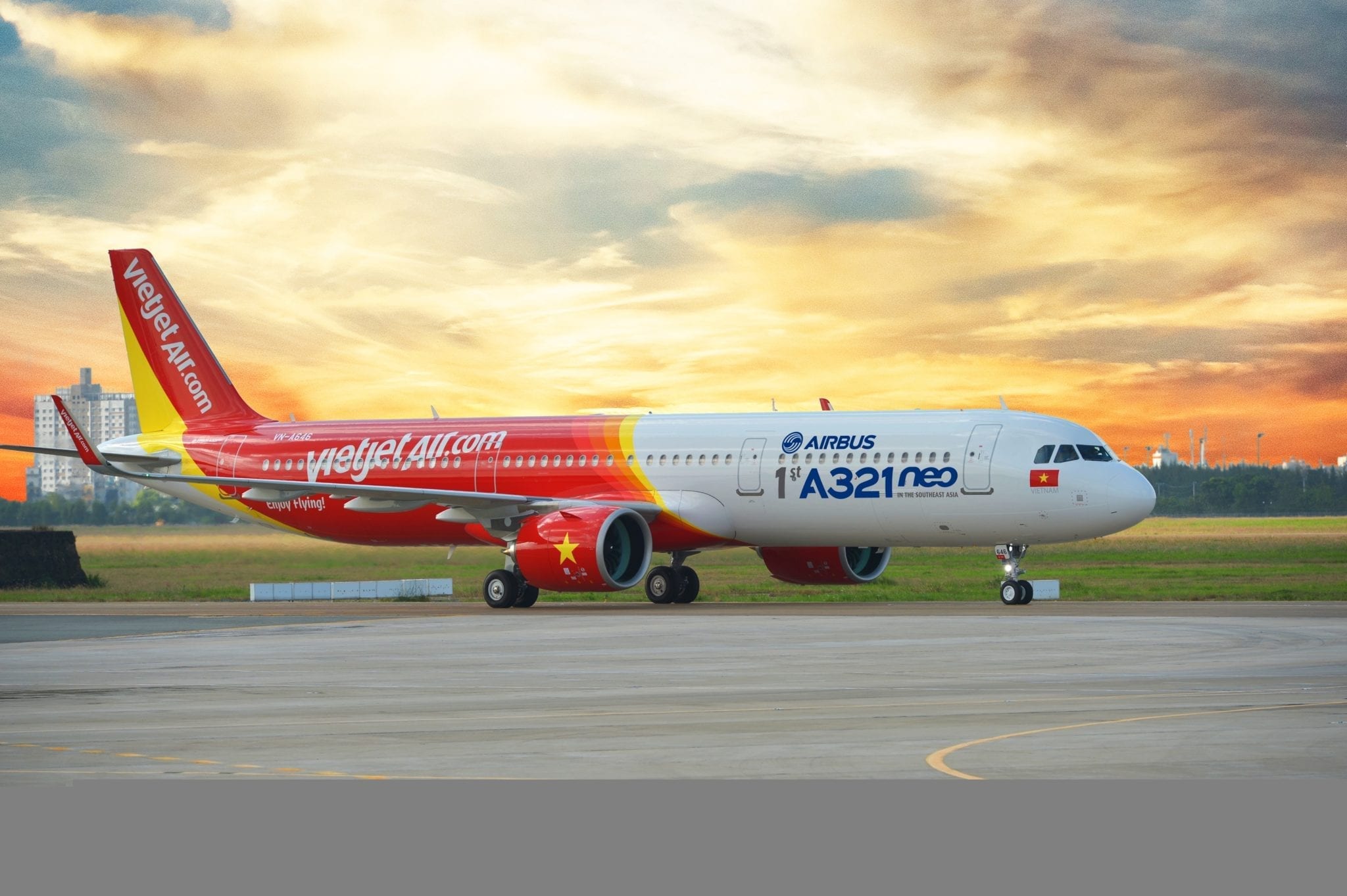
    Budget airlines Vietjet has also posted notices seeking captains and co-pilots for Airbus A320Fs and A330s.

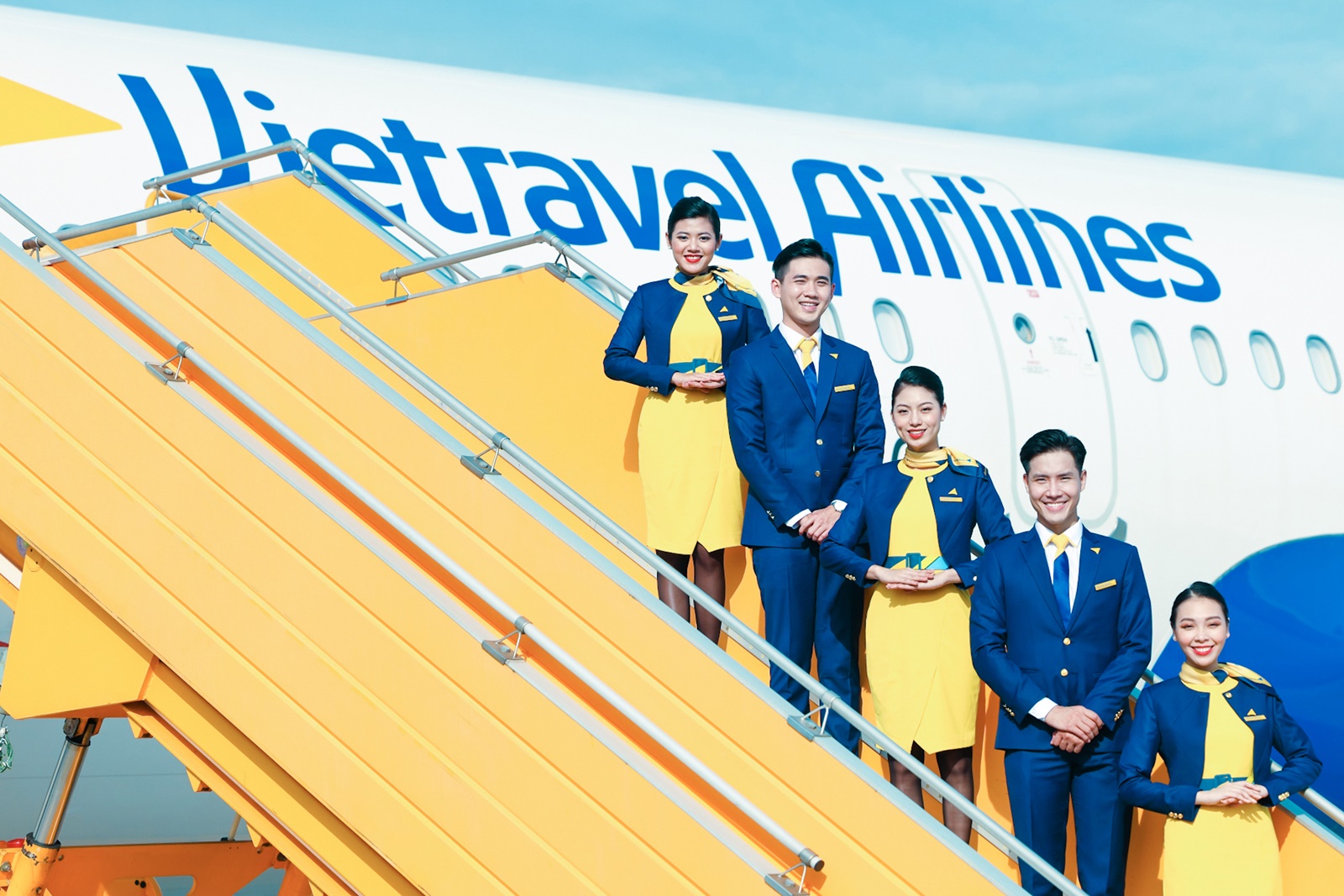
    Vietravel Airlines is hiring pilots for its Airbus A320/A321 fleet as well as cabin crew.

    Representatives of Vietravel Airlines said the recruitment is to “ready for the expansion of the fleet” and “launch new routes to northeast and southeast Asian nations in the third quarter.”

    But human resources could be scarce this year as airlines resume hiring after their Covid-19 woes, they added.

    Vietnam has resumed commercial flights to 20 of 28 countries and territories that it operated direct flights to before the pandemic.

    The country also ended all restrictions on international flights on Feb. 15.

    From March 15, Vietnam will reopen inbound and outbound tourism under new normal conditions, with foreign tourists allowed to visit the country without booking tour packages.

    In the best case scenario, Vietnam’s aviation industry would transport 42-43 million passengers in 2022, or around 50 percent of pre-pandemic numbers, Bui Minh Dang, deputy head of the air transportation department at the Civil Aviation Authority of Vietnam, said.

  • Air Asia accepts vax cards as primary travel requirement

    Air Asia accepts vax cards as primary travel requirement

    All AirAsia Philippines domestic destinations continue to accept vaccination cards as a primary travel requirement, except for Caticlan, Kalibo, Tacloban, Bacolod, Iloilo and Zamboanga, which now require negative RT-PCR test results taken 72 hours prior to departure, regardless of vaccination status, the airline stated in its latest travel advisory.

    Amidst the surge of COVID-19 cases in Metro Manila plus (Metro Manila and CALABARZON), the low-cost carrier said in a statement Tuesday, Jan. 11, it has elevated its internal COVID-19 response to ensure the safety of employees and guests, optimizing operations to avoid canceling flights.

    AirAsia Philippines established a Safety Plus 24/7 Team composed of different department leaders and the People and Culture – Medical team to monitor the health of employees and distribute medication to those who have contracted the virus.

    The airline now requires all employees, including those who are working at home, to submit online daily health check forms to monitor their health.

    Its flight operations department is also clustering schedules and does regular onsite Antigen tests for flight deck and cabin crew.

    “Adequate planning and anticipation are key to mitigating the risks entailed on the unprecedented surge of COVID-19 cases,” said AirAsia Philippines Spokesperson Steve Dailisan.

    “Thankfully, we initiated the reintegration training of our hibernated staff as early as December, and this January, they will complement the requirements for manpower,” he noted.

    “Internally, we have added layers in monitoring and clustering among our Allstar frontliners to make sure our flight schedules remain unhampered during these times,” according to Dailisan.

    AirAsia Philippines also prioritized securing booster shots for all of its employees who have been fully vaccinated against COVID-19.

    On top of this, the airline offered enhanced flexibility among guests who wish to move their flights.

    They can avail of the unlimited rebooking option with no change fees by accessing the manage my flight option through the airasia Super App or airasia.com.

    However, AirAsia Philippines guests traveling over the next few days should check their flight status and visit the airasia flysafe page for the latest updates on travel requirements.

  • Vietravel sells majority stake in airline

    Vietravel sells majority stake in airline

    Tourism company Vietravel has sold a 55.58 percent stake in Vietravel Airlines to an unspecified investor as it seeks more funding amid Covid financial pressures.

    “Vietravel is no longer the parent company of Vietravel Airlines,” it stated recently.

    In a filing last month, Vietravel revealed it held a 99.5 percent stake in the carrier.

    Chairman of the leading tourism firm Nguyen Quoc Ky said in early May that selling a stake in Vietravel Airlines was part of a plan to restructure Vietravel into a holding company.

    He called for investors to fund the airline.

    As the airline only began to operate this year, it is still recording losses, which could affect Vietravel’s business figures, which are also low due to Covid-19, the company stated.

    Vietravel posted a loss of VND293.3 billion ($12.78 million) in the first half this year, tripling year-on-year.

    Its stock is limited to trading on Fridays due to its delay in publishing results.

  • Vietravel Airlines to resume domestic flights

    Vietravel Airlines to resume domestic flights

    Vietravel Airlines will reopen domestic flight ticket sales next Monday to tap year-end travel demands, after remaining grounded for about three months owing to pandemic restrictions.

    The carrier, which belongs to leading tourism company Vietravel, announced it will reopen ticket sales from 9 a.m. Monday, with the first flight taking off next Thursday.

    The flights will depart to and from Hanoi, Ho Chi Minh City, and beach tourist hotspots such as Da Nang, Nha Trang, Phu Quoc and Quy Nhon.

    The company said it will gradually increase its flight frequency from now to the end of the month to meet higher travel demand during the year-end peak season, including the upcoming Tet (Lunar New Year) holiday two months from now.

    Vietravel Airlines was launched at the end of Dec. 2020 and was one of the airlines that allowed to operate amid the turbulence created by the pandemic.

    After about half a year of operation, the carrier had to reduce its frequency and also closed operations since late August due to Covid-19 resurgence. It resumed business on Oct. 18.

    According to the new restructuring plan, Vietravel plans to operate as a holding company instead of engaging in operating activity itself.

    The company has invested additional capital in the carrier this year, raising its total investment from VND700 billion (over $30 million) to VND1.3 trillion (over $56 million) for the 2021-2025 period.

    The Civil Aviation Authority of Vietnam has said that domestic carriers will increase flight frequency in the coming time.

    Budget carrier Vietjet Air has increased its frequency to six flights a day on each of the Hanoi-HCMC, Hanoi-Da Nang, and Da Nang-HCMC routes.

    Another budget carrier, Bamboo Airways, will increase its frequency to 4-5 daily flights on the Hanoi-HCMC route from mid-December.

    National flag carrier Vietnam Airlines will operate about 140 flights per day on nearly 40 domestic routes. On the Hanoi – HCMC route, Vietnam Airlines operates five flights per day and its affiliate Pacific Airlines flies two flights per day. From Dec. 15, each airline will increase frequency on this route with one more flight per day.

  • Vietnam–US air fare starts from $1,300: Bamboo Airways

    Vietnam–US air fare starts from $1,300: Bamboo Airways

    A Bamboo Airways return ticket between Vietnam and the U.S. is set to cost $1,300-1,500, with the first regular flight planned for the first quarter of next year.

    Bamboo Airways plans to start one regular flight every two days from Ho Chi Minh City to San Francisco and increase the frequency to daily later, chairman Trinh Van Quyet told the press recently.

    This is the same price the startup airline announced two years ago. It is set to record losses with such a fare.

    “Our advantage is big resorts. The combination of aviation and tourism will bring many benefits to customers.”

    The airline is negotiating to lease wide-body Boeing 787-9 and Boeing 787-10 aircraft for flights to the U.S. and Europe.

    Quyet said the airline has submitted all necessary documents to U.S. aviation authorities.

    It will start flying once U.S. Federal Aviation Administration (FAA) gives it permission and the Vietnamese government resumes regular international flights.

    Bamboo Airways began its first charter flight from Vietnam to the U.S. on Sep. 23 as part of the 12 charter flights the U.S. Transportation Security Administration (TSA) had given permission to operate.

    Vietnam Airlines on Nov. 29 operated its first regular flight to the U.S. The airline announced earlier that one-way ticket prices would be around $1,000.

    The Vietnam-U.S. route recorded 1.4 million passengers in 2019.

  • Vietnam Airlines direct flight to US takes off next week

    Vietnam Airlines direct flight to US takes off next week

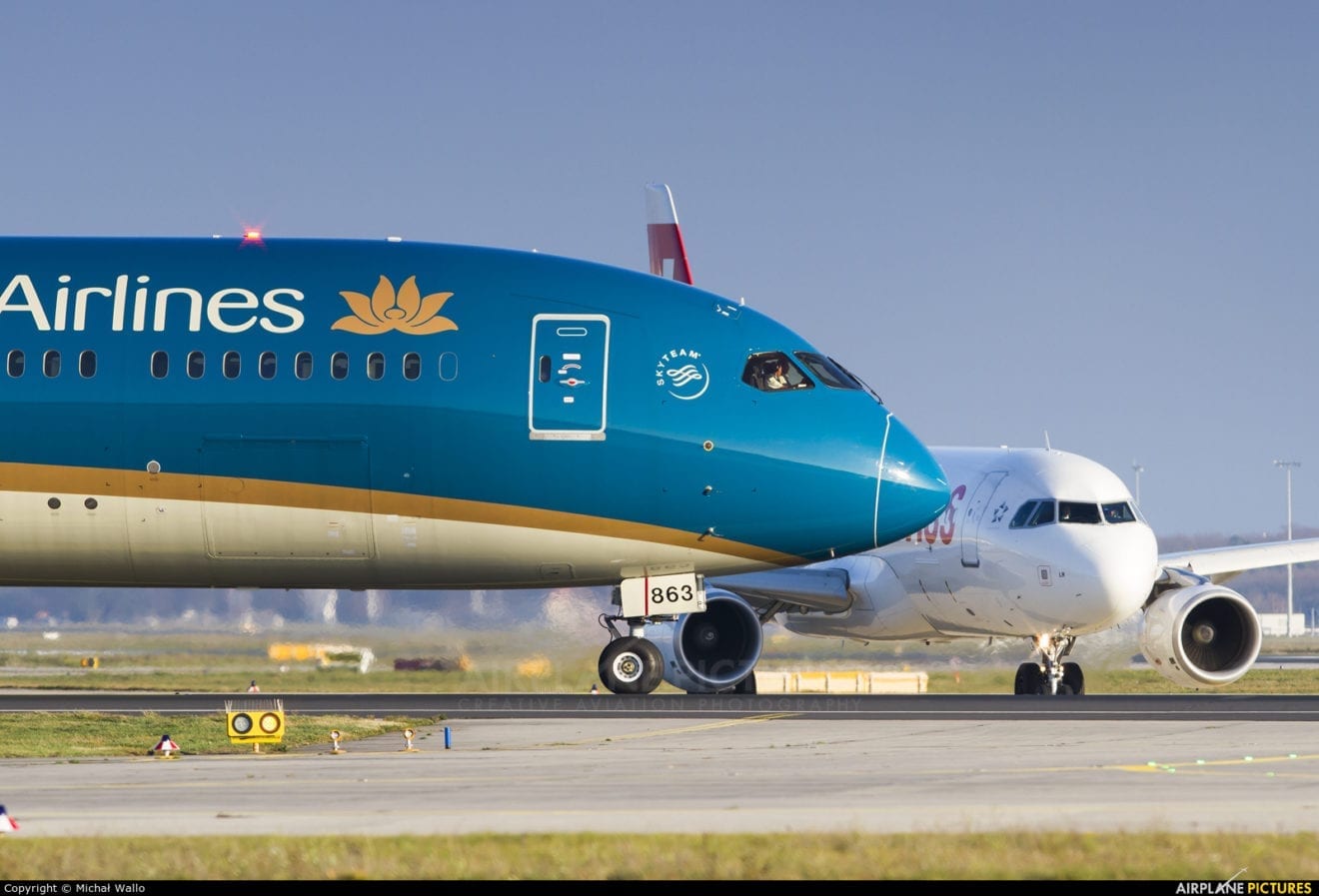
    National flag carrier Vietnam Airlines will operate its first regular direct flight to the U.S. on November 28, achieving a dream conceived nearly two decades ago.

    The flight will depart from HCMC in the evening and arrive at San Francisco 13 hours and 50 minutes later, CEO Le Hong Ha said at a press briefing Tuesday.

    The return flight will leave San Francisco on the evening of November 29 (U.S. time) and arrive in HCMC on December 1, 16 hours and 40 minutes later.

    The wide-body aircraft Boeing 787-9 Dreamliner will be used for direct flights.

    Initially, there will be two flights a week and this can be increased to seven when the pandemic situation is under control, Ha said.

    Vietnam Airlines thus becomes the first Vietnamese carrier to operate a regular flight route to the U.S.

    In 2003, the airline had been directed by the Ministry of Transport to begin direct services to the U.S. by 2005. However, concerns over profitability had kept the carrier from implementing the plan until now.

    The national flag carrier is also studying the possibility of other direct routes to the U.S., including flights between Hanoi and HCMC to Los Angeles or Houston.

    The U.S. has one of the most stringent aviation standards in the world. There are around 20 airlines operating routes between Vietnam and the U.S.

    “We needed to prepare hundreds of kilograms worth of paperwork to meet the U.S. requirements,” Ha said.

  • Thai AirAsia parent to raise $419mn as Thailand reopens

    Thai AirAsia parent to raise $419mn as Thailand reopens

    Asia Aviation PCL (AAV), the parent company of  Thai AirAsia (FD, Bangkok Don Mueang), has said it is seeking to raise THB14 billion baht (USD419.4 million) to fund a restart at the low-cost carrier following the “very negative impact on the company’s business and operating results” thrown up by Covid-19 and the Thai government’s strict travel restrictions.

    Those restrictions are now starting to ease, as Thailand plots a reopening that will allow vaccinated arrivals from ten “low-risk” countries – including the United Kingdom, the United States, Germany, China, and Singapore – to skip quarantine from November. The other five countries have not yet been named, and the government will add more countries to the low-risk list in December.

    In a 70-page report issued after an AAV board of directors’ meeting, filed to the Stock Exchange of Thailand on October 19, the company said it would issue convertible bonds and new shares worth THB14 billion. It also pledged to eventually acquire all of the shares in Thai AirAsia and boost the airline’s liquidity. AAV currently owns 55% of Thai AirAsia, while Malaysia’s AirAsia Group holds the remaining stake.

    The restructuring, expected to conclude in the first quarter of next year, includes new shares worth THB8.8 billion (USD264 million) in a private placement to AirAsia Group and six high net-worth Thai investors. The senior unsecured convertible bonds will be allocated to two private placement investors to raise a total principal amount of THB2.2 billion (USD66 million).

    The company will also increase its registered capital from THB485,000,000 (USD14.5 million) to THB1,285,000,000 (USD38.5 million), issuing 8 billion new ordinary shares to accommodate the conversion of the bonds. The subscription for the newly issued shares will take place from January 10 to January 14, 2022.

    AAV said it would use the proceeds from the capital increase: to repay THB3.9 billion (USD117 million), plus interest, in loans that the company borrowed from financial institutions to acquire the newly issued shares in Thai AirAsia, a move by which its stake will rise from 55% to 69.2%; to purchase all the remaining shares in Thai AirAsia, representing 30.8%, totaling about THB4 billion (USD120 million); and to go towards the working capital of the group, including Thai AirAsia.

  • Airlines want minimum fares, no one else does

    Airlines want minimum fares, no one else does

    While economists fear having lower limits for airfares will distort competition, some airlines worry safety is at stake. If fares do not make up even the fuel costs of a flight, aviation safety would be affected, Dang Ngoc Hoa, chairman of Vietnam Airlines, said at a meeting held on Monday to get feedback from economists on proposed minimum fares.

    The Civil Aviation Administration of Vietnam (CAAV) has proposed minimum fares of VND320,000-VND750,000 ($14.06 – $32.95) for domestic flights between November 1 and October 31 next year to help airlines overcome the difficulties caused by the Covid-19 pandemic.

    Too low prices would weaken all airlines, Hoa said. Many countries like China and India have floor prices for air tickets, he pointed out.

    He said amid the pandemic fares are very low at just 40 percent of those in 2018-19, and 250 airplanes are parked in airports, some of which are running out of parking space.

    But despite the low fares, airlines have to keep operating to maintain parking space, minimum cash flows and planes, he said.

    During the first Covid outbreak in March 2020, there were three flights a day in total, while during the fourth wave starting in April 2021, especially July-August, “there were no flights”, he said.

    All carriers have been hit and most airlines are facing losses, he said.

    Vietnam Airlines made a loss of VND7 trillion ($301.7 million) in the first half of the year, while private airlines reported losses of a trillion dong, he added.

    But despite his impassioned argument, economists at the meeting said minimum fares are not acceptable.

    Can Van Luc, chief economist of BIDV, said floor prices could cause confusion and be unfair to both state-owned and private enterprises, and even violate the Law on Prices and the Law on Enterprises.

    Nguyen Sy Dung, former deputy head of the Office of the National Assembly, said: “it is unfair to impose a floor price on air tickets”.

    If minimum fares are applied, a three-star airline must sell at the same price as a five-star airline, and no customer would spend money to travel in the former, he pointed out.

    “We might kill an airline through price policy. It’s unacceptable”.

    In a recent communication to the Ministry of Transport, three airlines agreed to apply floor prices airfares while two others disagreed.

    The Department of Transport admitted that since costs and services are not comparable, it would be difficult to determine common minimum fares applicable to all airlines.

    In the first seven months of this year Vietnamese carriers carried 13.7 million passengers, down 57.7 percent from the same period in 2019.

  • Airlines want minimum fares, no one else does

    Airlines want minimum fares, no one else does

    While economists fear having lower limits for airfares will distort competition, some airlines worry safety is at stake.

    If fares do not makeup even the fuel costs of a flight, aviation safety would be affected, Dang Ngoc Hoa, chairman of Vietnam Airlines, said at a meeting held on Monday to get feedback from economists on proposed minimum fares.

    The Civil Aviation Administration of Vietnam (CAAV) has proposed minimum fares of VND320,000-VND750,000 ($14.06 – $32.95) for domestic flights between November 1 and October 31 next year to help airlines overcome the difficulties caused by the Covid-19 pandemic.

    Too low prices would weaken all airlines, Hoa said. Many countries like China and India have floor prices for air tickets, he pointed out.

    He said amid the pandemic fares are very low at just 40 percent of those in 2018-19, and 250 airplanes are parked in airports, some of which are running out of parking space.

    But despite the low fares, airlines have to keep operating to maintain parking space, minimum cash flows and planes, he said.

    During the first Covid outbreak in March 2020, there were three flights a day in total, while during the fourth wave starting in April 2021, especially July-August, “there were no flights”, he said.

    All carriers have been hit and most airlines are facing losses, he said.

    Vietnam Airlines made a loss of VND7 trillion ($301.7 million) in the first half of the year, while private airlines reported losses of a trillion dong, he added. But despite his impassioned argument, economists at the meeting said minimum fares are not acceptable.

    Can Van Luc, chief economist of BIDV, said floor prices could cause confusion and be unfair to both state-owned and private enterprises, and even violate the Law on Prices and the Law on Enterprises.

    Nguyen Sy Dung, former deputy head of the Office of the National Assembly, said: “it is unfair to impose a floor price on air tickets”. If minimum fares are applied, a three-star airline must sell at the same price as a five-star airline, and no customer would spend money to travel in the former, he pointed out.

    “We might kill an airline through price policy. It’s unacceptable”.

    In a recent communication to the Ministry of Transport, three airlines agreed to apply floor prices airfares while two others disagreed.

    The Department of Transport admitted that since costs and services are not comparable, it would be difficult to determine common minimum fares applicable to all airlines.

  • Carriers in dire straits and need support

    Carriers in dire straits and need support

    Vietnamese carriers are confronting major financial challenges as revenues plunge and debt soars. They need urgent government intervention to improve their cash flow, a report says.

    Since Covid-19 entered the country early last year, airlines revenues have plunged by 80-90 percent, according to a recent report by the Vietnam Aviation Business Association (VABA).

    National flag carrier Vietnam Airlines posted a loss of nearly VND5 trillion ($219 million) in the first quarter, the highest quarterly loss ever, and the Ministry of Planning and Investment has said that the company is on the verge of bankruptcy.

    Budget airline Vietjet is short of VND10 trillion to cover its expenses, and startup airline Bamboo Airways shares the predicament.

    The VABA report proposes that the government extends its support on airlines’ loans to include those registered since June 10 last year.

    The current support, including a delay in payment and a reduction in interest, only applies to loans recorded before that date.

    The report also proposes that the support lasts for three to six months after the government announces that the Covid-19 pandemic has ended or the country turns to “a new normal.” The carriers need time to recover after the pandemic has been contained, the report says.

    In the first seven months of this year, Vietnamese carriers served 13.7 million passengers, down 32 percent year-on-year, according to the General Statistics Office.

  • Government to keep 65 pct stake in banks, airport operators

    Government to keep 65 pct stake in banks, airport operators

    The government will retain minimum ownership of 65 percent in state-owned banks and airport operators that privatize from now through 2025.

    It will keep a similar rate in large mining companies.

    The rates will be 50-65 percent in airlines and water utilities, basic chemical production and fuel importing companies.

    But companies that have a bearing on national security, such as landmine producers and map makers, will not be privatized.

    Others, where it will continue to own 100 percent, are power transmission and national grid management, currency printing and gold bullion production.

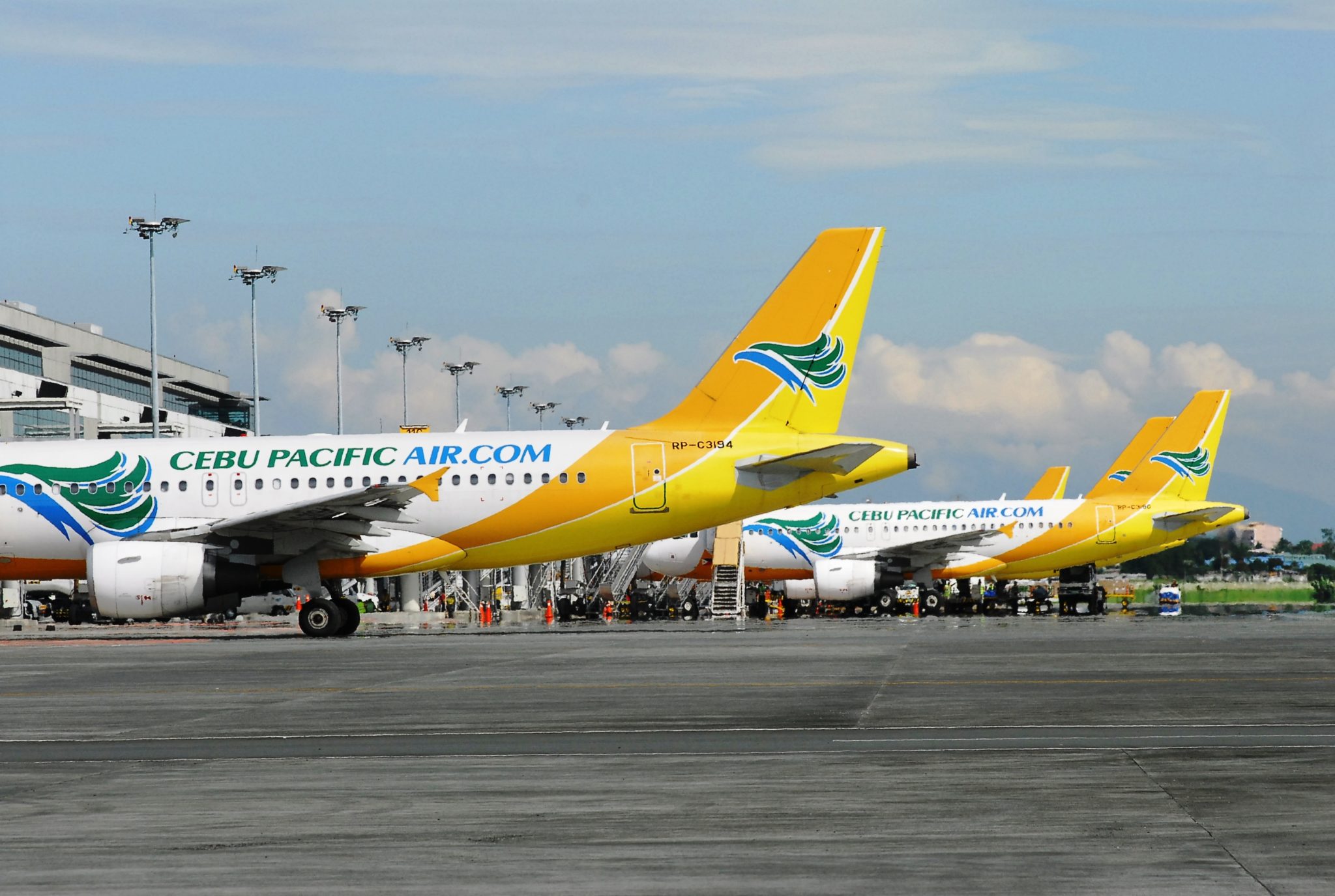
  • Cebu Pacific increases flights to Boracay, Bohol ‘to support recovery’

    Cebu Pacific increases flights to Boracay, Bohol ‘to support recovery’

    Budget carrier Cebu Pacific said Monday its flights between Manila and Boracay will now be five times daily, while flights to Bohol will also operate daily.

    The additional flights to Boracay and Bohol, which started on Monday, should “support recovery efforts,” the budget carrier said in an e-mailed statement.

    In a statement on Tuesday, the airline said: “We gradually increased our flights to Boracay weekly — from only two times daily on June 4, three times daily on June 7, four times daily on June 11, and now five times daily beginning yesterday, June 21.”

    “Bohol was at four times weekly in the second week of June and now it’s already one time daily,” it added.

    Cebu Pacific said it currently operates the “widest network” in the country covering 32 destinations, on top of its six international destinations.

    Candice A. Iyog, Cebu Pacific vice-president for marketing and customer service, said: “With the arrival of more vaccines and the pace at which vaccines are being rolled out, we are hopeful that in due time, our networks will recover to pre-pandemic levels.”

    “We remain cautiously optimistic as we prepare for the bounce back and will do everything that is within our control to support and aid that,” she added.

    The International Air Transport Association (IATA) said recently that “over the last months, the recovery of air passenger demand has been mainly driven by domestic markets that have mostly remained unaffected by travel restrictions.”

    “In the meantime, international travel was restricted by most countries and governments are only starting to relax those restrictions as they vaccinate their populations and stabilize the epidemiological situation,” it added.

    Cebu Pacific, operated by Cebu Air, Inc., said it had flown six million coronavirus vaccine doses from China as of June 17, “on top of more than 1.4 million doses carried to 15 Philippine provinces.”

    The number of flights Cebu Pacific had in 2020 was 71% lower at 41,804. The number of passengers it carried last year also dropped 78% to five million.

  • Thailand’s Nok Air extends time to file restructuring plan

    Thailand’s Nok Air extends time to file restructuring plan

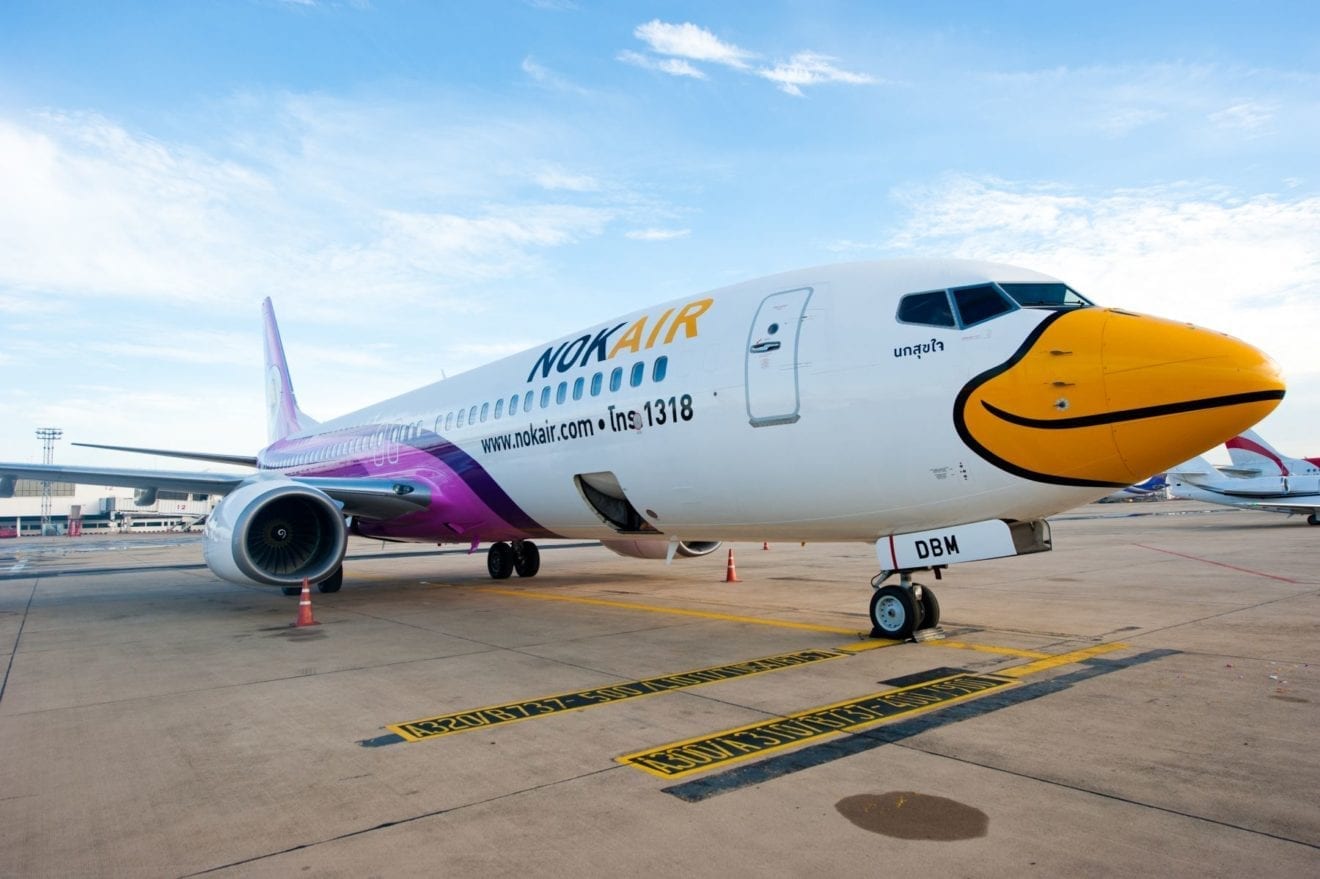
    Nok Air has said in a stock market filing that it has been granted an additional month to file its final restructuring plan, with the new deadline falling on May 15, 2021.

    “This extension is needed to collect additional information required in order to prepare a complete and comprehensive rehabilitation plan to ensure that it will be appropriate for the airline business during the COVID-19 pandemic situation and will receive the approval at the creditors’ meeting,” the low-cost carrier said.

    The airline filed for restructuring in July 2020 and was officially admitted to the procedure on December 15, 2020. According to Thai law, it was initially granted three months to submit a final rehabilitation plan to the Central Bankruptcy Court. It already extended the deadline once, through April 15, 2021. The second extension is also the final one permitted.

    Nok Air underlined that in addition to complex and ongoing negotiations, the previous deadline would have fallen during the celebration of the Thai New Year (Songkran).

  • Nepal to debut Internet and telecom services on international airlines

    Nepal to debut Internet and telecom services on international airlines

    The Nepal Telecommunications Authority (NTA), an autonomous telecommunications regulatory body, together with the Civil Aviation Authority of Nepal has approved international airlines to use Nepal’s Internet and telecom services for its passengers.

    Airlines would need to apply to NTA, on top of obtaining permission from the International Civil Aviation  Organisation to tap into internet and telecom services above 10,000 feet in Nepal.

    Nepal is the latest country in South Asia to allow such services to passengers, following the footsteps of India and Afghanistan. Last September, Vistara was India’s first airline to offer in-flight Wi-Fi Internet connectivity onboard international flights.