Tag: airlines

  • Vietnam Airlines suffers $483 mln loss

    Vietnam Airlines suffers $483 mln loss

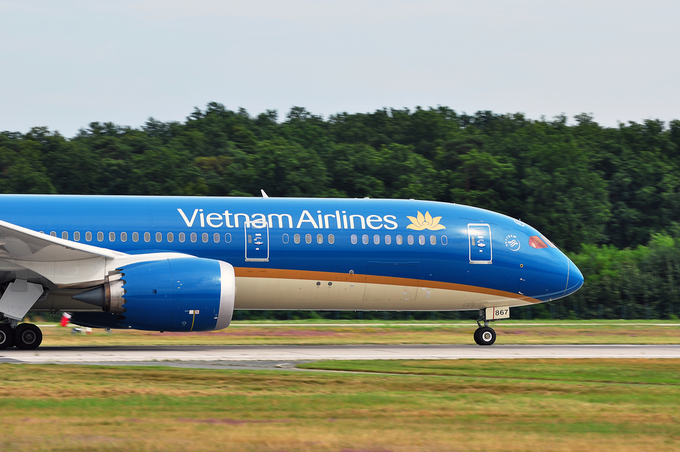
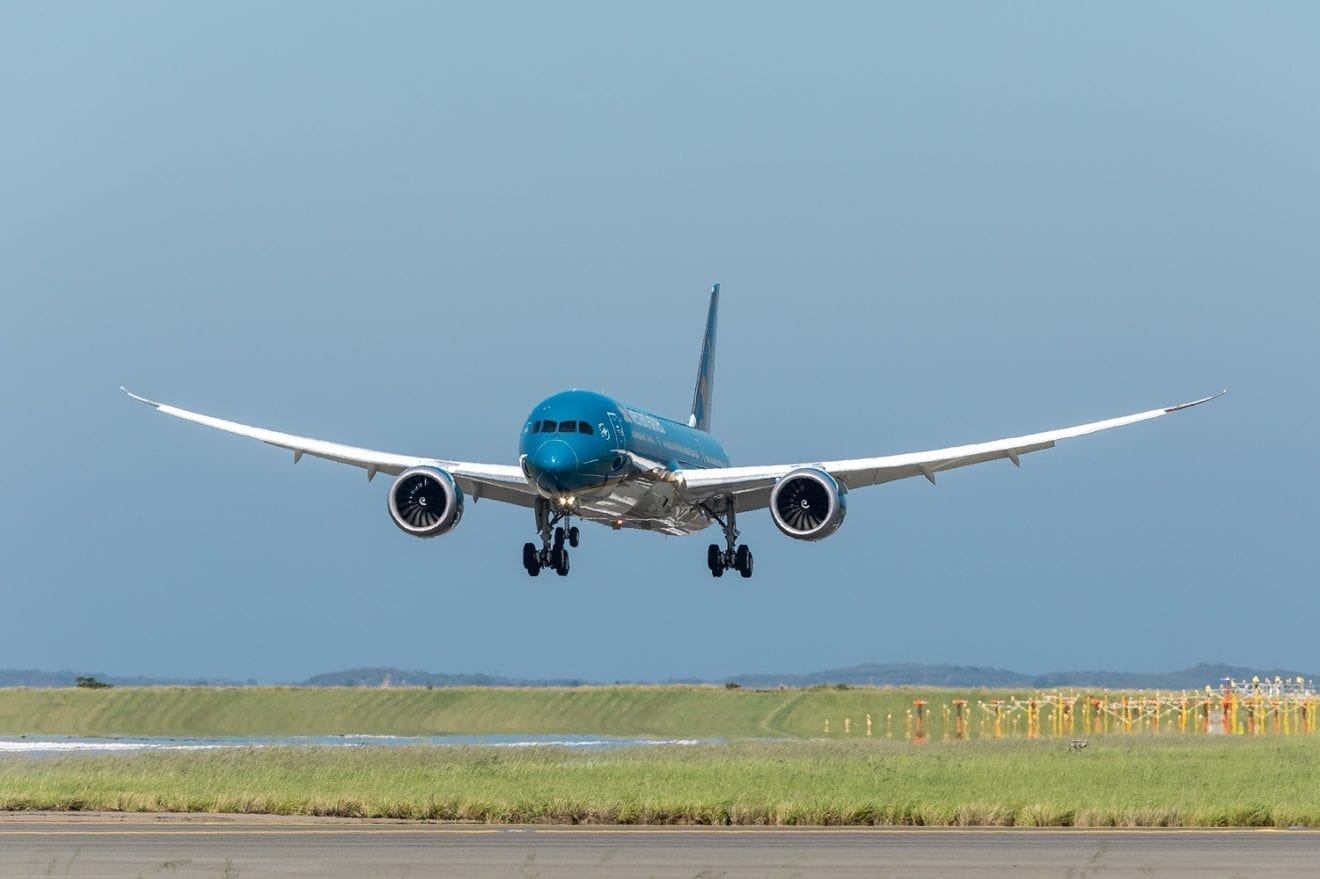
    Vietnam Airlines reported a loss of over VND11.1 trillion ($483 million) last year as the Covid-19 pandemic grounded all its international flights.

    The figure was lower than its projection in December of over VND12 trillion.

    Revenues were down nearly 59 percent to VND40.83 trillion as its total number of flights fell by over 27 percent to 86,978.

    The government recently approved a bailout for the carrier, with the State Bank of Vietnam (SBV) allowed to provide a refinanced loan of up to VND4 trillion at zero interest.

    Vietnam Airlines also received permission to issue more shares to existing shareholders to increase its capital.

    The country’s aviation industry suffered badly last year due to flight restrictions to curb the spread of the novel coronavirus, and the number of air passengers plunged by 41 percent to 32.3 million, according to the General Statistics Office.

  • AirAsia expects to resume flying to most routes by the end of 2021

    AirAsia expects to resume flying to most routes by the end of 2021

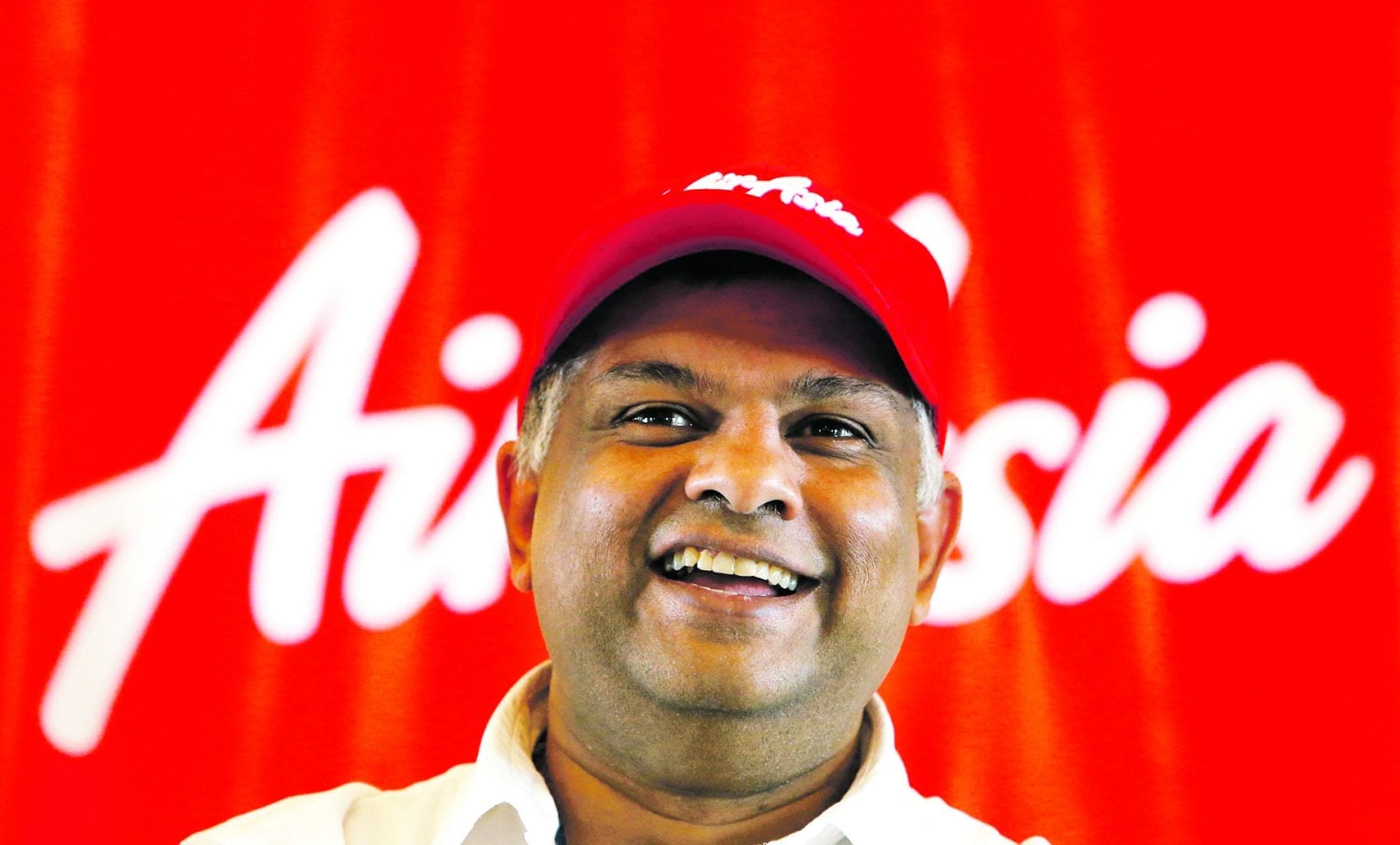
    The outlook for the global aviation industry is improving as more countries begin rolling out mass immunization programs against Covid-19, AirAsia boss Tony Fernandes said Tuesday.

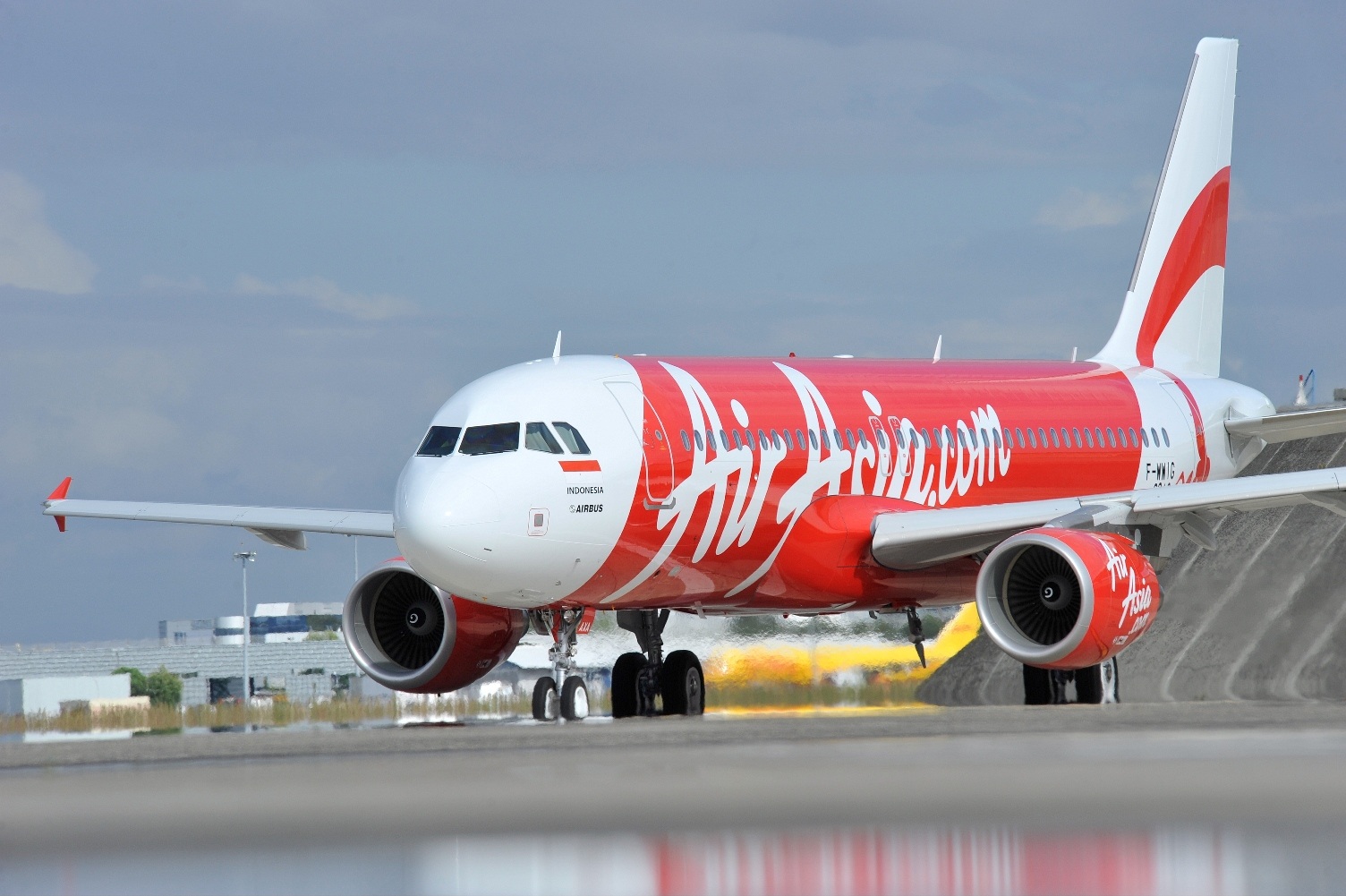
    As one of Asia’s top budget airlines, AirAsia expects to resume flying to “a large part” of its routes by the end of 2021 but passenger capacity is not expected to return to pre-coronavirus pandemic levels until 2023, according to Fernandes.

    “It’s been the toughest challenge,” he said,” as part of the network’s coverage of the Davos Agenda. “But I think the outlook’s getting better.”

    “The most important thing is there’s a huge amount of demand out there and we just have to wait for borders to open and I think we’re one of the first kind of businesses that will recover, from an airline perspective, because we’re very strong in domestic and regional,” he said

    The coronavirus pandemic has crippled the global travel and tourism sector. It’s sent many airlines into survival mode as they undertake mass layoffs, cancel orders, retire some of their existing fleet,s and cut down routes.

    In December, the International Air Transport Association (IATA) said airlines will suffer a net loss of $118.5 billion for 2020 and an expected net loss of $38.7 billion in 2021.

    AirAsia is also struggling. In November, the company reported a fifth straight quarterly loss between July and September and is in the process of raising funds through loans and investors. Fernandes said the company is looking at raising up to 2.5 billion Malaysian ringgit ($618 million) for the whole group. That includes AirAsia’s digital business and the logistics unit — both of which are performing well, according to Fernandes.

    “We’re a little bit behind schedule than we wanted to be but the amount’s exactly where we want to be. We are very confident that this capital that we’ll raise will take us well into 2023,” he said, adding that the company will emerge with a better cost structure, a strong digital business, and good demand for the airline.

    The AirAsia stock is down almost 22% so far this year.

    Fernandes also said AirAsia is in talks with Airbus and that the airline’s long-term order book remains. “We’re going to have to defer some of it to a later date,” he said, adding, “We don’t want to change that for short-term decisions.”

    AirAsia is one of Airbus’ largest customers since the airline made a switch from Boeing years ago. Reuters reported that since then, AirAsia has ordered a total of more than 660 Airbus jets including planes yet to be delivered.

    The CEO explained the competitive landscape for airlines has changed due to the pandemic. Some carriers have either reduced capacity or left the market altogether. Cost-cutting measures from AirAsia are expected to improve the company’s margins, he said.

    Budget airlines that fly shorter routes and sell on-demand services are expected to recover quicker than carriers that fly to intercontinental destinations and rely on first and business-class travel, according to Fernandes.

    He said business travel will take a longer time to recover as more people would opt to conduct business meetings virtually. “Time is a great healer. Eventually, business travel will come back but there’ll be an element that will say ‘well I can do it from Zoom,’” Fernandes added.

  • AirAsia founder Tony Fernandes claims governments ’ Covid-19 coordination ‘horrific’

    AirAsia founder Tony Fernandes claims governments ’ Covid-19 coordination ‘horrific’

    “The coordination on Covid-19 is horrific,” AirAsia Group Bhd founder and group chief executive officer Tan Sri Tony Fernandes laments and claims in a direct swipe at world governments’ on how the global pandemic has been managed and its impact on the travel and aviation industries.

    BBC has today quoted Fernandes as saying that in his history of running an aviation business, he has never seen something so poorly coordinated.

    “It’s like nothing I’ve ever heard,” he said. “The United Nations, with the travel industry, should have come up with some standard protocols” earlier in the pandemic, but politics had got in the way, according to him.

    “Governments are petrified of their people, and they’re taking a very, very, very conservative view. They all want to be in control.

    “I just think that everyone’s… scared and just reacting in a very jingoistic and nationalistic way. I think countries are going to say, unless you’re vaccinated they’re not going to let you in without quarantine,” Fernandes said.

    The BBC report, which also quoted International Air Transport Association (IATA) director-general Alexandre de Juniac, said the world’s airlines need another US$70 billion (about RM283.5 billion) to US$80 billion of government support to get through the crisis caused by the coronavirus pandemic.

    de Juniac was quoted as saying the figures were “on top of the US$170 billion already granted”.

    It was reported that June 2021 is when he expects the first significant easing of travel restrictions, as the impact of vaccines begins to be felt.

    “Government travel restrictions and a huge fall in passenger confidence meant global demand for flights fell about 60% last year, according to IATA figures.

    “That means 2020 saw about 1.8 billion passengers fly, instead of the 4.5 billion in 2019. In an industry where profit margins were already thin it means airlines are estimated to have already lost US$118 billion, with worse set to come,” BBC reported.

  • AirAsia Wants Half Of Its Revenue To Come From Outside Flights

    AirAsia Wants Half Of Its Revenue To Come From Outside Flights

    Low-cost airline AirAsia had a tough 2020. But its CEO, Karen Chan, is taking a glass half full approach. She says the travel downturn and subsequent fallout for AirAsia was a blessing in disguise. It forced AirAsia to look outside its comfort zone and at a new way of doing business. Now, Ms Chan plans to transform AirAsia into a lifestyle brand. As a result, by the mid-2020s, she expects 50% of AirAsia’s revenue will come from non-aviation sources.

    Speaking at a CAPA Live event on Wednesday, Karen Chan spoke about her vision for AirAsia and what it would mean for the airline.

    “We anticipate in five years time, basically by the end of 2024, that 50% of (AirAsia’s) revenue would be coming from non-flight-related, non-aviation-related revenue.”

    As a low-cost carrier, AirAsia already has handy ancillary revenue streams. Their base fares are cheap, but checked-in luggage on short sectors starts from US$12, seat selection starts from just under $3, and a reheated container of AirAsia’s pretty good nasi lemak costs just over $4. In 2018, ancillary revenue made up 22% of AirAsia’s total revenue. Around half of that 22% came from baggage charges.

    Last year, AirAsia Group chief executive Tony Fernandes, said his airline group was diversifying.

    “AirAsia.com is more than just selling airline tickets,” he said. “We now have the same potential to sell hotel rooms. I can do some crazy things. I can say I can buy hotels, book a hotel room with us and I can give you a free flight. Hotels can be as large as AirAsia tickets.”

    Yesterday, Karen Chan spoke about AirAsia’s ambitions to become a fully-fledged online travel agency that offers not just hotels but also a range of travel and lifestyle products and experiences.

    “Not all the flights are always full, and the load factor will not be 100%,” said Ms Chan.

    “So the unsold infantry, and because they are so perishable, even as an 85% load factor for an Airbus A320, I still have about 20 to 25 seats unsold. I will now be able to bundle that unsold inventory for one ringgit or 25 cents with the hotel’s direct inventory. And I will be able to go into the market with a best buys guarantee.

    “We can go and expand into where other airlines are just not able to do so. We actually want to go and be seen as basically a lifestyle partner.”

    AirAsia’s ancillary revenue plans are not restricted to the travel basics of hotels, transfers, and side excursions. The airline wants to build its delivery and e-commerce business. AirAsia sees itself as a future Asian e-commerce giant. But it’s not just Amazon parcels AirAsia wants to ferry around. AirAsia has detailed data on 75 million former passengers in its database. They know you purchased a nasi lemak on your last three AirAsia flights. Ms Chan wants to get down to the nitty-gritty. She wants to be able to deliver that meal to your home.

    “Data is basically the new black gold for us,” Ms Chan said.

    With AirAsia’s fortunes taking a hammering in 2020, there’s a good reason why the airline wants to expand its ancillary revenue sources. Whether a cheap and cheerful low-cost carrier out of Southeast Asia can successfully transform into a lifestyle brand is another issue. Whatever the result, but it will be interesting to watch.

  • Philippine Airlines suspends all UK flights

    Philippine Airlines suspends all UK flights

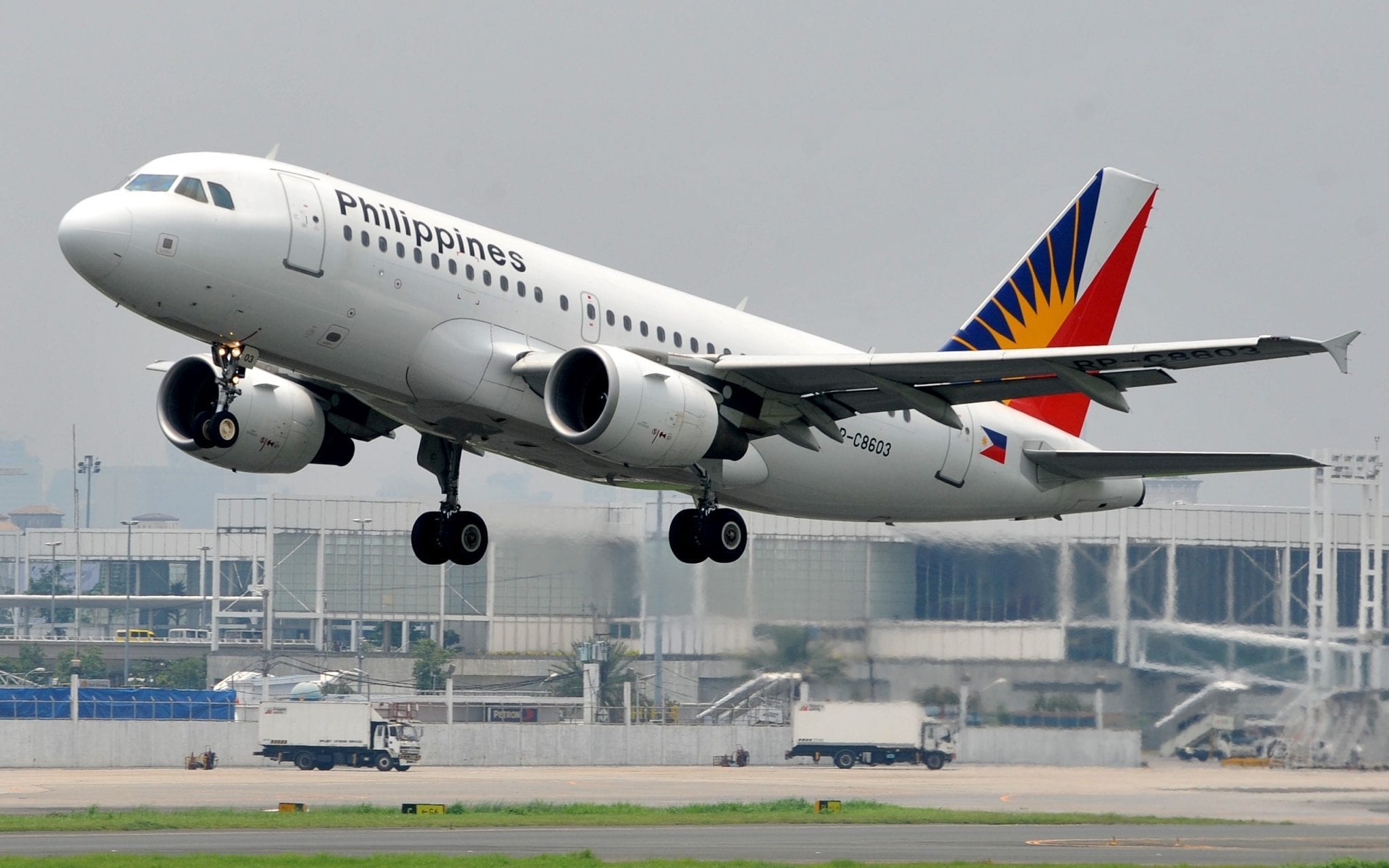
    Philippine Airlines has suspended flights to and from London till the end of February 2021 as Britain battles a new coronavirus strain, said a report.

    The airline said it supports all measures that seek to curb any potential increase in Covid-19 cases during the holiday season and beyond.

    Passengers already in transit and those who arrived in the Philippines from the UK before December 24 will be allowed to enter the country, but they must undergo stricter quarantine and testing protocols, the report cited Presidential spokesman Harry Roque as saying.

  • Vietnam Airlines gets new CEO

    Vietnam Airlines gets new CEO

    Vietnam Airlines deputy director Le Hong Ha will take over as the national carrier’s new CEO starting January 1, 2021.

    Ha, 48, will replace Duong Tri Thanh who retires Thursday after almost five years at the helm.

    Ha began working for Vietnam Airlines in 1994 as has occupied several key positions.

    In 2015, he was appointed the CEO of Vietnam Airline’s subsidiary Jetstar Pacific (now Pacific Airlines), and is currently the chairman of the jet fuel supplier Skypec.

    Vietnam Airlines has forecast a loss of VND14.44 trillion ($625 million) this year because of the Covid-19 pandemic.

    The number of passengers it served this year is estimated to fall 51 percent year-on-year to nearly 14.23 million, with the number of flights plunging 48 percent to 96,500.

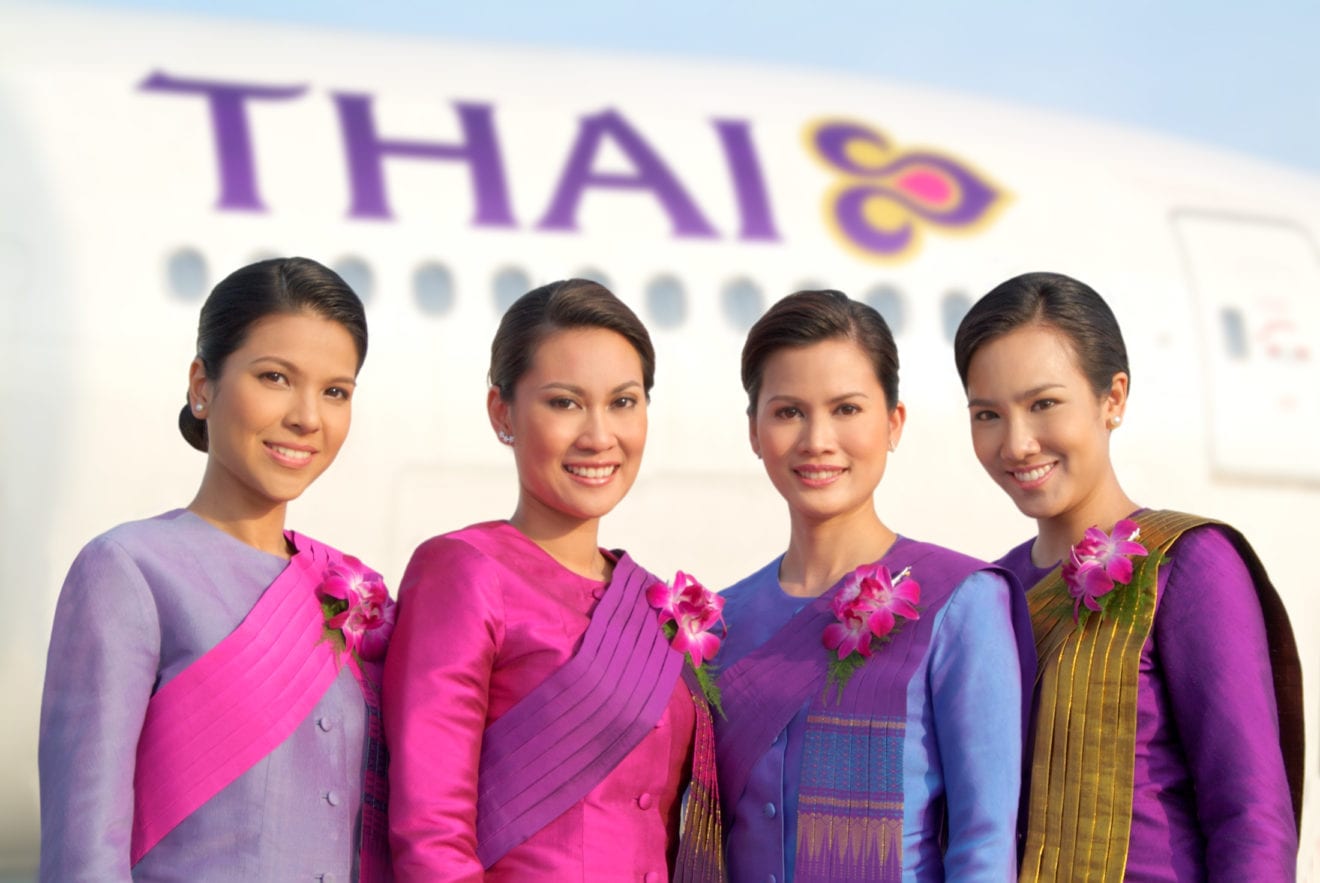
  • Thai Airways Launches Scenic Fly By and Over Buddhist Attractions

    Thai Airways Launches Scenic Fly By and Over Buddhist Attractions

    Proving the ‘flights to nowhere’ trend is taking off, Thai Airways has given religious tourists a bird’s-eye view of 99 holy places across Thailand. Olivia Palamountain reports.

    Led by “celebrity fortune-teller and religion history expert” Dr Khata Chinbunchon at the end of November, the “Thai Magical Flying Experience Campaign” from Thai Airways gave Buddhists the chance to see 99 sacred sights from the air, complete with chanting.

    Passengers on the Thai Airways flight from Bangkok received Buddhist prayer books and a special in-flight meal while flying over temples in 31 provinces before returning home. Tickets ranged in price from 5,999 baht (£149) to 9,999 baht (£248).

    The sacred sights included Bangkok’s Wat Arun and Wat Phra Kaew (commonly known as the Temple of the Emerald Buddha), Phra Samut Chedi in Samut Prakarn, Wat Phra Boromma That Chaiya in Surat Thani and UNESCO-listed heritage sites in Sukhothai and Ayutthaya, in the kingdom’s central plains.

    Part of a plan to boost domestic tourism, the initiative comes hot on the heels of similar offerings from the likes of Qantas, China Airlines and Eva Air, all of which have launched their own series of scenic and themed flights over the past few months. Globetrotter has also reported on Covid-secure luxury cruises to nowhere, recently launched in Singapore.

    Tourism accounts for up to 20 percent of GDP in Thailand, and in a blow to the national carrier, the kingdom has remained shut to foreign travellers throughout the pandemic. However, the airline had been struggling even before coronavirus turned travel upside down. Estimates suggest it is now buried under £6 billion worth of debt.

    Still, Thai Airways has been a pioneer of creative initiatives that boost revenue. The airline has put bags made from life vests and slide rafts on sale, opened an airline-themed café selling in-flight meals in Bangkok, and a food stall selling dough fritters. It has also opened its Airbus and Boeing flight simulators to the public.

    In the autumn, Thailand reopened its borders to international travelers with the launch of a new 90-day Special Tourist Visa (STV).

  • Vietnam Airlines seeks shareholder loans

    Vietnam Airlines seeks shareholder loans

    Vietnam Airlines Group has called an extraordinary shareholders’ meeting next week to source low-interest loans to accelerate Covid-19 recovery.

    At the meeting, to be held on Dec. 29, the flag carrier will seek loans from its shareholders that comprise the government with an over 86 percent stake, Japanese aviation company ANA Holdings with 8.7 percent, and other organizations and individuals.

    The National Assembly in November approved a plan for the central bank to refinance Vietnam Airlines and rollover loans. The airline had earlier asked for a relief package of VND12 trillion.

    The group will also seek shareholder approval to issue more shares to existing stakeholders and so increase its capital.

    Vietnam Airlines Group, consisting of the carrier and subsidiaries Pacific Airlines and Vietnam Air Services Company (VASCO), posted a loss of VND10.75 trillion ($464 million) for January-September as the Covid-19 pandemic slashed its number of flights.

    It has forecast the figure would rise to VND15.2 trillion for the whole year.

    All Vietnamese airlines have fallen victim to Covid-19 this year with the number of flights plunging 36 percent year-on-year to 19.

  • Singapore Airlines unveils new short-haul economy catering

    Singapore Airlines unveils new short-haul economy catering

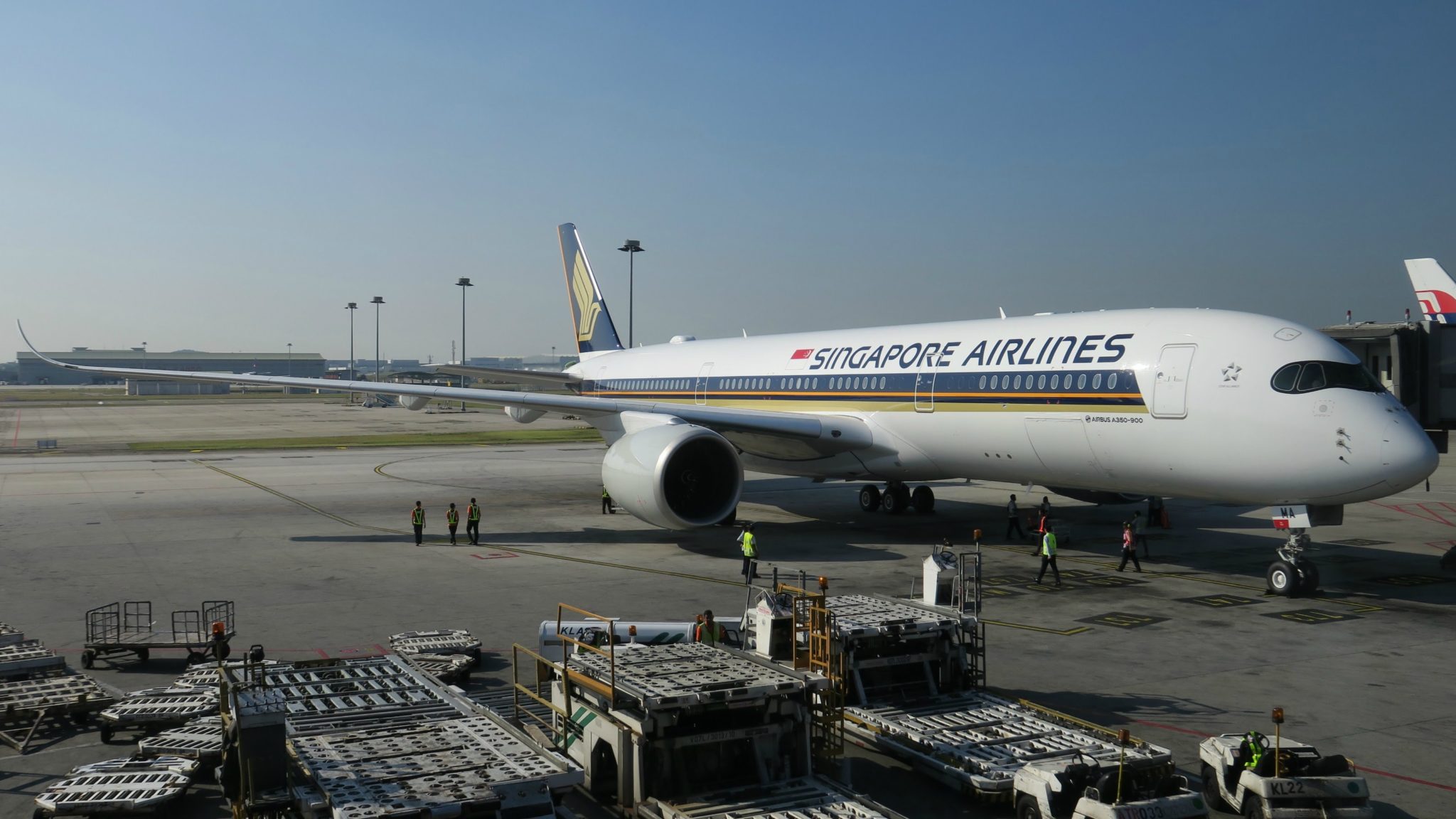
    Singapore Airlines passengers will see a change to short-haul economy class catering as the carrier ditches casseroles and appetizers in favour of boxed meals. Beginning on December 1, flights under three and a half hours will feature a rotation of more than 40 new Singaporean and international dishes.

    Economy class passengers on Silkair, a subsidiary of SIA, will also see the same catering changes as the regional carrier edges closer to fully merging with its parent.

    SIA’s new meal concept follows a broader trend among industry peers to shake up the economy class dining experience. In recent years, Delta and Qantas, for instance, have moved towards bistro-style catering on international flights with an emphasis on quality over quantity.

    Yeoh Phee Teik, senior vice president customer experience at Singapore Airlines, commented:

    “We are delighted to be able to offer a greater variety and quality of meals on our short-haul flights, including selections from Singapore’s popular local favorites that we hope both Singaporeans and international customers will find familiar and comforting.”

    The revamped breakfast dishes on SIA flights include congee with pork ball and century egg, mee siam, and pear cinnamon steel-cut oat porridge. Outside of meal hours, soups such as beef barley, beef goulash, and white bean with smoked duck, will be served.

    Meanwhile, flights featuring lunch or dinner will serve heartier courses including beef brisket with egg noodles, laksa goreng, and lamb albondigas. This is complemented by a variety of cakes for dessert, such as pulut hitam (pictured above) and earl grey chiffon.

    SIA said the new meal concept will help reduce the amount of inflight waste. By opting for leak-proof paper boxes, bamboo cutlery, and a simplified meal-offering, the airline will reduce single-use plastic consumption by 80 percent by weight.

    The boxed meals hold the same amount of food as the previous casseroles, according to the airline. However, SIA will remove appetizers such as bread rolls and fresh fruit portions, previously standard with economy class meals, as part of the new concept.

    A SIA spokesperson said:

    “We have done an extensive research to understand our customers’ preferences. From this, we have learned that most customers prefer a larger portion of the main course compared to an appetizer. We also found that there was high waste of appetizers, especially on short-haul flights. As such, we have removed the appetizers in [short-haul] economy class as part of efforts to reduce food waste.”

  • AirAsia X flying out of money

    AirAsia X flying out of money

    The long-haul budget carrier AirAsia X Bhd has run out of money and needs to raise up to 500 million ringgit (US$120 million) to restart the airline, according to deputy chairman Lim Kian Onn.

    The Malaysia-based affiliate of AirAsia Group said this month it wanted to restructure 63.5 billion ringgit ($15.3 billion) worth of debt and slash its share capital by 90% to continue as a going concern.

    “We have run out of money,” Lim said in an interview. “Obviously, banks will not finance the company without shareholders, both old and new, putting in fresh equity. So, a prerequisite is fresh equity.”

    He said the airline had actual liabilities of 2 billion ringgit, with the larger figure of 63.5 billion ringgit including all lease payments for the next eight to 10 years and its large order for Airbus planes and contracted engine maintenance with Rolls-Royce.

    “If we find 300 million ringgit in new equity, then the shareholder funds are 300 million at the restart of business and if we are able to borrow 200 million ringgit, we feel that we will have a good platform to start all over again,” Lim said.

    He said AirAsia X also needed to convince its lessors of its business plan, adding that an unnamed lessor recently took back one of the airline’s planes to convert it to a freighter.

    The airline plans to liquidate its small Indonesia-based carrier and has completely written down its stake in Thai AirAsia X, with the Thai carrier not part of the restructuring scheme, Lim told the newspaper.

    Rival Malaysia Airlines is also in financial trouble, but Lim said there would be “no good outcome” from seeking to merge two airlines in dire straits.

    AirAsia X declined to comment beyond the details published in the newspaper article.

    Initial negotiations with creditors have been tough as they are understandably upset, Lim said in the interview. They had asked for better terms, including free equity for the forgiven debt — something that would be impossible for the airline to fulfill, he added.

    Still, Lim said all of them genuinely wanted to find a common ground to take the airline forward. “No one has anything to gain from our demise,” he told the newspaper.

    The airline is planning to resume flights in the first quarter of 2021, though the process remains “dynamic”, said Lim. Should the rescue plan get approval, the company will have to renegotiate every single contract and will do its best to look after all stakeholders’ interests, he said.

  • Cebu Pacific sends 14 planes for storage

    Cebu Pacific sends 14 planes for storage

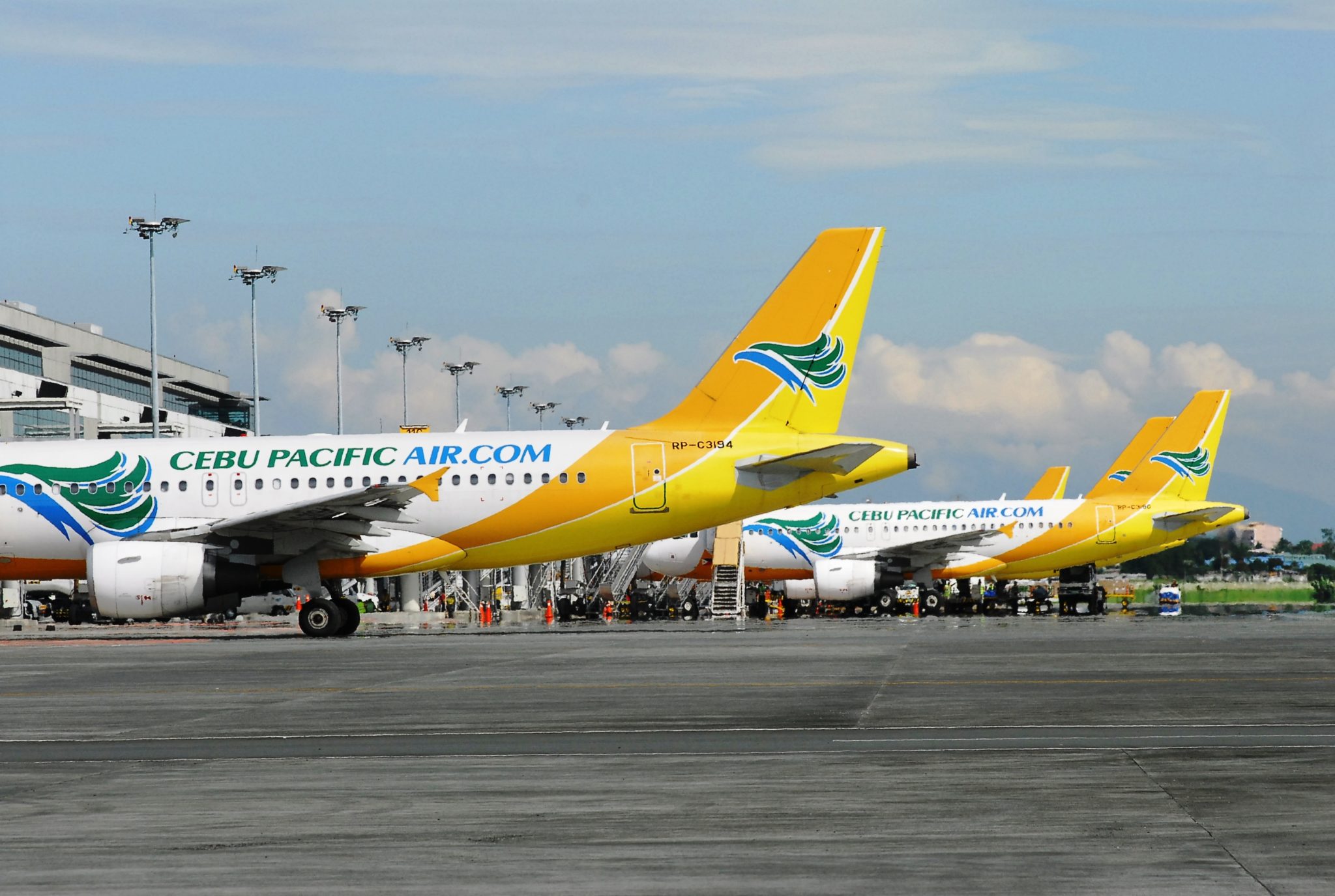
    Budget carrier Cebu Pacific has now sent a total of 14 aircraft for storage at Alice Springs in Australia, with more possibly eyed as travel demand is not expected to return to its robust state anytime soon.

    On top of the 14 aircraft that have been sent so far, Cebu Pacific spokesperson Charo Logarta Lagamon said the next batch is still under study.

    “We have a fleet of 75 aircraft. Because costs continue to be challenged, we have sent aircraft to Alice Springs along with many other airlines, and we are looking to send additional aircraft there for additional storage because obviously we do not see demand coming back in the immediate future,” Lagamon, who is set to leave the airline effective Aug. 15, said yesterday.

    “We will have to store these aircraft in a more proper setting and in a cost-efficient manner,” she said.

    As part of its cost mitigation measures, Cebu Pacific last month said it sent nine aircraft to the Asia Pacific Aircraft Storage at Alice Springs for storage.

    “The best place to store aircraft is somewhere that is dry. This is a facility that stores aircraft because we need to make sure that it stores in a facility that will minimize damage or be equipped for storing aircraft so that once the demand comes back we can easily bring the aircraft back into the line,” Cebu Pacific vice president for marketing and customer experience Candice Iyog earlier said.

    Meanwhile, Lagamon said Cebu Pacific management and their counterparts in Airbus are currently in discussions on the adjustment in delivery or possible cancellation of some of the company’s aircraft orders given the impact of the COVID-19 pandemic to the aviation industry.

    “This is subject to discussions with Airbus. But again, it’s not only Cebu Pacific that is the only carrier in the world that is in talks with the manufacturers for the delay or adjustment of delivery schedules of these orders,” she said.

    Quoting Cebu Pacific president and CEO Lance Gokongwei, Lagamon said the airline is expecting challenging numbers in its second-quarter financial results.

    “This is on account of the course of continuing quarantine. We are still unable to fly the majority of our flights. We’re only at 10 percent of what our capacity used to be,” she said.

    Lagamon said Cebu Pacific has canceled some 150 flights a week, or a total of about 300 flights, from Aug. 4 to Aug. 18 following the return of Metro Manila to modified enhanced community quarantine.

    Cebu Pacific incurred a P1.18 billion net loss in the first quarter, a turnaround from the P3.36 billion net income it recorded in the same period last year, as travel restrictions brought about by the COVID-19 pandemic started taking its toll on its operations.

  • AirAsia aiming to launch Muslim-friendly services including packages to perform Haj and Umrah

    AirAsia aiming to launch Muslim-friendly services including packages to perform Haj and Umrah

    AirAsia Group Bhd is aiming to launch Muslim-friendly services including packages to perform the Haj and Umrah.

    In the low-cost carrier’s management discussion and analysis in its Annual & Corporate Governance Report 2019 released July 29, AirAsia co-founder and group CEO Tan Sri Tony Fernandes said the airline was actively assessing the prospects of a number of products that cater to niche travel.

    “For example, we aim to launch Muslim-friendly services including packages to perform the Haj and Umrah.

    “We are also looking to enter the medical tourism space, a rapidly growing segment where we would be able to provide the full complement of visas, travel, accommodation, and insurance,” he said.

    He said the idea was to provide complete end-to-end services and experiences for travelers, who only need to search and click for what they want on their mobiles or laptops.

    Fernandes said while AirAsia adhered to its low-cost model to be able to grow our network and offer an ever-increasing range of exciting destinations for guests, it was not able to fully cushion itself from the vagaries of the operating environment.

    “Natural disasters, viral outbreaks, economic downturns, geopolitical upheavals – all of these can, and do impact travel,” he said.

  • AirAsia launches three-day sale for domestic flights

    AirAsia launches three-day sale for domestic flights

    AirAsia Group Bhd, which resumed its domestic flights on April 29, has launched a three-day sale for domestic flights booked through airasia.com and its mobile app from today to Sunday.

    During the sale, AirAsia BIG members can enjoy all-in one-way fares from as low as RM129 for domestic travels between July 1 and Nov 19, while non-members’ fares start from RM134.

    In a statement, Amanda Woo, head of the commercial for AirAsia, said passengers can now perform an unlimited number of date changes to their flights with the recent announcement of flight change fee waiver for all new bookings with travels up to Dec 31.

    She added that since the resumption of its domestic services, AirAsia has enhanced its safety measures throughout the entire flying journey, including pre-flight, in-flight, and arrival processes.

    Several contactless procedures including contactless payments at the airport, contactless kiosks, passenger reconciliation system, as well as enhanced features on AirAsia mobile app are also in place to ensure a smooth and safe travel experience for all AirAsia’s guests.

  • AirAsia Unlimited pass extended until June

    AirAsia Unlimited pass extended until June

    If you’ve bought AirAsia’s Unlimited Pass a couple of months ago, the low-cost carrier has announced that they are extending the travel period validity until 30th June 2021. The extension is expected since international travel is still not permitted in Malaysia due to the COVID-19 outbreak.

    According to AirAsia’s Facebook post, the new validity date should be reflected under the AirAsia Deals page under the ‘My Purchases’ tab. The updated FAQ states that the booking must be made at least 14 days in advance and the last available booking date is 16 June 2021.

    For those who have booked their flights on or before 17th of April with a departure date between 23rd March and 30th June are allowed to make unlimited flight change to any date before 31st October 2020 on the same route for unlimited times without any additional costs subject to seat availability. Alternatively, they can request to retain the value of the booking as a credit which can be redeemed within 2 years (730 days) from the issuance date.

    The AirAsia Unlimited Pass was introduced on 29 February and it was seen as a move to cushion the economic impact of COVID-19 on the travel industry. The pass costs RM499 and it allows you to take unlimited AirAsia X flights to destinations in Australia, Japan, China, Korea, India and also Honolulu via Osaka.

    The pass only covers the base fare of the flight and it doesn’t include taxes, airport charges, regulatory fees as well as add-ons such as seat reservation, meals and check-in luggage allowance. Initially, the pass covers a travel period from 2nd March 2020 to 2nd March 2021 and it is now extended by approximately 4 months.

  • Singapore Airlines gets $13bn lifeline as airlines beg for help

    Singapore Airlines gets $13bn lifeline as airlines beg for help

    Singapore’s state investor Temasek Holdings and others will inject as much as 19 billion Singapore dollars ($13.27bn) into Singapore Airlines (SIA) in the world’s single-biggest rescue of an airline slammed by the coronavirus pandemic.

    The enormous financing plan, which drove SIA shares down as much as 10.5 percent on Friday, underscores the depth of financial trouble for the global airline industry, with nearly one-third of the world’s aircraft already grounded because of the pandemic, according to data provider Cirium.

    Many governments worldwide have already stepped in to help airlines amid the virus-induced travel slump, with the United States offering $58bn in aid. Many carriers have grounded fleets and ordered thousands of workers on unpaid leave to keep afloat.

    The 5.3 billion Singapore dollars ($3.72bn) in equity and up to 9.7 billion Singapore dollars ($6.8bn) in convertible notes – bonds that can be converted into equity stakes in the company – of the Singapore Airlines fundraising are being underwritten by Temasek, which owns about 55 percent of the group.

    The carrier has also obtained a 4 billion Singapore dollar ($2.8bn) bridge loan facility with the country’s biggest lender, DBS Group Holdings Ltd, to support near-term liquidity requirements.

    “This is an exceptional time for the SIA Group,” SIA Chairman Peter Seah said in a statement late on Thursday.

    SIA’s shares went into a rare trading halt earlier Thursday after plunging to their lowest in 22 years this week as investors feared the virus will have a deep impact on the company.

    “Under the current dire circumstances, the rights issue is the best tactical move for SIA. It underscores the carrier’s strategic importance to Singapore and the island state’s position as both a financial centre and aviation hub,” Shukor Yusof, head of aviation consultancy Endau Analytics, said in a blog post.

    SIA has said it would cut capacity by 96 percent, ground almost its entire fleet and impose cost cuts affecting about 10,000 staff amid what it called the “greatest challenge” it had ever faced.

    The rights issue will be offered at 3 Singapore dollars ($2.10) per share, a 53.8 percent discount to SIA’s last traded price of 6.5 Singapore dollars ($4.56).

    “While the raising looks earnings and valuation decretive, SIA now looks well-positioned to ride out the storm with balance sheet concerns largely de-risked,” Bank of America analysts told clients.

    Temasek International Chief Executive Dilhan Pillay Sandrasegara said the deal would not only tide SIA through its short-term liquidity challenge but would position it for growth beyond the pandemic.

    SIA said it would use the funding from the rights issues to beef up its capital and operational expenditure needs.

    On Thursday, the Singapore government announced more than $30bn in new measures to help businesses and households brace against the pandemic.

    Airlines around the world are seeking government aid to stay afloat after the coronavirus pandemic wiped out travel demand.

    Airport traffic at 12 key hubs in Asia-Pacific region plunged by 80 percent on average in the second week of March compared with the same period last year, Airports Council International Asia-Pacific said on Friday as it called for government relief measures for airport operators.

    United States airlines are preparing to tap the government for up to $25bn in grants to cover payroll, even after the government warned it may take stakes in exchange for bailout funds, people familiar with the matter said.

    American Airlines Group Inc, a much larger carrier, on Thursday evening disclosed it would be eligible for $12bn of US government aid as part of a $58bn loan and grant package for the airline industry.

    Australia’s Qantas Airways this week secured 1.05 billion Australian dollars ($636.1m) against its aircraft fleet.

    Others, including Air New Zealand Ltd and Virgin Australia Holdings Ltd, have warned they expect to be smaller carriers in the future.

    South Korean low-cost carrier Eastar Jet has begun returning some of its Boeing 737 planes to lessors, while Southwest Airlines Co said it would consider actions to reduce the company’s size if passenger traffic remains significantly lower six months from now.