Tag: airlines

  • Singapore Airlines Partners With Payments Platform

    Singapore Airlines Partners With Payments Platform

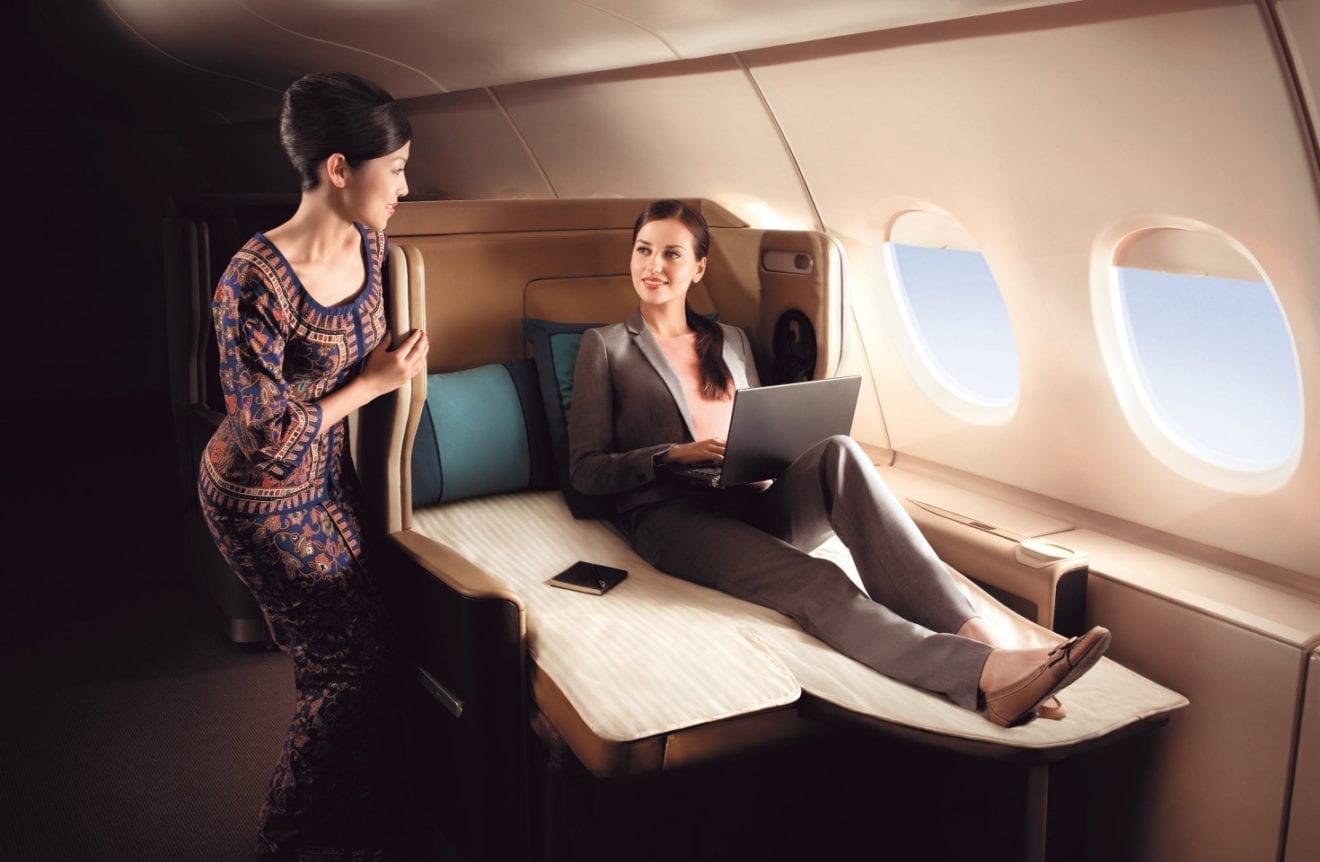
    Singapore Airlines has partnered with an Amsterdam-listed payments provider to optimize its payment processes. Payments platform Adyen will improve the experience of booking tickets online or in-app for Singapore Airlines’ customers. The payment platform also helps its customers improve authorization rates, provide flexibility on fraud risk management and richer data insights.

    «For Singapore Airlines, best-in-class customer service begins with the booking,» said Warren Hayashi, President of Adyen, Asia-Pacific. «At Adyen, we have seen that payments data can be the jet fuel that powers global expansion for airlines.  Payments data remains a valuable resource for companies who seek to understand their customers better and improve revenue,» Hayashi added.

    The partnership will center on Adyen’s solutions to optimize Singapore Airlines’ payments process. This includes the use of Adyen’s direct credit card acquiring capabilities which eliminates the need to run payments across multiple third-party platforms, increasing the airline’s payment authorization rate by leveraging on their solutions.

    Amsterdam-listed Adyen provides a modern end-to-end infrastructure connecting directly to Visa, Mastercard, and consumers’ globally preferred payment methods. It has offices across the world, serving customers such as Facebook, Uber, Spotify, Cathay Pacific, Grab, Klook, Lorna Jane, Freelancer.com, Kogan.com and Showpo.
  • Vietnam Airlines approved for listing on HoSE

    Vietnam Airlines approved for listing on HoSE

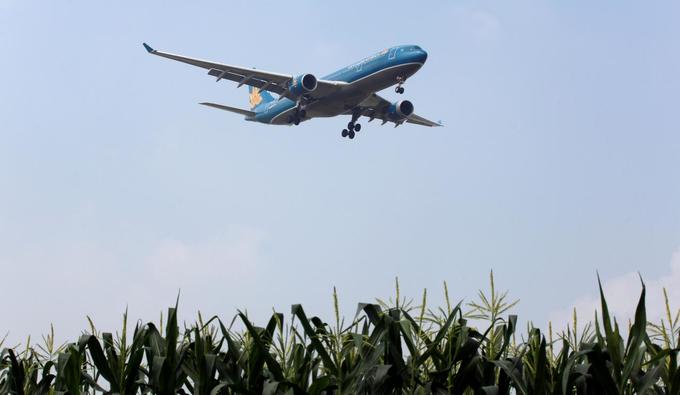
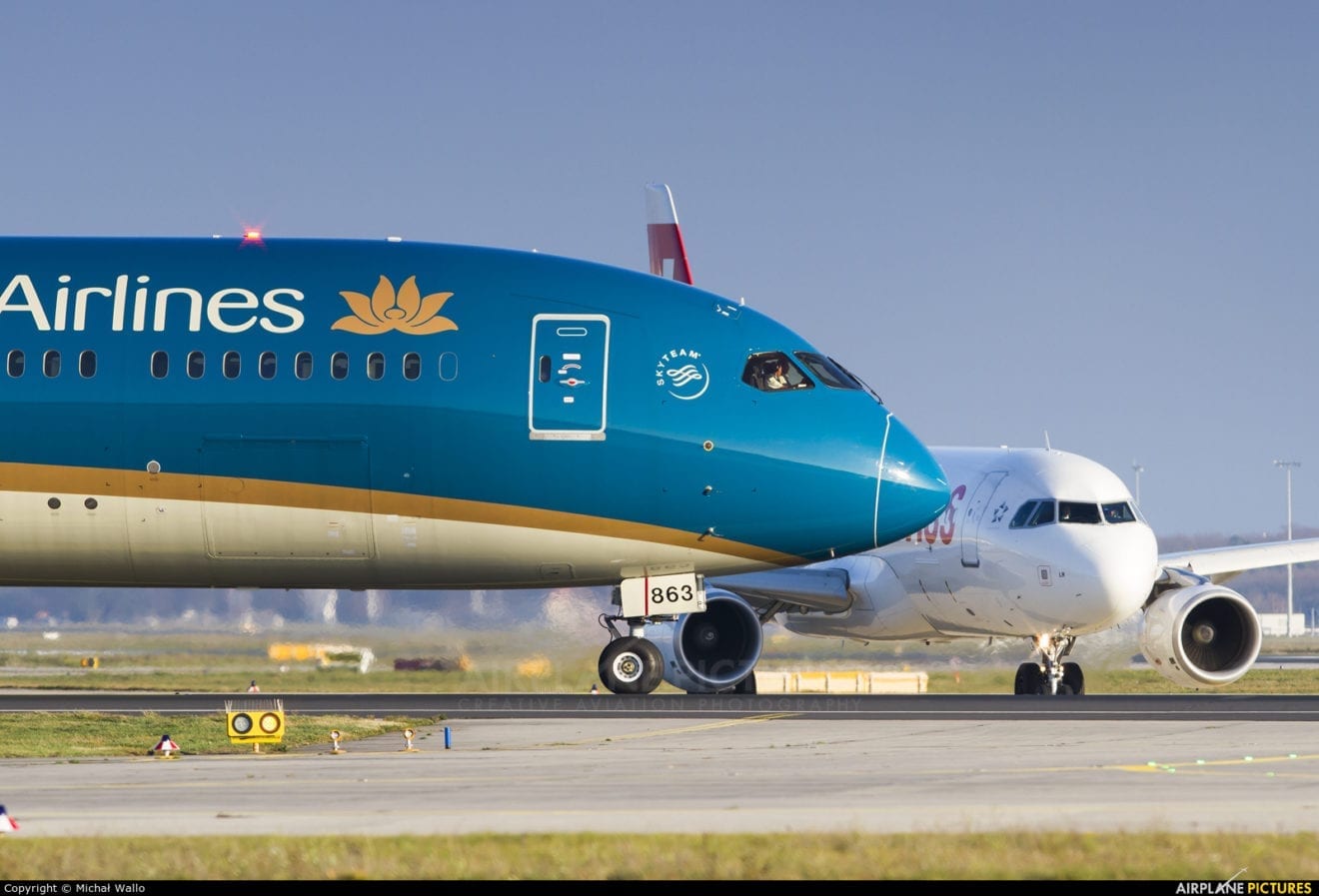
    The national carrier Vietnam Airlines (UPCoM: HVN) has gained approval of the Hồ Chí Minh Stock Exchange (HoSE) to list its 1.4 billion shares on the southern bourse.

    The company will move to HoSE from the Unlisted Public Company Market (UPCoM) and the stock ticket will remain as HVN.

    The company’s market value on HoSE is approved at VNĐ14 trillion (US$602 million).

    Vietnam Airlines planned to switch to HoSE from UPCoM in 2018, but the decline of the stock market in the second half of 2018 made the firm delay its plan until now.

    The national carrier sold 49 million shares, equal to 3.48 per cent of the total, for VNĐ1.09 trillion at the initial public offering (IPO) in November 2014.

    In 2016, the Japanese aviation firm ANA Holdings bought 8.8 per cent of Vietnam Airlines’ capital for $108 million.

    In 2018, Vietnam Airlines posted a record-high revenue of VNĐ96.8 trillion, up 17 per cent year on year.

    Its pre-tax profit for 2018 rose 34 per cent year on year to VNĐ3.24 trillion.

    Vietnam Airlines shares on UPCoM have increased by nearly a quarter since the end of last year, ending Tuesday at VNĐ41,200 per share.

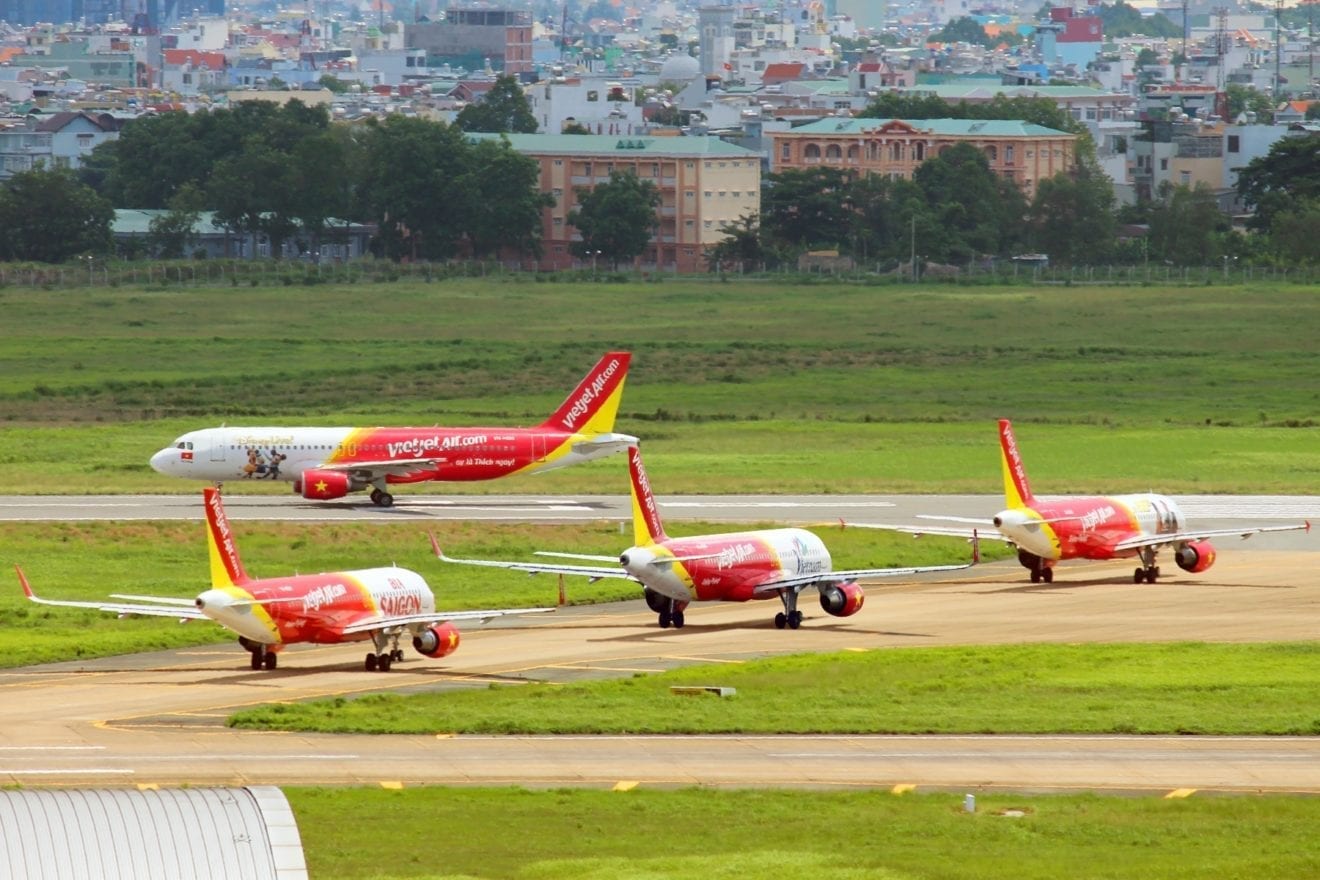
    The private-equity new-age carrier Vietjet is now the only aviation firm that lists shares on the stock market with the market value of $3 billion.

  • “The Great Move” is largely concluded

    “The Great Move” is largely concluded

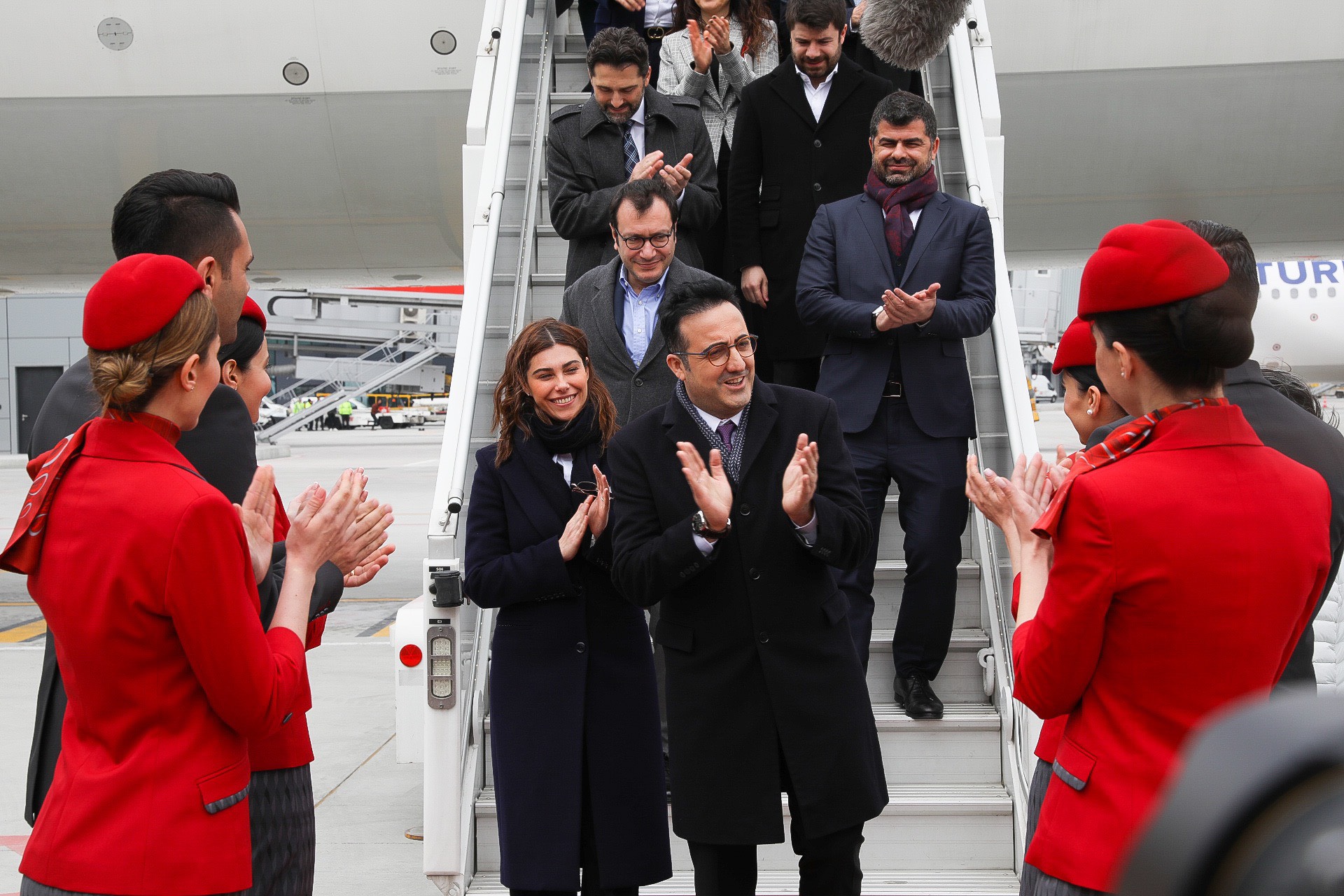
    Turkish Airline’s transition to its new home, Istanbul Airport, is largely concluded with progress at 96 percent. With the “Great Move” representing one of the most significant cornerstones of the Turkish Aviation history, Turkish Airlines has nearly concluded its gradual move to Istanbul Airport, which started following the official opening on 29th October last year. The moving operation, which started on 5th April, Friday, at 3:00, had reached 96 percent completion 12 hours earlier than the projected 45-hour plan. It concluded on 6th April, Saturday, at 20:00, and the flag carrier airline has already begun a new era at its new home, Istanbul Airport, which will be the new center of the global aviation sector.

    Commenting on the “Great Move” process, which included saying farewell to Atatürk Airport – home to Turkish Airlines throughout its 86 years of history, and moving to its new home base, Istanbul Airport, also known as “Monument of Victory”, Turkish Airlines Chairman of the Board and the Executive Committee, M. İlker Aycı said: “Currently the biggest airport project in the world, this enormous facility will be the home of the resounding local and global growth of Turkish Airlines in the future while becoming the most important driving force behind our growth with its state of the art physical capabilities and capacity.”

    “Successfully concluding its mission of being the home of our brand throughout our 86 years of history, saying farewell to Atatürk Airport was a highly saddening experience for us. However, our brand’s unstoppable growth and progress especially over the last 15 years forced us to make this decision to part ways. As Turkish Airlines became unable to fit its mold with its efficient growth performance, the need for a new home that will support its development and open its way with capacity and other physical capabilities was born. Starting with the originator of the idea for this monumental project and its biggest supporter, our President Recep Tayyip Erdoğan, as well as our Ministry of Transport and Infrastructure, IGA consortium, our various business partners, every single member of our family and everyone else who offered their toil and support, we are grateful to all of those for bringing us this bundle of opportunities, which will allow us to carry the passenger and flight experience into a whole new platform. In addition to this, I would like to also express my great pleasure and honor in announcing that the future of the global aviation will develop with Turkish Airlines at its center with our new home, and new face of our brand.”

  • Vietnam Airlines, Jetstar to sell million tickets during month-end holidays

    Vietnam Airlines, Jetstar to sell million tickets during month-end holidays

    Vietnam Airlines and Jetstar Pacific will sell nearly one million seats on 4,700 domestic and international flights during the Reunification Day (April 30) and Labour Day (May 1) holidays from April 26 to May 5.

    Vietnam Airlines will sell nearly 800,000 of them, 78,000 more than last year.

    The State-owned carrier will focus on services from Hà Nội, HCM City, Đà Nẵng, Phú Quốc, and Nha Trang domestically and the Japan, South Korea, Thailand, and Cambodia sectors.

    It owns a 70 per cent stake in Jetstar.

    The two airlines have urged passengers to plan their travel early, use online check-in services and kiosks at airports to save time.

    They should buy their tickets at www.vietnamairlines.com and www.jetstar.com/vn or from their offices and official agents, and request invoices to ensure they are not deceived by fake tickets or high fares.


  • Bamboo Airways inks deal for 26 Airbus aircraft

    Bamboo Airways inks deal for 26 Airbus aircraft

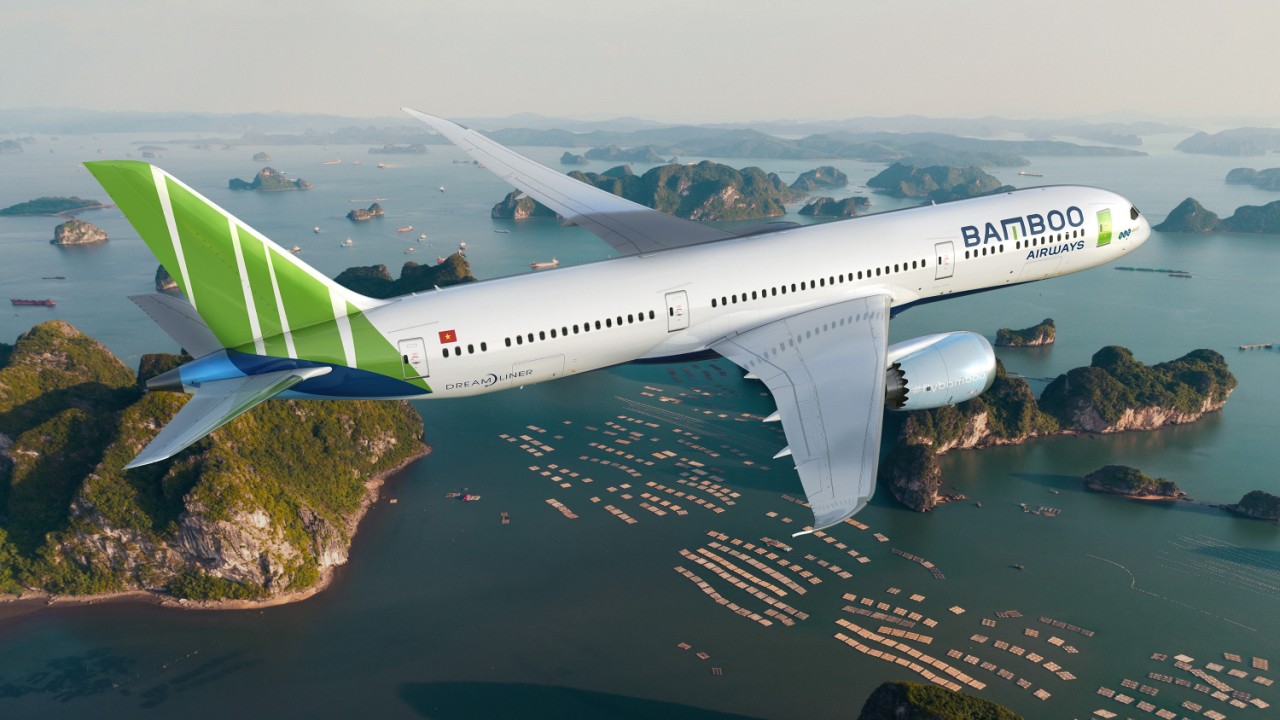
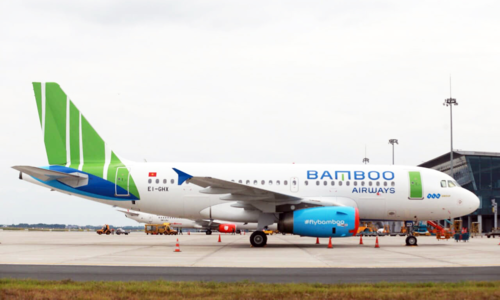
    Private airline Bamboo Airways will buy 26 new narrow-body Airbus aircraft as it expands operations. The value of the deal is $6.3 billion, based on list price, chairman Trinh Van Quyet told. With the previous order of 24 aircraft of the same model last year, the airline has ordered 50 in total.

    Quyet said that the first of the A321Neo planes will be delivered in 2022.

    Bamboo Airways had previously said that it was considering purchasing 25 narrow-body Boeing 737 MAX, which has been grounded internationally after two deadly crashes within a space of five months.

    Last month, Bamboo Airways had inked a deal with Boeing for 10 wide-body 787-9 Dreamliners worth almost $3 billion.

    Starting this year, the airline operates 17 domestic flight routes. It plans to start international flights next month, with Japan, Singapore and South Korea mentioned as possible destinations.

    It also plans to fly to Europe in June and directly to the U.S. by the end of this year or early next year.

    Bamboo Airways is one of five airlines operating in Vietnam. The others are state-owned Vietnam Airlines, budget airline Vietjet, low-cost carrier Jetstar Pacific and Vietnam Air Services Company (VASCO).

    Local airlines served almost 50 million passengers last year, up 10 percent from 2017.

  • Singapore Airlines ups Johannesburg frequency

    Singapore Airlines ups Johannesburg frequency

    Effective March 31, Singapore Airlines (SQ) is permanently increasing capacity on the Johannesburg-Singapore route, with three additional flights on Wednesdays, Fridays and Sundays.

    They will be on a permanent basis after the increase was trialed in July and August last year. SQ481 will depart from Johannesburg at 22h30, arriving in Singapore at 14h55 the next day.

    Flight SQ482 departs from Singapore at 16h35, arriving in Johannesburg at 21h10.

    SQ479 and SQ478, the airline’s existing Johannesburg flights, will continue to fly onward to Cape Town daily.

  • Major aviation deals inked as US, Vietnam presidents meet

    Major aviation deals inked as US, Vietnam presidents meet

    Three major aviation deals were signed Wednesday in the presence of Vietnamese and U.S. presidents Nguyen Phu Trong and Donald Trump. Budget airline Vietjet signed with U.S. airplane manufacturer Boeing Company a deal to buy 100 new narrow-body 737 MAX airplanes worth $12.7 billion, according to the manufacturer’s list prices.

    “The deal is an important move for us to meet our international flight network expansion plan with a higher capacity,” Vietjet president and CEO Nguyen Thi Phuong Thao said.

    Vietjet also finalised a $5.3 billion long-term engine support agreement with General Electric for the LEAP-1B engines in its fleet.

    New airline Bamboo Airways also inked a deal with Boeing for 10 wide-body 787-9 Dreamliners worth almost $3 billion.

    The carrier, owned by property and leisure company FLC Group, had placed a provisional order last year for 20 Boeing 787 jets worth $5.6 billion at list prices.

    The new deal brings the total number of Boeing 787 that Bamboo Airways has ordered to 30, worth total value of almost $8.6 billion. First aircraft are expected to be delivered in the third quarter of next year.

    Bamboo Airways is preparing to launch flights to the U.S. from late 2019 or early 2020, after Vietnam earlier this month received a Category 1 rating from the U.S, allowing local airlines to operate direct flights to the U.S.

    “Direct flights between the two countries will not only push tourism activities, but also further facilitate bilateral trade and investment,” FLC president Trinh Van Quyet said in a statement.

    Bamboo Airways is also considering the purchase of 25 narrow-body Boeing 737 MAX worth $2.5 billion, the statement said.

    Vietnam Airlines signed a $300-million for strategic partnership deal in aviation information technology with U.S.-based technology company Sabre Corporation.

    The deal is expected to help the state-owned Vietnamese airline increase IT applications in flight management and passenger service.

    Sabre has been cooperating with Vietnam airlines for over 20 years. Last year, they had signed a $400-million aviation technology application deal.

    Vietnam’s aviation sector has been booming in recent years. Local airlines served almost 50 million passengers last year, up 10.1 percent from 2017, according to the Civil Aviation Authority of Vietnam.

  • Asiana and pilots reach safe operations agreement

    Asiana and pilots reach safe operations agreement

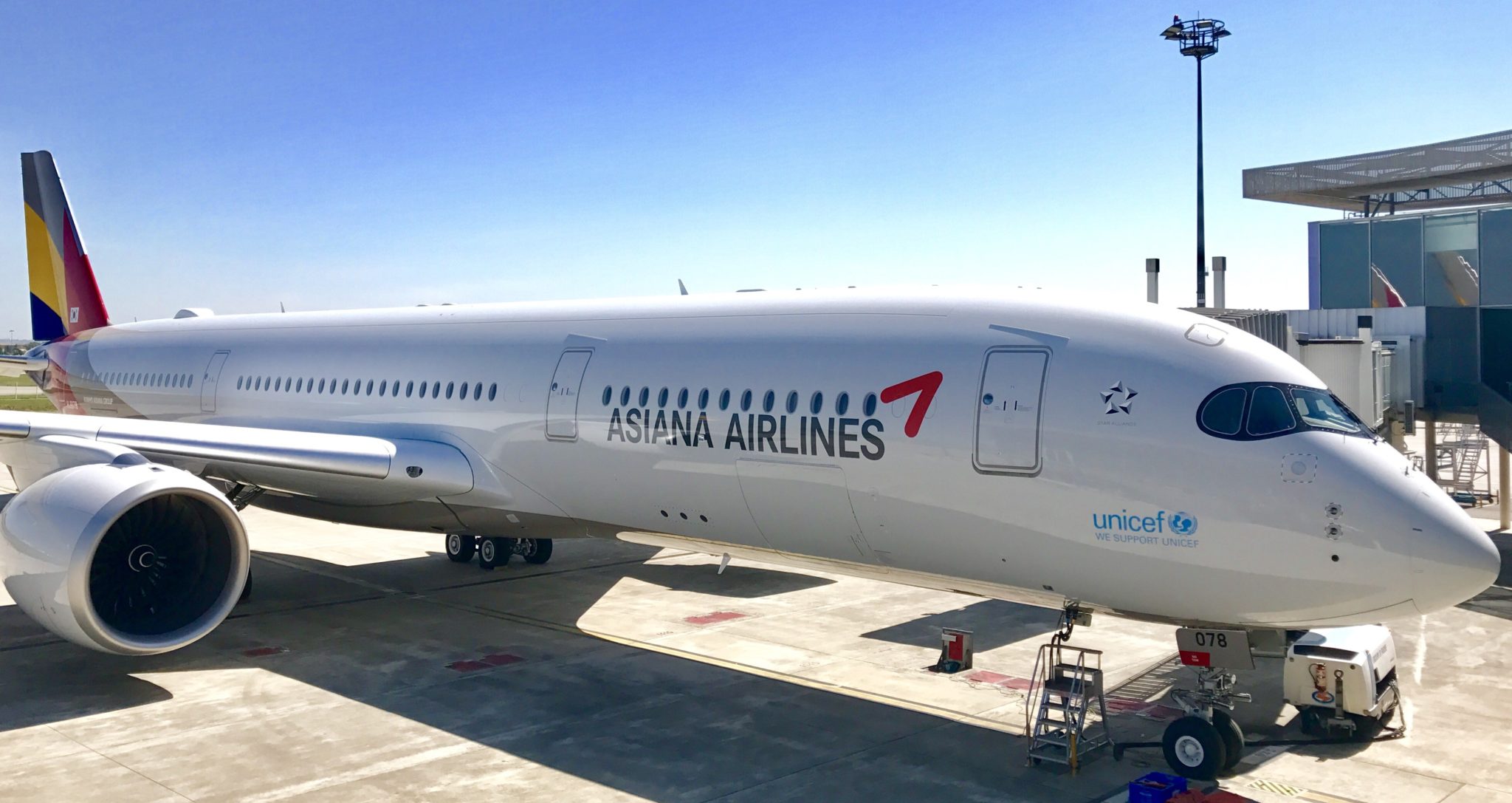
    Asiana Airlines and its pilot labor union jointly announced their vision for safe airline operations, the airline said Friday. During a ceremony held for the announcement Thursday, they vowed to strengthen communications for safe flight operations and cooperate in enhancing airline sustainability. The ceremony was held at the company headquarters in Gangseo District, western Seoul.

    Asiana Airlines CEO Han Chang-soo and Asiana Pilot Union head Kim Young-gone attended.

    The union requested the company establish a new team that will make sure there are no obstacles to safe flight and improve pilot rights and interests. The company agreed to fully support safe and secure flight operations.

    The two parties completed wage negotiations in September and have since worked toward cooperation.

  • Bamboo Airways to sign deal for 10 Boeing planes during Trump-Kim summit

    Bamboo Airways to sign deal for 10 Boeing planes during Trump-Kim summit

    Vietnam’s newest carrier, Bamboo Airways, which began flying last month, is set to sign a deal with Boeing to buy 10 aircraft. The signing will take place on the sidelines of the second summit between U.S. President Donald Trump and North Korean leader Kim Jong-un in Hanoi on Wednesday and Thursday, an unnamed airline executive said. In July last year the airline had signed a provisional deal to buy 20 Boeing 787-9 wide-body jets worth $5.6 billion at list prices.

    “We will sign with Boeing a deal to buy 10 Boeing 787s,” the executive said. “This is different from the deal signed earlier for 20 Boeing planes.”

    The U.S. Federal Aviation Administration (FAA) recently allowed Vietnam to operate direct flights to the U.S.

    Bamboo Airways and other Vietnamese airlines have expressed interest in operating direct flights to that country.

    Bamboo was set up by private conglomerate FLC in 2017 with a charter capital of VND700 billion ($30 million), which it recently increased to VND1.3 trillion ($55.68 million).

    Budget airline Vietjet also plans to sign on the sidelines of the summit a deal to buy 100 narrow-body Boeing aircraft.

    Vietnam’s aviation industry is booming demand. The country welcomed 12.5 million air passengers last year, up 14.4 percent from 2017, according to the General Statistics Office.

  • Vietnamese airlines continue to be plagued by pilot shortage

    Vietnamese airlines continue to be plagued by pilot shortage

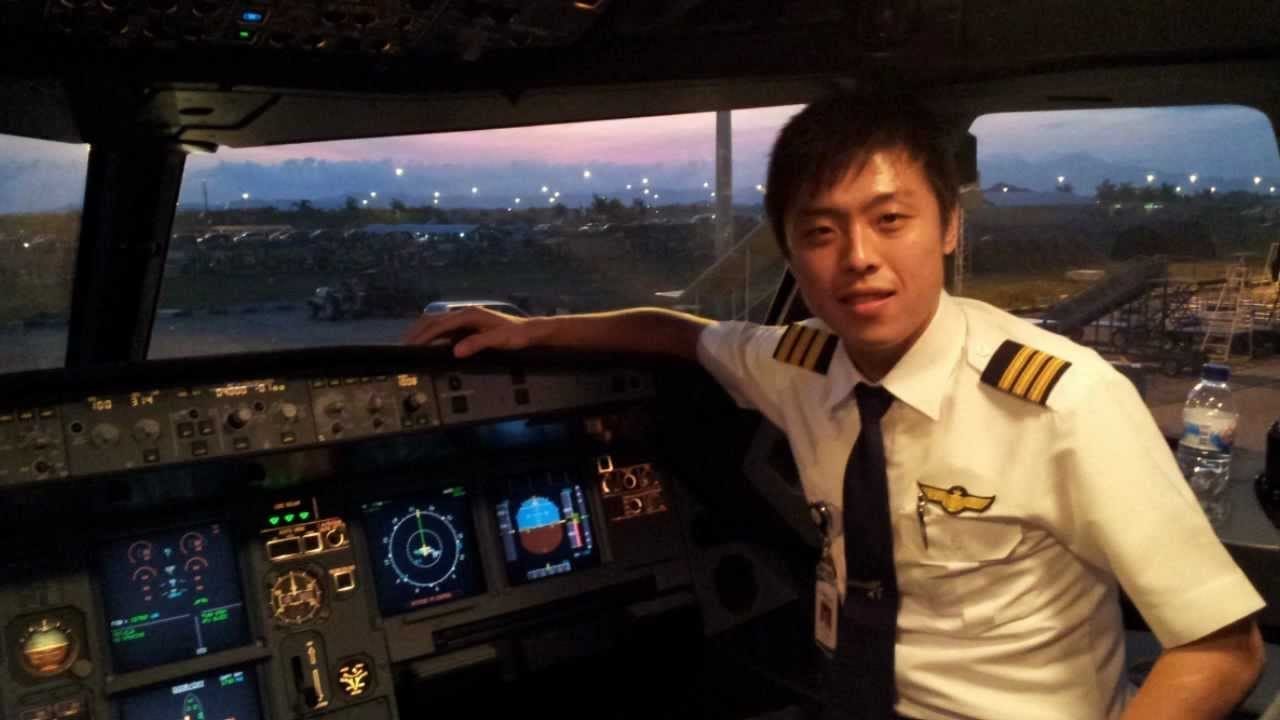
    With increasing demand for pilots as they expand, Vietnamese airlines have had to raise salaries, spend more on training and hire foreign pilots. Figures from the Civil Aviation Authority of Vietnam show that by 2020 Vietnam will need a total of 2,680 pilots for commercial flights, 1,320 more than now. Vietnam Airlines, the country’s flag carrier, needs to hire 193 more pilots to increase the number on its payroll to 1,293 pilots to meet demand in 2019, according to the carrier’s recent assessment report.

    The assessment forecast the demand to keep rising increasing to 1,340 by 2020 and 1,570 by 2025. This is a challenging number given the increasing shortage of pilots globally, according to industry insiders.

    According to a recent report from Boeing, the global aviation industry will need 790,000 new pilots by 2037, or double the current number, driven by an anticipated doubling of the commercial airplane fleet, record travel demand and tightening labor supply.

    Pilot training has always been extremely expensive, with stringent health and technical knowledge requirements, meaning that the number of pilots qualifying is always limited, according to industry insiders.

    A former Vietnam Airlines pilot revealed that because of the shortage, soon after he gave notice of termination he received many offers from airlines both domestic and foreign.

    He said many other pilots at Vietnam Airlines also constantly offered 15-25 percent higher salaries by head hunters.

    As a result the carrier has been focusing on hiring trainees. Duong Tri Thanh, its general director, said given the global shortage of pilots and carry out its expansion plans in time, Vietnam Airlines has been training internally and recruiting foreign pilots despite high costs.

    Similarly, Jetstar Pacific or Vietjet Air are facing difficulties filling their vacancies with pilots when trying to rapidly expand in South Korea, Japan, and other countries in Southeast Asia. Currently, the number of pilots at these firms is largely foreign due to limited domestic supply. Typically, at Jetstar Pacific, foreign pilots account for 80 percent of their fleet.

    However, foreign pilots can be hard to come by since many other companies in Asia can offer them better remuneration and working conditions.

    An aviation expert said airlines need to combat the pilot shortage by investing in training facilities and recruitment programs and subsidizing training for pilot trainees.

    Vietnam’s aviation industry has been growing rapidly in recent years. There were 12.5 million air passengers last year, up 14.4 percent from 2017.

    The number of flights in the country grew by 16 percent on average between 2010 and 2017, according to official data.

    Vienam’s five airlines are Vietnam Airlines, its low-cost carrier Jetstar Pacific, budget airline Vietjet Aviation, Bamboo Airways and Vietnam Air Services Co.

  • Higher fuel prices dent AirAsia X’s Q4 performance

    Higher fuel prices dent AirAsia X’s Q4 performance

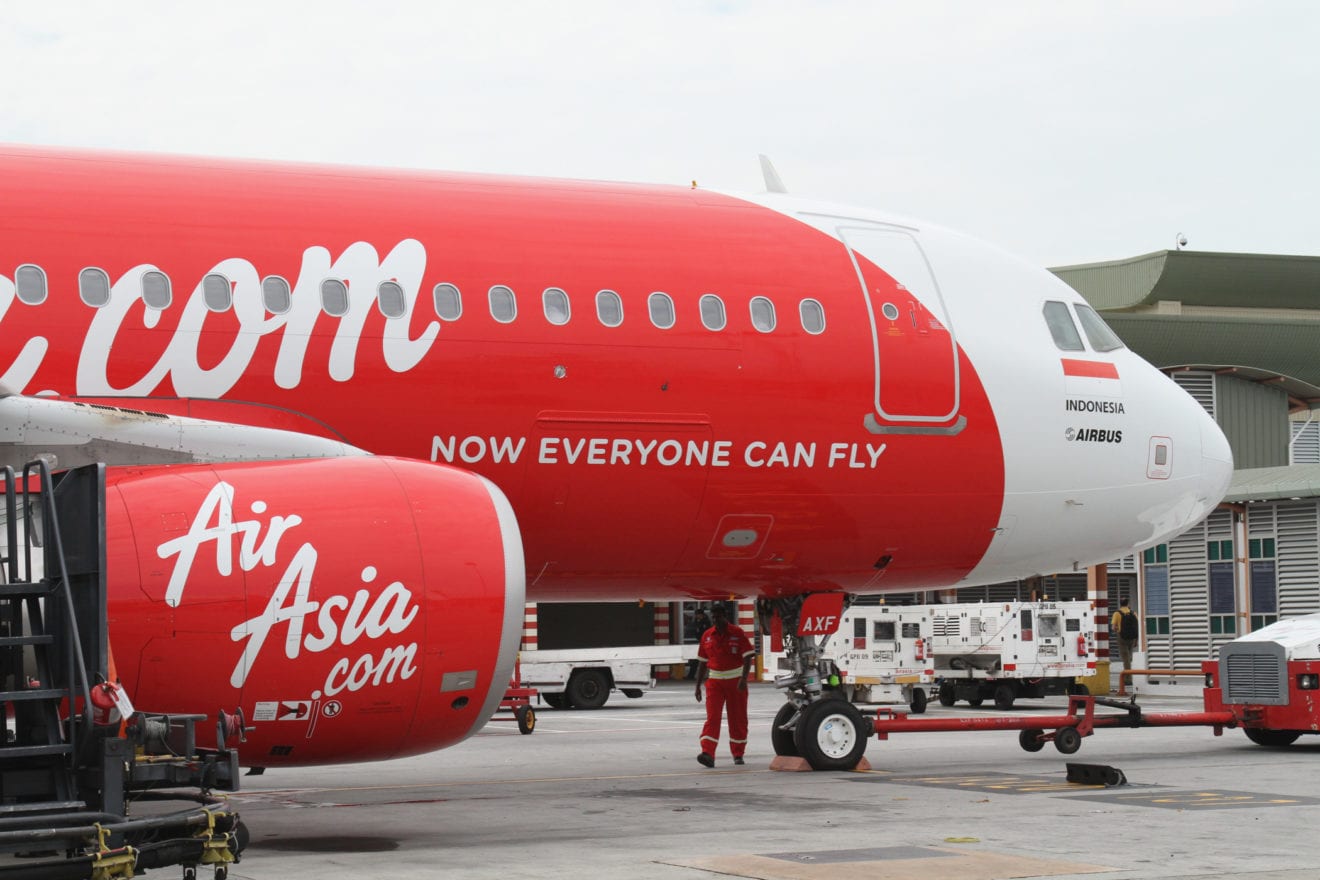
    AirAsia X Bhd suffered a net loss of RM99.27 million in the fourth quarter ended Dec 31, 2018 compared with a net profit of RM84.42 million a year ago due to higher fuel prices. In a filing with Bursa Malaysia, the airline reported an increase in average fuel price to US$89 per barrel during the quarter from US$69 per barrel a year ago, which resulted in a lower net operating profit of RM27.4 million from RM120 million a year ago.

    In addition, the group provided an impairment on amount due from joint venture amounting to RM24 million during the quarter under review.

    During the quarter, the group reported a 1% improvement in cost per available seat kilometre (CASK) to 12.27 sen while CASK ex-fuel improved by 16% from 8.22 sen to 6.94 sen a year ago, due to enhanced cost management.

    Revenue for the quarter fell 5.93% to RM1.15 billion from RM1.22 billion a year ago.

    For the financial year ended Dec 31, 2018 (FY18), the group also swung into the red registering a net loss of RM312.7 million compared with a net profit of RM98.89 million a year ago while revenue fell marginally to RM4.54 billion from RM4.56 million a year ago.

    AirAsia X said its current forward booking trend and average fares for the first quarter of 2019 are within expectation and prospects are anticipated to remain encouraging.

    The airline will be adding up to five aircraft through operating leases this year via AirAsia X Thailand while AirAsia X Malaysia will remain with 24 aircraft.

    AirAsia X Malaysia will focus on maximising aircraft utilisation of its current fleet and leverage on the group’s strategy in new route launches as well as increasing frequencies of core routes.


  • Vietjet to ink $13 billion Boeing deal during Trump-Kim summit

    Vietjet to ink $13 billion Boeing deal during Trump-Kim summit

    Vietnamese budget airline Vietjet will sign next week a deal to buy 100 narrow-body Boeing aircraft. The signing will take place on the sidelines of the upcoming Trump-Kim summit, sources said. The sources also said Vietjet will finalize next week a provisional deal agreed last year to buy 100 narrow-body Boeing 737 MAX jets worth almost $13 billion at list prices.

    The U.S. Federal Aviation Administration (FAA) last week gave Vietnam a Category 1 safety rating, allowing local airlines to operate direct flights to the U.S.

    Vietjet, along with other local airlines, had previously expressed interest in operating direct flights to the U.S.

    The carrier, the largest private airline in Vietnam, had also signed a deal to buy Boeing 737 MAX narrow-body jets when former U.S. President Barack Obama visited Hanoi in 2016.

    It also finalized a deal in November last year with Airbus for 50 A321neo jets during a visit to Hanoi by French Prime Minister Edouard Philippe.

    Vietjet currently operates 40 domestic routes and 66 international routes. It has 385 flights daily within Vietnam and to places such as Japan, Hong Kong, South Korea, Taiwan, Singapore, mainland China, Thailand, Myanmar and Malaysia.

  • Korean Air plans to make 16 trillion won in sales by 2023

    Korean Air plans to make 16 trillion won in sales by 2023

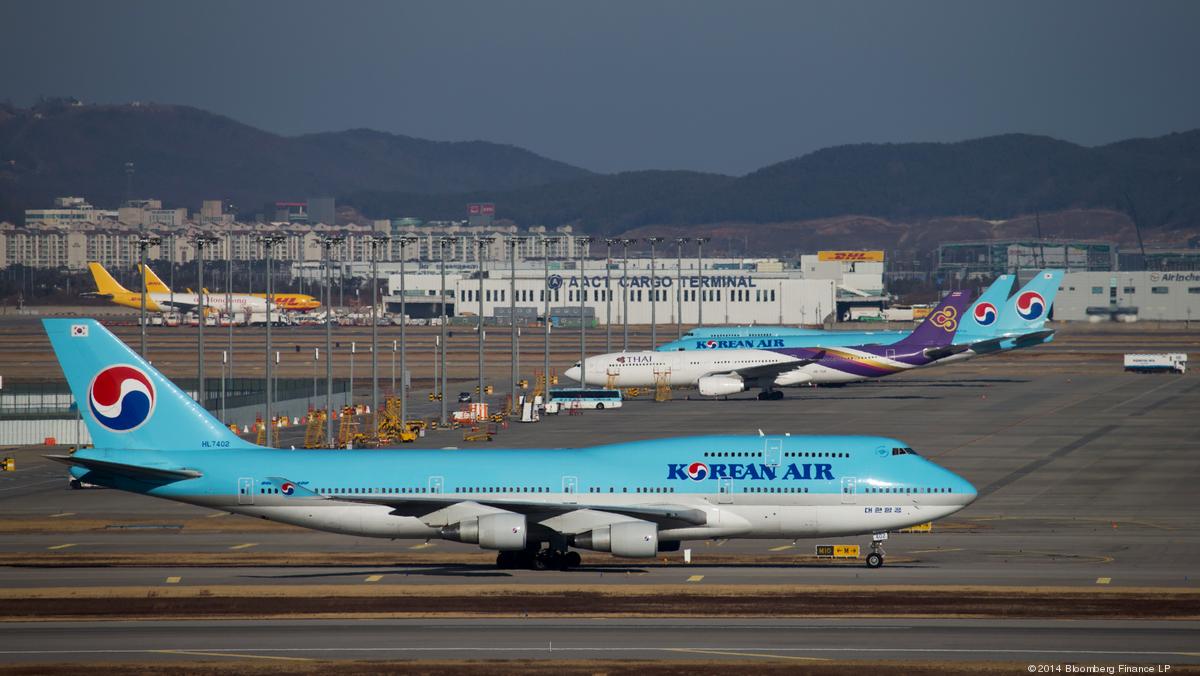
    Korean Air unveiled its mid-term business strategy Tuesday, saying it aims to record 16.2 trillion won ($14.4 billion) in sales by 2023. The goal comes as the airline’s March shareholders’ meeting draws near. Korean Air Chairman Cho Yang-ho’s term at the country’s largest airline ends this year and shareholders will vote on his re-election. To achieve the sales target, it needs to grow by an average 5.1 percent every year. Last year, the airline inked 12.7 trillion won in sales.

    Its operating profit target for 2023 is 1.7 trillion won, about 2.5 times more than last year’s 692.4 billion won.

    The company said it will work to raise the profitability of its business to reach a 10.6 percent profit to sales ratio. Last year, the ratio stood at 5.5 percent. Along with improved profits, the company plans to lower its debt ratio to below 400 percent from last year’s 699 percent.

    To expand sales, Korea’s largest full-service carrier plans to expand routes connecting America and Asia through a joint venture inked with U.S. airline Delta Air Lines last year. The partnership enables the two companies to share revenue, costs, flights and sales networks with antitrust immunity on their trans-Pacific operations.

    The airline also plans to open up new flight routes headed to Europe and Southeast Asia, both growing as popular travel destinations.

    As for its cargo business, the airline plans to bolster its business with emerging markets like Vietnam, India and Central and South America.

    In the aerospace business, the company said it will develop new technologies to build parts for passenger aircraft and start mass producing unmanned aerial vehicles to secure future growth engines.

    This year, Korean Air proposed a target of 13.2 trillion won in revenue and 1 trillion won in operating profits.

  • Air France-KLM more than doubles profits in 2018 despite strikes

    Air France-KLM more than doubles profits in 2018 despite strikes

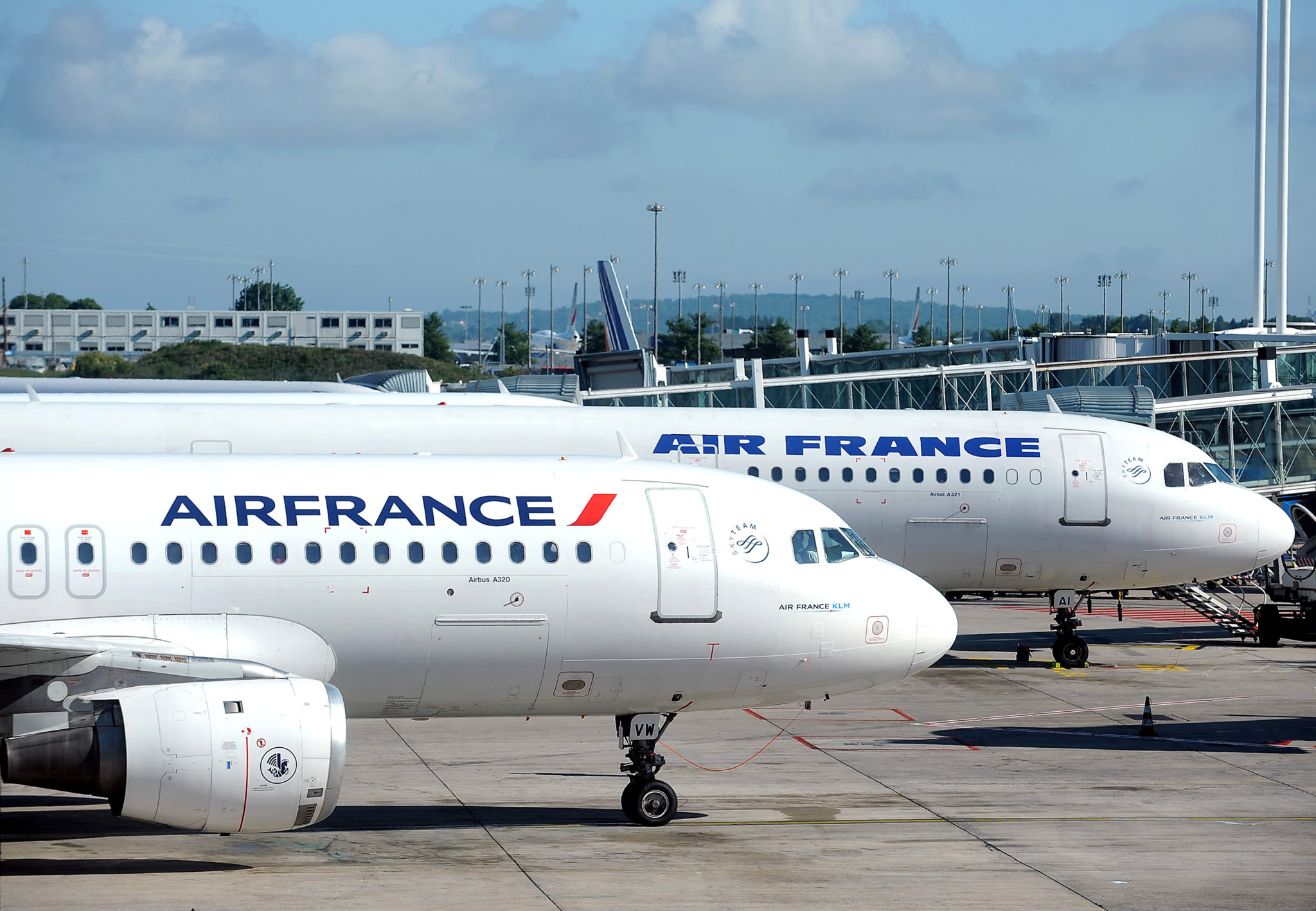
    Air France-KLM, which was badly hit last year by strikes and management upheaval, reported on Wednesday that its annual net profits rose by 150% to 409 million euros (US$463 million). “The strong performance of our front-line teams and continued cost control helped partly offset the impact of strikes at Air France in the first half of the year, as well as significant fuel headwinds,“ Benjamin Smith, the company’s new chief executive, said in a statement.

    The Canadian businessman took over in September following Jean-Marc Janaillac’s sudden exit in a bitter dispute over salaries in the group’s French wing.

    Fifteen days of strike cost the company 335 million euros, Air France said.

    On Tuesday, Air France pilots voted by 85% in favour of a new pay deal, concluding a series of long employee-management negotiations.

    Revenue growth last year was up in all business segments, with operating earnings coming in at of 1.3 billion euros, the Franco-Dutch airline group reported.

    The group said it had carried more than 100 million passengers last year, making it the leading European airline for long-haul traffic.

    Transavia, a low-coast subsidiary, carried 15.8 million passengers last year, an increase of 7.1% on 2017.

    Full year 2018 capacity increased by 2.1%, mainly driven by the South American, North Atlantic and Asian networks, with respective growth of 8.6%, 3.0% and 2.1%, Air France-KLM said.

    In 2019, the group will concentrate on “operational efficiency”, financial director Frederic Gagey said.

    “We can make a lot more money compared to last year,“ he said, adding that Air France-KLM would also be looking to renewing its fleet to replace some of its more fuel-guzzling planes.

  • No more loss for Hong Kong’s Cathay

    No more loss for Hong Kong’s Cathay

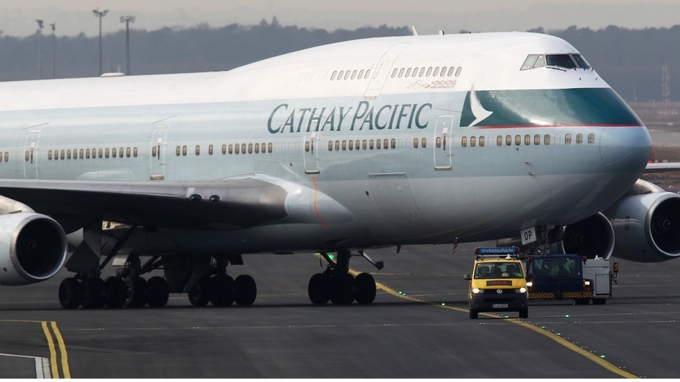
    Hong Kong flag carrier Cathay Pacific said on Wednesday it is expected to have swung back to profit in 2018, ending two successive losses as it embarks on a massive overhaul. The recovery also came in a year that saw it suffer an embarrassing data breach that dented its reputation and could could prove costly. The airline said it expects to record a consolidated profit of around US$293 million (RM 1.2 billion) for 2018, compared with US$160 million (RM651 million) losses the year before, according to a preliminary profit alert.

    The company’s share price jumped more than seven percent after the announcement as investors took comfort in the turnaround after two grim years for Asia’s largest carrier.

    “In 2018, the passenger business benefited from capacity growth, a focus on customer service and improved revenue management,“ the company said in a statement, adding its cargo sector was also “strong”.

    Cathay has been overhauling its business after posting its first losses in eight years in 2016, firing more than 600 workers and paring overseas offices and crew stations as it faced stiff competition from budget rivals on the mainland.

    It also added international routes and better services on board its flights in a bid to compete with well-heeled Middle Eastern long-distance carriers.

    The profit alert suggests those moves have paid off.

    The airline narrowed its losses to US$33.5 million for the first half of 2018 – a tenth of what their losses were for the same period in 2017. But the second half of the year appears to have brought Cathay squarely back into the black.

    Dickie Wong, an analyst with Kingston Securities, said Cathay is expected to further benefit from the end this year of costly fuel-hedging contracts.

    “I would say the unfavorable impact to Cathay would continue to reduce,“ he said.

    Wong said the introduction of premium economy had attracted new customers while ticket discounts helped it compete against budget carriers. But he said the company still had “much room to improve in their luxury classes” if it wants to take on Middle Eastern rivals.

    Cathay will announce its full-year result next month.

    But the year was not without trouble.

    In October it sparked outrage when it admitted to a massive breach five months after hackers made off with the data of 9.4 million customers, including some passport numbers and credit card details.

    The airline faces potentially steep payouts in Europe, which boasts strong protection laws and financial penalties for companies that do not swiftly own up to data breaches.

    British-based law firm SPG Law has already launched a group action against the carrier over the breach to help customers seek compensation.

    This year Cathay’s website mistakenly offered first and business class flights for a fraction of their value in two high-profile and costly blunders.