Tag: airlines

  • Malaysia Airlines and AirAsia limit number of flights till March 31

    Malaysia Airlines and AirAsia limit number of flights till March 31

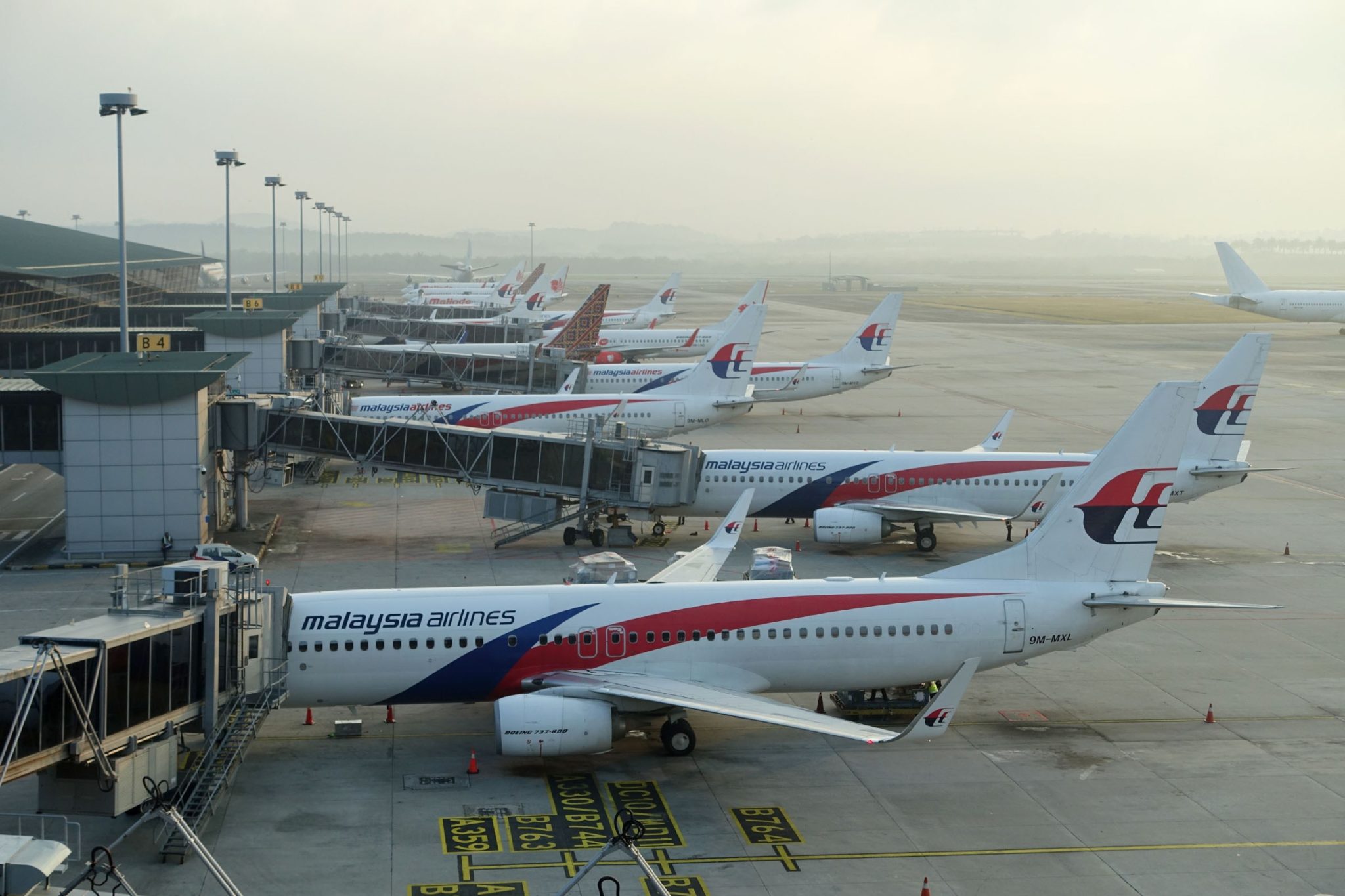
    Malaysia Airlines will significantly reduce its overall network, following the nationwide movement control order from March 18 to 31.

    International flights to India are suspended until the end of the month and flights to the Philippines are suspended between March 21 and 31, following the respective governments’ ban on travel to and from Malaysia.

    Malaysia Airlines group chief executive officer Captain Izham Ismail said the situation has been “rather fluid” since the airline has had to make last-minute cancellations to abide by the restrictions.

    “We are doing our best to re-route passengers via reallocation onto other carriers. We are also adjusting our low-load flights by canceling and merging them to manage costs while managing our customer expectations, ” he said.

    Prior to the order, Malaysia Airlines has suspended services to Saudi Arabia, South Korea, and parts of China (Beijing and Daxing), as well as the Kota Kinabalu-Shanghai route due to border controls.

    The carrier also reduced capacity to Australia and New Zealand due to the self-isolation policy of the two countries.

    To date, the company has canceled over 4,000 flights.

    “Our Global Contact Centre has been at the brunt of this situation with the number of calls peaking at 25,000 daily and up to 2,000 e-mail daily in the past three weeks, ” Izham said.

    He added that it will take the company longer to process refunds due to the sheer volume of requests.

    “I assure them that we are not here to take advantage of the situation. In fact we are one of few airlines that have offered unlimited flexibility in travel date change and waiver of certain fees, ” Izham said.

    Due to the significant capacity cut, Malaysia Airlines and all sister companies under the Malaysia Aviation Group’s back-office operations have also been reduced alongside flight and airport operations.

    A majority of its workforce globally are working from home in line with various governments’ requirements.

    Passengers with bookings may initiate changes online via the Covid-19 waiver assistance form available on the carrier’s website.

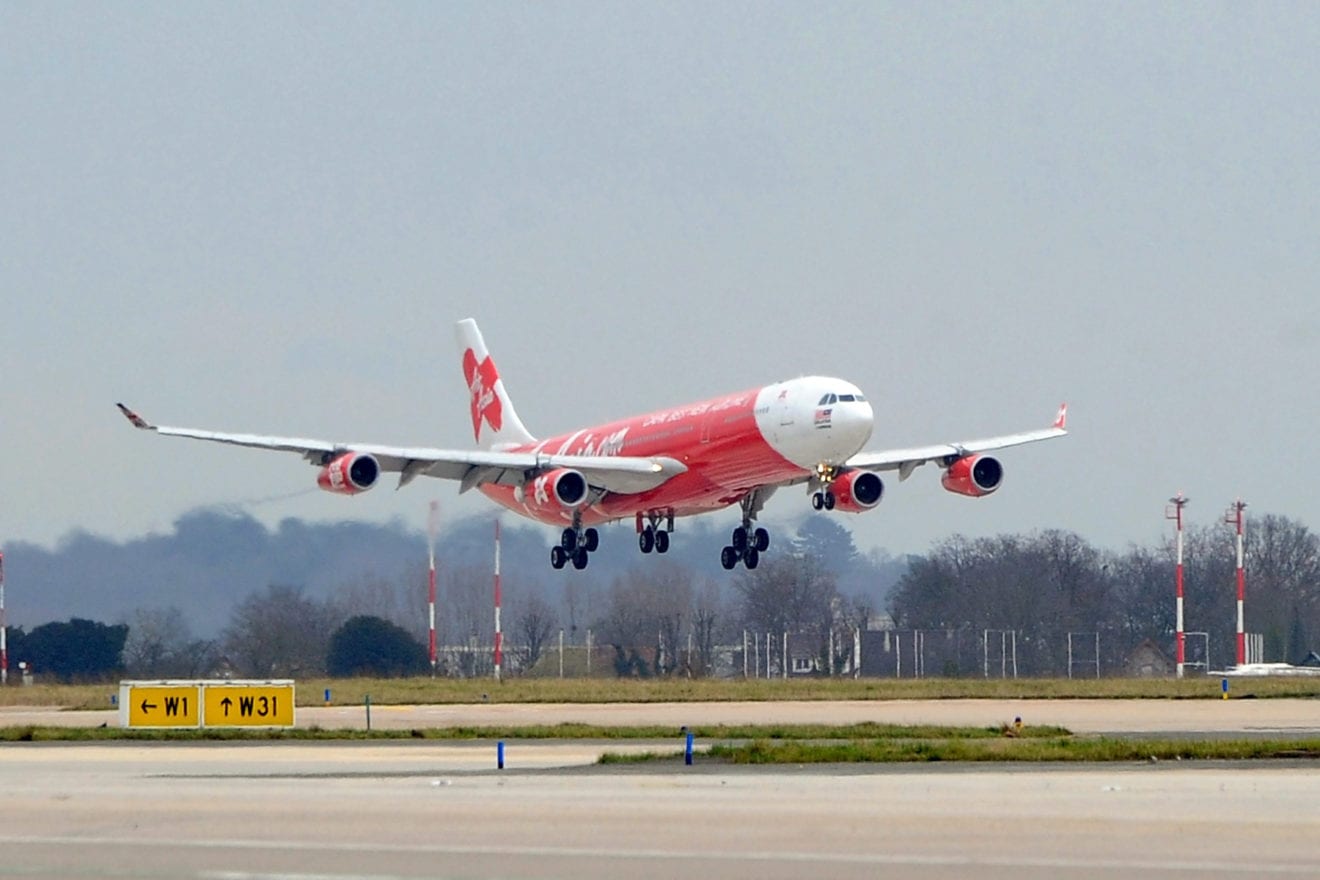
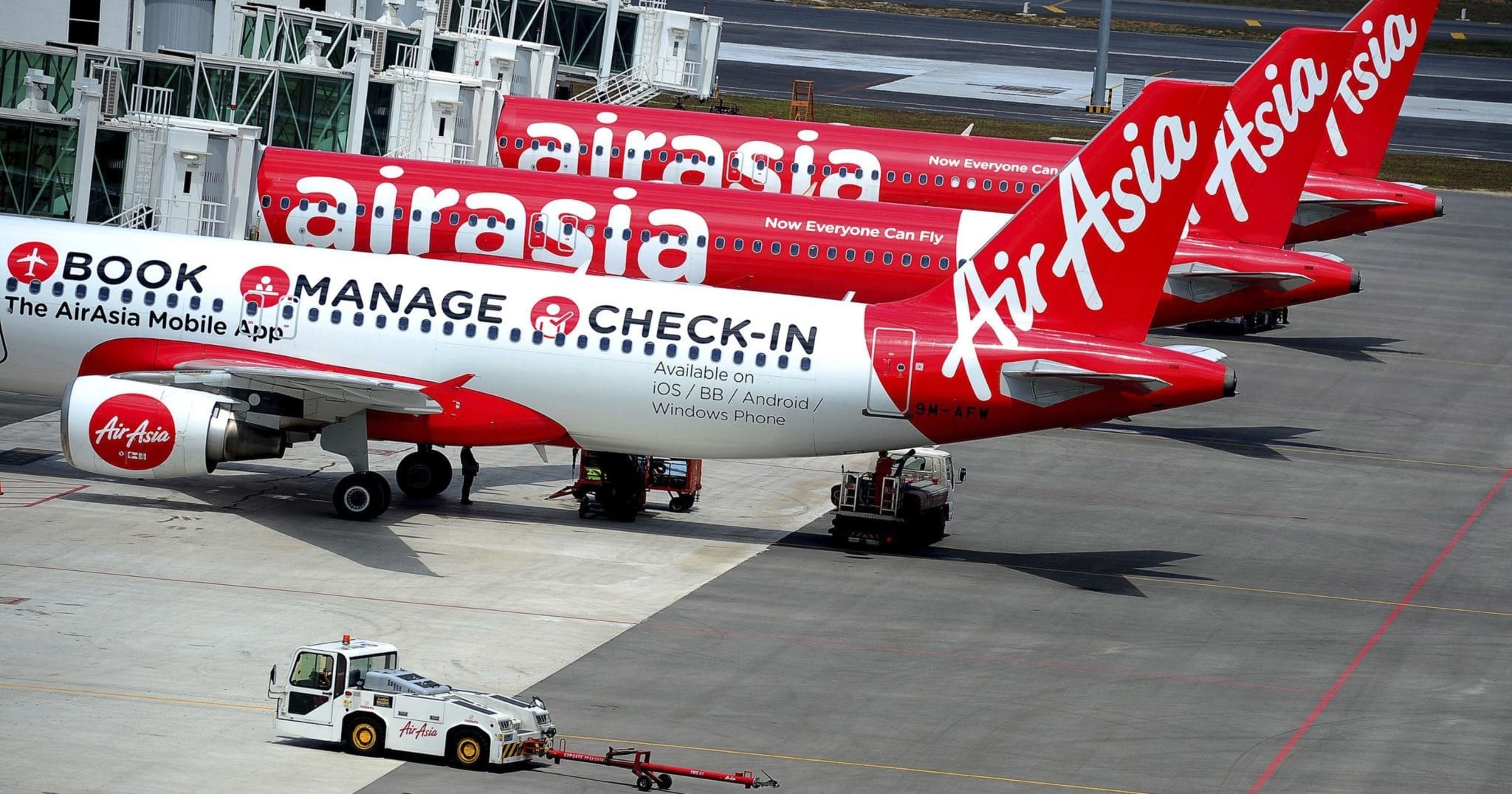
    Meanwhile, AirAsia has also significantly cut down its number of domestic and international flights.

    “AirAsia will be operating a limited number of domestic and international flights from today until 31 March, which are subject to change due to the fluidity of the current situation.

    “Affected guests will be promptly notified via email or SMS. AirAsia strongly encourages guests to update their contact details using the “My Bookings” feature on airasia.com to ensure that they receive timely notifications,” the airline said in a statement.

    For further and latest information regarding options and eligibility related to COVID-19, AirAsia guests can visit the Covid-19 Customer Guide on its website.

    A quick look at their booking page shows that there are only two flights a day from Kuala Lumpur to Kota Kinabalu, Kuching and Penang (and vice versa). Flights to other cities and towns including Johor Baru, Kota Bharu, Alor Setar, Kuala Terengganu, Sibu, Miri and Bintulu have all been suspended until April 1.

    Currently, there is one flight a day to Sandakan, Tawau and Labuan from KL but even these routes may be suspended within the next few days.
  • Airlines to refund Vietnam-China flight tickets

    Airlines to refund Vietnam-China flight tickets

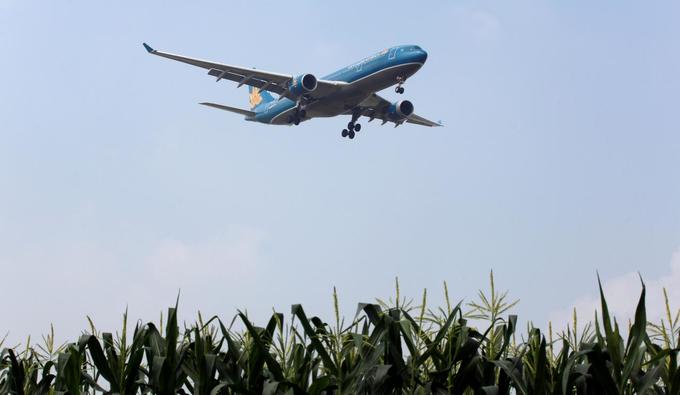
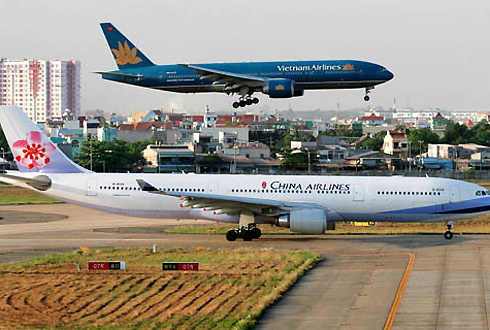
    Vietnamese airlines have offered to refund customers who want to cancel their flights to and from China amid the coronavirus outbreak.

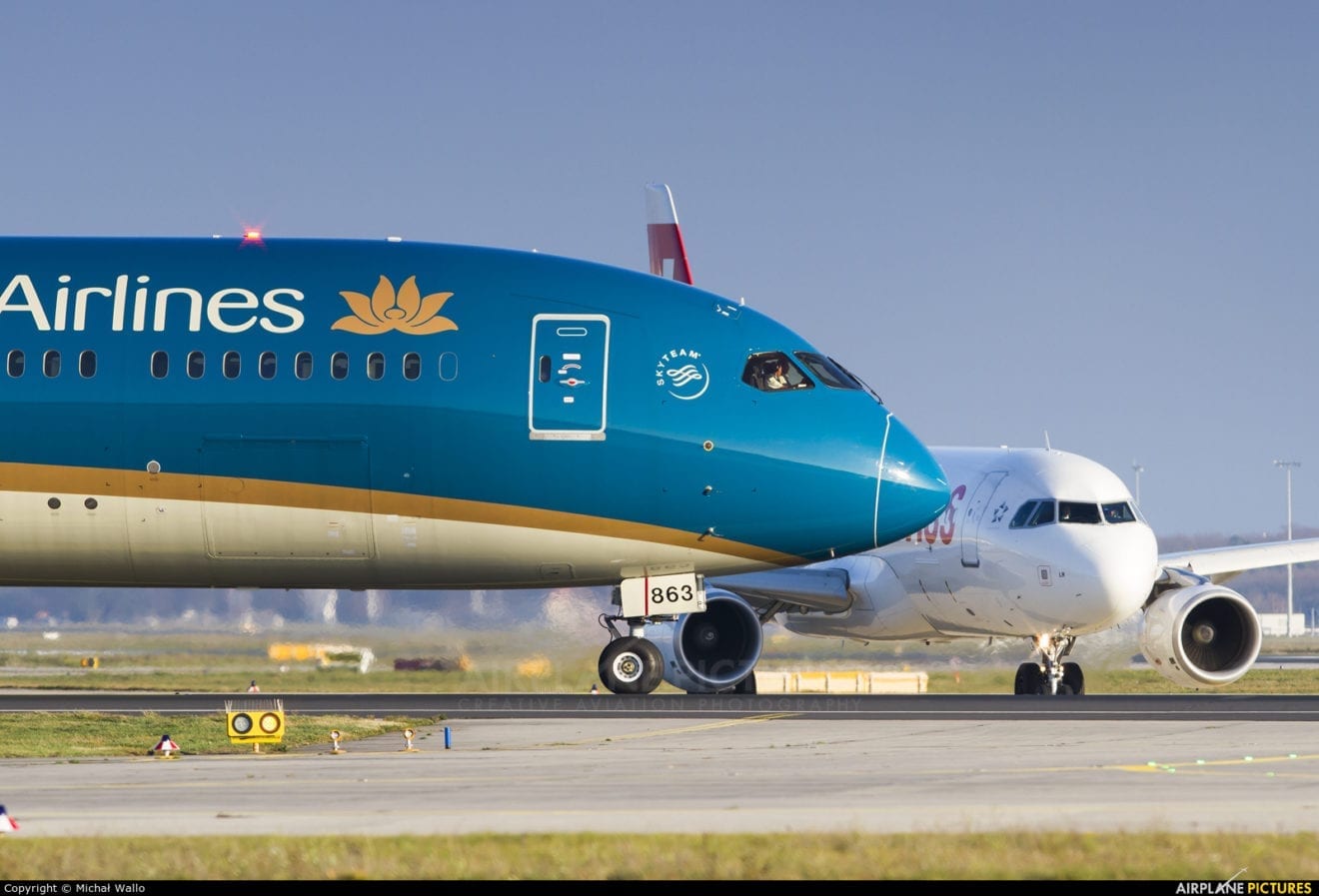
    Flag carrier Vietnam Airlines and low-cost arm Jetstar Pacific stated Friday both would refund tickets and allow free schedule changes for passengers flying to and from Chinese cities starting Friday until further notice.

    The two airlines do not currently operate direct flights to Wuhan City in central China, the epicenter of the new deadly pneumonia virus outbreak.

    Both would provide masks and gloves to passengers on its flights to and from China if requested.

    Civil Aviation Authority of Vietnam (CAAV) Thursday ordered all flight permits be canceled and the granting of new permits to all flights connected to Wuhan by both Vietnamese and foreign airlines be suspended.

    The Ministry of Health has ordered all tourists from China entering Vietnam complete health declaration forms as it combats the spread of the new coronavirus.

    Two Chinese nationals have been quarantined at Cho Ray Hospital in Ho Chi Minh City since Thursday after testing positive for the pneumonia virus.

    China on Saturday said 41 people had died and 1,300 been infected globally due to the virus.

    World Health Organization (WHO) declared the new coronavirus an “emergency in China” this week but stopped short of branding it an international concern.

    Most fatalities have involved elderly patients, many with pre-existing conditions, WHO confirmed.

  • Vietnam Airlines reports record profit in 2019

    Vietnam Airlines reports record profit in 2019

    National flag carrier Vietnam Airlines estimates its consolidated pre-tax profit for 2019 at an all-time high of VND3.37 trillion ($146 million).

    The figure also marks a 10 percent year-on-year increase, Vietnam Airlines said in a press release.

    Its consolidated revenue is estimated at VND101.18 trillion ($4.39 billion) this year, up 2.2 percent year-on-year.

    In 2019, Vietnam Airlines transported 23 million passengers and nearly 346,000 tons of cargo on 134,000 flights. The airline also began operating 22 new aircraft and 10 flight routes, bringing its fleet to above 100 aircraft.

    In 2020, it will focus on retaining its core customer segments and holding share in key markets, the airline said. It expects to invest in 50 additional narrow body aircraft between 2021 and 2015, as well as improving services and digitization of its systems.

    Vietnam Airlines is 86.16 percent state-owned, and Japanese air transportation company ANA Holdings has an 8.77 percent stake. The remaining shares are held by state-owned lender Vietcombank, private lender Techcombank, and other domestic individuals.

  • This airline is opening a restaurant that only serves plane food

    This airline is opening a restaurant that only serves plane food

    Out of the many repulsive things about air travel, airline food probably ranks high. But not for AirAsia.

    Asia’s largest low-cost carrier is betting people love its food so much that it opened its first restaurant on Monday, offering the same menu it sells on flights. It’s not a gimmick, either: AirAsia, based in Malaysia, said it plans to open more than 100 restaurants globally within the next five years.
    The quick-service restaurant’s first location is in a mall in Kuala Lumpur. It’s called Santan, meaning coconut milk in Malay, which is the same branding AirAsia uses on its in-flight menus.
    “We have seen a significant appetite for our in-flight menu offerings beyond our flights across the region and this is our answer to that demand,” the brand’s general manager Catherine Goh said in a press release.
    AirAsia hopes its Asian-specific food will attract people over its western competitors. It’s also part of the company’s broader plan to become a lifestyle brand, according to a recent interview CEO Tony Fernandes gave.
    AirAsia is also the first airline to bring its in-house food offerings to the ground. Typically, airlines attract high-end chefs from restaurants to craft in-flight menus. For example, JetBlue partnered with New York-based Saxon and Parole for its meals, and British Airways offers items for sale on some of its flights from regional retailer Marks and Spencer.
  • Singapore Airlines Will Fly New A380s To Paris

    Singapore Airlines Will Fly New A380s To Paris

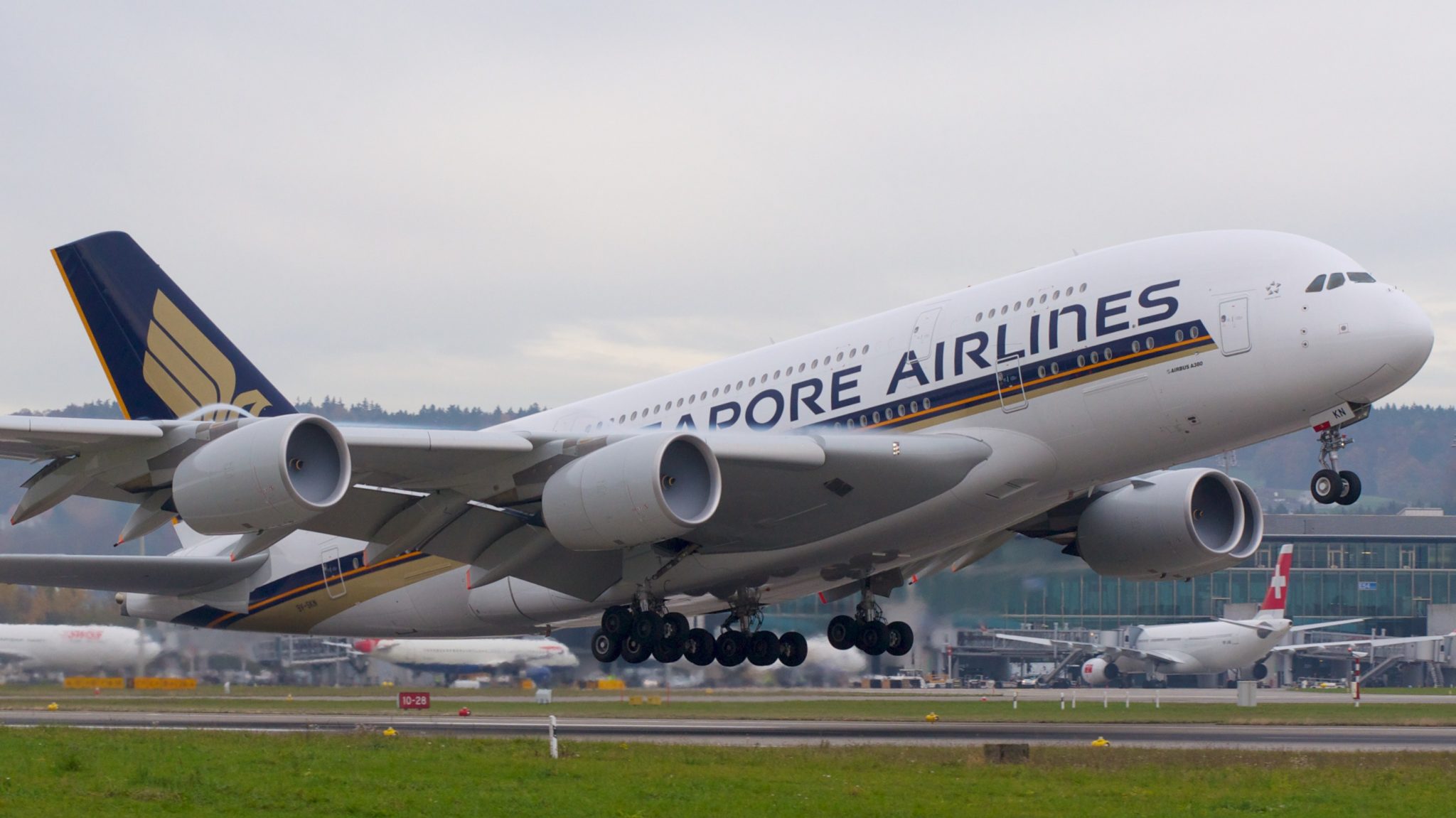
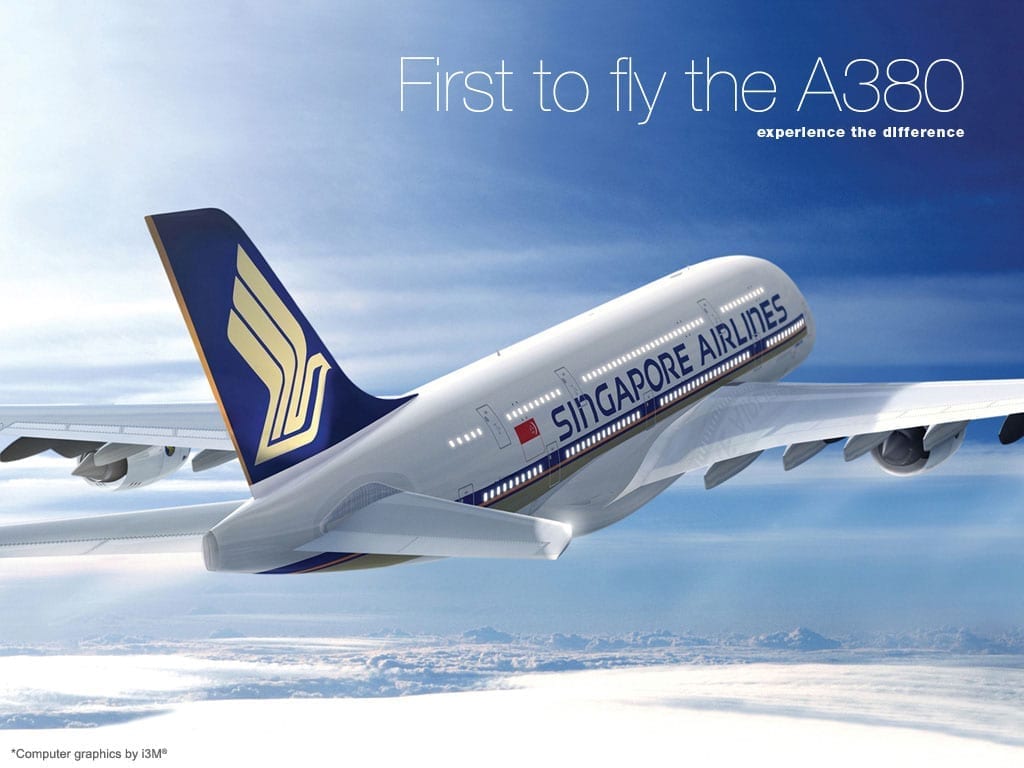
    In November 2017, Singapore Airlines revealed the details of their new A380 Suites & business class products. The airline has just taken delivery of five new Airbus A380s featuring these cabins, and at the same time they’ve retired five A380s, so that the number of A380s in their fleet has remained constant.

    On top of that, Singapore Airlines plans to reconfigure the existing 14 A380s with the new cabins. While this was initially supposed to happen between 2018 and 2020, they’re behind schedule on that. As of now only a single A380 has been reconfigured with the new cabins.

    So I’d expect the project to take longer than through 2020.

    I flew Singapore Airlines roundtrip on their new A380 shortly after it was introduced — I flew from Singapore to Sydney in their new business class, and from Sydney to Singapore in their new Suites.

    Overall I was reasonably impressed by both products, but not blown away. Business class was a marginal improvement over their old business class product. I rank it as number eight on my list of the world’s nine best business class seats. The seat is spacious, though still has the downside of requiring you to sleep at an angle towards the side of the plane in order to be able to fully stretch your legs.

    As it stands, Singapore Airlines flies their new A380s to Hong Kong, London, Shanghai, Sydney, and Zurich. Frequencies do vary, so you’ll want to check the seatmap for your flght to be sure it features the new cabins (if there are six seats in Suites, then it’s the new cabin).

    Furthermore, as of January 2020 they’ll fly the new A380 to Tokyo Narita.

    As of July 1, 2020, Singapore Airlines will fly the reconfigured A380 on their Singapore to Paris route, with the following schedule:

    SQ336 Singapore to Paris departing 12:15AM arriving 7:35AM
    SQ335 Paris to Singapore departing 12:00PM arriving 6:50AM (+1 day)

    This is a logical enough addition, given that Paris is one of Singapore Airlines’ most premium markets. I do wish they’d fly the A380 to New York already (via Frankfurt), but with how long that flight is, it’s not surprising that they’re holding off.

  • AirAsia and AirAsia X have been named best low-cost airline in Asia again

    AirAsia and AirAsia X have been named best low-cost airline in Asia again

    AirAsia and its partner airline AirAsia X have been jointly named the best low-cost airline in Asia Pacific again at this year’s Airline Excellence Awards by AirlineRatings.com.

    The award is judged by the Australia-based aviation website through a five-star rating system considering factors such as in-flight entertainment, cabin space and comfort, beverages, food, and seat recline.

    This is the second time the Malaysian low-cost carrier has bagged the award, after taking the title from Scoot in 2018.

    Geoffrey Thomas, editor-in-chief at AirlineRatings.com, said that the AirAsia win was “richly deserved” and that the airline is in a “dominant market position”

    “These airlines have made travel affordable for tens of millions throughout Asia, and they offer outstanding value and a great experience,” he added.

    In June, AirAsia has also named the world’s best low-cost airline at the Skytrax World Airline Awards.

    AirAsia Group chief executive Tony Fernandes said in a statement that the airline will continue to focus on “delivering the very best value airfares for short, medium and long haul travel throughout Asia Pacific”.

    The airline is currently looking at slashing fuel burns to help keep airfares low through the new additions of Airbus’ A330 neo wide-body and A321 Xtra Long Range aircraft.

    Benyamin Ismail, AirAsia X’s chief executive officer, said that the two aircraft will provide the carrier with the “lowest possible operating costs to expand its network and enable even more people to fly further for less”.

    This will allow AirAsia X to further expand into markets like Australia, and “explore new longer haul markets including Europe, which are currently under review,” he added.

    The two Kuala Lumpur-based airlines have 272 total aircraft today, flying to more than 150 destinations in 25 markets.

  • Vietnam aircraft fleet to quadruple in 20 years

    Vietnam aircraft fleet to quadruple in 20 years

    Vietnam’s aircraft fleet, at 200 now, will quadruple by 2038 as air travel demand increases and the market sees new players.

    These figures were cited by Darren Hulst, aircraft manufacturer Boeing’s marketing director for China & Northeast Asia, at a recent press briefing.

    The current number of aircraft in the country is set to double in the next two years. Single-aisle aircraft are set to be the main type used for Vietnam’s domestic and regional flights, Hulst said.

    He noted that aviation growth has been rapid in Vietnam for several years now. In 2009, all Vietnamese airlines provided 800,000 seats a month, but by this year, the figure had reached 3.3 million.

    In the last five years, the number of passengers taking flights has tripled and the number of aircraft doubled, he added.

    Southeast Asia will need 4,500 new aircraft by 2038, and Vietnam is set to account for a large portion of that demand, Hulst said.

    Vietnam now has six domestic carriers and three companies that have applied for aviation permits.

    Last year, Vietnam’s 21 state-run airports served 103.5 million passengers, up 11 percent year-on-year, and the figure is set to rise to 112 million this year, according to the Airports Corporation of Vietnam.

  • Bamboo Airways hopes to triple market share to 30 pct

    Bamboo Airways hopes to triple market share to 30 pct

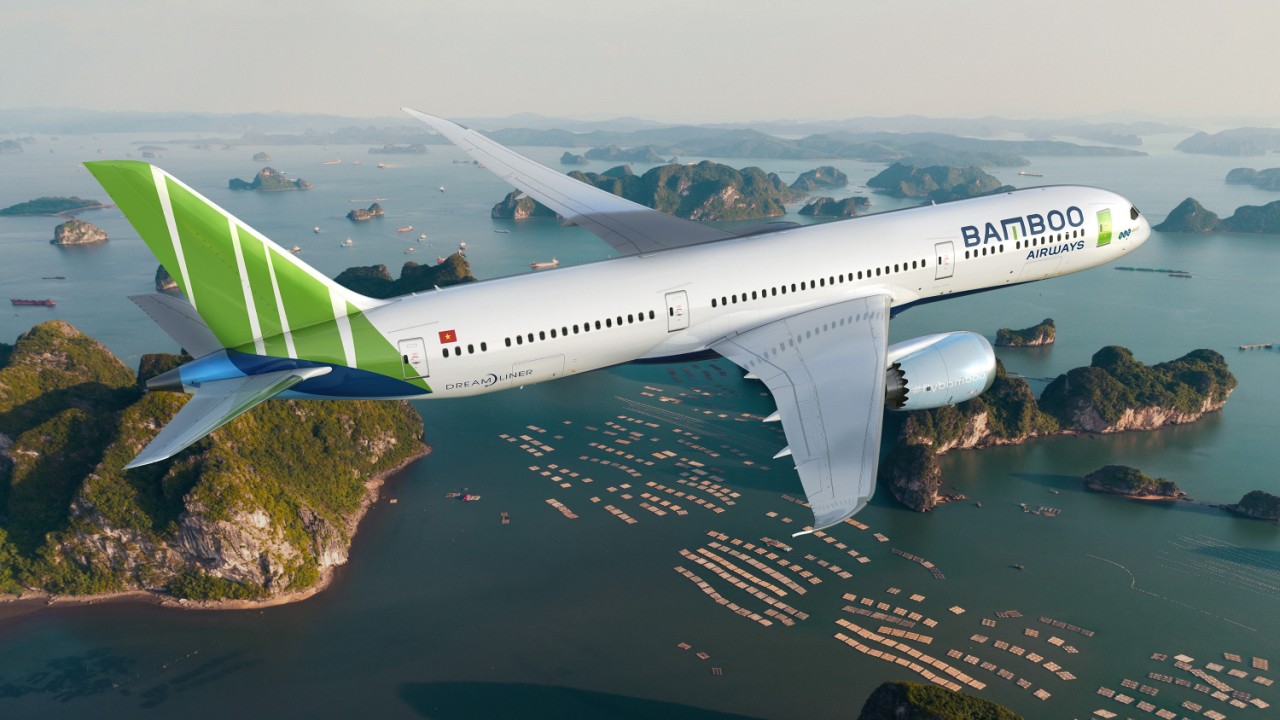
    New kid on the block Bamboo Airways wants to expand its current 10 percent market share to 30 percent by next year. For this, it first plans to expand its fleet and increase the number of domestic routes before starting international services to destinations like South Korea, Thailand and Taiwan.

    Its chairman Trinh Van Quyet last month said it would be the first Vietnamese airline to fly directly to the U.S.

    The carrier is preparing for an evaluation by the International Air Transport Association for issuing a safety certificate, which would allow it to partner with international airlines, the statement said.

    It is preparing to file for permission to operate direct flights to the U.S. using wide-bodied Boeing 787-9 aircraft.

    The firm plans to raise $100 million next year in an initial public offering, Reuters reported recently.

    Its entry has eaten into the market share of other airlines. The passenger market share of national flag carrier Vietnam Airlines and its two affiliates, Jetstar Pacific and VASCO, as of June was down 5 percentage points from last year to 51 percent.

    Budget carrier Vietjet suffered a 2.7 percentage point drop from 44 percent to 41.3 percent.

    Bamboo Airways, which began flying in January, last month received permission from the government to expand its fleet from 10 to 30.

    Vietnam expects the aviation market to grow by 16 percent a year in 2015-20 and 8 percent in 2020-30.

    This means there will be a possible 117 million air travelers by 2023, 85 percent by Vietnamese carriers, which will require 340 aircraft, according to the Civil Aviation Authority of Vietnam.

  • Vietnam Airlines cleared to fly to the US

    Vietnam Airlines cleared to fly to the US

    Vietnam Airlines has been allowed to operate direct flights from Hanoi and Saigon to several American destinations. It is the first Vietnamese airline to receive such permission, according to FlightGlobal, a leading news site about the global aviation community.

    The national flag carrier will be allowed to operate flights from Ho Chi Minh City and Hanoi, Vietnam’s two biggest metropolises, to Los Angeles, San Francisco, New York, Seattle and Dallas-Fort Worth. It can also continue these routes to the Canadian cities of Vancouver, Montreal and Toronto.

    The permit also allows Vietnam Airlines to operate its flights to the U.S. via stops in Taiwan’s Taipei and Japan’s Osaka and Nagoya airports.

    The U.S. Federal Aviation Administration (FAA) granted a Category 1 rating to the Civil Aviation Authority of Vietnam (CAAV) under its International Aviation Safety Assessment program last February, which meant the latter met safety standards to operate flights to the U.S.

    Besides Vietnam Airlines, low-cost air carrier Vietjet Air and Bamboo Airways are in the running to launch direct flights to the U.S. and are ordering aircraft for the purpose.

    There are currently no nonstop flights between Vietnam and the U.S. Flights now take 20.5 hours to fly from Ho Chi Minh City to San Francisco via South Korea’s Incheon International Airport, while the planned direct service to major cities along the U.S. West Coast would take only around 13 hours.

    Thanks to simplified visa requirements, Vietnam has emerged among the fastest-growing international travel destinations for Americans, who are big spenders in the country, shelling out on average $3,233 per trip, according to a survey released last year by travel insurance comparison site Squaremouth.

    Americans are among the top foreign visitors to Vietnam, with 687,226 arrivals last year, an 11 percent year-on-year increase.

    An ethnic Vietnamese population of over 2.1 million in the U.S. is also expected to be a steady source of travel demand.

  • Bamboo Airways eyes fleet expansion

    Bamboo Airways eyes fleet expansion

    Bamboo Airways plans to have a fleet of 100 aircraft by 2024 with the majority of them being Boeing 787-9 or Airbus A321.

    The carrier said in a statement Thursday it would lease the first Boeing 787-9 in October since the 10 it has ordered would not be delivered until the fourth quarter of 2020.

    Bamboo has received permission from the Ministry of Transport to operate 30 aircraft, and it plans to achieve this number by the end of the first quarter of 2020. The airline, which began flying in January, has yet to break even.

    Its chairman, Trinh Van Quyet, has said that with 30 aircraft the carrier could get into the black by the first quarter of 2020. The carrier now flies 10 aircraft on 26 domestic routes besides international charter flights.

    Vietnam hopes to grow its aviation market by 16 percent a year in 2015-20 and 8 percent in 2020-30.

    This means there will be a possible 117 million air travelers by 2023, 85 percent by Vietnamese carriers, which will require 340 aircraft, according to the Civil Aviation Authority of Vietnam.

  • Cebu Pacific to begin Cebu-Busuanga flights in October

    Cebu Pacific to begin Cebu-Busuanga flights in October

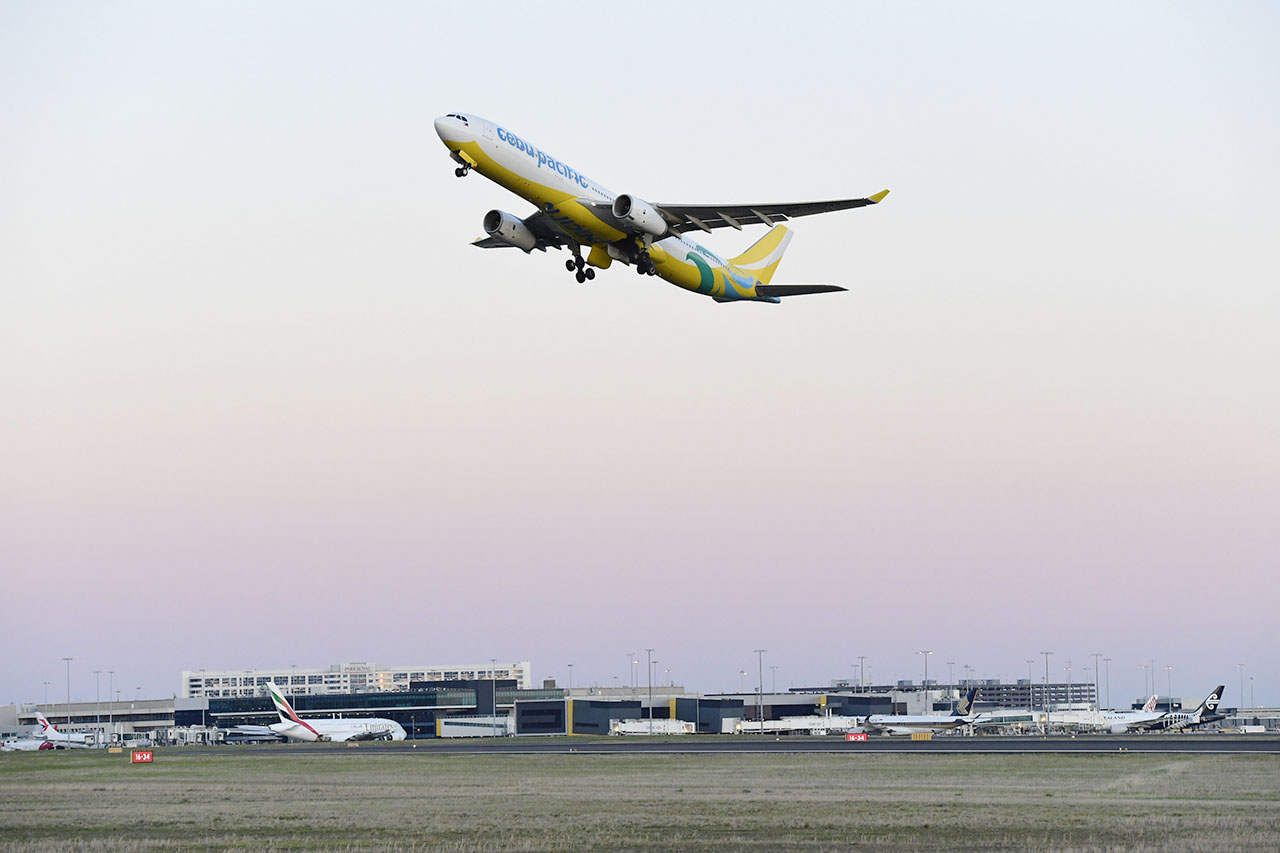
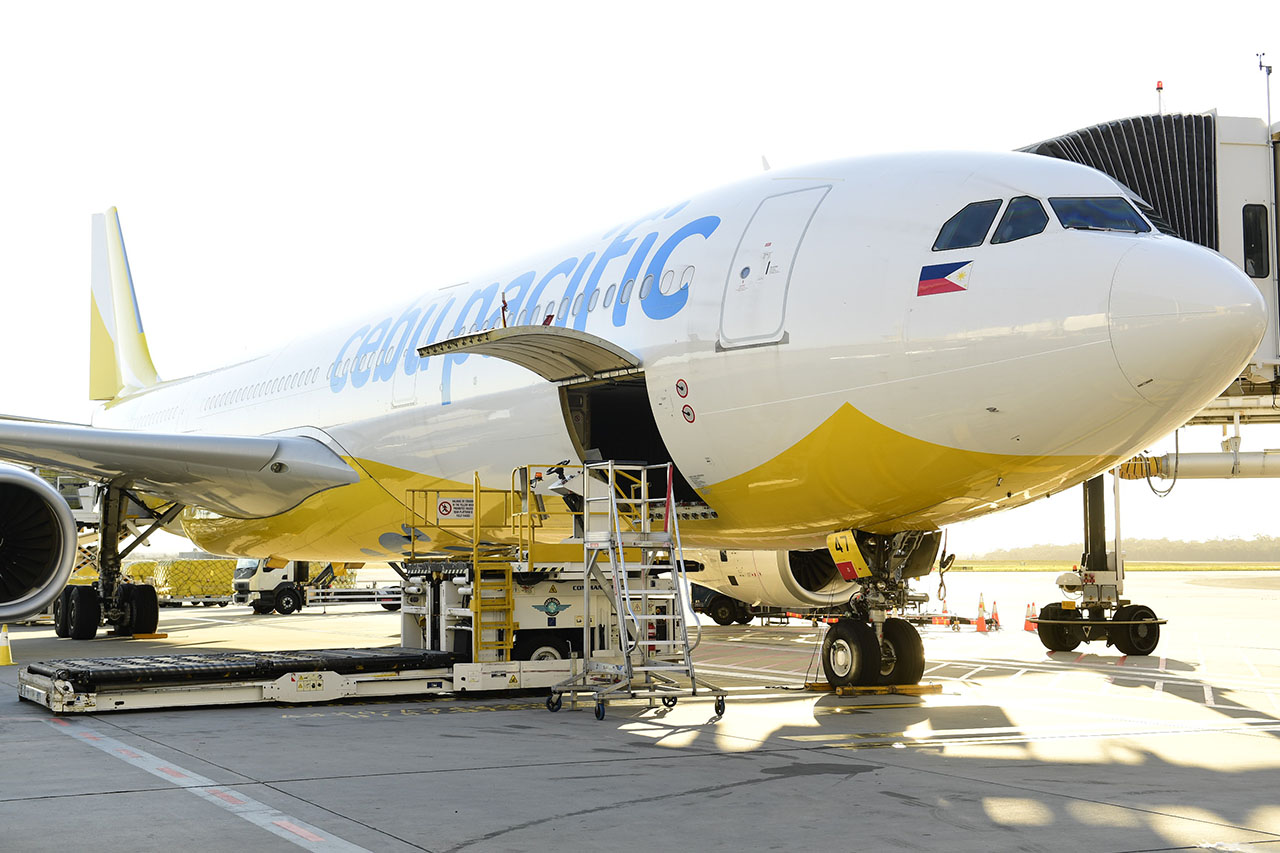
    Budget carrier Cebu Pacific announced on Thursday, August 15, that it is launching direct flights from Cebu to Busuanga (Coron) in Palawan.

    Cebu Pacific’s subsidiary Cebgo will fly twice daily between the Mactan-Cebu International Airport and Francisco B. Reyes Airport, beginning October 27 this year.

    • 1st flight
      • departing Cebu at 7:25 am, arriving in Busuanga at 9 am
      • (turnaround flight) departing Busuanga at 9:20 am, arriving in Cebu at 11 am
    • 2nd flight
      • departing Cebu at 10:25 am, arriving in Busuanga at 12:05 pm
      • (turnaround flight) departing Busuanga at 12:25 pm, arriving in Cebu at 2:10 pm

    “We believe that these twice daily flights will enable residents from Cebu and other parts of Visayas and Mindanao to explore Palawan, without having to make the trip to Metro Manila to catch their flights,” said Cebgo president and chief executive officer Alexander Lao in a statement on Thursday.

    “With this direct Cebu-Busuanga route, the islands of Coron and Culion are easier to get to. This will also allow locals from the rest of Southern Luzon to easily connect to Cebu and its network of over 20 domestic and 6 international destinations,” he added.

    Cebu Pacific is having a seat sale for the new route from Thursday until Saturday, August 17, with a base fare as low as P299. The travel period is from October 27, 2019 to March 28, 2020.

    Aside from Cebu, Cebu Pacific operates flights out of Manila, Clark, Kalibo, Iloilo, Davao, and Cagayan de Oro.

    Its network covers over 100 routes and 64 destinations, spanning Asia, Australia, the Middle East, and the United States.

  • Singapore Airlines launches new mobile app

    Singapore Airlines launches new mobile app

    Singapore Airlines has launched a new mobile app for Android and iOS smartphones.

    The app, based on a ground-up rebuild and all-new underlying technical architecture, is designed to significantly enhance booking and check-in flows, and improve transaction time by up to 60%.

    In addition to significant improvements in existing functions, the new app introduces several entirely new features, including:

    • ‘Capture & Discover’ – a new search function that uses image recognition as well as speech and natural language processing to identify user intent, match it to a Singapore Airlines destination, and present relevant destination content and fair deals.

    • ‘Translation Assistant’ – a feature that uses real-time language translation by voice to help travelers communicate better when they are overseas.

    • ‘Measure Your Baggage’ – to help travelers determine if the size of their bag is within cabin baggage limitations.

    Amongst the many improvements in existing functionality, real-time information such as boarding gate details, the destination’s weather, and currency, and baggage belt information have been added to the “My Trips” function.

    The new app also sees enhancements such as a newly designed KrisFlyer account dashboard and the introduction of an ‘Inbox’ feature, which stores push notifications as well as KrisFlyer messages for easy reference.

    “Singapore Airlines has been investing heavily to enhance our digital capabilities. With new user interface designs and insourcing of developer and customer experience talent, we are working to provide faster and more customer-centric products and services to improve the customer experience,” said Senior Vice President Sales and Marketing, Mr Campbell Wilson. “The launch of our new app follows many other digital innovation initiatives, such as KrisPay, the world’s first blockchain-based airline loyalty digital wallet, and the progressive redesign of our website and its underlying architecture. Improvements to our mobile app will not stop here and we will continue to invest our efforts to add value to our customers’ experience.”

    The new app will be available for download progressively, following the beta launch that began in October 2018. For Android users, the new app is being released by countries progressively between July and September 2019, while iOS users may download the new app from the App Store in September 2019. The beta version will continue to be available for download in the meantime.

  • Singapore Airlines picks crucial fight against Emirates in India

    Singapore Airlines picks crucial fight against Emirates in India

    Singapore Airlines Ltd just picked a fight with Emirates in a grab for India’s international travelers, and a slice of one the world’s fastest-growing aviation markets.

    Singapore Air’s unprofitable Indian venture, Vistara, launched its first overseas service between New Delhi and Singapore late on Tuesday. It’s the start of an uphill battle against Middle East airline giants, led by Emirates and Etihad Airways, that dominate India’s offshore routes.

    For Singapore Air, ambushed all over South-east Asia by budget airlines, the prize is clear. The number of passengers in India will more than triple to 520 million by 2037, the International Air Transport Association says. And of the 63 million people that flew to and from the country last year, two-thirds were carried by foreign airlines.

    Vistara’s maiden offshore flight is due to touch down at Changi airport early on Wednesday.

    Vistara, 49 percent owned by Singapore Air and 51 percent by Indian conglomerate Tata Group, started out in January 2015. India doesn’t allow foreign airlines to fly between local airports unless they partner with a local company to start a domestic airline.

    The carrier operates 30 Airbus SE and Boeing Co jets and has a local market share of 5 percent, the smallest among six major players. It also plans to fly to Dubai and Bangkok. According to the CAPA Centre for Aviation, Vistara could break even in the year ending March 2020.

    Vistara is a key element of Singapore Airlines’ multi-hub strategy, and the launch of international operations offers additional opportunities to it, a spokesman for the South-east Asian carrier said. He declined to comment on competition. A representative for Vistara referred queries to Singapore Airlines, while Emirates declined to comment.

    Still, airlines from the Middle East have history on their side. They’ve traditionally flown westbound Indians to Dubai and Abu Dhabi on ultra-cheap fares, before putting them on a flight to Europe or North America. Emirates, often dubbed the “unofficial national carrier of India”, controlled almost 15 percent of the market to and from India last year, regulatory data compiled by Bloomberg showed.

    The fares offered by low-cost airlines in India’s notoriously price-sensitive market are another challenge for Singapore Air. A Vistara flight to Singapore from New Delhi on Aug 28 costs 17,379 rupees (S$338), according to online travel agent Makemytrip.com. In comparison, AirAsia Bhd was offering a flight at less than half that price, at 7,745 rupees, albeit with a stop in Kuala Lumpur.

  • AirAsia’s new biggest shareholder is holding firm of party-list rep

    AirAsia’s new biggest shareholder is holding firm of party-list rep

    AirAsia Inc on Monday said F&S Holdings Inc, owned by 1-PACMAN party-list Rep. Michael “Mikee” Romero, is now the biggest shareholder of the budget airline’s Philippine arm after acquiring an additional 28.8 percent stake, which raised the holding firm’s ownership to 44.5 percent.

    Prior to the acquisition, Romero’s group owned 15.7 percent shares. Thirteen percent and 15.8 percent of shares were acquired from Ambassador Fred Yao and Maan Hontiveros, Romero’s wife Sheila Romero said in a press conference.

    “Rep. Romero said Air Asia Inc will continue to scale new heights for the multi-awarded Philippines AirAsia,” the carrier said in a statement.

    Businessman Antonio “Tonyboy” Cojuangco’s TNR Holdings has 15.7 percent shares, while the remaining 40 percent remain with AirAsia Berhad founders Tony Fernandes and his partner Kamarudin Menardum.

    Romero said he is bullish about AirAsia’s prospects this year as airlines have been booking 90 percent of seats recently.

    He said AirAsia is recapitalizing and restructuring its equities and is aiming to have an initial public offering of around $200 million worth of shares later this year.

    The company is also aiming to add 50 planes within the next 10 years and add more routes as it competes in the budget air travel market.

    “In fact we want to lower the prices and add more routes and flights,” Romero said in an interview with ANC’s Business Nightly.

  • Cebu Pacific sale offers P299 domestic, P699 international fares

    Cebu Pacific sale offers P299 domestic, P699 international fares

    Cebu Pacific said it was offering domestic and international seats on sale starting Thursday.

    The Philippines’ largest airline said the sale would run until Friday for travel from Nov. 1 to March 31 next year.

    Among the destinations on offer are Boracay, Coron, Puerto Princesa and Siargao at P299 for one-way base fare, Cebu Pacific said.

    Flights to international destinations like Bali, Hong Kong, Bangkok, Beijing, Taipei and Tokyo are also on offer for as low as P699 one-way base fare, the airline said on its website.

    Other destinations like Dubai are also on offer for as low as P1,599; Melbourne for as low as P4,599 all in; and Sydney at P5,599 all in.

    The quoted domestic one-way base fares are inclusive of 7 kg hand carry baggage allowance, but exclusive of web admin fee, 12 percent VAT, terminal fees and fuel surcharge, it said.

    Quoted international one-way fares are inclusive of 7 kg hand-carry baggage allowance, but exclusive of web admin fees for short haul and long haul flights, respectively and P550 international terminal fee and fuel surcharge.