Tag: airlines

  • Tourism recovery can take off alongside flights resumption

    Tourism recovery can take off alongside flights resumption

    Tourism companies see a proposed plan to gradually resume international flights as a necessary first step for their sector to recover from the pandemic-inflicted slump. Nguyen Minh Man, head of marketing at the HCMC-based TST Tourist Co., said that a slow and careful reopening of Vietnam’s borders can form a strong foundation to resume tourism activities.

    “This is a golden time for the tourism industry to prepare their human resources and products to recover and achieve a breakthrough next year,” he added.

    Nguyen Cong Hoan, deputy director of Hanoi Redtours, said that although the flight resumption won’t be able to “save” Vietnamese tourism this year, it will be a necessary first step for recovery.

    International flights will first help resume trade and business activities, which will boost demand for niche tourism segments such as golf and luxury tourism, and after that, other popular segments will start to recover, he said.

    “If vaccinated passengers can enter the country in September, that would be an ideal time to travel to Vietnam’s warm beaches or visit terraced fields during the harvest.”

    The Civil Aviation Authority of Vietnam (CAAV) is considering the resumption of international flights starting July, with Japan, South Korea and Taiwan the first destinations, each side operating four flights a week.

    All passengers will be quarantined upon arrival as per the Health Ministry protocol. It is expected that around 6,000 to 7,000 passengers would enter the country each week from the three Asian destinations.

    The CAAV has proposed that starting September, vaccinated foreign passengers into the country are allowed into the country without requiring centralized quarantine.

    Vietnamese carriers are eagerly awaiting the government’s green light to take to the skies again.

    Budget airline Vietjet resumes regular flights to Thailand, Japan, South Korea, and Taiwan this month, serving Vietnamese citizens wishing to study and work abroad, as well as stranded foreigners wanting to return home.

    On return trips, the carrier will only carry Vietnamese citizens being repatriated or foreign experts with permission to enter the country as per government regulations.

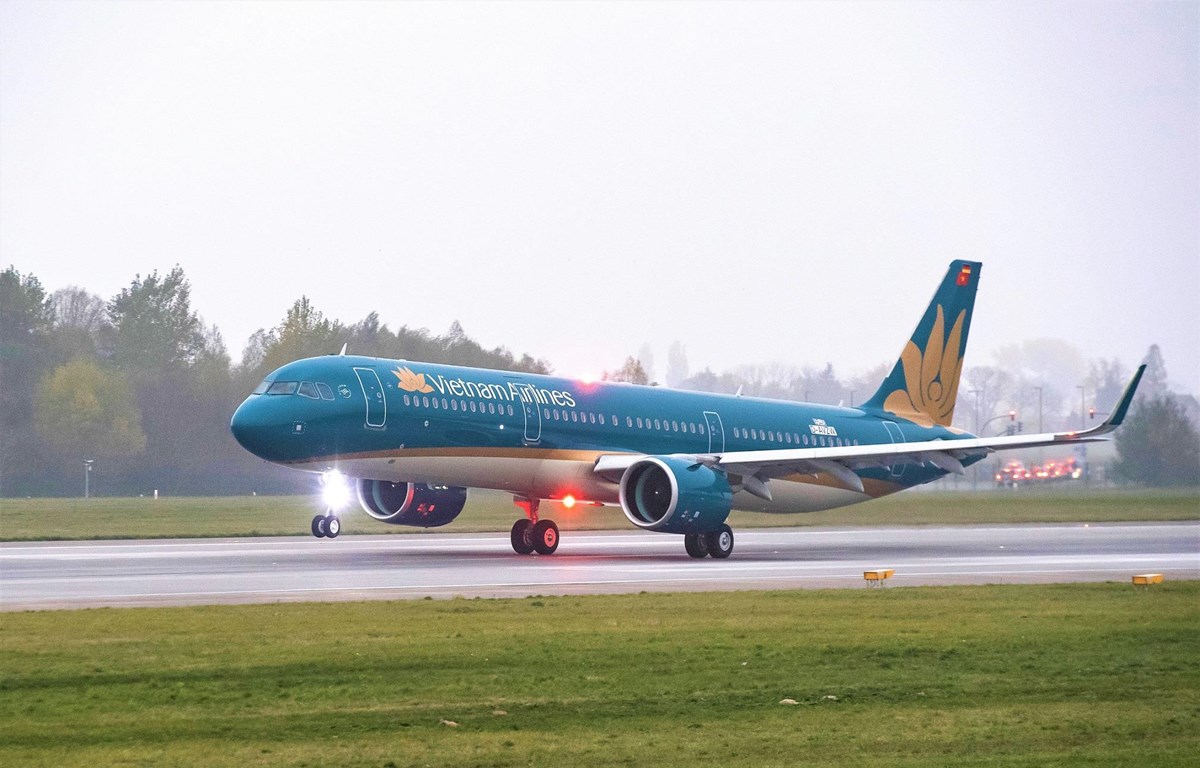
    Meanwhile, national flag carrier Vietnam Airlines has said it will reopen international commercial flights connecting Hanoi and HCMC with several Asian destinations including South Korea, Japan, and Australia this month.

    However, tourism companies are not too optimistic about a quick recovery. Hoan of Hanoi Redtours said that for this year and the next, domestic travel will be the main revenue source for his company, and prospects for international travel will only look up in 2023 as the earliest.

    “We are seeing rising numbers of individual and company trips bookings domestically, and this will be our main focus for the time being. Until the Covid-19 situation is well under control globally, we should not pin our hopes on international travel.”

    Vietnam closed its national borders and canceled all international flights in March 2020. Since then, only Vietnamese repatriates, foreign experts, and highly-skilled workers are being allowed in under strict conditions.

    The number of foreign visitors to Vietnam in the first quarter fell 98.7 percent year-on-year to 48,000 with travel restrictions in place to mitigate the impacts of Covid-19.
  • Vietnam Airlines once again calls for setting minimum fares

    Vietnam Airlines once again calls for setting minimum fares

    Vietnam Airlines wants aviation authorities to set floor fares and increase the ceiling, saying it would ensure fair competition among carriers.

    In a proposal it sent to the Civil Aviation Authority of Vietnam, it wants the fare ceiling to be increased by VND50,000-250,000 ($2.17-10.86), and minimum fares to be 35 percent of the ceiling, or VND787,500-1.01 million.

    It claimed having minimum fares would ensure fair competition among airlines and help them overcome the hardship caused by the Covid-19 outbreak, but said they could be scrapped once the aviation industry recovers from the pandemic.

    Analysts said if the proposal is accepted, airlines would not be able to offer free flight tickets under promotions, and tourism companies and passengers would be the losers.

    In 2017, Vietnam Airlines had suggested fixing minimum domestic fares of VND1.54-4.2 million ($68-$185), while its subsidiary Jetstar Pacific had proposed VND600,000-1.2 million.

    But both were rejected by the Ministry of Transport.

  • Vietnam Airlines to resume commercial flights to Asian destinations this week

    Vietnam Airlines to resume commercial flights to Asian destinations this week

    Vietnam Airlines will reopen international commercial flights connecting Hanoi and HCMC with several Asian destinations including South Korea, Japan and Australia, starting this Saturday.

    The national flag carrier said flights from Hanoi to South Korea’s Incheon City will depart every Thursday while there will have seven flights from Hanoi to Japan’s Narita City in April, with the first scheduled to depart on April 3.

    The carrier will also operate one flight from Hanoi to Australia’s Sydney every Saturday, while flights from HCMC to Sydney would depart every Thursday and Sunday.

    On return trips, the carrier would only carry Vietnamese citizens being repatriated or foreign experts with permission to enter the country. Vietnam is yet to open its doors to foreign tourists.

    A representative of the carrier said the resumption of these international routes are meant to meet growing travel demand of Vietnamese citizens wishing to study and work abroad as well as stranded foreigners longing to return home.

    In addition to these routes, the national flag carrier is planning to operate inbound commercial flights to carry passengers from Japan, South Korea and Taiwan, but is awaiting the government’s approval for this move.

    Vietnam closed national borders and canceled all international flights in March last year. Since then, only Vietnamese repatriates, foreign experts and highly-skilled workers are being allowed in with stringent conditions.

    Vietnam Airlines had said earlier that it is awaiting approval from the U.S. government to launch regular direct flights to that country.

    Vietnamese aviation authorities Wednesday proposed allowing vaccinated foreign passengers into the country from September without requiring centralized quarantine.

  • Vietnamese carriers restart direct US flight race

    Vietnamese carriers restart direct US flight race

    Bamboo Airways and Vietnam Airlines are locked in a race to become the first Vietnamese carrier to establish a direct route to the U.S. The race has been re-triggered by the large demand for such flights amid the Covid-19 pandemic.

    Trinh Van Quyet, chairman of Bamboo Airways, said that the global vaccination campaign will help create a boom in the aviation industry by the end of this year. This is why the airline wants to fly directly to the U.S. in the last quarter of this year, he said.

    He had earlier announced a plan to make Bamboo Airways the first Vietnamese carrier to conduct regular direct flights to the U.S. However, it failed to meet its own deadline last year.

    The board of directors of flag carrier Vietnam Airlines has also approved a plan to launch direct flights to the U.S. early next year, saying it was the right time to do it. Since May last year, the airline has conducted 12 repatriation flights from the U.S. It has used up the number of repatriation flights allowed by U.S. authorities and is now seeking permission for regular flights.

    Such flights will help utilize its wide-body fleet, which has been in low demand due to the pandemic. Vietnam has considered regular direct flights to the U.S. since 2003, but profitability concerns have made carriers hesitant. Vietnam Airlines leaders have said earlier that low demand and fierce competition could lead to annual losses of $30 million in the first five years.

    American carriers have faced the challenges that Vietnamese carriers face now, and stopped direct flights between the two countries long ago. United Airlines launched a direct service in 2007 but pulled the plug on it in 2012, while Delta Air Lines flew its direct service for a mere six months in 2008. No American carrier has launched a direct flight since.

    The market entrance of Bamboo Airways in 2019 stirred up the race again, with its leadership expressing confidence that it was possible to make a profit with direct flights to the U.S.

    Bamboo Airways chairman Quyet had calculated that the airline could earn VND8 billion ($346,700) a month from direct flights with a return ticket price of $1,300.

    Without direct flights, people have to transit in East Asia while traveling between Vietnam and the U.S., and the journey can take 18-21 hours. A direct flight would shorten the travel time to 15-17 hours.

  • Bamboo Airways secures flight slots in London

    Bamboo Airways secures flight slots in London

    Bamboo Airways has got a slot allocated at London’s Heathrow Airport to fly six times a week from Hanoi and HCMC starting in May.

    The flights would be operated using the airline’s long-haul Boeing 787-9 Dreamliner aircraft.

    The carrier had stated its intention to fly to the British capital and Frankfurt in Germany in the first quarter of 2021, but was delayed due to the closure of Vietnamese borders to keep out Covid-19.

    It has announced plans to make an initial public offering this year and raise VND6.3 trillion ($2.73 million).

  • Cebu Pacific operator lists convertible preferred shares at stock exchange

    Cebu Pacific operator lists convertible preferred shares at stock exchange

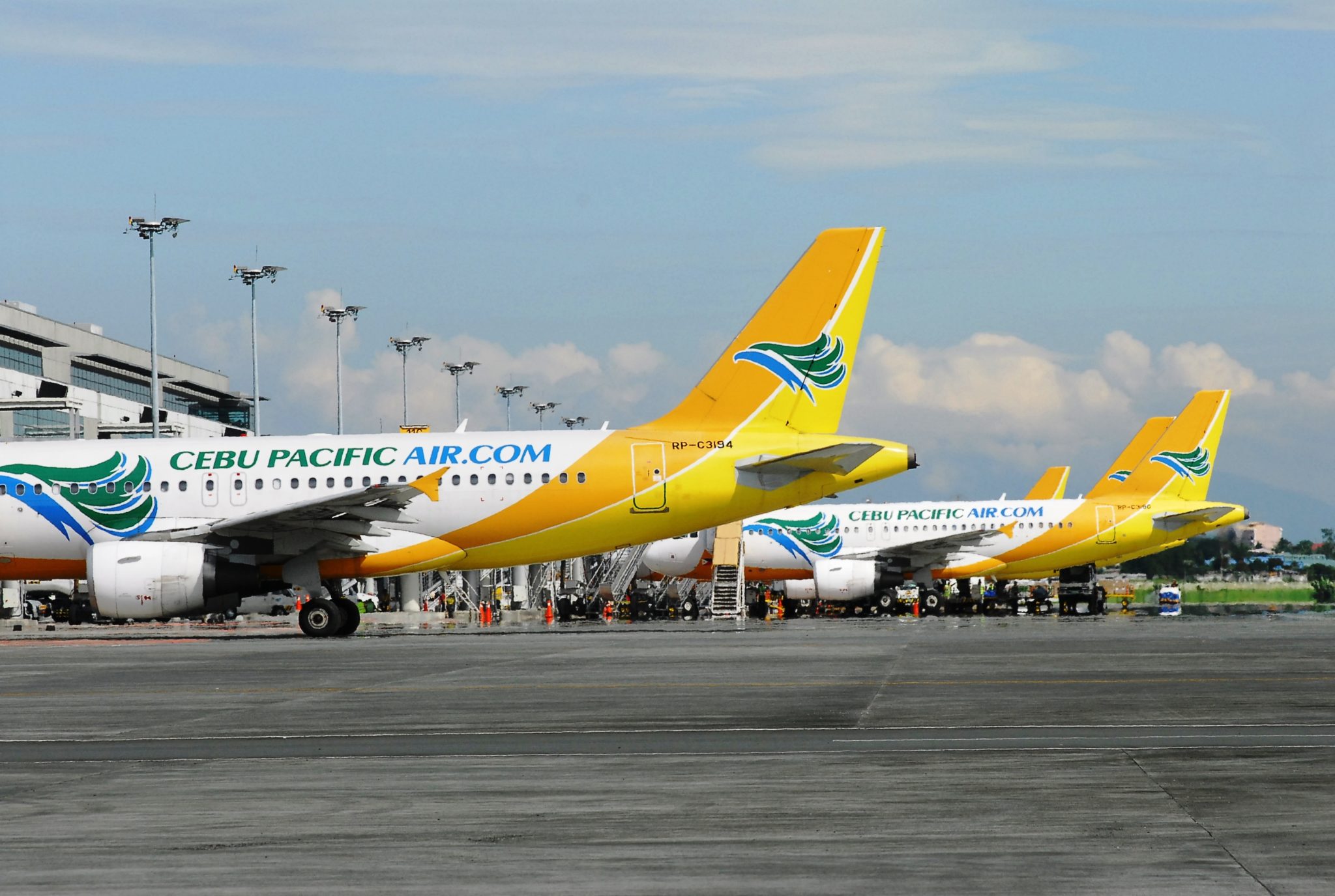
    Cebu Air the listed operator of budget carrier Cebu Pacific, announced on Monday that 328.95 million of its convertible preferred shares with a par value of P1 per share are now ready to be traded on the main board of the Philippine Stock Exchange (PSE).

    “Despite the numerous challenges that airlines are currently facing, Cebu Pacific was able to raise approximately P12.49 billion ($256 million) from existing shareholders,” Cebu Air said in a disclosure to the stock exchange on Monday.

    The listed company added that the success of its fund-raising activity is “reflective of the belief that shareholders have, not only in the long-term prospects of Cebu Pacific, but also its vital role in the economic recovery of the Philippines.”

    The company has said the amount raised would help it address financial liabilities, including repayment of an advance by JG Summit Philippines Ltd., aircraft operating lease payments, principal debt repayments, and passenger refunds, among others.

    Cebu Air recently announced that its board approved a P16-billion, 10-year loan from local banks.

    The loan would be used to fund its capital expenditures and other general corporate purposes.

    The loan should also provide a cushion against “unexpected working capital requirements that may stem from fuel price and foreign exchange rate volatility,” Cebu Air said in an announcement.

  • Vietnam Airlines on threshold of regular direct flights to US

    Vietnam Airlines on threshold of regular direct flights to US

    Vietnam Airlines is awaiting approval from the U.S. government to launch regular direct flights to the country to serve repatriation needs of the Vietnamese community.

    A representative of the national flag carrier told VnExpress that a large number of Vietnamese citizens living in the U.S. wish to return home, but the carrier has already operated all repatriation flights permitted by the U.S. authorities.

    From May to August last year, the carrier has carried out a total 12 repatriation flights as permitted by American aviation authorities to bring Vietnamese citizens home amid the complicated developments of the pandemic.

    The Board of Directors of Vietnam Airlines has just approved a plan to launch regular direct flights to the U.S., saying this is the appropriate time to do it using the wide-bodied Boeing Dreamliner. They expect that this move will help increase revenue and minimize financial damage inflicted by the pandemic.

    As soon as the carrier receives approval from the U.S. government, it will operate regular flights to repatriate Vietnamese citizens as well as carry foreign experts and diplomats wishing to enter Vietnam for work.

    Depending on the recovery of the aviation market and when the Covid-19 pandemic is contained, the airline expects to operate direct flights between Vietnam and the U.S. from 2022 onwards.

    The U.S. Federal Aviation Administration issued a Category 1 rating to the Civil Aviation Authority of Vietnam under its International Aviation Safety Assessment program in 2019, meaning it met safety standards to operate flights to the U.S.

    Vietnam Airlines also got the green light to operate direct flights from Hanoi and Ho Chi Minh City to several American destinations in September 2019. No such a flight under the permit has been scheduled to date.

    There are currently no non-stop routes between the two countries, and passengers have to transit through East Asia, the journey taking between 18-21 hours. A direct flight would bring the travel time down to 14-16 hours.

    Vietnam Airlines reported a loss of over VND11.1 trillion ($483 million) last year after the Covid-19 pandemic grounded all its international flights.

  • Vietnam among world’s 10 largest aviation markets

    Vietnam among world’s 10 largest aviation markets

    Its effective pandemic response has seen Vietnam become the 10th largest aviation market with a week-on-week growth of 12 percent in domestic seat capacity.

    Vietnam registered an additional 117,000 seats between March 8-15, raising its total scheduled capacity to 1.07 million seats, according to data released Tuesday by British aviation analysis company OAG.

    Despite this impressive growth, the figure was still down 31.4 percent against the pre-pandemic level in January 2020, the company said.

    China is still the world’s largest aviation market, with over 16 million seats, followed by the U.S. and India. Indonesia and Japan rounded out the top five.

    “The recent steady if not earth-shattering increases in global capacity are very welcome and reflect as much optimism rather than confidence in the recovery process through the next few months,” OAG said.

    “There remain far too many variables for anyone to be really confident about the shape of a recovery, but vaccine passports and other initiatives are all helping to build some momentum.”

    Experts have suggested that Vietnam test “vaccine passports” on certain groups of entrants before adopting an official policy for the holders.

    Vietnam has recorded 904 cases in its latest Covid-19 outbreak since Jan. 28, but most of the 13 affected localities have gone through many days without any domestic transmission of the novel coronavirus.

    With the pandemic more or less contained, air travel demand has returned to normal, with many cities and provinces, including Hai Phong, Hanoi, Ho Chi Minh City, and Quang Ninh, allowing tourism services to resume.

  • Vietnam considers airspace permission for 737 MAX aircraft

    Vietnam considers airspace permission for 737 MAX aircraft

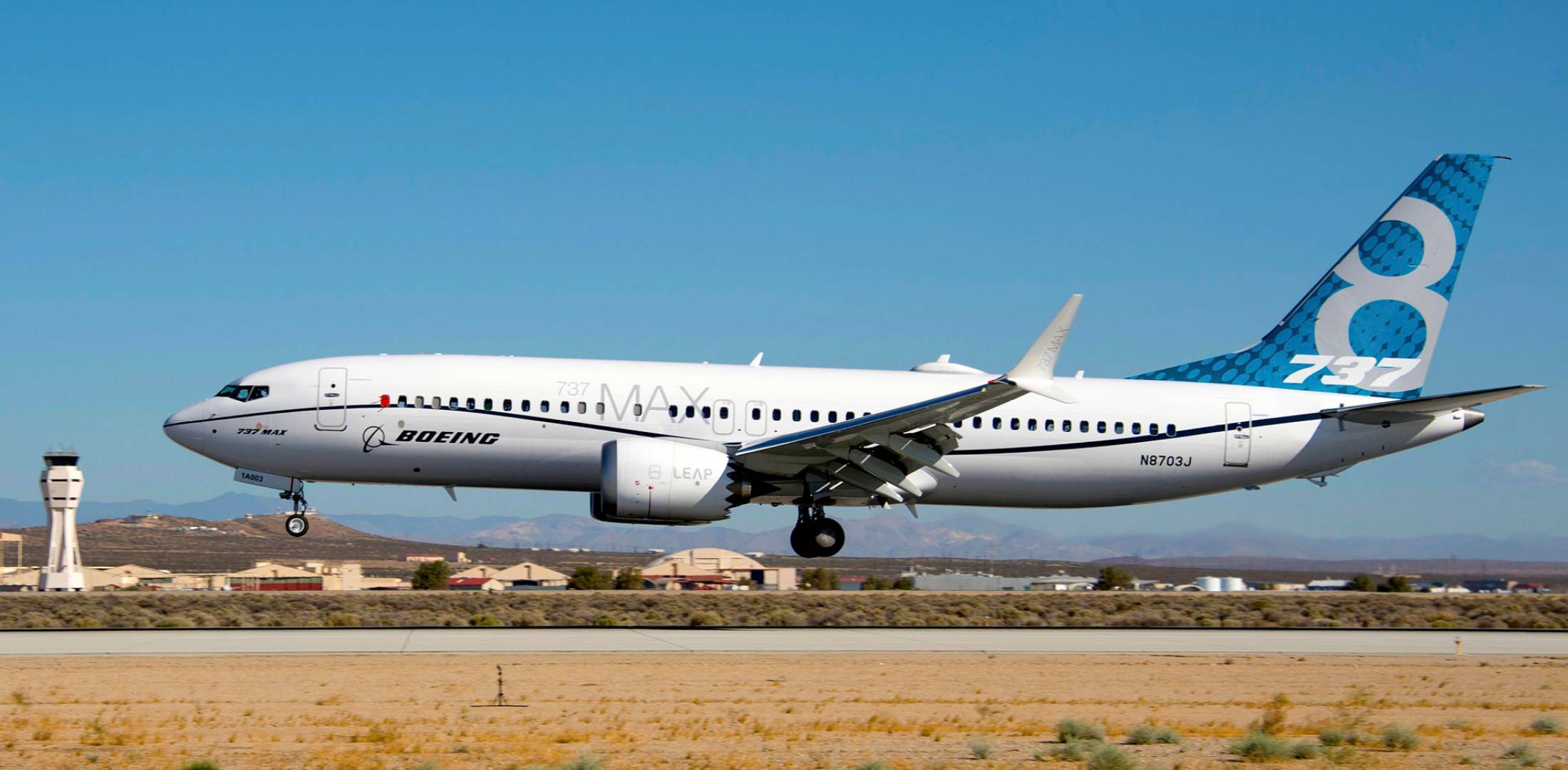
    Vietnam aviation authorities have proposed that the Boeing 737 Max aircraft be allowed to pass through the country’s airspace after two years of grounding.

    The proposal was made after the Civil Aviation Authority of Vietnam (CAAV) reviewed Boeing’s efforts to improve the aircraft and the evaluation of major aviation authorities such as the U.S. Federal Aviation Administration and the European Union Aviation Safety Agency.

    The U.S. allowed the resumption of Boeing 737 Max operations in December and Europe did so in January.

    China and Russia have not opened up their airspace, and when restrictions are lifted in these countries the CAAV will propose that this aircraft is allowed to operate in and imported into Vietnam.

    The Boeing 737 Max was grounded worldwide in March 2019 after 346 people were killed in two crashes in the space of a few months in Indonesia and Ethiopia.

  • AirAsia Group details $40m assistance to Philippines AirAsia

    AirAsia Group details $40m assistance to Philippines AirAsia

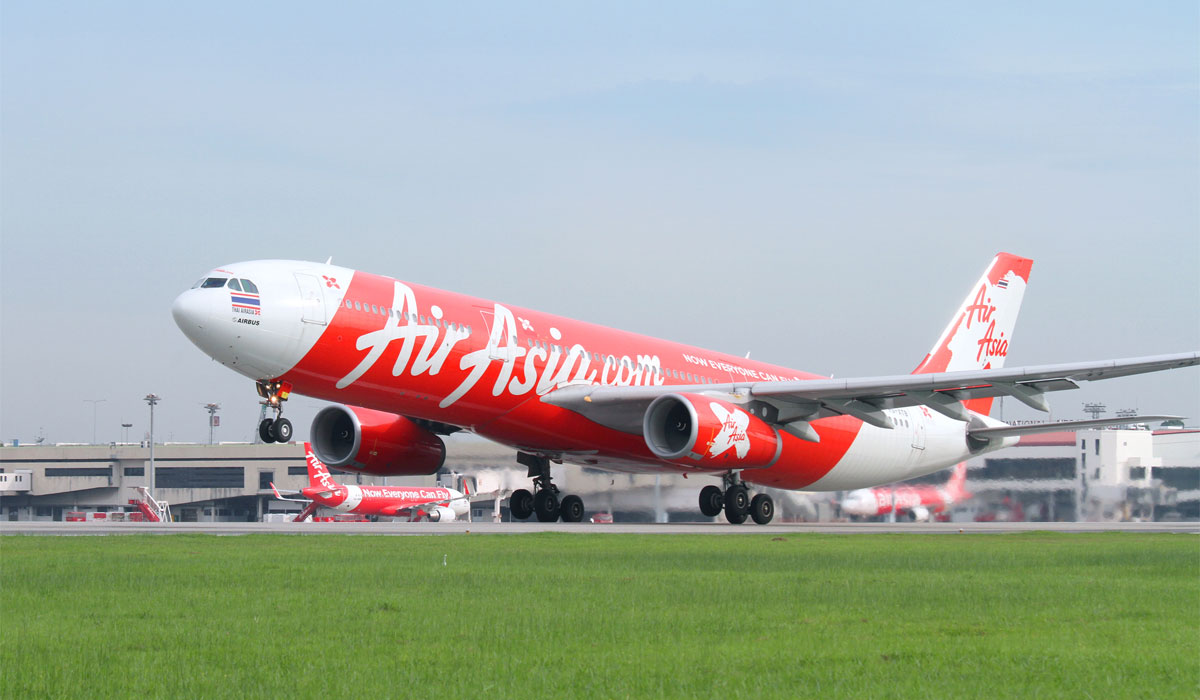
    AirAsia Group has disclosed that it extended approximately $40 million in advances and corporate guarantees to Philippines AirAsia in November-December.

    The low-cost airline group on 19 November provided a $19.1 million corporate guarantee to Filipino bank BDO Unibank. This was in relation to the restructuring of a three-year, $35 million loan to Philippines AirAsia, the group says in a 26 February disclosure to Bursa Malaysia.

    On 29 December, AirAsia Group through AirAsia Berhad provided AirAsia with a corporate guarantee and cash advances amounting to Ps991 million ($20.4 million), with Citibank Philippines as the beneficiary. In support of that move, AirAsia Group pledged one of AirAsia Berhad’s spare engines for an uncommitted short-term revolving credit facility applied for by Philippines AirAsia.

    AirAsia Group’s latest annual report for 2019 indicates that AirAsia Berhad is the legal name for the Malaysia-based LCC AirAsia, and AirAsia Inc refers to the AirAsia Philippines airline. The same report states that AirAsia Group’s effective equity interest in the Filipino carrier stood at 40%.

    The group says in its latest disclosure that the financial assistance was provided “in the ordinary course of business and to facilitate the running of the operations and financial affairs” of AirAsia Philippines.

    It adds that these do not have any material effect on its earnings per share, net assets per share and gearing of the company and its subsidiaries.

  • Vietnam Airlines to invest $430 mln to offer ground services at Long Thanh airport

    Vietnam Airlines to invest $430 mln to offer ground services at Long Thanh airport

    Vietnam Airlines plans to invest VND9.9 trillion ($430 million) in the under-construction Long Thanh International Airport to become a provider of ground services and in-flight meals.

    It plans to provide aircraft maintenance services, supply jet fuel and meals, serve passengers in lounges, and set up duty-free shops, the carrier said in a proposal to authorities.

    These are services the state-owned carrier already provides at major airports in the country.

    It will bring in 30 percent of the amount from its own resources and borrow the rest.

    Its subsidiaries can either set up facilities at the airport or joint ventures with the Airports Corporation of Vietnam (ACV), which oversees the construction and would operate the airport, the proposal said.

    It hopes to get a dedicated area at the airport to build hangars for aircraft maintenance and in the terminal to prioritize its customers.

    Construction of the first of three phases of Long Thanh International Airport in the southern province of Dong Nai, 40 kilometers east of Ho Chi Minh City, began in January.

    The $4.6-billion first phase of the airport is set to be completed by 2025 when it will be able to handle 25 million passengers and 1.2 million tons of cargo a year.

    The final phase will be completed by 2040, when the airport will have four runways and four passenger terminals. It will have a capacity of 100 million passengers and five million tons of cargo.

  • Thai Airways announces staff cuts in desperate bid to avoid bankruptcy

    Thai Airways announces staff cuts in desperate bid to avoid bankruptcy

    Thai Airways says it has cut around 240 executive positions as part of its bankruptcy restructuring process.

    The airline said: “The number of executive positions has been reduced from 740 to about 500”, also confirming that the number of supervisory levels would go from eight to five to increase efficiency.

    Thai Airways, like most of its rivals around the world, has slashed capacity as travel restrictions and falling demand make many commercial routes unviable during the coronavirus pandemic.

    The airline will submit its restructuring plan to the Central Bankruptcy Court on 2 March and the plan is expected to be voted on by creditors in May.

    If a majority of creditors vote against it then the airline will go ahead with bankruptcy procedures.

    Acting president Chansin Treenuchagron said: “A successful restructuring will require cooperation from all parties, including creditors and employees.”

    Thai Airways employs around 21,000 people and is Thailand’s national carrier, an important part of its vital tourism industry.

  • Everything is put in place for Cebu Pacific operator’s crucial stock offer to rescue airline

    Everything is put in place for Cebu Pacific operator’s crucial stock offer to rescue airline

    It’s all systems go for the upcoming P12.5-billion stock rights offer of Cebu Air Inc. next month.

    In a disclosure to the local bourse on Wednesday, the operator of loss-making budget carrier Cebu Pacific released the final terms for the fundraising activity meant to keep the airline afloat while lingering coronavirus fears prevent a full take-off to recovery.

    The mega stock rights offer is part of a larger recovery plan worth $500 million that the airline announced last October, which also included a private investor placement of an equal amount. It was unclear whether the balance had been raised already.

    Under the offer, existing common shareholders may buy convertible preferred shares at a conversion price of P38 apiece. Preferred shareholders are entitled to receive fixed dividends with a yield of 6% per year, but they will not have voting rights that common stockholders enjoy.

    Shares will be sold from March 3 to 9, while a tentative listing date was set on March 29. Cebu Air will sell a total of 328.9 million convertible preferred shares to investors for this crucial fundraising activity.

    A chunk of the proceeds worth P4.8 billion will serve as repayment to advances by JG Summit Philippines Ltd., its parent firm. A smaller P3.9 billion would go to aircraft operating lease payments due this year, while P3.3 billion would settle old debts.

    The balance of P384 million would be spent on “general corporate purposes,” primarily for passenger refunds in case cash generated from lackluster operations are insufficient for settlement.

    Unlike regional counterparts that handed bailouts to their cash-strapped carriers like Malaysia and Thailand, the Philippines has been reluctant in spending taxpayers’ money to rescue local airlines on the brink of financial collapse.

    Although Cebu Air is yet to release its full-year financial results, the airline has expected losses to amount to “almost P25 billion” in 2020 that, if realized, will be a reversal of the P9.12 billion in profits in 2019.

    Apart from raising new funds, Cebu Air was also forced to downsize its workforce by 75% last year due to tepid flight operations.

  • AirAsia Food to spread its wings to Johor and Penang next month

    AirAsia Food to spread its wings to Johor and Penang next month

    Almost a year since its introduction in the Klang Valley area, AirAsia food is now set to spread its wings to other major cities in the country starting with Johor and Penang next month.

    AirAsia Bhd chief executive officer Riad Asmat said the business was recording very positive growth, especially during the return of Conditional Movement Control Order between October to December 2020, and the trajectory remained promising into 2021.

    He said under its expansion plan, the company had started an entrepreneurial program to recruit more talents to grow AirAsia food together in the upcoming potential markets, as well as securing more merchants under its umbrella”

    People are ready and looking for more (food delivery services) options right now and our offerings at AirAsia food, be it from the customer and merchant’s perspective, can accommodate their needs within the market,” he told Bernama in an interview recently.

    Riad named Ipoh, Kota Kinabalu, Kuching, Miri, and Kota Bharu as the next potential markets.

    As for the international market, he said the company aimed to mark its presence in Singapore next month, and other markets such as Indonesia, the Philippines, and Thailand soon.

    Launched during the Movement Control Order (MCO) in May 2020, AirAsia food is a seamless, fuss-free, and affordable food delivery platform for merchants as it runs on a flat-rate model that is equivalent to only a 10 percent commission rate.

    He said at present, it has the lowest commission rate in the market as other platforms’ commission fees range between 15 percent and 30 percent, and AirAsia food is the only platform that offers a flat rate.

    Merchants can also easily control their menu and prices and receive extended delivery coverage of up to 60 kilometers compared to a 15-kilometer coverage by other food ordering platforms.

    Riad said although there are service providers that have been in the market much longer, AirAsia food believes that the market is big enough for one more alternative with the advantages it can bring to the table.

    He said AirAsia food provides merchants with a competitive offering, which directly and indirectly can help them reap a greater return in terms of profitability and low cost, which in turn benefits their customers.

    As one of the businesses under the airasia.com Asean super app, AirAsia food is supported by airasia.com’s ecosystem of over 60 million users who are able to earn and pay with their BIG Points, he said.

    “The advantages of merchants joining us will be on the basis of the strong structure, including from the technology and client perspectives. A merchant now will get a potential exposure of up to 60 million clients within our ecosystem,” he said.

    On prospects, Riad said sales picked up during the lockdowns but the business would remain relevant in the future after vaccines are made available, as technology helps people to meet their needs in a very convenient way.

    “If you give the right products that people want and keep enhancing the business with innovation, surely you can sustain the business for a long period.

    “Our growth at AirAsia food does not only help local food businesses, but also has a spillover effect in creating more job opportunities,” he said.

    To-date, AirAsia food employs more than 1,500 teleporters (riders) offering services to 1,200 restaurants around the Klang Valley

  • AirAsia’s private placement will prove its capabilities to raise funds

    AirAsia’s private placement will prove its capabilities to raise funds

    Airasia Group Bhd’s private placement exercise will prove the airline’s capabilities to raise funds among the investors if it is done within the stipulated timeline, MIDF Amanah Investment Bank Bhd Research (MIDF Research) said.

    The research house added that this will bring a sigh of relief to the cash-strapped company.

    “If the private placement is completed within the stipulated timeline, it will prove that there are still lingering confidence remaining in the group among the investors, allowing it to raise funds despite its current predicament.

    “However, we would like to stress that this exercise only serves as a stopgap measure to partially address the group’s financial concerns,” it said in a recent report.

    MIDF Research cited AirAsia’s management had previously indicated a conservative estimate that the group needs between a capital RM2 billion and RM2.5 billion to tide them over comfortably until the end of the financial year 2021 (FY21).

    AirAsia is expected to raise RM250 million through the first tranche of its private placement involving 369.85 million shares priced at 67.5 sen each. This represents a discount of 9.82% to the group’s five-day volume-weighted average price.

    MIDF Research said the full placement exercise is expected to raise gross proceeds of up to RM451.51 million, considering that it was stated in its previous announcement — a large portion of the raised amount or circa 62% is earmarked for working capital expenses and fuel hedging settlement.

    “Furthermore, about 17% of the fund will be allocated to grow the group’s digital pillar via AirAsia Digital’s subsidiaries, which is in line with the group’s strategic pivot to become a digital lifestyle company,” it noted.

    The research house believes AirAsia may need to go through another few rounds of fundraising exercises, exposing its current shareholders to more potential dilution in the future.

    It added that the worrying level of Covid-19 infections in Malaysia and other the group’s key markets are alarming and dampening the recovery trajectory this year.

    “Furthermore, with other air operator certificates (AOCs) under the group in similar distress, it is probable that AirAsia will step in to inject liquidity to maintain the respective AOCs capital adequacy.

    “To note, Philippines AirAsia Inc (PAA) and PT Indonesia AirAsia (IAA) are currently in various stages of bank loan applications,” it said.

    The research house has maintained its earnings forecasts on AirAsia for now — as all the potential adverse impacts to the extent have been well priced in — and reiterated its ‘Sell’ call on the group by maintaining the target price (TP) of 37 sen per share.

    It added that the TP has taken into account the potential enlarged share base to 4.01 billion shares from the private placement exercise, which is an additional 20% of new shares from its current share base of 3.34 billion.

    “Although recovery for the aviation sector and air travel is expected to gradually take place in 2021, it remains an uphill battle for AirAsia given it is struggling financially to remain afloat in the current pandemic-laden operating environment.

    “Key risks to our call include faster than expected travel demand recovery, worsening pandemic, stricter Movement Control Order imposed on air travels, and further round of equity fundraising,” it said.

    Public Investment Bank Bhd (PublicInvest Research) has maintained its ‘Underperform’ call on AirAsia, with an unchanged TP of 39 sen.

    It added that overall, key operating statistics for its FY20 were below expectations, with passengers carried and available seat kilometers only accounting for 83% and 75% respectively.

    “AirAsia’s 4QFY20 results and passenger yield data are expected to be released in two weeks’ time, which we believe will continue to be under pressure due to lower passenger traffic and loss in revenue,” it noted in a recent report.

    AirAsia has announced its 4QFY20 operating statistics recently, with its passenger volume for the consolidated AOC operations (Malaysia, Indonesia and Philippines) declining 30% quarter-on-quarter (QoQ).

    The group said this was mainly dragged by the reimplementation of interstate travel restrictions in Malaysia, where seat capacity was reduced by 55% QoQ.

    Nevertheless, its IAA and PAA units showed a QoQ rebound in both passenger traffic and seat capacity as domestic travel restrictions eased, while its passenger load for the consolidated AOCs.