Tag: airlines

  • Singapore Airlines Wants to Be a Budget Carrier

    Singapore Airlines Wants to Be a Budget Carrier

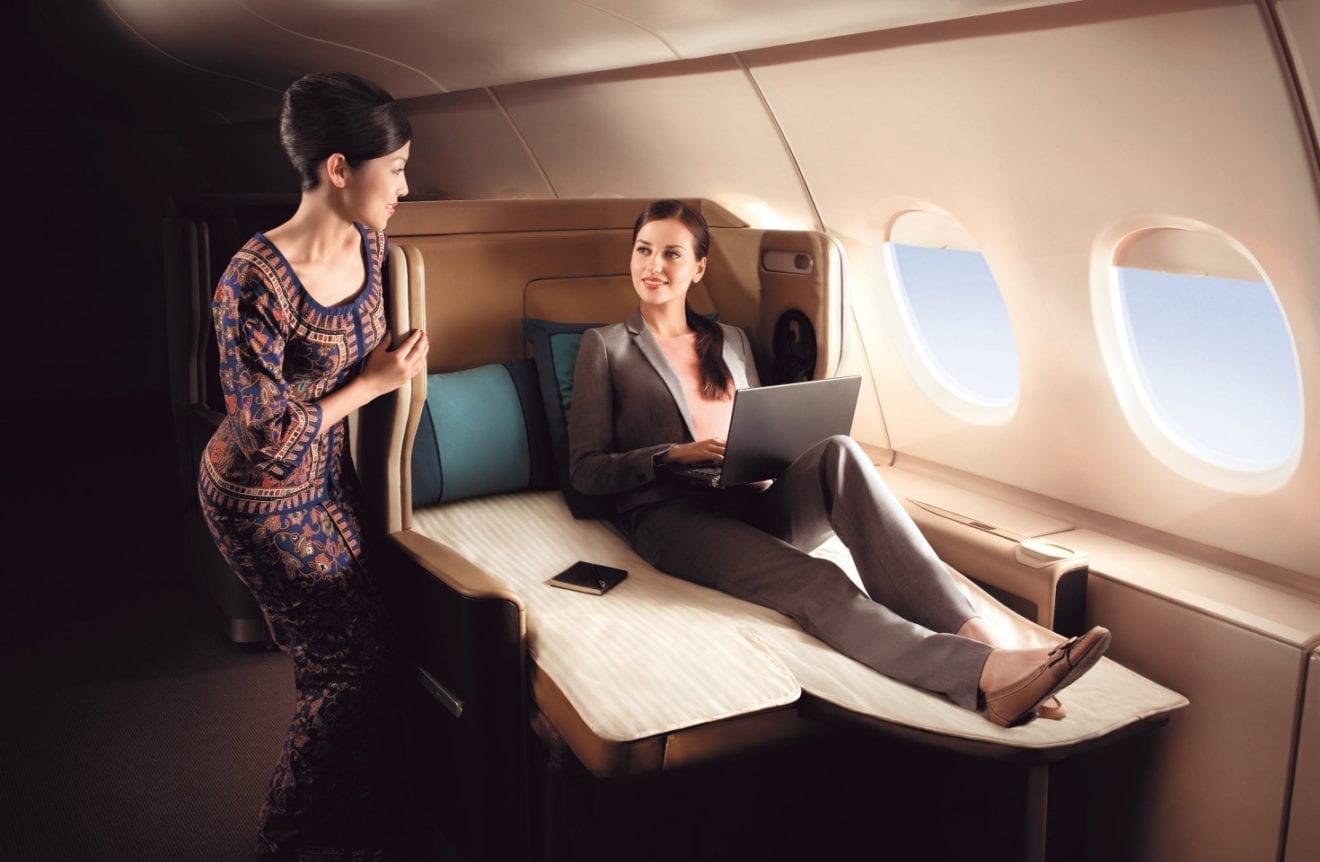
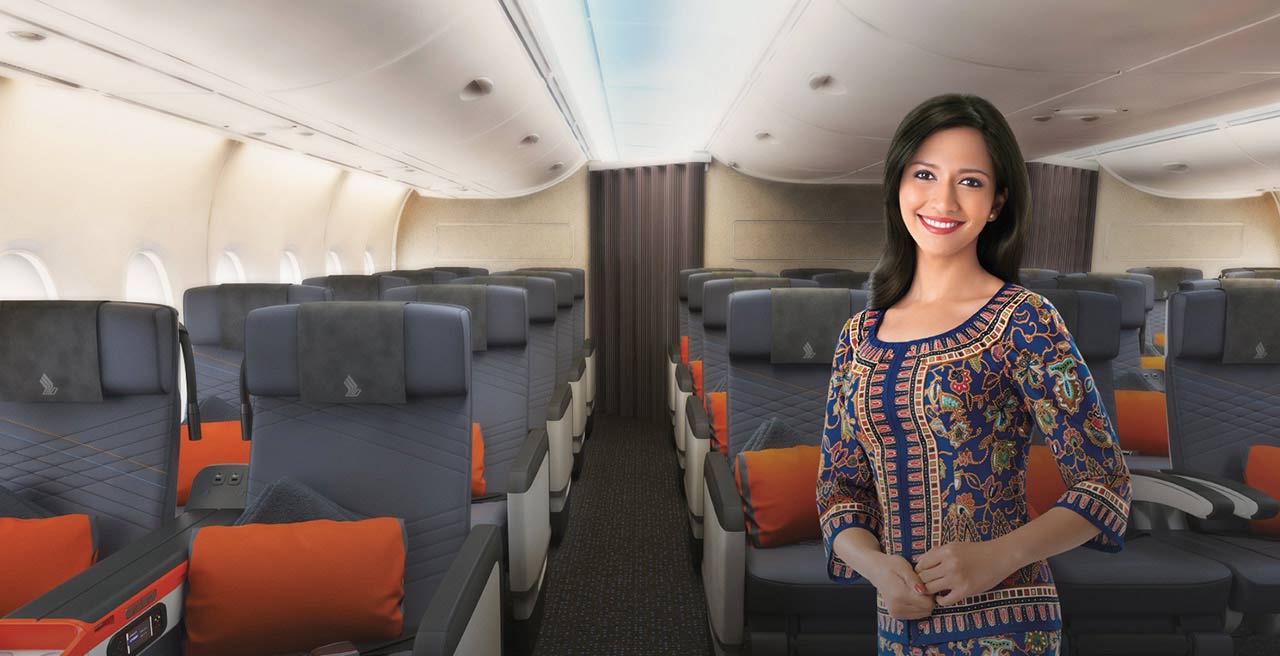
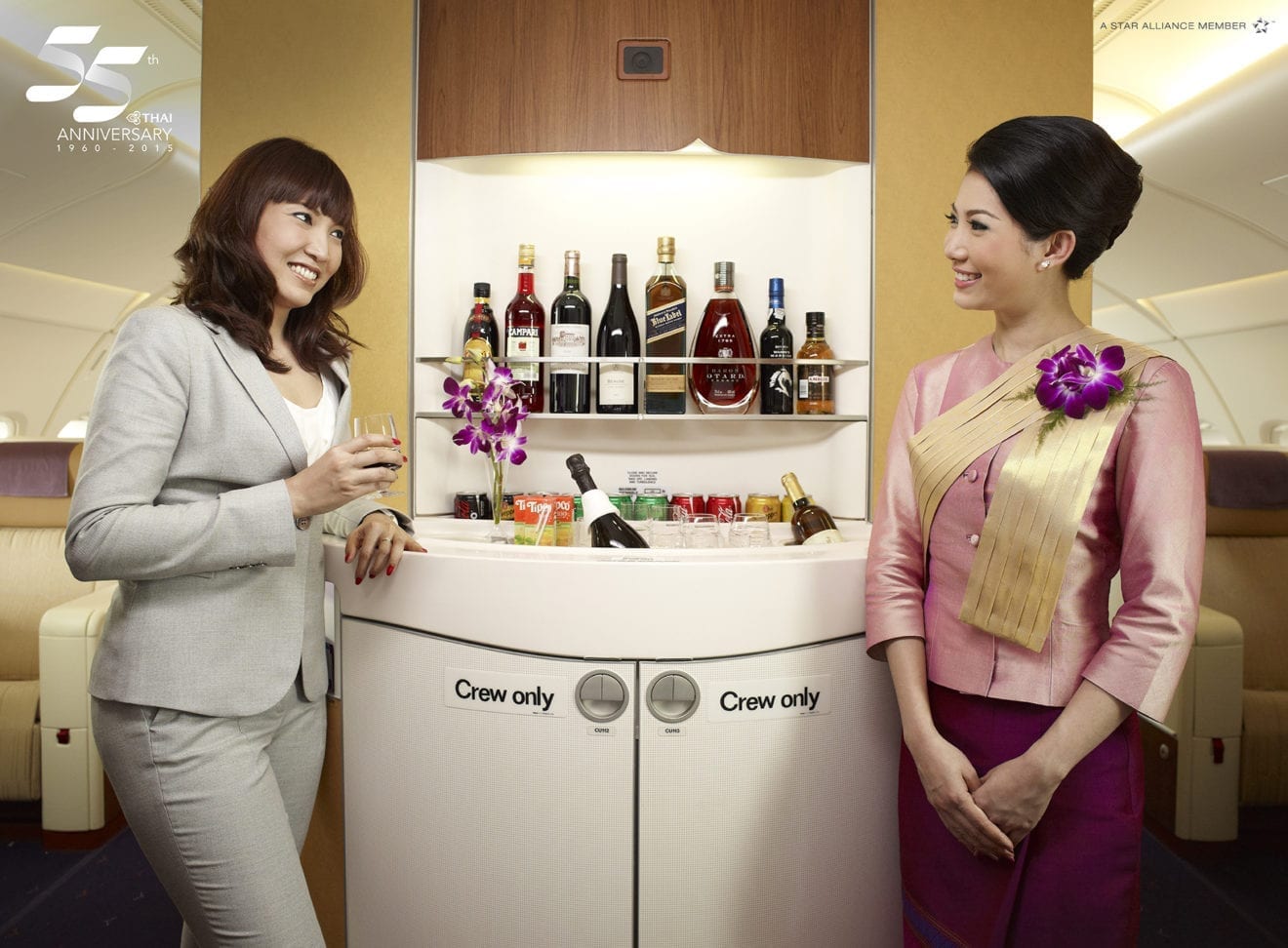
    When you think of Singapore Airlines, visions appear of cushy premium cabins, bespoke leather seats, and free-flowing Champagne poured by the carrier’s throwback “Singapore girls” flight attendants.

    It’s all that, yes. But the luxury carrier is working hard to diversify with budget airlines under its corporate banner. It owns low-cost carrier Scoot; 49 percent of Vistara, a joint venture in India with Tata Sons Ltd.; and NokScoot, a low-cost Thai airline Singapore owns in a joint venture with Nok Airlines. This collection of airlines—plus a new “ultra long range” Airbus A350 variant scheduled to arrive in 2018—enables Singapore to explore a range of expansion plans, many of which are currently focused on North America.

    It’s no coincidence that the region continues to be the runaway success story of airline profitability. It will provide roughly two-thirds of the industry’s projected $29 billion net income next year, according to estimates released Dec. 8 by the International Air Transport Association.

    Singapore’s portfolio of carriers offers “a lot more nimbleness and flexibility in addressing the needs of the markets,” Chief Executive Officer Goh Choon Phong said during an interview Dec. 6 in New York.

    Squeezed on all sides

    Last month, Singapore reported a 70 percent drop in net income and warned that 2017 could be challenging as well. The airline has struggled amid the expansion of low-cost carriers in its home region, and moves by a trio of Middle East-based full-service airlines to encroach on its core franchise of premium business travelers.

    “It’s not going to be business as usual,” said Goh, an M.I.T.-trained engineer in computer science who chose an airline career over academia. “These are structural changes; these are changes that are not going to go away.”

    Into this environment, the CEO has prescribed a diversification of revenue, a renewed focus on cabin comforts for big spenders, and new markets.

    A chief pillar of the company’s expansion rests on further long-haul expansion, driven by firm orders for 67 new Airbus A350s and 30 of Boeing Co.’s largest 787 variant, the -10. The newest 787 is scheduled to enter commercial service in 2018. Of its A350s, Singapore will take seven from Airbus in an “ultra long range” configuration, which includes software changes and modest modifications to the landing gear. Other A350-900s can be altered to the ULR version, which is able to fly 8,700 nautical miles.

    “We have called it a game changer for us and there’s a reason for that,” Goh said, alluding to the growth opportunities the A350 affords.

    With these new, more fuel-efficient planes, Singapore executives have been keen to resume the nonstop flights from the city state to New York and Los Angeles, which operated for nine years before ending in 2013 because of the route’s extreme fuel costs. The airline is also considering the potential for new U.S. destinations, having for years studied traffic flows in places like Boston, Chicago, and Miami, Goh said. Many weren’t feasible, given the mix of large seat counts and the range limits of its existing aircraft. But the new, more fuel-miserly A350 may well change the math for such an expansion. (In March, for example, Singapore is swapping the 777 it flies to Houston with an A350.)

    “The U.S. is an important market for us,” Goh said, but technological limitations required a stop between American cities and Singapore. No more.

    Gateway to India and Southeast Asia

    The airline is envisioning a day when the new fleet allows its hub at Singapore’s Changi Airport to become a connection for U.S. and Canadian corporate travelers bound for places such as India, Malaysia, Indonesia, and Thailand. It sees a precedent in the operations Emirates Airlines and Qatar Airways Ltd. have built at their hubs in the Persian Gulf, particularly for traffic to and from India.

    Yet beyond the moneyed travelers who want frills on long flights, Singapore’s Scoot budget airline is also keen to expand. In June, Scoot will commence its longest flight to date, to Athens, a city where Singapore has ended service with its flagship. Scoot is increasing its all-787 fleet to 20 over the next few years, and is likely to look to markets where premium-cabin traffic is insufficient for flights by the flagship Singapore brand, Goh said.

    “Scoot might also look to some kind of operation to the U.S,” Goh said. “At some point in time they will look at the U.S. to see if it makes sense.”

    On the premium side of their house, Singapore executives have been cagey about the cabin configuration for the A350-ULRs to be deployed on the new U.S. nonstops to Los Angeles and New York. The latter will reclaim its title as the world’s longest route, at 19 hours or more, depending on winds. The airline plans a two-class service, but has declined to reveal the cabin mix or how many seats the planes will carry. They will have fewer than the 253 seats now on the three-cabin aircraft Singapore currently flies, with a stop in Asia, en route to Singapore, Goh said.

    “The beauty of it is that this aircraft is not too big,” he said. “We can size it to best fit the traffic number that makes sense.”

    Beyond the U.S., Singapore has identified India as a top priority in terms of greater market access. Within a decade, the nation is projected to become the No. 3 international travel market after China and America. Singapore’s Vistara venture will benefit from the Indian government’s recently altered “5-20” regulation that required local carriers to fly at least 20 aircraft for five years before they could offer international service. The change abolished the five-year flight period, and should help Vistara expand internationally sooner. It now has 13 Airbus A320s, with plans to reach 20 by 2018.

    Some day, if it makes sense for Vistara, Goh says, the airline may acquire long-haul aircraft and set out for Europe and North America with nonstop routes. That’s a proposition that Emirates, Qatar, and Etihad can’t offer. “Logically speaking,” Goh says, “you can imagine Vistara should have a lot of potential for growth.”
  • Asian Airlines May Be Forced To Cut Free In-flight Booze

    Asian Airlines May Be Forced To Cut Free In-flight Booze

    An OPEC deal has put the squeeze on airlines’ already slim profit margins. Rising fuel prices stemming from last week’s OPEC production cuts could heap pressure on Asia’s already overburdened aviation sector and force its biggest carriers to nix the giveaways that have long been integral to their service.

    And the first ballast to be cast off might be free alcohol and in-flight entertainment, which has been standard on most of the continent’s long-haul carriers for decades.

    Asia’s marquee airlines such as Cathay Pacific and Singapore Airlines  have so far resisted the U.S. low cost model wherein carriers charge for services ranging from inflight meals to alcohol to baggage check-in.

    But this might be about to change.

    “More full-service airlines in Asia Pacific might consider doing the same,” Mathieu De Marchi, a Bangkok-based aviation consultant at Landrum & Brown told Bloomberg, referencing carriers such as Delta Air Lines that have successfully consolidated their service offering.

    Fierce competition has pushed Asian carriers’ profit margins down to about half that of their U.S. counterparts and they are already struggling against excess capacity and a fall in premium traffic.

    The Organization of Petroleum Exporting Countries (OPEC) finalized a deal to cut oil output on Nov. 30. The bid to kick some life into dreary oil prices seems to have paid off—at least in the short term. But that’s bad news for aviation sector, whose long haulers guzzle the black stuff.

    Dispensing with free services is not the only option available for airlines feeling the pinch. They could opt to raise prices, or for more environmentally progressive measures such as taking inefficient planes out of service and cutting unprofitable routes.

  • Singapore Airlines: year-round Airbus A380 flights for Melbourne

    Singapore Airlines: year-round Airbus A380 flights for Melbourne

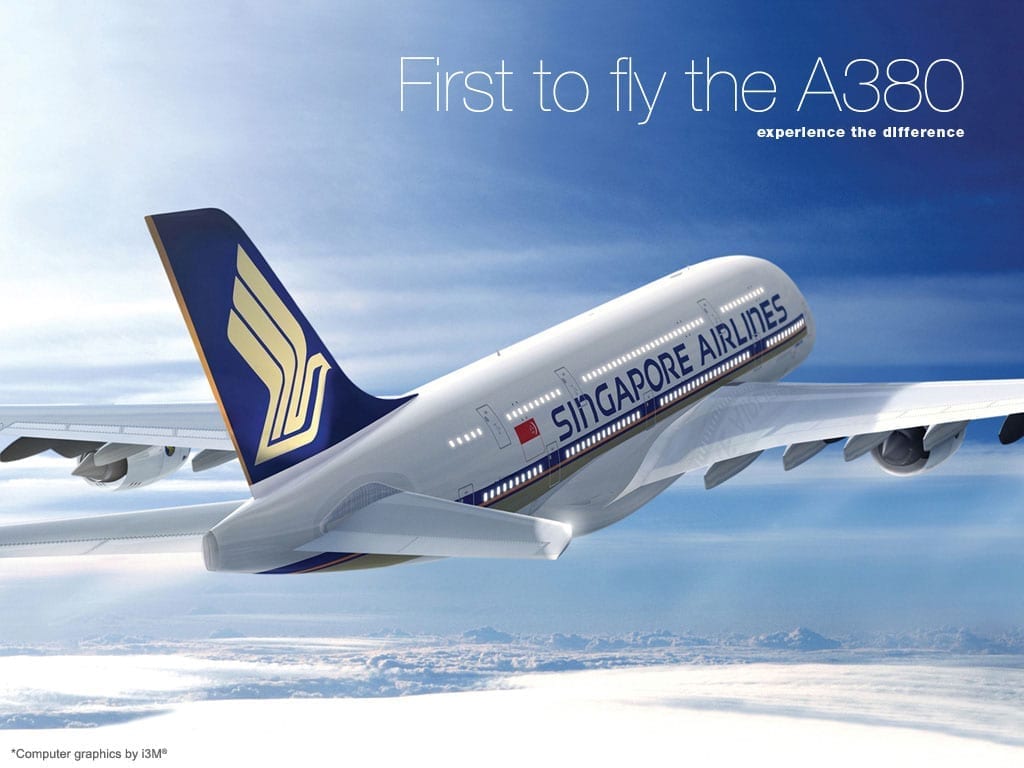
    Singapore Airlines is bringing its flagship Airbus A380 back to Melbourne on a year-round basis, extending the airline’s temporary superjumbo service to the Victorian capital: previously due to end in March 2017 before reverting to a Boeing 777.

    Instead, SQ’s A380s will continue gracing Melbourne’s skies, a Singapore Airlines spokesperson confirmed with the jet now appearing daily on flight SQ217 from Singapore and SQ218 from Melbourne.

    The world’s largest passenger aircraft offers travellers a choice between Suites Class, business class, premium economy and economy.

    ‘Suites Class’ is Singapore parlance for ‘A380 first class’, with these passengers gaining access to a dedicated Singapore Airlines first class lounge in Melbourne or The Private Room in Singapore before their flight, after which, they’ll fly in style and privacy with all suites featuring closing doors:

    Business class too provides fully-flat beds with direct aisle access courtesy of the 1-2-1 cabin layout, with plenty of space to work and relax during the day as well.

    Premium economy instead comes in a 2-4-2 arrangement, with reclining seats offering 38 inches of total space – known as ‘pitch’ – plus a padded leg rest and swing-down foot rest:

    Melbournians can catch the A380 on flight SQ218 – departing the Coffee Capital at 1:05am daily to reach Singapore at 5:45am – and aboard SQ217 on the return: wheels-up at 10:45am for a 9:10pm touchdown later that evening.

    In recent times, Singapore Airlines has also upgraded selected Brisbane-Singapore flights from Airbus A330s to the Boeing 777-200ER aircraft, complete with A380-style fully-flat beds in place of the less-appealing ‘sloping sleepers’ found on the A330s.

  • Singapore Airlines records low passenger numbers on Canberra flights

    Singapore Airlines records low passenger numbers on Canberra flights

    Singapore Airlines struggled to fill its planes in the first week it flew between Canberra and Wellington in New Zealand, data has revealed.

    The International Airline Activity report by the Department of Infrastructure and Regional Development showed, on average, each of the six flights from Wellington to Canberra in September held just 94 passengers.

    The Boeing 777 has 266 seats, meaning there was an average passenger load factor of just 35 per cent.

    The Singapore to Canberra to Wellington rotation runs four times a week, with the first flight touching down in Canberra on September 21.

    According to the report, the carrier’s strongest performing route was a direct service between Canberra and Singapore which was 68 per cent full.

    In September, Singapore Airlines started the first direct international flights to the Australian capital in more than a decade.

    It followed a long-fought campaign by the ACT Government and the Canberra Airport to attract carriers to the city.

    The activity report shows Canberrans were more eager to leave the city than outsiders were to visit the capital.

    A total of 1,421 passengers flew into Canberra on the 12 flights from Singapore and Wellington in September while 1,784 people flew out to those destinations.

    On the 24 Singapore Airlines flights operating in the later part of September, only 13 tonnes of freight left Canberra, with no freight recorded entering the ACT.

    The September figures were released as Qatar Airways announced earlier this week plans to start flights to Doha, becoming the Canberra Airport’s second international carrier.

    Today FlyPelican also announced it would launch regional flights connecting Canberra and Dubbo 10 times a week from next month.

    The October figures for international flights have not yet been released.

  • Flybe strikes new deal with Singapore Airlines

    Flybe strikes new deal with Singapore Airlines

    Regional carrier Flybe said yesterday it had recruited its 11th code-share partner, allowing “seamless” connections on flights from Aberdeen to more than 100 long-haul destinations with Singapore Airlines.

    From this winter, passengers flying with Flybe from five UK airports – Aberdeen, Manchester, Belfast City, Birmingham and Southampton – and two mainland European gateways can make through bookings for Singapore Airline’s services to south-east Asia, Australasia and the US.

    Tickets for their entire trip can be booked through Singapore Airlines’ website or a travel agent.

    Easier connections from Inverness, Edinburgh, Glasgow, the Isle of Man, Exeter and London City Airport are also possible, thanks to an “interline agreement” – slightly different than a code-share arrangement – between the two carriers.

    Flybe chief revenue officer Vincent Hodder said: “Our new code-share agreement with Singapore Airlines is another exciting development.

    “It further strengthens our ability to connect our regional customers to long-haul destinations … and also serves to boost local economies by encouraging inbound business and leisure travel.”

    Sheldon Hee, general manager, UK and Ireland, Singapore Airlines, said the deal with Flybe “greatly increases our reach throughout the UK”.

    Mr Hee added: “We are proud to keep finding new ways for UK customers to access our flights from ever closer to home.”

    The easier onward connections affect Flybe flights to Manchester from both Aberdeen and Inverness.

  • Singapore Airlines to cut 5 weekly flights to Jakarta

    Singapore Airlines to cut 5 weekly flights to Jakarta

    Singapore Airlines will cut five weekly flights to Jakarta, from Dec 1, as directed by the Indonesian civil aviation authorities, the airline said.

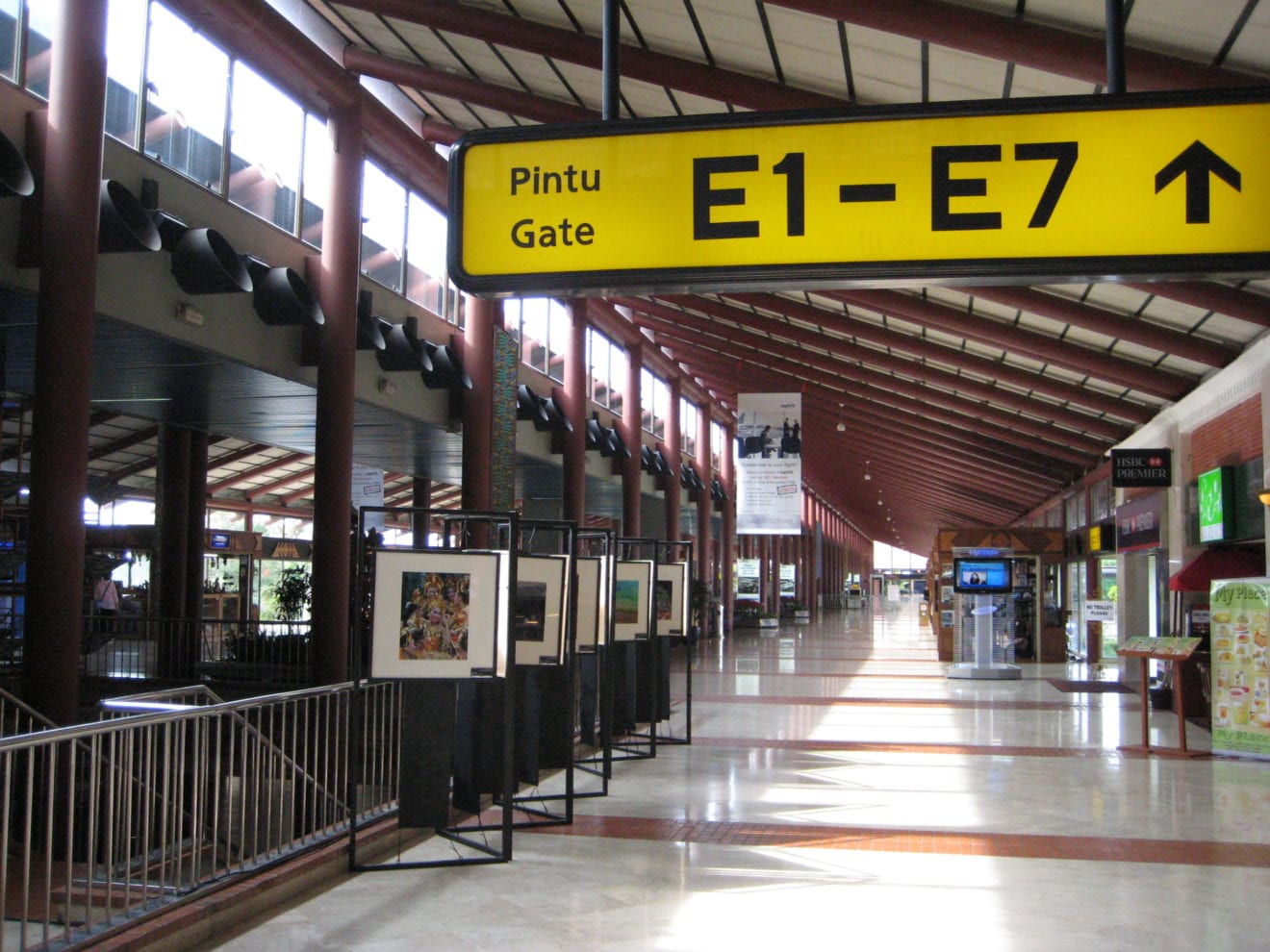
    SIA which has been operating 63 flights a week to and from Jakarta has been told to cut five flights a week due to runway maintenance works at Jakarta’s Soekarno-Hatta International Airport.

    The five affected flights are SQ962 and SQ963 on Mondays, Tuesdays, Wednesdays, Thursdays and Saturdays.

    SIA apologised to customers for the inconvenience and said it will progressively contact those affected to accommodate them on other flights.

    Responding to media queries, a Civil Aviation Authority of Singapore (CAAS) spokesman said the authority is aware of SIA’s plans.

    “CAAS hopes that the runway maintenance works will be completed expeditiously and that the impact on airlines will be fairly distributed,” she said.

    CAAS also hopes that the Indonesian civil aviation authorities will be able to allow Singapore Airlines to resume all 63 weekly services to Jakarta as soon as possible to reduce the impact on business travelers and tourists, who rely heavily on air services to travel between Singapore and Jakarta.

    The latest development comes several weeks after SIA said it had had to postpone plans for a thrice-weekly Singapore-Jakarta-Sydney service, which had been due to start on Nov 23.

    The Indonesian authorities had also cited runway maintenance works as the reason for withdrawing approval for the route.

  • Now you can book a cook on Singapore Airlines

    Now you can book a cook on Singapore Airlines

    It’s like dining a la carte 34,000 feet above sea level. That’s the “Book the Cook” experience that you get when you fly Singapore Airlines. It’s an exclusive advance inflight meal-ordering service that allows passengers in Suites, First Class, Business Class and Premium Economy Class to pre-select a gourmet dish of their choice before their flight.

    “It’s a departure from our regular meal service,” says Hermann Freidanck, food and beverage, inflight services manager. “You get to order your main course from a wide selection in a specially prepared menu up to 24 hours before your flight. Now you won’t have to settle for a dish that is not your choice.”

    At the exclusive meal presentation before local media recently at Singapore Airline’s new-concept Silver Kris Lounge in NAIA3, we got to experience firsthand what this was like. A couple of days before the event, we were sent a special menu to choose from, which included beef tenderloin steak, roasted rack of lamb, slow-cooked marinated duck leg with mushroom risotto, marinated free-range chicken, and baked herb-marinated salmon.

    The sit-down meal included an appetizer of marinated lobster with Mediterranean vegetable salad and balsamic dressing, as well as roasted pumpkin soup or snow fungus chicken soup with Chinese mushroom and quail egg. The salad was spinach and green frisée garnished with cherry tomatoes and olives with a choice of balsamic vinegar and extra-virgin olive oil or honey-mustard dressing, while dessert was a choice of  either chocolate and banana cake with vanilla ice cream and raspberry coulis or fresh mango tiramisu with verbena mango compote and biscotti by three-Michelin-starred chef Georges Blanc.

    As part of the Book the Cook service, passengers can choose from a menu of ICP dishes. “These are dishes created by Singapore Airline’s esteemed International Culinary Panel (ICP), which is a team of celebrated Michelin chefs who have restaurants or groups of restaurants in our main destinations in Europe, America and Asia,” Freidanck explains. “They work closely with our own chefs to develop unique dishes that we serve on board.” The panel includes Alfred Portale (United States), Carlo Cracco (Italy), Goerges Blanc (France), Matt Moran (Australia), Sanjeev Kapoor (India), Suzanne Goin (United States), Yoshihiro Murata (Japan), and Zhu Jun (China).

    “Our menus are planned four to five months ahead of time, on a four-month cycle. First Class and Business Class have four different main courses, while Premium Economy Class has a third choice in addition to the usual two choices,” Freidanck shares. “The way we do our menus is what we call ‘destination-specific.’ If you are going to Frankfurt, for example, you’ll have a German dish. In First Class and Business Class, you will always have  an ICP dish. Seasonal ingredients would also affect which dishes would be available.  The Japanese, as well as the Chinese dishes, go by the seasons. A bestseller is the Maine lobster, but not every country has it. It is difficult to get lamb, for instance, but because you can order in advance, you are guaranteed your main course.”

    “And then we have the Asian dishes. We look at the passenger profile, and if it’s predominantly Singaporean, for example, we try to put a Singaporean dish. We emphasize that we must represent the cuisine properly. It always has to be authentic. It must be traditional,” Freidanck adds. ‘There are also what we call the special meals which address certain conditions of the passenger, either due to religious beliefs, dietary or allergy restrictions. You can order them and we will serve you according to what you order. It’s not like other airlines where one menu fits all.”

    Singapore Airlines also launched a new “Deliciously Wholesome” program catering to the needs of an increasing number of health-conscious travelers.

    Preservation of freshness is an important consideration. Dishes are cooked with the reheating process in mind. “There is a fine line because we have to follow the hygiene regulations,” Freidanck explains. “Steak, for instance, has to be seared from the outside, so when it’s reheated on board, it’s just right. Sushi has to either be grilled or pickled or smoked. Nothing is raw. Oysters have to be cooked, following hygiene regulations.” Certain dishes can be a challenge. “Not impossible, but difficult,” Freidanck says. Dim sum, like pasta, does not reheat very well. The texture of risotto can be less appealing when overdone.

    The dishes are cooked in the kitchen, then kept in the chiller below 10 degrees so no bacteria can thrive, until it goes on board. The dishes are deconstructed and put into different containers. On board, it goes in the oven where the heat is calibrated to a certain temperature. “There is a training center in Singapore where the crew learn to do this. It’s very specific. There’s a lot of details which they have to go through,” Freidanck says. The crew gets a plating guide, which they must follow when they assemble the dishes.  First Class passengers get their meals served on real plates with fine cutlery.

    “Complementing Singapore Airline’s World Gourmet Cuisine is a selection of the finest wines from the very best vineyards, selected by some of the world’s most educated and sought-after palates. These wines are handpicked by world-renowned wine experts and blind-tasted under simulated cabin pressure, since our taste buds are affected by the cabin pressure,” notes Carol Ong, Singapore Airlines general manager for the Philippines, Guam and USTT. The Singapore Airlines Wine consultants include three Masters of Wine: Michael Hill-Smith, Jeannie Cho-Lee, and Oz Clarke.

    “So, you have just flown First Class, basically,” Freidanck says, addressing the intimate media group of happy diners at the end of the meal. The only thing missing was the altitude.

  • Asia Pacific airlines see further cargo uptick in September

    Asia Pacific airlines see further cargo uptick in September

    Preliminary traffic figures for the month of September released by the Association of Asia Pacific Airlines (AAPA) showed further uptick in air cargo markets and steady growth in international air passenger demand.

    In spite of the prevailing weakness in trade conditions, air cargo markets experienced further improvement in September, as reflected in the 5.3 per cent growth in demand as measured in freight tonne kilometres (FTK). The average international freight load factor increased marginally, by 0.5 percentage points to 63 per cent for the month, after accounting for a 4.4 per cent expansion in offered freight capacity.

    Commenting on the results, Andrew Herdman, AAPA director general said: “Air cargo volumes aggregated for the first nine months of the year match those of the same period last year, reflecting the modest upswing in demand in recent months, bolstered by higher shipments of electronics designated for product launches.”

    Collectively, the region’s airlines carried 23.5 million international passengers in September, representing a 7.0 per cent increase compared to the same month last year. Spurred by continued growth in both long haul and regional markets, demand in revenue passenger kilometre (RPK) terms increased by 7.6 per cent, faster than the 6.7 per cent expansion in available seat capacity.

    Looking ahead, Herdman concluded: “Whilst air passenger numbers continue to demonstrate resilience, Asian carriers face challenges in the form of intense competition and cost pressures, as crude oil prices have risen from historical lows. In addition, the lack of impetus for a revival in global trade activity may present some headwinds to sustained growth in air cargo markets.”

  • Airlines ban in-flight Note7 use after global recall

    Airlines ban in-flight Note7 use after global recall

    Multiple airlines have banned the use of Samsung’s Galaxy Note7 smartphones while onboard after the company issued a global recall of the devices due to reports of exploding batteries.

    Thai Airways is among the latest airline to ban the use of the smartphone online, as well as storing the device in checked baggage.

    Other major airlines including Singapore Airlines, Australia’s Qantas and the UAE’s Etihad have already issued bans. Aviation authorities in Europe, the US and Japan have also issued safety warnings.

    Samsung has meanwhile urged all users of Note7 smartphones subject to the global recall to turn in their devices as soon as possible for replacement

    The company issued a global recall for the devices last week following reports of faulty batteries overheating or even catching fire. The company said that prior to the recall there had been 35 reported cases of malfunctions globally.

    Samsung Electronics Australia announced that replacement stock will be available to local customers from September 21, and the company will resume selling the devices in the market in early October.

  • Xiamen Airlines takes on board EzyCustoms

    Xiamen Airlines takes on board EzyCustoms

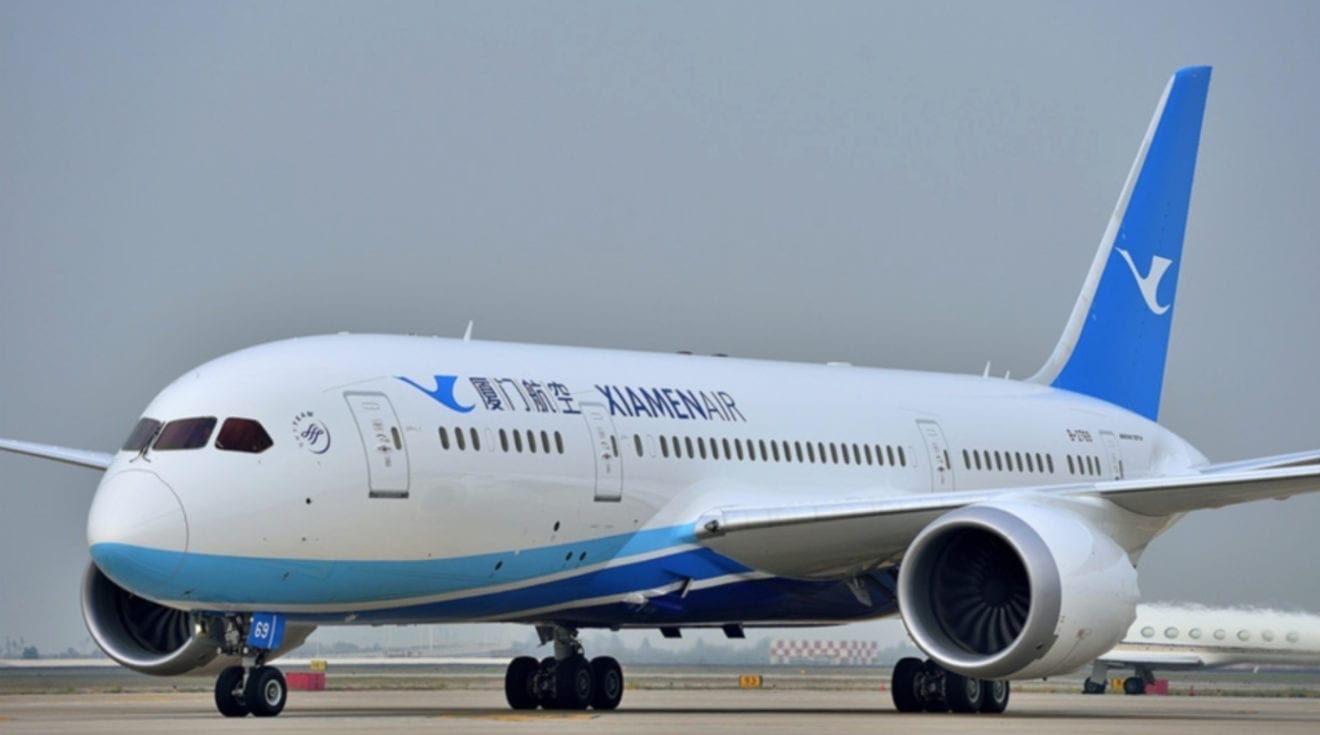
    Global Logistics System (HK) Co., Ltd (“GLS”) welcomes Xiamen Airlines to the EzyCustoms service after the successful implementation of this single platform with multi-Customs integration.

    Xiamen Airlines is extending its network to Canada from July 2016.  The airline is looking for a reliable partner that provides a solution to enable its full compliance with the Canada Border Service Agency (CBSA) Advance Commercial Information (ACI) requirements.

    The ACI programme requires air carriers to electronically transmit air conveyance and cargo information (including supplementary cargo reports where applicable) to the CBSA prior to the arrival in Canada. This requirement allows the CBSA to effectively identify threats to Canada’s health, safety, and security prior to the arrival of cargo and conveyance in Canada.

    EzyCustoms is a one stop web-based multi-Customs clearance platform that fully compliant with the diverse ACI requirements.  It complies with different Customs authorities including: the European Union (EU) Customs, the US AAMS and the ACE (scheduled to start by the end of 2016), the Canada CBSA, as well as the other customs authorities in India, Bangladesh and the Philippines.  At present, a number of China carriers are clients to EzyCustoms service.

    Tony Sham, CEO of Global Logistics System (HK) Co., Ltd said: “GLS is pleased to welcome Xiamen Airlines joining the EzyCustoms community. As an experienced and expert service provider in the industry, we are grateful to be appointed by Xiamen Airlines to fulfil the application, registration and the certification with CBSA.  We look forward to seeing EzyCustoms performs proficiently in the airline’s operations, and to extending our other EzySuite service to Xiamen Airlines in the near future.”

    Yang Gaorong, General Manager of Cargo at Xiamen Airlines said: “Thanks to the GLS support to the implementation of EzyCustoms in Xiamen Airlines.  As EzyCustoms not only fully complies with the ACI requirements in Canada, but also with customs authorities in the other regions around the world, we are better placed with quality assurance while the airline continues to grow.  In addition, we choose to co-operate with GLS as we share the same language and time zone, we can obtain support swiftly.”

  • Indonesian airlines have been cleared to begin flying to the US

    Indonesian airlines have been cleared to begin flying to the US

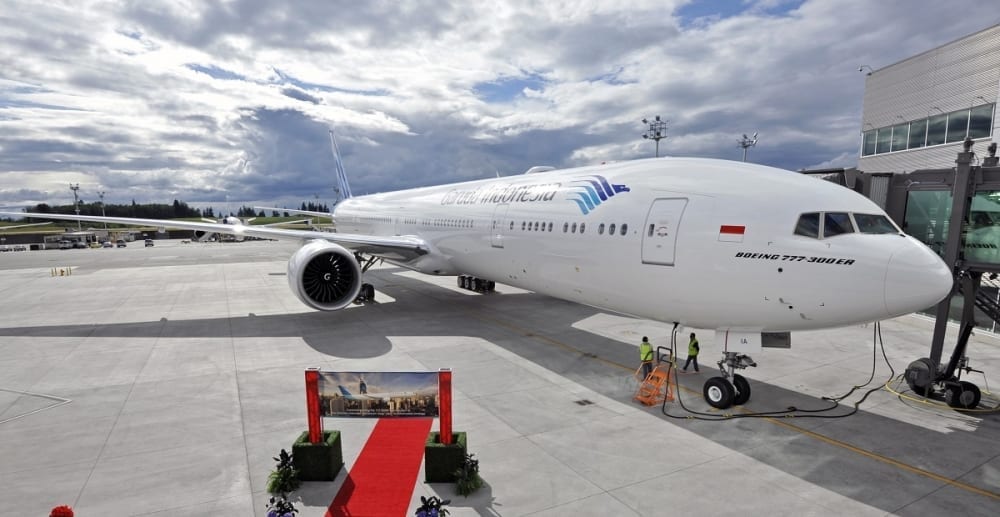
    Indonesian airlines have been cleared to begin flying to the US, after a safety review by regulators.

    The US Federal Aviation Administration (FAA) said Indonesia had been upgraded to “Category 1” – the top-tier air-safety rating – after nearly a decade.

    Indonesia’s fast-growing aviation market suffered several high-profile accidents and was downgraded in 2007.

    The European Union also recently lifted a ban on three Indonesian airlines.

    After a safety review in March, Indonesia now complies with International Civil Aviation Organization (ICAO) safety standards, the FAA said in a statement.

    “With the International Aviation Safety Assessment (IASA) Category 1 rating, Indonesian air carriers…can establish service to the United States and carry the code of US carriers,” the FAA said.

    The South-east Asian nation has had 13 fatal plane crashes in the past decade, according to Flightglobal data, higher than the global average.

  • Jakarta hits airlines with restrictions

    Jakarta hits airlines with restrictions

    Indonesia has banned Thai-registered airlines from increasing their flights or changing the types of aircraft that fly into the country, Transport Minister Prajin Juntong said Monday.

    The Transport Ministry received the notification from its Indonesian counterpart on June 16, ACM Prajin said.

    ACM Prajin said the measures will not impede Thai Airways International(THAI) as the Thai-flagged carrier has no plans to increase flights toIndonesia.

    THAI currently operates seven flights out of Suvarnabhumi airport to Baliper week and 10 flights out of the airport to Jakarta per week.

    The Indonesian Transport Ministry said it would also ask to check airlines’ operation certifications for chartered flights to see if they are in line with required standards, ACM Prajin said.

    The minister said no Thai carrier currently operates chartered flights toIndonesia.

    He said the move by Indonesia came after an audit by the International Civil Aviation Organisation (ICAO), which on June 18 red-flaggedThailand over its failure to fix shortcomings in the Department of Civil Aviation (DCA).

    The shortcomings identified by the ICAO centred on failures to meet aviation safety standards in regards to regulating aviation businesses and granting air operator certificates.

    The safety concerns showed a lack of sufficient oversight to ensure implementation of ICAO standards, the organisation said after its audit.

    ACM Prajin said the Indonesian authorities will conduct frequent checks on Thai-registered airlines, but this should not be a cause for concern as the measure is also applied to flights to Japan.

    DCA director-general Parichart Khotcharat yesterday said Indonesia’srestrictions started on May 29, but it took time for the notification to be relayed from the Foreign Affairs Ministry to the Transport Ministry.

  • VN Airlines to expand operation in Indonesia, performs well in Australia

    VN Airlines to expand operation in Indonesia, performs well in Australia

    The national flag carrier Vietnam Airlines conducted 365 flights between Vietnam and Indonesia in 2015, carrying more than 100,000 passengers and over 1,000 tonnes of cargos. According to Nghiem Van Khanh, head of the firm’s branch in Indonesia, in 2015 the Vietnamese aviation sector faced a range of difficulties stemming from Indonesia’s low GDP growth rate and rupiah depreciation, which, he said, weakened Indonesia people’s purchasing power and outbound tourism demands.The statistics were released at the firm’s customer conference in Jakarta, Indonesia, on December 16 which saw the participation of Indonesia aviation officials, and distributors, customers and partners of Vietnam Airlines in the host country.

    Against the backdrop, the firm coordinated with its distributors and partners as well as Indonesian authorities to swiftly launch marketing campaigns and build up a suitable ticket distribution system in the market, he said.

    Khanh added that Vietnam Airlines is currently operating one daily flight from Ho Chi Minh City to Jakarta, using Airbus A321.

    Since 2012, the national flag carrier has run more than 1,000 flights from Vietnam’s southern metropolis to the Indonesian capital city, contributing to boosting cooperation in economic, cultural and social fields between the two countries.

    In 2016, the branch in Indonesia plans to improve its service quality and expand its ticket distribution network in the country.

    The corporation will also launch more flights from Indonesia to Vietnam in order to meet the increasing travel demands of the two countries’ people, Khanh said, noting the plan matches the development course of two nations’ strategic partnership, especially in the context of to-be-formed ASEAN Community.

    Indonesia has become one of Vietnam’s 20 largest tourism markets with about 50,000 Vietnamese holiday-makers visiting the country each year.

    Around 80,000 Indonesian tourists also choose Vietnam as their holiday destination each year.

    Vietnam Airlines in Germany performs well

    The national flag carrier Vietnam Airlines’ branch in Germany has seen an impressive business performance with an estimated 58.3 million EUR in revenue this year.

    2015 was a challenging year for the firm and the aviation sector in general with disadvantages on euro-American dollar exchange rate, fierce competitiveness among airlines, unstable politics in the Middle East and the danger of terrorism, head of the Vietnam Airlines branch Ngo Tri Hung said at a recent customer agents’ conference in Berlin.

    Despite such challenges, the firm tried its best to improve its service quality and marketing as well to operate about 400 flights with 86 per cent full occupancy, he added.

    The firm received ideas from its agents attending the conference on improving service quality.

    Also at the conference, the firm auctioned a return ticket worth 3,000 EUR and collected more than 5,000 EUR from individuals and organisations to sponsor soldiers and guards who protect Vietnam’s islands and sea.

    Vietnam Airlines records impressive change in RoK market

    This year marks an impressive performance of the national flag carrier Vietnam Airlines in the Republic of Korea (RoK) market, with improvements in operational scale, sale revenues and service quality.

    The carrier’s branch in the RoK has fulfilled its tasks excellently, surpassing the set business plan by 11 percent, Cao Anh Son, Vietnam Airlines chief representative in Seoul said at a customer conference on December 15.

    Together with rolling out the modern A350-900 aircraft for the Hanoi- Seoul route, Vietnam Airlines launched its new corporate identity as part of the “four-star service upgrade” strategy, smartening up its image and bringing convenience to customers, Son highlighted.

    Over the past two decades, Vietnam Airlines has made travel easier for passengers by opening air routes connecting Hanoi, Da Nang City and Ho Chi Minh City with Seoul, Busan and many other big cities in the RoK with 60 flights a week.

    The airline boasts 600 representative offices in the RoK.

  • Airlines welcome visa free facility, offering discount

    Airlines welcome visa free facility, offering discount

    Airlines began to race offering discount in welcoming the government policy which offers visa free facility for short term visitors to Indonesia from 75 countries.

    The facility is expected to draw more visitors to the country amid the global economic malaise.

    Indonesian airlines saw the policy as benefiting air transport business that they are ready to offer significant discount for ticket price.

    Commercial Director of AirAsia Indonesia Andy Ardian Febryanto said the budget airline offered a 30 percent discount for international flights.

    Discounts are given for direct flights such as from Surabaya- Kuala Lumpur, Surabaya-Johor Bahru, Surabaya-Penang and Surabaya-Bangkok, or “Fly-Thru” flights or with transit in Kuala Lumpur or Bali, such as Surabaya-Taipei, Surabaya-Beijing, Surabaya-Seoul, Surabaya-Tokyo and Surabaya-Sydney, Andy said here on Thursday.

    “Surabaya always has a special position as the main destination and market. Although we are aware amid the worrying condition of the economy interest in traveling has dropped sharply by 70 percent , but we are optimistic that the visa free policy would recover the interest in traveling abroad,” he said.

    He said there are 22 travel agents offering discount for international flights effective as from November 1 until April 2016.

    Therefore, foreign travelers including tourists , business visitors and others could take advantage of the visa free travel to Indonesia, he added.

    Currently the airline could only offer discount for international routes as there is regulation restricting freedom to offer discount for domestic flights, he said.

    Under the new policy, visa free facility is offered for short term visitors to Indonesia from South Africa, Algeria, the United States, Angola, Argentina, Austria, Azerbaijan, Bahrain, the Netherlands, Belarus, Belgium, Bulgaria, Czech Republic, Denmark, Dominica, Estonia, Fiji, Finland, Ghana, Hungary, India, Britain, Ireland, Island, Italy, Japan, Germany , Canada, Kazakhstan, Kyrgyzstan Croatia, South Korea, Kuwait,Latvia, Lebanon, Liechtenstein, Lithuania, Luxembourg, the Maldives, Malta, Mexico, Egypt, Monaco, Norway, Oman, Panama, Papua New Guinea, France, Poland, Portugal, Qatar, China, Romania, Russia, San Marino, Saudi Arabia, New Zealand, Seychelles, Cyprus, Slovakia, Slovenia, Spain , Suriname, Sweden, Switzerland, Taiwan, Tanzania, Timor Leste, Tunisia, Turkey, United Arab Emirates, Vatican, Venezuela, Jordan, and Greece.

  • Qantas and Singapore named the best airlines in the world by AirlineRatings.com

    Qantas and Singapore named the best airlines in the world by AirlineRatings.com

    Qantas has been named as one of the best airlines in the world if you want to travel in style.

    Popular travel rating website Airlineratings.com has announced the winners for their third annual Best of the Best in luxury air travel, and Qantas, along with Singapore Airlines were clearly ahead of the competition.

    Editors of the site examined the offerings and in-flight service of more than 450 airlines.

    Qantas and Singapore made it into the Top Ten in each of the four categories, while Air New Zealand, Cathay Pacific Airways and Etihad made the Top Ten in three of the categories.

    This lucky guy has plenty of room to stretch out in his first class seat on a Singapore Airlines A380 airliner.

    This lucky guy has plenty of room to stretch out in his first class seat on a Singapore Airlines A380 airliner.

    AirlineRatings.com Editor-In-Chief Geoffrey Thomas said that it was “not surprising that Qantas, Singapore Airlines, Air New Zealand, Cathay Pacific Airways, Etihad Airways and the Virgin Group featured so significantly in the Top Ten selections. These airlines are consistently a byword for in-flight excellence and service. They are the trendsetters and the industry looks to what they are doing next.”

    AirlineRatings launched in June 2013 and rates the safety and in-flight product of 450 airlines using a proprietary system.

    The winners — in alphabetical order:

    FIRST CLASS: All Nippon Airways, Emirates, Etihad Airways, Japan Airlines, Korean Air, Lufthansa, Qantas, Singapore Airlines, Swiss and Thai International

    BUSINESS CLASS: Air France, Air New Zealand, All Nippon Airways, Cathay Pacific Airways, Etihad Airways, Japan Airlines, Qatar, Qantas, Singapore Airlines and Virgin Australia/Atlantic

    You can watch the clouds go by or pop on the tele in first class on board Singapore Airlines' Boeing 777-300ER aircraft. Supplied.

    You can watch the clouds go by or pop on the tele in first class on board Singapore Airlines’ Boeing 777-300ER aircraft. 

    PREMIUM ECONOMY: Air France, Air New Zealand, All Nippon Airways, British Airways, Cathay Pacific Airways, EVA Air, Japan Airlines, Qantas, Singapore Airlines and Virgin Atlantic/Virgin Australia

    LONG HAUL ECONOMY CLASS: Air New Zealand, Cathay Pacific Airways, Etihad, EVA Air, Japan Airlines, Korean Air, Qantas, Qatar Airways, Singapore Airlines and Thai Airways

    In June, Qatar Airways was voted the best airline for 2015 in the annual Skytrax awards for the world’s best airline.

    Time for a dinner date on board a Qantas A380. Supplied.

    Time for a dinner date on board a Qantas A380.

    Meanwhile, in June the presitigous Skytrax awards were revealed, with Qantas coming in at number 10 on the list. The awards are judged by 18.9 million passengers in 110 countries around the world who vote on factors such as comfort, friendliness of cabin crew and in-flight food.

    The top ten airlines included Singapore Airlines, Cathay Pacific, Turkish and Emirates.

    In the low-cost airline category AirAsia was voted the world’s best for the seventh year in a row, despite the tragic accident in the Java Sea last year that killed all 162 people on-board flight QZ8501.

    Other awards included Garuda Indonesia for best cabin crew, Air France for most improved airline, EVA Air for cleanest aircraft cabins and Cathay Pacific for best transpacific airline.

    The best airlines for 2015, according to Skytrax:

    1. Qatar Airways

    2. Singapore Airlines

    3. Cathay Pacific Airways

    4. Turkish Airlines

    5. Emirates

    6. Etihad Airways

    7. ANA All Nippon Airways

    8. Garuda Indonesia

    9. EVA Air

    10. Qantas Airways

    The fancy Qantas Chairman's Lounge at Sydney Airport serves up some first class food. Supplied.