Tag: alcohol

  • Lark Distilling Sales Rise 15% to $18 Million on Asia and Travel Retail Push

    Lark Distilling Sales Rise 15% to $18 Million on Asia and Travel Retail Push

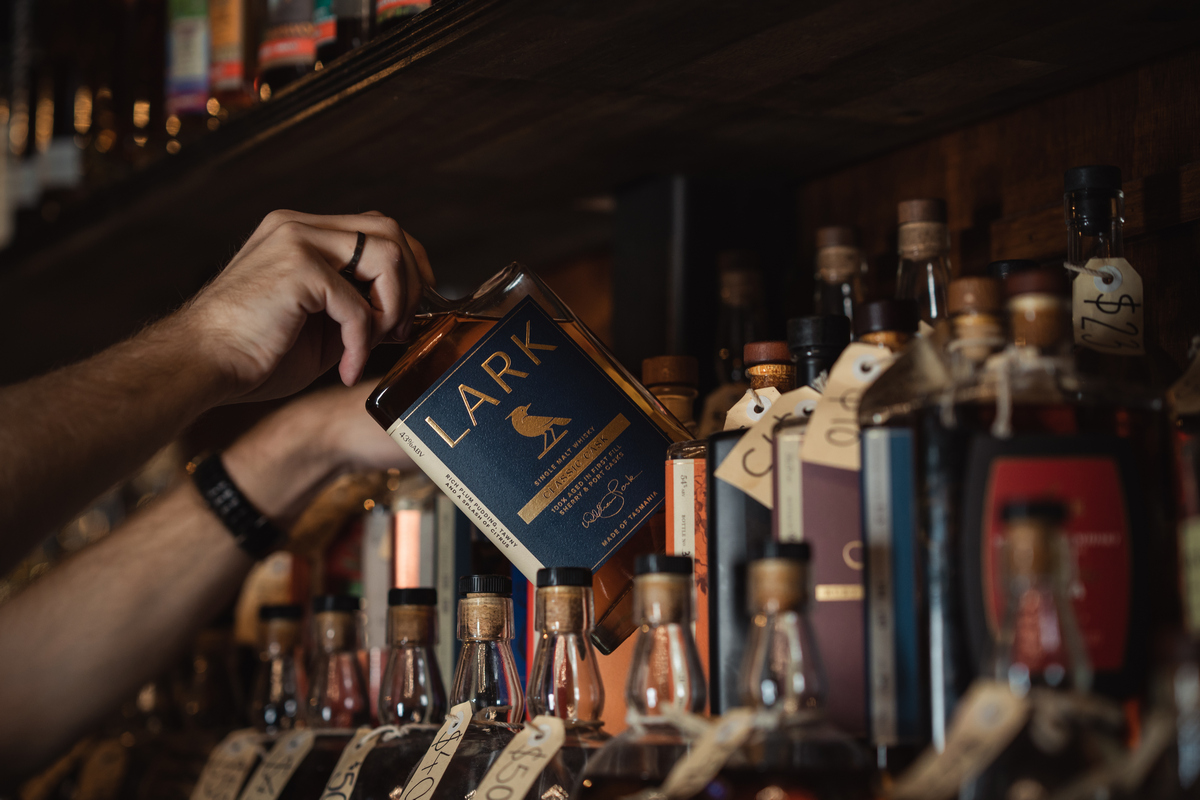
    Tasmanian single malt whisky maker Lark Distilling Co lifted annual net sales 15.1 per cent to $18 million for the year ended June 30.

    Export expansion and global travel retail channels drove the performance, offsetting softer broader consumer spending in mature domestic bottle shops.

    Export Demand Drives Gains

    International sales jumped 69 per cent to $1.8 million during the 12-month period. Global travel retail delivered $2.2 million in sales, representing an increase of 43 per cent over the prior year.

    Lark now distributes its spirits across 10 Asian markets. Regional airport duty-free counters and specialty spirits retailers served as the primary entry points for the Tasmanian brand as it built overseas distribution volume.

    Regional Premium Spirits Shift

    Australian craft distillers are increasingly targeting Asia-Pacific travel corridors to find higher margin buyers for aged stock. Demand for premium brown spirits across North and Southeast Asia has created an opening for niche single malts outside traditional Scottish and Japanese categories.

    Distributors will track whether Lark can sustain double-digit overseas momentum as additional export inventory arrives across its newer Asian accounts in the coming quarters.

  • Better Beer Unveils ‘Halfy’: A Low-Calorie, Low-Alcohol Lager Answering the Call for Moderation

    Better Beer Unveils ‘Halfy’: A Low-Calorie, Low-Alcohol Lager Answering the Call for Moderation

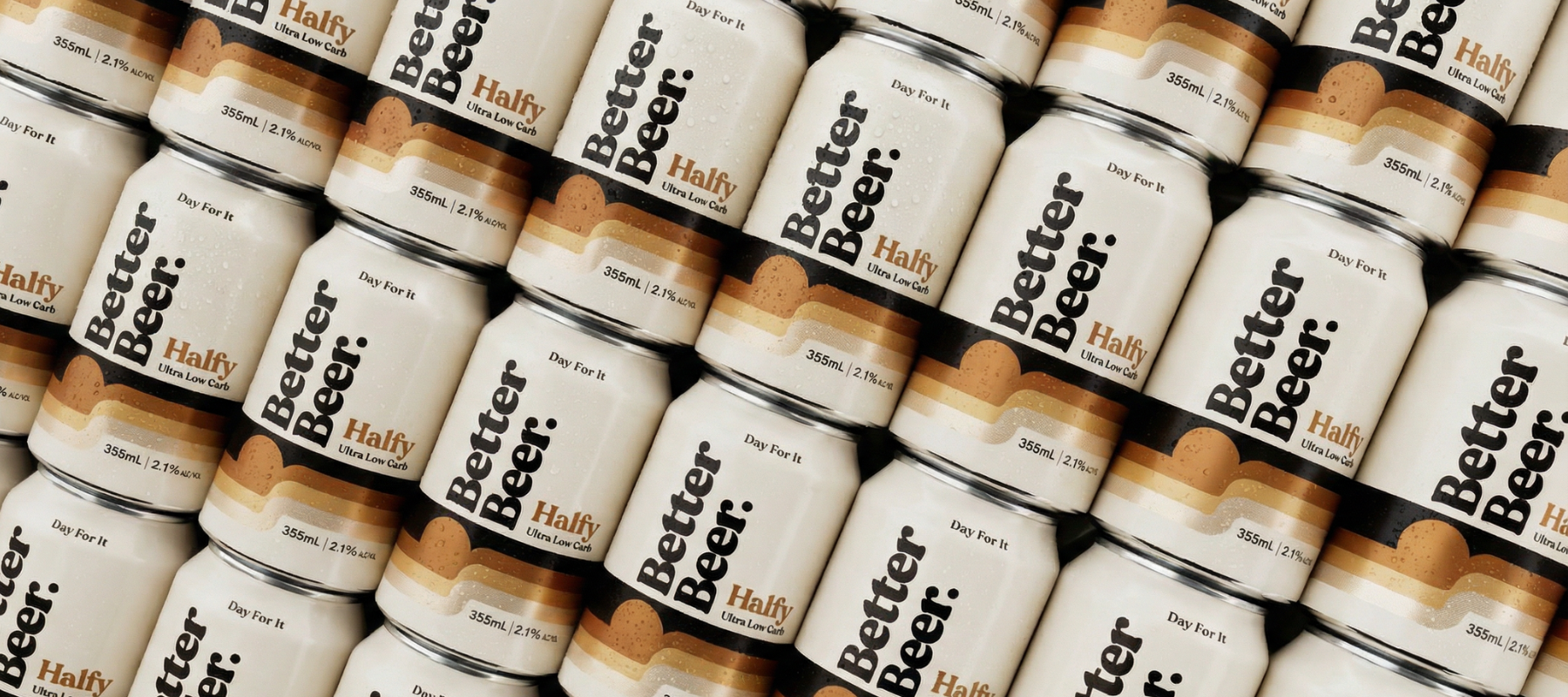
    Better Beer, a leading brewery company, has introduced Halfy, an ultra-low-carbohydrate lager that contains half the alcoholic content of its flagship product, the zero-carb Better Beer.

    New Addition to the Product Range

    The newly launched Halfy joins Better Beer’s extensive range of low or non-alcoholic beverages. The company’s current offerings include the zero-carb lager, an ultra-low-carb mid-strength beer known as Middy, a low-sugar, gluten-free ginger beer, and Better Cider.

    The Halfy lager is presented in a 355ml can and features an alcohol by volume (ABV) of 2.1 per cent, making it a light beverage option. In addition to its low alcohol content, Halfy also boasts just 57 calories per can. Moreover, the hop profile remains consistent with the original Better Beer, delivering a light and clean finish to satisfy beer connoisseurs.

    Meeting the Demand for Moderate Consumption

    Nick Cogger, CEO and co-founder of Better Beer, sees the launch of Halfy as the company’s answer to an increasing consumer demand for moderate alcohol consumption. Cogger explains that Halfy is designed for genuine Australian drinking experiences, allowing consumers to enjoy the full beer experience without fear of overindulging.

    Cogger notes a significant trend towards moderation, with an increasing focus on wellness and balance, particularly in the world of alcoholic beverages. Halfy is crafted to meet this demand, providing the taste of a conventional beer, but with reduced alcohol content and lower caloric intake.

    Availability and Pricing

    The Better Beer Halfy is currently available for purchase across Australia at Dan Murphy’s and BWS stores. The recommended retail price is $48 for a pack of 24 cans.

    Questions & Answers

    What is the ABV and calorie count for Halfy?
    Halfy has an ABV of 2.1% and contains 57 calories per 355ml can.

    What is the purpose of launching Halfy?
    The launch of Halfy is Better Beer’s response to the growing consumer demand for beer with lower alcohol content and a healthier profile, allowing consumers to enjoy the taste of beer without overindulging.

    Where can consumers purchase Better Beer Halfy?
    Better Beer Halfy is available for purchase nationwide at Dan Murphy’s and BWS stores.

  • “Savor Summer with Aldi’s Exclusive Tropicaldi XPA: Hawke’s Brewing Co’s Craft Beer Now Supermarket-Chic!”

    “Savor Summer with Aldi’s Exclusive Tropicaldi XPA: Hawke’s Brewing Co’s Craft Beer Now Supermarket-Chic!”

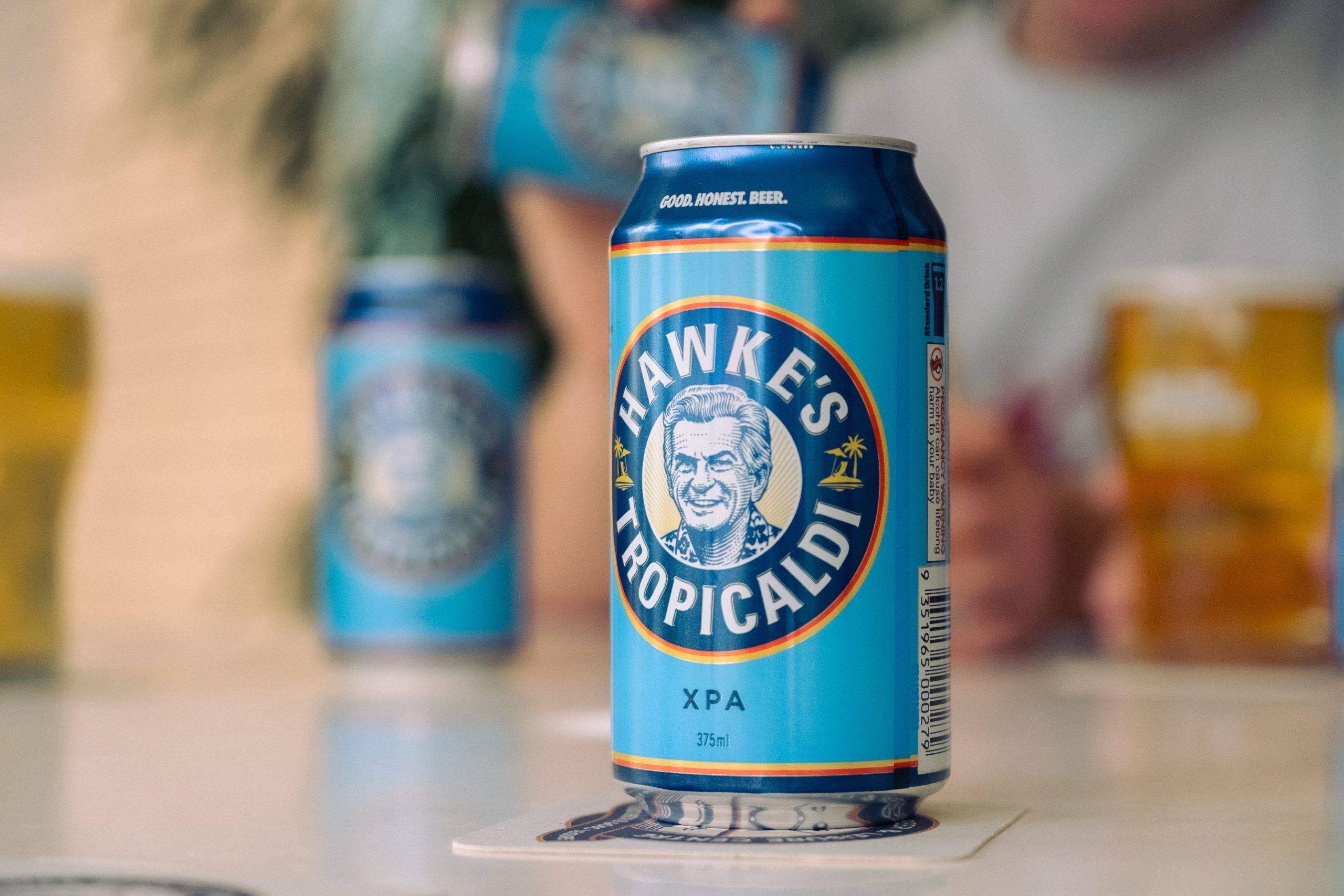
    Hawke’s Brewing Co. has embarked on a unique collaboration with Aldi to introduce Tropicaldi XPA, marking the brewery’s first venture alongside a supermarket.

    Dan Warner, Aldi’s buying director, expressed that the primary objective behind the launch is to heighten the accessibility and affordability of craft-style beer.

    “Previously, Hawke’s XPA was only obtainable through tap,” he revealed.

    “With its exclusive availability in cans at Aldi, Tropicaldi attests to Aldi’s reputation as a go-to retailer for quality, value-for-money summer beverages,” he added.

    The XPA, brewed in Marrickville, possesses a 4 percent ABV. It exhibits tantalizing aromas of pear, orange, and stone fruit and concludes with a crisp, easy-to-drink profile, making it a perfect choice for warm weather.

    Nathan Lennon, co-founder of Hawke’s Brewing Co, remarked that this collaboration aligns squarely with the company’s goal of maintaining the accessibility of craft beer.

    “Much like Aldi, we are committed to demonstrating that high quality does not necessitate a steep price tag,” he added.

    Tropicaldi XPA is available at Aldi stores across the nation for a restricted period. The product is priced at $13.99 for a six-pack of 457ml cans.

    Questions & Answers

    What is the collaboration between Hawke’s Brewing Co. and Aldi?
    The collaboration is about the launch of Tropicaldi XPA, the brewery’s first supermarket-based venture.

    What is the aim of the Tropicaldi XPA launch?
    The aim is to make craft-style beer more accessible to consumers at a more affordable price.

    What is the price and availability of Tropicaldi XPA?
    Tropicaldi XPA is priced at $13.99 for a six-pack of 457ml cans and is available nationwide at Aldi for a limited period.

  • Coopers Brewery Defies Downturn: Annual Beer Sales Soar Despite National Decline

    Coopers Brewery Defies Downturn: Annual Beer Sales Soar Despite National Decline

    Coopers Brewery, a family-owned independent brewing company, has experienced a slight rise in its annual beer sales, outperforming the overall market that has seen a downturn.

    Annual Sales Report

    In the 2024-25 fiscal year, Coopers Brewery reported total beer sales of 80.6 million litres, marking a growth of 2.4% compared to the preceding year. This contrasts the 0.9% contraction witnessed within the national beer market during the same period.

    Growth in Keg and Packaged Beer Sales

    Sales of kegs, which account for approximately 12.4% of Coopers’ total beer sales, saw a substantial increase of 5.9%. Additionally, the sales of packaged beers also saw a modest uptick of 1.8%.

    Product-Specific Sales Performance

    Sales of malted barley and wheat saw an increase of 3.4%. However, there was a 17% drop in DIY brewing product volumes, a result of reduced consumer demand and restricted space on supermarket shelves.

    Statement from the Managing Director

    Michael Shearer, the Managing Director of the brewery, noted that the figures indicate a resilient performance throughout their beer portfolio. He highlighted considerable consumer demand for Dry 3.5 and Australian Lager, both relative newcomers to their range. Traditional ale products also continued their growth trajectory at 1.2%, while Stout saw a resurgence with a 3.3% rise compared to the previous year.

    Shearer admitted that cost-of-living pressures have made consumers more selective in their purchasing decisions. However, he was optimistic about achieving another year of solid sales growth in a challenging market, expressing it as a testament to the team and their craft.

    Regional Growth and Profit

    Over the course of the year, the company saw sales growth across all states and territories. SA emerged as the largest market in terms of sales volume, while Queensland experienced the most substantial growth at 4.8%.

    International beer exports, excluding New Zealand, which make up around 1% of total sales, fell by 22.3%. Conversely, sales to New Zealand grew by 2.6%.

    In terms of profitability, Coopers Brewery witnessed a decrease in pre-tax profits, which fell from $32.8 million in the previous year to $22.5 million. This shift reflects the investment in a new $70 million visitor center and its associated costs.

    The Visitor Center

    The company described the visitor centre as a generational investment and an integral part of its long-term strategy. In addition to housing a restaurant, the facility also includes a microbrewery and a whisky distillery. Since its inauguration in August of the previous year, the centre has welcomed approximately 60,000 visitors.

    Questions & Answers

    What contributed to the decrease in Coopers Brewery’s pre-tax profits?
    The pre-tax profit decrease reflected the brewery’s investment in a new $70 million visitor centre and its associated costs.

    What sales growth was seen across different product ranges at Coopers Brewery?
    Keg sales rose by 5.9% and packaged beer sales increased by 1.8%. Malted barley and wheat sales grew by 3.4%, but DIY brewing product volumes fell by 17%.

    Which areas experienced the most growth in terms of beer sales for Coopers Brewery?
    In terms of sales volume, SA was the largest market. However, Queensland recorded the highest growth rate at 4.8%.

  • Survey Reveals Japan’s Gen Z Shifting Drinking Culture with Dramatically Low Alcohol Consumption Rates

    Survey Reveals Japan’s Gen Z Shifting Drinking Culture with Dramatically Low Alcohol Consumption Rates

    In a striking revelation about Japan’s changing cultural landscape, a recent survey by Tokyo-based marketing firm Mery Co. reveals that 44% of Japanese in their twenties abstain from alcohol entirely, while an additional 16% drink less than once a month. When asked about their infrequent drinking habits, 33.7% cited “no particular reason” as their response. This seemingly laid-back attitude toward alcohol is followed by reasons such as “poor tolerance for alcohol,” “can have fun without drinking,” and “do not like the taste.”

    As the country grapples with shifting norms, a significant portion of young adults, approximately 60%, view alcohol negatively in terms of fostering workplace camaraderie or enhancing communication. This perspective coincides with troubling reports from major brewers indicating that beer consumption dropped by 9% year-on-year in August, marking the fifth consecutive month of decline. Traditionally, one might expect beer sales to peak during Japan’s sweltering summers, where refreshing brews are a staple.

    Analysts attribute this downturn to a confluence of pandemic-era lifestyle transformations, rising living costs, and evolving perceptions regarding social interactions, particularly among younger generations. “I think the pandemic fundamentally altered Japan’s drinking culture, not just for the youth but for older demographics as well,” remarked Sumie Kawakami, a social sciences lecturer at Yamanashi Gakuin University, in her insights shared with the South China Morning Post.

    The pandemic’s restrictions disrupted habitual social drinking, and many simply lost the inclination to engage in post-work drinking rituals with colleagues. For youth, university often serves as a backdrop for drinking parties, which also ceased during the pandemic. Kawakami noted, “Those individuals have graduated and entered the workforce without developing a taste for drinking.”

    Financial pressures are undoubtedly influencing these trends, but Kawakami posits that a deeper issue lies in the growing disconnect between generations in the workplace. “Many people today are focused on simply getting through their workday and pursuing their own interests afterward—be it spending time at home, socializing with friends, or indulging in hobbies. This desire for a better work-life balance may appear unusual to older generations, yet it’s a sentiment increasingly embraced by them as well.”

    Questions & Answers

    What is the current drinking culture among young Japanese adults?
    The drinking culture among young Japanese adults has shifted significantly, with 44% abstaining from alcohol and many not drinking often, influenced by changing social norms and habits developed during the pandemic.

    How has the pandemic affected social drinking habits in Japan?
    The pandemic disrupted regular social drinking patterns, leading many to lose the habit of after-work drinking and university parties, which has contributed to lower alcohol consumption rates among younger generations.

    What factors are contributing to the decline in beer sales in Japan?
    The decline in beer sales can be attributed to pandemic-induced lifestyle changes, rising living costs, and a growing generational shift in how individuals perceive alcohol’s role in socializing and workplace interactions.

  • Four Pillars Gin Co-founder Stuart Gregor Ascends To Ceo At Lark Distilling Co

    Four Pillars Gin Co-founder Stuart Gregor Ascends To Ceo At Lark Distilling Co

    Whisky manufacturing company, Lark Distilling Co, has announced the appointment of Stuart Gregor as it’s Managing Director, effective from January.

    Gregor is known for co-establishing the Four Pillars Gin brand in 2013, which transformed from a small-scale craft operation into a worldwide recognized name in gin production. His successful venture was sold to Lion, a subsidiary of Kirin Group, in 2023. Additionally, Gregor has been serving as a non-executive director at Lark since the previous year.

    Decades of Industry Expertise

    According to Lark Distilling Co, Gregor’s appointment as CEO is marked by his extensive industry experience, spanning over a quarter-century. His proficiency covers areas such as brand creation, premium beverage marketing, international expansion, and entrepreneurship.

    In addition to his entrepreneurial exploits, Gregor has made significant strides in public relations and marketing. He co-founded the PR and marketing firm, Liquid Ideas, and has held the position of president at the Australian Distillers Association in the past.

    New Chapter for Lark Distilling Co

    Domenic Panaccio, the chairman of Lark Distilling Co, voiced his confidence in Gregor, highlighting his deep familiarity with the company and his role in the brand’s evolution. “Today’s announcement reflects our strong focus on effective succession planning, ensuring a smooth and orderly transition that positions Lark for continued success in its next phase of growth,” added Panaccio.

    Gregor will be replacing Satya (Sash) Sharma, who will conclude his tenure as CEO on December 31, after leading the company for three years. Sharma will be taking up the role of MD for Asia Pacific Ragion at Campari Group following his departure.

    Lark’s Legacy

    Established in 1992 by Bill and Lyn Lark, the company is renowned for its exceptional Tasmanian whisky, primarily its signature Single Malt Signature Collection. In the 2024-25 fiscal year, the company reported a modest revenue increase of 2.6 percent, amounting to $17.2 million, alongside a loss of $11.3 million.

    Questions & Answers

    Who has been appointed as the new CEO of Lark Distilling Co?
    Stuart Gregor has been appointed as the new CEO and Managing Director of Lark Distilling Co.

    What has been Stuart Gregor’s significant contribution to the alcohol industry prior to this role?
    Stuart Gregor co-founded the globally celebrated gin brand, Four Pillars Gin, and has been serving as a non-executive director at Lark Distilling Co.

    Who will Stuart Gregor be replacing at Lark Distilling Co?
    Stuart Gregor will be succeeding Satya (Sash) Sharma as the CEO of Lark Distilling Co.

  • Carlsberg Vietnam Transforms Workplace Culture into Vibrant Music Video Celebration

    Carlsberg Vietnam Transforms Workplace Culture into Vibrant Music Video Celebration

    Carlsberg Vietnam recently embarked on a unique creative venture, pondering the question: “If our corporate culture were a song, what would it sound like?” This thought initiated an imaginative endeavor, infusing workplace values with catchy lyrics and inviting participation from both leaders and employees.

    Drawing inspiration from pop sensation Hoa Minzy’s hit “Bac Bling,” the company reworked the song with lively lyrics, infectious rhythms, and vibrant choreography. Everyday locations—from the Phu Bai brewery in Hue to bustling offices in Hanoi and Ho Chi Minh City—transformed into stages where colleagues became singers, rappers, and dancers, bringing their company values to life in a lively and unforgettable way.

    One of the video’s most powerful highlights features Carlsberg Vietnam’s leadership performing side by side with employees, blurring the lines between titles and hierarchies. Here, the only thing that matters is the collective rhythm they share on stage.

    “At Carlsberg Vietnam, every role is significant, and everyone moves to the same beat. When leaders join their teams on the front lines, the divide diminishes,” a company spokesperson shared.

    The music video also illustrates the company’s Growth Culture, a philosophy that shapes daily operations. Semper Ardens, which translates to “always burning with passion,” fuels every performance, while a wave of positive energy traverses generations and functions. Employees take immense pride in their brands, upholding speed and excellence evident in the project’s quick rollout. By empowering their workforce, Carlsberg ensures each individual has a chance to shine.

    Emphasizing its commitment to Diversity, Equity & Inclusion (DEI), the video showcases employees from various backgrounds and roles—from brewers to office staff—uniting in harmonious celebration. This dedication extends to gender representation, with over 40% of senior leadership roles currently held by women, illustrating that diversity isn’t merely acknowledged but actively valued as a source of strength.

    Carlsberg Vietnam recently fortified its reputation as a leading employer by being named one of the Best Companies to Work for in Asia by the HR Asia Awards for the third consecutive year in 2025.

    This year’s theme, “Multi-Generation Synergy,” is beautifully illustrated in the music video: Gen Z injects energy, millennials add adaptability, and Gen X provides stability.

    For Carlsberg Vietnam, culture is not confined to slogans or manuals; it flourishes through daily interactions—within offices, breweries, and the genuine connections made. “This music video is just one chapter in our story. Ultimately, it underscores that culture thrives when we live it together: in harmony, unity, and the shared mission of brewing significant moments for consumers, communities, and a sustainable future,” the spokesperson stated.

    Questions & Answers

    How did Carlsberg Vietnam create its music video?
    The idea began with the question: “If our culture were a song, what would it sound like?” This inspired them to reinterpret the hit “Bac Bling” with playful lyrics and dynamic choreography, inviting participation from leaders and staff alike.

    What themes does the video highlight about Carlsberg Vietnam’s workplace culture?
    The video highlights the company’s Growth Culture, the importance of teamwork, and a commitment to Diversity, Equity & Inclusion, showcasing a workplace where every voice matters and different generations contribute to its success.

    What recognition has Carlsberg Vietnam received for its workplace environment?
    Carlsberg Vietnam was named one of the Best Companies to Work for in Asia by the HR Asia Awards in 2025, marking the third consecutive year it has received this accolade, reflecting its dedication to fostering a positive work environment.

  • Carlsberg Vietnam Boosts Phu Bai Brewery Capacity for a Greener, Sustainable Future

    Carlsberg Vietnam Boosts Phu Bai Brewery Capacity for a Greener, Sustainable Future

    The recent inauguration of Carlsberg Vietnam’s expanded brewery marks a significant leap in the region’s brewing landscape. Andrew Khan, Managing Director of Carlsberg Vietnam, emphasizes that this expansion transcends mere scale; it is a multifaceted endeavor focused on innovation, sustainability, and community impact, fully aligned with Carlsberg’s global Accelerate SAIL strategy.

    What does this expansion signify for your company?

    Khan highlights that the new facility in Phu Bai is now Carlsberg’s largest beer production site in Asia and among the most productive within the Carlsberg Group. Leveraging advanced technology and automation, this site is engineered not only to boost output but also to ensure sustainable growth by enhancing product quality and fortifying the supply chain. “Ultimately, we’re not just increasing volume; we’re creating lasting value for our consumers and the communities we serve,” he explains. The commitment to quality is evident in the accolades won by local brands Huda and Halida, which were awarded Gold Quality Awards from Monde Selection in 2024.

    This expanded facility is well-positioned to satisfy the demand for Carlsberg’s diverse portfolio, which ranges from global premium labels like Carlsberg and 1664 Blanc to beloved local favorites Halida and Huda, the latter of which has been a regional staple for over 35 years.

    What do you hope this expansion will achieve for your business and the community?

    Khan believes this expansion empowers Carlsberg Vietnam to meet the increasing demands of the market while executing their commercial growth strategy with enhanced efficiency and flexibility. More than just a business milestone, he envisions it as a transformative moment—an opportunity to operate with increased innovation and stronger commitments to sustainability and community engagement. “We will measure success not just in production volumes, but in how we lead, engage, and uphold our values,” he asserts.

    What are your next steps for Carlsberg Vietnam in light of this expansion?

    “While the expanded capacity is a significant advantage, what matters most is how we leverage it,” Khan says. Priorities include operating with distinction, maintaining close ties with consumers, and pursuing sustainable, community-oriented growth. This philosophy underlines their mission to “brew for a better today and tomorrow.”

    How does the Phu Bai expansion reflect Carlsberg Vietnam’s environmental commitments?

    Khan emphasizes that sustainability is woven into the very fabric of this new site. The Phu Bai Brewery runs entirely on iREC-certified renewable electricity and utilizes a biomass steam system, effectively eliminating carbon emissions from production. The facility has also implemented state-of-the-art water conservation technologies, achieving a remarkable water usage rate of just 2.09 hl/hl by 2024—one of the lowest in Vietnam. Looking forward, Carlsberg Vietnam aims for zero waste to landfill by 2025, a reduction of water usage to 2.0 hl/hl by 2026, and to achieve net-zero carbon emissions in production by 2028, thus supporting Vietnam’s ambition of net-zero emissions by 2050.

    What role does innovation play in this expansion, beyond the technological aspect?

    Khan asserts that innovation is not confined to tech; it’s about cultivating a mindset that empowers staff. The brewery boasts Vietnam’s fastest packaging lines, enhanced by real-time analytics that boost efficiency. Beyond automated advancements, the new brewing line also conserves water and energy by 20% and 15% respectively. “But the true essence of innovation lies not just in machines; it’s in how people interact with them,” he notes.

    How does Carlsberg ensure that innovation is inclusive and considerate of all staff?

    Khan believes in co-creating the future by engaging employees in the transformation journey early on. Innovations like AI-enabled forklifts and redesigned traffic systems have been developed with input from those directly on the floor. “Our investment in training and health ensures everyone has the support they need to adapt,” he explains.

    How has the expansion enhanced on-site safety and working conditions?

    “Safety has always been our prime directive,” Khan states. With the expansion, new facilities were constructed, complete with modern locker rooms and canteens, while traffic patterns have been redesigned for better pedestrian safety. Their fleet of forklifts is now electric and equipped with AI systems to monitor safety risks in real-time. The commitment to safety is not just regulatory; it’s a cultural mindset, with over 1.4 million recorded safe working hours during construction.

    How do you envision Carlsberg Vietnam’s role in the local economy and community going forward?

    Khan is optimistic about the future, asserting that commercial growth will boost contributions to state revenues and support local socio-economic development. “We aim to grow alongside Vietnam—not just in market share, but by creating shared value with our communities,” he states, highlighting initiatives like the Fresh Water for Beloved Central program that has provided clean water access to thousands over the past seven years.

    As a leader, what does this achievement mean to you personally?

    Reflecting on this milestone, Khan notes a profound sense of pride—not merely for the scale of the achievement, but for how it was accomplished: safely, sustainably, and with a dedicated local workforce at its core. “This journey reminds me that when we lead with purpose and trust our people, extraordinary outcomes become possible,” he concludes.
    Questions & Answers

    What key aspects distinguish Carlsberg Vietnam’s Phu Bai expansion?
    The expansion focuses not only on increasing production capacity but also on fostering sustainable practices, enhancing product quality, and contributing meaningfully to local communities.

    How does the new brewery contribute to environmental sustainability?
    Phu Bai Brewery operates on renewable energy, employs innovative water-saving technologies, and aims for net-zero carbon emissions in production by 2028, underscoring the commitment to environmental stewardship.

    What is the overarching vision for Carlsberg Vietnam post-expansion?
    The company aims to leverage the new facility to enhance operational excellence, strengthen consumer connections, and grow in a way that prioritizes sustainability and community impact.

  • Vietnam Unveils Ambitious Plan to Raise Alcohol Tax to 90% by 2031: A Bold Move Against Excessive Drinking

    Vietnam Unveils Ambitious Plan to Raise Alcohol Tax to 90% by 2031: A Bold Move Against Excessive Drinking

    Vietnam’s National Assembly made headlines by greenlighting a significant increase in the special consumption tax on alcoholic beverages, lifting it from 65% to a staggering 90% by the year 2031. This bold initiative, revealed on Saturday, is part of a strategy to reduce alcohol consumption, however, it casts a shadow over an industry already facing considerable hurdles.

    Tax Increment Journey

    The new legislation outlines a gradual escalation of tax rates on beer and spirits, which will hit 70% by 2027—delayed from initial plans—and reach the ultimate rate of 90% in 2031. Currently, Vietnam maintains a 65% tax on alcoholic beverages. An earlier proposal even contemplated taxes soaring to 100%, indicating the government’s firm stance on the matter.

    The finance ministry has articulated that the primary goal of these increased taxes is to mitigate alcohol consumption. Vietnam stands as the second-largest beer market in Southeast Asia, according to a 2024 KPMG report.

    Brewing Challenges Ahead

    Notably, the local beer industry, dominated by giants like Dutch brewer Heineken, Denmark’s Carlsberg, and domestic players such as Sabeco and Habeco, has already been grappling with tribulations since the introduction of strict drink-driving regulations in 2019, which instituted a zero-alcohol limit for drivers. As a result, the head of the Beer and Alcoholic Beverage Association has reported a steady decline in industry revenues over the past three years, emphasizing the sector’s precarious state.

    In a simultaneous move on Saturday, lawmakers also enacted an 8% levy on sugary drinks containing more than 5g of sugar per 100ml, set to launch in 2027 and increase to 10% in 2028, expanding the government’s fiscal reach into other dietary concerns as well.

    With all these changes, one can only wonder: will the rising taxes put a cork in beer consumption, or will the Vietnamese spirit of resilience remain uncorked?

    Questions & Answers

    What is the new tax rate on alcoholic beverages in Vietnam?
    The special consumption tax on alcoholic drinks is set to rise from 65% to 90% by 2031.

    When will the tax rate on beer and strong liquors reach 70%?
    The tax rate will increase to 70% by 2027.

    What new levy was also approved alongside the alcohol tax?
    An 8% tax on sugary drinks exceeding 5g of sugar per 100ml was approved, to take effect in 2027, with a rise to 10% in 2028.

  • Vinarchy taps Danny Celoni as global CEO

    Vinarchy taps Danny Celoni as global CEO

    Vinarchy, a specialist wine enterprise, recently announced the appointment of Danny Celoni as its new Global CEO. The change in leadership will take effect in August.

    Danny Celoni’s Extensive Career

    Danny Celoni boasts an impressive career spanning more than 25 years in the Fast-Moving Consumer Goods (FMCG) and beverage sectors. He has spent 18 of those years in executive roles for Diageo, a leading alcoholic beverages multinational corporation, where he oversaw operations across the Asia-Pacific region. Additionally, Celoni held the role of CEO for Carlton & United Breweries, a subsidiary of the Asahi Group, and was also the CEO of Pepsico Australia and New Zealand.

    Celoni’s Vision for Vinarchy

    As the newly appointed Global CEO, Celoni aims to broaden Vinarchy’s international presence, stimulate innovation within product categories, and intensify customer engagement.

    Ben Clarke, the Executive Chairman of Vinarchy, expressed his utmost confidence in Celoni’s capability to lead the company forward. His leadership skills, combined with his strategic vision, align perfectly with Vinarchy’s mission to fortify its standing as a global frontrunner in the wine industry.

    New Roles in the Leadership Team

    As part of this leadership transition, Clarke will take on the role of Non-Executive Chairman once Celoni commences his duties as CEO.

    Vinarchy, which debuted earlier this month, is the result of a merger between Accolade Wines and the wine businesses from Australia, New Zealand, and Spain that were previously owned by Pernod Ricard.

    Questions & Answers

    What is Danny Celoni’s experience in the beverage industry?
    Danny Celoni has over 25 years of experience in the Fast-Moving Consumer Goods (FMCG) and beverage industry. He has held executive positions at Diageo and served as CEO of Carlton & United Breweries and Pepsico Australia and New Zealand.

    What will be Danny Celoni’s focus as the new Global CEO of Vinarchy?
    As the new Global CEO, Danny Celoni plans to expand Vinarchy’s reach globally, drive innovation within the product categories, and deepen consumer engagement.

    What changes will take place in Vinarchy’s leadership team?
    With Celoni’s appointment as Global CEO, Ben Clarke, the current Executive Chairman, will transition into the role of Non-Executive Chairman.

  • Thailand Lifts Alcohol Ban on Five Buddhist Holidays at Airports and Hotels, Boosting Tourism Appeal

    Thailand Lifts Alcohol Ban on Five Buddhist Holidays at Airports and Hotels, Boosting Tourism Appeal

    Thailand is stepping into a new era for travelers, as the government embarks on a journey to boost tourism by allowing limited alcohol sales during five prominent Buddhist holidays. Specifically, from Saturday, international airports, hotels, venues hosting major events, and select nightlife spots will welcome patrons looking to raise a glass—even on days traditionally marked by sobriety.

    Selected Venues, Select Days

    However, not every establishment will be joining the celebration; the rule relaxation is strategically aimed at specific locations rather than a blanket policy. In a statement reported by the Bangkok Post, government spokesman Jirayu Houngsub emphasized that the change is part of the “Amazing Thailand Grand Tourism and Sports Year 2025” campaign, aimed at providing a much-needed boost to the tourism industry. “It will directly benefit businesses in the tourism sector,” he noted.

    Despite its reputation as a premier tourist hotspot known for stunning beaches, lively nightlife, and being the only Southeast Asian nation to decriminalize cannabis, Thailand has often left visitors scratching their heads. Tourists frequently encounter closed bars during religious holidays, even amid peak travel seasons.

    A Cautious Celebration

    People’s Party MP Taopiphop Limjittrakorn, a notable advocate for liberalizing Thailand’s alcohol laws, urged caution in celebrating this change. He pointed out that the ban on alcohol sales persists for many retail outlets. “Roadside food stalls, convenience stores, and supermarkets are not included in the new announcement. They still cannot sell alcohol,” he shared on Facebook.

    In recent months, Thailand has taken significant steps toward relaxing restrictions in the alcohol sector. Earlier this year, lawmakers in the House of Representatives passed an amended alcohol control bill, repealing an outdated 1972 military decree that prohibited alcohol sales before 11 a.m. and during certain afternoon hours. This exciting legislation is currently making its way through the Senate, paving the way for further changes in the beverage industry.

    Who knows—maybe soon, you’ll be sipping a cold one during sunset by the beach, even on a holiday!

    Questions & Answers

    What are the specific locations where alcohol sales will be allowed during Buddhist holidays?
    Alcohol sales will be permitted at international airports, hotels, venues hosting major events, and select nightlife spots.

    Why was this change implemented?
    The change is part of the “Amazing Thailand Grand Tourism and Sports Year 2025” campaign aimed at stimulating the tourism sector and benefiting related businesses.

    Are all businesses allowed to sell alcohol during these holidays?
    No, the new regulations only apply to select locations, and many places like roadside food stalls, convenience stores, and supermarkets will still be prohibited from selling alcohol.

  • Sydney Beer Co enters administration

    Sydney Beer Co enters administration

    Sydney Beer Co entered administration last Friday, Australian Securities and Investments Commission (ASIC) filings showed.

    The company tapped Richard Stone and Brett Stephen Lord from RSM Australia Partners as administrators.

    Sydney Beer Co’s website states that former cricketer Bret Lee and actor and writer Matt Nable co-founded the company.

    Dean Joseph Woodbridge and David Richard Catterall are listed as directors on the ASIC documents.

    Sydney Beer Co is among the brewers to enter administration recently, along with Kaiju and Billson’s.

    Earlier this month, Prime Minister Anthony Albanese said his government would freeze the indexation on draught beer excise for two years.

  • Saigon beer company reports 6% profit increase in first half

    Saigon beer company reports 6% profit increase in first half

    Sabeco has reported a slight profit increase to VND2.3 trillion ($90.85 million) within the first half of 2024.

    According to its latest financial report, the beverage company reported a 6% increase in profit from the first half of 2023, earning an average of VND12.9 billion per day.

    Business in the second quarter this year was better than the same period in 2023, with a profit at VND1.319 trillion, a 9% increase. It was also the second consecutive quarter where Sabeco saw a recovery to its profit.

    The company’s management board said policies for alcohol level control have been implemented in the first half of this year, with the company seeing tough competition in the market.

    But thanks to the recovering economy and positive impacts of increased sale prices, the company’s revenue within the first six months saw a slight increase of 5% to around VND15.27 trillion.

    Higher profit could also be attributed to lower sale costs, with Sabeco cutting sale costs by 14% to VND1.744 trillion, mostly in advertisements and employee discounts.

    However, the board still anticipated the beer industry to be stormy this year, as people tighten their budgets and input costs remain high. Alcohol level control policies, along with proposals to increase special consumption tax, will force the company to improve on its commercial activities and supply chain effectiveness, as well as cut costs, the brewer said.

    Sabeco aims for full-year 2024 revenue to reach VND34.4 trillion and profit to reach VND4.58 trillion, an increase of 13% and 8% respectively. After six months, the firm has reached just under half of its intended revenue goal, and just over half of its profit goal.

    However, the board added it would take a few more years before revenues could return to pre-pandemic levels.

  • Ukiyo Spirits unveils Tokyo Dry Gin

    Ukiyo Spirits unveils Tokyo Dry Gin

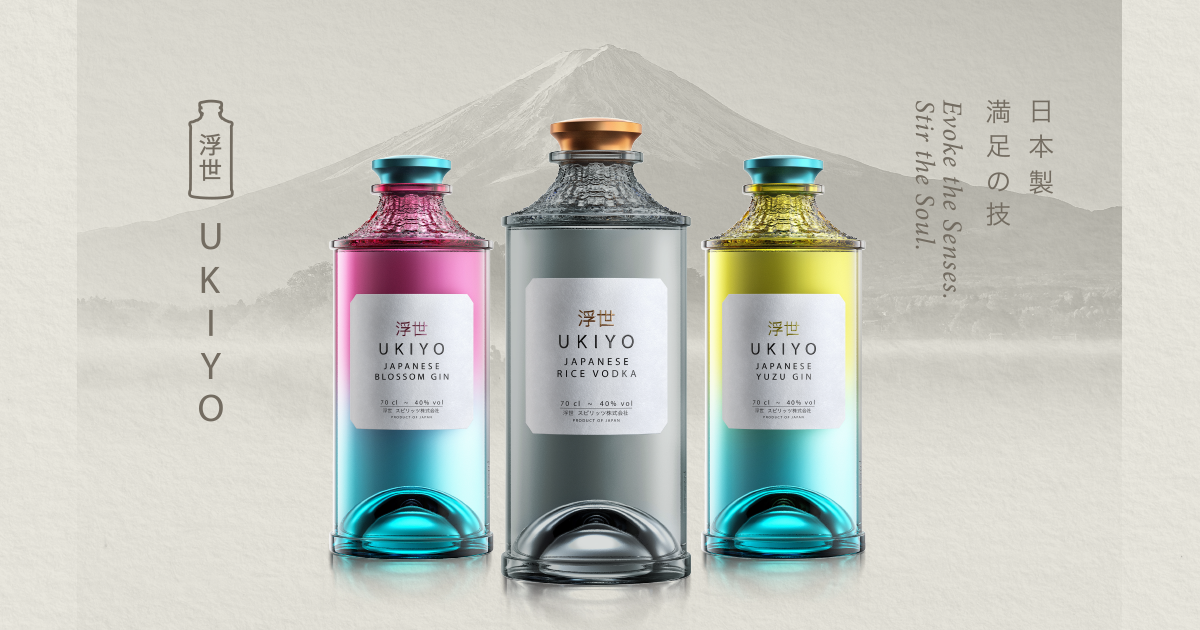
    Drinkslogy Kirker Greer subsidiary Ukiyo Spirits has launched a new small-batch classic dry gin that celebrates Japanese flavours and fragrances.

    The range includes three variants: Ukiyo Tokyo Dry Gin, Ukiyo Blossom Gin , and Ukiyo Yuzu (citrus dry gin). Ukiyo Tokyo Dry Gin will be offered to on- and off-trade merchants in Australia, the UK and the Netherlands beginning next month.

    According to the company, the products are traditionally distilled and made using high-quality Japanese ingredients. The components include indigenous rice farmed in the surrounding regions as well as five native Japanese botanicals: yuzu peel, mikan peel, sakura flower, sakura leaf, and sansho pepper.

    “These carefully chosen ingredients combine to express the diverse terroir and tastes of Japan – resulting in an elegant and delicately aromatic classic dry gin offering warm and well-balanced citrus and spice notes, and a smooth finish,” said Ali Pickering, chief marketing officer at DKG.

    “Tokyo Dry Gin is beautifully presented in Ukiyo’s iconic two–colour graduated bottle, a world-first design offering a stylish and uniquely Japanese aesthetic that reflects Ukiyo’s home by mirroring the mountains and oceans of Japan.”

    The range is aimed at city livers aged 25 to 50 who enjoy travelling and visiting high-end cocktail bars.

  • Pernod Ricard launches zero alcohol Beefeater 0.0%

    Pernod Ricard launches zero alcohol Beefeater 0.0%

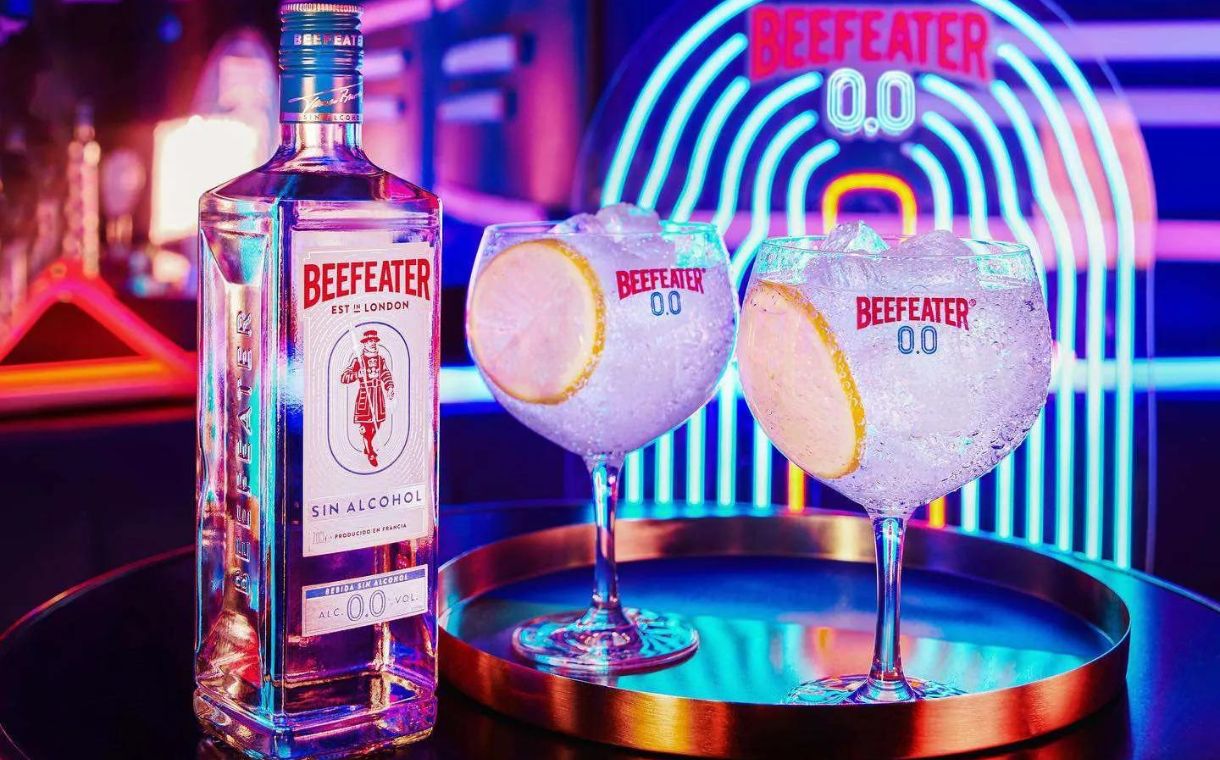
    Liquor company Pernod Ricard has launched Beefeater 0.0% to join its zero alcohol portfolio.

    Beefeater 0.0% is produced by adding the essence of Beefeater London Dry Gin’s recipe to the base, keeping the latter’s taste – minus the alcohol.

    “Beefeater 0.0% is our very first zero alcohol expression, which captures the energy of our timeless London classic but without the alcohol,” said Murielle Dessenis, global VP for marketing gins at The Absolut Group, a company under Pernod Ricard.

    “We are proud to be bringing to the no-alcohol category an elevated option, removing the need for consumers to compromise or miss out on the occasion.”

    Pernod Ricard will initially launch Beefeater 0.0% in Spain, complementing Beefeater’s existing moderated drinking range.

    Last year, the company opened a production line in Thuir, France, for non-alcoholic drinks production, research and development, and innovation.