Tag: alcohol

  • New law to stop minors in Hong Kong buying alcohol from shops

    New law to stop minors in Hong Kong buying alcohol from shops

    Convenience stores and shops across Hong Kong will be banned from selling alcohol to minors under new legislation to be proposed by the government this year as it steps up efforts to tackle a rise in underage drinking.

    The law, if passed by the Legislative Council, will prohibit retailers from selling liquor to anyone under the age of 18 – the same as the current restriction on the sale of tobacco.

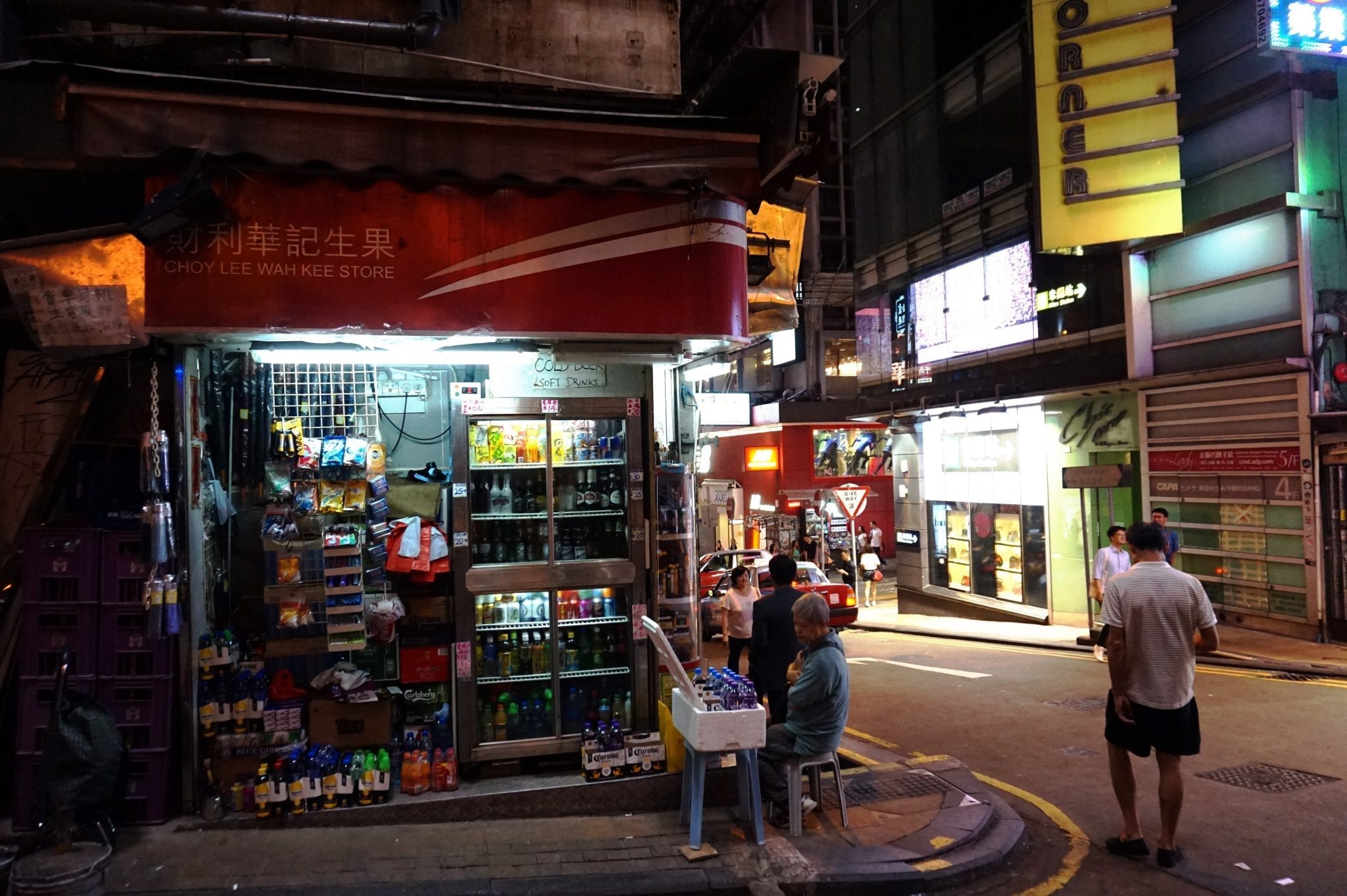
    Although the city’s bars and clubs are already banned from serving or selling alcoholic drinks to minors, retailers do not have to follow the rule. Leading retail chains such as 7-Eleven have agreed ­voluntarily to refuse to sell liquor to anyone below 18, but staff seldom bother to check the age of customers. This is a problem that has been confirmed by various studies and demonstrated in a test conducted.

    The new move by the Food and Health Bureau comes amid criticism that Hong Kong is slipping behind other developed cities in its handling of underage drinking, and that it remains easy for teenagers to enjoy a tipsy night.

    “The proposed statutory regulatory regime will cover all forms of commercial sale and supply of alcohol, including internet sale … and from the vending machine,” a spokeswoman for the bureau said, confirming the plan to table the legislation this year.

    Sellers will also have to display signs stating that no alcohol may be sold or supplied to anyone aged below 18.

    A government poll in 2014 found that 56.2 per cent of the city’s students had tried alcohol, with 21.9 per cent of those aged 10 or below saying they had done so.

    Last year the Centre for Health Protection found that 43.1 per cent of 1,630 people polled had taken their first sip of alcohol before the age of 18. It also showed a worrying rise in binge drinking among students.

    The Medical ­Association, the city’s largest doctors’ group, said 77 per cent of the 1,003 people it polled supported banning the sale of alcohol to those below 18.

    Allan Zeman, ­chairman of the Lan Kwai Fong Group, supported the move, saying anti-social behaviour among the young at nightspots might damage Hong Kong’s image abroad.

    “Some of the retail chains are very powerful here. I think we should look at what other cities in the world have done and get tough about this,” Zeman said.

    A 7-Eleven spokesman said the chain supported legislation banning the sale of alcohol to those aged below 18.

    The Hong Kong General Chamber of Wine & Spirits has previously said it supports an age limit on the sale of alcohol, but it should be set at 16.
  • Vietnamese expected to drink up this Tet

    Vietnamese expected to drink up this Tet

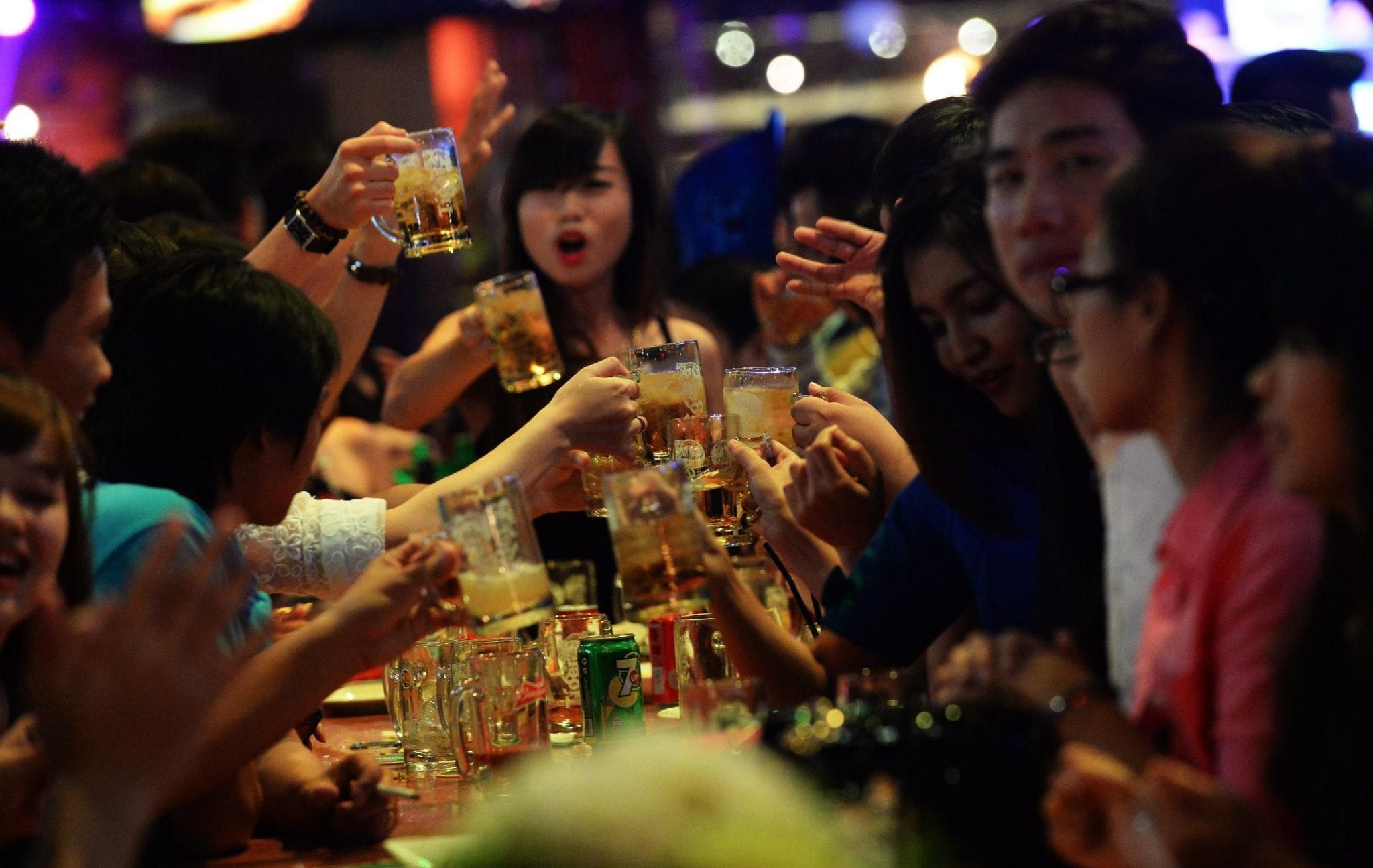
    Top brewer Habeco expects sales of nearly 147 million liters of beer during the biggest holiday, up 6.1 percent year on year. Vietnam’s brewers are gearing up for a massive drink-up this Lunar New Year holidays, or Tet.

    Hanoi-based top brewer Habeco plans to churn out 146.8 million liters of beer during the Lunar New Year, up 6.1 percent from the same period last year, according to the Ministry of Transport’s official mouthpiece Bao Giao Thong.

    Meanwhile, beer consumption in Ho Chi Minh City is projected to jump 30 percent (from last year) to around 40 million liters during Tet, according to estimates released by the municipal Department of Industry and Trade.

    The cities will provide the country’s key booze markets this Lunar New Year, which falls on January 28.

    The Vietnam Beer Alcohol Beverage Association expects beer production to grow by 25 percent, annually, before hitting 4 billion liters in 2020.

    Over the past five years, Vietnam has doubled its consumption of beer to more than 3 billion liters per year. Each Vietnamese person drinks an average of 27.4 liters, placing them squarely in the world’s top 25 beer drinkers.

    In 2015, Vietnam produced an estimated 3.4 billion liters of beer and 300 million liters of liquor.

  • Bacardi shuffles Asia Pacific Travel Retail pack

    Bacardi shuffles Asia Pacific Travel Retail pack

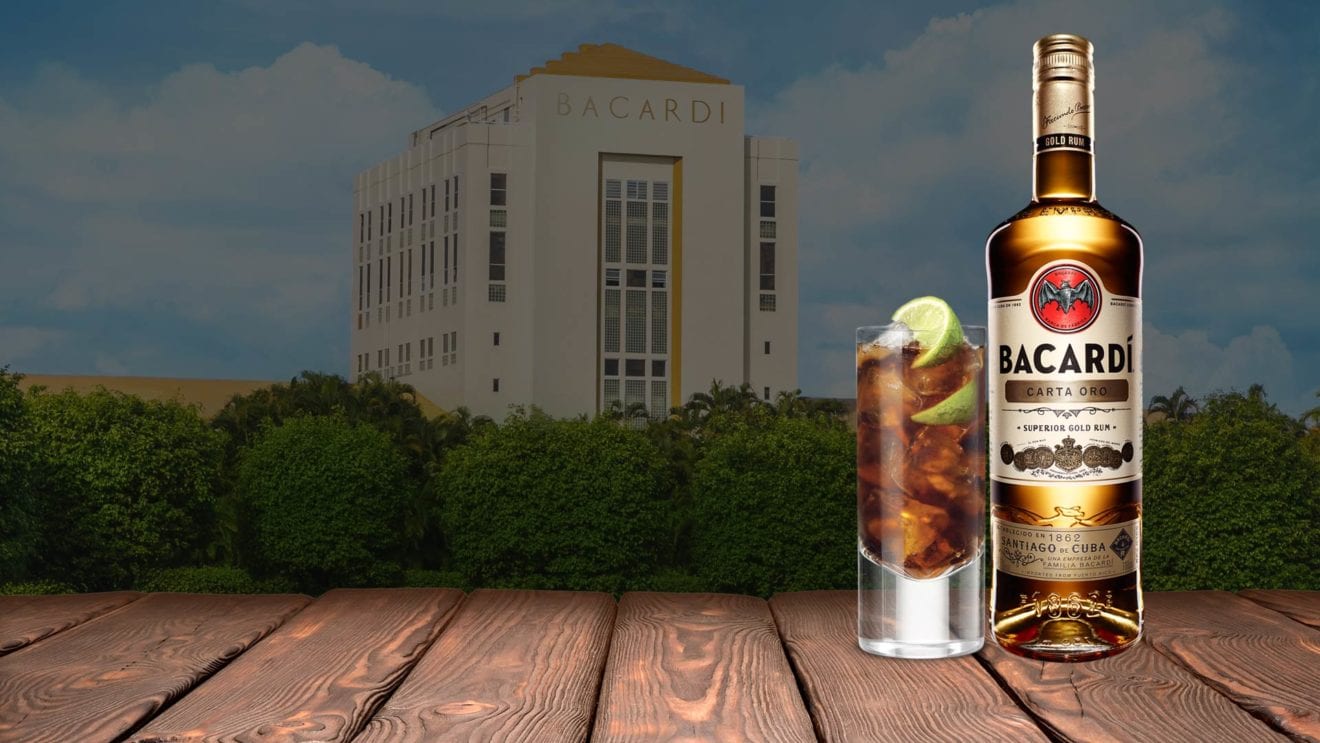
    Bacardi has made several personnel changes to its Asia Pacific Global Travel Retail (GTR) division.

    The company said late last week that Irving Holmes Wong, formerly regional director of Asia Pacific for Bacardi GTR, would take on the newly-created role of managing director for Bacardi Greater China (domestic), from a base in Shanghai. He will be replaced by Vinay Golikeri, who will be based in Hong Kong and report to Mike Birch, Bacardi’s GTR MD.

    Golikeri moves up from the position of customer marketing director of GTR. He will be replaced by former GTR finance director Leila Stansfield.

    The team will assume their new roles on 14 April.

    Birch said: “Bacardi prides itself on developing its internal talent pool and I am especially pleased to have the expertise of Vinay and Leila in their new roles. Global Travel Retail is a strategic shop window for the Bacardi group with strong support from our CEO Mike Dolan and I am delighted that we have his personal support and continued investment in helping us deliver our ambitions in the sector.”

    In September last year, Bacardi set its sights on the spirits market in China with the creation of the non-executive chairman for Greater China position.

  • Olivia Burton launches first stand-alone retail presence in Hong Kong

    Olivia Burton launches first stand-alone retail presence in Hong Kong

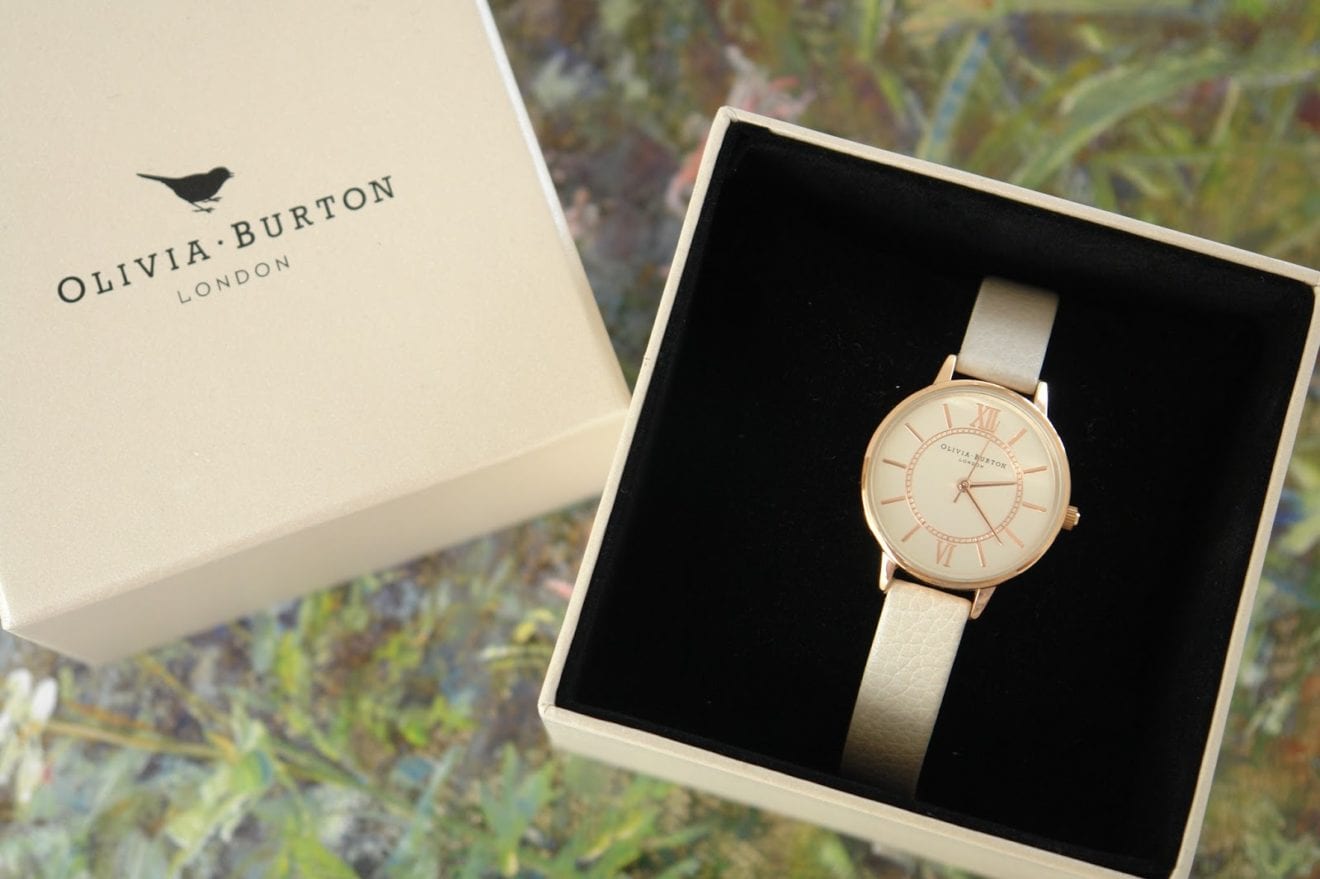
    British watch brand Olivia Burton has launched its first stand-alone retail presence in Hong Kong.

    The move comes as a partnership with the company’s Hong Kong distributor – Working Unit – and has seen three Olivia Burton-dedicated ‘watch corners’ open across the city in Kapok retail stores.

    The company said it launched the stores in December 2015 in an effort to capitalise on the Christmas shopping period.

    Located in prime locations that offer “high traffic and consumption”, the Olivia Burton watch corners are based in the LCX store in Tsim Sha Tsui, the apm mall in Kwun Tong and the New Town Plaza in Shatin.

    Jemma Fennings, brand founder and managing director of the brand, said the launch of the retail corners mark a “huge milestone” for the brand and its international presence.

    She said: “The label has proved extremely popular with the Asian market since we started trading internationally and to be able to offer a dedicated retail space that is designed and merchandised by our in-house team is really exciting.

    “We’re looking forward to increasing our brand awareness and product offering within the Asian market and hope to add additional retail spaces to the current portfolio in the coming year.”

    The stand-alone corners will stock a wide range of Olivia Burton styles and new collections will be added every two months.

  • Indonesia liquor retailers brace for downturn

    Indonesia liquor retailers brace for downturn

    Indonesia liquor retailers fear the recent surprise increase in import tariffs on wine and spirits could more than double the price of some drinks.

    Indonesia’s Muslim-controlled government is effectively declaring war on drinkers. In April liquor sales were banned from convenience stores – a move recently blamed by Dairy Farm International for the closure of many of its convenience stores in Indonesia and prompting a strategic review of the entire chain.

    Last month the government announced shock tariff increases on a raft of imported products in a 1970s-styled economic move to protect inefficient local industry and deter imports. This despite its inclusion in the ASEAN bloc which encourages free trade within the region.

    Drinks industry executives told news agency Reuters the tariffs could “more than double prices” that were already sky-high, even by Asian standards. They fear an increase in smuggling activities and a black market for fake alcohol which is already an issue in China and Vietnam, leading to fatalities from people drinking chemical-enhanced fluids sold in fake branded bottles.

    The new tariffs, which took effect on July 23, force importers to pay 90 per cent duty on the value of wine and 150 per cent on spirits. The previous regime was a fixed amount per litre.

    “It’s quite a shock to the industry,” Dendy Borman, a board member at the International Spirit and Wine Association, told Reuters.

    And it could get even worse. Two extremist Islamic political parties want all liquor consumption in the country completely outlawed.