Retail News CRM

Tag: alcohol

  • Beer tax prioritized as foreign brands build market share

    Beer tax prioritized as foreign brands build market share

    The government is planning to overhaul the current cost-based alcohol-tax system to a quantity-based system, which may address concerns from local alcohol companies about cheap imported beer. According to the Ministry of Economy and Finance on Tuesday, current taxes on alcohol are based on costs, such as manufacturing or import prices. The government is currently working on a reform that will transition the system, established back in 1969, to a new one based on quantity, such as total volume or alcohol content.

    The initiative has been in the spotlight with Finance Minister Hong Nam-ki addressing the issue during his recent confirmation hearing.

    “[We] will consider a change next year without increasing prices,” said Hong. “[We] will consider strengthening the future competitiveness of the alcohol sector and the fairness of the alcohol-tax system as a whole.”

    The comments come as criticism mounts against importers that reportedly declare low import prices for foreign beer and maintain competitive or even cheaper prices than local beer.

    The tax base for local beer is based on the price of beer shipped out from distilleries, which includes costs for production and sales and a margin. For imported beers, the tax is calculated based on the import price paid by the importer and the customs duty. As importers can lower taxes by reporting low prices, foreign beers can maintain price competitiveness against local offerings.

    Local beer companies have argued against this cost-based tax system, saying it is a form of discrimination against Korean manufacturers.

    “The tax rates are identical, but because the tax base is high, there is a twofold difference,” said Kang Seong-tae, chairman of the Korea Alcohol & Liquor Industry Association at the annual National Assembly audit in October.

    The favorable tax system has allowed for the competitive pricing of imports and an increasing market share for foreign beers, rising to 16.7 percent last year from 4.9 percent in 2013.

    While the tax change may provide a level playing field, it raises concerns that widely popular promotions in which four beer cans are sold for 10,000 won ($8.89) may not survive the reform.

    The change, however, is unlikely to eliminate the promotions altogether.

    The government is considering a plan to introduce alcohol taxes of 850 won per one liter (33.8 ounces) of beer. The current average beer tax works out to roughly 850 won per liter, though it is calculated in a different way.

    When converting the current alcohol tax to an amount per liter based on figures by imported country from the Korea Customs Service, imported beers that are taxed higher than 850 won per liter include those from the United Kingdom at 1,194 won per liter on average; the Philippines at 1,032 won per liter; Ireland at 1,004 won per liter and Japan at 958 won per liter.

    Beers from these countries will likely attract a lower tax after the reform.

    Meanwhile, beer from countries that have lower average taxes per liter compared to the 850 won per liter standard will become more expensive. Beers from the Netherlands are currently taxed at 519 won per liter, Belgium 567 won per liter, the United States 654 won per liter and Germany and Denmark 735 won per liter.

    In general, premium imported beers have expensive import prices.

    With the introduction of a quantity-based system, taxes levied will become lower and the current promotions of four cans at 10,000 won will likely remain.

    However, promotions of six cans for 10,000 won will probably disappear as cheap imported beer will face higher taxes.

    “[We] will establish a reform plan for alcohol tax as early as the first half of next year by conducting research and gathering opinions,” said Kim Byung-gyu, director general of the Tax and Customs Office at the Finance Ministry. “[We] have an objective to ensure overall fairness in taxation and make changes without increasing the burden on the consumer.”
  • Kenanga Malaysia raises earnings outlook for Carlsberg

    Kenanga Research has increased its FY18 and FY19 earnings for Carlsberg Brewery Malaysia Bhd on the back of improved contributions from Lion Brewery in Sri Lanka.

    “We increased our FY18E and FY19E earnings by 4.3% and 3.5% respectively as we improved contributions from Lion Brewery. Additionally, we increased our Malaysian demand assumptions following the stronger results,” it said in its report today.

    For the nine months ended Sept 30, the group reported core Patami of RM205 million, which amounted to 82% of Kenanga Research’s full-year expectations.

    “We deem this to be above but within our consensus estimates, mainly due to better-than-expected contribution from its Sri Lankan associate, Lion Brewery. Malaysian sales were also better than expected, subsequent to our previous adjustments for softer demand post-Sales and Services Tax (SST),” it said.

    Moving forward, it expects Carlsberg’s on-trade sales (at food and beverage establishments) to be dented by Sales and Services Tax finally kicking in, as these establishments would have to bear the brunt of both taxes.

    “We anticipate demand to be skewed towards the off-trade market (retails, supermarkets), albeit being a lower margin channel. Still, the group’s continued emphasis on its premium mix could bolster the overall performance in the local scene,” it said.

    Meanwhile, HLIB Research does not expect any hike in alcohol excise duty as the structure is already the third highest globally.

    “We opine a hike in excise duty would result in growth in the illicit market at the expense of the legal volumes, which will result in reduced tax collection. For this reason, a hike in alcohol excise duties is unlikely,” it said in its report.

    It expects the government and Royal Malaysian Customs to continue their efforts to fight contraband and strengthen the legitimate tax paying portion of the beer market in Malaysia and hence the government’s revenue collection of excise duty.

    On the recent increase in the minimum age for purchasing alcohol to 21, it expects this to result in lower industry volumes due to a smaller pool of legal consumers.

    HLIB Research maintained its “buy” call with an unchanged target price of RM22.70.

    Carlsberg’s share price fell 1.62% or 32 sen to close at RM19.40 with 51,600 shares traded. It was one of the top losers on the bourse this week.

  • Vietnam brewer Sabeco lifts foreign ownership cap

    Vietnam brewer Sabeco lifts foreign ownership cap

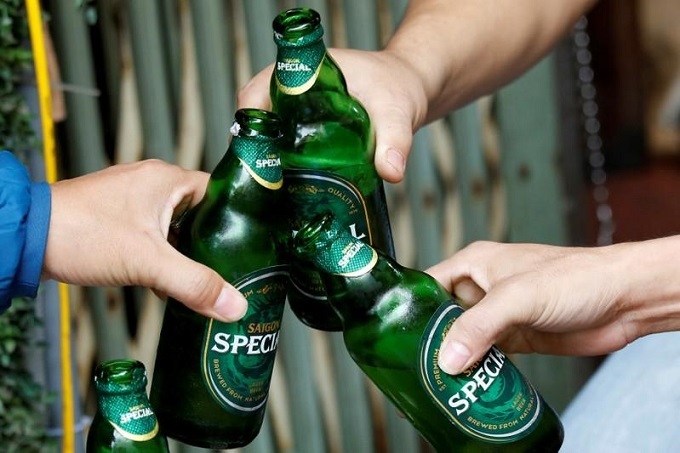
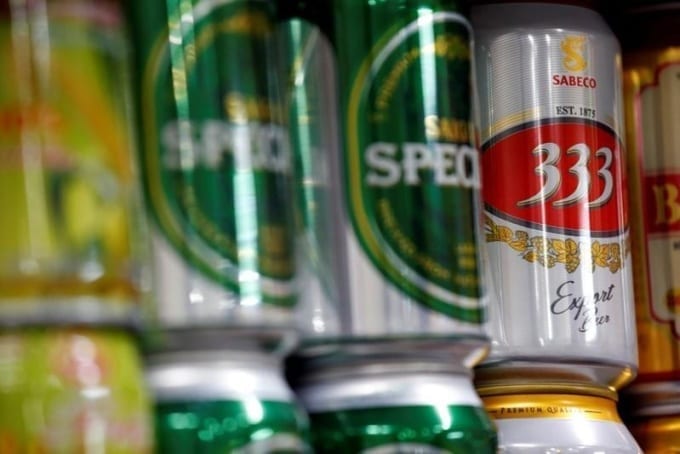
    Vietnam’s largest brewer Sabeco says it has removed its foreign ownership limit, in a statement on its website Monday. The company, known for its Bia Saigon and 333 brand, said that its board of directors had issued a resolution on Oct. 30 that approves “unrestricted foreign ownership percentage in Sabeco.”

    Last December, Thai Beverage acquired a 53.59 percent stake in Sabeco from Vietnam’s Ministry of Industry and Trade for $4.84 billion through a local entity, Viet Beverage (VietBev).

    Under the government’s Decree 60 dated June 26, 2015, listed companies, except those working in conditional business fields like banking, are allowed to determine their foreign ownership cap. They just need to register the limit with the State Securities Commission.

    The Ministry of Finance last week presented a draft securities law that would remove the current 49 percent foreign ownership cap in many sectors, except some conditional sectors.

    However, the draft has not been finalized and submitted to the National Assembly for approval.

    In Vietnam, conditional sectors refer to industries subject to additional regulations that would override limits set out by the securities law.

    Sabeco, formally known as Saigon Beer Alcohol Beverage Corp, recorded revenues of VND25.5 trillion ($1.1 billion) in the first nine months of this year, meeting 70 percent of its annual target.

    It occupies approximately 42.8 percent of the domestic beer market, according to the Ho Chi Minh City Securities Corporation. Last year, it produced nearly 1.8 trillion litres of beer.

  • New era for single malt whisky with Ailsa Bay’s launch in Australia

    New era for single malt whisky with Ailsa Bay’s launch in Australia

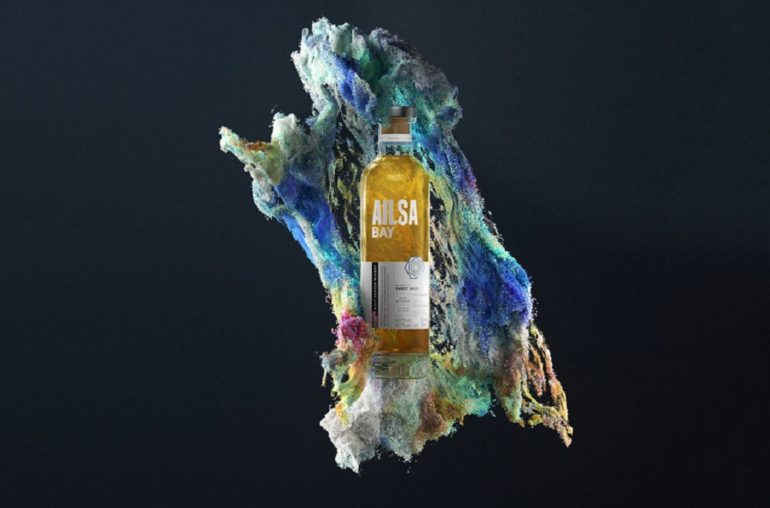
    Independent family-owned distiller, William Grant & Sons has announced the launch of Ailsa Bay in Australia. The single malt is the first whisky in the world to index ‘sweetness’. Following its successful launch in the United Kingdom and Nordics in 2016, Ailsa Bay will now be landing in Australia to serve and content all the Australian whisky enthusiasts.

    Ailsa Bay is created based on an industry-first “sweetness” index which enables the scientific measurement of sweetness.

    This complements a precise calculation of ‘peatiness’ to create a balance between smokiness and sweetness – all driven by advanced technology.

    This method was developed by Malt Master Brian Kinsman at William Grant & Sons.

    Alongside its liquid, Ailsa Bay’s packaging features dynamic artwork which takes its inspiration from the creativity of science, reflecting the boundary-pushing technology at its Girvan distillery.

    Ailsa Bay is available in Australia through Vintage Cellars, select First Choice stores only and Liquorland select stores in December.

  • Profits down at Vietnam’s largest brewer

    Profits down at Vietnam’s largest brewer

    Beer maker Sabeco has reported after tax profits of $149 million in Jan-Sept 2018, down 6 percent year-on-year. The company’s total revenue in the first nine months of the year was VND25.5 trillion ($1.1 billion), 70 percent of its annual target.

    According to the company’s third quarter financial report Sabeco, formally known as Saigon Beer Alcohol Beverage Corp, beer continued to dominate its revenue structure, netting over 85 percent of total income. The remaining revenue came from packaging, other beverages and spirits.

    Sabeco recently unveiled a restructuring plan to improve profit margins by 3-4 percentage points over the next few years.

    The company plans to adjust its business operations in five key segments: manufacturing, distribution, marketing, supply chain and storage. This plan involves the leading beer maker in Vietnam considering acquiring minority stakes in beer factories and distribution units.

    The company’s management board has also announced that one of its top priorities is to develop a better distribution system in major cities, especially in HCM City. Through this, Sabeco hopes to regain market share in urban areas currently dominated by Heineken.

    According to the Ho Chi Minh City Securities Corporation, Sabeco occupies approximately 42.8 percent of the domestic beer market. Due to increasing competition from multinational companies, this figure is down slightly from 43.6 percent in the previous year. As a result, consumption growth of Sabeco’s beer was less than the industry average, totalling 1.85 billion litres.

    The corporation estimates that by the end of 2019, Sabeco’s beer market share will increase slightly to 43 percent thanks to its marketing efforts and the launch of new products. Consumption of Sabeco-made beer is also expected to increase to 1.95 billion liters.

    Thai Beverage PCL (ThaiBev) is currently the dominant shareholder in Sabeco, which sells popular beer brands kike Saigon Beer and 333.

  • Vietnam’s U18 liquor sales ban impractical

    Vietnam’s U18 liquor sales ban impractical

    They are also saying that an emphasis on education and raising awareness will have greater impact in dealing with the problem of liquor abuse.

    A draft bill on the prevention of dangers of alcohol being compiled by the Ministry of Health proposes a number of prohibitions, including: promotion in any manner of liquor with alcohol content of 15 degrees or above; usage of positive phrases like “medicinal alcohol”, “nutritious alcohol” on product labels; advertising of alcohol during television prime time (6-9 p.m.); sale of alcohol to persons under 18; and sale of alcohol on the internet.

    Kieu Anh Vu of law firm KAV Lawyers said it was very necessary to bring legal measures against the dangers of alcohol, because the harm it was causing was indisputable.

    Vu said he supported the draft bill’s ban on alcohol consumption by government officials, civil servants, and employees during working hours or between shifts during the working day; by operators of motorized vehicles; and by people under 18.

    “These regulations are appropriate to ensure social order, safety and health of the community,” he said.

    However, Vu was concerned about how age checks would be carried out. “Will vendors have the right to check people’s age by looking at their identity cards, or just by asking questions?”

    Psychologist Nguyen An Chat, on the same page as Vu, also questioned how alcohol sellers could correctly verify the age of each individual.

    “Some 15 year olds look very mature while some 20 year olds can look underage. Would everyone wishing to purchase alcohol have to produce identity documents?” he wondered.

    An online right?

    Lawyer Vu Tien Vinh, director of Bao An Law Firm, said: “Buying alcohol over the Internet is more convenient than going to shops or supermarkets. If online sale is prohibited, people can and will continue to buy alcohol through traditional channels.

    Vinh said that in reality, it was too easy for buyers to obtain alcohol via traditional channels such as supermarkets and other dealers. When consumers can buy alcohol anytime, anywhere, the ban on online sales will not have much of an impact on its consumption, he said.

    “Detecting online transactions on the sale of alcohol to punish with fines is very difficult. It will not be hard for consumers to get around this regulation,” Vinh added.

    Sociologist Trinh Hoa Binh concurred, saying identification of illegal alcohol sales online was very hard to do.

    “Internet sales are the current trend. Will the prohibition of selling alcohol online go against this?” asked psychologist researcher Nguyen An Chat.

    Given the implementation difficulties, Binh proposed that instead of prohibitive regulations, authorities should instead start with education, build a set of cultural values for the modern Vietnamese society that discourages alcohol abuse.

    Chat supported this. He said education should begin at home and continue in schools so that each person was aware of the danger of drinking, so that people would exercise restraint and control their consumption.

    Psychologist Khuat Thu Hong said many countries have faced difficulties in implementing regulations prohibiting or restricting the sale/use of alcohol, but over time, strict compliance has become the norm.

    “In Vietnam, for these regulations to be implemented well, close monitoring and regular communication on the harms of alcohol will be essential for the people to understand and co-operate,” said Hong.

    In Vietnam, about 800 deaths per year are related to the use of alcohol, including beer. Almost 30 percent of social order disruption cases are also related to alcohol consumption.

    In 2017, Vietnamese people spent close to $4 billion on alcohol. The cost of dealing with alcohol-related traffic accidents was  estimated at about one percent of the GDP the same year.

    The alcohol industry contributes about VND50 trillion ($2.17 billion) to the state budget a year and provides about 220,000 jobs directly or indirectly.

  • Vietnamese men world’s top alcohol consumers

    Vietnamese men world’s top alcohol consumers

    Vietnamese men drink over five standard drinks a day on average, according to the 2016 Global Burden of Disease Study.

    A standard drink contains 10 grams of alcohol.

    Balkan countries and Portugal are the others that have the same level of consumption, according to the report, which uses data from 592 studies on the risk of alcohol use done between 1990 and 2016.

    In contrast, Vietnamese women are among the smallest consumers of alcoholic drinks in the world with less than one standard drink a day, the report said.

    While 40 to 59.9 percent of Vietnamese men drink alcohol, which is the global median, only 19.9 percent of women do so, it added.

    Earlier this month the World Health Organization (WHO) said the high consumption of beer and alcohol in Vietnam was imposing a heavy burden on the country in the form of non-contagious diseases.

    A Vietnamese adult above 15 years of age drinks 8.3 liters of pure alcohol per year on average, much higher than in China (7.2 liters), Cambodia (6.7), the Philippines (6.6) and Singapore (2), according to WHO.

    The country spends $3.4 billion on alcohol each year, or 3 percent of the government’s revenues, according to official data.

    The local market, which is growing steadily at 5 percent a year, is dominated by four strong companies, Sabeco, Habeco, Heineken, and Hue Brewery (owned by Carlsberg), which accounted for 90 percent of the beer market last year.

  • Starbucks Hong Kong adds alcohol to IFC Mall menu

    Starbucks Hong Kong adds alcohol to IFC Mall menu

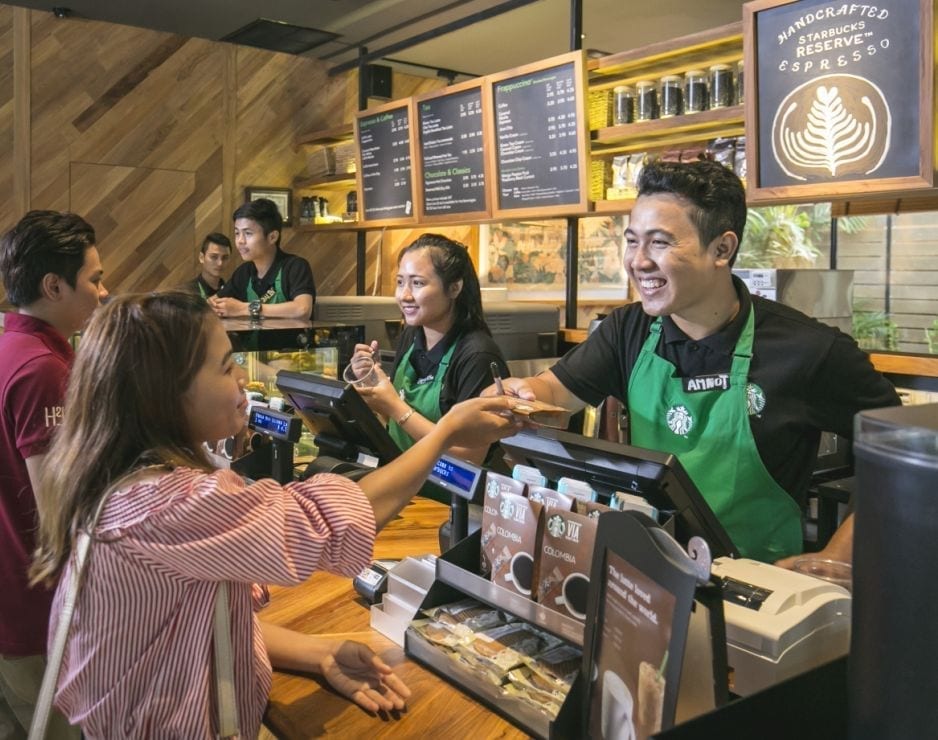
    Starbucks Hong Kong has opened its first cafe serving alcohol – including coffee-infused craft beers, exclusive to the city.

    Starbucks’ local licensee, the Dairy Farm International subsidiary Coffee Concepts, says the move is part of its strategy of elevating the chain’s ‘Third Place’ experience for its customers through continuous innovation in its coffee offer and in-store experience.

    After a month-long refit, the store on the level 2 podium of IFC Mall in Central was formally unveiled to media last evening. It has been upgraded into the Starbucks Reserve format in a bid to attract customers after work as well as during the day.

    And besides gourmet coffee blends, a Starbucks Reserve range of merchandise and beer, the cafe offers a selection of wines and light meal menu featuring dips, cured-meat-and-cheese board, bacon-wrapped asparagus skewers and baked meatballs.

    Craft beer partnership

    Starbucks Hong Kong has released two coffee-infused craft beers created in partnership with a local brewery. A company spokesperson says the two beers are infused with “signature notes of Starbucks coffee, leaving a refreshing taste on the tongue”.

    “The Caramel Macchiato Cream Ale is inspired by the signature Starbucks Caramel Macchiato. Cream ale is harmoniously brewed with pre-ground Starbucks Colombian coffee and delectable caramel for more than 18 hours, resulting in an irresistibly smooth taste with nutty notes and a subtle caramel sweetness, as well as a brilliant golden colour.

    “The Mocha Brown Ale marries a robust brown ale with the indulgent chocolate and soft spice notes of Starbucks Caffe Mocha. Brewed with Starbucks Guatemala Antigua cold-brewed coffee and cocoa nibs, the intense brown ale will surprise customers with its distinctive contrast of dark-brown hue and luscious sweetness.”

    Starbucks Hong Kong is also launching three bottled beers including Hiiro Seed Guava Love, a fruity beer with a tropical pink guava aroma, brewed locally by Hitachino Nest Beer.


    The Starbucks Reserve wine list features four red wines (pinot noir, merlot, cabernet sauvignon and shiraz), three white wines (sauvignon blanc, chardonnay and riesling) and an Italian prosecco.

    Starbucks says that extending the ‘Third Place’ experience (in which home and workplace are the first and second places) the Starbucks Reserve Coffee Experience Bar provides “the widest in-store offerings for customers as they connect with colleagues and friends over their beverages of choice”.

  • UPS expands alcohol shipping to consumers around the world

    UPS expands alcohol shipping to consumers around the world

    UPS is expanding its ability to ship alcohol, wine and beer to consumers around the world. Using one of the UPS Express shipping services, wine connoisseurs can have their favourite cases of wine shipped directly from the vineyards to their home.

    UPS is helping wineries reach consumers living in 24 of the top 35 wine importing countries, and distilleries in 9 of the top 25 spirit importing countries. Depending on the destination, orders can arrive at the business or consumer’s home within 3 days. All alcohol shipments require an adult signature upon delivery.

    According to the International Organization of Vine and Wine, 43% of all wine is consumed in a country other than where it is produced. The global wine market is expected to reach US$380 billion by 2022.[1] The countries producing and exporting the most wine include Italy, Spain, France, Chile, Australia, South Africa and the United States.[2]

    Europe is the market leader in wine production and consumption. UPS will ship to 23 countries in Europe including these primary markets: Belgium, France, the Netherlands, Switzerland and the United Kingdom.

    Wine consumption is growing rapidly in Asian markets. By 2020, China is expected to surpass the U.S. as the world’s third-largest largest wine importer.[3] The fast growing middle class is driving the demand for premium alcohol. Last year, China imported US$890 million worth of spirits globally.[4]

    UPS will now ship wine, beer and liquor to consumers and businesses in 11 countries throughout Asia Pacific including: China, Hong Kong, Japan, Macau, New Zealand, Philippines, Singapore, South Korea, Taiwan and Thailand. In Malaysia, only businesses can import wine and beer.

    Mexico is earning its place at the table of major wine countries, as consumption has increased by more than 40% in the last 10 years.[5] UPS is shipping wine to Mexico, Argentina and the Dominican Republic. Mexicans are also thirsty for America’s beer, importing $187 million worth in 2016.6

    Canada and the U.S. are key trade partners and as more Canadians buy products online they’re also adding alcohol to their shopping carts. With the expansion, UPS can deliver to 5 of the Canadian Provinces covering 95% of all alcohol imports.[7] The Provinces include Alberta, British Columbia, Manitoba, Ontario and Quebec.

    Boeger, a small family-owned winery in Northern California, recently started global shipping. “It was hard telling our international visitors they couldn’t have our wine because we couldn’t get it to them,” said Tara De La Rosa, hospitality and logistics manager. “We are always looking for ways to expand globally and have our wines on tables around the world.”

    De La Rosa and her team use Paperless Invoice to simplify customs clearance. The UPS shipping system helps wineries, breweries and distilleries avoid delays by uploading all of the required alcohol-related documentation for each country electronically.

    UPS provides automatic tracking and visibility allowing the consumer to follow an order on its global journey. Boeger winery visitors will receive an email notification, in their own language, the day before the scheduled delivery.
    The UPS Express shipping portfolio features three unique service levels: UPS Worldwide Express Plus for early morning delivery, UPS Express for midday deliveries and UPS Express Saver for end-of-day deliveries.

  • Diageo rolls out small Johnnie Walker Black Label

    Diageo rolls out small Johnnie Walker Black Label

    Diageo has launched a 20cl bottle of its Johnnie Walker Black Label as it looks to make whisky more accessible to consumers in South Korea.

    The new pack, which rolled out yesterday, follows a launch for a 20cl Johnnie Walker Red Label last October, the firm said. The 20cl bottle comes with lemon syrup and a recipe for a ‘Johnnie Lemon’ cocktail.

    “Diageo Korea has worked to promote a new drinking culture that makes whisky more accessible to local consumers in various ways,” said Diageo Korea CEO Cho Kilsoo. “Following a small format of Johnnie Walker Red launched last year, the new Johnnie Walker Black Label 20cl is expected to contribute to building a new whisky culture that enables people to enjoy whisky more casually.”

    The new product will be available through convenience stores and hypermarkets, nation-wide. Diageo said the packs will be priced at about KRW16,000 (US$13.99). Red Label packs retail at around KRW8,500.

  • Muslim Indonesia Joins Global Craft Beer Revolution

    Muslim Indonesia Joins Global Craft Beer Revolution

    Defying an escalating anti-alcohol movement and conservative bureaucrats in the world’s most populous Muslim-majority country, Indonesia’s only craft brewer is tapping into demand for better quality booze among the country’s small number of drinkers.

    Despite the fact about 90% of Indonesia’s population is Muslim, and in theory banned from drinking, most practise a moderate form of Islam and alcohol is available in cities and holiday destinations, with local brewers producing mostly Pilsner lagers.

    Unimpressed by the generic, mass-produced drinks on offer, local businessman Bona Budhisurya and his brother-in-law Jacob Suryanata decided to come up with an alternative, and in 2011 introduced Stark craft beer with a wheat and dark wheat variety.

    “We had been abroad and drank a lot of good quality beer,” said Budhisurya, a member of Indonesia’s Christian and ethnic Chinese minorities, adding that on his return to Indonesia he found that “there was no quality beer here”.

    By producing such brews – generally defined as beverages created in small, independent breweries – they have made Indonesia an unlikely new addition to the global craft beer revolution.

    The trend has seen micro-breweries spring up worldwide as consumers sick of flat, flavourless ales and gassy lagers seek out something with more character. Major beer-consuming countries – such as Britain and the United States – have seen explosive growth in the sector.

    Since its launch, Stark has expanded to include six varieties, including lychee- and mango-flavoured beers and an Indonesian Pale Ale, a less bitter alternative to Indian Pale Ale. But setting up a brewery is a risky move nowadays in Indonesia.

    Although most Indonesians are moderate Muslims and alcohol has long been available, growing opposition from politicians pushing a more conservative brand of Islam has created an uncertain climate.

    The government banned beer sales in the country’s ubiquitous minimarts in 2015, leading to sharp profit falls for major brewers, and Muslim political parties have proposed legislation to prohibit booze consumption entirely, although it seems unlikely this will pass.

    Trouble brewing

    It is hard to get permission to brew alcohol and only a handful of companies – such as Multi Bintang which produces popular local lager Bintang, and is majority-controlled by Dutch brewer Heineken – possess licences that they have had for decades.

    Budhisurya – who studied in the US for several years – eventually managed to obtain a licence in Hindu-majority Bali, a popular holiday island where drinking is more common, and Stark set up its brewery near the town of Singaraja.

    The site has a staff of about 50, including a head brewer hired from Australian beer maker Little Creatures. The company says brewing in Bali gives them an edge as they have easy access to clean water, unlike some other brewers whose operations are near Jakarta where water is often polluted and must undergo a long filtering process.

    “We have a principle – if the water is not good, we can’t make the beer,” told Albert Kurniawan, operations manager at Stark’s brewery,  from the red-brick building.

    Budhisurya said that the biggest challenge has been dealing with the official Food and Drug Monitoring Agency, which must approve alcoholic beverages before their release. He said the official time to get approval from the agency, which is staffed by conservative bureaucrats, is about four months, but in reality it takes six months to a year.

    Still, Stark has persevered and carved out a small niche by mainly selling to bars and some supermarkets favoured by a growing number of Indonesian consumers. Stark says its beers offer a quality alternative to pricey imported ales. It is so far proving a modest success, with about 3,000 to 5,000, 24-bottle cases sold every month, mostly in Jakarta and Bali.

    Due to religious considerations and high taxes that push up prices, relatively few Indonesians drink – alcohol consumption in 2015 was an average of just 1.4 litres per person, according to BMI Research. But the market is still potentially huge in a country of 255 million people, and Stark sees a bright future.

    “It does not matter whether it is local or imported – we are a craft beer, which means quality,” Budhisurya said.

  • New law to stop minors in Hong Kong buying alcohol from shops

    New law to stop minors in Hong Kong buying alcohol from shops

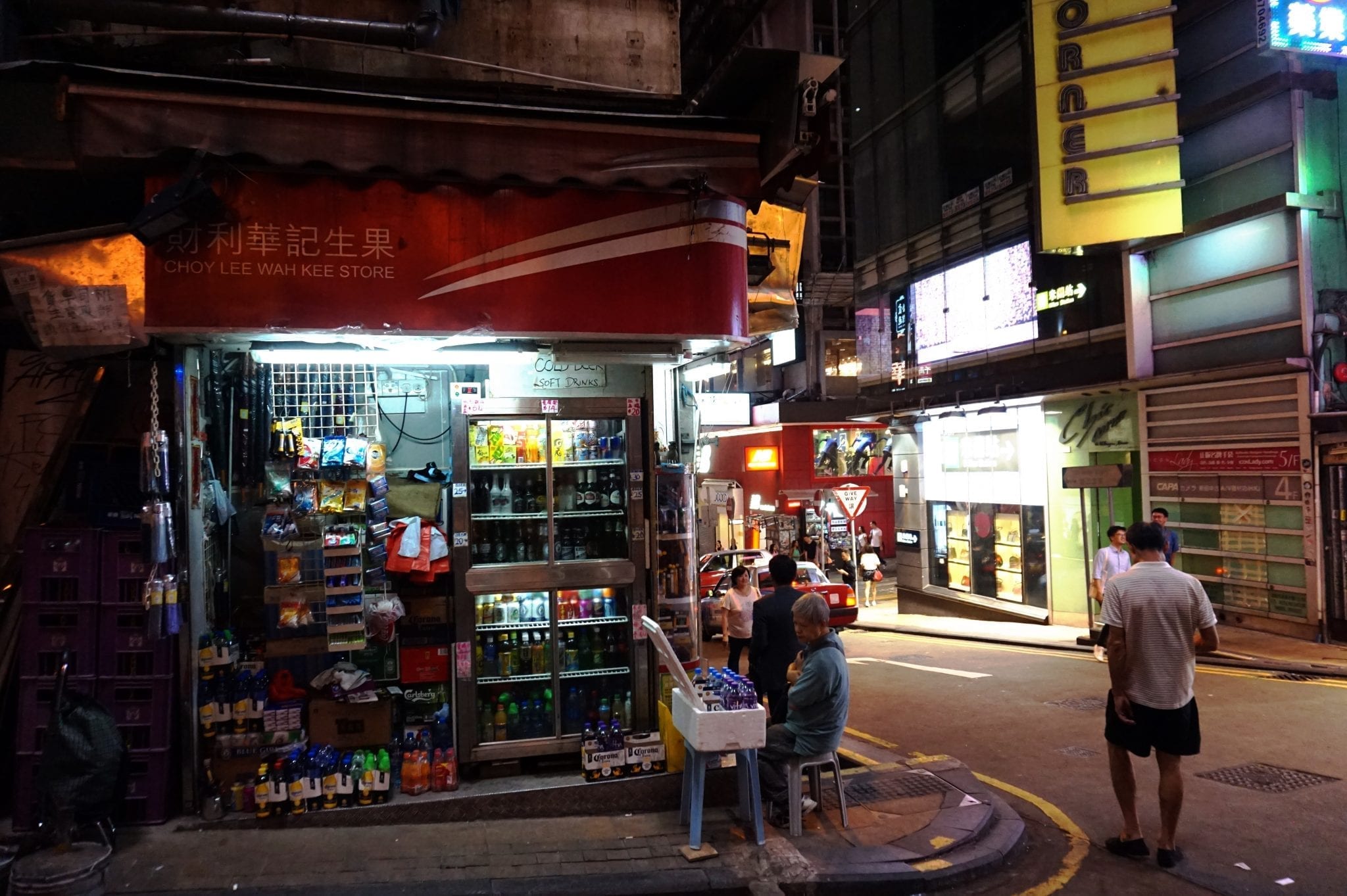
    Convenience stores and shops across Hong Kong will be banned from selling alcohol to minors under new legislation to be proposed by the government this year as it steps up efforts to tackle a rise in underage drinking.

    The law, if passed by the Legislative Council, will prohibit retailers from selling liquor to anyone under the age of 18 – the same as the current restriction on the sale of tobacco.

    Although the city’s bars and clubs are already banned from serving or selling alcoholic drinks to minors, retailers do not have to follow the rule. Leading retail chains such as 7-Eleven have agreed ­voluntarily to refuse to sell liquor to anyone below 18, but staff seldom bother to check the age of customers. This is a problem that has been confirmed by various studies and demonstrated in a test conducted.

    The new move by the Food and Health Bureau comes amid criticism that Hong Kong is slipping behind other developed cities in its handling of underage drinking, and that it remains easy for teenagers to enjoy a tipsy night.

    “The proposed statutory regulatory regime will cover all forms of commercial sale and supply of alcohol, including internet sale … and from the vending machine,” a spokeswoman for the bureau said, confirming the plan to table the legislation this year.

    Sellers will also have to display signs stating that no alcohol may be sold or supplied to anyone aged below 18.

    A government poll in 2014 found that 56.2 per cent of the city’s students had tried alcohol, with 21.9 per cent of those aged 10 or below saying they had done so.

    Last year the Centre for Health Protection found that 43.1 per cent of 1,630 people polled had taken their first sip of alcohol before the age of 18. It also showed a worrying rise in binge drinking among students.

    The Medical ­Association, the city’s largest doctors’ group, said 77 per cent of the 1,003 people it polled supported banning the sale of alcohol to those below 18.

    Allan Zeman, ­chairman of the Lan Kwai Fong Group, supported the move, saying anti-social behaviour among the young at nightspots might damage Hong Kong’s image abroad.

    “Some of the retail chains are very powerful here. I think we should look at what other cities in the world have done and get tough about this,” Zeman said.

    A 7-Eleven spokesman said the chain supported legislation banning the sale of alcohol to those aged below 18.

    The Hong Kong General Chamber of Wine & Spirits has previously said it supports an age limit on the sale of alcohol, but it should be set at 16.

  • Vietnamese expected to drink up this Tet

    Vietnamese expected to drink up this Tet

    Top brewer Habeco expects sales of nearly 147 million liters of beer during the biggest holiday, up 6.1 percent year on year. Vietnam’s brewers are gearing up for a massive drink-up this Lunar New Year holidays, or Tet.

    Hanoi-based top brewer Habeco plans to churn out 146.8 million liters of beer during the Lunar New Year, up 6.1 percent from the same period last year, according to the Ministry of Transport’s official mouthpiece Bao Giao Thong.

    Meanwhile, beer consumption in Ho Chi Minh City is projected to jump 30 percent (from last year) to around 40 million liters during Tet, according to estimates released by the municipal Department of Industry and Trade.

    The cities will provide the country’s key booze markets this Lunar New Year, which falls on January 28.

    The Vietnam Beer Alcohol Beverage Association expects beer production to grow by 25 percent, annually, before hitting 4 billion liters in 2020.

    Over the past five years, Vietnam has doubled its consumption of beer to more than 3 billion liters per year. Each Vietnamese person drinks an average of 27.4 liters, placing them squarely in the world’s top 25 beer drinkers.

    In 2015, Vietnam produced an estimated 3.4 billion liters of beer and 300 million liters of liquor.

  • Bacardi shuffles Asia Pacific Travel Retail pack

    Bacardi shuffles Asia Pacific Travel Retail pack

    Bacardi has made several personnel changes to its Asia Pacific Global Travel Retail (GTR) division.

    The company said late last week that Irving Holmes Wong, formerly regional director of Asia Pacific for Bacardi GTR, would take on the newly-created role of managing director for Bacardi Greater China (domestic), from a base in Shanghai. He will be replaced by Vinay Golikeri, who will be based in Hong Kong and report to Mike Birch, Bacardi’s GTR MD.

    Golikeri moves up from the position of customer marketing director of GTR. He will be replaced by former GTR finance director Leila Stansfield.

    The team will assume their new roles on 14 April.

    Birch said: “Bacardi prides itself on developing its internal talent pool and I am especially pleased to have the expertise of Vinay and Leila in their new roles. Global Travel Retail is a strategic shop window for the Bacardi group with strong support from our CEO Mike Dolan and I am delighted that we have his personal support and continued investment in helping us deliver our ambitions in the sector.”

    In September last year, Bacardi set its sights on the spirits market in China with the creation of the non-executive chairman for Greater China position.

  • Olivia Burton launches first stand-alone retail presence in Hong Kong

    Olivia Burton launches first stand-alone retail presence in Hong Kong

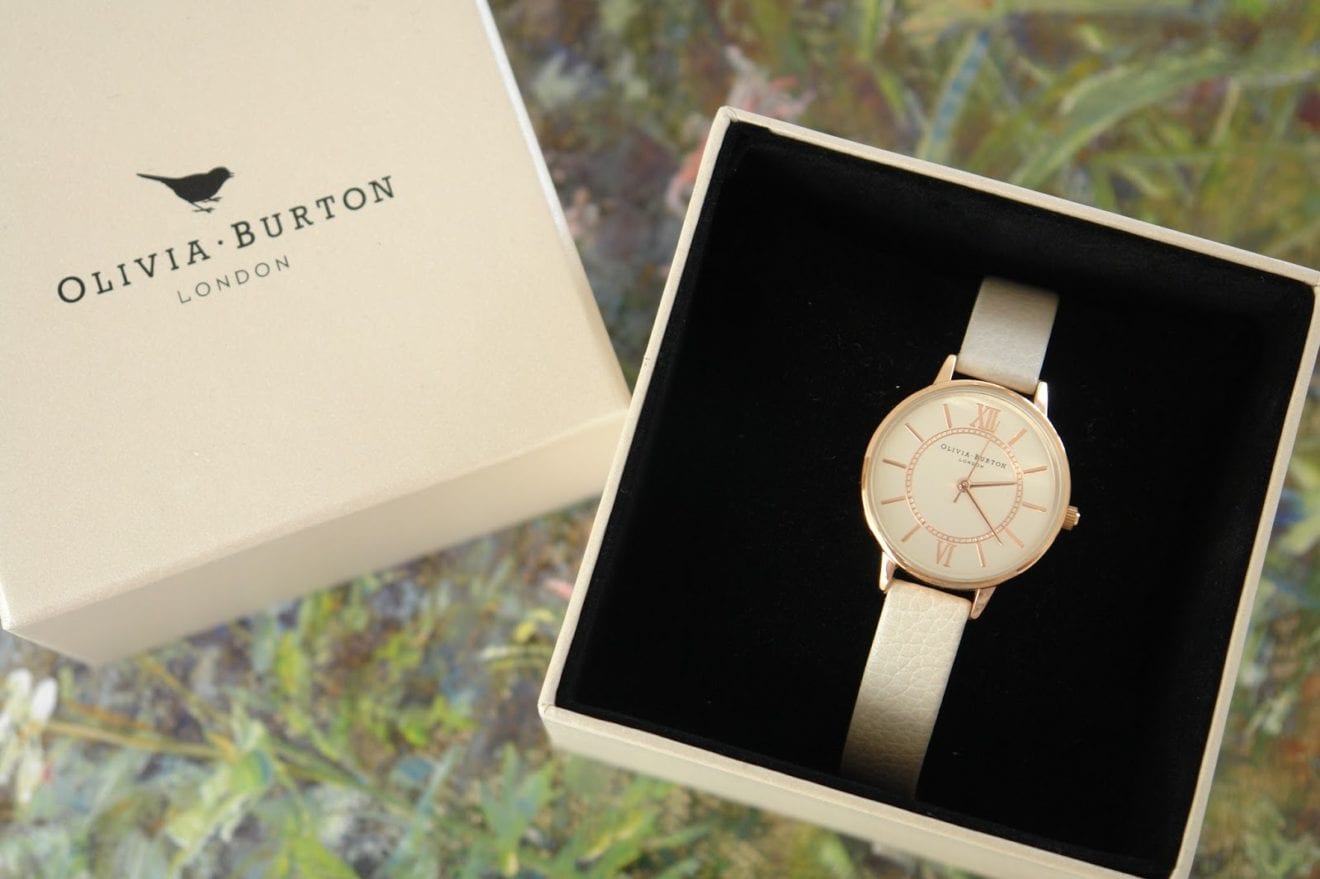
    British watch brand Olivia Burton has launched its first stand-alone retail presence in Hong Kong.

    The move comes as a partnership with the company’s Hong Kong distributor – Working Unit – and has seen three Olivia Burton-dedicated ‘watch corners’ open across the city in Kapok retail stores.

    The company said it launched the stores in December 2015 in an effort to capitalise on the Christmas shopping period.

    Located in prime locations that offer “high traffic and consumption”, the Olivia Burton watch corners are based in the LCX store in Tsim Sha Tsui, the apm mall in Kwun Tong and the New Town Plaza in Shatin.

    Jemma Fennings, brand founder and managing director of the brand, said the launch of the retail corners mark a “huge milestone” for the brand and its international presence.

    She said: “The label has proved extremely popular with the Asian market since we started trading internationally and to be able to offer a dedicated retail space that is designed and merchandised by our in-house team is really exciting.

    “We’re looking forward to increasing our brand awareness and product offering within the Asian market and hope to add additional retail spaces to the current portfolio in the coming year.”

    The stand-alone corners will stock a wide range of Olivia Burton styles and new collections will be added every two months.