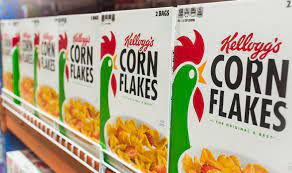
Tag: amid

  • WK Kellogg reports sharp drop in Q2 earnings amid Ferrero takeover

    WK Kellogg reports sharp drop in Q2 earnings amid Ferrero takeover

    The major breakfast cereal and snack producer, WK Kellogg, has revealed a significant drop in its net income for the second quarter as it readies itself for an upcoming acquisition by Ferrero Group.

    Drop in Earnings

    The company’s net income for the quarter was a mere $8 million, a significant decrease from the $37 million earned in the same period last year. This represents a year-over-year decrease of 78.4%.

    The company’s net sales for the second quarter also dipped by 8.8%, coming in at $613 million. This slump reflects the weakening consumer demand across all of WK Kellogg’s markets.

    Pending Acquisition by Ferrero Group

    WK Kellogg had previously announced a definitive agreement to be purchased by Italy-based Ferrero Group in an all-cash deal worth $3.1 billion. The deal is anticipated to close in the latter half of the present year, provided it receives the required approval from regulators and shareholders.

    Gary Pilnick, chairman and CEO of WK Kellogg, stated, “Despite the challenging operating environment, we experienced in the second quarter, we are making tangible progress against our long-term strategic priorities, including our supply chain modernization initiative.” He continued, “Our team remains committed to executing our plans for the remainder of the year and preparing for the future as we look forward to merging with Ferrero and commencing this exciting new chapter for WK.”

    The acquisition is viewed as a crucial move to expedite WK Kellogg’s transformation under Ferrero’s stewardship, capitalizing on complementary product portfolios and global outreach.

    Questions & Answers

    Why did WK Kellogg’s net income decrease in this quarter?
    The decline in net income is attributed to weaker consumer demand across all of WK Kellogg’s markets.

    What is the value of Ferrero Group’s acquisition deal with WK Kellogg?
    Ferrero Group has agreed to acquire WK Kellogg in an all-cash deal worth $3.1 billion.

    What does WK Kellogg anticipate from the prospective merger with Ferrero Group?
    The merger with Ferrero Group is expected to fast-track WK Kellogg’s transformation, leveraging the combined strength of their product portfolios and global reach.
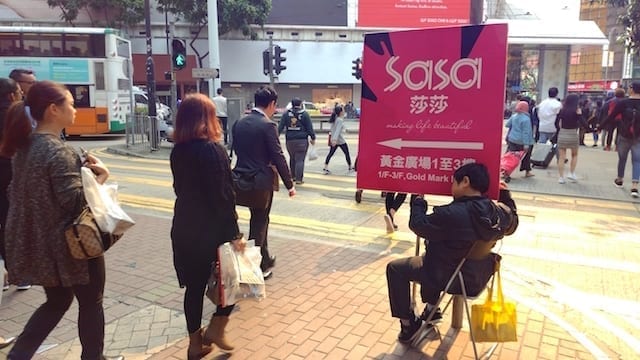
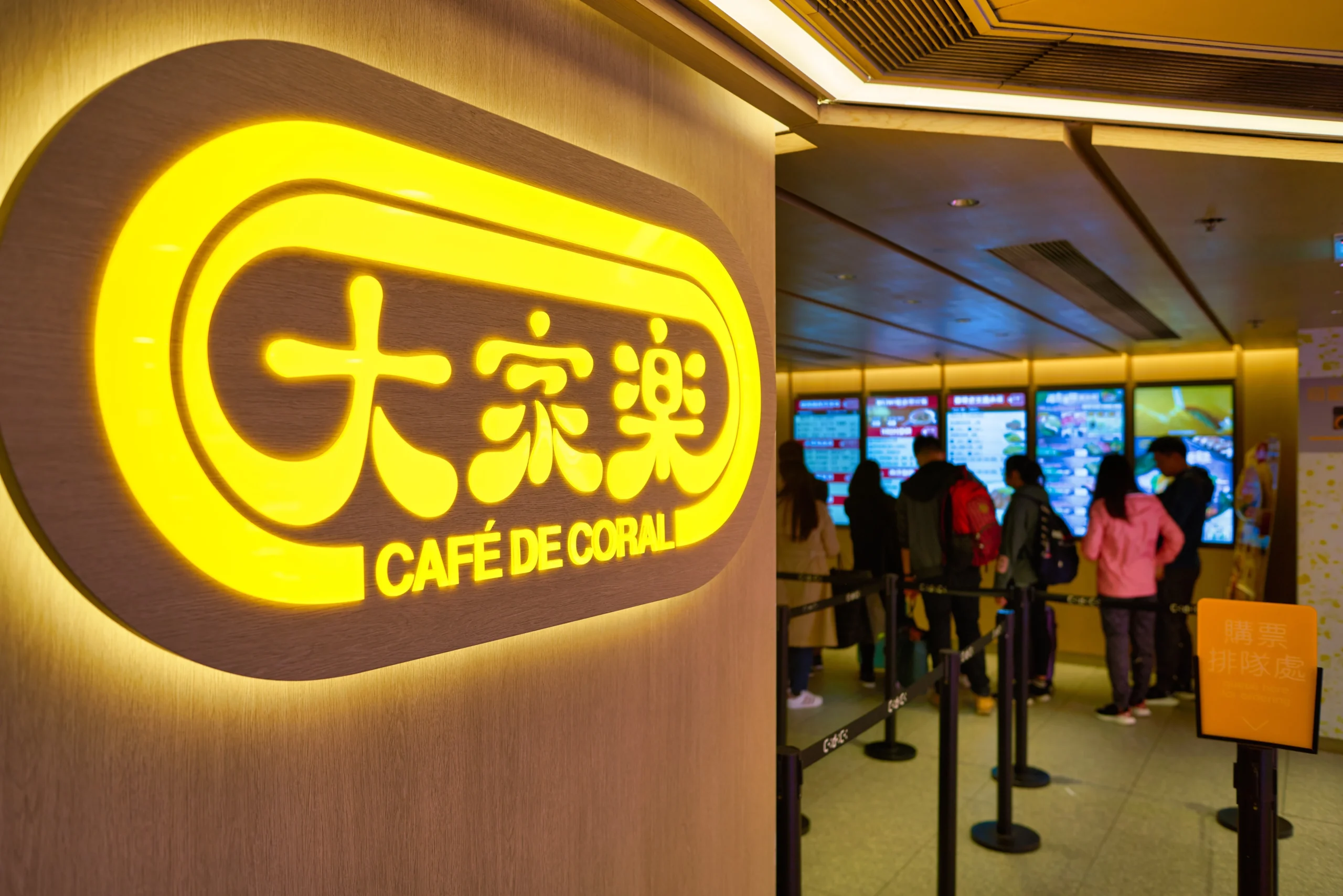
  • Sa Sa International Faces Sales And Profit Downturn Amid Economic Uncertainties

    Sa Sa International Faces Sales And Profit Downturn Amid Economic Uncertainties

    Sa Sa International, a prominent beauty retailer, has recently disclosed a decrease in both sales and profits for its most recent fiscal year. This downturn is attributed to unfavorable market conditions in Hong Kong and Macau, the principal markets for the company.

    Sales Decrease

    Sa Sa International’s financial reports demonstrate a marked decrease in turnover, with a dip of 9.7% to HK$3.9 billion (US$497 million) for the fiscal year which ended on March 31. This decline is due largely to the continuous outbound travel of Hong Kong and Macau residents to Mainland China and other foreign countries.

    This expatriation, in tandem with a robust US dollar and an increase in economic uncertainties caused by trade tariffs, has led to more cautious spending by those visiting Hong Kong and Macau. The primary markets for the group are indeed Hong Kong and Macau, which represent more than 75% of the company’s total sales.

    In these markets specifically, turnover experienced a decline of 12.3%, and 10.5% in Mainland China, but conversely, a 14.7% increase was observed in Southeast Asia.

    Profit Decline

    The company has also reported a significant decline in profits for the year, with a slide of 64.8% to HK$77 million, aligning with the company board’s previous projections in April. Brick-and-mortar sales decreased by 11.9%, though some improvement was noted in the latter half of the fiscal year. However, online sales saw a modest increase of 1.2%, largely thanks to the growth of third-party e-commerce platforms in the Southeast Asian market.

    As the year concluded, the group maintained 84 stores in Hong Kong and Macau, 18 in Mainland China, and 72 in Southeast Asia.

    Future Plans

    Sa Sa International’s management team has expressed their intent to closely monitor market trends and make adjustments to their portfolio as necessary. Their primary objective is to facilitate growth in both sales and gross profit, while at the same time, maintaining a stable gross profit margin. Their aim is to develop a sustainable model to boost profitability.

    In the first quarter ending June 15, the group witnessed a 4.5% increase in turnover, with growth recorded in all markets, except for Mainland China.

    Questions & Answers

    What are the primary markets for Sa Sa International?
    Hong Kong and Macau are the primary markets for Sa Sa International, accounting for more than 75% of the company’s total sales.

    What caused the recent downturn for Sa Sa International?
    This downturn is due largely to the continuous outbound travel of Hong Kong and Macau residents to Mainland China and other foreign countries, coupled with a robust US dollar and increasing economic uncertainties.

    What is Sa Sa International’s plan moving forward?
    The company plans to closely monitor market trends and make adjustments to their portfolio as necessary. Their primary objective is to facilitate growth in both sales and gross profit while maintaining a stable gross profit margin.

  • Cafe De Coral Profits Plummet Amid Economic Fragility; Embraces Strategic Adaptations For Resilience

    Cafe De Coral Profits Plummet Amid Economic Fragility; Embraces Strategic Adaptations For Resilience

    Cafe de Coral, a prominent foodservice operator, has disclosed a slump in earnings, attributing the setback to a frail economy and lukewarm consumer sentiment. The fiscal report for the year ending March 31 revealed a 1.4% slide in revenue, resulting in HK$8.568 billion (US$1 billion). Concurrently, the profit attributable faced a steep 29.6% fall, amounting to HK$232.7 million.

    Challenging Industry Landscape

    The management acknowledged a severe downturn in the restaurant sector both in Hong Kong and Mainland China. The slump was aggravated by heightened economic fragility and a tepid consumer sentiment. Additional factors contributing to the downturn included the outbound spending habits of Hong Kong’s residents and stiff price competition in Mainland China’s marketplace.

    In Hong Kong, the revenue loss was marked at 1.4% with casual dining and quick service restaurants experiencing a decline of 6.4% and 0.3% respectively. Revenue from Mainland China recorded a 1.3% decrease.

    Strategic Adaptation

    Sunny Lo, the Chairman of Cafe de Coral, contended that the uncertainty over the course of the previous year was indicative of a long-term transformation in global markets. As per him, this transformation was triggered by geopolitical forces adapting to a new dynamic.

    Lo stated, “Our management team has accepted and embraced the current economic challenges and is adapting the business to thrive in the new environment.” He further emphasized the company’s commitment to the future by refining its restaurant portfolio, hiring new talent, and integrating innovative technological solutions to transform the business operations.

    Cafe de Coral currently oversees a network of over 500 stores spanning Hong Kong, Macau, and nine principal cities in Mainland China.

    Questions & Answers

    What is the main reason for Cafe de Coral’s decreased profits and sales in the last fiscal year?
    The primary reasons for the decrease in profit and sales were attributed to a weak economy and lukewarm consumer sentiment, particularly in Hong Kong and Mainland China.

    How did the downturn affect different restaurant types?
    The downturn affected casual dining and quick service restaurants differently. Casual dining saw a decrease of 6.4%, while quick service restaurants experienced a smaller decrease of 0.3%.

    What steps is Cafe de Coral taking to adapt to the current economic challenges?
    The company is adapting by refining its restaurant portfolio, recruiting fresh talent, and incorporating new technology into its operations.