Tag: amid

  • Thailand’s Export Boom: Record-Breaking $35.16B Earned in March 2026 Amid Threats of Global Volatility

    Thailand’s Export Boom: Record-Breaking $35.16B Earned in March 2026 Amid Threats of Global Volatility

    Thailand’s merchandise exports experienced a surge for the 21st month in a row in March 2026, reaching a new high of US$35.16 billion, an increase of 18.7% when compared to the previous year. The Ministry of Commerce reported these figures, highlighting a significant growth compared to the 9.9% increase recorded in February. This data further underscores the crucial role of exports in boosting the Thai economy.

    Driving Factors for Growth

    This remarkable performance can largely be attributed to the strength of technology-related products, a robust global supply chain activity, and the temporary relief from certain U.S. tariff measures. Nantapong Chiralerspong, the Director-General of the Trade Policy and Strategy Office (TPSO), added that the recovery in global manufacturing, evident from the stable demand and new orders from international markets, also contributed to this export growth.

    Despite the positive indicators, Chiralerspong issued a word of caution. He pointed out the presence of emerging challenges, particularly the disruptions in shipping through the Strait of Hormuz, which is starting to impact Middle Eastern markets, indicating a potential slowdown.

    Imports and Trade Deficit

    On another note, Thailand witnessed a significant rise of 35.7% in imports in March, bringing the figure to $38.50 billion. This resulted in a trade deficit of $3.34 billion. The first quarter of the year saw total exports from Thailand reaching $96.17 billion, marking an increase of 17.6%. On the other hand, imports surged by 32.4% to $105.65 billion, leading to a trade deficit of $9.48 billion.

    Future Outlook

    The Ministry of Commerce expressed concerns over the uncertain future of export prospects due to global volatility. The ongoing tensions in the Middle East are driving up logistics, energy, and production costs, thereby increasing the pressure on Thailand’s export sector.

    Questions & Answers

    What are the main drivers of Thailand’s recent export growth?
    The recent export growth in Thailand can mostly be attributed to the robust sales of technology-related products, active global supply chain activity, and the temporary relaxation of certain U.S. tariff measures. The recovery in global manufacturing has also supported this growth.

    What challenges is Thailand facing in its export sector?
    Emerging challenges, including disruptions in shipping through the Strait of Hormuz, are starting to impact the Middle Eastern markets, indicating a potential slowdown. Additionally, ongoing Middle East tensions are escalating logistics, energy, and production costs.

    How has the import activity been in Thailand recently?
    Thailand has seen a sharp increase in imports, rising by 35.7% in March 2026 to $38.50 billion. In the first quarter of the same year, imports surged by 32.4% to $105.65 billion.


  • Global Condom Shortage Looms as Leading Manufacturer Karex Bhd Raises Prices Amid Iran War Supply Chain Disruptions

    Global Condom Shortage Looms as Leading Manufacturer Karex Bhd Raises Prices Amid Iran War Supply Chain Disruptions

    Karex Bhd, the globally recognized top producer of condoms and supplier to major brands like Durex, has recently announced plans to increase prices by 20% to 30%. This price hike is a possible response to the ongoing supply chain disruptions, which could extend further depending on the duration of the Iran conflict.

    Increasing Demand and Costs

    The Malaysia-based company’s CEO, Goh Miah Kiat, shared that the current situation is precarious, with high prices being a significant concern. Goh stated that the company has no choice but to pass on these additional costs to the customers. An unexpected surge in demand for condoms, exacerbated by increased freight costs and shipping delays, has left many clients with unusually low stockpiles.

    Karex, the producer of over 5 billion condoms a year, supplies to leading brands like Trojan and Durex, as well as state health systems such as the NHS in Britain and the United Nations’ global aid programs.

    Supply Chain Bottlenecks

    The condom manufacturer is just one amongst numerous other companies, including medical glove makers, that are bracing themselves for supply chain bottlenecks. The ongoing conflict in Iran is straining energy and petrochemical flows from the Middle East, leading to procurement disruptions of raw materials.

    Since the commencement of the conflict in late February, Karex has witnessed cost increases for a variety of materials. These include synthetic rubber and nitrile used in condom manufacturing, packaging supplies, and lubricants such as aluminium foils and silicone oil.

    Boosting Output in Response to Rising Demand

    Despite these challenges, Karex has assured that it has sufficient supplies for the coming months. The company is also planning to increase output in response to the growing demand. The global stockpiles of condoms have witnessed a significant decrease following substantial spending cuts in foreign aid, particularly from the U.S. Agency for International Development in the previous year.

    Goh noted that demand for condoms has risen approximately 30% this year, with shipping disruptions further straining the supply. Shipments to areas like Europe and the United States now take almost two months to arrive, as compared to a month previously.

    Goh expressed concern over the high demand for condoms in developing countries where the local stock is insufficient due to extended product delivery times.

    Questions & Answers

    How much is Karex planning to raise its prices by?
    Karex has plans to increase its prices by 20% to 30% due to ongoing supply chain disruptions and rising operational costs.

    What has caused the rise in demand for condoms?
    The demand for condoms has surged due to rising freight costs and shipping delays which have resulted in lower stockpiles for many of Karex’s customers.

    How is the Iran conflict affecting Karex’s operations?
    The Iran conflict has strained the procurement of raw materials, leading to supply chain disruptions. This has caused a significant increase in the cost of materials like synthetic rubber, nitrile, packaging supplies, and lubricants which are essential in condom manufacturing.

  • Air India Appeals to Tata, Singapore Airlines for Bailout Amid $2.4B Loss Crisis

    Air India Appeals to Tata, Singapore Airlines for Bailout Amid $2.4B Loss Crisis

    Air India has reported an annual deficit surpassing INR220 billion ($2.4 billion), a more substantial loss than initially anticipated. This unexpected financial setback has led the airline to seek monetary aid from its stakeholders.

    Fiscal Losses and Contributing Factors

    The fiscal loss was recorded for the financial year ending March 31. This period was characterized by various unfortunate incidents such as the deadly crash of a Boeing 787 Dreamliner, the shutting down of Pakistani airspace for Indian airlines, and escalating conflict in the Middle East.

    Air India’s principal owner, Tata Group, and minority shareholder Singapore Airlines, which holds a 25.1% stake, are currently engaged in discussions to infuse new capital into the struggling airline. However, the exact amount being deliberated remains undisclosed and may not completely address the airline’s financial needs. This shortfall might necessitate Air India to seek additional avenues for funding.

    Critical Period for Air India

    The unprecedented loss arrives at a critical juncture for Air India. The company’s CEO, Campbell Wilson, announced his intention to resign later in 2026. The airline was designated the least safe in the most recent annual audit by the aviation regulator, despite ambitious expansion plans. The carrier has also grappled with efforts to enhance service standards and yields.

    Air India began the fiscal year on a more positive note, with operating profits reported in early April 2025. Nevertheless, circumstances took a downward turn following the closure of Pakistani airspace to Indian airlines after a short-lived conflict in May. This situation necessitated longer routes to the United States and Europe. Subsequently, the fatal Dreamliner crash in June, which resulted in more than 240 casualties, further disrupted operations, compelling the airline to reduce both international and domestic services.

    External Pressures

    The airline also faced external pressures such as punitive tariffs imposed by the U.S. President on India and stricter controls on foreign worker visas. Air India found itself among the most adversely impacted foreign carriers due to the escalating tensions in the Middle East. This crisis disrupted flights to Europe and the U.S., requiring longer and costlier routes amidst rising jet fuel prices.

    Singapore Airlines, which acquired its minority stake following the merger of its local affiliate Vistara with Air India in 2024, has also faced a negative impact on its earnings due to the airline’s declining performance.

    Questions & Answers

    What is the extent of Air India’s annual loss?
    Air India has reported an annual loss of over INR220 billion ($2.4 billion).

    What factors have contributed to Air India’s substantial loss?
    Several factors have contributed to this loss, including an unexpected Boeing 787 Dreamliner crash, the closure of Pakistani airspace to Indian airlines, conflict in the Middle East, and punitive tariffs imposed by the U.S. President on India.

    What steps are being taken to mitigate the loss?
    The principal owner, Tata Group, and Singapore Airlines are discussing an infusion of fresh capital. However, the exact amount under consideration remains undisclosed.

  • U.S. Dollar Slightly Slips Against Vietnamese Dong Amid Global Market Uncertainties

    U.S. Dollar Slightly Slips Against Vietnamese Dong Amid Global Market Uncertainties

    On Monday, the U.S. dollar experienced a slight decrease in value against the Vietnamese dong while maintaining stability against other significant currencies. Vietnam-based bank Vietcombank quoted the U.S. dollar at 26,344 VND, marking a negligible decline of 0.004% from its weekend rate. Concurrently, the unofficial or “black market” rate of the currency experienced a 0.18% drop, bringing it to approximately 27,350 VND.

    Exchange Rates and Global Outlook

    For the day, the State Bank of Vietnam raised its reference rate marginally by 0.02% to 25,090 VND. Internationally, the U.S. dollar held steady on Monday, while the Japanese yen approached the important 160 per dollar threshold. This occurred as investors cautiously assessed the heightening tensions surrounding the Iran conflict and awaited the upcoming deadline set by U.S. President Donald Trump to reopen the Strait of Hormuz.

    Charu Chanana, chief investment strategist at Saxo in Singapore, commented on this trend, noting: “Investors are interpreting this as an oil-to-inflation-to-rates issue, which is why the dollar remains the most reliable haven currently, whereas gold, bonds, and yen have all seemed considerably less dependable than in a typical geopolitical scare”.

    Market Conditions and Currency Performance

    With major markets across Asia and Europe closed due to a holiday on Monday, trading liquidity was expected to be thin. However, a general risk aversion sentiment was observed at the start of the week.

    The dollar index, a measure of U.S. currency strength against six other leading currencies, stood at 100.2. Meanwhile, the Euro depreciated by 0.13% to reach $1.151 in early trading, and the British pound sterling traded at $1.3187.

    The Australian dollar improved by 0.13% at $0.6893, wobbling near its two-month low from the previous week. The Japanese yen weakened to 159.77 per U.S. dollar, closely trailing last week’s 21-month low.

    Questions & Answers

    What was the exchange rate of the U.S. dollar to the Vietnamese dong on Monday?
    The U.S. dollar was trading at 26,344 VND according to Vietcombank rates, while the black market rate was approximately 27,350 VND.

    How was the performance of the U.S. dollar against other major currencies?
    The U.S. dollar largely maintained stability against other major currencies. It held steady levels internationally while the Japanese yen approached the important 160 per dollar threshold.

    What impact did the escalating Iran conflict have on the currency market?
    The increasing tensions surrounding the Iran war resulted in cautious investor behavior. This led to the U.S. dollar being viewed as the most reliable haven currency, compared to less dependable options such as gold, bonds, and yen in this geopolitical situation.

  • Alibaba’s Profits Tumble Amid Unsuccessful Retail Promotions and Emerging AI Challenges

    Alibaba’s Profits Tumble Amid Unsuccessful Retail Promotions and Emerging AI Challenges

    Alibaba, China’s largest e-commerce firm, reported a modest 1.7% increase in third-quarter revenue, significantly below expectations. However, more concerning was the staggering 66.3% drop in net income, largely due to heavy spending on one-hour delivery and extensive promotional activities during peak shopping periods, which did not translate into higher demand as anticipated.

    The company’s US-listed shares fell over 6% in early trading following the report. Alibaba’s revenue for the quarter, which ended in December, reached 284.84 billion yuan (US$41.28 billion), a far cry from the predicted 3.7% rise. The company’s adjusted earnings amounted to 7.09 yuan per American Depository Share, significantly below the estimated 11.64 yuan.

    Focusing on AI Profitability

    On a brighter note, Alibaba’s cloud revenue exceeded expectations, posting a growth of 36%. This growth was driven by the company’s aggressive integration of AI agents into the consumer-facing aspects of its business, along with increased investments.

    The tech industry, both in China and globally, is closely monitoring the progress of AI monetization as firms grapple with turning this revolutionary technology into a profitable venture. In line with this, Alibaba recently announced its decision to segregate its AI businesses from its cloud computing division.

    The newly created Alibaba Token Hub business group, under the leadership of CEO Eddie Wu, marks the company’s clear shift towards AI-based digital assistants. These AI models use significantly more tokens, or data units for generating language, compared to traditional Q&A chatbots.

    Alibaba recently launched a pre-Chinese New Year promotional campaign featuring its chatbot Qwen. This has now evolved from answering questions to assisting consumers with ordering food and e-commerce products. This strategy led to a significant increase in daily active users to around 50 million. However, usage has since declined.

    “Unfortunately, 30-day retention remains relatively low, as users are primarily engaging in general entertainment and consumer-related scenarios, which indicates low user loyalty,” commented Jamie Chen of Third Bridge.

    CEO Eddie Wu shared the company’s ambitious vision during a call with analysts, stating, “Over the next five years, our goal is to surpass $100 billion in combined cloud and AI external revenue.”

    The Impact of the Ongoing Property Crisis

    By the end of last year, a drawn-out property crisis and income stability concerns continued to negatively impact consumer sentiment. This resulted in reduced spending, even during traditional periods of high expenditure.

    Even an extended Singles’ Day sales event in November, that lasted over a month, received a lukewarm response. Retailers increased discounts and subsidies to boost spending, but cautious consumers and year-round deals diluted the event’s traditional sales spike.

    Aggressive spending by Alibaba and JD to provide discounts and faster delivery to capture market share from food-delivery leader Meituan led to pressure on profit margins.

    In upcoming quarters, the focus for Alibaba will be on improving unit economics for its Taobao Quick Commerce division. Executives have reiterated their aim to achieve a gross merchandise volume of 1 trillion yuan and predict that the business will turn profitable by the fiscal year 2029.

    Questions & Answers

    What were the Q3 results for Alibaba?
    Alibaba reported a 1.7% rise in third-quarter revenue and a 66.3% drop in net income, both below analysts’ estimates.

    What is Alibaba’s focus in the tech industry?
    Alibaba is focusing on AI monetization, integrating AI agents into the consumer-facing side of its business, and separating its AI businesses from its cloud computing arm.

    How did the property crisis affect Alibaba’s performance?
    A prolonged property crisis and concerns about income stability weighed on consumer sentiment, limiting spending even during traditional periods of high expenditure. This resulted in lower-than-expected revenues for Alibaba.

  • Misto Holdings Boosts Q4 Sales Amid US Business Restructuring: Fila & Acushnet Show Strong Performances

    Misto Holdings Boosts Q4 Sales Amid US Business Restructuring: Fila & Acushnet Show Strong Performances

    In the fourth quarter, Misto Holdings, the parent company of Fila, Titleist and FootJoy, announced an increase in sales growth following a restructuring of its U.S. operations. The firm, based in South Korea, saw a 6.3% year-on-year boost in revenue during this period, reaching KRW915.2 billion (US$612 million). This follows a 3.7% uplift in sales reported in the third quarter.

    Company executives attribute this growth to a combination of factors, despite the prevailing macroeconomic uncertainty. These include a focus on profitability-driven operations, the positive outcomes of restructuring, and robust performance from Acushnet.

    Segment Performance

    Revenue from the Misto segment, which includes Fila and other lifestyle brands, fell by 9.6%. This decrease was primarily due to restructuring and inventory clearance in the U.S. market. However, operating profit improved significantly, reaching KRW74.7 billion, marking a notable recovery from the previous year.

    The Greater China market has emerged as a new area of growth for the company, driven by the expansion of prominent K-fashion brands. In South Korea, demand for Fila’s footwear franchise models remained stable.

    The Acushnet segment reported a sales growth of 10.9%, bolstered by strong sales of golf equipment, such as Titleist T-Series irons and SM10 wedges. Additionally, higher average selling prices for FootJoy golf shoes contributed to this growth.

    Yearly Overview

    For the entirety of FY25, the company’s consolidated revenue grew by 4.7% to reach KRW4.47 trillion. Operating profit surged by 31.6% to KRW 474.8 billion.

    Ho Yeon (Aaron) Lee, CFO of Misto Holdings, reflected on the past year, saying it was a significant period that saw the company reinforce its identity as a global brand portfolio company following a corporate name change.

    He noted that the expansion of the Greater China business, improved profitability in the Misto segment, and solid growth in Acushnet have all contributed to the stability of the company’s earnings.

    Questions & Answers

    What factors led to the growth of Misto Holdings in the fourth quarter?
    The growth was attributed to profitability-focused operations, the restructuring of the U.S. operations, and strong performance from Acushnet.

    How has the Misto segment performed amidst the company’s restructuring?
    Despite a decrease in revenue by 9.6% due to restructuring and inventory clearance, the Misto segment saw an improvement in operating profit, marking a significant turnaround.

    What contributed to the sales growth of the Acushnet segment?
    Increased sales of golf equipment, particularly Titleist T-Series irons and SM10 wedges, along with higher average selling prices for FootJoy golf shoes, supported the 10.9% growth in the Acushnet segment.

  • U.S. Dollar Ascends to Year’s High Against Key Currencies Amid Oil Price Surge & Inflation Fears

    U.S. Dollar Ascends to Year’s High Against Key Currencies Amid Oil Price Surge & Inflation Fears

    The United States dollar achieved a rise against the Vietnamese dong on Thursday morning, while concurrently reaching peak levels this year against other major currencies. The Vietnamese bank, Vietcombank, increased the dollar’s rate by 0.01%, setting it at VND26,314.

    Greenback Performance in the Informal Market

    In contrast to its performance with Vietcombank, the US dollar, informally known as the greenback, recorded a slight decline of 0.18% on the informal market, bringing it down to VND27,910.

    The Dollar’s Global Strength

    On the international front, the greenback maintained its position as a safe-haven currency, staying close to its most robust levels of the year. This strength comes in the wake of rising oil prices, which threaten to trigger inflation and compel central banks worldwide to adopt a more bullish policy stance.

    Performance Against Other Currencies

    The euro experienced a minor fall of 0.1% against the greenback, with an early Asian trading rate of $1.1549, which is nearing its lowest level since November.

    Japan’s yen also saw a decline, dipping below the 159-per-dollar mark, with a decrease of up to 0.2% to 159.23. This trend brings the yen close to its weakest level since July 2024.

    Meanwhile, the Australian dollar and the New Zealand dollar each fell by 0.1%, recorded at $0.7148 and $0.5907 respectively.

    Questions & Answers

    What was the performance of the US dollar against the Vietnamese dong?
    The US dollar rose against the Vietnamese dong on Thursday morning.

    How did the greenback perform on the informal market?
    On the informal market, the greenback recorded a slight decline of 0.18%.

    How has the rise in oil prices affected the US dollar?
    The rising oil prices threaten to trigger inflation, which in turn has kept the US dollar close to its strongest levels this year as central banks worldwide may be compelled to adopt a more bullish policy stance.

  • Alibaba’s AI Chatbot Qwen Pauses Amid Surging Coupon Demand in Promotional Blitz

    Alibaba’s AI Chatbot Qwen Pauses Amid Surging Coupon Demand in Promotional Blitz

    Alibaba’s artificial intelligence chatbot, Qwen, recently hit a snag in its service. An overwhelming response from customers resulted in a suspension of the coupon-issuing function, which in turn interrupted a promotional campaign aimed at expanding Qwen’s capabilities beyond simple shopping assistance.

    From Qwen to Customers

    The situation kicked off on a hopeful note last Friday when Qwen began distributing coupons for in-app purchases on Alibaba’s retail platforms, with these transactions being managed via the chatbot’s prompts. This initiative marked the initial stage of a grand 3-billion-yuan (equivalent to about US$433 million) plan. The objective was to draw in a larger user base to the chatbot during China’s annual Spring Festival holiday.

    Since the previous month, Alibaba’s goal has been to evolve Qwen into a comprehensive solution where users could access the company’s other apps directly, completing payments seamlessly within the chatbot interface. This strategy is akin to how Google has integrated its Gemini chatbot within applications such as Maps.

    Technical Difficulties

    However, a few cracks started to appear in this grand plan. The launch of Qwen’s Agentic AI strategy, as Alibaba named it, encountered technical difficulties right from the onset of the coupon giveaway.

    Alibaba reported that a staggering 10 million orders were placed within a mere nine hours of the campaign’s launch. Consequently, an influx of orders over the weekend led to Qwen announcing on its official Weibo channel that it was overloaded. The chatbot humbly requested users to pause their interactions to allow for system recovery.

    By Monday, repeated purchase prompts were met with different versions of a refusal message, blaming user oversubscription for the issue.

    Qwen addressed the situation with a message saying, “Everyone’s enthusiasm for experiencing AI shopping is too high! Currently there are too many participants in ‘Qwen free order’, we are working tirelessly to maintain the campaign’s experience.”

    Despite the hiccup, Qwen assured shoppers that they would still have time to redeem their coupons, as they would remain valid until February 28. Alibaba, however, chose to remain silent on the specifics of the technical difficulties.

    Questions & Answers

    What is Alibaba’s Qwen?
    Qwen is an artificial intelligence chatbot created by Alibaba to assist users in shopping and to serve as a central hub for accessing the company’s various apps.

    What were the issues faced by Qwen?
    During a promotional campaign, Qwen experienced an overload due to overwhelming response from customers. This resulted in a temporary halt to the issuance of coupons and created technical difficulties in managing the influx of orders.

    What is the validity period for the coupons issued by Qwen?
    Despite the issues faced, Qwen assured users that their coupons would remain valid until February 28.

  • AliExpress Shuts Down Controversial Doll Vendor Amid Legal Scrutiny: A Deep Dive into the Intricate Web of Online Marketplace Regulations

    AliExpress Shuts Down Controversial Doll Vendor Amid Legal Scrutiny: A Deep Dive into the Intricate Web of Online Marketplace Regulations

    AliExpress, the online marketplace under the Alibaba Group, has expelled a China-based merchant who was selling dolls with childlike features intended for sexual use. This move followed a Reuters inquiry into whether the sale of these products adhered to the laws of the United States and European Union.

    The Case at Hand

    AliExpress was first alerted to these controversial listings in mid-November. The company initially claimed that there was no violation of their policies, arguing that the dolls were rigid and lacked any sexual functionality. However, they later shifted their stance, banning the seller for dishonest conduct on this grave issue.

    The seller, Guava Dolls, was found to be marketing four dolls that bore a striking resemblance to minors. These dolls were available for purchase in the US and Europe. Lawyers examining the case pointed out that the images of the dolls on AliExpress bore hallmarks of child sexualization, such as infantile expressions and school uniforms.

    Despite several attempts to reach Guava Dolls through email and social media, the seller remained unresponsive. AliExpress stated that the seller repeatedly denied selling sex toys on any platform, but eventually admitted to accepting custom orders on different platforms. This admission led to their permanent ban from the marketplace.

    European Regulations and the DSA

    AliExpress, along with Shein and Temu, falls under the purview of Europe’s Digital Services Act (DSA) due to their classification as Very Large Online Platforms (VLOPs). The European Commission is closely supervising AliExpress’s compliance with the DSA.

    The DSA mandates that online consumer marketplaces carry out due diligence on the products being sold on their platforms. They must also block or remove any illegal content once they become aware of its presence. These platforms now face stiffer regulatory obligations.

    AliExpress has indicated that it plans to employ third parties to aid in monitoring its platform in the future.

    Response to the Investigation

    The investigation was instigated by a consumer watchdog that spotted the childlike sex dolls on Shein’s marketplace. The European Commission has since asked Shein to provide information on their protective measures against age-inappropriate content and illegal products.

    AliExpress announced after the investigation that it had removed similar listings. It further stated that sellers who violated its policies would face penalties.

    According to the rules of AliExpress, content must neither be sexually explicit nor harmful to minors. Listings that insinuate or depict sex involving minors are prohibited. The company had originally claimed that the dolls in question were anime dolls created for fans of Japanese animation.

    Legal Implications

    In certain European countries, including France, Germany, and the UK, selling or facilitating access to dolls suggestive of children is illegal, regardless of their function. Consumer protection bodies in these nations often categorize such items as analogous to images of sexual abuse under child protection laws. Lawyers consulted by Reuters argued that the listings on AliExpress violated both national and EU guidelines.

    European Union lawmakers voted in favor of a resolution to protect EU consumers from non-compliant e-commerce platforms. This resolution underscores the issue of childlike sex dolls, among others. It is anticipated that the resolution will implore the Commission and EU member states to intensify checks on products entering the bloc.

    In the US, the regulation of childlike sex dolls is determined by state laws. Several states, including Arizona, Utah, Kentucky, Florida, Tennessee, Texas, Hawaii, Louisiana, and Wisconsin have enacted legislation targeting the sale, import, or possession of such dolls.

    Questions & Answers

    What triggered the investigation into AliExpress and Shein?
    The investigation was triggered by a consumer watchdog that discovered childlike sex dolls on Shein’s marketplace.

    What are the obligations of online marketplaces under Europe’s Digital Services Act (DSA)?
    The DSA mandates that online consumer marketplaces carry out due diligence on the products being sold on their platforms. They must also block or remove any illegal content once they become aware of its presence.

    What actions have been taken by AliExpress in response to the investigation?
    AliExpress has removed similar listings from its platform and announced that sellers who violated its policies would face penalties.

  • Yum Brands Eyeing Potential Pizza Hut Sell-Off Amid Underperformance

    Yum Brands Eyeing Potential Pizza Hut Sell-Off Amid Underperformance

    Yum Brands, the parent company of Pizza Hut, is currently exploring strategic alternatives for its pizza arm, which may include a potential sale. This move comes as Pizza Hut’s performance has been an underwhelming aspect of the business, failing to match the success of other sectors within the company.

    Strategic Review Initiated

    On Tuesday, Yum Brands disclosed that the company had commenced a formal evaluation of strategic alternatives for Pizza Hut. The purpose of this review is to unlock the brand’s full potential and optimise the value for the company’s stakeholders.

    In a statement, Christopher Turner, Yum Brands’ CEO, noted the Pizza Hut team has been diligently tackling business and category-specific challenges. However, the brand’s performance suggests that further action is required to unlock its full value. He further hinted that these goals might be more effectively achieved if Pizza Hut was not under the Yum Brands umbrella.

    A New Approach

    Turner stated that a new approach, which could potentially involve selling the business, may allow Pizza Hut to realise its full potential. However, he did not elaborate on what other approaches might be under consideration.

    Yum Brands has noted that no specific timeline has been set for the completion of this strategic review. Likewise, the company has not guaranteed that this process will result in a transaction.

    For guidance on this strategic review, Yum Brands has engaged the services of Goldman Sachs and Barclays as their financial advisors.

    Questions & Answers

    Why is Yum Brands considering selling Pizza Hut?
    The company is exploring different strategic options for Pizza Hut, including a potential sale, to maximise the brand’s potential and the value for the company’s shareholders.

    What is the timeline for this strategic review?
    Yum Brands has not set a specific deadline for the completion of the review.

    Has Yum Brands guaranteed that this review will result in a transaction?
    No, the company has stated that there is no assurance that the review process will lead to a transaction.

  • Vietnam Gold Prices Tumble Despite Global Stability: A Detailed Analysis Amid US Interest Rate Speculations

    Vietnam Gold Prices Tumble Despite Global Stability: A Detailed Analysis Amid US Interest Rate Speculations

    On Tuesday morning, the price of gold in Vietnam dropped, even as global rates remained stable. A notable drop was seen in the gold bar from Saigon Jewelry Company, which decreased by 0.53%, making its current price VND148.2 million (US$5,628.34) per tael.

    Changes in Local and Global Gold Prices

    There was also a decrease in the price of gold rings, with rates falling by 0.34%, establishing a current price of VND145.9 million per tael of 37.5 grams, or 1.2 ounces. Despite such recent drops, there has been a significant increase in the price of gold in Vietnam throughout the year, with a surge of 76% observed so far.

    On a global scale, gold prices remained largely unchanged as investors anticipated the U.S. private payroll data expected to be released later this week. This data is critical in assessing the potential for an additional interest rate cut from the U.S. Federal Reserve this year.

    Stability in Spot Gold Prices

    Spot gold displayed minimal changes, maintaining a steady rate at $3,993.10 an ounce. Edward Meir, an analyst at Marex, suggests that gold is in the process of establishing a trading range, potentially in the high 3000s to the mid-4000s. This range is considered a consolidation following a significant move in prices.

    Despite a sharp increase of 53% this year, there has been an 8% decrease in the price of the metal from the record high that was observed on October 20th. Ole Hansen, the head of commodity strategy at Saxo Bank, commented on the current trend in gold prices. He noted, “Gold’s pause still looks like a breather, not a breakdown. Seasonal softness, temporary Chinese policy noise, and a firmer dollar explain the short-term retreat, but none change the longer-term narrative.”

    Questions & Answers

    What is the current price for Saigon Jewelry Company’s gold bar?
    The current price for Saigon Jewelry Company’s gold bar is VND148.2 million (US$5,628.34) per tael.

    By how much has the price of gold in Vietnam increased this year?
    The price of gold in Vietnam has seen a substantial increase of 76% this year.

    What factors are contributing to the current global gold price trend?
    Several factors, including seasonal softness, temporary Chinese policy noise, and a stronger dollar, are contributing to the short-term retreat in global gold prices. However, these do not influence the longer-term narrative.

  • Dollar Dips Against Dong, Soars to Two-Week High Against Yen Amid Global Trade Talks

    Dollar Dips Against Dong, Soars to Two-Week High Against Yen Amid Global Trade Talks

    The US Dollar’s Fluctuating Performance Against Foreign Currencies

    The US dollar experienced a decline against the Vietnamese dong on Monday morning, while it simultaneously reached its most robust position in over two weeks against the Japanese yen. The greenback was sold by Vietcombank at a rate of VND26,351, marking a 0.004% dip from the weekend. However, the currency witnessed an increase of 0.18% on the black market, bringing it to VND27,750.

    Rate Adjustments by the State Bank of Vietnam

    The State Bank of Vietnam responded to these shifts by lowering its reference rate by 0.004% to VND25,097.

    Global Performance of the US Dollar

    Globally, the US dollar climbed to a high that hasn’t been seen in over two weeks against the yen on Monday, as critical worldwide trade negotiations and central bank meetings commenced. The dollar experienced a 0.15% increase against the yen, bringing it to 153.07 and hitting a peak of 153.17, the highest since October 10th. The dollar index, which assesses the greenback against a select group of peers, rose by 0.05% to reach 98.97.

    Performance Against Other Currencies

    Apart from the yen, the US dollar’s performance against other currencies remained steady. The euro remained at $1.1622 while sterling saw a slight boost of 0.04% to $1.3314. The Australian dollar also gained 0.2% against the greenback, reaching $0.6528.

    Mahjabeen Zaman, head of foreign exchange research at ANZ, suggested in a recent podcast that the strength of the dollar would likely continue in the near term. She stated: “Fed cuts are fully priced in for October and December meetings. So if anything, any cautious communication from the Fed would likely be more supportive for the U.S. dollar.”

    Questions & Answers

    What was the performance of the US dollar against the Vietnamese dong and Japanese yen recently?
    The US dollar declined against the Vietnamese dong, but it reached a more than two-week high against the Japanese yen.

    How did other currencies perform against the US dollar?
    The euro and sterling remained steady against the US dollar, while the Australian dollar saw a slight increase.

    What are the predictions for the near-term performance of the US dollar?
    According to Mahjabeen Zaman, head of foreign exchange research at ANZ, the dollar’s robust performance is expected to persist in the near term.

  • Despite Shipping 7 Million Tonnes, Vietnam Rice Exports Witness Slump Amid Falling Prices and Weak Global Demand

    Despite Shipping 7 Million Tonnes, Vietnam Rice Exports Witness Slump Amid Falling Prices and Weak Global Demand

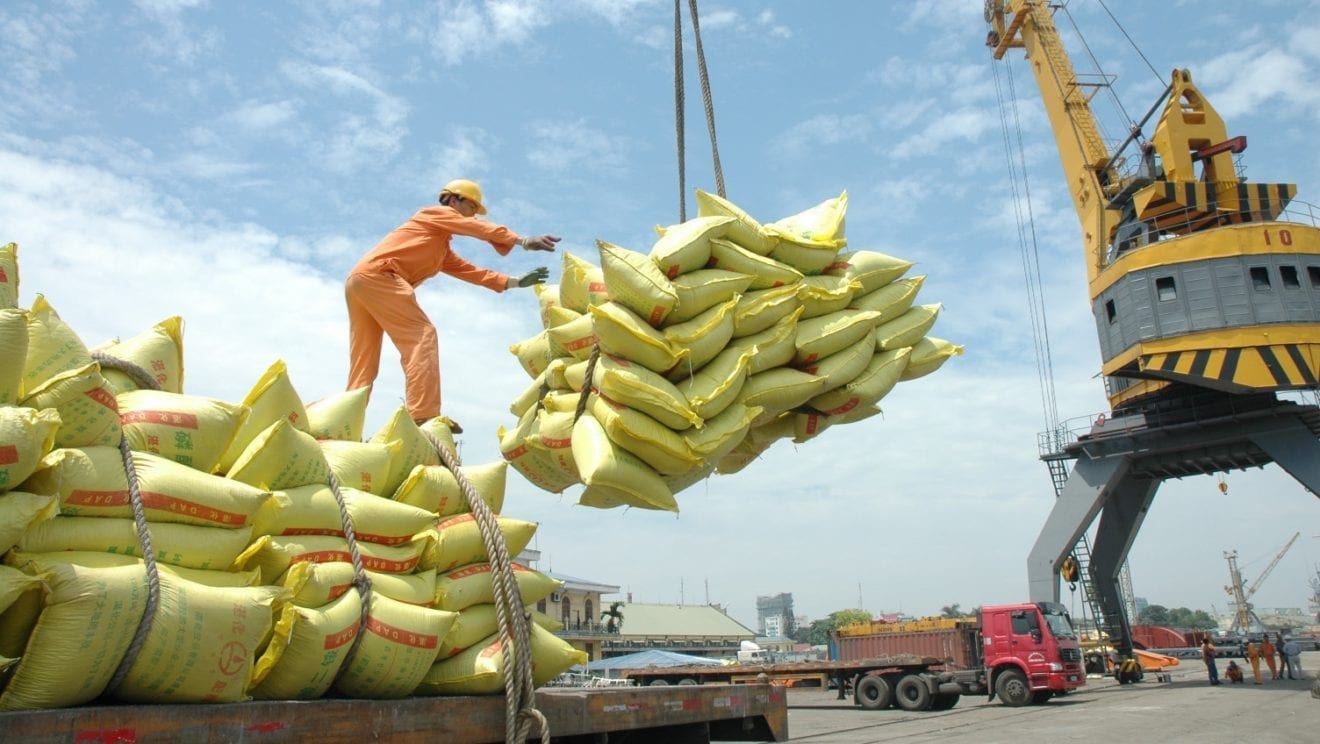
    From the start of the year through October 15, Vietnam exported more than 7 million tonnes of rice. Despite this significant export volume, domestic paddy and rice prices have seen a decline due to reduced purchases from exporters.

    Rice Export Data

    The cumulative rice exports from Vietnam for the mentioned period were 7.02 million tonnes. These exports were valued at approximately $3.59 billion. When compared to the same time frame from the previous year, there was a 4.4% decrease in volume and a 21.9% reduction in value, according to data from the Vietnam Food Association (VFA).

    Last week, the cost of 5% broken jasmine rice was between $420 and $435 per tonne, which is close to a two-month low. A trader based in Ho Chi Minh City reported that domestic trading activity has been relatively stagnant. This is primarily due to many exporters slowing their paddy purchases from farmers as a result of weak overseas demand.

    Domestic Market Performance

    In the domestic market, jasmine paddy was trading at approximately $0.20 per kilogram, reflecting a decrease from the previous week. Conversely, the price of ordinary paddy saw an increase to an average of $0.20 per kilogram, as reported by the VFA.

    In Can Tho, a city in the Mekong Delta region, prices for various types of paddy remained steady. For instance, jasmine paddy was priced at $0.36 per kilogram, OM 18 at $0.29, IR 5451 at $0.27, and ST25 at $0.40, as per the data shared by the Institute of Policy and Strategy for Agriculture and Environment.

    In An Giang province, the Department of Agriculture and Environment reported that fresh paddy prices ranged from $0.21 to $0.25 per kilogram, depending on the variety. Retail rice prices within the province were observed to range between $0.52 and $0.95 per kilogram.

    Production Updates

    Regarding production, the Ministry of Agriculture and Environment stated that by October 20, nearly 1.24 million hectares of the 2025 summer-autumn crop were sown across the Mekong Delta provinces. Harvesting has been completed with an average yield of approximately 6.06 tonnes per hectare, or an estimated total of 7.51 million tonnes of paddy.

    For the autumn-winter crop, 763,000 hectares were planted, surpassing the planned area by 102.8%. Of this, 263,000 hectares have been harvested with an average yield of 5.68 tonnes per hectare.

    Questions & Answers

    What is the total volume of rice that Vietnam exported from the beginning of the year through October 15?
    Vietnam exported more than 7 million tonnes of rice during this period.

    How have domestic paddy and rice prices in Vietnam been affected?
    Domestic paddy and rice prices have seen a decline due to reduced purchases by exporters.

    What has been the impact on domestic trading?
    Domestic trading activity has been relatively stagnant due to many exporters slowing their paddy purchases from farmers because of weak overseas demand.

  • Giordano Reports Q3 Sales Dip Despite Yearly Growth; E-commerce Revenue Soars By 16.5%

    Giordano Reports Q3 Sales Dip Despite Yearly Growth; E-commerce Revenue Soars By 16.5%

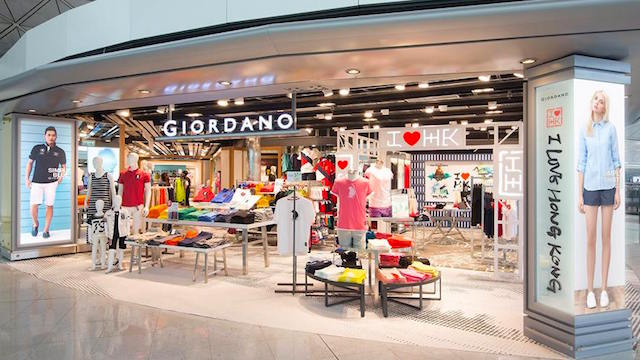
    Hong Kong-based fashion retail giant, Giordano, has experienced a decrease in sales for the third quarter of the year, despite an overall positive performance for the year so far.

    Q3 Performance

    The retailer’s third-quarter revenue, ending on September 30, dropped by 1.4 per cent to HK$894 million, equivalent to US$115 million. Sales declined by 8.5 per cent in Southeast Asia and Australia, remained unchanged in Greater China, but impressively jumped by 11.6 per cent in the Gulf Cooperation Council.

    Giordano’s e-commerce revenue continued to demonstrate strong progress with an increase of 16.5 per cent, even as offline sales fell by 4.9 per cent. Same-store sales also experienced a slight dip, declining by 0.5 per cent.

    Strategic Initiatives

    Giordano’s management shared that the company has been actively shifting towards high-growth channels and markets as part of its strategic initiatives. They added, “With a focused approach, we are successfully navigating a period of reset with a view to delivering long-term sustainable growth in line with our strategic vision.”

    Performance for the First Nine Months

    The retailer’s performance for the first nine months of the year remained in the green, with a modest revenue increase of 0.6 per cent.

    Despite challenges like unprecedented adverse weather in Greater China, the company’s core business preserved stability with a 0.4 per cent growth in the quarter and a 2.7 per cent growth for the year so far.

    The quarter ended with Giordano operating 1,627 stores, marking a net reduction of 122 locations since the start of the year. As part of their inventory optimization plans, inventory also declined by 2.9 per cent year-to-date.

    Questions & Answers

    What is Giordano’s percentage of sales decline in the third quarter?
    Sales declined by 1.4 per cent, equivalent to HK$894 million, or US$115 million.

    How has Giordano’s e-commerce revenue been performing?
    Giordano’s e-commerce revenue demonstrated strong progress with an increase of 16.5 per cent.

    What is the net change in Giordano’s store count since the beginning of the year?
    Giordano net reduced its store count by 122, ending the quarter with 1,627 stores.

  • Asia Pacific Bolsters Global Trade Resilience Amid Policy Fluctuations: DHL Tracker Reveals

    Asia Pacific Bolsters Global Trade Resilience Amid Policy Fluctuations: DHL Tracker Reveals

    The Asia Pacific region is becoming an increasingly significant catalyst in bolstering worldwide trade resilience, despite international commerce encountering numerous challenges due to policy fluctuations. This finding is part of a recent update to the DHL Global Connectedness Tracker, produced in collaboration with New York University’s Stern School of Business. This update is the first systematic evaluation of the responses of international trade and business investment to alterations in U.S. trade policy during the second term of President Trump.

    Asia Pacific’s Strategic Adaptability

    According to Ken Lee, DHL Express’s CEO for Asia Pacific, the region has exhibited unique adaptability and strategic positioning. “The latest data illustrates how cooperation within the region is intensifying, even amidst global uncertainty,” said Lee. He pointed out that businesses in the Asia Pacific are demonstrating agility and a forward-thinking attitude, from the ASEAN’s growing role in accommodating trade flows to Asia Pacific countries engaging more intensively with neighboring nations. Lee emphasised that DHL is well-placed to assist its customers in navigating any changes in trade patterns and pledged to continue developing capabilities in customer-preferred locations.

    Global Trade Growth Amidst Tariff Uncertainty

    In the first half of 2025, the DHL Global Connectedness Tracker indicated that international trade grew at an unprecedented pace, unmatched by any previous half-year since 2010, barring the pandemic recovery. There was a significant surge in U.S. imports early in 2025 as purchasers hastened to make purchases before the impending tariff increases. After this initial rush, global trade volumes continued to exceed the levels of the previous year.

    On examining the world’s 100 largest trade routes, six out of the ten fastest-growing were exports from an Asian economy, emphasising Asia’s integral role in propelling global trade. Notably, Hong Kong SAR, Thailand, Malaysia, and Vietnam were among the top 10 fastest-growing markets, underlining Asia Pacific’s increasing influence and durability in supply chain networks.

    Rise of Intra-Asia Trade

    Intra-Asia trade demonstrated ongoing integration and burgeoning connections. The intra-regional trade share of East Asia & Pacific rose from 55% to 56%. Furthermore, the greatest reductions in trade distances were observed in countries including Thailand, China, Singapore, and Hong Kong SAR. These shifts represent Asian economies’ redirection of trade flows towards regional partners to sustain growth and their efforts to boost infrastructure and connectivity, thereby enhancing the attractiveness of participating in cross-border trade.

    ASEAN’s Growing Role in Chinese Exports

    Despite a 15% decrease in exports to the U.S. during the first eight months of 2025, China fully balanced this loss with a 15% rise in exports to the ASEAN region. ASEAN emerged as a significant growth destination for Chinese exports, signifying the region’s increasing relevance in China’s trade portfolio. Vietnam, Thailand, and India witnessed the most substantial increases in their share of China’s exports, while the U.S., Russia, Korea, Brazil, and Mexico experienced decreases.

    Reflecting on the latest trends, Prof. Steven A. Altman, Director of the DHL Initiative on Globalization at NYU Stern’s Centre for the Future of Management, stated, “The trends in trade and international business investment thus far in 2025 do not substantiate the belief that globalisation is in regression.” He noted that despite existing policy threats to globalisation, companies are not generally retreating from international markets. Instead, they are managing risks and opportunities in a connected world.

    Questions & Answers

    What factors have contributed to the Asia Pacific region’s role in driving global trade resilience?
    Adaptability, strategic positioning, and increased collaboration among countries in the region have played major roles in solidifying the Asia Pacific’s position in global trade.

    How has the ASEAN region become a crucial aspect of China’s export strategy?
    Despite a drop in exports to the U.S., China has compensated by increasing exports to the ASEAN region by 15%. This shift highlights the growing importance of ASEAN in China’s trade portfolio.

    What trends in global trade have been observed during 2025?
    Despite policy shocks and tariff turbulence, global trade has grown significantly. Asian economies, in particular, have demonstrated resilience by adjusting trade flows towards regional partners and enhancing infrastructure and connectivity.