Tag: amid

  • Hong Kong Sees Record $2.2B Surge in Bulk Property Investments Amid Rising Rental Demand

    Hong Kong Sees Record $2.2B Surge in Bulk Property Investments Amid Rising Rental Demand

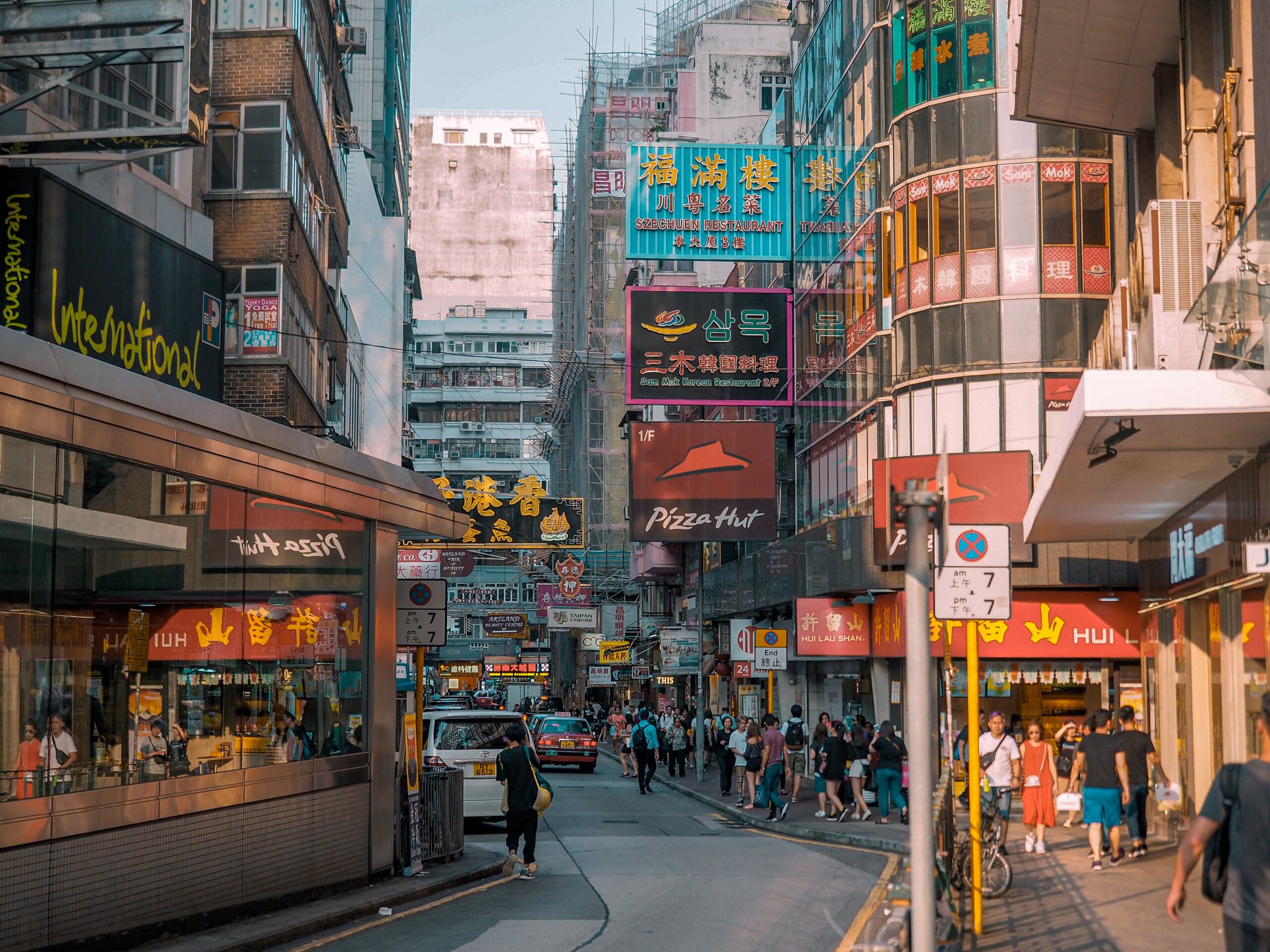
    In the wake of a record-breaking first half of the year, bulk homebuyers are anticipated to continue to be a significant influence in Hong Kong’s primary residential market throughout the second half of the year. The strong rental demand, particularly from mainland Chinese students and migrant workers, is bolstering this trend.

    Record Figures Demonstrate Investor Confidence

    From the beginning of the year to June, 654 buyers purchased two or more residences in the primary market. They bought a total of 1,794 flats with an estimated value of approximately HKD17.4 billion (US$2.2 billion). These numbers represent a significant increase from the previous year, effectively doubling and setting new records for buyer amounts, units sold, and the overall transaction value.

    Bulk buyers were responsible for about 14% of all primary home sales during this period. This means that approximately one in seven new flats was bought by purchasers acquiring a minimum of two units.

    A surge in purchases indicates a growing investor interest in rental properties. Hong Kong’s rental index reached a new high in June, making smaller apartments near educational institutions and transport hubs an attractive choice for investors.

    Increasing Appeal of Specific Developments

    The majority of bulk purchases were made in developments that were particularly well-suited to the rental market. Sun Hung Kai Properties’ Lime Spark in Tsuen Wan, which is a favored rental district with excellent transport links, had the most bulk transactions in June, with 29 deals covering 95 flats worth HKD669 million.

    Furthermore, Henderson Land Development’s Highwood in To Kwa Wan and One Victoria Cove in Hung Hom, both of which are near university campuses, recorded 16 and 13 bulk transactions, respectively. Together, these three developments accounted for approximately three-quarters of June’s bulk transactions.

    While most investors bought two units, 65 buyers purchased at least five homes and seven procured 10 or more. The most substantial single transaction in the first half of the year comprised an investor acquiring 16 flats in Highwood for over HKD111 million.

    In June, bulk-buying activity decreased as fewer projects were launched by developers. Nevertheless, bulk purchases are expected to pick up again in the third quarter as new projects are introduced and investor attention refocuses on the property market following global events such as the World Cup.

    Questions & Answers

    Why was there a surge in bulk home purchases in the first half of the year?
    The spike in purchases is primarily due to increased investor interest in rental properties, driven by robust demand from mainland Chinese students and migrant workers.

    What factors make certain properties more attractive to bulk buyers?
    Properties that are attractive to bulk buyers are typically smaller apartments near universities and transport hubs. Developments in popular rental districts with strong transport connections are especially appealing.

    What are the predictions for the third quarter of the year?
    Bulk purchases are expected to rise again in the third quarter as developers introduce new projects and investor attention shifts back to the property market. A boost in the stock market is also expected to support buying sentiment.
  • HCMC’s Overseas Remittances Drop 23% Amid Global Economic Challenges in H1 of 2026

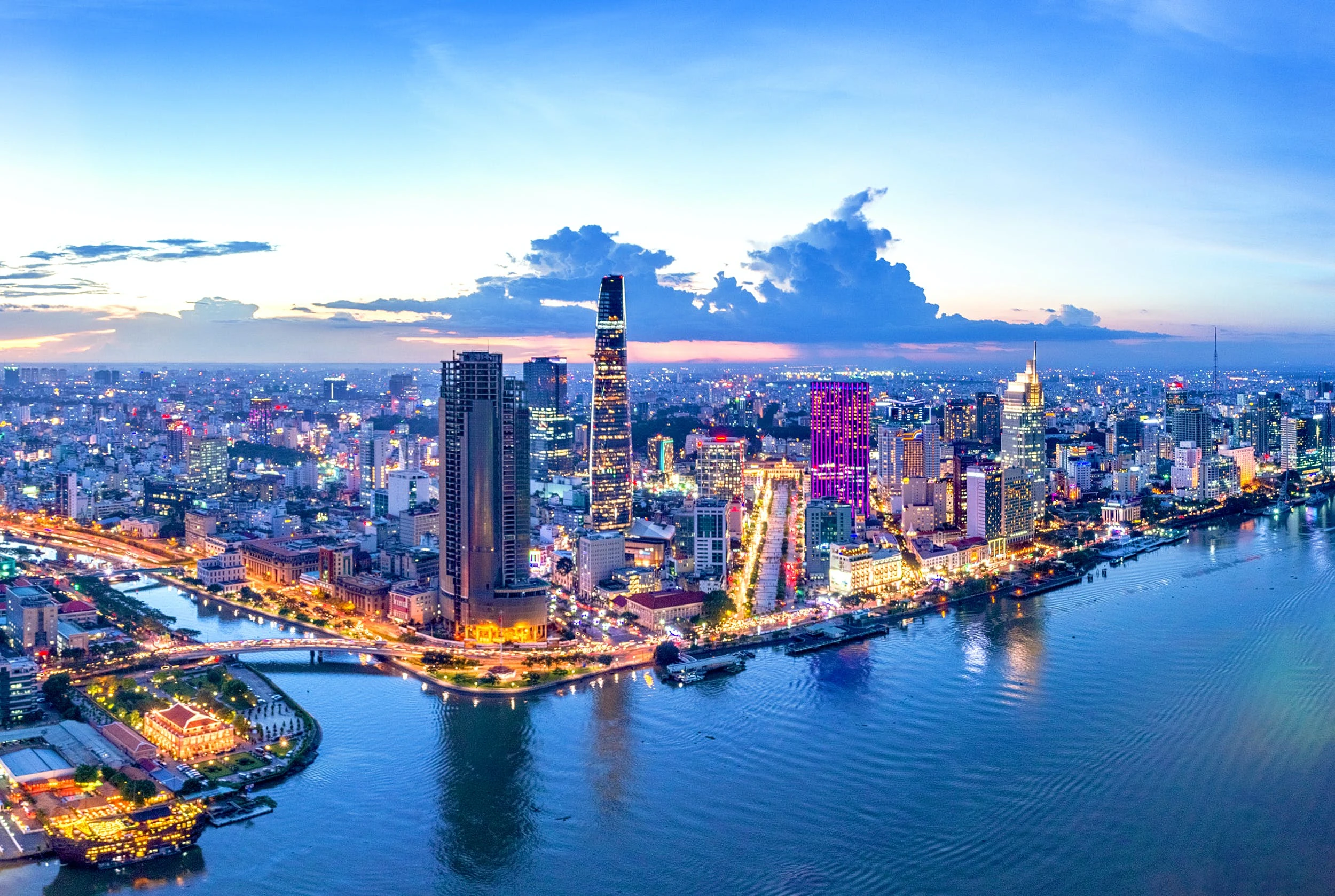
    HCMC’s Overseas Remittances Drop 23% Amid Global Economic Challenges in H1 of 2026

    In the first half of 2026, Ho Chi Minh City (HCMC) received over $4 billion in remittances, marking a considerable decrease of almost 23% compared to the same period in the previous year. Factors contributing to this downward trend include a sluggish global economy, more restrictive immigration policies, and shifts in capital flows, all of which negatively affected overseas Vietnamese transfers.

    During the second quarter, remittances that were transferred via credit institutions and economic organizations amounted to $2.03 billion. Although this reflects a slight increase of 1.4% from the first quarter, it is a significant decrease of 27.9% compared to the same quarter last year, as reported by the State Bank of Vietnam (SBV)’s Region 2 Branch.

    Geographical Distribution of Remittances

    Tran Thi Ngoc Lien, the Deputy Director of the SBV’s Region 2 Branch, disclosed that Asia continued to be the most significant source of remittances, contributing over $1 billion, representing 49.3% of total inflows. This figure is up by 9.8% from the previous quarter. The Americas came in second, contributing $672.6 million, making up over 33% of the total.

    In the first quarter, remittances from Asia increased by 9.8%, becoming the primary force of recovery. However, inflows from Europe, the Americas, and Oceania decreased.

    For the first six months, Asia and the Americas remained the leading sources, accounting for over 81% of total remittances. Asia led the way with $1.92 billion, accounting for 47.5% of the total. The Americas followed with $1.38 billion, or 34.1%, and Oceania contributed $418.3 million or 10.4% of the total.

    Contributing Factors and Future Projections

    According to Lien, the decline in remittances is attributed to a mix of international and domestic factors. Slow global economic growth, the strong U.S. dollar, and stricter immigration policies in several countries have all affected employment and income, impeding the ability of overseas Vietnamese to send money home.

    Inflationary pressures, increased living costs, labor market changes, and tax policy adjustments related to certain money transfer transactions have also impacted the Americas, particularly the U.S. – a significant remittance market for HCMC.

    Domestically, the SBV’s Region 2 Branch pointed out that some investment channels have not been attractive enough to absorb remittance capital. Moreover, the interest rates for foreign currency deposits have remained at 0%, leading some overseas Vietnamese to keep their funds abroad or shift them to other investment assets.

    Nevertheless, the SBV’s Region 2 Branch predicts a potential recovery, provided the global economy avoids major disruptions, and the current recovery trend persists in the second half of the year. The projections suggest that HCMC’s total remittance inflows in 2026 could reach between $8.6 and $8.9 billion.

    Despite being below levels recorded in previous years, remittances are expected to recover more noticeably on a quarterly basis, bolstered by the easing of international interest rate conditions, exchange rate stability, and the continued effectiveness of banks’ remittance promotion programs.

    Questions & Answers

    Why have remittances to HCMC reduced significantly in the first half of 2026?
    The decline can be attributed to global economic challenges, tighter immigration policies, and shifts in capital flows that have affected overseas Vietnamese transfers.

    Which regions are the main contributors to remittances to HCMC?
    Asia and the Americas are the two principal sources of remittances to HCMC, collectively accounting for over 81% of total remittances.

    What are the expectations for HCMC’s remittances in the second half of 2026?
    If the global economy remains stable and the current recovery trend continues, HCMC’s total remittance inflows are projected to reach between $8.6 and $8.9 billion in 2026.

  • US Dollar Climbs Against Vietnamese Dong in Black Market Amid Global Uncertainties

    US Dollar Climbs Against Vietnamese Dong in Black Market Amid Global Uncertainties

    The U.S. dollar saw an incremental increase against the Vietnamese dong in the unofficial market on Thursday morning. Independent exchange centers traded the U.S. dollar 0.19% higher, at VND26,380, while Vietcombank maintained its rate at VND26,500.

    Global Currency Trends

    Globally, the U.S. dollar stabilized largely on Thursday. The escalating U.S.-Iran tensions fostered a sense of uncertainty among investors, bolstering the demand for the U.S. dollar, a widely recognized safe-haven currency. Concurrently, the Japanese yen hovered around a 40-year low, with no imminent signs of recovery.

    The dollar index, a metric that juxtaposes the U.S. dollar against a selection of currencies including the yen and the euro, slightly declined by 0.06%, settling at 101.05. The increasing geopolitical tensions between Washington and Tehran have triggered a rise in oil prices, intensifying inflation fears. This in turn has facilitated an appreciable gain for the greenback.

    Meanwhile, the euro experienced a minor increase of 0.07%, closing at $1.1418. The European Central Bank (ECB) is scheduled for a meeting later on Thursday. It is expected that the ECB will maintain its interest rates, but will leave room for a potential rate hike in September. This anticipated move is in response to the recent surge in energy prices, which threatens to exert additional inflationary pressure.

    Questions & Answers

    What impact did the U.S.-Iran tensions have on the U.S. dollar?
    The escalating tensions between the U.S. and Iran fostered investor uncertainty. This led to increased demand for the U.S. dollar, a well-known safe-haven currency.

    What changes were observed in the euro and the Japanese yen?
    The euro saw a slight increase of 0.07%, while the Japanese yen remained around a 40-year low with no clear signs of improvement.

    What is the expected move of the European Central Bank in response to the recent surge in energy prices?
    The European Central Bank is anticipated to maintain its current interest rates but may consider a rate hike in September to counter the potential inflationary pressure stemming from the recent surge in energy prices.

  • Gold Prices Plunge to 6-Week Low Amid Rising Oil Prices and Anticipated Federal Rate Hikes

    Gold Prices Plunge to 6-Week Low Amid Rising Oil Prices and Anticipated Federal Rate Hikes

    Gold prices in Vietnam experienced a notable decline on Thursday, marking their lowest level since the 11th of June. The downturn continued from the morning into the afternoon session, reflecting a trending decrease in gold prices throughout the year.

    Trends in Gold Prices

    The Saigon Jewelry Company reported a drop of 1.41% in the price of their gold bars, bringing the price to VND140 million, or US$5,321.37, per tael. This decrease marks a total decline of 4.11% since Wednesday’s close. Additionally, the cost of a gold ring plummeted by 1.85%, settling at VND143.3 million per tael. Overall, gold prices in Vietnam have fallen by 8.4% this year.

    Internationally, the value of gold also fell on Thursday, drifting down from a two-week peak reached earlier. This worldwide decrease was caused by various factors, including a growing conflict in the Middle East, which has led to a surge in oil prices. Traders are also awaiting the outcomes of the Federal Reserve policy meeting next week for indications regarding the possible timing of interest rate hikes.

    Spot gold fell by 0.6%, bringing the price to $4,103.39 per ounce. This shift comes after spot gold reached its highest value since July 7th at $4,165.87 on Wednesday. Concurrently, August delivery for U.S. gold futures dropped by 1.1% to $4,106.40.

    Market Influences and Future Predictions

    These changes in the gold market can be attributed to various causes, as explained by Jigar Trivedi, a senior research analyst at IndusInd Securities. According to him, “Rising oil prices have contributed to escalating inflation and the anticipation of Fed rate hikes. Consequently, these factors have limited the positive momentum in the gold market as the dollar weakens.”

    Questions & Answers

    What factors are causing the drop in gold prices?
    A combination of escalating inflation, expected Fed rate hikes, and a weakening dollar have influenced the gold market negatively, resulting in a price drop.

    What is the current trend in Vietnam’s gold market?
    The gold market in Vietnam has been experiencing a downward trend, with an 8.4% decrease in prices so far this year.

    How has the conflict in the Middle East affected global gold prices?
    The escalating conflict in the Middle East has driven up oil prices. As a result, inflation has increased and gold prices have fallen globally.

  • JD.com Faces EU Scrutiny Over $2.5B Ceconomy Deal Amid Suspected Unfair State Aid

    JD.com Faces EU Scrutiny Over $2.5B Ceconomy Deal Amid Suspected Unfair State Aid

    JD.com, the powerful e-commerce platform based in China, has been officially notified of regulatory apprehensions related to their proposed $2.5 billion acquisition of the German electronic retailer, Ceconomy. This development could potentially necessitate substantial compromises on JD.com’s part.

    A Deeper Investigation Underway

    The European Commission has initiated an exhaustive probe into the transaction under the Foreign Subsidies Regulation, which tackles unjust foreign state aid. The Commission’s primary focus is to determine if JD.com has been the recipient of preferential financial support, tax benefits, and subsidies from the Chinese government. Such allowances could have assisted JD.com in proposing a more substantial acquisition offer for Ceconomy.

    In response to the concerns, JD.com has been given the opportunity to propose solutions to assuage the apprehensions of the European Union. The Chinese e-commerce giant has defended its position stating that the Commission’s statement of grounds is merely a routine procedural step.

    In a statement, the company expressed their belief that the transaction aligns with Europe’s overarching goals surrounding innovation and competitiveness. “We remain optimistic about a favourable conclusion to the process in the second half of 2026,” said a company spokesperson prior to the Commission’s announcement.

    The European Commission has set an October 2 deadline for its final decision on whether to greenlight the deal.

    Expansion Plans for the Chinese Retailer

    The successful acquisition of Ceconomy would pave the way for JD.com, one of China’s largest retailers, to broaden its influence beyond its native market. This expansion would be achieved via Ceconomy-owned electronic product retailers MediaMarkt and Saturn.

    Questions & Answers

    What is the European Commission’s concern with JD.com’s acquisition of Ceconomy?
    The Commission is investigating if JD.com has received preferential financing, tax incentives, and subsidies from the Chinese government, which may have enabled it to propose a higher acquisition price for Ceconomy.

    How has JD.com responded to these concerns?
    JD.com has been given the opportunity to propose solutions to the EU’s concerns. The company remains confident that the transaction supports Europe’s broader objectives around innovation and competitiveness.

    What would the acquisition of Ceconomy mean for JD.com?
    The acquisition would provide JD.com, one of China’s largest retailers, with an opportunity to extend its reach beyond its domestic market, specifically through Ceconomy-owned electronic products retailers MediaMarkt and Saturn.

  • ThaiBev Mulls Over Sale of Thailands Premier KFC Franchise Amid Profit Drop

    ThaiBev Mulls Over Sale of Thailands Premier KFC Franchise Amid Profit Drop

    ThaiBev, owned by Charoen Sirivadhanabhakdi, is reportedly contemplating the sale of its KFC franchise business in Thailand – the largest of its kind in the country. The fast-food chain’s operations are overseen by The QSR of Asia. This takeover was initiated when the subsidiary purchased 240 restaurants from Yum Restaurants International in 2017 for an estimated US$335 million.

    ThaiBev’s Expanding Portfolio and Challenging Profits

    Since the initial acquisition, the number of outlets has more than doubled to over 500 across Thailand, solidifying QSR’s position as the country’s largest franchise. However, this expansion has brought its own set of challenges for ThaiBev. The company, known for producing Chang, has experienced a 21.7% decrease in profits, according to its latest annual fiscal statements.

    The drop in profits is reportedly due to the expenses incurred from the continual expansion of the restaurant chain. Nonetheless, ThaiBev remains a significant player in the market, despite the challenges and costs associated with operating a booming fast-food business.

    The Future of ThaiBev’s KFC Franchise

    Currently, ThaiBev is working with the Bank of America Corp to gauge interest in potential transactions relating to the KFC franchise. However, it is important to note that there are no guaranteed sales at this point. The future of the KFC franchise under ThaiBev’s ownership remains uncertain.

    Questions & Answers

    Who currently owns the largest KFC franchise business in Thailand?
    ThaiBev, owned by Charoen Sirivadhanabhakdi, currently holds the largest KFC franchise business in Thailand.

    What has been the impact of the franchise expansion on ThaiBev’s profits?
    The expansion of the franchise has led to a 21.7% drop in ThaiBev’s profits, largely due to the costs associated with the ongoing growth of the restaurant chain.

    What is the future of ThaiBev’s KFC franchise?
    ThaiBev is contemplating the sale of its KFC franchise and is working with the Bank of America Corp to assess interest in potential transactions. However, no sale is guaranteed at this time.

  • US Dollar Stumbles Against Vietnamese Dong Amid Market Turbulence

    US Dollar Stumbles Against Vietnamese Dong Amid Market Turbulence

    In the unofficial trading market on Saturday morning, the U.S. dollar experienced a decline against the Vietnamese dong. The greenback was sold 0.04% lower at VND26,410 at these non-official trading spots. Meanwhile, Vietcombank, a significant financial player in the region, maintained its rate at VND26,490.

    A Global Perspective on the Dollar’s Performance

    Worldwide, the performance of the dollar on Friday was relatively stable, but it concluded the week on a lower note. This downtrend was attributable to the moderate U.S. inflation data which resulted in traders reducing their expectations of immediate rate hikes from the Federal Reserve.

    Mounting tension between Iran and the U.S. became a crucial factor impacting the global economy. The recent week-long escalation has significantly undermined the peace agreement established last month. This development has incited investors to seek sanctuary in the dollar and has also contributed to the surge in oil prices to nearly one-month highs.

    The plummeting of the tech-dominated global equity market and the ongoing disturbance to the traffic in the Strait of Hormuz have incited a rush to safety. Elias Haddad, the global head of markets strategy at Brown Brothers Harriman, mentioned this. He also noted the U.S. dollar had recouped some of its losses from this week and that global bond yields had marginally decreased.

    Questions & Answers

    What was the impact of the U.S. inflation data on the dollar?
    The moderate U.S. inflation data led traders to reduce their bets on impending rate hikes from the Federal Reserve, which resulted in the dollar ending the week on a lower note.

    What are the effects of the escalating tension between Iran and the U.S.?
    The escalating tension between Iran and the U.S. has encouraged investors to seek refuge in the dollar and has also pushed oil prices to near one-month highs.

    How did the tech-led global equity market’s performance affect the U.S. dollar?
    The decline in the tech-led global equity market has triggered a flight to safety, helping the U.S. dollar to recover some of its losses from the week.

  • Five Guys Burgers Set for Beijing Expansion Amid Uptick in US Fast-Food Foothold in China

    Five Guys Burgers Set for Beijing Expansion Amid Uptick in US Fast-Food Foothold in China

    Next month, the renowned American burger establishment, Five Guys, is all set to launch in Beijing. This event signifies the continued expansion of U.S. restaurant brands in China, undeterred by the escalating competition in the market.

    Five Guys plans to establish three eateries in Beijing’s shopping centers, strategically located in areas favored by the younger demographics. The brand’s entry into Mainland China came about in 2021, facilitated through a collaboration with local franchise operator, JumboFive. The inaugural restaurant, located at Shanghai’s Printemps Mall on Huaihai Middle Road, attracted considerable consumer attention. The brand reported that customers started lining up from as early as 2 am, enduring waits of over three hours on the opening day.

    The rapid expansion of Five Guys in China aligns with a larger trend noticed among American fast-food companies. These organizations are seeking growth opportunities in China as the prospects in the U.S. become more saturated. Domino’s Pizza China serves as a representative example, recently extending its franchise network to encompass 1550 stores. The pizza chain added a net of 235 new outlets in the first half of the year, concurrently reporting a surge in sales during the second quarter.

    In an akin move, Yum China recently decided to purchase the Pizza Hut business in mainland China from U.S.-based Yum Brands. The deal, worth US$1.2 billion in cash, aims to tap into the potential of Pizza Hut as the country’s largest casual dining restaurant brand. Last year, Pizza Hut generated a substantial revenue of $2.3 billion and an operating profit of $183 million.

    Questions & Answers

    What is Five Guys’ plan for expansion in Beijing?
    Five Guys plans to open three restaurants in Beijing, targeting shopping malls frequented by young consumers.

    How was Five Guys’ entry into Mainland China facilitated?
    Five Guys entered Mainland China in 2021 through a collaboration with the local franchise operator, JumboFive.

    What are some other examples of American fast-food chains expanding in China?
    Additional examples include Domino’s Pizza China, which expanded its network to 1550 stores recently, and Yum China, which acquired the Pizza Hut business in mainland China.

  • US Dollar Takes a Dip against Vietnamese Dong Amid Global Uncertainties

    US Dollar Takes a Dip against Vietnamese Dong Amid Global Uncertainties

    The performance of the United States dollar presented a mixed picture on Tuesday, as it dipped slightly against the Vietnamese dong while maintaining its position against other key currencies. The state-owned Vietcombank recorded a 0.04% reduction in the greenback’s value, with an exchange rate set at VND26,450. However, in contrast, the black market saw the US dollar appreciate by 0.11%, pegged at the same exchange rate.

    Global Performance of the Dollar

    In the wider international scene, the dollar remained relatively stable as markets anticipated the release of U.S. inflation data. Rising tensions in the Middle East provided a boost to oil prices which, in turn, had a knock-on effect on currency exchange rates. The Japanese yen traded in a cautious manner, due in part to potential interventions and recent comments made by policymakers regarding the allocation of state pension funds.

    The dollar index, a tool used to compare the value of the greenback against a selection of international currencies such as the yen and euro, also recorded a slight decrease of 0.04%, resulting in a figure of 101.23.

    Meanwhile, the euro showed a strengthening trend against the dollar, trading at a rate of $1.1388. The British pound also saw a minor gain of 0.07%, resulting in an exchange rate of $1.3355.

    Questions & Answers

    What was the exchange rate of the US dollar against the Vietnamese dong?
    The state-owned Vietcombank listed an exchange rate of VND26,450 for the US dollar, showing a minor drop of 0.04%.

    What influenced the performance of the Japanese yen?
    The Japanese yen was affected by several factors, including potential interventions and recent policy-related comments on state pension fund allocations.

    How did the euro and the British pound perform against the US dollar?
    Both the euro and the British pound displayed a strengthening trend against the dollar. The euro traded at a rate of $1.1388, while the British pound gained 0.07%, resulting in an exchange rate of $1.3355.

  • Gasoline Takes a Dip while Diesel Climbs: Fuel Price Fluctuations Amid Global Tensions

    Gasoline Takes a Dip while Diesel Climbs: Fuel Price Fluctuations Amid Global Tensions

    On Thursday afternoon, fluctuations in global rates resulted in a decrease in gasoline prices and an increase in diesel prices. The popular gasoline variant, E10 RON95, saw a 2.01% drop pricing it at VND20,000 (US$0.76) per liter.

    Diesel Prices Rise as Biofuel Demand Increases

    Contrarily, diesel prices experienced a 2.73% surge, amounting to VND21,740. Despite the recent increase, the cost of diesel has seen a significant reduction, dropping by half from its peak price in April of this year. In addition, Biofuel E5 RON92 saw a 2.69% increase, bringing the price to VND19,190.

    Global fuel prices have been considerably influenced by recent tensions in U.S.-Iran relations, as reported by the Ministry of Industry and Trade and the Ministry of Finance. Over the last week, the price of RON95 fell 2.6% to $97.5 per barrel, while diesel prices increased 4.2% to $116.5 per barrel. The cost of Mazut also decreased by 1% to $428.3 per ton.

    Vietnam’s Fuel Consumption Trends

    Vietnam authorities have announced that they will continue to eliminate fuel-related taxes, excluding the special consumption tax, through the end of September. Following the widespread introduction of E10 gasoline just a month ago, Vietnam has reported a consumption of approximately 980 million liters of biofuel gasoline. Out of this total, E10 gasoline made up for 924 million liters or 96%.

    Questions & Answers

    What changes were observed in the fuel prices recently?
    Gasoline prices fell by 2.01%, while diesel prices increased by 2.73%.

    What factors are influencing the global fuel prices?
    The recent U.S.-Iran tensions have had significant impacts on the global fuel prices.

    What has been the consumption trend for biofuel gasoline in Vietnam?
    In the past month, Vietnam consumed around 980 million liters of biofuel gasoline, out of which E10 gasoline accounted for 96%.

  • Vietnam’s Gold Market Dips Amid Global Uncertainty: A Look into the Future of Precious Metal Prices

    Vietnam’s Gold Market Dips Amid Global Uncertainty: A Look into the Future of Precious Metal Prices

    Gold prices in Vietnam experienced a downward trend on Wednesday, continuing a 0.3% dip from earlier in the trading day. The Saigon Jewelry Company suffered a 0.67% price drop of their gold bars from the morning, bringing the total loss for the day to 1.1%. The new price for a tael of gold now stands at VND148.5 million (US$5,647.56). The price of gold rings also followed suit with a 1.1% decrease, rendering each tael to be VND148.2 million. For context, a tael is equivalent to 37.5 grams or 1.2 ounces.

    Global Gold Market and Geopolitical Factors

    On a global scale, gold prices remained relatively stable on Wednesday as investors awaited new indicators on the U.S. Federal Reserve’s interest rate projections. Renewed U.S. airstrikes on Iran raised fears that energy costs and inflation might experience an upsurge. Spot gold showed a slight increase of 0.4% to $4,123.55 per ounce after declining to its lowest since July 2 earlier in the trading day. U.S. gold futures for August delivery, however, fell by 0.5% to $4,135.

    Simultaneously, oil prices surged by over 3%, with U.S. Treasury yields rising and the dollar reaching its highest value in a week. Investors were keenly waiting for the minutes of the Federal Open Market Committee’s June 16-17 meeting, set to be released later that Wednesday, for hints on the Fed’s rate path under Chair Kevin Warsh.

    While gold is typically viewed as a safeguard against inflation and often sees gains during periods of geopolitical uncertainty, high interest rates usually put pressure on the non-yielding asset. Since the onset of the Iran conflict in late February, the precious metal’s value has dropped by more than a fifth.

    Views from Industry Experts

    Carsten Menke, Head of Next-Generation Research at Julius Baer Group Ltd., emphasized that the primary concern for gold and silver markets currently is whether the U.S. Federal Reserve will increase interest rates. He noted, “We do not expect the Fed to raise rates, as part of the inflationary pressure should turn out to be temporary.”

    Questions & Answers

    **What happened to gold prices in Vietnam on Wednesday?**
    Gold prices fell, with the Saigon Jewelry Company experiencing a 0.67% decrease in their gold bars from the morning, totalling a 1.1% loss for the day.

    **How has the recent geopolitical situation affected global gold prices?**
    The recent U.S. airstrikes on Iran have caused some anxiety in the market, contributing to a relatively stable gold price as investors wait for fresh signals on the U.S. Federal Reserve’s interest rate outlook.

    **What are experts saying about the U.S. Federal Reserve’s potential actions?**
    Industry experts, such as Carsten Menke of Julius Baer Group Ltd., do not expect the U.S. Federal Reserve to raise interest rates, believing that the current inflationary pressure could be temporary.

  • US Dollar Takes a Dive Against Vietnamese Dong in Black Market Amid Global Weakness

    US Dollar Takes a Dive Against Vietnamese Dong in Black Market Amid Global Weakness

    Over the weekend, the U.S. dollar experienced a dip against the Vietnamese dong on the informal currency exchange market. The dollar was traded 0.34% lower at VND26,560 at unofficial exchange points, while Vietcombank maintained its rate at VND26,463.

    Global Dollar Weakness

    On the global stage, the U.S. dollar was on track for its most significant weekly loss in 12 weeks. This downturn resulted from a lukewarm U.S. employment report, which led to diminished market predictions for an imminent Federal Reserve interest rate increase. This development brought some relief to the Japanese yen.

    The overall weakening of the dollar also boosted the euro, which reached $1.1440, following a nearly two-week high the previous day. The euro ended the week up by 0.5%. Simultaneously, the British pound solidified its position to $1.3352, marking a 1.1% weekly gain, its highest in almost three months.

    Impact on other Currencies

    The increased strength of the dollar also brought relief to the Japanese yen. The yen increased to less than 161 per dollar, a welcome shift after the sudden increase on Thursday, which took the currency from a 40-year low of 162.84 to 161.25. Despite this, market uncertainty surrounding potential intervention risks persisted.

    The dollar’s decline came in response to slowed U.S. job growth in June. Further, the reduced payroll gains for the preceding two months triggered traders to scale back on predictions of a near-term Federal Reserve rate increase.

    Questions & Answers

    What triggered the U.S. dollar’s dip against the Vietnamese dong?
    The dip was triggered by the overall weakening of the U.S. dollar on the global stage, which was a result of a lukewarm U.S. employment report diminishing market predictions for an immediate Federal Reserve interest rate increase.

    How did the global dollar weakness impact the euro and the British pound?
    The weakness of the U.S. dollar led to the strengthening of the euro, reaching $1.1440, and the solidifying of the British pound’s position at $1.3352.

    What caused the shift in the strength of the Japanese yen?
    The shift in the Japanese yen was due to the overall increase in the strength of the U.S. dollar, which took the yen from a 40-year low of 162.84 to less than 161 per dollar.

  • Booming Retail Sales in Hong Kong Predicted to Persist Amid Positive Economic Climate

    Booming Retail Sales in Hong Kong Predicted to Persist Amid Positive Economic Climate

    The retail sector in Hong Kong experienced a healthy growth in May, a trend that is anticipated to sustain, given the positive economic climate. Data from the Census and Statistics Department reveals a 7.9% year-on-year increase in retail sales, reaching HK$33.8 billion (US$4.3 billion) for the month of May. This extends the revised growth of 8.7% witnessed in April.

    Sales Performance in Different Retail Categories

    In the first five months of the year, retail sales showed an approximate increase of 10.6% compared to the same timeframe last year. When considering the effect of price changes over the same period, retail sales witnessed an improvement of 4.8% in May.

    A government representative stated that majority of the retail categories demonstrated gains in May, continuing the growth observed in the retail sector. The highest growth was seen in valuable gifts with a rise of 25.8%. This was followed by electrical goods and other consumer durable goods with a 13% increase, optical shops at 10.3%, and department store commodities at 9.2%.

    Meanwhile, other categories like apparel and footwear, cosmetics, and furniture experienced modest growth ranging between 3% and 5%.

    However, not all categories thrived. Fuels, Chinese medicines and herbs saw a significant decline in sales by 12.2% and 9.5% respectively. Food, alcoholic beverages, and tobacco also experienced a slight dip of 0.3%.

    Anticipated Trends and Government Overview

    Looking into the future, the government spokesperson is hopeful about the continued growth in the retail sector. The ongoing economic expansion, increasing local labour earnings, and a rise in inbound visitors are expected to keep benefiting retail businesses.

    The government, in response, has pledged to keep a close watch on any potential impact of changing external uncertainties on the local consumption market.

    Questions & Answers

    What was the growth rate for retail sales in Hong Kong in May?
    Retail sales in Hong Kong recorded a 7.9% year-on-year increase in May.

    Which retail category observed the highest growth?
    The highest growth was recorded in the category of valuable gifts, which saw a rise of 25.8%.

    What are the government’s expectations for the future of the retail market?
    The government anticipates continued growth in the retail market, backed by economic expansion, increasing local labour earnings, and a rise in inbound visitors.

  • Gojek Co-Founder Sentenced to Decade Behind Bars, Stirs Investor Anxiety Amid Corruption Scandal

    Gojek Co-Founder Sentenced to Decade Behind Bars, Stirs Investor Anxiety Amid Corruption Scandal

    Nadiem Makarim, a co-founder of tech giant Gojek and former education minister, has been found guilty of some charges in a corruption case by an Indonesian court and sentenced to ten years in prison. Makarim, aged 41, has contested the charges, declaring that the case against him is politically driven, an opinion that has garnered support from scholars and rights activists.

    The Potential Impact on Investor Confidence

    This verdict could potentially further weaken investor confidence in Indonesia. The nation’s currency, the rupiah, and stocks have seen a downturn this year following cuts to projections by credit rating agencies due to erratic policy decisions and governance worries. Additionally, the index provider MSCI is considering downgrading Southeast Asia’s largest economy due to concerns over market transparency.

    Makarim was accused of profiting from the government’s decision to purchase Google Chromebook laptops for Indonesian schools during his tenure as education minister from 2019 to 2024 under the former administration of Joko Widodo. This decision allegedly resulted in state losses amounting to US$125 million.

    Details of the Verdict

    Delivering the ruling at Indonesia’s Corruption Court in Jakarta, Chief Judge Purwanto Abdullah declared that a panel of judges had found Makarim guilty of misusing his authority and causing state losses. However, Makarim was acquitted of the charge of directly seeking personal enrichment.

    Makarim was ordered to pay a fine of 1 billion rupiah and return over 800 billion rupiah (US$45 million), an amount the judges determined was personal gain from the deal. Failure to return the money would add an additional five years to his prison term, the judges said.

    Surrounded by his family and friends, a tearful Makarim expressed his intention to appeal the verdict. He claimed the facts supporting the sentence were unreasonable, adding that he couldn’t meet the payment amount ordered by the court.

    Prosecutors alleged that Gojek’s parent company’s investment from Google influenced the procurement decision. They also claimed that Makarim created tender specifications that only matched the Chrome system, making Google the sole controller of the educational environment in Indonesia.

    Google, however, wasn’t indicted. Makarim has refuted these allegations, stating there was no personal enrichment, and the investment from Google in Gojek’s parent company had no relation to the procurement.

    Questions & Answers

    What were the charges against Nadiem Makarim?
    Makarim, former education minister and co-founder of Gojek, was found guilty of abusing his authority and causing state losses.

    What are the potential ramifications of this ruling on Indonesia’s economy?
    This ruling may further weaken investor confidence in Indonesia, exacerbating existing concerns over unpredictable policymaking, governance issues, and market transparency.

    What was the penalty imposed on Makarim by the court?
    Makarim was sentenced to ten years in prison and ordered to pay a 1 billion rupiah fine. He was also directed to return over 800 billion rupiah, an amount the judges said he personally gained from the deal.

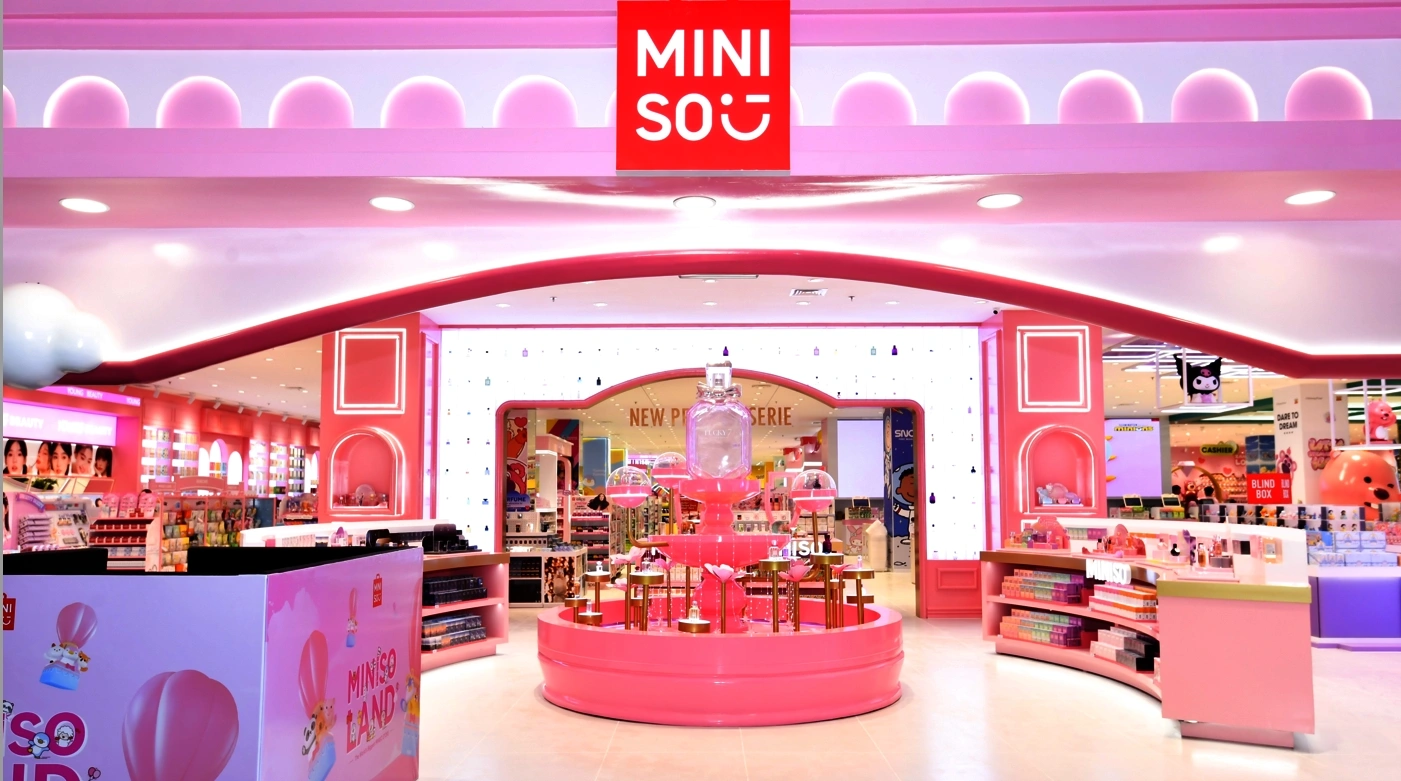
  • Miniso Initiates $255M Share Buyback Plan Aiming for Steady Returns Amid Rapid Growth: Founders Stake Boost Imminent

    Miniso Initiates $255M Share Buyback Plan Aiming for Steady Returns Amid Rapid Growth: Founders Stake Boost Imminent

    Retail giant Miniso has unveiled a HK$2 billion (approximately US$255 million) share buyback initiative. This strategic move comes several months after Guofu Ye, Miniso’s founder, chairman and CEO, vowed to augment his personal stake in the company. The 12-month scheme, which became effective as of June 30, allows the company to buy up to HK$2 billion worth of its standard shares and American depositary shares (ADSs).

    Funding and Confidence in Growth

    The funding for this repurchase program will come from the company’s surplus cash reserves. The company’s board believes this decision mirrors their confidence in Miniso’s long-term growth. They also believe that the current share price does not adequately represent the company’s true worth.

    This new buyback scheme follows a previous one in which approximately HK$1.37 billion worth of shares and ADSs were reacquired by the company. The main objective of this most recent initiative is to balance the group’s quick expansion with consistent and reliable returns for shareholders.

    CEO’s Confidence in Continued Growth

    This new repurchase program closely follows Ye’s April pledge to increase his shareholding by purchasing at least HK$50 million worth of Miniso shares over a one-year period using his personal finances. At that point, Ye had ownership of approximately 63.7% of the company’s shares. He stated that his planned purchase was an indication of his faith in the ongoing growth of the retailer.

    Questions & Answers

    What is the main goal of Miniso’s new share repurchase program?
    The program aims to balance the company’s rapid growth with stable, predictable returns for its shareholders.

    How is Miniso funding its share buyback program?
    The funds for the repurchase program will come from the company’s surplus cash on its balance sheet.

    What led to the launch of this new share repurchase program?
    This decision followed a pledge made in April by Miniso’s CEO, Guofu Ye, to increase his personal shareholding in the company. This new initiative reflects the company’s confidence in its long-term growth and its belief that the current share price does not fully represent its intrinsic value.