Retail News CRM

Tag: amid

  • Emirates SkyCargo Boosts Freight Services in East and Southeast Asia Amid Rising Demand

    Emirates SkyCargo Boosts Freight Services in East and Southeast Asia Amid Rising Demand

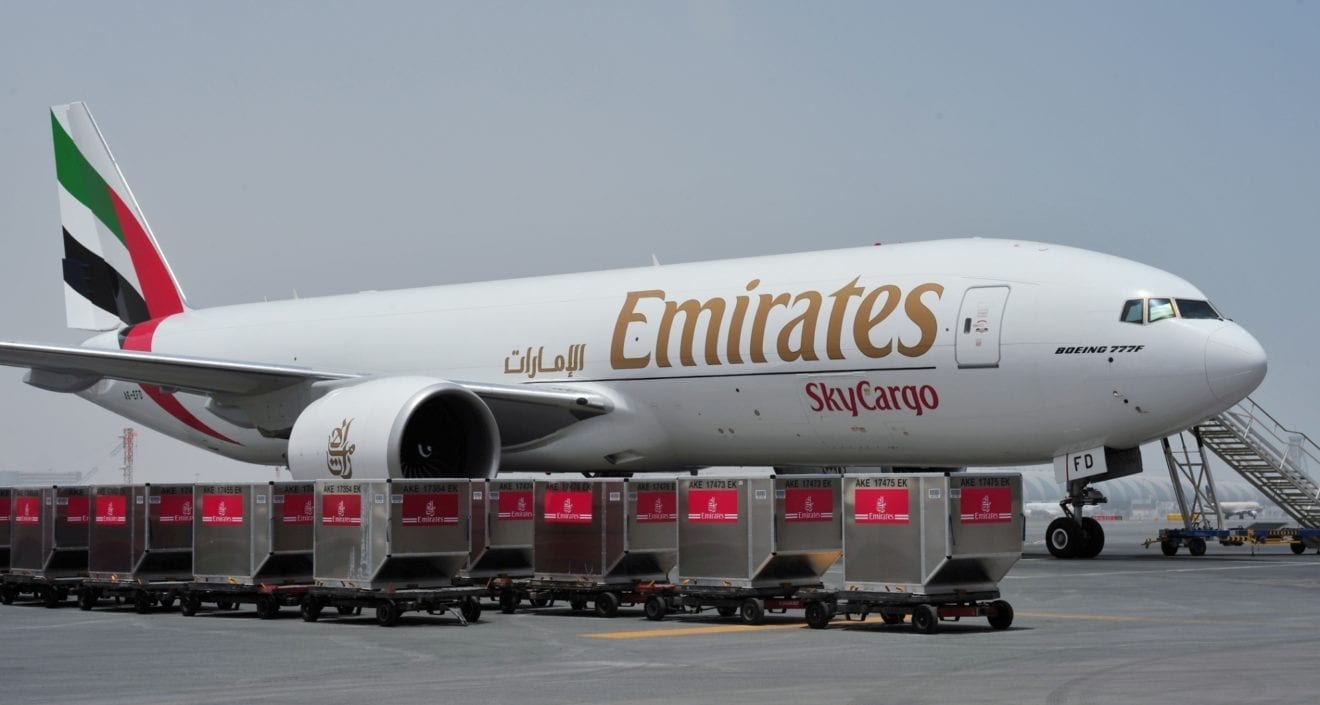
    Emirates SkyCargo, the air cargo carrier, has unveiled a strategic expansion plan for its freight services throughout East and Southeast Asia. The move is aimed at enhancing the cargo flight frequencies and destinations to meet the increasing demand. Businesses and manufacturers in East and Southeast Asia are seeking comprehensive connections to rapidly and securely transport their goods to high-demand markets in the Middle East, Africa, Europe, and the Americas.

    Facilitating International Trade

    In the FY 25/26, Emirates SkyCargo transported over 439,000 tonnes of cargo via its freighter and passenger flights from 12 markets in East and Southeast Asia. This reflects a 5% increase in cargo tonnage compared to FY24/25, illustrating the thriving demand from businesses and exporters to transport goods across the globe.

    Badr Abbas, Divisional Senior Vice President at Emirates SkyCargo, highlighted the importance of East and Southeast Asia as global manufacturing epicentres. They contribute significantly to the production of high-tech goods, export of perishables, and are a significant origin for global e-commerce flows. He added that by increasing the number of freighter flights and expanding their freighter services, they provide rapid connectivity to ensure swift and safe cargo transportation to customers worldwide.

    Expansion of Freighter Flights

    Emirates SkyCargo plans to double its freighter capacity to Narita Airport in Tokyo, increasing from one to two weekly freighter flights. This expansion will cater to Japan’s robust manufacturing industry, spanning diverse sectors like automotive, electronics, and pharmaceuticals.

    The carrier is also escalating its flights to Hong Kong to 37 weekly freighter flights, offering maximum flexibility and choice to customers in this export-led economic corridor. Moreover, Emirates SkyCargo has broadened its reach into Central China with three weekly flights from Zhengzhou, linking the industrial hub of Henan province to Dubai and other destinations.

    The carrier has also resumed its freighter flights from Singapore, with a weekly flight connecting to Dubai via Mumbai. This forms a vital trade lane across Asia. Furthermore, Emirates SkyCargo plans to double its footprint in Taiwan, enhancing its service from one weekly to twice-weekly freighters to Taipei, to meet the increasing demand for high-tech electronic cargo movement.

    Questions & Answers

    What is the main aim of Emirates SkyCargo’s expansion in East and Southeast Asia?
    The primary objective is to increase the freighter flight frequencies and destinations to meet the surging demand for rapid and secure transportation of goods to high-demand markets.

    How is Emirates SkyCargo responding to the demand in Japan’s manufacturing industry?
    The company plans to double its freighter capacity to Narita Airport in Tokyo, thereby catering to diverse sectors in Japan’s robust manufacturing industry.

    What new development has taken place regarding Emirates SkyCargo’s operation in Taiwan?
    Emirates SkyCargo intends to double its footprint in Taiwan, increasing its service from one weekly to twice-weekly freighters to Taipei, to meet the rising demand for high-tech electronic cargo movement.


  • Apple’s Key Supplier Tata Boosts Security Measures Amid Dark Web Data Leak Investigation

    Apple’s Key Supplier Tata Boosts Security Measures Amid Dark Web Data Leak Investigation

    Tata Electronics, a primary supplier for tech giant Apple in India, has increased its internal security measures following a potential leak of confidential client files on the dark web, according to a source from Tata and two industry representatives.

    In response to the incident, Tata has engaged an international consultant to perform a forensic audit. The company has also reported the incident to the Indian government and its customer base. The source from Tata chose to remain anonymous due to the sensitive nature of the situation.

    The cybercrime group known as World Leaks claimed responsibility for uploading over 200,000 files onto the dark web. These files allegedly include design documents for components used by both Apple and Tesla, another of Tata’s clients. The authenticity of the data remains unverified.

    Tata acknowledged the occurrence of a “cybersecurity incident” but assured that its operations were not affected, without providing further details.

    In addition to Apple and Tesla, the leaked data is believed to include at least 16 files and folders from Taiwan Semiconductor Manufacturing Co (TSMC) and 23 from Qualcomm. Both companies supply parts for iPhones.

    Increased Security Measures

    Following the breach, Tata Electronics strengthened security protocols across all its facilities and offices. Remote access to sensitive internal tools, such as those used for placing purchase orders, was limited to a select group of employees. Prior to the incident, these tools were more accessible. The updated protocols apply across Tata Electronics and are not limited to specific factories.

    The investigation into the breach continues, with Apple’s security team reportedly collaborating closely with Tata. The security enhancements include stricter regulations for accessing Tata’s official network from outside the company’s premises.

    Implications for Tata and its Clients

    Tata Electronics, led by former Intel and Applied Materials executive Randhir Thakur, is a critical part of Apple’s strategy to expand iPhone production outside China. However, the breach poses a significant setback to Apple’s supply chain. Tata is also facing scrutiny over alleged farmland contamination near one of its iPhone parts plants in India.

    World Leaks claimed to have published more than 204,341 files containing Tata Electronics data, amounting to over 630.4 gigabytes. The exposed documents include purported “product reliability test” details of a TSMC component and mechanical specifications for a power management integrated circuit from Qualcomm.

    Despite the challenges, India is expected to manufacture 26% of the world’s iPhones by 2026, a significant increase from the 6% it produced four years ago, as reported by research firm Counterpoint.

    Questions & Answers

    How has Tata Electronics responded to the data breach?
    Tata Electronics has increased internal security measures, limited remote access to sensitive systems, and engaged an international consultant for a forensic audit.

    What does the leaked data purportedly contain?
    The data allegedly contains design documents from Apple and Tesla, and files from Taiwan Semiconductor Manufacturing Co and Qualcomm.

    What are the potential impacts of the breach on Tata and its clients?
    The breach could interrupt Apple’s supply chain and increase scrutiny on Tata, which is already facing allegations of farmland contamination in India.

  • Prime Minister Albanese Extends Petrol Price Relief for Australian Motorists Amid Middle East Crisis

    Prime Minister Albanese Extends Petrol Price Relief for Australian Motorists Amid Middle East Crisis

    The Australian government has announced plans to further alleviate the financial strain on motorists impacted by the ongoing conflict in the Middle East. The Prime Minister, Anthony Albanese, is expected to confirm that the nation’s petrol price relief measures will be extended.

    Australia, heavily reliant on imported fuel, has taken decisive action to mitigate the impact of soaring global oil prices on its citizens. In response to significant disruption to oil shipments via the Strait of Hormuz, the country reduced its petrol tax for motorists by half and slashed a levy for truck drivers in March. These interim measures, set to expire at the end of June, will now be prolonged for another month, offering some financial respite for drivers throughout July.

    Government’s Commitment to Economic Relief

    Prime Minister Albanese’s decision underlines the government’s commitment to providing economic relief to those affected by the international crisis. “We are cognizant of the continued pressures our citizens face,” Albanese noted in a pre-emptive statement, due to be publicly released soon. The extension of these measures offers a tangible reflection of the government’s efforts to support its citizens during these challenging times.

    Questions & Answers

    What measures has the Australian government taken to alleviate financial pressures on motorists?
    The government has halved the petrol tax for motorists and reduced a levy for truck drivers.

    Why were these measures introduced?
    These measures were introduced in response to rising global oil prices, caused by significant disruption to oil shipments via the Strait of Hormuz.

    Until when will these relief measures be available?
    Originally set to expire at the end of June, these measures will now be extended through the end of July.

  • Vietnam’s Gold Prices Tumble to 8-Month Low Amid Rising Dollar and US-Iran Tensions

    Vietnam’s Gold Prices Tumble to 8-Month Low Amid Rising Dollar and US-Iran Tensions

    Gold prices in Vietnam continued on a downward trend on Wednesday morning, reaching the lowest point since October 5. The Saigon Jewelry Company reported that gold bars fell by 2.64%, now valued at VND140 million (US$5,318.74) per tael. In Vietnam, a tael is equivalent to 37.5 grams or 1.2 ounces.

    The price of gold rings also experienced the same decline, priced at VND140 million per tael. So far this year, gold prices in Vietnam have decreased by 8%.

    Global Gold Market Trends

    On a global scale, gold fell by over 1% on Wednesday, plunging to an 11-week low. This drop in value could be attributed to the rising dollar and oil prices, amid renewed tensions between the United States and Iran. These factors fueled concerns about potential inflation and possible interest rate hikes.

    Spot gold suffered a 1.8% loss, falling to $4,187.59 per ounce, the lowest it has been since March 23. Meanwhile, U.S. gold futures for August delivery were down 1.7% at $4,213.40.

    The rise of the dollar has made bullion priced in the greenback more costly for holders of other currencies. Additionally, the 1% increase in oil prices stoked inflation worries, solidifying the expectation that interest rates would remain high for an extended period.

    Ilya Spivak, head of global macro at Tastylive, noted that the shift in Federal Reserve policy expectations, the rise in yields, and the increase in the dollar have all contributed to the decline in gold prices.

    Questions & Answers

    Why have gold prices in Vietnam decreased?
    The decline in gold prices in Vietnam is part of a global trend, influenced by factors such as the rising dollar and oil prices, as well as geopolitical tensions.

    What factors are influencing global gold prices?
    Global gold prices are being affected by policy expectations from the Federal Reserve, rising yields, and the strengthening of the dollar. Inflation worries and anticipated interest rate hikes also play a significant role.

    How is the rise in oil prices related to gold prices?
    The increase in oil prices can stoke inflation concerns. When inflation is expected to rise, interest rates typically follow suit. Higher interest rates can negatively impact gold prices because they increase the opportunity cost of holding non-yielding bullion.

  • Dollar Scales Two-Month High Against Dong amid Federal Reserve Rate Hike Speculations

    Dollar Scales Two-Month High Against Dong amid Federal Reserve Rate Hike Speculations

    On Tuesday morning, the U.S. dollar witnessed a slight increase in value against the Vietnamese dong, maintaining a position close to its two-month peak in comparison to other major currencies. The commercial bank Vietcombank recorded a 0.004% rise in the U.S. currency, selling it at VND26,408. Conversely, the black market saw a 0.04% decrease, with the dollar going for VND26,360.

    Global Performance of the U.S. Dollar

    In the international currency market, the U.S. dollar remained strong and close to a two-month high on Tuesday. The stability of the dollar can be attributed to the uncertainty in the Middle East which has led to a reduced risk appetite among traders. Furthermore, speculations about a potential rate hike by the Federal Reserve later in the year have also played a role.

    Among other major currencies, the euro was valued at $1.1528 while the sterling was valued at $1.3335. Both currencies had experienced a decline of approximately 0.05% in the Asian market after reaching their lowest value in two months during the previous trading session.

    The risk-sensitive currencies such as the Australian dollar and the New Zealand dollar were not spared. The Australian dollar depreciated by 0.1% to $0.7039, while the New Zealand dollar was traded at $0.5804.

    The Japanese yen was also affected, weakening to as much as 160.295. It continued to hover around the 160 level, a mark recognized as the threshold for possible official intervention.

    Performance of the Dollar Index

    The dollar index, reflecting the performance of the U.S. dollar against a basket of currencies such as the yen and the euro, remained nearly unchanged. The index was recorded at 100.03, extremely close to its two-month high of 100.21 from the previous day.

    Questions & Answers

    What was the value of the U.S. dollar against the Vietnamese dong on Tuesday morning?
    The U.S. dollar was valued slightly higher against the Vietnamese dong, selling at VND26,408 in Vietcombank.

    Why has the U.S. dollar held near a two-month high globally?
    The strength of the U.S. dollar can be attributed to the prevailing uncertainty in the Middle East, reducing risk appetite among traders. Additionally, speculations of a Federal Reserve rate hike later in the year have contributed to the dollar’s high standing.

    How did other major currencies perform against the U.S. dollar?
    The euro and sterling both experienced a decline of around 0.05%. The Australian dollar depreciated by 0.1% while the New Zealand dollar traded at $0.5804. The Japanese yen also weakened, hovering around the 160 level.

  • Deel Empowers Global Contractors with New Stablecoin Wallet Amid Currency Volatility

    Deel Empowers Global Contractors with New Stablecoin Wallet Amid Currency Volatility

    Deel, the global workforce management company, is set to intensify its focus on digital assets as it unveils a stablecoin wallet. This innovative solution is intended to support contractors in emerging economies by maintaining the value of their income, providing rewards, and allowing global expenditure without having to leave the platform.

    The company began launching the digital wallet, which is dollar-backed, in Latin America. However, plans are afoot to extend this service to the Middle East, Africa, and the Asia-Pacific region. This forms the latest part of Deel’s broader plan to incorporate stablecoins into its global payment infrastructure. The company already enables contractors to withdraw their earnings in stablecoins and allows businesses to fund payrolls directly from stablecoin reserves. The new wallet enhances these features, permitting contractors to manage and hold digital dollar balances within their Deel accounts.

    Addressing the Issue of Currency Instability

    Deel’s recent effort addresses an increasing issue for workers in countries experiencing persistent inflation and currency devaluation. In nations such as Argentina, Ukraine, and Turkey, local currencies have seen significant fluctuations, which have eaten into the purchasing power of salaries and freelancer earnings.

    The company reports a spike in demand for dollar-pegged earnings. A case in point is Argentina, where 85 percent of contractors using the platform elected to receive payments in US dollars in 2025 instead of the local currency.

    Prior to this, contractors seeking to conserve their earnings’ value often had to transfer funds through a range of crypto platforms, foreign exchange providers, or financial applications. Deel contends that incorporating a stablecoin wallet directly into its ecosystem streamlines this procedure.

    Benefiting from the Dollar Within the Deel Ecosystem

    The wallet permits contractors to hold balances in DLUSD, Deel’s in-house dollar-pegged digital balance, which is designed to maintain parity with the US dollar and can be redeemed within the platform.

    Additionally, users can choose to participate in a rewards program backed by decentralized finance infrastructure. The company states that rewards accumulate automatically without lock-up periods, and balances remain accessible for withdrawal at any moment.

    Later this month, Deel intends to launch the Deel Card, enabling contractors to spend their stablecoin balances globally.

    The new service is supported by a combination of crypto and payment providers from the larger Stripe ecosystem. According to Deel, the wallet utilizes Bridge’s issuance infrastructure for DLUSD creation, while Privy delivers the wallet layer. Rewards are produced through the decentralized finance protocol Morpho and managed by infrastructure provider Sentora.

    Despite the crypto infrastructure that supports the service, Deel emphasizes that users deal with a simple dollar balance rather than blockchain wallets or token management tools.

    Questions & Answers

    What is the purpose of Deel’s stablecoin wallet?

    The stablecoin wallet is designed to help contractors in emerging markets maintain the value of their earnings, earn rewards, and spend globally without leaving the platform.

    How does Deel’s stablecoin wallet work?

    The wallet allows contractors to hold balances in DLUSD, Deel’s internal dollar-denominated digital balance. Users can also opt into a rewards program that accrues rewards automatically without lock-up periods.

    What is Deel’s future plan for its stablecoin wallet?

    Deel plans to introduce the Deel Card, which will enable contractors to spend their stablecoin balances globally. This move is part of Deel’s broader strategy to integrate stablecoins across its global payments infrastructure.

  • Family Offices Pivot towards AI and Diversification amid Geopolitical Uncertainty: UBS Report

    Family Offices Pivot towards AI and Diversification amid Geopolitical Uncertainty: UBS Report

    Global financial markets are experiencing profound shifts due to geopolitical and structural uncertainties, leading family offices globally to reconsider their investment strategies. This emerges from UBS’s “Global Family Office Report 2026”, which surveyed 307 family offices across over 30 markets, together representing around $2.7 billion in net worth.

    Significantly, this is the first time since the start of the study that 60% of participants expressed their intention to modify their strategic asset allocation in the coming year. The focus is shifting towards a broader diversification spanning regions, currencies, and asset types, coupled with an enhanced emphasis on long-term thematic investments.

    A Growing Interest in Artificial Intelligence

    The report reveals an increasing trend amongst family offices to adjust their portfolios in a calculated, disciplined manner, as explained by Benjamin Cavalli, Head of Strategic Clients & Global Connectivity at UBS Global Wealth Management. Several investors are diminishing their U.S. dollar exposure or diversifying more widely across regions, without fundamentally reevaluating their North American positions.

    Artificial Intelligence (AI) is an area that continues to pique significant interest. As per the report, 65% of family offices have invested across the full AI value chain, starting from data centers and software platforms to semiconductor manufacturers. Despite high valuations, a considerable number of investors intend to increase or at least maintain their exposure.

    “Artificial Intelligence continues to be the defining investment theme of this decade,” stated Yves-Alain Sommerhalder, Head of GWM Solutions at UBS. Family offices are taking a more discerning approach, merging growth opportunities with a heightened risk discipline.

    Challenges in Governance and Succession Planning

    Besides AI, investments in infrastructure and energy and commodities remain the preferred areas for family offices. Cryptocurrencies, however, remain a fringe allocation, with only 44% of invested family offices considering digital assets as part of their strategic asset allocation, but actual portfolio exposures are typically limited.

    For Swiss family offices, the trend appears to be more conservative. They maintain widely diversified portfolios with a strong emphasis on Western Europe and North America, and they are making portfolio adjustments more cautiously compared to international peers. AI, energy, automation, and robotics also dominate amongst Swiss investors.

    Despite these trends, there are noticeable gaps in governance and succession planning in many family offices. Only about one-third have a clearly defined succession plan, and a mere 27% are preparing the next generation in a structured manner for future leadership roles.

    Questions & Answers

    What’s the trend in asset allocation among family offices?
    A majority of family offices are planning to adjust their strategic asset allocation in the next year, with emphasis on wider diversification across regions, currencies, and asset classes.

    What’s the investment sentiment towards artificial intelligence?
    Artificial Intelligence continues to be of high interest, with 65% of family offices having invested across the full AI value chain. Many plan to increase or maintain their AI exposure despite high valuations.

    What are the challenges being faced by family offices?
    A significant number of family offices lack clearly defined succession plans and structured methods for preparing the next generation for future leadership roles.

  • Pinduoduos Parent, PDD Holdings, Experiences Slump Amid Economic Weakness and Intense E-commerce Competition in China

    Pinduoduos Parent, PDD Holdings, Experiences Slump Amid Economic Weakness and Intense E-commerce Competition in China

    Chinese e-commerce powerhouse, PDD Holdings, recently experienced a significant drop in first-quarter profits along with revenues falling short of projections. This is largely attributed to a sluggish economy dampening demand for their domestic operations. The underperformance sent the company’s share value plummeting by 10% on Wednesday.

    China’s retail sector, being the world’s second-largest, has had difficulties drawing in consumers. This is primarily due to a protracted property crisis and worries over job security and wage growth, which have collectively undermined spending power. This, in turn, has negatively affected the demand for companies like PDD.

    Stiff Market Competition and Aggressive Investments

    PDD’s domestic discount marketplace, Pinduoduo, faces fierce competition from rivals such as JD, Alibaba, and other discount retailers like ByteDance’s Douyin. These competitors have been employing aggressive pricing strategies to attract customers.

    In addition to its domestic operations, PDD also manages the international e-commerce platform, Temu. The company has been making substantial investments in its supply chain network to enhance delivery speeds and broaden product categories, in hopes of enticing more shoppers.

    In an effort to build a new self-operated brand called Xinpinmu, the company announced in March that it would invest 100 billion yuan (US$14.8 billion) over the next three years. This move aims to integrate Pinduoduo’s supply chain resources with Temu.

    These aggressive investment strategies have resulted in a surge in PDD’s expenses, which in turn has weighed down its net income, causing a 15% reduction to 12.5 billion yuan for the quarter ending March 31.

    Regulatory Scrutiny and Model Feasibility

    Temu has grown in popularity as a platform for shoppers seeking low-priced items, capturing demand from lower-income households worldwide.

    However, the company’s model of delivering inexpensive goods directly to customers from China is encountering increased regulatory oversight. Temu’s operations have traditionally depended on duty waivers for low-value parcels in many jurisdictions.

    Changes in international regulations, such as the US abolition of the duty-free exemption on parcels valued under $800 last year, and the EU’s decision to eliminate its duty-free allowance on parcels under 150 euros ($174.57) as of July this year, pose questions about the sustainability of the current business model.

    Questions & Answers

    What is causing PDD’s revenue to fall short of estimates?
    The decrease in PDD’s revenue is primarily due to a sluggish economy that is affecting consumer demand for its domestic operations.

    How is PDD responding to the competitive e-commerce market?
    PDD is making substantial investments in its supply chain network to enhance delivery speeds and broaden product categories, in hopes of enticing more shoppers.

    How might changes in international duty regulations affect PDD’s business model?
    Changes in international regulations, such as the abolition of duty-free allowances on low-value parcels, could impact PDD’s current business model of delivering inexpensive goods directly from China and may require the company to adapt its operations accordingly.

  • US Dollar Tumbles Against Vietnamese Dong Amid Global Currency Shuffles

    US Dollar Tumbles Against Vietnamese Dong Amid Global Currency Shuffles

    On Wednesday morning, the U.S. dollar experienced a decrease in value against the Vietnamese dong, while also falling against other major currencies. The greenback was sold by Vietcombank at VND26,393, marking a minimal decrease of 0.004% from its value on Tuesday. However, on the black market, the currency experienced a slight increase of 0.12%, reaching a rate of around VND26,502.

    Global Currency Fluctuations

    Worldwide, the U.S. dollar managed to maintain the gains it accrued on Tuesday. This followed Iran’s announcement that the U.S. had breached a ceasefire agreement. The dollar index, a measurement of the dollar’s value against six other currencies including the yen, remained relatively stable on Wednesday at 99.11. This comes after the index saw an increase of 0.15% in the previous trading session.

    In terms of other currencies, the Euro saw a slight increase in its value against the U.S. dollar to $1.1637. The Australian dollar, however, saw a decrease of 0.09% to $0.7160, reversing earlier gains. Additionally, New Zealand’s dollar saw a substantial increase of 0.6%, taking its value to $0.5873 against the U.S. dollar.

    The Japanese yen saw a minor increase in its value to 159.28 per U.S. dollar. However, it remained near the 160 level, a threshold that many market participants consider to be a warning sign for intervention in order to support it.

    Questions & Answers

    What has been the recent trend in the value of the U.S. dollar against the Vietnamese dong?
    On Wednesday, the U.S. dollar experienced a marginal decrease in value against the Vietnamese dong, with Vietcombank selling the greenback at VND26,393, a 0.004% dip from Tuesday.

    What happened to the U.S. dollar’s value on a global scale?
    Globally, the U.S. dollar was able to maintain its gains from Tuesday following Iran’s announcement of a U.S. ceasefire violation.

    How did other major currencies perform against the U.S. dollar?
    While the Euro and New Zealand’s dollar saw increases in their value against the U.S. dollar, the Australian dollar experienced a decrease. The Japanese yen saw a slight increase but stayed near a level that causes concern for many market participants.

  • Yum China’s Kpro Surpasses 300 Locations: Eyes 600 Stores by Year-End Amid Soaring Health Food Demand

    Yum China’s Kpro Surpasses 300 Locations: Eyes 600 Stores by Year-End Amid Soaring Health Food Demand

    Yum China has announced plans to expedite the expansion of its light-meal brand, Kpro, following its current establishment of over 300 locations across the country. The company’s stated ambitions to double its stores by year’s end, from around 200 last year to 600, indicates the rising demand for healthier and cost-effective dining options within the Chinese market.

    Kpro operates in tandem with KFC restaurants, offering a menu that centers around balanced nutrition. This includes items such as multigrain energy bowls, yogurt smoothies, and whole-wheat sandwiches.

    The company explains that the operational symbiosis between Kpro and KFC allows them to capitalize on the pre-established network, customer base, and supply chain of KFC. This strategy also helps keep investment and operating expenses lower than what would be incurred with independent outlets.

    The expansion plan for Kpro is concentrated on tier-one, tier-two, and selected tier-three cities, specifically in the eastern and southern regions of China. These areas are known for having a high demand for light-meal options.

    Recently, Yum China announced a record-breaking first quarter for FY26 with over 600 new store openings.

    Questions & Answers

    What is the growth strategy for Kpro in China?
    Kpro plans to expand its presence in China, aiming to reach 600 stores by year’s end. The company is targeting tier-one, tier-two, and selected tier-three cities, particularly in the eastern and southern parts of China, where light meals are in high demand.

    What is unique about Kpro’s operating model?
    Kpro operates alongside KFC restaurants, allowing the brand to leverage KFC’s existing store network, customer base, and supply chain. This model helps Kpro maintain lower investment and operating costs than standalone formats.

    How does Kpro’s menu contribute to its popularity?
    Kpro’s menu, focused on balanced nutrition, aligns with the rising demand for healthier and affordable dining options in China. Offerings such as multigrain energy bowls, yogurt smoothies, and whole-wheat sandwiches cater to this growing consumer preference.

  • VIPshop Cash-In: Lunar New Year Boosts Quarterly Profits Amid Strong Apparel Sales

    VIPshop Cash-In: Lunar New Year Boosts Quarterly Profits Amid Strong Apparel Sales

    Chinese retail giant, VIPshop, has recently announced an increase in their first-quarter profits, a result of robust clothing sales and enhanced margins during the Lunar New Year shopping period.

    The firm revealed a total net revenue of RMB26.6 billion (US$3.9 billion) for the quarter which concluded on March 31, marking an increase of 1.2 per cent compared to the previous year.

    In addition to this, the number of active customers saw a moderate rise to 41.7 million, and total orders experienced a growth of 3.2 per cent, equating to 172.6 million.

    Key Factors Behind The Growth

    Eric Shen, the Chairman and CEO, attributed the company’s successful quarter to robust clothing sales and escalated expenditure by high-value customers throughout the Lunar New Year shopping period. He stated that their SVIP client base saw commendable growth in both numbers and contribution, showcasing their continued attractiveness to high-value consumers.

    Shen stated, “In conjunction with these outcomes, we have made consistent progress in our product range, customer engagement, and AI integration. All these factors are aiding us in further capitalizing on our off-price retail model for expansion. We remain committed to the brand-discount space and are confident in our capacity to ensure sustainable, profitable growth in the long term.”

    Mark Wang, the CFO, further elaborated that consumer expenditure was primarily concentrated within the first two months of the quarter. This was due to the earlier occurrence of the Lunar New Year holiday. This, combined with a more robust product mix and disciplined cost management, led to an improvement in profitability.

    Projected Future Revenue

    Looking forward, VIPshop anticipates their second-quarter revenue to fall between RMB24.5 billion (US$3.6 billion) and RMB25.8 billion (US$3.79 billion). This represents a prospective year-over-year decrease of approximately 5 per cent to 0 per cent.

    Questions & Answers

    What was the key factor contributing to VIPShop’s increased first-quarter profits?
    High apparel sales and improved margins during the Lunar New Year shopping season were significant contributors to the increased profits.

    How has the SVIP customer base been significant to VIPShop’s success?
    The SVIP customer base has demonstrated solid growth in both numbers and contributions, indicating the brand’s sustained appeal to high-value consumers.

    What are VIPShop’s expectations for the second-quarter revenues?
    VIPShop anticipates their second-quarter revenue to be between RMB24.5 billion (US$3.6 billion) and RMB25.8 billion (US$3.79 billion), indicating a potential year-over-year decrease of approximately 5 per cent to 0 per cent.

  • Cambodia Adjusts 2026 Growth Forecast Down to 4.2% Amid Global Crises and Climate Change Impacts

    Cambodia Adjusts 2026 Growth Forecast Down to 4.2% Amid Global Crises and Climate Change Impacts

    The Cambodian Government has revised its economic growth expectation for 2026, dropping it from an earlier prediction of 5% to a more conservative 4.2%. Prime Minister Hun Manet, in the recently published medium-term fiscal framework for 2027-2029, cited a number of global crises as the reasons for this adjustment.

    Challenging Global Crises

    The Prime Minister indicated that Cambodia is undergoing a transition in the midst of prolonged global difficulties. This includes the rise in protectionism, trade conflicts, geopolitical and geoeconomic strife, and escalating impacts from climate change and natural disasters.

    The report also highlighted three consecutive storms that struck Cambodia in the past two years, causing significant damage. Additional challenges noted include the reciprocal tariff policies rolled out during former US President Donald Trump’s tenure, the ongoing border dispute between Cambodia and Thailand, and the turmoil in the Middle East which has led to an energy crisis.

    Future Economic Forecast

    Amid these struggles, the growth forecast for 2027 has also been decreased from 5.5% to 5%, as the economic drag from 2026 is anticipated to carry over into the following year. However, the government remains optimistic that growth will bounce back to an average of approximately 5.5% between 2028 and 2029. This projection is based on the expectation that socio-economic activities will gradually recover to pre-crisis levels.

    Questions & Answers

    **What is Cambodia’s revised economic growth forecast for 2026?**
    The Cambodian Government has reduced its economic growth forecast for 2026 to 4.2%, down from an initial projection of 5%.

    **What are some of the global crises affecting Cambodia’s economy?**
    Cambodia’s economy is being impacted by a series of global crises, including escalating protectionism, trade wars, geopolitical and geoeconomic tensions, and the increasing effects of climate change and natural disasters.

    **What is the anticipated economic growth for Cambodia beyond 2026?**
    Despite lower forecasts for 2026 and 2027, the Cambodian Government expects that economic growth will rebound to an average of around 5.5% from 2028 to 2029 as socio-economic activities gradually return to pre-crisis conditions.

  • Johor Eateries Resist Price Hikes Amid Surging Ingredient Costs, but Future Increase Likely

    Johor Eateries Resist Price Hikes Amid Surging Ingredient Costs, but Future Increase Likely

    Even as the cost of raw materials rises, food service operators in Johor, the southernmost state of Malaysia, have not yet increased their prices. However, if the Middle East conflict continues, these increases may become unavoidable.

    Adapting to Rising Costs

    Hussein Ibrahim, the Secretary of the Johor Indian Muslim Entrepreneurs Association, shared that member restaurants have maintained current prices despite a 20-30% increase in raw ingredient costs since March. “We can’t just raise our prices as Malaysians are cost-conscious, which could impact our business,” he stated.

    The association boasts 338 members, including around 200 Indian-Muslim food service operators throughout Johor, with the majority in Johor Bahru, a city on the Singapore border. To deal with increasing expenses, many operators are considering reducing portion sizes, according to Hussein. He also mentioned that unavoidable price increases might be on the horizon if the current crisis continues.

    Roland Lim, head of the Johor Bahru City Businessmen and Traders Association, reported a similar narrative, affirming that member restaurants have also kept their prices steady. He pointed out that downtown Johor Bahru restaurants have been hit hard by tighter security measures at the Johor-Singapore Causeway. These new procedures, established earlier this year, have caused Malaysians commuting to work in Singapore to skip their usual breakfast stops and go straight to immigration checkpoints. Reduced dining out by families, combined with ongoing infrastructure projects and subsequent traffic congestion, have further decreased restaurant patronage.

    The Impact of Rising Food Prices

    The ongoing conflict has resulted in increased food prices in Johor and other regions of Malaysia since February 28. By March’s end, vegetable prices in Johor Bahru had surged by 20-30%, attributed to higher transportation costs due to diesel price hikes and a prolonged heatwave.

    More recently, Economy Minister Akmal Nasrullah Mohd Nasir reported price increases for certain food items in the first week of May. For example, the price of Indian mackerel increased by 3.9% to RM17.42 (US$4.43) per kilogram; white prawns were up 1.2% to RM32.11 per kg; and fresh coconut milk rose 6.7% to RM16.88 per kg. Despite these increases, he reassured that food prices remain within a manageable range, with some items, such as beef, experiencing price reductions.

    Mohamad Sabu, the country’s Agriculture and Food Security Minister, warned that food prices could escalate in the upcoming three to six months due to increased production costs, such as fertilizer, animal feed, and fuel. “When these costs rise, market prices may also be affected,” he stated.

    Questions & Answers

    What are the potential consequences of the Middle East conflict on Malaysian food service operators?
    If the Middle East conflict continues, price hikes may become unavoidable due to rising costs of raw materials.

    How are food service operators in Johor dealing with the increasing costs?
    To cope with the rising costs, many operators are considering reducing portion sizes.

    How have recent price increases in various food items affected the overall food prices in Malaysia?
    Despite recent price increases in certain food items, the country’s Economy Minister reassured that food prices remain within a manageable range, with some items experiencing price reductions.

  • Commerzbank to Slash 3000 Jobs by 2030, Boosts Profit Forecast Amid Restructuring Plan

    Commerzbank to Slash 3000 Jobs by 2030, Boosts Profit Forecast Amid Restructuring Plan

    In an effort to reassure shareholders of its sustainability as a standalone entity, Commerzbank has unveiled a strategic plan that includes significant job reductions and lofty profit goals. The blueprint, which was shared last Friday, anticipates a layoff of approximately 3,000 additional full-time employees throughout the corporation by the year 2030. This is an extension to the cost-cutting measures previously revealed.

    Refocusing on Future-Oriented Sectors

    Simultaneously, the bank is intending to generate employment opportunities within emerging and forward-looking sectors. As of late 2025, Commerzbank’s global full-time workforce was just shy of 40,000.

    In a previous announcement made in February 2025, Commerzbank had outlined its intention to eliminate 3,900 full-time roles by the conclusion of 2027, with the majority of these cutbacks occurring in Germany. During that announcement, the bank also expressed its intent to increase staffing levels at its Polish branch, mBank, as well as at its Asian locations.

    Boost in Profit during First Quarter

    Commerzbank also released its earnings for the first quarter. The operating profit for the initial three months of 2026 escalated to approximately 1.36 billion euro, while the net profit climbed to 913 million euro. Both of these figures saw a growth of roughly 10 percent compared to the corresponding period in the previous year.

    Commerzbank, as part of its updated strategy, now anticipates higher profits for 2026 than initially projected. The bank is aiming for a net profit of at least 3.4 billion euro, an increase of 200 million euro from the previously stated goal. The bank’s ambitious profit targets for subsequent years are 4.6 billion euro by 2028, and 5.9 billion euro by 2030.

    In 2025, the bank’s profit reached 2.6 billion euro, narrowly missing the record high of 2024, when the bank earned nearly 2.7 billion euro, despite the substantial costs associated with the ongoing restructuring program.

    This updated strategy and the raised profit targets can be interpreted as a reaction to criticisms levelled by Andrea Orcel, CEO of UniCredit, who recently described Commerzbank’s operating performance over the past few years as being beneath par.

    Questions & Answers

    How many job reductions does Commerzbank’s new strategic plan anticipate?
    The plan anticipates a layoff of approximately 3,000 additional full-time employees by 2030, apart from the previously announced cutbacks.

    What are Commerzbank’s profit targets as per the updated strategy?
    The bank is aiming for a net profit of at least 3.4 billion euro in 2026, 4.6 billion euro by 2028, and 5.9 billion euro by 2030.

    How has Commerzbank responded to criticisms regarding its recent performance?
    Commerzbank has responded with an updated strategy, which includes significant job reductions and lofty profit goals, to reassure shareholders of its sustainability as a standalone entity.

  • Hong Kong Gears Up for Gold Futures Relaunch Amid Booming Demand and Chinas Support

    Hong Kong Gears Up for Gold Futures Relaunch Amid Booming Demand and Chinas Support

    The Hong Kong Exchanges and Clearing (HKEX) is advancing its plans to rejuvenate the trading of gold futures as the demand for the commodity keeps escalating across mainland China. This move comes amidst the city’s pursuit to introduce fresh gold products and facilities to leverage the expanding opportunities in the gold market.

    Reviving Gold Futures Trading

    It has been announced to legislators that there’s an intention to reintroduce gold futures in the months to come, with plans to solicit market feedback to enhance the products ahead of their launch. The forthcoming revival will be the city’s fourth attempt since the 1980s, with the most recent effort occurring in 2017 when the exchange presented gold futures denominated in U.S. dollars and Chinese yuan.

    Despite both contracts remaining listed, data from the exchange reveals that neither has seen any turnover in the preceding two years. However, optimism is high this time around, as the current endeavor involves not just the exchange, but also the Hong Kong government who is developing an ecosystem of clearing and storage. This is being supported by China, who aims to establish Hong Kong as a gold trading hub.

    Financial Secretary Chan has highlighted that Asia is responsible for approximately 60% of the total global gold demand every year. In an effort to better capture these opportunities, a central clearing system for gold is being constructed, with pilot operations set to commence within the year.

    Expansion of Gold Storage Capacity

    Simultaneously, the Hong Kong Airport Authority is rapidly increasing its gold storage capacity, aiming to exceed 2,000 tonnes within the next three years. Just last month, Hong Kong listed a new gold exchange-traded fund with physical redemption alternatives.

    This revival aligns with the People’s Bank of China’s ongoing effort to bolster its gold reserves. The holdings reached 74.64 million ounces at the close of April, marking 18 uninterrupted months of growth.

    Furthermore, activity in Hong Kong’s gold market has surged, partly due to tensions in the Middle East. The city has seen a significant surge in physical imports from the region since early April.

    This accumulation of reserves by China mirrors a broader trend among international central banks seeking to reduce reliance on U.S. dollar assets. As a matter of fact, last year foreign central banks officially held more gold than U.S. Treasuries for the first time since 1996.

    Questions & Answers

    What is the significance of reviving gold futures trading in Hong Kong?
    Reviving gold futures trading can help Hong Kong capture expanding opportunities in the gold market as demand for the precious metal rises across mainland China.

    Why is the Hong Kong Airport Authority expanding its gold storage capacity?
    The expansion of gold storage capacity is part of the city’s strategy to establish Hong Kong as a gold trading hub, aligning with increased demand and the introduction of new gold products.

    How does the revival of gold futures trading relate to global economic trends?
    The revival of gold futures trading in Hong Kong is congruent with a broader trend among central banks seeking to reduce reliance on U.S. dollar assets. This is reflected in China’s central bank continuing to build up its gold reserves.