Tag: APAC

  • Singapore’s Raffles City to boast 50 new stores after revamp

    Singapore’s Raffles City to boast 50 new stores after revamp

    More than 50 new brands, including specialty stores and experiential concepts, will enter the revamped Raffles City shopping centre later this year.

    The renovation of a 111,000sqft area across Levels 1 to 3 is scheduled to complete in the fourth quarter of this year. An initial series of store openings kicked off with the launch of Acqua di Parma’s first flagship store in Southeast Asia last month. Spanning approximately 1000sqft, the store features the first of its grooming service ‘Barbiera’ in Asia Pacific.

    The downtown Singapore centre’s revamp was in part made necessary by the collapse of the Robinsons department-store business in 2020, which left a large space untenanted but opened the possibility for multiple additional smaller tenancies, as well as an expansion of the Marks & Spencer space.

    “Raffles City’s rejuvenation plans are part of our continuous efforts to keep us on the pulse of the rapidly evolving shopping and lifestyle needs of our shoppers,” said Steve Ng, GM of Raffles City Singapore.

    “Our new tenant mix has been carefully curated to cater to the diverse demographics who frequent our mall, especially those who seek more than just retail gratification and the discerning ones who appreciate the finer things in life”.

    Sephora, Marks & Spencer and L’Occtane, will introduce new concept stores in the coming months. While L’Occitane will land its first Green Store in Singapore at Raffles City, Marks & Spencer will expand its offering with a new 15,00osqft concept store, consisting of a grocer and bakery.

    Other new tenants joining the revamped premise include Lululemon, Paris Baguette x Teatra, Venchi and Läderach. Raffles City said it will disclose more new tenants in coming months.

  • What Type of Gambling Is Most Popular in Asia?

    What Type of Gambling Is Most Popular in Asia?

    Gambling is illegal in many places around the globe. In certain jurisdictions, casinos are the only sites where gambling is permitted. With online  apps, you can play your favourite casino games from the comfort of your own home and win real money. While online betting is available to anybody, it can only be done in nations that allow it.

    One of the world’s most important gambling marketplaces is in Asia, which is one of the continents with the greatest populations. In addition to being the world’s biggest and most diversified continent, Asians are known to enjoy a wide range of gambling activities.

    Poker, blackjack, and roulette are all prominent forms of gambling in nations like the United States and online casinos. Nevertheless, what do you believe the most popular forms of gambling are in Asian countries? You’ve come to the perfect place if you’re wondering. We’re going to show you some of the most well-liked Asian gambling games right now.

    Mahjong

    Whenever the subject of gambling in Asia is mentioned, you may think of those Hollywood movies depicting people playing Mahjong in a packed casino. This isn’t entirely incorrect, since Mahjong is a very popular game in Asia. The origins of this game may be traced back to China. Even though most kinds of gambling are illegal in that nation, playing Mahjong in legal facilities or licensed clubs is permitted.

    As soon as the Qing dynasty invented the game of Mahjong, it became an instant hit with gamblers all over the globe. There are 144 tiles in all, and each one has a distinct Chinese sign or character on it. Bets are put first before the game starts, and it is often played by four people at a table. To find out who the dealer is, dice will be thrown. Afterward, each participant will get 13 shuffled tiles. To have a chance of winning, each player must draw and discard a tile in each round. A winning ticket of 14 tiles requires the first player to call out “Mahjong.”

    Keno

    Keno is said to be the world’s oldest lottery game. Since its inception during the Han Dynasty in 206 BC until 220 AD, it has been widely accepted as the source of this practice.

    When you sit down to play Keno, you’ll be handed an 80-number card. A particular number of numbers must be selected and gambled on. Twenty numbers will be picked, and the rewards you may win are based on how many of your numbers match those drawn at random.

    Tax money collected from gamers during warfare was used to fund the construction of the Great Wall of China and other military expenditures. When Chinese immigrants came to the United States and desired to gamble outside of China, Keno was introduced to them. So much so that Las Vegas is now known as the US Keno Capital.

    Pachinko

    Playing Pachinko is a popular pastime in Japan. The game’s name derives from the amusing sound it makes while being played. Contemporary Japanese culture is seen in the flashy lights and loud noises of pachinko machines.

    To win the jackpot in Pachinko, players must match three numbers in a row. You’ll have a better chance of winning if you can fit the small steel ball bearings into the centre scoring pocket at the bottom of the screen.

    It is unlawful to gamble with money in Japan. As a workaround, Pachinko parlours gave out tokens that could be exchanged for cash later.

    Pai Gow

    Pai Gow is another popular casino game in Asia. Between 960 CE and 1279 CE, the Song Dynasty was the source of its origins. “Make nine” is the highest possible score for a hand while playing this game.

    You’ll need 32 Chinese dominoes put face down on the table and shuffled to form eight stacks of four dominoes each. This is how you begin playing Pai Gow. Betting will begin after that. Next, each player will get a stack of four tiles, which they will divide into two hands, each holding two tiles. In order to win, the player’s hands must both rank higher than the dealer’s.

    Pai Gow Poker, a westernised form of Pai Gow, is now available online as well.

    Cockfighting

    For thousands of years, people have discovered a method to wager on anything that provides them a chance to win or lose. And they do this even if it means that two animals are going to fight each other. Cockfighting, for example, is a popular pastime in Southeast Asia, particularly in Thailand, the Philippines, India, and Indonesia, where it has become an integral part of the culture and history.

    Ferdinand Magellan brought cockfighting to the Philippines in 1521 during his trip. Cockfighting is now permitted in just a few nations throughout the globe. However, the fighting culture varies from nation to country. To provide two examples, birds in India battle with bare heels, whereas, in the Philippines, they fight with metal blades strapped to their legs. Only roosters are permitted to be used in fights due to their higher level of aggression than males.

    The Bottom Line

    These are some of Asia’s most prevalent forms of gaming. As a result of these games, a broader cross-cultural understanding is fostered.

  • Satellite innovations to raise digital inclusion in Asia Pacific

    Satellite innovations to raise digital inclusion in Asia Pacific

    In the digital era, data consumption is poised to grow sharply. Yet, transmitting massive amounts of data is costly especially in locations lacking reliable terrestrial communications infrastructure. Telecom Review Asia speaks with Harsh Verma, Vice President Asia, Global Sales, SES to understand how innovations in satellite connectivity can reliably meet the demands of tomorrow’s networks.

    What are the key technology innovations that are enabling SES to provide differentiated multi-orbit services at a cloud scale?

    Globally, the number of connected devices and demand for bandwidth-intensive applications will continue to soar. Emerging markets in Asia-Pacific and Latin America are likely to witness the strongest growth for satellite capacity demand. Yet, in a heterogeneous region like the Asia-Pacific, where reliable broadband connectivity is often limited to urban centres, much of the population is still unconnected. This adversely restricts digitalisation efforts, now a national ambition for many countries, to leverage technological innovation and reap the economic benefits of a digital economy.

    With digital inclusion high on the agenda for many countries,satellite technology is key to providing connectivity to underserved areas where terrestrial infrastructure is challenging to build and maintain. As a global satellite operator, SES is leveraging its multi-orbit fleet of satellites to provide cost-effective and reliable solutions to extend terrestrial networks.

    We understand different applications require different types of satellite-based solutions. Each of our customers has their own unique requirements which means we need to be able to provide a wide range of services. Our geostationary satellites provide global coverage, allowing us to serve customers anywhere on Earth, while our medium Earth orbit constellation caters for bandwidth-intensive applications with its low latency and high throughput services focused on a particular location or region of high demand.

    As more content is being migrated to the cloud, SES has changed its managed network services portfolio to deliver private, dedicated connectivity from SES’s GEO and MEO gateways to leading cloud service providers. With our SES Cloud Direct service, we enable enterprises and governments worldwide to reach any global end-point, connect to any cloud provider, and scale services as more cloud and edge services are adopted. With the launch of our next-generation MEO constellation, O3b mPOWER, dedicated, secure and reliable cloud services over satellite will be delivered with higher performance than ever. It will be SES’s most flexible and powerful satellite ecosystem to date, stretching the reach and capabilities of telcos and MNOs to narrow the digital gap and meet critical industry needs.

    Around the world, underserved communities are falling behind while global demand for connectivity soars. Communication is a fundamental social process, and recognised as a basic human right under Article 19 of the UN’s Universal Declaration of Human Rights. The way we communicate is increasingly reliant on the internet, and O3b mPOWER will enable the communities that lack any meaningful connectivity solution to leapfrog into the cloud-enabled online world. This in turn enables their success.

    As cloud adoption continues to gain traction in the foreseeable future, how does SES expand leadership in cloud-optimised connectivity?

    SES partners with the world’s leading cloud service providers to provide one-hop, lowest latency connectivity to the cloud to power future-proof connectivity. For instance, our partnership with Microsoft facilitates seamless cloud connectivity to support access to Azure suite of cloud services and applications. We are the first Microsoft Azure ExpressRoute services partner offering Azure customers opportunities to leverage satellite-enabled managed services to connect rural, remote, or underserved areas. With the launch of O3b mPOWER, Azure will be capable of supporting greater resiliency and higher-performing, lower-latency satellite connectivity solutions to customers globally.

    In addition, SES is part of the Amazon Web Services (AWS) Direct Connect Delivery Partner program to deliver seamless global connection between any location and AWS, backed by robust service level agreements covering availability, throughput, and latency.

    These initiatives are aligned with the ecosystem’s shared vision to extend intelligent cloud network solutions to elevate industries and societies in the digital economy.

    e have also partnered with a wide range of terminal providers to ensure that O3b mPOWER is compatible with a plethora of end users in various industries. As we move towards a software-enabled satellite ecosystem, we are trying to become more flexible with the hardware that works with the system so that more customers can seamlessly integrate satellites into their network.

    How does O3b mPOWER differ from the upcoming LEO constellations and why did SES choose MEO?

    Owing to the satellites’ proximity to Earth, upcoming LEO satellite constellations promise negligible latency ideal for real-time applications. However, as these satellites operate near Earth, they cover less region of the earth and require thousands of satellites to provide seamless global coverage. Not only is this costly to install, each satellite, being smaller in size compared to MEO satellites, delivers a lower total throughout. We have also seen that LEO constellations are approximately 3/4th of the time over uninhabitated areas or low demand regions, making the business case very challenging.

    Comparatively, MEO satellites that are launched at higher altitudes provide an optimal balance between realising low latency, ultra-high throughout global coverage with just over a dozen satellites. Further flexibility on O3b mPOWER enables us to steer the beams over the hotspots or high demand regions to provide large concentrated satellite capacity focussed over a particular region.

    Harnessing the benefits of MEO satellite constellations, SES’s O3b MEO constellation offers fibre-like low latency and multiple gigabits of throughput by being closer to the earth. Through the unique O3b MEO constellation, we have been successful at delivering connectivity to urban areas in landlocked Africa and central Asia.

    Founded on the success of O3b MEO, O3b mPOWER is designed to support next-generation network services. This breakthrough provides unprecedented performance and scale, complemented by high throughput GEO satellites, enabling us to extend new, bandwidth-intensive network services and applications.

    A flexible satellite system to date, the O3b mPOWER promises greater total capacity and satellite roundtrip latency at less than 150ms – requirements that support growing demand for bandwidth. As 5G continues to build momentum, O3b mPOWER’s backhaul solutions allow MNOs to dynamically scale up network needs as desired. More importantly, O3b mPOWER is capable of covering 95% of the world’s population to power seamless connectivity in the rural, remote and suburban and create new socioeconomic values in the 5G era.

  • 5 Best Gambling Destinations in Asia

    5 Best Gambling Destinations in Asia

    Planning a trip to Asia? You’re in luck! It just so happens that the region is home to the world’s top gambling destinations that easily rival the atmosphere of Las Vegas. From towering skyscrapers and all the way to luxury resorts, Asia is the place to be if you consider yourself a gambler.

    The following Asian countries all deserve a place on your travel bucket list:

    1. Singapore

    If you’ve got the budget, Singapore can be a breathtaking sight. Although it only has 2 casinos in total (keep in mind this is a relatively small country), they easily make up for in quality what they may be lacking in quantity. As anyone who has ever visited Resorts World Sentosa and Marina Bay Sands can tell you, these are some of the finest gambling establishments out there and they will keep you busy for hours on end.

    Don’t forget you can always play online if you’re carrying a computer or a smart device with you. Playing online is a practical solution that keeps you in the game no matter where you are at the moment. Basketballinsiders guide on how to play from Singapore is a great reliable source of information, covering the best offshore casinos that accept players from Singapore. But if you don’t mind the traffic, it pays off to see the Marina Bay Sands infinity pool from up close. The slots connoisseurs among you will be glad to know that the Resorts World Sentosa Casino will spoil you with its vast selection of games.

    2. Macau

    Without a shred of doubt, Macau is a gambler’s paradise. Commonly referred to as the Monte Carlo of the East, numerous travelers visit the country to take in its breathtaking sights while placing a bet or two in one of its numerous casinos. Here, you will find several gambling establishments; combined, they are said to bring in more revenue than Las Vegas.

    The Venetian is one such example and a very popular gambling destination. The glorious 39-story building houses the typical casino gaming repertoire in addition to unique niche casino games that can only be found in Macau. Then, there is the magical City of Dreams that looks like a shopping mall, but comes with a twist – inside, you will find a theater, an aquarium, and, of course, the casino section. While you’re there, don’t miss out on what the Grand Lisboa hotel and casino has to offer.

    Macau is an Asian gambling giant.

    3. The Philippines

    The Philippines is an affordable place to stay, but don’t let its looks deceive you. In reality, it’s a popular gambling retreat, and its pro-gambling climate has allowed 65 casino resorts to gain a foothold in 32 cities combined. Since the country is situated in close proximity to China, flocks of Chinese tourists gather there to visit the local casinos – the one thing they can’t do at home since China decided to ban it.

    It’s impossible to run out of options while you’re in the Philippines, and your selection of casinos to visit will likely depend on where you’re going to be staying. If you’ll be stopping in Manila, our recommendation is to try some of the people’s favorites, and the list includes Manila Bay Resorts, Solaire Manila, and Resorts World Manila. The latter is particularly interesting due to its social venues, cinemas, shopping malls, restaurants, and hotels, all allowing you to treat yourself to something nice if the night goes your way.

    4. Cambodia

    Ever since 1999, the number of tourists who visit Cambodia for gambling purposes has been on a steady increase. In fact, industry experts are speculating that Cambodia may very well become one of the countries to revolutionize land-based gaming or perhaps even the leading country in the entire Asia Pacific region.

    The opening of the Golden Crown in 1999 was the one event to set the precedent. At the time, Poipet was the go-to city for gambling, but nowadays, you’ll see a plethora of casinos along the Vietnam border, all competing against each other to draw in as much visitors as possible. Do not be mistaken – some of these establishments rival the size of Macau or perhaps even Las Vegas.

    5. Malaysia

    Despite the country hosting only one casino – namely, the Resorts World Genting – it still deserves a place on our list. The reason being is that Malaysia is a melting pot of cultures, as evident from its diverse cuisine and architecture. This, and many other things attract a myriad of travelers to stop in one of its entertainment venues and have an amazing time.

    Those who have visited the Resorts World Genting can all attest to its amazing views and a broad selection of games from every genre. The grand total comes down to over 400 table games and 3000+ slots, and counting! Whenever you get tired from all the action, you won’t even have to leave the building to get some rest, as the establishment also happens to be one of the world’s largest hotel complexes.

    Conclusion

    With its numerous gambling establishments and mouth-watering cuisine, Asia is unlikely to disappoint. Once the borders reopen, you’d be doing yourself a disservice not to visit.


  • Asia Pacific outlook: Surge in data centers

    Asia Pacific outlook: Surge in data centers

    According to Cushman & Wakefield, the Asia Pacific data center market is poised to become the world’s largest data center region over the next decade. In a 2022 report, Singapore takes the top data center spot in the Asia Pacific, and the second place globally – tying with Silicon Valley after Virginia. In the region, Hong Kong claims the second spot, Sydney comes in third place, while Shanghai maintains the fourth place.

    The surge in data center activities is led by colocation providers including AWS, Microsoft, Tencent, and Alibaba. Research firm Report Linker revealed that investments into the region’s data center market amounted to US$63.15 billion last year, with investments predicted to reach US$94 billion by 2027.

    The largest data center market in the region, Singapore lifted a moratorium on new data center construction in January 2022. The moratorium was first implemented in 2019 to allow new server facilities that meet energy efficiency criteria to be constructed. As of last year, Singapore had more than 70 data centers operating with a total power capacity of 1,000 megawatts.

    For telecom operators, where data centers are becoming a strategic asset, many are deliberating data center partnerships or sell-offs to cash in. Last November, Globe Telecom was in advanced talks with ST Telemedia Global Data Centres (STT GDC) to establish a data center business in the Philippines.

    To optimize and grow the value of its large and unique portfolio of quality infrastructure assets, Singtel outlined plans to create a regional data center business last year. Through a partnership with Thailand’s Gulf Energy and AIS, Singtel’s regional data center strategy aims to offer customers a differentiated value proposition.

    The global pandemic sparked work-from-home arrangements and a spike in digital infrastructure and cloud demand. Hyperscalers are amongst those pressured to increase data centers. Compounded by the acceleration of 5G deployments and resulting technologies, strategic investments into data centers have been on the rise. New sources of funding from private equity funds also contribute to the growing data center market to capitalize on future growth opportunities.

    Datacenterpricing, a data centre research specialist, estimated over 1.5 million square meters of space under development for data centers in the Asia Pacific.

    A recent high-profile investment is the Asian Infrastructure Investment Bank (AIIB)’s US$150 million into data centers serving emerging countries in the Asia Pacific. Of which US$100 million would be channeled through Keppel’s Keppel Data Centre Fund II (KDC Fund II), which closed with US$1.1 billion in funding commitments.

    After the US, China has the second-largest hyperscaler data center capacity, accounting for 15% of the world’s total. According to Datacenterpricing, China will expand its data center market by 239,000 square meters to represent a 14% growth. Without overloading its power grids, China’s National Development and Reform Commission (NDRC) announced the set-up of four mega data center clusters outside the main population epicenters.

    South Korea is also a hotspot for data centers. In January, Equinix and Singapore’s sovereign wealth fund, GIC will jointly develop and operate two xScale data centers in Seoul, South Korea. Digital Realty will also be launching its first carrier-neutral data center in the capital to scale large enterprise applications.

    With many countries in the region still underserved, Asia Pacific will continue to witness unprecedented growth in the data centers, fuelled by increased digitalization and e-commerce.

    Indonesia, for instance, offers immense opportunities with a digital economy projected to be worth US$124 billion by 2025. The country houses more than 200 million internet users and an e-commerce market expected to reach US$100 billion by 2025. Last May, Singapore-headquartered STT GDC entered into a partnership with Indonesian Triputra Group to develop a new data center operating platform in Jakarta. Tencent Cloud built two data center facilities in the country.

    Alibaba Cloud also built its third data center in Indonesia last year. In the Philippines, Alibaba Cloud built its first data center last year to support businesses’ digitalization. This year, Alibaba has plans to debut centers in Thailand to expand its foothold in the region – a key profit driver which accounts for about 8% of the company’s total revenue, and amid greater competition by Tencent in China.

    In one of the latest, SpaceDC partners with JLL to build the largest data center in the Philippines. India, being the second most populous country in the world, is another country with very high population, but with a very low data center capacity. The current data traffic boom in India makes it another high-growth market for data centers. According to reports, Bharti Airtel plans to triple its data center capacity to 400 megawatt by 2025.

    Data centers demand is here to stay. As some telecom operators rethink their strategy for non-core operations, others view the data center business as a worthwhile investment. With the emergence of 5G and accompanying technology, telecom operators are well-positioned to seize opportunities working with, rather than against hyperscale providers to extend their capabilities to the network edge

  • Enterprises not exporting rice regularly to lose licenses

    Enterprises not exporting rice regularly to lose licenses

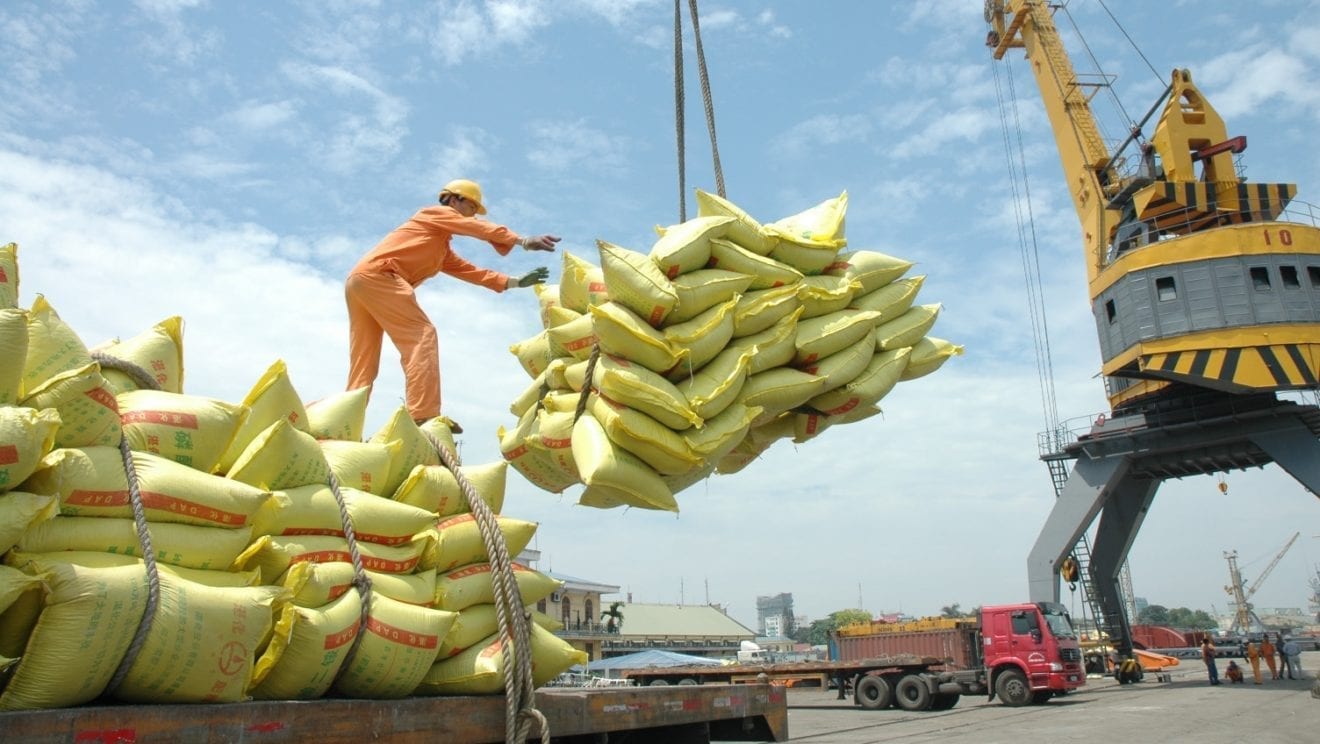
    Rice exporters will have their licenses canceled if they fail to ship for a long time.

    Out of 205 businesses with export licenses, 39 have not exported the grain since December 2019.

    The Ministry of Industry and Trade said: “Many traders have no rice market or capacity to export. This along with the impact of the Covid-19 pandemic means they have not been able to export rice for nearly two years.”

    Under further changes to a decree, the ministry wants local authorities which issue rice export licenses to strengthen inspection of business conditions.

    Vietnam exported 5.7 million tons of rice worth $3 billion in the first 11 months of this year, year-on-year increases of 0.8 percent and 7.3 percent.

    The country is unlikely to achieve the export target of 6.5 million tons this year, the Vietnam Food Association said, predicting that even next year exports would only be around 6.3 million tons.

  • Barclays Sets Sights on Asia

    Barclays Sets Sights on Asia

    The firm has is making strategic hires across investment banking and wealth management teams, as part of plans to rebuild in the region.

    U.K.-headquartered Barclays is targeting expansion in China, India, Singapore, and Australia, and is also hiring in Japan and Hong Kong, Jaideep Khanna, head of Barclays Asia-Pacific and India chief executive officer, said in an interview published Thursday.

    We are profitable in the region and I fully expect it to continue in 2022, Khanna said, adding our focus is going to be consistent – try and stick to the areas where we are strong. There are enough areas for us to drive returns today and that’s what we are focused on.

    His comments are a turnaround from moves the British lender made in 2020 to cut around 100 senior jobs in its investment banking arm, including dozens of roles in Asia. The bank had been scaling back operations in several countries in the region, including in Australia, South Korea, and Malaysia.

    Barclays in 2021-22 is a very different business that existed prior to 2016,” Khanna said. “It is much more focused now, generating better returns with more local knowledge and more self-awareness, Khanna said.

    Khanna also said Barclays plans to build up its private banking business in Singapore, and investment banking in Australia by hiring locally.

    Earlier this year, Barclays called Southeast Asia a strategically important and dynamically high-growth region, while bolstering its ranks, including Evonne Tan as head of Barclays Private Bank, Singapore; APAC head of equity capital markets Kelvin Teo, and Ee-Ching Tay as head of Southeast Asia banking. For Asia, it added a regional head of program trading Girish Mithran and vice chairman of Greater China banking Yehong Ji.

  • UniTeller Grows Remittance Network Across APAC

    UniTeller Grows Remittance Network Across APAC

    The U.S. based cross-border and remittance payments processor is extending its remittance services to more customers in the Asia Pacific under a partnership with Tranglo.

    UniTeller has announced a partnership with Tranglo to further expand its services in 13 Asia Pacific markets, including Bangladesh, India, Indonesia and Nepal.

    The partnership will add more than 58,000 cash pick-up points, more than 1,100 account deposit banks, and nine e-wallet platforms to its existing paying network of 90,000 paying locations in the region, according to an announcement on Thursday.

    UniTeller CEO Alberto Guerra said the partnership is a great step forward in the company’s expansion plan for the Asia Pacific this year.

    Founded in Malaysia in 2008, Tranglo operates a cross-border payment hub that provides smart services for mobile airtime top-ups, as well as foreign remittance and business payments.

    Earlier this year, Ripple acquired a 40-percent stake in Tranglo, to allow the blockchain payments company to meet growing customer demand in APAC, one of the fastest-growing regions for RippleNet. As such, UniTeller’s partnership with Tranglo also gives it access to RippleNet.

  • Canada Goose names new Asia-Pacific president

    Canada Goose names new Asia-Pacific president

    Canada Goose has appointed Paul Cadman as its new president for the Asia-Pacific region.

    In his new role, Cadman will oversee the business’ activities including commercial, financial, and marketing across Apac markets, including Greater China, Japan, South Korea, Australia, and New Zealand.

    “Paul is a trusted brand advisor, having consulted for us for years,” said Dani Reiss, president, and CEO of Canada Goose. “His extensive knowledge in the luxury sector and his deep experience in developing brands across the region has provided our team with a valuable perspective.”

    Cadman has more than 30 years of strategic luxury goods experience and held leadership positions with global brands, including Salvatore Ferragamo, Asprey & Garrard, Bvlgari, and Estee Lauder.

    “Paul’s experience, entrepreneurial nature, and regionally-specific industry knowledge make him the best fit for the role as we strengthen our brand presence and further execute against our long-term growth strategy,” said Reiss.

    Cadman also founded PMC Global Hong Kong, a strategic management and business consultancy focused on the luxury goods industry.

    The appointment is in line with Canada Goose’s strategy to deepen its influence in the Apac region, including its recent store openings in Harbin, Nanjing, Ningbo, Beijing, Taipei, and Macau.

  • HSBC Reshuffles Commercial Bank

    HSBC Reshuffles Commercial Bank

    HSBC has reshuffled senior management at its commercial banking arm in Asia and the U.K. Amanda Murphy and Frank Fang have been named co-heads of the APAC commercial banking business, according to a statement, reporting to global commercial banking chief executive Barry O’Byrne.

    The current head of commercial banking for HSBC U.K., Murphy will relocate to Singapore to become head of commercial banking, South and Southeast Asia to oversee the local commercial banking franchises in India, Southeast Asia, Australia, and international markets.

    Frank Fang will maintain his role as head of commercial banking, Hong Kong and Macau.

    Murphy and Fang will also serve on the global and APAC commercial banking executive committees.

    Succeeding Murphy’s role as head of commercial banking for HSBC U.K. is Stuart Tait, subject to regulatory approval, who led the APAC commercial banking franchise since 2016.

    I would like to thank Tait for growing our business in Asia Pacific over the last five years – his customer-centricity will be equally instrumental in his new role, O’Byrne said.

    Focusing on Asia for growth, investment and capital deployment is a strategic priority for our global business. We aim to grow our market share in the Greater Bay Area, India and Southeast Asia, expanding our customer base and digitizing at scale to help our clients and business to capture global opportunities.

  • Grab’s Ride-Hailing Services Disrupted In Southeast Asian Countries

    Grab’s Ride-Hailing Services Disrupted In Southeast Asian Countries

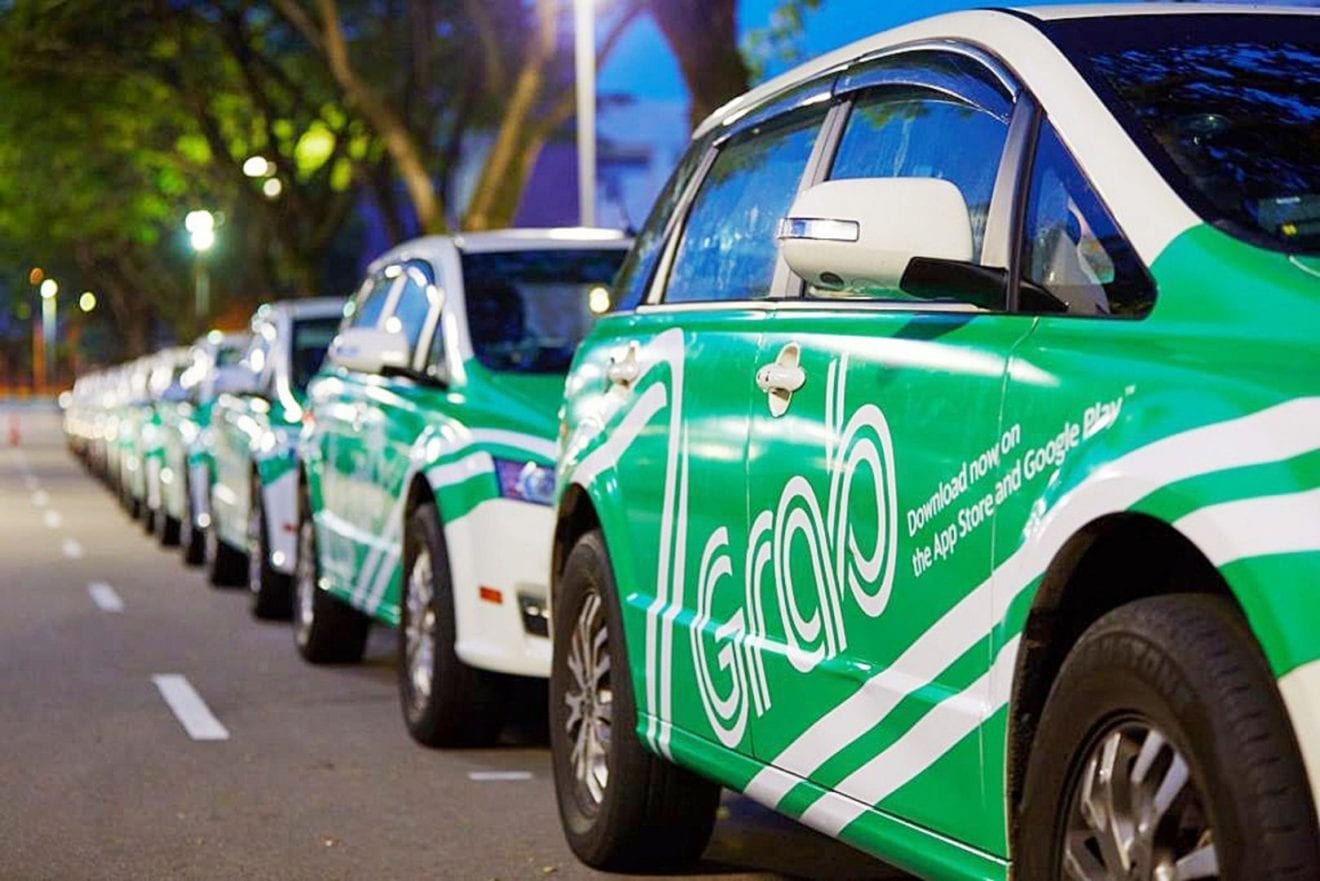
    Southeast Asia’s Grab on Tuesday said it was experiencing disruption to its services, with customers and drivers in Singapore, Indonesia, and Malaysia complaining that they were having trouble using the app’s ride-hailing functions.

    “Some of our services are not accessible at the moment,” Grab posted on its Facebook page.

    “We are looking into this and we will update when the app is back up and running.”

    Grab operates Southeast Asia’s most popular “super app”, which provides ride-hailing, food, and grocery delivery, and payments in over 400 locations in eight countries.

    “We are experiencing some technical difficulties with the app and our engineers are working to recover the issue,” Grab said.

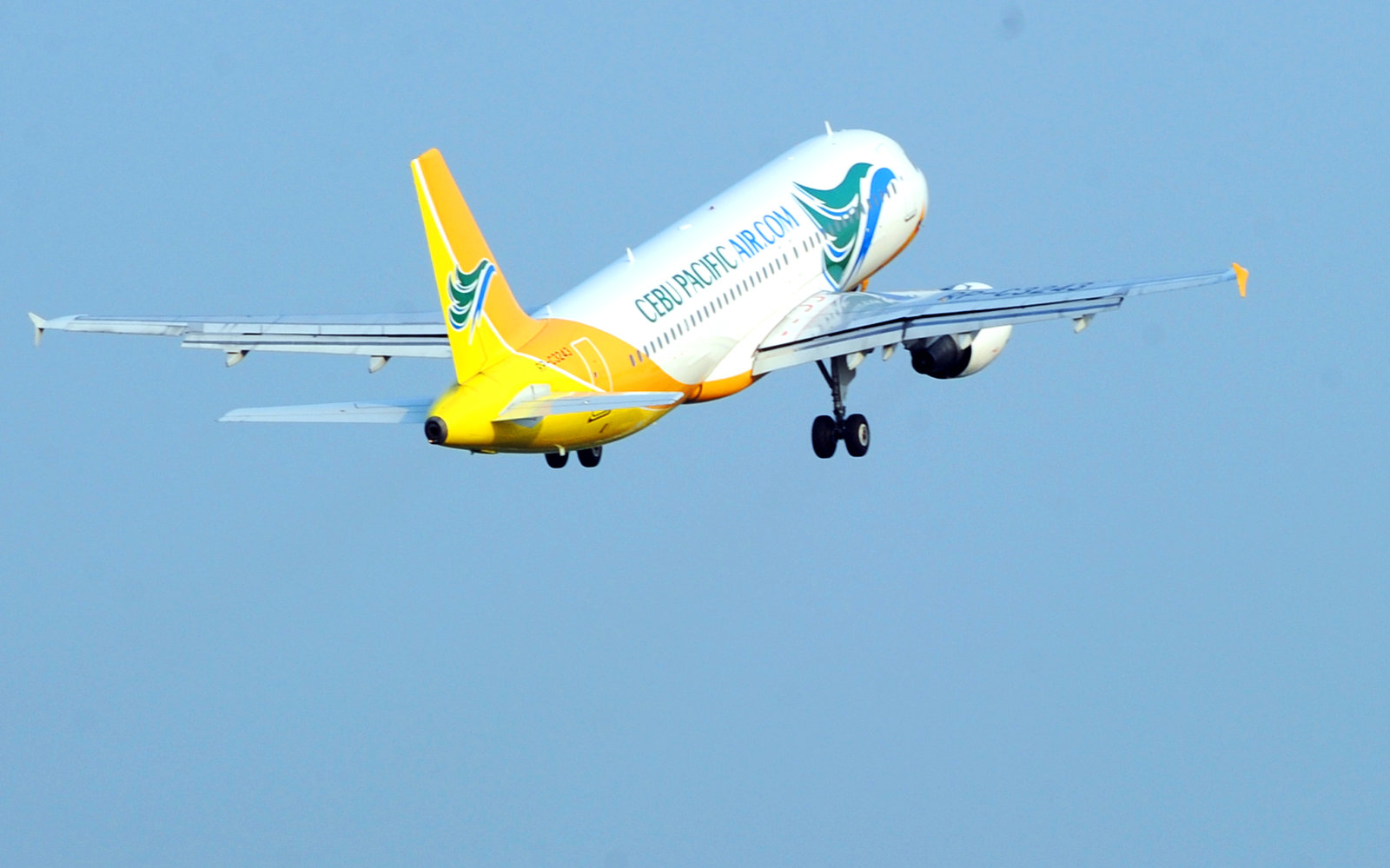
  • Cebu Pacific announces P1 seat sale for 11.11

    Cebu Pacific announces P1 seat sale for 11.11

    Cebu Pacific on Wednesday announced an 11.11 seat sale for as low as P1.

    In an advisory, the airline said the promo offer would begin at 12 midnight on November 11, 2021 and end on November 14, 2021, covering the travel period from July 1 to September 30, 2022.

    “Passengers can enjoy Cebu Pacific’s lowest base fare for as low as P1 to over 56 domestic routes and 20 international routes,” the airline said.

    Cebu Pacific vice president for marketing and customer experience Candice Iyog said that the airline welcomes the safe reopening of domestic destinations.

    “We remain cautiously optimistic while we continue to do what we can to support the recovery of the travel and tourism industry,” she said.

  • Crypto Platform Zipmex Announces Senior Hires

    Crypto Platform Zipmex Announces Senior Hires

    The Singapore-headquartered exchange will begin scaling up operations with the appointment of a new COO and CFO.

    Zipmex has appointed Uber’s former APAC head of central operations, Scot Cheung, as chief operating officer (COO) and venture capitalist and finance veteran Nicolas Keravec as chief financial officer (CFO), the digital assets exchange announced in a statement on Thursday.

    Cheung brings more than 12 years of experience in helping companies scale and expand worldwide, having worked in Hong Kong, Shanghai, Seoul, Singapore, and London, including over 7 years at Uber.

    Kerevac has over 15 years of cross border experience in driving technology-focused and scalable business models and was most recently managing director and group CFO at Rocket Internet (Asia).The appointments will allow Zipmex to strengthen its presence in Singapore, Australia, Thailand and Indonesia through strategic partnerships, develop its suite of digital assets-related products and offerings, and build its technology infrastructure, the announcement said.

    Cheung will focus on growing the platform in Australia, Zipmex’s newest market, while Kerevac will focus on capital deployment and expansion plans in the platform’s markets.

    Launched in 2019, Zipmex has over $1 billion in transaction volume on its platform. Earlier this year, the company announced that it raised $41 million in a Series B funding round with co-investors such as Krungsri Finnovate, Plan B Media and MACO Thailand.

  • 5G innovations and policy-making key to digital evolution in the Asia Pacific

    5G innovations and policy-making key to digital evolution in the Asia Pacific

    In conjunction with Huawei’s 12th Global Mobile Broadband Forum (MBBF), Telecom Review Asia Pacific interviews Daisy Zhu, vice president of Huawei Wireless Marketing to learn about the direction of 5G evolution and key trends that shape the development of the wireless industry in the Asia Pacific region.

    We are in the dawn of a new digital age where 5G represents a milestone in the advancement of mobile communications. In just over 5 years since the ITU released its vision for 5G, there are now 176 commercial 5G networks around the world, deployed over 1.5 million base stations to more than 500 million 5G users. Recognized as a key driver for the digital economy, 5G has a transformative impact on lives and societies where it is deployed.

    In the consumer market, where average 5G download speeds are now 10 times faster than 4G and HD video buffer times reduced from 3 seconds to just half a second, Daisy Zhu, vice president of Huawei Wireless Marketing cited notable network growth as 5G offers enhanced user experiences on more immersive OTT content and applications. The use of artificial intelligence (AI) and virtual reality (VR) to create better-simulated experiences is, in turn,also fuelling new economic activities such as live streaming.

    Across industries, the road to commercial 5G adoption has been fraught with difficulties, but countries have made significant strides. Since it has been commercialized 2 years ago, 5G now supports industrial digitalization through more than 10,000 scenarios in over 20 industries worldwide.

    Sharing China’s success in 5G deployment, Zhu said, “In China, 5G is on a fast development track to accelerate the digital transformation of verticals such as coal-mining, steel manufacturing, port operation, and new media. Across these industries, 5G-based digital applications have helped yield improved quality and increased production efficiency while reducing costs to positively impact various sectors.”

    Innovation that balances performance, coverage, and energy consumption

    Of the 176 countries where 5G has been rolled out, about 80%-90% have adopted high bandwidth, large capacity TDD, which when combined with Massive MIMO, can boost peak to deliver the promise of 10 Gbps real-time, immersive experiences. Massive MIMO can also deliver better energy efficiency per bit, compared to conventional antenna units, to help mobile network operators reduce their carbon footprint and meet their carbon neutrality objectives.

    Even though network traffic is projected to multiply hundredfold in a fully connected digital world, the World Economic Forum estimates that digital technology can reduce 15% of global carbon emissions by 2030. As a global ICT leader, Huawei dives into innovative ways to help mobile network operators build green, low carbon networks to address higher energy consumptions led by a global ramp up in data traffic.

    Zhu highlighted Huawei’s MetaAAU, a technological breakthrough in Massive MIMO coverage and energy efficiency launched during the MBBF 2021. Designed to strike an optimal balance between performance, coverage, and energy consumption, Huawei’s MetaAAU uses ultra-massive antenna arrays to significantly increase antenna gains and yield improved output or transmit power of an antenna unit. Without compromising on coverage, the MetaAAU reduces power consumption by about 30% compared with traditional AAU modules.

    Huawei’s C-RAN solution is another green network architecture that helps network operators reduce electricity consumption. Featuring a centralized BBU, C-RAN simplifies site construction as equipment rooms are no longer needed at base stations. As a result, air-conditioning can be decommissioned to significantly reduce on-site energy consumption by up to half.

    Evolving into digital service providers

    As innovations such as 5G, IoT, and cloud take centre stage in a digital era, network operators are challenged to first undergo digital transformation.

    To capture new growth, Zhu opined that “network operators must move away from the traditional model of selling connectivity to adopting a multi-dimensional role as content providers, cloud service providers, and system integrators”.

    South Korea’s network operators, for instance, create unique content so that they do not have to rely solely on OTT providers for content. As system integrators, network operators are tasked to help verticals integrate applications on the cloud to fully digitalize. Since SMEs form the backbone of the economy in the Asia Pacific, Zhu stressed that network operators should tailor solutions to address the needs of SMEs.

    To support greater, more diversified, and more stringent demands from both the consumer and enterprise markets, Huawei proposes the “1+N” 5G target network as the one fundamental network to provide continuous and large bandwidth coverage for “N” types of capabilities.

    In the case of the consumer market, a “1+N” network provides continuous large bandwidth coverage to deliver seamless roaming experiences to subscribers. In the Asia Pacific, where manufacturing is a dominant industry, smart factories require 20ms latency and 99.99% reliability to support real-time decision-making powered by AI. Precision-positioning is another use case in smart factories that is best founded on a “1+N” network infrastructure so that high-performing capabilities can be localized to perform more sophisticated functions as needed to keep operational costs as low as possible.

    Policy-making recommendations in the Asia Pacific

    With global DOU expected to reach about 700G by 2030, Zhu highlighted the importance of licensing the 6GHz band as the next golden band – also the last available midband spectrum after the C-Band.

    Home to over half of the world’s population, Asia Pacific will witness an exponential surge in data consumption. Echoing GSMA’s recommendation, Zhu proposed that governments allocate 2GHz of 6 GHz mid-band spectrum so that network operators have adequate access to spectrum to meet the ever-increasing demand for data. In China, for instance, the entire 1.2 GHz in the 6 GHz band has been allocated – comprising 500 MHz for Wi-Fi and 700 MHz for IMT connection.

    “Compared to the mmWave spectrum band, the 6 GHz band has been tested and found more suited to power 5G as it can coexist with fixed satellite systems without causing any interference,” said Zhu.

    An enabler for the digital transformation of industries and sectors, 5G has the potential to boost the world’s GDP by $2.2 trillion. In the new digital society, IoT and NB-IoT will also power up to 100 billion connections by 2030. Zhu called on all ecosystem stakeholders to embrace digitalization to ride on the 5G wave.

    To advance 5G deployment, favorable industry policies are also critical. In Thailand, regulators ensure that spectrum auctions are reasonably priced so that network operators can invest in constructing 5G infrastructure for eventual rollout. Introducing spectrum instalments is another initiative that will not overly burden network operators.

    Finally, network operators can be discouraged from leaving purchased spectrum bands unutilized to jack up prices. To counter such practices, regulators can mandate network operators to improve network coverage quantitively in a given timeframe.

    Essentially, spectrum is a scarce resource. Proper spectrum management and sound policy-making will ensure equitable spectrum access for 5G to develop and mature, in turn spurring economic recovery, growth and resiliency in the region.


  • Scotch & Soda plans new stores in capital cities

    Scotch & Soda plans new stores in capital cities

    Originally a wholesale brand, Amsterdam-based Scotch & Soda is pursuing a broad-based physical expansion that spans across Europe, Asia-Pacific, North America and the Middle East. Scotch & Soda, in March this year, debuted a new brand identity and logo, which will be present in its new locations.

    Ahead of the upcoming holiday season, Scotch & Soda is also expanding its lifestyle categories, including by introducing three new styles of bags and pursuing a deeper presence in fragrance with home, travel sizes and gift sets. Notably, the brand is prioritizing its own channels for the new bags, with those styles available exclusively online, as well as at franchise and directly operated stores, for the first season.

    The company is also opening its first digital store on Tmall in China, which comes after it launched in the country in July. Scotch & Soda has plans to open stores in “key Chinese cities” in the near future, and CEO Frederick Lukoff sees the country as one of the critical markets for the brand.

    “We are very proud to announce that Scotch & Soda is accelerating its growth strategy. It is indeed a very exciting time for our company despite the challenges caused by the COVID-19 pandemic in the retail industry,” Lukoff said. “We are pursuing the expansion of our retail network at a global level, strengthening our footprint in markets where we are already present, as well as entering key markets such as China, that we see as full of potential to reach new customers and introduce them to our brand.”

    When Scotch & Soda was acquired by private equity firm Sun Capital Partners in 2011, it was far more of a wholesale brand. The company had approximately 30 company-owned and franchised retail stores, in comparison to 7,000 partnership accounts. Scotch & Soda still boasts some 7,000 wholesale doors, but it now has 235 freestanding stores globally.

    By expanding its own fleet of stores, Scotch & Soda is taking a similar strategy to many other wholesale brands looking to make higher margins by selling more DTC. Well-known retailers like Nike and Adidas are pivoting a higher percentage of sales to the model, while cutting back on wholesale partners, to drive future growth.