Tag: app

  • Uber selling Southeast Asian business to regional rival Grab

    Uber selling Southeast Asian business to regional rival Grab

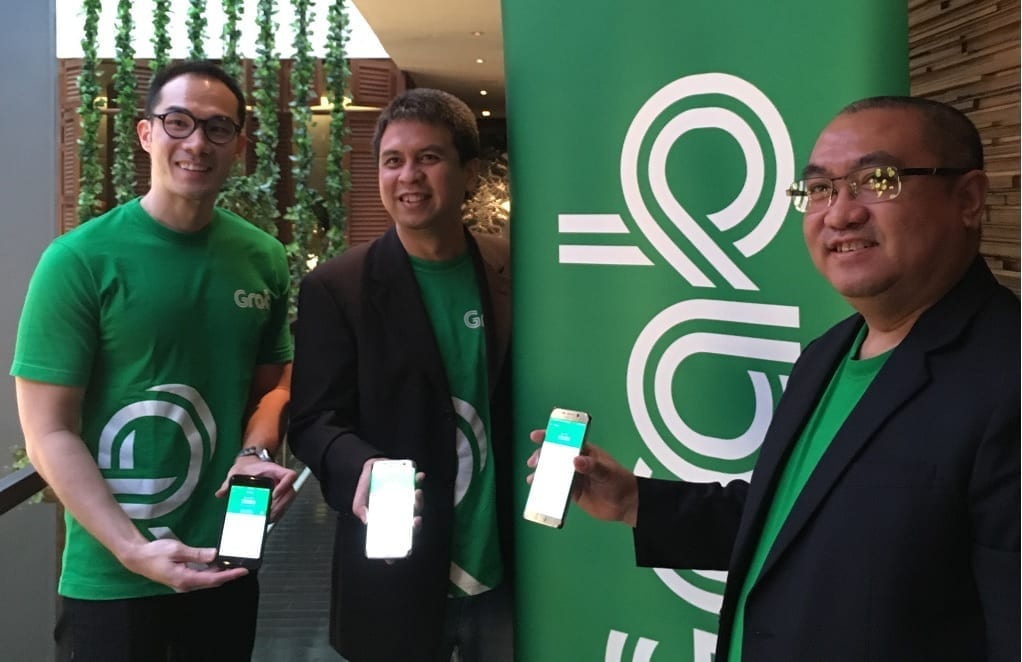
    Ride-hailing giant Uber is selling its business in Southeast Asia to regional rival Grab while gaining a robust stake in the fast-growing ridesharing, food delivery and financial services business.

    Grab said Monday that Uber will take a 27.5 percent stake and a seat on its board as part of the deal. Financial details were not disclosed.

    Since becoming Uber’s CEO in September, Dara Khosrowshahi has been maneuvering to make the company profitable before a planned initial public offering expected next year.

    The company’s full-year net loss widened to $4.5 billion in 2017 as it endured multiple scandals and the departure of its co-founder and former CEO Travis Kalanick.

    The deal enables Uber to keep a foothold in the increasingly affluent market of 640 million people while cutting its losses.

    “It will help us double down on our plans for growth as we invest heavily in our products and technology to create the best customer experience on the planet,” Khosrowshahi said in a statement.

    Grab provides services in Singapore, Indonesia, the Philippines, Malaysia, Thailand, Vietnam, Myanmar and Cambodia. It says it offers access to five million drivers and agents and handles over a billion transactions a year.

    The deal was dismaying to many in Asia who have often compared the rival apps in search of the best deal.

    The Uber app will be discontinued in just two weeks, and in the meantime its drivers have to sign up to drive with Grab. Riders, likewise, will need to download the Grab app and set up accounts, although their Uber accounts will still work outside Southeast Asia.

    The companies said that Uber Eats, the food delivery business, will run in Southeast Asia through May and then shift to the GrabFood platform. Grab has been seeking to dominate the regional market for car and motorbike hailing and has expanded into other areas, recently announcing plans to partner with a Japanese credit card company to provide credit to millions of people without bank accounts.

    In Indonesia, the region’s biggest economy and most populous country with more than 250 million people, it’s in a fierce battle for customers with local app Go-Jek, which has backing from Google and Tencent.

    Grab’s CEO and co-founder Anthony Tan said the acquisition of Uber’s regional business marks the beginning of a new era in using mobile businesses to provide transport, food delivery, payments and other financial services across the region.

    Uber has withdrawn from several big overseas markets. It sold off its China business to a competitor and partner, Didi Chuxing, taking a stake in Didi. In Russia, it agreed to merge its ride-hailing business in the country with Yandex, a local search-engine leader that also runs a popular taxi-booking app.
  • Lalamove Data Delivers Message of Market Success

    Lalamove Data Delivers Message of Market Success

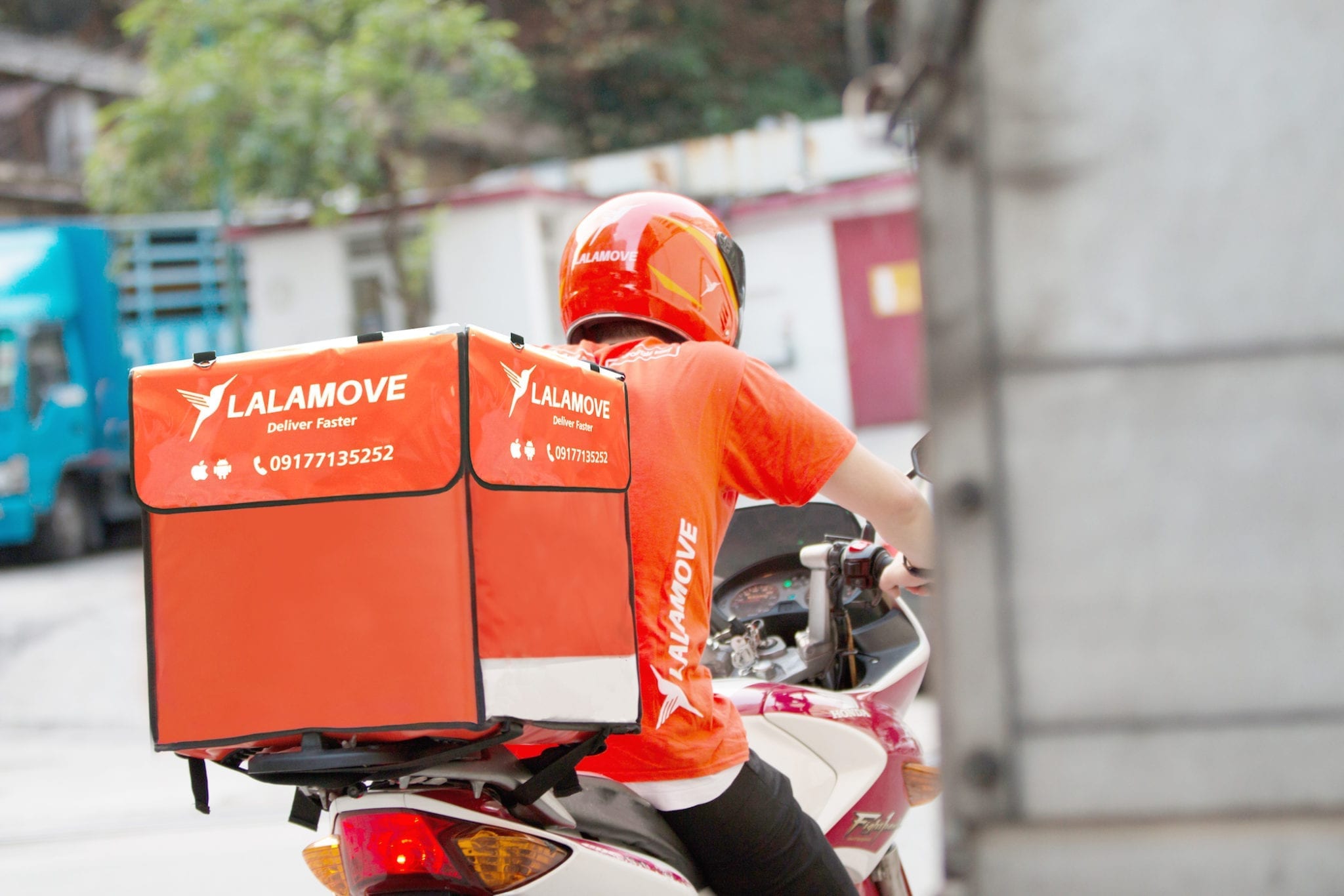
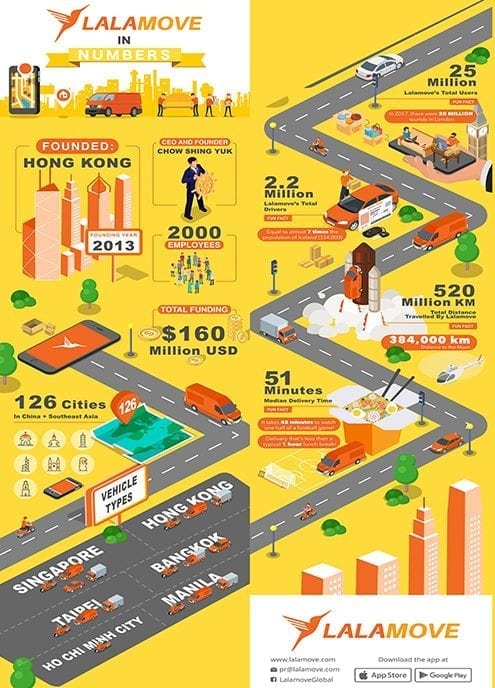
    Hong Kong based on-demand delivery app Lalamove is firmly in the driving seat when it comes to leading the last-mile market, including B2B, B2C and C2C deliveries; revealing impressive data in 2018 to show a fast-track journey of success since the company was first set-up in 2013 by entrepreneur Chow Shing Yuk.

    In the last five years, Lalamove has received $160 million USD in funding, including Series C funding of $100 million USD in late 2017 and set in motion an expansion plan to establish a greater global identity and a presence in 100 more cities in Asia. Currently, Lalamove is a force to be reckoned with, operating in 126 cities in China and Southeast Asia, with 2,000 employees and 2.2 million drivers, including 50,000 drivers in Thailand alone. Some 25 million users have downloaded the Lalamove app, with the company’s fleet of motorcycles, cars, vans and trucks also set on course as part of the Lalamove food delivery platform too.

    Global fast-food chain Burger King announced a partnership with Lalamove in November 2017. Local, regional and international brands are set to partner with the delivery app in the next few months with new features added to updating the app too. In Thailand, Some 520 million km have been traveled since 2013 with delivery times shorter than a one hour lunch. With e-commerce markets set to rise, the number of new users in online hubs such as Thailand are expected to a hike 250% compared to 2017.


  • Exploring the Chatuchak market easier with newest launched app

    Exploring the Chatuchak market easier with newest launched app

    Bangkok’s Chatuchak weekend market has launched a mobile app as a guide to its 8000 shops and restaurants.

    The Chatuchak Guide also offers special offers, promotions and discounts.

    Developed by Digital Ventures, a subsidiary of Siam Commercial Bank, in collaboration with State Railway of Thailand, the app aims to provide the market’s retailers with an online presence to attract both local and international shoppers.

    App users can search for shops by name or type, while a “live” map helps prevent users becoming lost in the market as well as find the shop they want to visit. They can also set up a shopping map by placing pins on shops they want to visit, or they can explore using the app’s recommendations.

    Other features include The Spirit of Chatuchak, a video featuring each shop in the historic market, plus information on where to find toilets, meeting points, ATMs and other services. There is also the Flash Sale & Promotion section with special offers and discounts.

    The app can be downloaded for use on both Android and iOS, and is available in English, Chinese and Thai.

  • New CEO says Uber Vietnam will not be distracted by criticism

    New CEO says Uber Vietnam will not be distracted by criticism

    Traditional taxi firms have been protesting against Uber and Grab, accusing the ride-hailing apps of unfair competition. Uber Vietnam on Thursday said the company would focus on growing and serving its partners and passengers and would not be distracted by criticism, following protests and accusations of foul play by traditional taxi firms.

    Tom White, the company’s newly appointed CEO, issued the statement during a press briefing at the unveiling of Uber Vietnam’s new partner support center in Hanoi.

    “My focus would be to serve them as best as I possibly can and not be distracted by criticisms about this,” he said.

    Uber Vietnam’s key objective instead would be to further expand across the market and reach an even greater number of riders and drivers.

    “There have been millions of app downloads here in Vietnam and we’re only scratching the surface of what’s possible.”

    Stressing reputation as a precious asset for Uber, White said he would prioritize building and maintaining trust with the Vietnamese government.Regarding his appointment as the new CEO of Uber Vietnam, White said his experience working for Uber in Australia had played a role in the decision. As one of its earliest members, he helped build the company there from scratch and forged a strong and trusting relationship with the Australian government.

    While admitting he had much to learn after moving from Australia to Vietnam, White also said he hoped to be able to work with the government to make policies more open and regulations more fair across all platforms for companies to compete and allow consumers to benefit from the competition.

    Regarding Ho Chi Minh City’s demand last month for VND66.68 billion ($2.93 million) in tax arrears, White said that the company firmly believed it had met all its tax obligations and complied with government regulations.

    Tom White is an Australian who joined Uber in January 2015 and held various management positions in Uber Australia and New Zealand. He was appointed as the new CEO of Uber Vietnam earlier this month following his predecessor Dang Viet Dung’s departure.

    Dung, who had been Uber Vietnam’s CEO since the U.S.-based firm first entered the country in 2014, left the company on October 1, but no information about the reasons for his departure has been revealed.

    His departure triggered speculation that Uber Vietnam was in a crisis, especially after a recent tax scandal.

    Late last month, tax authorities in Ho Chi Minh City demanded VND66.68 billion ($2.93 million) in arrears from Uber Vietnam, including fines for faulty declarations and late payments.

    Following the incident, rumors started to spread that Uber would be leaving Vietnam. The company was quick to dismiss this.

    As of August, Uber had four million users in Vietnam, according to official company data.

  • HSBC debuts mobile stock app

    HSBC debuts mobile stock app

    HSBC has introduced a new stock trading mobile app for both Android and iOS to help Hong Kong customers more easily trade Hong Kong, China A and US stocks.

    The HSBC HK Easy Invest standalone stock trading app includes new features including a one-screen quick buy function, interactive charts, a sector heat map and tailored news.

    Customers can access the app using their existing HSBC Personal Internet Banking Details or Touch ID fingerprint authentication for Apple users. The app also employs several industry-standard security measures for further protection.

    To promote the new app, HSBC is offering new users a HK$100 brokerage fee rebate on customers’ first trade using the system until November 30.

    “With changing customer behaviour and increasing demand for faster and more convenient banking services, we are expanding our digital capabilities to better meet customers’ needs,” HSBC head of retail banking and wealth management for Hong Kong Greg Hingston said.

    “HSBC HK Easy Invest is a smart and powerful tool that is easy to use, fast and secure, helping us support our customers as they manage their wealth.”

  • Chope funding round secures $18 million

    Chope funding round secures $18 million

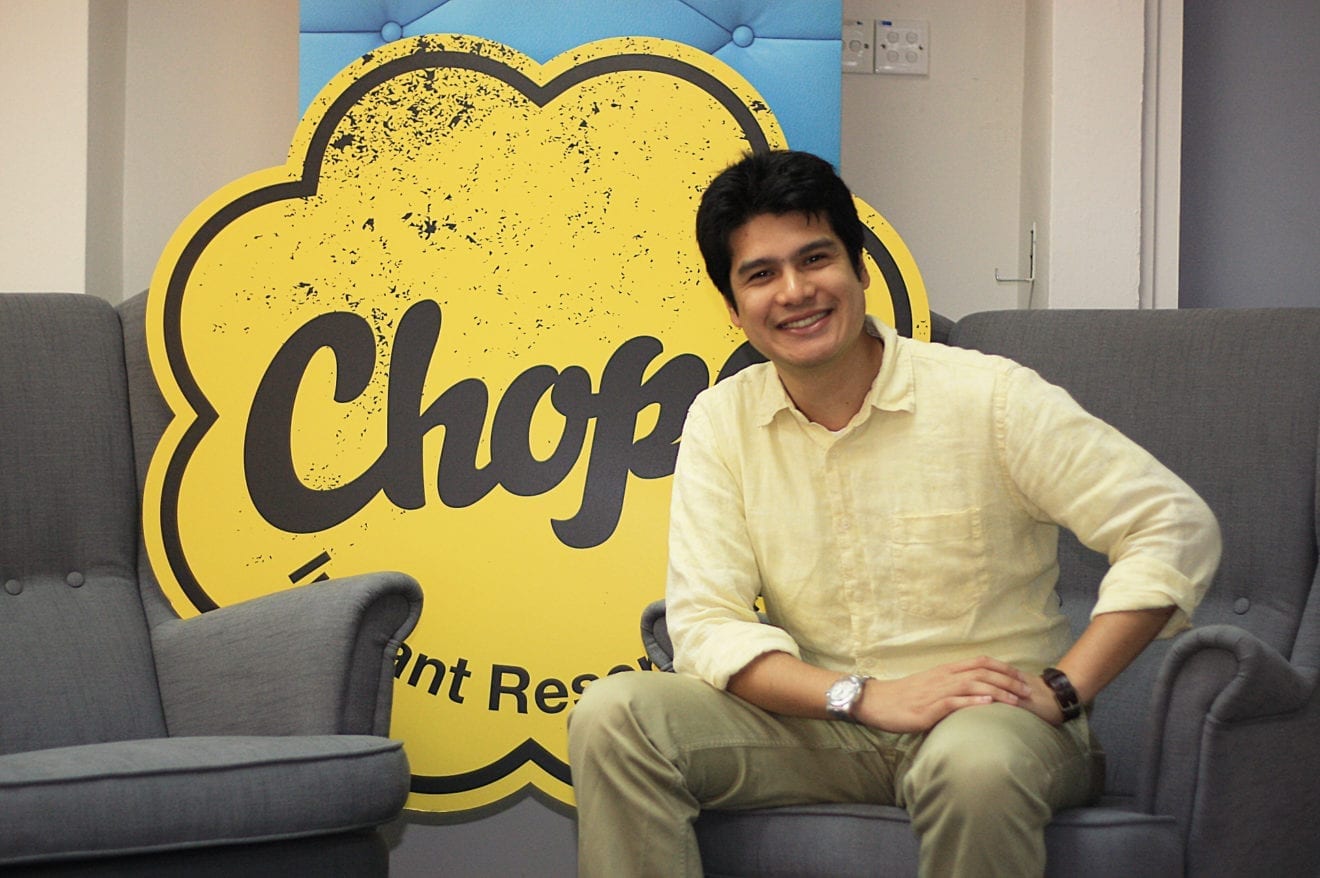
    Restaurant-booking app Chope has secured S$18 million from multiple investors.

    Led by venture capital firm Square Peg Capital, the investors in the funding round include Moelis Australia, NSI Ventures and SPH Ventures.

    Chope CEO Arrif Ziaudeen says the funds will be used to improve product, increase staff numbers and enhance customer support. The Singapore-based company will also “invest heavily in further innovations” while deepening its reach into its markets across Asia.

    “Chope offers a compelling service to both restaurants and diners,” says Square Peg partner Tushar Roy.

  • Polygamy dating app draws criticism in Indonesia

    Polygamy dating app draws criticism in Indonesia

    A Tinder-style dating app for polygamists has sparked controversy in Indonesia, the world’s most populous Muslim nation — but its developer says he “just wants to help” unmarried middle-aged women.

    Indonesian law defines marriage as between a man and a woman but polygamy is tolerated in certain circumstances, despite being generally frowned upon. Ayo  Poligami, loosely translated as “let’s go polygamy”, is a free smartphone app that matches married and single Muslim men with women who want to create “big families”.

    It has attracted more than 56,000 members since its launch in April, according to developer Lindu Cipta Pranayama.

    But women’s rights campaigners have criticised the app, warning of a strong link between polygamy and domestic violence.

    “Due to the controversy, I initially wanted to permanently shut down the site, but when I saw many women in their 40s of 50s who are still virgins and unmarried I decided to keep it,” Pranayama told Tuesday.

    “Can you image being in your 40s or 50s but never been touched by a man?” added the 35-year-old, who created the app after failing to find a wife on several dating sites.

    Indonesian men who apply to one of the country’s Islamic courts, which have jurisdiction over marriage, are able to take a second wife under certain circumstances.

    For example, a court may review and grant an application if the man’s first wife is unable to bear children or has a disability and gives her permission.

    Adriana Venny Aryani, from Indonesia’s National Commission on Violence Against Women, said polygamy as facilitated by Ayo Poligami could be harmful to wives.

    “When the husband is practicing polygamy, women are emotionally abused, economically (abused), and sometimes violently,” she said.

    Pranayama said a high number of fake accounts had caused the platform to temporarily close, but a new version is set to launch on Thursday with more stringent user criteria.

    Indonesian authorities recently shut down another controversial matchmaking site, Nikahsirri.com, which offered “virgin auctions” for men and women looking for marriage.

    Police arrested the founder of the short-lived site, Aris Wahyudi, over the “pornographic content” it contained.

  • Saudi Arabian ‘honesty’ app takes internet by storm

    Saudi Arabian ‘honesty’ app takes internet by storm

    Its mass appeal stems from the appetite in the Arab world — notorious for online censorship — for unfiltered platforms for expression.

    Fizzing with boyish exuberance, Saudi programmer Zainalabdin Tawfiq could be mistaken for a college freshman, but the popularity of his “honesty” app has shone a spotlight on the conservative kingdom’s nascent tech scene.

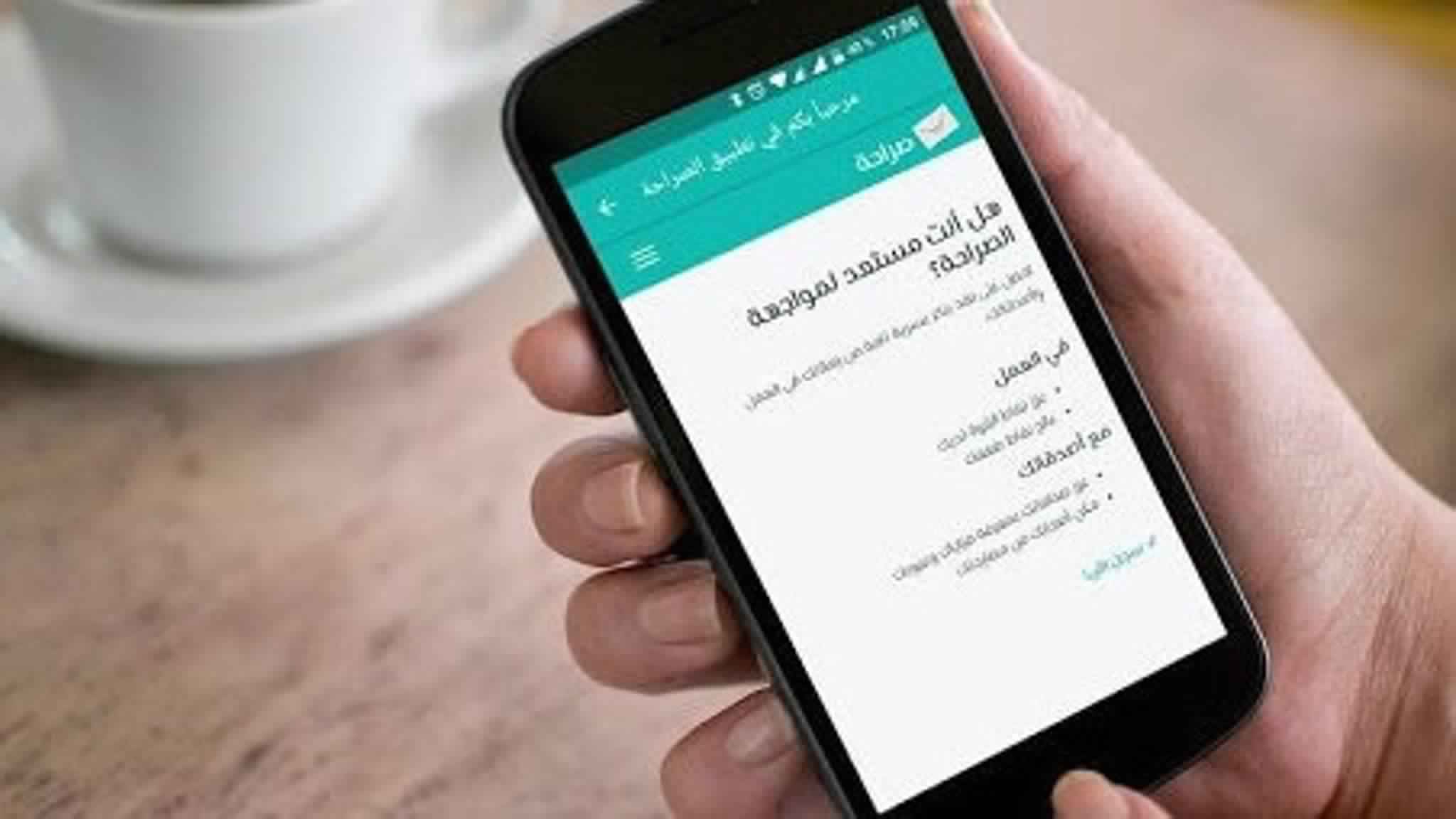
    Tawfiq catapulted to fame when he took time out of his day job as a business analyst last year to develop an anonymous messaging tool called Sarahah — honesty in Arabic — that subsequently topped the charts for app downloads.

    Initially conceived as a tool for soliciting bluntly frank workplace feedback, Sarahah has found its way into the smartphones of millennials worldwide, even as critics have raised alarm about trolling and privacy issues.

    “Sarahah is the digital equivalent of an old-school suggestion box,” 29-year-old Tawfiq told AFP, adding that it is built on the premise that stripping users of their identity promotes ruthless honesty.

    “Feedback is the goal — anonymous feedback.”

    The app has a frugal design and a simple prompt that encourages users to “leave a constructive message :)”, with the recipient not allowed to reply but only share it on social media or block the sender.

    Its mass appeal stems from the appetite in the Arab world — notorious for online censorship — for unfiltered platforms for expression, though Tawfiq said it has also gained a strong popularity in Western countries.

    Such has been its power to knock down social barriers that obstruct free speech that one user described it as an app where you can “hit enter on comments you would have otherwise backspaced”.

    Sarahah has so far drawn 85 million registered users, and rocketed to the top of the Apple app store in some countries, ahead of heavyweights such as Snapchat and Instagram.

    ‘Oil’s decline, entrepreneurship’s rise’

    “The success story of Sarahah really proves that Saudi startups can achieve spectacular gains when properly supported,” said Nawaf Alsahhaf, CEO of Badir, a government-backed technology incubator that helped Tawfiq.That a Saudi app could gain such success spotlights hidden potential for tech innovation and entrepreneurship at a time of economic transformation in an ultra-conservative country.

    “There truly is undeniable potential behind Saudi startups we currently incubate,” he told.

    Saudi Arabia is promoting private enterprise as part of its ambitious reform program to move the kingdom away from its dependence on oil revenues.

    “It is clear oil’s decline and entrepreneurship’s rise are necessarily intertwined,” the Beirut-based venture capital firm Leap Ventures wrote on its website last year, noting a new growth in disruptive tech innovations in the region.

    A new breed of Saudi startups — from an on-demand roadside assistance app called Morni to Hunger Station, a food ordering portal — have recently drawn the attention of venture capitalists.

    Minimising abuse

    Tawfiq said he is in negotiations with venture capitalists from the United States, China and the Arab world, without disclosing details, in response to critics who question whether his app can be effectively monetised.

    In some gender-segregated Arab societies, men have used Sarahah for secret love confessions, but it has also been used by service delivery companies to harvest constructive feedback and psychiatrists in far-away Mumbai to engage openly on subjects such as sexual health.

    Sarahah has come under fire for being a troll magnet — but Tawfiq said that problem was common to all major social media platforms.

    It has also recently been accused of secretly harvesting the address books of users. Tawfiq rejected that claim and said he plans to remove Sarahah’s address upload feature with the next update.

    He currently runs a tight ship with another business partner and three customer support executives, but is considering leaving his day job to focus on Sarahah full time.

    “I believe that even one case (of abuse) is actually too many,” Tawfiq said. “I won’t tell you how, but my aim is to make the job of misusers as difficult as possible.

  • Kakao Taxi dominates cab-hailing app in Korea

    Kakao Taxi dominates cab-hailing app in Korea

    Kakao Taxi is the most popular cab-hailing app in South Korea, dominating 98 percent of the market, while the food delivery app sector is fiercely contested by two rivals, according to a survey on Tuesday.

    Market analysis company Open Survey polled 1,500 smartphone users between 20 through 40 to find out which online-to-offline apps they use the most for specific needs.

    Kakao Taxi, run by Kakao Corp. that also operates the popular messenger service Kakao Talk, commanded 98 percent of responses for cab-calling services, while UberTaxi came in a far second with 11 percent. Multiple selections were allowed in the survey

    For food delivery, the most used app was Baedal Minjok with 80 percent. It was closely followed by Yogiyo with 72 percent. Baedaltong was third with 48 percent.

    Yanolja and Yeogi Eoddae were neck and neck for hotel booking apps, with both around 50 percent.

    Hotels Combine was second with 35 percent, and Hotels.com ranked third at 33 percent. Airbnb followed with 22 percent.

    Socar was the top choice for car rental with 78 percent. The second most popular app was Green Car with 38 percent.

    Customer satisfaction was the highest for cab apps with 83 percent. Hotel reservation apps also did well with 71 percent. Food delivery apps had 68 percent satisfaction numbers.

  • Transport ministry reconsiders ride-sharing service ban

    Transport ministry reconsiders ride-sharing service ban

    The Ministry of Transport has sought opinions from ministries, localities and transportation associations on its recently imposed ban on app-based taxi ride-sharing service.

    The ministry recently sent a document to the ministries of police, justice, finance, industry and trade, information and communications; authorities of Hanoi, HCM City, Danang, Quang Ninh and Khanh Hoa and the Vietnam auto transport association and Hanoi and HCM City taxi associations.

    In the document, the Ministry of Transport admitted that earlier the ministry requested Grab to stop its ride-sharing service called GrabShare. However, now, the ministry needed to gather the opinion after receiving Grab’s reports on advantages of the GrabShare. Grab has asked for the ministry’s permission for the firm to continue the service.

    The Ministry of Transport noted that the ministry wants to get the opinion about Grab’s proposal and also needs recommendations about fines for the violation in this service.

    Both Grab and Uber launched GrabShare and UberPool respectively in May this year. The services allow drivers to add additional passengers to their journey in addition to the person who makes the original booking. The service can help save customers around 30% compared to the original booking.

    But traditional taxi companies strongly oppose the service, saying that it is illegal and unfair competition.

    In June this year, the Ministry of Transport requested the ban on the ride-sharing service, explaining that under the ministry’s Circular 63, transport firms are only permitted to sign one contract per trip. If a GrabCar driver carries two passengers that agree to share their ride with each other, it means they are fulfilling two separate contracts, and therefore in breach of regulations, the ministry explained.

    The ministry spuriously claimed that sharing a car with a stranger may result in possible risks for passengers, although such practices are very common among traditional taxi companies at airports.

  • Hong Kong’s First Business Travel Mobile App Launched by TravelSky

    Hong Kong’s First Business Travel Mobile App Launched by TravelSky

    China TravelSky Holding Company today announced the launch of CozyGo, Hong Kong’s first business travel management mobile app. Tapping into cross-border corporate travel demand, especially among SMEs (small and medium-sized enterprises), the app – unlike anything currently in the market –  provides efficient business-ready travel service based on corporate travel policies. 

    In one of its first forays into international markets, TravelSky decided to launch a Traditional Chinese version of CozyGo in Hong Kong. The business travel management mobile application is designed to enhance the efficiency of the business travel booking process, and the autonomy of the traveler to manage his/her own booking and approval process within just a few clicks, without the need to spend extra time on internal communications for approval of the trip.

    Until now, full integration with users’ corporate travel policies and complete Traditional Chinese functionality have not been available together in one app in Hong Kong. Users of TravelSky partner companies will be able to use CozyGo for flight searching and booking, trip management, and order approval functions. It also stores frequent flyers’ information to provide convenience for repeated bookings.

    Business travel demand is strong and Hong Kong’s large SME sector in particular is known for frequent cross-border business travel. According to TravelSky, bookings with Chinese commercial airlines increased by almost 12% from around 449 million in 2015 to around 502 million in 2016. And in the first two months in 2017, domestic flight bookings with Chinese commercial airlines recorded a YOY increase of nearly 14%, to around 75 million.

    Mr. Peng Bo, General Manager of GDS (Global Distribution System) Business Unit, TravelSky Technology Limited said, “As a leading provider of information technology solutions for China’s aviation and travel industry, we are excited about extending our technology to Hong Kong. CozyGo is our flagship product for travel management companies in China, which achieved 120,000 downloads in 2016. We aim to capitalize on Hong Kong’s high-potential market to capture market share in the corporate travel sector here. Today’s launch aligns with our vision to become a world-class company, internationally competitive and stable in the Chinese market.”

    CozyGo features at a glance:

    1. Flight Booking – It offers the fastest bookings customized for each corporate client, aligned with the corporation’s travel policy.
    2. Approval – Users can submit orders online for trip approval; the app will send timely reminders to the approving manager.
    3. Flight Data – The large database offers comprehensive details for making flight selection decisions.
    4. Flight Status – Flight status is continuously updated on the homepage, users are informed of any change any time, anywhere.
    5. App Download – CozyGo is available for download on Apple App Store (for iPhone, iPad and iPod Touch), and on Google Play (for Android devices).
    6. Language – Users can select the preferred language to display on the interface, between English, Traditional Chinese and Simplified Chinese, catering to the needs of the international business environment in Hong Kong.
  • Hong Kong’s Octopus Cards launches Octopus App

    Hong Kong’s Octopus Cards launches Octopus App

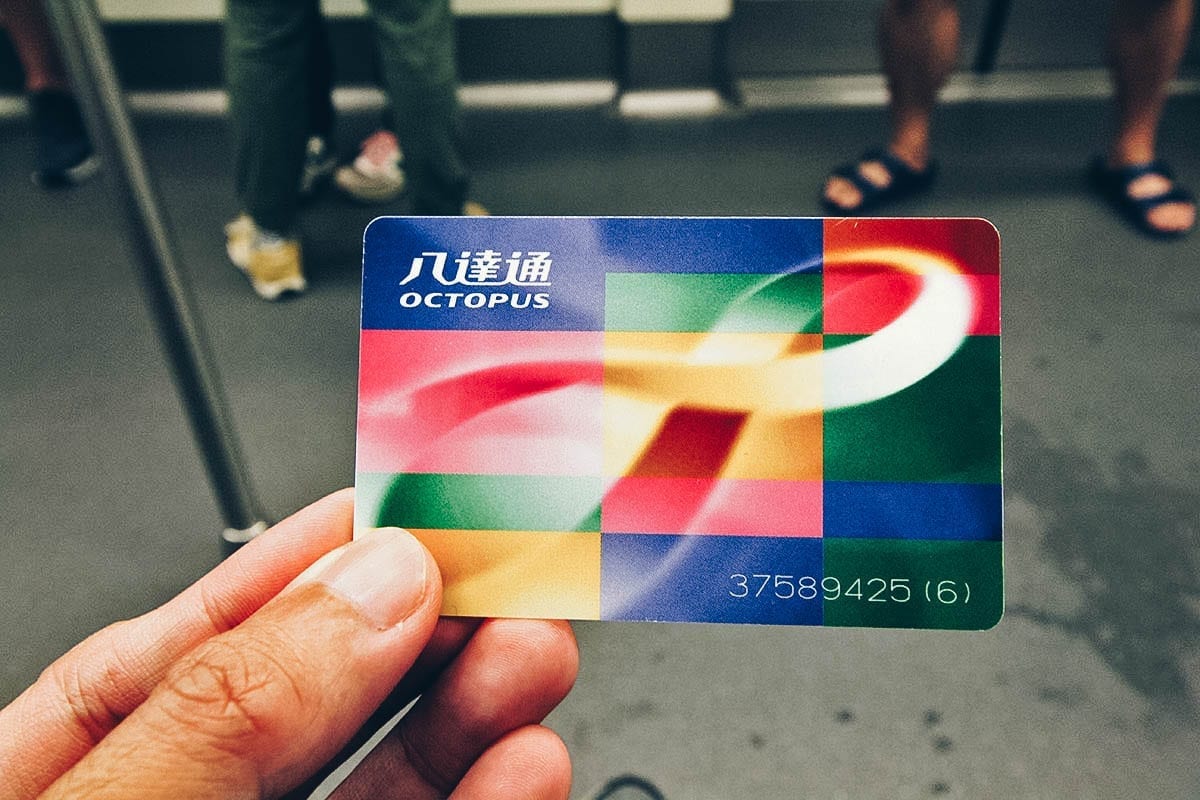
    Hong Kong’s Octopus Cards has launched a new mobile app designed to let customers manage their Octopus cards and Octopus O! ePay accounts via a single location.

    The new Octopus App can display card balances and transaction histories viewable through NFC-enabled Android smartphones, or iOS devices paired up with an Octopus Mobile Reader.

    The app’s O! EPay function supports peer-to-peer payment and fund transfer between O! ePay, designated bank accounts, registered Octopus cards and Octopus Mobile SIMs.

    In addition, Octopus App supports online payments, including shopping, e-ticketing bill payments and donations with charity, as well as offers and eCoupons from merchant partners.

    Customers using the previous Octopus branded app will be able to upgrade to the new app and retain all their current information, eliminating the need to re-register. New users can download the app from the Apple App Store or Google Play and sign up with their email addresses and mobile numbers.

    “The all-new Octopus App further demonstrates our commitment to making everyday life easier,” Octopus Cards CEO Sunny Cheung said.

    “We are also very pleased to bring in major business partners like TurboJET and China Mobile to serve customers’ payment needs through our new Octopus App – thus maximising the ‘one card, one app’ customer benefit.”

    He said the company plans to continue introducing innovations in its mobile payment services, such as QR code payment, to improve the customer experience.

  • China’s tech giants in race to transform grocery shopping

    China’s tech giants in race to transform grocery shopping

    As Amazon.com looks to swallow United States grocery chain Whole Foods, China’s tech giants are already digesting hefty bricks-and-mortar deals, taking the lead in the battle to transform supermarket shopping with big data and better supply chains.

    China’s Alibaba Group Holding and JD.com have invested heavily in offline retail – bricks-and-mortar stores – in recent years to complement their online offerings.

    With their ready-made payment and social media platforms to lure shoppers, Alibaba and JD.com have helped China become the world’s largest online grocery market, far ahead of the US.

    This early lead, cemented by densely populated urban areas and cheap labour, could be key as retailers and tech firms race to boost margins on low-cost consumer goods by reinventing supply chains with big data analytics.

    “China is already the largest online grocery market in terms of value in the world, so it’s really advanced in terms of scale,” said Mr Nick Miles, head of Asia-Pacific for food and grocery industry research body IGD. Sales made online are set to more than double to around 6.6 per cent of China’s broader grocery market by 2020, compared with around 1.4 per cent for US sales by then.

    Both US and Chinese e-commerce firms are grappling with the challenge of increasing their margins on fast-moving consumer goods (FMCG), which include low-margin, high-demand goods with a short shelf-life – a staple of grocery stores.

    Alibaba, which has a burgeoning cloud business that competes directly with Amazon, plans to use its trove of consumer data to provide a suite of connected services back to the brands whose goods it sells. Services will include inventory management, smart manufacturing and logistics, which aim to slash waste and margins across the entire supply chain, according to the company’s “New Retail” strategy.

    Likewise, JD.com uses data from a partnership with China’s hugely popular messaging app WeChat, which has over 930 million users, to build data profiles for a range of brands including baby products, cosmetics and soft drinks.

    Alibaba has invested over US$9.3 billion (S$12.9 billion) in offline retail stores since 2015, including supermarket chain Sanjiang, department store Intime Retail Group and Suning Commerce Group, one of China’s biggest offline retailers. Last month, it took an 18 per cent stake in Lianhua Supermarket Holdings, part of retailer Bailian Group.

    JD.com bought Wal-Mart Stores’ Chinese online platform Yihaodian for about US$1.5 billion in shares last year.

    US firms are now looking to play catch-up as bricks-and-mortar stores are hit by a slowdown and online players battle with tight profit margins and high delivery costs.

    Amazon launched a US$13.7 billion bid for grocery chain Whole Foods Market last week, marking its intention to take on Wal-Mart.

    Wal-Mart, which got a stake in JD.com in the Yihaodian deal, raised its share in the Chinese firm to 12.1 per cent in February, having bought online retailer Jet.com in a US$3 billion deal last year.

  • Taxi firms release apps to compete with Uber and Grab

    Taxi firms release apps to compete with Uber and Grab

    The firms have complained about supposed unfair competition with Uber and Grab. Vinasun said the average wage for drivers had dropped and many drivers had already quit.

    The firms demanded authorities apply measures to ensure fairer competition such as forcing Uber and Grab drivers to use taxi badges.

    Meanwhile, some firms have started to upgrade their technology to attract customers such as Thanh Cong in Hanoi that released a mobile app similar to Uber and Grab. Thanh Cong also allows customers to call for taxis from Facebook.

    They announced a fleet of cars without taxi badges like Uber to carry customers on routes that ban taxis. Thanh Cong said the management charge their drivers need to pay was only half of what Uber and Grab were collecting.

    Other taxi firms have also employed measures to compete in the growing market. Mai Linh, Vinasun and Taxi Group also released apps with similar purposes and functions. SAPA Thale Holding then released their own Uber-like app called APPP Passengers.

    The Ho Chi Minh City Taxi Association previously claimed that traditional taxi firms were being threatened as more personal cars were now in use by Uber and Grab than traditional taxi fleets. It asked the government to reconsider the open policy towards app-based taxi firms.

    “More worryingly, taxi firms have to bear various kinds of taxes including the VAT and corporate income tax. But the Grab and Uber’s taxes are only 4-5% of the traditional firms’,” the association claimed in a written document.

    Ha Huy Quang, deputy director of Hanoi Department of Transport accused Uber and Grab of not following the traffic planning and being opaque in tax duties.

  • Transport Ministry denies Uber and Grab pilots ended

    Transport Ministry denies Uber and Grab pilots ended

    At the carrier’s annual shareholder meeting on Tuesday, it was said that the 191 million shares with a par value of VND10,000 (44 US cents) per share could be sold in the fourth quarter or at any other time that the management board decides.

    Current shareholders will have the right to buy the shares at a rate of 15.5 per cent, meaning that an investor will be able to one additional share for every 15.5 shares he owns at the moment.

    Among the additional shares are 164.73 million shares sold to State shareholders and 16.77 million shares issued to the firm’s Japanese strategic investor ANA Holding Inc. Other shareholders will be able to purchase 9.7 million shares.

    The share issuance is expected to raise VND1.91 trillion (nearly $85 million), which would help the aviation group cover a part of the cost of purchasing new planes and making payments for its suppliers.

    In 2017, Vietnam Airlines plans to spend VND2.1 trillion – 72 per cent of this year’s spending budget – purchasing 10 A350-900WB planes and eight Boeing 787-9 planes.

    This year’s business plan also includes VND87.9 trillion in combined revenue, an annual increase of 22.7 per cent.

    However, the combined post-tax profit of VND1.33 trillion marks a 35 per cent drop from 2016.

    The targeted post-tax profit is lower based on worries about higher fuel costs and rising global oil prices as well as rising amortisation costs generated by the purchase of new planes.

    Last year’s post-tax profit was a record high for Vietnam Airlines, supported by oil prices that hit a historical 12-year bottom in mid-January 2016. Crude prices have rebounded about 47.5 per cent since then. This year’s business plan is developed based on a $64 per barrel oil price scenario.

    The company also attributed the decline in annual post-tax profit to slow growth of market purchasing power, which is forecast at 9.5 per cent for 2017.

    The slow rise in market purchasing power means Vietnam Airlines will have to face a decline in its Revenue per Available Seat Kilometre (RASK) – a term of unit cost used in the aviation industry.

    The RASK figure in 2017 is forecast at 5 per cent lower than 2016 and 22 per cent lower than 2015.

    Meanwhile, competition is heating up n the international markets as low-cost carriers enhance their presence in Viet Nam and in the Northeast and Southeast Asian regions, traditional markets for Vietnam Airlines.

    In addition, the Noi Bai and Tan Son Nhat international airports, the biggest in Viet Nam, will undergo repairs and maintenance at the year end. This will reduce business activities in those two airports by 30 per cent and force aviation firms to cut the number of flights to and from those airports by at least 15 per cent during the day.

    Share price concerns

    Vietnam Airlines also plans to switch listing its shares from the Unlisted Public Company Market (UPCoM) to either the HCM Stock Exchange or the Ha Noi Stock Exchange.

    Shares of the company, under code HVN, debuted on UPCoM at VND39,200 per share on January 3. Its share price has lost nearly one-third of its value to close Tuesday at VND26,825.

    In comparison, the share price of low-cost carrier Vietjet has risen by 18 per cent to end Tuesday at VND126,500 per share. Vietjet shares debuted on the stock market at the end of February.

    Such decline of share price has raised some concerns among the firm’s shareholders about the company’s strength and competence.

    According to the firm’s chief accountant, Tran Thanh Hien, the share price is quite stable and reflects Vietnam Airlines as an aviation company that meets international standards and practices.

    Hien said that the movement of share prices depends on various factors, including business performance, business strategy, market conditions and liquidity.

    For some firms, the amount of floating shares is quite small, showing that the company’s stock structure is dense and making share prices low, according to Hien.

    Compared to the low-cost carrier Vietjet, Vietnam Airlines focuses on the high-class segment with provision of high-quality products and services, said general director Duong Tri Thanh.

    Low-cost carriers have developed strongly in recent years and account for 60 per cent of the domestic market. This sector is expected to grow 20-30 per cent per year in the coming years.

    Vietnam Airlines would, therefore, push harder its operation in international markets, he said.

    For the domestic market, Vietnam Airlines would concentrate its business on the low-cost segment in co-operation with Jetstar Pacific. The two firms would try to keep their market shares at least 30 per cent, Thanh said.