Tag: apple

  • Tim Cook Passes the Apple Torch: A New Era Dawns with CEO Transition

    Tim Cook Passes the Apple Torch: A New Era Dawns with CEO Transition

    Speculation has been rife for some time about the imminent departure of Apple CEO Tim Cook from his position. The unexpected announcement of his replacement has therefore caught many by surprise. Despite forecasts suggesting Cook’s remaining tenure might run into a few more years, it now appears his exit is imminent.

    Tim Cook’s New Role

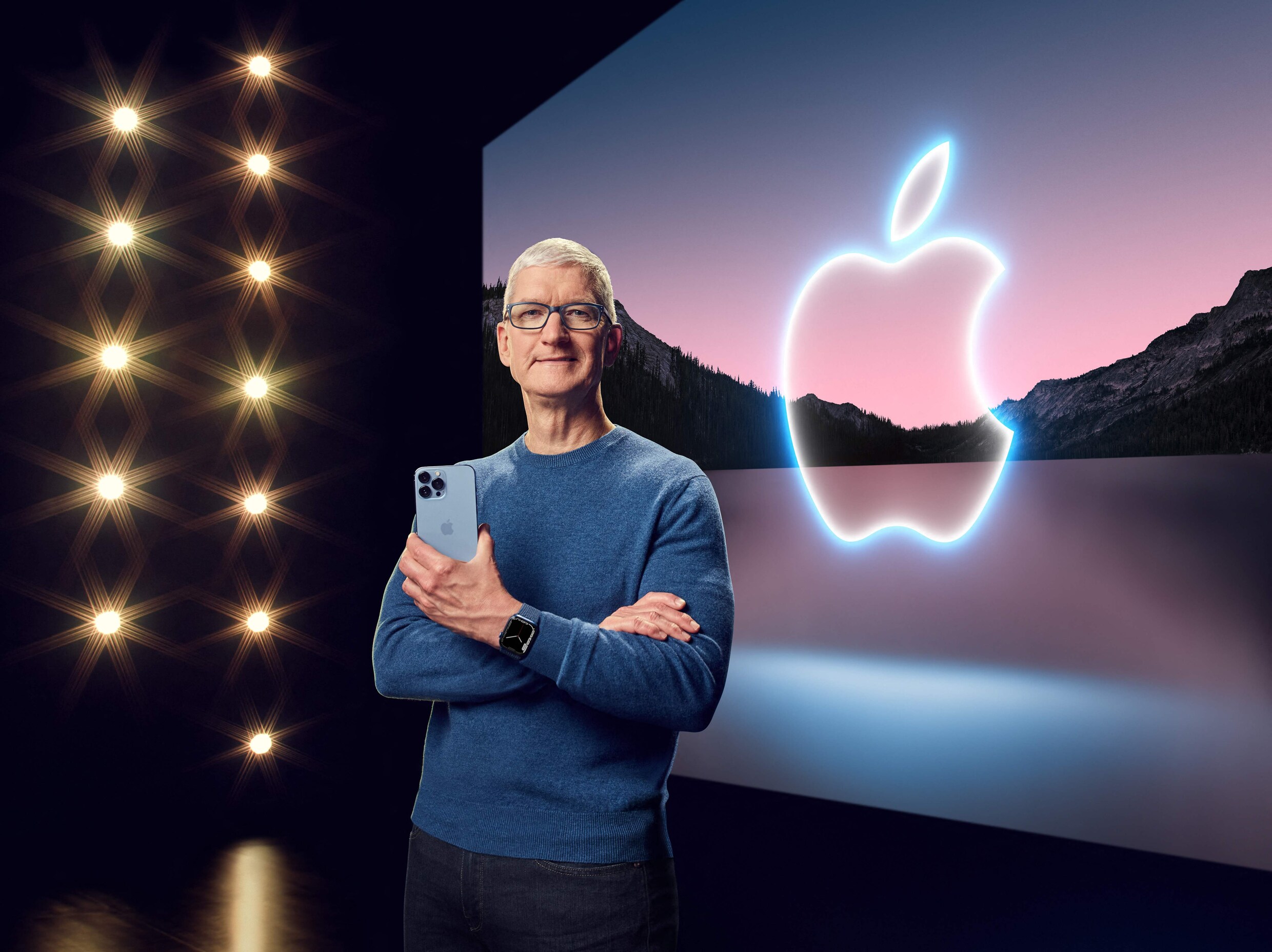
    Tim Cook is slated to relinquish his CEO role later this year after a successful and influential period of leadership at Apple. Starting from September 1, Cook will transition into the position of executive chairman on Apple’s board of directors.

    According to typical patterns, Cook is expected to serve as executive chairman for a substantial period, though his presence at the launch of the iPhone 18 in the upcoming months remains uncertain.

    The decision to appoint Cook’s successor, John Ternus, as the new CEO seems like a well-anticipated move to many. Recently, Ternus has been increasingly in the public eye, having even presented the iPhone Air. Some believe this was a strategic move to familiarize the public with Ternus’s presence during significant product launches.

    Cook’s Farewell Message

    In an internal memo to Apple employees, Cook reflected on his time with the company and the collective accomplishments of the team. He praised the company’s values and expressed his confidence in Apple’s future prospects. This, he noted, influenced his decision to transition to the role of executive chairman and pass on the CEO baton to John Ternus. He affirmed his belief in Ternus’s capability to guide Apple into the future and maintain the company’s core values.

    Cook also expressed his intention to support Ternus and the company in various key areas in his new role and thanked the executive team for their brilliance throughout the years. He concluded by expressing his optimism about the future and inviting all to join him in congratulating Ternus.

    John Ternus’s Response

    In a memo of his own, John Ternus expressed his excitement about his new role as CEO and gratitude for the opportunity to lead the hardware engineering team. He revealed that as he transitions to the CEO role, Tom Marieb will take over as the head of hardware engineering, reporting to Johny Srouji, who is taking on an expanded role of Chief Hardware Officer. Ternus expressed his anticipation for their continued work together and shared his confidence in the team.

    Reflecting on Cook’s Legacy

    Reflecting on Cook’s tenure, it’s astounding to consider the significant impact he has had on Apple and its global user base. Cook’s strategic prowess following the passing of Steve Jobs was instrumental in sustaining the company’s stability and growth.

    Under Cook’s leadership, Apple’s product range has evolved remarkably. The MacBook has become a powerful technological asset, and the iPhone 17 Pro is widely regarded as one of the best flagship smartphones on the market.

    The upcoming launch of the iPhone 18 Pro and the iPhone Ultra later this year will be a poignant moment, given Cook’s absence. The future Apple events are inevitably going to be different, marking a shift in an era in the company’s history.

    Questions & Answers

    Who will replace Tim Cook as CEO of Apple?
    John Ternus has been announced as the successor to Tim Cook as CEO of Apple.

    What will be Tim Cook’s new role at Apple?
    Tim Cook will transition to the role of executive chairman on Apple’s board of directors.

    Who will take over as head of hardware engineering at Apple?
    Tom Marieb will assume the role of head of hardware engineering at Apple as John Ternus transitions to the CEO role.

  • Apple Slashes App Store Commission Fees in China: A Big Win for Developers and Consumers

    Apple Slashes App Store Commission Fees in China: A Big Win for Developers and Consumers

    Apple will decrease the commission fees it collects from App Store transactions in mainland China, marking a substantial victory for Chinese developers. This decision comes in response to the perceived pressure from regulators in the U.S. technology behemoth’s second-largest market.

    Lowered Commission Fees

    Beginning Sunday, the California-based company will reduce fees for in-app purchases and paid transactions to 25%, down from the present 30%, according to a statement on the company’s website. For developers in Apple’s small business and mini apps partner programmes, in-app purchase transaction fees will be decreased to 12% from the current rate of 15%.

    The term ‘mini apps’ denotes smaller applications that function within a larger parent application, such as Tencent’s WeChat.

    Significant Impact for Chinese Developers

    This change is a significant advancement for Chinese app developers, including operators of ‘super apps’ such as Tencent and ByteDance, the owner of TikTok. These platforms offer numerous smaller apps developed by third-party creators.

    The reduction could potentially save Chinese developers more than 6 billion yuan (US$873 million) in annual operating costs. The measure has been presented as a win for Chinese digital consumers.

    Improved Consumer Choices

    The adjustment will enhance consumer choices and information transparency. The premium for digital goods and services within iOS will gradually decrease, and prices for membership subscriptions, game charges, live broadcast tips, mini programs, and other scenarios are predicted to drop, potentially saving consumers up to nearly 1 billion yuan per year.

    Global Scrutiny of Apple Tax

    The 30% ‘Apple Tax’ continues to be a significant target of regulatory scrutiny worldwide. In the U.S., Apple permits users to pay in-app fees using alternative payment methods, while the EU implemented new legislation in 2024 that mandated Apple to reduce commission fees to a range of 10% to 17% for developers.

    In China, Apple has been in discussion with the IT ministry and other departments about reducing their fees.

    World Consumer Rights Day

    The reduced commission fees will take effect on World Consumer Rights Day, a day often marked by Chinese state media spotlighting domestic and foreign companies accused of consumer rights violations. Apple was targeted by this campaign in 2013, when its after-sales service was criticized, compelling the company to issue a public apology.

    Going forward, the Chinese government may require Apple to collect App Store revenues within China, rather than overseas, and increase regulatory oversight of foreign apps published in China.

    Previously, Apple has removed apps such as virtual private networks (VPNs) from its China App Store at the Chinese internet regulators’ request.

    International Developers Also Benefit

    Apple’s fee reduction also extends to international developers whose apps are available on the China App Store. As an example, Duolingo, the highest-grossing education app in China, stands to save a substantial amount of money given its annual revenue from the Chinese market is around US$50 million.

    Questions & Answers

    What is the new commission fee rate for in-app purchases and paid transactions in mainland China?
    The new commission fee rate in mainland China is being reduced to 25% from the previous 30%.

    Who stands to benefit from these reduced commission fees?
    Chinese developers and operators of ‘super apps’ such as Tencent and ByteDance, along with international developers with apps available in the China App Store, will benefit from these reduced commission fees.

    When will the fee reduction take effect?
    The fee reduction will take effect on World Consumer Rights Day, which falls on Sunday.

  • Apple Preps for Stable iOS 26.3 Update as iOS 26.4 Beta 2 Launches: No Siri Overhaul, but Exciting New Features Await

    Apple Preps for Stable iOS 26.3 Update as iOS 26.4 Beta 2 Launches: No Siri Overhaul, but Exciting New Features Await

    Upcoming iOS Updates to Include Minor Improvements

    Apple users who are currently using stable iOS 26.3 might have noticed that a minor update, iOS 26.3.1, is currently under testing. This update is projected to roll out within the next fortnight. Primarily, it’s expected to be a minor adjustment aimed at rectifying a bug or patching a potential software vulnerability.

    The release of iOS 26.3.1 might coincide with the launch of the lower-priced iPhone 17e model, which is expected to hit the market during the first week of March. In anticipation of the release of some Siri 2.0 features in iOS 26.4, as previously stated by Apple, some iPhone users installed iOS 26.4 Beta 1 in hopes of getting an early preview of an enhanced Siri. However, this move was unfruitful as Apple launched iOS 26.4 Beta 1 without any Siri AI improvements.

    Regrettably, I was one of the iPhone users who installed iOS 26.4 Beta 1 only to find that the advancements to Siri 2.0 had been delayed. The expectation now is that some of the new features for Siri will be introduced with iOS 26.5, which is due in May. The significant upgrade to Siri that will transform the digital assistant into a chatbot akin to ChatGPT and Gemini, however, is expected to land later in the year with the release of iOS 27 in September.

    The Playlist Playground

    The next stable update, iOS 26.4, is projected to arrive in late March or early April. Despite the likely absence of major changes to Siri, this update will introduce some exciting features like the Playlist Playground, a feature that debuted with iOS 26.4 Beta 1. This feature will allow users to generate a 25-song playlist based on a text prompt. The chip containing Apple’s recommended playlist requests can be tapped by users. If the generated playlist doesn’t meet your liking, there are options to refine it further by adding instructions, such as excluding a particular genre or enhancing a certain sound.

    End-To-End Encryption for Cross-Platform Messaging

    Apple has also begun testing end-to-end encryption (E2EE) for RCS. Initially, when iOS 26.4 Beta 1 was released, E2EE RCS testing was restricted to messages sent between two iPhones with iMessage disabled. However, with the release of iOS 26.4 Beta 2, Apple has started allowing cross-platform RCS messaging between iOS and Android devices, protected with E2EE. Users of the latest Beta 2 release are now seeing a “lock icon” while texting a compatible Android phone. However, E2EE cross-platform RCS messaging is not expected to arrive on a stable iOS build until the release of iOS 26.5 or iOS 26.6.

    Questions & Answers

    When is the release of iOS 26.3.1 expected?
    The release is expected to happen sometime within the next two weeks.

    What are the new Siri 2.0 features expected in iOS 26.4?
    Despite initial expectations, it appears that major changes to Siri have been delayed and are now expected to be introduced in iOS 26.5.

    What is the Playlist Playground feature in iOS 26.4?
    This feature allows users to generate a 25-song playlist based on a text prompt, with options for further refinement based on user instructions.

  • Apple Taps Google’s Gemini AI for Long-Awaited Siri Upgrade: A Game-Changing Partnership Unveiled

    Apple Taps Google’s Gemini AI for Long-Awaited Siri Upgrade: A Game-Changing Partnership Unveiled

    Several years ago, Apple assured its customer base of an improved, more intelligent Siri. While some loyalists might have lost hope, the company has now confirmed its speculated collaboration with Google, a move that could potentially transform Siri into a highly competent personal assistant.

    Google’s Gemini AI Powers Siri’s Significant Upgrade

    Apple has declared that Google’s Gemini AI model will be the driving force behind the long-awaited, more personalized iteration of Siri. The company stated that Google’s technology forms the most suitable basis for their model.

    Following a thorough evaluation, Apple determined that Google’s technology offers the most capable foundation for Apple’s foundation models. Apple expressed excitement about the innovative new experiences that this partnership could unlock for its users.

    Though Apple has not divulged further details about the agreement or given a precise timeline for the Siri update, reports suggest that its pact with Google forms part of a multi-year deal.

    A Much-Anticipated Update

    Nearly a year ago, Apple postponed the AI-enhanced version of Siri, initially promised at WWDC 2024. The company admitted that the development of a more personalized Siri was taking longer than anticipated.

    In June of the previous year, speculations suggested Apple was exploring partnerships with OpenAI and Anthropic. A few months after, rumors of a prospective partnership with Google started to make rounds. Later, it was reported that Apple planned to use a custom variant of Gemini to develop the new Siri and pay Google $1 billion annually for it.

    Apple is predicted to launch the new Siri with iOS 26.4 in a matter of weeks. The AI-powered assistant is rumored to comprehend the context of what is displayed on the iPhone’s screen, sift through personal data, and manage complex tasks based on this information. The update is likely to be released in March, potentially eclipsing any AI enhancement Samsung might introduce with One UI 8.5 and the Galaxy S26 series.

    The Right Decision for Apple

    Last year, Google made waves with the release of Gemini 3, now the leading AI model. Despite the unpredictability of LLM development, this was a significant triumph for the company. It also suggests that Apple might have picked the right partner. While it’s too early to get overly excited about the final version of the AI-powered Siri, it wouldn’t be surprising if it performs exceptionally well.

    Questions & Answers

    What does the partnership with Google mean for Apple’s Siri?
    The partnership means that Siri will be powered by Google’s Gemini AI model, making it more intelligent and personalized.

    When is the AI-powered Siri expected to be launched?
    The upgraded Siri is expected to be introduced with iOS 26.4, rumored to be released sometime in March.

    What enhancements can users expect from the new Siri?
    The new Siri is expected to understand the context of what’s displayed on the iPhone’s screen, navigate through personal data, and perform complex tasks based on that information.

  • Game Changer: Apple TV+ Android Update Adds Long-Awaited Google Cast Support

    Game Changer: Apple TV+ Android Update Adds Long-Awaited Google Cast Support

    Apple TV+ has finally introduced the much-anticipated update, enabling Android users to enjoy premium content on large screens. Previously, Android users could only view this content on their 6-inch phone screens unless they had specific hardware.

    Apple TV+ for Android Now Compatible with Larger Screens

    February marked the arrival of the Apple TV app on Android devices, much to the delight of streaming enthusiasts. Despite the excitement surrounding its launch, the app’s capability was seemingly limited. The most notable limitation was that Android users were confined to watching premium content on their small phone screens, unless they possessed particular hardware.

    However, a novel update from Apple has changed the game. Google Cast support has now been officially introduced in the Android app, making it possible to stream shows like Severance or Slow Horses directly from your Pixel or Samsung device to your Chromecast or Google TV setup.

    Revolutionary Features in the Update

    The updated features include Google Cast Support, which allows streaming via Wi-Fi or cellular to compatible TVs. The Offline Viewing feature lets users download movies and episodes for travel, while the Sync Continuity feature ensures that the “Continue Watching” option picks up from where the user last stopped, regardless of the device. Furthermore, Library Management provides full access to your Watchlist to manage upcoming viewing.

    While it may appear to be a minor technical adjustment, it’s a significant change in the app’s usability. For several months, the Apple TV app on Android seemed somewhat detached—a unique and often frustrating experience in a landscape where competitors such as Netflix, Disney+, and Hulu have supported casting for over a decade.

    By incorporating this feature, Apple is signaling a shift away from its “walled garden” approach when it comes to marketing a streaming service. Given that a substantial portion of the global audience comprises Android phone and Google TV users, this upgrade levels the playing field, making Apple TV+ a more appealing primary streaming service for households with mixed ecosystems, rather than just an additional feature for iPhone owners.

    Better Late Than Never

    Truthfully, the initial launch of the app without Cast support felt somewhat incomplete. There was a sense that Apple was only doing the bare minimum to get the app into the Play Store, without much regard for the user experience. It was challenging to recommend the service to Android users when they could not easily watch Apple TV+ on their actual television.

    Questions & Answers

    What is the new update in the Apple TV+ app for Android users?
    Apple has introduced Google Cast Support in the Apple TV+ app, enabling Android users to stream content directly to their Chromecast or Google TV setup.

    What are the key features of this update?
    The update includes Google Cast Support, Offline Viewing, Sync Continuity, and Library Management.

    What does the introduction of Google Cast Support signify?
    By incorporating Google Cast Support, Apple is acknowledging the importance of Android phone and Google TV users as a significant portion of its audience. This feature makes Apple TV+ a compelling primary streaming service for households with mixed ecosystems.

  • Siri Gets a Major AI Boost: Leaked Features from Future iOS 26.4 to 28 Promise Exciting Updates

    Siri Gets a Major AI Boost: Leaked Features from Future iOS 26.4 to 28 Promise Exciting Updates

    Apple’s release of iOS 26.2 last week brought several helpful updates, as discussed in a previous article. Now, anticipation is building for iOS 26.4, which promises significant artificial intelligence (AI) enhancements to Siri. Recently, an extensive leak has provided insights into what to expect from iOS 26.4 through iOS 28, thanks to a version of iOS 26 currently in use by Apple’s engineers.

    Insights from the Internal Build of iOS 26

    The said internal build of iOS 26 contains “feature flags,” which engineers can use to enable or disable specific features while they are under development. Unique to this iOS build are notes detailing the features and the corresponding iOS versions they will debut with.

    For instance, the internal build highlights multiple feature flags related to new additions to the Health app. These allude to a user-friendly interface for categories and a simpler method for manual data entry, such as body measurements, symptoms, and medication intake. This has led to speculation about a possible Health+ subscription service from Apple, providing answers based on user-provided data in the Health app. The revamped interface could be a part of Apple’s preparation for this potential paid service.

    Anticipated Changes to Siri and Other Features

    According to the leaked data, Apple is also testing a feature that recognizes when a new credit or debit card is added to a third-party app, offering to save it to the iCloud Keychain. This feature works similarly to the Autofill function in Safari and could be launched with iOS 26.4. The leak also suggests a more premium Sports subscription package for Apple TV+ users, probably available with the iOS 26.4 update.

    The much-awaited upgrades for Siri are also slated for the spring release of iOS 26.4. In addition to facilitating more natural conversations, Siri will be integrated with Google’s Gemini Large Language Model (LLM). This will enable Siri to comprehend the context of the user’s display and assist with task execution. The updated Siri will also be capable of browsing a user’s emails, messages, calendars, and photos to locate specific information and perform tasks with certain apps using voice commands.

    Additional Security and Other Updates

    iOS 26.4 will also introduce a new layer of security to ensure that an iPhone logging into Apple ID and iCloud hasn’t undergone any unauthorized modifications, like jailbreaking.

    The feature flags also hint at possible new collections for the Photos app in iOS 27. This version will bring improved pairing for AirPods with an iPhone. In iOS 28, sleep tracking will feature new metrics, such as “Time in bed.”

    Questions & Answers

    What are the main features expected in iOS 26.4?
    The iOS 26.4 update is expected to bring significant improvements to Siri, including more natural conversations and integration with Google’s Gemini Large Language Model (LLM). Other features include a new credit or debit card saving feature and possibly a premium Sports subscription package for Apple TV+ users.

    What changes are expected for the Health app?
    The Health app is likely to see a new user-friendly interface for categories and a simpler method for manual data entry. There is also speculation surrounding the introduction of a Health+ subscription service that provides answers based on user-provided data.

    What additional security will be introduced with iOS 26.4?
    An additional security feature is set to ensure that an iPhone logging into Apple ID and iCloud hasn’t undergone any unauthorized changes, such as jailbreaking.

  • Key iPhone Air Designer Abidur Chowdhury Exits Apple for AI Startup: An Unexpected Twist in Tech

    Key iPhone Air Designer Abidur Chowdhury Exits Apple for AI Startup: An Unexpected Twist in Tech

    Abidur Chowdhury, one of Apple’s pivotal figures in the design process of the iPhone Air, has recently left the corporation. The move was unexpected, as Chowdhury had just been promoted to a key role within the company, hinting at an extended future collaboration.

    Unexpected Departure from Apple

    Chowdhury’s decision to leave Apple reportedly took the tech giant by surprise. His upward trajectory within the company’s design team suggested a bright future and the potential for an even more significant role in the years to come.

    Chowdhury was instrumental in the development of the iPhone Air, with his departure marking another loss for Apple from its ranks to AI-centric firms.

    Key Contribution to the iPhone Air

    In a break from tradition, Apple selected Chowdhury to introduce the iPhone Air this year, prior to Ternus delving into a more comprehensive presentation. This clear signal of Chowdhury’s prominence during the Apple event underscored the company’s recognition of his value.

    Chowdhury, known for his modesty, has never publicly championed his contributions at Apple. His decision to leave after taking center stage suggests either a lack of confidence in Apple’s direction or the opportunity of a more lucrative offer.

    Preference for AI Over iPhone Air?

    Artificial Intelligence (AI) is currently the most buzzed-about topic in the tech world. Several of Apple’s top employees have recently transitioned to companies with a stronger focus on AI. Considering Apple’s issues with Siri, this trend isn’t surprising.

    However, Chowdhury, to public knowledge, wasn’t involved with Siri. Speculation suggests that he may envision a brighter future in AI than with the iPhone Air, prompting his decision to depart.

    Questions & Answers

    Why did Abidur Chowdhury leave Apple?
    Although Chowdhury has not publicly stated a reason, speculation suggests that he may see a more promising future in AI than with Apple or have received a more attractive offer elsewhere.

    What was Abidur Chowdhury’s role at Apple?
    Chowdhury was a key figure in Apple’s design team and played a significant role in the development of the iPhone Air.

    What impact might Chowdhury’s departure have on Apple?
    Given Chowdhury’s instrumental role in the design and introduction of the iPhone Air, his departure may be a notable loss for Apple. His decision to leave may also potentially influence others within the company to consider opportunities outside Apple.

  • Tesla Shifts Gears: Embracing Apple CarPlay in Game-Changing Move

    Tesla Shifts Gears: Embracing Apple CarPlay in Game-Changing Move

    Tesla, a renowned auto manufacturing powerhouse, is said to be on the cusp of incorporating Apple CarPlay into its vehicles. This decision is a significant shift from the stance of Tesla’s CEO, Elon Musk, who had previously opposed the integration of Apple’s entertainment system into Tesla cars.

    Tesla and Apple’s Gradual Convergence

    iPhone-using Tesla drivers have long awaited the integration of Apple CarPlay into their vehicles. Over the years, Tesla has been gradually integrating components of Apple’s ecosystem into its models. In 2022, it incorporated Apple Music, followed by the addition of Apple Podcasts in 2023. However, offering full CarPlay integration remained a stubborn line the company wouldn’t cross.

    This situation is on the verge of changing, however. Reportedly, Tesla is gearing up to launch full support for CarPlay, a move expected to occur in the coming months. For Tesla drivers immersed in the Apple ecosystem, this is a welcome development. It enables them to use their iPhone’s mapping, music and messaging applications seamlessly on the vehicle’s large display, offering what many consider a long-desired feature.

    Why the Change in Tesla’s Stance?

    Elon Musk’s resistance to CarPlay integration has been reportedly linked to the protection of Tesla’s proprietary infotainment system, a key aspect of the vehicles’ user experience. So, what caused this change in attitude? The primary reason appears to be the increasing competition in the electric vehicle market.

    Reports indicate that the evolving electric vehicle landscape has prompted this shift in Tesla’s strategy. The absence of CarPlay has increasingly become a notable drawback as global competition intensifies, potentially affecting Tesla’s sales. The expected standard of vehicle integration has been established by CarPlay, and its exclusion is a conspicuous deficit.

    Another contributing factor is Apple’s decision to halt its car production ambitions. It is speculated that Musk would have held out on integrating CarPlay if Apple continued to be a direct competitor in the car industry. However, with the absence of this potential threat and with sales targets to meet, Tesla has deemed it necessary and strategic to integrate the Apple system.

    Tesla Embraces the ‘If You Can’t Beat ‘Em, Join ‘Em’ Philosophy

    Tesla seems to be adopting the old adage: ‘If you can’t beat ’em, join ’em.’ Many believe this move has been long overdue. While slick, Tesla’s native system is not an iPhone. The advantage of CarPlay lies in its seamless, effortless integration with the device many people use for their entire digital life.

    Forcing users to use a different proprietary system for navigation and media, despite its high quality, creates friction. The persistent opposition to CarPlay has often been perceived as a personal vendetta rather than a decision made with the user’s best interests in mind. By integrating CarPlay, Tesla is improving the user experience for drivers by eliminating a major point of frustration and making their high-tech cars feel truly connected to the driver’s digital life.

    Questions & Answers

    Why has Tesla decided to integrate Apple CarPlay into its vehicles?
    This decision is primarily motivated by increasing competition in the electric vehicle market and the need to meet customer expectations for seamless, device-integrated experiences.

    Wasn’t Elon Musk resistant to integrating Apple CarPlay into Tesla vehicles? What changed?
    Reportedly, Musk’s resistance was rooted in the protection of Tesla’s own proprietary infotainment system. However, the evolving electric vehicle landscape and Apple’s withdrawal from car production have necessitated this strategic adjustment.

    What does the integration of Apple CarPlay into Tesla vehicles mean for drivers?
    The move means that drivers can now enjoy a seamless connection between their iPhones and their vehicles, using their favorite maps, music, and messaging apps directly from the car’s display, enhancing the driving experience and usability of the vehicle.

  • Apple’s Digital ID Revolution: Now, Use Your iPhone for TSA Checkpoints!

    Apple’s Digital ID Revolution: Now, Use Your iPhone for TSA Checkpoints!

    Apple has unveiled a new Digital ID feature for its Apple Wallet, initially announced at WWDC 2025. The feature facilitates the creation of a Digital ID in the Apple Wallet application using details from users’ US passports.

    US Passport Integration with Apple Wallet

    Apple device owners in the United States, particularly those with iPhones and Apple Watches, now have the ability to add a digital copy of their US passports to their gadgets. The so-called Digital ID can be utilized for identification purposes at selected TSA checkpoints across the US airports for domestic travel.

    The process of creating and presenting a Digital ID based on a US passport requires the following:

    – An iPhone 11 or later with iOS 26.1 or later, or an Apple Watch Series 6 or later with watchOS 26.1 or later
    – Active Face ID or Touch ID and Bluetooth
    – An Apple Account with active two-factor authentication
    – A valid and unexpired US passport
    – A device with its region set to the United States

    Creating a Digital ID is quite simple. It involves opening the Wallet application on your iPhone, tapping the plus sign at the top-right corner, and selecting Driver’s License or ID Cards. From this point, you then select Digital ID and follow the on-screen instructions for setup and verification.

    During the setup, users will be required to scan their physical passport’s photo page using their iPhone, then use the device to read the passport’s chip to verify the authenticity of the data. Additional verification entails taking a selfie and performing a series of facial and head movements.

    Where Can the Digital ID be Used?

    The Digital ID feature can be utilized at over 250 TSA checkpoints in various US airports. However, its usage is currently limited to domestic travel. The feature cannot be used for international travel or border crossings. Apple has stated that the Digital ID is not intended to replace the physical passport. While TSA has a comprehensive list of states supporting mobile IDs, it still advises travelers to carry their physical ID.

    Eventually, Apple plans to expand the usage of the Digital ID to businesses and organizations for identity and age verification purposes, both in-person and online.

    Presenting a Digital ID in person is similar to presenting other IDs in the Wallet. Users need to double-click the side button on their iPhone, select Digital ID, and hold the iPhone near a scanner. They then review the requested information and authenticate with Face ID or Touch ID.

    Apple ensures that all Digital ID data is encrypted and stored on-device, assuring users that neither when nor where the ID data is presented, nor what data is shared can be accessed by the company.

    Expansion and Future of Digital ID

    The Digital ID feature builds upon the existing ID features in the Apple Wallet. Users in 12 US states and Puerto Rico have the option of adding their driver’s license to the Wallet. The feature is also available for Japan’s My Number Card, marking its first international expansion.

    Unlike Google Wallet, which supports state IDs in a few states and features an ID Pass for both US and UK passports, Apple’s Digital ID doesn’t aim for a total replacement of the physical document.

    As Apple moves towards making physical wallets obsolete, the company has introduced a way to store all details about users’ payment cards along with their digital versions in the Wallet, negating the need for carrying physical cards. The application can also accommodate loyalty cards, tickets, passes, and more.

    Once the Digital ID feature gets broader support, including acceptance at event venues, physical stores, and websites with adult content, physical wallets may become a thing of the past.

    Questions & Answers

    What is the new Digital ID feature in Apple Wallet?
    The Digital ID is a new feature in the Apple Wallet that allows users to create a digital version of their US passport for identification purposes.

    What are the requirements for creating a Digital ID?
    To create a Digital ID, you need an iPhone 11 or later running iOS 26.1 or later, or an Apple Watch Series 6 or later running watchOS 26.1 or later, active Face ID or Touch ID and Bluetooth, an Apple Account with active two-factor authentication, a valid and unexpired US passport, and a device with its region set to the United States.

    Where can I use my Digital ID?
    The Digital ID can be used at over 250 TSA checkpoints in various US airports for domestic travel. In the future, the Digital ID will be accepted at businesses and organizations for identity and age verification, both in person and online.

  • Apple Ventures into Health AI: Unveiling a Chatbot-Powered Health+ Subscription Service

    Apple Ventures into Health AI: Unveiling a Chatbot-Powered Health+ Subscription Service

    Despite previous assurances of releasing an improved Siri, Apple has yet to introduce any significant artificial intelligence (AI) features. However, the company is still ambitious about its AI agenda for 2026, with a significant update planned for the Health app.

    AI-Powered Health+ Service in the Works

    The tech giant is rumored to be developing an enhanced version of its Health app, complete with a new Health+ subscription service. The proposed service is expected to incorporate an AI component designed to assist users in managing their health.

    The introduction of this service could position Apple at the forefront of the emerging AI health chatbot market. Features are expected to include nutrition tracking and AI-facilitated health coaching. These enhancements could potentially offer users personalized health advice, expert video content relating to different health issues, and guidance on living a healthier lifestyle.

    A Delay in AI Development

    Apple is reportedly set to introduce the long-awaited new version of Siri with iOS 26.4 in April. Additionally, the company is said to be working on a comprehensive revamp of the voice assistant, slated for release with iOS 27. This update also promises an AI-powered web search tool.

    A year after unveiling the “Made for Apple Intelligence” iPhone 16 series, Apple continues to trail its rivals. Samsung’s Galaxy S25 series boasts various Galaxy AI features, while Google’s Pixel 10 devices have Gemini on board. In comparison, Apple’s iPhone 17 series lacks any comparable features. Even the forthcoming OnePlus 15, equipped with the Android 16-based OxygenOS 16, incorporates advanced AI capabilities courtesy of Gemini.

    Apple’s strategy to enhance its standing in the smartphone AI market reportedly involves the development of a custom-made Gemini AI model, a move which could result in Apple paying Google $1 billion annually.

    Is Another Subscription Necessary?

    While there is some hope that Apple could deliver a beneficial health chatbot, the prospect of yet another subscription service may not be well-received. Although Apple will likely incorporate Health+ into Apple One and raise its price, the emerging trend of subscription fatigue indicates that any new service must offer substantial value to attract potential subscribers. Unfortunately, as it stands, the proposed Health+ service may not be sufficiently appealing.

    Questions & Answers

    – **What is Apple’s proposed enhancement to the Health app?**
    Apple is reportedly developing a Health+ subscription service with AI integration, designed to assist users in managing their health.

    – **How might this new Health+ service impact Apple’s standing in the AI market?**
    The introduction of this AI health chatbot could potentially position Apple as a leader in this emerging market.

    – **Why might Apple’s proposed subscription service face challenges?**
    Given the increasing prevalence of subscription fatigue among consumers, the value offered by any new subscription service must outweigh its cost to gain traction. As it stands, the proposed Health+ service may not be sufficiently compelling.

  • Apple Fitness+ Future: Will it Weather the Storm or Face a Shutdown?

    Apple Fitness+ Future: Will it Weather the Storm or Face a Shutdown?

    Despite questions about profitability, Apple’s Fitness+ service is poised to remain a part of the tech giant’s offerings. According to informed sources, it is improbable that the health and wellness service will cease, although it may experience some internal challenges moving forward.

    Apple Fitness+ Likely to Persist

    Fitness+ might not be the primary revenue generator for Apple, but it boasts a substantial user base. A potential discontinuation of the service could trigger an avalanche of negative media attention and social media uproar. The consensus is that Apple cannot afford to terminate Fitness+, as negative feedback would inflict more harm than the operational costs incurred by the service.

    Pressure on Fitness+ to Enhance its Performance

    The road ahead isn’t entirely smooth for Apple Fitness+. Sumbul Desai, the Head of Apple Health, has incorporated Fitness+ into her responsibilities and will now be directly reporting to Eddy Cue, Apple’s Services Chief.

    This structural change could signal a probable push for Fitness+ to boost its performance. The service might witness a substantial increase in promotions or more likely, the introduction of innovative, useful features designed to organically drive subscriptions.

    Unanimous opinion suggests that Apple is unlikely to discontinue Fitness+. Any financial advantage gained from such a move would be meager and would likely be immediately nullified by the subsequent negative media coverage.

    While Fitness+ might not appeal to everyone, the service’s unique elements have garnered a loyal following. What Apple could consider is diversifying the range of programs offered by Fitness+, in an attempt to engage a broader audience.

    Future Pricing Considerations

    Should the service see improvements and start attracting a wider swath of fitness devotees, we might observe a rise in its $10 monthly subscription fee. Given the current speculation that Fitness+ is not yielding substantial profits for Apple, it is conceivable that this could lead to a potential price increase.

    In such a scenario, Apple would need to expertly balance the value proposition of its new offerings with an appropriate pricing strategy for its increasing consumer base.

    Questions & Answers

    What is the future of Apple’s Fitness+ service?

    Apple’s Fitness+ service is expected to continue, although it could face internal pressure to improve performance and drive results.

    What changes can users expect in Apple Fitness+?

    Apple might consider introducing new, useful features and diversifying the range of programs on Fitness+, aiming to attract a larger audience.

    Could there be a price hike for the Fitness+ service in the future?

    If the service sees substantial improvements and gains a wider user base, there is a possibility of an increase in its monthly subscription fee. However, this would need to be balanced with maintaining customer satisfaction and perceived value.

  • WhatsApp Unveils Full-Fledged Native App for Apple Watch: Upgrade Your Messaging Experience Now!

    WhatsApp Unveils Full-Fledged Native App for Apple Watch: Upgrade Your Messaging Experience Now!

    WhatsApp has made a long-awaited move by releasing a specialized, native application designed specifically for the Apple Watch. This significant development includes voice messages and comprehensive chat history, effectively bringing key features to users’ fingertips.

    WhatsApp for Apple Watch: A Fresh Look

    Previous versions of WhatsApp for the Apple Watch left much to be desired, functioning essentially as a rudimentary notification center. Users would receive alerts and possibly view the first line of a message, but anything more involved required using an iPhone.

    The recent update signals a shift in this dynamic. WhatsApp’s parent company, Meta, announced the launch of a completely new, native application built specifically for watchOS. This isn’t merely a slight tweak, but a comprehensive application designed to enhance the usability of the watch application.

    Key Features of the New Application

    With the new application, users can expect a variety of features including:

    – Reading complete messages, irrespective of length
    – Recording and sending voice messages
    – Identifying incoming calls with call notifications
    – Responding with emojis
    – Viewing better quality images and stickers
    – Accessing an extensive chat history

    While these features present exciting prospects, it’s important to note that they require the latest software. Users will need an Apple Watch Series 4 or later model and must run watchOS 10 or a newer version.

    For the millions of users, particularly outside the United States, who rely on WhatsApp as their primary mode of communication, this update represents a significant improvement on the Apple Watch’s functionality, which previously felt restricted by its iMessage-centric design.

    However, when compared to its competition, WhatsApp has been slow to adapt. For example, Telegram, one of WhatsApp’s main competitors, has long had an efficient native watch application. This allows users to browse chats, send voice messages, and even view stickers. The new WhatsApp application seems less like an innovative move and more like an attempt to catch up with the advanced features provided by its competitors.

    Despite these shortcomings, the arrival of the new application enhances the overall functionality of the Apple Watch, especially in terms of enabling quick replies without relying on an iPhone.

    Final Thoughts

    For users who regularly communicate overseas where WhatsApp maintains a stronger presence than iMessage, the update is a welcome development. The ability to swiftly send voice messages, a preferred method of communication for many, remedies a significant inconvenience previously experienced on the Apple Watch. This update single-handedly addresses this issue, making the Apple Watch a more comprehensive device.

    Questions & Answers

    What are the key features of the new WhatsApp application for the Apple Watch?
    The new application allows users to read complete messages, record and send voice messages, identify incoming calls with notifications, respond using emojis, view high-quality images and stickers, and access an extensive chat history.

    What is required to access the new WhatsApp application on the Apple Watch?
    To use the new WhatsApp application, users must have an Apple Watch Series 4 or later model and must run watchOS 10 or a newer version.

    Does the new application make WhatsApp more competitive?
    While the new features bring WhatsApp closer to its competitors, the update could be viewed as an effort to catch up with existing features offered by apps like Telegram rather than a groundbreaking innovation.

  • Apple’s iPhone Sales Skyrocket, Setting Record Revenues for Q4 2025 and Optimistic Outlook for 2026

    Apple’s iPhone Sales Skyrocket, Setting Record Revenues for Q4 2025 and Optimistic Outlook for 2026

    Apple has unveiled its fiscal results for the fourth quarter of 2025, alongside its complete annual figures for the same year. The primary focus of interest is the iPhone’s performance during this period. From July to September, iPhone sales raked in a revenue of $49.03 billion, marking a 6.1% increase from the $46.22 billion generated in the fiscal fourth quarter of the preceding year. Although this figure fell short of Wall Street’s projections for the quarter, it established a new record for iPhone revenue in the company’s fiscal Q4.

    Expectations for Record iPhone Revenue

    Apple CEO, Tim Cook, announced that the company anticipates the iPhone to generate record revenue for the current quarter (fiscal Q1 2026) as well. In the fiscal year of 2025, iPhone sales reached $209.59 billion, a 4.2% jump from the $201.18 billion generated in 2024.

    The iPhone 17 range has been off to a positive start. Despite a reduction in production of the iPhone Air, the remaining three models—iPhone 17, iPhone 17 Pro, and iPhone 17 Pro Max—are reportedly outperforming their iPhone 16 counterparts in terms of sales.

    Performance of Other Products and Services

    The iPad demonstrated a stable fiscal Q4, generating $6.95 billion in revenue. Throughout the fiscal year 2025, the iPad’s revenue amounted to $28.02 billion, reflecting a modest year-on-year growth of 5%. Apple’s second-largest business segment after the iPhone is its Services division, which saw a robust fiscal Q4 with revenue amounting to $28.75 billion, an impressive annual growth of 15.1%. The Services unit generated revenue of $109.16 billion for Apple during the fiscal year 2025, marking a 13.5% increase year-over-year.

    The Services unit holds significant value for Apple as its success is not solely dependent on new iPhone sales. With 1.56 billion active iPhone units globally, the Services unit remains a critical component of the company’s operations.

    The company’s Wearables, Home, and Accessories division, which includes products like the Apple Watch, AirPods, and HomePods, reported Q4 sales of $9.01 billion. Despite a slight dip from last year’s Q4 revenue of $9.04 billion, the division generated $35.69 billion in revenue during fiscal 2025, down 3.6% from the previous year’s figures.

    Regional Performance and Earnings Per Share

    Apple saw increased revenue in nearly every region during the fiscal year 2025, with growth in the Americas, Europe, Japan, and the rest of Asia Pacific. However, sales in Greater China were slightly lower during the fiscal Q4.

    In the fiscal Q4, Apple reported a record $102.47 billion in revenue, a 7.9% increase from the previous year’s Q4 revenue of $94.93 billion. Throughout fiscal 2025, revenue reached a record $416.16 billion, a 6.4% increase compared to the $391.04 billion accumulated in fiscal 2024. The net earnings for fiscal Q4 were $27.47 billion, or $1.85 per share, a significant 90.7% increase from the previous year’s $14.74 billion or 97 cents per share.

    For the entire fiscal year 2025, net earnings amounted to $112.01 billion, or $7.49 per diluted share, compared to fiscal 2024’s $93.74 billion, or $6.08 per diluted share. This indicates a year-over-year net profit increase of 23.2% for Apple in fiscal 2025.

    Questions & Answers

    How did the iPhone perform in terms of revenue during the fiscal fourth quarter of 2025?
    The iPhone generated a revenue of $49.03 billion in the fiscal fourth quarter of 2025, a 6.1% increase from the $46.22 billion generated during the same quarter of the previous year.

    What are the expectations for iPhone revenue in the fiscal Q1 of 2026?
    Apple CEO, Tim Cook, expects the iPhone to generate record-breaking revenue in the fiscal first quarter of 2026.

    How did Apple’s other products and services perform in the fiscal year 2025?
    Apple’s iPad generated a stable fiscal fourth quarter revenue of $6.95 billion and $28.02 billion for the entire fiscal year, marking a 5% year-on-year increase. The Services unit showed a robust fiscal Q4 with revenue of $28.75 billion, a 15.1% year-on-year increase, and $109.16 billion for the entire fiscal year, a 13.5% increase year-over-year. The Wearables, Home, and Accessories division reported Q4 sales of $9.01 billion, and $35.69 billion for the fiscal year 2025, down 3.6% from the previous year.

  • WhatsApp Revolutionizes Apple Watch Experience: Beta Testing Underway for All-New Messaging App

    WhatsApp Revolutionizes Apple Watch Experience: Beta Testing Underway for All-New Messaging App

    Several months after rolling out an iPad application, global messaging giant WhatsApp is reportedly gearing up to introduce a new application specifically designed for the Apple Watch. This anticipated development is set to enhance the user experience of Apple’s wearable technology by making WhatsApp more accessible and convenient to use.

    The Testing Phase of the Apple Watch WhatsApp App

    WhatsApp recently piloted its Apple Watch application for users who are part of the TestFlight beta on iOS. While the parent company, Meta, has not yet made any official announcements regarding the app, the beta release suggests that the WhatsApp application for the Apple Watch might soon be available for all iOS users.

    The newly tested app supports several features that allow users to read WhatsApp messages, send replies, react to messages, and share voice messages. Remarkably, all these functions can be accomplished without having to access WhatsApp on a separate device. Prior to this, users could only view and respond to new WhatsApp notifications through the limited inbuilt features on the Apple Watch.

    A Companion App, Not Standalone

    The WhatsApp application for the Apple Watch is not designed to function independently, much like its counterpart on Wear OS. To use this app, users must have a connected iPhone with the iOS version of WhatsApp installed. The app is currently in the testing phase, accessible only to beta testers.

    Currently, the only other major messaging app with features similar to those offered by the WhatsApp beta app on the Apple Watch is Apple’s own Messages app. Telegram previously had a Watch app, but it was discontinued, while apps like Messenger and Signal have never been compatible with Apple’s wearable device.

    Anticipated Update

    The anticipation for a dedicated WhatsApp app for the Apple Watch has been brewing for some time. The convenience of sending voice messages directly from a user’s wrist, while their phone remains stowed away, represents a significant shift in user accessibility and utility. Such a development has the potential to revolutionize the way users interact with their devices.

    Questions & Answers

    What new features does the WhatsApp app for Apple Watch support?
    The app allows users to read messages, reply, react to messages, and share voice messages without using another device.

    Can the WhatsApp app for Apple Watch be used independently?
    No, to use the app, it needs to be connected to an iPhone with the iOS version of WhatsApp installed.

    Are there any other major messaging apps with similar features on the Apple Watch?
    Currently, only Apple’s own Messages app offers similar features.

  • Revolutionizing Tunes: Spotify Unveils Massive Upgrade for Apple TV App Experience

    Revolutionizing Tunes: Spotify Unveils Massive Upgrade for Apple TV App Experience

    Spotify has decided to give some much-needed attention to its Apple TV application by conducting a comprehensive revamp. The upgraded experience boasts improved speed, a significantly better aesthetic, and incorporates vital features that have been absent for a considerable amount of time.

    Revamping Spotify on Apple TV

    Previously, using Spotify on an Apple TV could be described as adequate at best. It functioned, but it seemed more like an afterthought and an awkward adaptation of the original. Spotify is now changing the narrative.

    The company has unveiled a freshly enhanced experience, totally reconstructed from scratch exclusively for tvOS. The reconstruction is not merely a superficial makeover. It’s a fundamental refurbishment based on user feedback, primarily criticisms. The aim is to provide a “faster, smarter, and more visually appealing experience.” The update is currently being rolled out worldwide via the App Store and is expected to reach all users with automatic updates by mid-November.

    What’s New in the Upgraded Spotify Apple TV App

    The revamped app comes with several new features:

    Smarter listening: Users will experience uninterrupted playback, superior remote control via Spotify Connect, and recommendations from an AI-powered DJ.

    Designed for the big screen: A modern interface that genuinely seems at home on tvOS, rather than a magnified phone app.

    Video improvements: Music videos and video podcasts can now be viewed directly on the TV.

    Additional notable features: At last, proper queue management is available. Users can also see lyrics and adjust the playback speed for podcasts.

    The primary motive behind the revamp is to catch up with the competition. The older version of Spotify’s app was not just awkward; it was subpar compared to native rivals. Apple Music on Apple TV is deeply integrated, visually appealing, and comes with features such as Apple Music Sing (the karaoke mode), which maximizes the use of the large screen.

    For quite some time, Spotify subscribers who also used Apple TV were subjected to a substandard experience. It seemed like Spotify had disregarded the platform. This update signifies Spotify’s commitment to improving the user experience and not conceding its position in the market.

    This is particularly relevant for the large number of users who are part of Spotify’s ecosystem but prefer Apple’s hardware. Users no longer have to feel disadvantaged for not using Apple Music.

    Spotify users who primarily use Apple TV for streaming have been eagerly waiting for this upgrade. The old app was reportedly quite poor, slow, unattractive, and lacked basic features such as queue management. Hopefully, this update will elevate the app to a satisfying status.

    Questions & Answers

    What is the goal of the Spotify Apple TV app revamp?
    The goal is to provide a “faster, smarter, more visually appealing experience” for Apple TV users.

    What are the new features in the revamped Spotify Apple TV app?
    The new features include smarter listening, a modern interface designed for a big screen, video improvements, and additional features such as proper queue management, viewing lyrics, and adjustable playback speed for podcasts.

    Why was this update necessary?
    The previous version of the Spotify Apple TV app provided a substandard user experience compared to native apps like Apple Music. The update aims to improve the user experience and make the app competitive in the market.