Tag: apple

  • iPhone 17 Pro: Price Tags Reveal 6 Work Days in Singapore, 60 in Hanoi

    iPhone 17 Pro: Price Tags Reveal 6 Work Days in Singapore, 60 in Hanoi

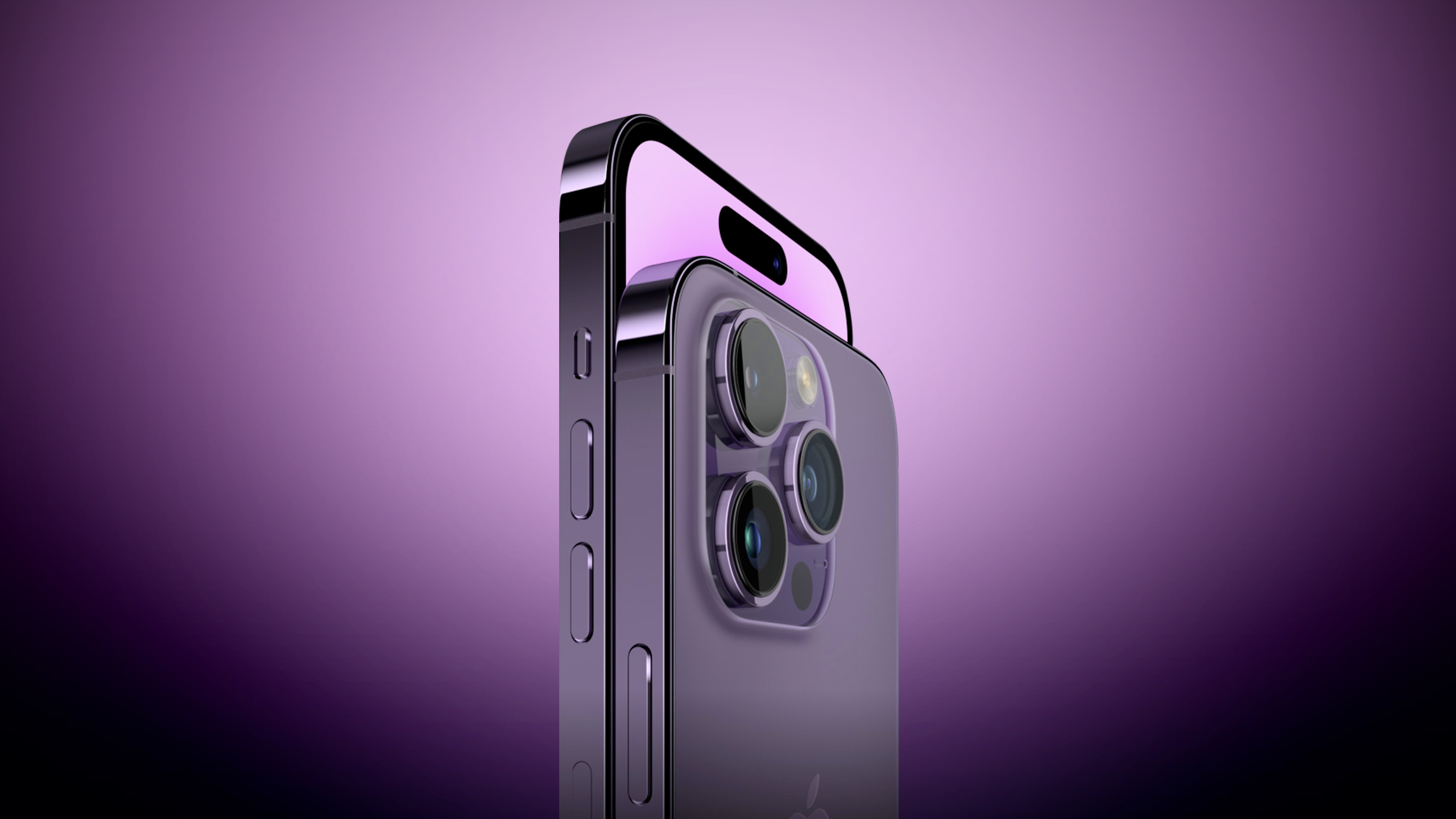
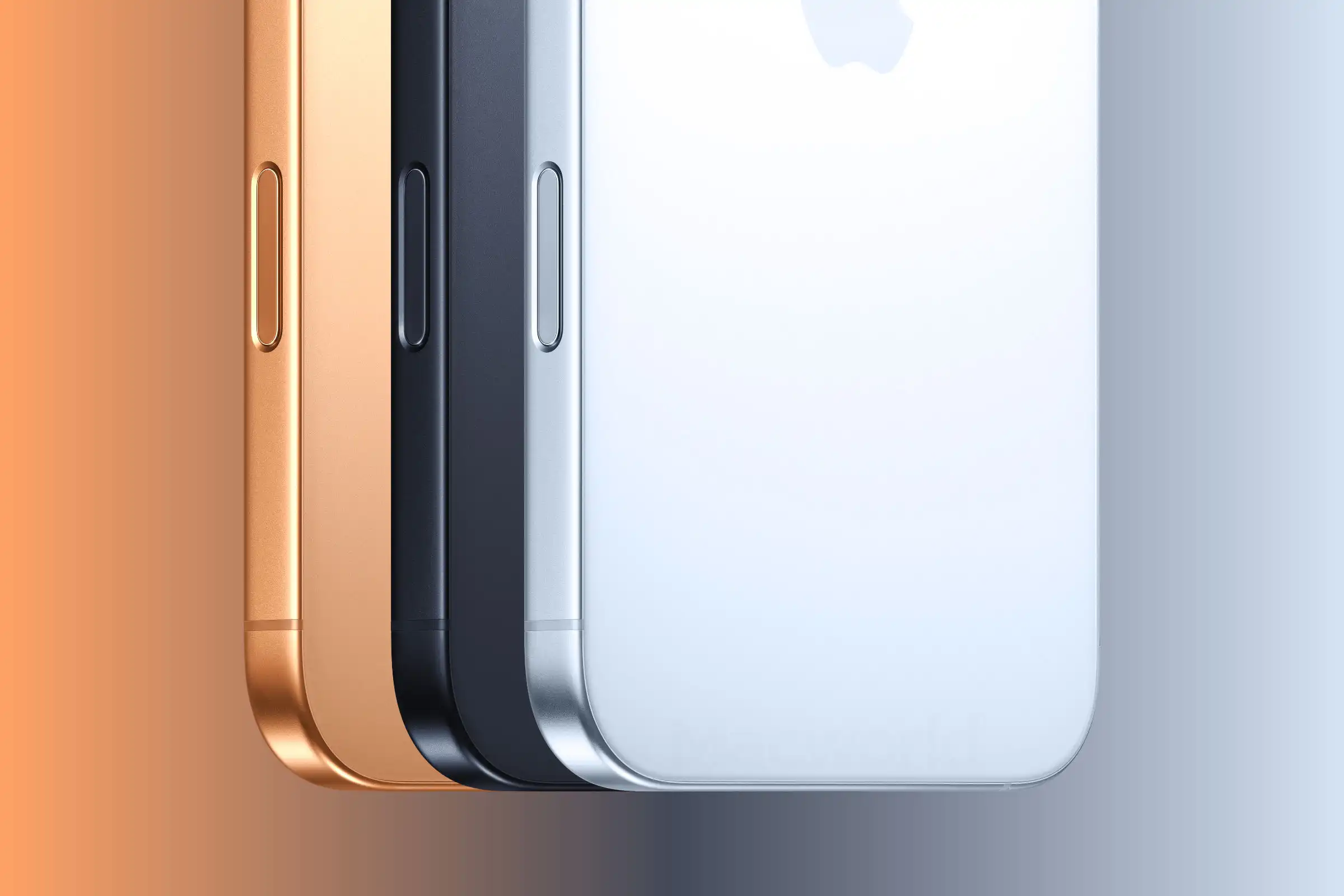
    An average worker in Singapore needs just six workdays to afford an iPhone 17 Pro, compared to a staggering 60 days in Hanoi, according to a recent study.

    Singapore tops a list of 11 Southeast Asian cities regarding the affordability of the iPhone 17 Pro, thanks to its high average income. The study, conducted by Seasia, combines insights from cost of living platform Numbeo and recruitment service Talentnet.

    A Closer Look at the Numbers

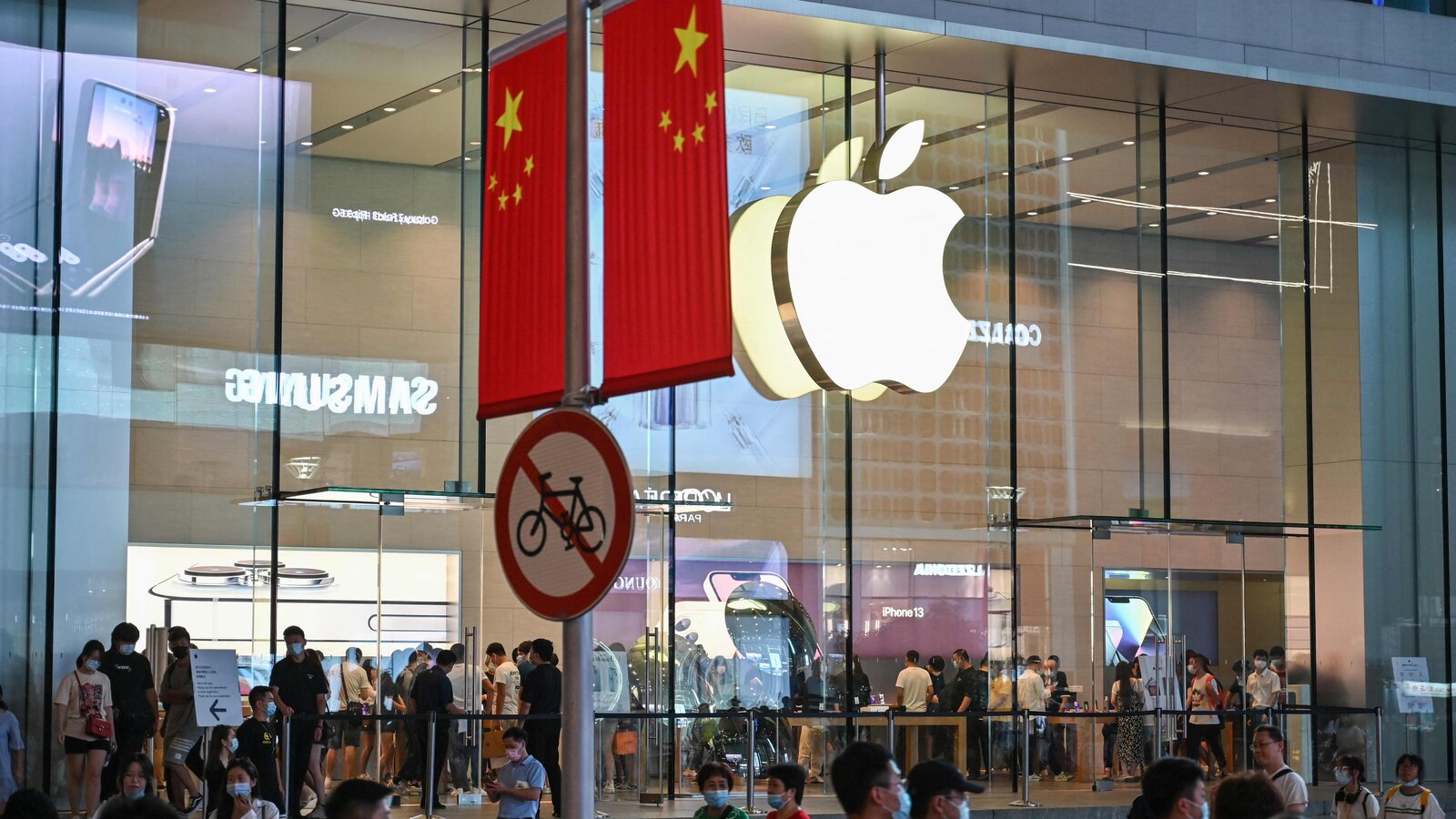
    Following Singapore is Brunei’s Bandar Seri Begawan, where it takes 13 workdays for locals to purchase the iPhone. In Malaysia’s Kuala Lumpur, workers need about 20 days, while those in Indonesia’s Jakarta require 30 days. The gap widens further in Thailand’s Bangkok at 32 days and the Philippines’ Manila at 50 days. Meanwhile, Hanoi finds itself among the bottom five, with workers needing two full months of their salaries to afford the iPhone 17 Pro, priced at approximately VND35 million (US$1,325).

    Vietnam’s Position in the Market

    In terms of pricing, Vietnam ranks as the 12th cheapest market for the iPhone 17 Pro globally, trailing the United States, Hong Kong, and Canada, which hold the top spots in affordability. In a striking display of enthusiasm, buyers in Hanoi camped out overnight on September 18 for the new releases, showcasing a particular craving for the ultra-premium Pro Max model, fetching up to VND64 million for the 2TB version. Talk about a case of retail therapy!

    The Broader Regional Context

    The affordability analysis also considers cities in Cambodia, Timor-Leste, Laos, and Myanmar, where the iPhone can cost workers between 63 and 111 days of their paychecks. It’s clear that the smartphone market varies widely across the region, reflecting differing economic landscapes and spending power among consumers.

    Questions & Answers

    What can buyers in Singapore expect when purchasing the iPhone 17 Pro?
    In Singapore, buyers can acquire an iPhone 17 Pro after just six days of work, making it the most accessible smartphone market in Southeast Asia.

    How does Hanoi compare in terms of consumer affordability for the iPhone?
    Hanoi stands out as one of the less affordable markets, with the average worker needing 60 days to buy the iPhone 17 Pro. This highlights significant economic differences within the region.

    What trends were observed during the iPhone launch in Hanoi?
    During the recent launch, several eager customers camped overnight to be among the first to buy the new iPhones, reflecting a robust demand, particularly for the pricier Pro Max model.
  • IOS 26 Update: The Leap, The Controversy, And The Reinforced Apple Aesthetic

    IOS 26 Update: The Leap, The Controversy, And The Reinforced Apple Aesthetic

    The public version of iOS 26 has been available for more than a week, and numerous users have transitioned from iOS 18. However, not all of them are satisfied with their decision.

    In the modern age, most individuals turn to Google for answers to their queries. Currently, there are a multitude of searches for instructions on how to revert from iOS 26 to iOS 18.

    The issue lies in the fact that there is no quick solution for this concern. If you have already updated your device to iOS 26, there is no turning back. Therefore, it may be wise to evaluate if iOS 26 truly suits your needs before updating your device.

    A Leap in Versions

    To those who have been distant from the Apple universe, receiving an update prompt to iOS 26 may come as a surprise. However, there is no need to panic. This leap has not caused you to miss seven editions overnight. Apple has simply intended to synchronize its naming convention across all platforms.

    Now, a uniform system exists: iOS 26, iPadOS 26, watchOS 26, macOS 26, and visionOS 26. This eliminates the previous mismatched numbers such as iOS 18, watchOS 12, and visionOS 2. Apple has chosen to adopt a year-based naming strategy, thereby making iOS 26 applicable for the 2025-2026 cycle. This makes it easier for users to identify if they are utilizing the most recent operating system.

    Consider Before You Leap

    Since living with iOS 26 and iPadOS 26 for a week, I have my reservations about whether I should have waited before installing the update. The primary reason for this is the rapid battery drain that I am experiencing with the update.

    Many other users have reported similar problems, which likely accounts for the numerous searches for downgrading the operating system. However, this appears to be a temporary issue. A significant OS update initiates several background tasks on your iPhone, such as reindexing files, updating apps, and downloading assets, which could affect battery life and device performance.

    The Liquid Glass Controversy

    Liquid Glass, Apple’s new interface design, has stirred up some controversy. While some users, including myself, find it appealing in many instances, it is clearly not universally admired. Despite this, adjusting to the new user interface is not optional. The only alternative to this is enabling Reduce Transparency, which only slightly alleviates the issue.

    The Liquid Glass design has notable downsides, including visual clutter and readability issues, usability problems, and performance hits.

    Not All is Lost

    Despite its shortcomings, iOS 26 has its bright spots. Liquid Glass particularly shines in some aspects, such as the new spatial wallpapers, the fresh look of Photos and Camera, and the modern feel of the Phone app with its customizable unified layout. All these changes feel like an upgrade once the initial shock subsides.

    Apple’s New Direction

    The introduction of Liquid Glass could be the reason why some people regret installing iOS 26. However, additional features like Live Translate, Spam Filtering, and adjustable Lock Screen widgets are generally well-received.

    The main adjustment is the new design, which suggests a significant shift in Apple’s direction. Rumors indicate that future iPhones might adopt the same transparent aesthetic, and subsequent iOS versions will likely reinforce it.

    Future iOS versions might also promote greater consistency across iPhone, Mac, and Vision Pro. Regardless of personal opinions, iOS 26 represents the commencement of a new, unified Apple look.

    Questions & Answers

    Why are many users regretting their update to iOS 26?
    The primary reason appears to be the new design, specifically the Liquid Glass feature which has faced mixed reviews. Additionally, some users have reported higher battery usage since the update.

    Are there any standout features in iOS 26?
    Yes, iOS 26 introduces several new features such as Live Translate, Spam Filtering, and adjustable Lock Screen widgets which are generally well-received.

    Can users revert to the previous iOS version once they have updated to iOS 26?
    No, there is currently no solution for users to revert back to a previous iOS version once the update to iOS 26 has been made.

  • Apple To Revolutionize Mixed Reality With Next-gen Vision Pro 2: New Chip, Enhanced Performance

    Apple To Revolutionize Mixed Reality With Next-gen Vision Pro 2: New Chip, Enhanced Performance

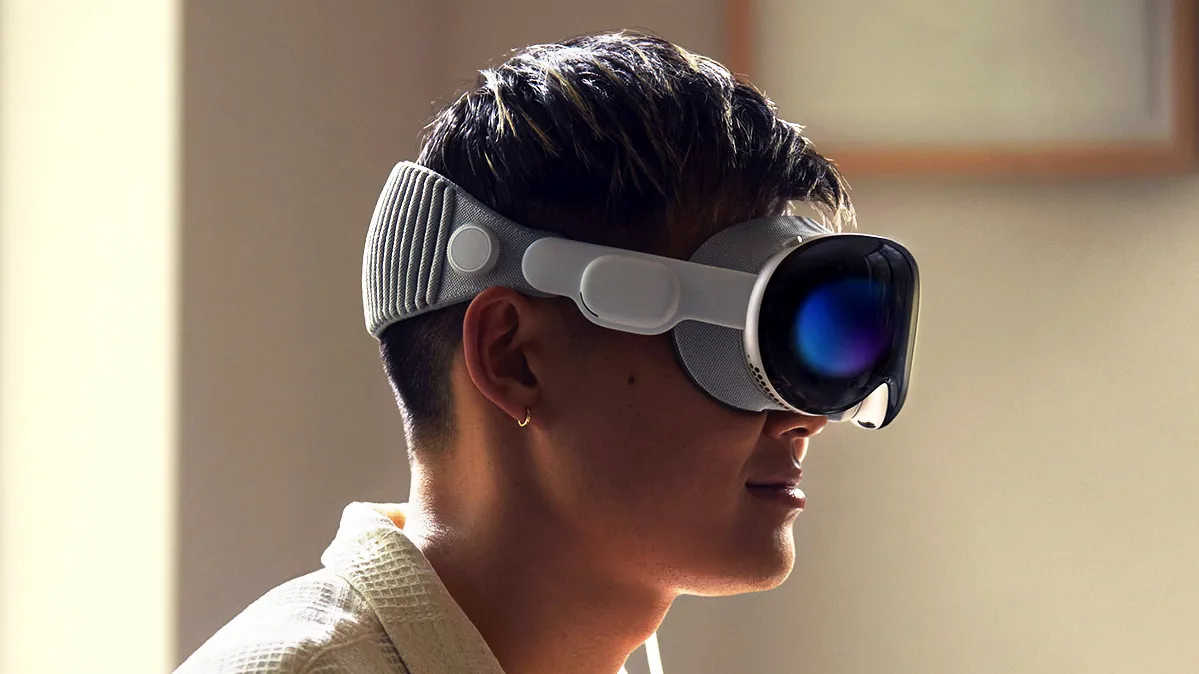
    Apple’s Vision Pro, rather than relying solely on one chip for power, utilizes both the M2 and the R1 chips. In a recent development, reports suggest that Apple plans to incorporate the R2 chip in the next iteration of its premium Mixed Reality (MR) headset, adding a new feature to the device’s already impressive specifications.

    Delayed Announcement

    The successor to the Vision Pro was initially anticipated to be unveiled this month, along with the iPhone 17 series. To the disappointment of many MR aficionados, this did not occur, as the event was exclusively dedicated to the launch of the newly redesigned phones. Many speculate that the delay in the headset’s announcement is due to the incorporation of the R2 chip, pushing the launch to next year.

    Towards A More Capable Headset

    The new R2 chip is said to be created using TSMC’s 2 nm process, a significant advancement from the R1 chip. Combined with the M4 processor — speculated to be part of the new headset — the Vision Pro 2 promises to deliver significantly enhanced performance. The R-series chips are designed to work in sync with the M-series processor, managing the input from the headset’s numerous sensors and cameras. This functionality made the Vision Pro a feature-packed device, a contributing factor to its steep price tag of $3,499.

    The 2 nm R2 chip is expected to process these inputs even quicker, thereby enabling the new Vision Pro to support more complex applications. However, this improvement might not be noticeable for an average user. The general performance will be significantly improved, but not necessarily in a discernible manner.

    Staying Relevant in the XR Industry

    The new Vision Pro headset is primarily intended to ensure Apple’s relevance in the Extended Reality (XR) industry. The key ambition for the company is the development of AR smart glasses, with the aim to outpace Meta in the market. Recently, the new Meta Ray-Ban Display smart glasses were unveiled. While these glasses don’t offer true AR, they mark the company’s entry into the AR market, reminding Apple to reiterate its commitment to XR devices.

    Questions & Answers

    What significant changes are expected in the successor to the Apple Vision Pro?
    The successor is expected to incorporate the R2 chip, which is a significant enhancement from the R1 chip used in the current model.

    What is the speculated release date for the successor to the Vision Pro?
    The release is projected to be delayed till next year, due to the proposed incorporation of the new R2 chip.

    Why is Apple developing the new Vision Pro headset?
    The new Vision Pro headset is primarily a measure to maintain Apple’s presence and relevance in the rapidly growing Extended Reality (XR) industry.

  • Ios 26 Update Revolutionizes Apple Wallet With Enhanced Card Information Storage

    Ios 26 Update Revolutionizes Apple Wallet With Enhanced Card Information Storage

    The recent iOS 26 update has unveiled a host of minor enhancements, including a significant upgrade to the Apple Wallet. The digital wallet can now store detailed information about all your credit and debit cards, enhancing the user experience and accessibility.

    Storing Card Details in the Wallet App

    The iOS 26 iteration of Apple Wallet now allows detailed storage of physical card information alongside their digital counterparts within the app. This empowers users to access essential information such as the card number, expiry date, and other specifics, even in the absence of the physical card.

    Previously, the Wallet was somewhat limiting, offering no option to store comprehensive physical card information for debit and credit cards—a feature exclusive to the Apple Card. This update simplifies and enhances the user experience, positioning the Wallet app as a comprehensive replacement for a physical wallet—a functionality competitor apps like 1Password have been offering for a while.

    Manual Data Entry

    However, while this feature enhances convenience, Apple Wallet does not automatically store all card details. Users must manually input the information into the app. This can be done through a straightforward process:

    1. Open Wallet and select a card.
    2. Click on the ‘123’ button in the upper right corner and authenticate with FaceID or a passcode.
    3. Select “Add Physical Card information.”
    4. Scan the card or manually input the details to be saved.
    5. Confirm by tapping ‘Done.’

    Users can store the card number, expiration date, security code, cardholder’s name, and even add a specific description. Aside from the card number, all other details are optional, allowing users to customize what gets stored. This feature is particularly useful for cards with dynamic security codes.

    Apple has assured users that the saved data is both encrypted and stored in the user’s iCloud Keychain, accessible only by the particular user. Importantly, this information does not get used for Apple Pay transactions.

    A Competitive Edge

    The addition of detailed card information storage to Apple Wallet effectively eliminates the need for many users to stick with 1Password instead of transitioning to Apple’s own Passwords app. This development underlines Apple’s strategy of integrating features of utility apps into its operating systems, rendering separate apps superfluous.

    Questions & Answers

    What new features does the iOS 26 update bring to the Apple Wallet?
    The iOS 26 update allows users to store detailed information about their physical credit and debit cards within the Wallet app.

    How does one add physical card details to the Apple Wallet?
    Physical card details can be added manually by selecting a card within the Wallet app, clicking on the ‘123’ button, selecting “Add Physical Card information,” scanning the card or manually entering the details, and confirming the action.

    Is the card information stored in Apple Wallet secure?
    Yes, Apple assures users that all stored data is encrypted and kept in the user’s iCloud Keychain, accessible only to the user. The stored card information is not used for Apple Pay transactions.

  • It’s about time! Apple releases watchOS 26

    It’s about time! Apple releases watchOS 26

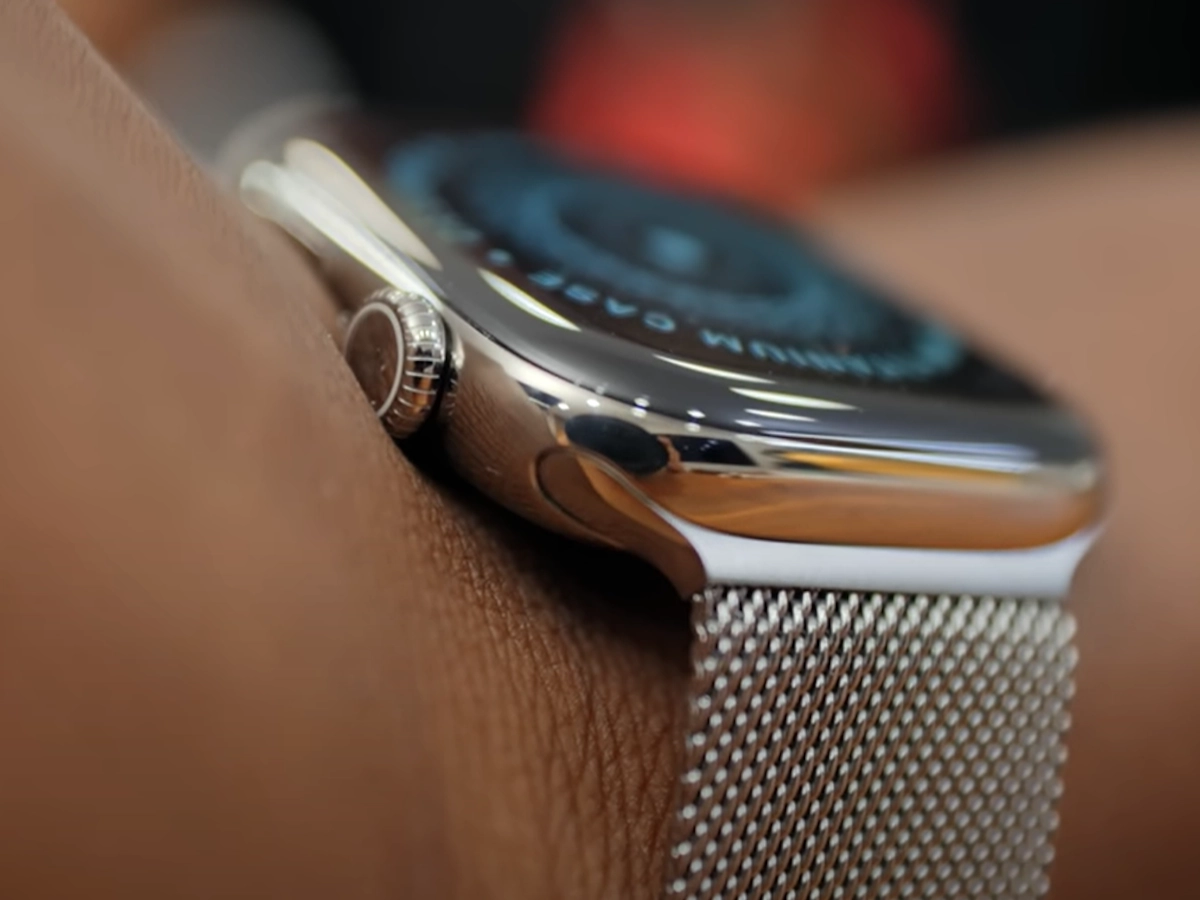
    Apple has unveiled watchOS 26, the first iteration of the product’s operating system to feature Apple’s new naming approach, excluding beta versions. The significant update in the software is the introduction of the Liquid Glass design language, which adds a semi-transparent appearance to the display. As a result of Liquid Glass numerals, more of the backdrop will be visible. Users will also encounter Liquid Glass while looking at widgets and hints.

    The New Apple iPhone Series

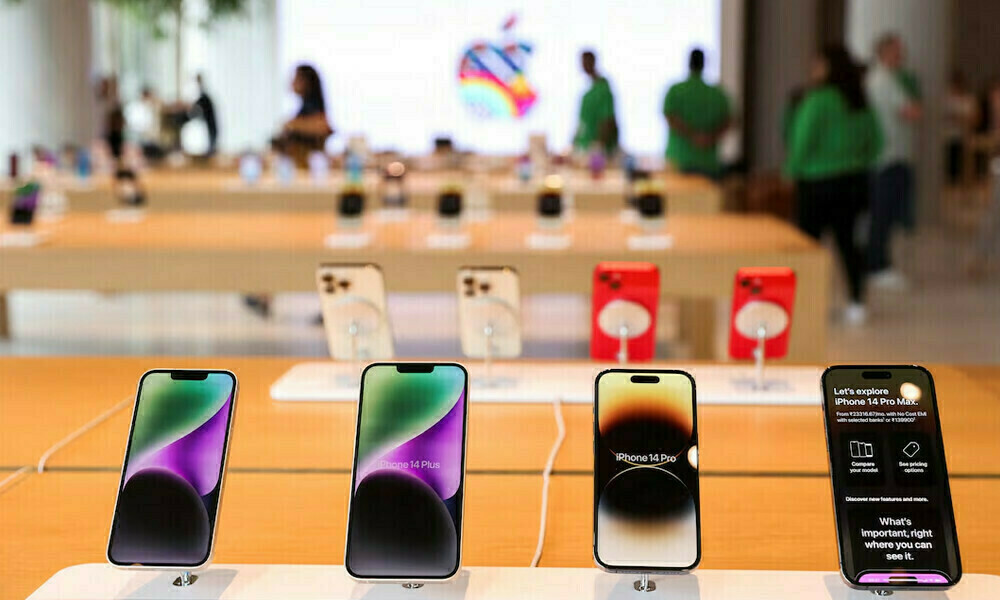
    Apple is now taking pre-orders for the new iPhone 17 series which boasts an enhanced design, superior battery life, and top-tier performance. Interested customers can pre-order the device for a monthly fee of $0.00 with eligible iPhone trade-in (regardless of condition) and a qualifying plan.

    For customers seeking a sleek appearance, the iPhone Air is now available for pre-order at a monthly price of $4.73 with an eligible iPhone trade-in and a qualifying plan. The phone is expected to be shipped by September 19.

    In the professional range, customers can pre-order the powerful iPhone 17 Pro, featuring an upgraded design and a brilliant display for as low as $0.00 monthly at AT&T. To avail this deal, customers must trade in an eligible iPhone in any condition and possess a suitable plan. The offer is accessible for both new and existing customers.

    The impressive iPhone 17 Pro Max is available for pre-order at a monthly rate of $2.78. If customers trade in an eligible iPhone in any condition and set up a new line on a qualifying AT&T plan or upgrade their current one, they can avail a significant discount on the iPhone 17 Pro Max. This can save them up to $1,100 after 36 monthly bill credits.

    Liquid Glass and Other watchOS 26 Features

    Liquid Glass will be visible when viewing notifications, Control Center, controls, and in-app navigation. The key takeaway is that users will have the sensation of a glass panel between the content that appears layered on top of the watch display and the background.

    Notable features of watchOS 26 include Workout Buddy, a text-to-voice feature that serves as your workout companion, inspiring and motivating you. Live Translation, using AI, translates texts into your preferred language, expanding your communication possibilities.

    Another functional tool is Smart Actions which guides you on what steps to take when a friend requests information via text. For example, if a friend wants to know your location, the Find My app will appear on the display so you can share your location with a single tap.

    Call screening, another addition, asks callers for their name and reason for calling, allowing you to decide if you want to take the call. The iPhone’s Hold Assist also comes to the Apple Watch with watchOS 26. While you’re on hold, the Apple Watch will monitor your call and alert you when a live agent returns to talk with you.

    Apple has also improved the prediction algorithm used with Smart Stack to provide timely suggestions. Additionally, new watch faces are available with watchOS 26, and users can install the update on their Apple Watch through the Watch app on iPhone 11 or iPhone SE 2 or later.

    Questions & Answers

    What are the significant updates in watchOS 26?
    The major updates in watchOS 26 include the introduction of the Liquid Glass design language, a semi-transparent appearance to the display, and functionalities like Workout Buddy, Live Translation, and Smart Actions.

    What are the pre-order details for the iPhone 17 series?
    The iPhone 17 series can be pre-ordered for a monthly fee of $0.00 with an eligible iPhone trade-in and a qualifying plan. The iPhone Air is available for a monthly price of $4.73, and the iPhone 17 Pro and Pro Max are available for as low as $0.00 and $2.78 per month respectively with eligible trade-ins and plans.

    How can one install the watchOS 26 update?
    The watchOS 26 update can be installed by opening the Watch app on iPhone 11 or iPhone SE 2 or later, going to the ‘My Watch’ tab, tapping on ‘General > Software Update’, and if the update appears, tapping on ‘Download and Install’.

  • Apple’s Possible Shift To Esim-only Iphones: Impact On Global Connectivity And Travel

    Apple’s Possible Shift To Esim-only Iphones: Impact On Global Connectivity And Travel

    Apple’s smartphones in the United States have not had a SIM card slot since the release of the iPhone 14. Instead, these devices have supported a mix of physical and eSIM technology. However, a recent rumor implies that Apple may soon discontinue the physical SIM card tray for the iPhone 17 in additional countries.

    Retail staff at Apple Authorized Resellers throughout the European Union are required to undergo training related to eSIM technology. Those in the know have disclosed that the deadline for course completion is Friday, September 5.

    Significant Event on the Horizon

    Just four days after this deadline, Apple is set to host its “Awe dropping.” event on Tuesday, September 9. The tech giant is anticipated to unveil the iPhone 17, iPhone 17 Pro, and iPhone 17 Pro Max, along with a new slim model potentially dubbed the iPhone 17 Air.

    Yet, this shift may not be confined to the European Union. The training material is accessible to European retail staff via Apple’s SEED app. This platform is utilized by employees of official Apple Stores and Apple Authorized Resellers globally, and it is not exclusive to Europe.

    Adapting to New Technologies

    It would be logical for Apple to roll out this change to other countries, particularly given the rumors circulating over the past year. Speculation that the iPhone 17 Air may be too thin to accommodate a SIM card slot began as early as last October. There have also been suggestions that the change could apply to the entire iPhone 17 range across all markets.

    However, it is probable that Apple will maintain the physical SIM option in certain countries, including China. Although iPhones in most countries support both eSIM and physical SIM, in China and a few other markets, they offer dual SIM with two physical cards.

    Notably, other tech companies are also following this trend. Google recently launched the eSIM-only Pixel 10 in the US, while Samsung’s Galaxy S25 offers a mix of eSIM and physical SIM support, including in the US. However, in some regions outside of the US, Samsung’s phones feature dual physical SIMs, and the Pixel 10 integrates both physical and eSIM technologies.

    Travel and Connectivity

    As a global traveler, having a variety of connectivity options is beneficial, therefore losing the physical SIM slot could be disappointing. While purchasing a local SIM can be cheaper and more convenient, there are a variety of international eSIM services that can sometimes offer more affordable and convenient options for travelers. Here’s hoping that Apple will continue to offer both options in my region.

    Questions & Answers

    Why is Apple potentially moving away from physical SIM cards?
    It is rumored that Apple may be entertaining this notion in order to make devices thinner and more streamlined, thereby improving the user experience.

    Will all countries lose the physical SIM option on the iPhone 17?
    While it seems likely that more countries will be affected by this change, it is currently unclear if this will be a global shift. Some regions, such as China, may continue to have the physical SIM option.

    How will the lack of a physical SIM card impact travelers?
    While the absence of a physical SIM card could initially prove inconvenient, the rise of international eSIM services could provide an alternative, and potentially more affordable, option for travelers.

  • MagSafe Accessories Market Set to Surge to $16.14 Billion by 2031—What’s Driving the Growth?

    MagSafe Accessories Market Set to Surge to $16.14 Billion by 2031—What’s Driving the Growth?

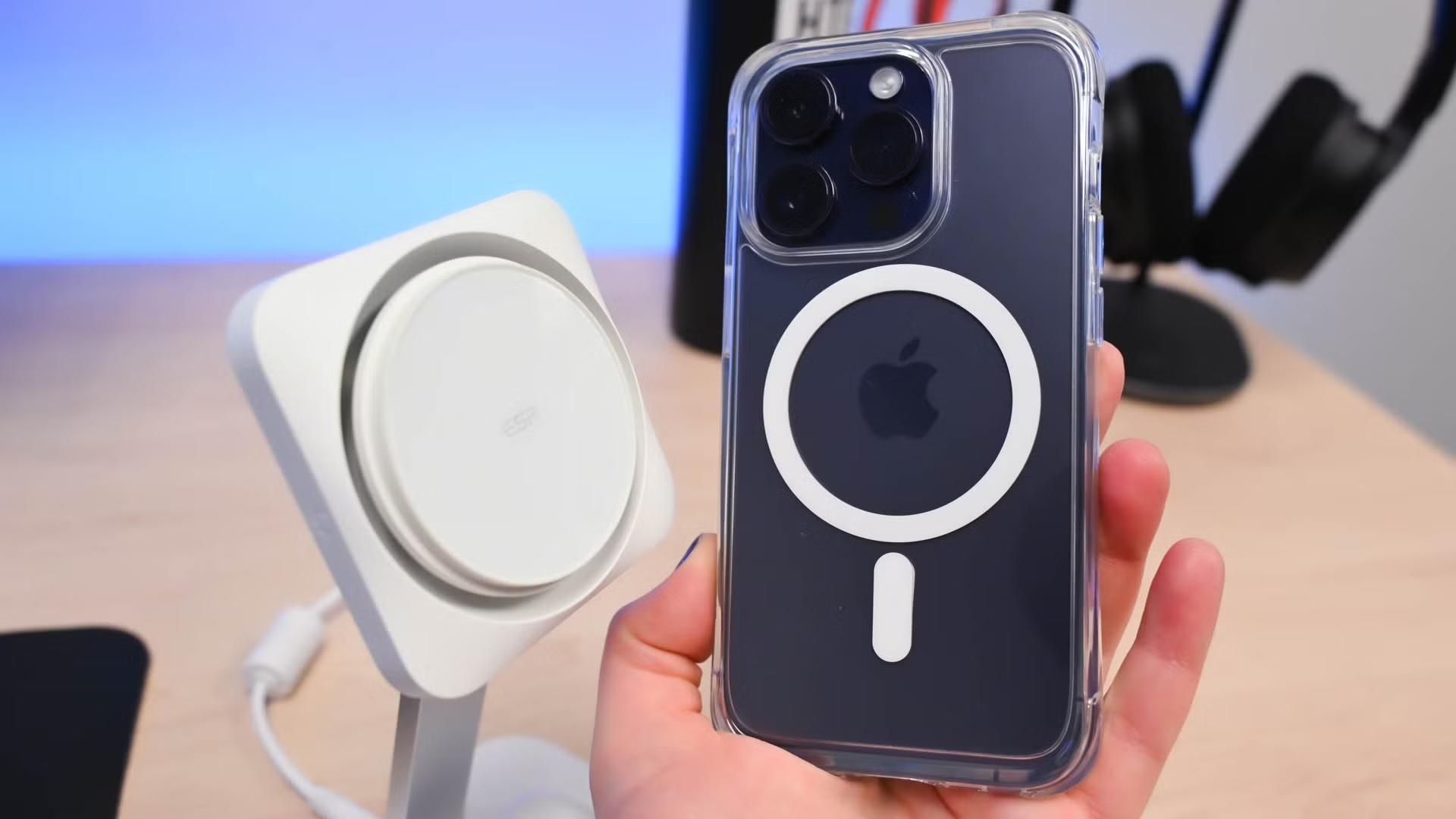
    The global MagSafe accessories market is poised for impressive growth, projected to reach $16.14 billion by 2031, with an annual growth rate of 4.7%, as detailed in a report by Valuates Reports. This expansion is primarily fueled by a rising demand for wireless charging solutions, alongside the allure of minimalist design and seamless integration with Apple products.

    At the forefront of this trend are MagSafe wireless chargers, celebrated for their magnetic alignment that enables faster and more reliable charging. As smartphone usage surges and the need for quick charging solutions intensifies, these chargers stand out as a clean and efficient means of powering devices, catering to users who crave convenience without sacrificing performance.

    In addition, MagSafe phone mounts are becoming increasingly popular for hands-free use in both vehicles and at desks. Their robust magnets ensure devices stay put, allowing for easy adjustments. This capability resonates with a diverse audience, from drivers and content creators to professionals seeking stylish yet practical mounting solutions. Who knew magnets could have such a magnetic allure?

    E-commerce platforms, particularly giants like Amazon and the Apple Store, are integral to this market’s expansion. These online channels provide consumers with global access to product comparisons and user reviews, significantly boosting sales. The shift toward digital shopping has paved the way for easier access to a broad spectrum of MagSafe accessories.

    MagSafe products are intricately designed to pair with Apple devices, including iPhones, AirPods, and Apple Watches, fostering user trust and encouraging ongoing investment in the Apple ecosystem. Their forward and backward compatibility ensures that users can enjoy these accessories over the long haul.

    As more consumers opt for flagship iPhones, their willingness to invest in high-end accessories has grown. MagSafe products not only align with Apple’s distinguished design and performance standards but also cater to a discerning group of premium buyers.

    Further enhancing the market landscape, Apple’s strategic move to open the MagSafe standard to third-party manufacturers has broadened the product range. Brands such as Belkin, Anker, and ESR have stepped in, offering certified accessories at varying price points, sparking healthy competition that drives innovation and increases accessibility.

    With both Apple and third-party brands vying to push the boundaries of what’s possible, the MagSafe accessories market is on a promising trajectory, set to achieve a remarkable $16.14 billion by 2031.

    Questions & Answers

    What are the main drivers of growth in the MagSafe accessories market?
    The growth is largely driven by the increasing demand for wireless charging, minimalist designs, and the seamless integration of these accessories with Apple products, particularly smartphones.

    How has the competitive landscape changed with the introduction of third-party manufacturers?
    Apple’s decision to open the MagSafe standard to third-party manufacturers has led to a wider variety of products on the market, with brands like Belkin and Anker offering certified accessories that are both innovative and affordable.

    What advantages do MagSafe chargers offer over traditional charging methods?
    MagSafe chargers provide faster and more reliable charging due to their magnetic alignment, promoting convenience and efficiency for users in an increasingly fast-paced world.

  • Indian Apple Reseller Ample Announces Ambitious Growth Plan, Aims For 35% Revenue Surge By 2026

    Indian Apple Reseller Ample Announces Ambitious Growth Plan, Aims For 35% Revenue Surge By 2026

    Ample, an Indian reseller of Apple products, has outlined ambitious growth plans aimed at achieving a 35 percent surge in revenue by the fiscal year 2026, according to the company’s Chief Executive Officer (CEO).

    Expanding Footprint and Brand Portfolio

    Based in Bengaluru, Ample supplies a variety of tech products, including Apple computers, to a large and diverse client base of over 1500 entities. Key clients include high-profile names such as SAP, Broadcom, Infosys, and Wipro. Currently, the firm operates more than 120 stores across India, with nearly 50 of these outlets dedicated to Apple products. Other brands, such as Under Armour and Asics, are also showcased in the company’s stores.

    CEO Rajesh Narang revealed plans to increase the company’s footprint to around 175 stores across various brands within the next three years. However, no specific target for the expansion of Apple-only stores was provided.

    Financial Performance and Growth Strategy

    As of the fiscal year that ended on March 31, Ample reported a revenue of 17 billion rupees (equivalent to US$197.33 million). Going forward, the company plans to focus on forging partnerships with global capability centers. These centers are operational hubs that manage various aspects such as operations, finance, and research for large multinational companies.

    Notably, Apple, which itself reported nearly $8 billion in sales in India for the year ending March 2024, operates its own stores in New Delhi and Mumbai. Despite this, Narang believes that Apple’s plans to further expand its presence in India will be beneficial for partners like Ample, as the market tends to expand in line with the brand’s presence.

    Future Plans and Investment Needs

    To fund its ambitious growth strategy, Ample plans to list on stock exchanges within the next five years. “Considering our growth ambition, there will be a requirement for capital,” Narang stated.

    Questions & Answers

    What is Ample’s future growth strategy?
    Ample plans to expand its store footprint to around 175 outlets across various brands within the next three years. The company also intends to forge partnerships with global capability centers to drive growth.

    How will Ample fund its growth plan?
    Ample plans to list on stock exchanges within the next five years to raise the necessary capital to fund its growth strategy.

    What is the anticipated impact of Apple’s expansion in India on Ample’s business?
    Ample’s CEO, Rajesh Narang, believes that Apple’s expansion in India will be beneficial for partners like Ample, as the market often grows in tandem with the brand’s presence.

  • Apple India aims 5,000 employees eventually for Hyderabad facility

    Apple India aims 5,000 employees eventually for Hyderabad facility

    Apple has hired 3,500 people for their development centre here and is expected to take the number to 5,000 eventually, said a senior Telangana Government official.

    “Apple has taken 3,500 people so far for their development centre in Hyderabad. They will totally hire 5000 people eventually. There is no time frame for that (to achieve 5000 headcount),” Jayesh Ranjan Principal Secretary IT and Industries said.

    According to a report: The Cupertino, California-based tech giant in May last year opened it development centre here that will focus on development of Maps for its products, including iPhone, iPad, Mac and Apple Watch.

    The Californian firm had then said the investment in the facility will accelerate Maps development and create up to 4,000 jobs.

    Meanwhile, Jayesh Ranjan today inaugurated Pactera Technologies’ first office in India here.

    The Hyderabad office of Pactera Technologies reflects its strategic focus on becoming an industry leading provider of IT services on a global scale, a press release from the company said.

    The new office can seat 150 people in Phase 1 and additional 300 people in Phase 2.

    The abundant talent that is currently part of Pactera would help contribute much more to the digital and innovation world, which would also help them grow to 3,000 people organization in the next 2-3 years, it added.

  • Pandora support now available on Apple’s HomePod

    Pandora support now available on Apple’s HomePod

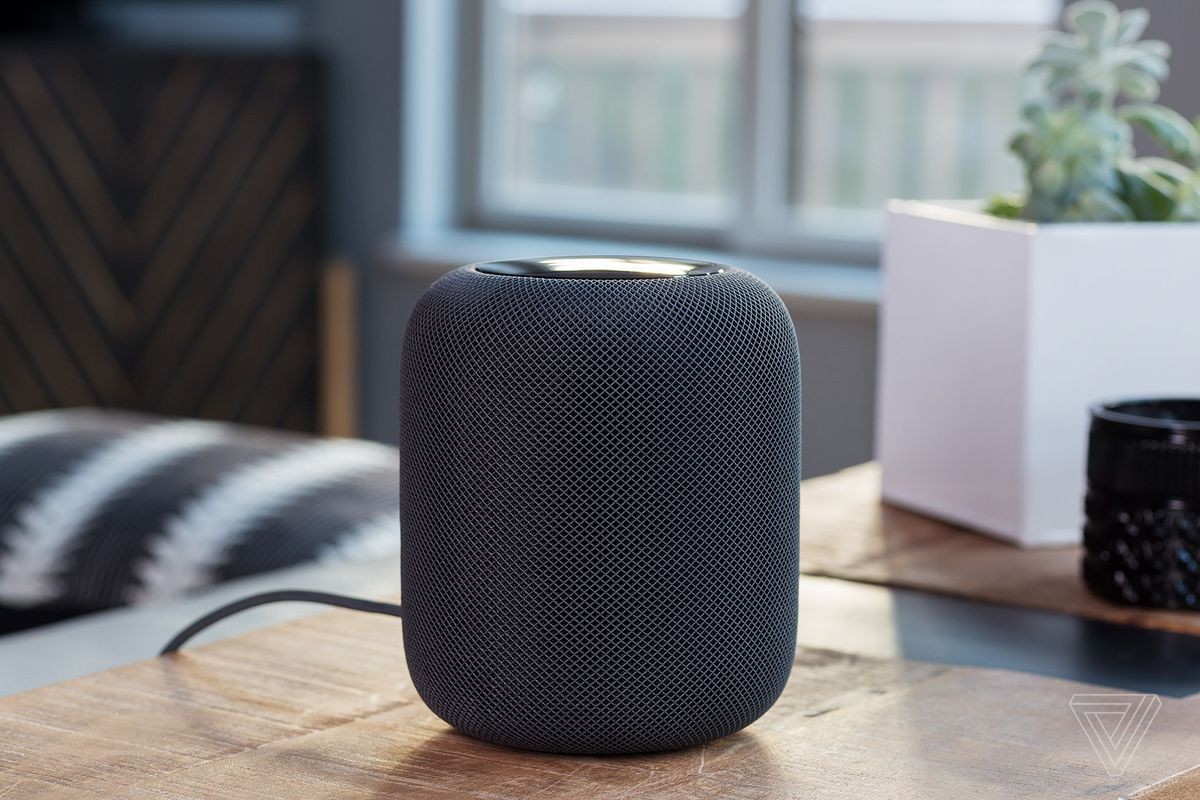
    It’s no surprise that Pandora integration is now available on the HomePod, as Apple announced last month it will bring support for the music streaming service to both its smart speakers. However, at that time, the Cupertino giant didn’t mention when exactly Pandora integration for HomePod will arrive, so the fact that it’s now available is what’s really important.

    Although we’re still a few weeks away from the HomePod Mini’s market launch, Apple decided to make Pandora integration available to HomePod users before Mini’s release. When HomePod Mini launches later this month, it will be fully compatible with Pandora integration. Until then, HomePod users can start taking advantage of the new features by following the steps described below:

    • Download the latest version of Pandora’s iOS app
    • Open the Pandora app on your iOS device
    • Select Profile > Settings (gear icon) > “Connect with HomePod” > “Use in Home”

    Once the steps above are completed, you’ll be able to use your voice to control Pandora on your Apple HomePod. You can start asking Siri to play your favorite tunes and customize your listening experience without having to use your hands.

  • Apple to open (mini) India stores

    Apple to open (mini) India stores

    Apple is about to open its first retail stores in India.

    But unlike in other international markets, the Apple India stores will be a joint venture with local electronics chain, Croma. And they’ll be considerably smaller than elsewhere.

    India has strict laws regulating single brand foreign retailing, which would require Apple to source a percentage of its products’ components within India.

    Media sources in India say the new stores – the first of which will open around the time of next month’s Diwali Festival – will feature the same signature wooden tables and counters of full scale Apple stores elsewhere in the world and staff will be trained in the US.

    Croma, a subsidiary of Infiniti Retail, in turn owned by industrial giant Tata, will open six stores in an initial trial, all in greater Mumbai.

    Infiniti Retail CEO Avijit Mitra said in a statement: “We are proud to partner [with] Apple to launch the Apple Store in India and extremely bullish about it.

    “These stores will be modelled on the global design and will offer the best experience to consumers, showcasing the entire range of Apple products,” he said.

    The first stores will comprise a mere 46 sqm, a fraction of the size of the tech giant’s global flagships, in reality resembling little more than a concession. But it marks a significant strategic step from Apple’s previous india strategy of selling through authorised resellers or mobile phone networks.

    Apple’s iPhone 6s model goes on sale in India this week, with the 16GB version priced at 62,000 rupees, about US$960).

  • Judge says Apple and one of its executives lied during Epic Games trial in 2021

    Judge says Apple and one of its executives lied during Epic Games trial in 2021

    Remember Judge Yvonne Gonzalez Rogers? She was the judge who made the ruling in Apple’s 2021 legal battle against Epic Games that resulted from Apple’s decision to boot Epic and its popular Fortnite game from the App Store. Apple said that Epic included a link inside the App Store version of Fortnite that would allow users to buy in-app items for the game directly from Epic. This prevented Apple from taking the 30% cut it would usually take from the cost of paid apps and in-app purchases.

    Today, Judge Gonzales Rogers said in a court document that Apple “willfully” violated an injunction that she imposed on the company in 2021. She also wrote that Alex Roman, Apple’s Vice President of Finance “outright lied to the court” about the timing related to a decision made by Apple to place a 27% fee on some App Store purchases. The judge turned over the matter to U.S. attorneys who will now investigate whether Roman and Apple will be charged with criminal contempt.

    In a short but sweet response, Apple said, “We strongly disagree with the decision. We will comply with the court’s order and we will appeal.”

    Wednesday, Rogers ruled that Apple was in contempt and accused the tech giant of trying to violate the rulings she made in the 2021 case. The judge explained that after her decision in 2021, purchases made off-app by iPhone users would be expected not to have any commission or cut for Apple. But all Apple did in 2024 was reduce the cut it would receive from 30% to 27%.

    “In stark contrast to Apple’s initial in-court testimony, contemporaneous business documents reveal that Apple knew exactly what it was doing and at every turn chose the most anti-competitive option. To hide the truth, Vice-President of Finance, Alex Roman, outright lied under oath.”

    The judge also said that Apple never presented documentation about a meeting held in June 2023 that Apple CEO Tim Cook attended. Apple never told the court about this meeting until this year by hiding it from the court, according to Judge Gonzales Rogers. The judge ordered Apple to immediately stop charging commissions on purchases made for iPhone apps obtained through web links inside an app. As previously noted, that’s exactly what Epic did with its Fortnite app that kicked off all of this drama.

    “It’s a huge victory for developers, and it means all developers can offer their own payment service side-by-side with Apple’s payment service. This forces Apple to compete. This is what we wanted all along.”

    Additionally, Apple will be responsible for Epic’s attorney fees related to this issue. Judge Gonzalez Rogers had no sympathy for the company. “This is an injunction, not a negotiation. There are no do-overs once a party willfully disregards a court order,” the judge wrote.

  • Apple CEO Tim Cook reveals what Apple needs to build iPhone in the US

    Apple CEO Tim Cook reveals what Apple needs to build iPhone in the US

    While the tariff fiasco has brought red ink to the markets and chaos to the global economy, the ultimate goal according to President Donald Trump and his supporters, is to have manufacturing brought back to the United States. According to Trump’s Commerce Secretary Howard Lutnick, who was appearing on CNBC, Apple CEO Tim Cook told him that there is a “key catalyst” that would be necessary for Apple to consider building the iPhone in the US.

    Lutnick says that he asked Cook when he was going to bring iPhone manufacturing to the States. Cook responded by saying, “I need to have the robotic arms to do it at a scale and precision that would allow me to bring it here.” Cook seems to be one of the few tech industry leaders who might not be a Trump supporter but who still commands respect from the president and vice versa.

    This relationship has helped Apple protect its most important product, the iPhone, from tariffs during both Trump terms. Recently, Trump temporarily exempted some consumer electronics including smartphones from the reciprocal tariffs that Trump imposed on US trading partners. This includes a whopping 145% tariff on products imported to the US from China which is where the majority of iPhone units are assembled.

    By using robots to do the tedious low-paying assembly jobs such as building an iPhone, Apple wouldn’t have to worry about finding Americans willing to work for the $3 to $3.70 per hour that iPhone assemblers reportedly make in Shenzhen, China. Without a robotic labor force, at the federal minimum wage of $7.25 per hour, Apple would be paying twice that amount to build the iPhone forcing it to raise the price of the device.

    By using robots to build the iPhone in the US, Apple would be able to reduce the cost to assemble the product and might even be able to cut prices for the iPhone. But Apple is still a long way from having a team of robots unplug themselves in the morning and head over to the assembly line where they silently build iPhone units. Yet, if you ask the Commerce Secretary, he’ll try to get you to believe that this technology is coming sooner than you’d think.

    Talking about the iPhone, Lutnick says about Tim Cook, “He wants to build it here, he’s going to build it here. The Commerce Secretary does agree with our position that Americans won’t work for the low wages Foxconn pays iPhone assemblers in China. He says that Americans will be running the iPhone factories in the States. “They’re not going to be the ones screwing components in.” Unfortunately, Lutnick doesn’t explain who will be.

    Cook is right and robotics can be the answer, but this is going to take time even with AI. Let me make a statement that many of you will find surprising. If the Trump administration is patient and allows time for the technology to catch up with the goal, the current administration might end up being known for helping change the world of manufacturing for the better. However, patience is not the strong suit of our president and his team.

  • Instagram is reportedly changing its mind about this long-ignored Apple device

    Instagram is reportedly changing its mind about this long-ignored Apple device

    Instagram is finally working on something users have been asking for since the early days — a proper app for the iPad. According to a new report from The Information, Meta has started developing a version of Instagram made specifically for tablets. That means, more than a decade after launching exclusively on iPhone, the social platform could soon be much more usable on Apple’s larger screens. Sound familiar? I thought I’d heard that before.

    This change of heart doesn’t seem to be random. The push to bring Instagram to iPad is reportedly tied to the ongoing uncertainty surrounding TikTok. With a possible ban of TikTok in the United States being debated in Congress, Meta sees a real opportunity to win over creators who may be looking for a new home. Offering better tools and support for creators is one of Instagram’s current priorities — and that includes making sure the app works well on more than just phones.

    Instagram has long resisted building an iPad-specific app. Back in 2020, Instagram head Adam Mosseri said the company had limited resources and too many other things to work on. In 2022, he added that there just wasn’t a big enough group of users demanding an iPad app to make it a priority. As a result, users have been stuck using the iPhone version of the app on their iPads, which looks awkward and doesn’t take advantage of the extra screen space.

    However, we have seen how quickly Meta can make features appear seemingly out of thin air, especially when it involves one-upping a competitor. Let’s not forget how quickly the Meta-owned app “Threads” gained a ton of new features once the company realized that competing app “Bluesky” began to rise in popularity and eating into their user base.

    There’s still no official confirmation or timeline for release, and details on what the app might look like are limited. But the fact that Instagram is even considering it now shows how much the competition has shifted. TikTok already has an iPad-optimized app, and YouTube’s Shorts platform runs well across all devices. Instagram risks falling behind if it doesn’t meet creators where they are — and many of them use iPads for editing, planning, and posting content.

    If this finally happens, it could unlock a lot of potential for iPad users. Instagram now has a chance to capitalize on an opportunity to gain more users, and the timing couldn’t be more critical. Maybe this is one thing we can agree to be thankful to TikTok for. Maybe.

  • Apple wants to make MacBook lids stronger and safer

    Apple wants to make MacBook lids stronger and safer

    Ever since Apple silicon elevated the MacBook lineup from just pretty laptops to actually very powerful ones they have become a fan favorite of the industry. Since then the MacBook has seen marginal performance upgrades each year but Apple is now considering improving another aspect of its laptops: the lids.

    The MacBook Air and MacBook Pro make use of magnets in their lids to detect when it is closed or open and to keep it closed securely when it’s the former. Apple has filed a patent that alleges that these magnets produce stray magnetic fields even when not in use. The company says that these magnetic fields have the potential to damage nearby items and cited credit cards as possible victims.

    Apple then goes on to describe a new magnetic system that it wants to develop for its MacBook lineup. The new proposed magnetic array will in essence be an electromagnetic system. Apple says that the magnets can be, in very simple terms, switched on or off depending on whether they are needed at the moment.

    The biggest benefit seems to be that the magnetic array won’t produce stray magnetic fields when the MacBook lid is open. Apple may also be able to incorporate much stronger magnets to more reliably keep the lid closed without fear of damaging nearby items when the lid is open.

    The current magnetic array found in MacBook models is not really that strong that it would fry your credit card. So at first I thought this was a very unnecessary upgrade that Apple is thinking about. But the possibility of stronger magnets to keep the lid closed would definitely give the MacBook an even more premium feel.

    Many people who switch from a Windows laptop to a MacBook often mention how much more premium the latter feels. And while more expensive Windows laptops obviously feel more premium too, Apple has a reputation for classy products that it tries very hard to keep. As such the new proposed magnetic array could, in my opinion, give that reputation another slight boost.

    This is just a patent for now but it’s definitely a lot more easily achievable than so many of the more fantastical patents we see every day.