Retail News CRM

Tag: ar

  • Apple China opens its Wuhan store, with first Apple Pickup area

    Apple China opens its Wuhan store, with first Apple Pickup area

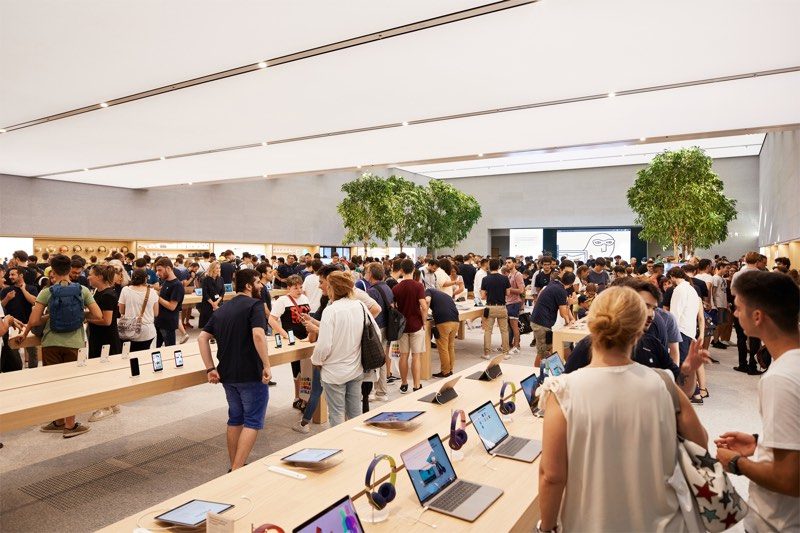
    Apple has launched its flagship in Wuhan, its first retail store in China to feature an Apple Pickup area.  Apple Wuhan is the 54th Apple store in China, as the tech giant continues to expand its footprint in Asia, especially in Mainland China.  The flagship store uses granite floors and wood-trimmed walls to make the store and mall lobby brighter and more transparent. The instore team will help customers with purchasing and personalising their devices, choosing instalment payment plans, using

    The instore team will help customers with purchasing and personalising their devices, choosing instalment payment plans, using eligible devices as trade-ins on new ones, and booking online support.

    According to Apple, its Wuhan staff can speak multiple languages – including sign languages in Chinese and English.

    “Our highly specialised team of experts is looking forward to welcoming customers from this vibrant community starting this Saturday,” said Deirdre O’Brien, Apple senior VP of retail operations and people.

    “This retail store brings new design elements to China for the first time, giving customers more ways to explore ideas, learn more about Apple products, or make it easier to pick up an online order in store.”

  • Apple’s VR/AR headset to use standalone design

    Apple’s VR/AR headset to use standalone design

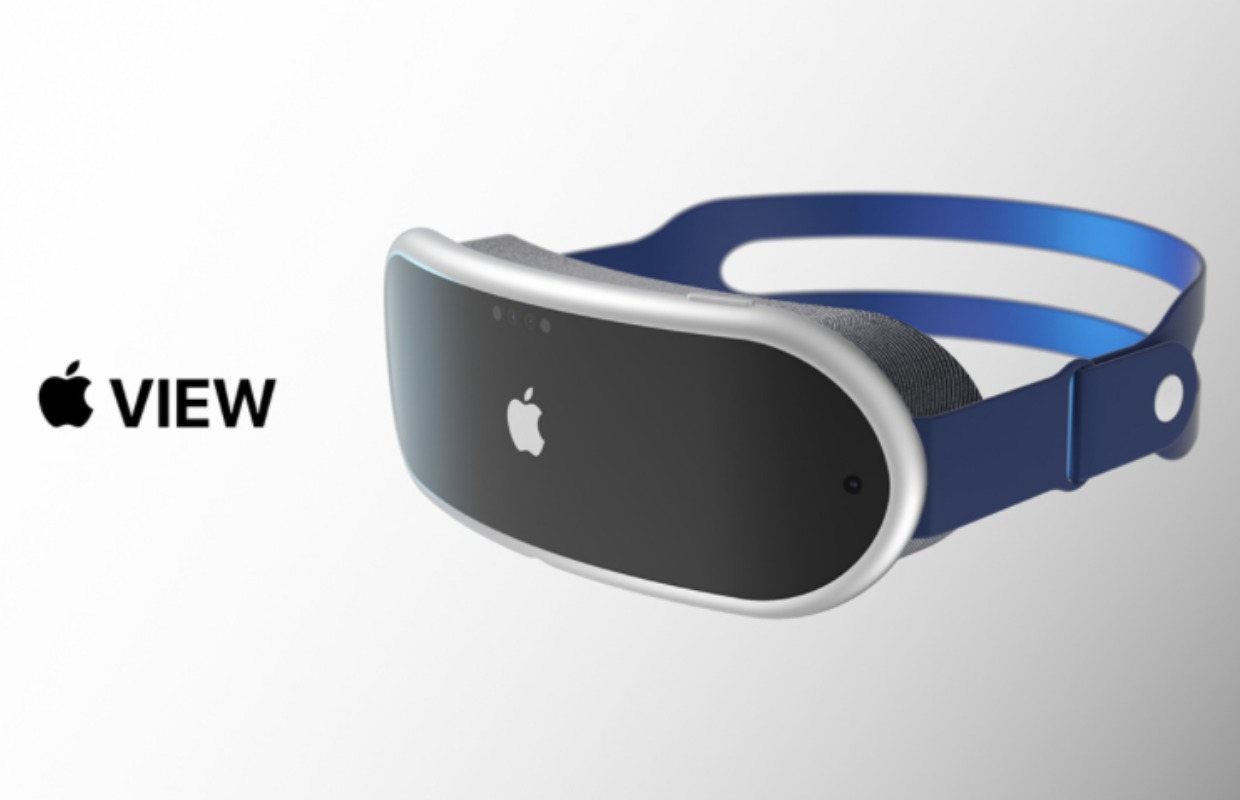
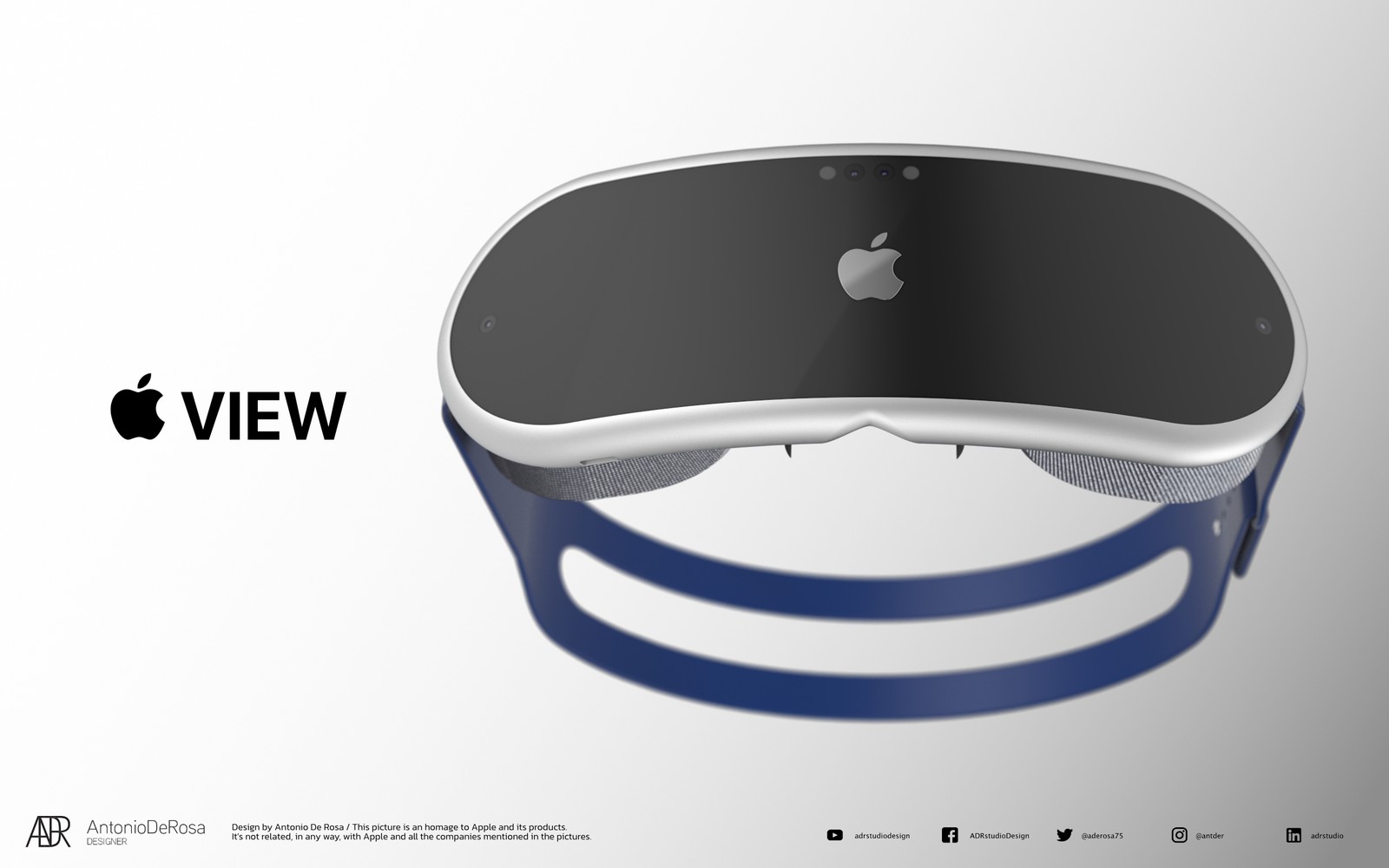
    Apple’s mixed reality headset was recently shown to the company’s board of directors. With mixed reality, the device will support both VR (virtual reality) and AR (augmented reality). The former creates an environment that is all made up while the latter places a layer of data on top of a real-world image. For example, with VR you might find yourself in a room with a large screen television that you can use to play video games.
    The thing is, this room does not exist and neither does the television set. You’ll see it only when you have your mixed reality headset on. Augmented Reality (AR) is currently used on Google Maps. With Live View, the camera on the back of the phone sends images to the display that shows you where you are while arrows are superimposed on the screen showing you which way to turn and pointing out famous landmarks that you’ll be walking past.
    By the time the decision was made to go with the standalone headset, the device’s multiple chips had already been in development for several years. This made it impossible for Apple to start from scratch and go back to the drawing board to produce a single chip to handle all the capabilities of the headset. Other issues have created headaches for hardware and algorithm engineers such as many as 14 cameras on the device.
    The report also delves into former Apple design chief Jony Ive’s continued work on the project which has continued long after Ive left Apple. While Ive prefers a wearable battery for the mixed reality headset (“the best Apple mixed reality headset yet,” as Ive might have said on the new product video), prototypes of the device reportedly have the battery hidden inside the headband of the VR headset.
    Still, it is not known where the battery will be found in the final design of the device. We do expect the headset to use a new operating system called realityOS which was a name we first heard used in conjunction with Apple headgear years ago.
    The mixed reality headsets check off a few flattering and unflattering boxes. Expensive? The price could be above $3,000 and include as many as a dozen cameras to help track hand and head movements. There could be two 4K micro OLED displays and an AMOLED low-resolution display for peripheral vision. Analyst Ming-Chi Kuo says that Apple does not pigeon-hole the device as a gaming platform and that it will sport the best industrial production to date.
    Bloomberg’s Mark Gurman wrote, “Gaming should be a strong focus of the machine, especially given that it will have multiple processors, a fan, extremely high-resolution displays, and its own App Store. Look for Apple to position the device as a dream for game developers. Next, media consumption. I expect Apple to work with media partners to create content that can be watched in VR on the device. Third, communications. Look for Animojis and a VR FaceTime-like experience to be the new-age Zoom.”
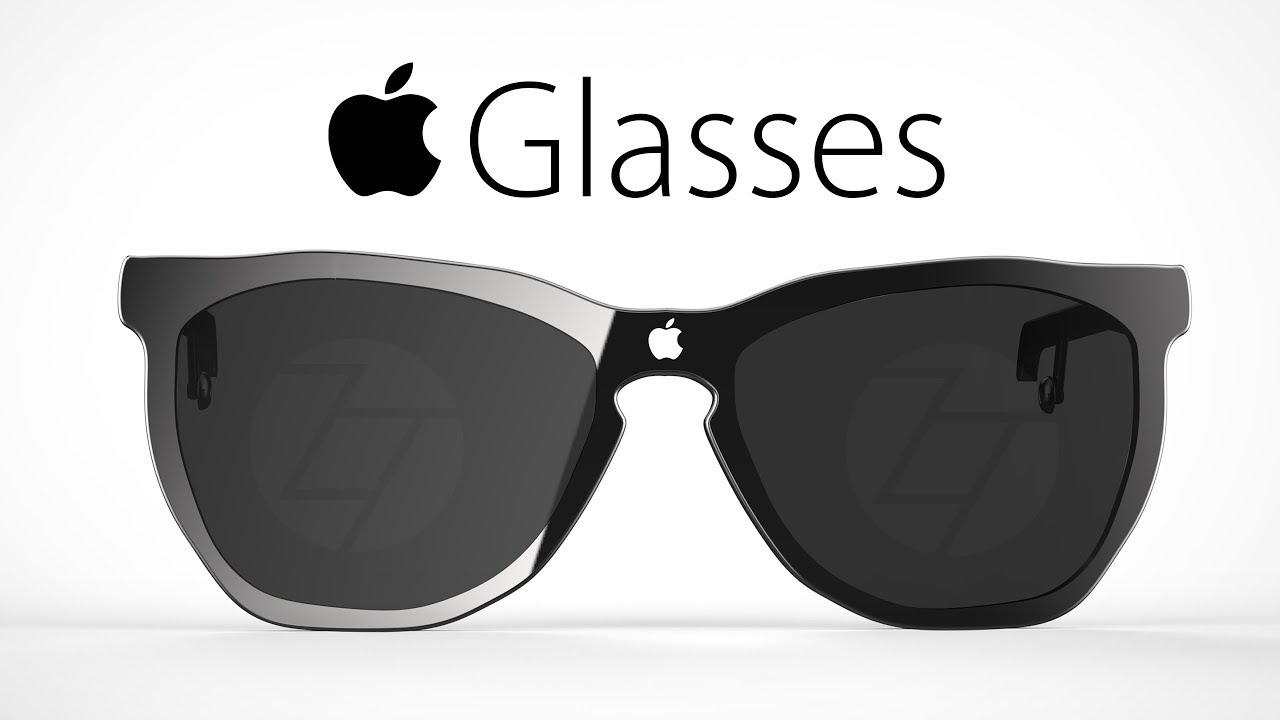
    And a few years after the mixed reality device is released, Apple is expected to launch what many have been expecting to be its next big product replacing the iPhone, Apple Glass. With a design that resembles traditional glasses, Apple Glass would allow users to employ AR to see data through their glasses as they go about their average day.
    At Google I/O last week, Google showed off a pair of smart glasses that looked nothing like Google Glass, the device that helped coin the phrase “glass holes.” The glasses displayed at the event allow a user to slip one on and instantly engage in a conversation with someone speaking another language. If Apple and Google can prove the worth of using smart glasses for this type of content (which would also benefit the hard of hearing) instead of recording copies of first-run movies and selling bootlegged copies of them, then AR glasses could very well be the next big thing.


  • The Apple Glasses AR/VR headset completes engineering tests for a possible 2022 launch

    The Apple Glasses AR/VR headset completes engineering tests for a possible 2022 launch

    According to sources from the Taiwanese supply chain, Apple has already finished the last of the Engineering Validation Tests (EVT2) of its future Glass AR headset that is expected to be launched this year.

    Next in line for the upcoming virtual reality wearable with a fruit logo is reportedly the design validation test (DVT) stage which, if passed successfully, could mean an Apple Glasses release in 2022, despite that recently Mark Gurman, a Bloomberg analyst, predicted that the headgear won’t be landing before 2023 rolls in.

    With Apple Glasses price rumored to be around $3000 for a set of two 8K resolution displays and the necessary Apple Silicon chips needed to process all the visual information in a standalone manner that doesn’t need to be hooked up to a computer.

    Industry insiders out of Korea have tipped that LG Innotek, the company that supplied the cameras for LG’s Android handsets of yesteryear, will be supplying the 3D time of flight (ToF) module that Apple plans to use for their virtual reality headset.

    According to another storied Apple analyst, Ming-Chi Kuo, the Apple Glasses headset specs will include Wi-Fi 6E connectivity in order to provide the huge bandwidth needed to stream all these bits and bytes it will be generating.

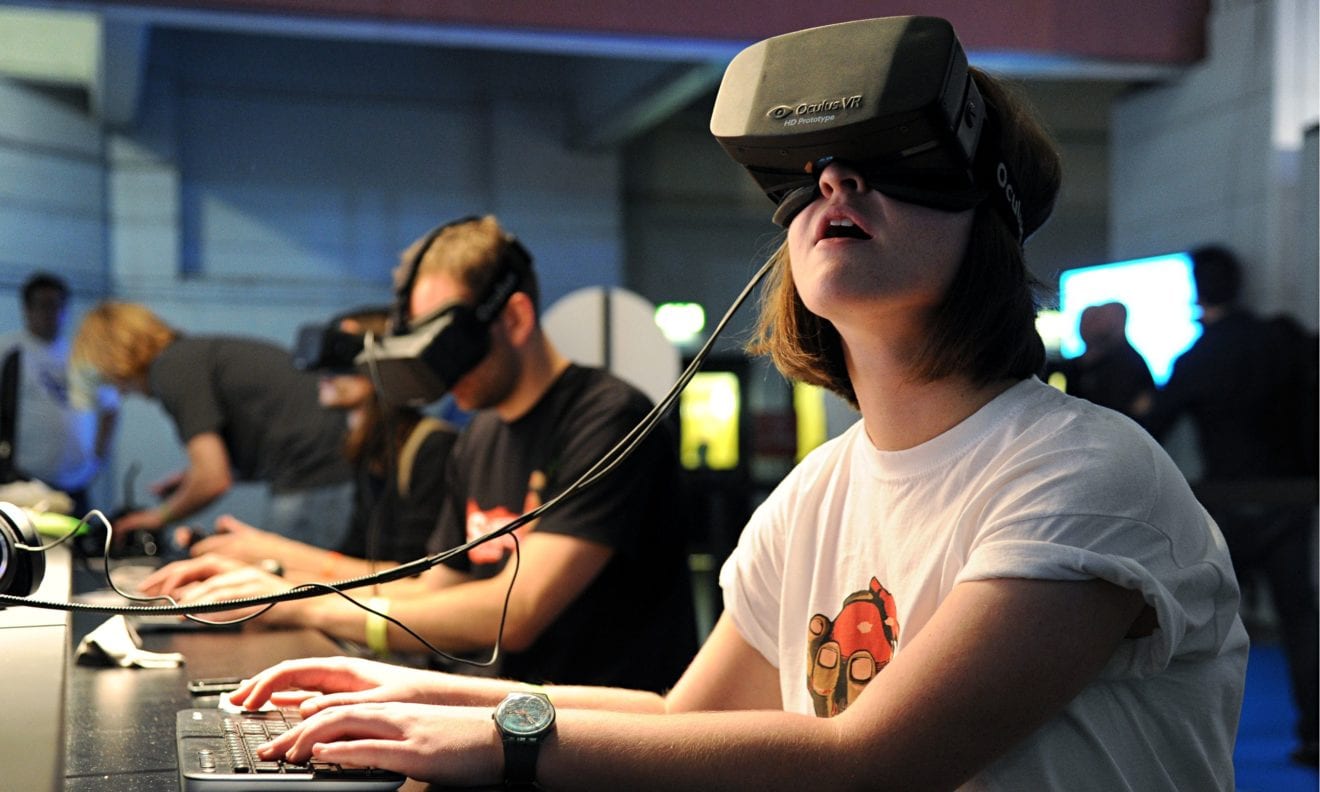
    That’s also not hard to believe, given that there already exists virtual reality gear with Wi-Fi 6 connectivity out there, in the form of Facebook’s Oculus Quest, which allows it to stream at up to 120Hz refresh rates.

    Mr Kuo also claims that three major companies – Apple, Meta, and Sony – will have high-end mixed reality headgear with Wi-Fi 6/6E chips inside, perhaps having in mind the PlayStation VR2 model that is expected to land this year as well.

    If the tentatively named Apple Glasses mixed reality headset is released in 2022, it may have to battle against Facebook (aka Meta)’s own such gear that is rumored to be launched this year as well. The Apple headset will also be “pricey,” according to Bloomberg’s Mark Gurman in his PowerOn Apple-themed newsletter edition, and that price is said to be in the realm of $2999.

    Still, Apple has been talking about the possibilities that mixed reality offers for so long ago, adapting its products and programming SDK packages for a major AR/VR push, that a dedicated augmented reality headset could very well be a gamechanger for the industry, if and when it falls down from that rumored $3000 Apple Glasses price tag.

  • New report hints at the potential power of Apple’s upcoming AR/VR headset

    New report hints at the potential power of Apple’s upcoming AR/VR headset

    Apple’s first genuinely new product in a while is expected to see the light of day in the second half of 2022, and it is the alleged AR/VR headset. The rumor mill has been spilling out all kinds of reports and rumors about the device, one of which reveals Apple’s intent for its implementation.

    More recently, a new report from the well-known and respected tech analyst Ming-Chi Kuo pulls the curtains yet even more. He claims that the headset will be powered by the same 96W USB-C power adapter that comes with the MacBook Pro.

    At first glance, this piece of information might seem boring or even unworthy of being mentioned. However, it could be a showing sign of the power that stands behind Apple’s mixed reality wearable product. Previous rumors say that it will be rocking a Mac-level computing power, which would explain the big power adapter.

    To be more precise, Kuo has stated that there will be two processors that will contribute to the headset’s capabilities: a 5nm chip and a 4nm one, supposedly manufactured by TSMC. He also says that one of the chips will be similar in performance to that of the M1 SoC, while the other will be responsible for all the sensors.

    Needless to say, this first iteration will likely be a very niche product, going for insane amounts of money and reserved for the early adopters and developers. That is why Apple is said to make only a small number of them for 2022.

    That being said, Kuo predicts that the next generation will enter the market with a more competitive price point and slowly become more affordable and available. Tim Cook, Apple’s current CEO, has expressed a tremendous interest in the technology. Significant amounts of investments are being made in both VR and AR, so both are probably here to stay and have some part to play in the future

  • Microsoft to partner with Samsung over HoloLens 3 development

    Microsoft to partner with Samsung over HoloLens 3 development

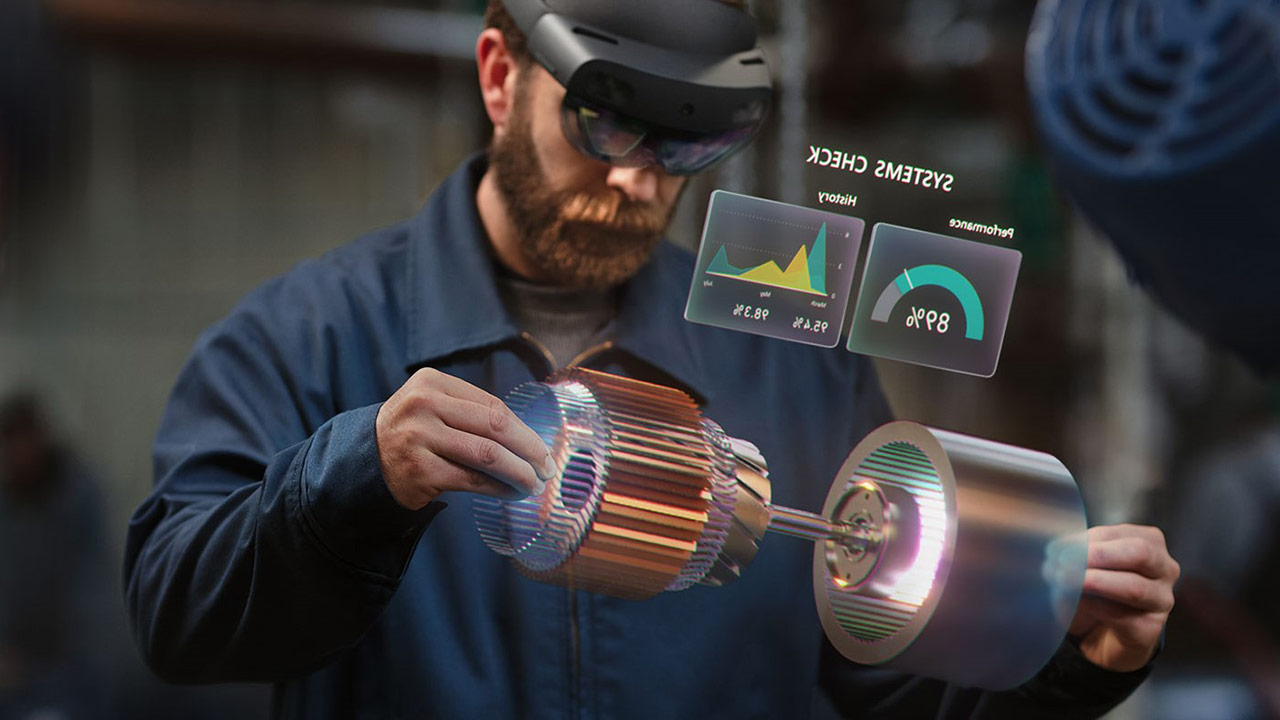
    This summer, Samsung has apparently entered into a partnership with Microsoft over its HoloLens augmented reality project, and the two companies are expected to work on the next generation of the VR headgear for at least two years.

    Microsoft already has a strong partnership with Samsung over preinstalled Office Mobile and other apps on the handsets of the world’s largest phone maker, so taking advantage of its hardware expertise could only be beneficial, too.

    Back in March, Samsung reportedly assembled a task force to probe the viability of the HoloLens partnership, involving multiple departments and has subsequently been given the green light to take on the challenge to be Microsoft’s AT/VR gear maker.

    Commercialization of Microsoft’s HoloLens wearable that takes advantage of Samsung’s engineering prowess will happen after the end of the development contract, in 2024, report the insiders. Samsung’s purchase of AR company DigiLens, along with its display expertise may be what prompted Microsoft to partner with it over the next HoloLens endeavor.

    DigiLens was known for its waveguide technology “used to bend the light from the video playing on a display to the glasses, which is transparent in AR display devices as users need to see the real surrounding around them simultaneously with the virtual items on display.”

    This strongly suggests that the HoloLens 3 may be conceived as a direct answer to the purported Apple Glasses AR/VR headset which is expected to land as soon as next year. Microsoft sold about 200,000 HoloLens 2 devices this year, and it will have to pour a lot of resources to make the third edition stand out as not only Apple, but also Facebook’s Meta, are expected to release their own augmented reality contraptions very soon.

  • Prepare to wait If You Want an Apple mixed reality headset

    Prepare to wait If You Want an Apple mixed reality headset

    Just the other day we told you that reliable TF International analyst Ming-Chi-Kuo told clients to expect Apple’s mixed reality headset to be introduced next year “with the same computing power level as the Mac.” Kuo believes that the device will first see the light of day during the fourth quarter of 2022 and will sport a pair of processors. But even if the device becomes official, you might not be able to buy it immediately.

    When Apple introduces a brand new product, it usually makes eager consumers wait before they can purchase the device. Gurman gives three examples of this. The OG iPhone was unveiled on January 9th, 2007, and released 171 days later on June 29th, 2007.

    The OG iPad was introduced on January 27th, 2010, and released 66 days later on April 3rd, 2010. The longest wait belongs to the OG Apple Watch at 227 days as the timepiece became official on September 9th, 2014, and was released on April 24th, 2015.

    Gurman notes that Steve Jobs has said that he didn’t want the FCC to leak the iPhone during regulatory approval, so he unveiled the smartphone early. But the truth, according to the Bloomberg writer, was that the hardware and software were not ready to be released to the public. Additionally, the iPhone needed to be tested on cell networks.

    The iPad delay was needed to make more e-books ready for the device, and give developers the time needed to optimize their apps for the larger iPad display. Also, Apple needed the time to polish off the tablet’s operating system.

    Apple has some major new devices coming including the mixed reality (AR/VR) headset, the AR glasses, and the self-driving car. Gurman expects the delay between the introduction of the mixed reality headset and the release of the product to challenge the 227 days that Apple Watch buyers had to wait. That’s because the mixed reality headset has a complex design including interchangeable lenses.

    While the mixed reality headset is going to be an interesting product, the AR glasses should be a bigger deal. That’s because Ming-Chi Kuo says that Apple will be looking to kill off its most important product in 10 years and replace it with AR. This looked to be Google’s plan when it released that now-infamous video in April 2012. But Google Glass never replaced the smartphone and anyone wearing the device ended up being called a “glasshole.”

    Google Glass wearers got tossed from theaters (for fear that they were secretly recording the movie being played) and bars (for possibly taking photos of patrons without their permission). If Apple truly sees the iPhone being replaced by AR glasses in a decade, it must be optimistic about wearers not getting the same reaction.

    And Apple might want to get the product out for the public to see before it is handed around to its manufacturing partners and its own employees any of whom might spill the beans about the device. Apple will also need the time to persuade developers to create games for the device. Gurman writes that he can see Apple introducing the product at WWDC 2022 next June with a release date later next year or even into 2023.

    Getting a self-driving car on the streets might be more of an ambitious task for Apple. you can imagine the media sensation any test drive of an Apple Car might produce. After all, testing the car in the U.S. will take years. Using Tesla as an example, Gurman pointed out that the company showed off the Model S in 2009 before it started shipping in 2012. The Model T first saw the light of day in 2016 and was released in mid-2017. And the Model Y was announced in March 2019 and was offered to buyers almost exactly one year later.

    The point is that even if Apple introduces the Apple Car in 2025 as it wants to do, it could still be years before you see the vehicle motoring down the road sans driver.
  • Virtual retail real estate plot sells for a record US$2.4 million

    Virtual retail real estate plot sells for a record US$2.4 million

    A 566sqm piece of prime retail real estate sold online for US$2.4 million this week – but there’s a catch: it doesn’t exist.

    The land is ‘located’ on Fashion Street, a luxury retail precinct in Decentraland, a metaverse where people can buy land, visit buildings, and walk around and meet people as avatars. The buyer: crypto investor Tokens.com which says it plans to use the space to host digital fashion events and sell virtual clothing for avatars.

    The transaction was settled in a cryptocurrency called Mana and the agreed price of 618,000 Mana equates to US$2.4 million in real money.

    Decentraland said the site was the most expensive purchase of a plot of virtual real estate on its platform to date. It comprises 116 smaller parcels, each measuring 4.9sqm taking the plot said to 566sqm of virtual space.

    Decentraland is a specific type of metaverse that uses blockchain. Land and other items in Decentraland are sold in the form of non-fungible tokens (NFTs), a kind of crypto asset.

    Crypto enthusiasts buy land there as a speculative investment, using Mana.

    Andrew Kiguel, CEO of Tokens.com, said the assets would complement the ‘real estate’ already held by Metaverse Group.

    In June, a plot of virtual land in Decentraland sold for 1,295,000 Mana, worth $913,228 at the time. The buyers built a virtual shopping center to sell digital clothing, but Reuters reports it has visited this site multiple times since and has yet to see any shoppers.

    Environments such as Decentraland have grown in popularity this year, as the pandemic caused people to spend more time online. Interest in the concept surged last month when Facebook changed its name to Meta to reflect its focus on developing virtual reality products for the metaverse.

  • Apple and Meta/Facebook war is coming

    Apple and Meta/Facebook war is coming

    There is no denying that Apple and Google are rivals. Think of all the battles they have fought on the field over the dead wallets and credit cards of consumers. There is the iOS vs. Android battle which has been turned by consumers posting on tech forums into the Uncivil War. There are competing apps such as the up-and-coming Apple Maps vs. the currently reigning champion, Google Maps.
    And now that Google has taken the Pixel to a new level for hardware, the Pixel 6 series is a true iPhone challenger. But as Bloomberg’s Mark Gurman reminds us in the latest edition of his weekly Power On newsletter, Apple has a newer rivalry that might lead to another tech war. This rival is Meta Platforms Inc., the company you probably still think of as Facebook.
    It’s not that Facebook and Apple haven’t had verbal battles before and we all remember when Apple CEO Tim Cook told the media that he would never make his customer the product like Facebook does (this came in the aftermath of the Cambridge Analytica scandal that saw 87 million Facebook subscribers have their personal data sold without their permission). Facebook CEO Mark Zuckerberg criticized Apple’s App Tracking Transparency feature for damaging small businesses.
    But now it appears as though the Facebook-Apple skirmish will be more than just a war of words. Back in October, we passed along a photo of a smartwatch that Meta is supposedly going to release next year. With looks borrowed from Apple, the upcoming wearable will also include a camera for video chats. As Gurman points out, if Meta can successfully integrate video chat with its timepiece, Apple will have no choice but to add a similar feature for the Apple Watch using its FaceTime platform.
    Both Apple and Facebook are rumored to release mixed-reality headsets next year. Mixed reality includes both virtual realities (VR) and augmented reality (AR). Facebook, which already makes the Oculus brand of VR headsets, calls its mixed reality device by the codename of Project Cambria. Apple’s mixed-reality product is expected to be a premium device sold at a premium price (in the area of $2,000 Gurman forecasts) vs. the Meta device which will probably be more affordable than Apple’s headset.
    Virtual reality immerses the headset wearer and makes him feel as though he is in a different location and even a different time period. Augmented reality places an overlay over a real-time image. Both companies could feature content for their mixed reality headsets that would allow users to exercise at different venues using VR. As Gurman suggests, Apple could make its Fitness+ exercise app available for its mixed reality headset.
    One area where Apple may or may not decide to get in Meta’s face is with home products. Meta has its smart display and video chat products that it calls Portal and even offers a battery-powered mobile unit called Portal Go. These devices use Facebook Messenger and WhatsApp for video chat and Alexa as its voice-activated digital assistant.
    Apple has its HomePod smart speakers. The full-sized model was released at a ridiculously high price of $349 before Apple slashed the price. A year ago it launched the HomePod mini, which at $99 has seen more demand than the OG model ever did. Gurman says that Apple is about to get more involved in such devices and points out two such products that Apple is rumored to be working on.
    One of the two devices is a smart screen that might end up competing with the Portal lineup, and the Amazon Echo Show. The other product reportedly combines a speaker and a TV set-top box with a camera.
    While the Apple-Google battles have been genteel for the most part, the Apple-Meta battles should be closer to a rough and tumble street fight.
  • Oculus Quest 2 sales paused due to skin irritation issue

    Oculus Quest 2 sales paused due to skin irritation issue

    The Facebook-owned Oculus Quest 2—one of the leading headsets in the world of virtual reality—has been enjoying gargantuan sales this year, with Facebook reporting that this particular model “outsold not just its predecessor, but all of its predecessors combined” in 2021. However, that figure is about to take a hit as all sales of the Oculus Quest 2 have been put on hold for a few weeks due to a safety concern.

    Reportedly, only 0.01% of customers have been experiencing such irritation, with even these cases being very mild in their vast majority. However, a select few of them have been reported as quite severe, and for this reason, Facebook has chosen to pull the entire product and prevent further cases and perhaps a lawsuit in the future.

    This didn’t come out of the blue, however. The Oculus Quest 2 VR headset has been in the stores since last October, and people have been speaking up every so often for a very long time, posting pictures of their reddened skin on social media such as Reddit and Facebook.

    In April, Facebook suddenly addressed the issue, claiming they looked into the matter and found no real concern:

    “After conducting a comprehensive investigation into this issue, we did not find any contamination or unexpected substances in our manufacturing process. We identified a few trace substances that are normally present in the manufacturing process which could contribute to skin discomfort, and while these were already at levels below the industry standard, out of an abundance of caution we changed our process to reduce them even further. We’ve confirmed with expert dermatologists and toxicologists that these levels are considered extremely low. While this issue has only been reported by a very small percentage of Quest 2 users, with these changes, we believe that users are even less likely to experience irritation resulting from any substances in the foam facial interface. We encourage any customer who experiences irritation from using Quest 2 to contact Oculus Support for a facial interface replacement.”

    Somehow, this announcement didn’t fix the very real problem (surprise, surprise!) and many users continued to experience the blistering that whatever chemical was used in the foam seemed to be causing. Finally, a few days ago, Facebook apparently finally decided to face the problem and fix it for users once and for all.

    The company has paused sales of the Oculus Quest 2 on a global level, and the hold will last for a full month—resuming on August 24—while Facebook fits every single Quest 2 box around the world with a protective silicone cover that goes over the problematic foam (which, by the way, is also removable).

    Today, we’re introducing a new silicone cover for all customers globally, including as part of a joint voluntary recall of the Quest 2 removable foam facial interface with the U.S. Consumer Product Safety Commission (CPSC) and Health Canada. In addition, we’ve been communicating with global regulators and are taking the extra step of temporarily pausing sales of Quest 2 globally while we work to include the new silicone covers in all Quest 2 packages. The new silicone cover fits over the Quest 2 removable foam facial interface and starting on August 24, all Quest 2 headsets will come with a silicone cover included in every box. For more information, please visit the Oculus blog.

    Anybody who already owns the Oculus Quest 2 and wishes to get one of the protective silicone covers for free, can simply contact the company by following these instructions published on the official page.

  • Snapchat brings its AR Lenses to Viber on Android and iOS

    Snapchat brings its AR Lenses to Viber on Android and iOS

    Viber and Snap have teamed up to bring the latter’s new AR Lenses to the messaging platform. The partnership will integrate AR Lenses in the Viber app, enable sharing to Snapchat, as well as bring customizable Bitmoji avatars to the messaging app.

    The new feature will offer Viber users AR-enabled video messaging for the first time ever. In addition to bringing AR Lenses to its app, Viber also launched 30 new lenses, including animal masks and characters, an underwater lens, goofy cat interactions, and more.

    At least 20 additional lenses are supposed to be launched every quarter, while businesses will get the chance to create their own exclusive lenses on Viber. Speaking of businesses, Viber has already revealed that FC Barcelona, the World Wildlife Federation, and the World Health Organization will be among its first partners to offer new lenses on the messaging app.

    The adoption of Snap’s Camera Kit, Bitmoji, and Creative Kit will allow Viber to add new features to its messaging app, including instant AR (augmented reality), new filters, expressive masks, beautification features, and customized Bitmoji.

    Viber also plans to offer sponsored and branded lenses to ensure a stable revenue stream. According to Viber, the new features are now available for iOS users in the following countries: Australia, Austria, Belgium, Canada, Denmark, England, Finland, France, Germany, Greenland, Iceland, Ireland, Israel, Italy, Japan, Liechtenstein, Luxembourg, Maldives, Netherlands, Norway, Portugal, Spain, Sweden, Switzerland, and the USA.

    The AR Lenses are only available on the beta version of Viber for Android, but the company promised to make these new features available to all Android users by the end of August. The same goes for Viber users in countries other than those mentioned above.

  • Tim Cook comments on Elon Musk, and AR/VR and Apple Car

    Tim Cook comments on Elon Musk, and AR/VR and Apple Car

    In case you missed it, Apple’s CEO gave a 30-minute interview with Kara Swisher, which is available on all major streaming platforms in the form of a podcast.

    The majority of the conversation revolved around data privacy and security, but they also touched on other important topics for Cook and Apple.

    The boss commented on Elon Musk’s claims that Tesla’s boss offered to sell the company to Apple, but Cook ‘wouldn’t even take a meeting with him’. Apple’s head said he hasn’t met up with Musk, but strongly admires what Tesla’s been able to achieve, touching on the company’s consistency over the years.

    He finally shed some light on Apple’s own electric car! He expressed a strong opinion that ‘autonomous cars are robots’. He said there are many things that can be done with autonomous vehicles and ‘we’ll see what Apple does’.

    When Swisher asked if it is going to be ‘a technology within a car’ or a car, he laughed and avoided answering the question. He said: “We love to integrate hardware, software, and services”. This is indeed a very Apple thing to say. He added that he wants to have complete control of all of the three components, so the final product works as seamlessly as other Apple products.

    Kara Swisher mentioned the upcoming WWDC21 conference with a tagline ‘Glow and behold’, and asked if this sentence is supposed to hint at a VR headset. Cook said that he strongly believes in AR, and he’s already seeing use for it even on a smartphone. Therefore, this is definitely part of Apple’s future plans in a big way.

    When he was questioned about the new administration in the US, Apple’s boss stayed very politically correct, and said that he’ll seek involvement in policy, and not politics (if he does at all).

    The interviewer teased him with a question about people being able to vote from their iPhones, and he was positive about it, underlining the fact that most of our data is already on our phones, so using a phone for voting for the next president, might not be so far fetched of a concept.

    Yet, he doesn’t like the idea of moving into politics, but said he wants to advance work on climate change, job creation and ‘retraining’. He is willing to work with whoever is keen on helping Apple to achieve these goals.

    He also spoke about coming out as gay, highlighting the idea of being able to help young people feel safe about being themselves. He said he is going to speak out about discriminatory laws.

  • Kuo reveals how Apple might keep real life from intruding on VR

    Kuo reveals how Apple might keep real life from intruding on VR

    On Friday, TF International’s crystal ball-wielding analyst Ming-Chi Kuo said that Apple’s AR headset will use eye tracking to detect eye movements, blinks, and other physical movements that will be used to for user input replacing the need for handheld controllers. Kuo’s note to clients on Friday said, “Currently, users primarily operate the Head Mounted Display (HMD), most of which are VR devices, using handheld controllers,” Kuo adds that “The biggest challenge with this type of operation is that it does not provide a smooth user experience. We believe that if the HMD uses an eye-tracking system, there will be several advantages.” The eye movement data can be used to allow images and onscreen content to move in sync with a user’s eayes.

    With eye-tracking, a user could obtain more information about an object by staring at it for a long period of time. Menus might be activated by blinking. And by tracking the position of a user’s eyes, the headset’s resolution could drop in areas that are not in focus thus reducing the demand for processing power where it is not needed. Kuo also said that iris recognition could be used to verify and authenticate the identities of users. The feature could also be used to complete a transaction paid for using Apple Pay.

    Apple has filed for several patents dealing with eye-tracking technology. These could be used on the mixed reality device that Kuo expects Apple to unveil next year for approximately $1,000. The VR component uses 3D and other visual tricks to make it appear that the user is somewhere else and in a situation that feels and sounds realistic. He could be behind the wheel of a race car at a world-famous race track, or in the batter’s box at Yankee Stadium facing a 100 MPH fastball from Marlins’ prospect Sixto Sanchez. With AR, data and information is placed over a real-world image. A user could follow arrows to walk from point “A” to point “B” with the real world view of the sidewalk on the screen. A box could show the time and temperature while a stock ticker could show real-time quotes on the display.

    After next year’s mixed-reality device, we could see the Apple Glass introduced in 2025 with AR contact lenses possibly being developed for a 2030 release. Earlier this month, Kuo said that the mixed reality device will be equipped with 15 cameras along with “innovative biometrics,” He also said that the mixed reality headset will employ Sony’s Micro-OLED displays and optical modules to deliver a “see-through AR experience,” and also provide the user with “a VR experience.” The “immersive experience” on the mixed reality device will be better than those offered by rival headsets at a price equivalent to the cost of a high-priced iPhone model.

    Just Thursday, Apple discussed a patent application that discusses a method that would prevent Apple Headset users from having an accidental impact with real-world objects while VR puts them in a made-up world. In the patent application, Apple writes, “”For example, the user may be fully immersed in VR corresponding to a pre-historic world populated with dinosaurs,” says Apple. “While that virtual pre-historic world may be deficient in living room furniture, the living room in which the user is located continues to include a coffee table.”

    Apple’s previous solution was to tell the user to remover his headset when the reality is about to intrude with the virtual image. But users might not be able to do this fast enough.  “However, as experiences become increasingly immersive, the user may be unable to sense such undesirable interactions fast enough to avoid them,” it says. “Moreover, abruptly removing the electronic device during an experience detracts from that experience. As such, it is desirable to address the concerns related to these undesirable interactions while also minimizing any negative impacts on the experience.”

    Apple’s new solution calls for a picture-in-picture effect to take place. Where the “Apple Glass” wearer is in the era of the dinosaur, using picture-in-picture would allow the user to see a live view of their real-life surroundings. Apple’s goal is to keep the user in the AR experience until he must be alerted to his real-life surroundings.

  • Optimizing Potential of Digital Advertising,  Indosat Ooredoo Launches iAds Service Based on Augmented Reality

    Optimizing Potential of Digital Advertising, Indosat Ooredoo Launches iAds Service Based on Augmented Reality

    The COVID-19 pandemic, which has been going on for over a year, has increased our reliance on digital in our daily lives. This has an impact on the business sector, where enterprises are “forced” to adapt to focus on digital marketing strategies as consumer behavior shifts to digital and online. Therefore, the strategy of running promotions through digital advertising is becoming attractive to enterprise in order to increase brand and product awareness, targeting the right consumers, and increase sales of product.

    As an experienced trusted digital partner, Indosat Ooredoo Business presents an innovative service “iAds” at the 4th Connex Webinar today to answer the promotional needs of these enterprise. iAds is a digital ad platform that is designed by utilizing Augmented Reality (AR), interactive messaging, and mobile video. iAds offers the excitement of advertising and the convenience of using innovative telecommunication media.

    Chief Business Officer of Indosat Ooredoo, Bayu Hanantasena said, “Indosat Ooredoo Business is committed to support the growth of Indonesia’s business sector by utilizing digital technology. Today we launched iAds to support the promotional needs of enterprise to be more innovative through social media and relevant to the current situation. We hope that through the 3 iAds services that we launched today, it will help enterprise not only survive, but also growing rapidly so that they can compete in both local and global markets, as well as supports Indonesia’s digital economy.”

    Through iAds, promotional activities can be more varied and attractive because Indosat Ooredoo Business offers several choices of digital promotion mediums, namely iAds, iAds Biz, and iAds MGram.

    • iAds

    Augmented Reality (AR) technology.

    • iAds Biz

    A broadcast and interactive SMS service solution that responds more precisely to promotional needs for target customers and is easily controlled through a dashboard by enterprise. Regular SMS, Premium SMS, and Interactive SMS are all promotional options provided by iAds Biz.

    • Ads MGram

    Consumers can engage with interactive promotion and digital transformation solutions through images and videos that can be viewed on a variety of mobile phones, feature phone or smartphone. The other benefit of iAds MGram is that it does not require a specific application and can be accessed without internet connection or data packages. Thus, it unlocks vast reach, customer engagement and business possibilities.

    iAds can target more than hundreds of thousands of large and medium-sized companies in Indonesia to inform their products to millions of mobile users as potential targeted consumers. This service is also in line with Indosat Ooredoo’s vision as the Indonesia’s leading digital telecommunication company that encourages a more rapid and effective growth of the digital economy.

    Indosat Ooredoo Connex: Maximizing the Potential of Digital Advertising and Innovation Augmented Reality

    This time, Indosat Ooredoo Company conducted a Connex Webinar with the theme “Maximizing the Potential of Digital Ads and Innovation in Augmented Reality,” continuing the previous series of Connex (Creating Innovation with Expert)

    In addition to presented Bayu Hanantasena (Chief Business Officer Indosat Ooredoo) and Linggajaya Budiman (SVP-Head of Marketing & Channel Management), this webinar also featured a Digital Marketing Specialist who has successfully elevated brand-it’s to the forefront of every industry field, including Levita Ginting (Chair of the Indonesian Chamber of Commerce’s Standing Committee on Franchising, Licensing, & Partnerships), R. Andi Kartiko Utomo (Digital Specialist, former Vice President of QNB Indonesia), and Irawan Soemardjo (Senior Partner of PINC Group).

    The speakers offered insight and addressed the effect of the pandemic on the business sector, shifts in consumer behavior, how Digital Advertising can optimize marketing strategies, the potential for Virtual Reality to improve consumer interaction, and iAds solutions to address consumer needs of promotion for enterprise and marketers during the panel discussion.

    “Hopefully today‘s Connex Webinar can provide a lot of positive information so that we all remain optimistic to survive and grow together in the future even in difficult situations,” Bayu concluded.
  • Facebook to launch smartwatch with focus on fitness, messaging in 2022

    Facebook to launch smartwatch with focus on fitness, messaging in 2022

    Last month, Facebook called Apple a ‘significant’ future competitor. Those comments were understood to be a reference to their respective AR/VR efforts, but a new report adds another layer to the matter.

    The Information reports that Facebook is building a smartwatch as part of its ongoing hardware efforts, which already include Oculus VR headsets and the Portal smart display.

    It will use an open-source version of Google’s Android software and include its own cellular connection, meaning owners won’t need to rely on a smartphone for internet access.

    Feature-wise, the Facebook watch is set to focus on messaging through Messenger and other Facebook platforms. The social giant is also planning several fitness & health features including the ability to track workouts and connect to services from Peloton and others.

    Facebook’s watch, which will have to compete with top smartwatches from Apple and Fitbit, is scheduled to launch in 2022 with a successor planned for as soon as 2023. We don’t know how much it’ll cost yet, but the company will reportedly price it near the cost of production.

    This ultimately suggests that Facebook is more interested in collecting valuable user data that can be leveraged with future services than generating profit through hardware sales.

    Whether the Facebook smartwatch will succeed remains to be seen. Facebook has a poor track record when it comes to user privacy, so handing over health data to the company might be off-putting for consumers.

  • UBS Mulls VR-Based WFH Traders

    UBS Mulls VR-Based WFH Traders

    UBS is reportedly exploring the option for traders to work from home through simulated experiences via virtual reality headsets.

    The bank is experimenting with creating a trading floor simulation for its London-based staff, according to a report, using Microsoft’s HoloLenses.

    If people really can’t come to the office, can we create a virtual presence?» said Beatriz Martin, head of U.K. at the bank. «We are thinking about experimenting with the tools that are out there.

    The HoloLenses are a head-mounted unit that uses multiple censors, advanced optics and holographic processing that display information and images that can blend in with the real world.

    UBS’s work-from-home efforts extend beyond just its trading operations or the European region. The Swiss bank has already launched a «UBS Workspace» platform which allows employees to have mobile-based access to any files or the information in the exact same format at any time and place.

    Within Asia, 90 percent of employees are able to work from home via «UBS Workspace» with three-quarters of all staff across wealth management and investment banking already being enabled by the platform.