Retail News CRM

Tag: ar

  • Hugo Barra leaves Xiaomi to join Facebook

    Hugo Barra leaves Xiaomi to join Facebook

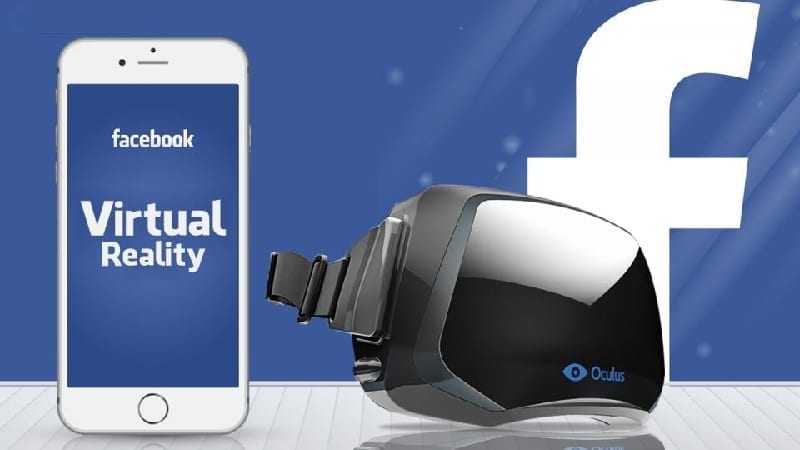
    Hugo Barra, the international head at Xiaomi, is returning to Silicon Valley to head Facebook’s VR efforts, after spending three and half years in Beijing leading the Chinese smartphone maker’s global division.

    The announcement was made by Facebook head Mark Zuckerberg via his Facebook page last Wednesday.

    “I’m excited that Hugo Barra is joining Facebook to lead all of our virtual reality efforts, including our Oculus team,” Zuckerberg said in an announcement made in virtual reality.

    Barra will spearhead virtual reality efforts as Facebook’s VP of virtual reality. His relationship with Zuckerberg goes back years to when he broke ground on the Android operating system.

    More recently he worked at Xiaomi’s Beijing office as VP of International, serving as the face of the company and taking active part in product launches. Barra joined Xiaomi in 2013 from Google, where he worked as head of product management for Android, to oversee the company’s international expansion.

    Barra’s appointment comes over a month and a half after former Oculus CEO Brendan Iribe stepped down from his position in order to assume a leadership position within the company’s VR group.

    Telstra’s Cynthia Whelan to chair Foxtel

    Telstra has appointed group executive of new businesses Cynthia Whelan as the new chairman of Foxtel, the Australian incumbent’s 50/50 pay-TV joint venture with News Corporation.

    Whelan replaces Robert Nason, who retired from Telstra in 2015 and has been Foxtel chairman since June 2012. She has been a member of the Foxtel board since September last year.

    “Cynthia Whelan is an ideal chairman for Foxtel and will provide suitable leadership for the organization as it navigates a period of intense competition and technological evolution. She has significant experience in Australia and overseas in senior management and director roles,” Telstra CEO Andrew Penn said.

    Telstra’s partnership with News Corp over Foxtel allows Telstra to appoint the pay-TV firm’s chairman, while News Corp has the management control.

    Whelan will assume her new role on February 17. Telstra CFO Warwick Bray is also on the Foxtel board and the company will soon appointed a third director to replace Nason, the telco said in a statement.

  • Youku picks Nokia for 3D 360 VR content

    Youku picks Nokia for 3D 360 VR content

    Youku in China has chosen the Nokia OZO VR ecosystem of technologies “to bring the most immersive” VR content to the more than 500 million monthly active users engaged in its online video platform which has daily views of more than 1.1 billion.

    Youku users and content creators are promised the ability to experience and share the highest quality VR content including natively captured spatial audio.

    “China is one of the most progressive VR markets in the world with an appetite for high-quality virtual reality experiences that is enormous and growing,” said Paul Melin, VP of digital media at Nokia Technologies.

    Youku will use the entire OZO VR solution, which includes the OZO Camera, OZO Software Suite, OZO Live and OZO Player SDK in the creation and distribution of content ranging from film and television to news and documentary, as well as professional user-generated content featuring Youku’s top talent.

    Youku will be the first Chinese content producer and distributor to have fully integrated the Nokia OZO ecosystem of technologies.

    Also, Youku will integrate Nokia’s OZO Player SDK and OZO Audio solutions, which are designed “to deliver a superior consumer experience,” into all its platforms, mobile apps and consumer offerings, enabling its enormous audience to enjoy 3D 360 degree VR.

    The OZO Player SDK allows VR professionals to create amazing VR app experiences on most major platforms with a single, unified development interface. Full-featured reference players are also included in the SDK for all supported platforms.

    The multi-platform OZO Player SDK is now available in a free version as well as a Pro tier with more features and larger deployment options.

  • AI to fuel smartphone sales rebound in 2017

    AI to fuel smartphone sales rebound in 2017

    Consumer purchases of smartphones dropped to a three-year low in 2016, but Accenture believes sales will rebound this year, fueled by demand for new capabilities including AI-driven digital assistants.

    A new global Accenture survey finds that the expected resurgence will be also fueled by the introduction of better security, new functions, improved performance and device refresh schedules.

    Accenture polled 26,000 consumers in 26 countries. Results show that more than half (54%) of consumers surveyed said they plan to buy a smartphone in the next year, up from 48% in last year’s survey.

    Chinese consumers are the main drivers of this upturn, with three-quarters (74%) of respondents in China saying they intend to purchase a smartphone in the coming 12 months, up from less than two-thirds (61%) in last year’s survey.

    The number of respondents in India and the United States who said they plan to buy a smartphone in the coming 12 months also increased by double digits over last year, to 79% in India (from 68% last year) and 52% in the United States (from 38% last year).

    Among all consumers surveyed, the leading driver of purchase intent is the ability to access the newest and most innovative features and functions, cited by 51% of respondents in this year’s survey, compared with only 41% last year.

    Another reason consumers are opting to buy new smartphones is the inadequate performance of their existing devices, cited by 45% of customers this year – up from 33% last year.

    “Improved features and falling prices are key reasons consumers around the world are signaling a desire to buy new smartphones,” said David Sovie, global managing director for Accenture’s Electronics and High-Tech business.

    “Growing acceptance of services powered by artificial intelligence, such as voice assistants, is also fueling this market upswing. 2017 will be the year when artificial intelligence goes mainstream in consumer devices.”

    For the first time, the annual survey polled consumers about their intentions to buy digital voice-enabled assistants such as Amazon Echo and Google Home. Powered by artificial intelligence, the products recognize a human’s voice commands, such as ‘Turn on the light’ and ‘Play music’ and answer questions such as ‘What time is it?’ and ‘What is the temperature outside?’

    While only 4% of the respondents said they own such a device today, two-thirds (65%) of these said they use their device on a regular basis, showing strong acceptance of this new technology.

    Voice assistants on smartphones are also becoming increasingly popular as the AI technology powering these services has improved dramatically. Younger consumers are leading the adoption, with more than four in five (84%) of 14-to-17-year-olds saying they either use this technology today or are interested in doing so.

    Consumers are also willing to embrace a wide array of potential AI-powered, personalized services, with a majority of respondents saying they are interested in personal health assistants (cited by 60%), smart trip assistants (59%) and entertainment advisors (51%).

  • Sony Pictures signs VR content deal with Nokia

    Sony Pictures signs VR content deal with Nokia

    Nokia and Sony Pictures have inked a new multi-year worldwide agreement whereby the latter will use Nokia OZO hardware and software tools to explore the creative potential of virtual reality production and distribution.

    The studio will also integrate the OZO Player SDK into Sony Pictures Home Entertainment’s Privilege Plus app, available through Google Play.

    “VR is a fast growing medium that is rapidly changing how we communicate and bringing a deeper connection to how we experience content,” said Paul Melin, VP of digital media at Nokia Technologies. “We’re thrilled to partner with Sony Pictures and its talented storytellers to apply our technology and create experiences only possible with OZO — like 3D 360 live VR broadcast.”

    Nokia will collaborate with Sony Pictures and provide equipment and VR technology to support the creation of special VR content. Sony Pictures will also leverage OZO Live to transport fans to Sony Pictures events that they couldn’t otherwise attend.

    OZO Live allows content creators to produce fully immersive live experiences through 3D 360 degree video and audio playback technologies.

    While the OZO solution offers many advantages for content creators, it also extends several benefits for playback. OZO Player SDK will be integrated into Sony’s Privilege Plus app, which will bring unique content straight to fans.

    The OZO Player SDK allows professionals to create amazing VR apps and experiences on any major platform. The SDK supports the creation of immersive apps with the highest quality playback of OZO content including 360 spatial audio, while also providing support for standard VR video and audio formats.

  • Six Flags is Blazing a Trail to Vietnam

    Six Flags is Blazing a Trail to Vietnam

    John Odum is President of the company’s international division. He believes the country’s growing tourist market and rising middle-class make it a land of opportunity for Six Flags. “The dynamics fit nicely with what we bring to a market,” he says. Odum embodies the American dream – he joined Six Flags Over Georgia as a costumed character when he was just sixteen.

    He knows the business inside out, having worked his way through the ranks in a number of departments including operations, finance and retail. Among his many roles, he has been President of Six Flags St. Louis and Six Flags San Antonio before a stint in the corporate world, overseeing lesser parks from an operational perspective.

    “And then, a couple of years ago, Jim Reid Anderson, our CEO at the time, came to me and asked me if I’d be interested in starting up the international division of Six Flags,” he says.

    “We felt that, domestically, we were very strong and solid. We had found a good business model that had been working well for several years, and we were ready to take that step internationally.

    “That brings me to where I am today. In my role as the President of our international division, we are really leading the charge in finding new markets and building new parks and bringing Six Flags to the world.

    “In the 43 years that I’ve been with Six Flags I’ve experienced a lot of different things. It’s been quite exciting. It’s great to be able to take that depth of experience and spread it throughout the world.”

    Lands of Opportunity

    Asia’s theme park industry, while growing quickly in certain regions, is broadly still very much in its infancy.  This is particularly true of Vietnam, which has so far escaped the attention of any of the big-hitters.

    Yet, despite being under the radar, Odum believes it is ripe for theme park development.

    “It has a growing middle class with an increasing propensity to spend. It also has a travel market that’s starting to feed Vietnam. We really think the dynamics fit nicely with what we bring to a market.”

    What’s more, detailed psychographic research in the area has revealed that, despite what one might expect, people already ‘get’ the Six Flags brand.

    “What we’ve found is our brand is so well-known, much more so than any of us had anticipated it might be. People know exactly what we are: we are all about thrill.

    “People tell us they’re eager to see the biggest and best rides. Some say ‘I’m not sure I’m ready to get on the largest and the best – but I love seeing other people do it.’

    “We’ve got such a diversity of rides that it really gives a thrill to all ages. We feel we’re a good fit for a region that’s really growing very quickly.”

    The Six Flags Franchise Model

    “The business model that has been found to be optimal for Six Flags and its partners is a franchise-type model. With this, the chosen partners take on all capital investment in the park, while Six Flags charges a fee for bringing the brand name and licenced IP.

    “We will bring the management expertise to the park. The right people that understand the safety that is so critical to our business, and understand how to operate a strong financial model while protecting that safety. Nobody does safety better than we do.”

    “Six Flags will also bring the design and project services, helping design the park, its layout, overseeing construction and procuring the rides.

    “They will gain the value of all of our negotiating clout – we buy rides so much more cheaply than anybody else; they get the benefit of our buying power.”

    Because Six Flags does not invest any money, it costs them nothing to enter these partnerships. It also gives the new operators the flexibility to run things in a way that suits their particular market.

    “Most of our partners are interested in a bigger resort development.  They may be adding hotels, they may be adding retail, dining and entertainment and all of the other resort amenities,” explains Odum.

    “What this model allows them to do is to operate a little differently from the way we would. If they want to put heads in beds in the hotels, they might discount the park a little bit more, or run ‘specials’ at times that we might not normally be open.

    “There are no operating encumbrances on the way they can operate the park when we go in with a franchise-type model like this.

    “We think it’s the best for both partners. It seems to be working really well so far.”

    The First Six Flags Theme Park in China

    Six Flags has already announced its first theme park in China. It will be located in Haiyan on the coast of Hangzhou Bay in Zhejiang province.

    China is already well-served by big name brands such as Wanda, DreamWorks and Disney. However, Odum insists the market is a long way from reaching anywhere close to saturation point.

    “In the US, we have about 300 theme parks the size of a Six Flags park or larger. These serve 320 million people. In China, there are around 150 parks of this size or larger, serving 1.2 billion people.

    “When we look at the sheer numbers, we feel there’s tremendous untapped potential for growth and development of this market set. Especially as we see this growing middle class. We also see the family size growing from the single child to the multi child family and as we see the middle income growth and prosperity that is developing in China.”

    “In fact, I would say the Chinese theme park industry is probably where the North American theme park industry was 20 or 30 years ago. We feel like we’re moving in at the right time and there are tremendous opportunities for this market.”

    Chinese Love the Regional and the Thrill

    Odum dismisses the generally-held belief that China is less interested in thrill rides than other markets. He cites data from recent psychographic research:

    “What that market told us is. We love thrills in all different forms. And, with Six Flags, while we’re known best for our world record roller coasters and the larger rides, it comes in all forms. There are a lot of smaller types of rides that are unique to Six Flags.

    “The ability to match up that different level of thrill to the different components of a family, we believe, is really a thing that will help us grow and prosper in the market.”

    “The Chinese know Six Flags. They are very eager for Six Flags to come to China,” he says. “One of the things they have also told us they especially like about Six Flags is the fact that we are a regional theme park. Each of our parks is different and built to focus on that region of the country.”

    Unlike the giant brands that reproduce the same model time and again, each Six Flags park will be customised to a particular region, taking on the local culture, the local foods.

    “Yet, we will also offer enough Western experience that they will get a sense of the best of both worlds,” says Odum.

    Relevant Storytelling

    Odum believes that storytelling relevant to the local market will be crucial to each park’s success.

    “One of the first things we do when we go into a region is send in a team to study the history and culture. They talk to the people of the area and try to understand the types of things that they hold important in their history; the things that they like to honour.”

    “What we have done for our first theme park in Haiyan is to take a section of our park and replicate the local ancient tale of a sailor who went off to sea while his girlfriend stayed behind waiting on him.  There’s this whole story of how he went through battles and adventures then came back to meet her and they lived happily ever after.

    “We’ve replicated the entire story. Everything from the big ships and the sailing town, and all those things that make that story come to life.”

    But, he says, it is still very much a Six Flags park:

    “There are sections of the park that reflect much of the Western culture. There are things the Chinese might enjoy learning about North America.”

    Rising Customer Expectations in a Tech-Savvy Market

    Customer expectations are constantly changing in the light of developing technology. This is particularly true, Odum says, across much of Asia, where the market is innovative and tech-savvy.

    “This is another reason why they really like Six Flags. It is because they see us as being on the cutting-edge of technology,” he says.

    “We were the first in the entire industry to introduce VR in our rides. We went into our roller coasters and partnered with Samsung and RealD 3-D and Oculus. Then we put together an experience that cannot be replicated anywhere else.”

    “We took some of the older rides intentionally. They weren’t quite as popular. We created storylines, and we created these virtual worlds. In some you’re a fighter pilot, and some we’re adapting to our Hallowe’en experiences and you’re fighting gargoyles.

    “As we get towards the holiday in the park you’ll be flying in Santa’s sleigh. There are a lot of ways that we can use VR. We can really take some of the older rides and bring them into a new world.”

    VR – Lifting Existing Rides to the Next Level

    Technology has also been used to take some of the newer rides to another level.

    “The Superman ride is popular. We have been able, through VR, to create an opportunity for people on the Superman ride to literally fly with Superman.”


    “We were pitching this concept to the head of the licensing with Warner Brothers. After we had taken him through it, he sat back and said: ‘You know what? The reason I joined DC Comics and Warner Brothers was because as a little kid I had always wanted to fly with Superman.’ He was one of the first ones on the ride when we introduced it.

    “VR is one of the many different things that we are doing to really take the entertainment of the theme park industry into this new world.”

    Dubai Parks and Resorts

    A Six Flag theme park is currently in development at the UAE’s mammoth leisure destination, Dubai Parks and Resorts.

    “It’s just an unbelievable market,” says Odum. “When I first visited seven or so years back it had tremendous potential. I was amazed at what the city was. And then, when we came back a second time. I was blown away at how far it had come in those few years.

    “We had studied the market early on. I think we realised this is a burgeoning market that is just growing like none other in the world.”

    The economy has largely recovered from the effects of the global recession. This had put ambitious developments such as Dubailand on hold.

    “I think, in that earlier phase, they were growing so very rapidly so it probably hit them harder,” he says.

    “When things settled to a more positive economic climate and we went back in, it is just unbelievable what they are doing to develop that market.  I’m especially excited about the resort that DPR is creating. We will be one of four major theme parks in this resort. There will be tremendous retail, dining and entertainment, a world-class resort and many other amenities including a large upscale outlet mall that really fills this out as an entertainment mecca.

    “Dubai is bound in intent to be the Orlando of the Middle East. They are well on their way to doing just that.

    “We’re going in with some of our biggest and best; we’re excited in that development because each of the parks fills a unique niche.

    “As long as there’s a unique niche filled, instead of dividing the pie into more pieces, you just make the pie bigger,” says Odum.

    “And, a rising tide raises all ships.”
  • Porsche Customers Most Satisfied Overall

    Porsche Customers Most Satisfied Overall

    The Porsche brand has ranked highest among all nameplates, according to the latest J.D. Power 2016 U.S. Sales Satisfaction Index (SSI) Study released today. The brand also placed higher than all other luxury manufacturers for the second consecutive year. Porsche improved upon its 2015 standing by 72 points to capture the overall ranking for the second time in the 30-year history of the SSI Study.

    The SSI Study measures satisfaction with the sales experience among new-vehicle buyers and rejecters — those who shop a dealership and purchase elsewhere. Buyer satisfaction is based on four measures: working out the deal (25%); salesperson (19%); delivery process (16%); and facility (15%). Porsche ranked highest among all automotive brands across all four categories. Rejecter satisfaction is based on five measures: salesperson (10%); fairness of price (4%); experience negotiating (4%); facility (3%); and variety of inventory (3%). Porsche improved this year in the areas of price, facility and inventory.

    “Customer satisfaction is our highest priority in our endeavor to deliver a unique and rewarding Porsche experience,” said Klaus Zellmer, President and CEO, Porsche Cars North America, Inc. “We pride ourselves on building exciting and innovative sports cars, but our success is ultimately measured by the approval and appreciation of our customers. I would particularly like to thank our dealer partners who have made it their mission to provide a benchmark experience for their clients who are purchasing a Porsche.”

    The 2016 SSI Study is based on responses from 28,979 buyers who purchased or leased their new vehicle in April or May 2016. The study is a comprehensive analysis of the new-vehicle shopping and purchasing experience and measures customer satisfaction at U.S. dealerships.

  • China Unicom developing 5G VR streaming tech

    China Unicom developing 5G VR streaming tech

    The China Unicom Network Technology Research Institute is working on a new use case for advanced technologies including 5G and VR – panoramic VR streaming of live video using drone technology.

    China Unicom and wireless broadband technology provider Baicells are developing a prototype mobile edge computing VR live video technology using Artesyn Embedded Technologies’ MaxCore mobile edge computing acceleration platform.

    The technology uses the emerging panoramic video collage algorithm and transmission protocol to provide VR video streaming from drones equiped with 360-degree high-definition cameras.

    Users can manipulate their perspective in real-time, providing a more immersive live VR experience.

    “This end-to-end solution can be applied not only to concerts, sporting events, films and other entertainment industries, such as the Mid-Autumn festival, live CCTV broadcasts using VR panoramic technology, but it can also be applied to public safety, emergency communication, UAV inspection, and much more,” Baicells research director Mingyu Zhou said.

    “We believe China Unicom and Baicells’ joint research and development can help users experience live HD VR video transmissions more quickly and smoothly.”

    “MEC provides a distributed computing environment for application and service hosting, bringing cloud technologies closer to the RAN and ultimately, closer to consumers,” Artesyn marketing VP Linsey Miller added.

    “Carriers are telling us that for these applications they need telco-grade features, which is Artesyn’s expertise.”

  • Launch of Indonesia’s First Samsung Galaxy Studio Experience Center

    Launch of Indonesia’s First Samsung Galaxy Studio Experience Center

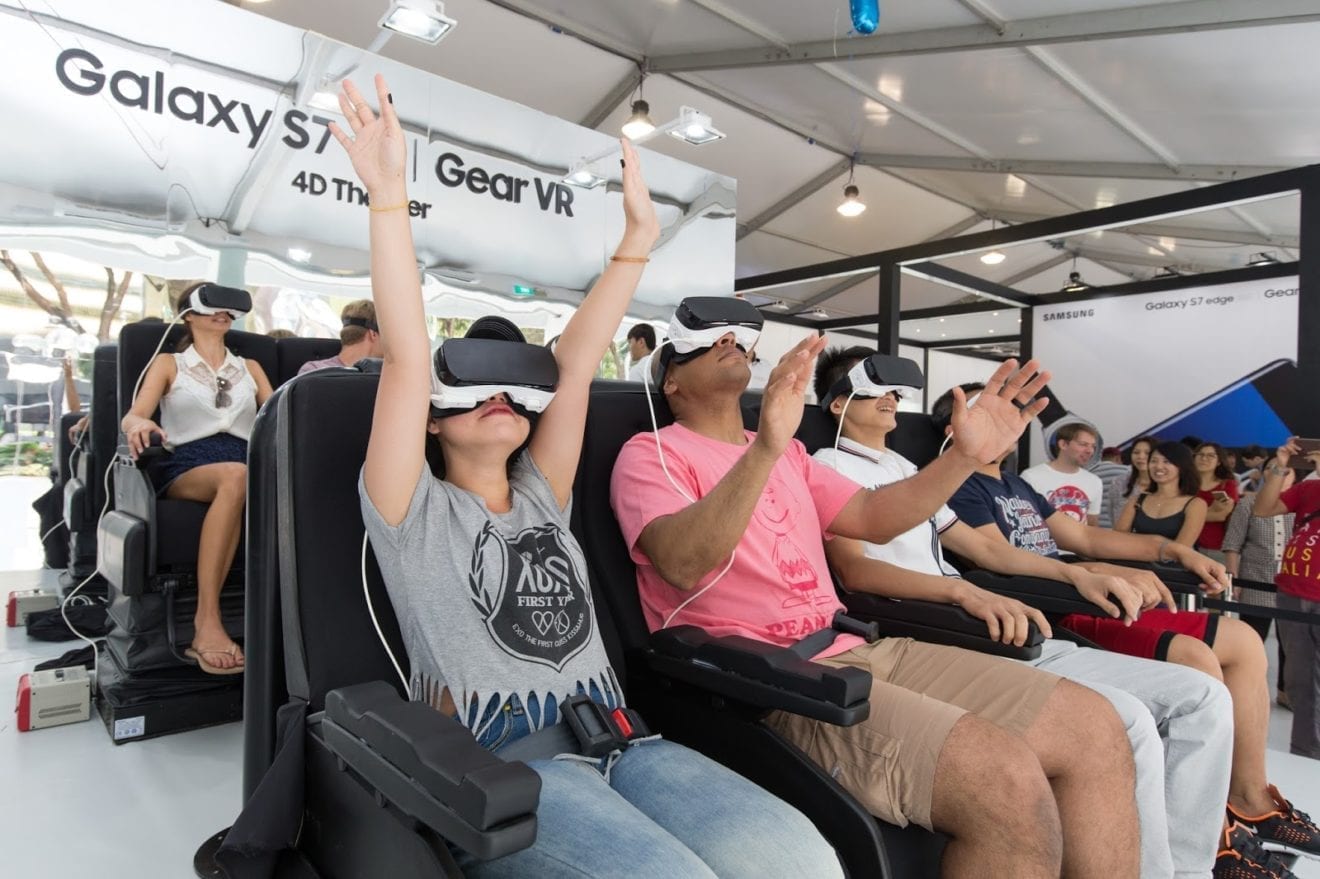
    The latest Samsung gadgets that can be connected to handsets are available for customers to view and purchase. Not only Galaxy smartphones and tablets are on display, but also the entire Galaxy ecosystem, such as the Gear VR and Gear S2, as well as other Samsung products. Data packages are also available to provide internet access as well as digital content to make it easier for customers to access the digital world.

    The Galaxy Studio Experience Center, located at Indosat Ooredoo’s store at Sarinah in Central Jakarta, has a new design that has never been used by other network operators. It is also more spacious to allow better interaction between customers, who can enjoy experience a digital lifestyle, such as iflix video streaming on a big screen and music streaming on Spotify.

    IM3 Ooredoo subscribers can also purchase data packages such as Freedom Combo, Freedom Postpaid and Super Plan, to watch TV shows and films on iflix for hours without using their main data quota.

    The experience center is a strategic cooperation between the two companies to support retail sales. Indosat Ooredoo and Samsung both have the vision of giving customers an enjoyable and satisfactory experience with the Studio Experience Center.

    Indosat Ooredoo director Joy Wahjudi said the experience center was established to provide a one-stop service for Indonesians.

    The two companies are both committed to establishing experience centers to enable customers to obtain information and try out the latest products and services.

    “We aim to also establish studio experience centers in other Indosat Ooredoo stores,” Joy said.

  • Xiaomi announces its first VR headset

    Xiaomi announces its first VR headset

    Xiaomi is broadening its already expansive range of products by venturing into virtual reality for the first time.

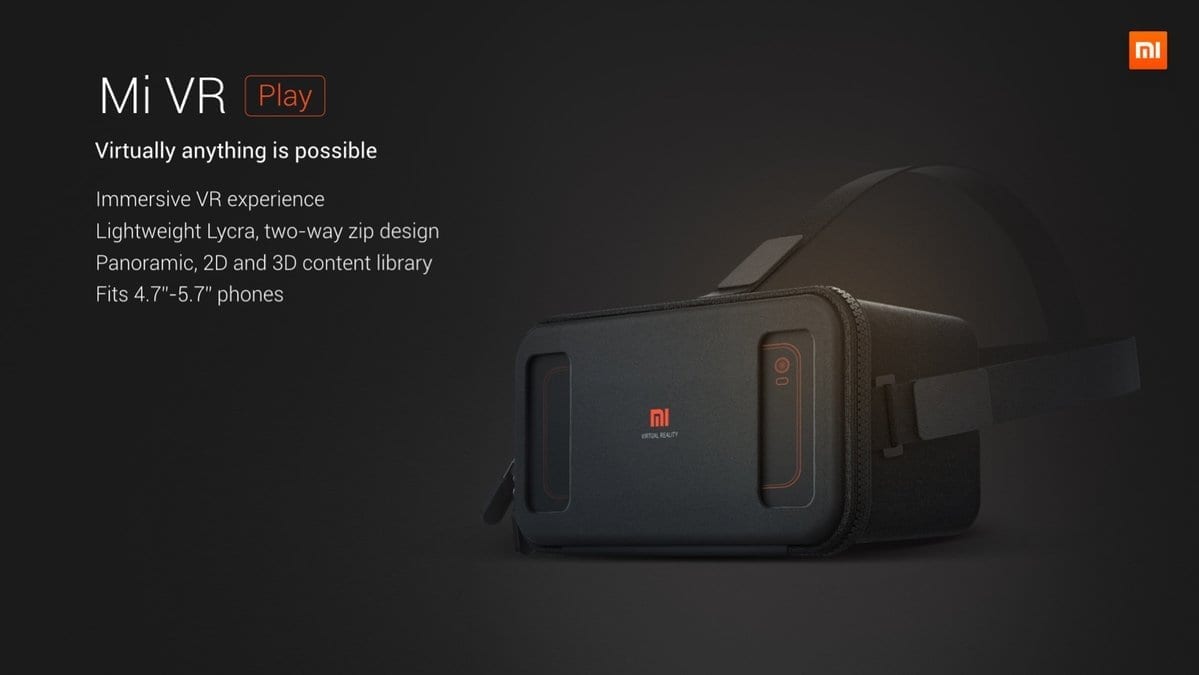
    The company today announced the Mi VR Play, an “entry-level” virtual reality headset that it hopes can open this new exciting medium to new audiences because not everyone has thousands of dollars needed to set up an Oculus Rift or HTC Vive. Democratizing technology is the thesis behind most of Xiaomi’s competitively priced products, including the $550/$750 notebook announced last week that will rival Apple’s Macbook in China.

    This new device recalls Google’s super-cheap and super-simple Cardboard VR headset. It is fairly basic in nature; you pop a smartphone into the lycra-built body then open Xiaomi’s Mi VR app, which contains VR content from selected partners that include Conde Nast Traveler and YouKu, “China’s YouTube.” Xiaomi pledged to invest $1 billion in video content, including VR, last year, so that library is sure to get bigger over time.

    Here’s how Xiaomi describes the headset:

    Mi VR Play has significantly improved upon the design typically used in similar VR products — it is wrapped in lightweight, durable Lycra for long-lasting comfort. In the future, Mi VR Play will also be available in a selection of bold prints and colours for even more stylish options. The unique two-way zipper helps to ensure compatibility, providing a secure grip on a wide range of 4.7- to 5.7-inch smartphones. At the same time, the dual openings on the front allow for slight positioning adjustments and ventilation.

    Here’s the catch — you can’t go and buy one, even if you’re in China.

    Xiaomi is making it available to a limited number of beta test users, who signed up on August 1 when Xiaomi put out a call for volunteers. One million users signed up in just eight hours, the company said, but Xiaomi has selected just a fraction of those — likely “tens of thousands,” a representative told us.

    For those lucky ones accepted into the test program, the Mi VR Play will cost just RMB 1 ($0.15).

    Xiaomi told us that it has plans to make the headset more widely available in the future, but there’s no schedule for that right now. Along those lines, it isn’t clear how much the headset will cost once it is on sale to all. We suspect it won’t be RMB 1, sadly.

  • DHL rolls out global augmented reality program

    DHL rolls out global augmented reality program

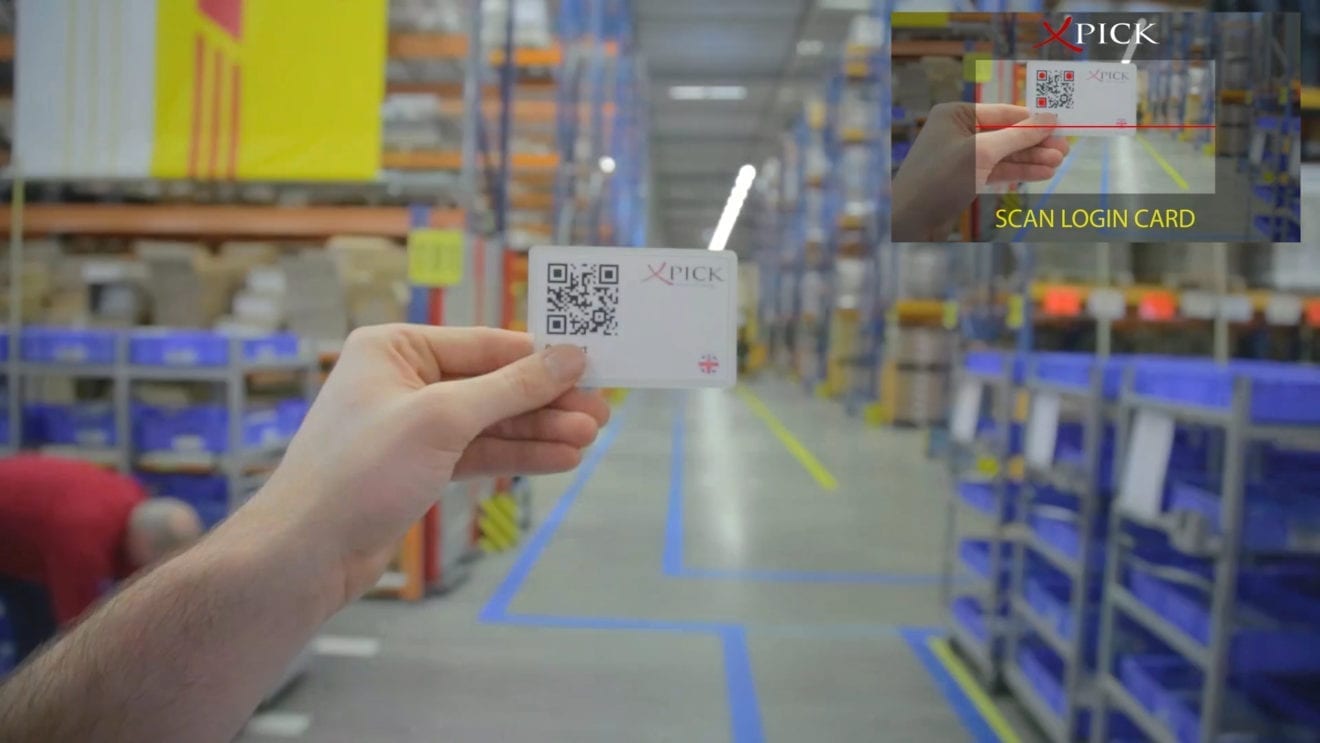
    DHL Supply Chain is rolling out the next phase of its Vision Picking Program following a successful trial of the augmented reality technology in the Netherlands. Since the trial, DHL and partners Google, Vuzix and Ubimax have refined the vision picking solution and DHL is now expanding the program across different industry sectors on a global scale, forging another step forward for augmented reality solutions in logistics.

    “We are excited to further test and develop vision picking as a solution that can be readily available to our customers. More importantly, this technology is not just one step towards digitalizing manual processes on the shop floor, it also takes us one step closer towards Industry 4.0. Testing technologies like augmented reality, robotics and Internet of Things will continue to be a big part of our DNA,” said John Gilbert, CEO Supply Chain.

    Pickers are equipped with advanced smart glasses which visually display where each picked item needs to be placed on the trolley. Vision Picking enables hands free order picking at a faster pace, along with reduced error rates. Throughout 2016, the smart glasses will be piloted across various industries such as technology, retail, consumer and automotive industries. The data available from these pilots will further determine the technology’s potential for broader implementation. The pilot sites are spread across the United States, Mainland Europe and the United Kingdom, with the Ricoh facility in Bergen op Zoom, the Netherlands, where the solution was first tested, being the launch site for this new exploration phase.

    “The Vision Picking Program is DHL Supply Chain’s first translation of what augmented reality solutions can look like for supply chains. The broad spectrum in which the technology can be applied across various sectors is exciting to us, and the potential of this technology for business is still largely untapped. We believe this program is a game changer in how we run our supply chain operations and deliver added value to our customers,” states Markus Voss, CIO Supply Chain.

    Augmented reality market with exceptional potential growth

    The augmented reality and virtual reality market is said to be the next big thing after smartphones, although estimates vary significantly. Goldman Sachs estimate in their base case $80 billion for both virtual and augmented reality by 2025, while M&A advisory firm Digi-Capital predicts a total volume of $150 billion by 2020. Regardless of the actual size, exceptional growth seems to be certain if the current success of mobile app Pokémon Go is anything to go by. Investors are also convinced of the technology’s prospects, having made 225 venture capital investments worth $3.5 billion in the last two years.

    DHL Supply Chain will be one of the first companies to widely implement the technology into their operations. The initial 2014 test in the Netherlands showed a significant increase in productivity, reduced error rates and overall rise in employee satisfaction, proving that augmented reality can make an impactful difference in reality.

  • Baidu, NVIDIA enter self-driving car alliance

    Baidu, NVIDIA enter self-driving car alliance

    Chinese internet giant Baidu and GPU maker NVIDIA have teamed up to use artificial intelligence in the creation of a cloud-to-car autonomous car platform for local Chinese and global car makers.

    The partnership combines Baidu’s cloud platform and mapping technology with NVIDIA’s self-driving computing platform to develop solutions for HD maps, Level 3 autonomous vehicle control and automated parking.

    “We’re going to bring together the technical capabilities and the expertise in AI and the scale of two world-class AI companies to build the self-driving car architecture from end-to-end, from top-to-bottom, from the cloud to the car,” NVIDIA CEO Jen-Hsun Huang said.

    NVIDIA and Baidu have a long history of working together on AI. Using GPUs, Baidu researchers such as Andrew Ng have achieved some of the key breakthroughs that have made the modern AI boom possible, spawning hundreds of startups over the past few years.

    Amidst the growing excitement over the future of AI, Baidu and NVIDIA continue to share a common goal of using AI for the good of society.

    “We can start applying these capabilities to solve the grand challenges of AI, one of which is intelligent machines. One of the intelligent machines we would like to build in the future is the self-driving car,” said Huang.

    He said that meant making driving safer, significantly reducing the number of traffic fatalities, while making transportation accessible to all — including the disabled, elderly and children.

    Developing a fully autonomous car is an end-to-end systems problem — from the in-car supercomputer, to AI algorithms, to an always-updated 3D map in the cloud, said Huang.

    The solution is expected to be available to local Chinese automakers as well as global brands.

  • Tata Comms launches VR/AR prize for F1 racing

    Tata Comms launches VR/AR prize for F1 racing

    Tata Communications has launched a new competition focused on how VR and AR technologies can make Formula 1 racing more immersive for fans.

    The 2016 F1 Connectivity Innovation Prize is also designed to help the teams work more effectively together in the run-up to and during each Grand Prix.

    The aim of the $50,000 prize is to inspire fans worldwide to harness their technical know-how and passion for F1 racing to drive innovation in the sport through two technology challenges.

    Tata Communications is the official connectivity provider of Formula 1, enabling the sport to seamlessly reach its tens of millions of fans across the globe.

    The first challenge, set by Formula One Management, calls on technology enthusiasts to develop a solution that uses VR and AR to enable fans at home to experience a Grand Prix virtually.

    The solution should allow fans who are not at the live event to immerse themselves into the world of F1 racing, from the pit lane and the Formula One Paddock Club, to the drivers’ parade and the starting grid formation.

    “We want to give as many fans as possible the opportunity to experience first-hand the thrill of a Grand Prix – and VR or AR could enable us to do just that,” said John Morrison, CTO of Formula One Management and one of the judges.

    “These technologies represent the next big innovation opportunity for the sport. In the not-too-distant future, they could enable fans to get virtually transported to a Grand Prix, complementing and enriching the race experience,” said Morrison.

    Julie Woods-Moss, Tata Communications’ CMO and CEO of its NextGen Business, said that in the last two years, the F1 Connectivity Innovation Prize has grown into a major platform for showcasing the huge potential of data and superfast connectivity in boosting F1 teams’ competitiveness, and in bringing fans closer to the sport.

    “We now invite fans from all over the world to share their ideas for how VR and AR could take fan engagement to the next level,” she said.

  • Isobar showcases latest VR and brainwave technologies at CES Asia

    Isobar showcases latest VR and brainwave technologies at CES Asia

    At CES Asia 2016, which opens today, Isobar will be showcasing BVRAIN and UMood, two marketing innovations from Isobar, which demonstrate the agency’s capabilities in leveraging new technologies to provide brands with innovative marketing solutions.

    BVRAIN are VR goggles that visualize the activity and emotions of the human brain. After a short scanning process, users are able to see a real-time abstraction of their brain in compelling and interactive 3D visuals. The system outputs emotional values based on the user’s brain activity. These values are also mapped onto the corresponding areas of the brain. 

    In addition to visualizing people’s minds, BVRAIN also allows for brain adaptive games and content. In a coin collecting VR game, users are able to see obstacles based on their brain activity. The entire journey will also be generated by their actual brainwaves, opening up a whole new area of adaptive gaming.

    BVRAIN is the brainchild of Isobar Shanghai’s NowLab. The first application of BVRAIN was launched for Coca Cola’s Innovation Center at Wanda Theaters in major cities across China in April 2016.

    NowLab is a new initiative by Isobar’s global network to accelerate innovation through technology. NowLab’s objective is to enable quicker application of world-class innovative technologies in clients’ brand marketing and create an innovative brand experience for consumers. Isobar’s NowLab project teams in 14 offices worldwide are currently collaborating on international product and technology development, striving to create innovative programs for clients and employees.

    Francis Lam, Head of NowLab and Chief Innovation & Technology Officer of Isobar China, commented: “Technology is a crucial component of today’s market innovation. Using an unprecedented approach to discover the potentials of technologies, NowLab is committed to providing innovative human-machine interfaces, multi-screen interactions and various indoor/outdoor environments when our clients and consumers need us the most, in order to deliver a variety of unique and realistic innovative solutions. By combining VR with brainwave technologies, BVRAIN can create innovative, experiential programs for brand communication.”

    UMood, a smart product selection system developed for UNIQLO by the Isobar Australia and Dentsu Science Jam, a Dentsu Aegis Network company, also debuted at the exhibition to provide visitor with a cutting-edge user experience which recently grabbed headlines in Australia and the region.

    UMood is the first of its kind product selection tool, which uses neuroscience to help match customers’ moods with the perfect T-shirt. Consumers wear a neuro headset to watch a series of images and videos on the screen. The headset uses neuro analysis, measuring their brainwave reactions to the stimulus, to determine the user’s mood and subsequently make product recommendations based on that mood.

    Sven Huberts, Managing Director for Isobar Asia Pacific, said: “We don’t believe in using technology for technology’s sake. When we are addressing a client’s business challenge, we are constantly looking for new ways to elevate the brand experience to deliver value to that particular challenge. UMood is a good example of what a Brand Commerce solution can look like, whereby you’re bringing points of inspiration and points of transaction ever closer together.”

    Following last year’s successful debut at CES Asia™, Dentsu Aegis Network has expanded its presence at CES Asia this year, attending the world’s top consumer electronics show. The three-day event will see the network present 12 consumer marketing innovative products, doubling its presence last year. These products are owned or co-created by Dentsu Aegis Network offices in Australia, China, India and Japan. These technologies are centered on the theme of “Empower the Extended Self”, by using latest digital technologies including VR, robotics, facial recognition and real-time emotion analyzers.

  • Alibaba taps VR to enhance shopping experience

    Alibaba taps VR to enhance shopping experience

    The global virtual reality market to grow at a rate of 96% by 2019, according to a new report made available by Research and Markets.

    VR is being adopted in a wide variety of applications ranging from healthcare, gaming devices, public entertainment, prototype creation to military exercises.

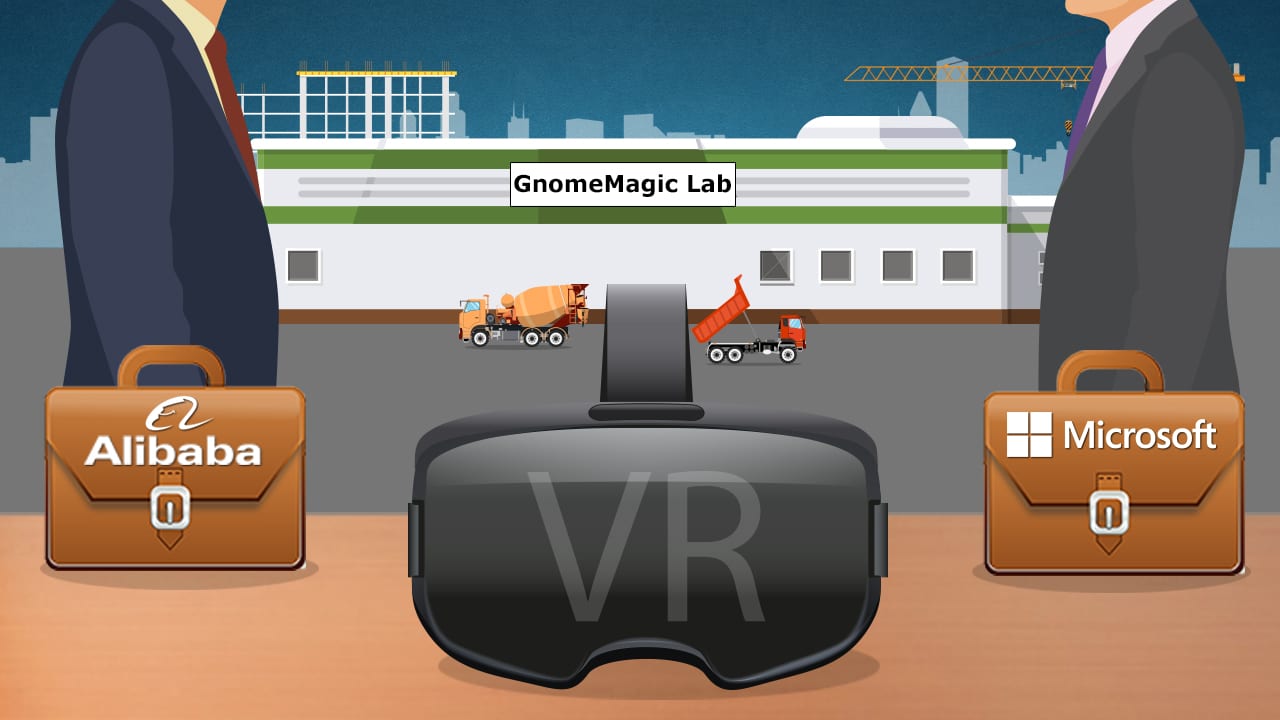
    Chinese e-commerce giant Alibaba has now set up a research lab as it looks to use VR to enhance the shopping experience for its 400 million users.

    The company is also exploring how VR technology can be applied to its other services, including online games and video streaming, according to reports.

    Head-mounted displays have created opportunities for VR in a number of applications. A head-mounted display consists of an image source, collimating optics, and a mechanism to mount the device on the head.

    The device is wearable, and projects images and information relative to the user’s line of sight in front of the user. A report on the HMD market predicts growth of 49% over the next five years.

    Virtual reality devices, which are compatible with smartphones, can help users by providing specific information about their requirement on-the-go, without pulling out their portable devices. This technology is expected to commercialize in 2016 and could be worth $2.30 million in 2016.

    Alibaba has already created three-dimensional visuals for hundreds of products and will issue standards for merchants to create VR-enabled shopping options. It is also said to be working on creating music and videos.

  • New 4K Version of Kodak PixPro SP360 Action Cam available in SE Asia

    New 4K Version of Kodak PixPro SP360 Action Cam available in SE Asia

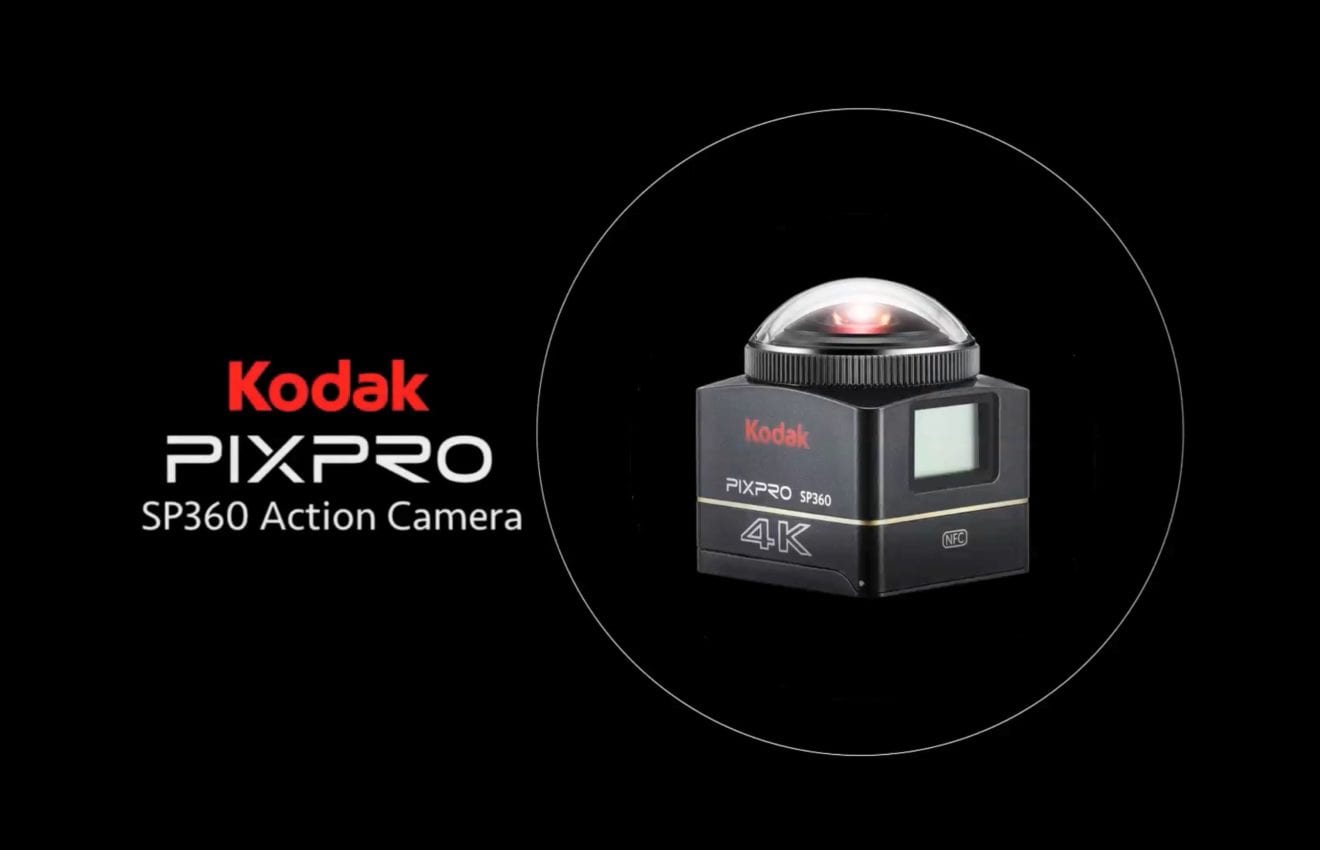
    JK Imaging Europe Ltd., the worldwide licensee for KODAK PIXPRO Digital Devices, has unveiled the extraordinary, evolutionary new KODAK PIXPRO SP360-4K Camera, the world first and most complete 4K recording device to capture stunning 360° immersive videos and still images without the need for multiple cameras.

    With so much excitement over the KODAK PIXPRO SP360 Action Camera and with countless gleaming reviews and praises by tech and lifestyles editors, it is no surprise that the SP360 is on the forefront of leading technology helping YouTube content creators to share their world with 360-degree videos.

    Indeed the creator of the world’s first 360-degrees cameras was also recognized by Google for being one of only a handful of devices to support YouTube’s recently launched support for 360-degree videos. Using the Pixpro free PC and Mac desktop editing software for the SP360, video enthusiasts can now transcribe any video created with a press of a single button to the YouTube 360-degree format and upload content seamlessly to their YouTube Channel creating Virtual Reality movies. YouTube channel is abundant of 360-degree videos taken with the KODAK PIXPRO SP360.

    The SP360-4K Camera captures 360-degree field of view in multiple directions via its dome-shaped lens design and can be panned not only 360-degrees horizontally, but also up and down with a host of different vantage points and views for playback post-capture. It is easy-to-use and small enough to fit in the palm of a hand or pocket for extreme portability.

    ‘The KODAK PIXPRO SP360-4K revolutionises video recording and how you see and experience the World All Around You. This is the next step to Evolution for 360-degrees Cameras,’ said Mariame Cisse, marketing manager of JK Imaging Ltd. ‘You can now create the most pristine videos and photos in 4K and Direct and Act your own Virtual Reality movie,’ she continued.

    KODAK PIXPRO SP360-4K is a magical piece of lens that captures 360 degrees angle All AROUND YOU, YOU ARE PART OF THE ACTION. The KODAK PIXPRO SP360-4K no doubts BRINGS YOU CLOSER.

    Previously, 360° panoramic photography required users to possess advanced technique, specialized equipment and multiple cameras until JK Imaging released last year the SP360 Action Cam and changed the way we view the world, with this new SP360-4K designed for professionals it has Evolved into another dimension.

    Last year release of the first KODAK PIXPRO SP360 was received with great acclaimed by the press and especially by the sport/action people as it was designed for them in mind to answer the challenge of recording themselves and the action at the same time without the use of several devices.

    Engineered for unmatched portability and ease of use, the new KODAK PIXPRO 360-4K has been designed with the professionals in mind, and is full packed with technology that opens it to endless applications.

    Innovations to the Quad Mode makes it a true partner as a Security devices and the flat magic mode allows Estate agents’ customers to virtually visit a property. The KODAK PIXPRO SP360-4K comes with a video conference feature and LiveView which enables participants to see in real time the world around them and be part of it. The SP360-4K Brings You Closer. Distance is no longer a limit.

    The KODAK PIXPRO SP360- 4K has been designed and engineered to solve day to day challenges presented by professionals with the use of its split viewing 180-180 degrees as it can be used as a dashboard camera to record the subject and all around you.

    With its stylish and sleek black design, it is NFC and Wi-Fi enabled so it can be used everywhere and anywhere. It features 10 different viewing modes that bring images and content closer to the user’s fingertips, resulting in a very personal and professional experience.

    A custom-design LiveView allow users to participate in events on the other side of the planet and still keep the data extremely secure. With its motion detection feature users will never miss an action.

    Powered with BSI Image sensor, high quality and high speed ensures better videos, with 12MP BSICMOS sensor and advanced optics the device help capture rich, detailed images now in 4K (2880:2880), and added features including time-lapse video, burst mode as well as 4K photos.

    Like its predecessor, the KODAK PIXPRO SP360-4K comes with a wide range of attachments (over 12) from waterproof housing (up to 60m) to flat adhesive suction mount and remote control.

    JK Imaging Europe is very pleased to be at the forefront of this technology with a 360-degree camera that action lovers, professionals and content developers are asking for.

    Our new SP360 4K enables you to enrich your communication with your friend, family, and co-workers. It just “BRINGS YOU CLOSER.”

    The KODAK PIXPRO SP360-4K will be sold with varying accessory bundles depending on geographical region. It will be available in October this year in Europe.